Advice
Gallery 1
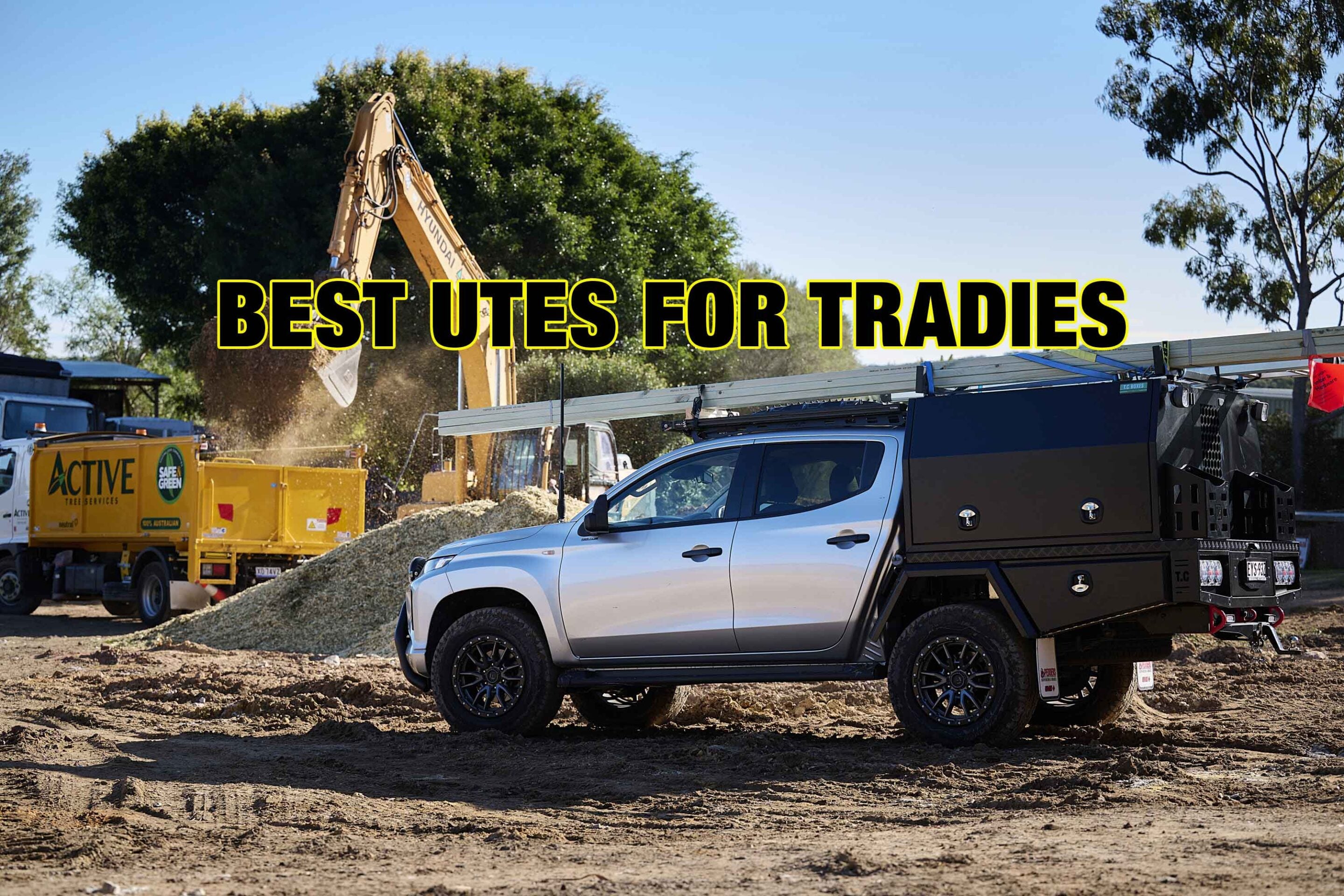
The gap between a good tradie ute and a great one rarely shows up on a spec sheet. The real separation comes once the tray is bolted on, toolboxes are mounted underneath, and the rig is covering ground between job sites in heat, dust and stop-start traffic all day.
That last part matters more than most ute guides acknowledge. The majority of working tradies are not running factory tubs. They are running aluminium trays with under-tray toolboxes, or full canopy builds with drawers and shelving, or stripped-back cab-chassis setups fitted out for a specific trade. The ute beneath it all needs to be chosen with that fitout in mind, not as a passenger vehicle that happens to carry tools.
This guide focuses on the specific variants that make sense for tray-back and toolbox-equipped trade use. That means cab-chassis availability, payload headroom after the fitout, fitout flexibility, and long-term durability under sustained load. Cabin refinement matters less here than it does for a site manager’s comfy transport. Reliability and how much usable payload is left once the tray, boxes and gear are on board matter more.
The fitout decision comes before the ute decision
Most tradies get this backwards. The tray and toolbox configuration should drive the ute choice, not the other way around.
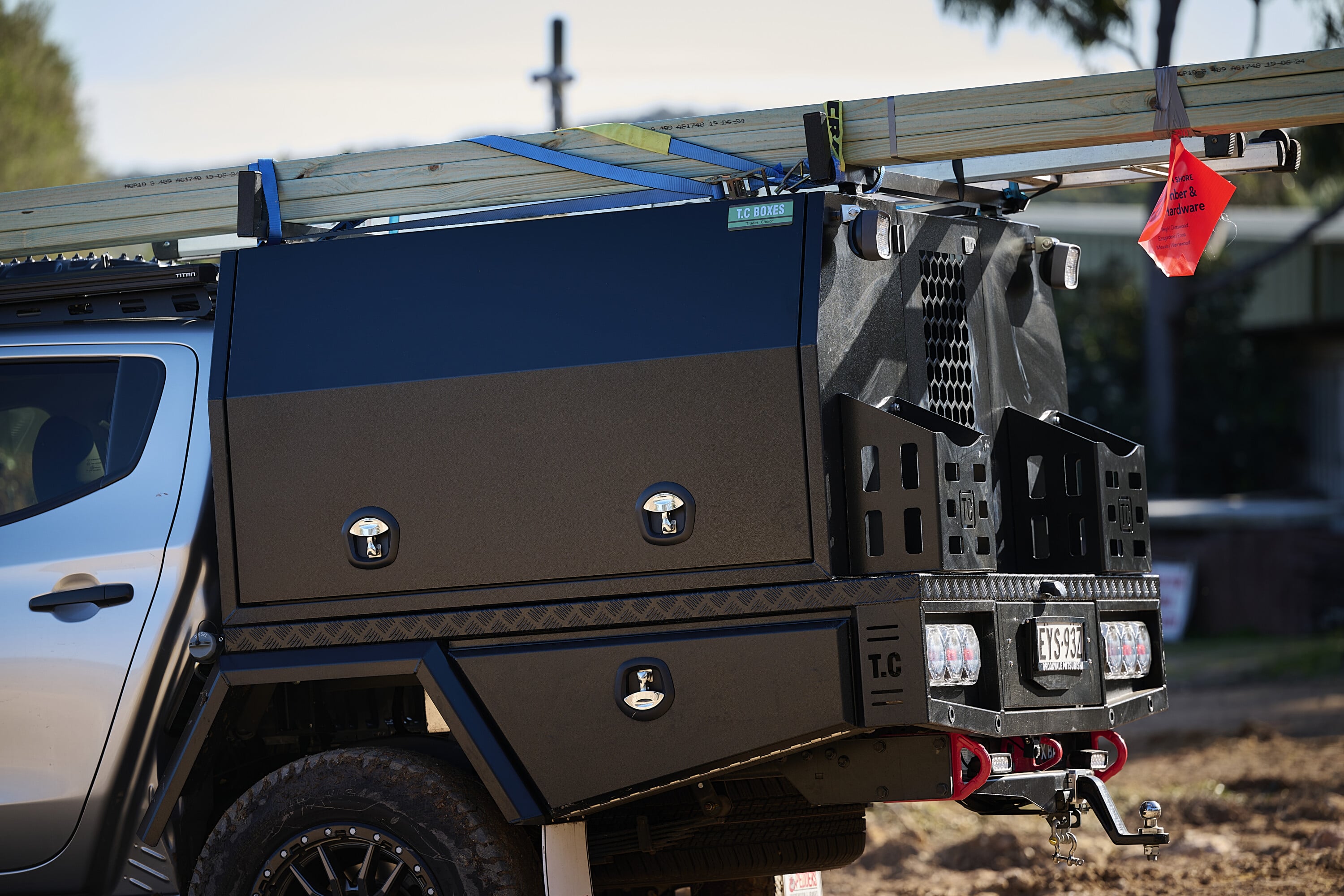
There are three practical fitout tiers most working utes end up in. The first is a flat aluminium tray with under-tray toolboxes bolted beneath the deck, leaving the full tray surface open for materials, equipment and larger loads. This is the lowest-cost, most flexible setup and the one that preserves the most usable tray space. Under-tray boxes in aluminium are straightforward to mount with U-bolts and basic hand tools. No fabrication required. A set of Ironman 4×4 side steps or a bash plate while you are at it and the rig is work-ready without a body shop involved.
The second tier is a cross-tray or full-length toolbox sitting on top of the tray. These bolt down without professional installation, suit tradies who need quick access to hand tools without climbing into a canopy, and are available off the shelf from most auto and trade suppliers. Aluminium over steel is the right call for payload reasons. A decent pair of aluminium under-tray boxes adds 30-40 kg to the build. The steel equivalents can be double that.
1
The third tier is a full canopy build with integrated toolboxes, shelving and drawers. This is the most useful setup for electricians, plumbers and service technicians who need organised, weather-sealed storage for a full kit. An ARB bull bar and winch on the front, long-range tank underneath, canopy and drawers in the back: each item makes sense in isolation, together they add up fast. It is also the heaviest and most expensive option, and the weight adds up faster than most tradies expect.
Weigh up your intended fitout before committing to a ute: the finished build weight directly determines what payload is left for passengers, fuel, materials and gear. Fitment requires a body shop or fitout specialist. The tub comes off, the tray goes on, and the tail lights, reverse camera and fuel filler all need relocating. Get a quote from your intended fitout shop before you order the ute, not after.
The GVM implication of all of it: Know your payload number before you buy the ute, and know what the finished fitout will weigh before you order the tray. The utes rated at higher payload are not all equal on paper and they are definitely not equal once the real-world build is done. Cab-chassis variants generally offer more flexibility here because they start without a tub, which saves the disposal cost and occasionally frees up a little more payload than the dual-cab pick-up equivalent.
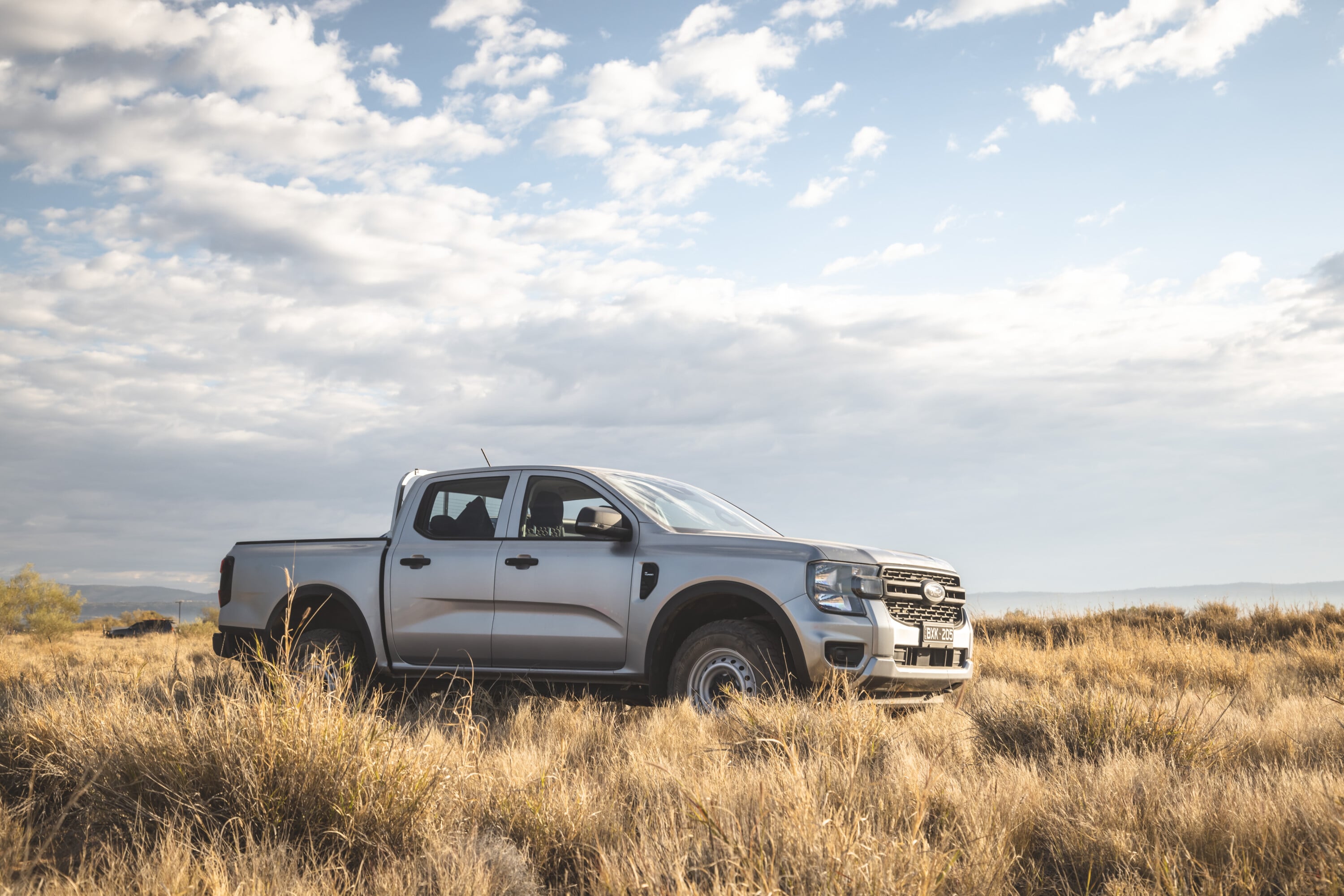
Ford Ranger XL
The XL is where most serious fleet tray builds start, and Ford has engineered it with that in mind.
Available as a cab-chassis in single, extra and dual cab configurations, the XL is the Ranger variant best suited to custom fitout work. The cab-chassis body removes the tub entirely, which means the builder works with a clean frame rail and no conversion costs. The vinyl interior, steel wheels and simplified spec are not compromises for a tray-back build. They are the right call.
Engine options are the 2.0-litre bi-turbo diesel at 500Nm or the 3.0-litre V6 diesel at 600Nm, both with a 10-speed automatic. The V6 is worth considering for heavy tray builds carrying consistent loads across the Pilbara or the Queensland cattle country, as it keeps the engine in its torque band without working as hard. Fitout shops across the country know this platform well, and the aftermarket support from the likes of TJM and ARB is as deep as any ute on sale.
1
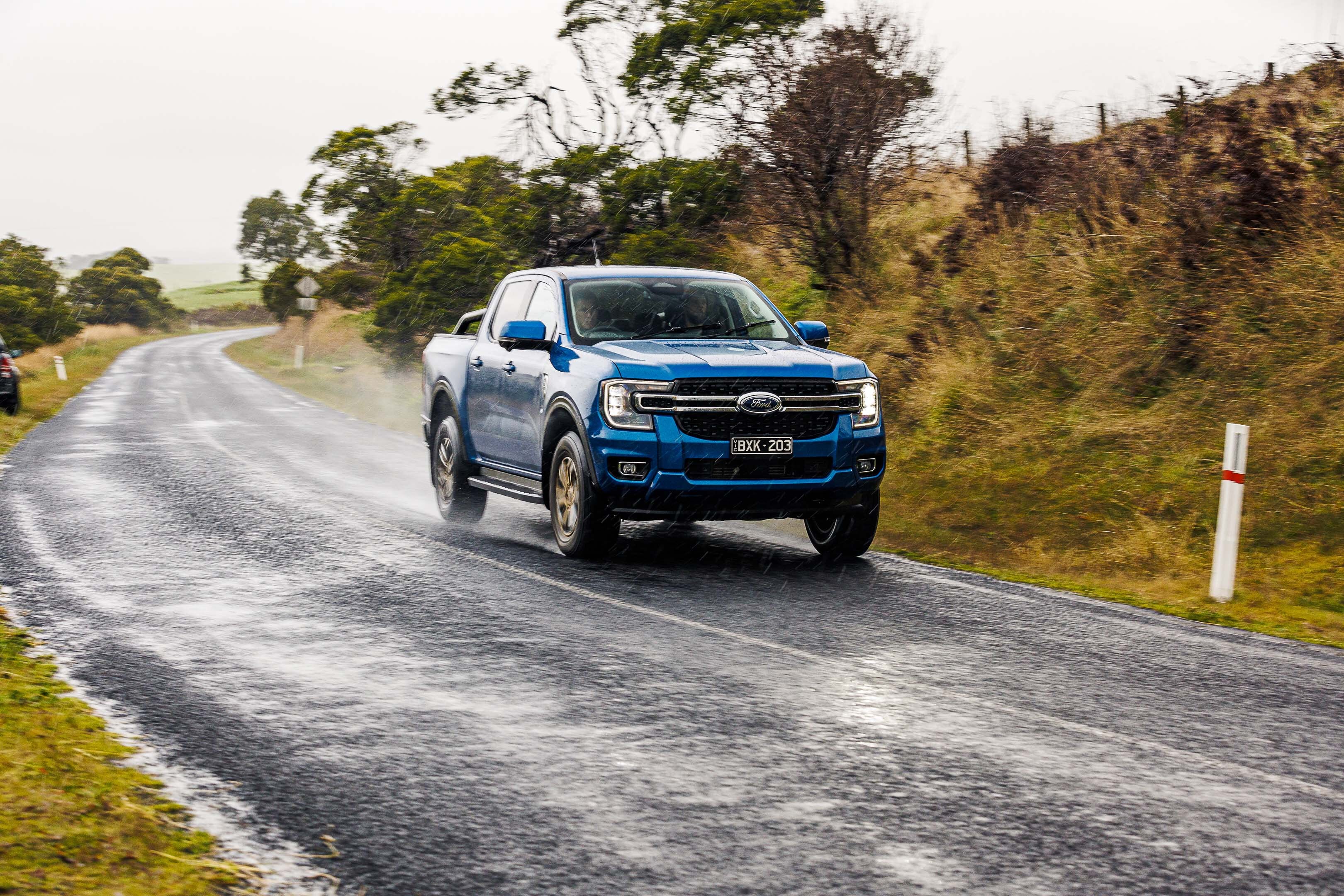
Ford Ranger XLT
The XLT is the pick-up variant most tradies who want a factory tub and a bolt-on toolbox setup end up choosing.
Same engine family as the XL but with more comfort and safety tech, and still available with enough payload headroom for a pair of under-tray alloy boxes and a full tool load. It works equally well running highway legs between regional centres and covering rough access tracks around Snowy Mountains job sites.
For tradies who do not need a full tray build, the XLT with under-tray boxes bolted to the factory tub or a cross-tray toolbox over the tub floor is a practical and cost-effective setup. The tub is already there. No fitout shop required. A competent tradie can have a pair of alloy under-tray boxes mounted on a Saturday morning. Hard to beat as a starting point for that tier of build.
1
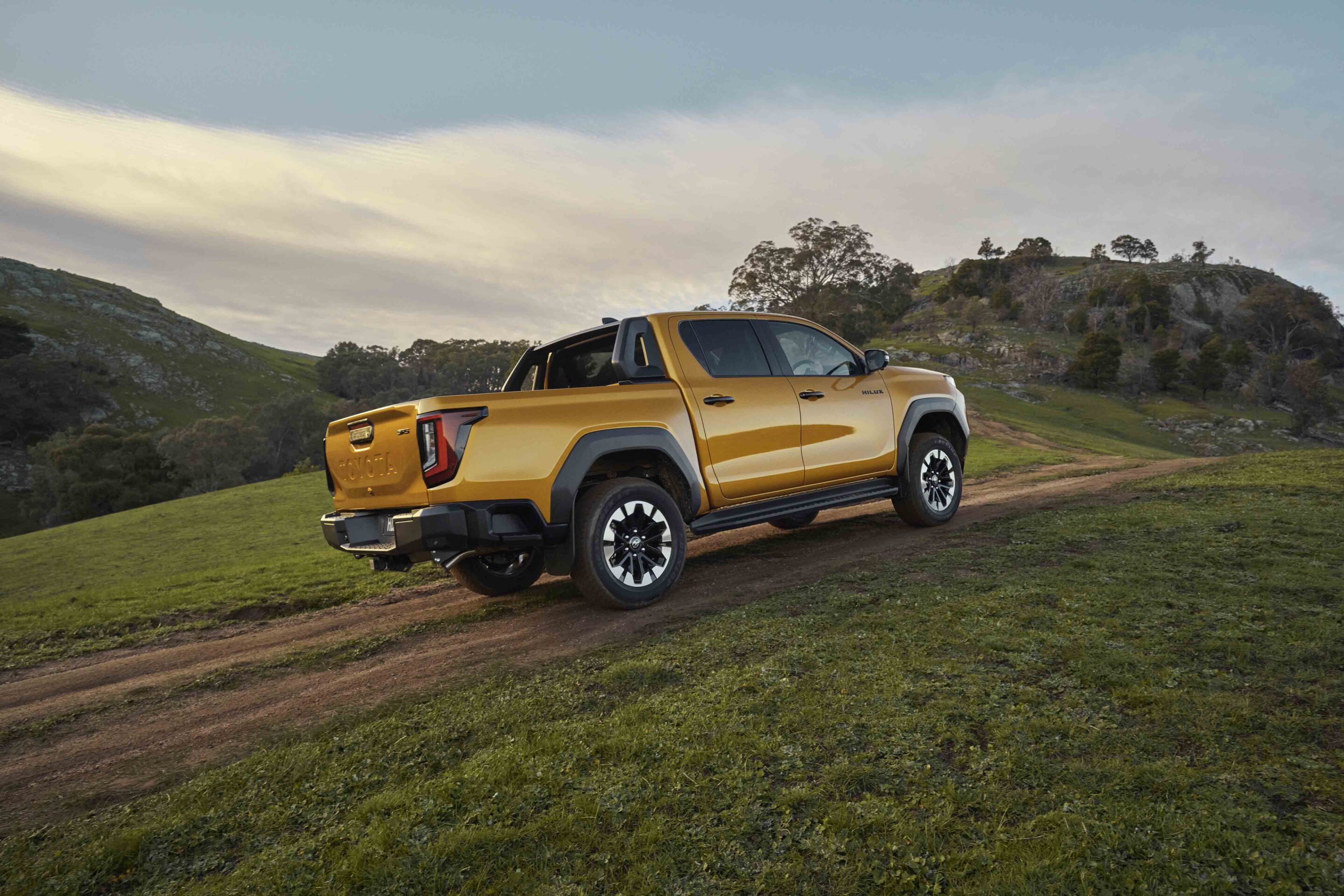
Toyota HiLux WorkMate
The WorkMate is the HiLux variant that makes the most sense for serious tray-back fitout work.
Available as a cab-chassis across single, extra and dual cab body styles, it is the starting point for a large share of the steel tray and service body builds running across regional Queensland, the Territory and WA. The 2.8-litre turbo-diesel producing 500Nm has earned its reputation in mining, farming and construction abuse over many years. It is simple, proven and one of the more reliable engines in this segment.
Fitout shops know the HiLux frame intimately. The WorkMate cab-chassis is the single most common base for custom service body work in Australia, which means parts, knowledge and second-hand fitout options are everywhere. Resale after five years in working condition is the strongest in the segment. For a fleet operator running five or ten utes, that number matters as much as the purchase price.

1
Toyota HiLux SR
The SR splits the difference between the stripped WorkMate and the more refined SR5, and for tray-back builds it is often the smarter buy.
It runs the same 2.8-litre diesel with 500Nm and adds more comfort and safety tech than the WorkMate without paying for the SR5’s interior upgrades that a canopy build effectively hides anyway. Available as a cab-chassis. Confirm payload figures for your specific configuration with your dealer before ordering.
For tradies who want a slightly more liveable cab on long drives between sites but are still putting a full tray and canopy over the back, the SR is the honest choice. The SR’s price advantage over the SR5 can go toward the fitout instead.
1
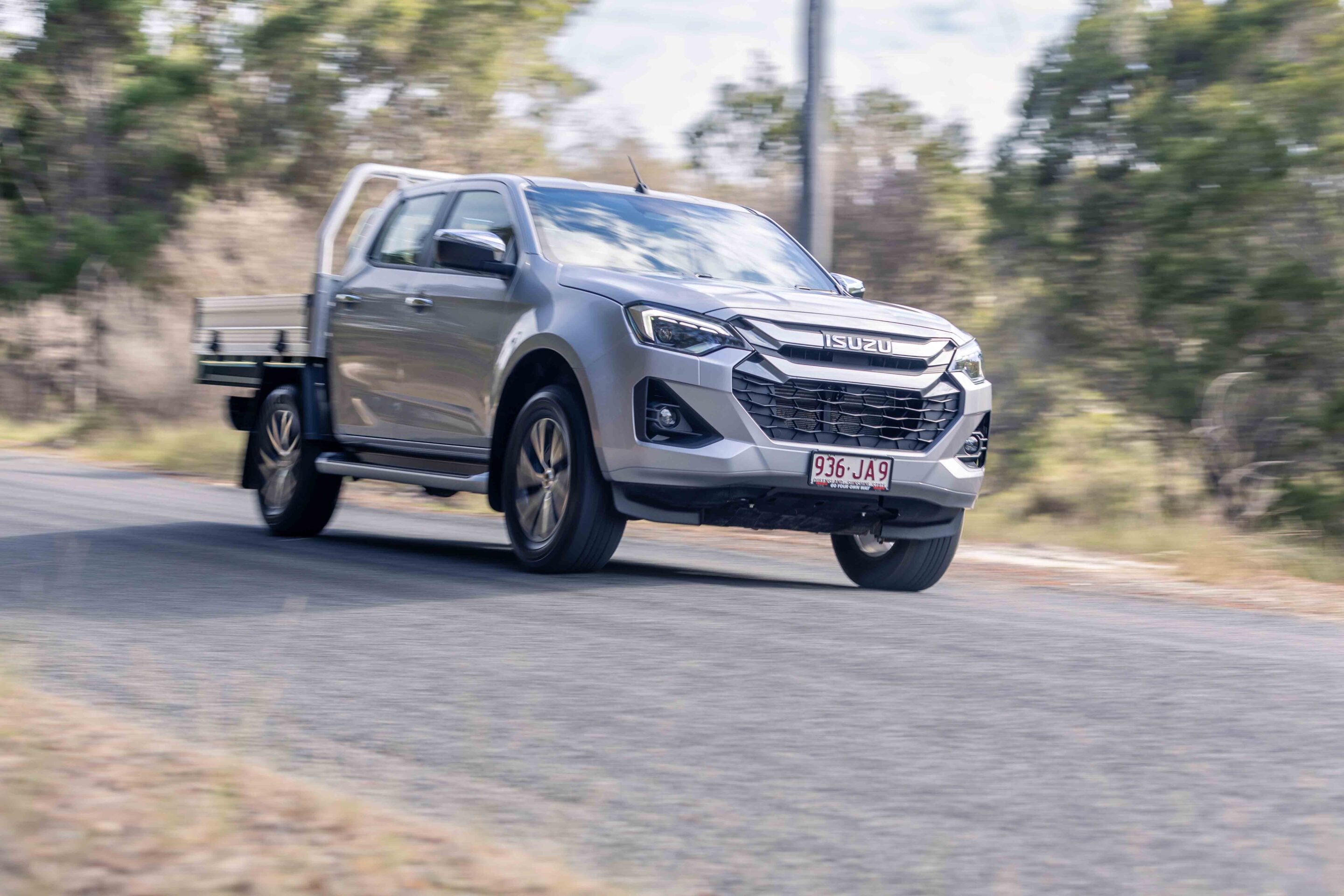
Isuzu D-MAX SX
The D-MAX SX is built around low operating stress and consistent performance under sustained load, which makes it a natural fit for fleet tray builds.
The 3.0-litre turbo-diesel produces 450Nm and is tuned for durability over long service intervals rather than headline torque. It is now also available with Isuzu’s newer 2.2-litre turbo-diesel option, paired with an eight-speed automatic, offering a more efficient alternative for lighter duty fleet applications.
Available as a cab-chassis in single and crew cab configurations, fitout flexibility is strong, and the platform has enough market presence that most specialist body builders are familiar with it.
Fleet operators choose the D-MAX SX because it spends less time off the road and delivers predictable servicing costs over high kilometres. A REDARC dual-battery system and a GME UHF are common additions for remote-area fleets, and both fit the platform without drama.
Where the SX is a pure fleet workhorse, the LS-U is the D-MAX variant for tradies who spend as much time behind the wheel as on tools.
Same powertrains, more comfortable cabin, better infotainment and reduced NVH over long highway legs. Still available in configurations that suit a tray or canopy build. The added cabin quality reduces fatigue on regional runs, which for tradies working remote areas or covering wide service territories is a safety consideration as much as a comfort one.
1
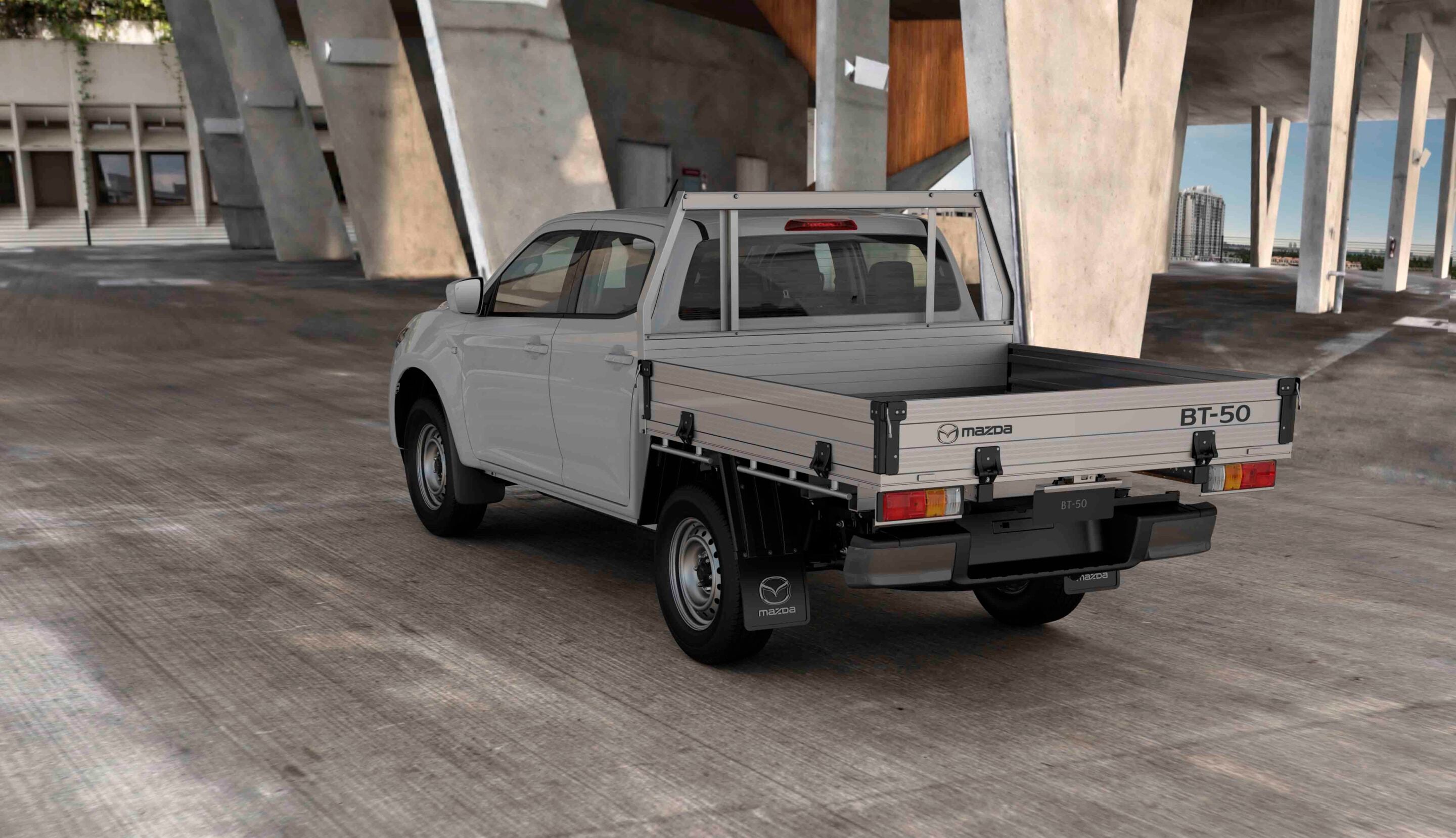
Mazda BT-50 XT and XTR
The BT-50 shares its platform with the D-MAX, which means fitout compatibility and durability credentials carry across.
The XT is the work-spec entry with 450Nm paired to a six-speed automatic. The XTR steps up in interior quality and ride comfort without changing the mechanical picture in ways that affect the tray-back build. Both are available as cab-chassis variants.
The practical reason to consider a BT-50 over a D-MAX is price: the BT-50 typically sits a few thousand dollars lower at the same spec level, which can go toward the fitout. The trade-off is a slightly smaller service network in some regional areas. Worth checking dealer proximity before committing if the ute is working far from a capital city.
1
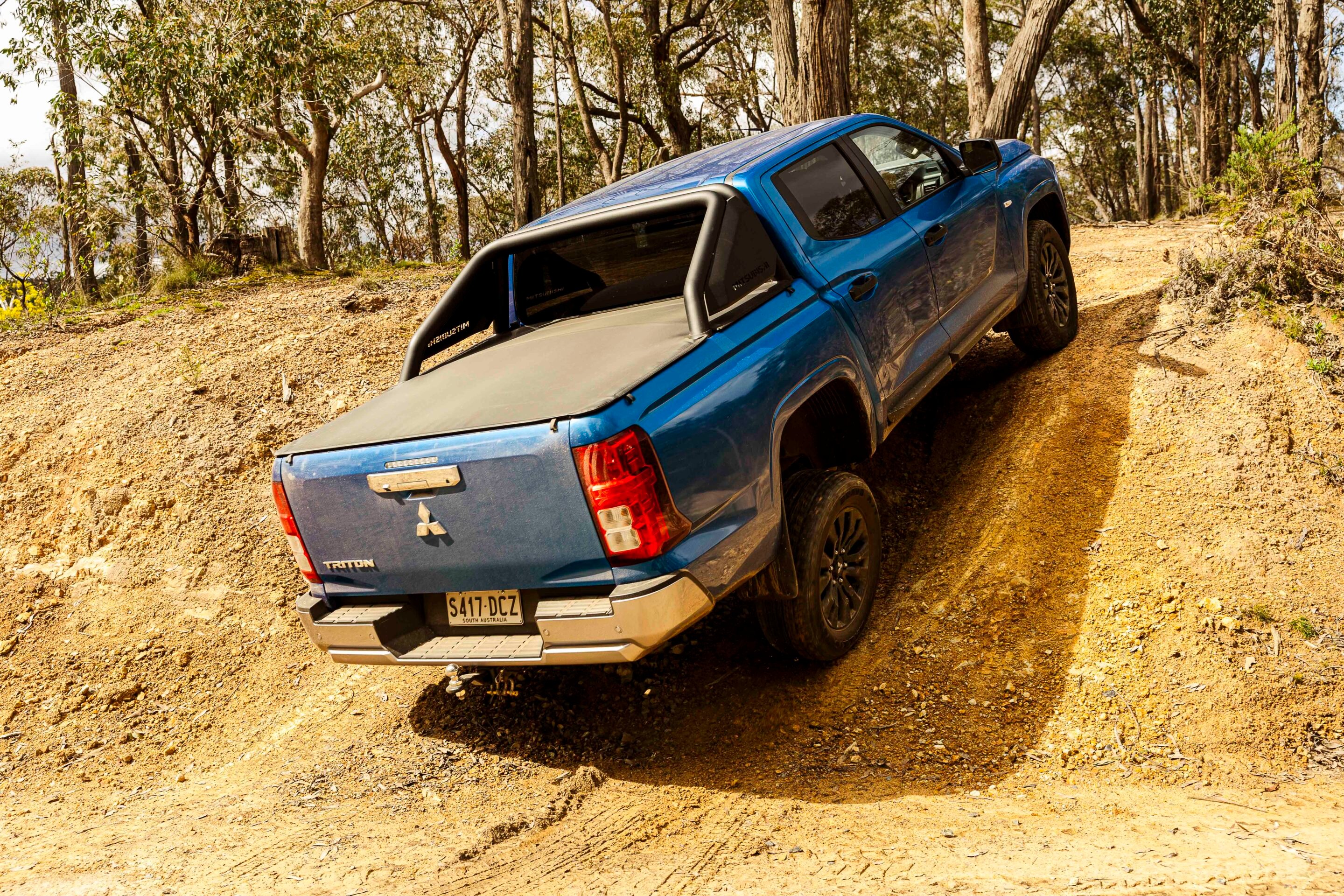
Mitsubishi Triton GLX
The Triton GLX is the most accessible 4×4 entry point for a tradie who needs a tray-back ute and is watching the purchase price closely.
The 2.4-litre diesel at around 470Nm is adequate for the job. It is not the gruntiest option in the field, but for a single-operator tradie running a flat tray with under-tray boxes and a moderate tool load, it gets on with it without drama. The lighter ladder-frame chassis keeps the kerb weight down, which helps preserve payload headroom once the fitout is on.
For apprentices, small operators, or businesses scaling up fleet numbers on a tight capital budget, the GLX is a cost-effective path into a current-generation 4×4 ute with proper cab-chassis availability. The 2026 Triton Raider is a different conversation entirely, aimed at a different buyer with a different budget.
1
The rest of the field
Not every ute in the current market makes sense once a tray and toolboxes are the goal.
The GWM Cannon and LDV T60 offer aggressive pricing and reasonable equipment, but cab-chassis availability is limited and fitout shop familiarity is patchy outside major metro areas. For a fleet operator in regional WA or Queensland, that matters. Parts access, fitout knowledge and service network gaps in remote areas are real operating risks.
The Nissan Navara ST also sits in this group, but for different reasons. It is a dual-cab pick-up only, with no cab-chassis option, which immediately limits its suitability for full tray or service body conversions. It runs a 2.4-litre bi-turbo diesel producing 470Nm paired with a seven-speed automatic, and its strengths are in long-distance comfort and highway refinement rather than hard-fitout flexibility. It is a capable ute in its own right, but it is fundamentally designed as a pick-up rather than a tray-build platform, which places it outside the core use case of this guide.
The BYD Shark 6 and Ford Ranger PHEV are genuinely interesting platforms but tray-back fitout experience is limited. The Shark 6 also carries a towing limitation that may rule it out for tradies who regularly pull trailers. Both belong in a separate guide covering electrified utes as that category matures.
The site manager tier – Ranger Wildtrak, HiLux Rogue, D-MAX X-Terrain and their equivalents – are good vehicles being used wrong if they end up under a full trade canopy build. Their cabin upgrades disappear behind the fitout and their purchase price premium goes to waste. Start with the work-spec variant and spend the difference on the tray.
The Kia Tasman is worth a mention on its own terms. Available in dual-cab pick-up and cab-chassis configurations with a 2.2-litre turbo-diesel, it is a properly engineered new entrant rather than a rebadged passenger vehicle. But it is too early to recommend it for trade use with any confidence. Wait until the first round of real-world fleet builds has accumulated, fitout shops are familiar with the platform, and it has a season or two of the Queensland heat and the WA dust behind it. Check back in twelve months.
1
What actually matters for tradies
- Effective payload after fit-out: Tray, canopy, tools, fuel, racks
- Torque delivery under load: Not peak figures, but drivability at 80 to 110km/h towing
- Transmission behaviour: How well the auto holds gears when loaded
- Chassis durability once modified: Suspension sag, braking stability, long-term wear
- Service access and downtime: How quickly the ute can be turned around
The verdict
The Toyota HiLux WorkMate and Ford Ranger XL are the strongest starting points for full tray and service body builds.
Both are available as cab-chassis across multiple body configurations, both have decades of fitout shop familiarity behind them, and both carry payload headroom that survives a complete trade build with something left for the actual job. Throw a pair of Maxtrax on the tray and a GME UHF on the dash and the rig is ready for whatever the job site throws at it. The HiLux WorkMate holds its resale value better than anything else in the segment after five years of hard work, which matters for fleet operators thinking about total cost of ownership rather than just purchase price.
Whatever ends up on the tray, opt for aluminium over steel on the fitout wherever you can, know your finished build weight before you sign the order form, and leave enough payload margin to actually do the job.
All prices AUD. Cab-chassis availability and payload figures vary by configuration and state regulations. Confirm GVM, payload and fitout compliance with your dealer and body builder before ordering.
Follow 4X4 Australia on Google
Get more 4x4 news, reviews and gear stories from 4X4 Australia in your Google feeds.

We recommend
-
 Advice
Australia’s most fuel-efficient diesel utes in 2026
A closer look at the most efficient diesel utes on sale in Australia based on ADR combined figures
-
 Advice
2026 EOFY ute deals: The tax traps and real savings to be had before 30 June
EOFY ute deals can look straightforward but the real outcome comes down to tax rules stock availability and how the numbers actually stack up once you dig in
-
 Advice
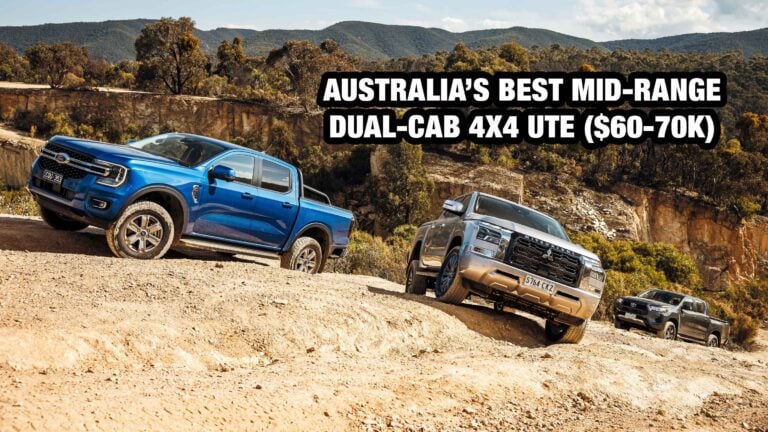
Best mid‑range dual‑cab 4x4 utes in Australia for 2026 ($60-70K)
These mid-range dual-cabs hit the sweet spot for buyers, offering practical features, strong performance, and solid resale potential