News


Gallery 1
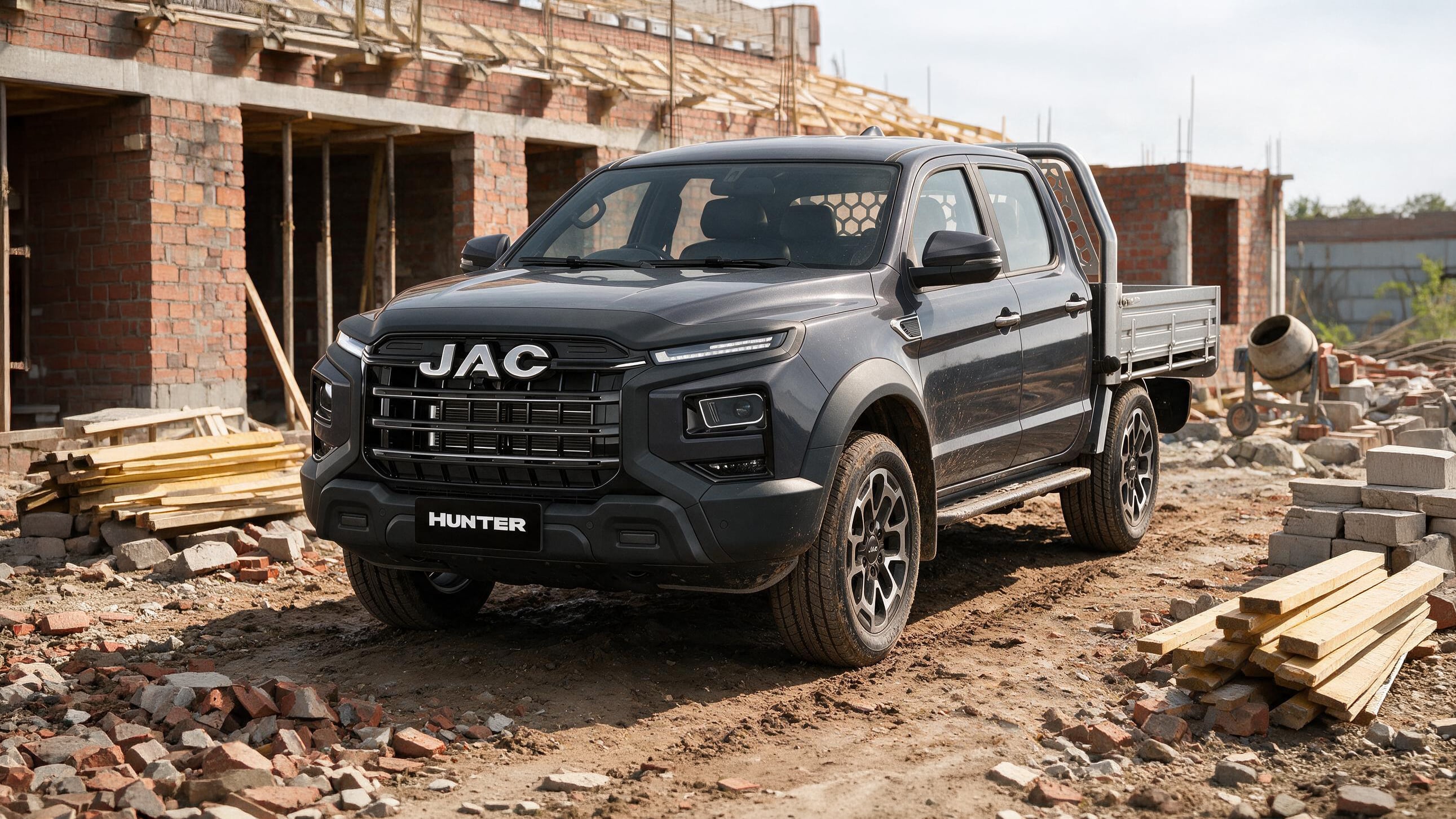
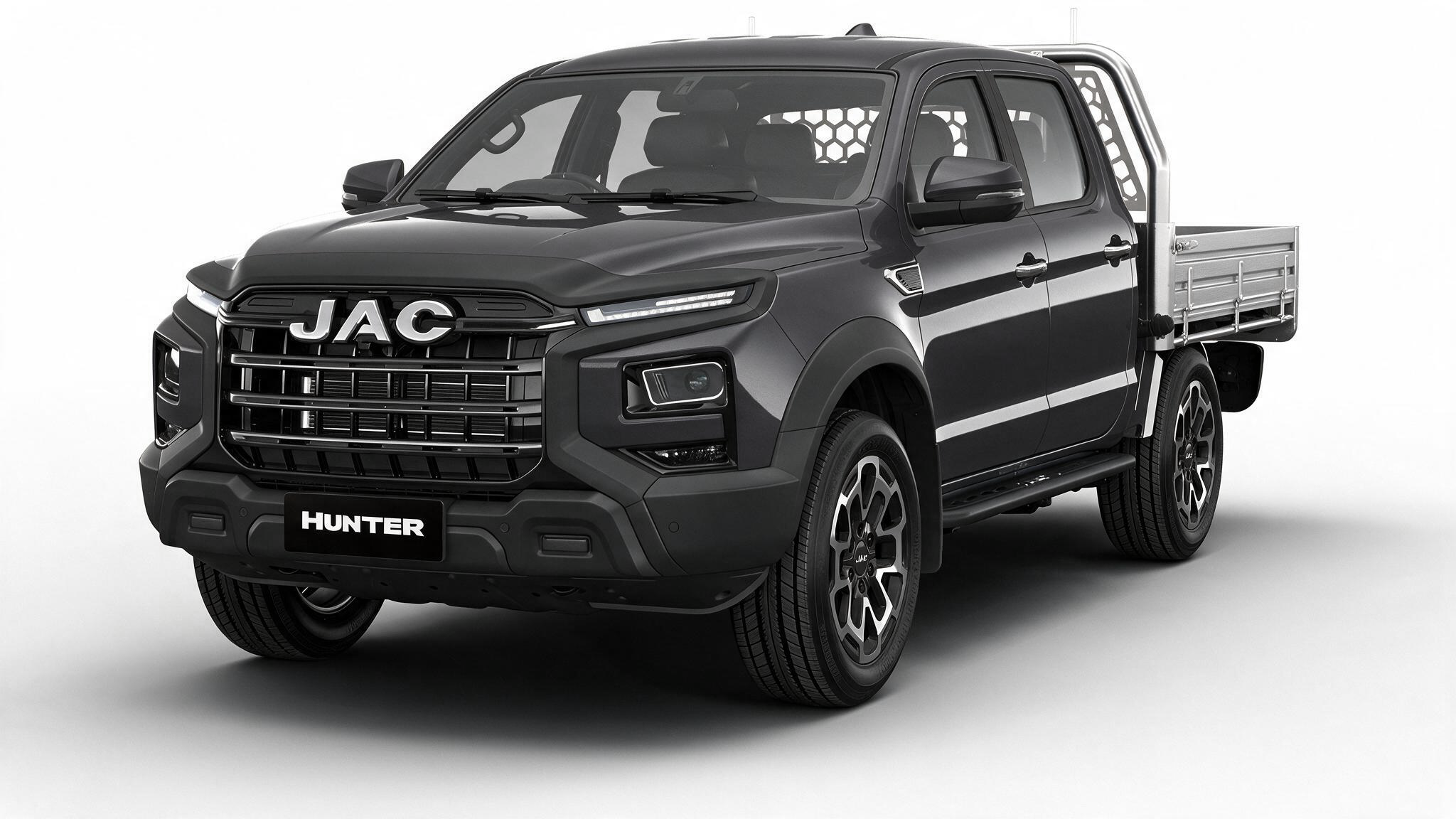
JAC is adding a Cab Chassis version of its Hunter PHEV to the Australian range, with the new workhorse due here in early 2027.
The Cab Chassis gives tradies, farmers and fleet operators a flexible platform for different body configurations, including a tray, canopy, toolbox setup or specialised body.
“More than half of the prospective fleet customers we are speaking with want a Cab Chassis. That is a clear signal that Australian businesses are looking for a more flexible PHEV work platform,” said Ahmed Mahmoud, Managing Director of JAC Motors Australia.
The announcement comes as the Hunter PHEV dual-cab begins arriving at JAC dealerships in Australia. Final specifications for the Cab Chassis haven’t been confirmed, but JAC says it is expected to use the same core powertrain as the dual-cab.
1
The Hunter PHEV offers up to 100km of pure-electric driving range, with an E10-compatible petrol engine and 77-litre fuel tank. The PHEV system also has 3.3kW Vehicle-to-Load capability, allowing compatible tools and equipment to be powered directly from the vehicle. Idle Charge can use the petrol engine to replenish the battery while the vehicle is stationary, while HEV mode balances electric and petrol power according to driving conditions and energy requirements.
For touring, the V2L system could also be useful for powering equipment when the vehicle is parked away from mains power. However, JAC hasn’t confirmed the Cab Chassis’ towing capacity or off-road specifications.
“With 360kW of power, 3.5-tonne braked towing capacity, 1.6L/100km fuel consumption (NEDC), 38g/km CO₂ emissions, and up to 1,005km of combined range (based on NEDC), the Hunter brings together the capability and efficiency businesses need,” Mahmoud said.
“Its plug-in hybrid powertrain also gives fleets the opportunity to complete suitable daily journeys using electric power, helping to reduce fuel use, running costs and emissions. Features such as Vehicle-to-Load and Idle Charge further enhance its versatility as a practical mobile work platform,” he added.
JAC will back the Cab Chassis with a seven-year, unlimited-kilometre vehicle warranty covering commercial use, seven years of capped-price servicing and seven years of roadside assistance. Eligible owners will also have access to JAC’s Ute-for-Ute Warranty Loan Program, which provides a T9 Ute during warranty repairs. The high-voltage battery is covered by an eight-year, 150,000km warranty.
For context, the Hunter PHEV dual-cab is priced from $49,988 plus on-road costs for the Pro, rising to $54,844 for the X. Both variants have a 915kg payload and 3500kg braked towing capacity, while JAC has also carried out local suspension tuning for Australian conditions.
Pricing, final specifications, available configurations and the confirmed launch date for the Cab Chassis will be announced closer to its arrival in Australia.
Key info
- Vehicle: JAC Hunter PHEV Cab Chassis
- Australian arrival: Early 2027
- Electric range: Up to 100km
- Fuel: E10-compatible petrol
- Fuel tank: 77 litres
- Vehicle-to-Load: 3.3kW
- Warranty: Seven years, unlimited kilometres, including commercial use
- Battery warranty: Eight years/150,000km
- Body options: Tray, canopy, toolbox or specialised body
Follow 4X4 Australia on Google
Get more 4x4 news, reviews and gear stories from 4X4 Australia in your Google feeds.


We recommend
-
 News
NewsJAC Hunter PHEV gets Australian-tuned dynamics ahead of launch
The JAC Hunter PHEV has undergone local vehicle dynamics tuning ahead of its Australian launch in Q3 2026
-
 Reviews
JAC Hunter X review: Is this 1010Nm ute set to change the game?
The JAC Hunter Plug-In Hybrid takes aim at the big dogs
-
 News
NewsJAC Hunter PHEV priced from $49,988 ahead of August launch
Set to arrive in August, the Hunter PHEV enters Australia’s growing electrified ute market with serious towing and off-road ambitions