Gear

Gallery 1
Anyone who has driven onto soft sand with road tyre pressures will know the feeling – the vehicle bogs down almost immediately.
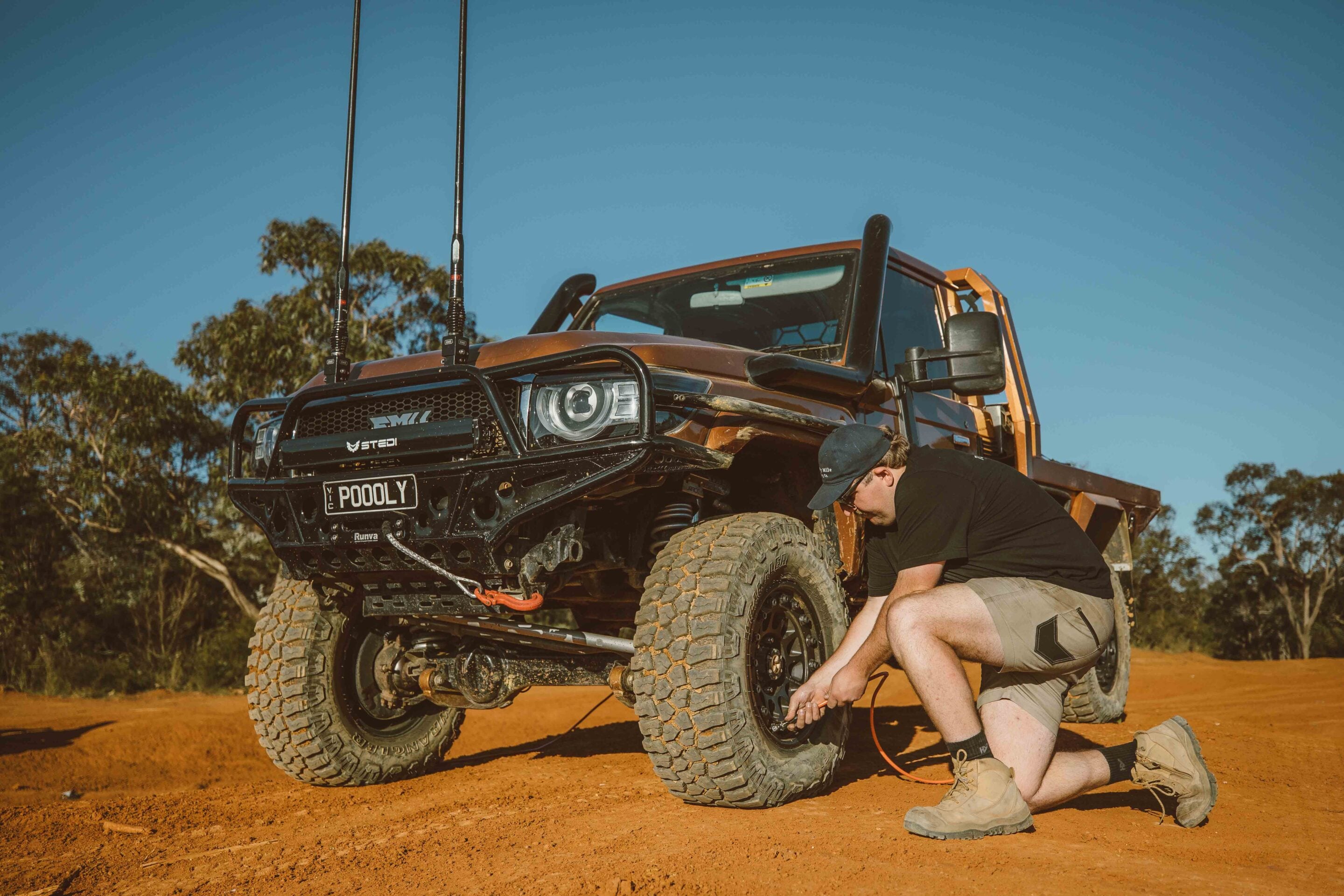
That’s where airing down your tyres comes in. Lowering tyre pressure is one of the most effective techniques in off-road driving, improving traction on sand, mud and rocky terrain while also smoothing out rough tracks. Using a 4WD tyre deflator makes the process quick and consistent, allowing you to reduce tyre pressure accurately before hitting challenging terrain.
Why lowering tyre pressure improves off-road traction
Reducing tyre pressure increases the tyre’s footprint by allowing it to flex and spread out. This larger contact patch helps the tyre grip loose terrain instead of digging into it.
On sand, lower pressures help the vehicle float across the surface rather than sinking. On rocky tracks, softer tyres mould around obstacles, improving grip and reducing harsh impacts through the suspension. Even on corrugated gravel roads, slightly reduced pressures can make a noticeable difference by helping tyres absorb bumps rather than skipping across the surface.
However, pressures shouldn’t be dropped too far. Excessively low PSI can increase the risk of sidewall damage or even cause a tyre to unseat from the rim. Heavier vehicles carrying camping gear, rooftop tents or drawers typically require slightly higher pressures than lighter setups.
When should you deflate your tyres?
Most experienced four-wheel drivers lower tyre pressures whenever terrain becomes loose or uneven. Typical situations where tyre deflation helps include:
- Soft sand driving: Lower pressure allows tyres to float over sand instead of digging in.
- Mud tracks: A larger footprint improves traction and reduces wheelspin.
- Rock crawling: Softer tyres flex around rocks for better grip.
- Corrugated outback roads: Slightly lower pressures can improve ride comfort and vehicle control.
Before returning to sealed roads, tyres should always be reinflated to highway pressures.
1
Types of 4WD tyre deflators
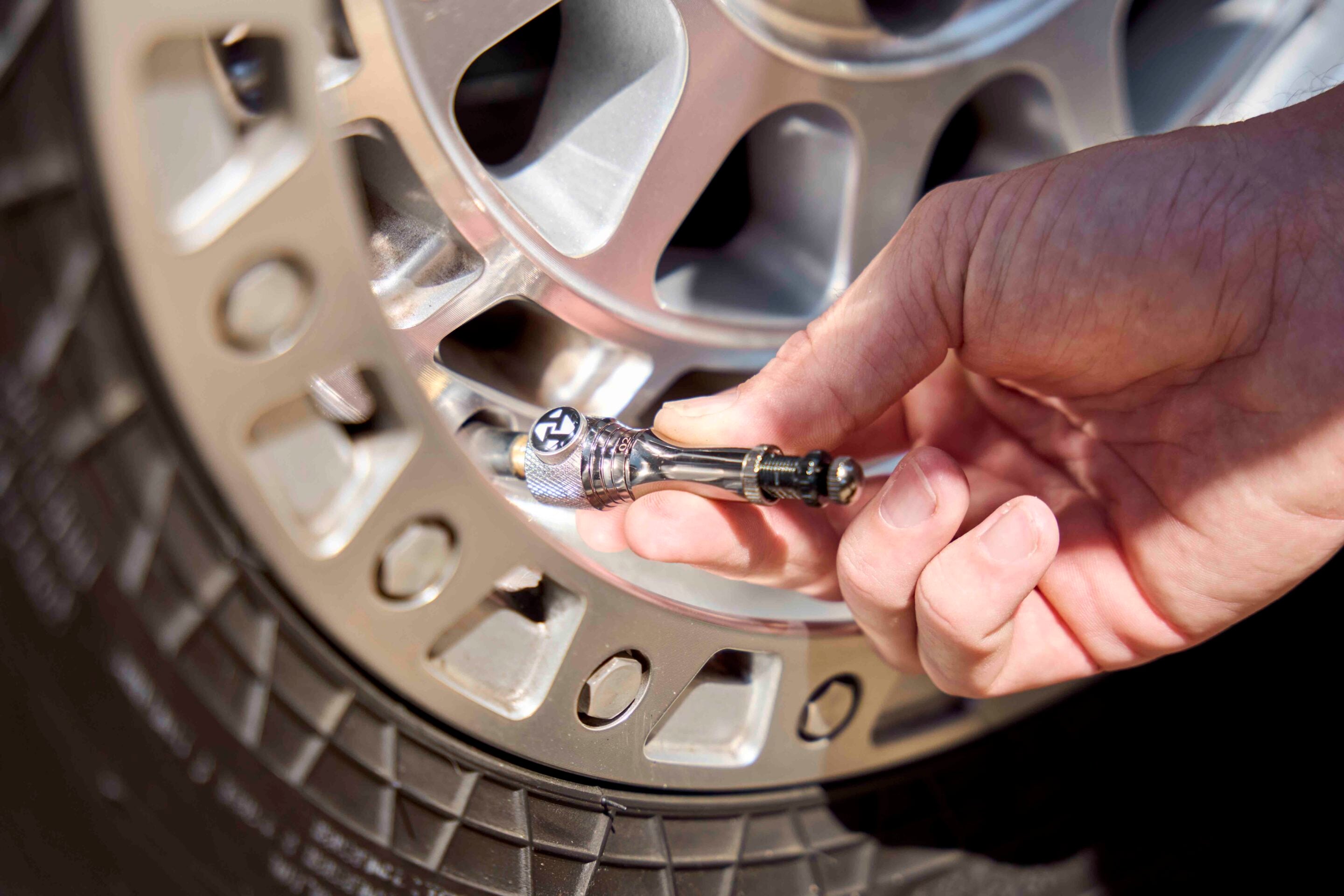
There are several different styles of tyre deflators available – Outback Equipment has a full range of products including brands like ARB, Campboss, Tuff Terrain, iCheck and RAXAR – each designed to make airing down faster and easier on the tracks.
Manual tyre deflators: Manual deflators are one of the simplest options. They typically remove the valve core from the tyre, allowing air to escape quickly while a pressure gauge lets you monitor PSI as it drops. They’re reliable and affordable, but they require you to stay beside the tyre while it deflates.
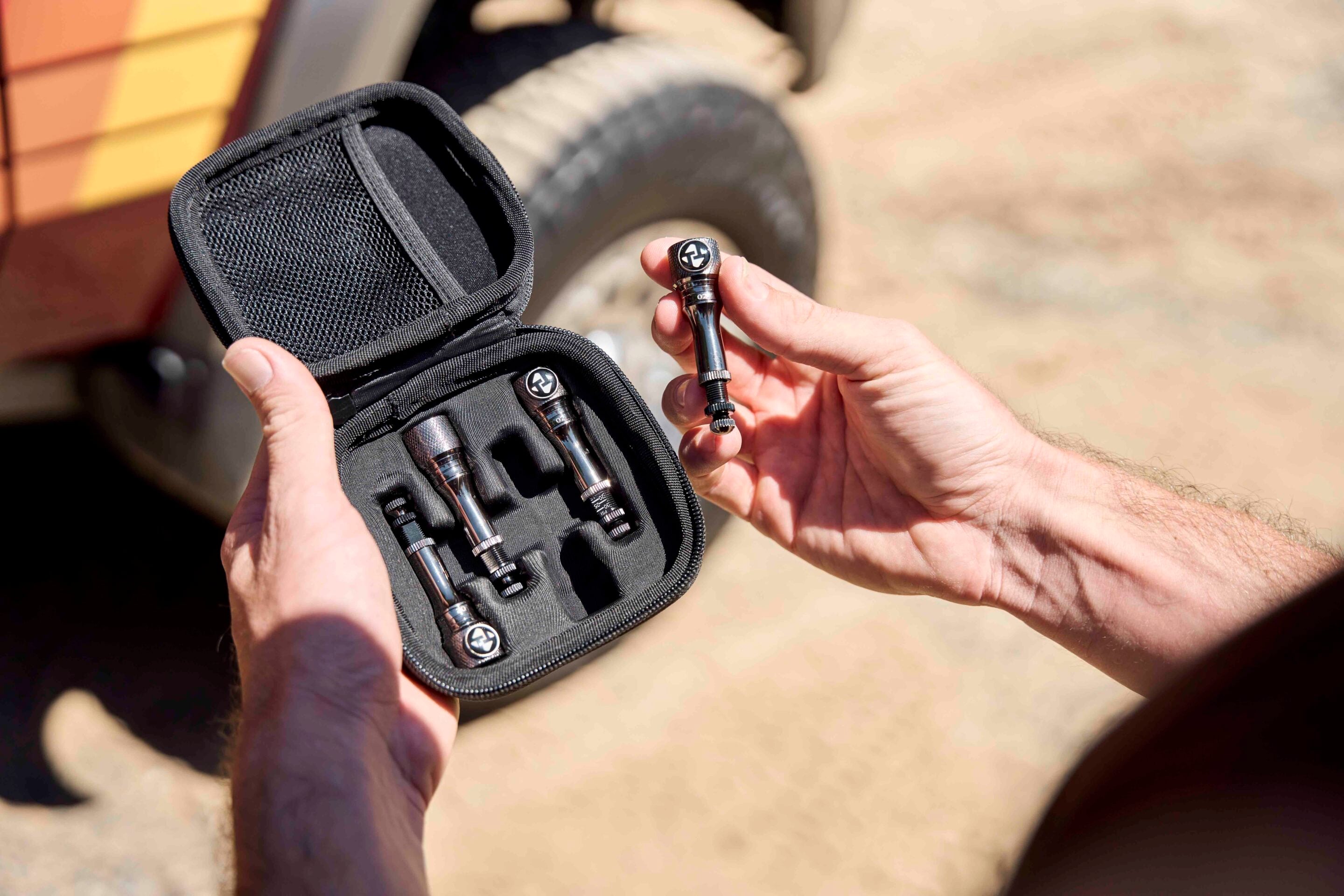
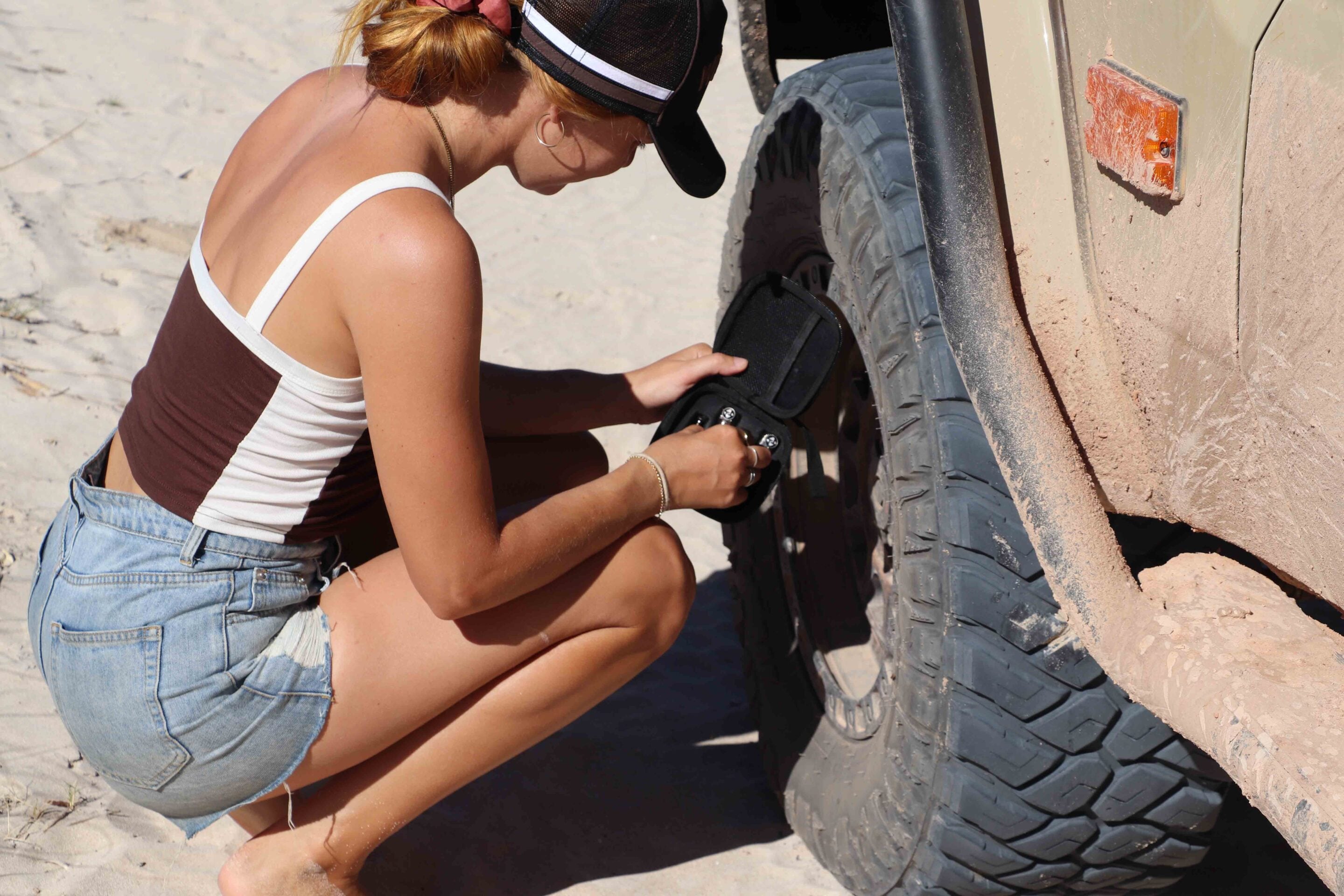
Preset automatic tyre deflators: Preset deflators allow you to set a target PSI before attaching them to the tyre valve. Once connected, they automatically release air until the tyre reaches the selected pressure. Products like Tuff Terrain Quick Connect Tyre Deflators fall into this category. These units allow drivers to dial in their preferred pressure, attach them to the valve stems and let the tyres deflate automatically. Because all four tyres can be deflated at the same time, they can save several minutes when preparing for sand driving or technical tracks.
Multi-tyre deflation systems: Multi-hose systems connect to all four tyres simultaneously using hoses, equalising pressure across the vehicle. These systems are particularly popular with touring setups, as they ensure all tyres reach the same pressure evenly while speeding up both inflation and deflation. Tuff Terrain has units available with both two and four valves.
1
Common tyre deflation mistakes
Lowering tyre pressures improves traction, but there are a few common mistakes that can cause problems.
- Dropping PSI too low: Very low pressures increase the risk of tyre damage or de-beading, particularly on rocky terrain.
- Forgetting to reinflate before highway driving: Driving at highway speeds on low-pressure tyres causes excessive heat buildup, poor handling and increased tyre wear.
- Using slow or inaccurate tools: Manually checking each tyre can slow down the process. Reliable deflators help ensure each tyre reaches the correct pressure quickly.
Why a good air compressor matters
Once the off-road section ends, tyres need to be reinflated before driving on sealed roads.
Portable 4WD air compressors make this easy, allowing drivers to restore highway pressures quickly before continuing their journey. High-output compressors such as the Tuff Terrain V4 Air Compressor are designed to inflate larger off-road tyres efficiently, which is especially useful for vehicles running 33–35-inch rubber.
Features like long air hoses and quick-connect fittings also make it easier to reach every tyre without constantly repositioning the compressor.
8
A simple off-road trick every 4WD owner should know
Airing down your tyres is one of the simplest and most effective ways to improve off-road capability. Better traction, a smoother ride and reduced strain on the drivetrain all make it worthwhile.
With the right tyre deflators and air compressor in your recovery kit, adjusting pressures only takes a few minutes – and can make the difference between cruising through difficult terrain or reaching for the recovery gear.
MORE
Visit Tuff Terrain!
Follow 4X4 Australia on Google
Get more 4x4 news, reviews and gear stories from 4X4 Australia in your Google feeds.

We recommend
-
 Advice
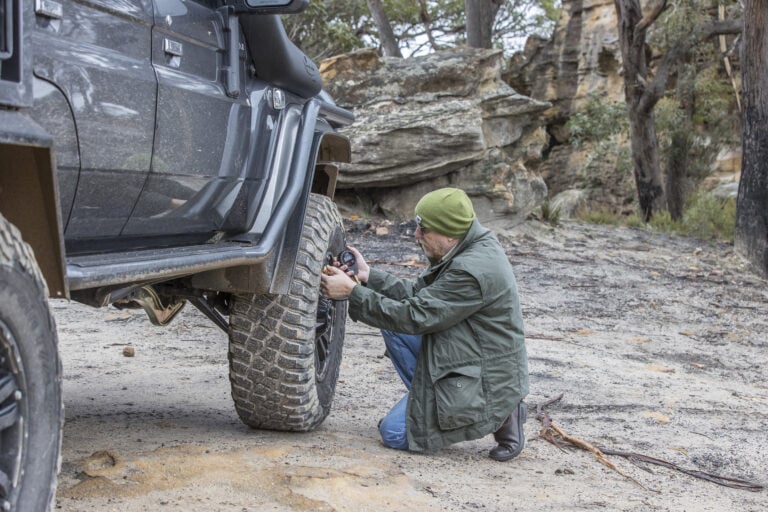
4WD tyre pressures explained: Your off-road guide
Tailoring the air pressure in your tyres to suit different terrain types has many benefits, for both you and your rig
-
 Advice
10 essential 4x4 touring mistakes to avoid
Common touring mistakes that can turn a great 4x4 trip into an expensive or dangerous exercise
-
 Advice
10 most annoying 4x4 driver habits every off-roader hates
Some 4WD habits drive everyone else on the track mad – here are the ones that top the list