Gear

Gallery 1
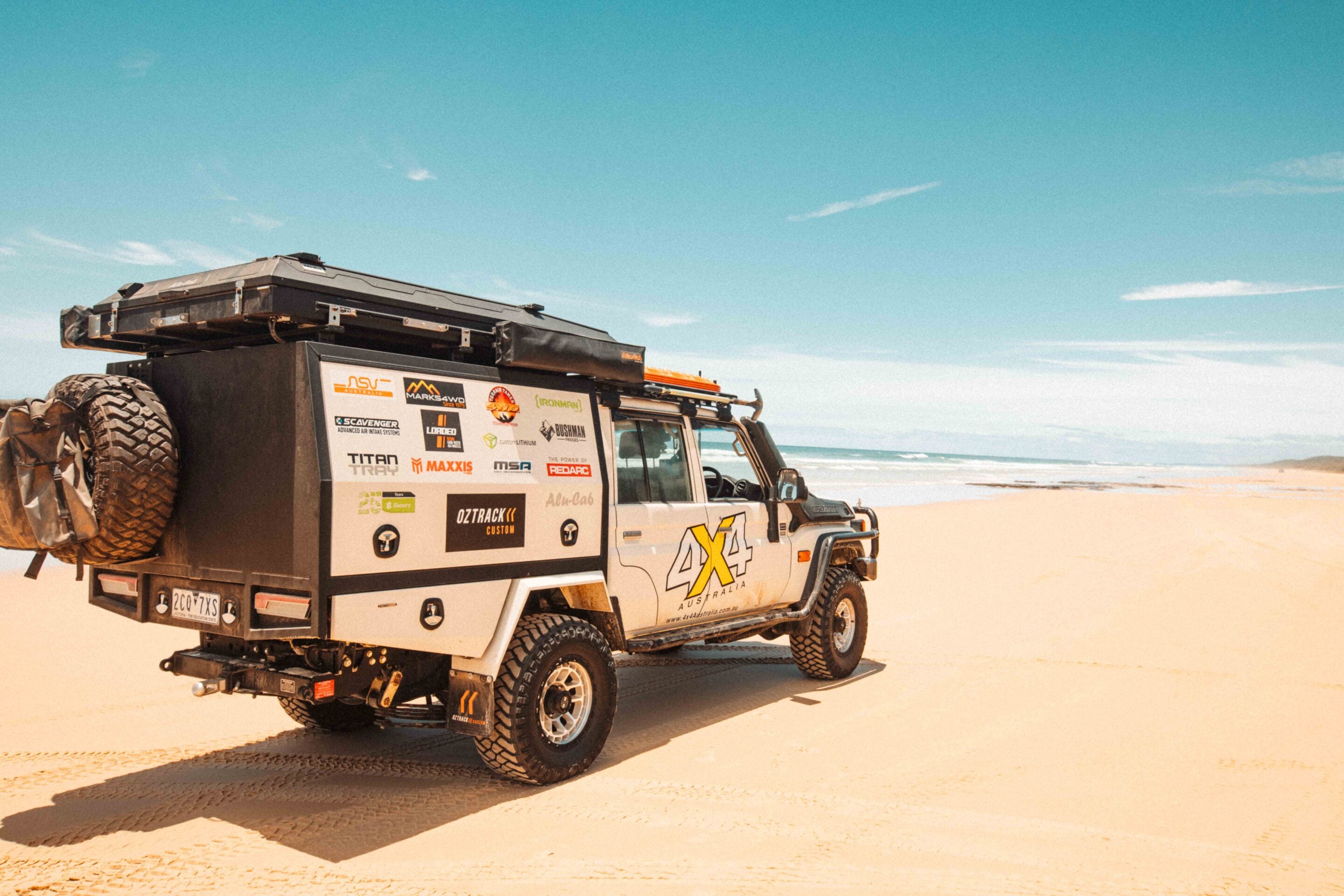
The 70 Series is legendary for reliability, but even the toughest 1VD‑FTV diesel struggles in extreme Aussie environments.
From the Simpson to the Kimberley, heat is one of the most common yet preventable threats to engine performance. Stock cooling systems are predominately designed with road use in mind, but venture to the outback with a trailer in tow (or simply just running accessories like fridges and winches) and the 70 Series can often be pushed to its thermal limit.
Sustained low-speed driving reduces airflow through the radiator and intercooler, causing coolant, transmission and engine oil temperatures to rise. In these conditions, the engine’s stock cooling capacity is often insufficient. Veteran tourers know that an overheated engine can not only ruin a trip but also lead to costly component failure or leave you stranded in remote locations with limited recovery options.
Prolonged heat stress can warp cylinder heads, distort the engine block, break down oil, strain the turbocharger, and reduce transmission performance. Recognising these risks early is critical, and fitting proven aftermarket cooling solutions is a smart way to keep your vehicle’s vital systems within safe operating limits.
1
Upgrades to keep your 70 Series running cool
Managing heat in extreme conditions requires the right combination of components, all available from the 70 Series Store.
Performance radiators increase cooling capacity, helping the 1VD‑FTV shed heat faster under heavy load or prolonged low-speed driving. Transmission and engine oil coolers maintain fluid temperatures, protecting the gearbox, turbo and internal components under sustained stress. Heavy-duty thermostats stabilise engine temperature, while coolant overflow tanks provide extra system capacity to reduce the risk of boil-over.
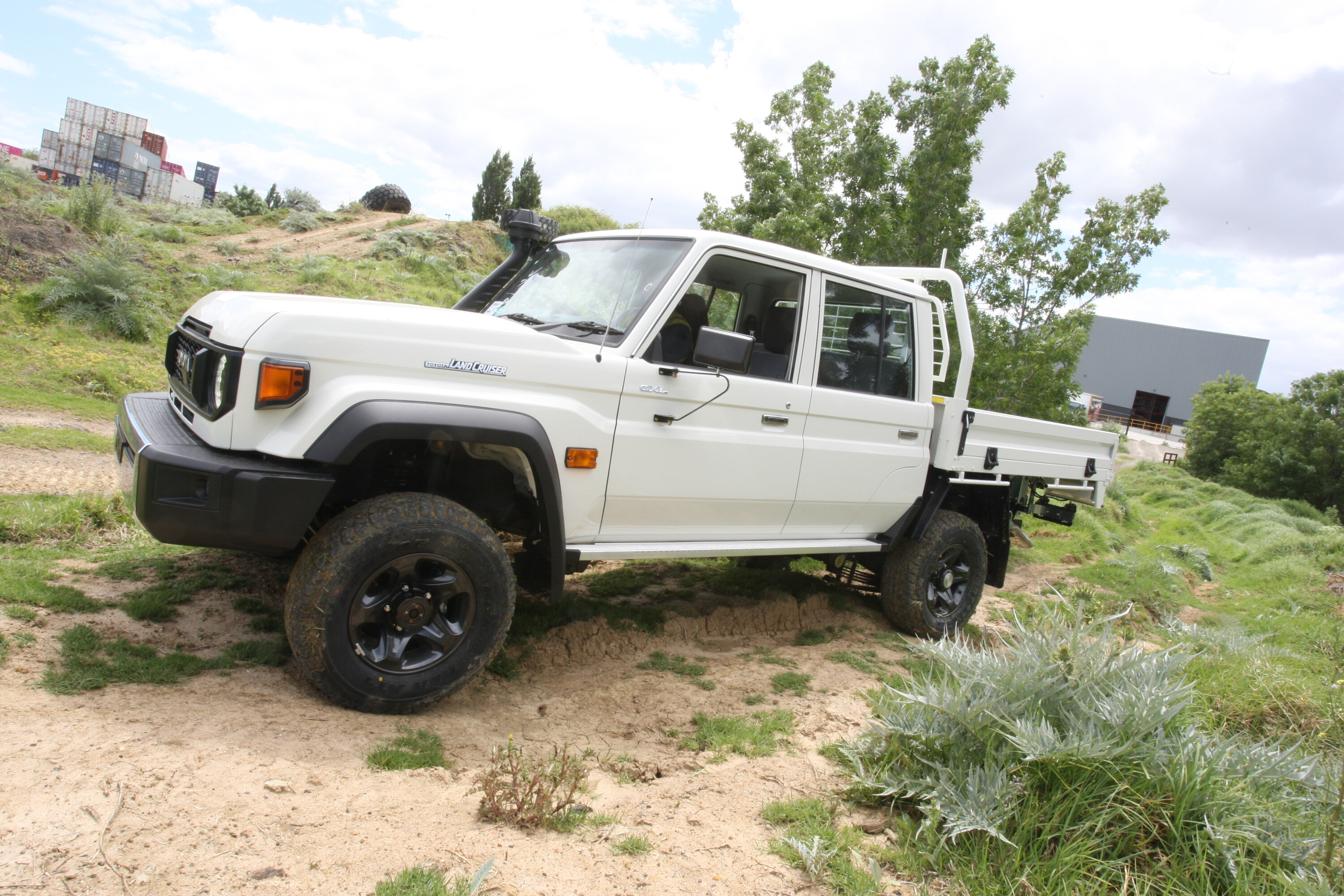
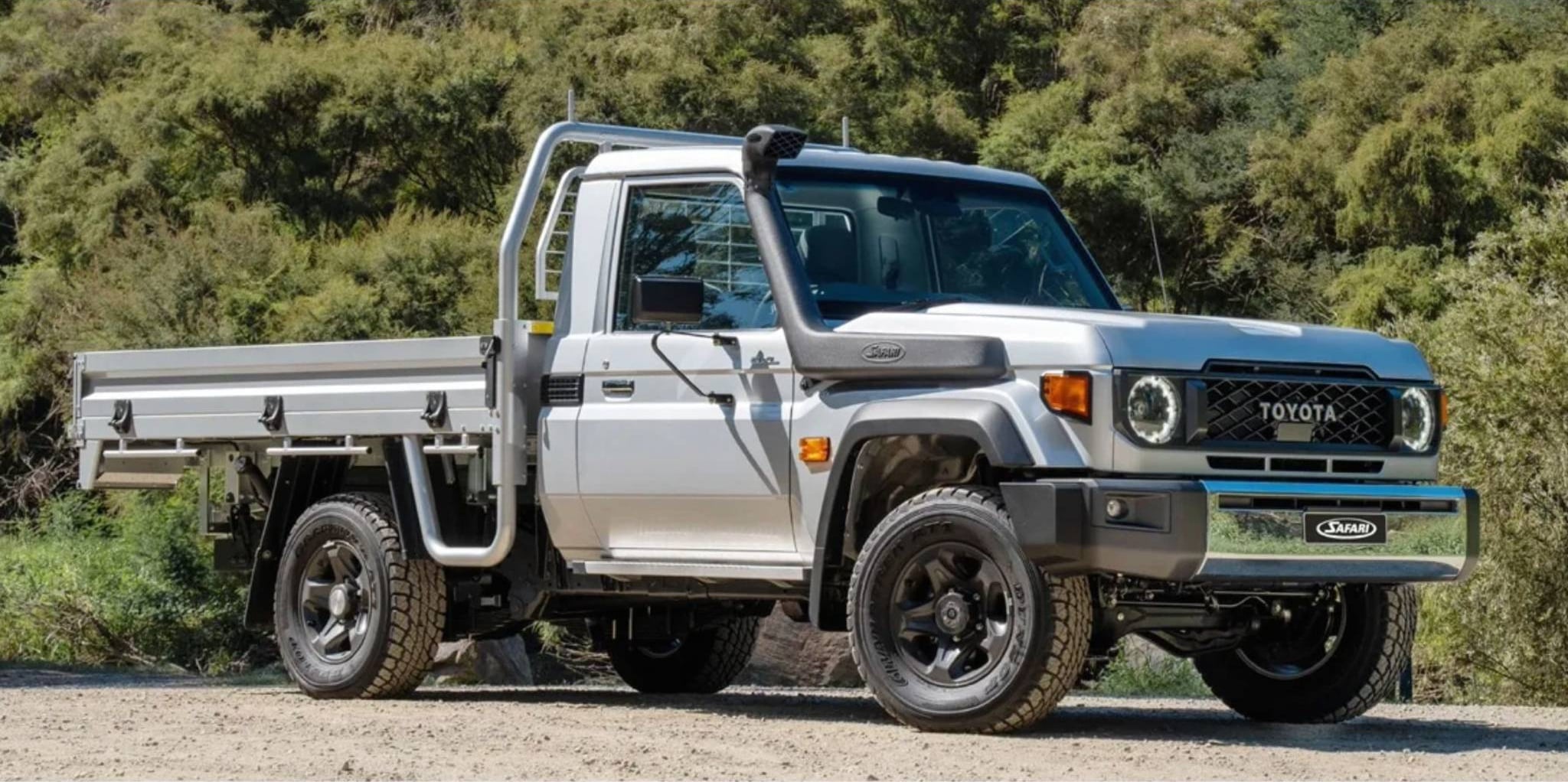
Airflow is equally important. Safari snorkels from the 70 Series Store feed cooler, cleaner air into the engine, lowering under-bonnet temperatures while keeping dust and water out. Under-bonnet ventilation, through strategically placed vents or mesh grilles, allows trapped heat to escape, helping all cooling upgrades work efficiently.
1
Monitoring is a critical part of thermal management. High-accuracy temperature gauges provide real-time readings for coolant, oil, and transmission fluids, allowing drivers to adjust speed or load before critical thresholds are reached. For longer trips, data loggers track trends and identify potential hotspots, giving insight needed to prevent problems before they occur.
Pairing a quality snorkel with trusted cooling and monitoring hardware is a surefire way to ensure your 70 Series stays cool even in the harshest conditions.
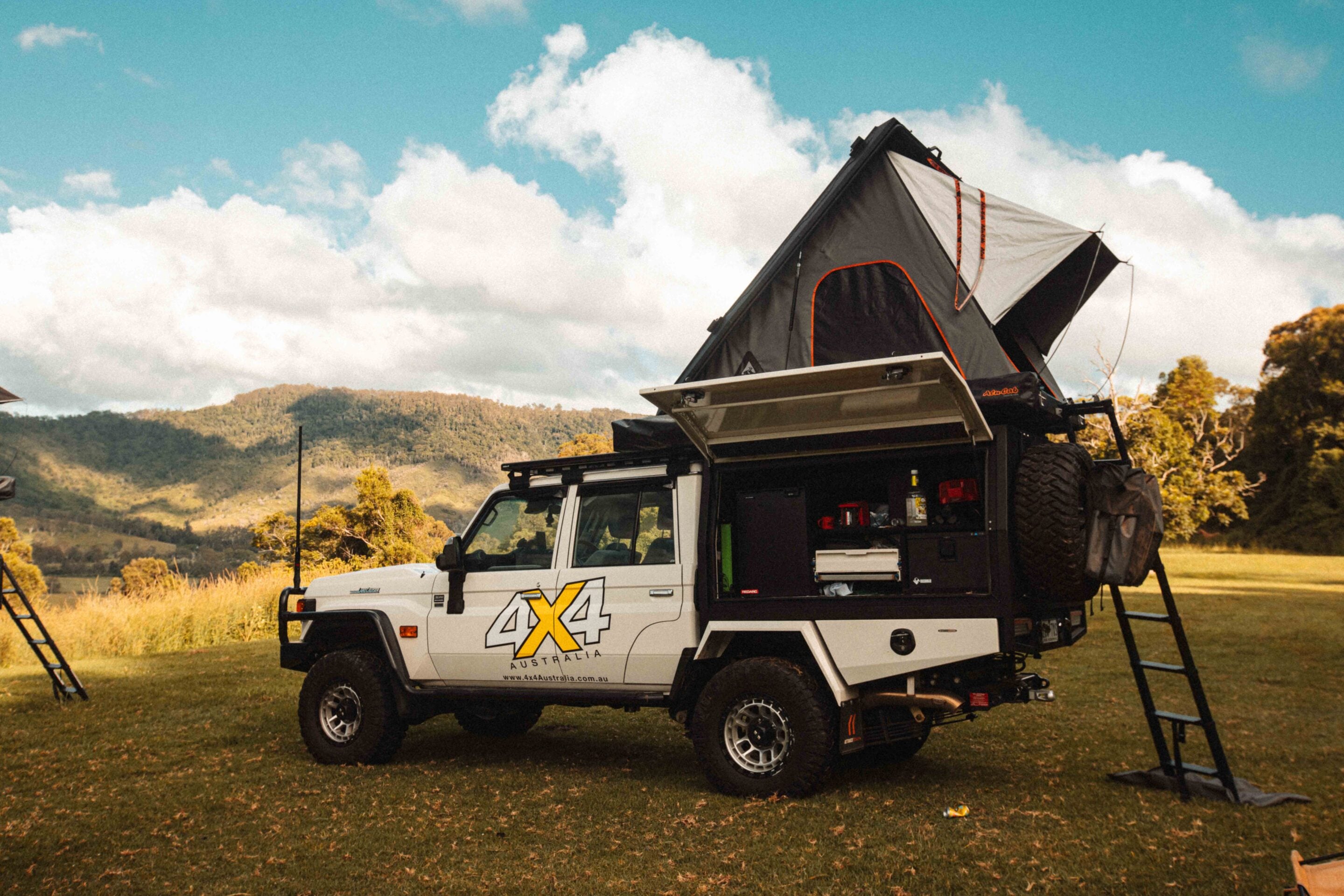
Using a real-world example, a fully loaded 70 Series crossing the Simpson Desert highlights the difference proactive cooling makes. On a stock setup, the engine can approach critical temperatures within hours of heavy sand crawling. After fitting an upgraded radiator, auxiliary oil and transmission coolers, and under-bonnet ventilation, the same route is more than likely to be completed without a single thermal warning. Continuous monitoring can also allow the driver to make informed adjustments on the fly, keeping the engine within safe operating limits.
1
Keeping the cabin cool matters just as much
Heat inside the vehicle can be relentless in the midday sun, compounding driver fatigue and making long-distance travel uncomfortable and unsafe.
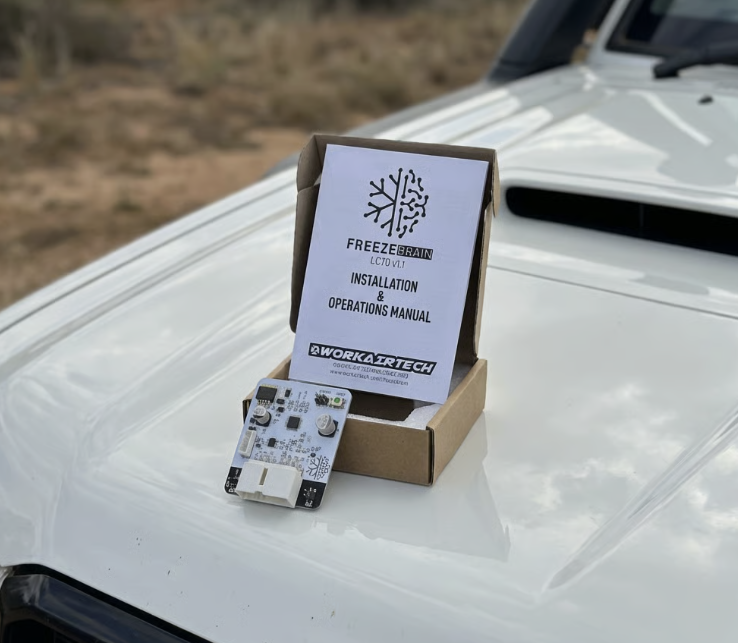
Upgrading interior comfort doesn’t just help your air conditioner work smarter, it reduces radiant heat load and keeps occupants alert on long sections of corrugated dirt or sandy plains. A great first step is the Freezebrain A/C Amplifier, a plug‑and‑play unit that lets your air con drop evaporator temperatures significantly lower than stock, delivering genuinely cold air when you need it most.
Complementing that, external shade solutions like these Weather Shields help reduce heat entering through open windows during rain or dust runs, while Magnetic Sun Shades block solar gain through glass when parked or driving, protecting the interior from UV and reducing cabin temperature build‑up. Together these upgrades keep the inside of your 70 Series noticeably cooler in harsh Aussie conditions, improving comfort without sacrificing airflow or practicality.
1
Heat is one of the most underestimated threats to 70 Series reliability in the outback.
Stock cooling systems cannot always cope with extreme conditions, heavy loads or extended bush travel. Veteran tourers know that radiator upgrades, auxiliary coolers, airflow improvements, and accurate monitoring are just as essential as a quality set of tyres.
Follow 4X4 Australia on Google
Get more 4x4 news, reviews and gear stories from 4X4 Australia in your Google feeds.

We recommend
-
 Gear
GearWhy some 70 Series upgrades fail, and how to choose ones that last
A 70 Series is a work vehicle, and only the right upgrades will stand up to heat, dust, corrugations and long-term use
-
 Gear
GearAccessories every 70 Series LandCruiser needs for 2026
Top 70 Series upgrades for 2026 to boost comfort, storage and practicality