Gear

Gallery 1
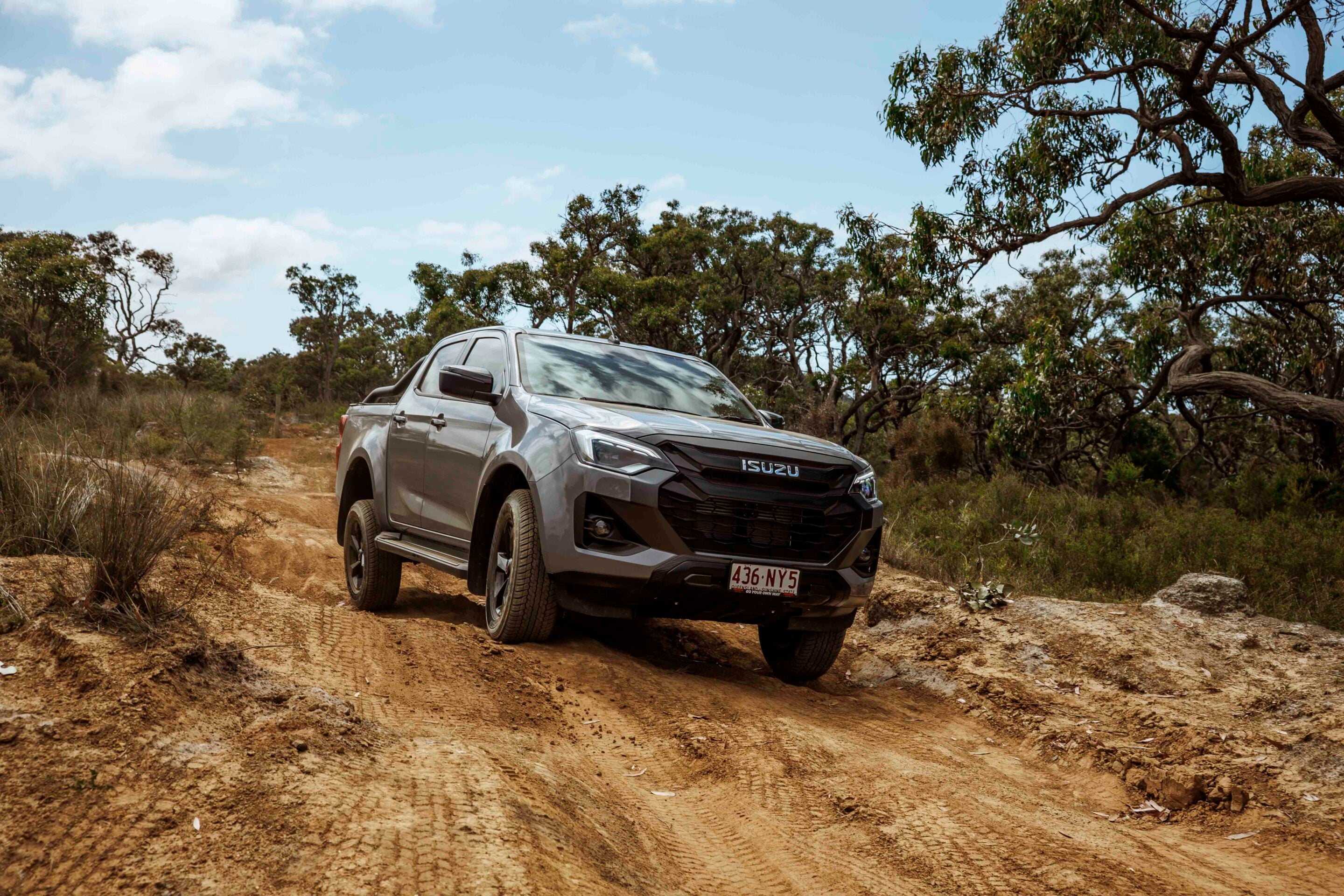
A caravan can put a surprising amount of pressure on a touring ute’s weight limits.
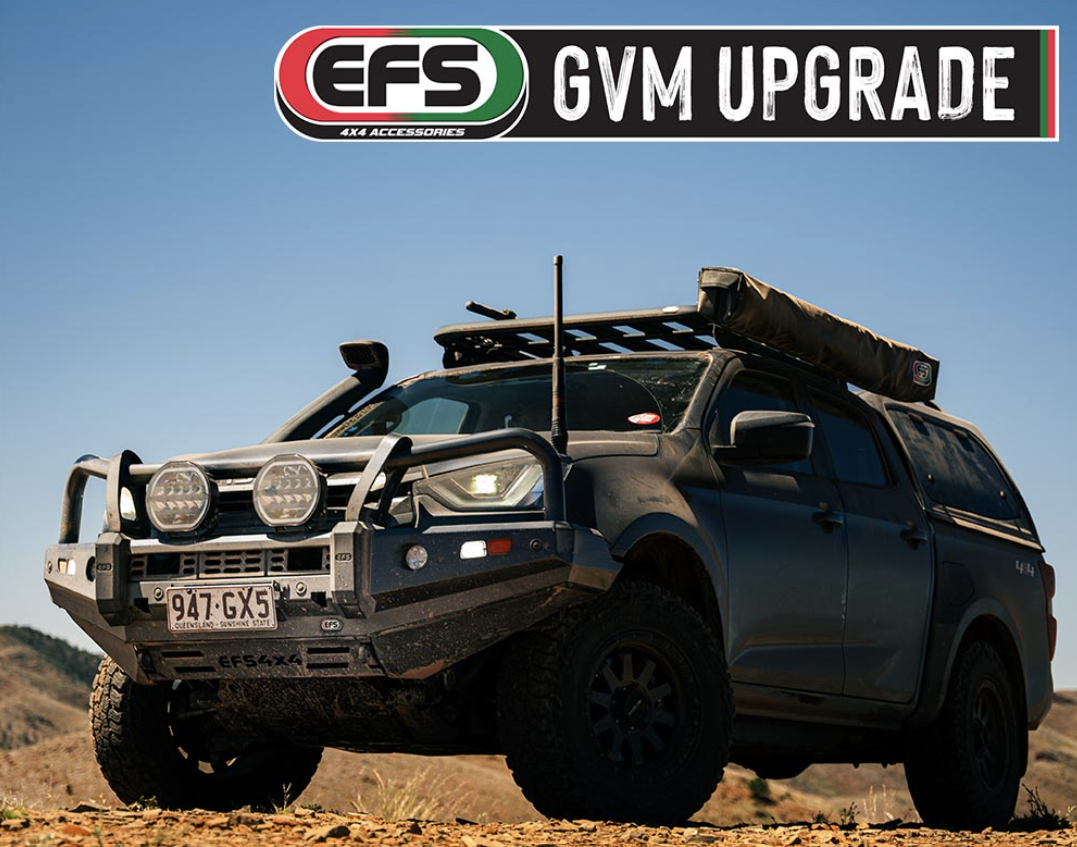
Add a bullbar, winch, canopy, drawers, fridge and recovery gear, then factor in passengers and luggage, and an Isuzu D-MAX can be carrying a substantial load before the trailer is even hitched up.
For eligible RG-series D-MAX 4WD models, EFS 4WD offers a GVM upgrade from 3100kg to 3650kg (↗), adding 550kg to the vehicle’s permitted maximum mass. That’s useful extra capacity for a heavily equipped ute, but it doesn’t change the D-MAX’s towing rating or remove the need to stay within axle and combination limits.
Isuzu D-MAX payload: How much weight can you carry?
For the RG-series D-MAX models covered by the EFS upgrade (↗), the standard gross vehicle mass (GVM) is 3100kg. This is the maximum permitted weight of the vehicle when loaded, including passengers, fuel, accessories, luggage and towball download.
The important figure is how much payload remains once the vehicle is fitted out. A canopy and drawer system can add well over 100kg, depending on the setup. Add a bullbar, winch, roof rack, fridge and electrical system, and you could use several hundred kilograms before packing for a trip.
It’s also possible to exceed an individual axle rating while remaining under the overall GVM. Accessories and luggage don’t always distribute their weight evenly, so it’s worth weighing the front and rear axles separately rather than relying on the payload figure in the brochure.
The best starting point is to weigh the D-MAX as you actually use it, with its usual accessories, fuel and occupants. That gives you a much clearer idea of how much capacity remains for food, water, camping gear and anything else you’re taking away.
EFS 3650kg GVM upgrade for the Isuzu D-MAX
EFS offers an approved GVM upgrade for eligible RG-series Isuzu D-MAX 4WD models (↗), increasing the published standard GVM from 3100kg to 3650kg.
That’s an additional 550kg of permitted vehicle mass, provided the correct installation and certification requirements are met. The package uses vehicle-specific suspension components, including front and rear dampers, springs and associated hardware. Unlike a conventional suspension lift, an approved GVM upgrade changes the vehicle’s permitted maximum mass once the correct components are fitted and certification is completed.
The extra capacity can make a substantial difference to a D-MAX carrying permanent touring accessories or work equipment. However, the upgrade doesn’t remove other restrictions, including axle ratings and towing requirements. The kit must be matched to the individual vehicle and installed through an authorised EFS installer.
Does a D-MAX GVM upgrade increase towing capacity?
Increasing GVM doesn’t automatically increase the D-MAX’s maximum braked towing capacity or gross combination mass (GCM). GVM limits the loaded vehicle, while GCM limits the combined weight of the loaded ute and trailer.
Towball download is part of the load carried by the D-MAX, counting towards its GVM and axle weights. A caravan with a 280kg towball download, for example, adds that much weight to the ute. Add passengers, a canopy, fridge, recovery equipment and luggage, and the available capacity can disappear quickly.
That means you can’t assume you can use the full extra 550kg of vehicle capacity and still tow the same fully loaded caravan. If GCM is already the limiting factor, a higher GVM won’t solve the problem. Weigh the ute and trailer in their normal travelling configuration and check the vehicle’s GVM, GCM, axle ratings and the trailer’s own limits.
1
What should you consider before upgrading a D-MAX?
A GVM upgrade isn’t the same as fitting a suspension lift.
A lift changes ride height, while an approved GVM upgrade involves specific components and a certification process that increases the vehicle’s permitted maximum mass. Simply fitting heavier springs or shock absorbers doesn’t legally increase GVM.
Suspension also needs to suit the way the D-MAX is used. A ute carrying a permanent canopy, drawers and tools has different requirements from one driven empty most of the week. The same applies to vehicles that regularly tow or spend long stretches on rough outback tracks.
The heaviest springs aren’t necessarily the best choice. A setup that’s too firm can be uncomfortable when the ute is lightly loaded, while an unsuitable suspension package may struggle to control a heavily equipped touring vehicle. The aim is to match the setup to the vehicle’s real operating weight and intended use.
It’s also worth checking the approval pathway before booking. A federal Second Stage of Manufacture approval may be relevant to an upgrade completed before first registration, while an already-registered D-MAX may require a different state or territory engineering and certification process. Check the requirements with an authorised installer before proceeding.
Cost will depend on the kit specification, fitting labour and applicable certification requirements. Ask an authorised EFS installer for a complete fitted quote, and explain how the vehicle will be used, including its permanent accessories, typical loads and towing requirements.
For eligible RG-series D-MAX 4WD models, EFS’s 3650kg GVM upgrade (↗) is worth investigating if your build is pushing the standard weight limits.
Quickfire FAQs
What is the standard GVM of an Isuzu D-MAX?
For the eligible RG-series models covered by the EFS upgrade, the published standard GVM is 3100kg.
What does the EFS D-MAX GVM upgrade increase it to?
The upgrade raises GVM to 3650kg, an increase of 550kg.
Does a GVM upgrade increase the D-MAX’s towing capacity?
No. It doesn’t automatically increase the vehicle’s braked towing capacity or GCM.
Do I need a GVM upgrade to tow a caravan?
Not necessarily. It depends on the loaded weight of your D-MAX, including towball download, and whether it remains within its GVM, axle and GCM limits.
Is a suspension lift the same as a GVM upgrade?
No. A lift changes ride height, while an approved GVM upgrade changes the vehicle’s legally permitted maximum mass after the required installation and certification.
Can I upgrade my D-MAX after registration?
Potentially, but the approval process may differ from an upgrade completed before first registration. Check the applicable state or territory requirements with an authorised installer.
Follow 4X4 Australia on Google
Get more 4x4 news, reviews and gear stories from 4X4 Australia in your Google feeds.

We recommend
-
 News
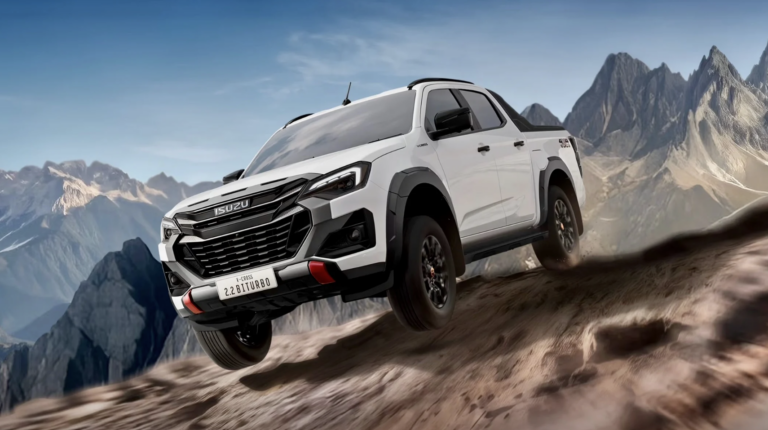
Isuzu unveils new 2.2-litre bi-turbo diesel, but will Australia get it?
Isuzu's new 2.2-litre bi-turbo diesel outguns the 3.0-litre, but its Australian arrival remains unconfirmed
-
 News
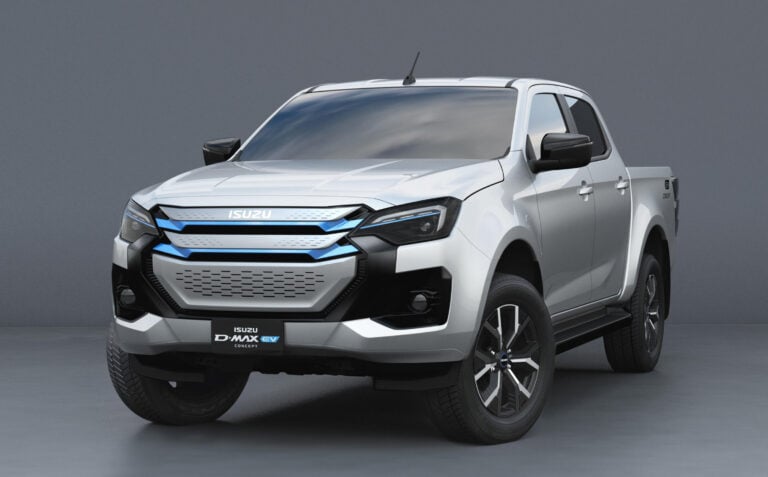
Isuzu pulls the plug on D-MAX EV for Australia
Isuzu has cancelled plans to launch the D-MAX EV in Australia, despite previously confirming the electric ute for our market