Explore NSW

Gallery 1
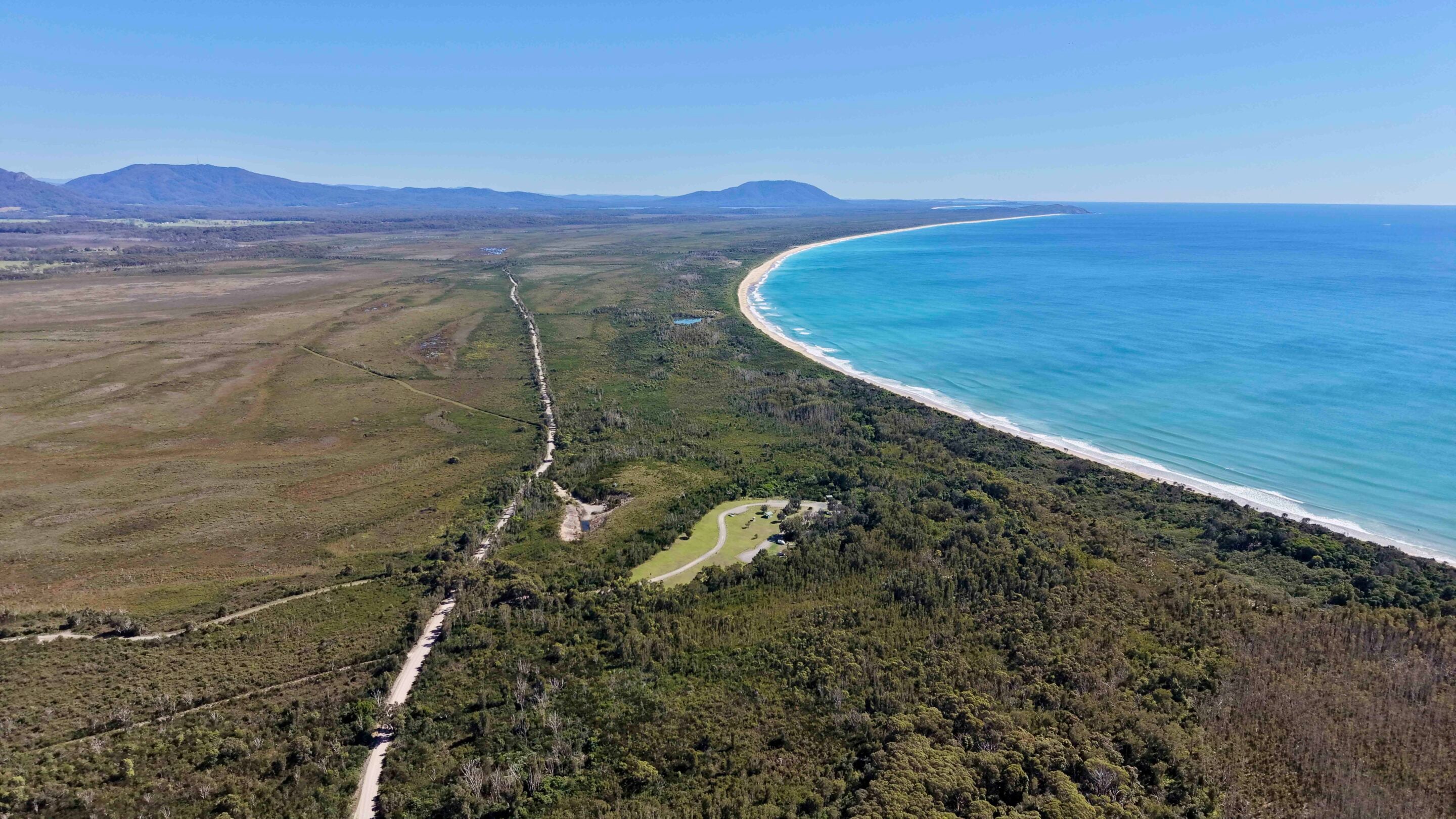
The last time I spent time in the beautiful Crowdy Bay NP was just after the devastating fires that ripped through the North Coast a few years ago. Today, the trees are coming back with a vengeance, the heathlands are blooming, and the animals have returned.
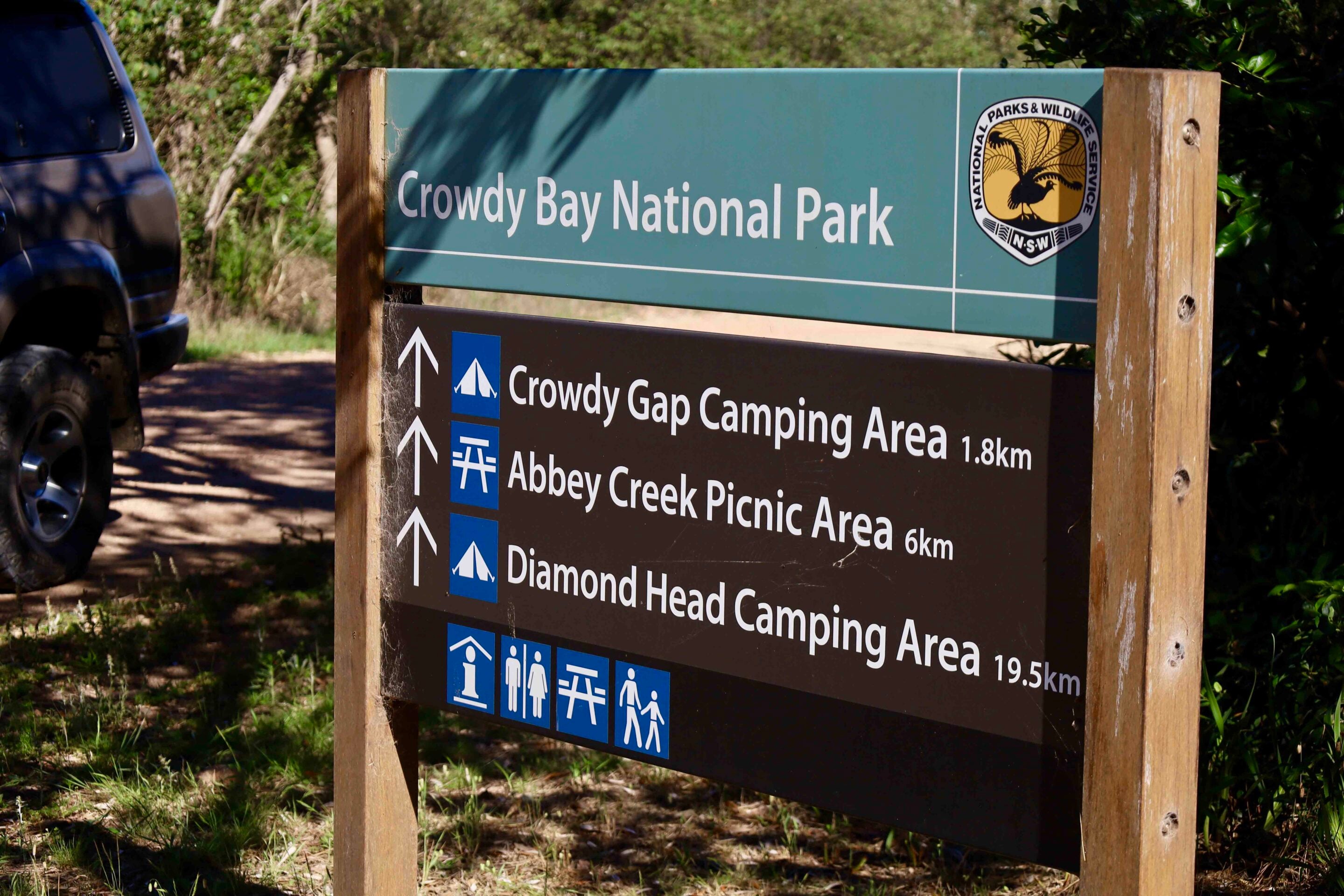
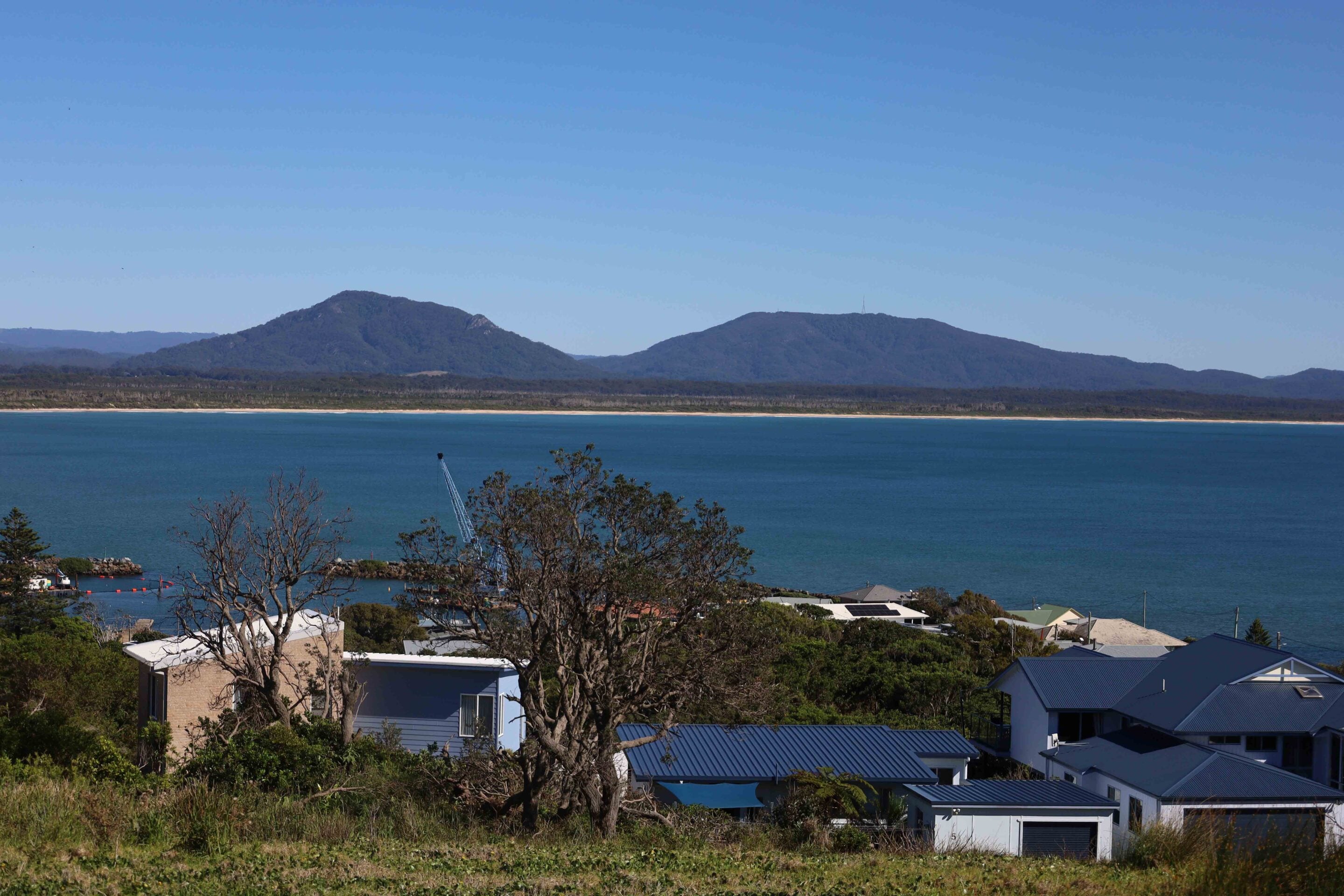
Crowdy Bay National Park is a hidden gem, lying an easy four hours north of Sydney on the Mid North Coast between Taree and Port Macquarie. Captain Cook sailed past in 1770 and spotted a group of Aboriginal people on the headland, naming it Crowded Head. Over time, the name changed. To the north, he spotted three near-identical mountains, which he named the Three Brothers Mountains – something he believed was unique, though the Birpai people had been calling them this for years.
The Birpai people had an abundance of food in the lower rivers and forest areas, feeding on shellfish, oysters and crayfish. In the forests there were emu, kangaroo and turtle, providing a good source of protein. They knew when to move to the coast by observing the movement of the hairy caterpillar, which coincided with the annual mullet run in the bay. Shell midden sites have been found and are now protected within the park, with some dating back 6000 years.
1
Exploring Camden Haven and North Brother Mountain Lookouts
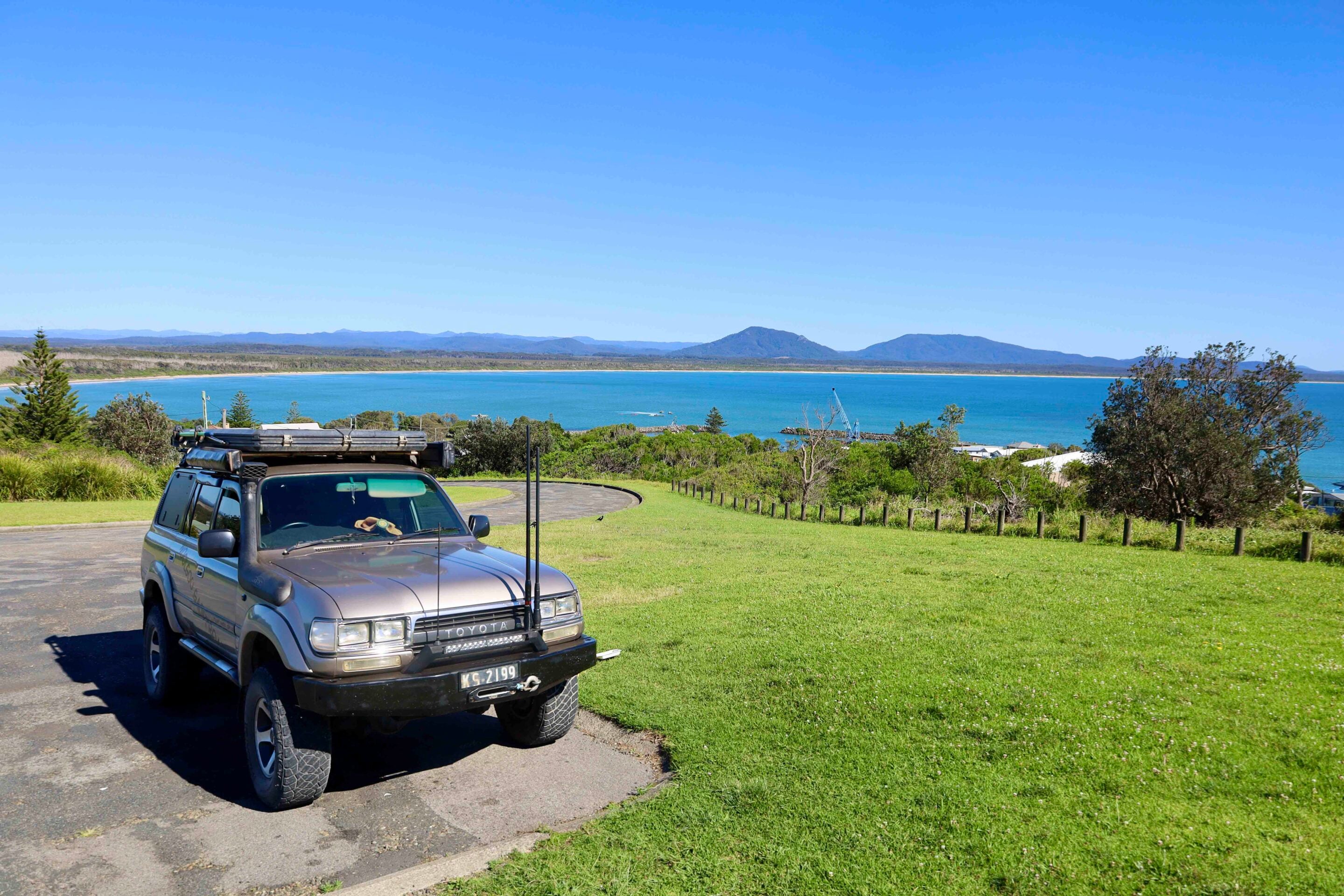
My trip started at Camden Haven, high on North Brother Mountain, where the views to the north were absolutely stunning along the coast.
Also known as Dooragan Mountain – which translates to ‘north’ in the Birpai language – it is now declared a national park. The park lies within the ancestral lands of the Birpai people, who view the mountains as culturally significant, with stories passed down through generations.
There are several walking tracks around the top of the mountain, winding through pockets of rainforest and leading to various lookouts. One in particular looks south over Crowdy Bay NP – the Don Johnson Lookout. Johnson was a passionate conservation advocate and a driving force behind the push to have Crowdy Bay declared a national park.
1
Camping Highlights: Diamond Head, Indian Head and Kylie’s Beach
Heading south from Camden Haven into Crowdy, you’ll find the first – and most popular – camping area, Diamond Head.
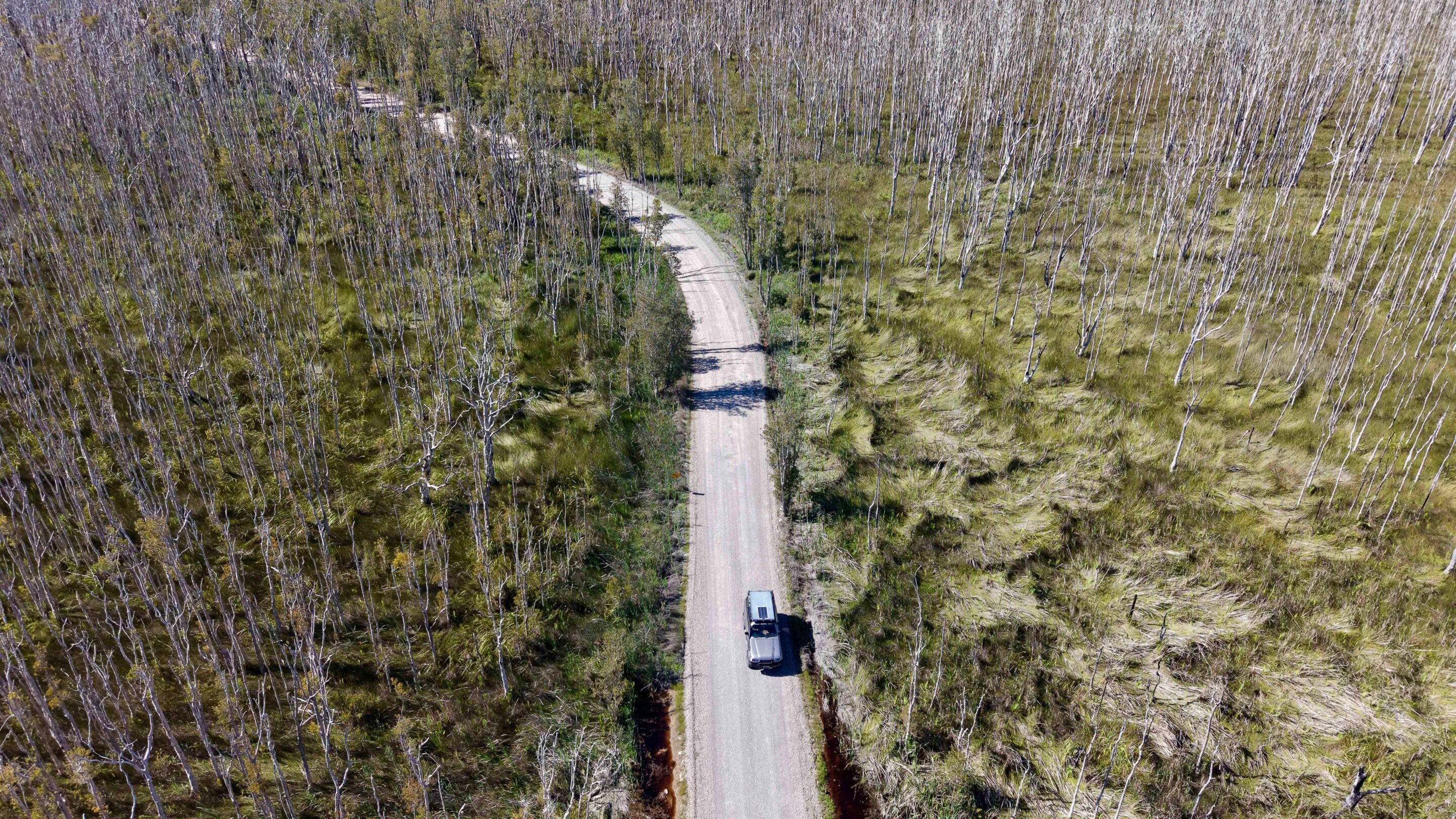
It’s a favourite with families thanks to its formal amenities and walking tracks to Dunbogan Beach. Diamond Head Road cuts a path through Crowdy, passing through a complex mix of littoral rainforest, coastal heathland, salt marshes and eucalypt forest.
During the destructive fires five years ago, most of the park was wiped out. Slowly, the landscape has regenerated, but there are still signs that some trees may never re-grow. I also noticed that since the fires there are more gates blocking some of the side access tracks, presumably to protect more fragile areas during the regrowth stage.
1
The next camping area along is Indian Head campground, which is my go-to stopover. It features large grassed areas, basic facilities, fires are allowed, and quite often the wildlife hangs around enjoying the same space as the campers.
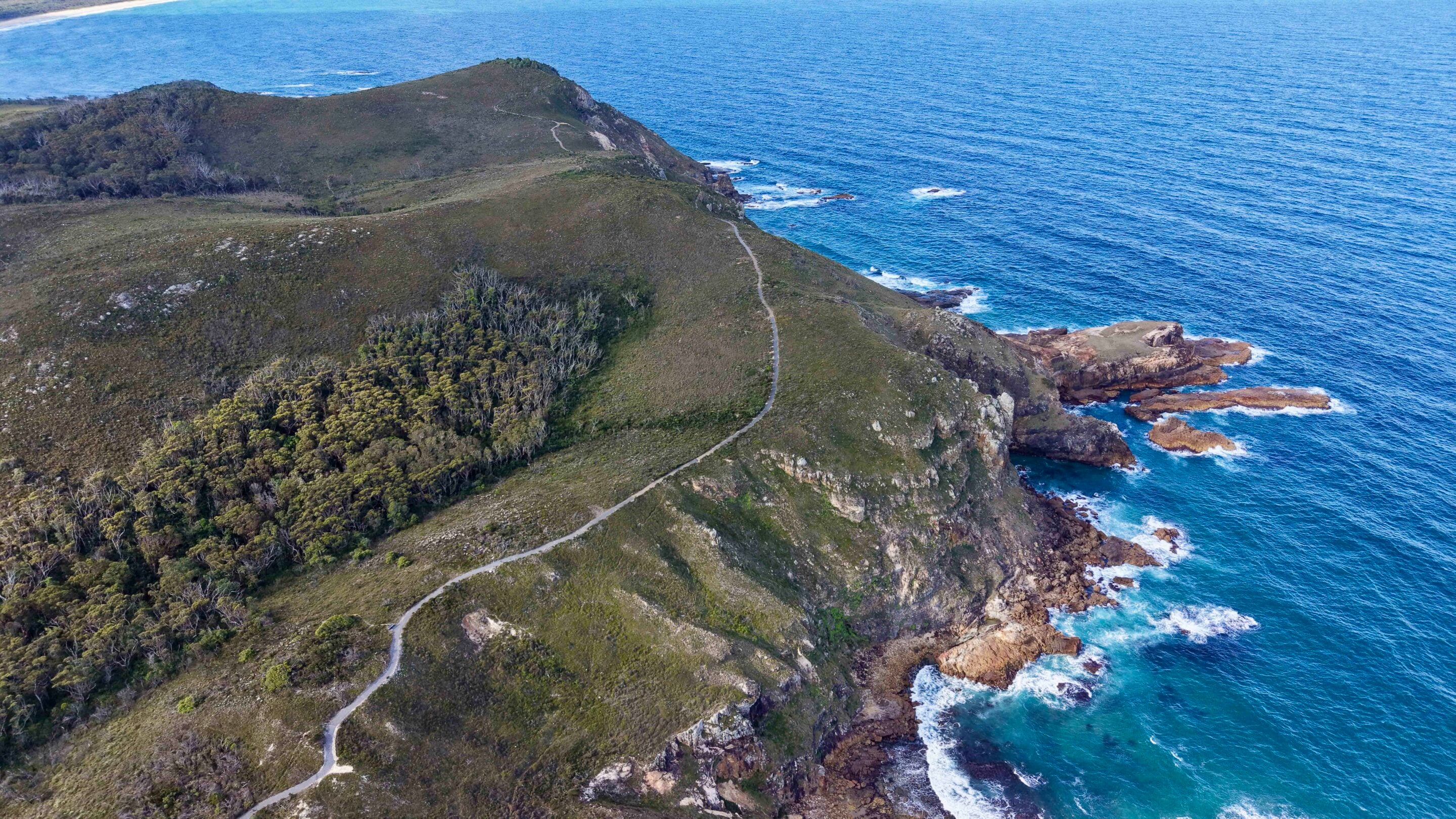
Indian Head has a couple of walking tracks, including one out to the headland with stunning views along the coastline and down to Split Rock and the bridge, as well as a track to the historic Kylie’s Hut. The original timber slab hut was built in 1940 by reclusive local farmer Ernie Metcalfe as a writing retreat for Kylie Tennant. She fell in love with the area and the story surrounding old Ernie, and wrote many books from the hut, including one about him titled The Man on the Headland. The hut was rebuilt after the fires, but the original foundations can still be seen next to the new structure.
You don’t need a big four-wheel drive for the roads through Crowdy, as they’re suitable for AWD vehicles, although they can get a little corrugated and dusty during busy periods. The next camping area is Kylie’s Beach, which can get quite busy during the holidays thanks to its direct beach access for walkers and 4x4s. You’ll need a permit to drive on the beach here, and tides play a big part too, as the sand can get quite soft. When conditions are right, you can drive all the way south along the beach to Crowdy Head.
1
Further south is the last campground, Crowdy Gap, which has a more national park feel, with bollards and regimented campsites. Facilities include cold outdoor showers, drop toilets, and fires are permitted off the ground. The campground is surrounded by coastal banksias and black sheoaks, where you can smell the salt air and hear the crashing waves.
This was once the site of an old dairy farm before being declared a national park in 1972. The area was previously privately owned, with houses and gardens scattered throughout, and there was even a bush racecourse on the western side of the road, which has now all but grown over.
Discover Crowdy Head Village, Lighthouse, and Coastal Adventures
Just seven kilometres away is the fishing village of Crowdy Head.
It’s a sleepy little place these days, with an eco resort, surf club and a takeaway shop. Sitting high on the headland above the harbour is Crowdy Lighthouse. Built in 1878 to guide ships through the Manning River, it was manned by a lone lighthouse keeper until full automation in 1972. It’s another fine example of an early stone building that has stood the test of time through high winds, rain and the forces of Mother Nature. Nearby, the foundations of the old lighthouse keeper’s cottage can still be seen.
The bay at Crowdy is well protected, making it ideal for kids to take a dip, and there’s often great snorkelling around the surrounding rocks. While exploring the park, keep an eye out for endemic native species including koalas, echidnas, wallabies and bandicoots, as well as black cockatoos feeding on the nuts of sheoak trees. You might even spot a white-bellied sea eagle cruising along the coastal strip.
It’s possible to explore all of these camp areas, Kylie’s Hut and Crowdy itself in one day, but you need to ask yourself: what’s more important – the journey or the destination? Crowdy Bay National Park may not be large in size, but it holds a lot within.
24
Quick facts
Crowdy Bay National Park is located 350km north of Sydney on the Mid North Coast of NSW.
Crowdy is the perfect coastal escape within easy reach of Sydney, offering a choice of multiple campgrounds. Nature lovers will enjoy the headland walking tracks, stunning vistas and an impressive coastline where you can fish or walk to your heart’s content. The wildlife seems to love it too, with wallabies and goannas roaming the camps and, overhead, plenty of coastal birdlife. The campgrounds have showers and bins, and fires are allowed in season.
MORE
Make a booking now!
Follow 4X4 Australia on Google
Get more 4x4 news, reviews and gear stories from 4X4 Australia in your Google feeds.


We recommend
-
 Explore NSW
Following Sturt’s footsteps: A 4x4 journey from NSW to South Australia
Retrace Charles Sturt’s 1829-30 expedition along the Murrumbidgee and Murray rivers on a modern 4x4 adventure
-
 Explore NSW
Kwiambal National Park is an ideal destination for a weekend adventure
Waterfalls, hiking trails, caves and quiet campsites. Kwiambal National Park has all the ingredients for a weekend adventure off the beaten track