Explore NSW

Gallery 1
Kwiambal National Park, in northern NSW, covers just 9200 hectares and is the traditional country of the Kwiambal people, who descend from the Murri people of the north-west and have lived in the area for thousands of years.
Evidence of their long connection remains today, with sacred sites and hunting grounds scattered throughout the park where Kwiambal ancestors once lived year-round.
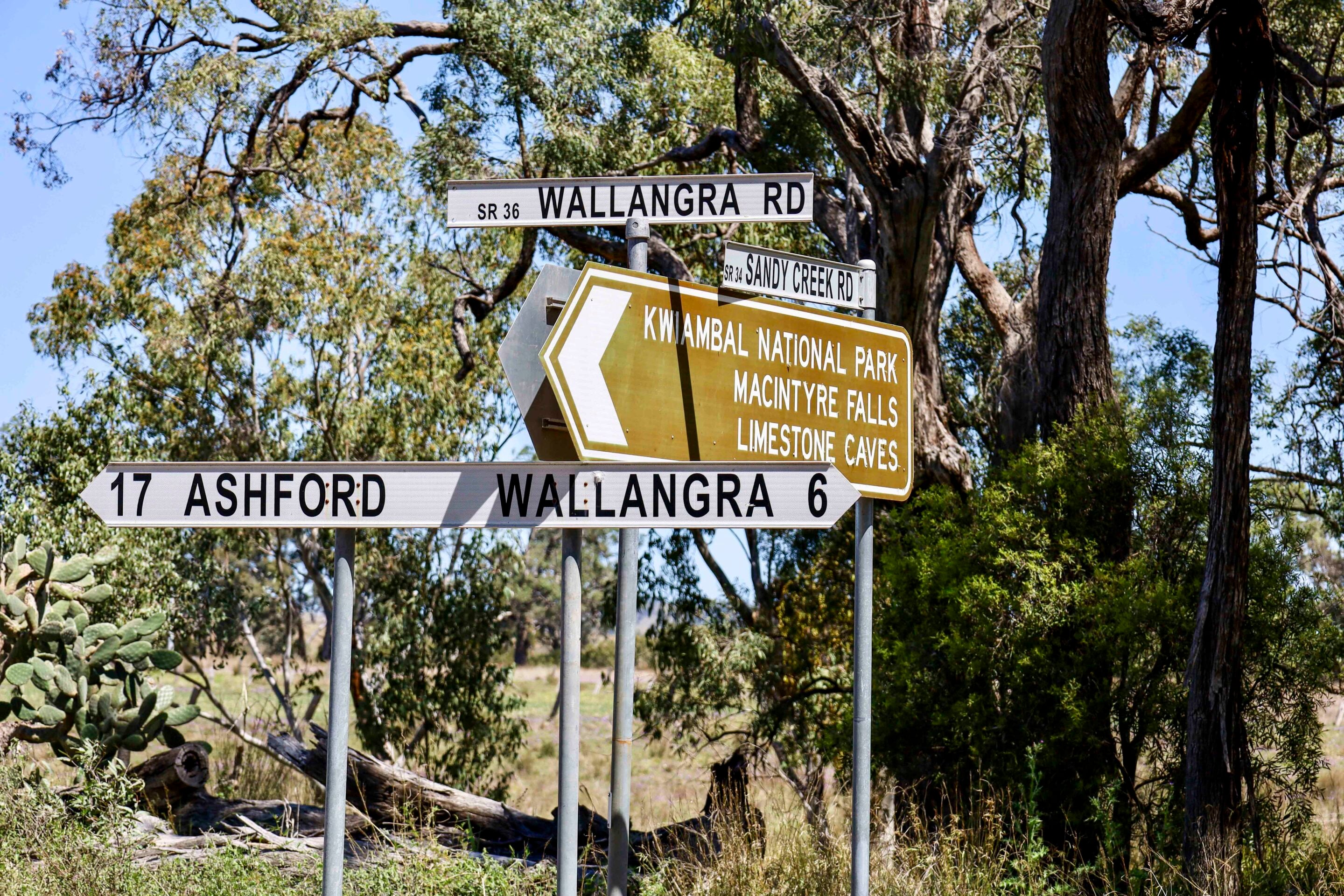
Located 80km north of Inverell, Kwiambal is a serene and peaceful place where European history dates back to 1827. Explorer and botanist Allan Cunningham, known for his expeditions along the eastern seaboard into uncolonised areas, ventured through north-west NSW that year. He was collecting plant species north of Inverell in what was thought to be an uninhabited area, but instead discovered a squatter’s shack and cattle near what is now the township of Ashford. By 1830 settlers had begun arriving on the north-west slopes, and Ashford was declared a village in 1860.
I first visited Kwiambal nearly 10 years ago and was keen to return for some time out and a chance to reconnect with nature. After a quick stop in Ashford, it’s only a 30-minute drive to the park’s boundary. Tobacco farming was a major industry out here between 1969 and 1994, and if you look around you’ll still see a few of the old drying sheds – most now used for farm storage – built from cypress and ironbark. Unfortunately, there’s still plenty of prickly pear cactus about; even Allan Cunningham noted during his explorations that it was once so thick it couldn’t be walked through.
1
Limestone caves and fossil discoveries
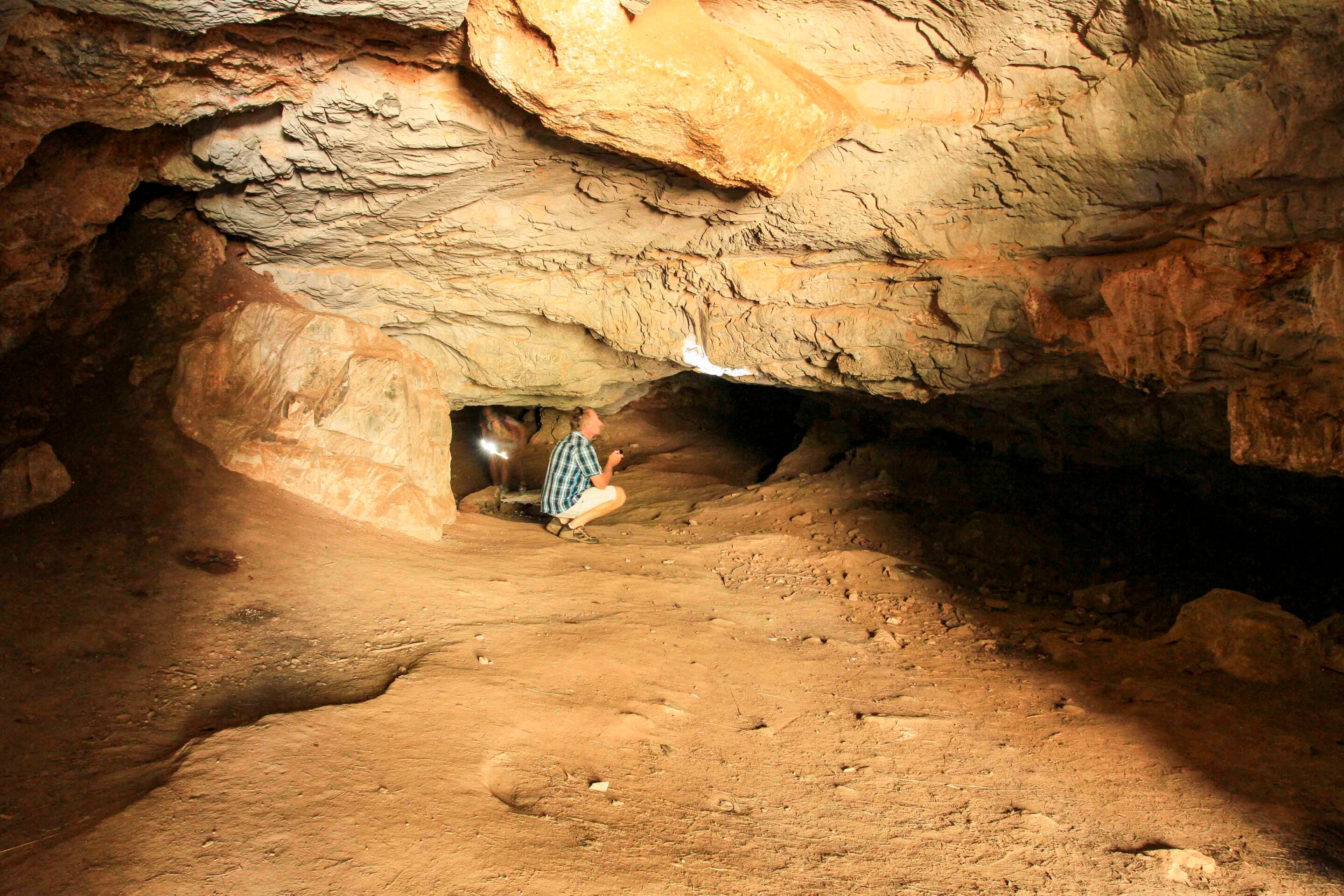
One of the main attractions in Kwiambal is the limestone caves, which were once mined for bat poo – or guano – that’s rich in phosphorus and nitrogen.
Just near the cave entrance, information boards highlight Allan Cunningham’s travels as well as the history of the caves and the mining era. It’s only a 300m walk from the car park to the cave entrance and day picnic area, where you’ll find toilets, shelters, a few tables and plenty of open paddocks for the kids to run around. Around the cave entrance and along some of the park roads, you can spot fossils that look like gigantic worm grooves – these are called Rillenkarren and were formed over millions of years as acid rainwater ran down the limestone, carving these unusual channels.
With a good torch, it’s possible to safely explore the cave system, where you’ll find huge chambers and lengthy hallway-like passages. Some pathways lead to smaller rooms, while others open into vast caverns. Look closely and you’ll spot stalactites and stalagmites, and in some of the quieter caves, tiny bats cling tightly to the roof. Just remember your route – there are no markers or formed trails – and if your torch goes out, it’s dark. Very dark. The signs outside estimate around two kilometres of cave system that most people can explore, with a further three kilometres accessible only with specialised equipment.
Fossils and bones found around the limestone cave system date back to the Pleistocene era (11,000 to 2.5 million years ago), and surprisingly they include a pygmy possum, giant kangaroos and a thylacine.
1
Macintyre Falls and walking tracks
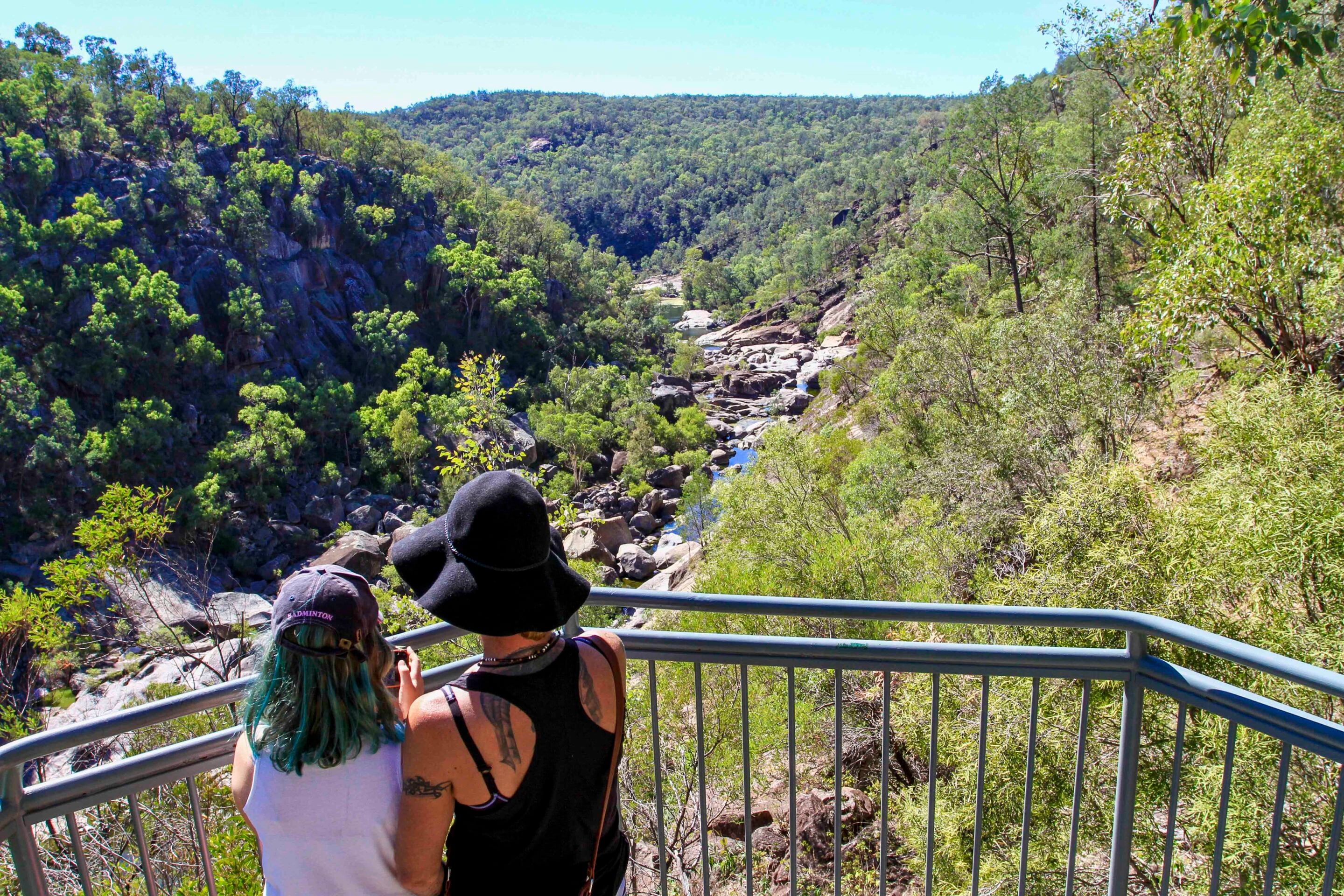
Another major drawcard at Kwiambal is Macintyre Falls and the network of walking tracks leading to areas known as the Pools, the Beach, Slippery Rocks and the Gorge.
There are viewing platforms for those who can’t or don’t want to hike to the bottom, offering different perspectives of the rugged terrain, the Macintyre River and the sheer scale of the granite gorges. In the warmer months, hikers are rewarded with a refreshing swim in the waterholes scattered throughout the lower gorge. At the trailhead to the falls, there are toilets, shelters and barbecues for day trippers.
1
Camping by the Severn River
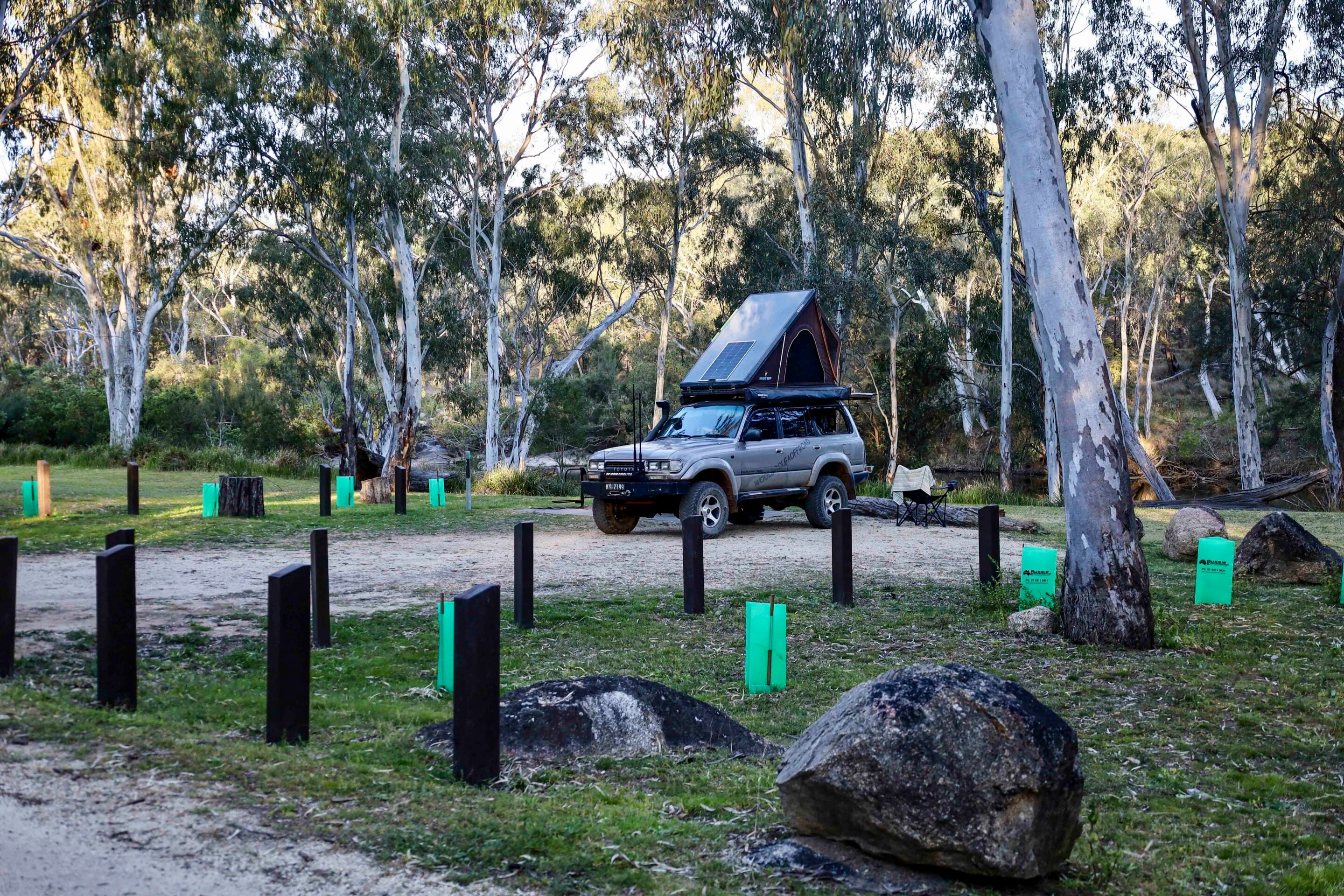
There are two camping areas in Kwiambal – Lemon Tree Flat and Kookabitta – both set along the Severn River.
As usual, bookings are made online, and both times I’ve visited, Lemon Tree has booked out fast. There are only a few sites at Kookabitta, suitable for all styles of camping – from swags and rooftop tents to off-road trailers. Both camps are well set up with drop toilets, barbecue shelters and tables, while Kookabitta sites also have their own picnic table and fire pit.
Walking tracks connect the two campgrounds, and Lemon Tree offers the Junction Walk, which leads past the Dungeon Lookout to where the Severn and Macintyre rivers meet. Both sites have river access and make for peaceful camps where birdlife and wildlife come down to drink. The big grassy area at Kookabitta attracts wallabies in the afternoon, creating a beautiful setting against the wild hills behind camp.
Even though Kwiambal is small and all about getting back to nature, I’m a big fan of the place – its serenity and peaceful surroundings are what make it so special. For those keen to throw on a pair of hiking boots, there’s enough here to keep you busy for days.
18
Essential information
Where is Kwiambal?
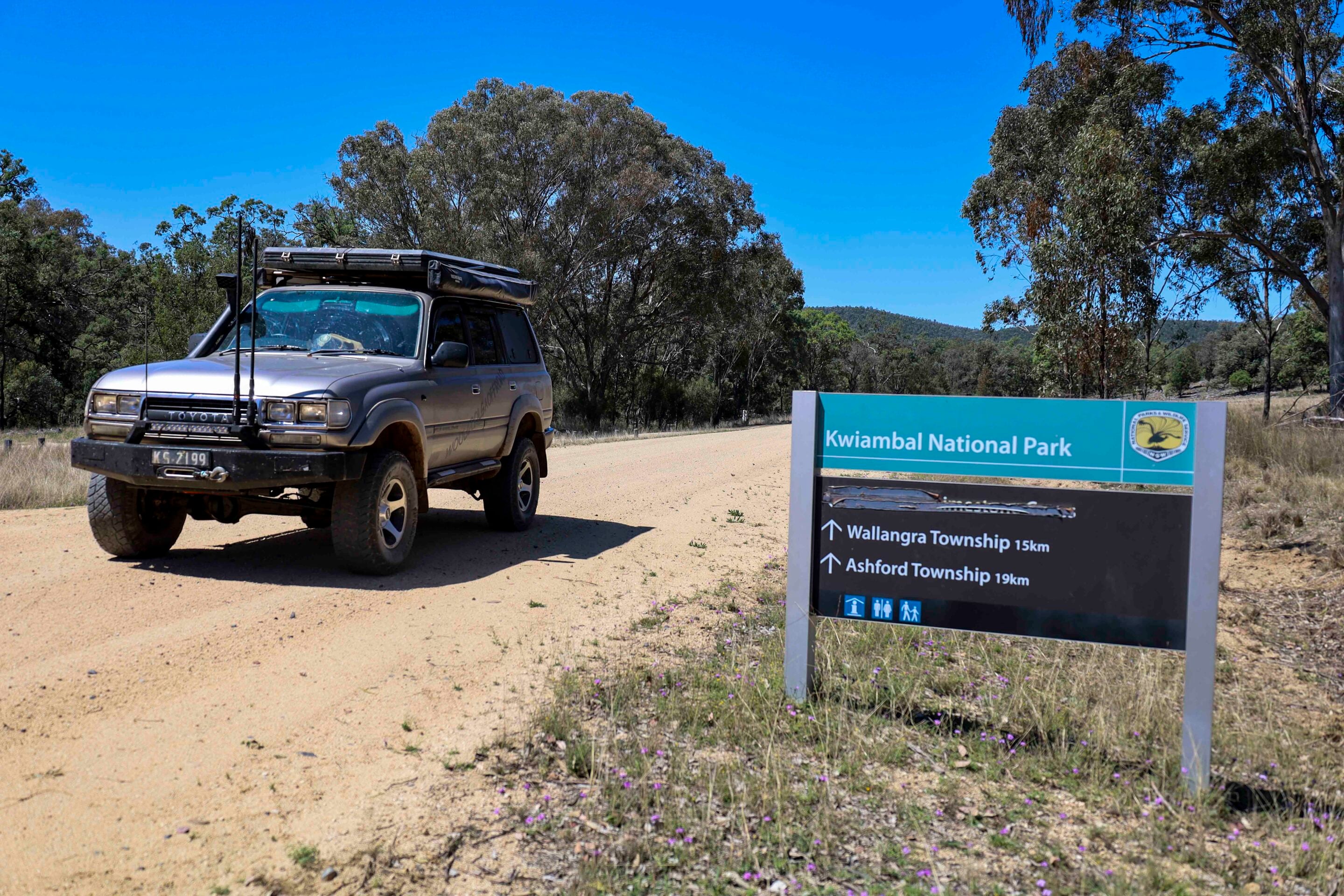
Kwiambal National Park is located 80km north of Inverell, via Ashford in northern NSW. Set in rugged, remote gorge country, it’s an area rich in both cultural and historical heritage.
What to see and do
There are two camping areas to set up base – Lemon Tree and Kookabitta – both with essential facilities. Bookings are now made online through the NPWS website. Kwiambal is a hiker’s delight, with plenty of trails to test your fitness, along with waterfalls, swimming holes and picnic spots to enjoy at day’s end. On the park’s outer reaches, you’ll spot old tobacco sheds in paddocks once used to dry the crop.
More info
The NSW NPWS website has the most up-to-date park information and online bookings. The best time to explore Kwiambal is during spring, when wildflowers bloom and the weather is kinder. Summer and winter temperatures can be extreme, so come prepared if you’re visiting in those seasons.
MORE
NSW travel yarns!
Follow 4X4 Australia on Google
Get more 4x4 news, reviews and gear stories from 4X4 Australia in your Google feeds.


We recommend
-
 Explore NSW
Exploring the Darling River: A road trip through outback NSW
From outback pubs to reborn wetlands, a drive along the Darling River reveals the rich history and raw beauty of outback NSW
-
 Explore NSW
Touring the New England region of the Great Dividing Range
One of Kev Smith’s favourite places is in his own backyard: the New England area of the Great Dividing Range on NSW’s north coast
-
 Explore NSW
Trekking the Great North Road in NSW
If you’re feeling energetic, there is plenty to explore along the historic Great North Road just north of Sydney