
Compact lithium jump starters have become a must-have piece of kit to carry in any vehicle, not just your 4×4.
Having the ability to jump-start your car if it has a flat battery, without the help of another vehicle and jumper leads, is priceless and there is a huge range of products on the market now that claim to do this job.
The SJS1500 Jump Starter is one of these, and comes to us from Battery World where it retails for $239 (store dependent).
As its name suggests, the SJS1500 Power Pack puts out 1500amp of power with 600amp peak clamp power. That’s enough to jump-start diesel engines up to 4.2 litres capacity and petrol engines up to 7.0 litres. It jump-started my dead-flat LandCruiser that is rusting away in the driveway without too much fuss at all.
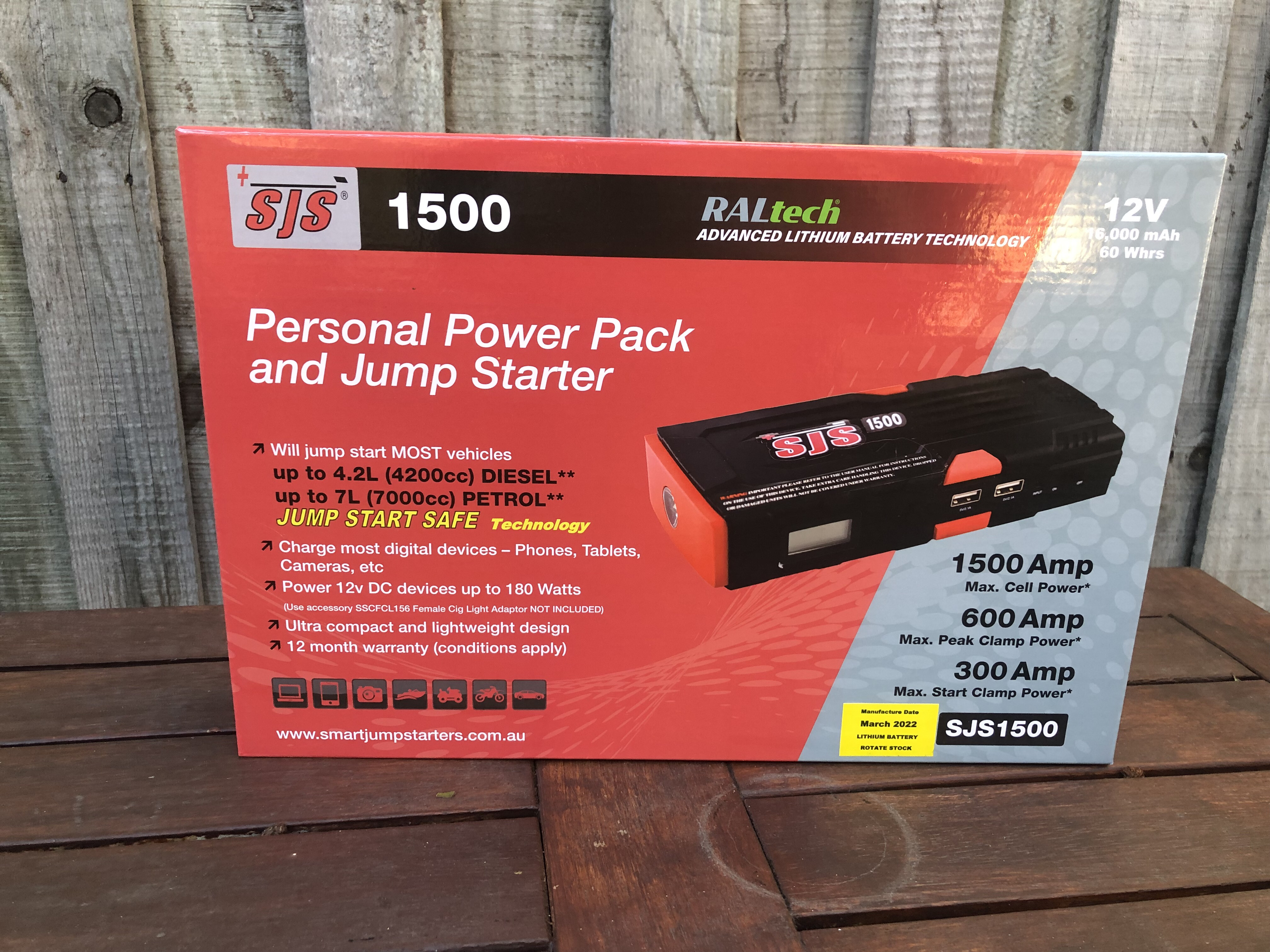
Hooking the SJS Power Pack up to start a car is relatively simple. Just plug the leads in the port on the main unit, then connect the leads up to the respective positive and negative terminals on your car, turn the unit on and start her up. It couldn’t be any easier and could save you if you get stuck with a dead battery. There’s even an LED torch on the end of the pack to help you hook up in the dark.
The SJS Power Pack is handy for charging mobile phones or other powered accessories. It has two 5-volt/2.1A USB outlets for performing such tasks when needed, and it comes with two USB cables for charging such devices.
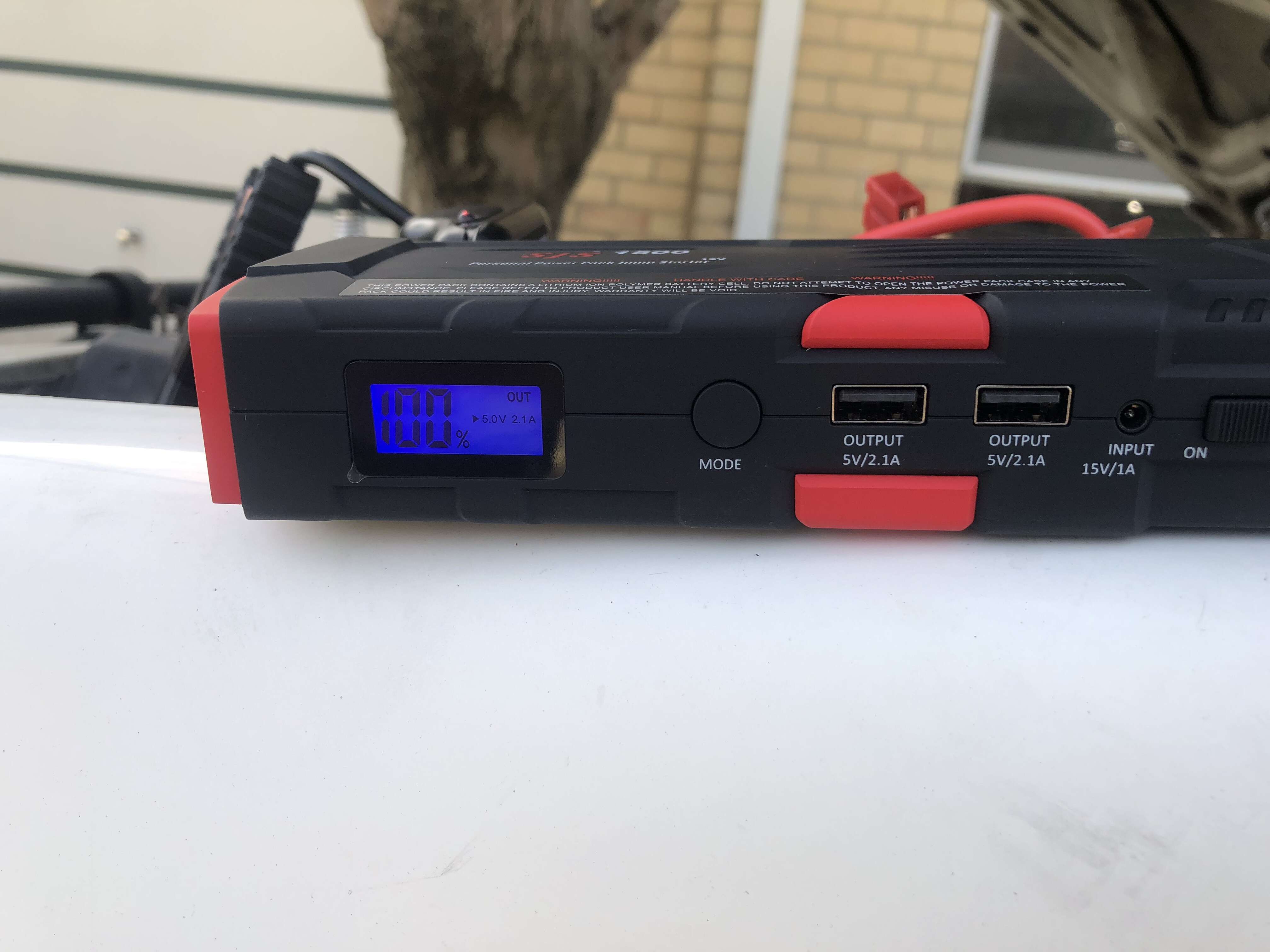
The Personal Power Pack stores 16,000mAh (60Whr) of power and is charged up using a 240-volt power plug. Unfortunately, there isn’t the ability to charge the unit via a USB or 12-volt charger, so it can’t be maintained in the car.
Carrying the SJS Power Pack in a car gives drivers peace of mind, knowing they have that self-starting ability. Particularly if the battery is showing its age and not performing as it should, you’ve left your lights on when you parked in the morning, or you’ve drained the battery by running accessories like a car fridge or stereo.
Available from: www.batteryworld.com.au RRP: $239 (Mentone, VIC, store)
Once you finish ogling the latest selection of Readers’ Rigs, venture to our Facebook page and flick a few photos of your 4×4 our way. It could end up in the next magazine.
1993 Toyota LandCruiser 80 GXL
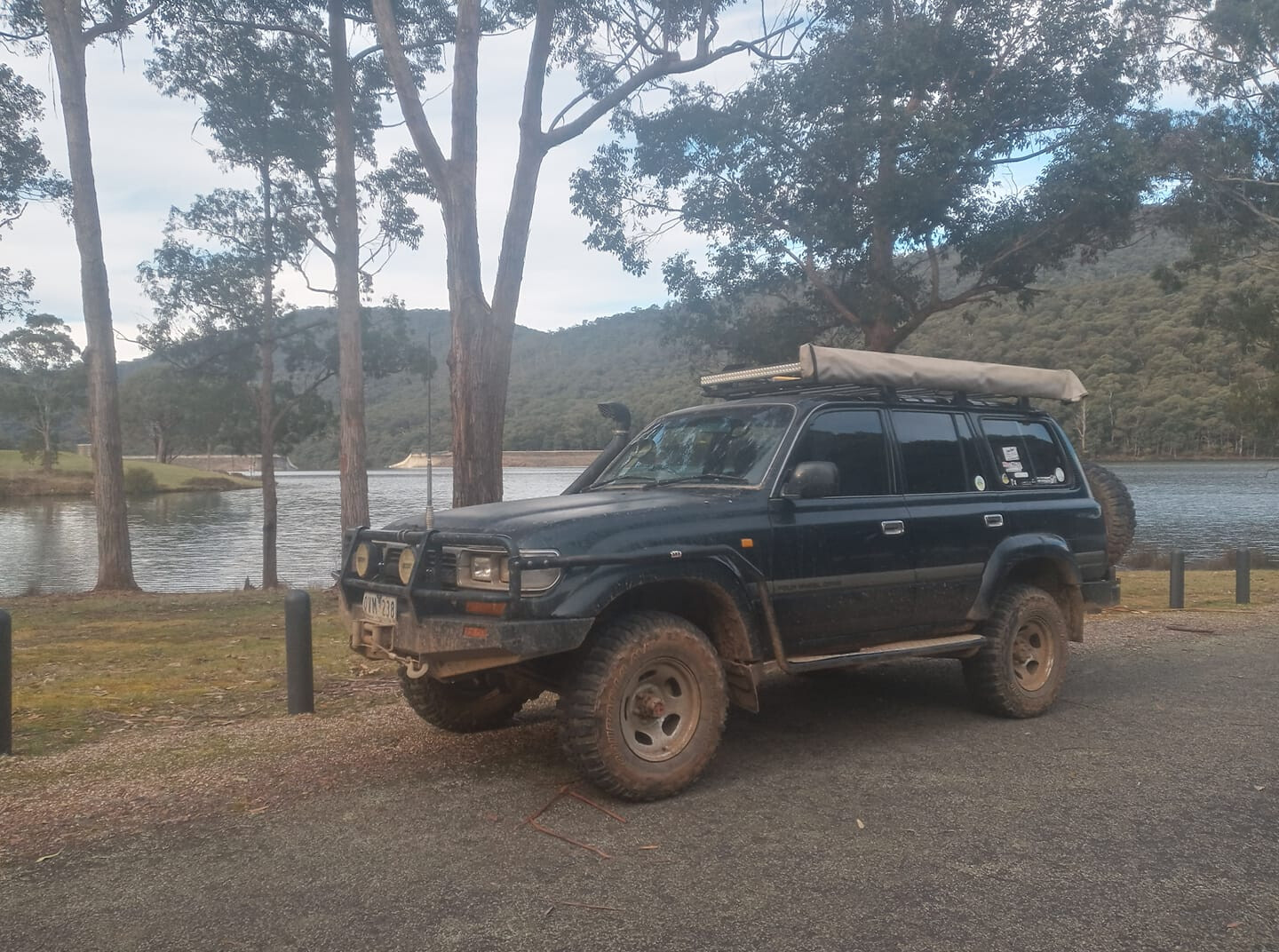
Naturally aspirated 1HZ; twin-locked; ARB bar work with winch; MCC twin-tyre-carrier rear bar; drawers with 50-litre fridge; 285/75R16s with 33-inch Federal Couragias; air compressor under the bonnet; and a Foxwing awning to chuck a swag under at night when in the High Country. It’s still going strong after 520,000km – Damian O’Connor
1995 Toyota LandCruiser 75
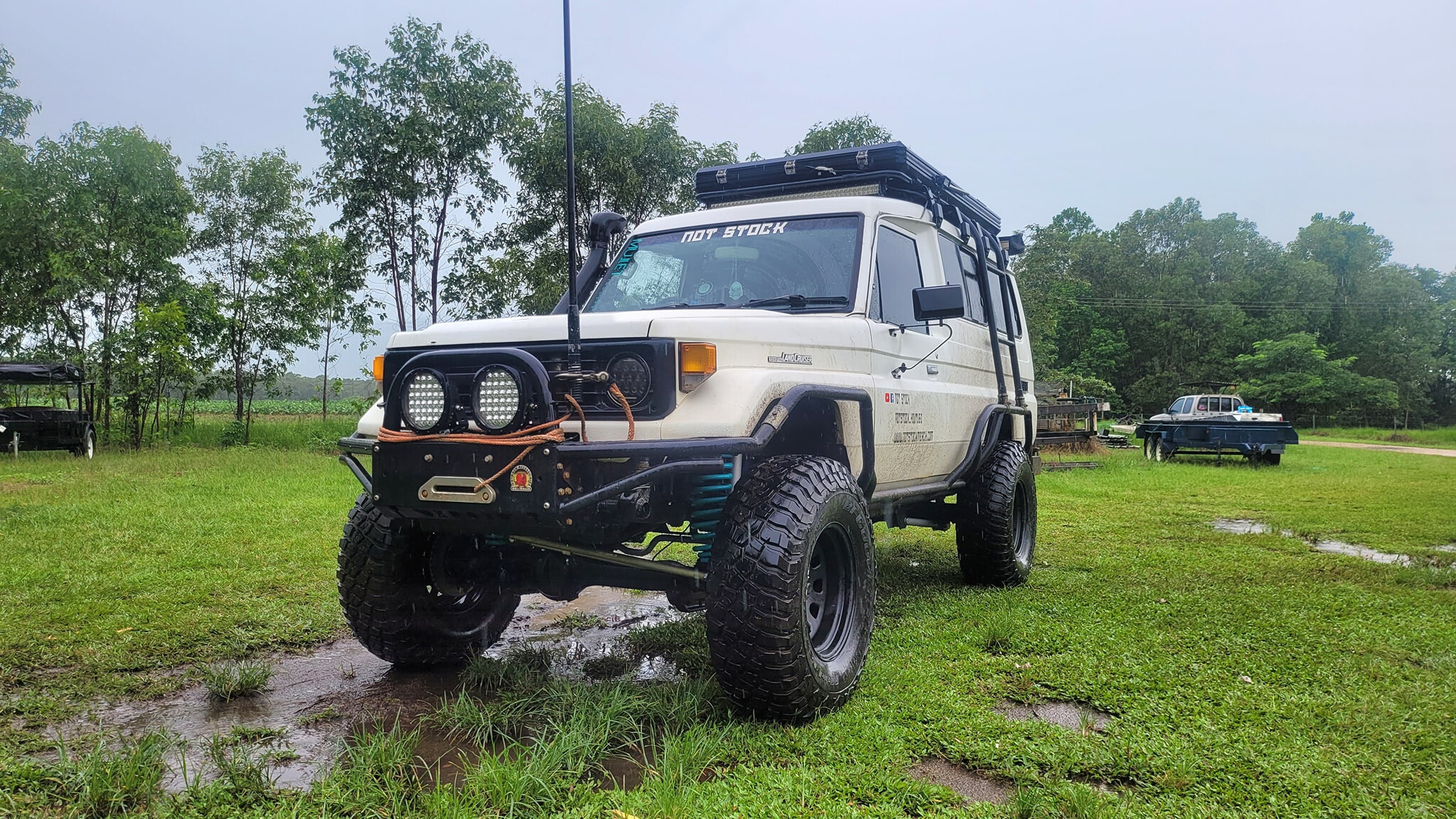
It’s a coil-converted 1995 75 Series using 80 Series housings, with a triangulated 4-link rear. It also has 37-inch tyres, a six-inch lift, and a turbocharged 1HZ running 30psi with 530,000km on the clock – Wade Morris
2015 Ford Everest
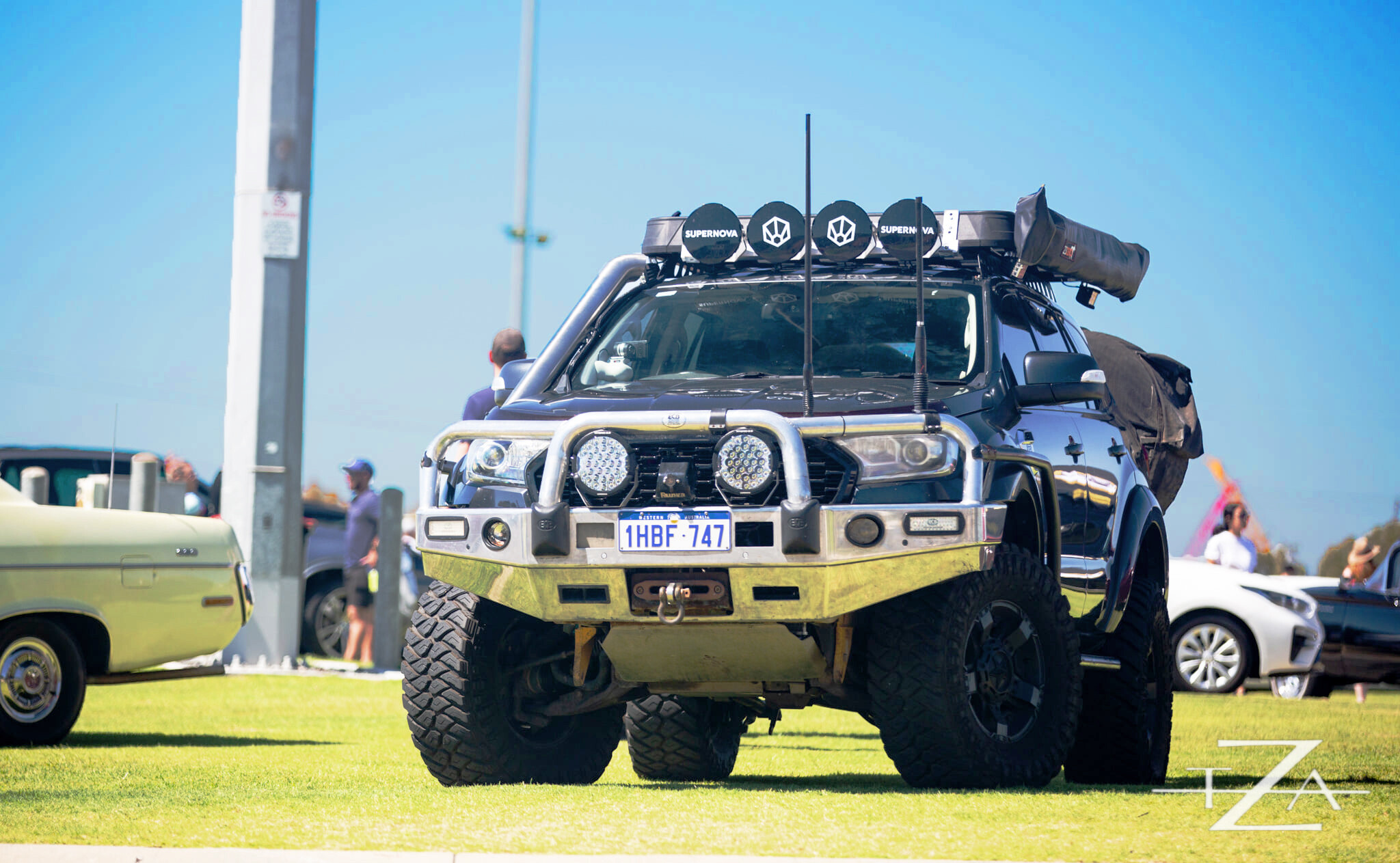
It’s running a GTurbo at 36psi (210kW, 817Nm); twin lockers; upgraded TC and valve body; PWR front-mount intercooler; Ranger cooling system; four-inch lift with 35s; custom rear bar with twin-wheel carrier; custom sliders and brush bars; ARB Linx controlling twin Boss PX07 compressors; Rhino backbone; 23 Zero awning; Supernova Infinite roof spots; Runva 11XP; and a four-inch stainless-steel snorkel – Paul King
1988 Nissan Patrol
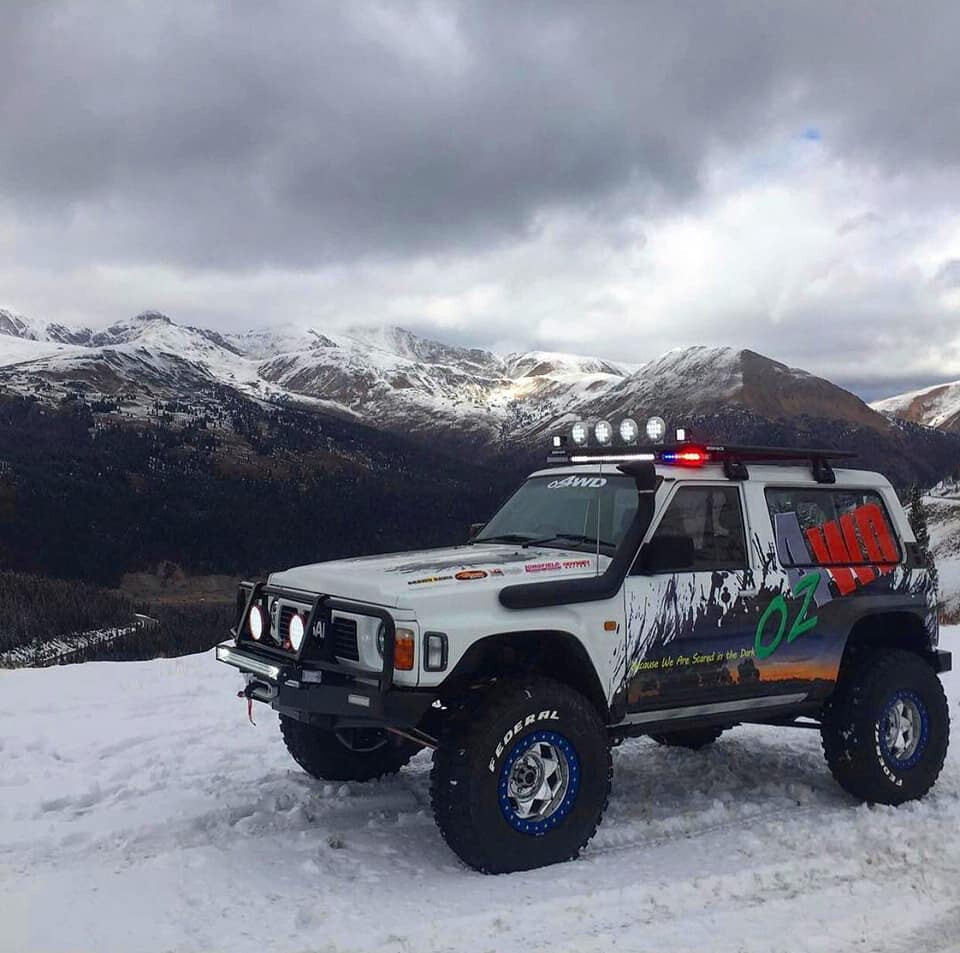
It has a 4.2-litre turbo-diesel engine; automatic transmission with twin transfer cases; ARB air lockers; 37-inch tyres; ARB bullbar with Warn winch out front; a custom rear bar with another winch inside; Superior Superflex suspension keeps the tyres on the ground; and the rear axle has been moved back 300mm to make it a MWB – Richard Griffey
2021 Jeep Wrangler JLU Rubicon
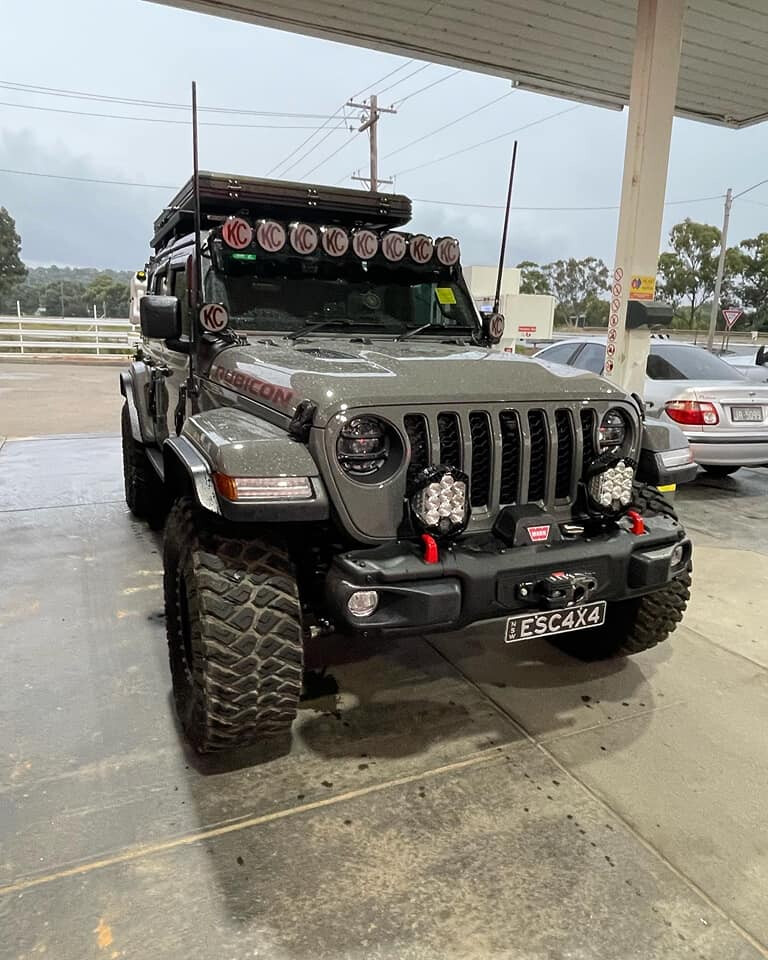
Petrol-powered four-door model with front factory steel bumper; two-inch AEV lift with matching suspension components and Bilstein shocks; AEV Bora beadlock wheels; 35-inch Maxxis RAZRs; Brown Davis long-range tank; KC Gravity Pro 6 light bar; Baja Design LP9 pros; KC Flex Era 4 ditch lights; six KC underbody rock lights, plus two in the engine bay; SPOD power distribution controller; and Warn Evo 12 winch.
It also has an Escape 4×4 rooftop tent on Rhino-Rack Pioneer with internal bracing; Rival 4×4 rear bar; Focal K2 speakers with JL Audio amp and JL sub; Stinger Heigh10 head unit with vehicle data integration; under-seat Cel-Fi booster; GME radio; RFI aerials; under-seat ARB dual compressor; TrailRax rear window fuel/water carriers; and four door-mount steps for roof access.
Fully engineered and certified. All work completed by TJM Northern Beaches and Druery Audio – Greg Noble
It may come as a surprise to most people, but Toyota doesn’t have a collection of its venerable LandCruiser range.
That certainly struck home to Greg Miller, a keen LandCruiser fan and owner, who was at Toyota sourcing five 70 Series Cruisers for his upcoming Expedition 7 series of overland treks – a feat that eventually saw Cruisers traverse every continent including Antarctica.
That was back in 2011-12, and Greg decided if Toyota didn’t have a collection, he’d make one; hence the LandCruiser Heritage Museum in Salt Lake City, Utah. It might be the last place you would expect to find a museum dedicated to LandCruisers, but after hearing about it we decided to pay it a visit.

Jules, the assistant manager, showed us around the collection of 98 different Cruisers representing every model of LandCruiser ever built. First through the door was a 1953 BJ ‘Jeep’, the forerunner to the LandCruiser range.
This particular one, one of few still in existence, was sourced from Australia a couple of years back. I remember writing about it saying how disappointed I was that it was leaving the country. And while it would have been great to see it in a museum in Australia, it’s gone to a bloody good home where hundreds, if not thousands, of people will admire it.
Beside the BJ are a couple of FJ25s that date back to the 1960s. Like the BJ, they had a torquey six-cylinder ex-truck engine that negated any need for a low ratio. Softly sprung, they were the vanguard of Toyotas that infiltrated Australia and then the rest of the world.

My first real experience with a Cruiser was when we bought our HJ47 Series back in 1980. Similar to the one on display at the museum, our HJ had a 2H diesel engine and a four-speed transmission. Albeit not terribly powerful, our Cruiser took us everywhere around Australia, rarely missing a beat – and like everyone else, we just loved the reliability and toughness that is part and parcel of the LandCruiser brand.
While there are plenty of 40 Series Cruisers in the collection, there are 55s, 60s, 100s, 105s, Prados and 200s too. The 200 on display is a Hema Map vehicle that, after travelling much of Australia for the company, mapping its iconic Desert Tracks Maps series, was then dispatched to the USA to help map 4WD trails there.
Of the 98 vehicles on display at least a half dozen come from Australia, including a race set-up 70 Series and an old NORFORCE army one still in its camouflaged finery. Representing the 70 Series is the Expedition 7 vehicles which look untouched and unfazed from their seven continent expeditions.

Some of the rare but not-so-old beasts were a couple of Mega Cruisers. Produced in the mid-1990s, there were only 300 ever built and there are two on display; one is a military version, while the other is quite a luxurious (in comparison) civilian model. What an expedition vehicle they would both make!
Not really LandCruisers but worthy of a place at the museum are an Arctic Trucks-sourced Hilux that was used on the first vehicle traverse of the Greenland Icecap, just a couple of years ago. While in another corner is an Icon lookalike of a 40 Series Cruiser, but with all modern running gear and engines; this ‘Cruiser’ will set you back around 250 grand – that’s in American dollars!

Currently there is no 300 Series Cruiser on display, but I’m betting room will be made for the latest Cruiser to go on display not so far down the track.
We suggested that a 40 Series or even a 70 Series ‘bull catcher’ should be their next Cruiser that they procure and put on a pedestal. Maybe one from the hit TV show, Outback Ringers, would have enough ‘heritage’ to warrant a position.
We spent a good couple of hours wandering the halls and loving the displays. If you ever find yourself in the States, or especially Salt Lake City, take the time and make the pilgrimage to the Land Cruiser Heritage Museum; you wont regret it!
UPDATE: Triton PHEV planned; full EV also possible
Mitsubishi has confirmed the below report and revealed it isn’t only investigating a plug-in hybrid version of the next-generation Triton, but that a fully electric version is also being explored.
Speaking with 4X4 at the Aussie launch of the Outlander PHEV, Mitsubishi’s lead engineer for the new SUV, Kentaro Honda, said the brand is keen to tap into the success Ford has achieved with the electric F-150 Lightning.
“Because we have a PHEV system [in the Outlander] we can transfer it to a truck EV or pick-up truck hybrid, so we are now investigating how to fit our PHEV system to a truck type pick-up, yes,” he said. “And the Ford Lightning has an EV, that is a good benchmark so we are also investigating a type of truck EV.”
Mr Honda wouldn’t be drawn on when an electric Triton might make it to market, saying “I have no good answer for you right now” – but he did elaborate that Mitsubishi’s role in the Renault/Nissan/Mitsubishi alliance would play a vital role.
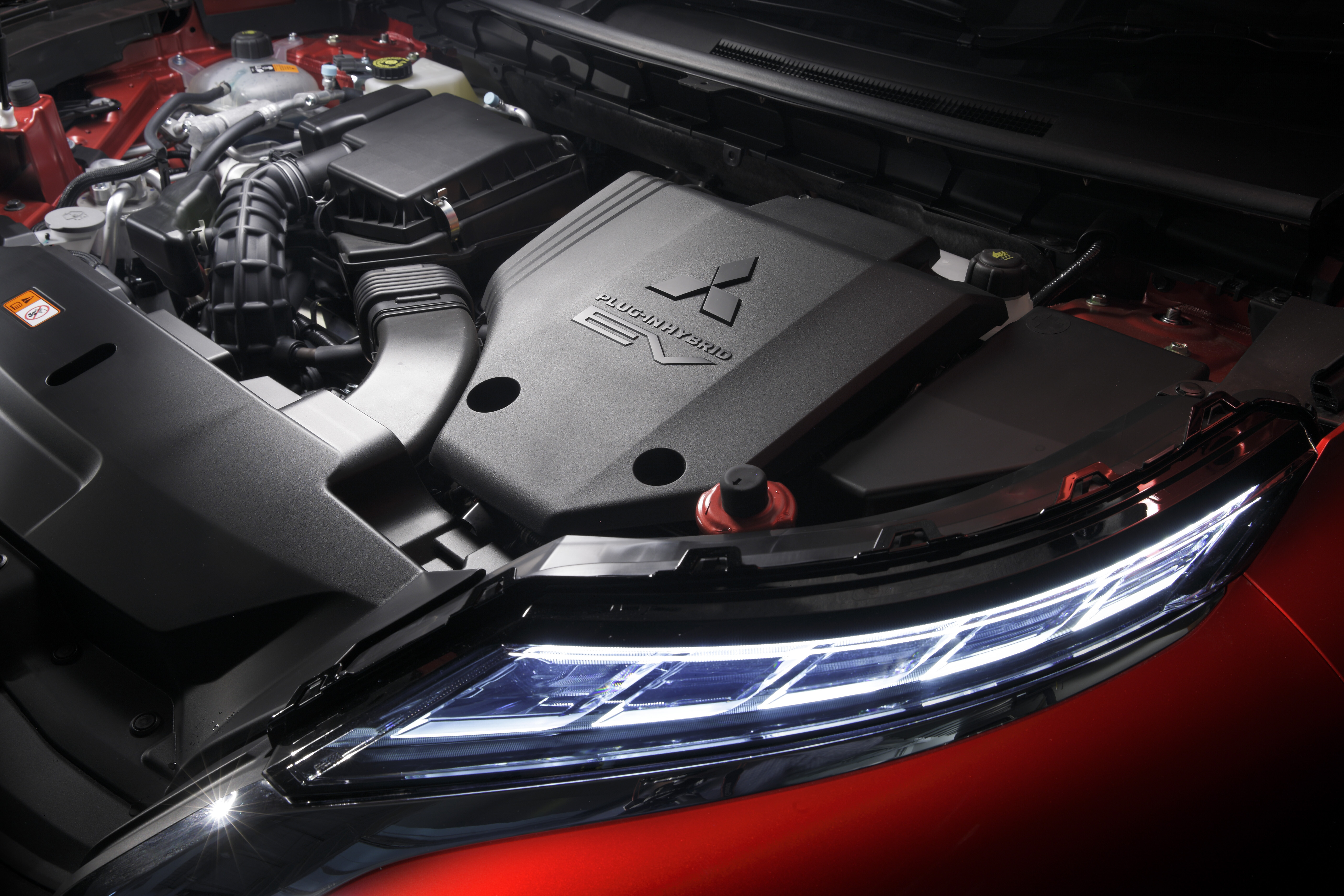
“The Alliance has a passenger EV, so I think Mitsubishi should have a truck type EV or hybrid type vehicle,” he said.
Mitsubishi Australia boss Shaun Westcott also threw his support behind a hybrid version of the next-gen Triton, saying the technology offers much more for dual-cab owners than just saving fuel.
“I do believe it is the future,” he said. “And personally I think it’s one of the best options given where our vehicles are used. We have a very strong rural and provincial base, and given the amount of time it’s going to take charging infrastructure to reach remote and rural Australia ,we think some form of hybrid – whether that be hybrid or PHEV, it doesn’t matter – is probably the right way to go for those vehicles.
“And we can already see in our Outlander the wider benefits [of plug-in powertrains]. They can be used to plug in tools, grinders or all sorts of things, so that is the way to go.
The story to here
July 26: Triton PHEV rumoured
Snapshot
- Next-generation Mitsubishi Triton to reportedly gain hybrid option
- Expected to be a modified version of the Outlander PHEV’s powertrain
- Likely to launch in Australia by the end of 2024
The sixth-generation 2023 Mitsubishi Triton will become the first electrified dual-cab ute in Australia, according to a new report.
Japanese publication Spyder7 reports a plug-in hybrid (PHEV) version of the new-generation Triton ute will debut next year, adopting a modified version of the powertrain found in the soon-to-launch Outlander PHEV.
Traditional diesel and petrol engines will continue to be offered for the Toyota HiLux, Ford Ranger, Isuzu D-Max, Mazda BT-50 and Nissan Navara rival, amongst others.
The mid-sized Outlander PHEV features a 2.4-litre naturally-aspirated Atkinson-cycle petrol engine producing 98kW, combined with 85kW front and 100kW rear electric motors, with a total system output of 185kW and 450Nm.
For reference, the 2.4-litre diesel engine found in the current Triton and Pajero Sport has 133kW and 430Nm, while its top-selling competitors are pushing to break the 500Nm barrier.
In the Outlander, electric power is backed by a 20kWh battery pack – up from 13.8kWh in the outgoing model – allowing for a WLTP-rated 84-kilometre electric-only driving range and a combined fuel economy figure of 1.5 litres per 100km.
However, the additional weight of a body-on-frame ute would likely require changes to maintain similar numbers.
In addition, the plug-in Outlander has a maximum braked towing capacity of 1600 kilograms, likely necessitating the development of a more-potent powertrain for the Triton to retain its workhorse-like capabilities.
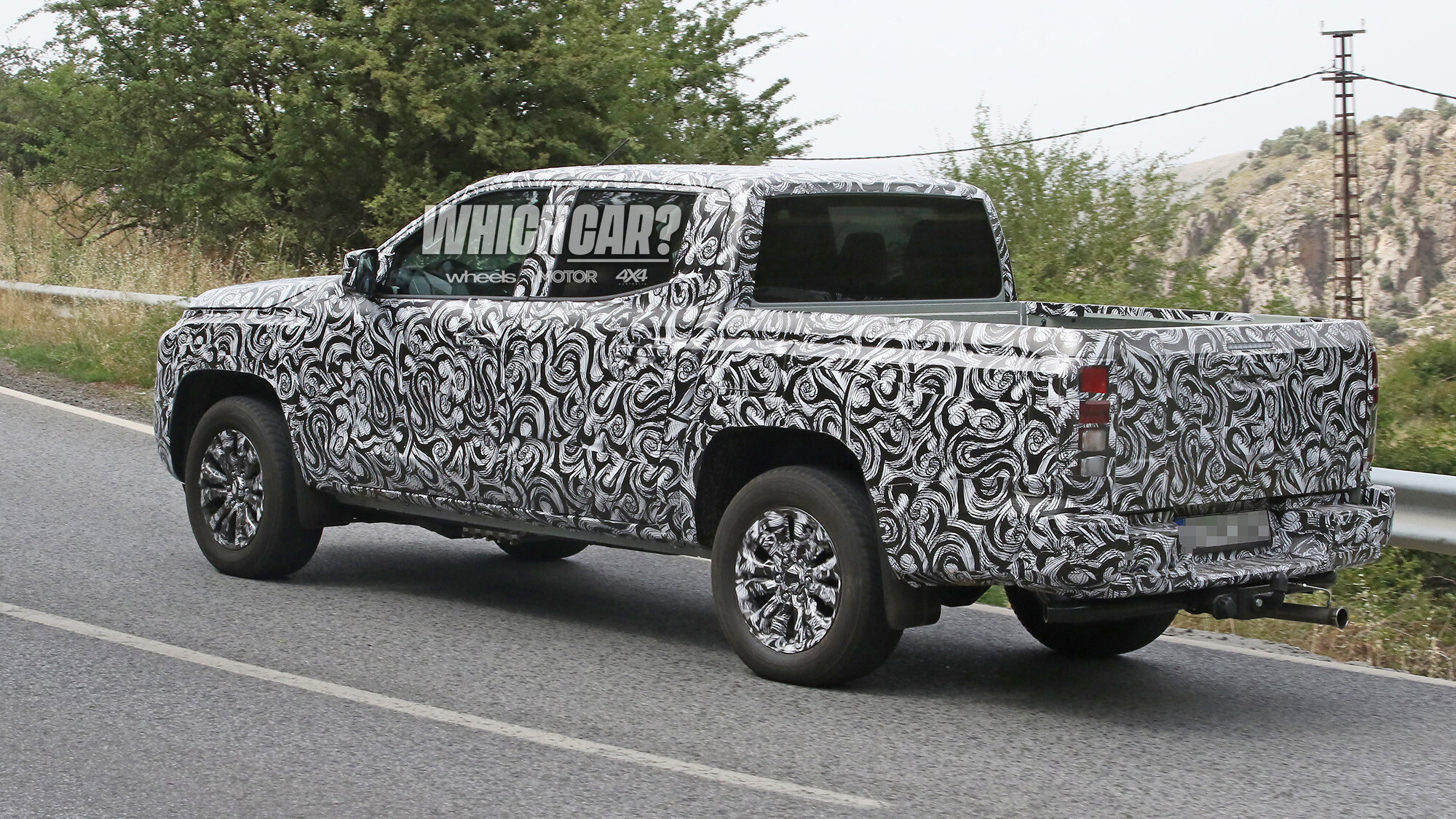
The report follows a recent sighting of the next-generation Triton (pictured above and below) during hot-weather testing in southern Europe.
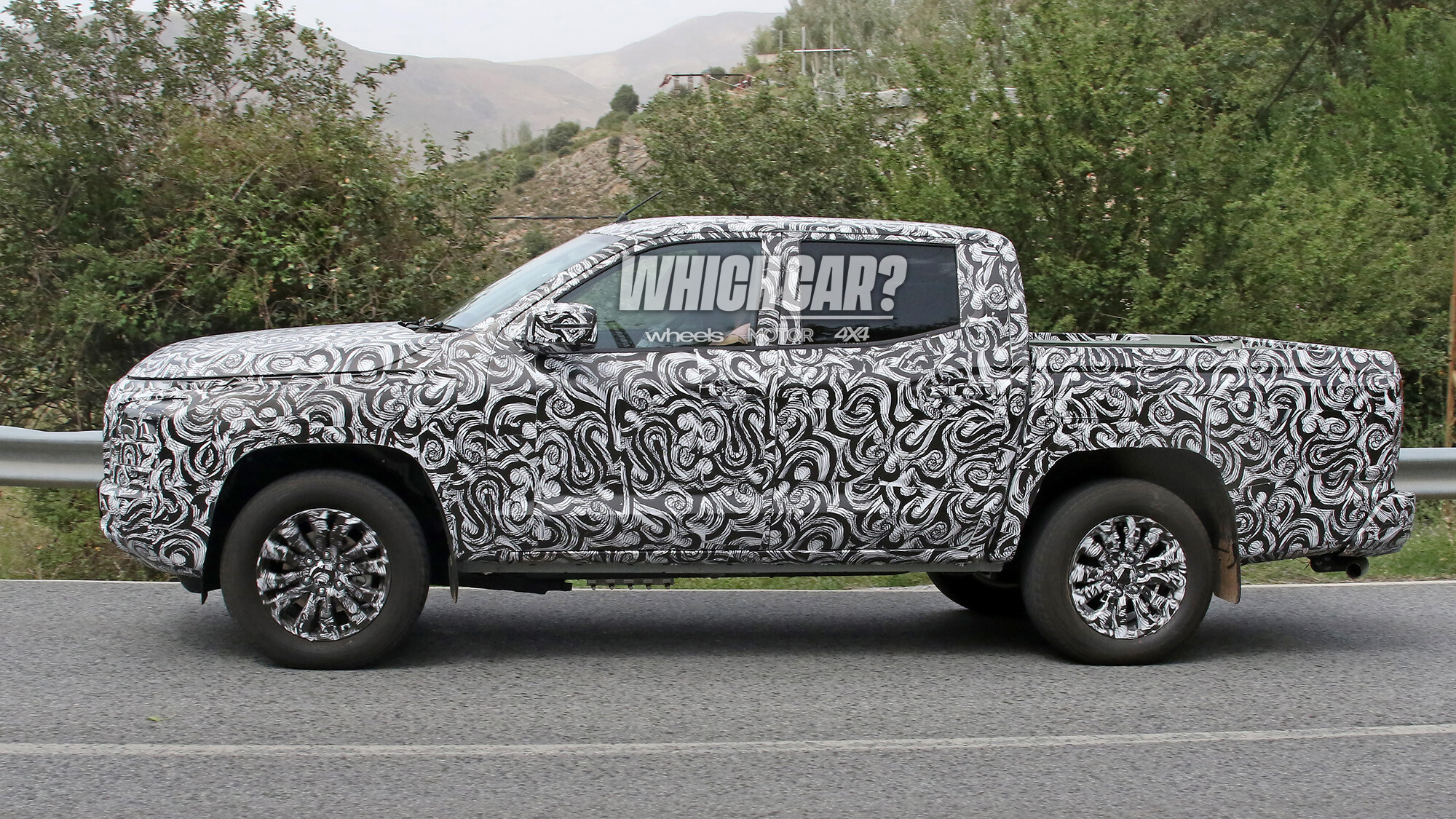
Little information is known about the specifications of the all-new ute, but it is expected to have a longer wheelbase and wider track than the current Triton, which is 5.21m long and 1.82m wide.
However, we know it will share its underpinnings with the next-generation Nissan Navara – allowing for a potential electrified version of the Nissan.
Mitsubishi is believed to be the lead developer for the Renault-Nissan-Mitsubishi Alliance’s latest global mid-sized pick-up trucks, although the pair’s interior and exterior styling are likely to differ.
The 2023 Mitsubishi Triton is expected to be unveiled later this year or early 2023, ahead of a potential local launch in the second half of next year. The plug-in hybrid variant is likely to follow by the end of 2024.
Key Points
- Hilux dominates 4×4 sales in July
- Next-gen Ranger only released in mid-July
- LCV market down overall
The long-serving HiLux has once again outsold the Ford Ranger, with the ‘Lux extending its lead on the sales charts in 2022.
It’s hardly a surprising result, though, considering the next-gen Ranger only officially went on sale in mid-July and, as we have extensively detailed, supply is struggling to meet increasing demand, with that unlikely to settle until at least Q4.
A total of 4841 Hilux 4×4 utes were sold in July – 2148 more sales than Ford managed with its Ranger 4×4 (2693 sales).
The Hilux also remained the best-selling overall vehicle in Australia in July, with a total of 6441 units sold when 4×2 and 4×4 units are combined. Ford shifted 2934 Rangers to new owners, but expect the tables to turn when deliveries start to ramp up for the new Ranger.

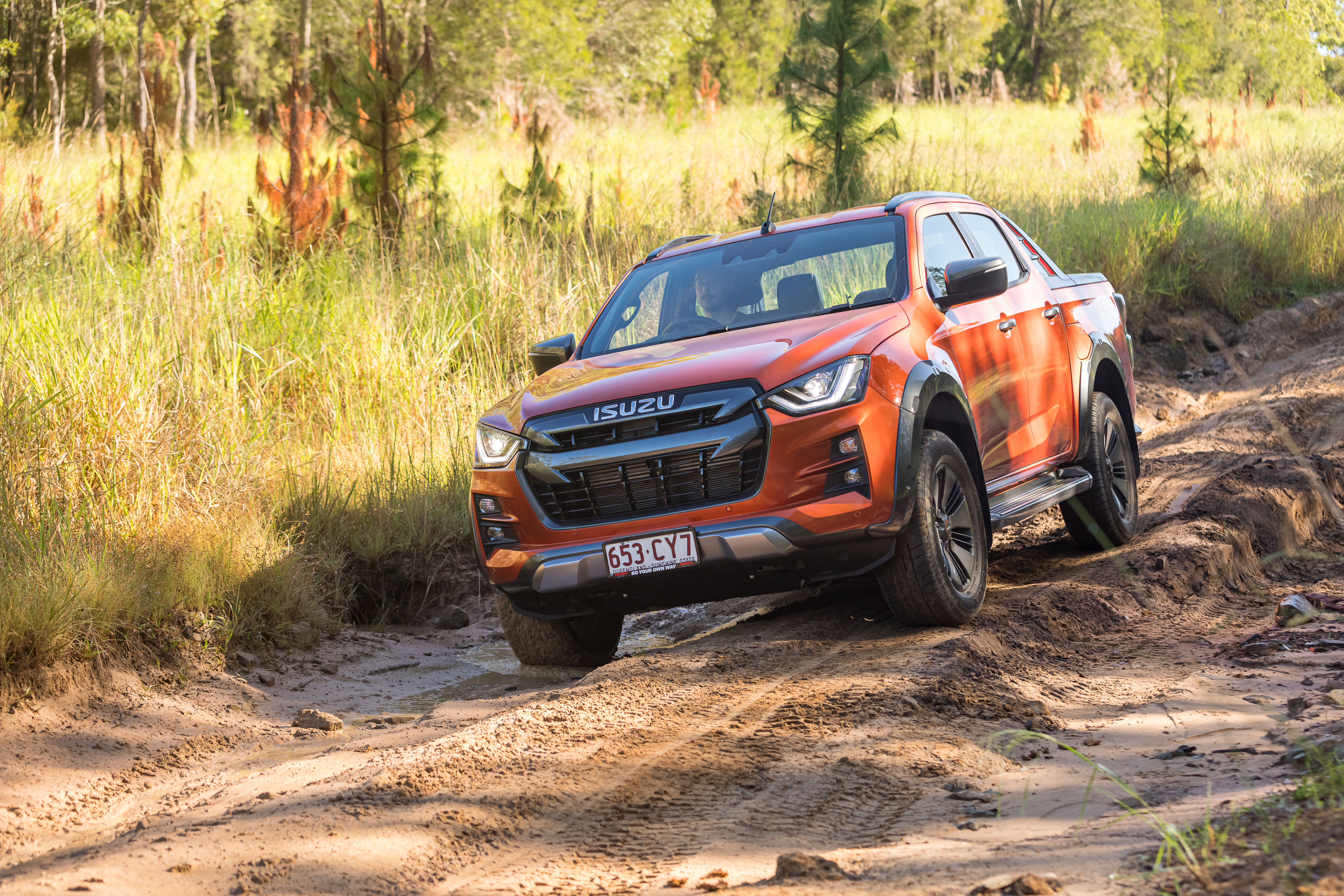
The venerable D-MAX continues to sell consistently, once again rounding out the podium on the 4×4 charts with 1681 units sold in July – edging out the Triton by just 158 sales.
A total of 930 fewer Light Commercial vehicles were sold in July 2022 compared to July 2021, a drop of 4.4 per cent; while a substantial 5259 more Light Commercial vehicles were sold on the year-to-date charts in 2021 compared to 2022.
This is reflected in total 4×4 ute sales for 2022, which is down 4.7 per cent (5587 units) compared to the same time last year.
This is despite a slight increase (0.4 per cent) in overall vehicle sales in Australia for the month of July 2022 compared to the same month last year.
“Vehicle and component manufacturing operations remain affected by plant shutdowns caused by Covid-19. Logistics, including shipping, remain unpredictable,” said FCAI Chief Executive Tony Weber.
“While small growth on the same month in 2021 is encouraging, we do not expect the supply of vehicles to Australia to stabilise in the near future. Once again Australia is following the global trend of demand for new vehicles exceeding supply,” he said.
4×4 sales in July 2022
| 1 | Toyota Hilux | 4841 |
|---|---|---|
| 2 | Ford Ranger | 2693 |
| 3 | Isuzu D-MAX | 1681 |
| 4 | Mitsubishi Triton | 1523 |
| 5 | Toyota LandCruiser 300 | 1171 |
| 6 | Toyota Prado | 1047 |
| 7 | Toyota LandCruiser 79 | 975 |
| 8 | Isuzu MU-X | 818 |
| 9 | GWM Cannon | 805 |
| 10 | Mazda BT-50 | 713 |
Total 4×4 sales in 2022
| 1 | Toyota Hilux | 28,693 |
|---|---|---|
| 2 | Ford Ranger | 20,978 |
| 3 | Mitsubishi Triton | 16,551 |
| 4 | Toyota Prado | 14,025 |
| 5 | Isuzu D-MAX | 12,037 |
| 6 | Toyota LandCruiser 300u00a0 | 7067 |
| 7 | Mazda BT-50 | 7037 |
| 8 | Toyota LandCruiser 79 | 6911 |
| 9 | Nissan Navara | 6258 |
| 10 | Isuzu MU-X | 6145 |
Anybody reading this has made it through the last twelve months relatively unscathed and congratulations to you. It hasn’t been easy.
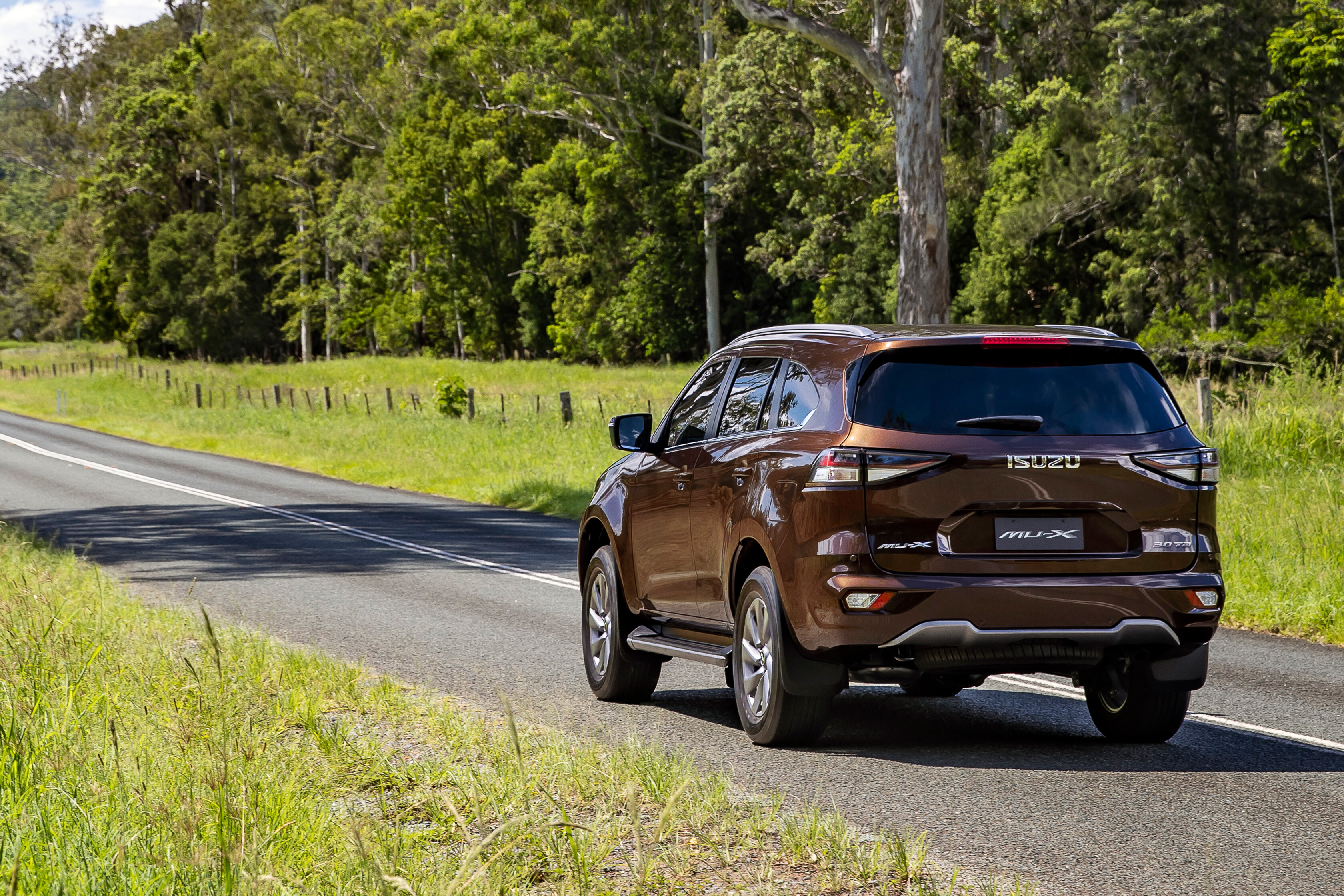
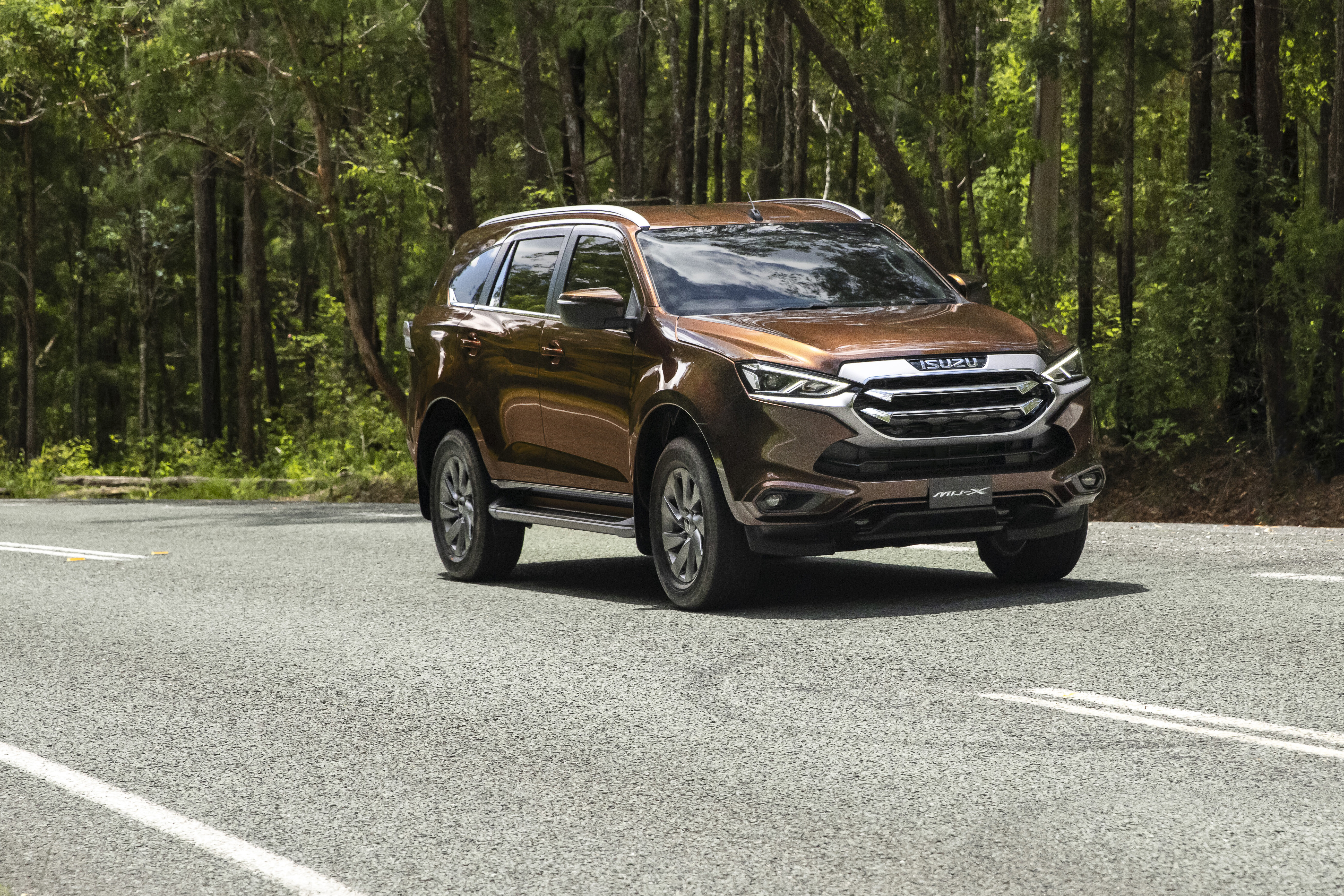
The Isuzu MU-X is coming up on surviving its first twelve months on sale in Australia, the second-generation large SUV weathering the travails of the chip shortage, labour force illness and whatever else we’ve had thrown our way.
That said, calling it mere survival is under-selling the MU-X’s performance because it can and has cracked a thousand sales per month. That’s pretty good going for a company that doesn’t have the muscle of Ford or Mitsubishi or Toyota.
Earlier this year, Isuzu announced price rises for the MU-X range but, crucially, didn’t de-spec the rugged seven-seaters to keep them rolling onto the boats and on their way to Australian driveways.
Pricing and features
There are three levels of specification in the second-generation MU-X, with a choice of 4×2 and 4×4 drivetrains across all three. Prices have gone up between $1000 and $1500, with the lowest-spec LS-M 4×2 and 4×4 getting off lightest while each of the LS-U and LS-T models cop a $1500 price rise.
It means the top-of-the-range LS-T is now $67,400 before on-road costs but more importantly, the introductory $63,900 drive-away price is now $65,900. That looks good next to the list price and I maintain it’s to make the top-spec one more attractive than perhaps the MSRP suggests.
Drop down a step to the LS-U 4×4 and you’re now over the sixty grand mark at $61,400 before on-road costs courtesy of the $1500 price rise. However, once those on-road costs are applied, you are potentially looking at paying more than you would for an LS-T under the drive-away offer.
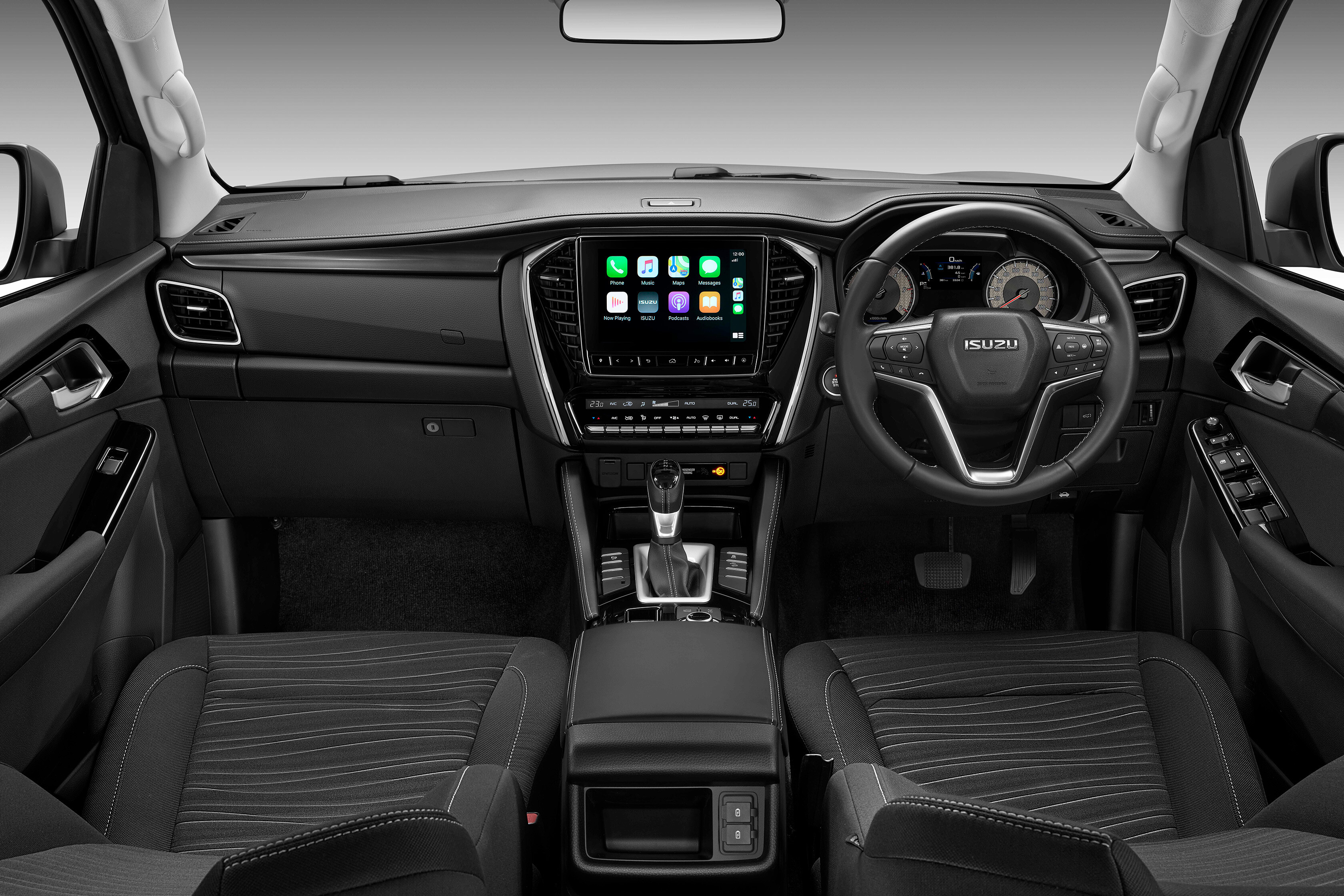
The LS-U tested here ships with 18-inch wheels, a 9.0-inch media screen, LED interior lighting, leather-trimmed steering wheel and gear selector, cloth seats (underselling it slightly – the cloth seems very durable), dual-zone climate control, front and rear parking sensors, a reversing camera, keyless entry and start, remote start, sat-nav, auto-locking, auto-levelling bi-LED headlights with auto high beam, auto wipers and a powered tailgate.
As I said twelve months ago and maintain – especially after having an LS-T on my driveway for a few months – were it not for the drive-away offer it would be hard to justify the extra expense of the LS-T unless you really want what it’s got.
Once that offer expires, it would not be difficult to call the LS-U a sweet spot in the range.
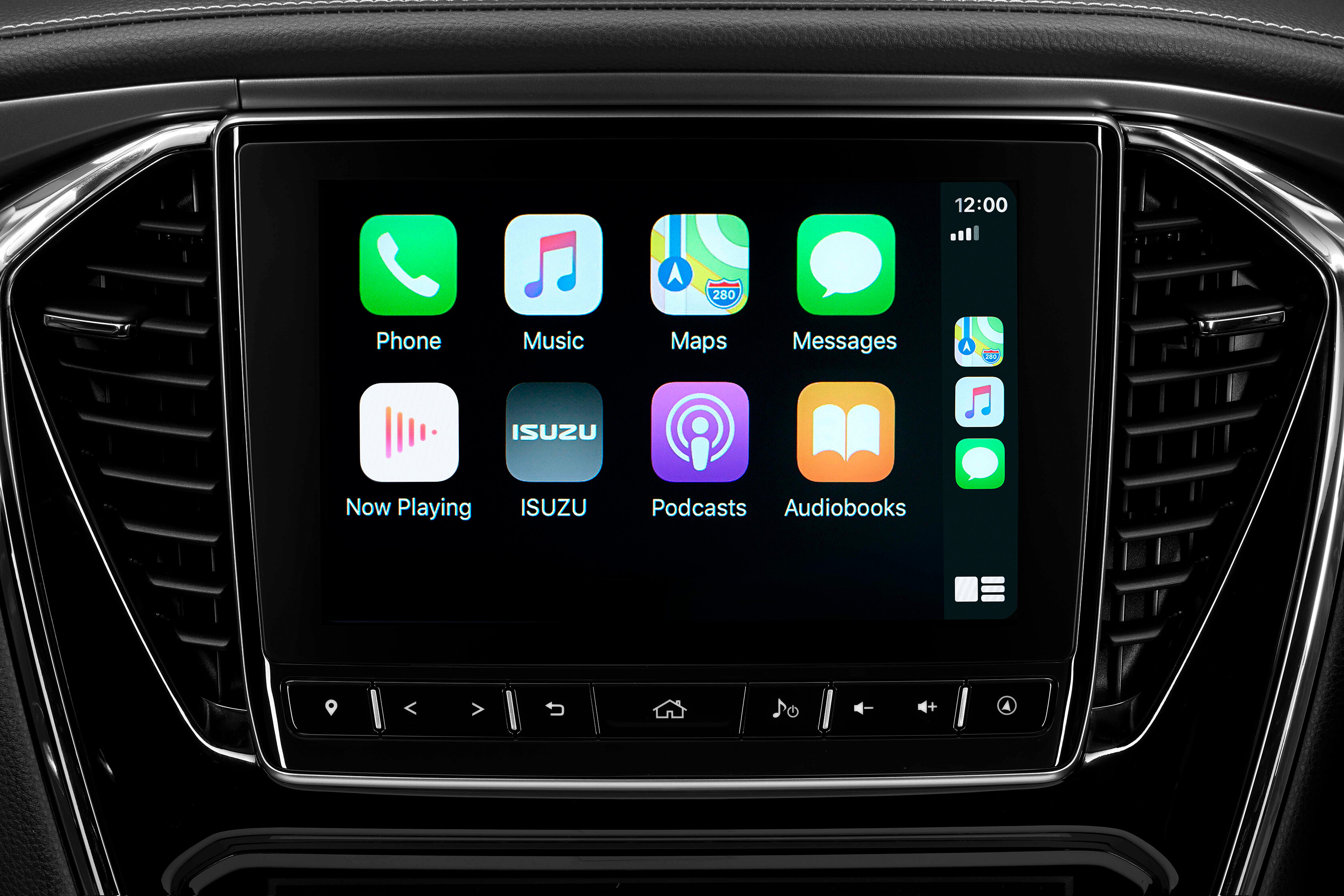
The stereo and media system features eight speakers, DAB+ digital radio, USB Android Auto and wireless Apple CarPlay. A lack of wireless charging pad kind of takes the joy out of the cable-free CarPlay.
Isuzu calls its extensive safety pack Isuzu Intelligent Driver Assistance System (IDAS).
It offers:
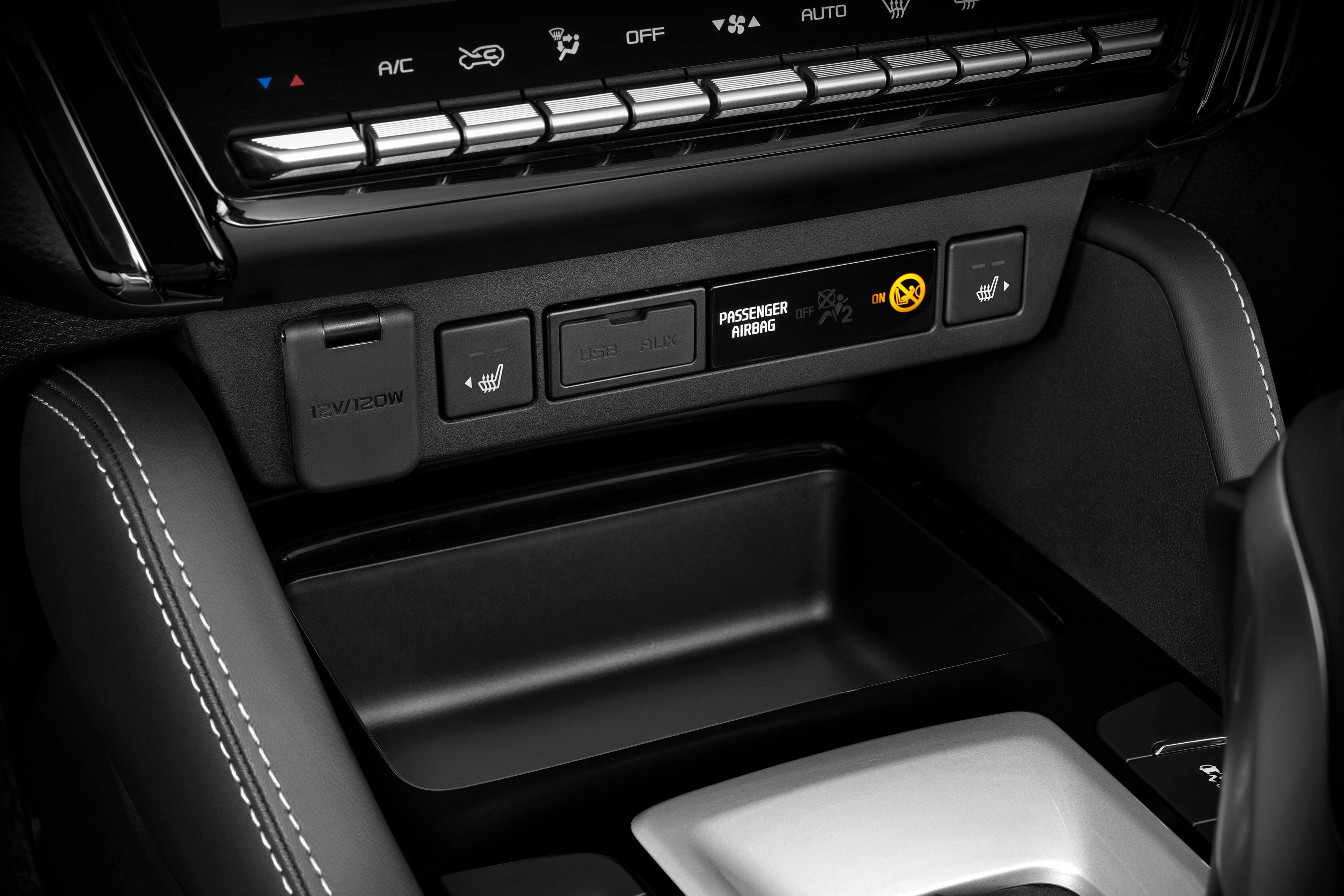
- eight airbags (the curtain ‘bags reaching all the way to the third row),
- the usual stability and traction controls
- forward auto emergency braking with turn assist
- forward collision warning
- post-collision braking
- traffic sign recognition
- misacceleration mitigation
- lane departure warning
- lane-keep assist
- lane departure prevention
- driver attention detection
- blind-spot monitoring
- rear cross-traffic alert
- hill descent control
- trailer sway control
- rollover mitigation
- reversing camera
- tyre pressure monitoring
The MU-X scored five ANCAP safety stars in 2021.

Comfort and space
The MU-X is huge and in its second iteration, is roomy and more importantly, a better-packaged car than the old one.
Its middle row flips and tumbles with the pull of a lever and once you’ve hoisted yourself up and in, it’s reasonably easy to step into the back row and choose one of the two seats.
Both seats score cup holders, a bit of storage and air vents. There’s also a footwell so your knees aren’t right up in your face so it’s actually reasonably comfortable for a third row.
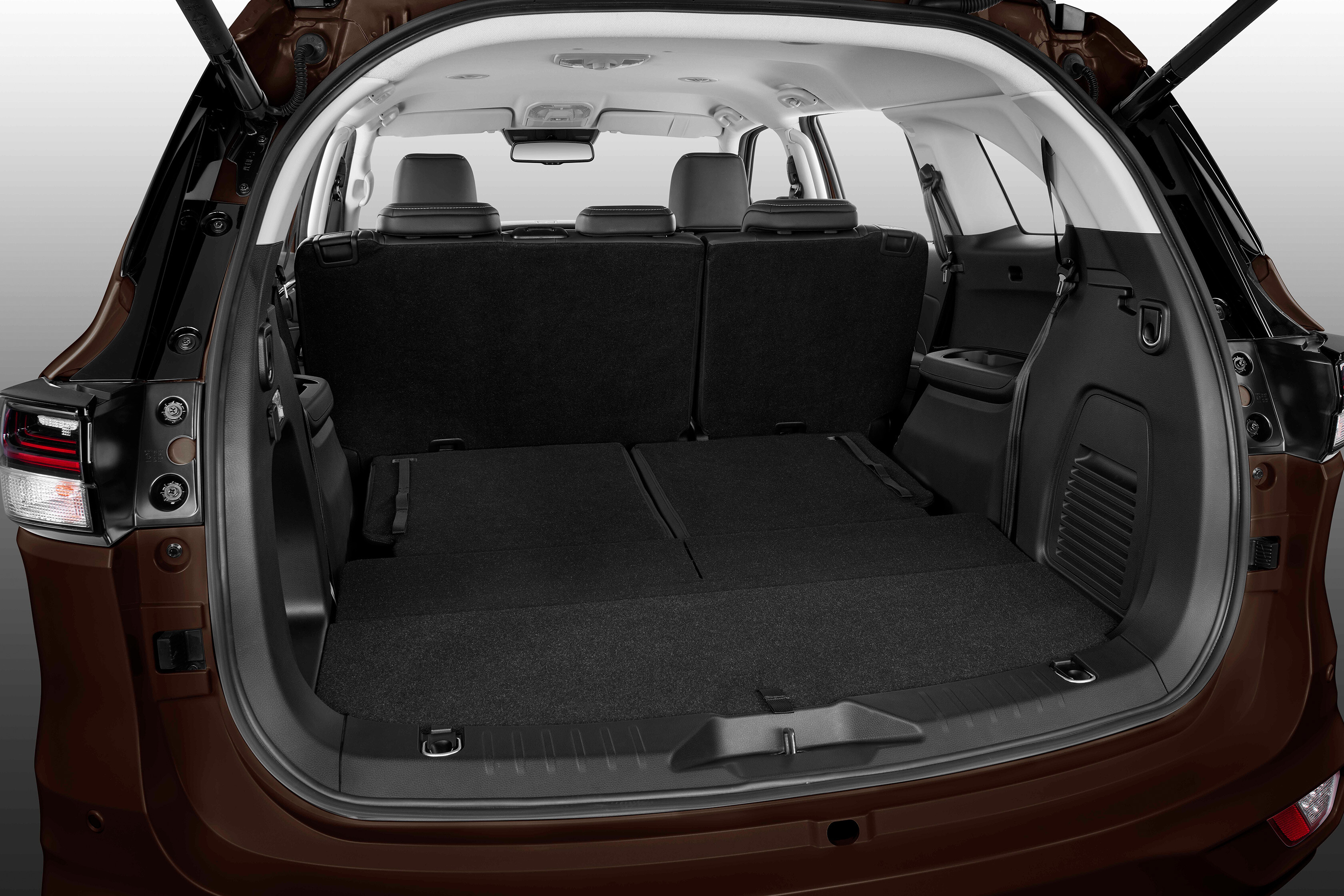
With the third row in use, boot space measures 311 litres, which is larger than many small hatchbacks. And some compact SUVs, as it happens. Folding the third row is easy – pull the tapes on the seatbacks and they flip forward and hinge down to create a flat floor and 1119 litres.
There is also a storage box under the aft section of the floor at the loading lip, which means the spare is under the car.
Fold everything flat and you have 2138 litres, which is a tremendous amount of space.
Middle row seating is pretty firm but you get cup holders in the armrest and bottle holders in the doors, as well as air vents and hefty grab handles. Once you count up all the cup holders, you’ll need two extra fingers, because there are twelve of them.
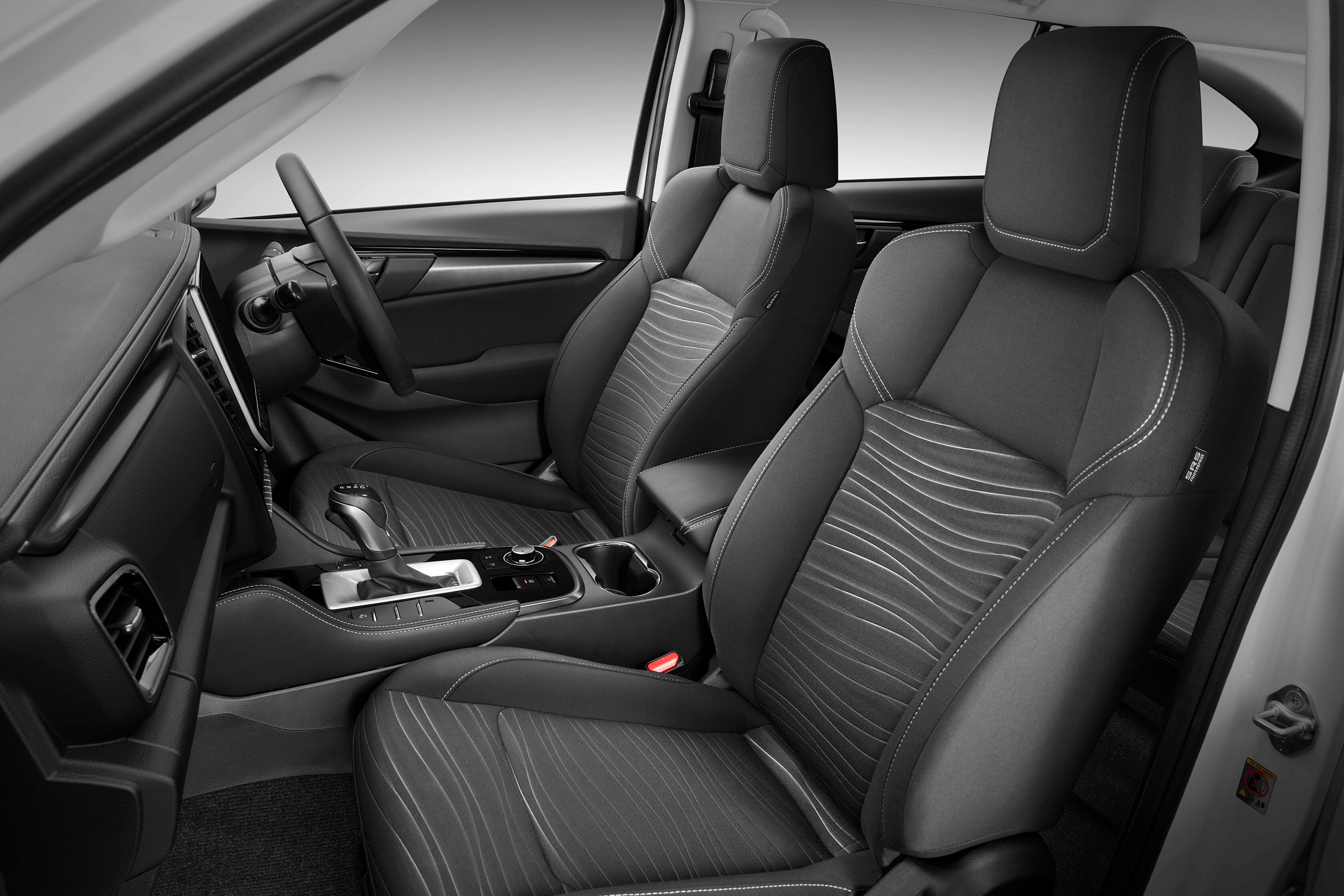
Front seat passengers also share a pair of cup holders and perch on comfortable – if firm – seats. The word perch is carefully chosen because you are a long way up off the ground in an MU-X, for the old-school 4×4 feeling.
On the road
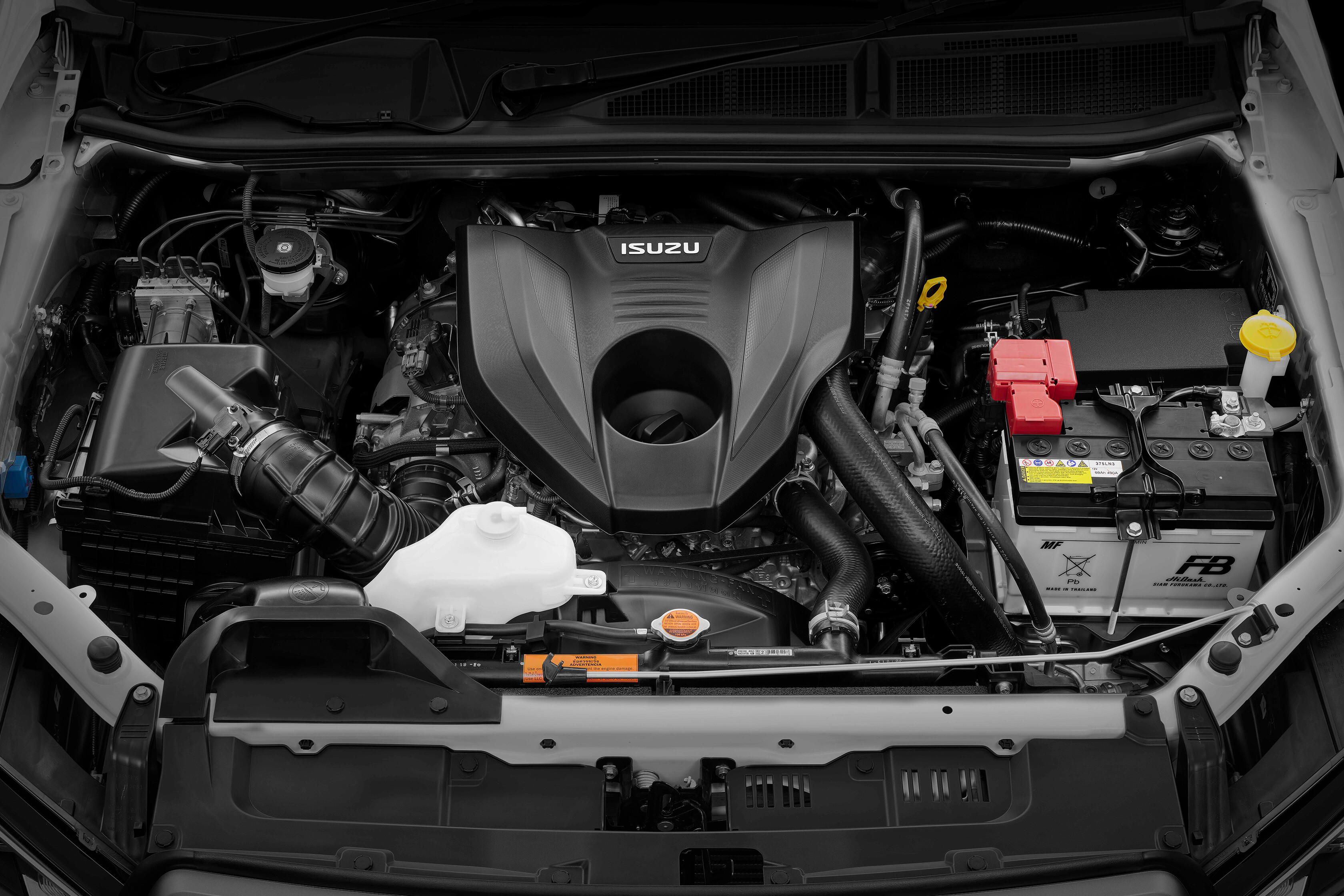
The MU-X has a four-cylinder turbo-diesel, and it’s a bit of a whopper at 3.0 litres, the biggest four-pot out there since the Mitsubishi Pajero and its 3.2-litre diesel was discontinued.
With 140kW and 450Nm, the Isuzu unit is lazy in the good way you want when one wheel is deep in a rut and another waving in the air. This also makes it very relaxed on the freeway and, due to the way it delivers torque, doesn’t take much effort to get the MU-X moving.
It’s still really noisy, especially when cold. Once you’re on the move the sound pretty much vanishes, making it a quiet, long-legged cruiser. With the engine settled, you just hear a bit of rustle from the big wing mirrors.
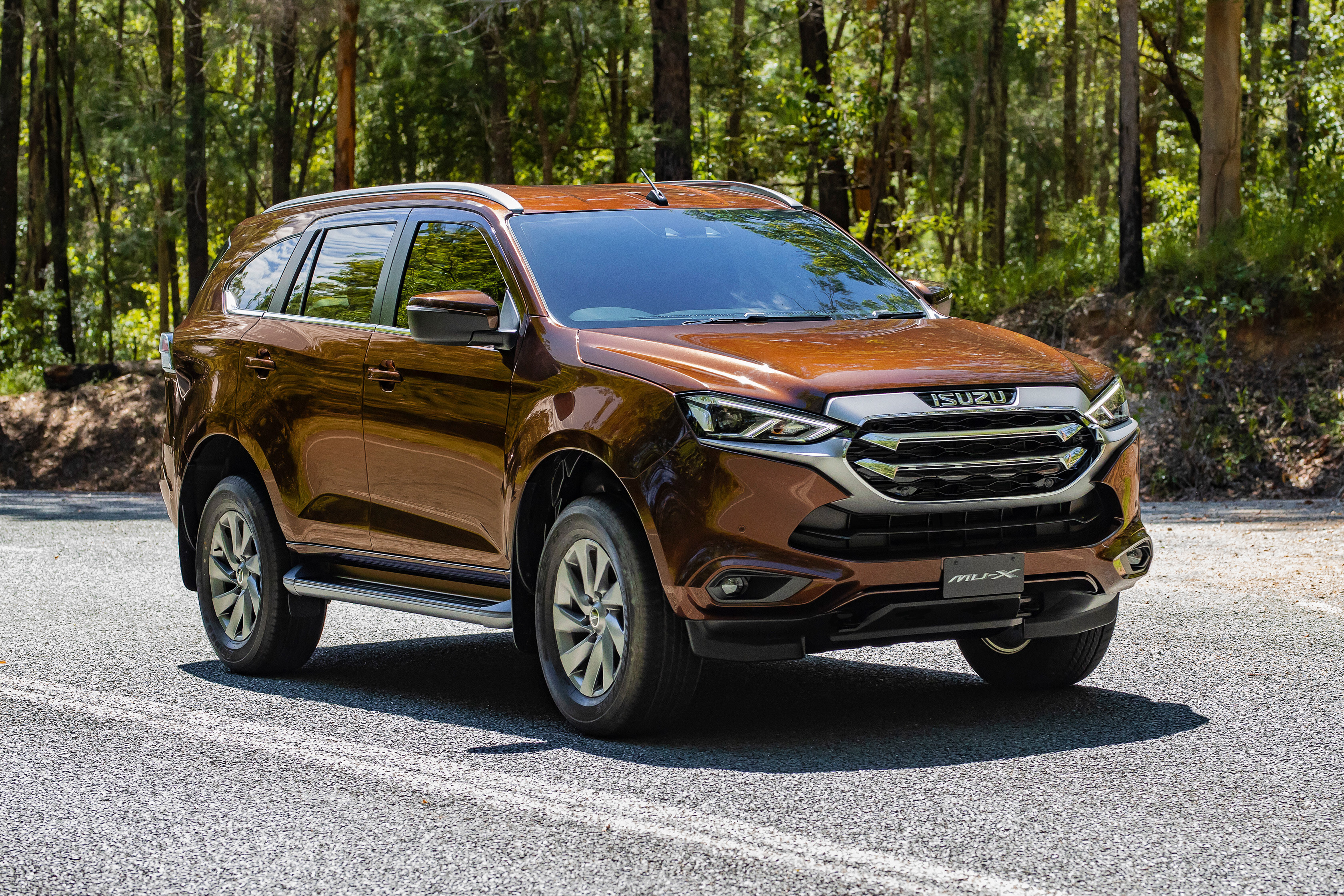
Even with a determined prod of the throttle, it’s not quick off the line, rather getting on with the job of creating forward motion without getting too bothered about 0-100km/h nonsense. The Aisin six-speed automatic is a slicker, quicker shifter than the old car, handling the dollops of torque dispatched by the engine really well.
The new MU-X shares a lot of its ladder-frame underguts with the D-Max, which arrived late in 2020. The MU-X’s rear subframe is different, though, with a multi-link suspension set-up delivering a comfortable ride. It will tow 3.5 tonnes of braked load and Isuzu reckons more than half of MU-X buyers actually tow something pretty hefty.
Steering is a bit woolly, though, and achingly slow when you’re doing a three-point turn, but again, given owners actually do muddy, filthy stuff with an MU-X, it’s the right choice for the car.
The Aisin six-speed automatic is a slicker, quicker shifter than the old car, handling the dollops of torque dispatched by the engine really well
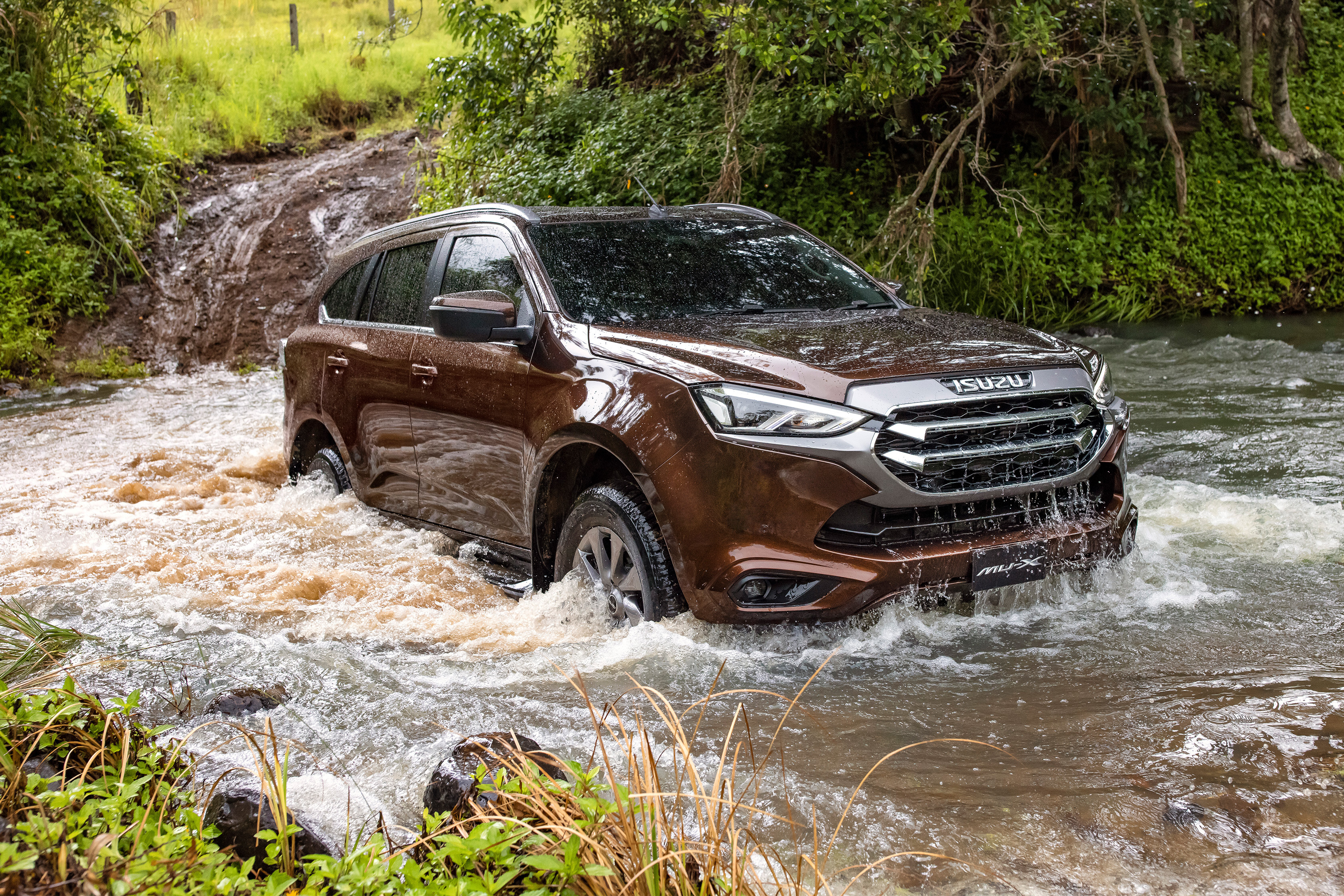
You’ll obviously never escape the height and weight of the MU-X but the suspension does a good job of keeping the body in check. Along with the comfy ride, the way such a big unit can be made to handle in a predictable and secure-feeling way is pretty impressive. The MU-X holds the road quite well even in fuel-saving rear-wheel drive mode.
What it doesn’t feel like is a ute in a suit, which some other ute-based SUVs can feel like.
A new 80-litre fuel tank extends the on-paper range, too, with a combined-cycle average of 8.3L/100km. If you can achieve the official highway figure of 7.3L/100km, you can comfortably get between Sydney and either Brisbane or Melbourne on a tank. 4×2 versions use about half a litre less in each measurement cycle.
The week I had the car, I managed a pretty impressive 8.5L/100km in a 50:50 highway and suburb split.
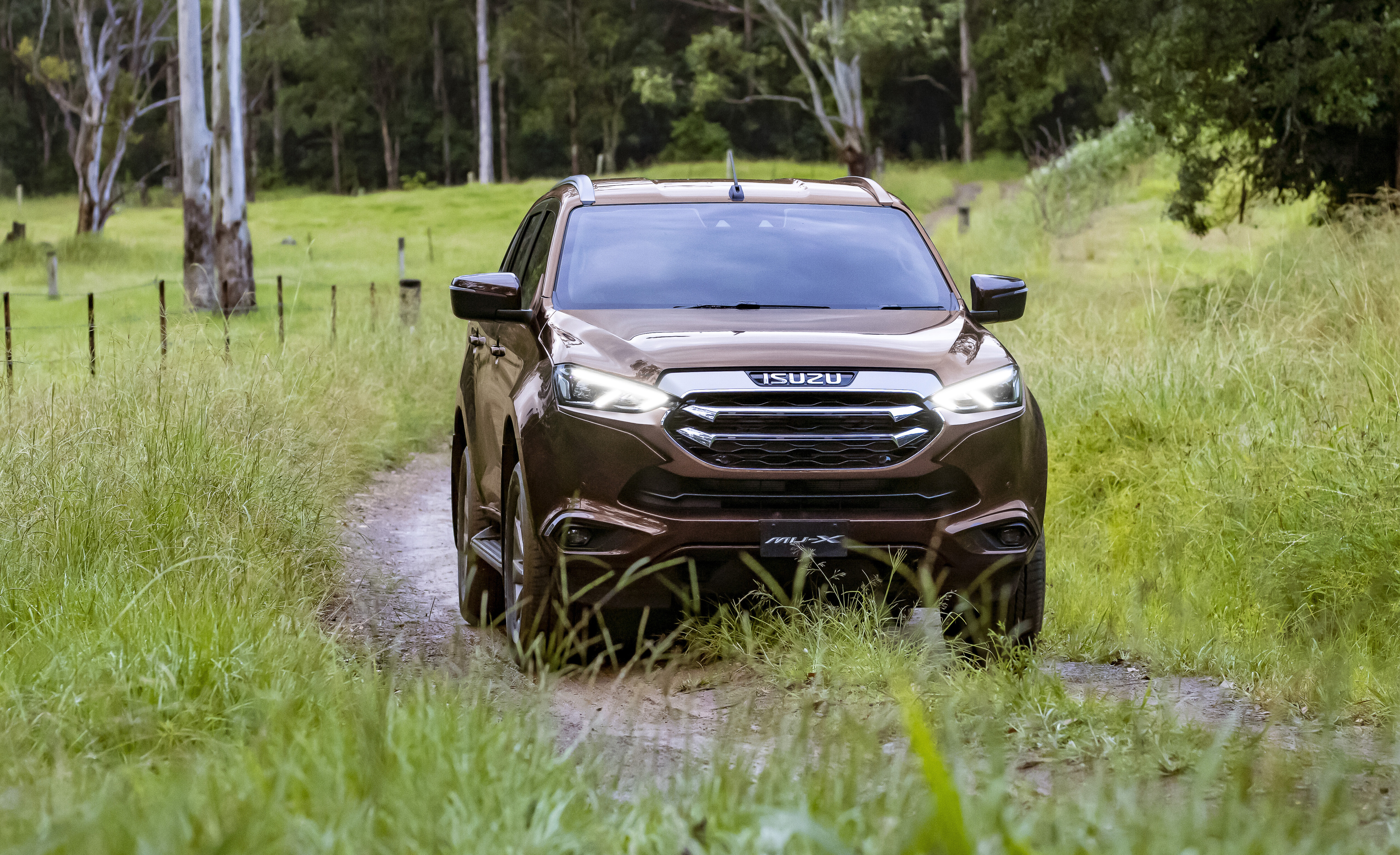
Off-road stats include 285mm of ground clearance, 29.2° approach, 23.1° rampover and 26.9° departure angles.
The 4×4 offers 2H, 4H and 4L transmission settings, a rear diff lock and rough terrain mode. None of your endless surface selection nonsense of some other cars.
Underneath, you’ll find 1.5mm-thick steel and 5mm-thick poly composite underbody armour and the fuel tank is wrapped in aluminium shielding.
The MU-X holds the road quite well even in fuel-saving rear-wheel drive mode.
Ownership
Isuzu offers a six-year, 150,000km warranty with up to seven years of roadside assistance if you return to an Isuzu dealer for servicing.
Following an initial inspection at 3000km, service intervals every 12 months or 15,000km. Capped-price servicing covers the first seven services and totals $3513 over that period, an average of $502 per service.
The cheapest is the 75,000km service at $319 and the most expensive is $769 for the 90,000km interval.
VERDICT
Its popularity is deserved and speaks for itself.
The MY22 is as good as the MY21 because it’s basically the same car, it just costs more. I know that saying it costs more seems a bit casual, but we’ve become so used to price rises and specification cuts that just having one of those things happen is almost a blessing.
Isuzu’s SUV seems to have had a soft landing over its first 12 months and there’s a good reason for that. It’s solid value, handy on- and off-road and has plenty of space for your things and family.
The MU-X used to be a bargain basement machine that got the basics right, while this second-generation model has proved to be a much more mature and safer choice.
Its popularity is deserved and speaks for itself.
2022 Isuzu MU-X LS-U specifications
The humble camp torch has come a long way the past few years. We all remember the big, bulky and waterproof Dolphin torch, but if it started going flat we had to struggle with the dimming glow through the night.
Today there are a huge range of torches on the market and one brand seems to have the spotlight shining on them (no pun intended). KickAss, a camping range from Australian Direct, has produced three beautiful and multifunctional LED torches.
Rechargeable headlamp
This little lightweight sucker is one of the best ones I have ever come across and is packed with a ton of features. KickAss has incorporated a rechargeable lithium battery inside for 12 hours of use time on its maximum setting.
With two different lights – a powerful spot and floor beam – the LED is claimed to have an output of 200 lumens, with the two settings also dimmable by holding the control button down to achieve the desired mode. I found the spot extremely bright when on high (I could see nearly 200 metres away) and the floor beam had a great spread, perfect for walking around camp or down to the showers.
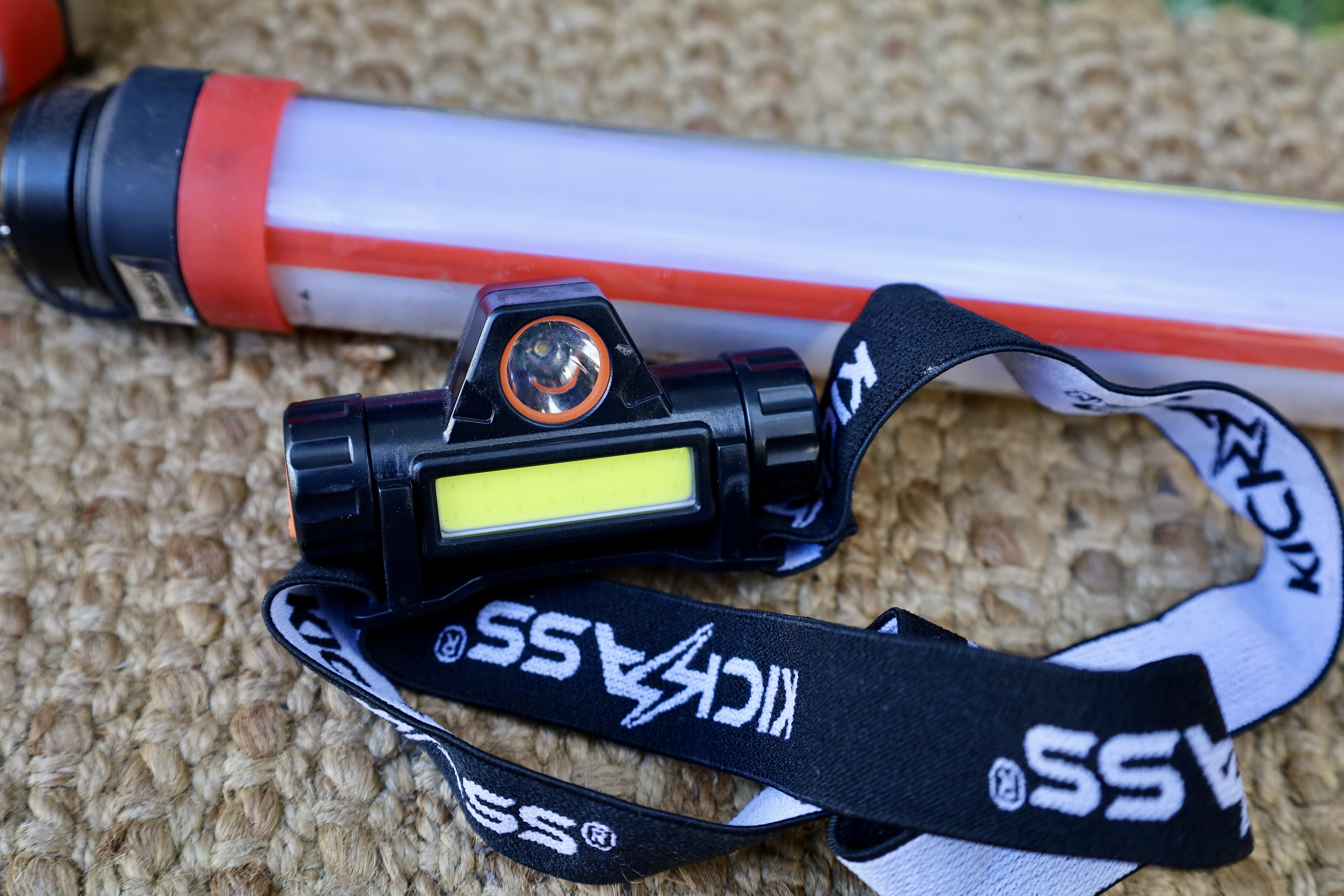
The headlamp has the standard comfortable adjustable strap (can adjust to 70cm – good for bigger heads and helmets), and a pivoting head to adjust the beam, with two C clips to maintain the angle you want, making it very stable. The C clips on the main unit can be popped out so you can use the lamp manually, such as working in a confined space, by using the magnetic end to stick to metal – but it’s easier just to hold the whole thing for this purpose.
The KickAss Lithium LED Head Torch is rechargeable from the supplied USB cord and has an IPX5 waterproof rating (which means it can stand dust and showers, and even water spray for up to 10 minutes).
Rechargeable power bank
Kickass also has two other serious tube-like torches: the 1300MAH LED Power Bank and the 3900MAH LED Power Bank.
Both have similar features such as lithium batteries, are rechargeable via the supplied USB cord, and the internal battery can be used as a power bank. Also common to the two lights are six different touch-functioning light colours with four different modes (low, medium, high and torch).
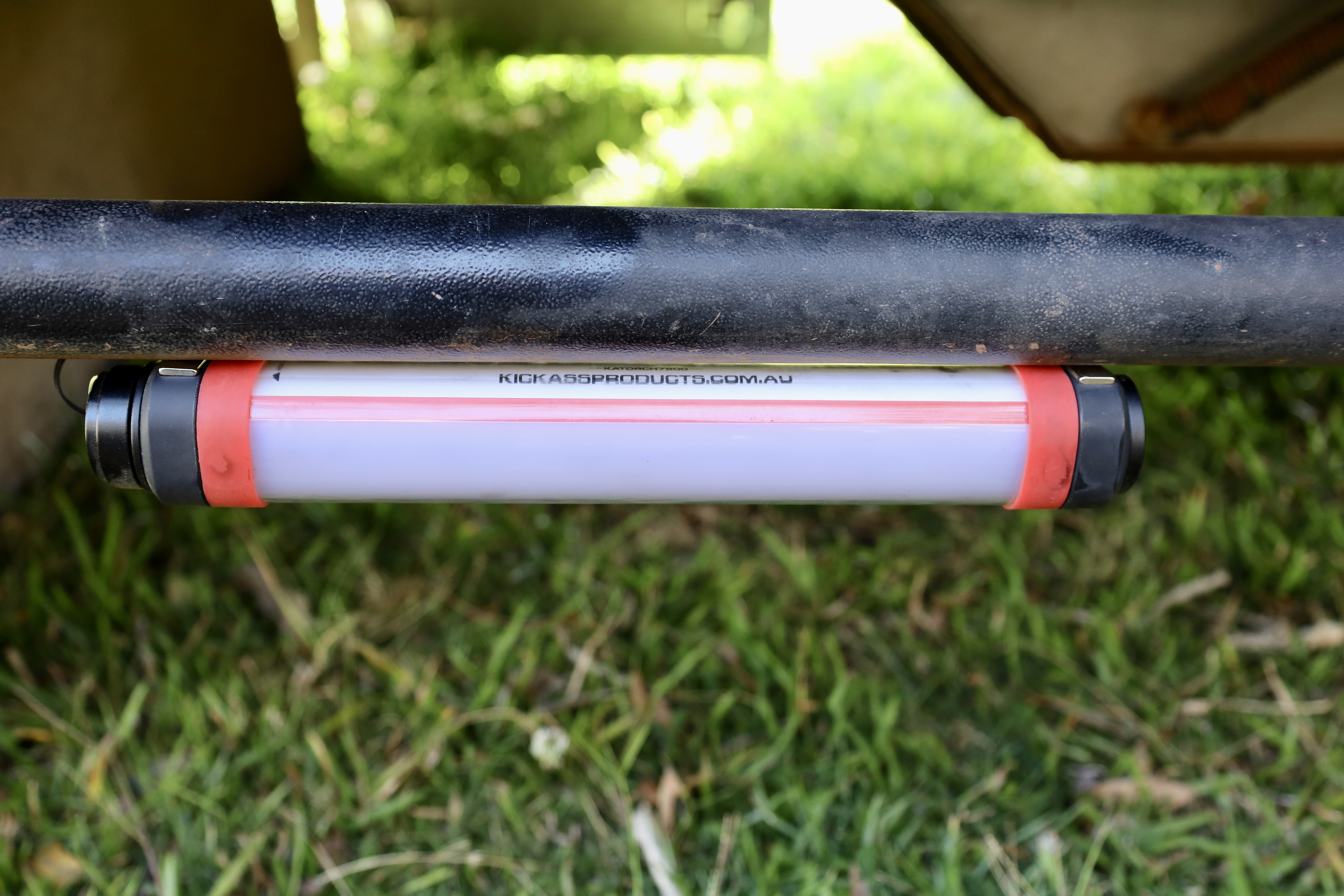
There are built-in magnets around both ends of the torches, an emergency glass hammer design, a waterproof IP68 rating, and an alloy body with ABS resin and silicon surrounding the PC transparent tube.
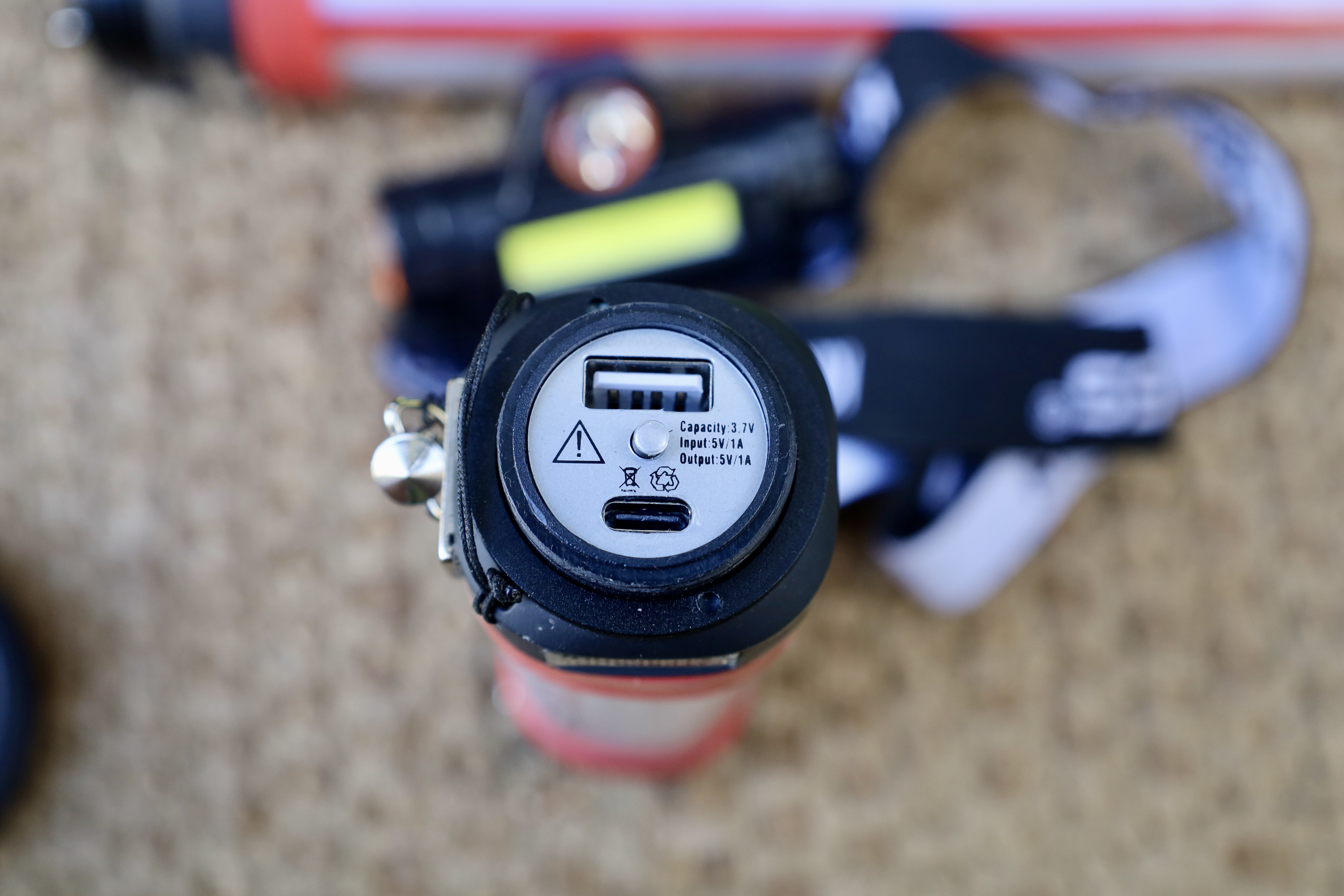
The larger torch (around 290mm long) comes with a 3900mAh lithium battery, which gives you around 40 hours of soft light when fully charged, 22 hours of solid torch light and 13 hours when the mosquito-repelling setting is turned on. Using the battery as a power bank provides 5V 2amp, which is ample to get charge back in to a phone or something similar.
The smaller torch at just 164mm long has a smaller 1300mAh lithium battery for shorter brightness times. The torch will only last eight hours at solid light, while soft light bumps that out to 30 hours. The mosquito-repelling yellow light will last eight hours, which is ample around camp.
How do they rate?
The LED Head Torch is definitely one of the best I have ever tried; it’s a solid and lightweight unit throwing great lumens around camp. As always, bigger is better with LED torch lights, with the 3900 punching out some serious light.
The addition of the magnets is great for sticking the torch to the side of the camper or car, for subdued light while cooking or night work. The smaller 1300 is the perfect size for the glovebox and to be used as emergency lighting. They both fit in your hand, with the controls at one end to flick through the settings and a simple one-button press to turn the whole thing off.
Available from
Pricing
Lithium LED Head Torch: $24.95 3900MAH LED Power Bank Torch: $49 1300MAH LED Power Bank: $39
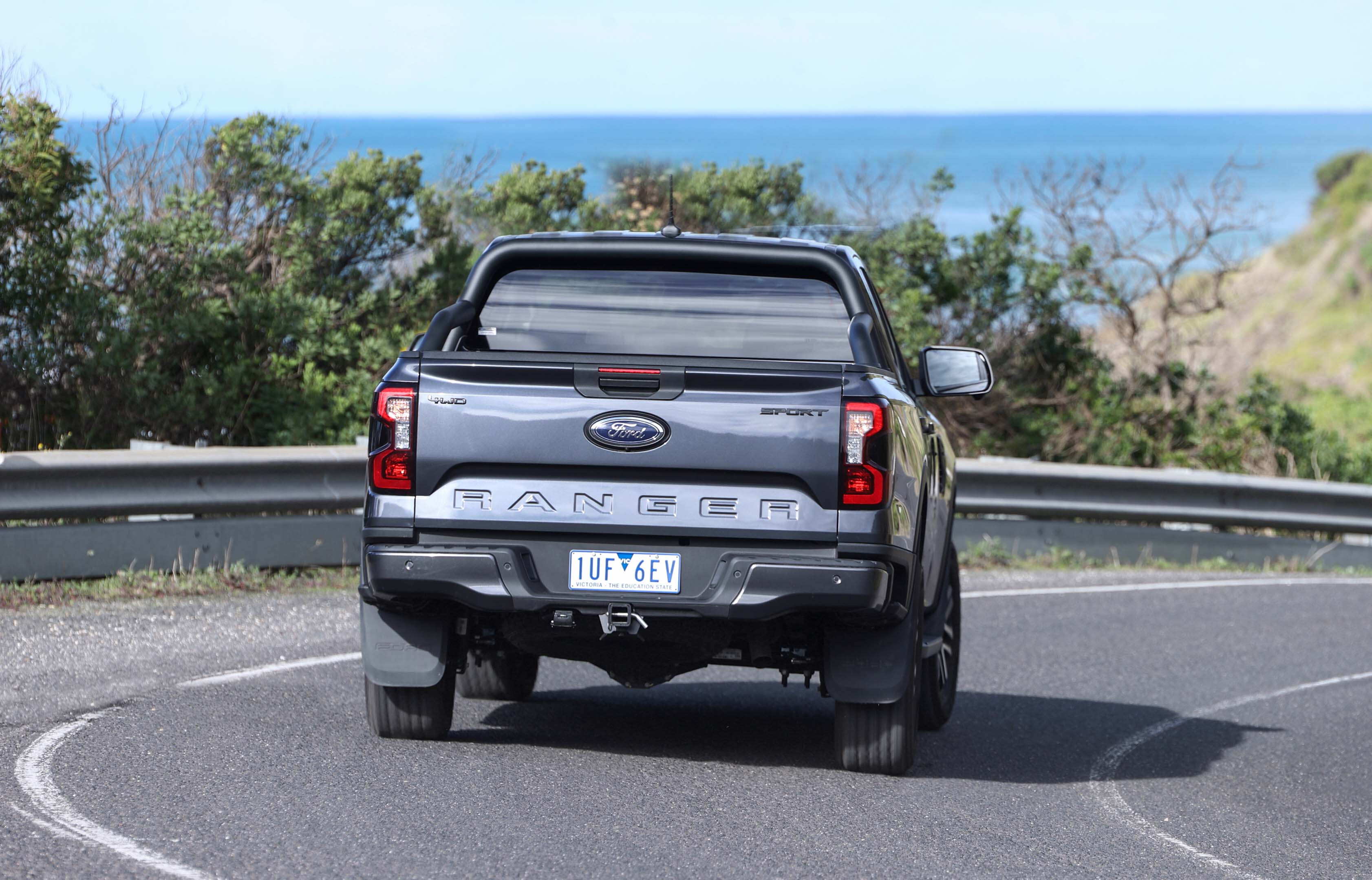
‘Whoa, this thing is quick!” That was the general consensus after driving the new 2023 Ford Ranger this week as part of our upcoming dual-cab ute mega test (keep your eyes peeled for that one).
But just how fast is Ford’s new generation dual-cab? And is the new 3.0-litre V6 engine actually any quicker than the familiar 2.0-litre twin-turbo four-cylinder that carries over from the previous generation?
The V6 holds a clear performance advantage. The 3.0-litre unit produces 184kW/600Nm which trumps the 2.0-litre’s 154kW/500Nm by a considerable margin.
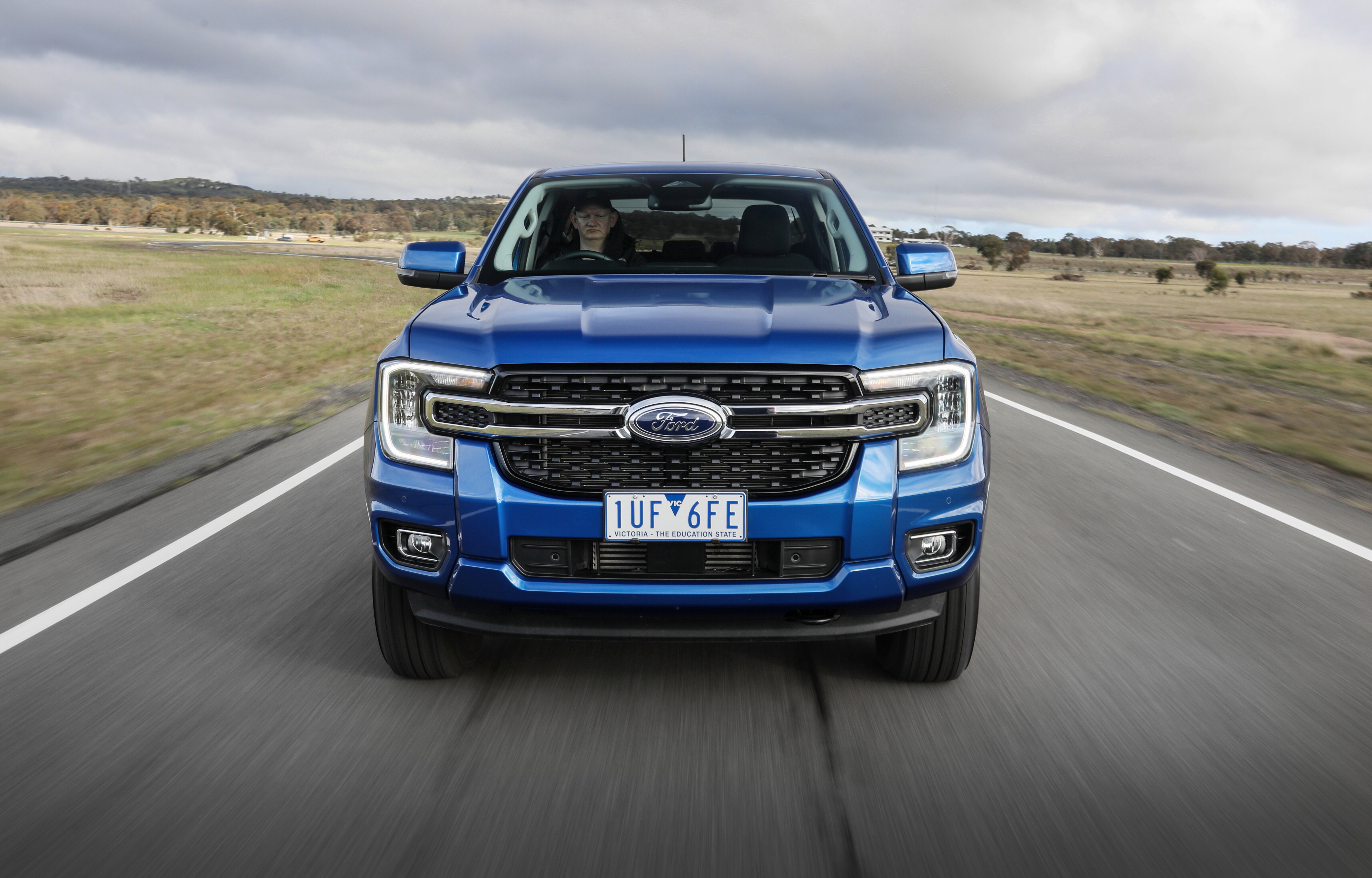
But our initial ‘seat of the pants’ sense was the gap between the two powertrains is a lot closer than you might think. Ford doesn’t offer official acceleration times, so time to break out the timing gear…
The utes we had on test were a 2.0-litre Ford Ranger XLT ($61,190) and a V6 Sport ($66,690). We drove both cars on the same road and in the same conditions. The only notable performance difference is their tyres: the XLT was rolling on 17-inch Bridgestone Dueler H/T while the V6 Sport was fitted with 18-inch Goodyear Wrangler AT/S.
Against the watch the V6 is the quicker ute. It completed the 0-100km/h sprint in 8.2 seconds, which makes it one of the quickest dual-cab utes currently on sale. Check out the table at the end to see how the new Ranger compares with its competitors, which we performance tested last year.
| Speed | Ford Ranger XLT 2.0L | Ford Ranger V6 Sport |
| 10km/h | 0.4 | 0.3 |
| 20km/h | 0.9 | 0.8 |
| 30km/h | 1.6 | 1.4 |
| 40km/h | 2.3 | 2.1 |
| 50km/h | 3.1 | 2.8 |
| 60km/h | 4 | 3.6 |
| 70km/h | 5.1 | 4.6 |
| 80km/h | 6.2 | 5.5 |
| 90km/h | 7.6 | 6.8 |
| 100km/h | 9.2 | 8.2 |
| True at 100km/h | 97 | 96 |
| 100km/h-0 | 40.4m | 43.5m |
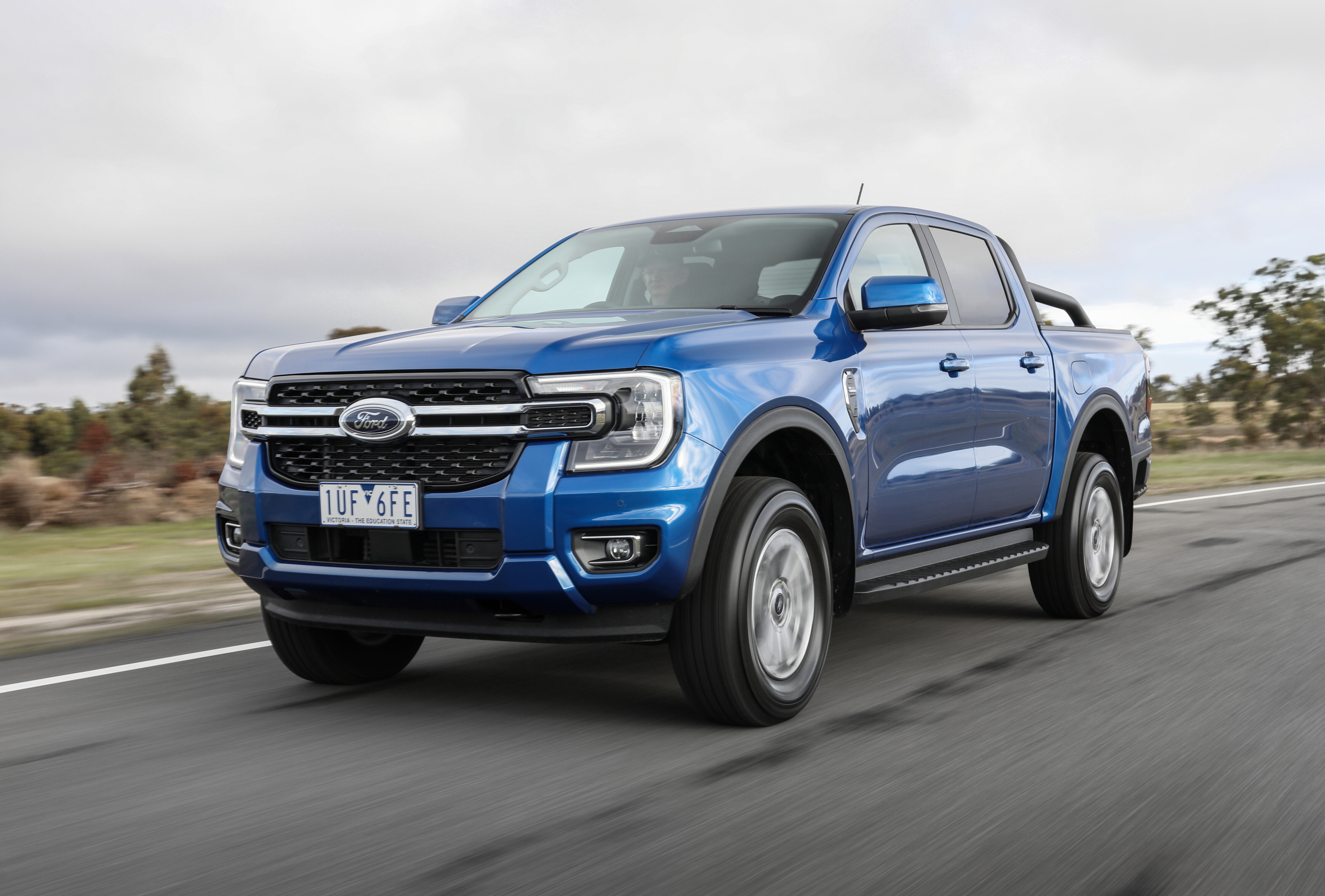
The 2.0-litre Ranger trailed the new V6 by exactly a second with a 0-100 time of 9.2sec.
Intriguingly both utes were amazingly consistent. We tested both over multiple runs and tried varying launch techniques, rear-wheel and all-wheel drive, and with ESC deactivated, but all attempts fell within a few tenths of one another. The quickest run in both utes was achieved in four-wheel drive and by holding the vehicle against the brake to build revs.
Where the gap closed between the two Rangers was when it came to rolling acceleration. We weren’t able to record 80-120km/h times, but we did complete several side-by-side roll runs and the two Fords were mostly neck-and-neck before the V6 eventually started to creep ahead as the speed built.
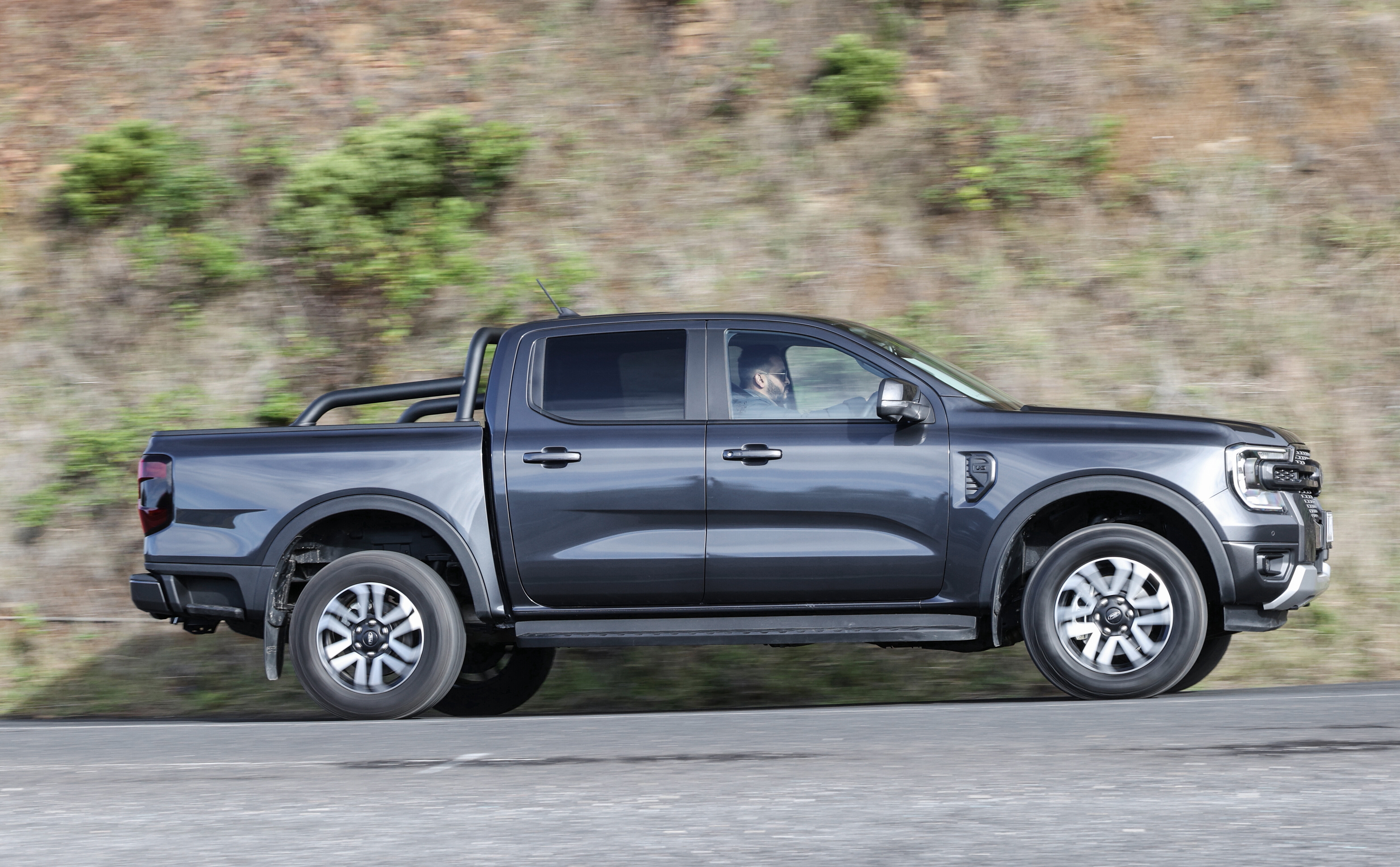
One area where the 2.0-litre holds a clear advantage, however, is braking. In our 100km/h-0 brake test the V6 Sport pulled up in 43.5 metres while the 2.0L XLT managed an impressive 40.4m.
So the V6 Ranger is faster than the 2.0-litre, but it’s not a night and day difference. And both are two of the quickest utes on sale, as you can see from the below table. One key point worth mentioning is that while the two are evenly matched unladen, the V6 is a superior towing vehicle.
A tow test between the two Fords, and all of the key contenders in the dual-cab segment, will be part of our upcoming megatest.
| New Rangers vs rivals (rival figures from 2021) | Time 0-100km/h |
| Ford Ranger V6 Sport | 8.2sec |
| Ford Ranger 2.0L XLT | 9.2sec |
| Jeep Gladiator Rubicon | 9.2sec |
| Isuzu D-Max X-Terrain | 10.1sec |
| Toyota Hilux Rugged X | 10.7sec |
| Mazda BT-50 Thunder | 10.8sec |
| Ford Ranger Raptor (previous gen) | 10.8sec |
| Toyota Hilux SR5 | 11.1sec |
| Nissan Navara ST-X | 11.3sec |
| Mitsubishi Triton GLS | 11.4sec |
| GWM Cannon-L | 11.4sec |
| Ssangyong Musso Ult. XLV | 11.5sec |
The North Coast of NSW has many diverse and unique areas all linking back to when the East Coast volcanoes erupted 30 to 60 million years ago.
If it wasn’t for that major upheaval, we wouldn’t have the Great Dividing Range holding rainforest pockets, rich-soil farmlands and wilderness areas. Luckily, on the North Coast we have access to the majority of these areas in some way.
One of these places is Bundjalung National Park, just 90 minutes south of the NSW-QLD border. On paper the park has a wide variety of things to do and, reminiscing from 20 years ago, I thought I’d head back for a few days.
The NSW National Parks & Wildlife Service states Bundjalung covers 21,000 hectares with a variety of different environments including wetlands, coastal, rainforest and much more. One significant feature is the Esk River system which, apparently, is the longest natural coastal river ecosystem on the North Coast.
Southern gateway
My plan was to start at the southern end of the park at the coastal community of Iluka and four-wheel drive to the main camping area of Black Rocks, spend a few days here and then continue north.
That was the plan and, going off current maps, it was doable, but after heading off the highway in to Iluka and finding the designated track, I was met with a very locked gate and signage stating ‘No Entry’ – so it was decided to instead explore this coastal region and surrounds.
Iluka is the Yaygir or Bungjalung Aboriginal word for ‘near the sea’, and everything around this quaint coastal community is defined by the sea. The town sits at the entrance of the mighty Clarence River that starts hundreds of kilometres inland and has one of the biggest catchments in NSW.
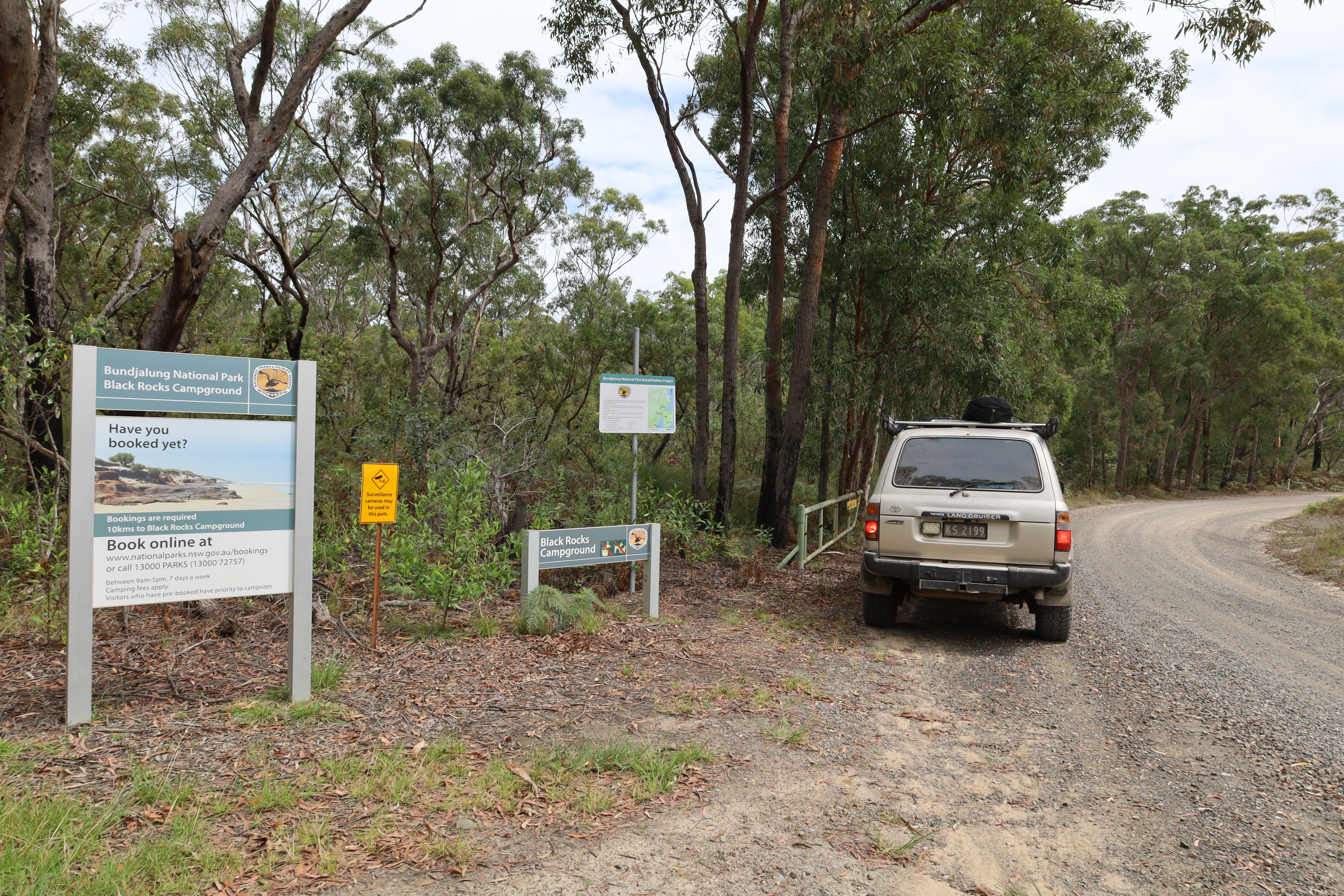
History states that in 1799 Matthew Flinders investigated the river mouth and landed on the northern side of the Clarence, where Iluka is settled today. In his log he wrote that the river mouth was shallow and he believed the whole river was not worth investigating. Little did he know that he was in the river’s first bay and it actually opened up into a mighty river. It wasn’t until 1830 that the first schooner sailed up the Clarence and it was officially named in 1839 by Governor Gipps.
Over the years Iluka was settled and developed, major breakwalls were built with a local tramway constructed out to Iluka Bluff for the sandstone blocks, and hoteliers served the town with around 200 workmen employed for the harbour works. After the works were completed in 1890, the town soon declined with only a few staying on to become professional fishermen.
Today Iluka is filled with fishermen and holidaymakers who enjoy the simplicity of the area, exploring and working the river. There are a few little shops, a museum to check out and, of course, some local seafood by the sea.
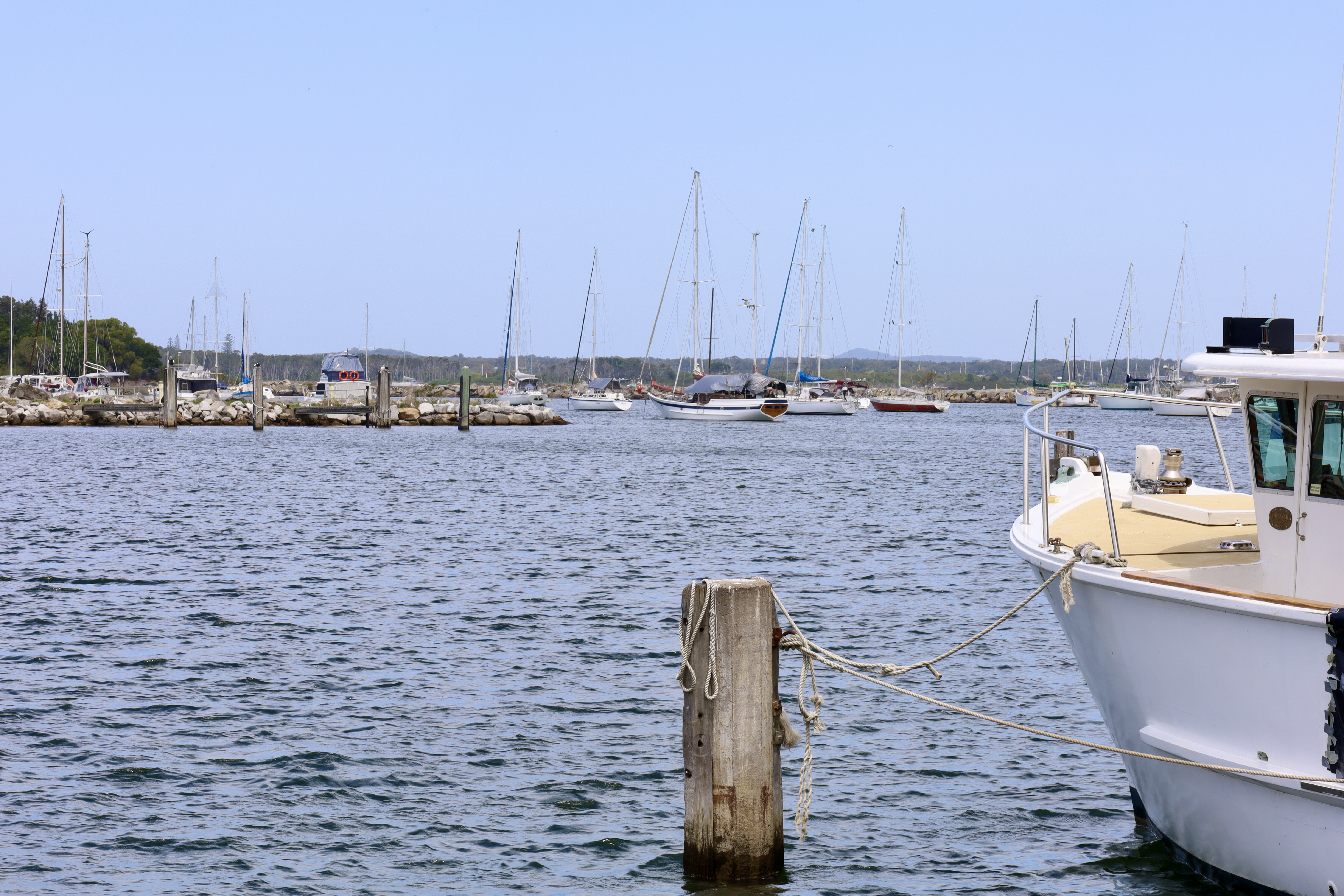
For the nature buffs are the Iluka Nature Reserve and Iluka Bluff, the former is 136 acres of protected reserve that has a world heritage listing as the largest area of sub-tropical littoral rainforest by the sea in NSW. It’s a great place to wander through on a hot day and spot the many varieties of birds and plants this forest holds. At the end of the walk to the north is Iluka Bluff, where man-made lookouts on the headlands give uninterrupted 180-degree views along the coast and out to sea.
On my way back to the highway (due to the 4WD track having a locked gate) I popped in to a couple of the southern Bundjalung local spots: Woody Head, which is a commercial camping area right on the beach, and a couple of day areas where you can explore the coastline on foot.
A few years ago it was possible to drive along the beach right up to the Black Rocks camping area, but that’s been closed due to coffee rock on the beach being too unstable to drive across. With these obstacles in the way, the only access point in to Bundjalung is to head farther north towards Woodburn and then back to the coast along Gap Road. The frustrating part was seeing nearly 40km of thick bush all locked up beside the highway.
Black Rocks
Getting to Black Rocks is via a well maintained dirt road which, for most of its 20km length, is an easy drive, passing through a variety of landscapes from rich farmland, rough sandstone areas, swamps and heathlands. Dense rainforest pockets surround massive gums that survived the timber cutters, but there are scars left by past sand-mining activities.
The runoff creeks feeding the Esk River look dark and gloomy but are actually tannin-stained from the heathland, coastal cypress stands and paperbark forests. These days you have to book online for most National Parks, with Bundjalung being no different, so I decided to head in and check out the quality of the campsites before locking it in.
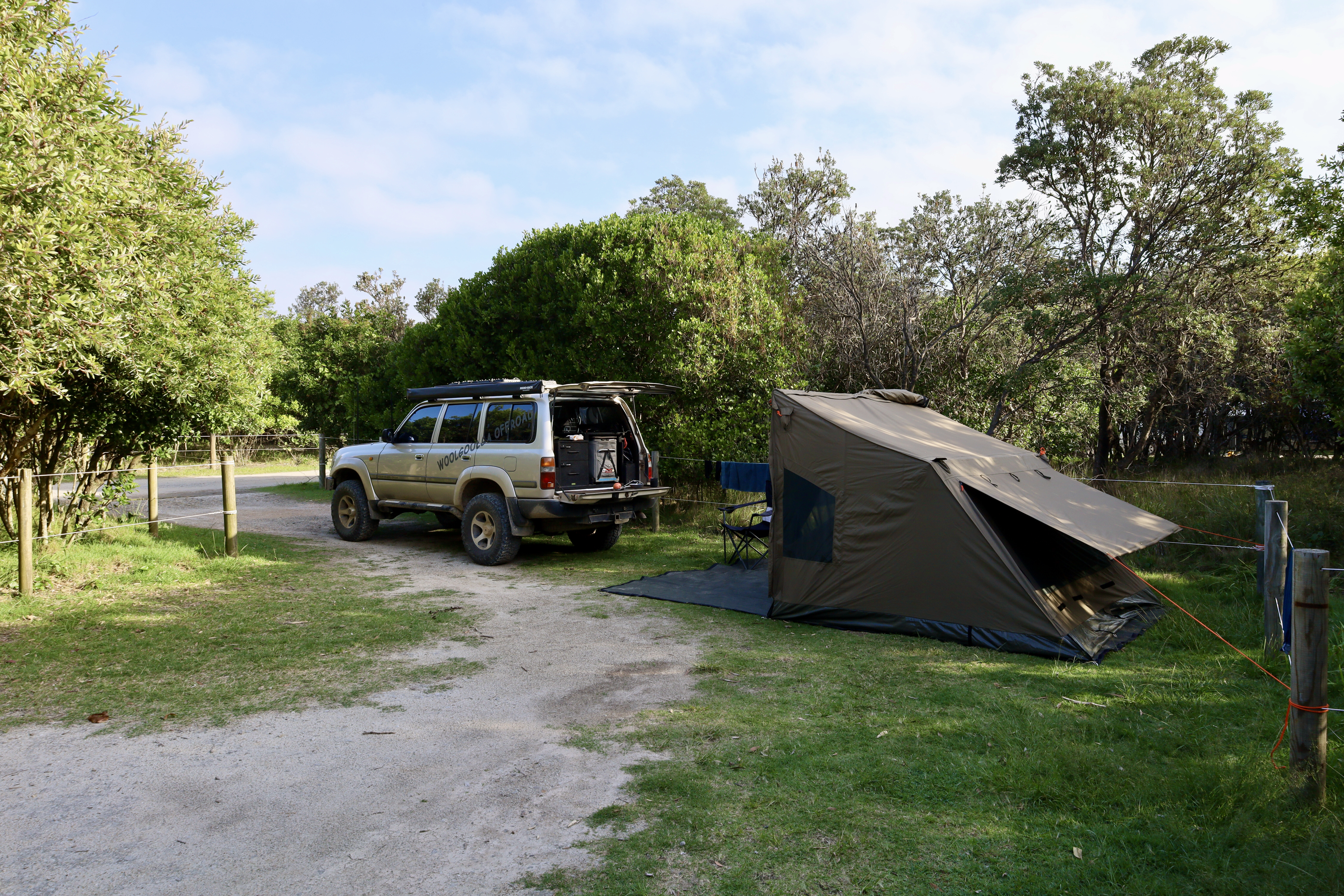
The camping area has to be one of the best along the East Coast, with massive sites with an element of privacy, fire pits and picnic tables, plus a handy clothes line in every site for beach towels and cozzies. Booking online through the parks website is pretty simple after choosing one of the empty spots. All of the camping spots run parallel to the coastline, where the farthest ones away are no more than a three-minute walk to the water’s edge over the huge dunes.
Reading the info boards around the larger group areas, Bundjalung is all about nature, Aboriginal heritage and the loads of flora and fauna across the area. With all of the 4WD tracks locked up nearby, it’s all about throwing on the walking shoes to take either the 3km Emu Loop hike, the bigger 8km Jerusalem Creek hike, or head down to the long stretches of coffee rock-lined beach to take in all of that salt air. Ironically, the Emu Loop walk is named after the endangered coastal emus that may be spotted in the area. I have seen them in past years, but have spotted them in another NP to the south.
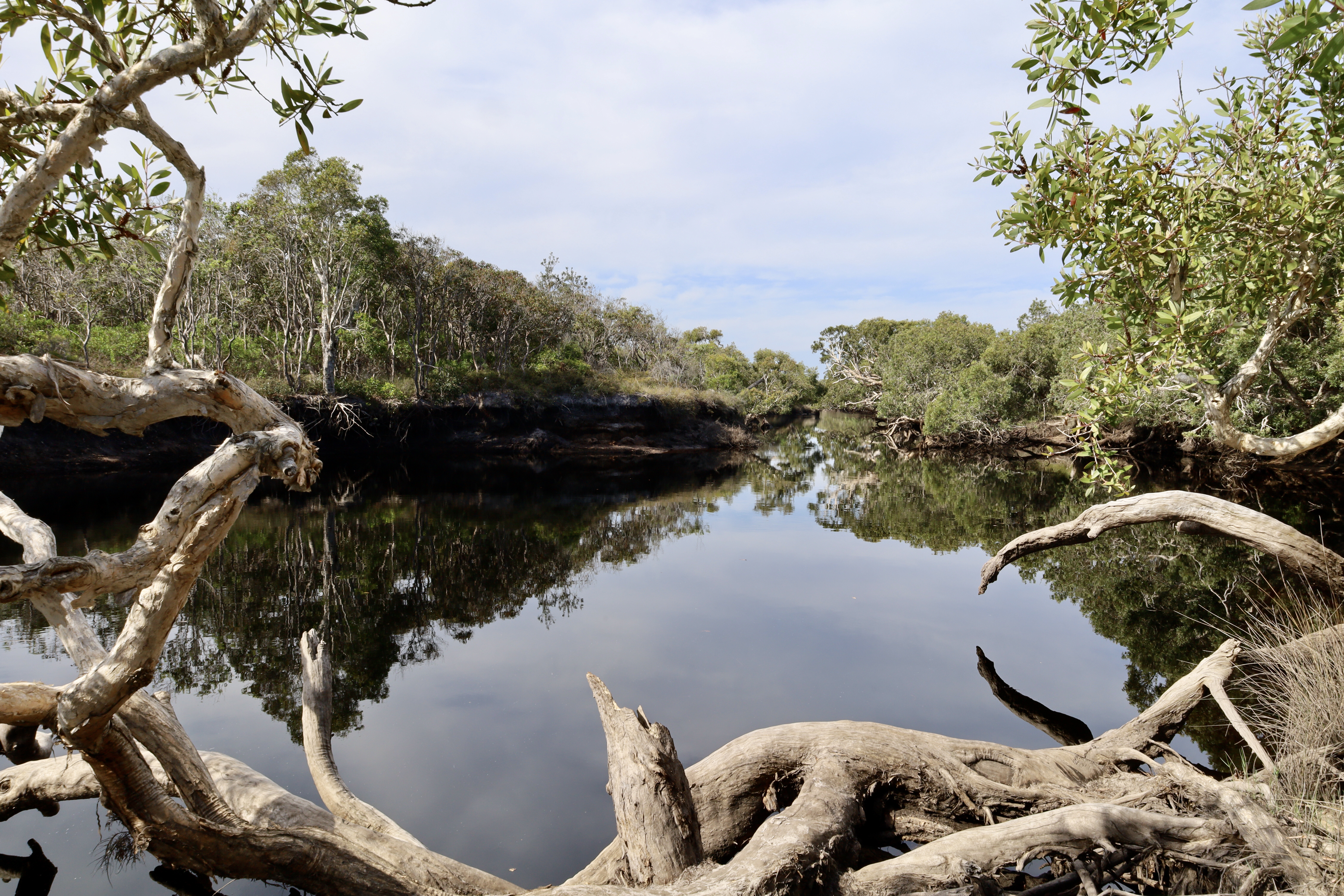
The Jerusalem walk follows the river to the ocean, where there are plenty of spots to dip your feet in the water to cool off. On both walks, check out the coastal banksia, grevillea and twisted trees lining the river bank. The still water of the Esk River provides amazing canoeing for the enthusiast in the protected waters.
If you’re keen for an early morning or evening stroll through the heathlands, it will reveal many delightful sights including rare plants and animals. A total of 205 bird, 30 mammal, 38 reptile and 13 amphibian species have been recorded in the park.
Evans Head gunnery
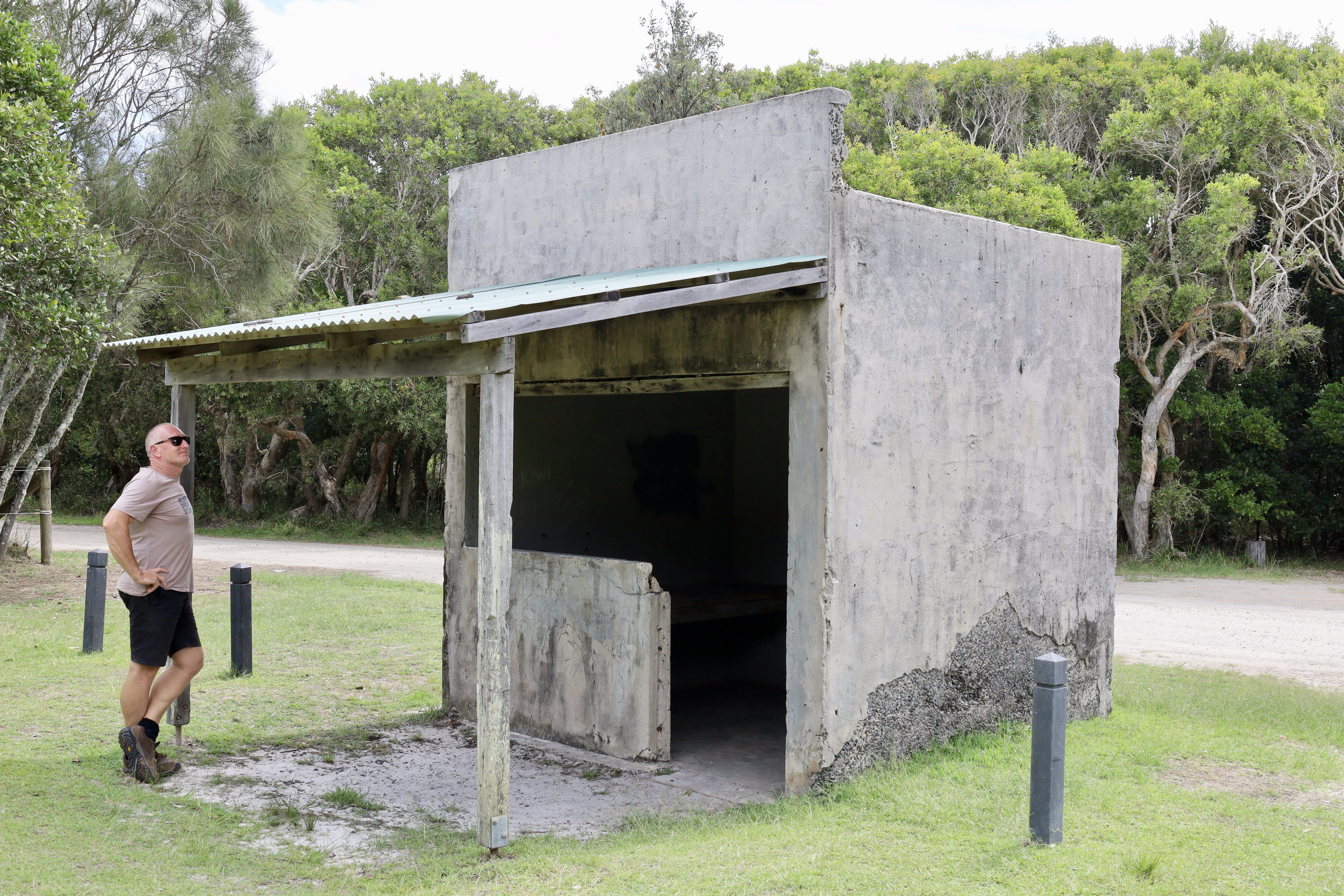
I was surprised to see three concrete war bunkers right in the heart of the main camping area, and apparently they were used significantly in WWII. It’s reported that thousands of soldiers used these bunkers to gain the skills needed to protect Australia from invasion. They were part of the nearby RAAF’s bombing and gunnery school that still operates at Evans Head to the north.
This was one of 10 schooling areas that were urgently built and established across Australia in 1939. The Evans Head bombing range that adjoins Bundjalung in the north is still used today by jets operating out of Amberley Air Force Base in Queensland.
The park lies within the traditional lands of the Bundjalung Nation, which has many significant Aboriginal sites indicating that the area has been used intensely for more than 6000 years. Inland tribes would journey to the coast in winter, trading seeds for fish caught by coastal groups.
Also recorded in the park are Aboriginal campsites, middens and ceremonial grounds. To the north, Goanna Headland is an important mythological site which was the subject of one of the first Aboriginal land claims in NSW.
So would I head back to Bundjalung? Yes! The park is extremely relaxing, and getting back to nature definitely has its benefits.
Five best Bundjalung experiences
ILUKA: Situated at the mouth of the Clarence River and at the southern end of Bundjalung NP is the township and popular holiday destination of Iluka. The breakwaters and seawalls that form Iluka Bay and its marina are a major feature of the Clarence estuary, and it supports a thriving recreational fishing and boating scene, as well as a commercial fishing fleet and co-op.
ILUKA NATURE RESERVE: The reserve is a small but important remnant of what was once an extensive coastal rainforest, containing the largest remaining stand of littoral rainforest in NSW and the World Heritage-listed Gondwana rainforest. The ecosystem here is rich and diverse, the forest featuring strangler figs, ferns, epiphytes and vines protected by sand dunes, and tuckeroo and banksia trees.
ILUKA BLUFF: The Iluka Rainforest walk within the Iluka Nature Reserve is a great way to experience the ancient forest that ends at the Iluka Bluff lookout and nearby picnic area. The viewing platform comprises views of the entire Bundjalung area, with vistas of the Clarence River to the south and the ocean beaches to Woody Head in the north. It’s a great spot to watch the annual winter whale migration.
BLACK ROCKS: This camping area has to be one of the best along the East Coast, hosting campsites with an element of privacy, as well as fire pits, picnic tables and a handy clothes line at every site. It’s an easy 20km dirt-road drive to Black Rocks where all campsites run parallel to the coastline, with the farthest ones no more than a three-minute walk to the water’s edge over huge dunes. Book online through the National Parks’ website after choosing an empty spot.
HOLIDAYS: Bundjalung NP offers beach walking, fishing, mountain biking, canoeing, kayaking and several school-excursion options. Stay overnight in beach accommodation or camp out for a holiday by the water, with a combination of river, beach and freshwater lagoons. There’s canoeing along Evans River or Jerusalem Creek, mountain biking the Macaulays Lead or Serendipity fire trail, or walking Ten Mile Beach, plus boat-launching facilities, snorkelling on the shallow reefs and fishing.
Snapshot
- Standard setters for towing in the mid-size ute segment
- Advanced towing tech is clever and simple
- Rangeru2019s bigger footprint assists stability over rough ground
The 2023 Ford Ranger V6 4×4 will be hot property for those that tow heavy trailers; so as soon as the chance arose, we hooked a Ranger Sport V6 up to a caravan for a quick lap around Melbourne.
For comparison’s sake, we repeated the exercise with a 2023 Ranger XLT 4×4 with the carried over bi-turbo I4 diesel engine.
Upgrade your Ranger
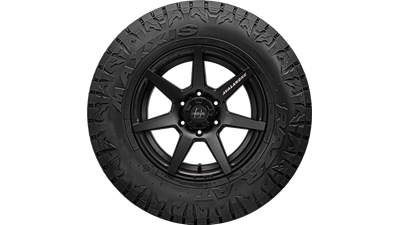
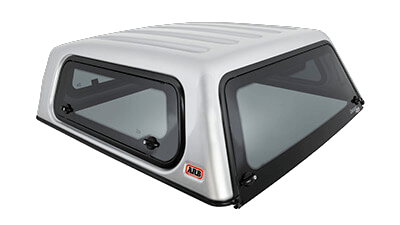
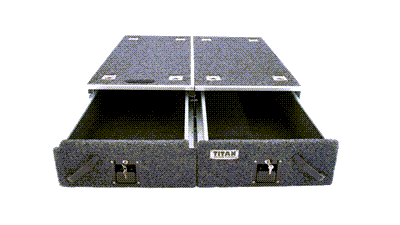
Mid-size 4×4 utes are very popular choices with those that tow because most of them offer a 3500kg tow rating, their relatively long wheelbases are good for stability when towing, and they are more affordable than the big 4×4 wagons that also offer that 3500kg capacity like LandCruiser, Patrol and Land Rovers.
The Ford Ranger is the newest mid-size 4×4 ute to hit the Australian market and it is the first such vehicle to really take towing seriously. Not only does it offer the choice of the V6 diesel engine and a 4-wheel drive system that gives users the versatility and safety of full-time 4WD, but it’s loaded with clever tech features to make towing easier and safer for all users, be they beginners or seasoned towing experts.
By the numbers
All-new Ford Rangers (except the Raptor) have a 3500kg tow rating when towing a trailer with brakes.
The Gross Combined Mass (GCM) that is the maximum allowed weight of the Ranger, fuel, any cargo and accessories and the weight of the trailer behind the car, varies depending on model specification but for the Ranger Sport V6 as tested here, it is 6400kg and for the Ranger XLT I4 it is 6350kg.
These important figures are at or near the top of the mid-size ute category and are sure to entice buyers who want to haul a boat, horse float, caravan or race car.
The engine outputs also create an impressive set of numbers. The 3.0L V6 diesel engine produces 184kW of power and 600Nm of torque giving the V6 Ranger the most grunt in the class.
Even the bi-turbo I4 engine isn’t lacking in this regard with 154kW and 500Nm, making it one of the gruntiest of the four-cylinder 4×4 utes.
Both engines are backed by a 10-speed automatic transmission and only the V6 gets the 4×4 system that offers full-time 4×4 as well as 2WD, locked 4×4 high range and locked 4×4 low range.
Towing technology
The new Ford Ranger brings a level of technology specifically designed for towing that you won’t find on any other ute in this segment.
From the start point of hooking up the trailer, the Ranger has towing in mind. When reversing up to the trailer the rear-view camera not only has directional lines showing you the steering angle but also a centre line that you can follow back, to line the tow ball up directly under the tow hitch. This makes hooking up easier if you are solo and have no one to guide you back.
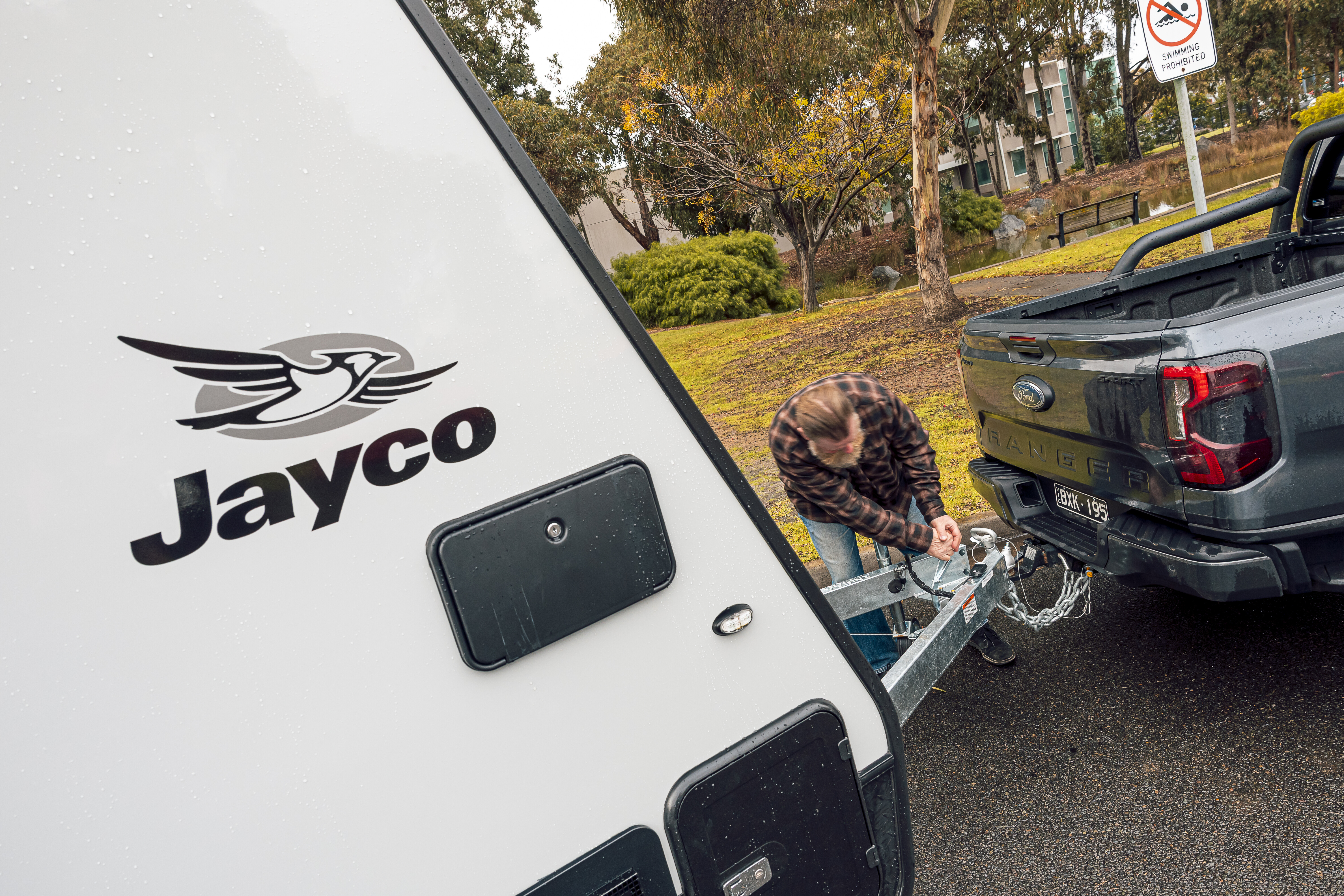
Both our Rangers were fitted with the optional Touring Pack which includes the 360° camera and an integrated electronic brake controller. You need a brake controller to operate the electric brakes on heavy trailers and in the past you had to buy an aftermarket unit.
Ford has its own controller and it integrates neatly on the lower dash. The tow bar and associated wiring come standard on Rangers.
Once you have the trailer electrics hooked up, the SYNC 4 centre screen will show you that it has detected a trailer and ask if you would like to configure it.
You can configure your Ranger for multiple different trailers if you own a caravan, a box trailer, a boat or any other trailer, all of different sizes.
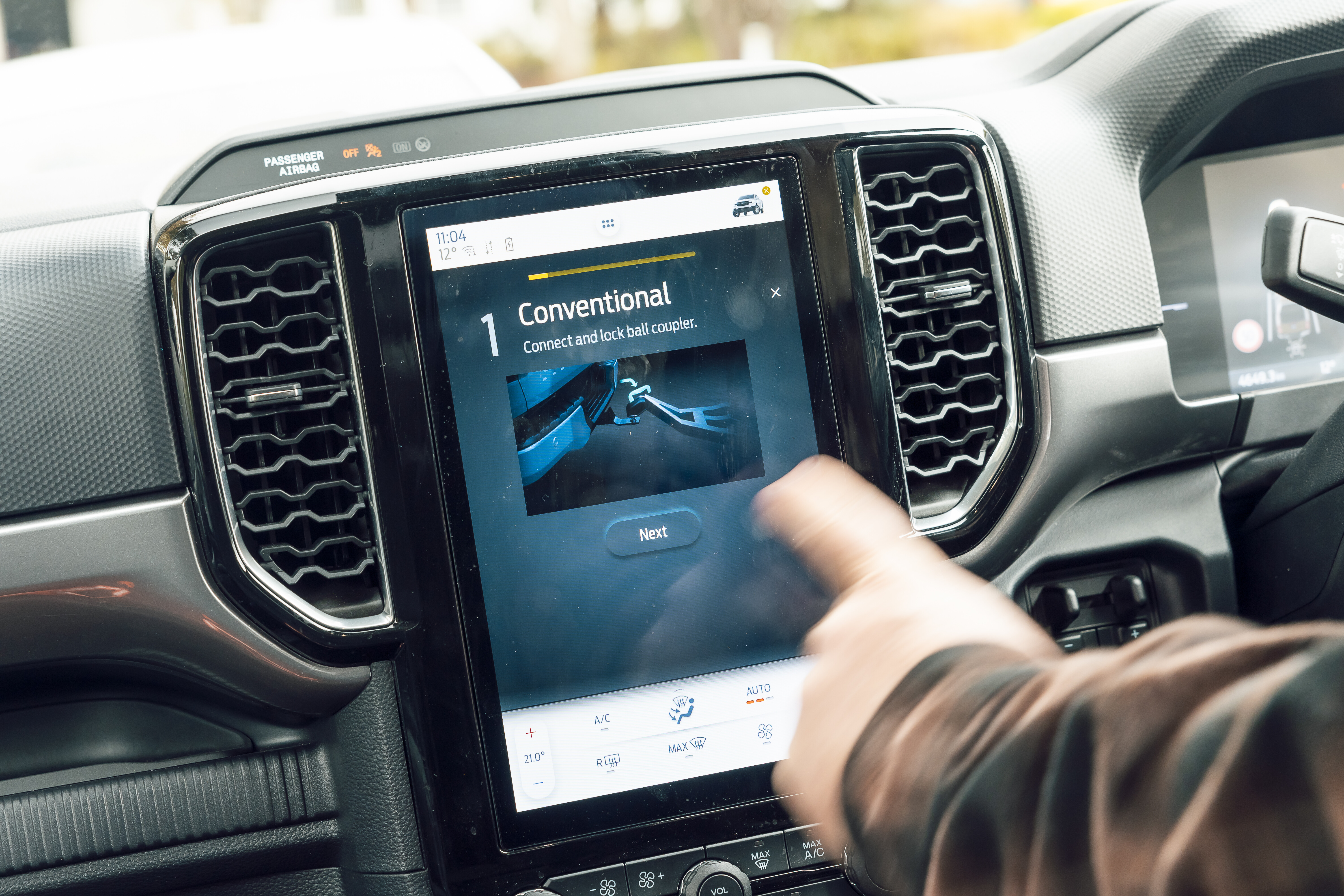
By inputting the length of your trailer when configuring it, the software then calibrates systems such as the blind spot monitoring, rear cross-traffic alert to ensure they still work as they should with the added length of the rig. There’s also a default trailer setting which is what we used for this test.
Once you are all hooked up and configured, the screen can then take you through a step-by-step towing checklist to make sure you’ve hooked up all the relative hardware and electrics needed.
There’s even a trailer-light check mode that once activated, cycles the rear lights so that you can check that all your trailer lights are working as they should without the assistance of a spotter.
This is all really clever but simple stuff that will make it safer and easier for any driver to tow any type of trailer.
One last piece of tech available on most of the new Ranger models is the various drive modes which include a ‘Tow-Haul’ that sets the respective chassis and throttle calibrations to the optimum settings for towing.
On the road
So how do those numbers and tech features add up in the real world? Before we get in to that, lets look at what we were towing and its relevant numbers.
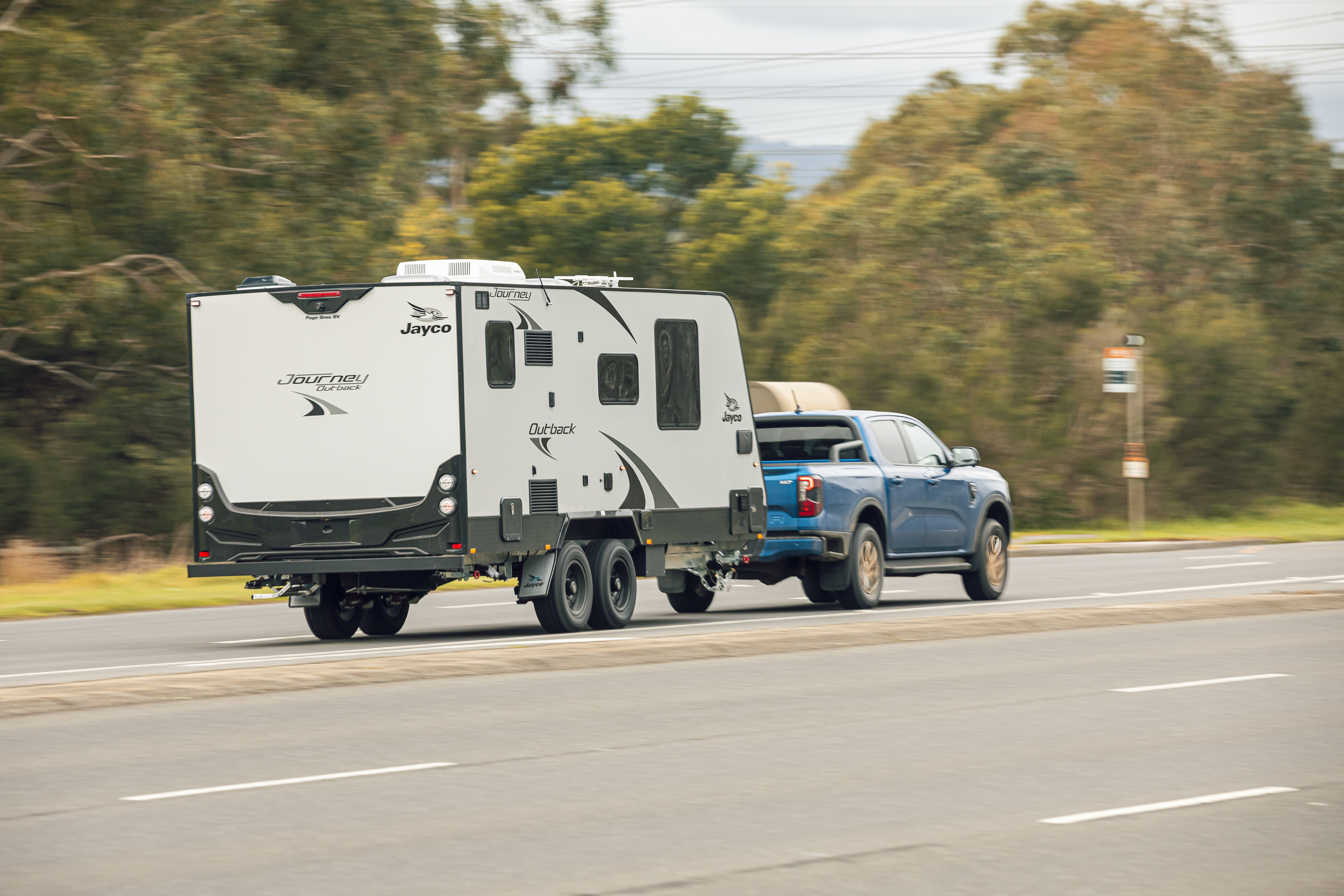
The good folks at Page Brothers Jayco RVs and Caravans in Moorabbin kindly lent us a Jayco Journey Outback caravan for the test.
This is a dual-axle off-road ’van that is 6.1 metres long and weighs in at 2100kg, with approximately 140kg down on the tow ball.
It’s a fairly typical example of the size and type of caravan you see being hauled behind utes all over Australia so it suited our test perfectly.
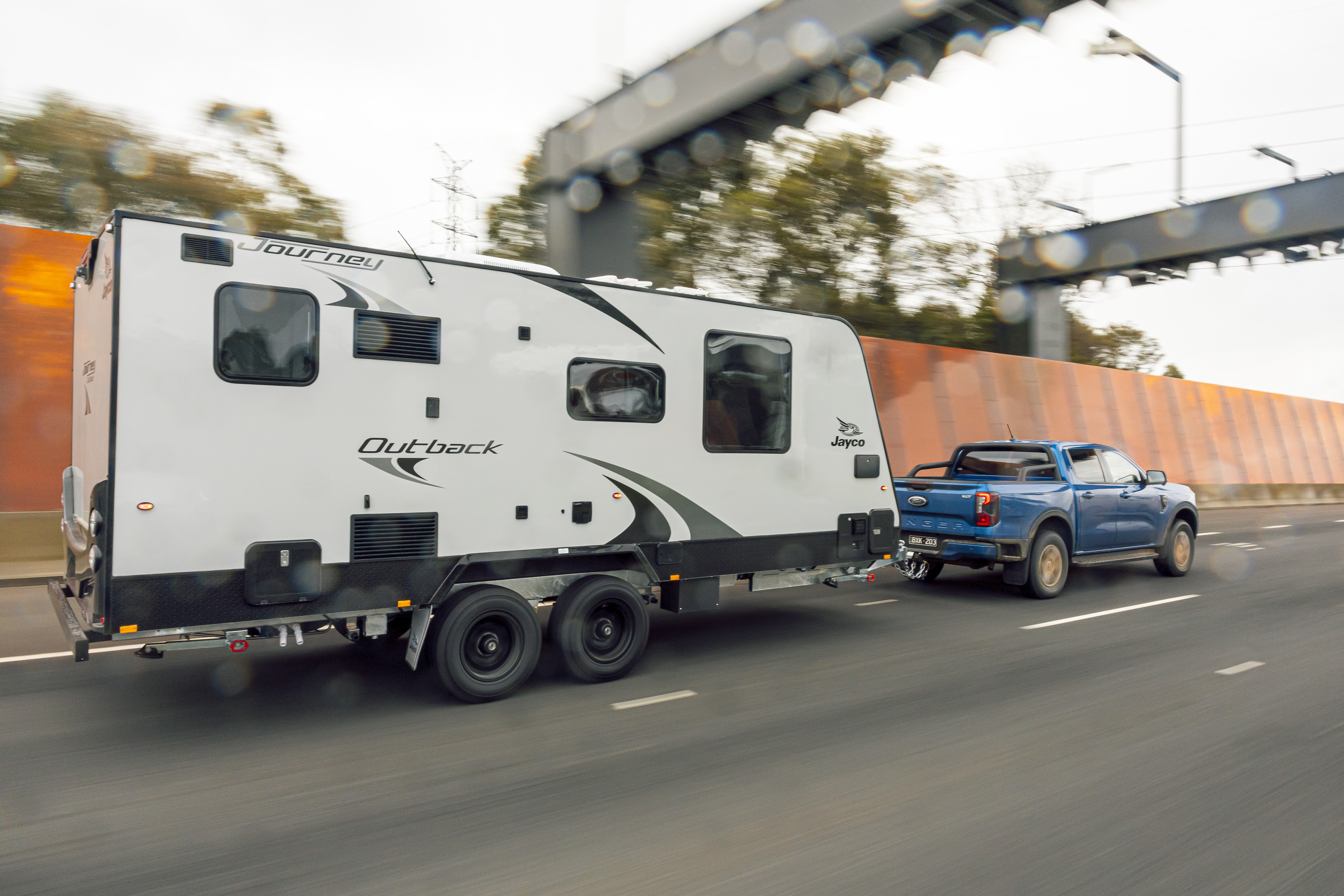
Ford Ranger Sport V6
With the Jayco hitched up behind the Ranger Sport, we set off. The previous Ranger already had one of the longest wheelbases in the class providing a stable platform for towing but Ford has taken this further with the new model, adding 50mm to the wheelbase and also 50mm to the wheel track to further improve stability.
This provides the Ranger with a large ‘footprint’ on the road and this in turn works with a very well-calibrated suspension to deliver smooth travel over rough roads. There’s very little if any of the pitching and porpoising that you might get in many vehicles when towing on the factory-fitted standard suspension. The chassis remains smooth and balanced over the rougher terrain to give the driver control and a feeling of confidence in the Ranger’s abilities.
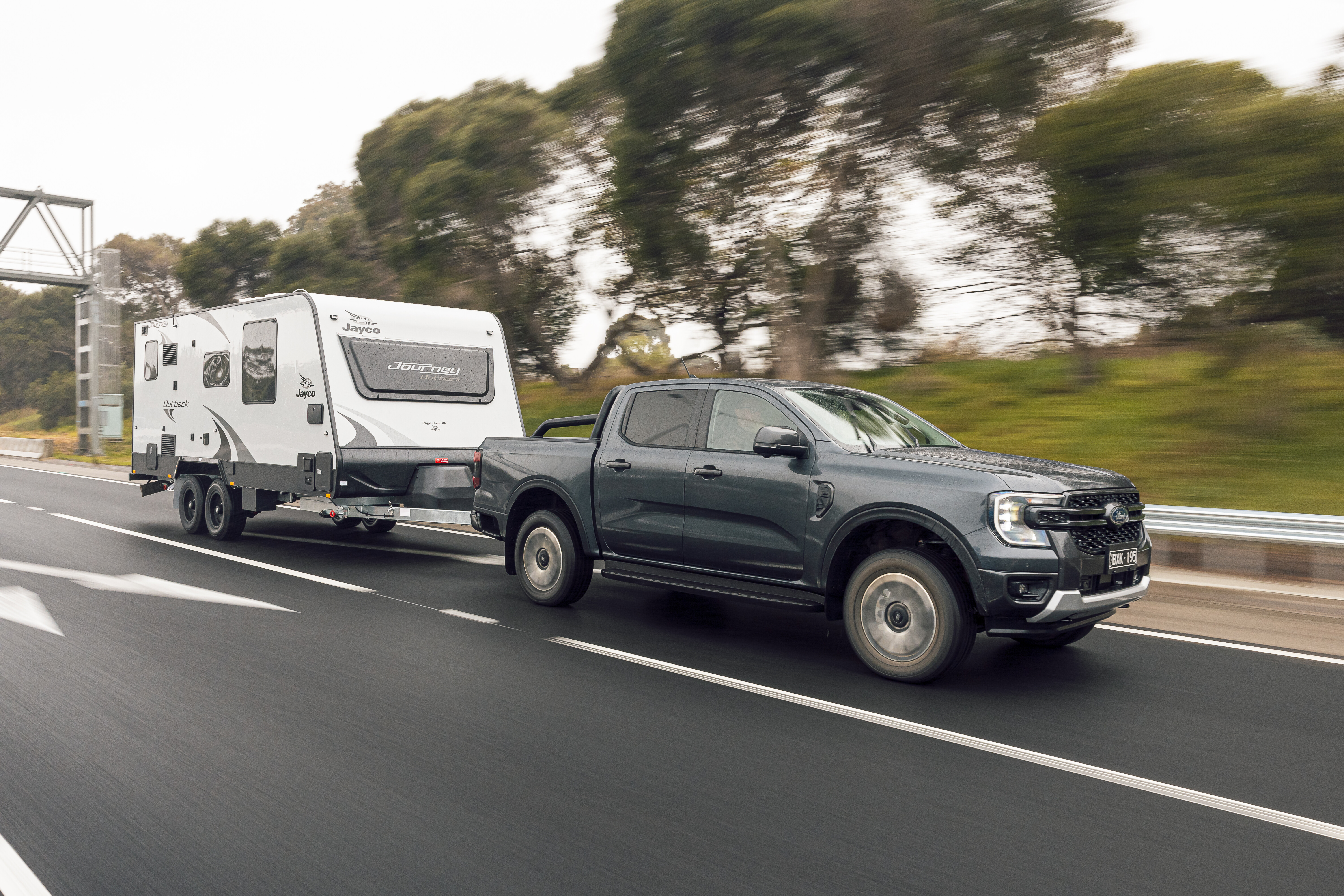
The roads were wet on this day and pulling away from a standstill on a hill produced wheelspin with the system in the 2-wheel drive setting. Selecting 4A full-time 4-wheel drive allows you to run in 4×4 on sealed roads and removed that problem of rear wheelspin in the wet. Very few 4x4utes offer this full-time 4×4 setting; only the Mitsubishi Triton and outgoing Volkswagen Amarok among the popular models, so it’s great to now have it on the new Ford.
The V6 diesel engine pulls the 2100kg Jayco van with ease and has plenty in reserve for overtaking and climbing hills. It’s relatively quiet and refined in the way it gets on with its job, again making the task of the driver easier.
The 10-speed automatic transmission performs well when left to its own devices, and manual shifting is done using buttons on the right-hand side of the transmission shifter. This is especially useful when you want to downshift to give a bit of trailer braking when slowing down.
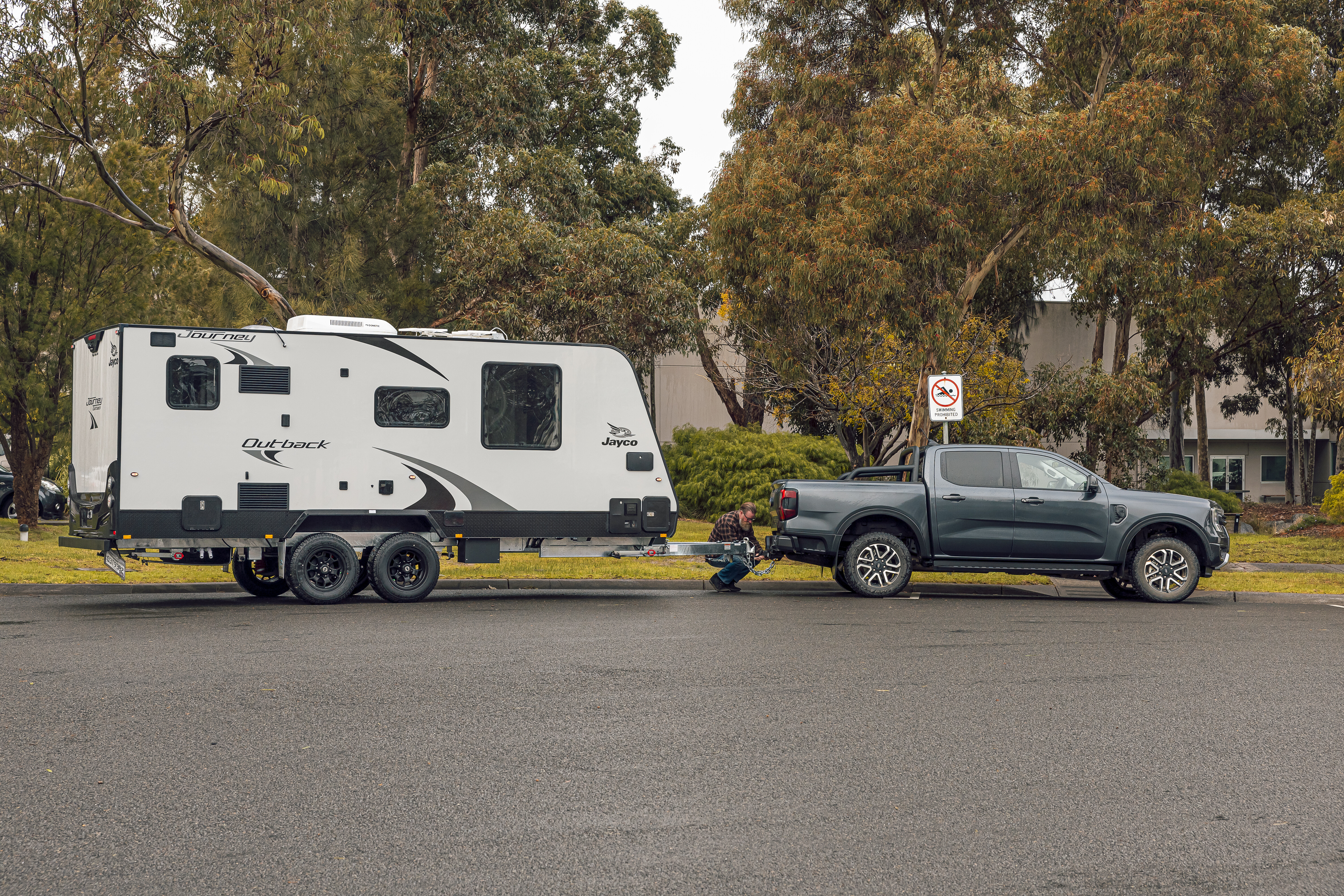
We did find that the transmission was shifting through to higher ratios sooner than what was ideal. This was with the drive mode in the Normal setting but after switching it to the Tow-Haul mode, the transmission holds the gears longer and made driving even easier.
Ranger’s chassis electronics include trailer-sway control which works with the vehicle’s Electronic Stability Control (ESC) system to detect if and when a trailer might start to sway or fishtail on the road. This wasn’t the case on this drive with the Jayco but it could happen with an incorrectly balanced or set-up trailer.
Interestingly, the Jayco Journey is equipped with its own ESC system but when plugged in to the Ford, it was automatically disabled. This didn’t present any issues on this drive.
Ford Ranger XLT I4
The new Ford Ranger Wildtrak, Sport and XLT models are each available with the choice of the V6 or I4 diesel engines and the V6 is a $3000 extra, over the purchase price of the four-cylinder.
Choosing the bi-turbo I4 engine means you don’t just miss out on the performance and refinement of the V6 engine but a few significant features as well. The biggest omission is the full-time 4×4 capable transfer case which is exclusive to the V6 powered models and the benefits this brings especially on wet and varied roads when towing. You also miss some of the driving models but the Tow-Haul setting is still there.
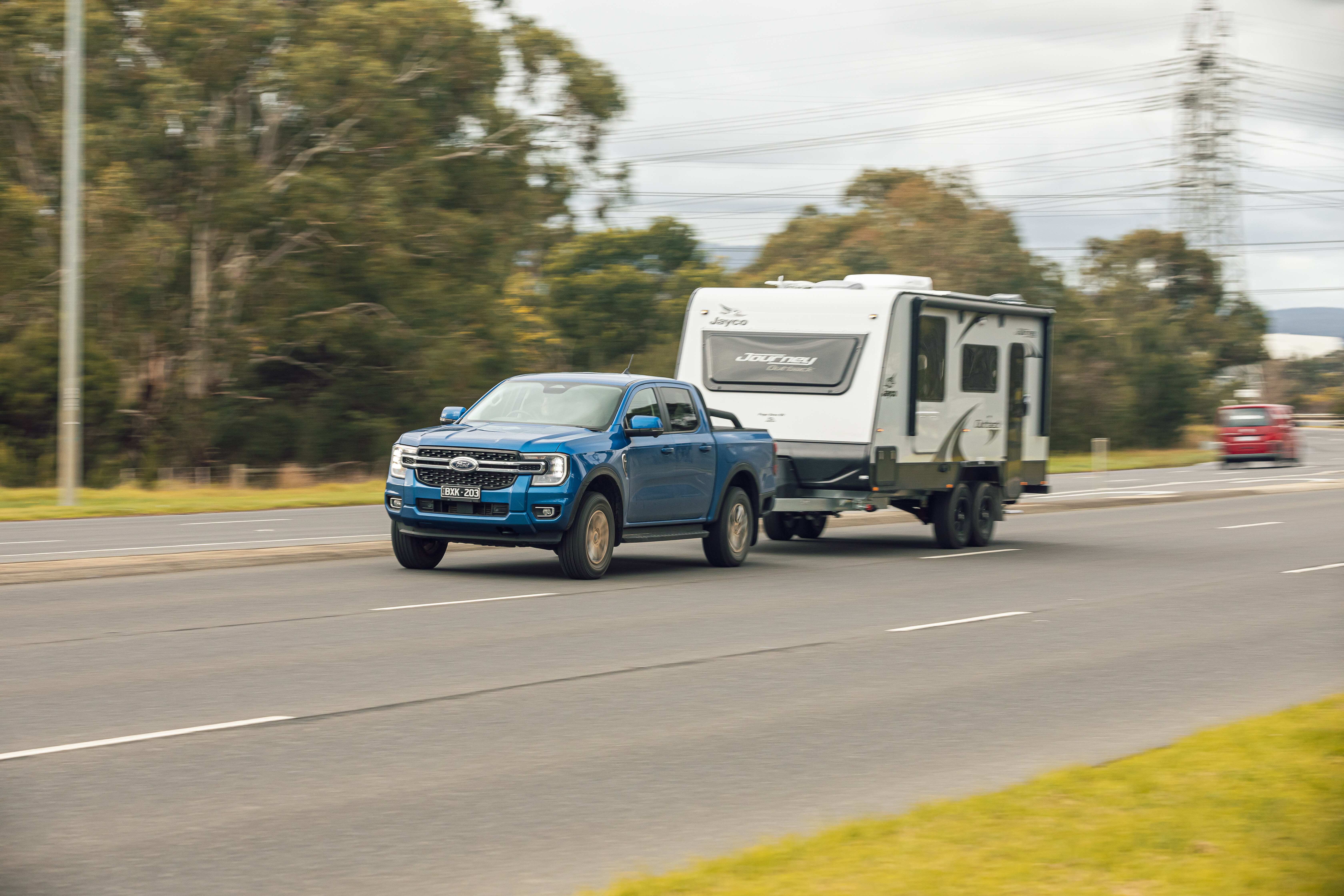
The electronic towing aids and on-screen guides are also there when you have the optional Touring pack fitted as our blue Ranger did.
Heading out of town in the four-cylinder powered Ranger XLT with the Jayco on the back and you still get all the chassis benefits of the V6 Ranger. It’s stable and controlled and again really gives the driver confidence in the car’s abilities.
You need to put your foot down a bit harder to get the most out of the smaller engine but with 500Nm available, the XLT wasn’t left lacking on our drive. It was only on the longer hill climb that it was holding a lower gear and you could hear and feel the engine working harder but not as if it was being flogged.
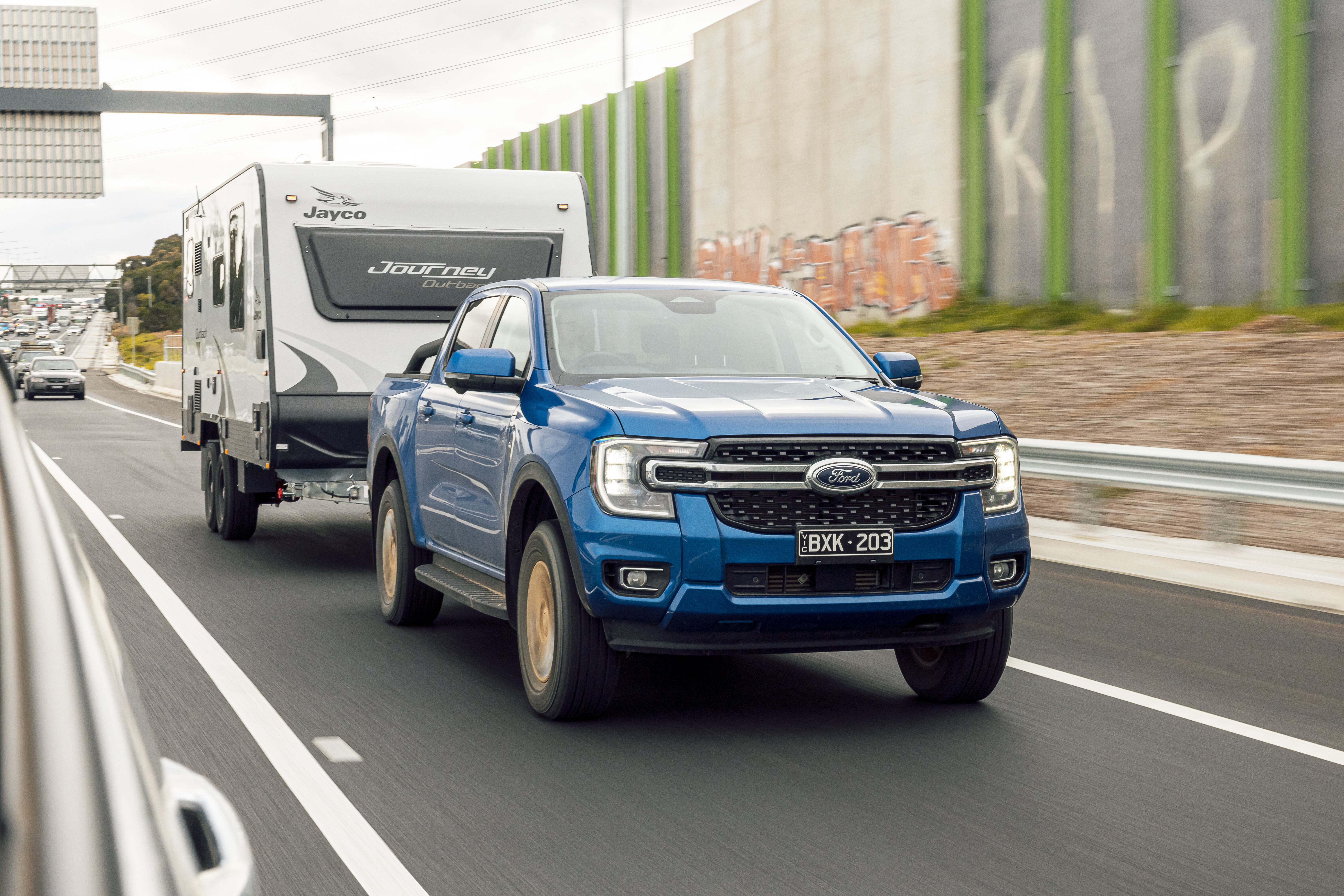
An indicator of how much harder the four-cylinder XLT Ranger worked than the V6 Ranger Sport was in the fuel consumption. The smaller engine used 17.3L/100km of diesel over the same road loop, whereas the V6 used 16.7L/100km. We’ve found similar results in the past when asking a smaller engine to do the same work in the same cars over the same route.
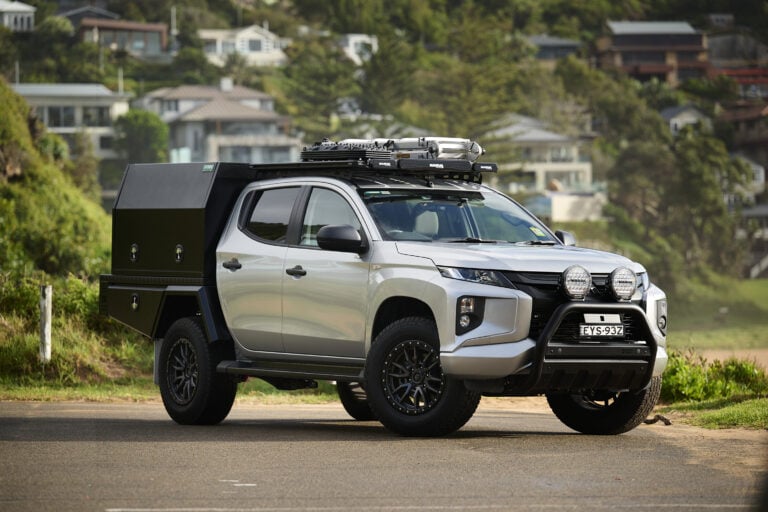
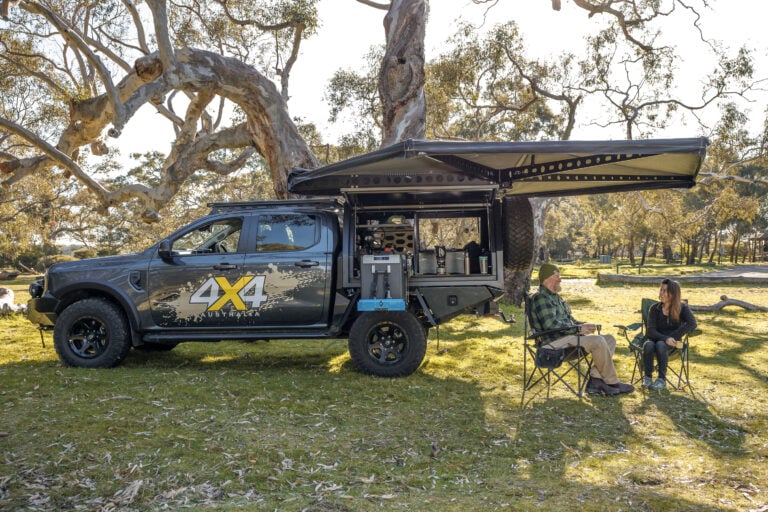
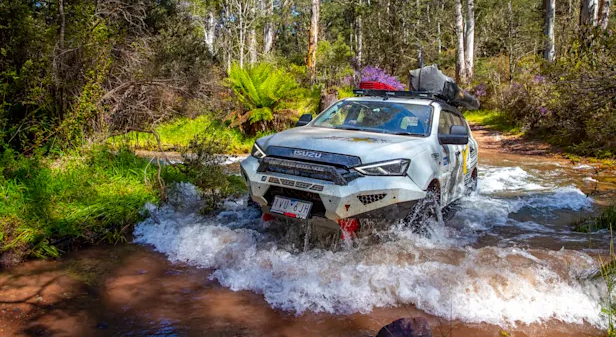
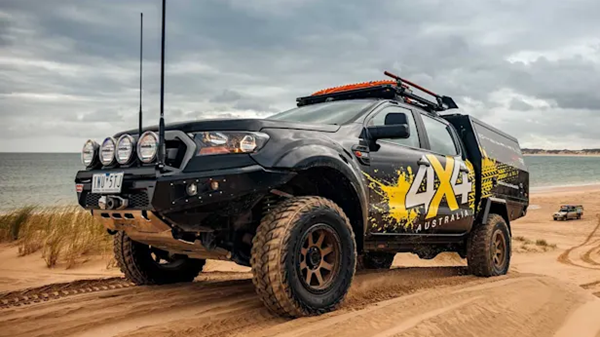
4X4 Australia project builds
Verdict
The new Rangers proved not only to be competent and relaxed towing vehicles but with the new technologies and features included in the cars, they made towing easier and safer.
Ranger should become the standard setters for towing among the highly competitive mid-size ute segment and its competitors will have their work cut out to catch up.