
*Attribution: With thanks to REMLR for the vehicle data and Michael Cecil’s book ‘Tough Truck! Australian Army Land Rovers 1949-2012’ for excellent insights into the Perentie’s history.
Key Points
- Will be developed and manufactured at Magnau2019s Graz facility
- BEV will be smaller than the Grenadier wagon
- Ineos claims u2018world-class off-road performance’
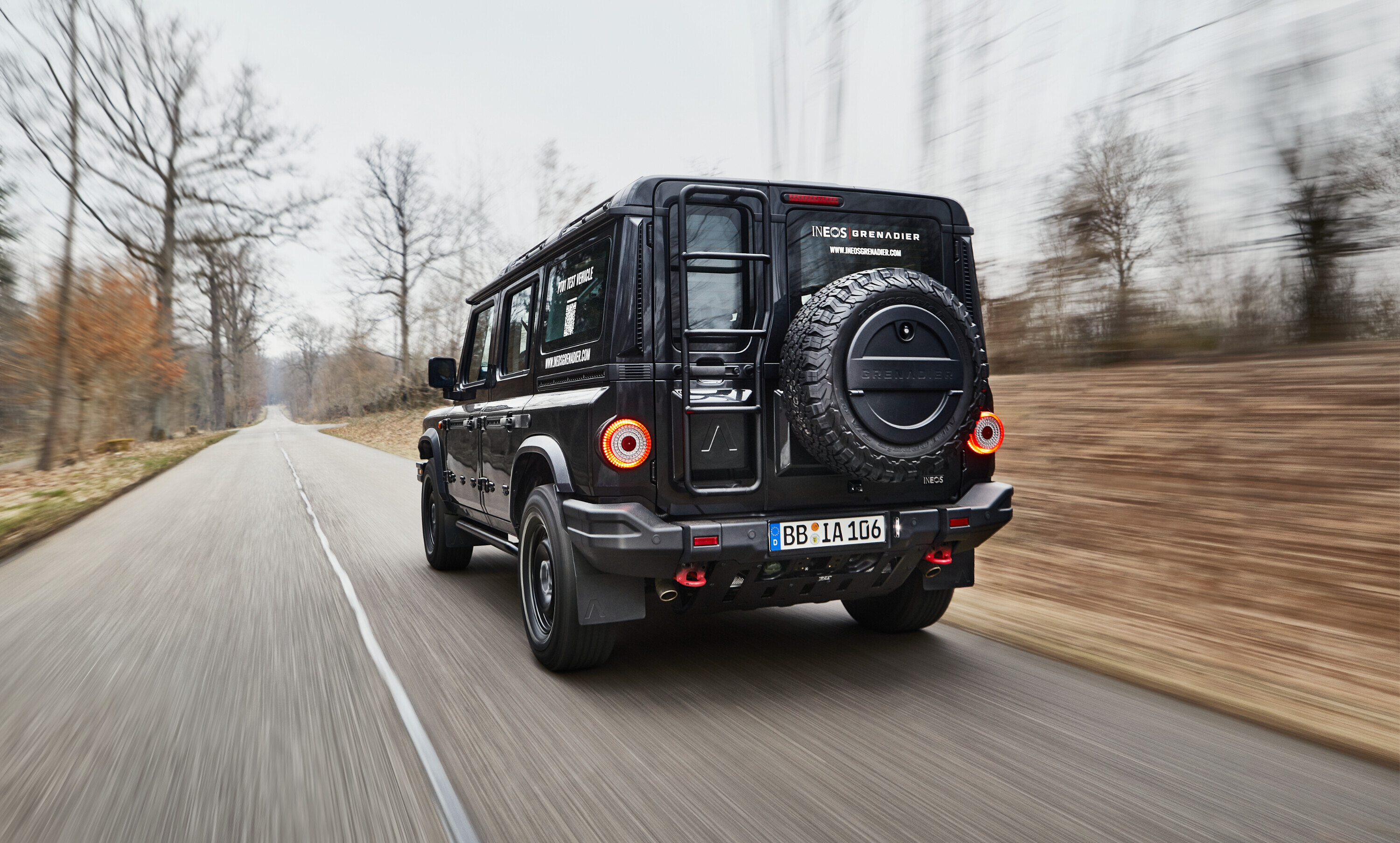
Ineos Automotive has announced it will partner with Austria’s Magna to develop its new EV.
Ineos – which only manufactures the Grenadier 4×4 wagon to date – previously partnered with Magna during development of the Grenadier but says that this as-yet-unnamed new vehicle will be smaller than the large wagon.
“This is an exciting moment for INEOS Automotive,” said Lynn Calder, CEO of Ineos Automotive. “Our all-new electric 4×4 will be zero emission while offering customers exceptional off-road capability, without compromising on-road comfort or performance.”
The Ineos EV will be the third model in the automotive start-up’s range following the Grenadier wagon and pick-up, neither of which are officially available in Australia yet. Ineos Australia tells us that deliveries of the Grenadier wagon are expected to start in June 2023.

1
Magna is one of the world’s largest automotive engineering and production facilities, which partners with many leading brands to develop and build production versions of a range of vehicles. This includes Mercedes-Benz and the production of the iconic G-Wagen, which has been built at Magna’s Graz plant for more than 40 years.
Close to Graz is the formidable Schöckl mountain, where the G-Wagen and the Grenadier were developed. The Schöckl is to Benz like California’s Rubicon Trail is to Jeep, where all of its ‘Trail Rated’ vehicles are developed on the track.
Ineos says this new BEV will offer world-class off-road ability inline with its bigger Grenadier sibling, and this includes conquering the Schöckl. Ineos has not revealed any details regarding drivetrain or driving range of the new BEV.
1
Production of the Ineos BEV is scheduled to begin at Graz in 2026.
“Having worked together on the engineering of the Grenadier, we’ve seen first-hand the value of applying Magna’s agility, knowledge, and experience to a complete vehicle development programme. Deepening our collaboration is a natural next step as we use the Grenadier as a springboard for our continued growth as a global automotive brand with this third model line,” added Lynn Calder.
The Grenadier wagon is already in production at Ineos’s Hambach plant in France, but Australian deliveries have been delayed due to shipping and supplier problems. It was expected to arrive here late in 2022, but, as mentioned, it should be rolling out of Australian showrooms in the next month. The double-cab pick up variant is expected to arrive around 18 months later.
The Grenadier will start from $97,000 for the Utility wagon in Australia, going up to $109,525 (+ORC) for the top-of-the-range Fieldmaster edition.
MORE
Everything Ineos
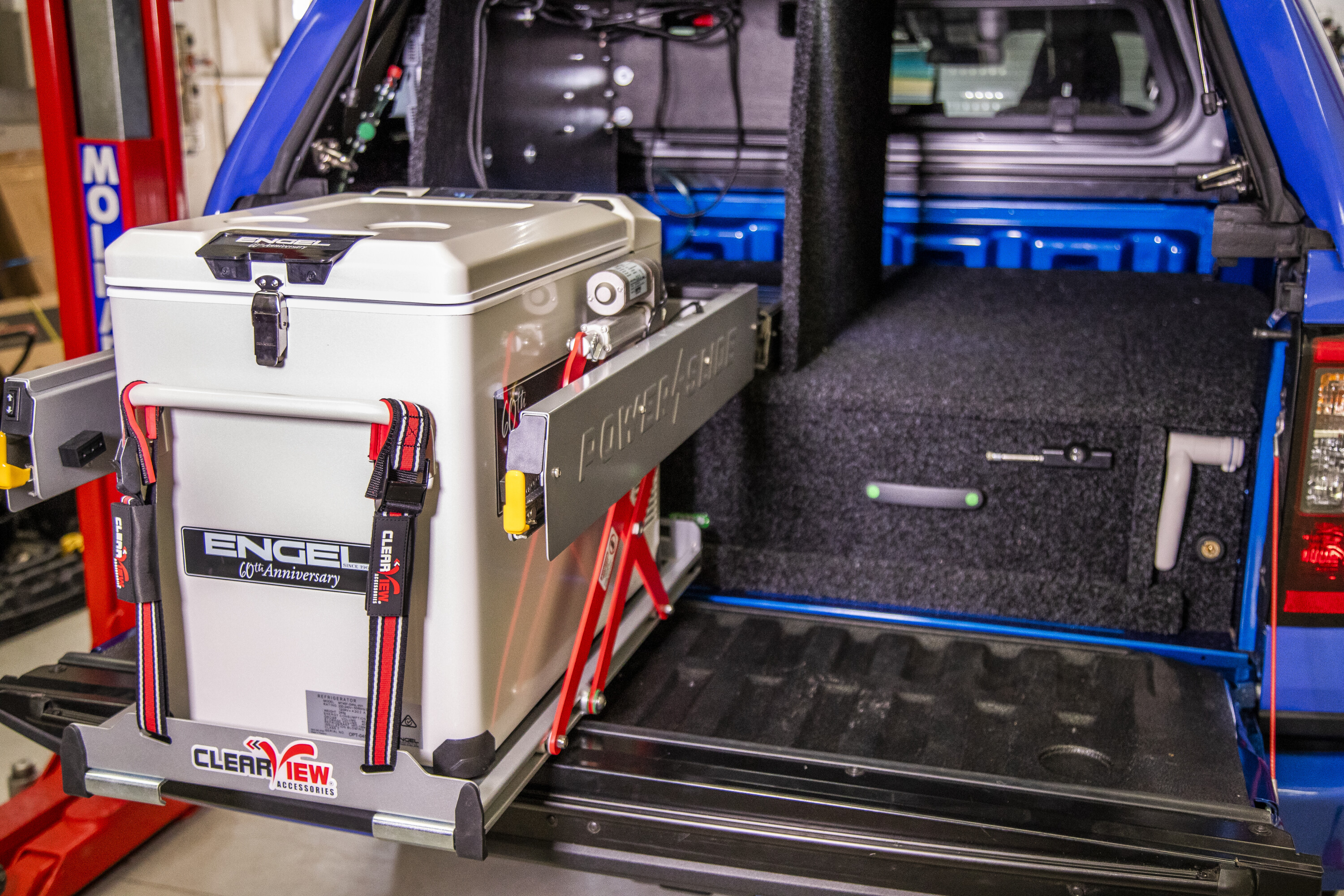
As one of Australia’s leading manufacturers of 4×4 products, Clearview Accessories has released its innovative new Power Slide fridge slide.
Accessing your fridge has never been simpler, with the world’s first patented aluminium powered fridge slide. The Clearview Power Slide provides easy access to cold food and drinks with the press of a button.
Clearview Accessories is renowned for its towing mirrors and unique range of high-quality 4WD and touring products and prides itself on creating unique solutions.
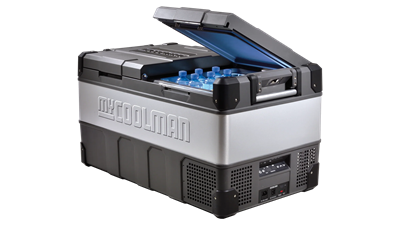
After spending more than three years of development and extensive testing, Clearview’s innovative new Power Slide fridge slide is finally available in four sizes, to suit almost every fridge on the market, including myCOOLMAN 105L and ARB 96L units.
1
“It was important to offer the four different Power Slide sizes to suit different fridges and provide the smallest possible footprint in our customers’ vehicles,” explained Mike Cowan, Co-Founder of Clearview Accessories. “A large, fully stocked fridge can be extremely heavy, requiring a Power Slide that can effectively function under its weight, without adding unnecessary additional weight to the overall vehicle set-up.”
Weight and GVM are important factors in any set-up, and the Power Slide’s aluminium extruded construction delivers the lightest slides available. Clearview Power Slide models weigh 29kg through to 38kg, with a load rating of 180kg.
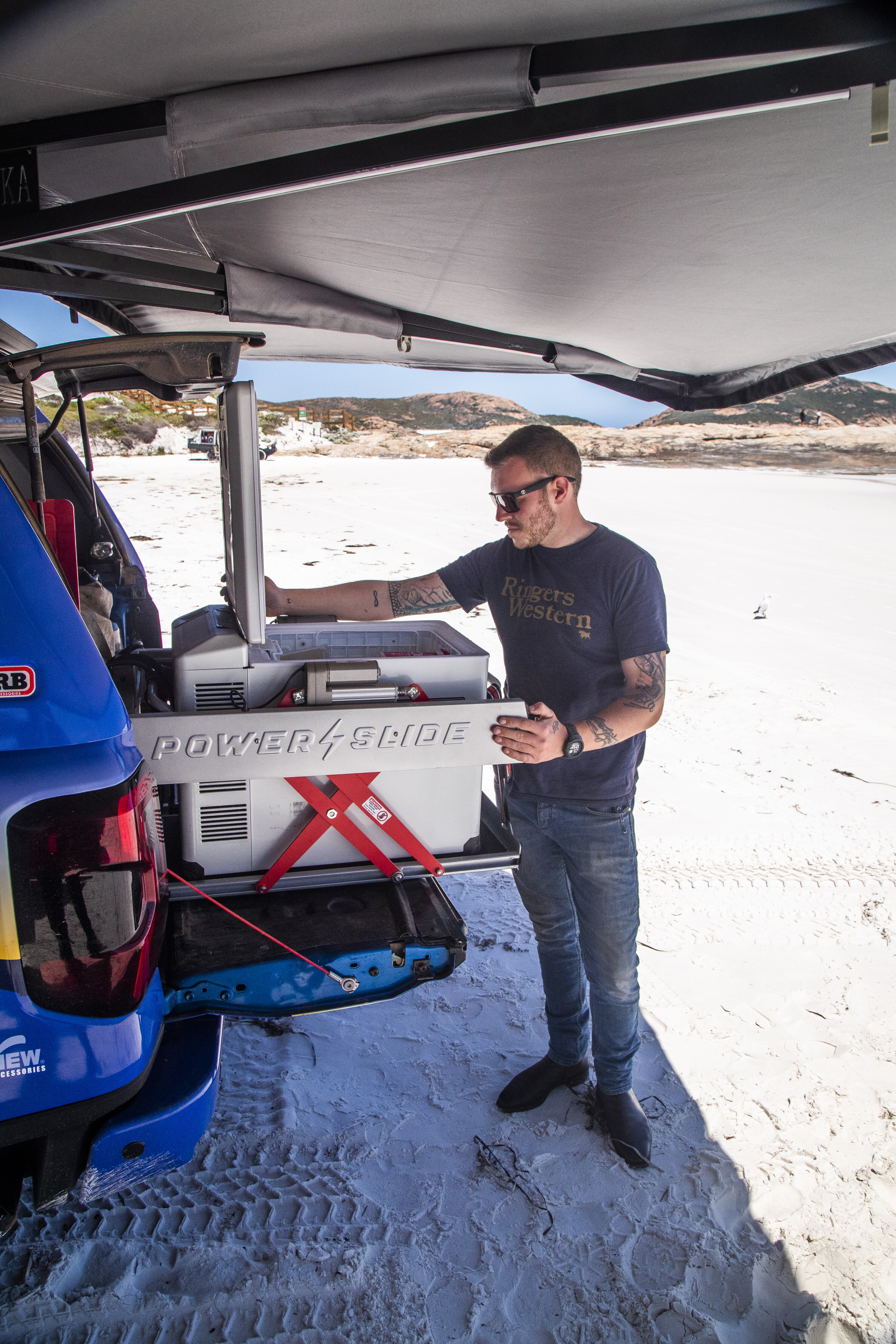
The lightweight Clearview Power Slide is designed to smoothly lower and raise a fully loaded fridge with its unique scissor lift design, supported on each side by synchronised, self-aligning actuators, ensuring that the fridge always remains perfectly level.
2
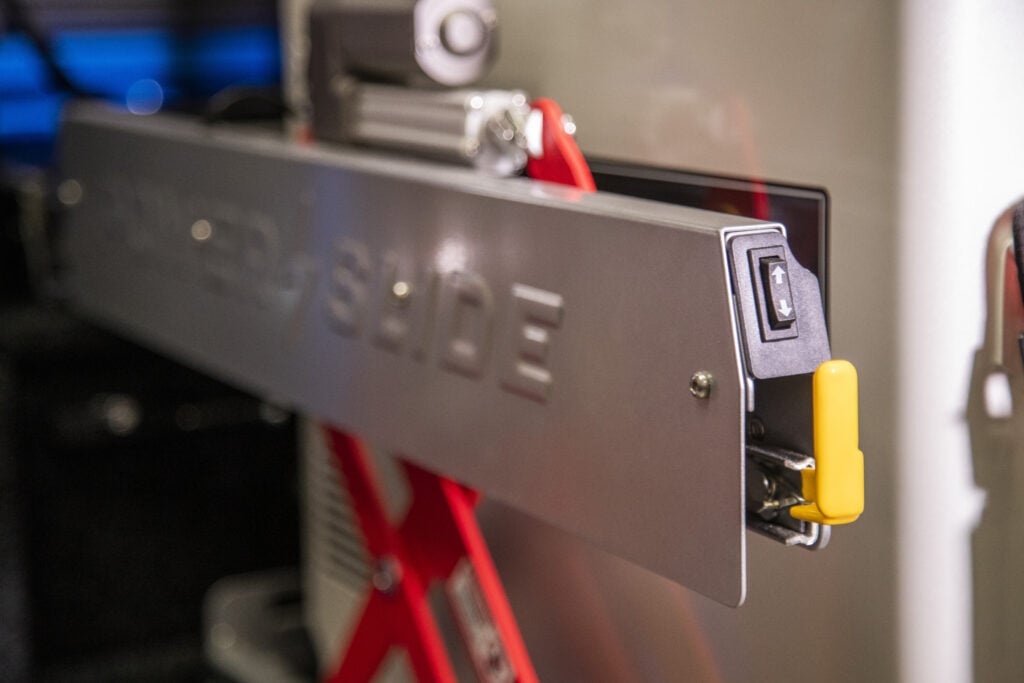
The Clearview Power Slide is simple to use. You simply unlock the travel-lock mechanism, press down on the yellow slide quick-release runner levers and pull the fridge out to its full extension. Now it’s just a matter of pressing the button to lower or raise the fridge. This is next level and provides easy access to your fridge, perfect for people with short-leg syndrome, like me.
The development of the Clearview Power Slide wasn’t as simple as adding a set of electric actuators to the Clearview Easy Slide.
“We couldn’t just adapt the tried and tested Easy Slide design to create our Power Slide,” said Mike Cowan. “We had to completely redesign it to be able to offer what we have today; a superior drop-down fridge slide that is lighter and even more convenient to use.”
Pricing and specs
PS-S (small)
| RRP | $2049 (excludes fitment) |
|---|---|
| Tray | 738 L x 380 W |
| Base | 813 L x 544 W |
| Travel | 853mm |
| Weight | 29kg |
| Load rating | 180kg |
PS-M (medium)
| RRP | $2099 (excludes fitment) |
|---|---|
| Tray | 772 L x 460 W |
| Base | 838 L x 614 W |
| Travel | 978mm |
| Weight | 30.5kg |
| Load rating | 180kg |
PS-L (large)
| RRP | $2149 (excludes fitment) |
|---|---|
| Tray | 885 L x 530 W |
| Base | 965 L x 684 W |
| Travel | 1105mm |
| Weight | 35kg |
| Load rating | 180kg |
PS-XL (extra large)
| RRP | $2199 (excludes fitment) |
|---|---|
| Tray | 960 L x 560 W |
| Base | 1041 L x 714 W |
| Travel | 1181mm |
| Weight | 38kg |
| Load rating | 180kg |
Clearview products can be purchased and installed Australia-wide through its dealer network. Head to the Clearview website to find out where they are, and for more info.
UPDATE: Three TJM bullbars now available for 300 Series
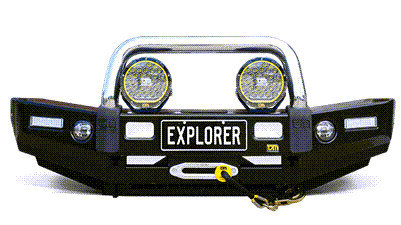
TJM has released three different bullbar designs for the Toyota LandCruiser 300 Series, with the brand’s Venturer and Signature bars now joining the Outback in TJM catalogues.
The TJM Outback is a heavy-duty bullbar designed to protect vital components in extreme conditions. Made of high-strength steel, the bar is equipped with integrated 8000kg rated recovery points, dual aerial mount locations, T-slot recovery jack points, and accommodates driving lights. It has an optimal approach angle, rolled cato straps, and under-wing protection guards to minimise scuffs, scrapes, and getting stuck.

2
It has a unique design feature that directs airflow to the intercooler, and it comes with a 4-in-1 LED lamp. The bullbar is also provisioned for OE front parking sensors as standard and is compatible with Toyota’s ADAS system. Plus it’s airbag and ADR compliant and weighs approximately 82kg. It’s designed to suit GX, GXL, VX and Sahara variants.
The Venturer bullbar features an all-steel construction and integrated 8000kg rated recovery points as standard. It has an optimal approach angle, provisions for spotlights and off-road work lights, aerial mounts, recovery jack points, and under-wing protection guards as standard. Like the Outback, the Venturer Bar is airbag- and ADR-compliant, and winch-compatible. The bold-looking bar weighs approximately 75kg, and is designed to suit GX, GXL, VX, Sahara, Sahara ZA and GR Sport variants.

3
The Signature bullbar is a premium unit that features an integrated steel winch-mount, 8000kg rated recovery points, and reinforced Hi Lift jack points. The bullbar is equipped with 4-in-1 LED lamps, and its high-strength multi-fold alloy channel design is supported by a tough central chassis that mounts securely to a 300 Series.
The upper pipework provides additional strength, and the tapered side-wings assist with approach angle when off-road. It also includes dual aerial mount locations, driving light accommodations, and provisions for OE front parking sensors as standard. Plus, it’s compatible with Toyota’s ADAS system. The bar weighs approximately 63kg, and is designed to suit GX, GXL, VX, Sahara, Sahara ZX and GR Sport variants.

1
Original article published 23/12/2021
Deliveries of actual LandCruiser 300 Series vehicles might be arriving in dribs and drabs, but that hasn’t stopped Australia’s TJM 4×4 Equipment from developing its range of off-road accessories for the new model.
TJM has been a leading manufacturer of 4×4 accessories in Australia for close to 50 years and has made products for most new 4×4 vehicles released in that time – many of them still on the cars today if the vehicles are still going.
The new products for the LC300 include protection, suspension and touring accessories. Starting with the bush-driving essentials, TJM’s Outbacksteel bull bar has been specifically engineered to protect the Cruiser’s front.
The engineers made sure airflow over the bull bar has stayed the same as the factory bumper with a lot more protection and strengths with its hardy design. This was especially important given that the new ‘Cruiser has it intercoolers mounted at the front of the car alongside the radiator, all of which require protection from front-end strikes to keep drivers on the road.

1
The TJM Outback bar has 8000 kilograms rated recovery points integrated into its design as standard, along with a steel winch frame and multiple auxiliary light and aerial mounting points – all accessories popular with Australia drivers.
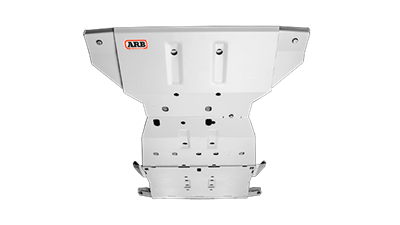
For further protection it can be fitted with side bars to protect the front fenders and these run down to side steps specifically developed to shield the sills of the 300. Underbody protection is also available to guard against scrapes and bumps when driving off-road.
The Brisbane-based brand has also developed an Airtec intake snorkel to fit the front fender of the 300. The snorkel has a wider opening for increased airflow to the engine and by raising the entry point for air to the V6 diesel engine, it gets it out of the duct of other vehicles to deliver cleaner air to the engine.
A quality intake snorkel can also help protect the engine from water damage when crossing creeks and rivers.

1
Quality suspension is an important addition to any vehicle that is being equipped for a specific purpose such as outback touring or off-road driving. The factory suspension is always a compromise, as it has to suit a wide variety of users and is not always the best for your requirements.
The standard suspension under the LC300 is soft and compliant to deliver a smooth ride, but is not really dynamic.
TJM’s kit includes its custom tuned XGS Suspension featuring twin-tube shock absorbers with Multi-Stage Velocity-Controlled Valving to offer the best vehicle control over various terrain. The shocks are matched to appropriate coil springs to raise the vehicle ride height, and replacement upper control arms are part of the package.
The new upper control arms account for the increased ride height with the new springs and shocks to maintain the factory geometry of the suspension and its stability and durability. This makes it easier to keep the wheel alignment within the factory specifications.

2
These are just the first products in TJM’s range of kit for the LC300 and will be available from the brand’s almost 100 stores around Australia from early in 2022. Future products include; an expanded range of protection bar styles, suspension kits that enable an increase in GVM, roof racks and other load storage solutions, plus touring accessories.
Many of these can be adapted to other TJM accessories such as; roof top tents, LED lights, 12-volt systems, communications equipment, air compressors, vehicle recovery winches and kits.
“There’s no doubt that the Toyota LandCruiser 300 has been the most anticipated vehicle release of the year,” said Darren, head of product development at TJM 4×4. “We’ve worked hard to deliver a range of gear that exceeds expectations.”

1
MORE
All Toyota stories
Get your 4×4 in the next instalment of Readers’ Rigs by posting a few snaps on our Facebook page. It could even end up on the cover one day.
4×4 and camping gear guides
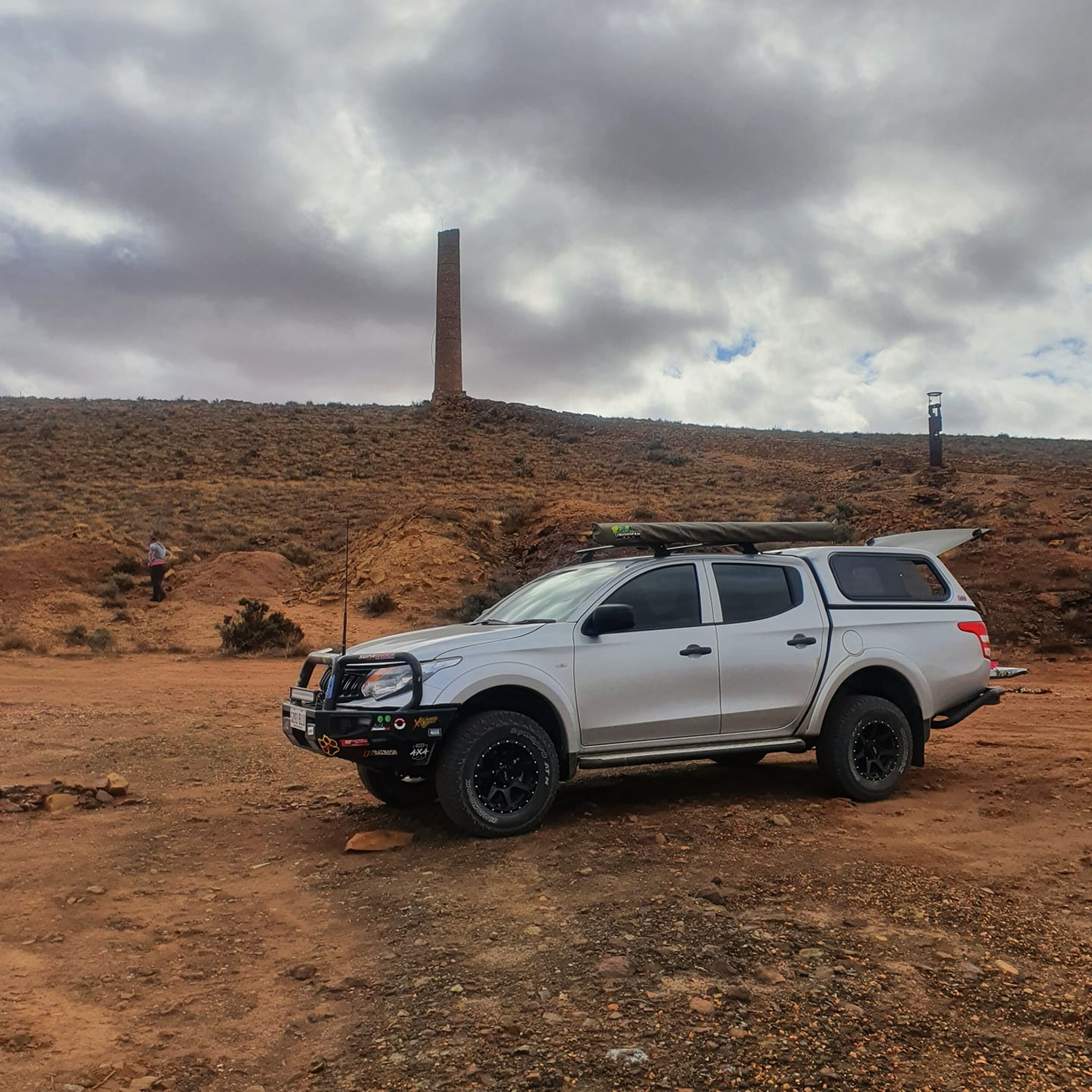
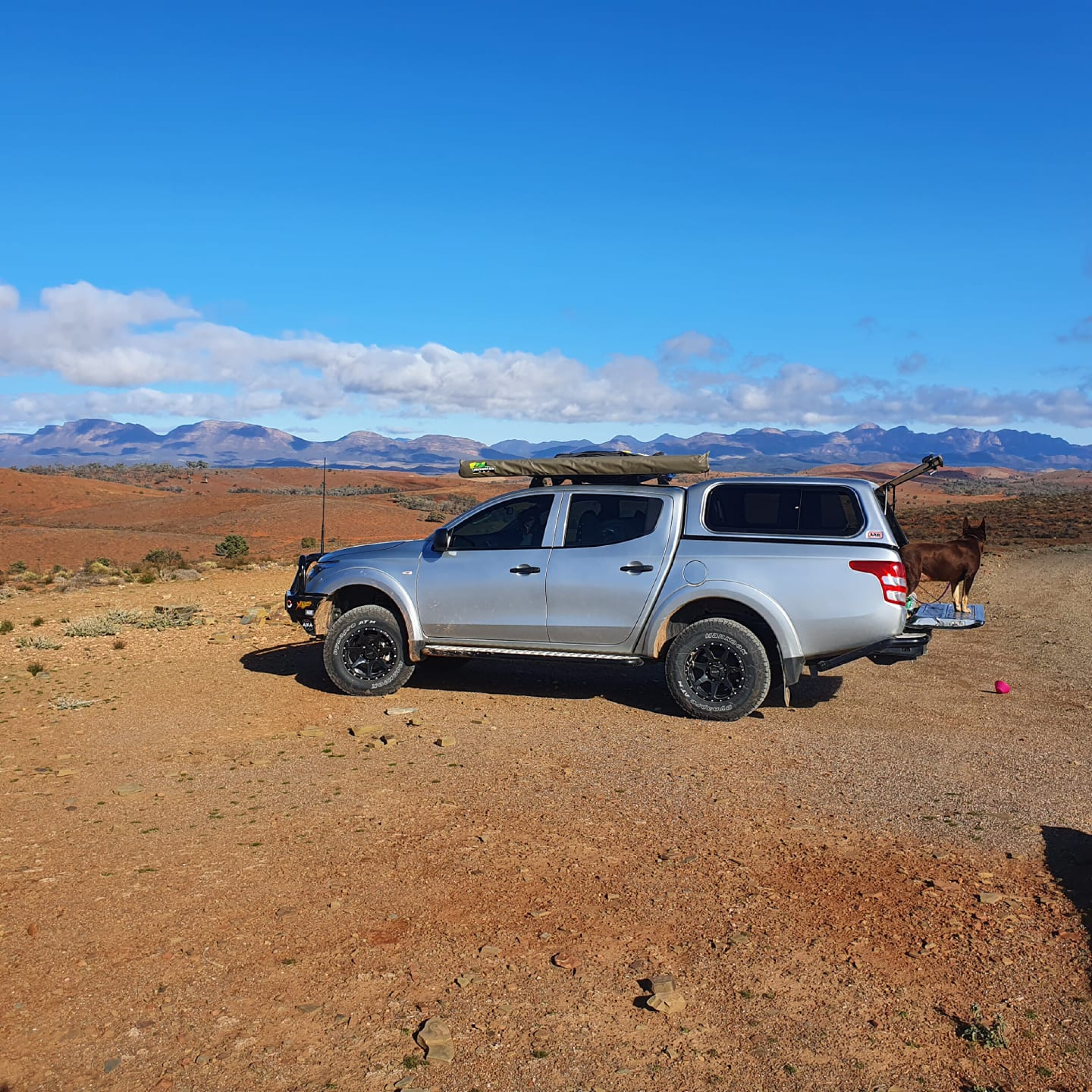
2016 Mitsubishi MQ Triton
For the price of the Triton, you can’t ask for a good, cheap and more reliable 4WD; it’s very capable and very underrated.
Mods include: an ARB Commercial bullbar; two-inch Old Man Emu lift; TJM rear protection bar and side-steps; CSA Hawk rims with Hankook A/T tyres; I’ve removed the rear seat for space and fitted an ARB 75-litre fridge/freezer; an ARB Classic canopy which houses a second battery set-up; and on the roof I run a 180amp fixed solar panel.
1
1
The engine is stock with a FlashLube catchcan, and I’ve fitted a three-inch DPF back exhaust system. All up, it’s a pretty basic set-up, but simple is best I believe.
I’ve been up to the Vic High Country and Blue Rag Track; Dargo and surrounding area; done the Oodnadatta Track out to Lake Eyre and Marree; been through the Flinders Ranges including Blinman, Arkaroola and out to Coober Pedy as I enjoy opal fossicking; as well as the Grampians, Halls Gap, Broken Hill and Silverton. There are probably a few more places I have forgotten. I just clocked up 100,000km – Nick Shemmeld
2022 Ford F-150
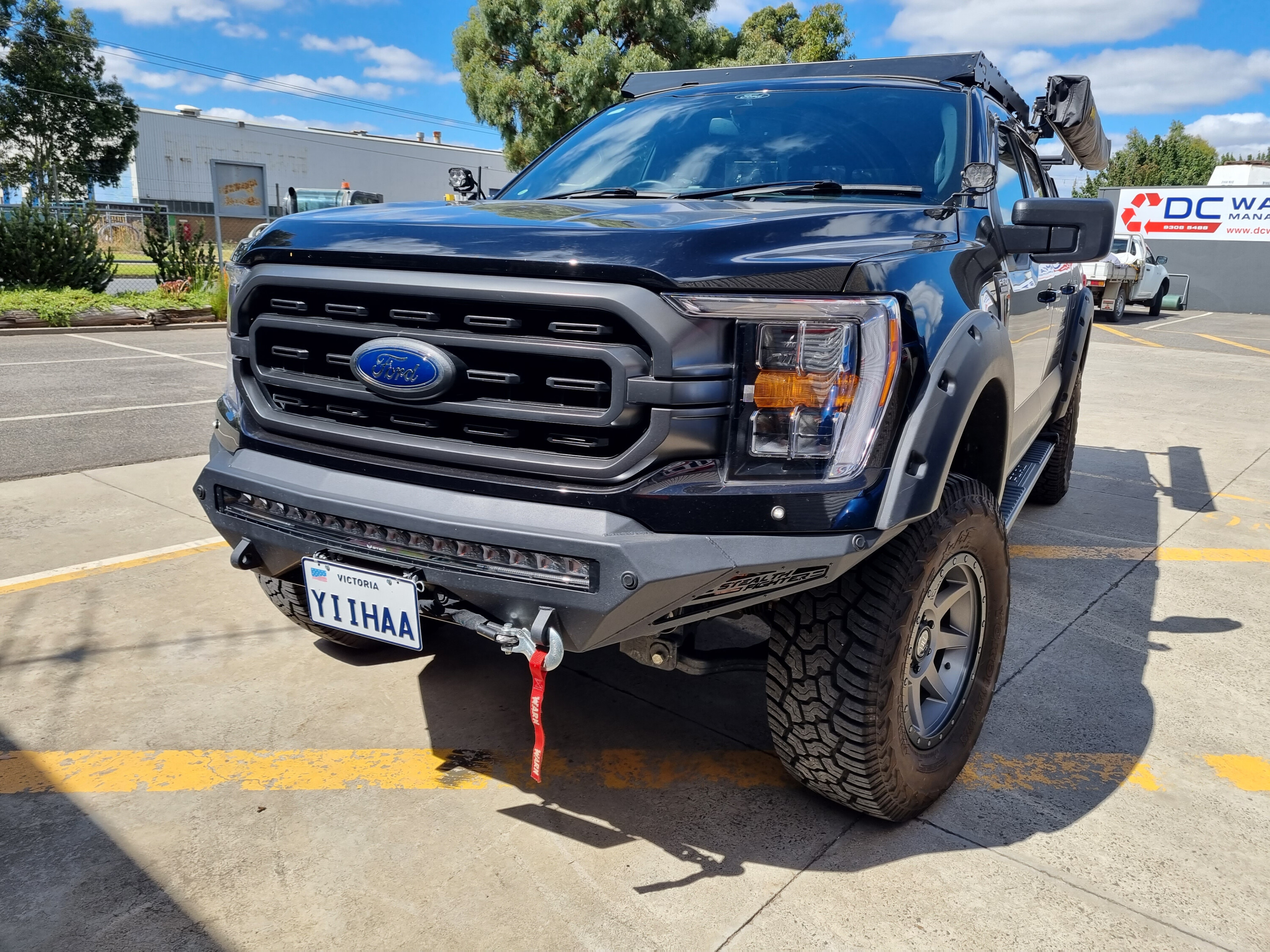
I finally received the F-150 in August 2022 after a seven-month wait, with the intention of building a tough, capable tourer with enough comfort and space for the family and for solo trips.
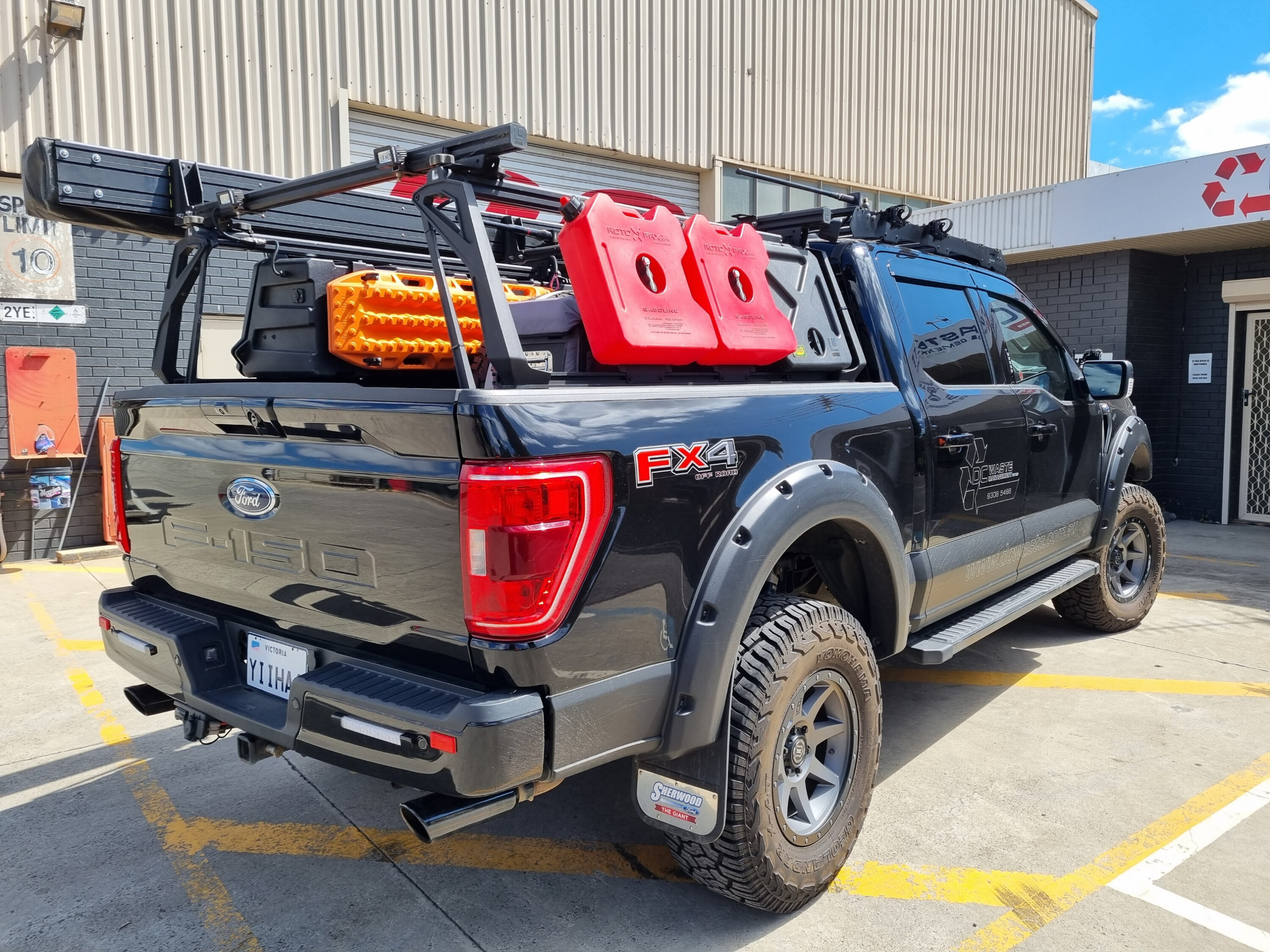
The mods list includes a four-inch BDS lift with Fox coil-overs and rear airbag assists; 35-inch Geolandar X-AT tyres with Icon 18-inch rims; Addictive Desert Designs’ Stealth Fighter front bar fitted with Warn Zeon 12K winch, Stedi 40-inch curved light bar and Teralume Industries amber fog lights; Morimoto ditch lights on SDHQ A-pillar brackets; Front Runner slimline roof rack; Borla exhaust; Raptor-coated Bushwacker flares; and a Leitner bed rack with XL gearpod, small gearpod and twin Rotopax fuel containers. It can also hold a Drifta Stockton RTT on some trips.
1
1
The rear tub has been custom-built to store 1300mm drawers, slide-out Evakool fridge, spare-wheel holder and two-tonne Pro Eagle jack. The rear wall has a BuiltRight bed rack with axe holder and 240V dual outlets.
Other kits includes a Bushwakka 270° awning; Safiery Blue Heeler battery management system with Simarine screen, 100amp/h lithium and 2500W inverter; a Switch Pro console fitted inside for all accessories; BuiltRight Industries dash mount for tablet and UHF holders, a BuiltRight Industries seat-back Molle plate; and a GMW XR370 UHF and Cel-Fi Go mobile booster.
In the six months of building it, it has been on three Vic High Country trips covering the Dargo and Corryong areas including Mount Pinnibar and surrounding areas. Will be heading north to Fraser Island next month for a two-week trip with the family and camper in tow – Daniel Santalucia
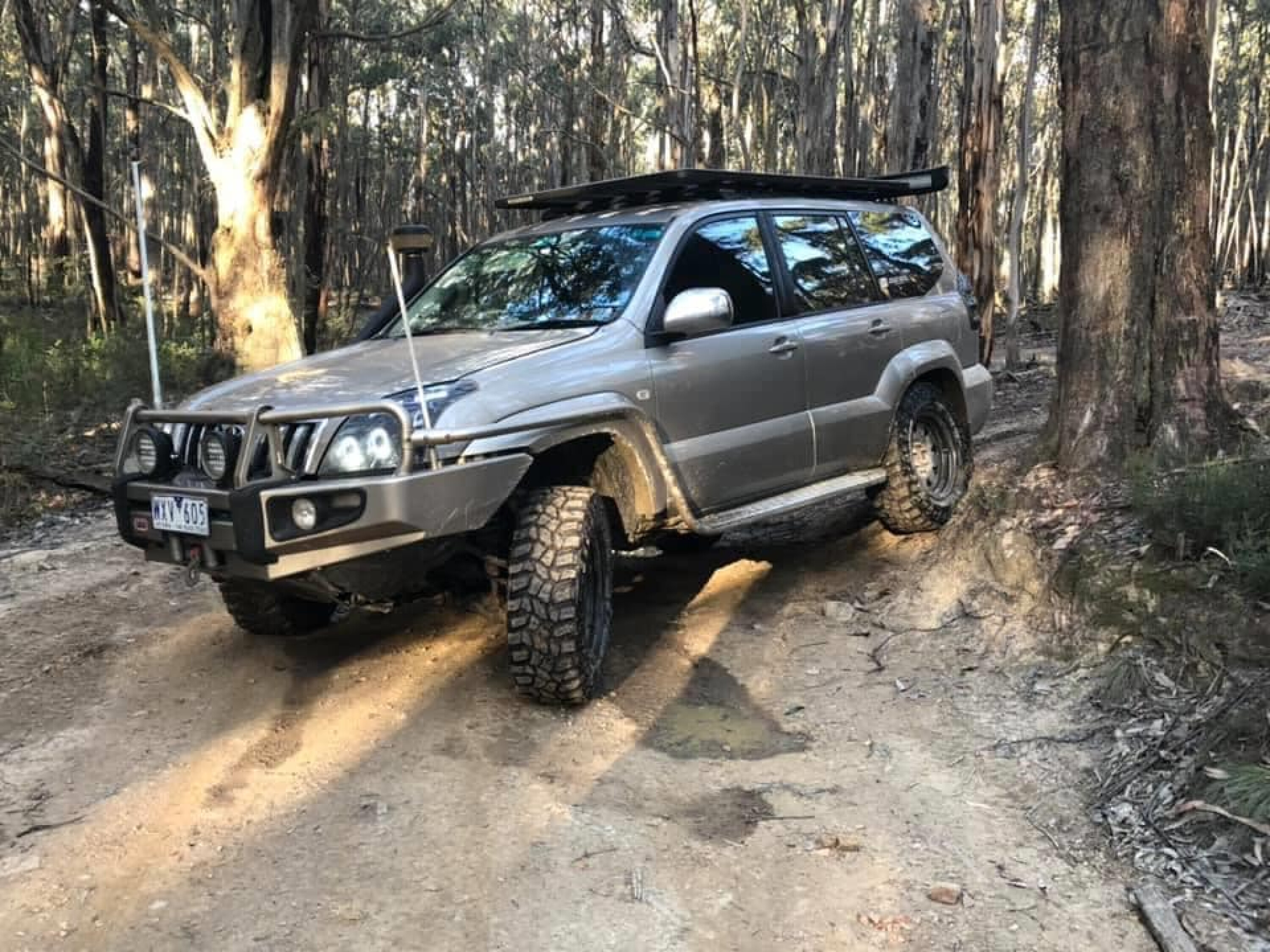
2005 Toyota Prado GXL
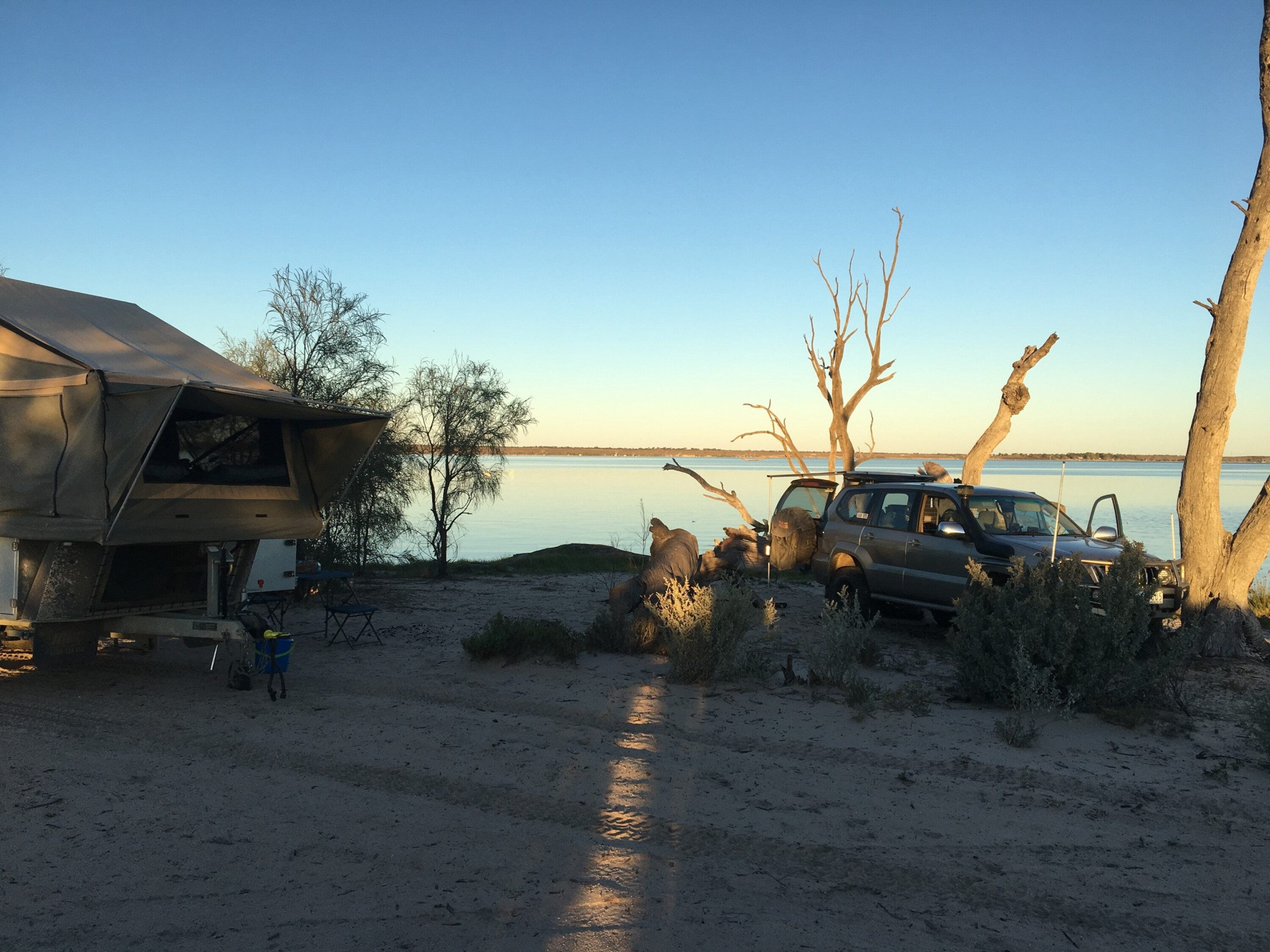
Original owner with 520,000km on the clock. In terms of mods, the auto has been fitted with a Nomad heavy-duty valve body and an external trans cooler, and it has a two-inch Dobinson lift at the front and three inches in the rear.
Other gear includes a colour-coded ARB bullbar with custom-made scrub rails and steps; an Ironman 12,000lb winch; dual batteries under the bonnet, along with an electronic boost controller, 15.5psi and a 3-bar MAP sensor; Safari snorkel with a Donaldson cyclonic pre-cleaner on top; a Pioneer Rhino backbone roof rack with a rear awning, shovel holder and a set of MaxTrax on top; and 17 x 8-inch Dynamic rims with Cooper STT Pro tyres in a 265/70/R17 size.
1
Inside is a Kenwood double DIN head unit with built-in GPS and DVD player. There’s also a rear-mounted roof DVD and a second Garmin GPS mounted on the dash. A Uniden UHF sits just below the rear-vision mirror and a hard-wired mobile phone kit.
The rear houses a set of Outback Solution drawers, where my 40-litre Engel lives. The middle row of seats are currently out of the vehicle with a custom-made false floor and cargo barrier in their place, giving enough room for myself and my partner to sleep if we need to.
1
As for trips, I have taken the Prado to WA three times, up to Kalbarri. Twice to Uluru and Kings Canyon. Once to Darwin and across the Gulf. It’s been to Fraser Island three times, up to Cairns once, and done several trips through outback NSW. Plus three trips to the Flinders Ranges, both between COVID lockdowns.
Being from Victoria, most of its trips have been to the Vic High Country and the Grampians. I’ve lost count of the times I’ve been to both of these places. A lot of these trips have been towing a smallish camper trailer along, including through the river crossings in and out of Talbotville. As for the best places we’ve been, we live in Australia, so it’s all good – Mark Jackson
2020 Ford F-250
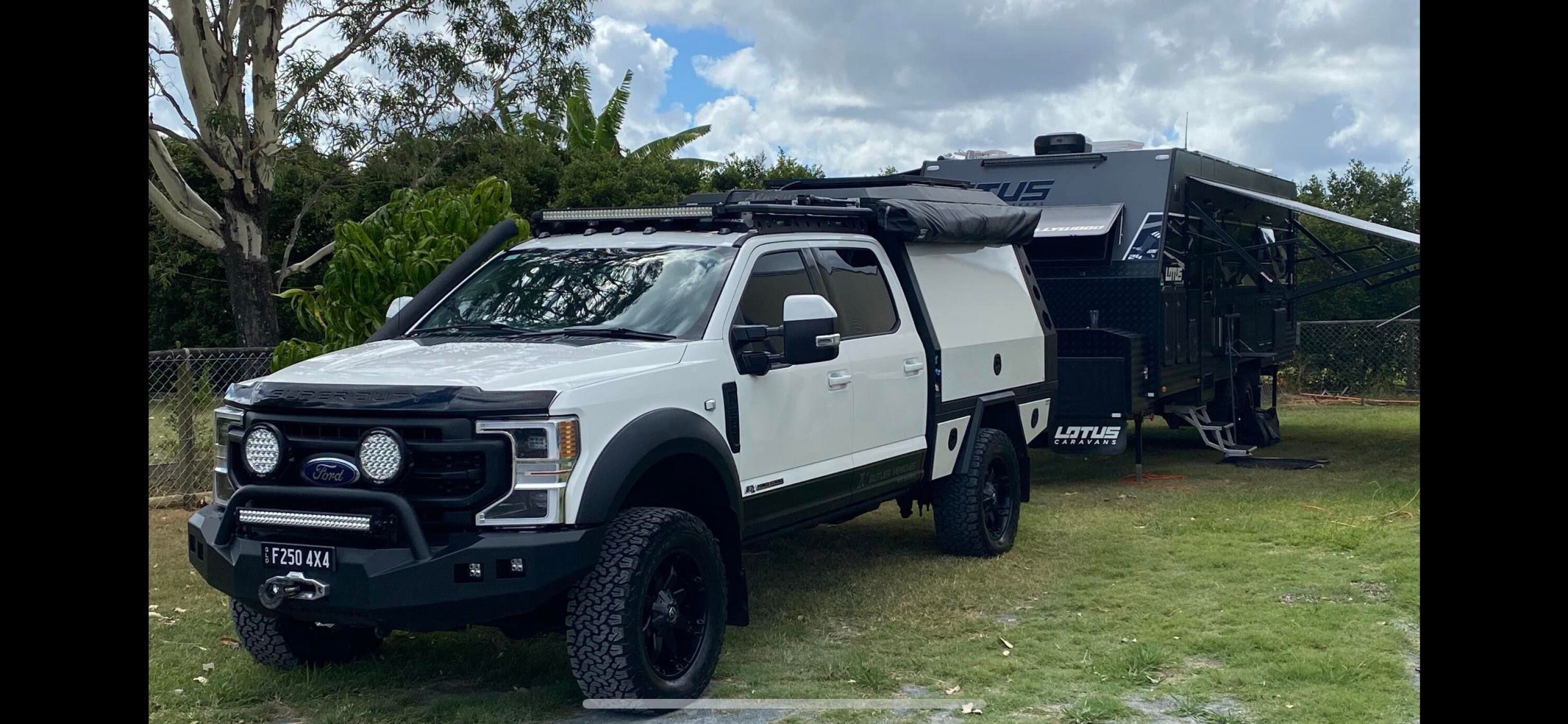
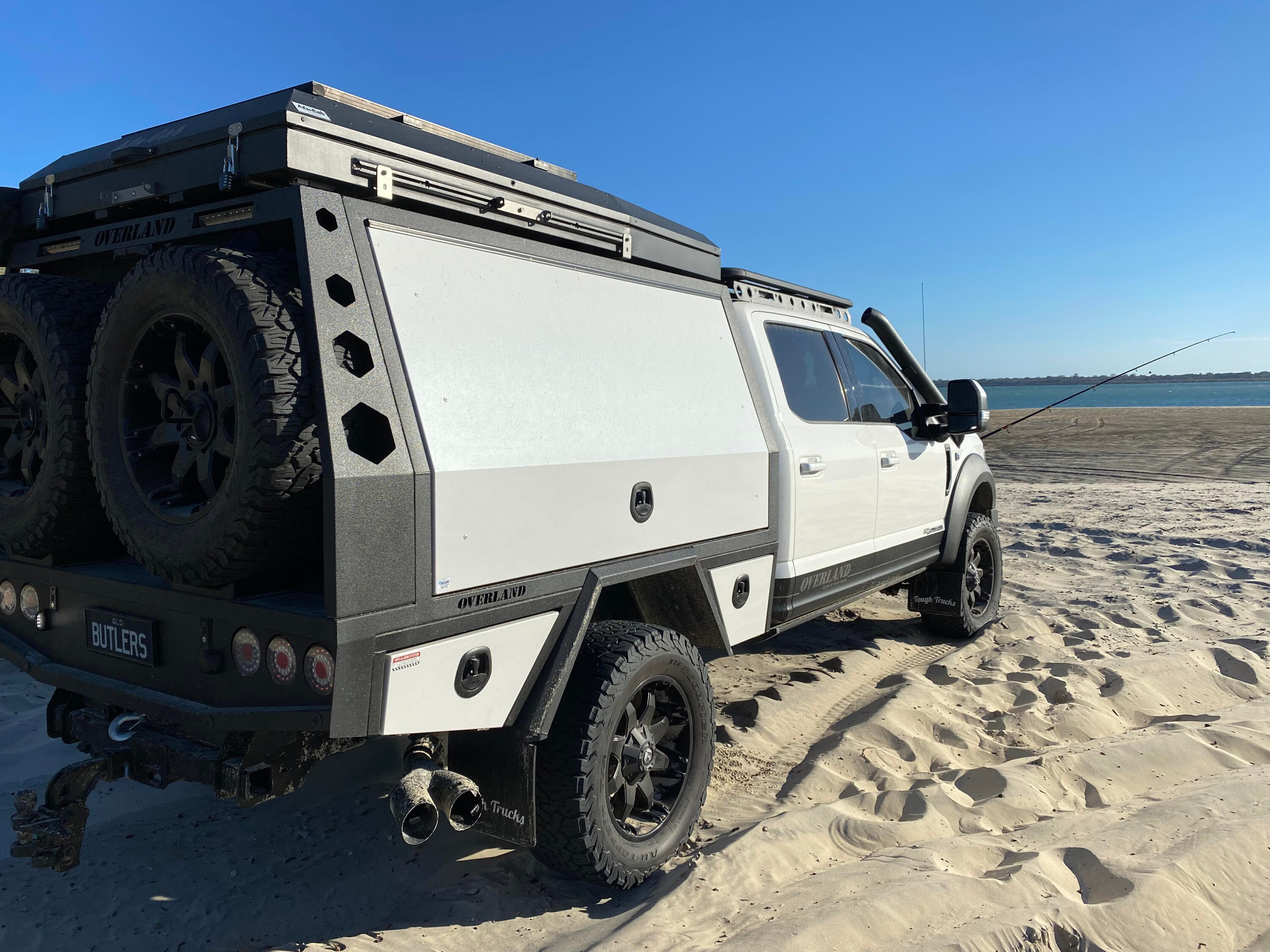
I love my F-250. I bought it new and had it all fitted out. Some of the equipment includes Dometic fridges, a microwave, 3000W inverter, Alu-Cab rooftop tent, and a 180-degree awning.
1
1
We also tow our Hollywood Lotus caravan with it, and we have plans to do the lap soon. These pics were taken at Fraser Island and Double Island Point last year – David Butler
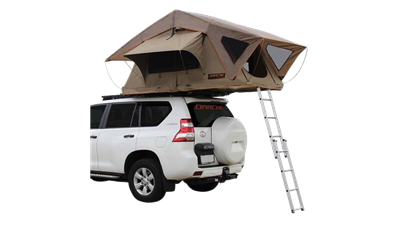
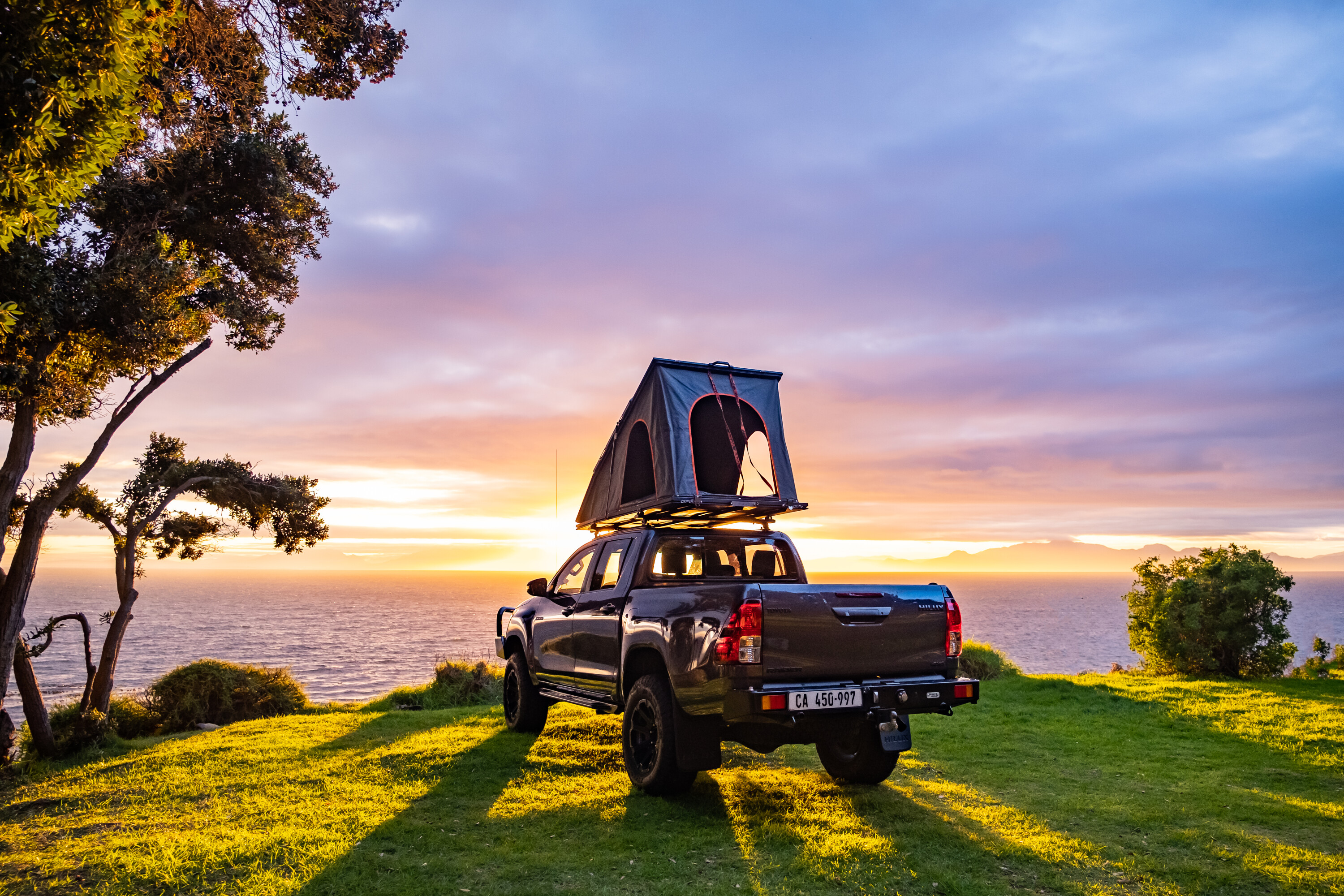
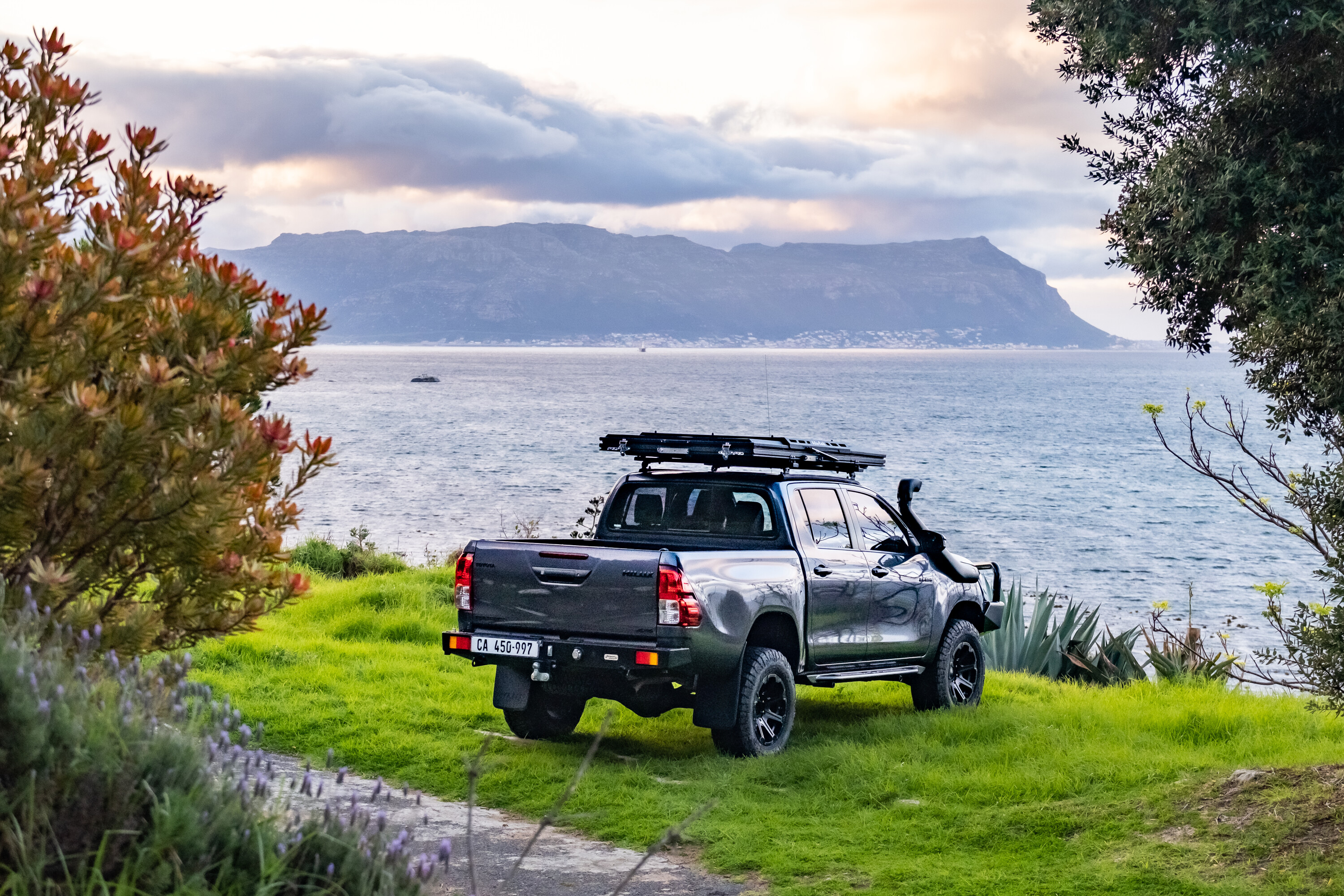
Alu-Cab has just released the LT-50 tent in Australia, and this ultralight rooftop tent is ideal for those adventurers who own dual-cab utes or smaller SUVs.
Many hard-shell rooftop tents are too heavy to mount on these types of vehicles, so the LT-50 is an ideal alternative. However, don’t think the LT-50 is limited to these vehicles, as being lightweight they will sit below the dynamic load rating of most 4WDs.
The LT-50 is perfectly suited to vehicles that are unable to support the Gen-3 range of tents such as Subaru Outback/Crosstrek, Suzuki Jimny, Toyota Rav4 and others. The LT-50 is not intended to replace the Gen 3-R, but rather be a more weekend lifestyle alternative for customers who do not require the full features of the Gen 3-R.
1
The tent is made from lightweight, high-strength aluminium, which makes it easy to install and transport. The tent also features a compact, streamlined design that minimises wind resistance while driving.
The LT-50 comes in at 50.55kg including the mattress, and when compared to the Alu-Cab Gen 3.1 which weighs 78kg, you can see just how much of a weight saving you get with the LT-50.
As with all hard-shell rooftop tents with a clamshell design, the RT-50 pops up within seconds with assistance from the stainless-steel 316 marine grade gas struts, and you can store bedding inside when packed down.
1
With three access points, the rooftop tent can be mounted in different positions to suit the vehicle. Adding the optional ladder extension provides more clearance from the side or rear of the vehicle when using the ladder, especially important for more rounded-style vehicles.
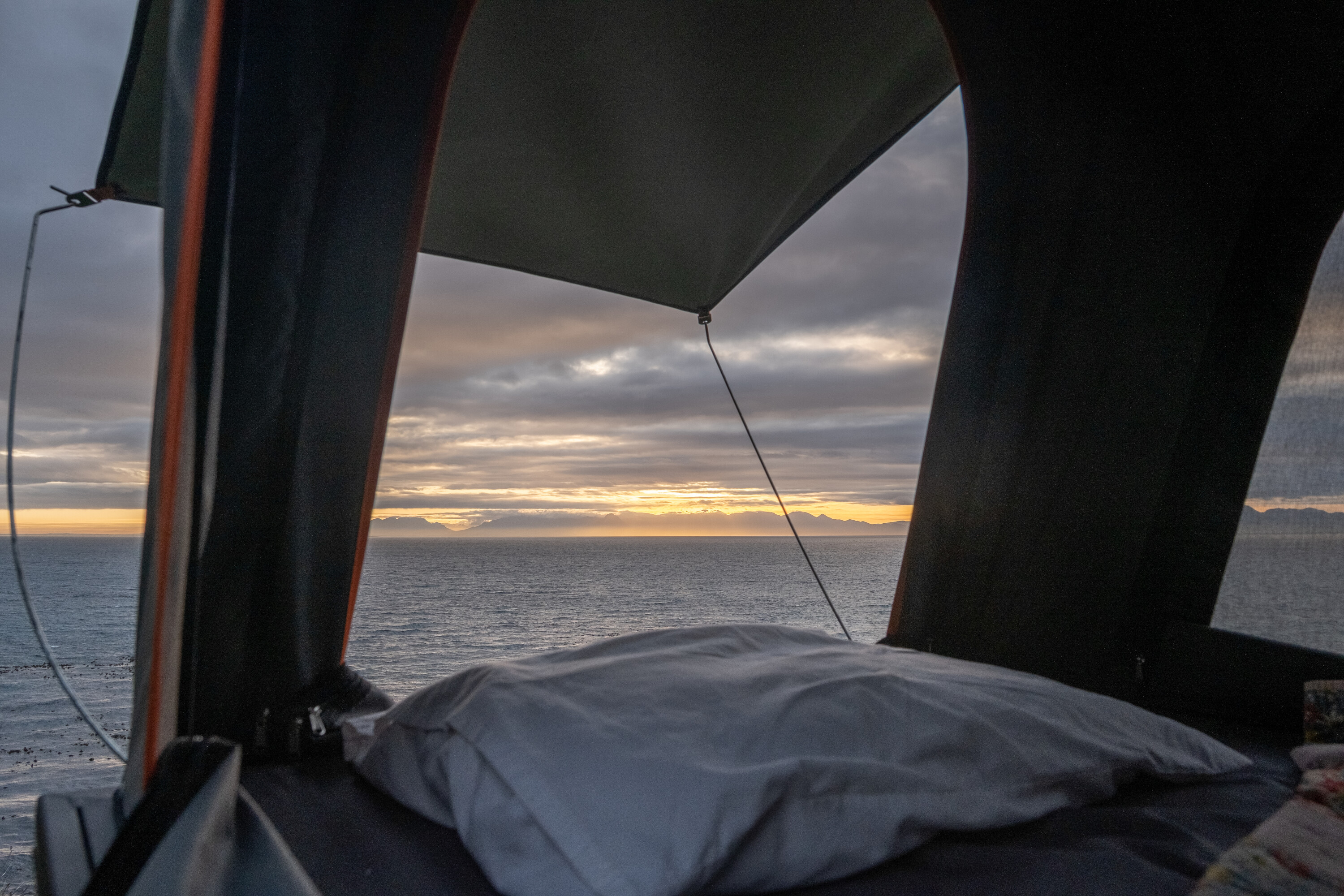
The tent itself utilises dual-layered 280gsm UV-resistant rip-stop canvas that protects from adverse weather, adds insulation for comfort and creates a darker space, ideal for when you want to sleep in. Additionally, the LT-50 rooftop tent comes with foam insulation on the top and bottom of the tent, helping to keep the tent more comfortable no matter the weather.
Designed to pack up with all bedding inside, the LT-50 comes with a 60mm high-density foam mattress as standard, although a condensation mat would be a nice addition.
1
The side nut-slot channel allows for easy mounting of awnings, shower cubes, ladder brackets and shovels, whilst the optional Roof Molle Plate provides more rooftop mounting options. With a total of 30kg of additional carrying capacity, the Alu-Cab LT-50 rooftop tent is designed to maximise your rooftop options. The tent also features a compact, streamlined design that minimises wind resistance while driving.
With a lightweight design and clamp-style mounting with strong base channel slots, the LT-50 rooftop tent can be easily fitted and removed from the Alu-Cab load bars as required. The optional Alu-Cab wall mount provides a handy mounting solution in your garage when not in use.
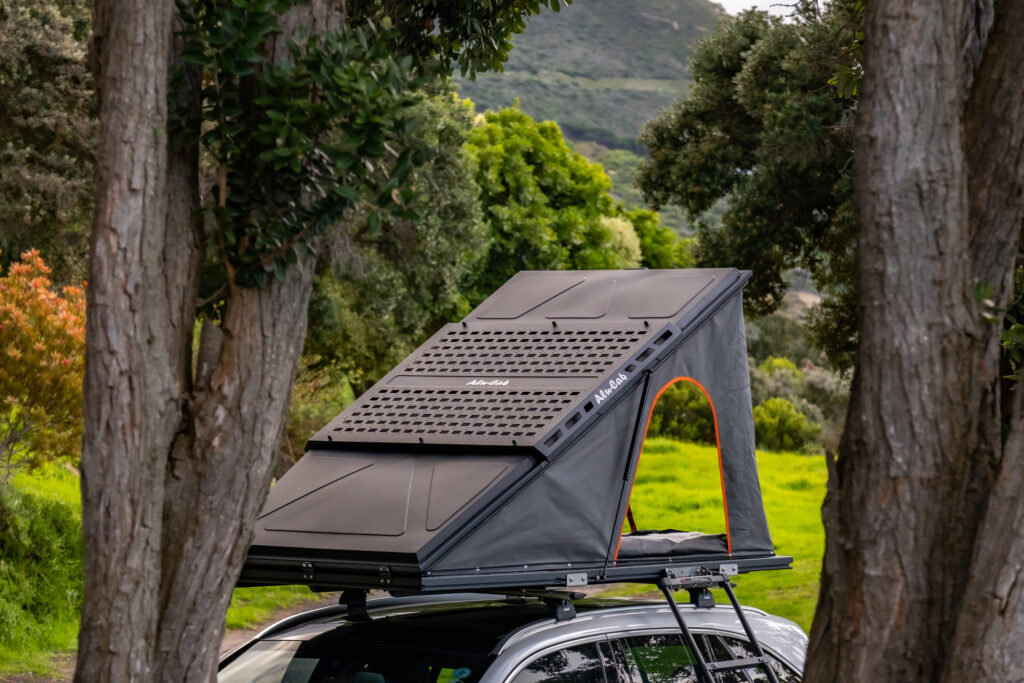
The LT-50 retails for $4490 and there is an extensive list of accessories to choose from. It has a warranty of three years on structural components and one year on moving parts. Find out more by keeping an eye on the Ironman 4×4 website.
If you’re anything like me and you will do anything to cut the time and effort that it takes to keep a car clean, then you will appreciate the value of a well-fitting set of quality floor mats.
Mats that will protect the original carpets in your 4×4 and be easy to pull out and shake off when you need to, or even hit with the high-pressure washer if they get a bit muddy.
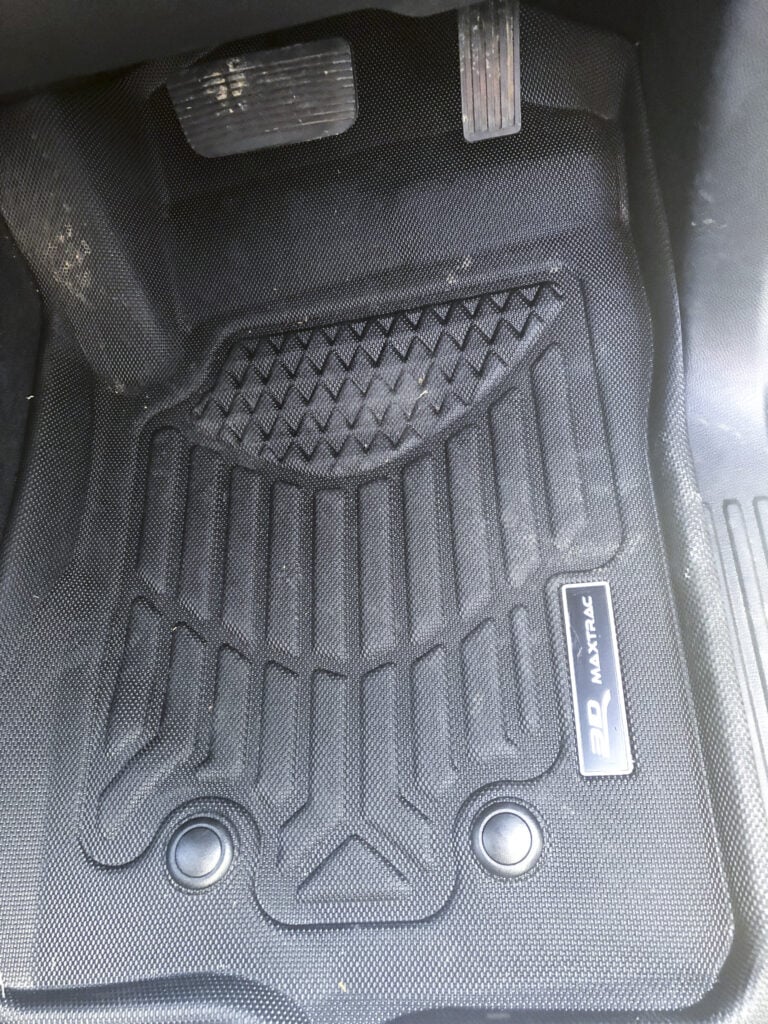
As with all our previous build vehicles, one of the first things we fitted to our Ranger was a set of 3D moulded mats from Melbourne company Tru-Fit. In fact it was straight after the first time my grubby boots spoiled the factory carpets in the Ranger that I headed down to Tru-Fit for this latest set.
And despite plenty more dirty books in the car since, I haven’t had to clean the carpets again.
RRP: $299 (front and rear)
WE SAY: Tough, durable protection for the carpets in your 4×4. Secure yet easy to remove for cleaning when you need to.
1
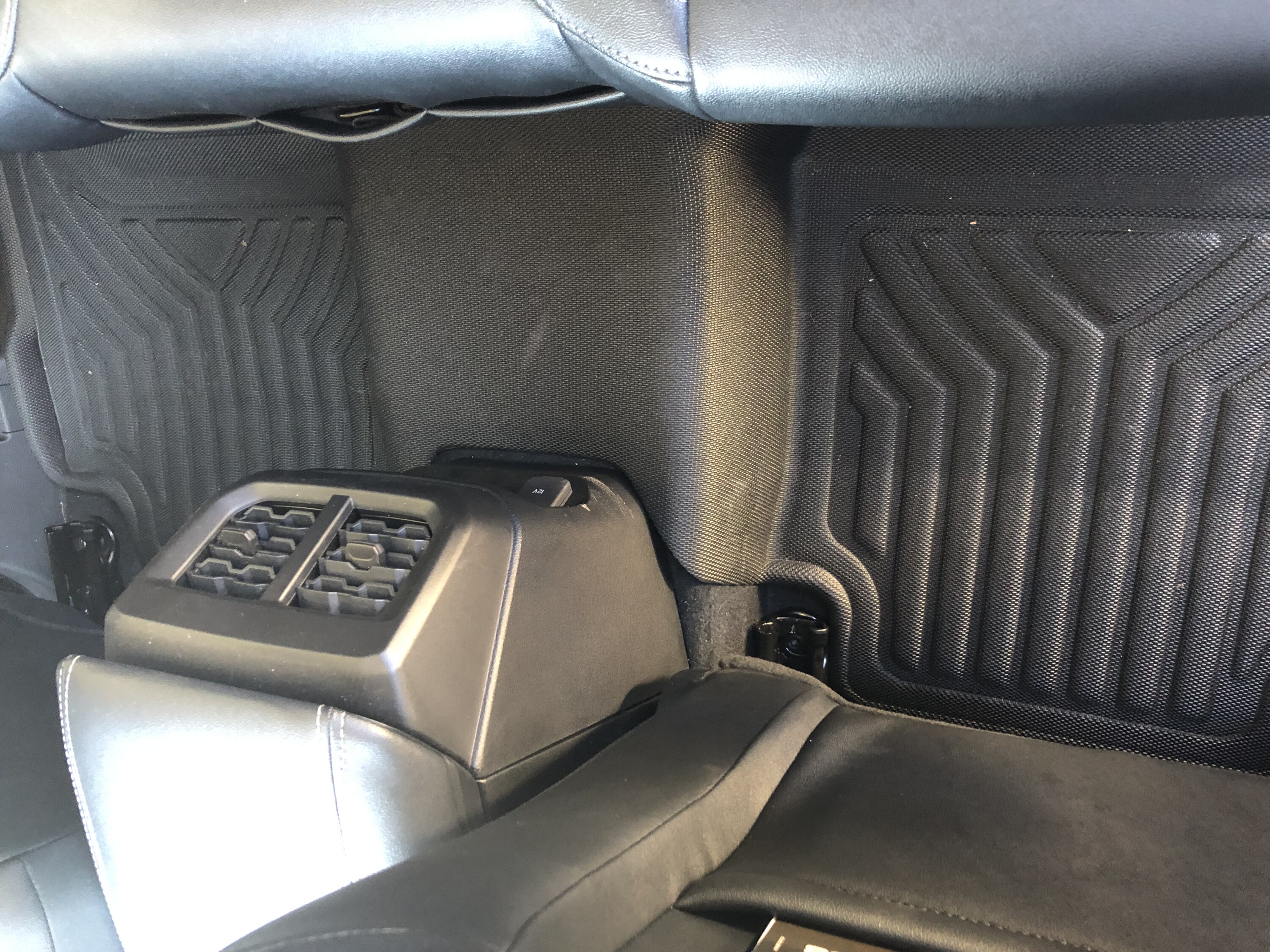
That’s the beauty of Tru Fits 3D mats; once they are fitted they have your carpets covered and protected from dirt, grime, mud, snow, dust and even liquid spills… if you are quick enough.
The mats are moulded to the shape of the floor and with their raised sides and waterproof material, they will contain a spill for a period, and you can quickly remove the mat and empty it out on the track or kerb. And they are just as easy to remove and hose off when it’s time to clean them.
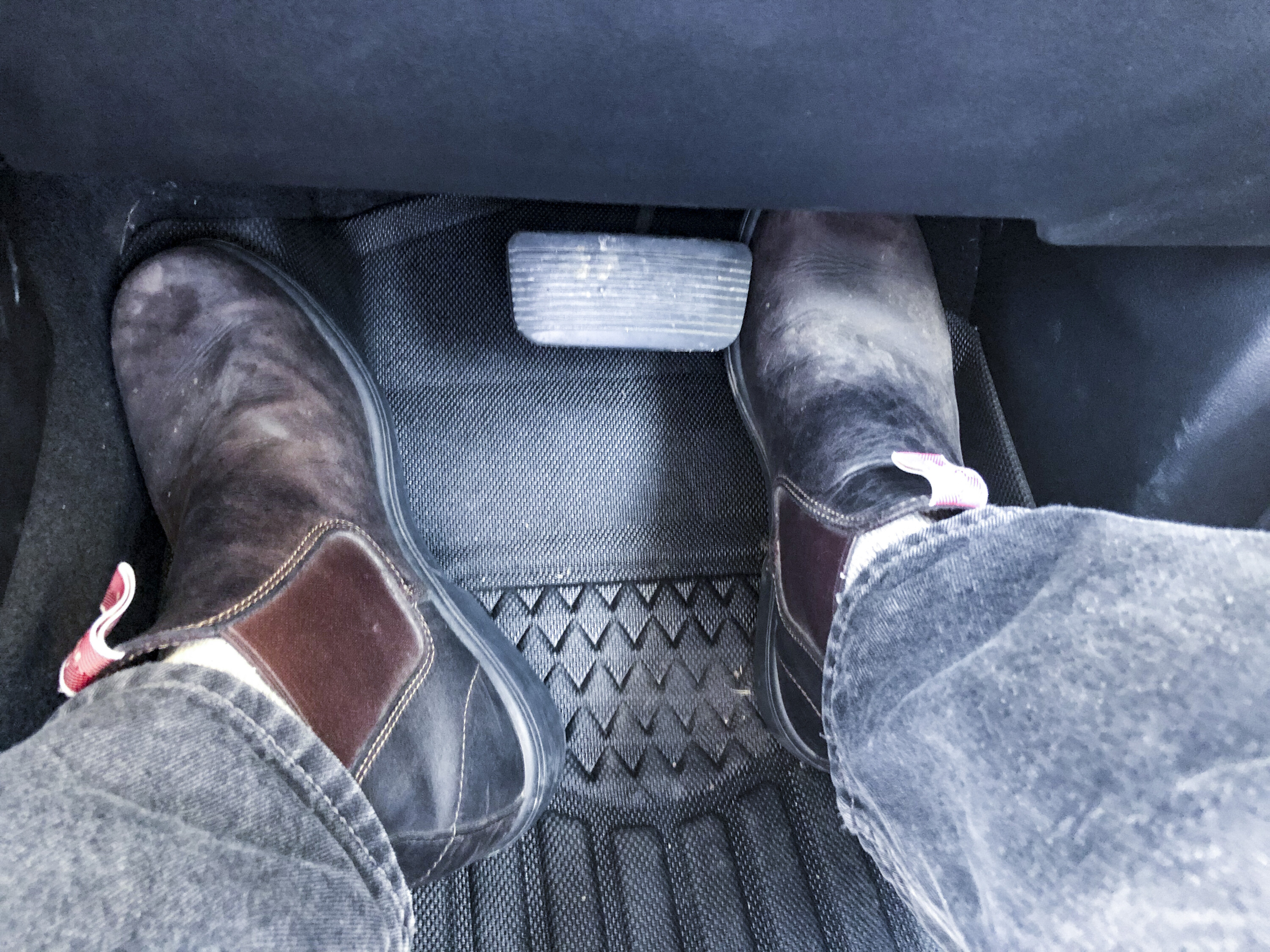
While they are easy to remove from the vehicle, once they are fitted they stay locked in place during normal usage. The way that they are moulded to the shape of the floor holds them in place, aided by the ‘Maxpider’ backing that grips them on to the OE carpet, so they’ll never move or slip when you don’t want them to.
1
For extra security the driver’s 3D mat also has a couple of holes that lock it into place where the factory Ford mats are usually located.
The 3D mat for the rear footwell is a one-piece unit that runs across the width of the back floor to fully protect the carpets, but it too is easy to remove when you need to give it a shake off.
While the black-coloured 3D mats look at home in the dark interior of our Ranger Sport, the team at Tru Fit showed me some new products with gold stitching that match the factory stitching in the Ranger Wildtrak, or the blue stitching in the models that feature that. Be sure to ask about those options when ordering a set for your own Ranger.
1
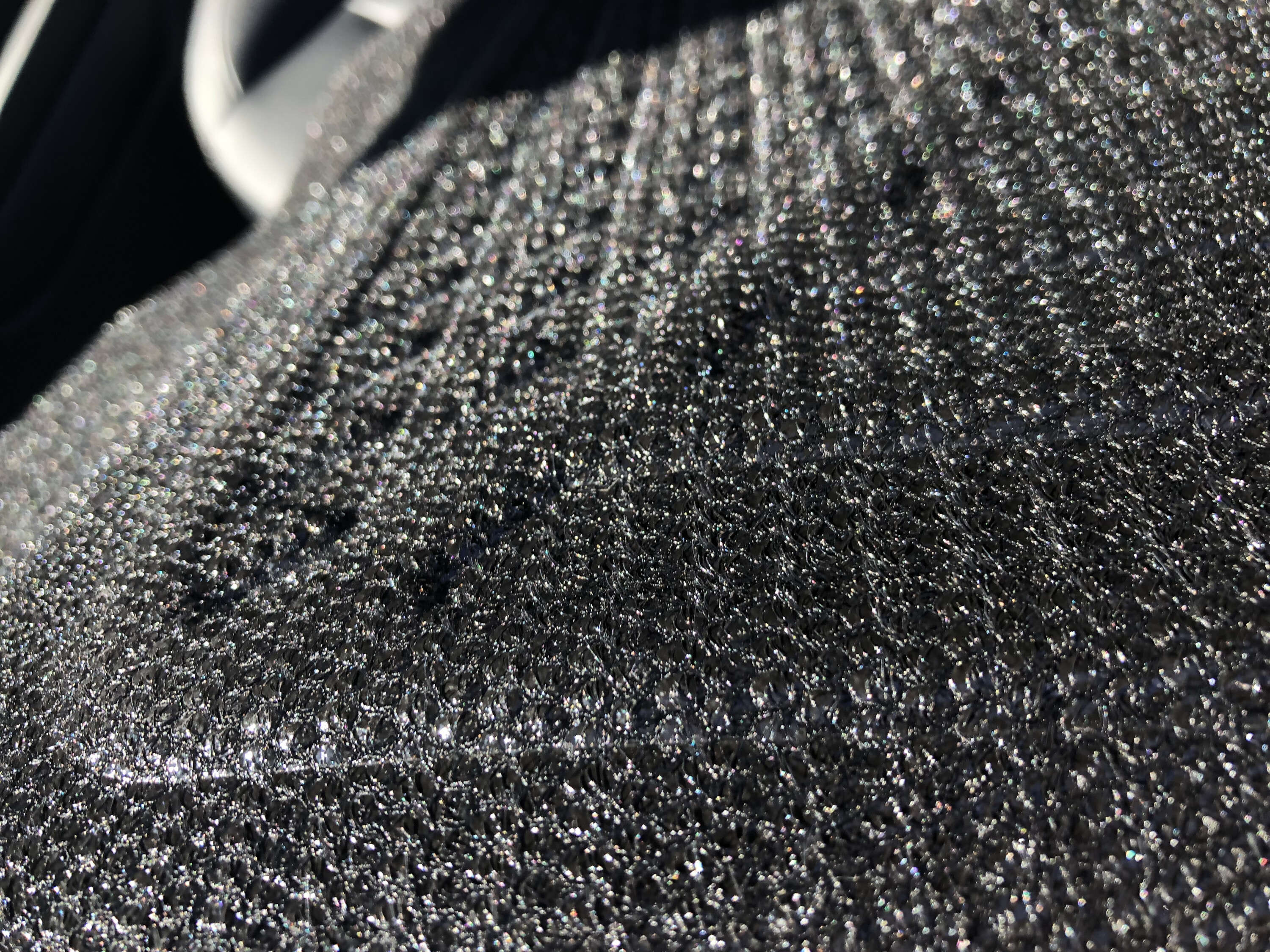
The moulded rubberised material for the 3D mats is hard wearing and durable, and will last for years. They’re so tough that Tru Fit gives a three-year warranty against wear through under normal driving conditions, and that’s on top of the five-year warranty on materials and manufacturing.
Tru Fit 3D mats are available for fitment to the front and rear of most popular car and 4×4 models, and they also produce cargo mats for various models and third-row seats.
While $300 might seem like a lot of money to pay for a set of mats, I reckon it’s money well spent when considering all the times I don’t need to vacuum or clean out the carpets of the Ranger. Just a simple shake out does the trick most of the time, with a blast from the hose when they get muddy.
RRP: $299 (front and rear)
WE SAY: Tough, durable protection for the carpets in your 4×4. Secure yet easy to remove for cleaning when you need to.
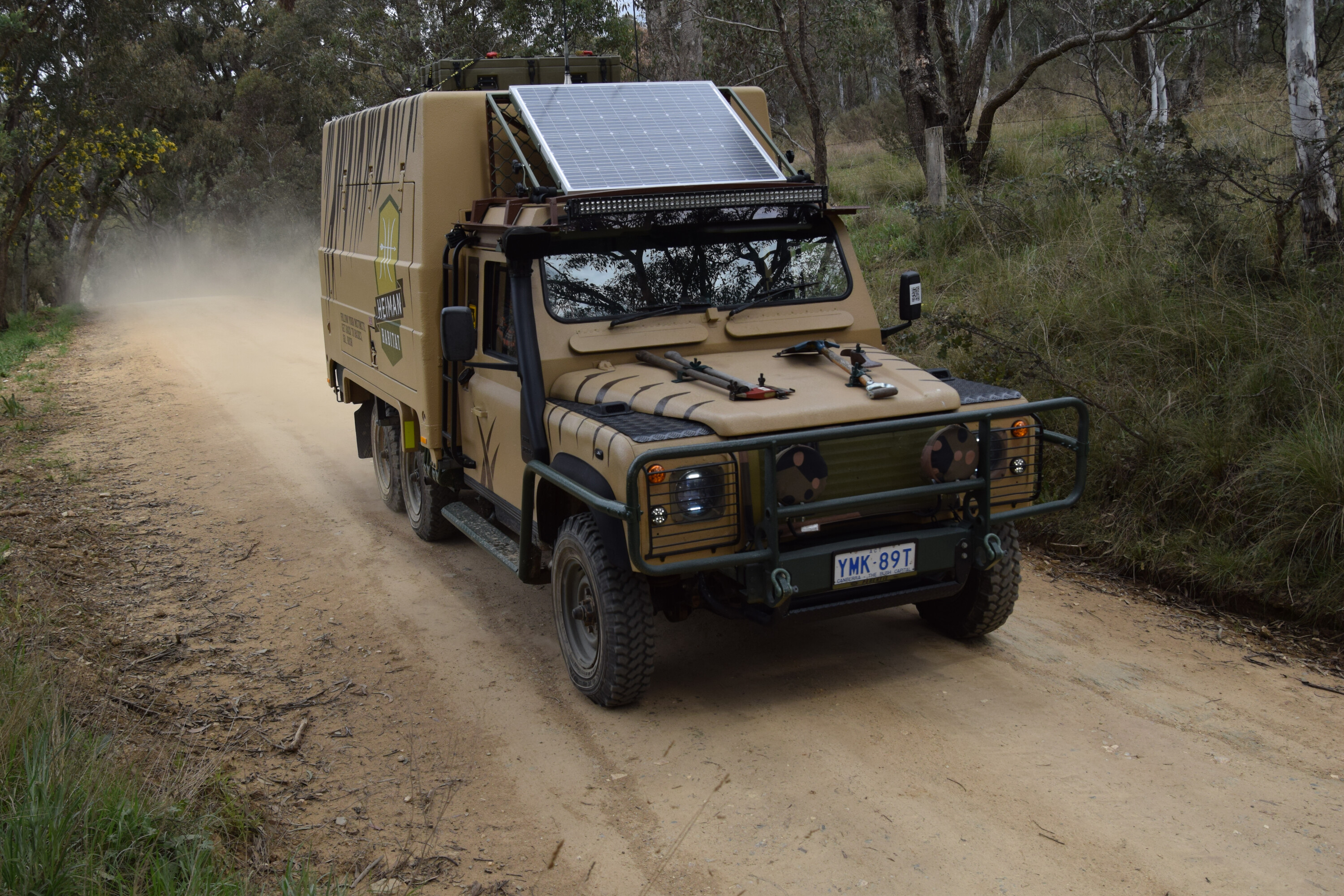
Purchasing an ex-Australian military 6×6 Land Rover 110 Perentie in 2018 went from an idea – to reality – in the space of around four months. For several years, we’d been watching Australian Frontline Machinery’s series of ex-military auctions. Every month, an eclectic mix of gear cropped-up inviting bids.
Included among these were the 4×4 and 6×6 variants of the ADF’s fleet of superseded Land Rover 110 Perenties.
Well over half of the 4079 Land Rover Perenties ever produced had already been sold through online auction since we’d been watching. While bidders routinely went gangbusters to secure 4×4 variants including the popular Regional Force Surveillance Vehicles, our sights were set elsewhere.
1
(Not so) tiny home
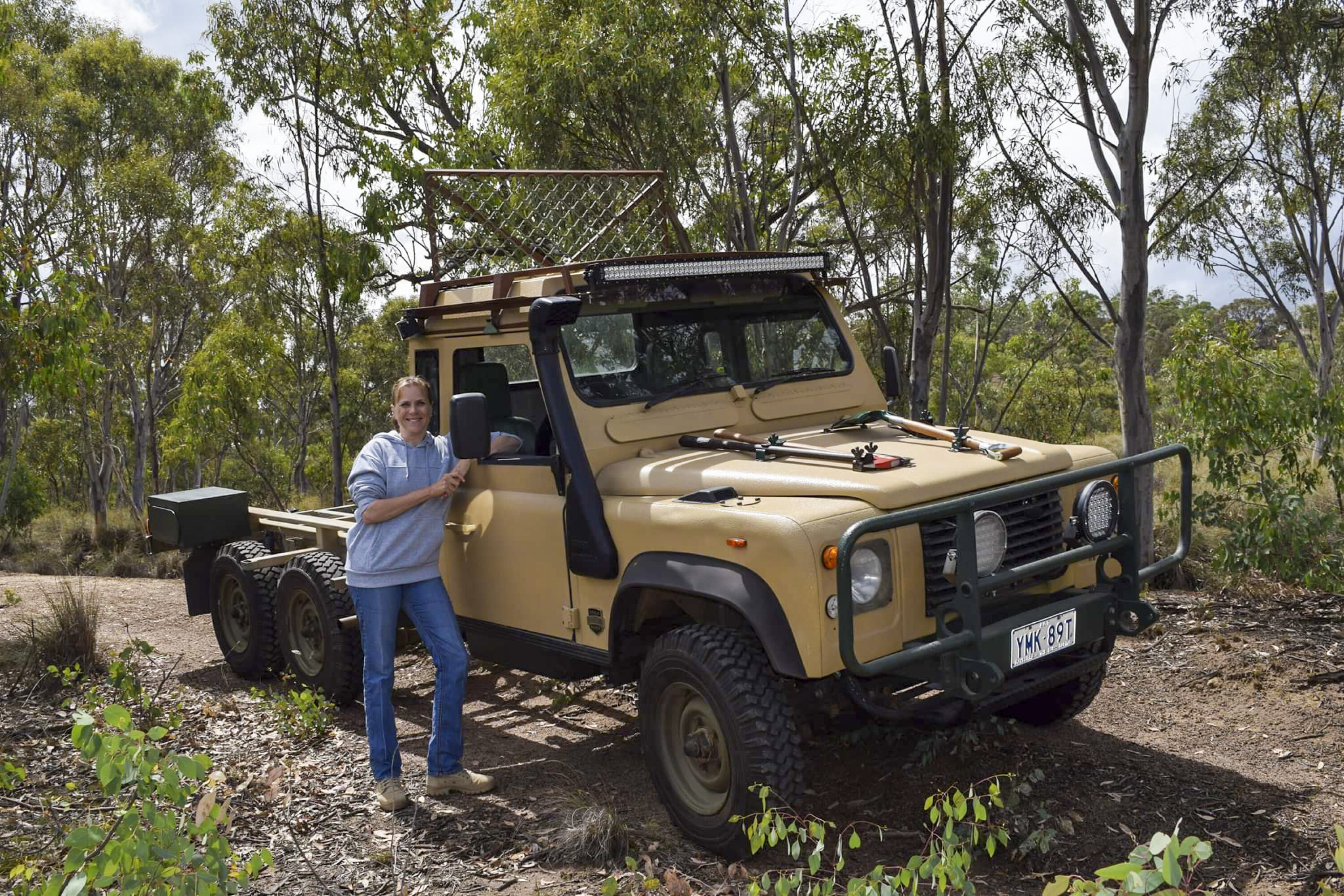
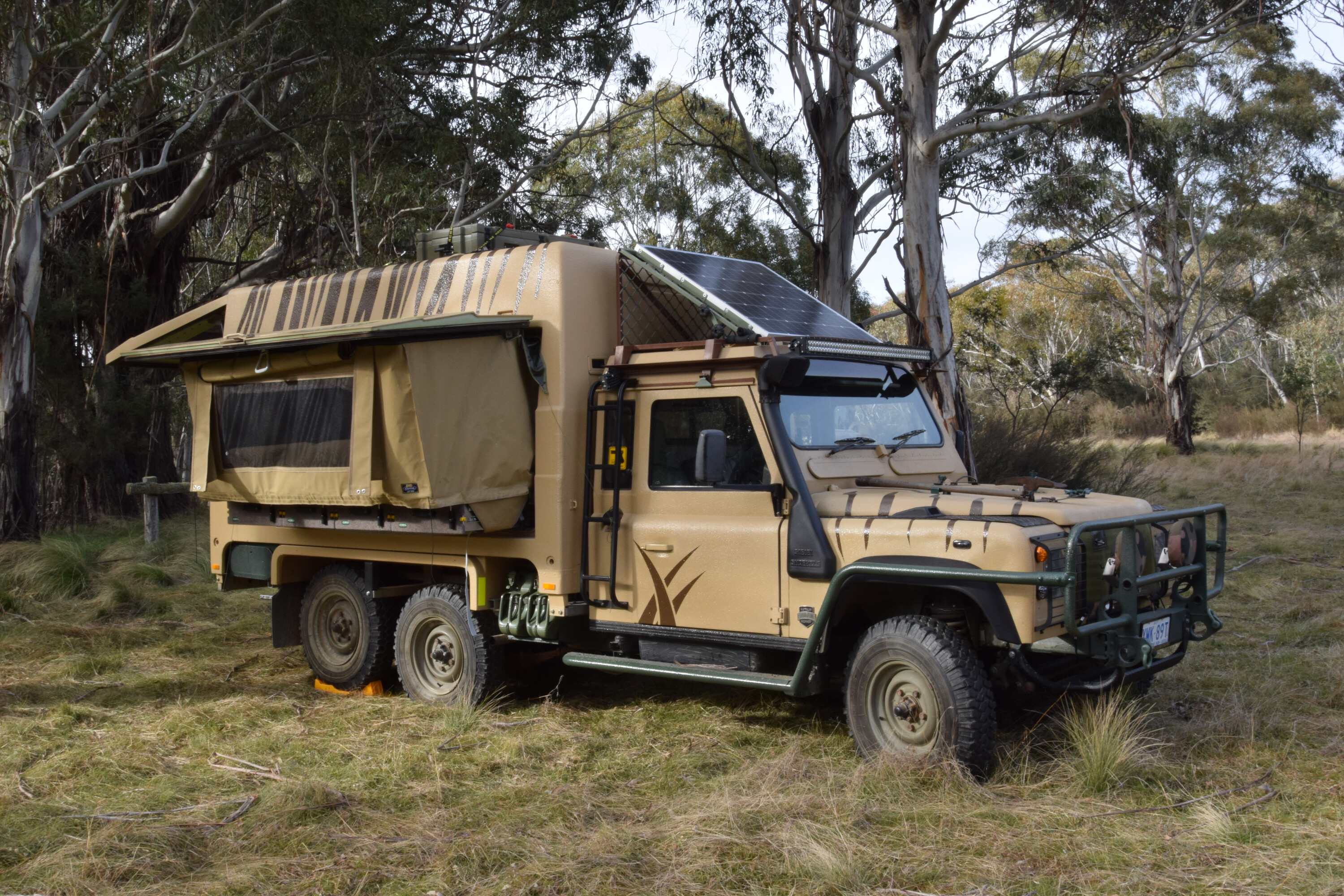
The Perentie 6×6’s potential as a go-anywhere mobile home was self-evident, whichever way you looked at it. The cargo version has an aluminium rear tray area covering a vast 6.55m² under the cover of a canvas canopy on a hoop frame, with drop sides and a tailgate. For a basic camper set-up, it takes little more than a custom slide kitchen, fridge, gas bottle, water tank, some swags and the job is done.
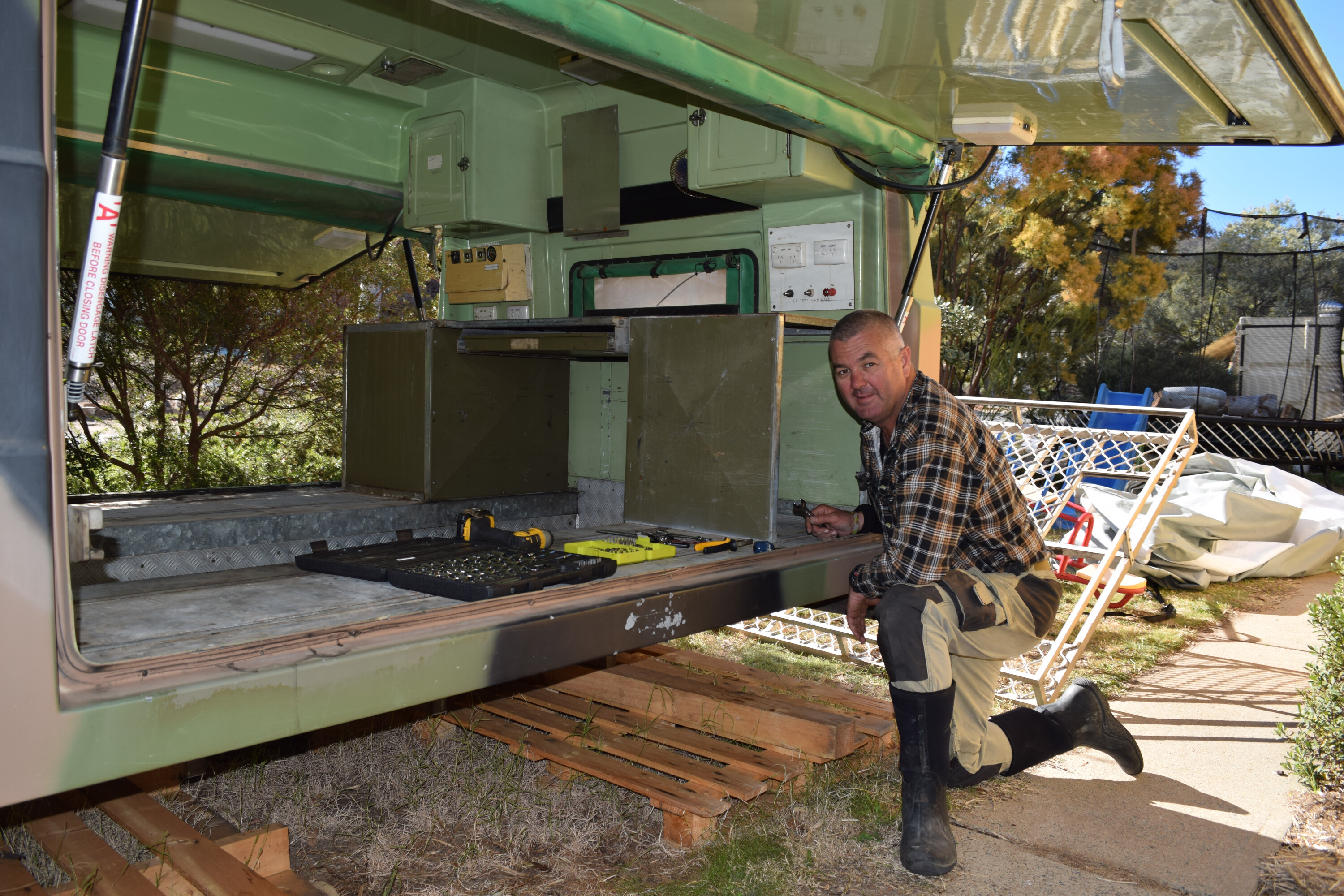
But then there are the ambulance and general maintenance vehicle (GMV) variants too. And it didn’t take much imagination to envisage the insulated fibreglass rear modular section being modified to become a full-blown all-weather camper.
Clearly, either of these modules were spacious enough to use for long-term living. They are, after all, big units. At a whopping 3m long, 2m high and 2.4m wide, the ‘canopy’ is big enough to hide a Suzuki Jimny! It’s wide because –even though it’s based on a 110 Land Rover – the 6×6 variant is set on a chassis that is 200mm wider than a standard 110.
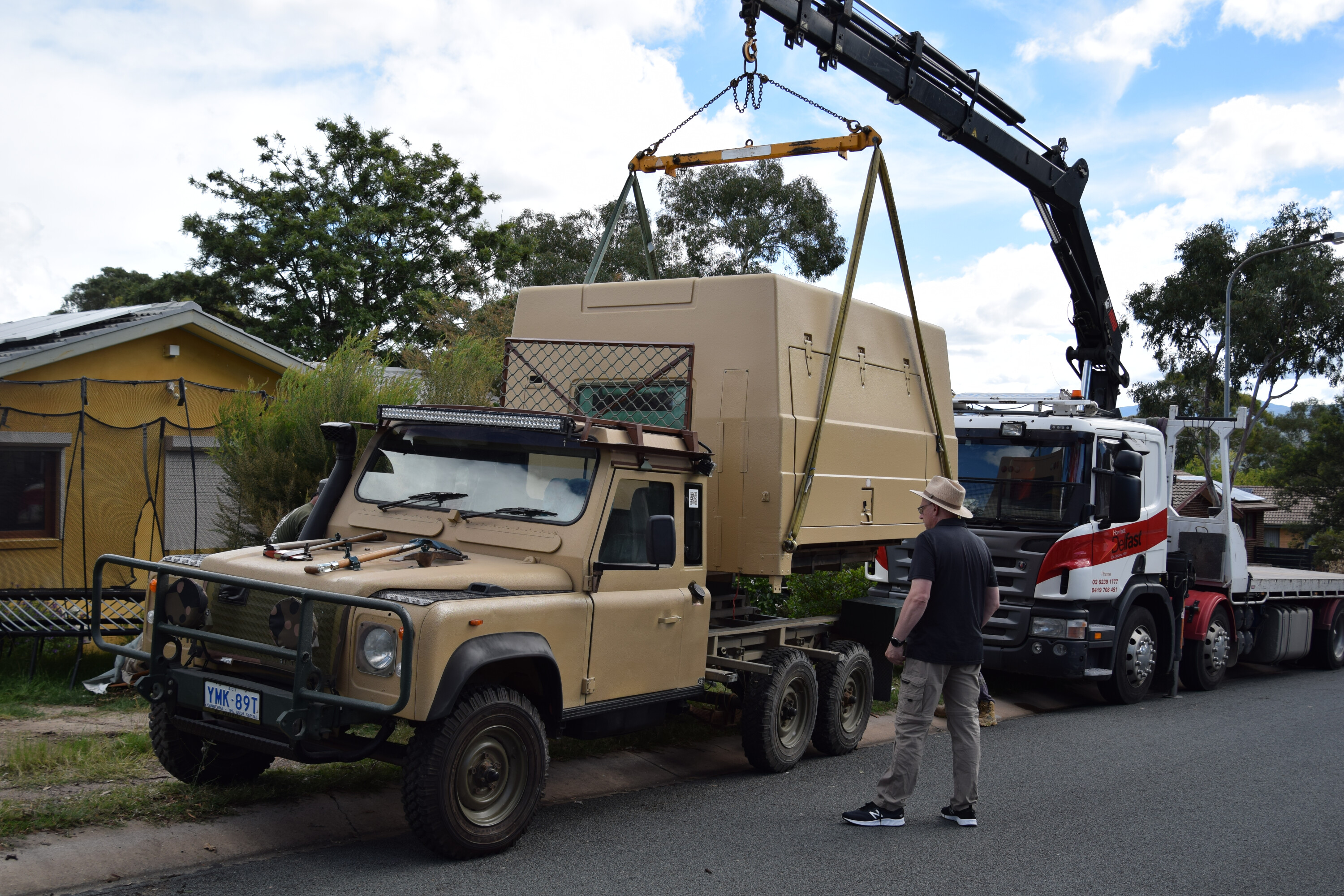
1
Happily, the wider cabin fits three seats abreast; a situation that makes it perfect for our family trio. The GMV was particularly appealing because the rear ‘ambulance style’ door is supplemented by lift-up side doors (gull-wings) that are purpose-designed to stay open during rain events.
This set-up looked particularly suitable for camper-modification; offering better ventilation than the ambulance variant, as well as options to extend the floor plan beyond the width of the vehicle.
Exactly how to turn this cavernous space into a home away from home, however, was a challenge that would evidently take some time (and money) to resolve.
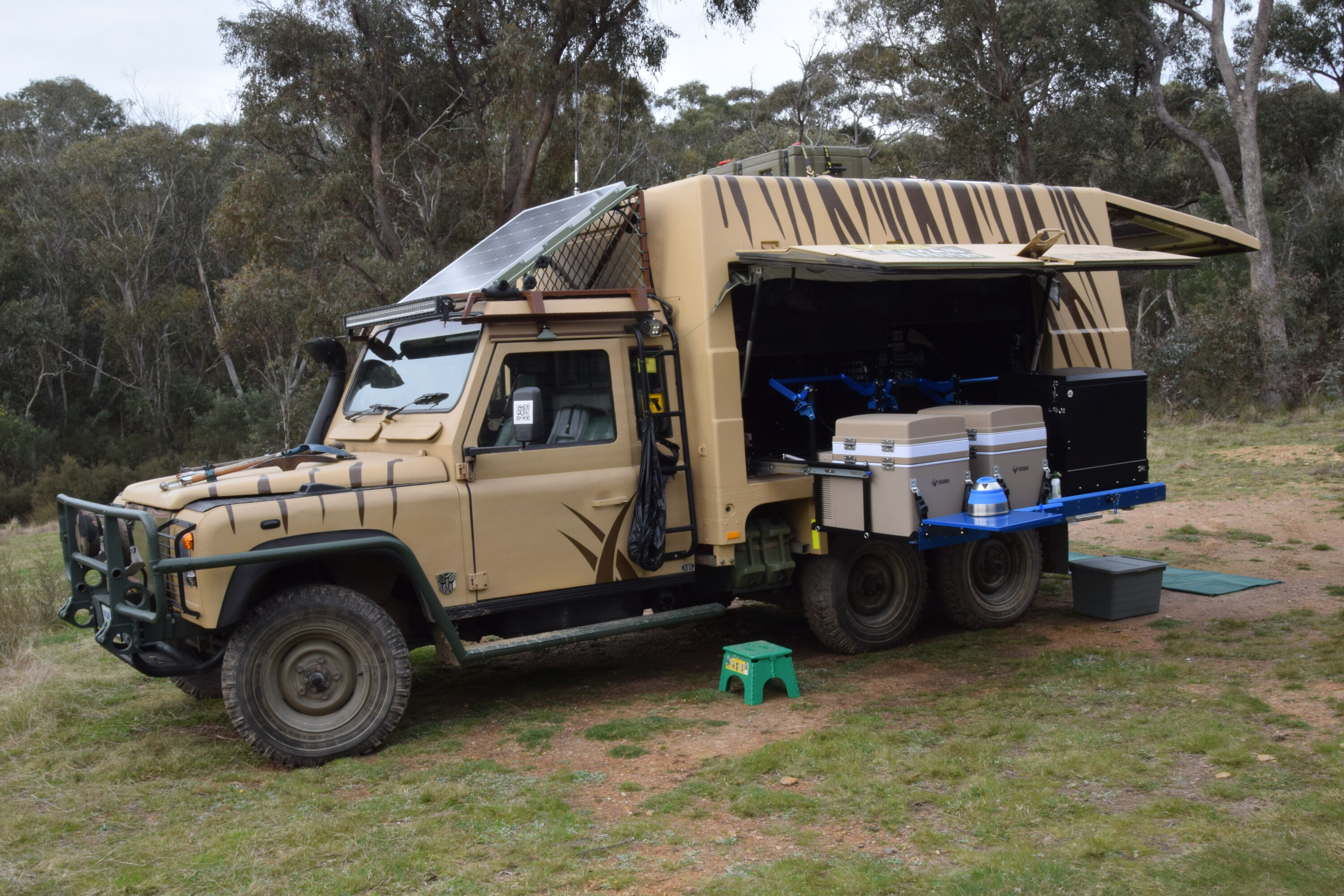
1
Home guard hero
Ultimately, we made a successful bid on a 1989 6×6 Perentie Cargo variant with a mere 21,000km on the odometer. The logbook told it all. Having spent the first 14 years of her life in war stocks, she was pulled out of storage in 2003 with just a few hundred kilometres on the clock.
In these languid years she was treated to all the modifications and upgrades the rest of the fleet enjoyed. This even included re-dipping her galvanised chassis and having the centre diff replaced at 19,000km, regardless that the logbook made no reference to the work actually being required. Perhaps it was just a case of the vehicle being given to the apprentice to work on!
Regardless, she was then assigned to the Joint Logistics Unit (the loan pool) where she spent a couple of years intermittently supporting military exercises.
1
A couple of months after buying the Land Rover, we purchased a GMV canopy module separately. By having the module unconnected to the vehicle, we could readily access all component elements of both – and this would assist when it came to rewiring the 12/24/240/415V loom and preparing the module for its 12V camper conversion.
Further, as a Cargo variant, we knew that our Perentie had spent its military life carrying out relatively undemanding tasks like moving stores between military sites (largely on tarmac roads) or delivering camp kitchen meals to soldiers in the field.
By contrast, Perenties that saw service as GMVs were much more likely to have seen hard military service and over-loaded. And we didn’t need the added expenditure for new suspension, bushes, axles and the like. While there was evidently minor damage to the module, the cost of bringing it back-up to spec was likely to be far less than dealing with mechanical issues.
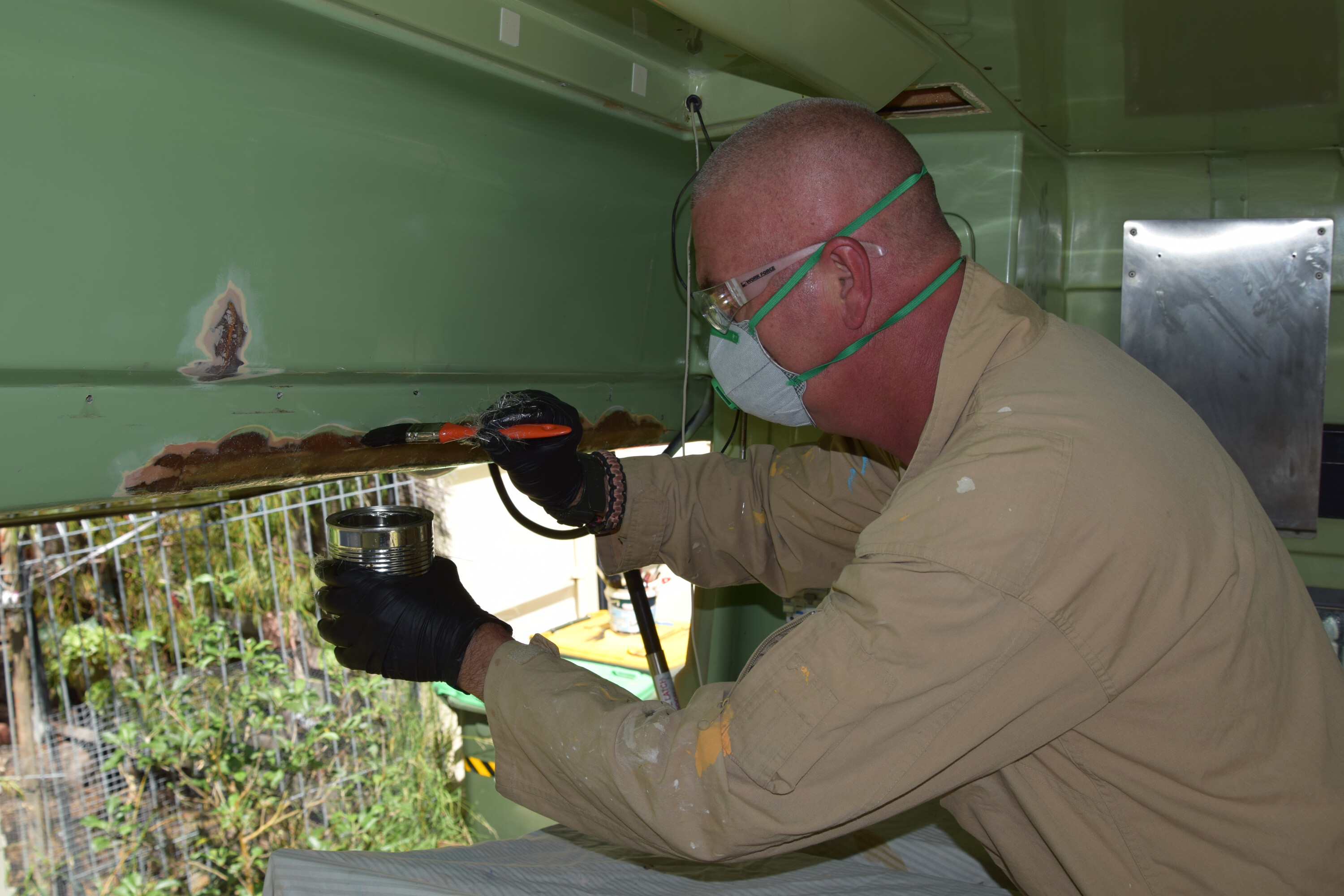
1
Tough truck
The rugged credentials of this 6×6 war horse are obvious from its specs. For starters, its two-tonne payload makes a big impression. With an unladen weight of 3660kg, it has a GVM 5660kg with an original towing capacity of 1500kg.To give it grunt, the diesel Isuzu 4BD1 3.9L 4-cylinder engine is turbo-charged with a Garrett model ATD-T25.
The integral diff in the transfer case permanently drives the front and intermediate axles: so that’s a 6×4 for daily operation. For difficult terrain, the diff can be manually locked, automatically engaging the rear axle too, which makes her a true 6×6 when needed.
While our rig led a sheltered existence in its early years, we intend to put it through its paces on some of Australia’s most remote outback tracks – conditions it was designed for in defence of the nation. So, the key focus of the conversion has always been on completing the camper component while ensuring the vehicle proper is mechanically, electrically and structurally sound.

1
Notwithstanding that our Perentie has remarkably few kilometres under its belt, it’s still seen some field time. Importantly, it’s spent a lot of its life sitting in a vehicle-yard doing very little interspersed with hard times on exercise where soldiers treat vehicles like they stole them.
So, we’ve spent considerable time building relationships with trusted mechanics, electricians, steel fabricators and mechanical engineers to ensure our 6×6 Cold War veteran is still fighting fit.
All 6×6 Perenties come with a dual jerry can holder on the driver’s side. When we found a second holder, we installed it where the 24V battery box used to sit on the passenger side. With these four jerries, combined with the twin 62-litre fuel tanks, we’ll have a total capacity of 204L of diesel. That should get us over 1100km at 18L/100km which isn’t bad going for a 30yo truck with a kerb weight that’s now more than three times Hilux dual cabs.
1
Cash conversion
To support the vehicle now and into the future, we’ve acquired spares at auction that have been simply too cheap to ignore – or that are bespoke to the rig. These have included wheel rims, spare doors, brake booster assembly and a fuel pump.
We’ve focused too on acquiring spare axles. In addition to having a wider-wheel base than any other 4×4 Land Rover, the 6×6’s three axles all have a different configuration to cater for the PTO on the transfer case that drives the third axle via a vacuum clutch – and the extra off-centre prop shaft.
So, we’ve purchased two of each (second-hand) to provide us with the option to rebuild a broken axle or to furnish parts should we require them.
1
We’ve also added a military LT95A gearbox to our spares supply so that we’re not left trying to modify a civilian LT95 sometime down the track. Lucky for us, we have an old mate with a woolshed on his property the size of a supermarket to stash these spares away.
For the fit-out, we’ve relied on a combination of off-the-shelf purchases and repurposed military kit. A couple of trips to the UK to visit aging parents proved quite fruitful in this regard.
Returning home with odd-shaped excess baggage bursting with Land Rover accessories raised some quizzical looks from airport check-in staff. But it’s amazing how quickly you get moved along when you begin explaining to harried airport attendants that the surfboard sized package you’re trying to check-in contains ladders, bonnet protectors and air intakes for a Land Rover. Their glazed eyes say it all: “Just make them go away.”
1
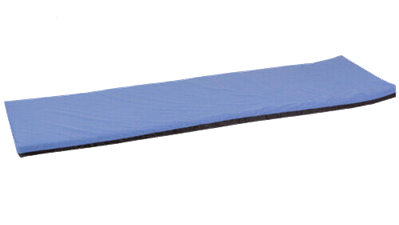
Beyond the new gear, the rig’s military origins are reflected in the six ex-military ‘Pelican’ cases used for storing clothes and other supplies. And to keep our daughter comfy at night, there’s a Korean War vintage military ambulance stretcher, with a custom 75mm mattress, as a loft bed accessed via a handful of indoor rock-wall climbing holds.
While these aftermarket parts are integral to the camper conversion, much of the refit has involved custom fabrication that’s required a lot attention by skilled tradies. On the outside, the whole rig has been coated with ‘Speedliner’. This is a ute liner that’s 500 times stronger than its nearest competitor.
So, it will protect the vehicle’s outer surfaces against unnecessary wear and tear, with the added benefit of reinforcing the module’s 30-year-old fibreglass monocoque body. Besides, she’s not in the army anymore so she doesn’t have to look like she is.
1
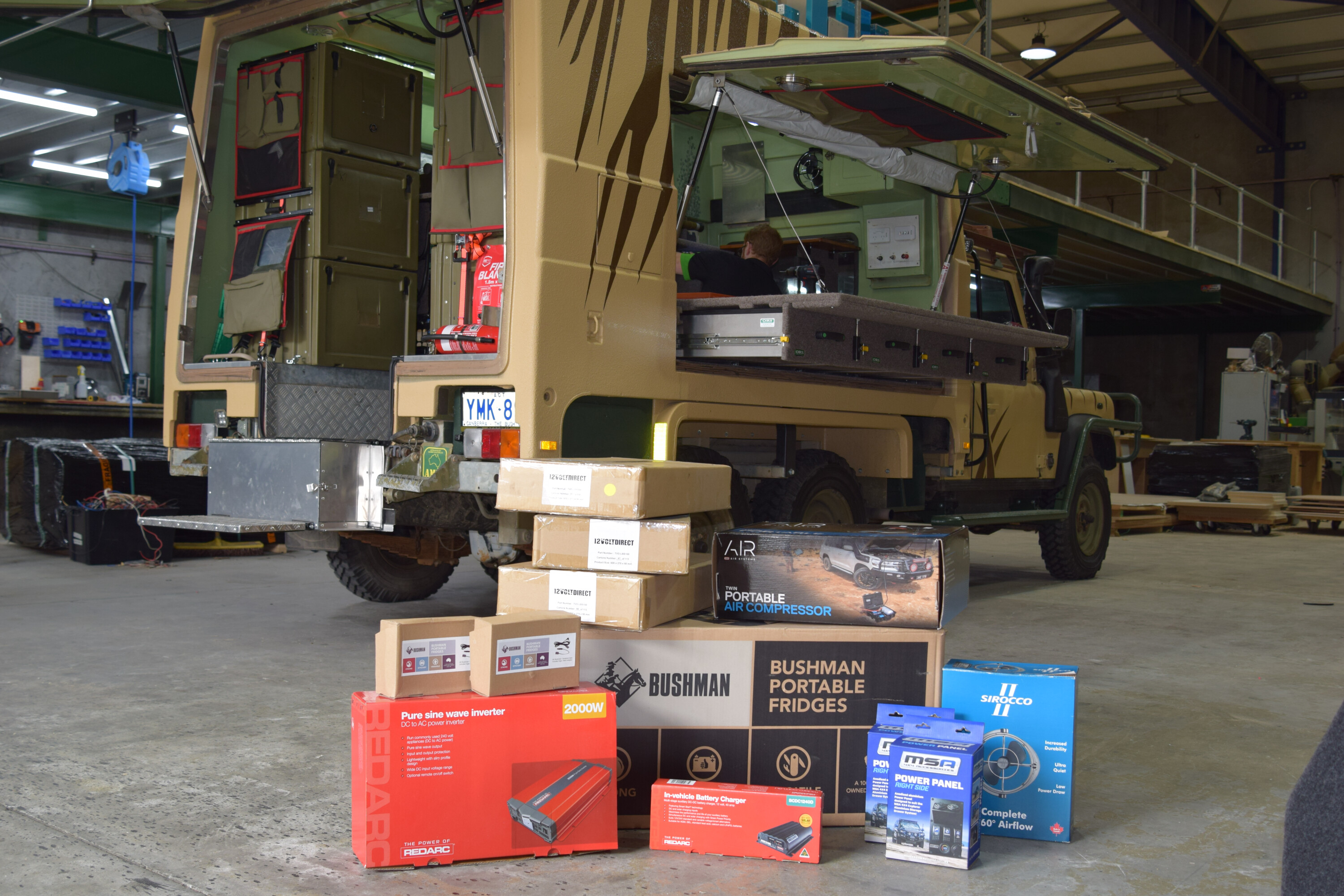
To cater for life on the road, inside there are three MSA fridge drop-slides carrying two Bushman fridges and a Top End Campgear Longhaul kitchen combined withan Ecoheat Induction cooktop, sockets, lights – the whole box and dice.
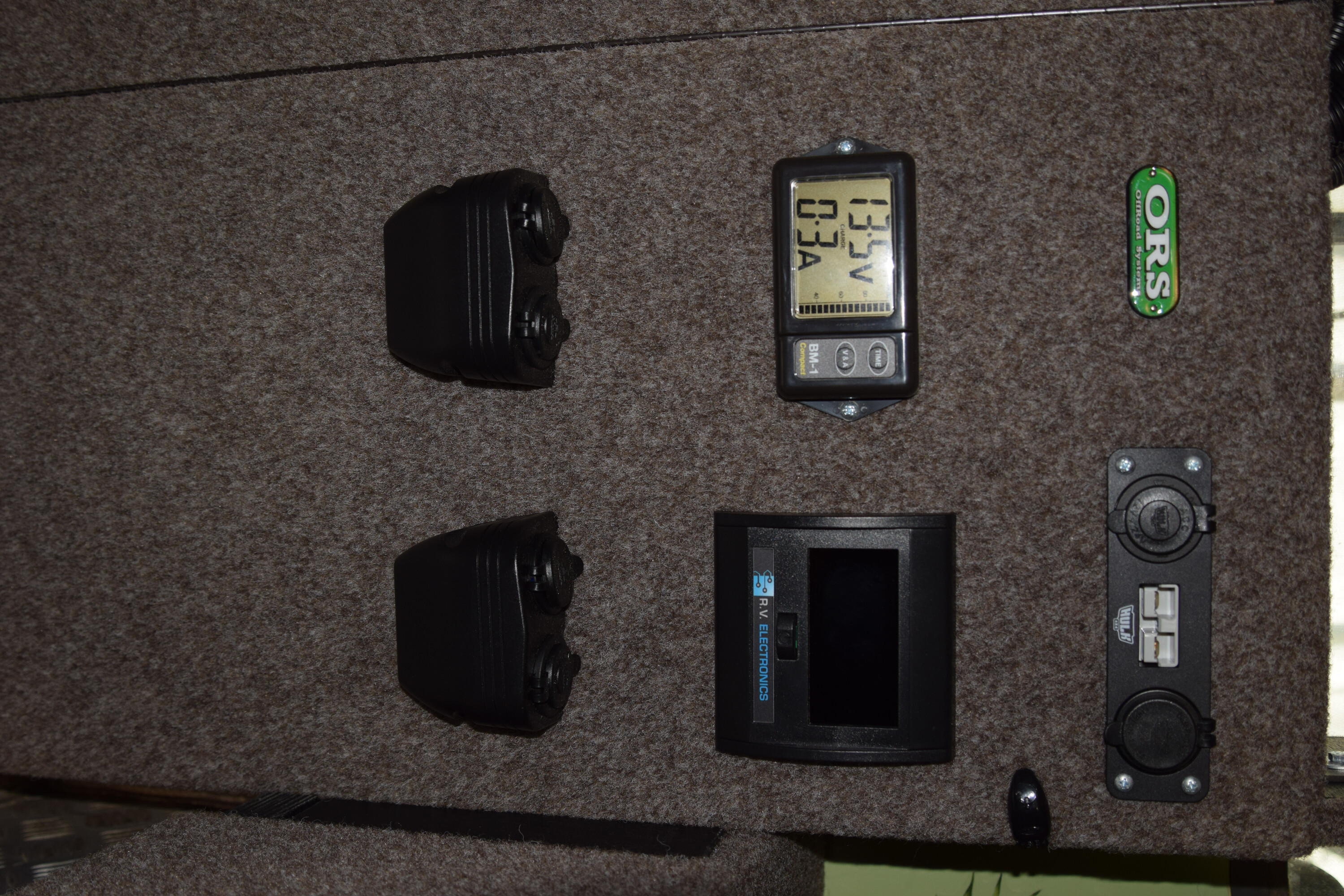
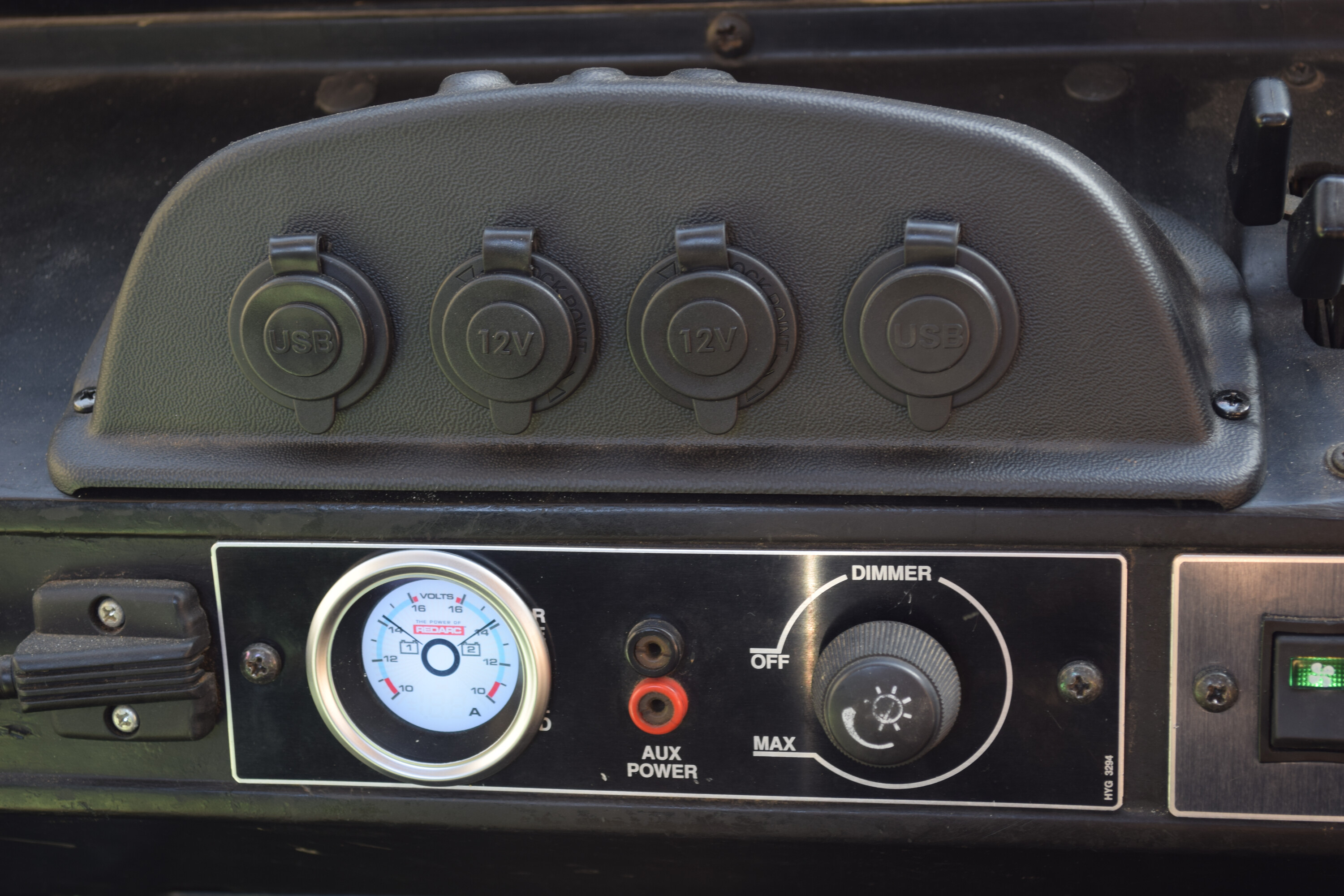
All this is powered by three 12V Direct slimline 100Ah lithium batteries, a Redarc Classic BCDC 1240D charger and Redarc 2000W inverter, and 400W of Redarc fixed solar panels with an additional input for a Redarc 190W SunPower solar blanket.
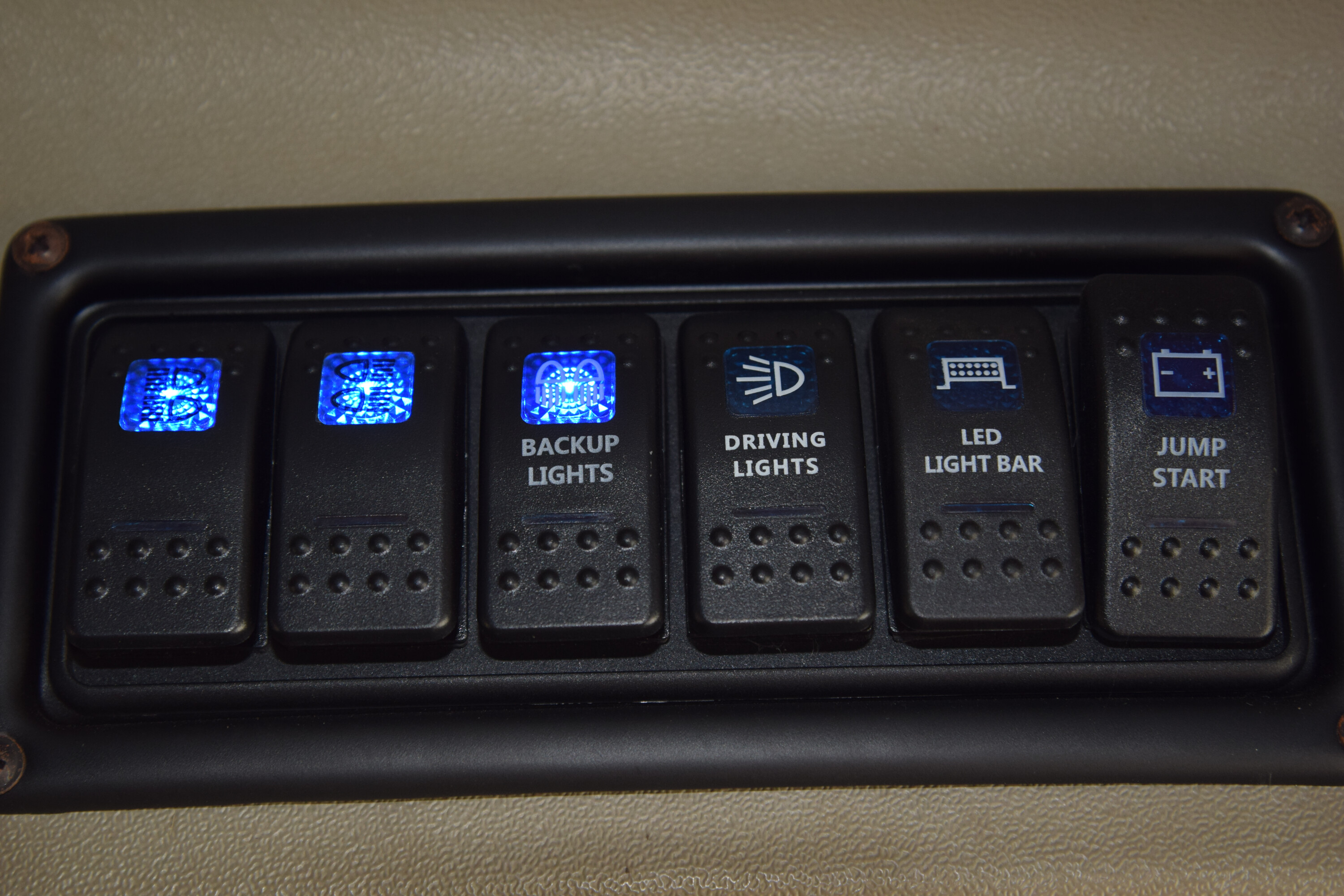
Custom cabinetry from ORS includes a four-drawer system that ingeniously supports a double bed when the internal lounge is folded down, a merbau work desk, electronics cabinet, storage racks and even a rock-climbing wall! There are also tie-down points to secure items that we pick up while we’re on the road, like boxes of wine and more Land Rover parts.
1
Beautiful beast
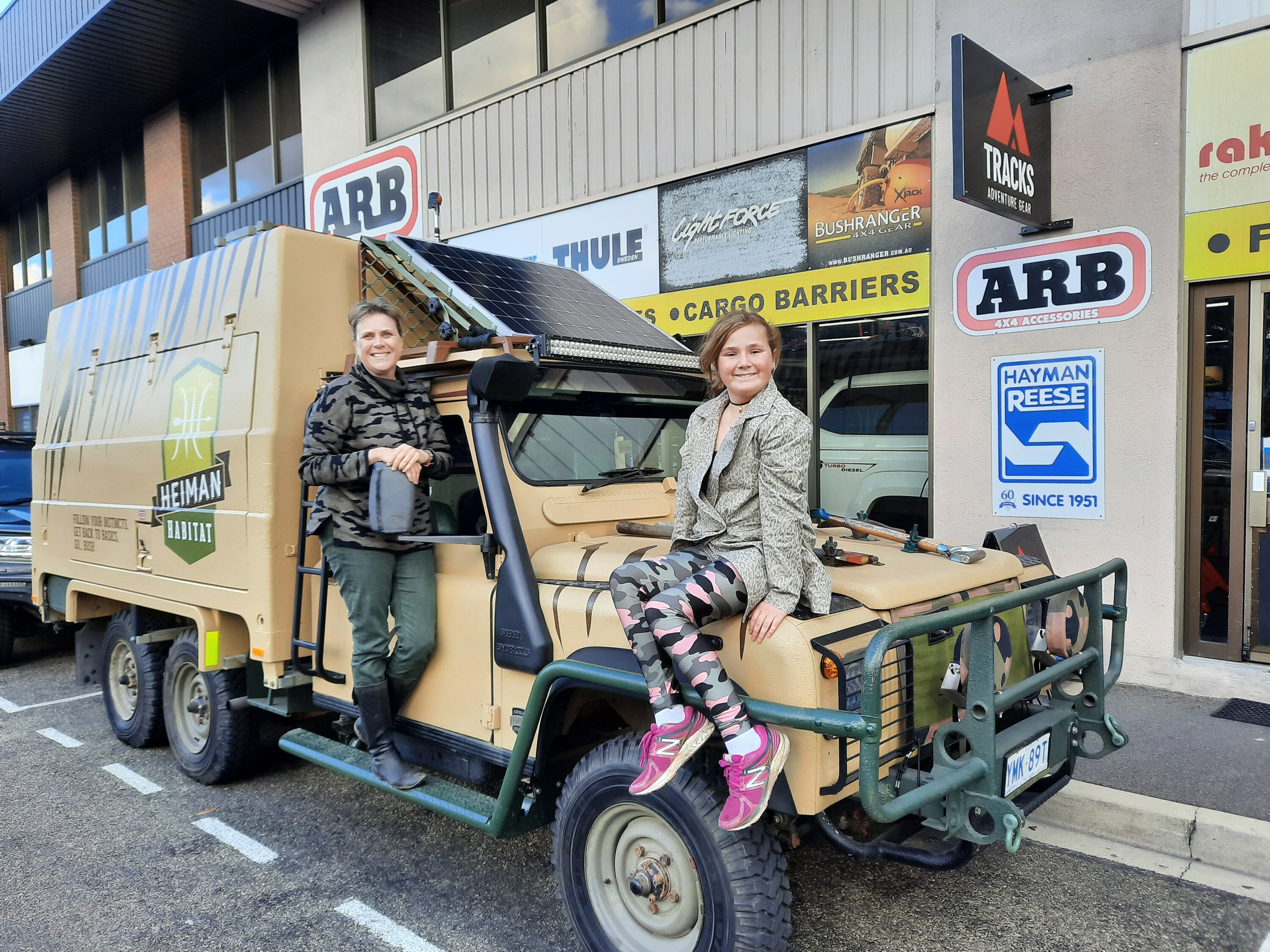
Five years on, and the camper conversion is ready to hit the back tracks.Ultimately, the shopping list for this custom refit proved to be eye-wateringly long – and like every build, further tweaks will be inevitable once we’ve spent some serious time on the road getting to know each other. But the result is absolutely magnificent, and totally unique. With only 185 GMVs ever made, ours is like no other.
It’s not often that you can aspire to having the best in life. But I’m sure, without a shadow of a doubt, that we own the best Land Rover 6×6 Perentie camper conversion in the world.
And the time to prove it is coming soon with Land Rover’s 75th Anniversary celebrations and showcase scheduled for Cooma, NSW, over the 2023 Easter weekend. We’ll be taking our Bug-Out-Vehicle. Will we see you there?
1
Major mods
1
With many thanks
A camper conversion like this is not something you do all on your lonesome. So we’d like to give a shout out to the following 4WD and camping industry champions for helping us out along the way:
| Thanks to: |
|---|
| 12 Volt Direct |
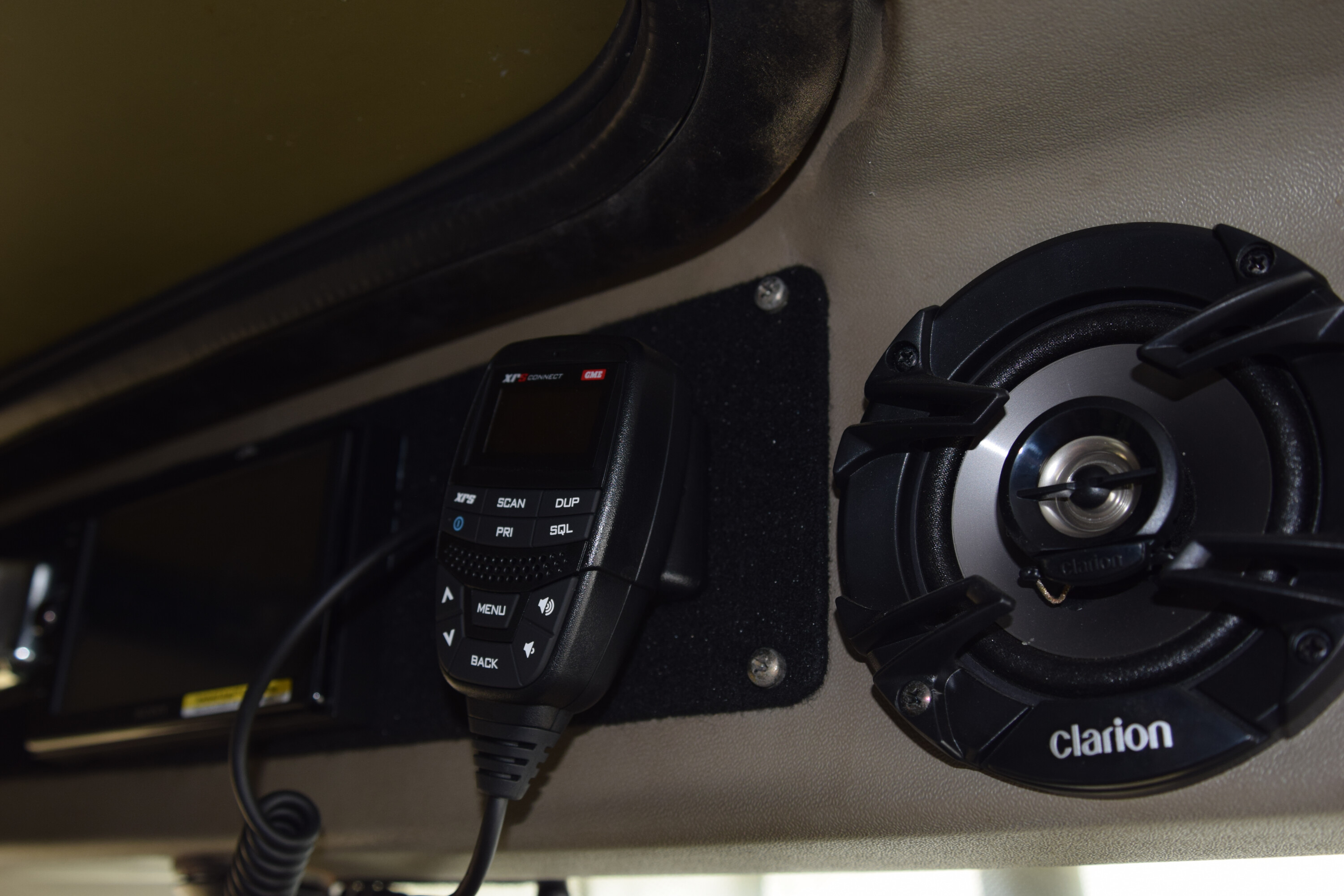
| AudioTech |
| BritPart |
| Famous Four |
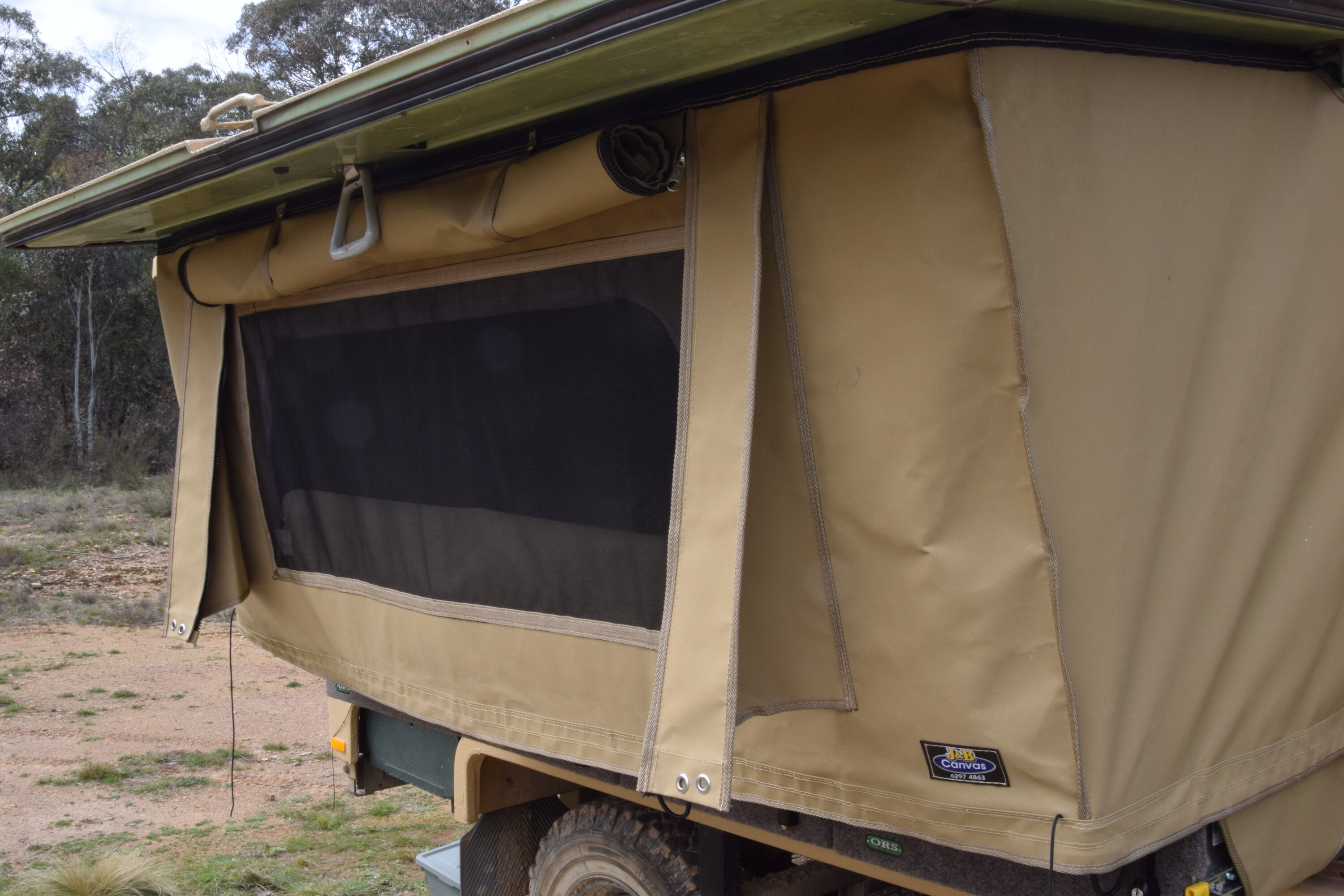
| JB Canvas |
| Off Road Systems (ORS) |
| Redarc Electronics |
| Roadway Mufflers & 4×4 |
| Semits Smash Repair |
| Snells Security and Electrical |
| Top End Campgear |
| Tough Gear Engineering |
| Tracks Adventure Gear |
| Wizard 4×4 |
1
Project Perentie
Combining components of a Land Rover 110, with an Australian-made chassis and bespoke parts strong enough to handle the toughest conditions, the Perentie answered the ADF’s need for a replacement fleet of light trucks. So, why Perentie?
Readers may be aware that the Perentie (Varanus giganteus) is Australia’s largest lizard species. This monster reptile was reputed to be ‘strong, fast and uniquely designed for its environment’, all characteristics that Army wanted in its new fleet.
Having named the 1981 procurement project ‘Project Perentie’, the Perentie name soon fell in to common usage within the military.
Produced for the ADF by Jaguar Land Rover Australia between May 1986 and Sep 1992, and by BAeA under licence between 1996-98, the Perentie came in both 4×4 and 6×6 variants.
1
The 6×6 were made in eight variants, with three equipped with fully enclosed fibreglass rear bodies; the GMVs, ambulance and Electronic Repair Vehicles (ERVs). The fibreglass moulds for these were produced in Australia, initially by JAKAB Industries which had made its name from manufacturing fibreglass bodies for NSW ambulances.
These fibreglass modules offered far more usable space than had been available in, for example, the old 3 Series military ambulance. The extra width also meant the rig could be driven on to a tank transporter.
Ultimately, only 970 Land Rover 6×6 110 Perenties were ever made. Of these, 231 Cargo variants without winch were produced (like ours) with a further 185 GMVs manufactured. Extra fibreglass rear bodies were made between 2007-08 to replace modules like ours that were damaged through sustained usage.
Attribution
MORE
4x4Australia Explore
The Ranger’s V6 has a satisfying rumble which, quite simply, should be unleashed. The factory exhaust system keeps this rumble contained, but you can release it with a simple mod.
A DPF-Back exhaust system opens up the exhaust system after the DPF. You get to hear what the V6 is capable of, while still keeping on the right side of the law.
Here are three products we recommend. They’re intended as a starting point, to give you an idea of what’s available.
What it is: A replacement exhaust system.
Why you need it: It gives the Ranger a distinctive exhaust note, usually deeper and louder than factory.
Buying tips: The exhaust system should be made from 304 stainless steel. It won’t rust, unlike 409 stainless steel or aluminised steel.
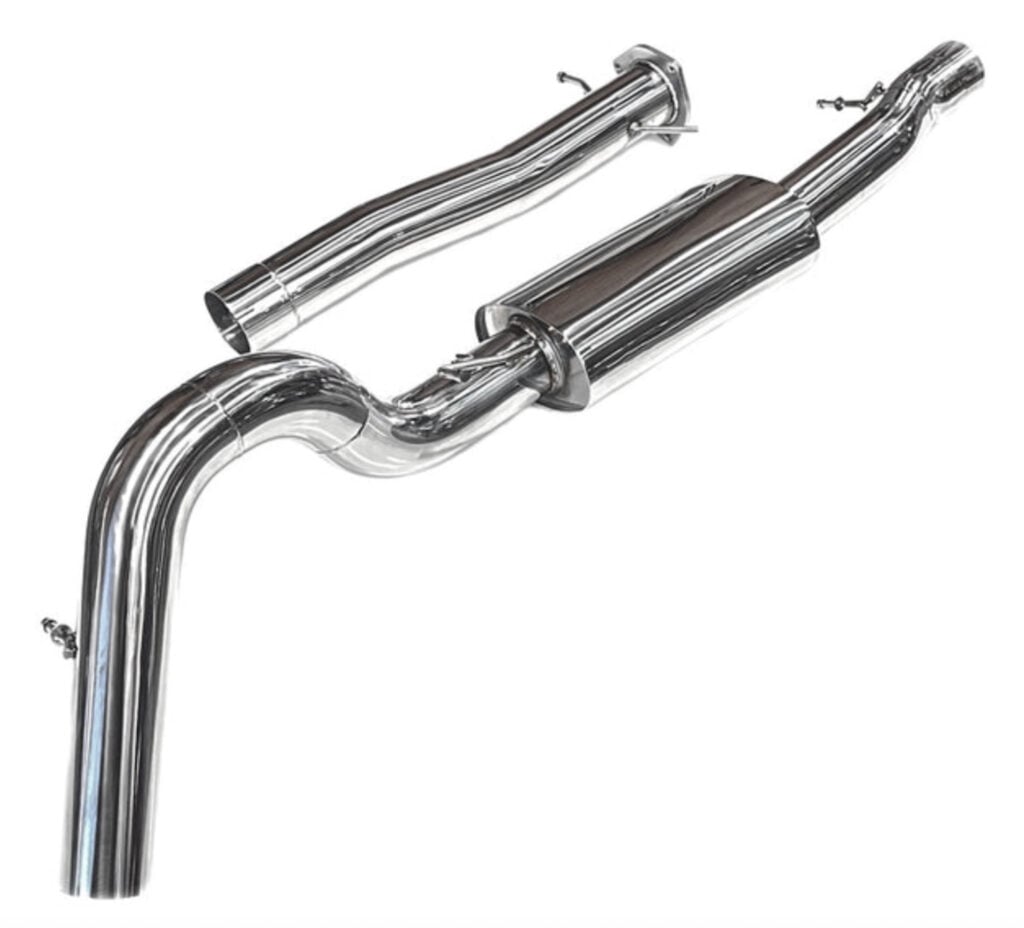
PPD Performance 4” stainless DPF back exhaust
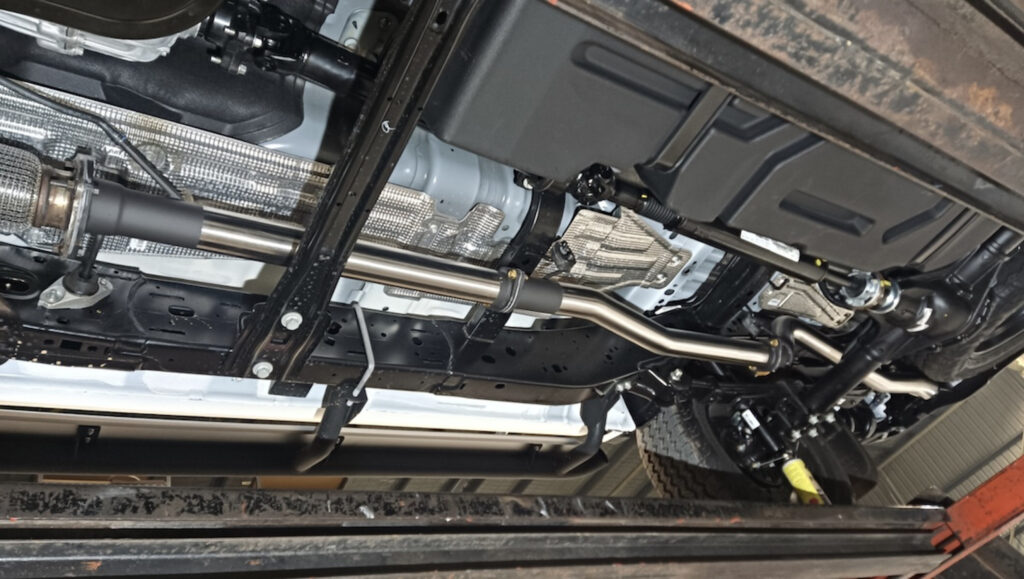
A cost-effective upgrade for the new-gen 3.0L V6 Ranger. The system is designed to replace the factory exhaust and unleash the full potential of the vehicle. It comes in three volume options, allowing the driver to choose the sound that suits their preferences.
The system is made from mandrel-bent, 304 grade stainless steel piping that maximises the flow of exhaust gases, resulting in uncompromising flow, performance and sound. The material is resistant to rusting and corrosion, ensuring it lasts longer than cheaper options. The exhaust is designed for easy bolt-on installation with a fitting kit that includes all required bolts, gaskets and clamps.
Specifications:
- Material: 304 stainless steel
- Diameter: Four inches
- Muffler option: Straight-through; resonator; muffler
Things we like
- Uses factory hanger points
- Supplied with all bolts, gaskets, and clamps
- Pressure port for factory sensor
Not so much…
- Exhaust exit hangs low
MORE
Back to Top
- Material: 304 stainless steel
- Diameter: Four inches
- Muffler option: Straight-through; resonator; muffler
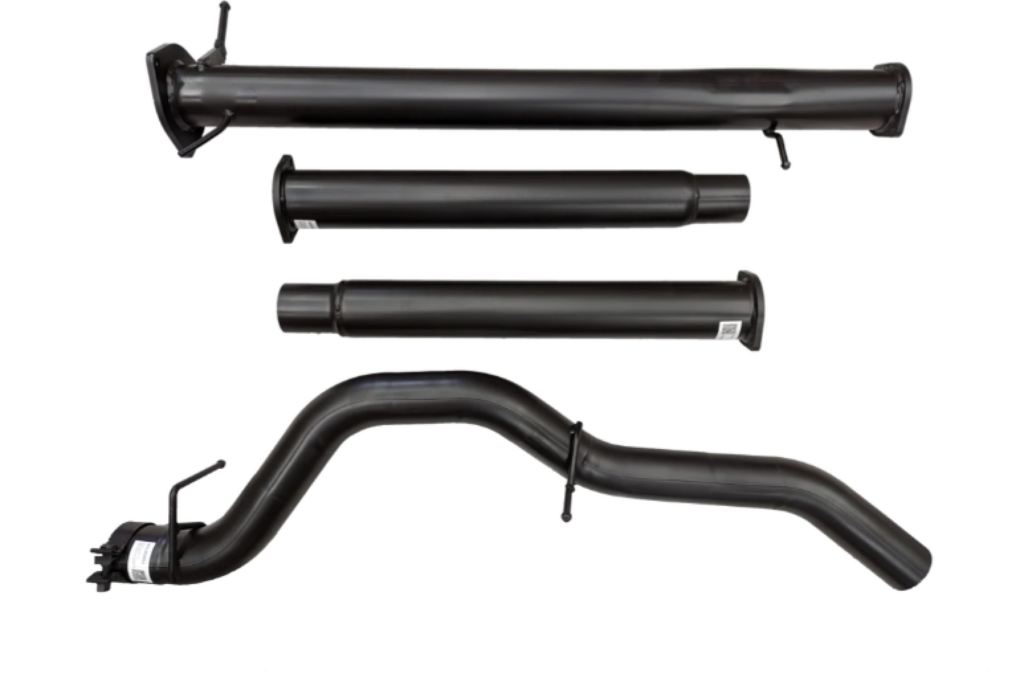
The Outlaw Exhausts DPF back performance exhaust system for the 2022+ Ranger is proudly Aussie made. The intermediate pipe is made of 3 1/2″ S409 stainless tube and is painted in a high-temperature Satin Black finish. It connects directly to the diesel particulate filter (DPF) and includes a 10mm tube to reconnect the emissions sensor.
The inline resonator pipe has been designed to improve exhaust flow and sound compared to traditional muffler or resonator installations. The kit comes with a resonator delete pipe, which allows for maximum flow and sound for enthusiasts.
The tailpipe assembly is mandrel bent from 3″ S409 tube and connects to the resonator pipe with a single bolt clamp. The kit also offers an optional side exit pipe upgrade. This system is designed to improve the performance and sound of a vehicle while maintaining emissions compliance.
Specifications:
- Material: S409 stainless steel
- Diameter: 3 to 3.5 inches
- Muffler option: N/A
Things we like
- Australian made
- High-quality materials
- Inline resonator pipe
Not so much…
- N/A
MORE
Back to Top
- Material: S409 stainless steel
- Diameter: 3 to 3.5 inches
- Muffler option: N/A
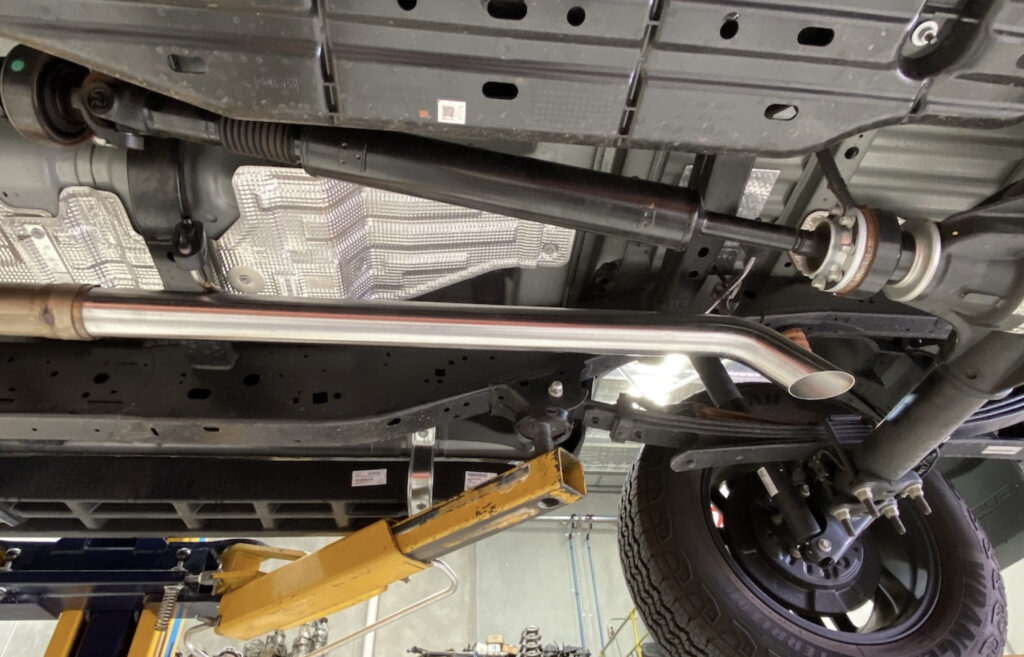
The BPT Motorsport DPF-back sports short exhaust is designed for the next-gen Ranger V6 and is designed to replace the factory exhaust system and improve the performance of the vehicle. The product number for this part is DPFNG30.
Specifications:
- Material: 304 stainless steel
- Diameter: Three inches
- Muffler options: N/A
Things we like
- One piece, no welds
- Complies with emissions and noise ADRs
- Simple installation
Not so much…
- No muffler option
MORE
Back to Top
- Material: 304 stainless steel
- Diameter: Three inches
- Muffler options: N/A
The Manta Performance exhaust system is a stainless steel DPF-back exhaust designed for the next-gen V6 Ranger. The system includes a three-inch stainless steel DPF connector pipe, centre pipe, rear connecting pipe, bolts and gaskets. Manta Exhausts is a reputable manufacturer of quality exhaust systems designed for Australian conditions. The exhaust system is designed to unlock serious performance and produce an awesome note from the V6 engine.
The DPE/Manta Range offers outstanding quality and fitment guarantee, and these systems are manufactured in either aluminised or stainless steel piping to suit all conditions.
Specifications:
- Material: Stainless steel
- Diameter: Three inches
- Muffler options: N/A
Things we like
- Stackable
- Hi-top lids available
- Water and dust resistant
Not so much…
- Not lockable
MORE
Back to Top
- Material: Stainless steel
- Diameter: Three inches
- Muffler options: N/A
An aftermarket exhaust system is a replacement exhaust system for the factory standard exhaust system. The three main types of exhaust systems are: 1. DPF-Back, which replaces the standard exhaust from the outlet of the DPF to the exhaust exit. This is the simplest and cheapest option, and doesn’t affect the DPF. 2. DPF-Delete, which replaces the DPF and exhaust system all the way back to the exhaust exit. (It is illegal to remove the DPF. We’ll talk about this later.) 3. Turbo-Back, which replaces the entire exhaust system from the turbo outlet to the exhaust exit.
Why you need it
Standard exhaust systems are a compromise between performance, sound levels, and compliance with emissions regulations. If you’re simply after a deeper exhaust note, then a DPF-Back exhaust is the best option.
You can choose between different types of mufflers, depending on the noise level you’re after. You won’t get a noticeable change in performance. The biggest constraints on exhaust airflow are in the downpipe after the turbo, within the DPF, and in the mufflers. So if you don’t changethem, you’re really not increasing performance by much at all.
Most DPF-Back systems either replace the muffler with their own muffler or give you the option to remove it altogether. In this case you’ll likely get a small performance benefit. However, it’s unlikely you’ll notice the difference.
Turbo-Back systems replace the entire exhaust system. They’re designed to increase exhaust flows and therefore engine performance. However, modern diesel engines have complex emissions systems and usually a pressure sensor or two in the exhaust system. This means you’ll probably need to cough up for an ECU remap at the same time. Whether the extra performance is worth the money is something you need to consider.
Buying tips
Deleting the DPF (diesel particulate filter) is illegal. There’s no getting around this. A DPF is there for a reason. It stops toxic crap from spewing out of your exhaust pipe… known carcinogens, soot particles which lodge in your lungs, and so on.
Vehicle manufacturers don’t fit DPFs for the sheer pleasure of it. They do it so their vehicles comply with emissions regulations. If you decide to remove a DPF, that’s your choice. But before you do, think carefully…Many aftermarket businesses openly advertise DPF-Delete exhaust systems. What they don’t advertise is that you’re up for an $11,000 fine if you get caught – $22,000 if it’s registered as a company vehicle.
Right now, it’s rarely enforced. However, there’s no reason in the world why government authorities won’t crack down in the near future. They’d make fortune in fines if they did. And it’s dead easy to tell if a vehicle has a DPF-delete. Stand on any street corner and listen for the turbo whistle coming from a new or near-new diesel ute. The driver might as well paint a huge sign across the tailgate saying, “This vehicle has a DPF-delete”.
The EPA are just a bit more technical than this. They have the gear to instantly detect whether your DPF is working, by monitoring vehicle emissions from the tailpipe. The roadside test takes a couple of minutes… and could be the most expensive two minutes of your life.
DPF-deletes also void your insurance. You can guarantee an insurance assessor will look closely at your DPF during an assessment. And why wouldn’t they? A vehicle without a DPF is considered unroadworthy, so it’s an easy way to reject a claim.
By now you won’t be surprised to learn that DPF-deletes void your vehicle warranty. No vehicle manufacturer is going to warrant a car if you’ve made it unroadworthy. And like any insurance assessor worth their salt, a mechanic will know instantly if the DPF has been deleted. And yes,that includes the DPFs which have the innards removed.
Whether you decide to delete a DPF is ultimately your decision. But be aware of the potential and very real implications… $11K fine, no insurance, no warranty, not to mention the crap you’re skewing into the air we all breathe. Is it really worth the risk?
What else to look out for?
People generally go for DPF-delete or Turbo-Back exhaust upgrades because they’re chasing performance. They want the engine to breathe easier, so it can produce more power. Just be aware that either option involves an expert plugging their laptop into your vehicle and doing some very specific electronic wizardry.
Exactly what they do depends on the vehicle make and model. They might have to recalibrate back-pressure sensors, trick the ECU into thinking a certain sensor’s still there when it’s not, and so on. You pay for this expertise. It can add substantially to the price of the exhaust upgrade. Chances are, it’ll also void your vehicle warranty.
Be aware, if you take your vehicle to a dealer for services, they often do software updates. When they upload the software, they’ll likely overwrite all those software changes you just paid the exhaust supplier for. You’ll end up with a dashboard full of warning lights, lit up like a Christmas tree… and most likely a vehicle stuck in Limp mode.
Best materials
The best material is 304 (or 316) stainless steel because it doesn’t rust. Rust is a big factor in modern diesel exhaust systems. Why? Because with modern emissions technology, diesels no longer emit a cocktail of soot and crap. This gunk used to coat the inside and prevent it from rusting, before emission controls were a thing. Now however, the exhaust from the tailpipe is clean, so exhaust systems tend to rust out.
Grades of stainless steel other than 304 or 316 usually contain more iron and are prone to rusting. The best way to check is with a magnet. Stainless steels with a low iron content are non-magnetic. If it doesn’t stick to the exhaust, then you’ll be fine.
So, which one?
If you’re after a louder and/or deeper rumble from your new 4×4, a DPF-Back exhaust system is the way to go. They’re easy to install, relatively cheap, and you’ll find a muffler to suit your preferred noise level if you shop around.
If you’re after performance, that’s a whole different ball game. There are so many variables, depending on the make and model. You’ll most likely need an installer who can re-program the ECU to suit the system, and you might even be up for a full ECU remap. Talk to a few suppliers and see what they offer before forking out for a Turbo-Back exhaust system.
We spoke in detail about potential warranty issues. That’s something you need to decide – is the extra performance worth voiding the warranty? What other performance upgrades can you do without voiding the warranty? That’s why you need to find reputable suppliers who can help guide you through these issues.
Note: DPF-deletes are illegal and 4×4 Australia does not condone them in any way
MORE
Back to Top
How we review products
4X4 Australia has been reviewing four-wheel drive vehicles and aftermarket products for more than 40 years.
When looking for the best accessories for your make and model of 4WD, there are some things essential to making sure you have the best off-roading experience.
When we compare products, here are some of the things we consider:
- Warranty
- Build quality
- Value for money
- Time and ease to set-up/install
- Weight
- Fit and finish
- How well it gets the job done
- What materials they’re made from
- Corrosion/UV resistance
- Coatings
- Compatibility with other accessories
- Compliance with ADRs and vehicle safety systems
- Country of manufacture
- Load ratings, to determine what’s the best product across each price point.
Disclosure: When you buy through our links, we may earn a commission. We also include products that we do not earn a commission from.
MORE
Back to Top
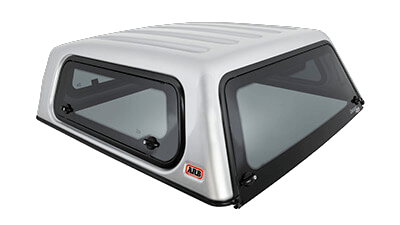
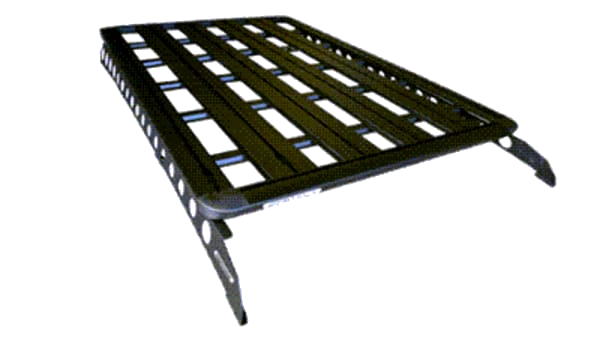
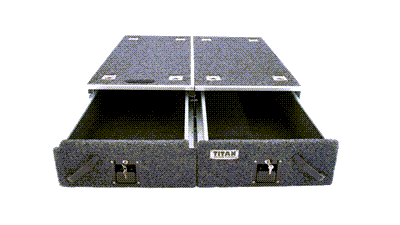
With the 12-volt power system and MSA Power Slide fitted in the Trig Point canopy on our Ranger, we could finally install our portable fridge.
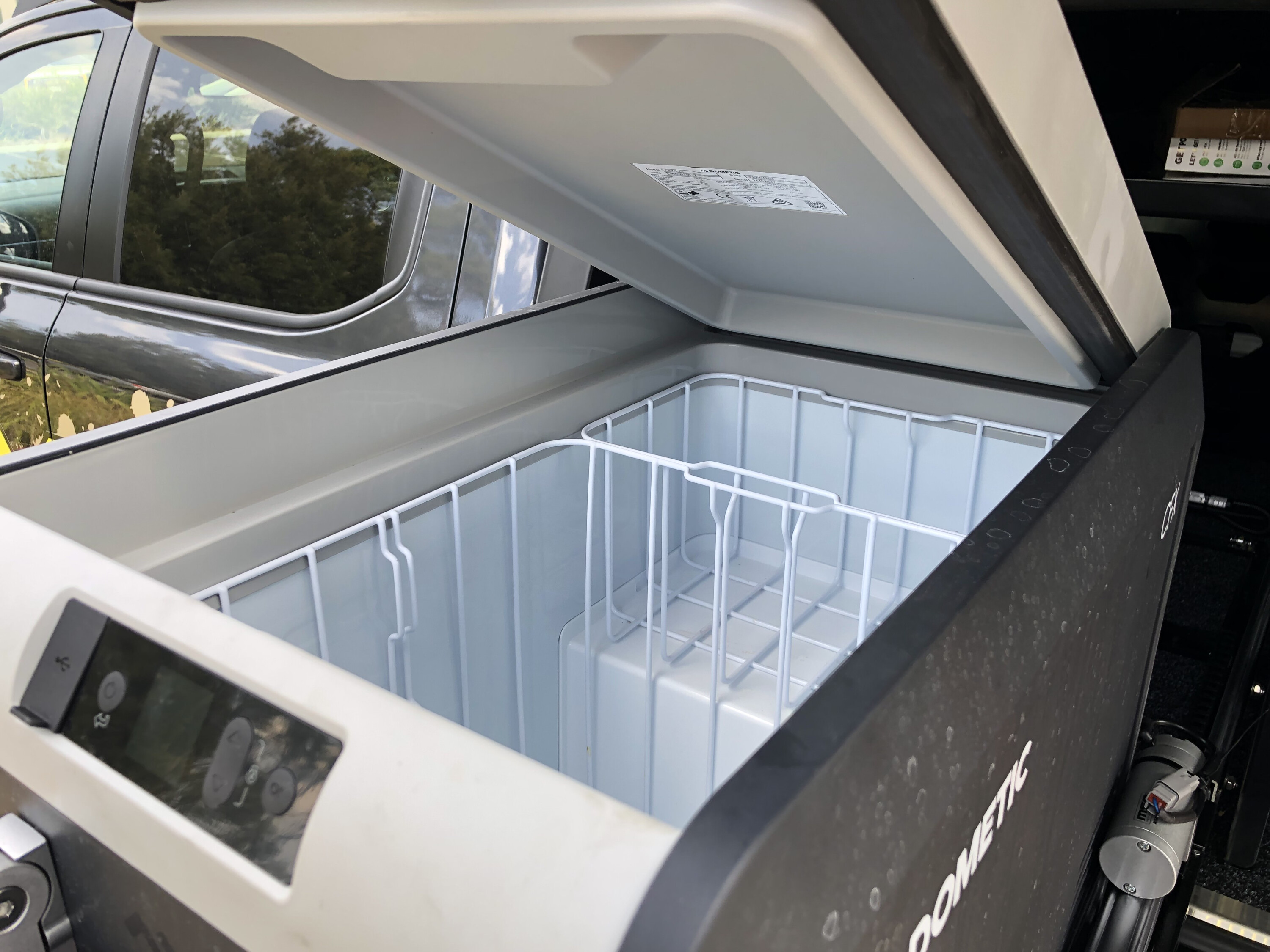
For this application we’ve gone with a CFX3 45 from Dometic as it fits in the space available to us and should be more than adequate for our needs. Dometic tells us it actually has a 46-litre capacity and it will hold 67 standard drink cans.
The CFX3 range of portable fridge/freezers is the latest from Dometic and uses the brand’s VMSO3 compressor for optimum cooling. Like most fridges of their ilk, the CFX3 models can be powered by 12-volt, 240V or solar power. There are seven models in the CFX3 range from the CFX3 35 up to the massive CFX3 95 dual-zone unit.
The midsize CFX3 45 we’ve chosen retails for $1549 on the Dometic website.
Upgrade your Ranger
1
The first thing we noticed about the CFX3 is that it feels incredibly lightweight compared to other fridges of similar size and we were surprised to read that it tips the scales at 19.4kg, according to Dometic. As you’re no doubt aware, minimising weight in a 4×4 is vitally important.
The 398mm width of the unit means it just scrapes into the MSA Power Slide albeit with plenty of room for its 694mm length. The fridge is 476mm high with the lid closed.
The external case of the fridge is made from tough plastics with reinforced sections at the corner edges for durability.There are folding aluminium handles at each end to make carrying it easy, and these also act as tie-down points to secure it in the vehicle.
Inside the fridge you’ll find an easy to wipe out surface with a drain plug in the base and a coated wire removable basket with a divider for your cold goodies. These all make for easy use and cleaning of the fridge itself.
1
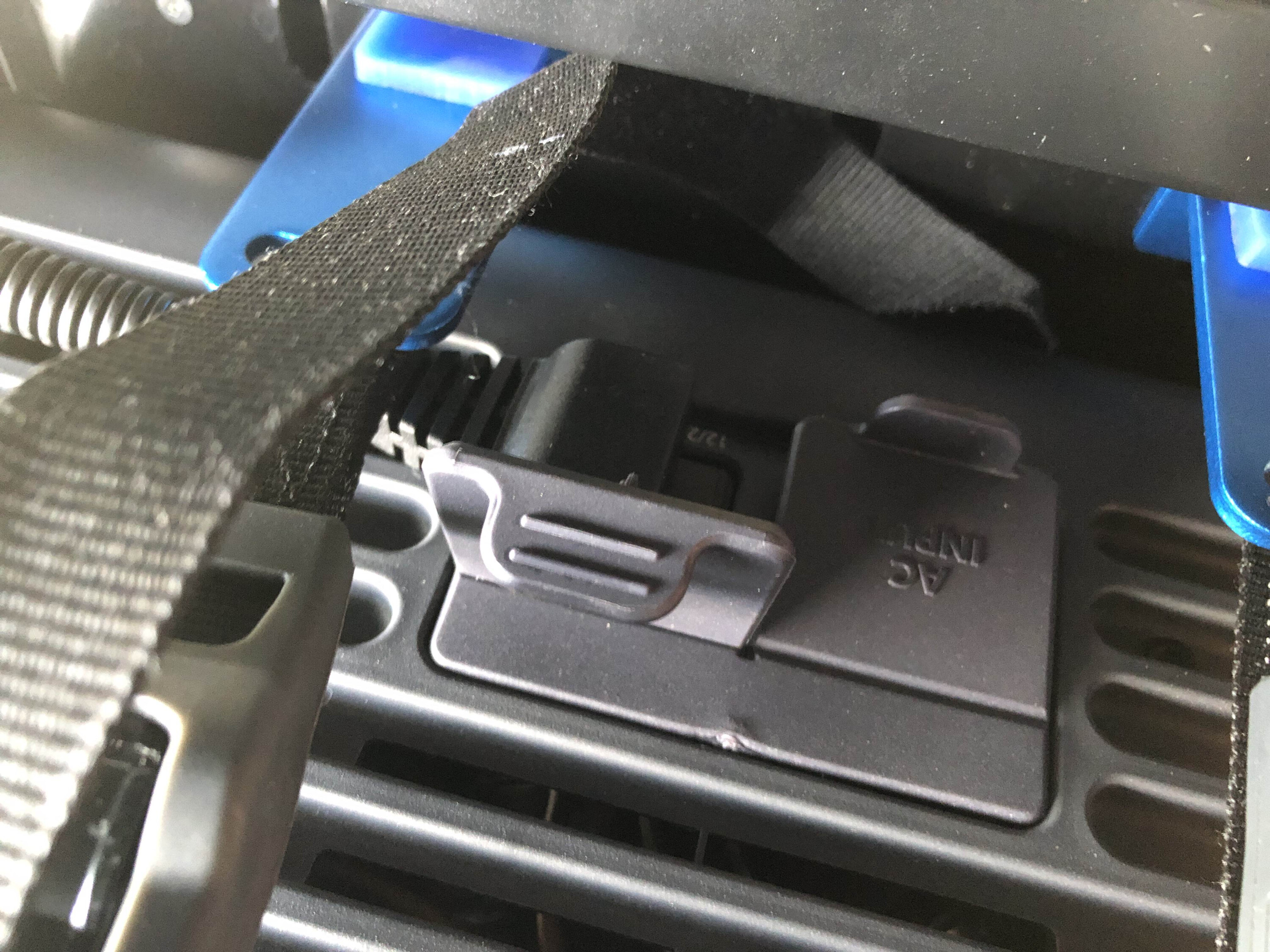
As mentioned, the fridge can be powered by either 12V DC or 240V AC power via the plugs at the back of the unit and the supplied power cords. This fridge really couldn’t be any simpler and again, this is what you want from it.
Temperature control (down to -22°C), three battery protection modes and the digital readout are all accessed at the front of the fridge in a weatherproof touch panel. You can also perform functions by linking the fridge to the free CFX3 app on your phone, which then allows you to monitor the temperature in the fridge remotely and set warning alarms should the temperature inside the fridge reach a programmable setting.
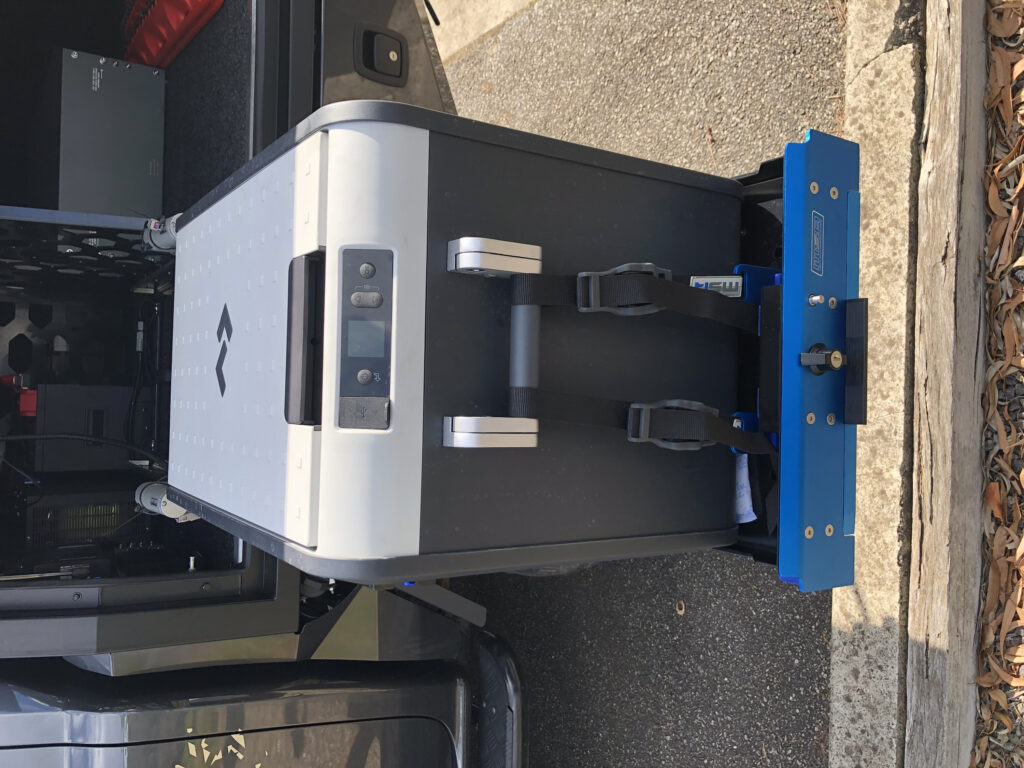
A lightweight, midsize fridge that is ideal for vehicle-based cooling. RRP: $1549
This is a great feature to ensure the fridge is working as it should and protect your food and drink inside should the power to the fridge drop out for whatever reason.
We’re yet to head away with the fridge full of cold supplies but so far it has kept the water bottles cold on a few photo shoots we’ve been on. Needless to say, we’re keen to stock up the CFX3 and head out on longer adventures to put it to good use.
MORE
Everything Ford
4X4 Australia's project builds
Whether you’re a seasoned camper or just starting out, here are some of the best deals at the Caravan RV Camping Easter Clearance Sale. The sale is live now and ends at midnight 13/04/2023 AEST.
Tents and awnings
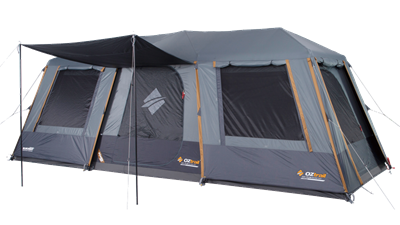
Whether you’re a solo camper or need a tent that can accommodate the whole family, you’ll find a range of high-quality tents at discounted prices. From compact pop-ups to spacious cabin-style tents, there’s something for every type of camper.
Dometic Daydream 6 AIR
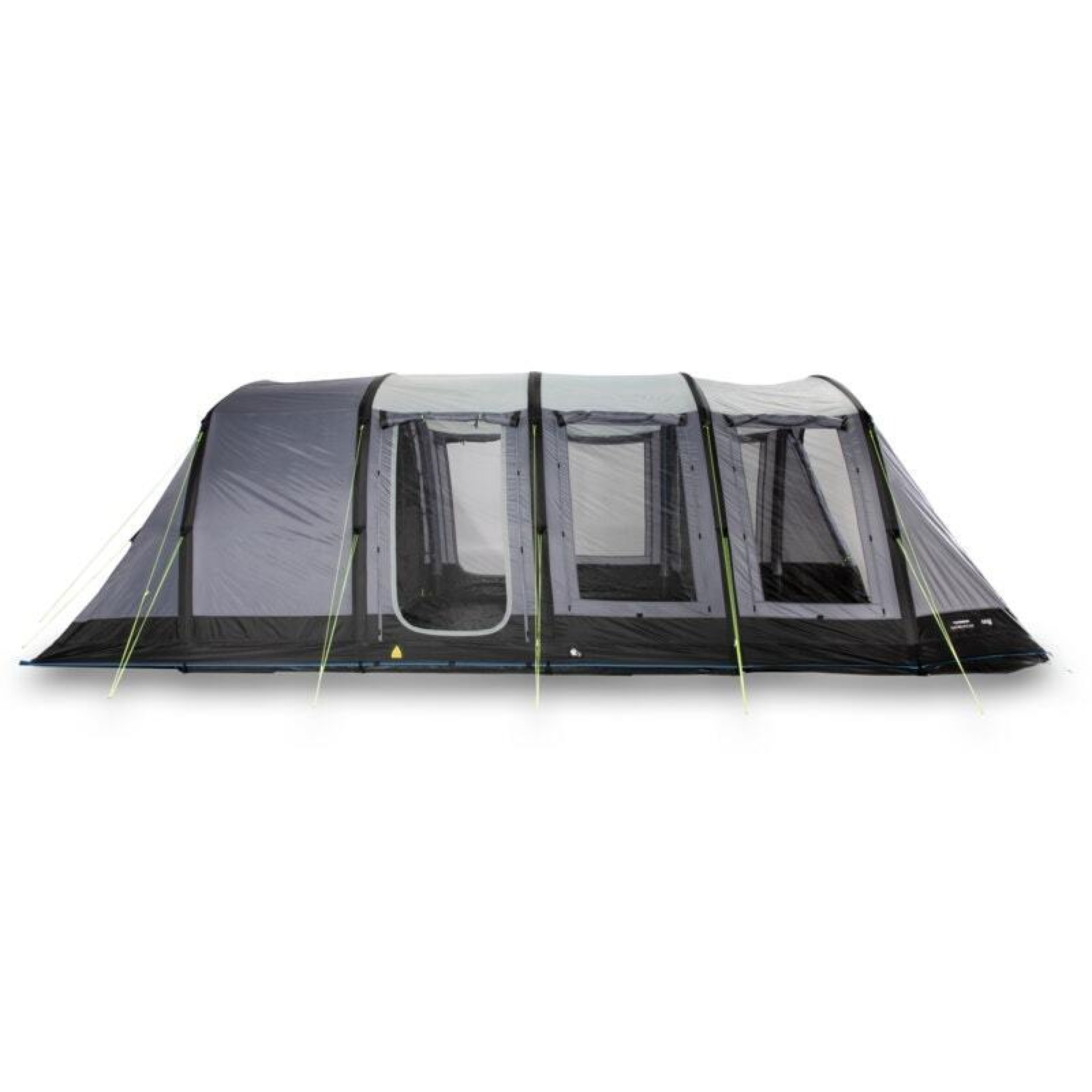
The Dometic Daydream 6 AIR inflatable camping tent is a spacious and durable tent designed for up to six people. It features an inflatable airframe that can be easily set up using an included pump, eliminating the need for traditional poles.
1
The tent also includes multiple doors and windows with mesh screens for ventilation and insect protection, as well as a built-in groundsheet to keep you dry and comfortable. With a peak height of 2.3m and a floor area of 12.3sqm, this tent offers plenty of room to move around and relax during your next camping trip.
Fiamma F45s awning
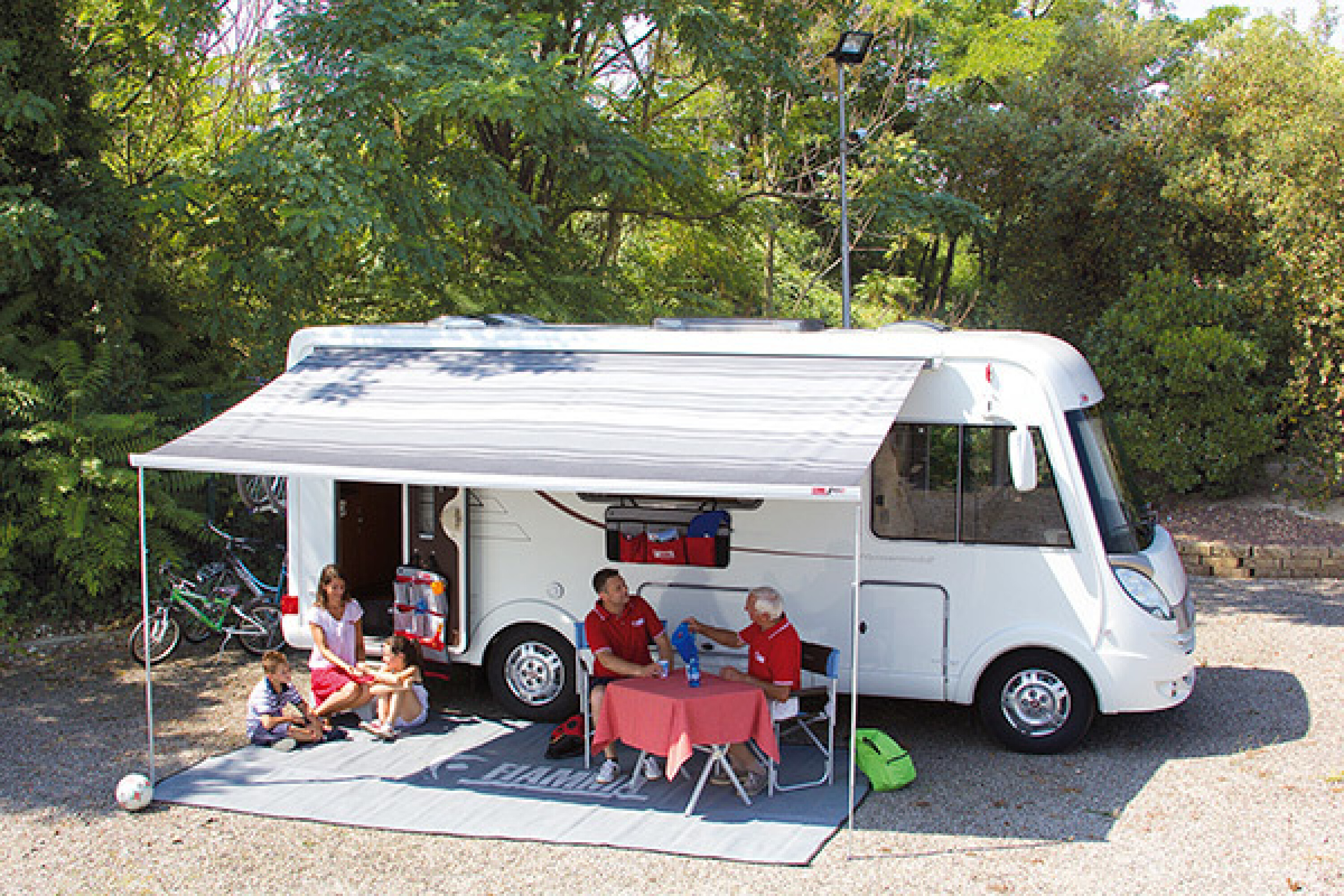
The Fiamma F45s 300 is a high-quality and durable awning designed for caravans and RVs. With a length of three metres and a sleek grey finish, this awning is not only stylish but practical, providing ample shade and protection from the sun and rain.
1
It comes equipped with an easy-to-use crank handle, adjustable legs and an optional privacy room, making it a versatile addition to any outdoor adventure.
Camping furniture
Make yourself at home when out on the road, with comfortable camping furniture. With a variety of styles and sizes available, you’ll find the perfect pieces to suit your needs.
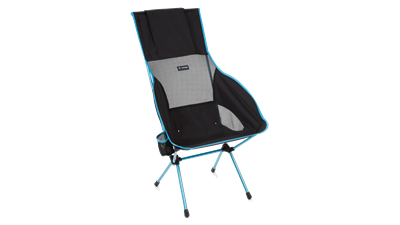
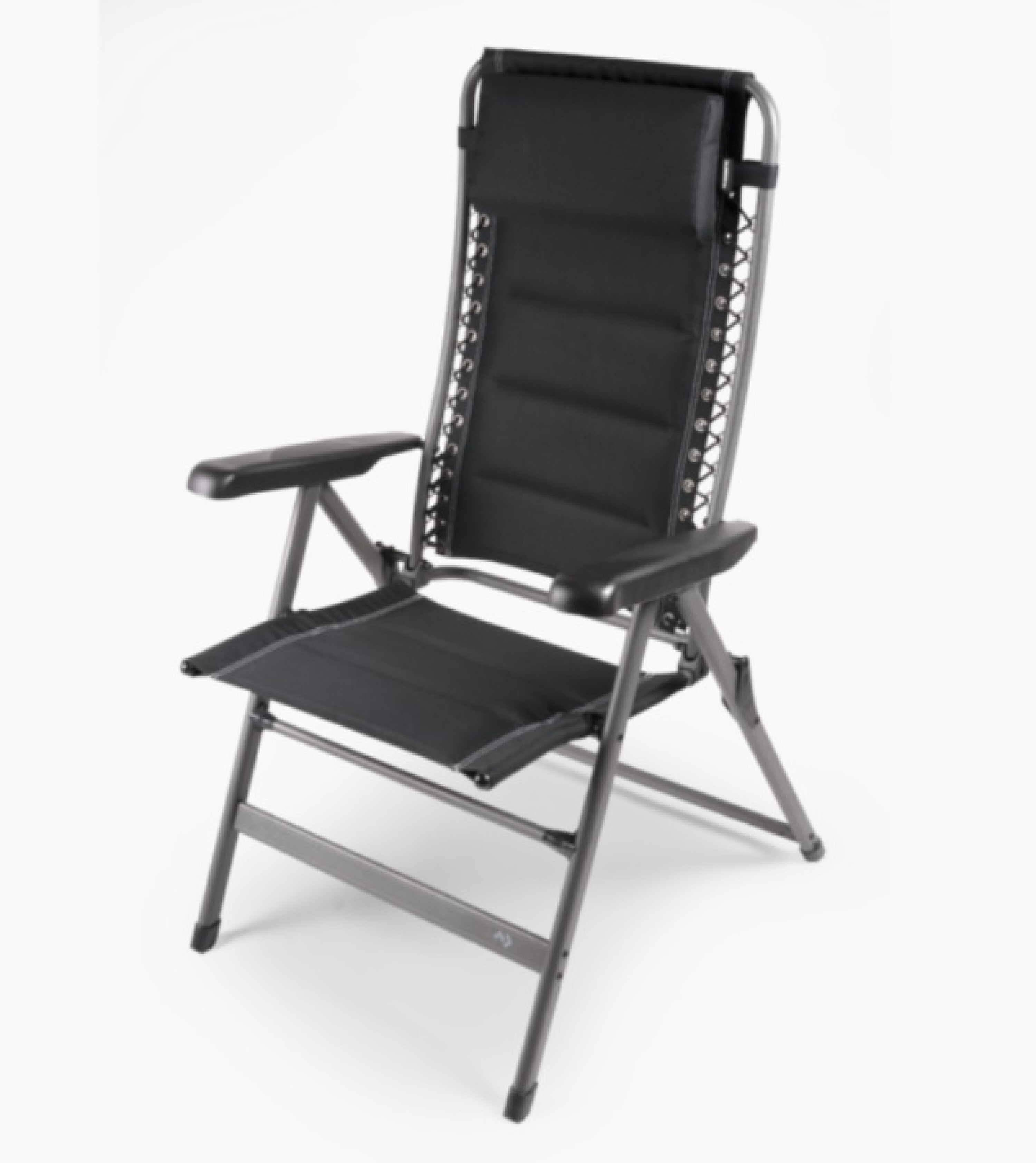
Dometic Lounge Firenze reclining camping chair
The Dometic Lounge Firenze reclining camping chair is a premium camping chair that offers both comfort and convenience. It features an adjustable headrest, padded armrests, and a sturdy frame that can support up to 150kg.
1
The chair can also be reclined into multiple positions, allowing you to find the perfect angle. When it’s time to pack up, the chair can be easily folded and stored in the included carry bag, making it ideal for camping trips and outdoor events.
Outdoor cooking gear
From portable grills to cast iron cookware, this sale has everything you need to cook up a storm in the great outdoors.
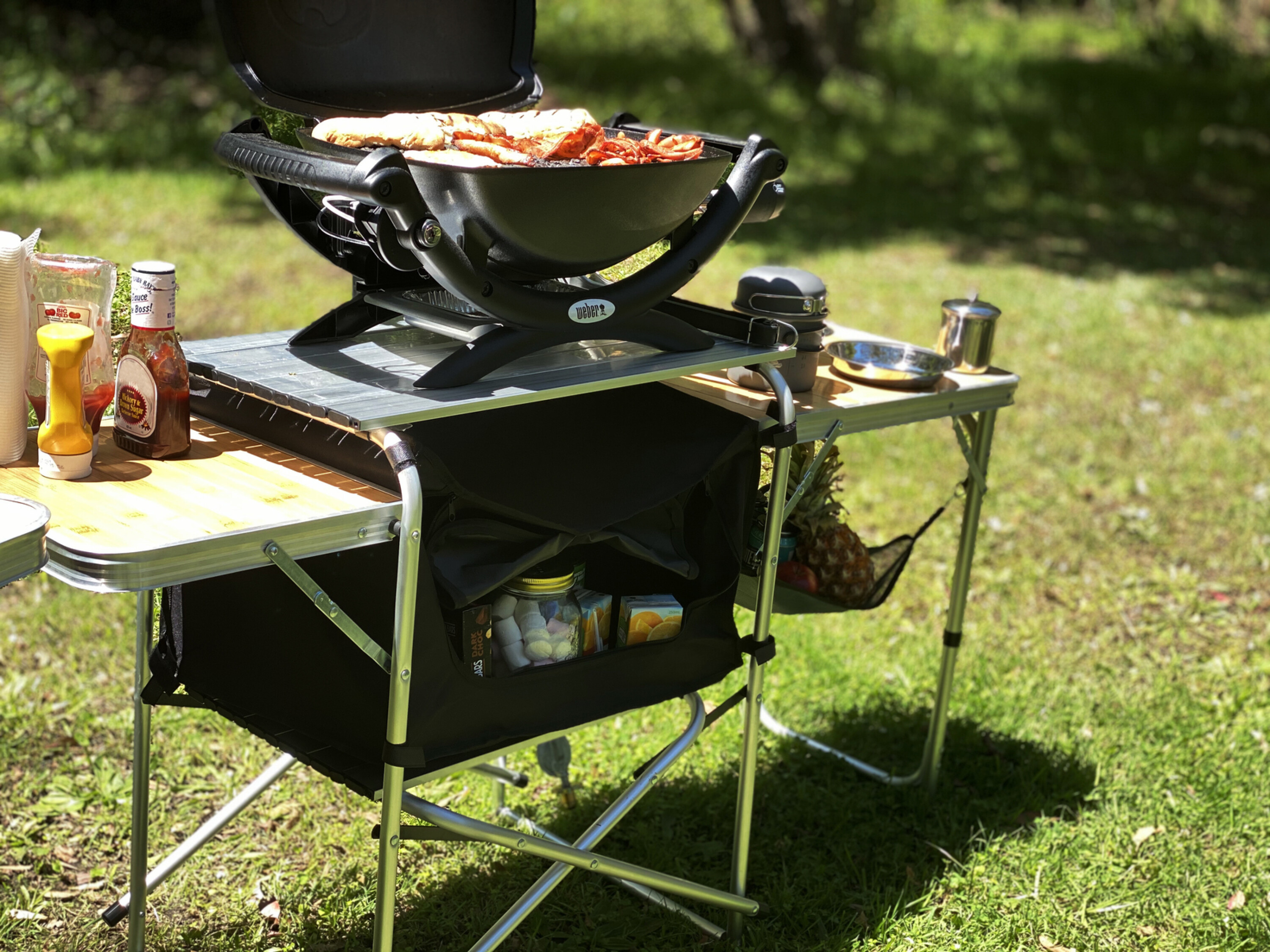
BlackWolf Camp Kitchen
The Blackwolf Camp Kitchen is a portable and versatile camping kitchen that’s perfect for outdoor cooking and meal prep. With a durable steel frame and aluminium slat top, this kitchen is built to last and can support up to 30kg of weight.
1
The kitchen features a built-in sink with a tap and drain, and a fold-out side table for extra workspace. When it’s time to pack up, the kitchen can be easily folded and stored in the included carry bag.
Dometic Patrol 55 Mist 54.3-litre insulated icebox
The Dometic Patrol 55 Mist 54.3-litre insulated icebox is the perfect solution for keeping food and drinks cool while on the go. Its 54.3-litre capacity can hold plenty of food and drinks, making it ideal for camping trips.

1
The icebox features thick, high-quality insulation that keeps ice frozen for up to 10 days, ensuring your food stays fresh and cool even in hot weather. The icebox is highly durable, with a tough exterior and stainless steel hinges that can withstand the rigours of outdoor use.
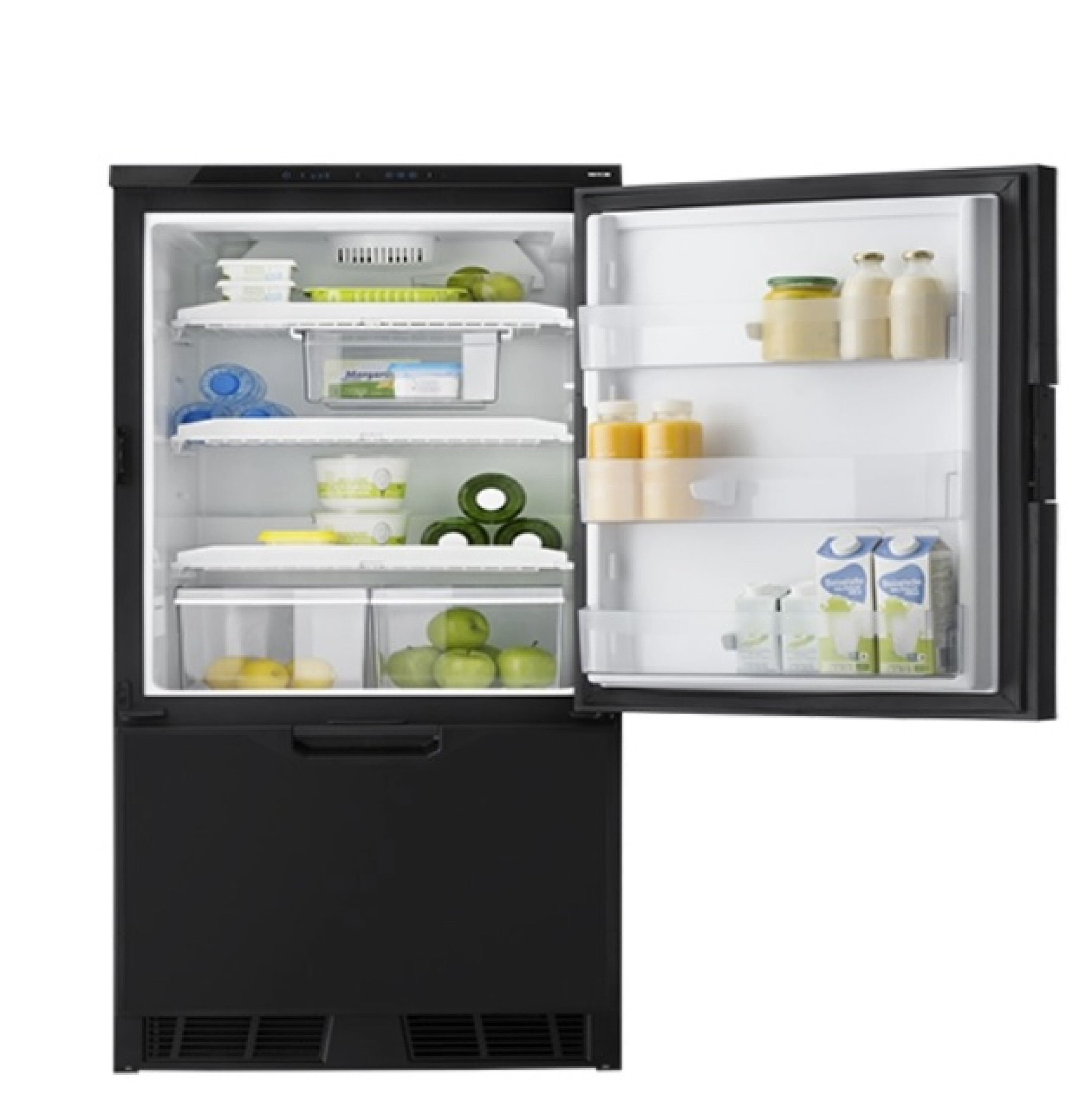
Thetford T2175C 174-litre 12V compressor fridge
The Thetford T2175C 174-litre 12V compressor fridge is a high-quality and spacious fridge that’s perfect for use in caravans and mobile settings. With a 174-litre capacity, this fridge can hold plenty of food and drinks, and features adjustable shelves and a convenient LED lighting.
1
It’s powered by a 12V compressor, making it highly energy efficient and suitable for use with batteries and solar panels. It also features advanced cooling technology, which maintains a consistent temperature even in hot weather. The fridge is easy to install and features a sleek and modern design that looks great in any setting.
Caravan and RV accessories
Seasoned caravanners know that having the right accessories can make all the difference when travelling. Stock up on essentials like water tanks, awnings and solar panels, and take your adventures to the next level.
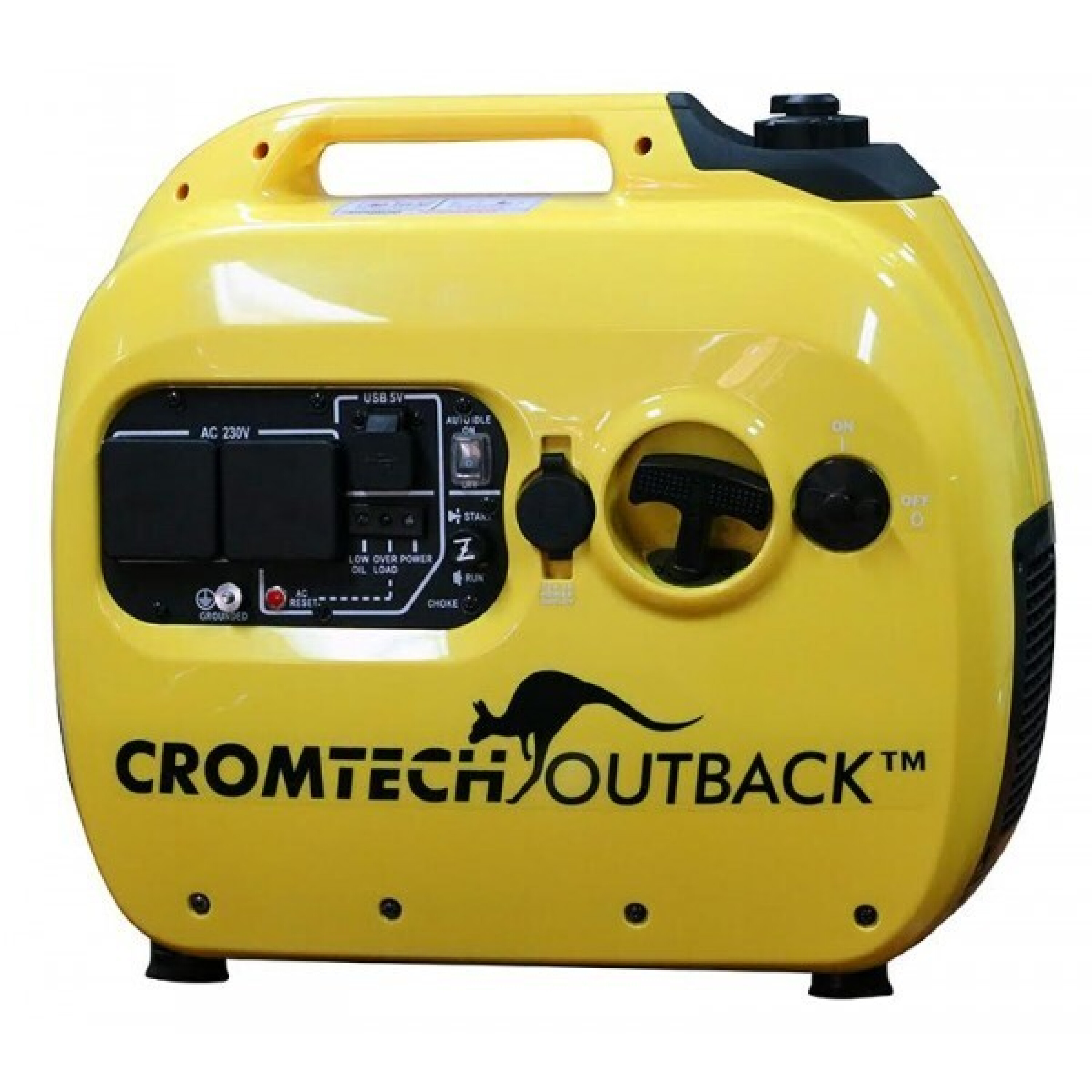
Cromtech Outback Inverter Generator
The Cromtech Outback Inverter Generator is a reliable and versatile power source that’s perfect for outdoor activities. With a maximum output of 2.4kW and a running output of 2.0kW, this generator can power a range of appliances and devices, including laptops, lights, and small appliances.
1
It features a compact and lightweight design, making it easy to transport and store, and has a range of safety features including low oil alert and overload protection. The generator is also fuel-efficient, with a 4.2-litre fuel tank that can provide up to six hours of continuous operation at 50 per cent load.
Electronics and gadgets
Stay connected on the road with a range of gadgets designed for camping and outdoor use. Portable chargers, GPS devices and Bluetooth speakers are all available at discounted prices.
Englaon 24-inch Full HD Smart 12V TV with built-in DVD player
This versatile and convenient TV is perfect for use in caravans, RVs and other mobile settings. It features a built-in DVD player, eliminating the need for an external player and saving you space.

1
With its compact size and lightweight design, it’s easy to transport and store, and can be powered using a 12V DC input, making it ideal for use with batteries and solar panels. The TV also features advanced LED technology, providing clear and vibrant picture quality, and can be easily connected to other devices using HDMI, USB and other ports.
Englaon 24-inch HD Smart 12V TV with built-in Chromecast and Bluetooth Android
With built-in Chromecast and Bluetooth, this TV can easily connect to your smartphone or other devices, allowing you to stream your favourite shows and movies. The TV is also equipped with Android 11, giving you access to a range of apps and features.
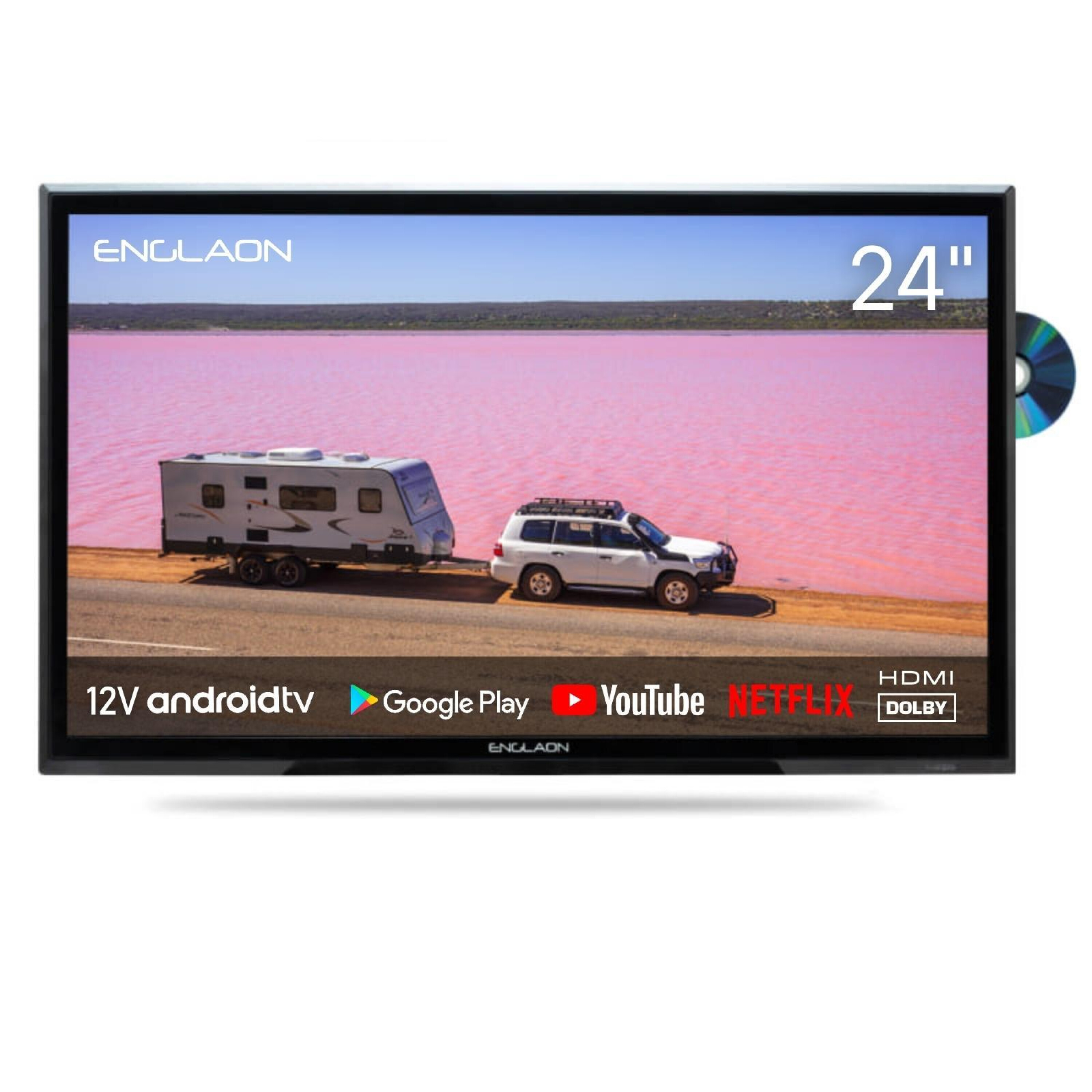
1
It can be powered using a 12V DC input, making it ideal for use with batteries and solar panels. With its compact size, lightweight design and advanced features, this TV is a must-have for anyone looking to enjoy quality entertainment on the go.
RV WiFi bundle with High-Gain antenna
The RV WiFi 4GX portable caravan WiFi internet bundle is a must-have accessory for any caravan or RV owner who wants to stay connected while on the road. The bundle includes a High-Gain antenna and a portable WiFi router that supports 4GX LTE and WiFi connections, providing fast and reliable internet access even in remote areas.
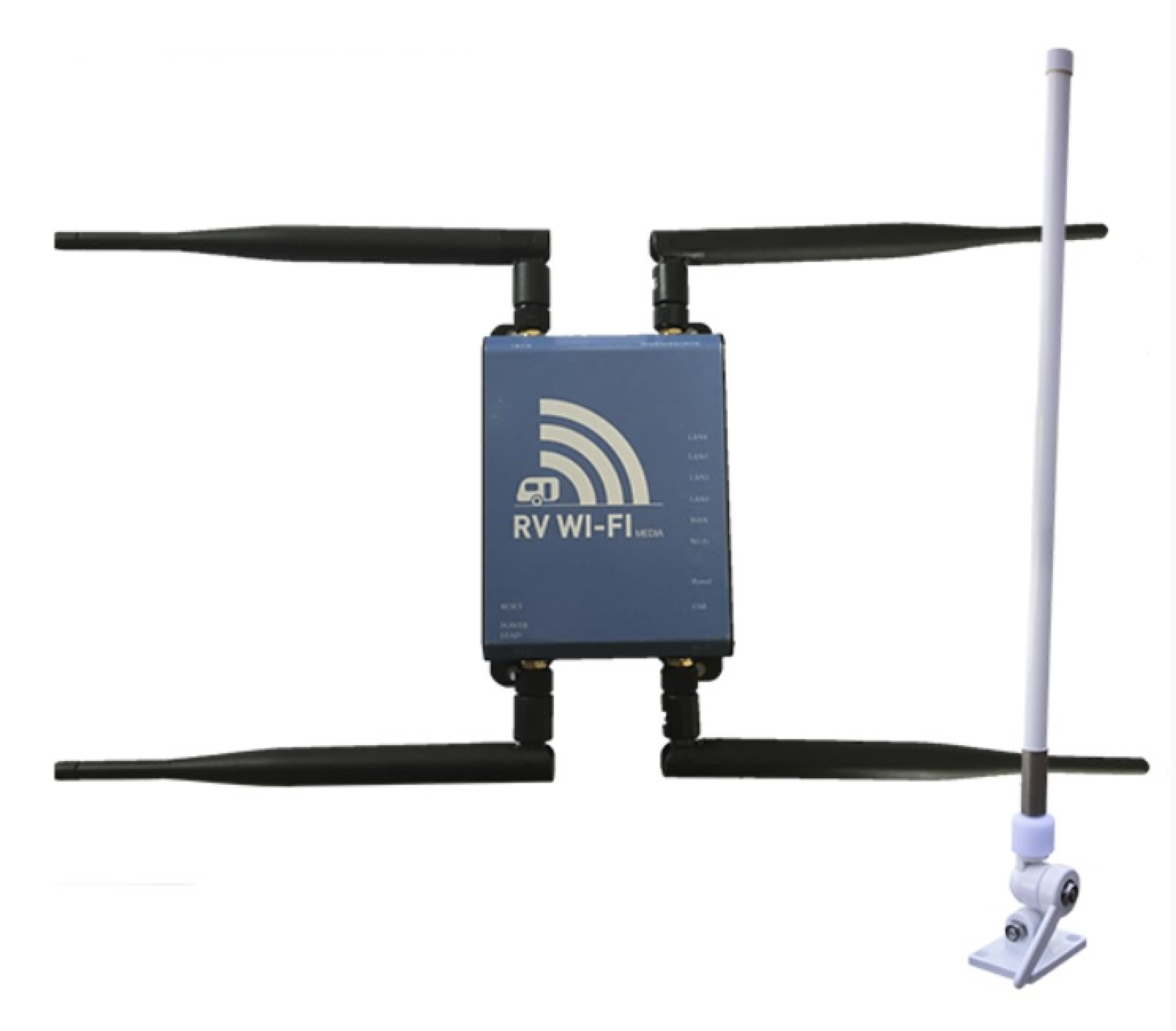
1
The router can be easily set up and controlled via a smartphone app, and can be powered using a USB port or a 12V DC input. With this bundle, you can enjoy seamless internet access and stay connected with family and friends no matter where your travels take you.