With the range of Bluetti portable power stations available, is there still a need to spend time and money installing an auxiliary battery system or inverter in your 4WD?
Many of the models in the Bluetti line-up can power a 12-volt fridge; safely recharge camera, chainsaw, power-tool and laptop batteries; and be used to run a hairdryer, coffee machine, milk frother, toaster and kettle … so buying a portable power station is a no-brainer.
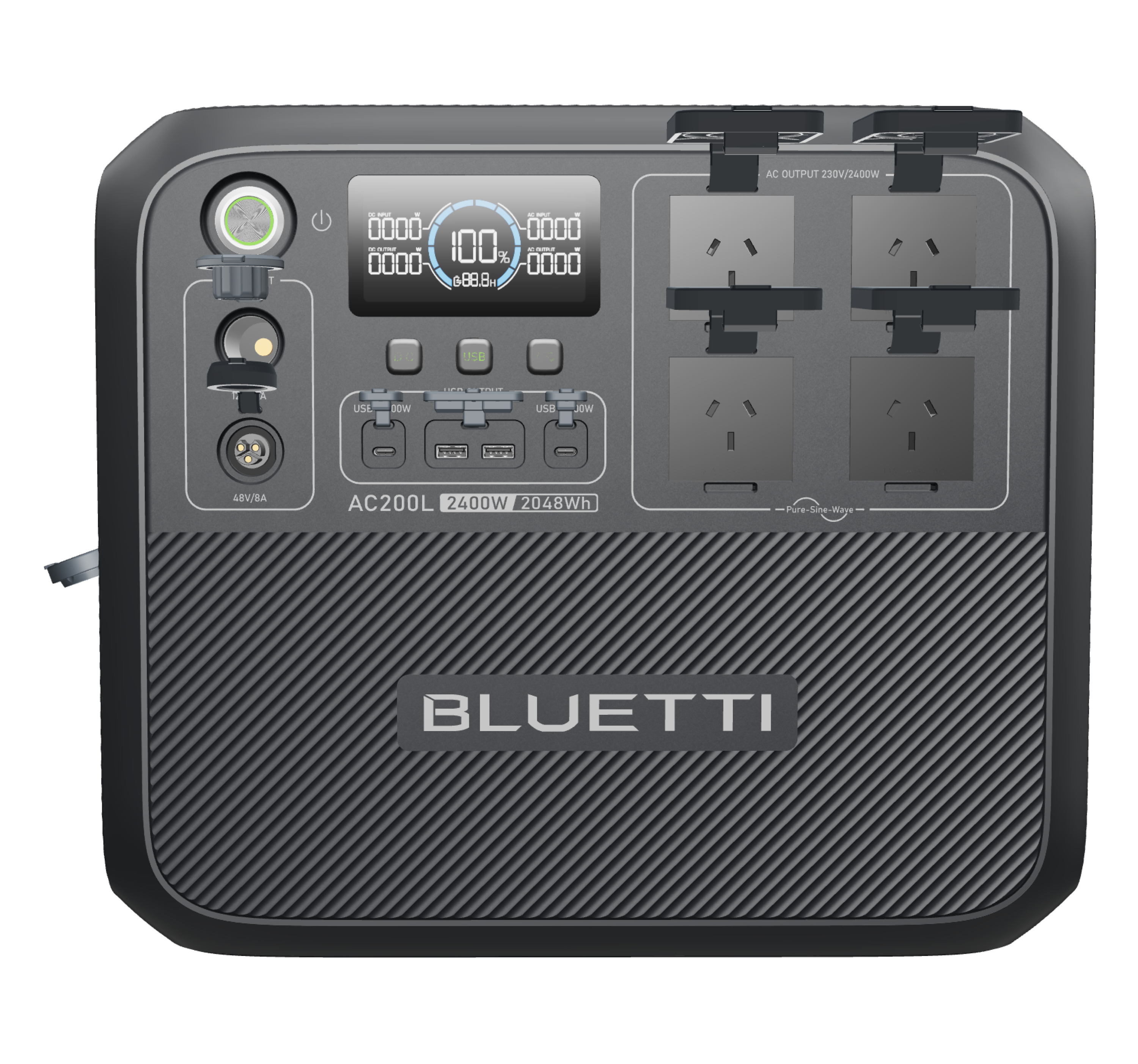
The latest offering from Bluetti is the AC200L, a step up from the AC200MAX. This model leads the pack with groundbreaking improvements in charging speed, output power, more intuitive LCD display, unobtrusive operation and energy efficiency. It has the same capacity as the AC200MAX, but with a higher output of 2400W that can be uplifted to 3600W for heavy-duty equipment. The AC200L provides a one-stop solution to meet your daily electrical needs when camping or exploring.
4
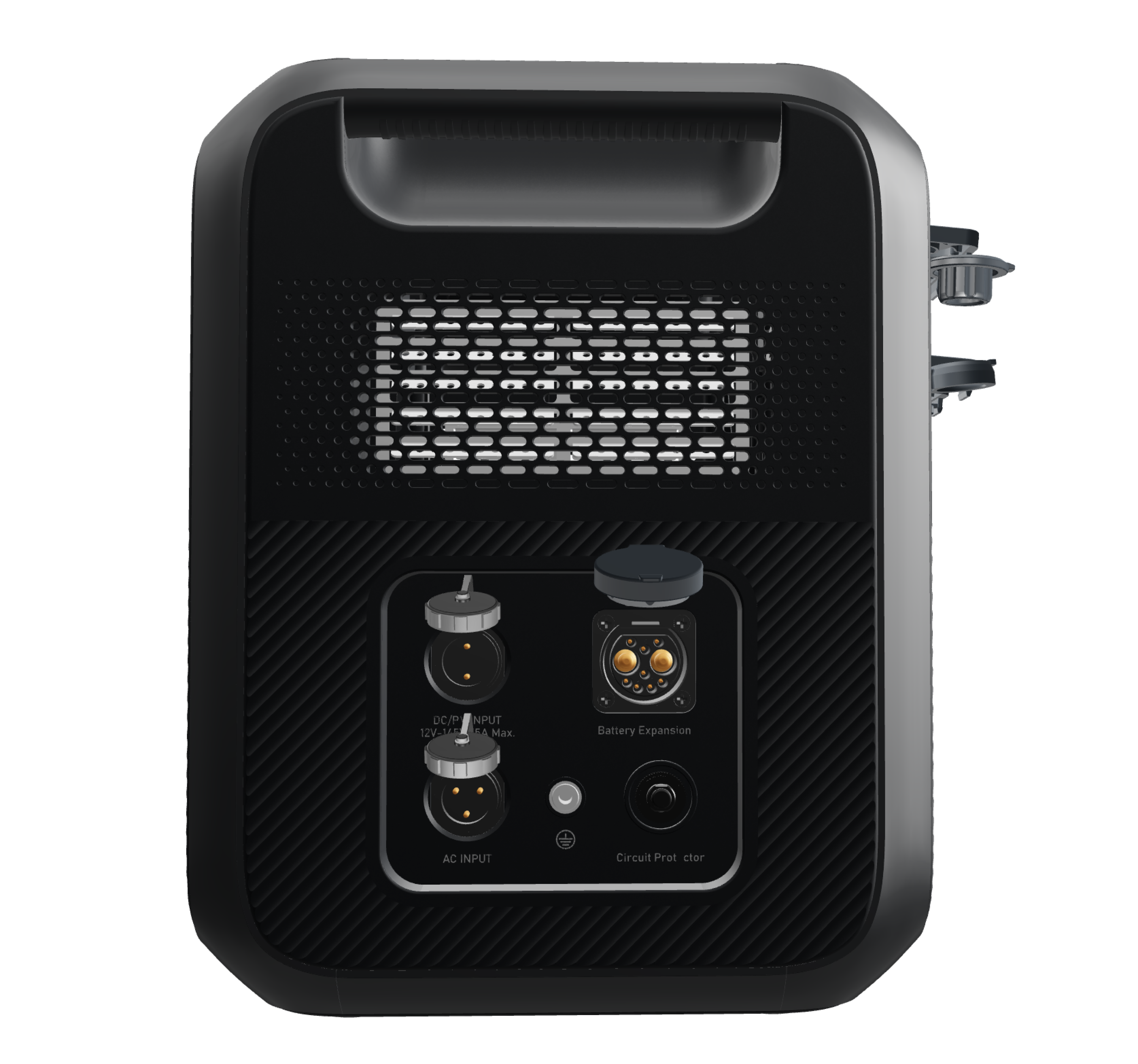
With the AC200L’s 2400W AC input, you can charge the 40Ah LifePO4 Lithium Iron Phosphate battery from 0 to 80 per cent in 45 minutes. Charging times using a Bluetti solar panel are also impressive at 1200W which charges it up from 0 to 80 per cent in only 90 minutes. When you plug it into both AC and solar, the AC200L automatically prioritises the solar intake. You can also recharge the AC200L while driving via the supplied 12/24V power cable.
The pure-sine wave inverter powers four 230V/10.5A AC outlets at a total of 2400W, to keep your fridge and induction cooktop humming for hours. There are also two 100W USB-C ports and two 18W USB-A ports to power-up or charge smartphones, camera batteries and Bluetooth speakers. There is also a 48VDC/8A RV outlet and a 12V/10A power outlet. It is disappointing that there isn’t a wireless charging pad on the top of the AC200L.
The Bluetti AC200L expands seamlessly with the B210, B230 and B300 expansion batteries so that you can increase the capacity of the AC200L to an incredible 8192Wh; although, we see this as being practical for power outages at home rather than out in the bush.
1
The LifePO4 Lithium Iron Phosphate battery has a shelf life of 3000+ cycles to 80 per cent original capacity, which offers value for money over the life of the AC200L. Bluetti recommends the unit be recharged to 80 per cent every three to six months.
Weighing in at 28.3kg the Bluetti AC200L portable power station is heavy, but the sturdy built-in handles on either side of the unit make it easier to move around. The unit measures 420mm long, 280mm wide and 366.6mm high, and comes with a five-year warranty.
The recommended retail price of the AC200L is $2999, but we have seen it up to $200 cheaper on the website as well as at reseller stores such as Bunnings.
With plenty of fuel-efficient hybrids in the small and medium segments, Toyota is one of the better-prepared brands under Australia’s looming New Vehicle Efficiency Standard (NVES).
Toyota Australia is ultimately for NVES, and while Option B suits the brand’s passenger cars and light SUVs, it’s worried about the effect on its larger models.
Australia’s best-selling brand is angling for some changes in its upcoming submission.
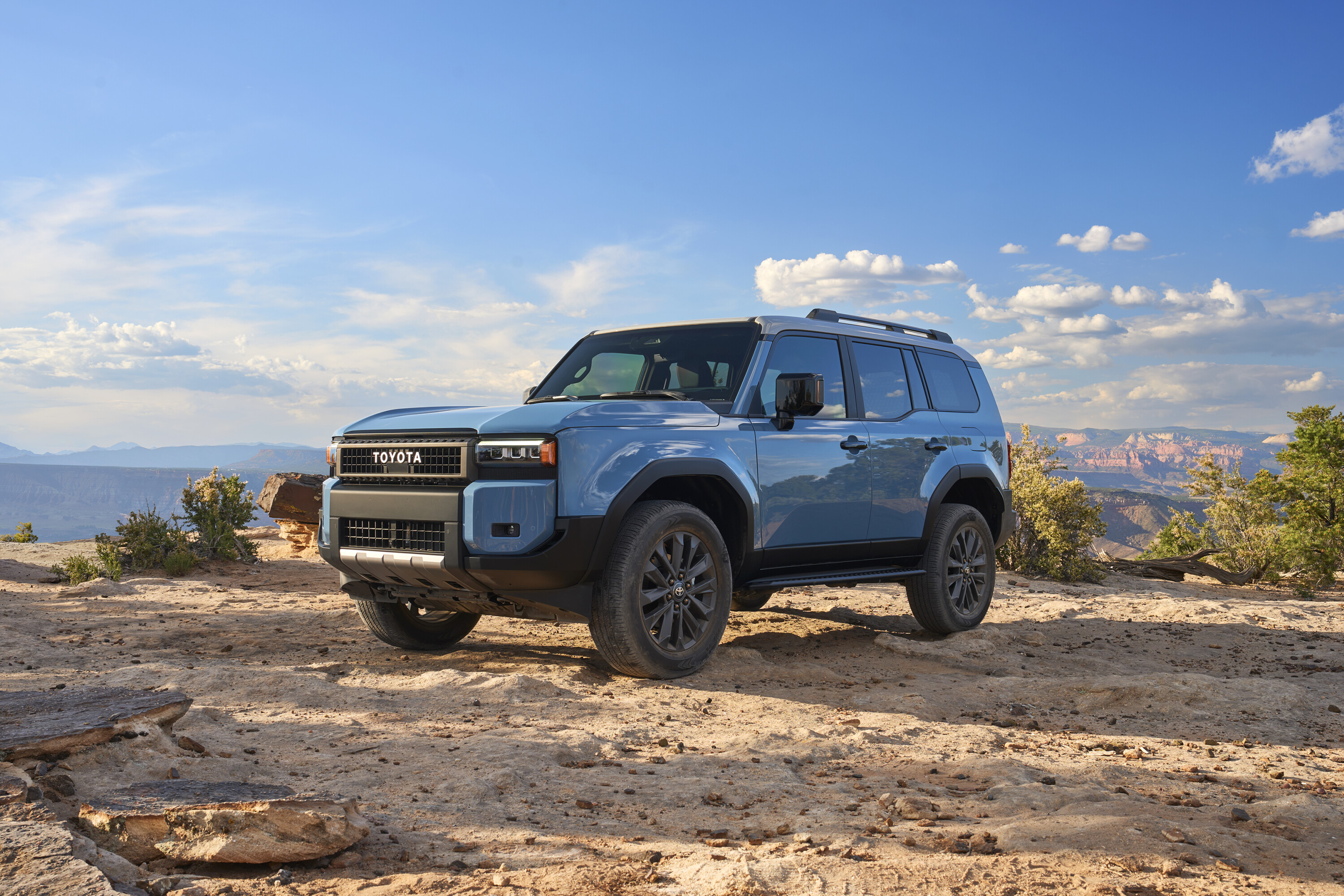
Chief among which is a recategorisation of large SUVs, such as the Fortuner, Prado and LandCruiser 300, into the light commercial vehicle category to more closely mirror the United States’ approach.
“If the fines are imposed, those cars are going to go up. Those people don’t have an alternative right now in any other car.”
The government’s current preferred ‘Option B’ requires an average annual CO2 reduction of 12.2 per cent for passenger cars and 12.4 per cent for LCVs between 2025 and 2029.
Toyota Australia’s sales and marketing boss Sean Hanley is worried about leaving customers behind in Australia – specifically, those who need LandCruiser wagons for work and trade.
“The change points as we see it now are that a LandCruiser wagon, for example, is now under the passenger target. Now we know that in some cases – it’s true – people use them as city cars and they go out and pick children up and go on holidays, we know that.
“But there’s also an awful lot of people that use them for work or live in rural areas where they drop kids 40-50kms to bus stops, go and pick them up on dirt roads,” said a typically impassioned Hanley.
1
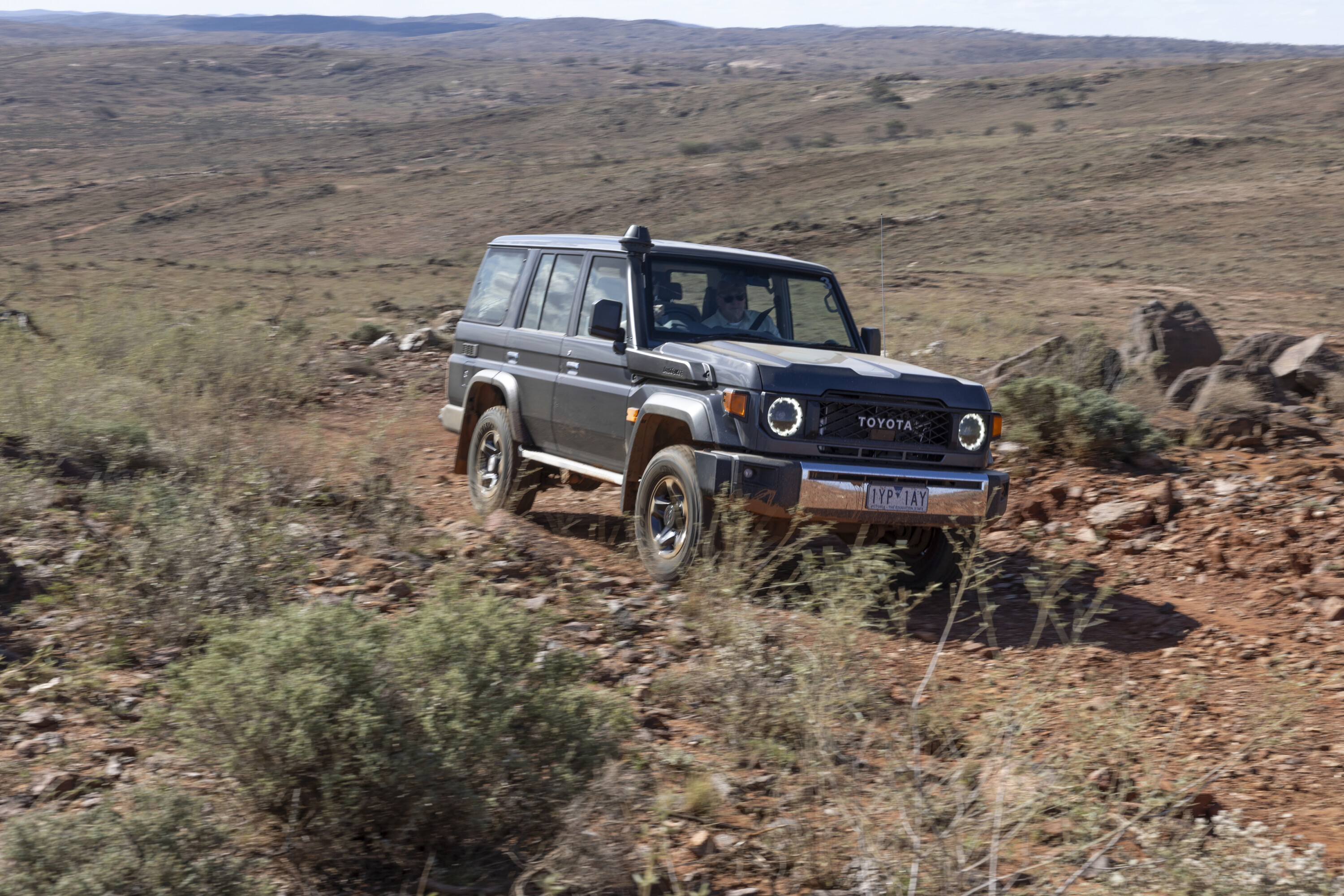
Hanley nods to the continued reliance on 70 and 300 Series LandCruiser wagons in sectors that uphold Australia’s economy.
“They’re used for agriculture, mining, transportation of workers to and from mine sites; they’re used for business. So they are actually commercial vehicles.
“So I think when you take [LandCruisers] out of the light commercial vehicle segment and put them into passenger – and the passenger target is significantly less than the LCV target – it’s not right. This is going to hurt people in regional and rural Australia.
“If the fines are imposed, those cars are going to go up. Those people don’t have an alternative right now in any other car,” concluded Hanley.
1
Hanley said Toyota is also interested in pushing back the mandate for light commercial vehicles, noting it will be challenging without technology such as plug-in or series-parallel hybrids in its most popular vehicle, the HiLux ute.
“Many customers will have little choice but to hold onto their vehicle for a lot longer,” he said, suggesting this will ultimately undo any good the NVES does.
There’s intense debate surrounding this topic, with some schools of thought suggesting that driving well-maintained and efficient existing vehicles for longer does more to offset emissions than regularly buying barely more efficient new ones.
Regardless of the specifics, Hanley was keen to point out that Toyota is pro-NVES, going as far as saying that ‘Option A’ is totally out of the question due to how weak it is.
However, he promised that if super-credits are implemented, the brand would rather get hit with fines and the money go to the government than pay Tesla or any other brand it does not have a stake in for carbon credits.
The Federal Government’s New Vehicle Efficiency Standard is open for final feedback until 4 March. Toyota Australia continues to model and study the effects of proposed standards with its proposals to be revealed in detail next month.
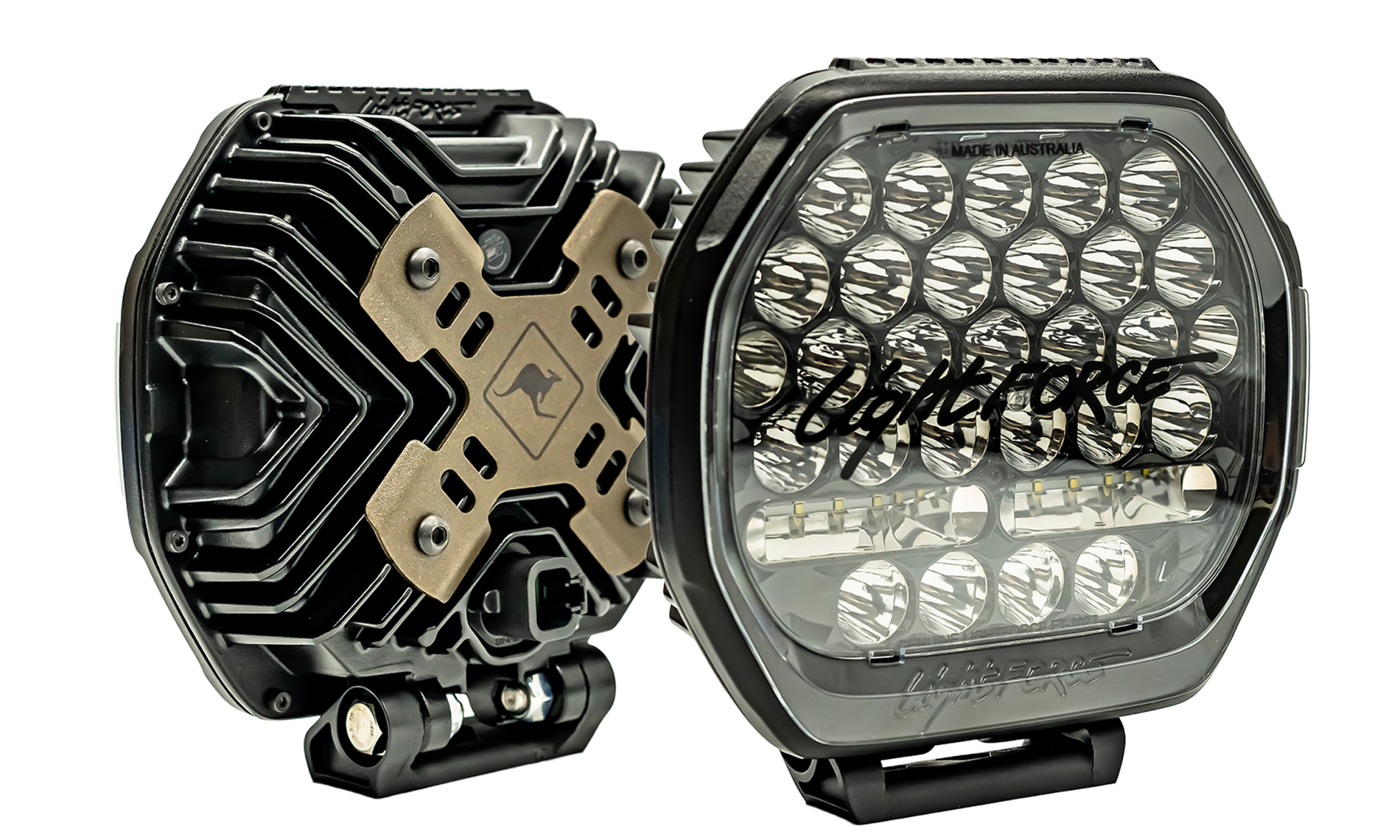
With more than 38 years of expertise in automotive and sporting lighting, Lightforce continues to push the boundaries by creating the BEAST, a product that combines military practicality and ruggedness with bold and unique design styling.
Founder Dr. Ray Dennis expressed his enthusiasm for the BEAST, stating, “The BEAST represents the result of Lightforce’s unwavering commitment to excellence and innovation. We’ve crafted something really special here that sets a new standard for durability, versatility and performance.
“In these times of economic uncertainty BEAST is a demonstration that we continue to do our part by helping to ensure local jobs and local manufacturing remains strong now and into the future.”
1
Key features of the BEAST include a warm white colour temperature range of 5400-5700 that reduces glare and eye strain with consistent and precise beam patterns that will give you the confidence to drive at night no matter what the road type. The slimline footprint and lightweight design allows countless mounting opportunities for seamless vehicle integration, and the hard-coated lens provides extreme impact resistance and durability.
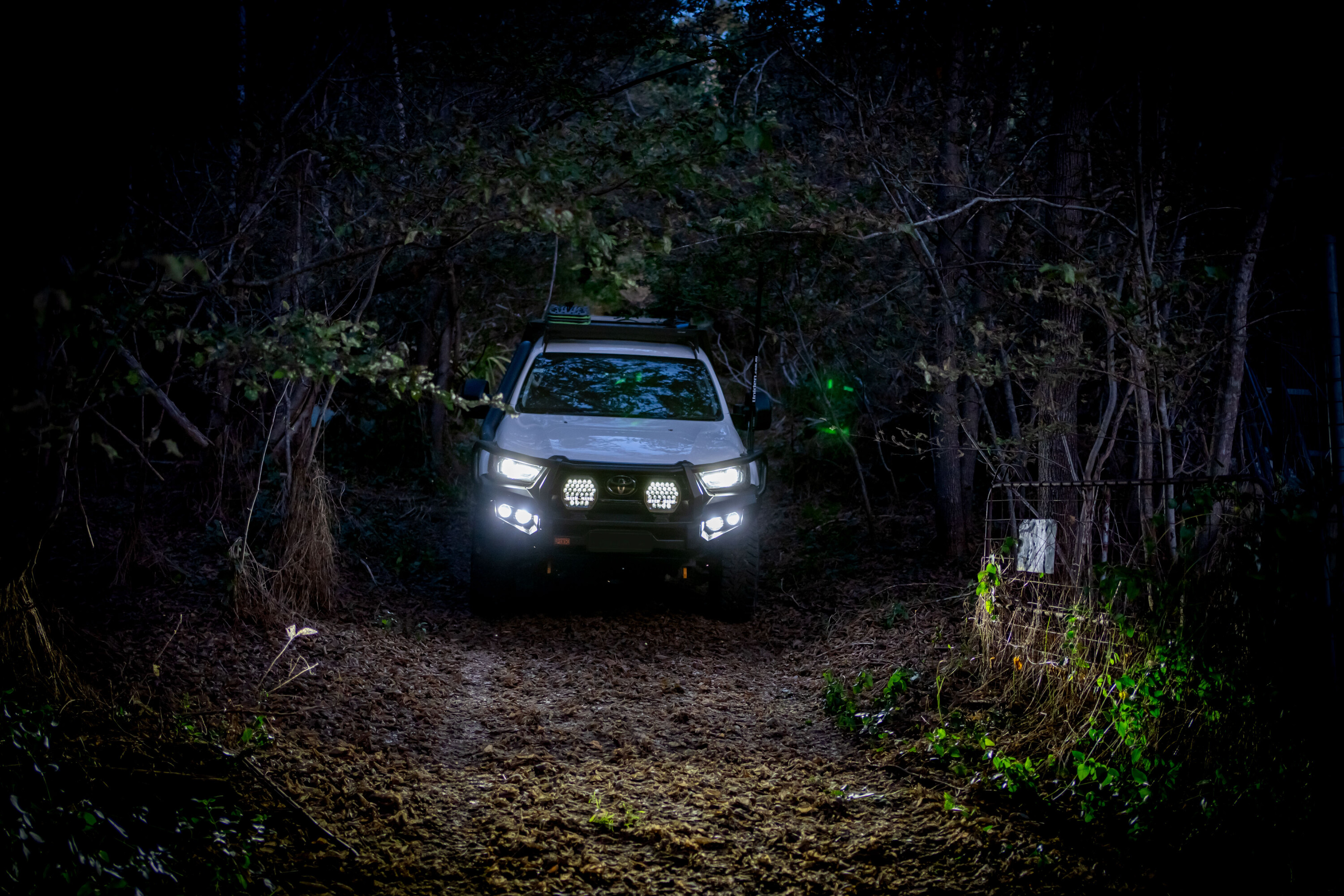
Undoubtedly the most important feature of the new light is summed up by Lightforce’s national sales and marketing manager, David Evans. “The BEAST Driving Light is not just another driving light, it’s revolutionising the driving experience for the end user,” he said. “With its unique three-mode operation, users can effortlessly switch between spot, flood and the powerful BEAST mode all from the comfort of their driving seat.”
1
Three-mode operations
Spot mode
Tame the terrain with BEAST’s spot-beam pattern for long-distance visibility. It has a beam distance of 1 LUX @ 1497m and a beam width of 60m.
Flood mode
Enhance safety on winding roads with BEAST’s flood beam pattern, offering an impressive 160-degree peripheral vision. It has a beam distance of 1 LUX @ 778m and a beam width of 140m.
BEAST mode
Press and hold to unleash the full potential of the BEAST, with extended beam distance and maximum width for long-range vision. It has a beam distance of 1 LUX 1375m and a beam width of 140m.
“We’ve engineered the BEAST to excel in the most extreme driving conditions,” said Dr. Ray Dennis. “It surpasses global test standards for durability and longevity, leading us to consider it the most rigorously tested Australian-made driving light on the market.
“We want end users to be in command of any situation with confidence and assist them to arrive wherever they are going safely.”
Critical certifications
IP69K Ingress Protection for immersion, steam and fine dust.
IK16 impact-rated lens survives high-speed rock impacts.
MIL-STD-810H 514.4 vibration and shock-tested.
Endures extreme temperatures, salt spray and chemical exposure.
Compliant to international safety standards for AU/NZ and USA markets.
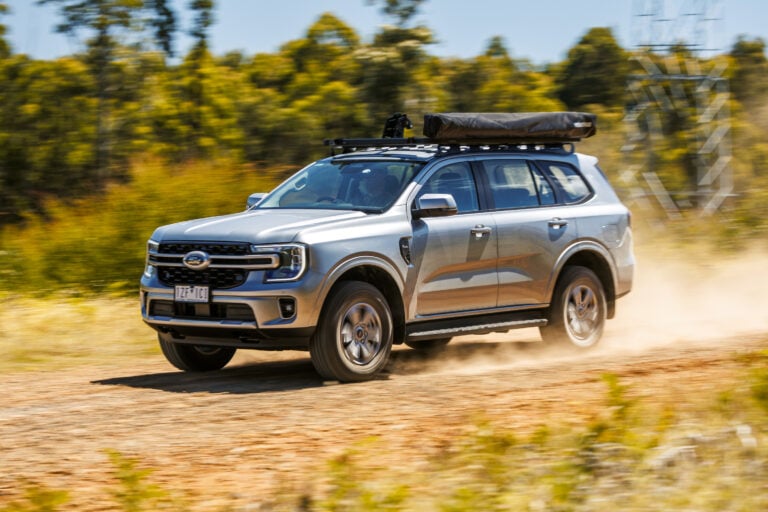
The Everest Ambiente is the base model in Ford’s 4×4 wagon lineup, so it really gives us a blank canvas to build it into a capable and comfortable touring 4×4 wagon.
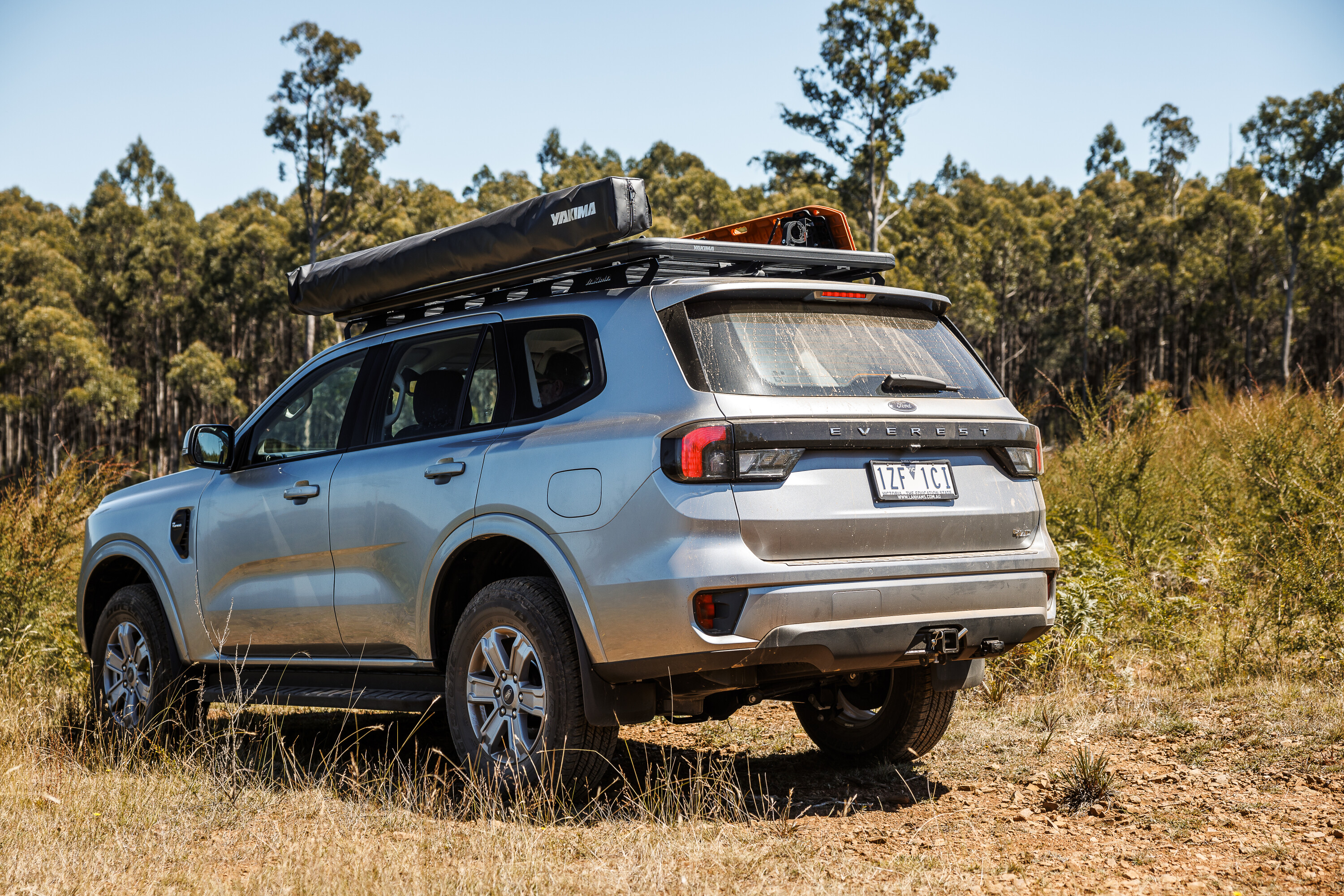
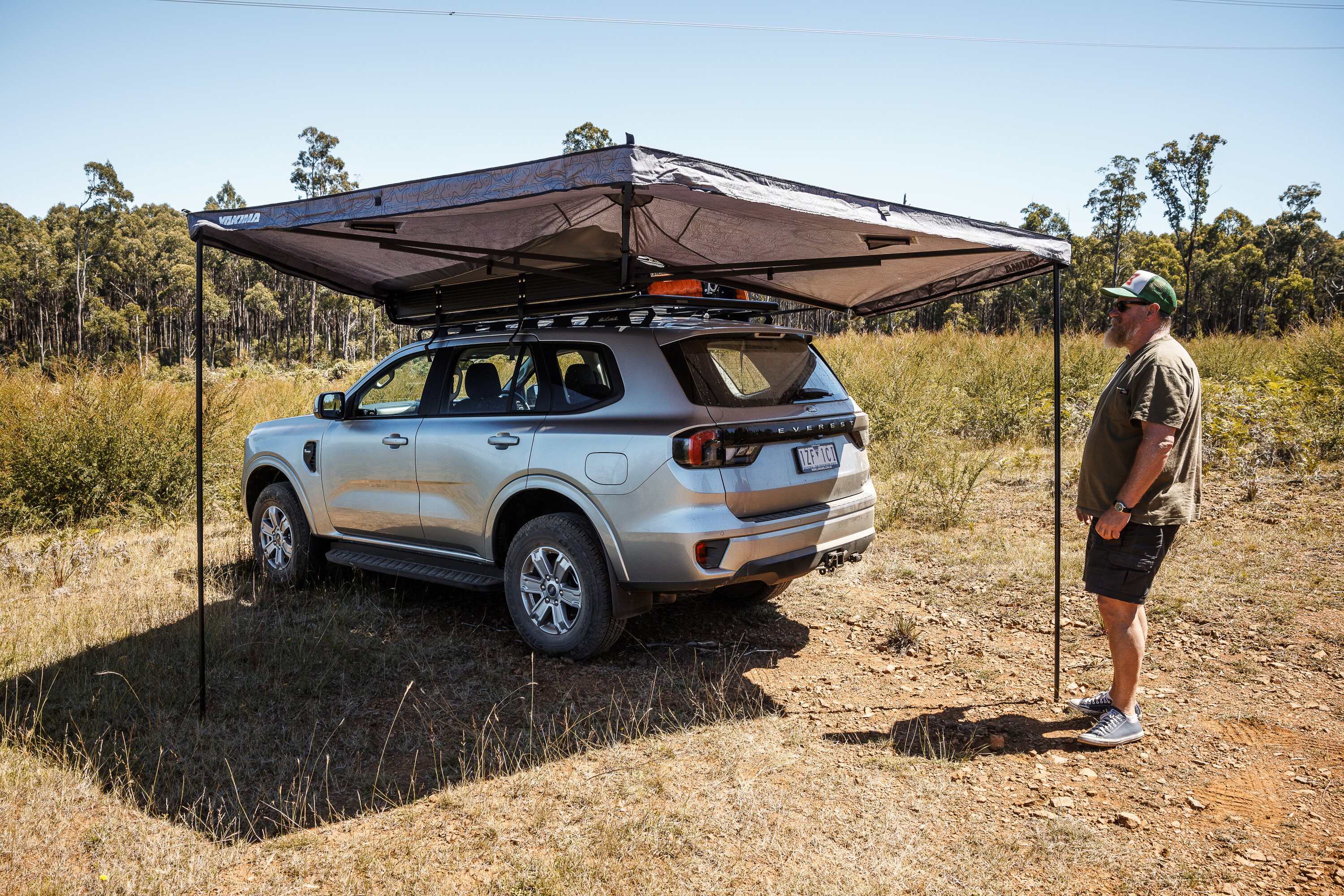
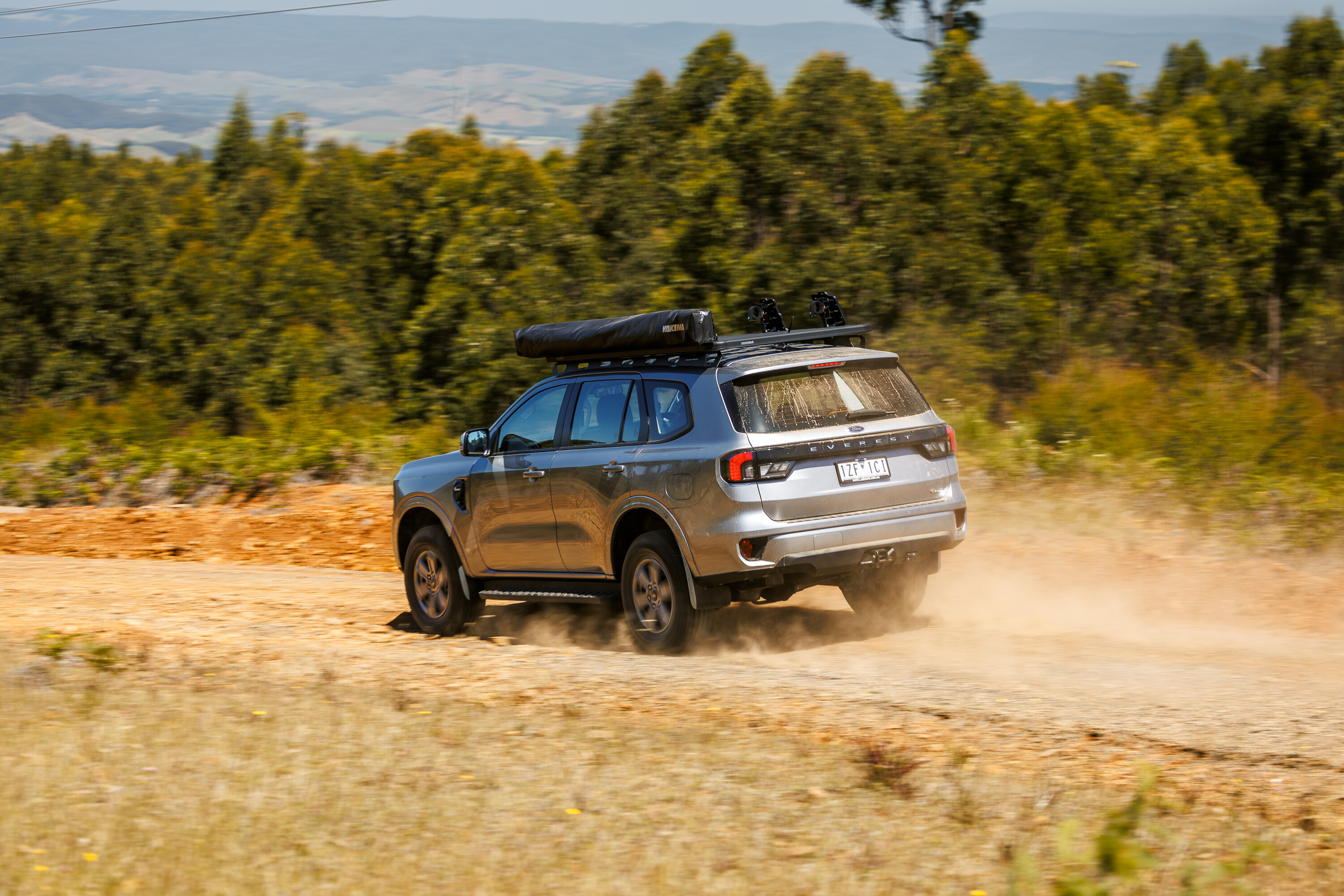
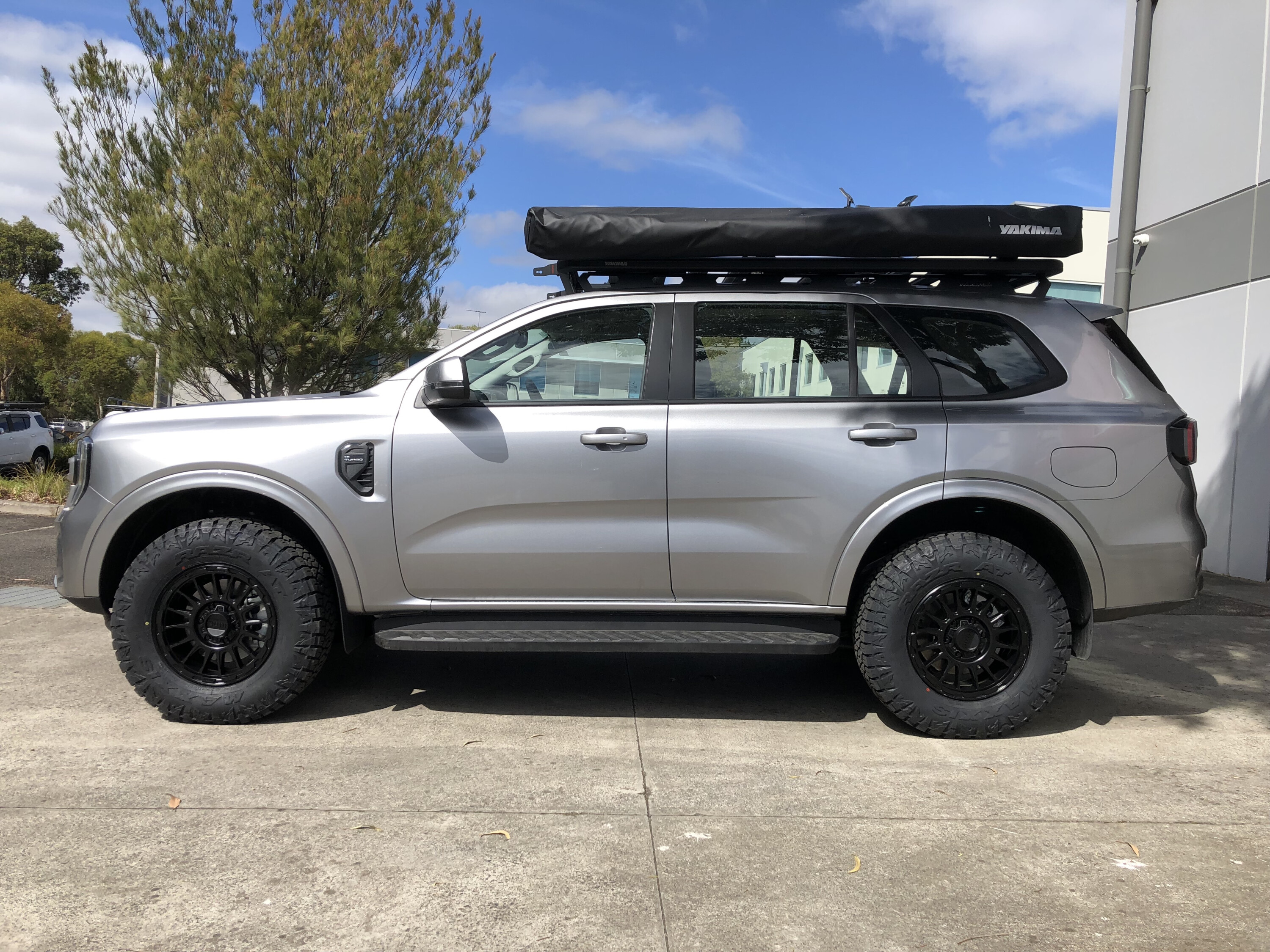
Because it’s a wagon, the Everest has less capacity to carry large objects and gear than our previous Ranger ute builds, so a versatile and quality roof rack is a welcome addition. We’ve opted to fit the Yakima LockNLoad platform to the Everest, mounted on Yakima’s RuggedLine longitudinal mounting system.
With 16 different size platforms in the LockNLoad range, finding the perfect one for the Everest was not a problem, and the RuggedLine mounts not only look the part but provide a stable mounting system for the platform as they run the length of the rack.
1
Mounting the racks can often be a DIY affair, but as our Everest is an Ambiente model with flush-mounted factory roof rails, as opposed to the raised rails on the higher-spec models, the roof lining needs to come out to replace the factory rails with the RuggedLine ones. Bearing this in mind, we sent the Everest to the guys at Roof Rack Superstore in Moorabbin for the fit up.
The team at the Superstore did a great job with everything fitting as it should, taking into account clearance for the rear door of the Everest, and where everything will sit on the rack. They mounted the Ace of Spades shovel holder on the back of the recovery track holder where it is still easy to access on the offside of the vehicle, and the awning on the nearside.
We strapped a set of Maxtrax to the mounts using the supplied straps but found this set up a bit awkward, as there is nothing supporting the weight of the tracks while doing up the straps. We’ll adjust this setup by fitting a set of Maxtrax retaining pins to the Yakima mounts, as this will allow for quick and easy mounting and removal, with the ability to lock the Maxtrax to the pins.
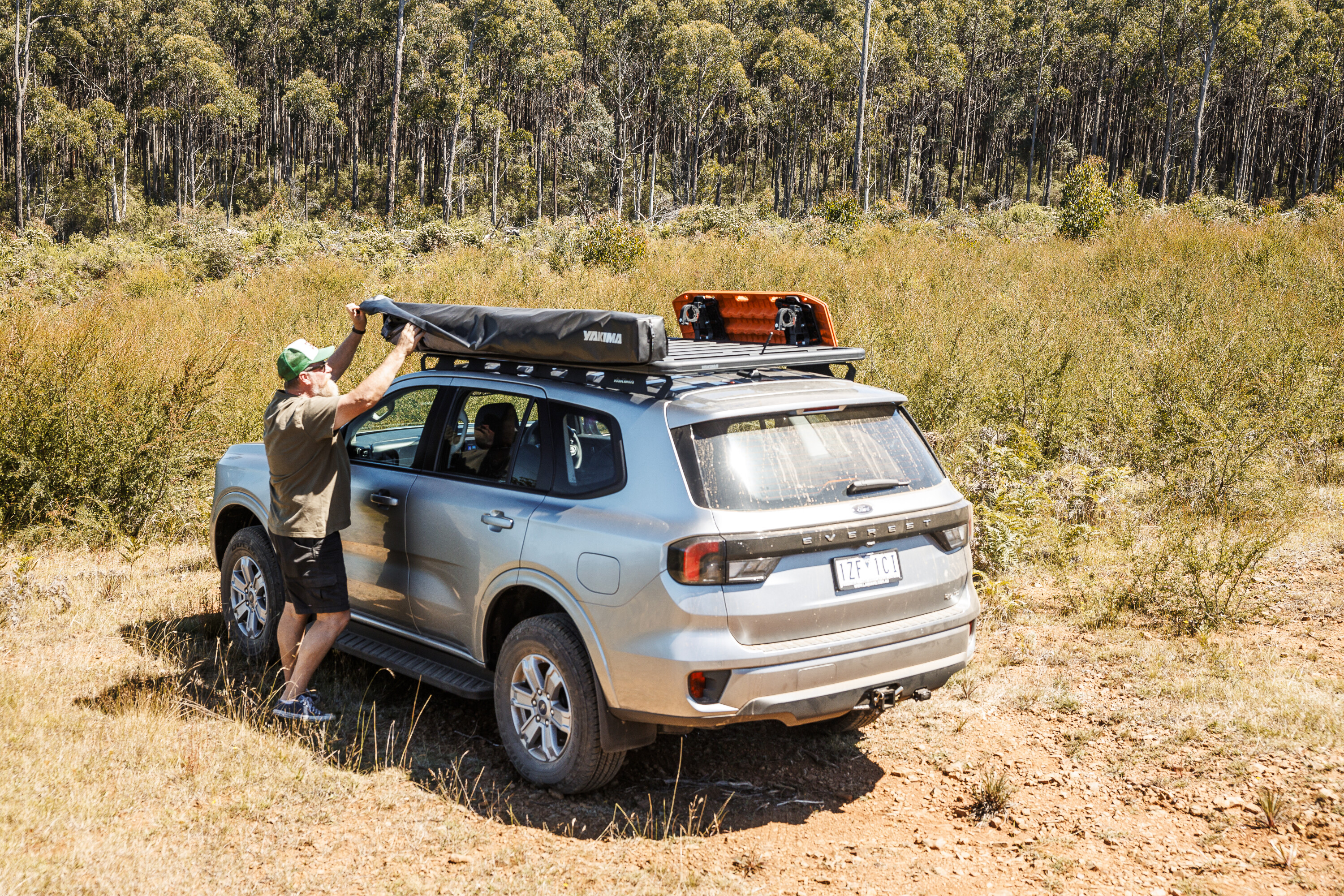
The Yakima Major Shady 270° awning provides a massive 7.4m2 of shade around the side and back of the Everest. The shade material is a 420D polycotton fabric with PU coating to help keep the sun out, and it’s lightweight and waterproof. The awning’s three arms easily deploy out and around the Everest to provide quick and efficient cover from wind and rain, while there are three drop-down telescoping legs to prop it up and tie it down for use in heavier rain and windy conditions.
1
The Major Shady awning folds back into its case and easily zips up, which can be a problem with some awnings. At 21.1kg it’s relatively light compared to some other 270° awnings, but the lighter weight construction means you really need to deploy the legs and tie it down in windy conditions. A small price to pay for a lightweight product that gives you quick cover.
The LockNload platform has its slats running across the width of the vehicle with slots in the slats as well and the perimeter which makes fitting accessories and loads easy and configurable. We’ll play around with the location of the accessories fitted so far so that they best suit our needs, and we plan to fit a lightbar to the front of the rack as the vehicle build progresses.
1
The LockNLoad Platform feels solid, helped no doubt by the longitudinal RuggedLine mounts. These were designed and developed in Australia by Yakima’s local team to suit our harsh conditions. Made from powdercoated stainless steel, they form a spine to support the full weight of any cargo secured to the platform. They also provide a neat place to mount side-facing camplights and somewhere to hook the end of the awning to when it’s fully extended.
It’s early days for our Ford Everest but with Yakima’s platform system and awning installed, we’ll have plenty of options for load carrying and shelter when we are set up at camp.
As our Ford Ranger Sport build nears completion, we have selected another new Ford product for this project.
This time we’re focusing on the Wheels Car Of The Year-winning Ford Everest wagon. If Wheels can call it Car Of The Year, we reckon we could turn it into the 4×4 Tourer Of The Year.
We bought a base model 2023 Everest Ambiente with the 2.0-litre bi-turbo-diesel engine and 10-speed automatic transmission. Getting the base model vehicle comes with a few pros and a few cons. Base model means it’s the cheapest in the range, with the Everest 4×4 starting at $58,990.
1
Positives include the fact we’re starting with a blank canvas, as the Ambiente misses out on a lot of the features you probably don’t want anyway. On the plus side it comes standard with 17-inch alloy wheels and a high-speed (manual) tailgate. Negatives include the absence of the 4×4 Auto mode in the transfer case, and no tyre pressure monitor as fitted to the higher-spec models.
We wanted to go with a 2.0 bi-turbo after having the V6 in the Ranger and, really, the only thing this engine is lacking compared to its bigger sibling is refinement. It has impressed us so far in the way it drives under all conditions, and it certainly uses less fuel than the V6 Ranger. Of course, this last fact will change as we fit more accessories which will negatively affect the Ford’s fuel consumption.
1
Again we’re teaming up with some top brands to fit-out the Everest, and as seen in the photos we’ve already got the Yakima LockNLoad platform rack and a 270-degree awning up on the roof, as well as Maxxis RAZR all-terrain tyres on KMC Impact wheels fitted. On the still-to-fit list is an AFN front bar; Kaymar rear bar and wheel carrier; Tough Dog suspension; MSA 4×4 drawers and fridge slide; a Powertec phone signal booster; and a host of other great gear.
We’ve put around 2000km on the Ford so far with no problems leading up to its first service. That will change as the Everest is geared up. Stay tuned!
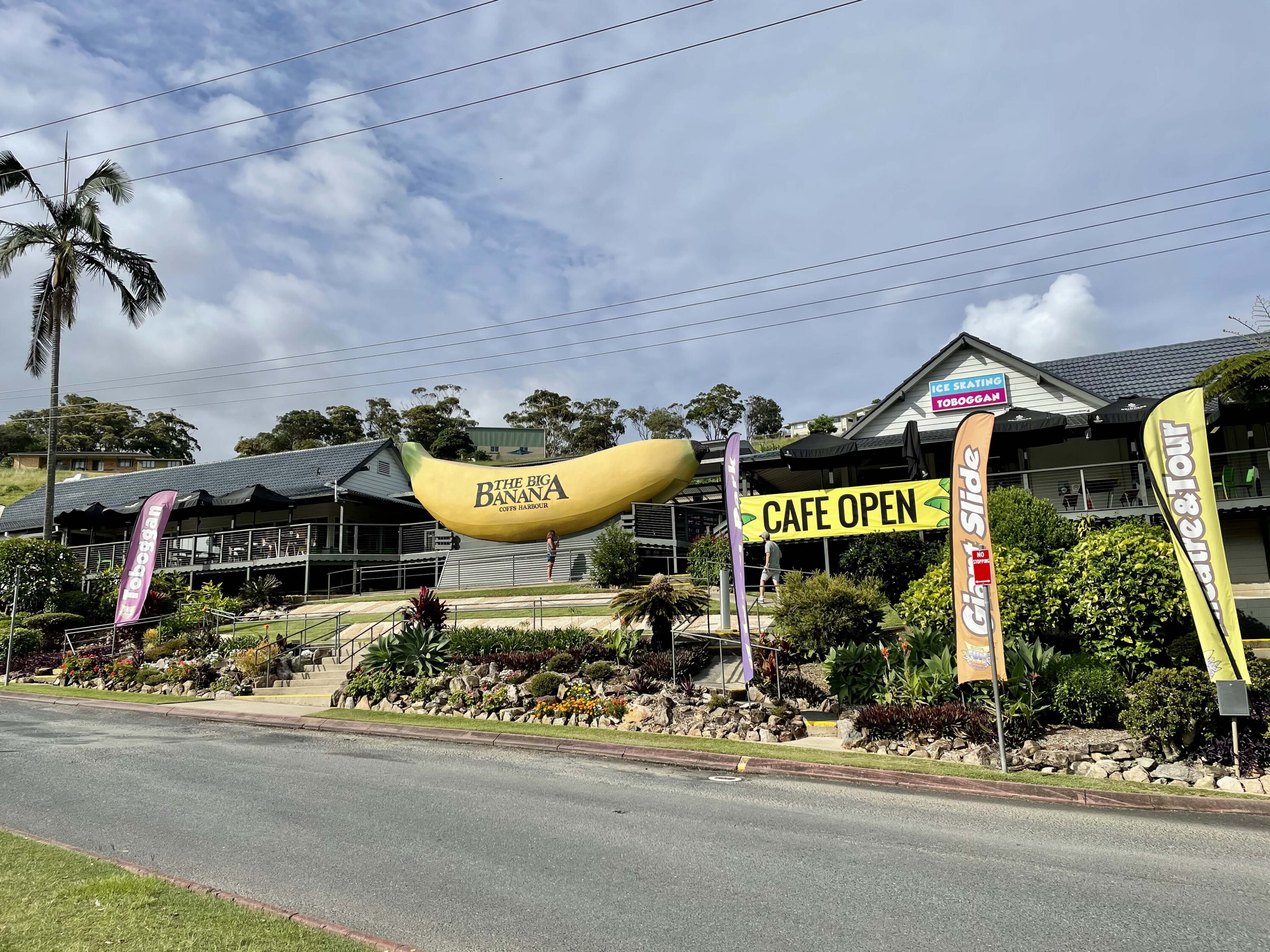
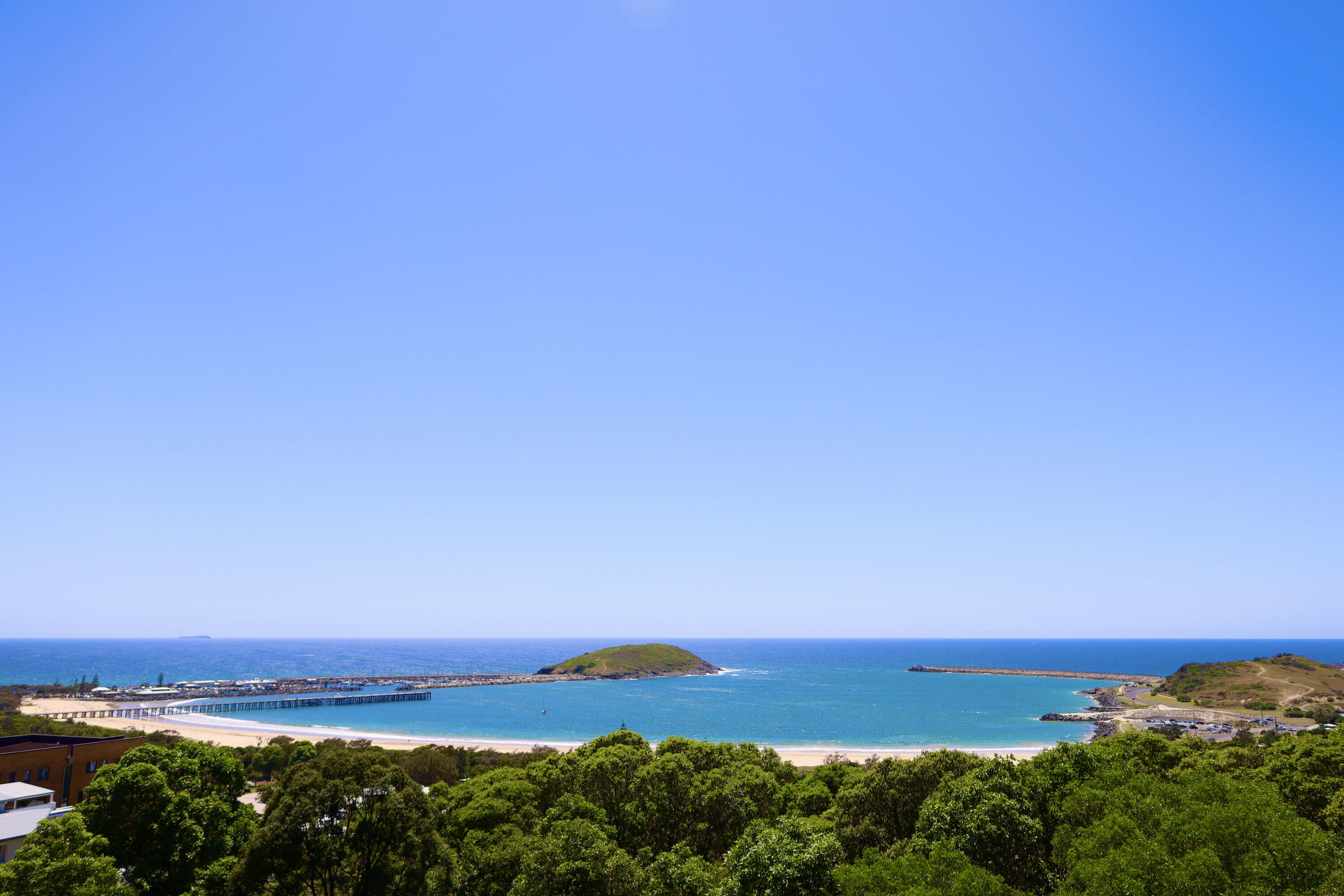
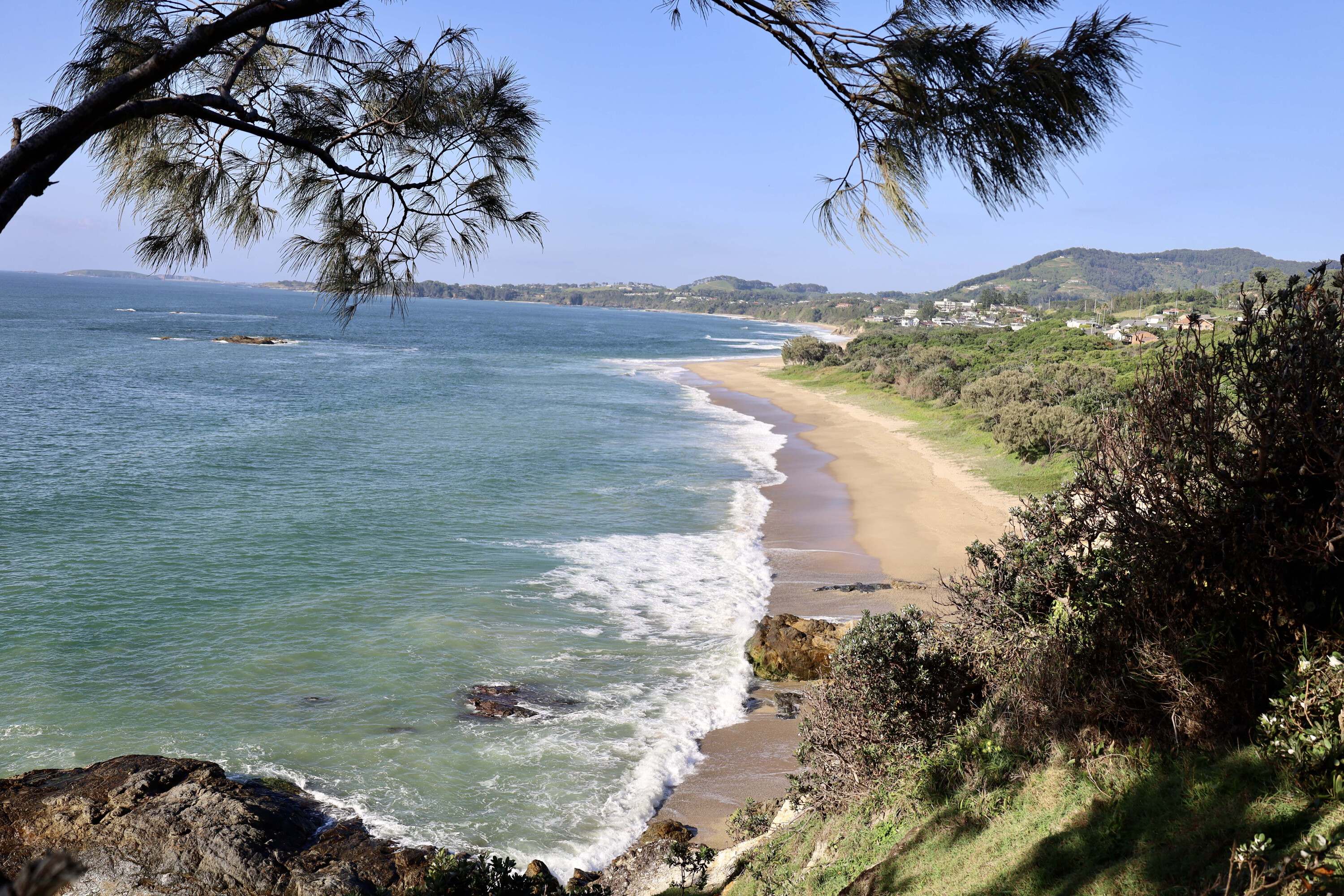
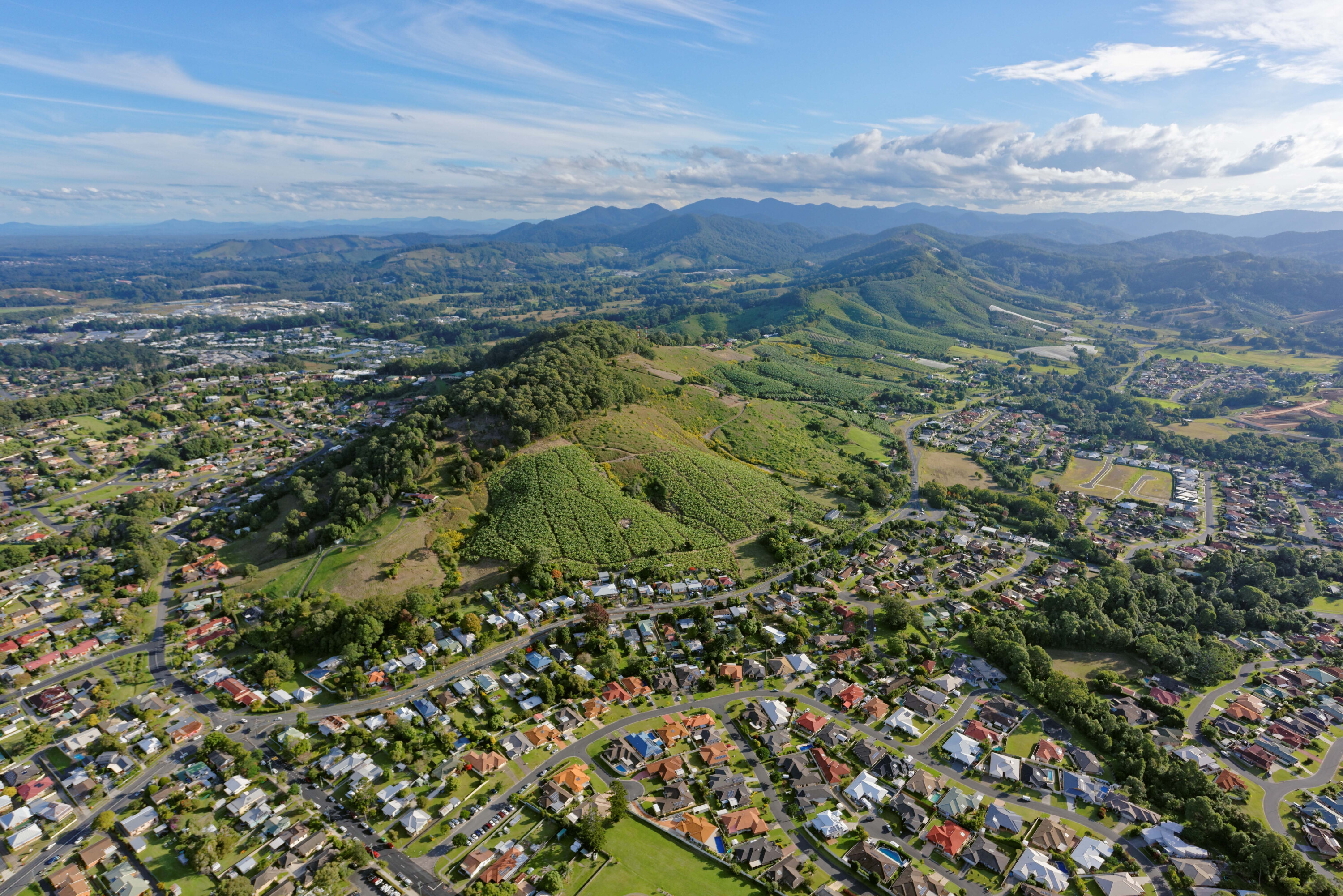
Coffs Harbour, home of the legendary Big Banana and stunning beaches for as far as the eye can see, prides itself on its natural coastal wonders.
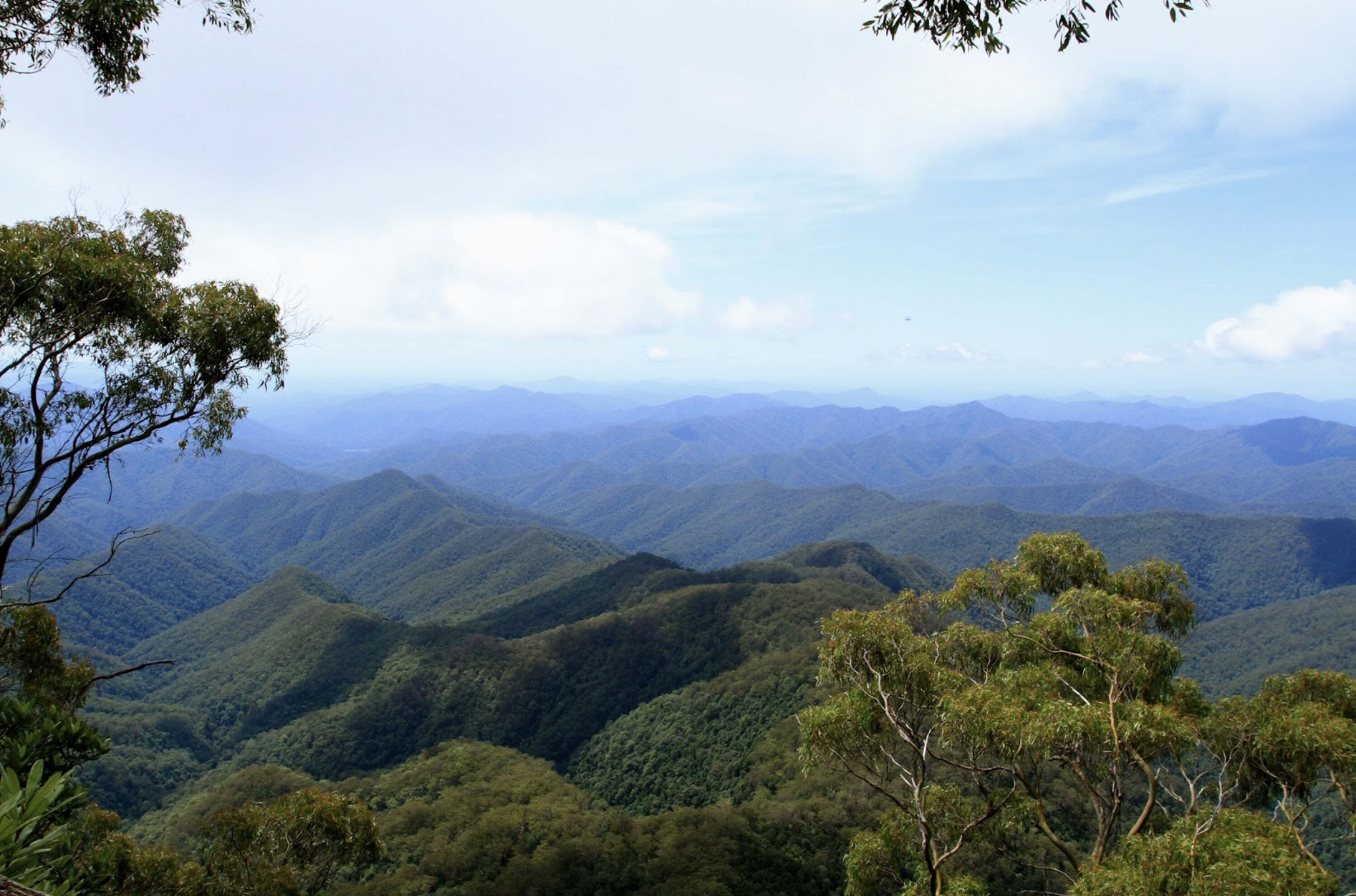
However, it’s the Great Dividing Range that flows right down to the coastline that gives the Coffs coast some of the most diverse and unique areas to explore along the eastern seaboard. Much of the range behind Coffs Harbour was created more than 30 million years ago when a series of volcanoes were active, especially the Ebor volcano some 100km inland from the coast.
This volcanic activity created the rugged valleys and mountain ridges, the spectacular rivers and stunning areas of prehistoric rainforest pockets. And for four-wheel drivers it’s provided us the perfect playground to explore in so many different areas.
1
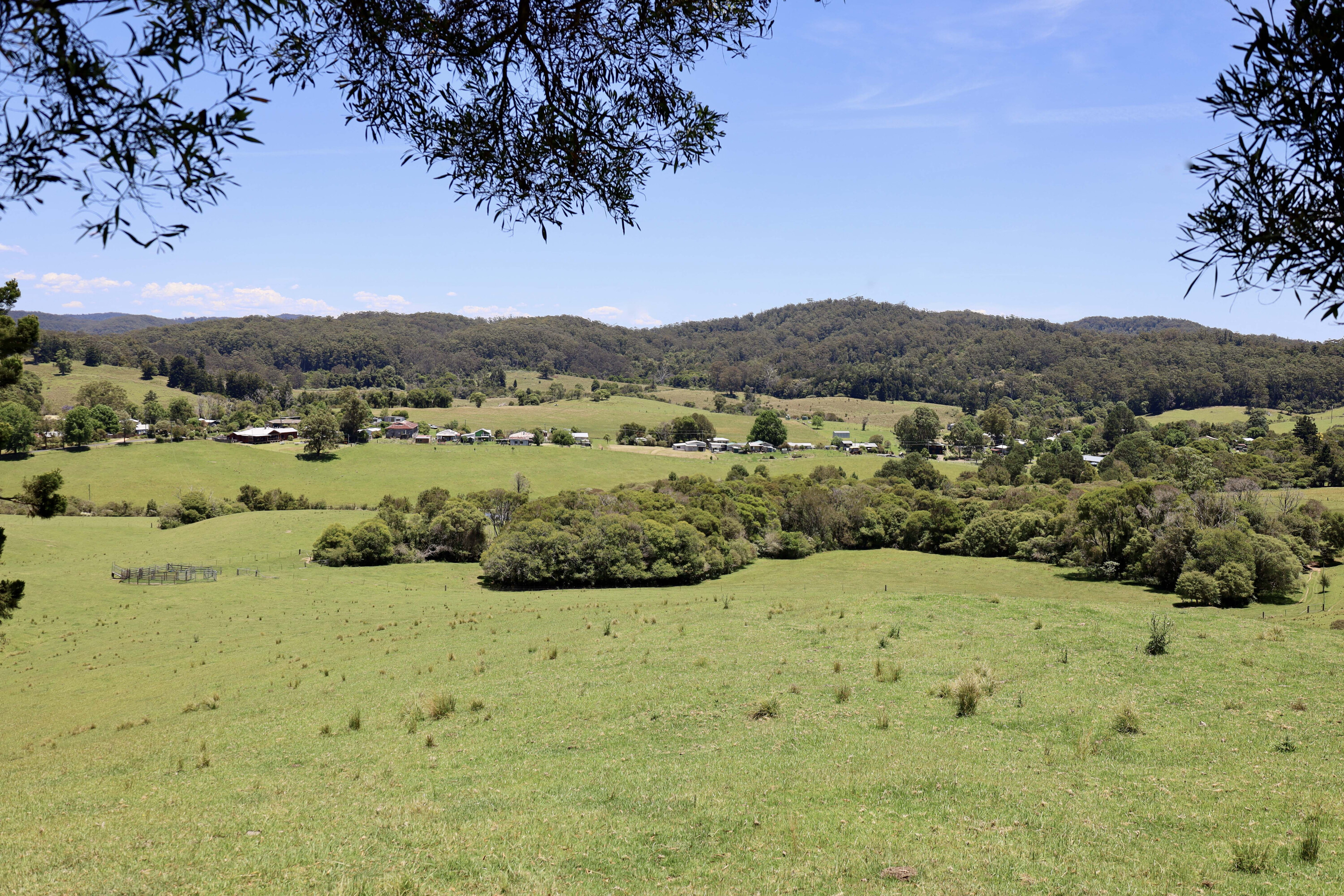
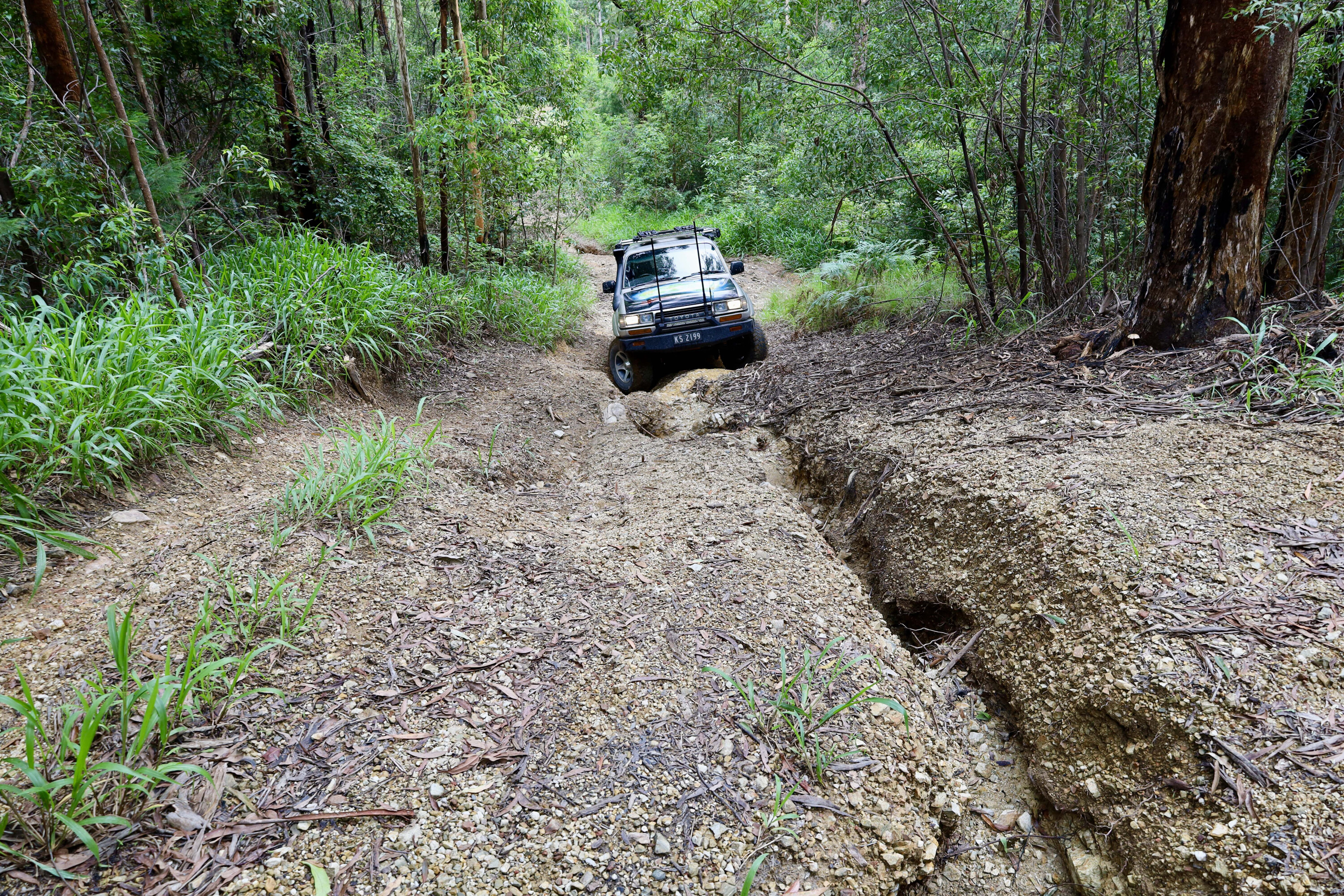
Make sure you do your research before hitting the Coffs Harbour region as the tracks are like a giant maze criss-crossing through the forested areas.
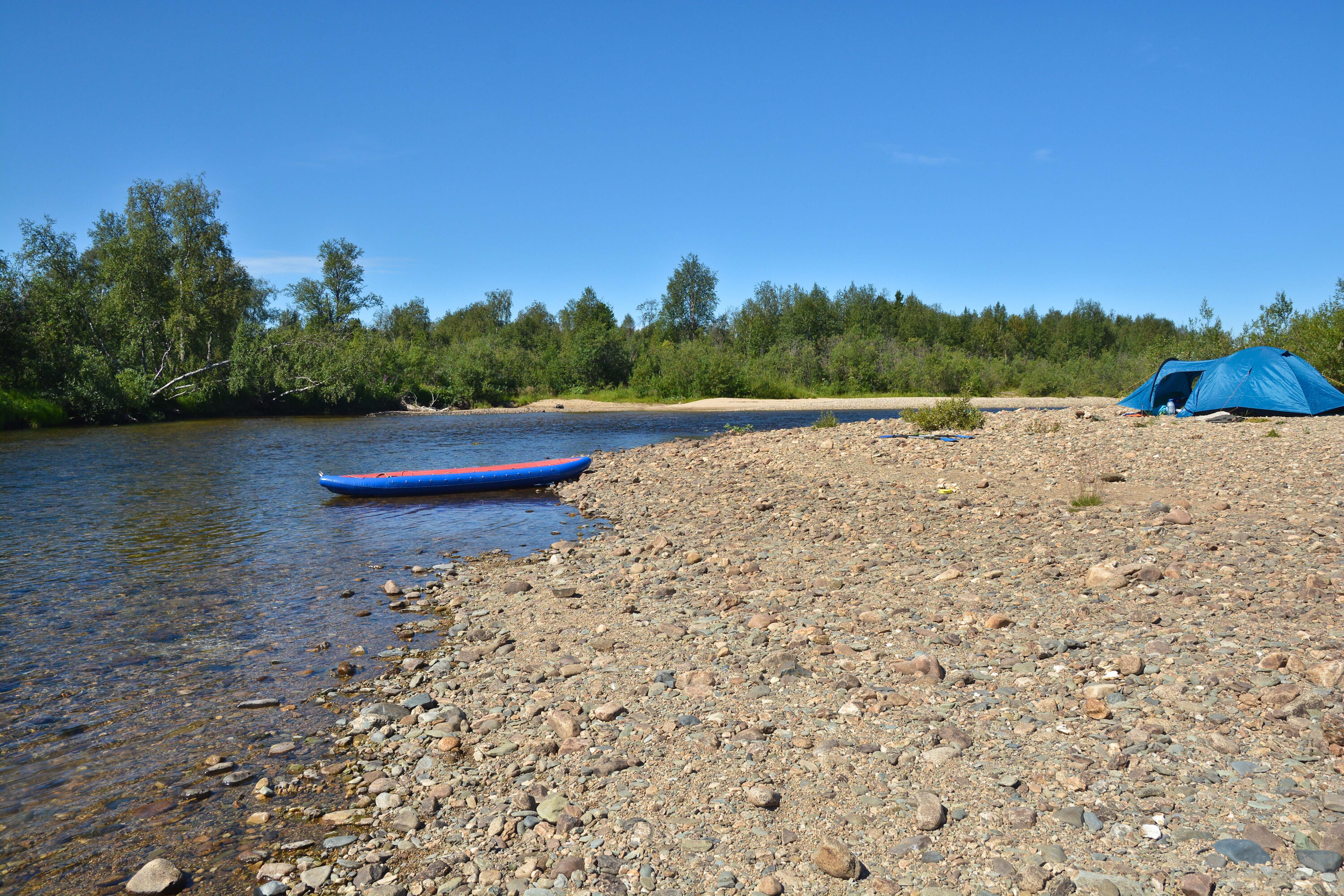
Driving through this area can be as hard or as easy as you make it, while camping options are plentiful, from free camping in State Forests, booking online for campsites in National Parks, through to the many caravan parks in town. There are plenty of luxury accommodation options in town too.
1
1. History in the hinterland
The discovery of timber (mainly red cedar) along the north coast of NSW opened up many areas deep into the thick forests and with this the flow-on effect was the discovery of gold, after which towns were born, rail lines were built and the population grew.
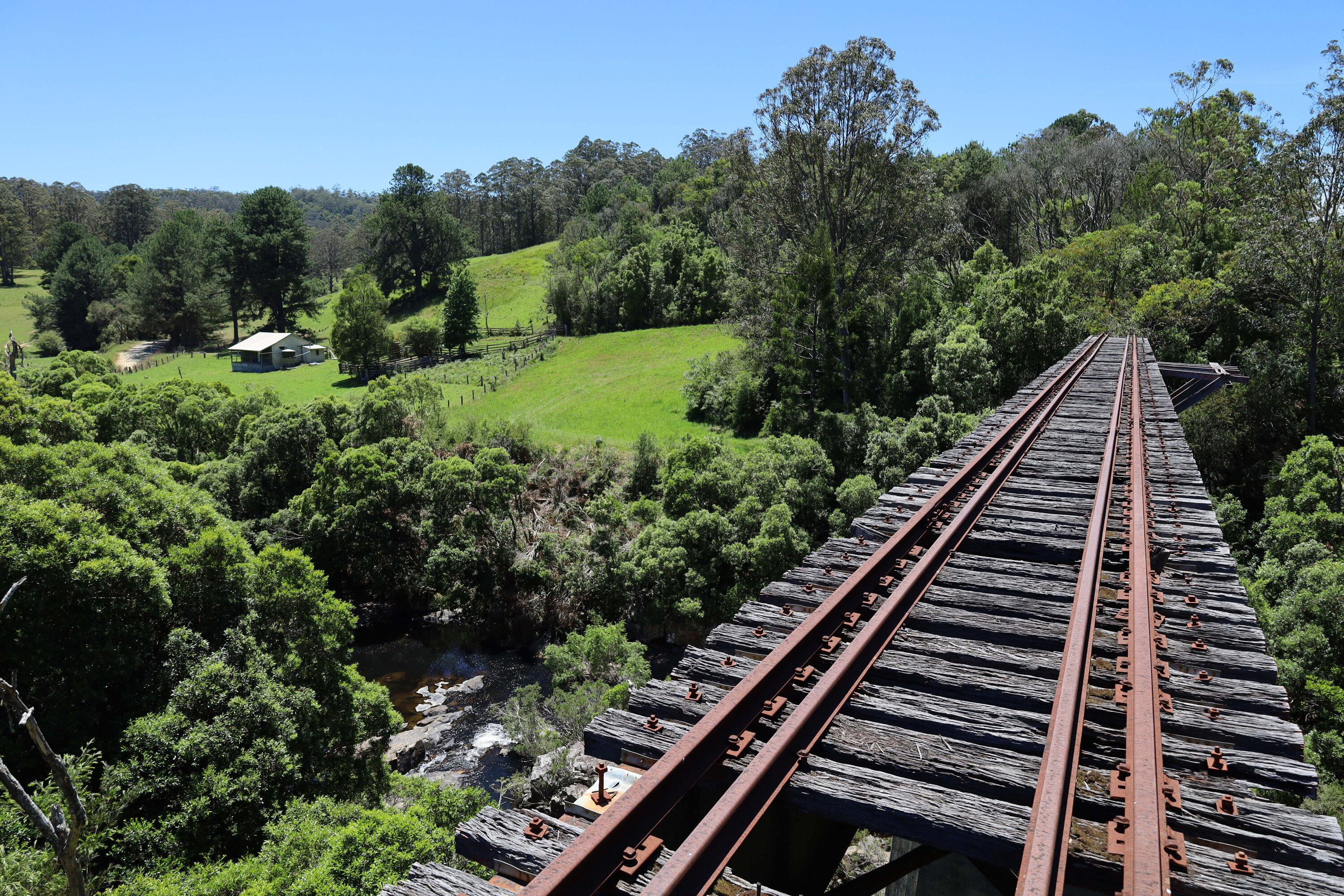
Up in the hills behind Coffs Harbour, history buffs will be astounded by just how much there is to explore, including the remnants of the more than 300 registered gold mines that date back to the mid-1880s, as well as the failed Glenreagh to Dorrigo rail line that covers nearly 70km, but which only ran for a few years.
1
Throughout the hinterland there are some accessible abandoned structures including several tunnels, old trussed and steel bridges, various platforms, and old machinery.
Throw in the old gold mines with their tunnels, shafts and pits, where there were different degrees of success when it came to finding the shiny stuff, and the hinterland is a cool place to explore. The old rail line is marked on the topo maps with plenty of access roads leading to it.
1
2. Off-road tracks
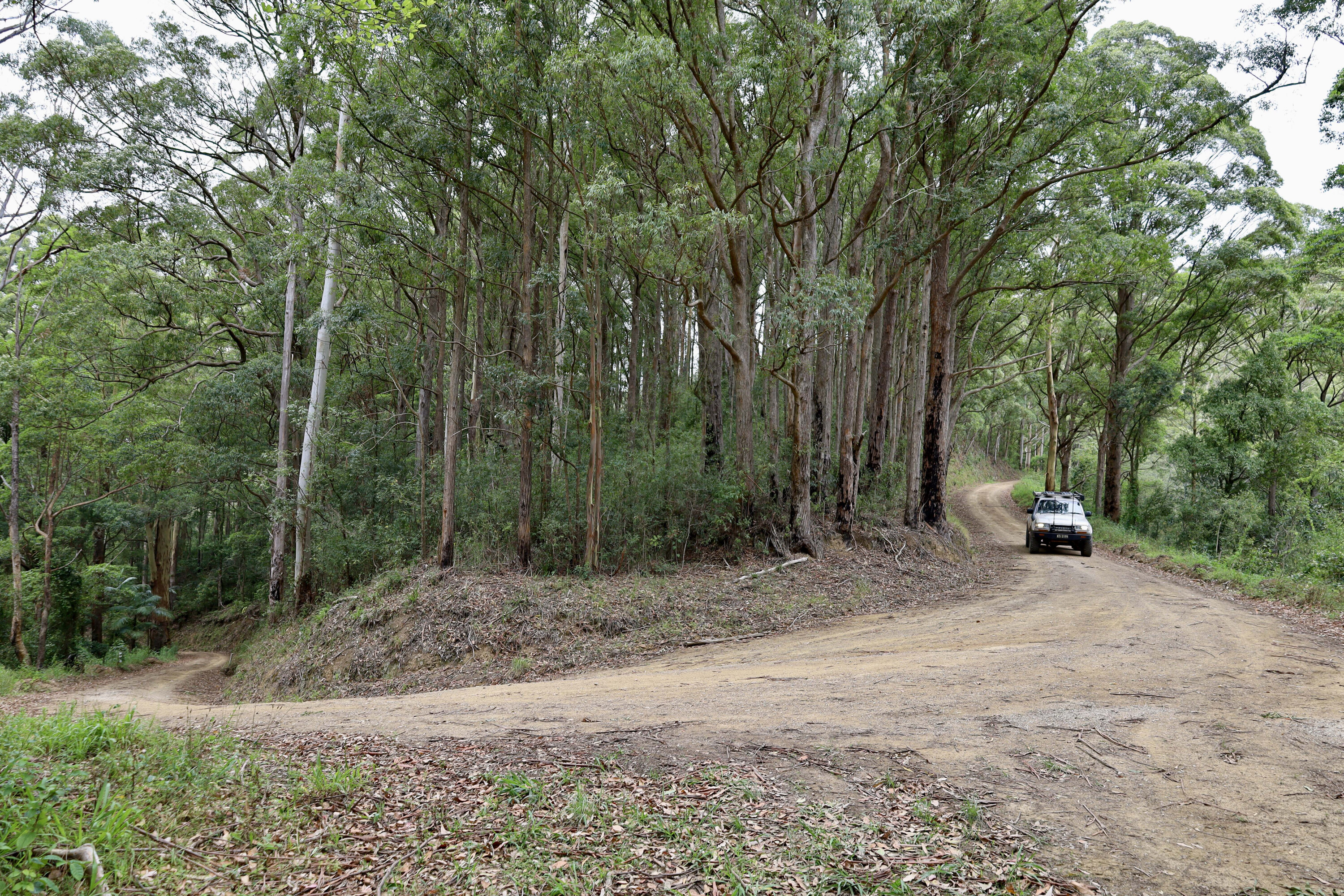
With more than 200,000ha of State Forest and National Parks to explore, getting lost is always a fun way to spend the day on the array of tracks around the Coffs coast.
If you don’t want to get lost you will need a decent GPS or good selection of maps. Along the Great Dividing Range you’ll need to use 1:25,000 topo maps with every bit of detail you can find.
The tracks around Coffs area range from easy forest roads with stunning views to technically challenging off-road tracks that are best left for the hardcore 4×4 clubs.
1
One of the great things is that no matter how much or how little experience you have, the Coffs region is a great playground to get dirty in.
There are enough tracks here to whet your appetite with coastal sea views and through old-growth forests, many that meander their way to little villages along the way, to loops on which you can explore a mix of everything… all in one day.
Quite often you won’t see another vehicle all day simply due to the huge number of tracks there are to explore.
1
3. Pebbly Beach area
Pebbly Beach has to be one of the most sought after beach camps along the eastern seaboard. What makes this place so special is that it’s only accessible during low tide, and there are limited campsites.
To access this special spot, peel off the Pacific Highway midway between Coffs Harbour and Grafton, after which you’ll meander along nearly 20km of dirt roads with several creek crossings and a mix of pine plantations and dry gum forest.
It’s then a 2km drive along a designated track through sand dunes before you pop out onto a stunning beach, and then head north for a further 2km with the ocean on your right and the dunes on your left.
1
It’s at the end of the beach run that you have to cross the tidal creek, preferably at low tide, in order to access the stunning Pebbly Beach camping area.
If you want a spot, you’ll need to book well in advance through the NPWS website.
After a good night’s rest there’s no better place to wake up with beautiful sunrise views and salt air in your lungs, followed by a magical beach stroll. If by some chance you’re not keen to head up the beach, station creek camping area provides another option where you can base yourself and explore the area on foot.
1
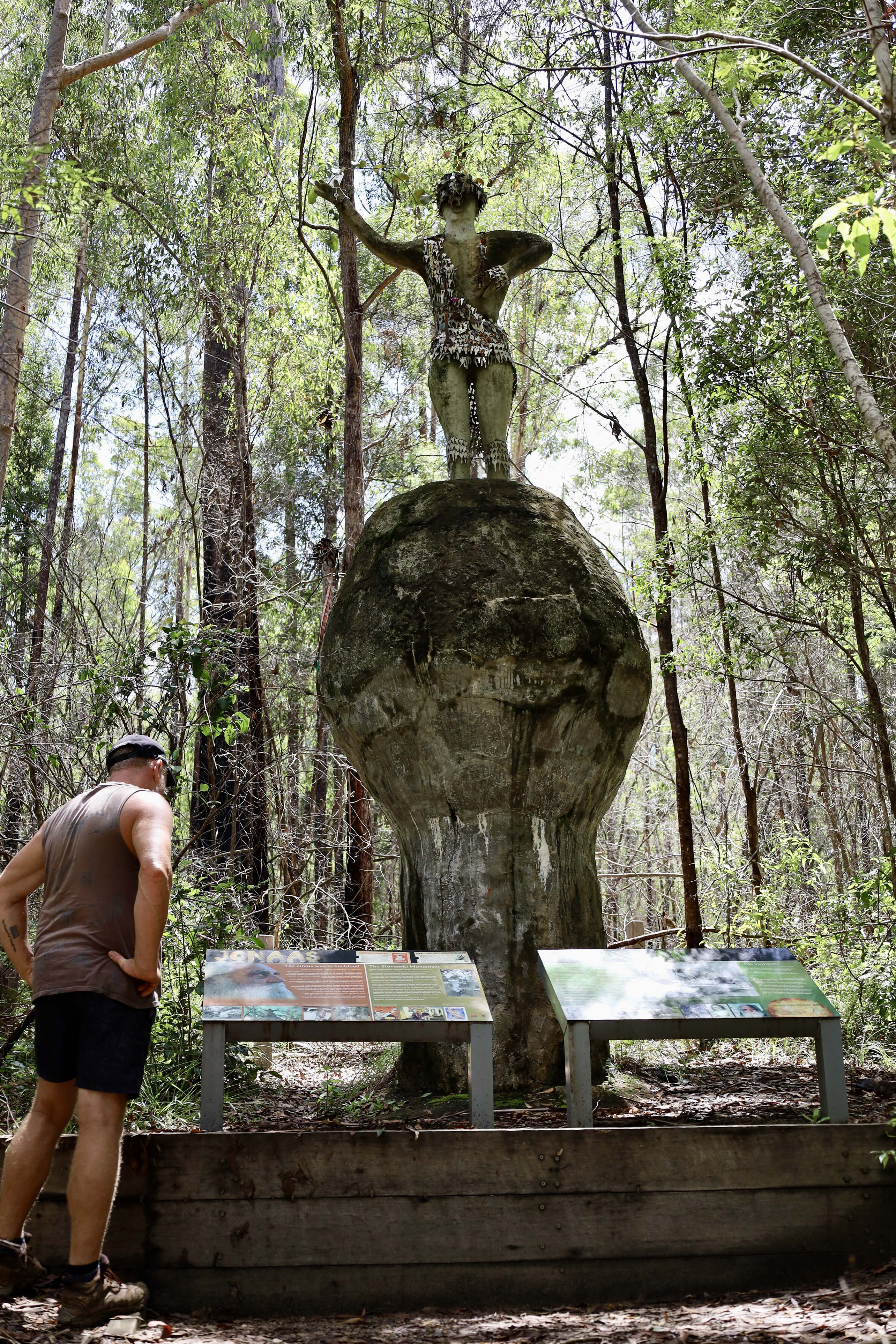
There are some pretty good 4×4 tracks that follow the ridge lines through the pine forests and incorporate powerline tracks. For something quirky head out to the Key Man statue on Yellow Cutting Road. What’s the Key Man all about?
It was created by Jonaas Zilinskas, who was born in Lithuania in 1919, and who migrated to Australia where he was involved in the timber industry. He was a performer with a circus and did many stunts on the high wire, and even today if you look up in the trees here you can spot several cables above.
He built the Key Man statue in 1957, and he was known to work in the nude while in the forest.
1
4. Rainforests and waterfalls
With so much fertile soil, decent annual rainfall and plenty of warm sunshine, the rainforest in this area is lush and there are plenty of stunning waterfalls.
Most people head an hour away from Coffs to explore the Dorrigo region, with its world-class heritage-listed rainforest, complete with suspended walkways and cafes. But closer to Coffs in the hinterland there are many more rainforests that can only be accessed by 4×4.
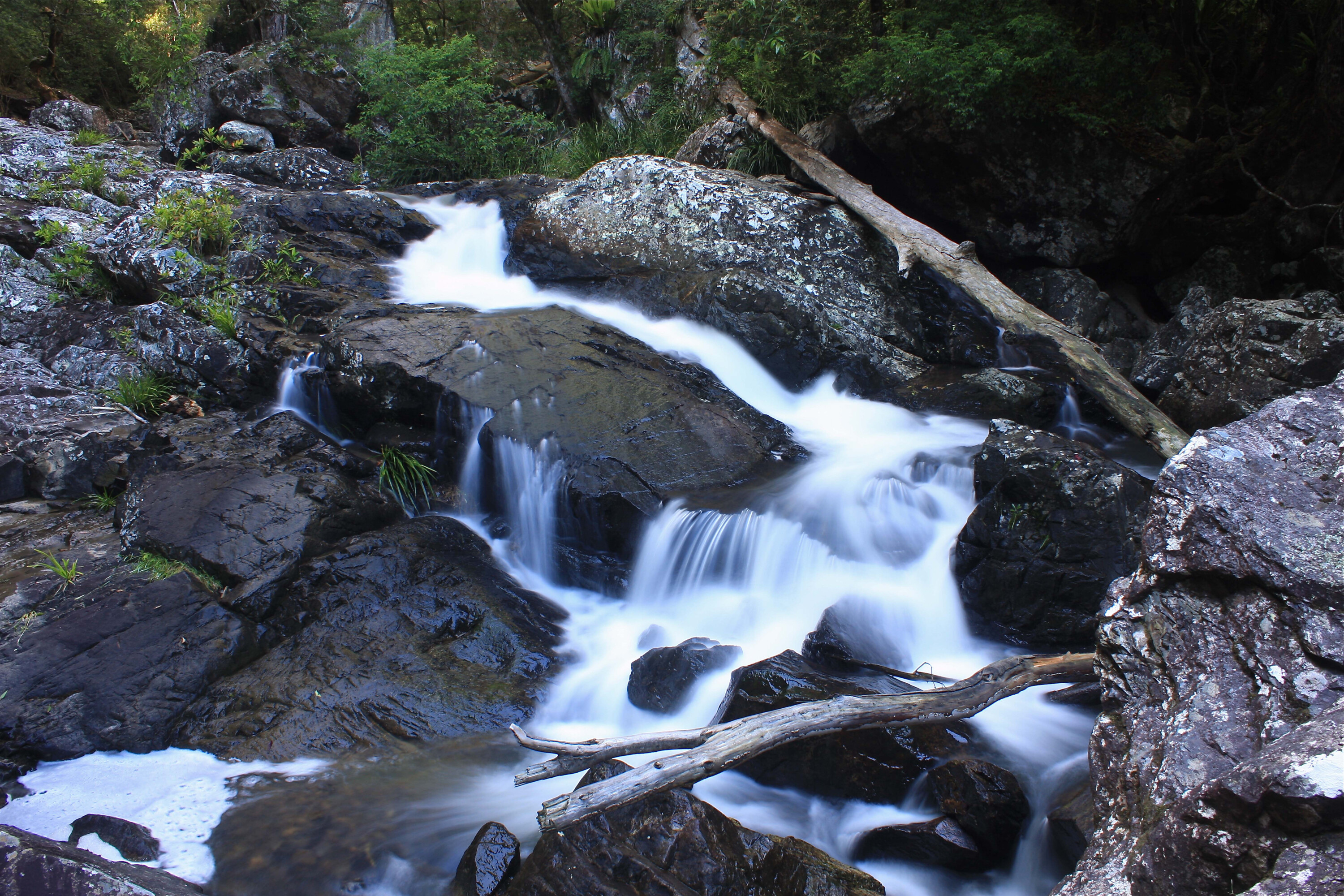
The Orara River just west of Coffs flows 100km north to join other rivers before it heads east to the ocean. One of the river’s most popular spots is Bangalore Falls.
1
Access is via 4×4 tracks and then a short five-minute walk to the falls, and it makes for a fabulous day out for anyone with a 4×4.
Because the range tracks along the coast, there are a number of other waterfalls wherever the terrain gets steep. Grab a detailed map and create your own adventure by discovering the Coffs hinterland.
There are dedicated roads to access many of these waterfalls, to either their base or top of the falls, which makes finding and enjoying them heaps of fun.
1
5. Mount Coramba and tracks
The Coffs region is now regarded as the 4×4 capital of NSW with its range of challenging tracks that will test most skill levels.
At nearly 700m high, Mount Coramba is the ultimate four-wheel driver’s playground, with never-ending hill climbs and a variety of rocky and clay-based tracks. The mountain demands respect even in the dry, with track names like Rocky, Commando, Army, Morbid, Cyclone and more.
If you want hardcore off-roading, this is the place to come to, and you can easily spend a day on Mount Coramba traversing tracks to the top, and then do another run back down to the base.
1
But be warned, when the weather turns, as it often does here, the rain turns the tracks to pure slop, and often traction is little to none which will have you reaching for the winch. It’s seriously steep country in here; grab a local topo map and look how close the contour lines are!
So what’s so good about Mount Coramba? Well when you get to the top there’s rugged views to the west towards the plateau regions, yet down below you the coastal ranges give you an indication just how close the mountains are to the sea.
Ironically, you can’t see Coffs Harbour from up here as the city was built in a bowl with the mountains as a close backdrop. Conveniently, Mount Coramba is only a 10-minute drive to the city centre, which makes it perfect for a quick drive… and if you get into strife it’s not too far to access recovery or parts.
Full BEV and range-extending powertrains to be offered
Uncompromised off-road ability
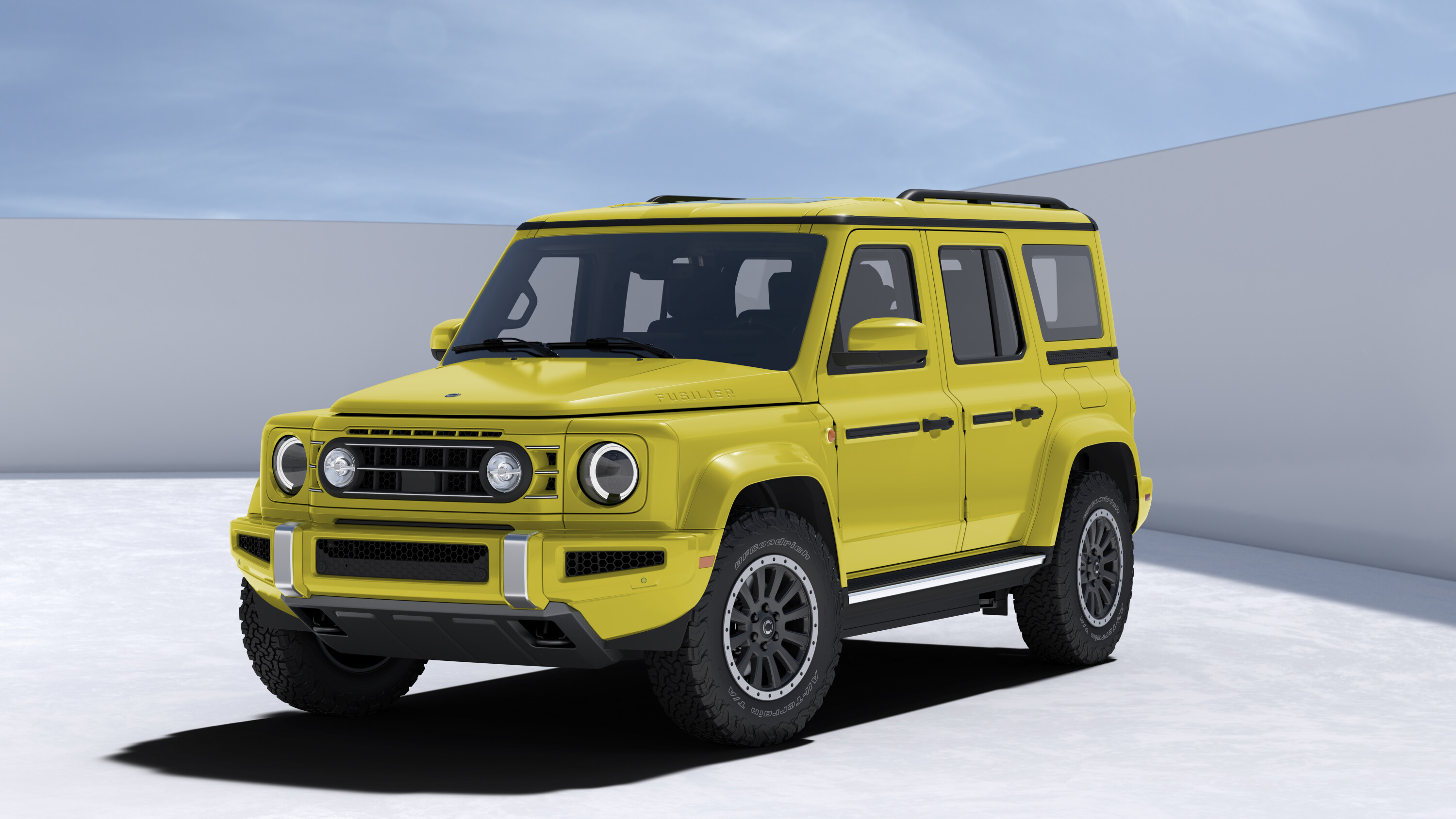
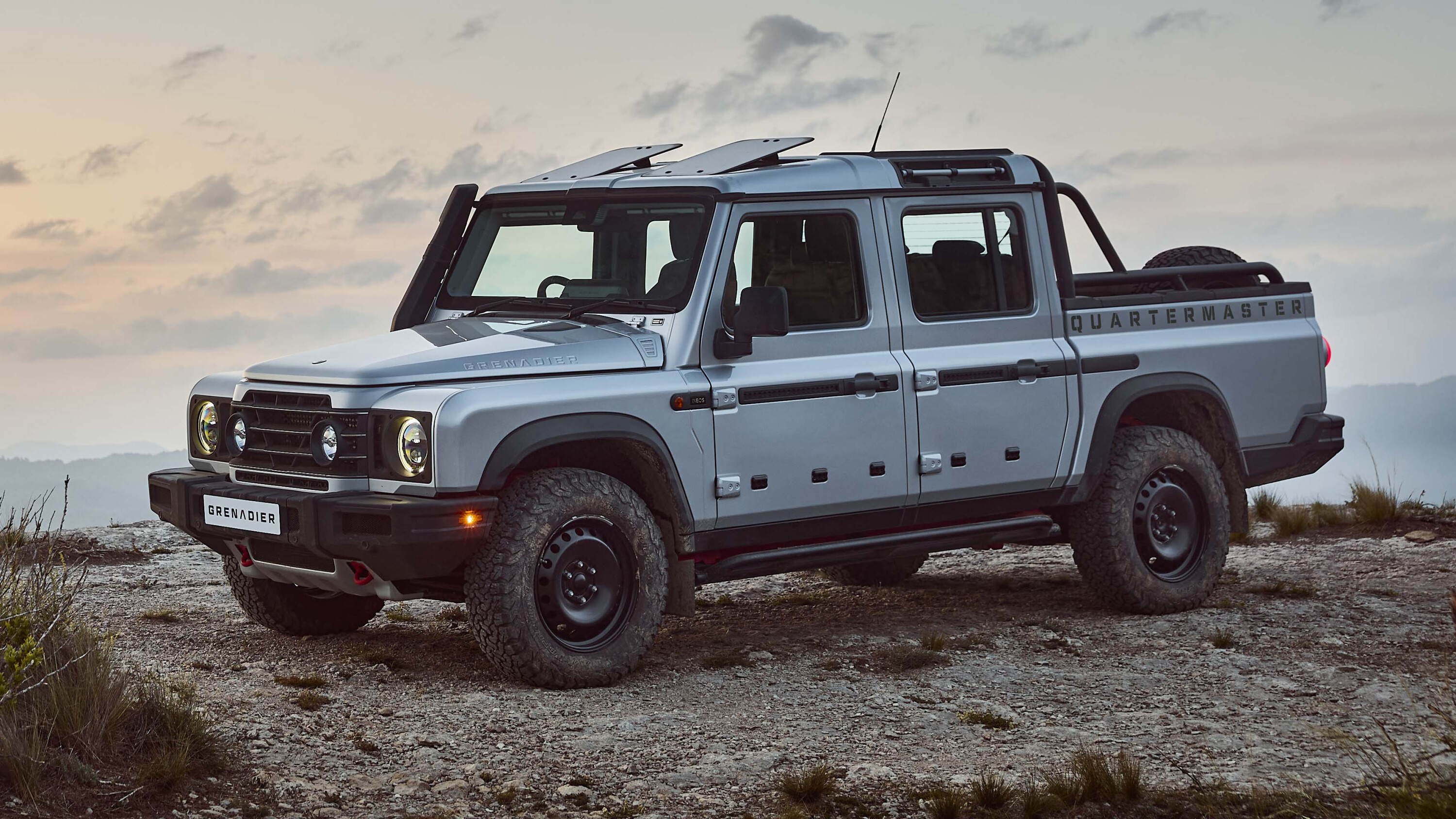
Ineos Automotive has revealed its third new model: a BEV which will be called the Fusilier, following the military theme of the Grenadier and Quartermaster.
The Fusilier BEV will be offered as both a full-time BEV or with a range-extending, small-capacity petrol engine that powers a generator to maintain the charge level of the battery when external charging isn’t available. Further details of the alternative powertrain and launch timings are expected by Q3 of 2024.
Sir Jim Ratcliffe, Chairman of Ineos, said at the unveiling: “The Fusilier is a great-looking vehicle, and the two powertrain options provide a real-world reduction in carbon emissions without compromise to the off-road capability or the on-road performance.
7
“We’re excited to bring our electric 4×4 to market but we are beginning to understand the clear limitations of battery electric in certain situations.
“We believe the addition of a range-extender electric to our line-up will offer our customers a very low emission drive without the range anxiety drivers of electric vehicles experience today.”
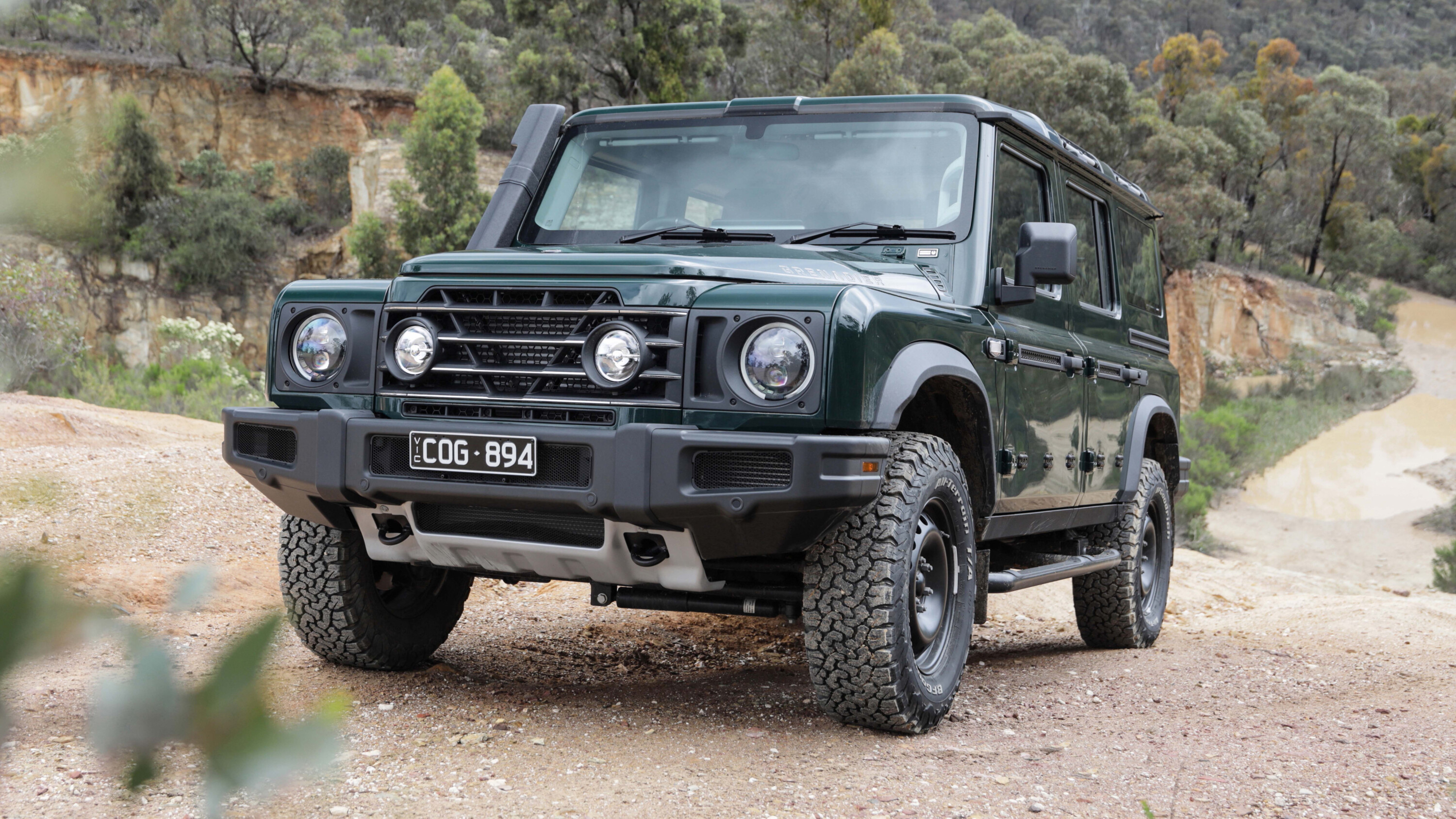
While the supplied images of the new Fusilier show a vehicle similar in design to the Ineos Grenadier, the new model is in fact smaller and built on a different platform to the ladder-frame chassis that is shared by the Grenadier and Quartermaster.
This vehicle will use a unibody chassis specifically designed as a BEV, but it’s claimed it will not compromise off-road ability.
It will be slightly shorter in length and slightly lower in height and will ride on a bespoke ‘skateboard platform’ with a steel top section and underbody, as well as aluminium doors and closures for reduced mass.
“It’s a completely different concept, and yet still trying to get the same or as close to the best off-road capability that we can get,” Ineos Automotive CEO, Lynne Calder, told 4X4 Australia when visiting Australia in 2023.
1
“We’ve engineered the Grenadier using the ladder frame and the solid beam axles, to get the off-road capability that we’ve got.
“Having to now, with a completely different concept, a unibody, skateboard battery configuration, but get the same ground clearance, the articulation and everything that goes with what we’ve built from the off-road DNA perspective, but in a completely different concept.”
Further differentiating the Fusilier from the Grenadier and Quartermaster models is that it will be manufactured by Magna at its plant in Graz, Austria.
The existing models are made at Ineos’s plant in Hambach, France. Ineos used Manga for the development of its previous models and again relied on the specialist automaker for development, but is extending its involvement with full production of the Fusilier.
1
This will include a rigorous testing programme on Austria’s Schöckl mountain, which is famous for being the test site of the Mercedes Benz G-Wagen for more than 40 years of development.
“Announcing our third model line is another significant milestone for Ineos Automotive, cementing our intent as an automotive manufacturer – like our full vehicle line-up, we are here for the long-haul,” said Ms Calder.
While confirmation of if and when the Fusilier is expected to arrive in Australia is yet to be confirmed, Ineos does say Australia is an important market for its brand. Read what you will into that, but we reckon we’ll see it some time late in 2025 or thereabouts.
1
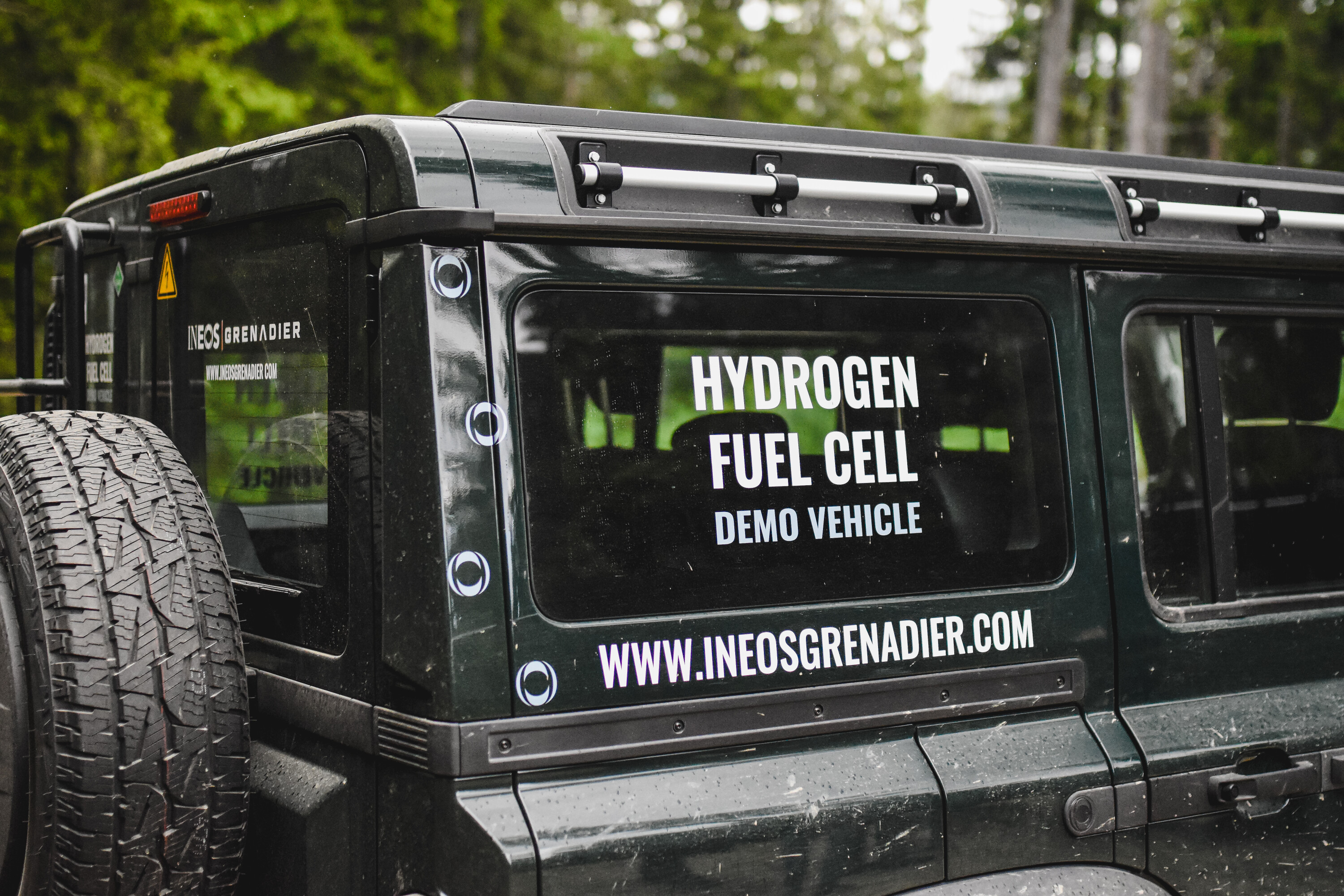
Ineos also showed a Grenadier Hydrogen Fuel Cell concept at the Goodwood Festival of Speed in 2023, to show that the technology for a hydrogen-powered 4×4 is capable and ready for production. It also said at the time that the refuelling infrastructure needs to be in place before it is commercially viable.
“When we built it, the plan was that it was a precursor for a series development vehicle, and it was purely a hand-built, uncompromised Grenadier,” said Ms Calder.
Our Ford Ranger Sport V6 has been our biggest build to date, and as always we leant on some of the best brands and aftermarket outfitters in the country to source all the gear to turn it into a capable touring rig.
We bought the Ranger straight off the Ford press-vehicle fleet following the model launch and this allowed us to get our mitts on it sooner rather than buying it new, as there was a wait list of six to 12 months for the new V6 Ranger at the time. It already had 6000km on it when we got it, so it was just run-in for us.
We liked the look of the new Ford Ranger as it promised to be the most significant new 4×4 model from 2022 and into 2023, and our thoughts were verified with it becoming the best-selling new vehicle overall in Australia in 2023. Not only was Ford’s V6 turbo-diesel engine a monumental addition to the midsize 4×4 ute market, but the new model brought many updates and inclusions to the segment making it the best driving ute in the class.
We chose the Sport model Ranger as it had a few nice features that we appreciate including leather seats, LED lights and, most of all, the chrome delete; to my mind, chrome has no place on any vehicle built after 1970. The blacked-out look is so much better and works well against the Meteor Grey metallic paint.
Build a box
From the outset it was always our plan to remove the factory cargo tub and fit a chassis-mounted canopy to the back of the Ranger.
Not only does this major inclusion reflect what owners are doing to their utes, including many of the vehicles we feature in 4X4 Australia magazine, but it gives us the perfect platform to create the best touring set-up for the back of the vehicle. Coincidentally, I had been speaking with Murray Brook from Trig Point Canopies just weeks before we took delivery of the Ranger and he suggested that if ever there was a way that Trig Point could be involved with one of our builds, that he’d love to have the opportunity.
Trig Point had recently displayed one the first Rangers we’d seen with a replacement service body at the Melbourne 4×4 Show, and we were impressed with the style and quality of the product, so were only too happy to take Murray up on his offer.
It was a good call in more ways than one. Not only is the Trig Point canopy an exceptional and well thought out product, but the help given to us by the team at Trig Point in general has gone over and above what we expected, as they are able to handle all aspects of a build including 12-volt systems, plumbing, electrical and accessories to fit to the canopy. They even communicated with some of our other suppliers to ensure that their equipment would fit and work with the canopy as well as the then-new Ranger.
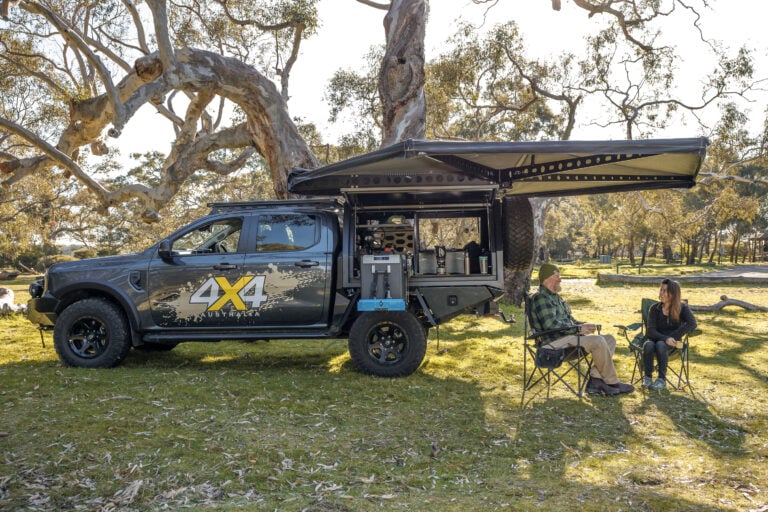
We specced our Trig Point with what they call the two-tone look, where the canopy doors are painted in body colour while the frame and rest of the body are all matt black. The canopy includes a few features that were new to Trig Point at the time including a rear trundle drawer as well as underslung rear tool boxes, a water tank with electric pump and hose kit, and an internal cage for the fridge compartment.
1
Trig Point used CAD to map out the internal inclusions so that the products from our other suppliers would all fit inside the canopy. These included an MSA 4X4 drawer and Power Slide for the Dometic CF45 fridge, space up on the headboard for the extensive Intelli-Grid power system from Projecta, and some open space to carry larger items. Murray also left space for something that he still had in the design stages which turned out to be the Trig Point kitchen/pantry that was fitted later in the build, and was a great addition that adds to the functionality of the whole set-up.
Some of the niceties we’ve come to appreciate in the Trig Point canopy include the press-shut locks for the side doors, making them super easy to close against the automotive-style seals, the fact that the doors and trundle drawer are hooked up to the Ranger’s central locking, the Narva LED touch-lights under the doors to illuminate the inside and work areas at night, and the overall fit and functionality of the whole set-up. It truly is first class.
The battery is charged and maintained via multiple sources including Projecta’s INVCHR3 inverter/charger that allows fast charging up to 180A from a 240V source, as well as being a 3000W inverter for running AC accessories.
The PMDCS60 DC-DC charger manages the charge from the Ranger’s alternator between the auxiliary Li-Po battery and the main battery; an SC540 MPPT solar charge controller can be hooked up to fixed or mobile solar panels; and you can keep tabs on the whole system via the INVCHRD-BT lithium battery monitor that is mounted just inside the canopy door.
The team also included multiple 240V GPO, 12V and USB power outlets on the powerboard to keep any accessories and gadgets charged up. It’s a comprehensive system that is really a set and forget set-up for life on the road and off-grid touring.
Protection racket
We were very happy to welcome TJM to our Ranger build as we hadn’t worked closely with the Aussie company on a build before. The legendary 4×4 brand was marking its 50th anniversary in 2023 and we were privileged to have some of their legendary gear fitted to our Ranger.
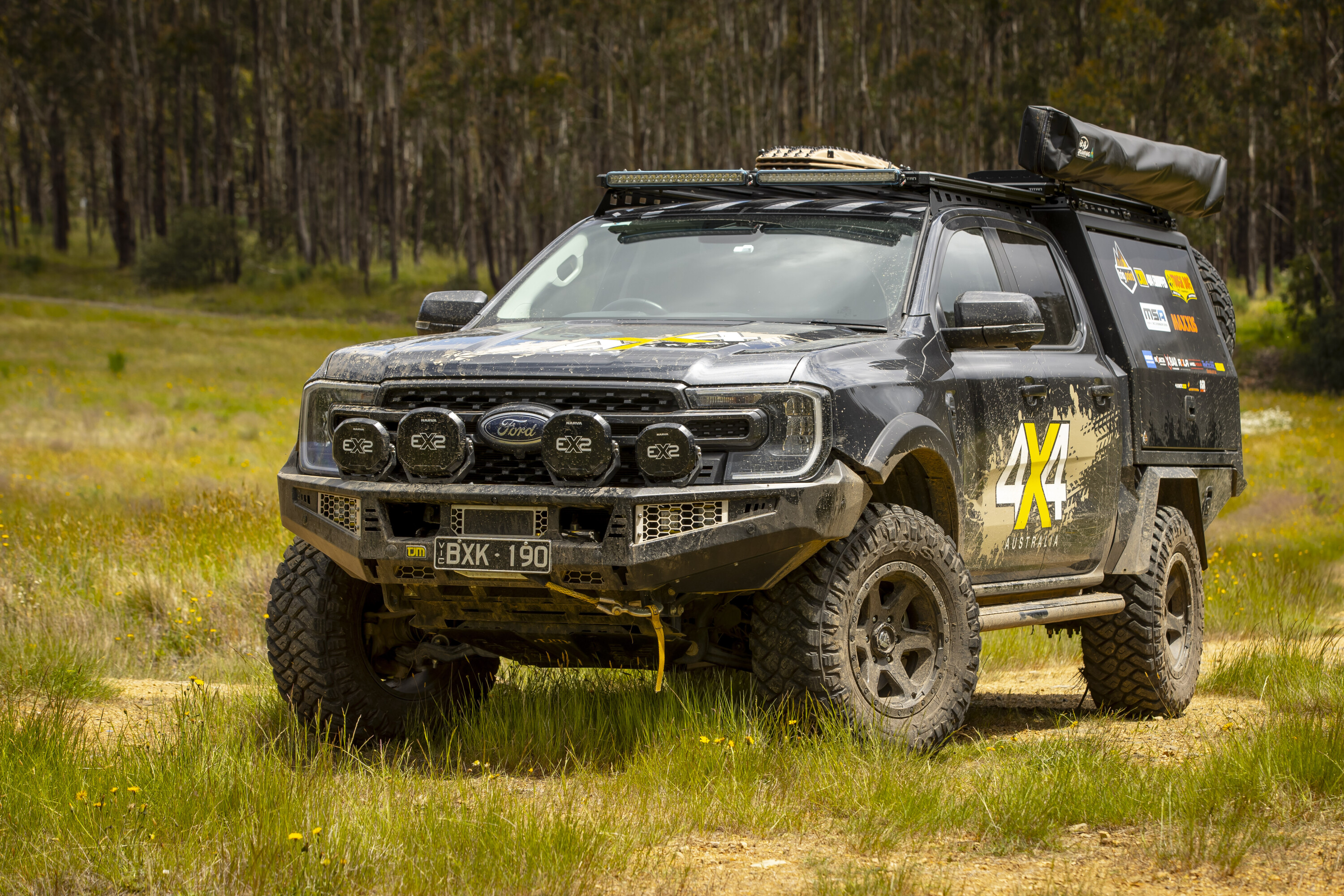
The TJM Venturer bar is a loopless steel replacement bumper adding a stronger bumper with improved approach angles, built-in rated recovery points and provisions to mount lights, antennas and a winch. Importantly, the bar retains the operation of all the Ranger’s safety cameras and radar, and even includes relocation of the little water squirter to clean the mud off the forward-facing camera.
For recoveries we chose a TJM Torq 9.5 winch fitted with synthetic rope. The Venturer bar has large openings in the front allowing easy access to the winch’s clutch release lever, and operation is simple with both a cordless remote and conventional corded controller.
The Venturer bar has provisions to include the OEM fog lights within it but TJM replaced them with a set of its own LED Pod lights which offer more (and better quality) light output.
TJM’s 3mm high-strength steel underbody protection extends from the bar and back under the engine sump to guard against hits from rocks and scrapes, while a pair of TJM 63mm tubular steel side steps offer a whole lot more sill protection down the side of the Ranger than the factory plastic steps ever could.
1
Our TJM gear was installed by the helpful team at the TJM Epping (Victoria) store who again went over and above with not only the fit-out but also other work on the Ranger since then.
At the rear of the Ranger we have once again gone with an X-Bar from Hayman Reece, which was chosen for its functionality, incorporating three red recovery points as well as the standard 50mm square hitch receiver. The recovery points are all rated and using the ones on the outer extremities with a bridle strap puts all the load directly to the ends of the chassis rails, which are the strongest points.
The Ranger’s standard 3500kg towing capacity is retained and, while we don’t tow anything with the Ranger, the boofheads at Street Machine reckon it goes all right when they borrow it to tow their project and race cars.
Light up
Atop our TJM Venturer bar sits a quartet of Narva LED driving lights. Narva released its EX2 range of LED lights around the time we started the build so this was a great way to showcase these new products.
We went with a pair of each of the seven- and nine-inch EX2 round lamps for the bumper and ran them through separate switches so that each pair could be run independently of the other.
Depending on your state regulations, you don’t need to run the EX2 lights through a separate switch or use an auxiliary wiring harness, as they have internal relays and only three wires coming out the back for power and a high beam pick up. Switching is then done solely through your vehicle’s high beam switch – clever stuff that makes installation easy.
Narva’s EX2 LED light bars came out a few months after the round lights and we fitted a pair to the Rola Titan Tray up above the cabin. These are 20-inch single row light bars and like the other EX2 products they don’t need any additional wiring harness or relays in the system, just power and a pick up from the high beam circuit, although we again wired them through a switch so that we can run them independently of the other driving lights.
Up top
Looking back it seems we timed the build of our Ranger with a few new product launches, and one of these was the third generation of the Rola Titan Tray.
The Titan MkIII trays are bigger and beefier for increased stiffness and a better look but still retain all the great features of the previous models including light weight, T-slot mounts and a huge range of accessories to suit whatever gear you might want to carry on top of your 4×4.
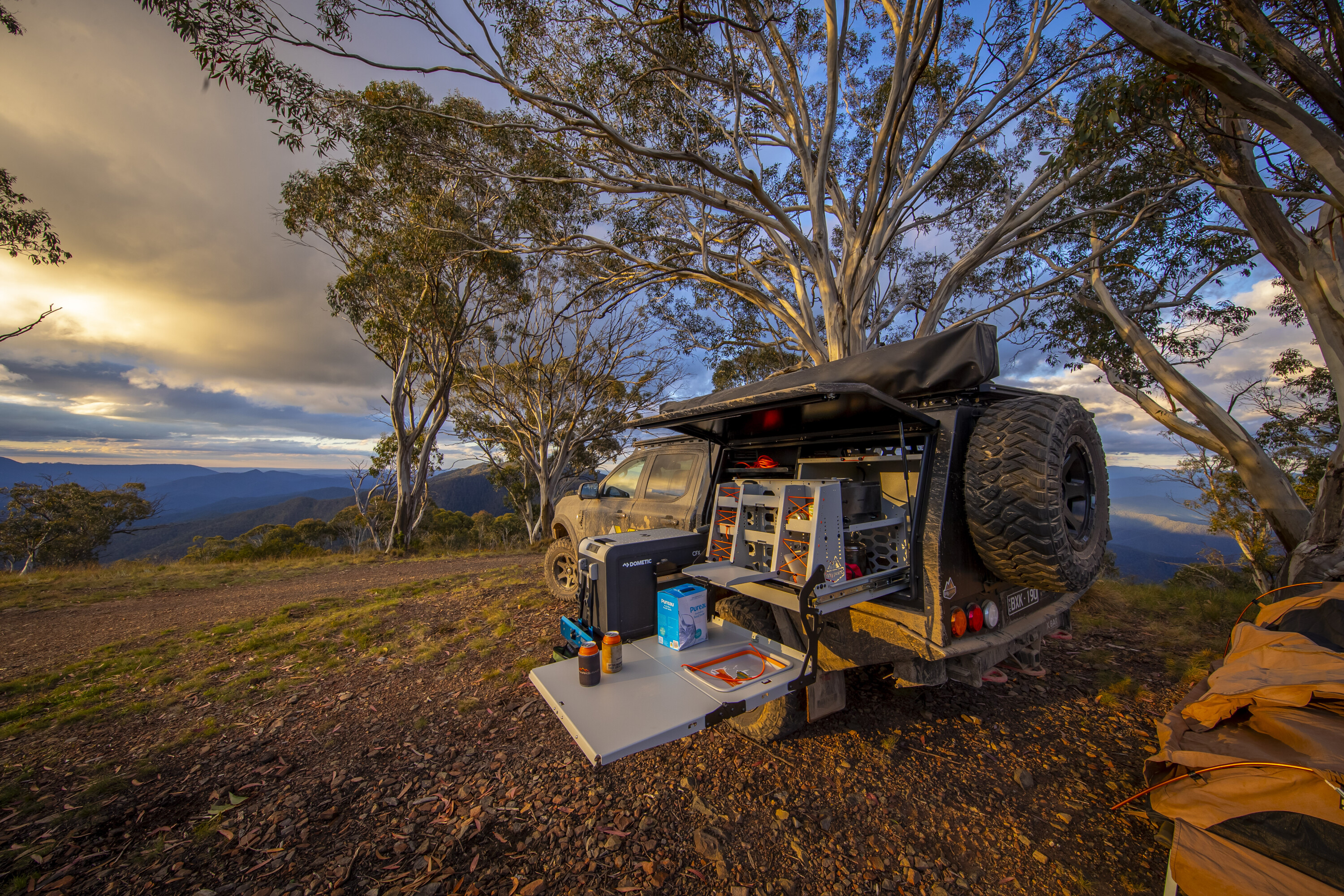
We fitted a pair of the Titan MkIII trays to the Ranger – one on the vehicle cabin and another atop the Trig point canopy. The one tray on the canopy has the Maxtrax mounts on the driver’s side where we secure a stack of Maxtrax Extremes when heading out, while on the passenger’s side we have the excellent Australian-made 270° awning from Boss Aluminium.
Down under
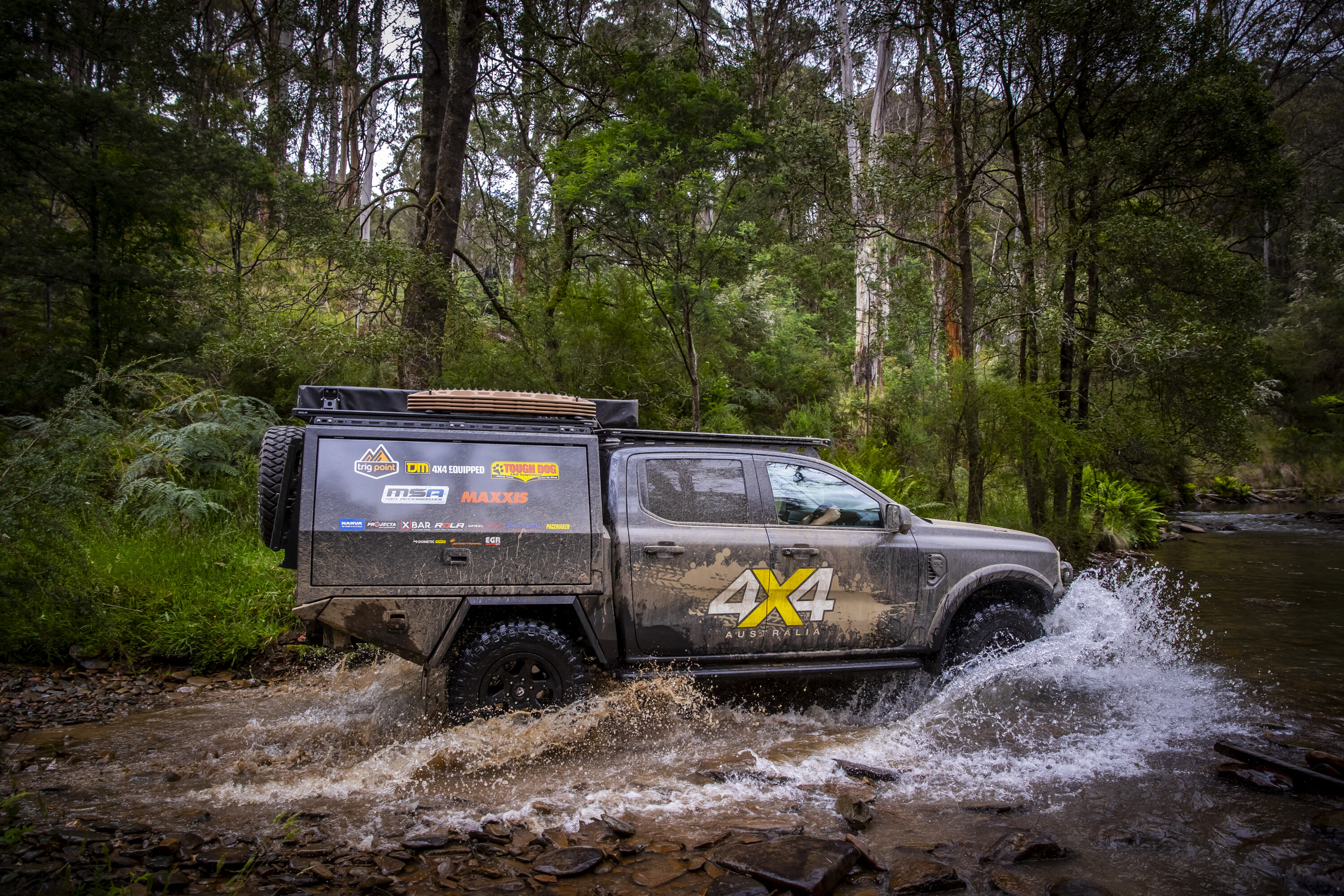
Rolling stock for the Ranger is a set of Fuel Ripper alloy wheels from Wheel Pros Australia clad in Maxxis RAZR mud terrain tyres in a 285/70R17 size.
We’ve had a good run with the Fuel Wheels/Maxxis RAZR combo on our PX Ranger and couldn’t go past them again for this build. The wheels look great and are a simple design which are easy to clean, while the MT772 RAZRs are a great all-round on- and off-road tyre that works well over all conditions.
The bigger than stock tyres are covered by EGR flares at the front and Trig Point’s standard canopy flares at the back. EGR makes the flares for Ford when you get them with your new Ranger so they were a great choice for our vehicle as they provide a factory look and neat fit.
Connecting the rolling stock with the chassis is a suspension kit from Tough Dog. The plan was always to fit as many of the accessories as possible before the suspension was installed so we could get the weights right but that didn’t go to plan.
The standard Ford rear leaf springs are made for comfort and really don’t like a load on them, and once we started putting a bit of stuff in the canopy they quickly sagged down to the bump stops. A set of replacement leafs was freighted down from Tough Dog to remedy the situation and ensure we could keep driving the Ranger before the rest of the kit was finalised.
Then it was up to Tough Dog’s HQ in Sydney where new Foam Cell rear shocks were added to the rear, while complete Tough Dog struts were fitted to the front-end, giving us a 55mm increase in ride height, a firmer and more controlled ride and a level vehicle again.
When we put the Ranger across the weighbridge we found it to be getting close to its axle limits, particularly on the front-end, so as we go to print it’s being equipped with a Tough Dog GVM-upgrade kit so its next owner will be able to load up the family for worry-free adventures in the future. We’ll have more on that and the limitations of the Ranger’s front axle in an upcoming issue.
Also under the vehicle is the only mechanical change we made to the V6 Ranger and that is in the form of a replacement exhaust system from the legends at Pacemaker Exhausts. On this Ranger the three-inch cat-back King Brown exhaust system from Pacemaker barely changes the sound of the exhaust but if you want it noisier you can delete the muffler. We didn’t want any droning on the highway so we left the muffler in place and we’re happy with the result; we must be getting old!
The guys at Pacemaker tell us that the true advantage of the King Brown exhaust system is that the extra flow and less restrictive design means the DPF runs cooler which extends the life of this expensive consumable part. The King Brown exhaust is made from coated stainless steel so it will last a lot longer than the OE mild steel system.
Interior
With the Ranger Sport being really well-equipped inside we didn’t touch much.
As with all our builds we fitted a set of Tru-Fit moulded 3D floor mats to protect the carpets front and rear, and these are shaped to the floor of the vehicle so they don’t move under your boots, while the dished design contains any mud, sand or even liquid spills. And the mats are easy to remove and blast with the pressure washer when you’re cleaning the crud off after your off road adventures.
The only other interior addition to the Ranger was a switch panel from Pirate Camp Co to accommodate our light switches. Like most new vehicles the Ranger doesn’t give you anywhere to easily install auxiliary switches and the Pirate Camp Co one fits neatly above the standard console and has four rocker switches. It also moves the USB port forward to an easier to access spot than where Ford originally positioned it.
One thing we would normally fit to any touring 4×4 would be a quality UHF radio unit but we didn’t get around to it with this build. After spending some time in a top-spec Ranger Platinum with its B@O sound system we reckon the standard Ranger Sport audio kit would benefit from an upgrade as well.
Our previous build, the Isuzu MUX, had its signwriting done by the guys at Moorabbin Signs and we went back to them for the wrap on this Ranger.
Final word
Since we took ownership of the vehicle we’ve run around between workshops, taken a few trips up to Sydney, and been on photo shoots out in the Victorian High Country.
It’s been mainly trouble-free with the only problem so far being an oil leak from the turbo return line, which was quickly fixed under warranty by Chadstone Ford. It’s proven to be a competent and comfortable tourer with all the gear fitted making it a functional home on the road, be it for long or short getaways. With the addition of some solar panels up on the roof you would be able to spend weeks off the grid.
1
Once we get the final sign-offs done for the GVM upgrade it will be off to Grays Online Auctions to find a new owner, so keep an eye out for details of that auction.
We’re also putting the final touches on our Mitsubishi Triton build at the moment, and making a start on our 2024 build, which is a new Ford Everest that was just delivered to our office from the dealer. It should be another fun touring build with some great suppliers already on board.
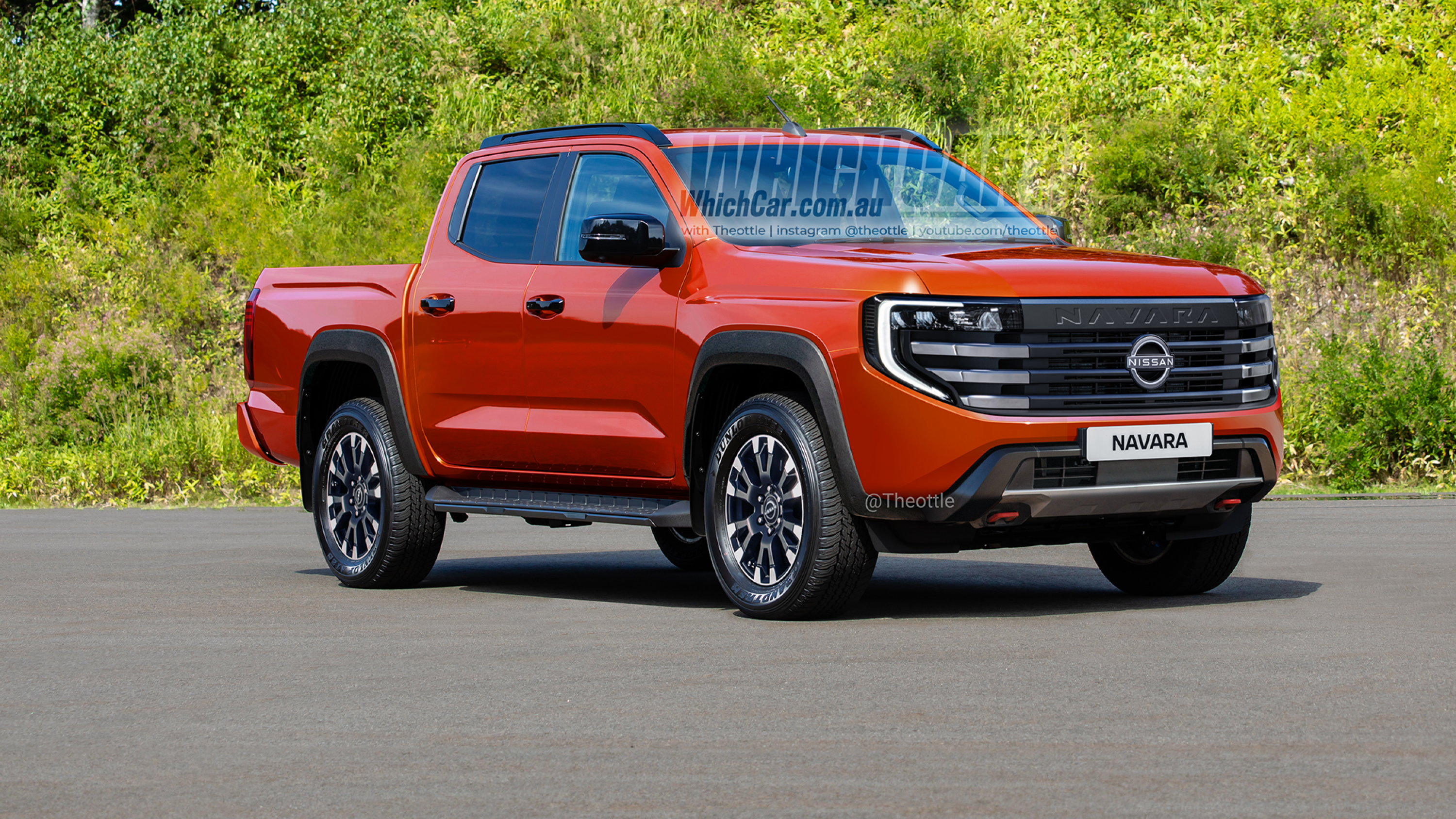
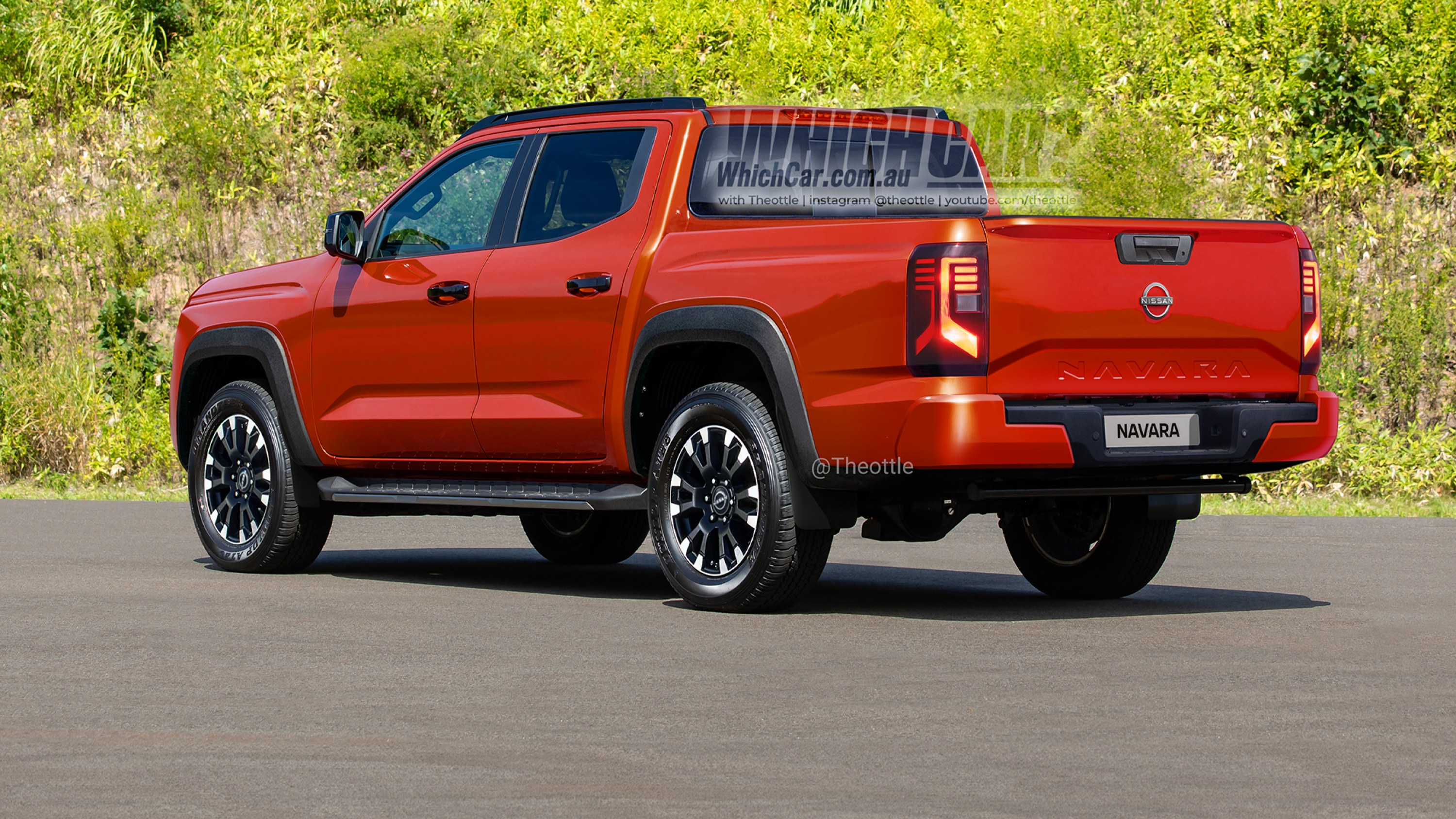
With a few distinct styling themes across its global line-up, it’s tricky to know just how the next Navara will look. How about this?
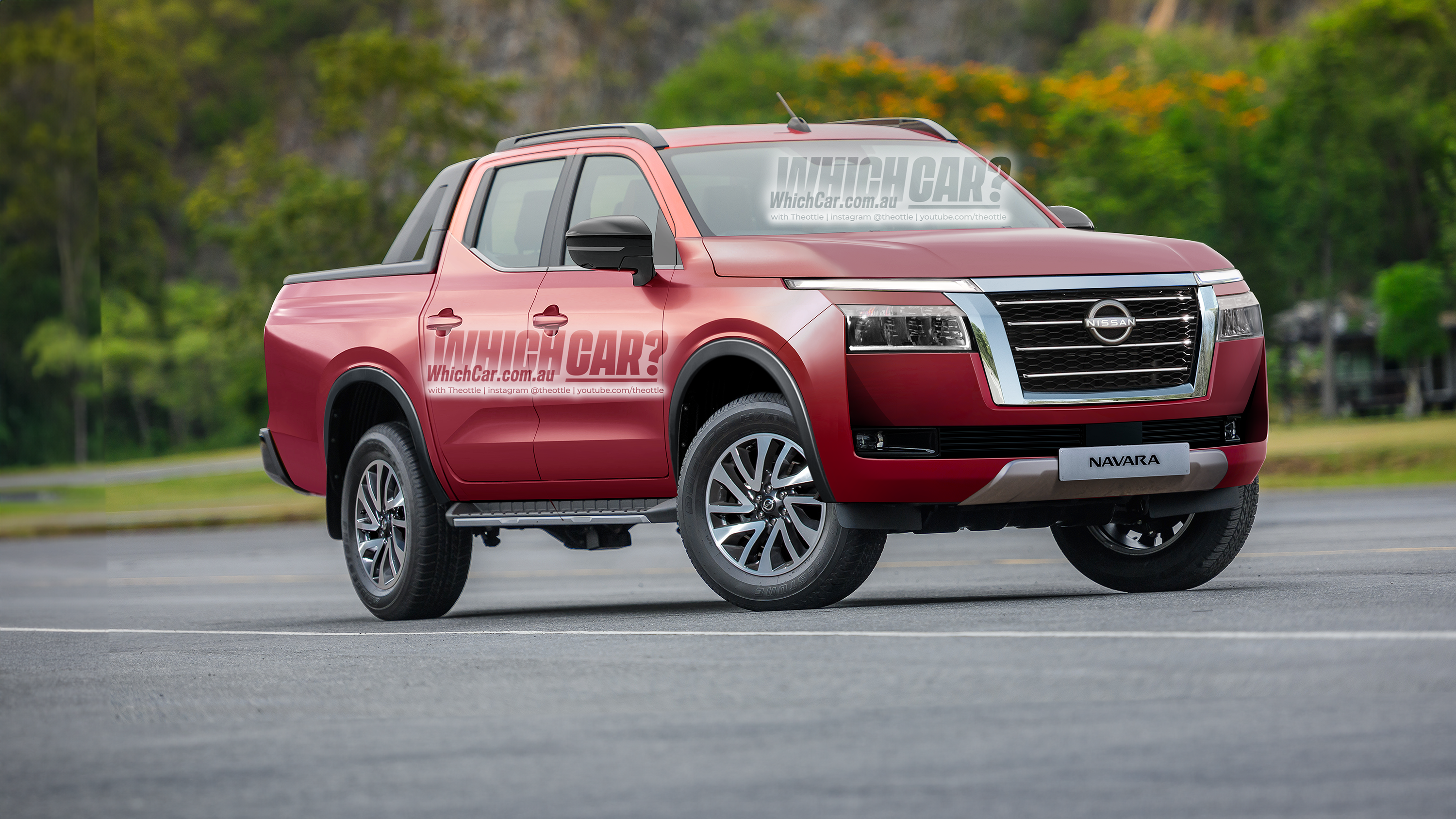
Last year – see below – our mate and rendering wizard Theottle delivered a speculative look at the 2025(?) Navara with styling features borrowed from its latest passenger models.
1
The above new take looks instead to the Interstar van, revealed earlier in February.
The design works well for the Navara, giving it a more American look, which is very much in vogue at the moment – just take a gander at the new Ford Ranger.
1
The cab and rear are Triton-inspired, of course, and that’s likely what we’ll see when the new model finally debuts.
What do you think of the design? Jump into the comments below to tell us your thoughts.
August 2023: New Navara imagined
1
The next-gen Navara will share much of its DNA with the incoming new Triton, but its expected 2025 debut will come roughly one year after Mitsubishi’s new ute.
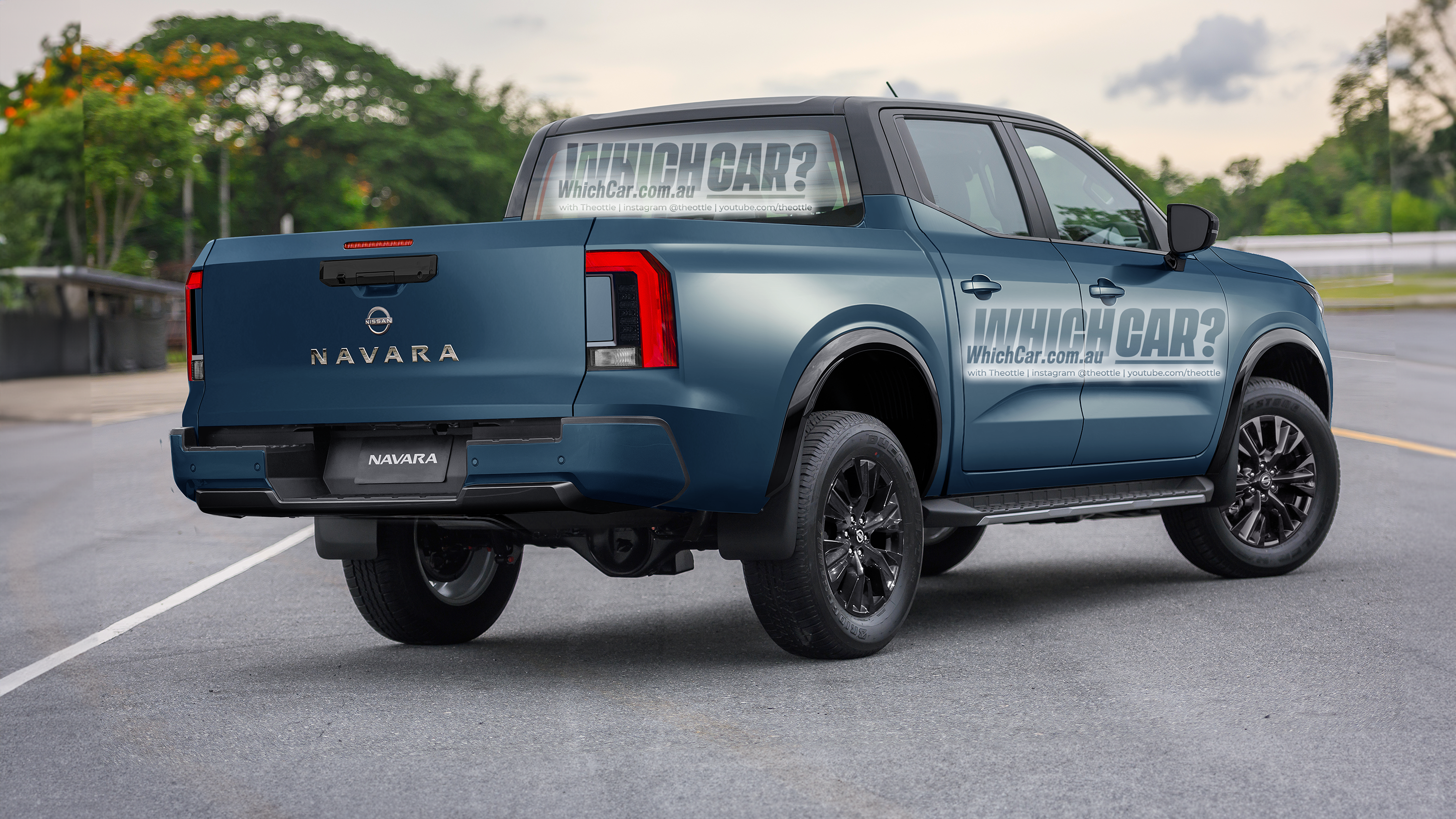
Just how much it will share is still uncertain, but we asked our resident renderer, Theottle, to harness inspiration from the new Triton and imagine what the new-gen Navara might look like.
1
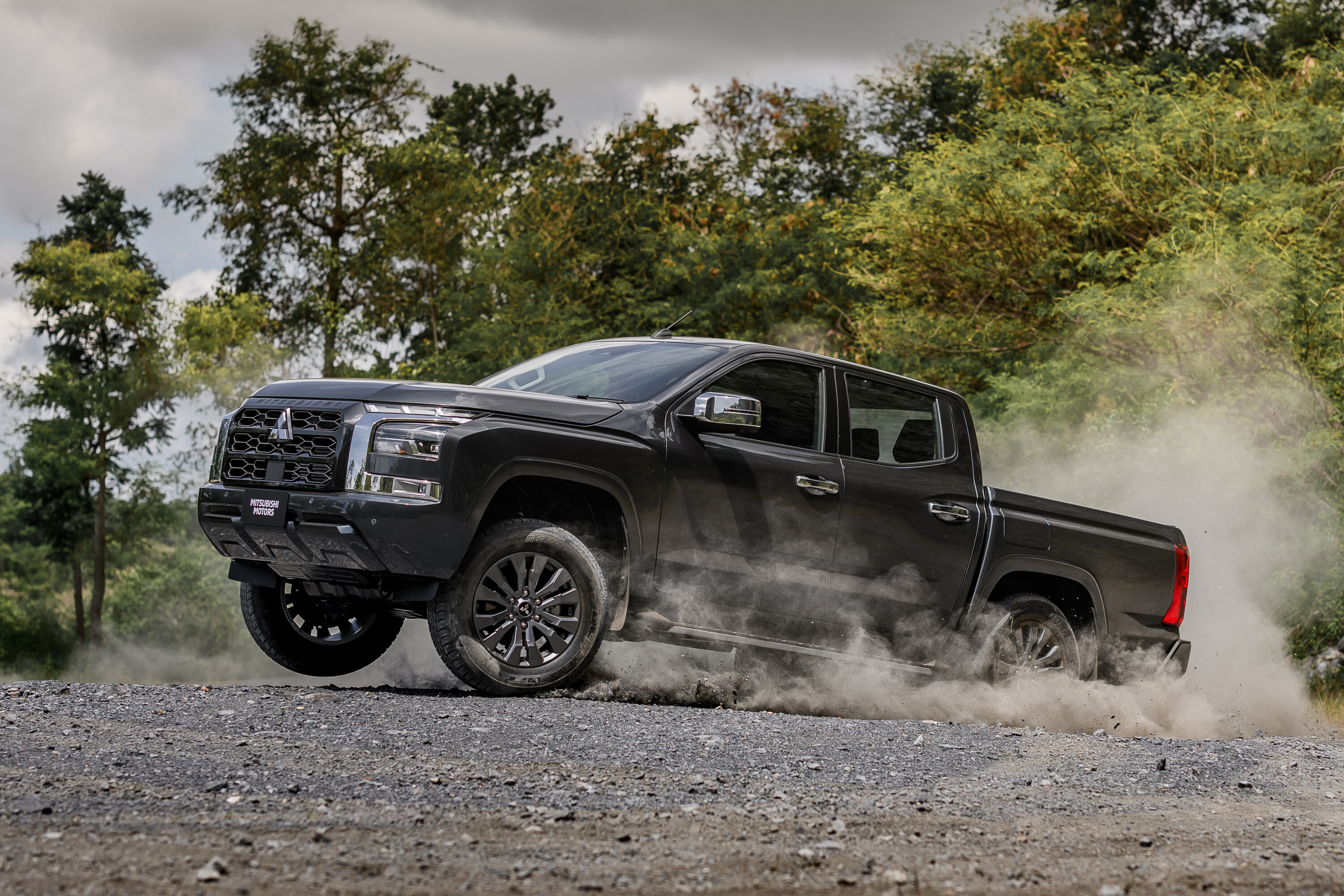
The sixth-gen Triton, revealed globally last month and already on sale in Thailand, is built on a new, stronger ladder-frame chassis, and it’s bigger in every dimension than the outgoing model – 15mm longer, 50mm wider and a longer wheelbase that now measures 3130mm.
Not only is it bigger and stronger, it’s also more lithe, thanks to the use of high-tensile steel.
The Triton is powered by a ‘newly-developed ‘4N16’ 2.4-litre turbo-diesel four-cylinder engine, with Australia getting a twin-turbo version producing 150kW and 470Nm. The vehicle will also adopt an electric power-steering system in premium variants, which is a first for the model.
Australia will receive Triton four variants: GLX, GLX+, GLS and GSR.
A weakness of the outgoing model has also been rectified, with the Triton’s braked towing capacity now at the industry standard of 3500kg.
Stylistically, the new Triton features a muscular front grille, broad shoulders, prominent fender flares, unique T-shaped tail-lights, and new alloy wheels – aspects of which have been employed in these renderings.
1
The current Navara hasn’t exactly been a sales juggernaut.
According to the most recent VFACTs sales report (July, 2023), a total of 4153 Nissan Navara vehicles have been sold so far this year.
For comparison’s sake, the two best-sellers, Ranger and HiLux, have achieved 31,884 and 32,763 sales respectively. Even the LDV T60 has outsold the Navara in 2023, shifting a total of 5340 vehicles so far.
Frontrunner has been a leader in the roof rack world for many years and its gear, manufactured in South Africa, is designed to withstand the harshest climate and ensure a lifetime of dependability.
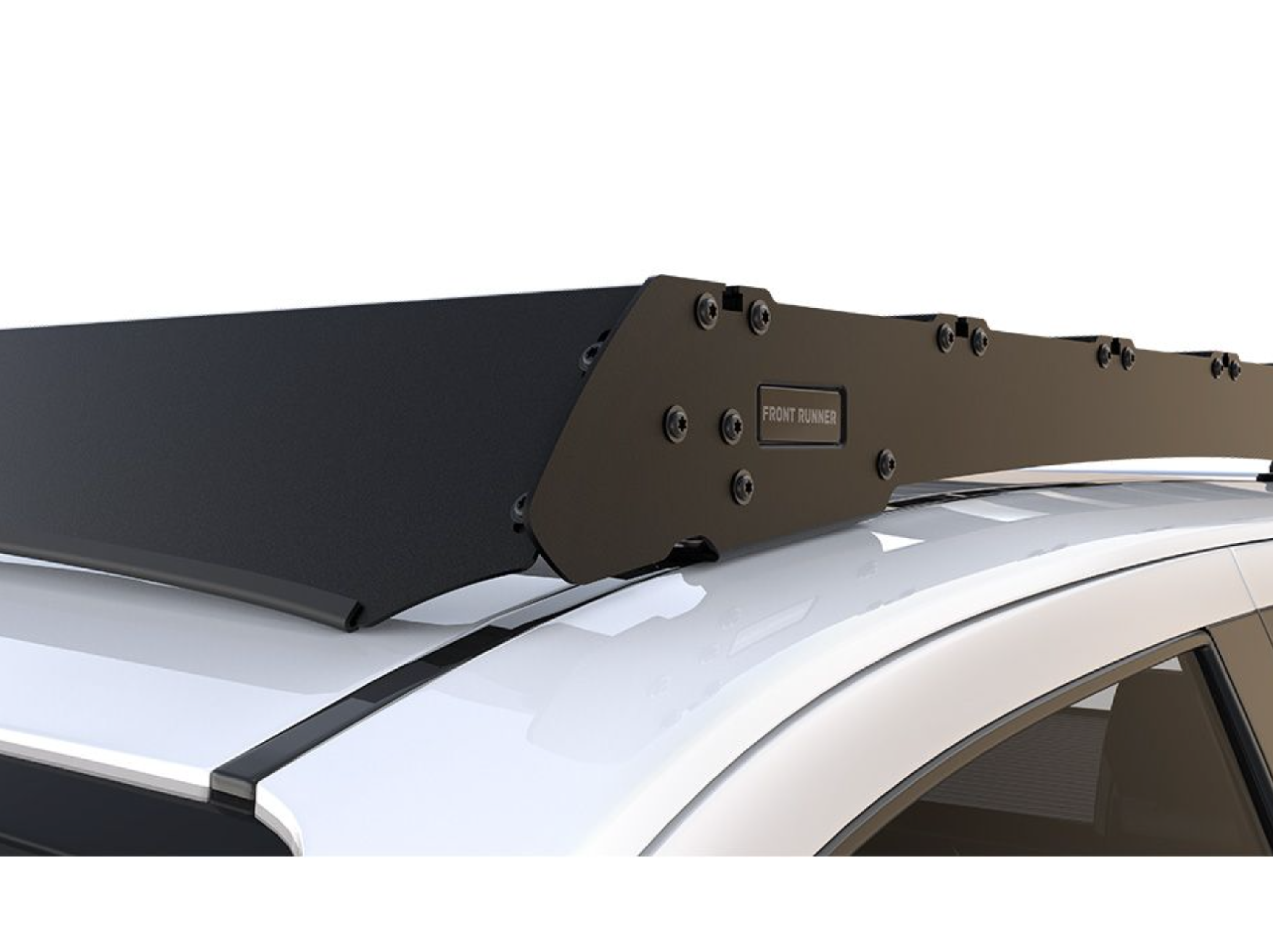
This also means the new Frontrunner Slimsport II roof rack is durable and hard-wearing enough to handle extreme conditions in Australia. The sleek new design of the Slimsport II range has a lightweight construction that makes it the ideal roof rack for loading all the gear you need for your next adventure.
With most Front Runner mounting solutions fitting the Slimsport II roof rack range, you can be sure there is something that will allow you to configure it so you can store your gear securely, including Front Runner jerry can holders, Wolf Pack storage boxes and aluminium tables. There are also side mounting options for things like awnings, ensuite tents, shovels, recovery tracks and much more. The Slimsport II range is even LED light bar ready.
3
There is nothing worse than listening to your roof rack whistle or feeling the drag when driving into a headwind, and the Slimsport II’s low-profile design reduces drag noise and also allows access to lower clearance garages or shopping centre car parks. The fit to your 4WD roof is sleek and form-fitting, which complements the look of your 4WD, and the wind deflector further improves the aerodynamics and reduces drag.
The Slimsport II roof rack range is manufactured using high-strength steel and black epoxy powder-coated T6 aluminium, which means the alloy is solution-treated at high temperatures to provide the maximum precipitation hardening and therefore maximum yield strength. The weight, dimensions and pricing of a Slimsport II roof rack are dependent upon which 4WD the rack is destined for.
3
The Front Runner Slimsport II Tray range comes with the foot rails needed to mount the rack to your 4WD. Drilling may be required for some 4WD models, so it is recommended you get the Slimsport II roof rack installed professionally. Those 4WDs that don’t require drilling can install the foot rails using the existing factory mounting points.
The rack kits contain installation instructions, and all the components needed to fit the Slimline II roof rack to your 4WD and the wind deflector. All Front Runner Racks are backed by a limited lifetime warranty, and you should refer to the website for all the warranty terms and conditions.