SUMMER’S here, which means it’s a great time to get out and explore. Here are some events coming up in the early-half of 2018:
SILVERTON SUNSETS MUSIC FESTIVAL (NSW)
Based at one of Australia’s iconic outback pubs, this new event, on Saturday, February 24, will feature some of the best from the Aussie country music scene. Hosted by country music star Catherine Britt and husband James Beverley, in combo with Silverton Hotel owners Peter and Patsy Price, the event also features John Williamson, Adam Harvey, The Sunny Cowgirls and more.
You can camp at Penrose Park (just across the river from the pub) or at nearby Broken Hill and catch the free bus out to the festival. Check www.silvertonsunsetsmusicfestival.com for more info.
HIGH COUNTRY BREWERIES TRAIL (VIC)
With summer looming and the Victorian High Country tracks open, it’s the perfect excuse to plan a few days following the High Country Brewery Trail.
This big loop takes in the Bridge Road Brewers at Beechworth, Rutherglen Brewery, Taminick’s Black Dog Brewery, The Social Bandit Brewing Co in Mansfield, King River Brewing in King Valley, Bright Brewery, Dinner Plain’s Blizzard Brewing Co, and Sweetwater Brewing Company in Tawonga South. Enticing? We reckon so. Check out: www.victoriashighcountry.com.au/food-wine-beer/high-country-brewery-trail
MILLION DOLLAR BARRA’ (top end, NT)
It’s always easy to find a reason to head to the Northern Territory’s Top End and fish for the mighty barramundi, but the NT government has just come up with the ultimate excuse: 101 barramundi have been tagged and released across the Top End’s waterways, with 100 of these worth $10,000 if you can catch one.
Then, there’s the big one: somewhere, deep in those crocodile-filled waters, is a barramundi worth $1,000,000. Yep, like we said, any excuse will do – especially this one! Entry is free, so head to www.milliondollarfish.com.au for more information.
EAST COAST HEAVEN (NSW)
With summer upon us, it’s time to check out some of NSW’s fantastic touring destinations. With the mountains of the Great Dividing Range abutting the coastal lowlands, the NSW coast offers a fantastic variety of four-wheel escapes, with the Barrington Tops region (and the nearby town of Dungog) a top option.
The alpine tracks of the national park will be open for the summer period, and the high campsites in this park are awesome. Add in neighbouring Chichester State Forest’s tracks and it makes a great summer destination. See: www.nationalparks.nsw.gov.au and www.forestrycorporation.com.au/visit/forests/chichester
ARB TOWN & COUNTRY TYRES STACKPOLE 400 (NSW)
The ARB Australian Off Road Racing Championship kicks off at Griffith in southwestern New South Wales with the Stackpoole 400 running from March 17 to 19. The ARB ORRC runs over four rounds at four different locations during the year. It is a great chance for those looking to get into competitive off-road racing to try it out in a sociable environment.
With eight vehicle classes ranging from production 4x4s through to buggies and everything in between, it’s guaranteed to be an awesome weekend. For more info, see: www.offroadracing.com.au
MAN FROM SNOWY RIVER FESTIVAL (VIC)
Make your way to Corryong on April 5 to 8 for this annual event celebrating Australia’s unique mountain lifestyle. The festival includes the epic Man from Snowy River Challenge horse race, local art exhibits, bush tucker, some brilliant country music, local photography displays and the High Country Ute Muster.
Designed to recreate the big bush gatherings of yesteryear and the Aussie country lifestyle, it is a fantastic four days in and around this pristine alpine village. For event details and to buy tickets, head to: www.bushfestival.com.au
2018 DRIVE 4 LIFE (VIC)
A fantastic off-road tour that helps raise money for the Northcott foundation, which provides support and services to people with disabilities. A $1000 tax deductible donation per vehicle ensures participation. The trip kicks off from Harrietville on Sunday, March 18, and is five days of fantastic Vic High Country touring, before finishing back at Harrietville on Friday, March 23.
Vehicle’s must have low range and be fitted with all-terrain tyres; plus you must be self-sufficient in regards to camping gear, food and water. See www.drive4life.com.au
THE beauty of an opinion is that everyone has one, but the opinions of those in the industry often carry more weight.
Our journos penned a bunch of divisive opinion columns throughout 2017; here are six that gained traction with our readers.
Concerns for new 4x4s not fitted with snorkels – Dean Mellor
After battling through tough Victorian High Country Terrain in a couple of snorkel-less showroom-stock 4x4s, Deano left concerned with said 4×4’s ability to effectively ford rivers, with water ingress to the engine a real problem.
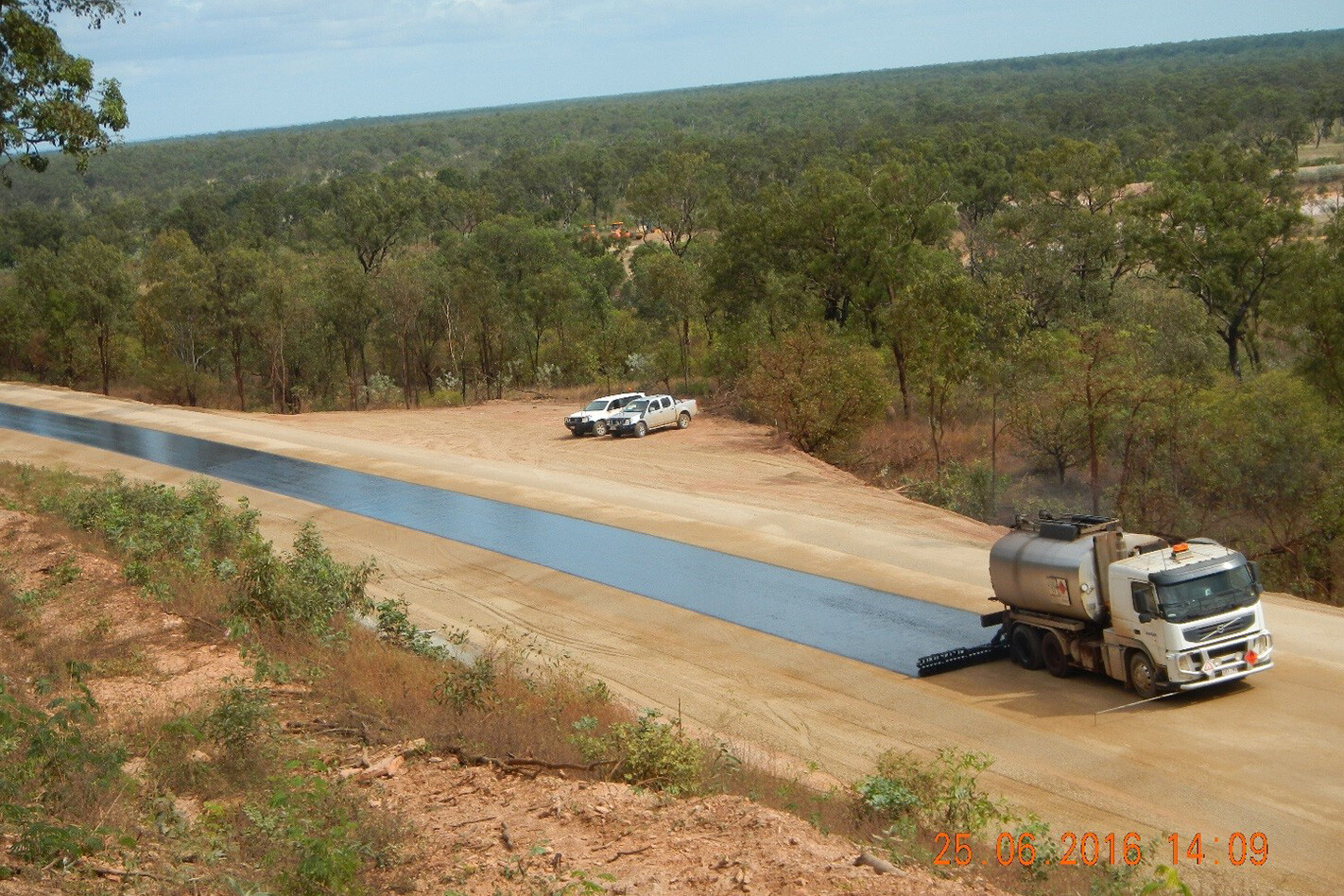
Dirt roads are vanishing under tar – Ron Moon
Tracks that were once dirt and dust are disappearing beneath bitumen, in a concerted effort to ease the commute for those that live away from the masses. The problem for Ron is that the off-roader has to look farther afield to get their tyres dirty, but is it a small price to pay to help the greater good?
Five 4×4 features we could live without – Matt Raudonikis
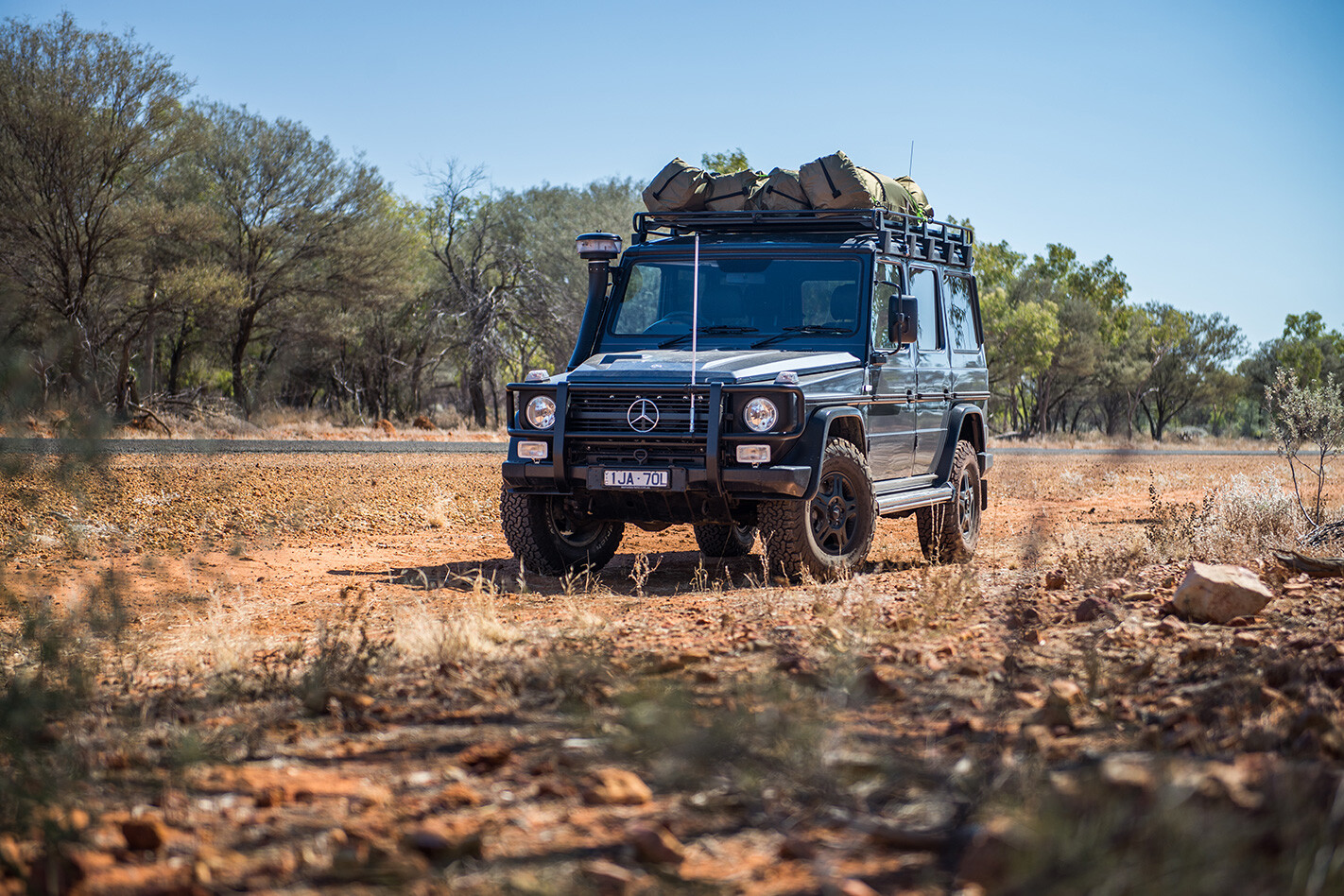
Modern 4x4s come with plenty of advantages over old-school models, but car companies are also hell-bent on loading the modern fourbie with things we don’t need or want. Things that irk Matt most include keyless ignition, idle stop/start, power tailgates, small fuel fillers and vehicle chimes (or alerts).
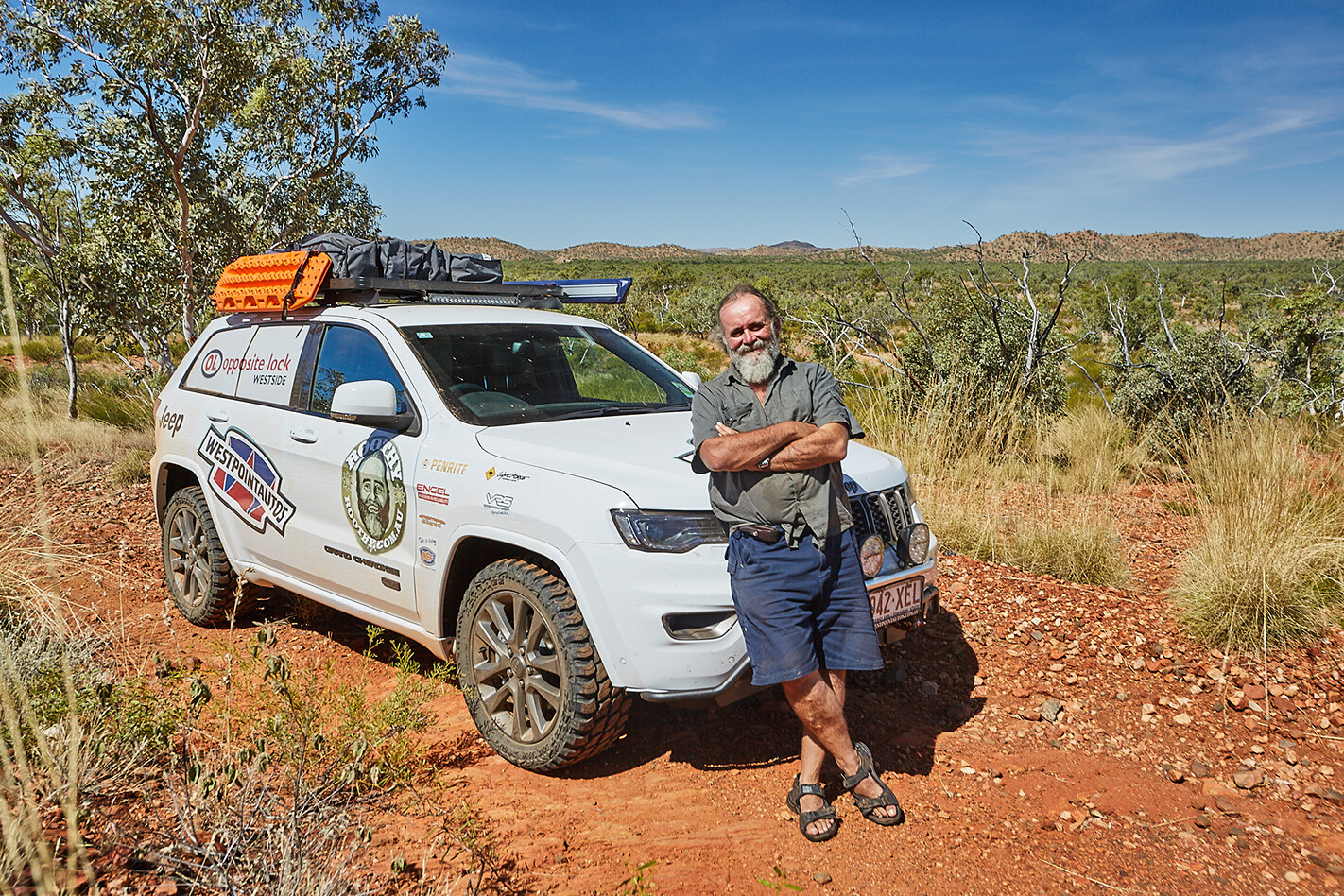
2017 Jeep Grand Cherokee hits the tracks with Roothy – John Rooth
Roothy put his Milo2 build on hold while he took a brand new Jeep Grand Cherokee from the showroom to rough and remote country. Before he got there, though, he decked it out with some quality aftermarket gear from Opposite Lock.
Web-based campsite booking systems are flawed – Ron Moon
Moonie hit a soft spot with readers when he penned this column on the farcical web-based campsite booking systems – and we realised it’s an issue affecting many off-roaders. The system, designed by someone with no clue about the requirements of the travelling public, requires a tourer to plan their trip to the last detail before you’ve left the front door. Unrealistic, we know.
FOR a bloke who takes pride in his own vehicles, it was pretty damn embarrassing.
This article was first published in 4×4 Australia’s August 2012 issue.
I’d volunteered to give Andrew Browne’s 200 Series LandCruiser GX tourer a quick wash before my colleague Matt pointed his camera at it. After a few days of sometimes damp High-Country running – and the detritus from a pile of firewood carried on the roof-rack to our campsite just a few minutes before – the stark white Cruiser GX had a dirty face, shirt, jeans and boots.
No worries. I began by throwing a few buckets of water over the turret from the rear to get rid of the dirt and bark dropped from the firewood haul. Then I splashed down the left side of the Cruiser, across the bonnet and… then I discovered the driver’s window was down. S***.
Opening the door, there was bark floating in a puddle under the pedals. Did Andrew give a heck? Not really. After all, with the LandCruiser GX’s hose-out floor and Andrew’s fitment of canvas seat covers, there wasn’t too much damage I could’ve done… and after half a lifetime of hiking, travelling and off-road driving, Andrew certainly doesn’t suffer from ‘Oohh, it might get dirty’ syndrome.
“I’ve been playing with 4X4s off and on for 30 years,” says Andrew. “Depending on kids and work… I do it when I can. We used to take the kids four-wheel driving but then we had a break from it…” Andrew chuckles as he spools up for the next part of his tale: “We went into the Snowy River, Jacksons Crossing, one year on the Melbourne Cup weekend and got home at three o’clock on Wednesday morning.
As we drove through the front gate my wife Caroline said, ‘If you want to take me away for a weekend there are lots of five-star places in Melbourne, Sydney and in Queensland’.” But, oh boy, is he back into things now. And so, thankfully, is his wife. “Yeah, she’s forgotten the Melbourne Cup weekend disaster,” says Andrew.
In the intervening time, he hasn’t been a total urbanite, with a couple of Nissan Patrols and an 80 Series turbo-diesel LandCruiser on the driveway since that rainy, bogged-to-the-axles Melbourne Cup camping weekend. “That Cruiser was a beautiful vehicle except for descents in the High Country – it ran away a bit,” he recalls.
He’s also enjoyed plenty of bushwalking and hiking over the years – more on that later. This vehicle was bought in December, soon after Toyota’s late-2011 announcement of the new base-model GX that sliced about 10 grand from turbo-diesel 200’s pricing.
Anticipating plenty of two-up travel after a comprehensive fit-out, Andrew and Caroline didn’t need rear seats or any other fluff to either get in the way, or weigh the vehicle down, so the 200 GX was appealing in more ways than one. “We were looking at a HiLux,” reveals Andrew.
ARB expands and improves its retail outlets
“We also looked at a Troopie. But as soon as we’d taken the GX for a drive there was no question; we knew that was the one we could see ourselves comfortable in doing big road distances, and off-road we knew not much could match it.” With pent-up demand for the new GX in late 2011, there weren’t many sitting on showroom floors in Victorian dealers.
Andrew could find just two. Being a new body style, the 200 GX was also new to the aftermarket companies – in particular ARB, Black Widow and Kaymar – so with Andrew’s co-operation these three companies were able to rapidly develop and revise their product ranges to cater for the GX’s rear barn doors.
The first stop was at ARB which fitted a long list of hardware such as the suspension, front bar and Warn winch, the front and rear Air Lockers and the roof rack. ARB also supplied the Long Ranger fuel tank that tucks under the tail replacing the Toyota’s standard butt-mounted auxiliary tank and the original spare wheel.
It takes fuel capacity to a very useful 270 litres, enough for 1600km-plus of typical back-country touring. Of course, the big tank meant relocating the spare wheel – and Andrew’s second spare – to either the roof or a swing-away carrier on the rear of the vehicle.
There was no way the two spares were going on the turret – too heavy to lift, too heavy to carry up there – so Kaymar jumped at the opportunity to re-jig its well-regarded swing-away wheel carrier to suit the GX’s rear doors, a task that Kaymar completed in a quick three days.
Black Widow was next to be let loose on the GX. There are minor differences in the GX’s body sheet metal (such as deleted seat mounts) and Black Widow appreciated being able to modify its product to suit. As you can see, the area behind the front seats of this 200 is equipped for touring.
Working forwards from the doors, there’s a pair of Black Widow drawers and a fridge slide, a centre divider and an overhead shelf. The first of two cargo barriers keeps the heavy stuff where it should be.
Forward of this is a driver’s-side Space Case for storing recovery gear and tools and, on the passenger side, is a space perfectly suited to storing two stout plastic tubs that can be easily lifted from the vehicle for packing food or equipment.
The second, forward, Black Widow cargo barrier doubles-up as a handy mount for a row of MSA storage sacks that Andrew and Caroline use to store personal items of clothing – for instance, their wet weather gear stays in the truck permanently so there are no ‘I forgot my raincoat’ moments.
In-cab electronics run to a mount for Andrew’s iPad (loaded with Hema maps) and a Uniden radio. The switches for the ARB compressor and both diffs live on the lower right side of the dash and – thankfully for my errant car-washing technique – Black Widow provided the canvas seat covers, too.
The original intention was to install an aluminium rack but steel was the only material ARB had in stock at the time. “Now, I’m really happy with the steel,” says Andrew. “I’ve got a Southern Cross touring tent so when I go away with my wife, that’ll be carried up there. The solo trips I do, I’m in the swag.”
Also up there on the rack is a shovel and a high-lift jack. When carried, the swag lives in an easily accessible place in the GX’s rear, right next to the ARB fridge. Powering the fridge at camp are the Toyota’s twin batteries, split into a dual system.
The suspension is ARB Old Man Emu with four new springs and dampers to help shoulder the extra weight of the now-loaded Cruiser. Part of the process of building the formidable tourer was a GVM upgrade. Now there’s no denying the 200 Series is a large, heavy vehicle and when installing equipment and accessories for dedicated long-term travel, the kegs soon add up.
As is the case with many other large wagons, Andrew anticipated his vehicle, fully-equipped and ready to travel, would be over its GVM of 3350kg. The upgrade to 3500kg was performed by ARB and part of the process was an assessment of the vehicle at a closed course to determine that all vehicle safety systems perform as intended.
Being ARB’s first 200 GX, this was the test vehicle providing ARB its type approval. “The vehicle stays pretty much as is,” says Andrew of his Cruiser. “So for a trip we simply load some fresh food in the fridge and off we go. Rather than an installed tank, we carry our water in 10-litre plastic containers.
Usually three – I find the drums so much easier to fill and carry around than the usual 20-litre drums.” On the trips it has already completed – including the Drive 4 Life trek where we met Andrew – the GX has performed beyond expectations – all except brake-wear that the service team noticed at the Cruiser’s 10,000km service.
“Low-range first gear is just a little too quick downhill, in the wet,” Andrew reckons. “But if you use the electronics, it’s great.”
2017 was huge for quality aftermarket kit. Here are six of the best.
IRONMAN 4X4 FUEL TANK
IRONMAN 4×4 has completed the design of its Nissan NP300 Navara long-range diesel fuel tank. The 140-litre tank, designed to give maximum fuel capacity without affecting ground clearance and departure angles, is manufactured from 2mm aluminised steel. It is also MIG welded and powdercoated.
RRP: $885 Website: www.ironman4x4.com.au
IRONMAN 4X4 NO LOOP BULLBAR
This new steel bullbar from Ironman 4×4 offers a minimalist appearance without sacrificing toughness or the ability to fit accessories such as lights and radio aerials. The No Loop bar improves the approach angle of your off-road rig and includes integrated mounting points for fitment of driving lights.
There is provision to fit a winch, and the bar also includes inbuilt fog lights and LED indicator lights. The bar meets ADR standards and is airbag compatible. The tough black powdercoat finish is matched by the rugged polyurethane bumpers, and you can even option a single chrome loop for an additional cost.
The No Loop bar is available now for Nissan’s NP300 Navara, Mitsubishi’s MQ Triton (2015+), Hilux (2015+), Ford PXII Ranger and Everest, the MY17 Colorado and Isuzu’s MY17 D-Max. The single chrome loop kit is available for all these vehicles.
Website: www.ironman4x4.com RRP: $1315 (bar); $247.50 (optional single chrome loop kit)
TERRAIN TAMER WATER PUMP
These tough new replacement water pumps feature a one-piece casting for robustness, with each unit precision-machined for excellent sealing and to eliminate the potential for leaks. This top-notch engineering also means a proper fit to your rig. The Terrain Tamer water pump range features heavy-duty bearings, ceramic seals and nitrile O-rings for maximum durability and longevity.
Plus, these features also assist a regulated flow, with each unit tested to ISO/TS16949:2009 quality standards for optimum safety and reliable performance. This new range from Terrain Tamer is constantly expanding and currently offers water pumps for popular Toyota, Nissan, Ford, Isuzu, Mazda and Mitsubishi 4WDs.
Website: www.terraintamer.com
ARB ELEMENTS 60L FRIDGE
ARB’s 60-litre Elements weatherproof fridge-freezer features 304-grade stainless steel construction, protective corner mouldings, electronic lock system, gas struts, heavy-duty stainless steel hinges and more. It can be locked down securely thanks to a tamper-proof mounting kit (there’s also a tie-down kit and fridge slide available).
A uniform temperature is achieved via the full-height evaporator that adds surface area and improves efficiency. The control panel is weatherproof, with its touchpad easily accessed. The display shows DC voltage supply. The front and rear handles are recessed, as are the AC and DC sockets. It’s 440mm (H), 820mm (D) and 490mm (W), and weighs 31kg.
Website: www.arb.com.au RRP: $1699 (East Coast metro pricing)
IRONMAN 4X4 CAMP CHAIRS
Ironman 4×4 has released four new camp chairs. All models include a robust steel frame, with wide stabilising feet and durable fabrics. The Deluxe Soft Arm is lightweight with soft arms, both of which include an integrated can holder and pocket. The Deluxe Hard Arm includes a rear locking tab system that is fast to set up – it has a side can holder off the seat base.
This chair is wider and has a 150kg weight capacity. Also available is the Mid Size Low Back (rated 130kg), which is compact and light but still offers high-construction levels. All have a carry bag and are super quick to set up.
Website: www.ironman4x4.com RRP: $59 Deluxe Soft; $69 Deluxe Hard; $79 Deluxe Lounge; $39 Mid Size Low Back
MSA 4X4 EXPLORER STORAGE DRAWER SYSTEM
THIS system is claimed to be one of the lightest on the market, and it offers more internal storage space than similar-sized units. The patented system uses a bunch of new tech for optimum durability, top-notch build quality and ease-of-use.
The system’s patented Pro-Glide tech provides smooth opening for load weights of up to 250kg per pair of drawers. Another appealing feature is its capacity to over-extend when opening, allowing full access. Another patent – the open-stay block – keeps the drawers open even when the vehicle is on a steep incline, while the locks are designed to ensure the drawers cannot be leveraged open.
It has a raft of available accessories (fridge slides, drop slides, fridge barriers), is ADR compliant and is covered by MSA 4×4’s Lifetime Guarantee. Available at all good 4×4 retailers.
Website: www.msa4x4.com.au
VISIT any sheep market and you’ll see farmers driving Land Rover Defenders; flanks muddy, panels dinged.
This article was first published in 4×4 Australia’s February 2012 issue.
In the back there’ll be a long piece of wood kept to wedge between the lowered tailgate and the rest of the load bay. Without it, the sheep the Defender is supposed to safely transport could slip between the gap and, as one farmer we know has it, “snap their legs like carrots”.
The Defender is a versatile workhorse, but it’s also flawed: the driver’s seat feels like it should slide back further; the steering wheel doesn’t adjust and has no airbag; the handbrake is an awkward reach away; the turning circle is dreadful; it’s loud and unrefined and the whole body shimmies and floats when you pass over bad surfaces at speed.
None of this has killed or will kill the Defender, which remains remarkably similar to the Land Rover Series I of 1948. And with its flaws comes character often lacking in modern cars; that’s why almost two million have been sold, and why it’s one of the most iconic vehicles in history, with a fiercely loyal fan base and thriving businesses and enthusiast magazines.
But the end is nigh. In 2015, EU6 emissions regulations will force the current diesel engine into retirement. This, of course, is surmountable, but it’d be like keeping a braindead patient on life-support. “We didn’t intend to make the Defender EU5 compliant, but we did,” says Land Rover PR manager Richard Agnew.
“So, yes, EU6 is possible, but in 2018 it really is game over with crash-testing legislation and pedestrian protection compliance in the US.” Hence Land Rover is readying an all-new model for 2015, and the DC100 concepts – Defender Concept, 100-inch wheelbase – are design studies to prepare us for what comes next.
Design studies that happen to move, that is, and today we’re first to drive them, before the blue, more production-viable DC100 gets shipped to the LA show along with the yellow, further flung DC100 Sport.
As they roll off the delivery trucks at Land Rover’s Gaydon test track – sans finishing details – it’s hard not to be struck by the parallels with BMW’s ‘new’ Mini of over a decade ago. Here’s another replacement for a British icon that’s evolved glacially over the decades, yet is suddenly being fast-forwarded while diehards froth at the mouth and rage incandescently on internet forums.
Taking the flak is Land Rover design boss Gerry McGovern. The last time I interviewed McGovern was in a London studio in 2007 about the LRX concept. It too was controversial; a Land Rover that looked to Fendi handbags more than rucksacks. It’s now the Range Rover Evoque – barely changed from concept – and 32,000 pre-orders are proof McGovern’s instincts were right.
He’s buoyed by the success, but still defensive when talk turns to DC100. “It’s interesting to speak to the traditionalists,” he says. “They say ‘it’s not broken, don’t fix it’, but the Defender is broken: soon we won’t be able to sell it.
Crash performance regulations are coming, ergonomically it’s not competitive and the manufacturing process is outmoded; we’re using up-to-date technology and processes, so why design the next Defender to look like a car made 60 years ago?” “We’re a business,” says McGovern.
“In 1971 we sold 60,000 of the Defender’s ancestor; now that’s down to 18,000. But to the left of the Defender you have 5.4 million cars sold in the multi-purpose/crossover market, and to the extreme right you have about 2.2 million in the commercial-vehicle segment.
The Defender should be able to span both those segments, so there’s no reason why we can’t get back to north of 60,000 units. If we just look back we’ll fail; we need to respect the past, not be harnessed by it. “We’re a brand in transition, we’re on a roll,” he continues.
Land Rover Defender will return
“We’re clear on Range Rover – it’s incredibly capable off-road, but the focus is on luxury execution – but we’re about to define Land Rover. Land Rover won’t be about luxury, but it won’t be about the opposite; it’s about premium durability.”
The concepts look radical – a hybrid of a Tonka toy, the Land Rover Forward Control-based Judge Dredd car from the 1995 film, and the FJ Cruiser, Toyota’s own retro reinterpretation. But you don’t need a signpost to know the DC100 is a Defender: the short overhangs, stance, front and rear lights, strong shoulder-line, flat-cap roof, bulging arches, vent in the wing that might suck air through a snorkel.
It’s an inspired design, but it’s not that radical at all. “Look at the reaction,” says McGovern. “Ninety percent is positive, eight percent is sitting on the fence, and two percent is ‘kill McGovern’. But all the resistance is about off-roading and farmers; that capability is a given, we’re not walking away from it.”
McGovern points out that much of the anger relates to DC100’s concept-car details, rather than the bigger picture: the fact it wears 22-inch alloys, for instance, rather than the fact the breakover and departure angles are excellent. Land Rover’s intention is for the new Defender to outperform the old, on- and off-road.
“They say ‘why isn’t the front upright anymore?’ Because it’s more aerodynamic; it’s more functional! You have to be able to kick the hell out of a Defender, and that’s linked to the design, but that has to be put into a modern context.
The original Land Rover was invented for 1948, today people use it for other things; I lived in California and there were all these surfers with a real mish-mash of vehicles. The DC100 Sport would have been perfect for them, but that lifestyle wasn’t around when Land Rover came out.”
These days, points out McGovern, Land Rover’s design department shares equal billing with engineering. “Design has become fundamental,” he says. “Before, it was a consequence of manufacturing or engineering. That’s not acceptable anymore.
Design is the differentiator, it’s the emotional connection.” Of course, Land Rover knows it needs to back up the looks with proper off-road tech; it’s got to appease those 18,000 traditionalists while appealing to 40,000 newcomers. Sure enough, the DC100 is chock full of innovation.
Says Tony Harper, Land Rover’s head of research: “We’re forever looking at stuff that’s relevant to the brand’s backbone of versatility and capability, and that’s what we’re showcasing on DC100. Some of it is near-term, some further away. We’re not saying which is which, but it shows what we’re thinking.
“Some technologies we have, some we don’t, so we look at other industries, then we take a bit of that jigsaw and put it with another. We’re looking at ways to understand the physical condition of the driver using biometric data, for instance; that comes from the medical industry, but we’ve also looked at the pharmaceutical and defence industries for inspiration.”
The next-generation Terrain Response – as seen on current models with settings for mud and ruts, gravel and so on – will be predictive, using scanners to read the road ahead to automatically select suitable drivetrain and suspension settings, rather than relying on the driver to select them.
There’s also a new innovation called Wade Aid that peers into murky depths to check if they’re passable, while Terrain-i scans ahead for obstacles and suggests alternative routes around them. Once that lot has taken Ray Mears as far as it can into the forest, he’ll be able to grab the DC100’s central touchscreen and use its GPS navigation to proceed on foot.
There’s advanced mechanical stuff too, like on-demand spiked tyres (waaaay off in the future) that inflate a secondary chamber within the tyre to push small spikes proud of the rubber for driving on ice.
Although both our concepts ride on the same Range Rover Sport suspension, the press material suggests a more traditional, Range Rover Sport-inspired air-sprung chassis for the DC100, but a more road-like set-up using Jaguar-style adaptive dampers for the DC100 Sport, hinting at two variants for road and off-road; Land Rover insiders downplay this.
Then there’s Driveline Disconnect: it de-couples the rear of the propshaft from the centre diff, making the DC100 front-drive until conditions demand the full all-wheel drive treatment. Like the design, Harper knows there’s a lot at stake here: “It’s an emotional issue, isn’t it?” he says.
“Is it four-wheel drive, is it two-wheel drive? But we’re taking out rotational inertia and churning losses wherever we can to reduce emissions.” Land Rover said the DC100 could have ‘hybrid compatibility’.
So could the production version be a hybrid? “Potentially yes, and we’ll show a hybrid soon with a bigger car [Range Rover],” reveals Harper, “but a lot of a hybrid’s weight comes with the battery, and that’s not going to reduce significantly over the next few years. So is it better to add a lot of weight and cost for lower C02?”
He leaves the answer hanging, but I’m ticking the ‘no’ box for now. With the final bits of glazing installed and the Land Rover lettering freshly stuck onto the blue concept’s bonnet, we’re ready to roll.
Now, the official line is that the DC100 will ride on a new lightweight, mixed-alloy chassis – “we’ve got the Tata steel guys over the road,” points out Tony Harper – and be powered by 2.0-litre petrols and diesels, which is absolutely the intention for the production version, but these concepts have been knocked together in four short months, and they’re based on shortened Range Rover Sport platforms and come with that car’s 5.0-litre V8.
The bodies are made of high-density foam and fibreglass, the black trim from laser-sintered nylon, the bonnet from carbon to stop it melting… again, the rims and some of the interior trim hewn from great lumps of aluminium. Value? “Around £2.2 million,” says the fidgety Land Rover man.
And your off-road course is which way? Climb into the cockpit and sit on the Sport’s very firm seat with its ‘tribal tech’ zebra design and aerospace-derived Superfabric, the glasshouse like a pair of wraparound shades.
It’s glitzy in here, but it’s also pared back and simple: just like the Series I, there are no instruments directly ahead of the driver; the floors are durable Superfabric, the door cards are spare and covered in water-repellant, breathable Ultrafabric, as is the thick horizontal beam that runs across the dash and holds just the central touchscreen, the gearstick and the automatic handbrake button, all framed by a pair of chunky aluminium grab handles.
This arrangement leaves space for a central fold-down seat and an extra pair of legs. View it in broad brushstrokes rather than being sucked in by the magpie details and you’ll see a perfectly feasible production proposition. Then reach down and press the start button in the centre console.
The V8 erupts and the DC100 rocks and crackles with each prod of the accelerator. It sounds fantastic; everyone smiles and nods. I tentatively click the gear selector into drive, we roll onto the track and it feels absolutely surreal to be driving something so outrageously cool amid such prosaic surroundings, like I’m riding the Back to the Future hoverboard down Coronation Street.
Clearly, these impressions don’t relate to any future Land Rover, but it’s a memorable experience: I have to be careful to avoid putting too much steering lock on for fear of scything away the bodywork; the brake pedal is bizarrely, spongily calibrated; the throttle absolutely razor sharp; the heavyweight body leans and creaks and bangs as I hit all of 10mph.
It is, after all, a concept car. It’s easy to rule out the DC100 Sport as too radical, but what of the hardtop DC100? Could we see it reach production largely unchanged, much like LRX became Evoque? “Given the Defender’s emphasis on functionality, it will need to change more than Evoque did,” says McGovern.
“I’ve tried to make it like an athlete in a suit – not too overt about its capabilities – but after living with the design I’d like to reduce the visual bulk.” I swap between cars and climb into the blue DC100, the two DCs circling the track in tandem.
It’s genuinely thrilling to spy Roger Crathorne – Land Rover’s off-road guru, a man born within sight of the old LR factory on Lode Lane – capturing us on his camera, seeing fit to record this moment for posterity when he’s so constantly over-exposed to all things Land Rover.
Today really does feel like a big moment in automotive history: the Land Rover Defender is about to change for good. And I mean that in both senses of the word.
THE best way to assess whether a rig cuts the mustard is to throw it in the ring against the best-in-class.
There were a few big releases in 2017, and we didn’t hesitate to get them dirty. Here are our five comparisons that attracted the most eyeballs this year.
Discovery v Land Cruiser 200 v Land Cruiser Prado
The all-new Discovery, with monocoque chassis and full independent suspension, arrived in the second half of 2017. We immediately put it under the pump by lining it up against two traditional rivals: the Land Cruiser 200 and the Land Cruiser Prado 150. How did it go? Read about it here
Hilux TRD v Ranger Wildtrak v Colorado Z71 v Amarok V6
We gathered four top-of-the-range 4x4s that sit atop (or near the top of) the price charts for their respective brands. These four heavy hitters may be the flashiest fourbies on the market, but do they justify their lofty price tags? Find out here
VW Amarok V6 v Ford Ranger Wildtrak
Before we pitted the Amarok V6 against its main rivals in the four-way comparo (above) we saw how it tracked against its blue-oval equivalent: the Ranger Wildtrak. VW slotted the V6 engine into the Amarok range early in the year, and this was our first glimpse at how it performed against quality opposition. How’d it stack up?
2017 4×4 Tow Test
For the 2017 4×4 tow test we strapped a two-tonne caravan to the back of six wagons to see if they’d struggle or strive. The relatively new kids on the block, Everest, Trailblazer, Pajero Sport and Trailblazer joined an updated MU-X and renovated Prado. There’s also video coverage of the annual test. Which wagon towed best? Find out here.
Custom Comparison
We didn’t just compare new releases in 2017; we also threw a bunch of customs into the ring to see how they’d fare. For this test we took three immaculate customs – 2011 Toyota FJ, 2013 Jeep Wrangler Rubicon and 2013 Land Rover Defender – to Alcorns Track in Victoria. Three mates with a debate to settle! How’d they fare on the tricky Alcorns?
AS LITTLE as 10 years ago there was no such thing, then Apple released the first smartphone and others soon followed.
Then the apps, offering all sorts of information and entertainment – games, maps and weather – via the touch of a finger, burst onto the scene. Now there are more than 2.5 million apps available through Apple’s iTunes store, while Android users have more than three million to choose from.
Among them is a plethora of apps suitable and useful for the four-wheel drive tourer and camper and, while some you need to pay for, many are free. Most of us have probably used at least one of the mapping apps available – we tend to run the HemaExplorer app on our iPad when travelling, and we found it to be up-to-date and informative for our Australian adventures.
Pocket Earth Pro is a fabulous mapping app, but is sadly only available for Apple users. It works completely offline and has great detail down to street level (even in out-of-the-way places like Birdsville and Halls Creek). With around-the-world coverage and incredible detail, we use it extensively when travelling here or abroad.
Then there are camping apps. Sorting through the countless apps available, we keep coming back to WikiCamps Australia, which offers information on thousands of campsites across the continent. Once downloaded it works completely offline and is designed for iPhones, iPads and Android devices.
WikiCamps also sponsor the Fuel Map Australia and Gas Finder (for gas bottle refills and swaps) apps. Want to keep up-to-date with bushfire news this summer? Then get one of the state-based fire service apps.
Most states have their own separate bushfire app, but bushfire info for Victoria is found in the VicEmergency app, which covers everything from road accidents to bushfire alerts (so it can be a little disjointed). Still, there is a National Bushfires App with the latest info from all the state fire authorities.
Do you know what to do in a medical emergency? Well, while you should have done a first-aid course recently, the First Aid app by the St John Ambulance will provide the latest first-aid treatment for common and critical conditions. There’s even a first-aid app for pets.
Think of a subject and there will be an app for it. We’ve found more than 100 apps most travellers will find useful, if not downright necessary.
See them at: www.guidebooks.com.au/TravelApps.htm#mapping
2017 was huge for quality aftermarket kit. Here are six of the best.
TERRAIN TAMER CLUTCH KIT
GIVEN your rig a GVM upgrade or power upgrade, or is it carrying more weight? Perhaps you drive an armoured truck? Either way, your clutch is now probably your car’s weakest point. Never fear, the boffins at Terrain Tamer have released a Fortified Clutch that’s perfect for such vehicles and can theoretically provide up to an 80 per cent increase in torque.
The clutch disc design utilises a unique combination of Velvetouch ceramic material on the engine facing and organic material on the transmission facing, while the cover assembly features a spheroidal graphite anti-burst pressure-plate casting. It’s available for a range of Toyota, Nissan and Mitsubishi models.
Website: www.terraintamer.com.au RRP: From $1000
TJM AIRTEC SNORKEL
Got a 2016+ Mitsubishi Pajero Sport but can’t cross rivers? Looks like you need to visit TJM for its Airtec Snorkel. The snorkel is made tough and rigid by using high-grade UV-resistant polyethylene material, as well as stainless steel components.
The aesthetically pleasing snorkel flows with the contoured lines of the Pajero Sport, while installation minimises modifications to the Sport’s original components.
Website: www.tjm.com.au
TJM OUTBACK BAR
THE 2017 4X4OTY-winning Toyota Land Cruiser 79 Series can now be enhanced via a TJM Outback Bar. To compliment the Cruiser’s tough aesthetics, the bar has been designed to seamlessly blend with the updated design.
Features include 63mm tubing, steel construction, full cato straps, 8000kg rated recovery points, integrated LEDs, flush steel-mounted LED combo lights, reinforced recovery jack points and an integrated winch mount.Website: www.tjm.com.au
IRONMAN 4X4 INSTANT AWNING
Ironman’s popular Instant Awning has been revamped. The awning’s cam-lock telescopic uprights and supports have been upgraded and flexible nylon joints have been added to allow for movement due to strong winds, thus ensuring the track system doesn’t damage.
Velcro pull-over clamps now make unrolling of the awning faster and easier. Ironman uses tough 280gsm rip-stop polycotton fabric for durability, and the stitching is seam-sealed, ensuring the awnings are fully waterproof. The fabric is also rated to UV50+ sun protection and the awning is stored inside a 1000-denier waterproof PVC cover. Other features include an integrated LED light strip (with strip light dimmer), glow-in-the-dark guy ropes and a comprehensive installation kit.
The Instant Awning is available in three sizes: 1.4m x 2.5; 2m x 2.5m; and 2.5m x 2.5m.
Website: www.ironman4x4.com
RRP: $245 (1.4m x 2.5m); $270 (2m x 2.5m); $295 (2.5m x 2.5m)
IRONMAN 4X4 D-MAX BULLBAR
ADD superior frontal protection to your 2016+ Isuzu D-Max with an Ironman 4×4 bullbar. A new range of bars is now available and they feature improved approach angles, triple-folded edges, a winch mount, high-lift jacking points, spotlight provisions and an aerial mount.
The D-Max bullbars are available now from your local Ironman 4×4 stockist.
Website: www.ironman4x4.com
PROJECTA POWER HUB
NEED to charge an entire family’s worth of Apple products after a long day on the tracks? Projecta’s all-new PH125 Power-Hub turns a 12V battery into a convenient and user-friendly device capable of powering a range of electronic accessories and appliances. It comes with a 240V AC socket that provides ‘Pure Sine Wave’ power.
The unit is simple to operate and very user-friendly, thanks in part to a 2.4-inch colour LCD screen.
Website: www.projecta.com.au RRP: Approx. $499 (battery not included)
IT wouldn’t be a barbecue without sausages on the sizzle, and there are lots of ways to enjoy them.
This article was first published in 4×4 Australia’s February 2011 issue.
They are cheap, and today butchers are devising all sorts of fantastic flavours for the once-humble sausage. Sausages can be barbecued, grilled, pan-fried or roasted.
These can easily be baked in your camp oven, or on the stovetop, in a Coleman Oven or in the Cobb.
INGREDIENTS
2 sheets ready-rolled frozen puff pastry – partially thawed 1 egg – lightly beaten and mixed with a dash of milk to make an egg wash 8 thick or thin beef sausages (not too long or they won’t fit into the pastry squares)
DIRECTIONS
- Bring a pot of water to the boil. Place sausages into the boiling water, reduce the heat and simmer for about five mins, or until firm to touch. Remove and drain. Allow to cool slightly.
- Preheat your camp oven/oven to around 200°C and place a trivet on the bottom.
- Line a baking tray (or similar) with baking paper. Place one sheet of pasty at a time on a workbench and cut into four squares.
- Brush pastry edges with egg wash.
- Top pastry square with a par-cooked sausage and roll up the pastry to enclose the sausage. Press the edges down to seal. Place, seam side down, on the tray. Repeat the process until you have used all of the sausages.
- Make slits in the top of each sausage roll with a knife to allow steam to escape. Brush the top of the pastry with egg wash.
- Place into hot camp oven, lid on, and bake for 15 minutes, or until pastry is golden. Oven: Preheat to 200°C. Line a baking tray with baking paper.
- Bake as above.
- Option: Sprinkle some grated cheese over the pastry square before topping with a sausage, then roll as above. Use your favourite sausage, or try some chipolata sausages for a change.
VIV’s HINTS
They should be cooked slowly to prevent the interior from boiling too quickly and bursting the skin. Once the sausage is heated internally, increase the heat to brown the skin. Don’t pierce a good quality sausage; you’ll let all the moisture and flavour out. A good option is to poach (or blanch) sausages before using.
This will help to retain moisture and cook them right through. Then the barbecue just has to brown them. To blanch sausages, place them in a saucepan of cold water. Bring to a simmer then remove from heat and leave covered for 20 minutes, or simmer for five mins, until firmish when squeezed. (Do not boil.) Drain and cook, or refrigerate for later use.
WE’VE taken our fourbies to some remarkable places this year – and returned with more than a layer of mud and dust.
With the Christmas season upon us, here are a handful of destinations to sink your tyres into on your next adventure.
Strzelecki Track, SA
With the South Australian government considering sealing the famous 498km Strzelecki Track, which runs from Lyndhurst to Innamincka in SA, it’s imperative to knock this off the bucket-list before it’s too late. It mightn’t be the most scenic outback route, but there are great spots to camp and plenty of attractions along the dusty desert highway. Read about our Strzelecki Track adventure.
Stockton Beach, NSW
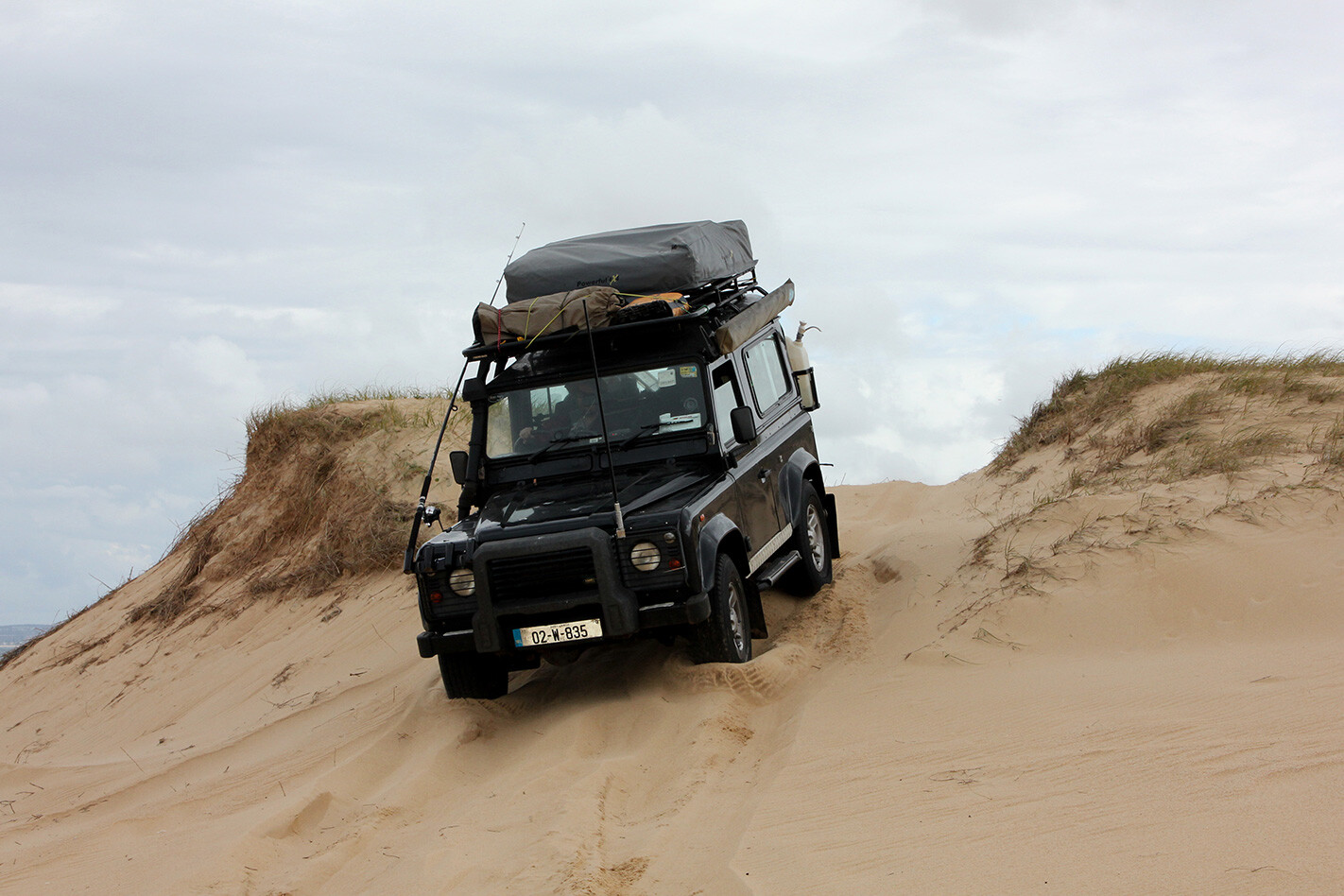
If sand driving is what you’re after, then there aren’t many settings better than Stockton Beach in NSW. Regarded as the largest moving sand-dune system in the southern hemisphere, the dunes of Stockton Beach are formidable but the rewards are endless. Lower tyre pressures, stick to the defined routes and you’ll have a whale of a time.
Rabbit Proof Fence, WA
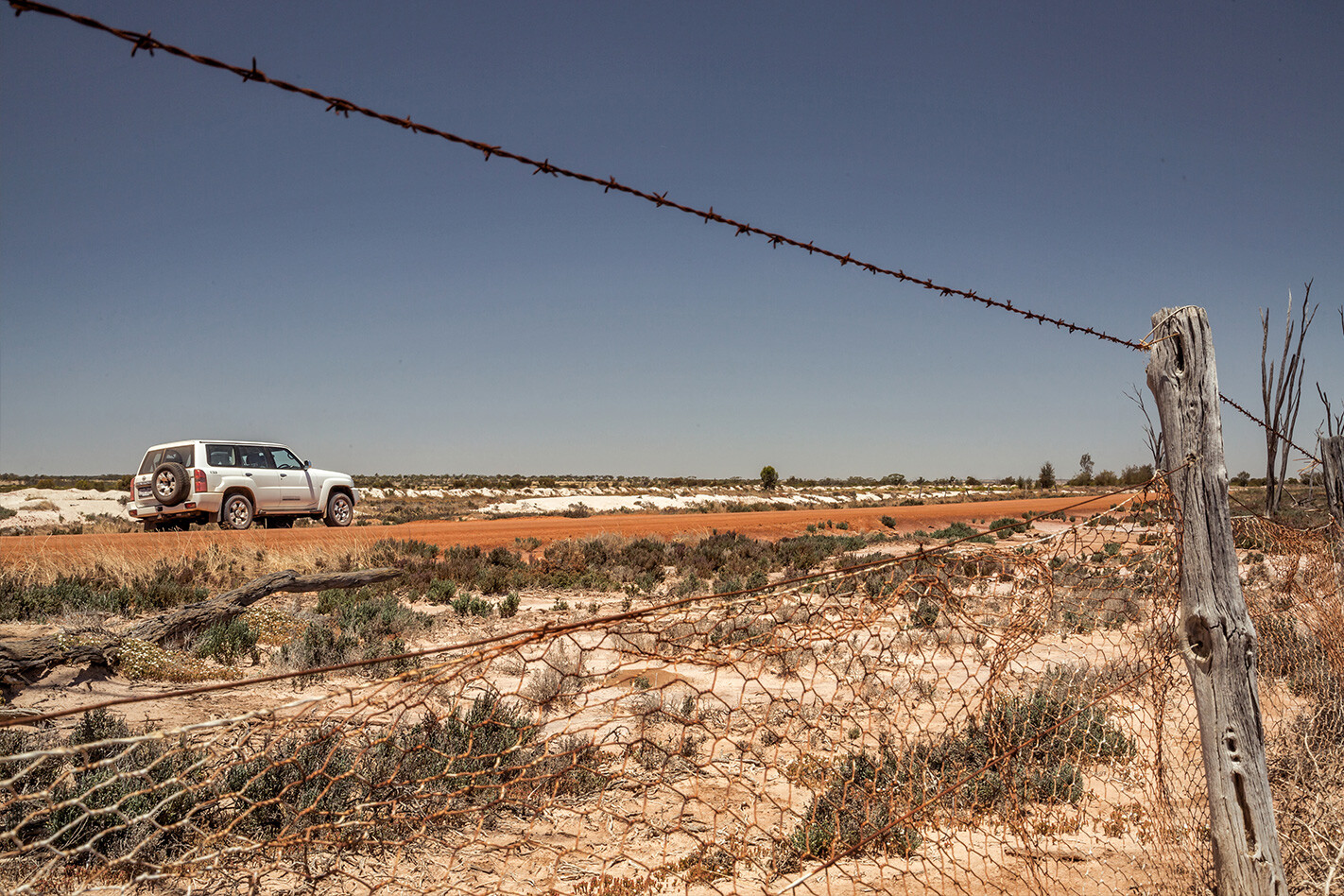
Built to hold back a tsunami of rabbits surging across the Nullarbor from the east, the fence was first built in the early 1900s; fences two and three were later built to try and sway the losing battle. We loaded up a Y61 Patrol and traced the famous Rabbit Proof Fence – and, after 2000km, low range was engaged for all of two minutes on two occasions.
Ingeegoodbee Track, Vic
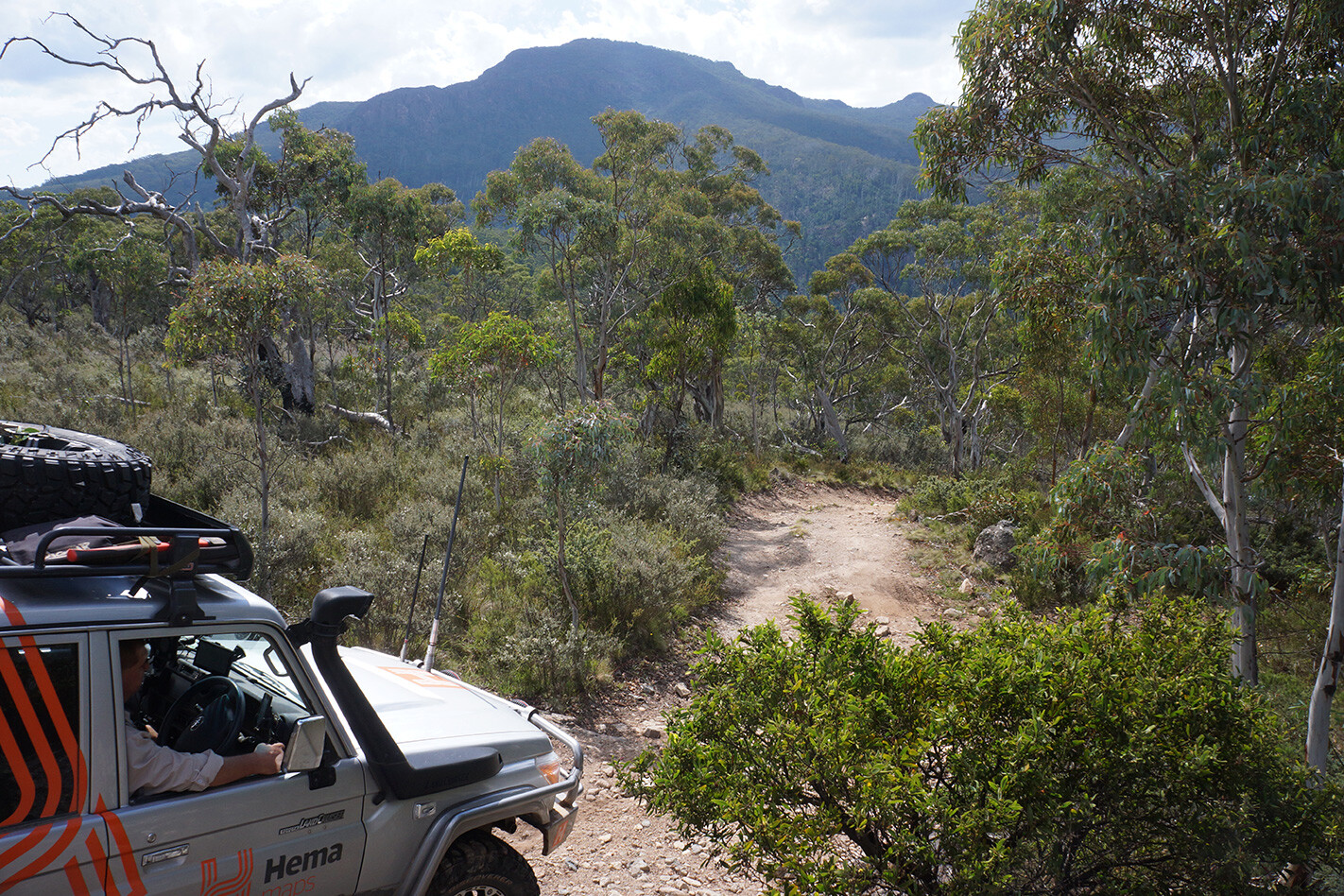
Looking for a serious 4WD getaway in Victoria? The Ingeegoodbee Track in the Victorian High Country is one of the hardest long-distance routes in the state. The route boasts important historical significance, breathtaking views and some of the most challenging 4WD tracks, so leave the camper trailer at home for this one.
Kakadu Circuit, NT
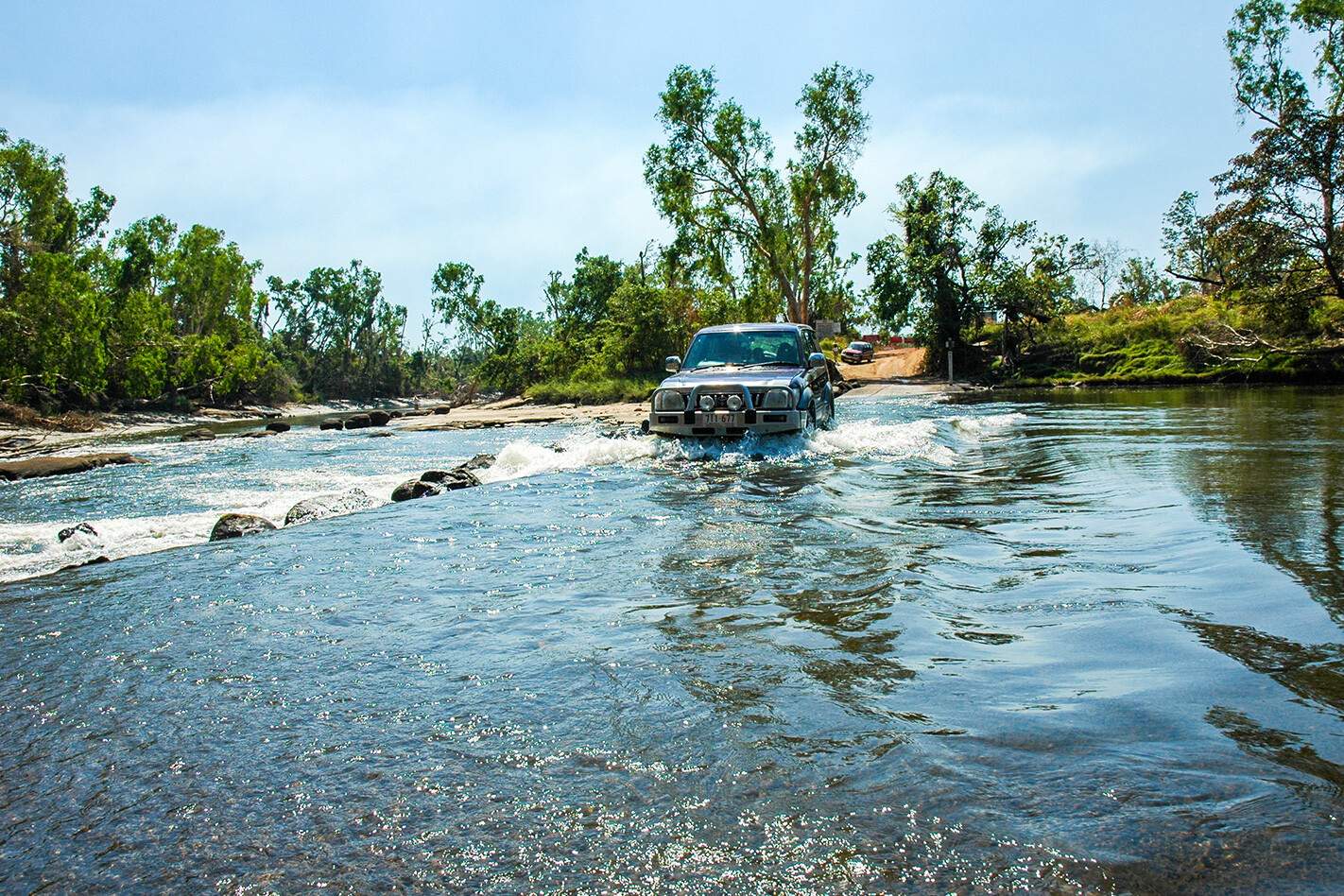
The Top End is the pinnacle of adventure four-wheel driving, with vast monsoonal forests, floodplains and muddy, croc-infested tidal streams. We cut a route through this incredible part of the world and highlight the best campsites, fishing spots and 4WD routes, so you can follow suit.
Land Cruiser Heritage Museum, Utah, USA
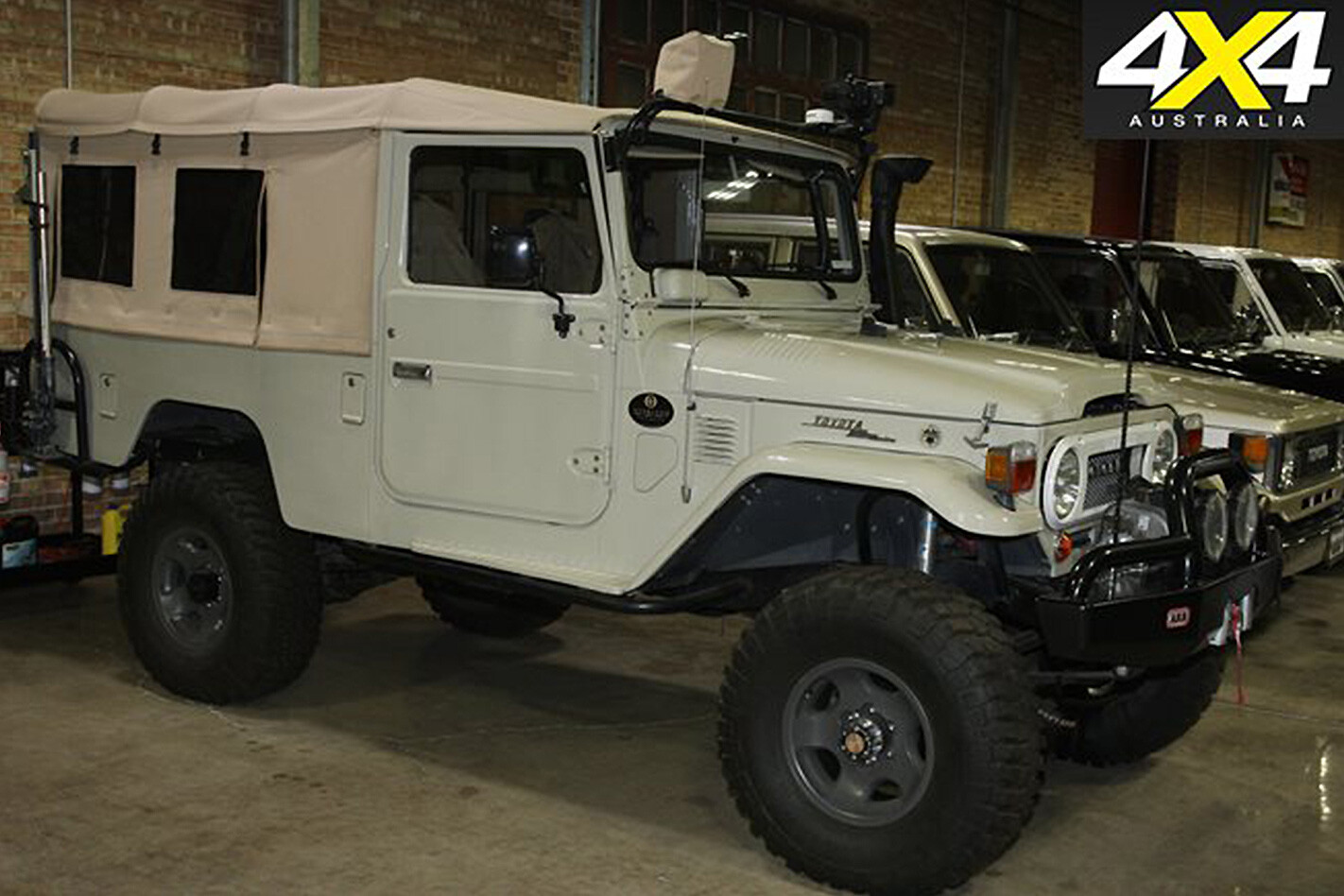
If you’re ever in Salt Lake City, Utah, and you’re a Landie aficionado, pop in to see Greg Miller’s private collection of 70-odd Land Cruisers at the Land Cruiser Heritage Museum. It’s open to the public on most days and features an eclectic collection of rare and odd Cruisers – there’s even a VDJ78 Troopy that has been driven on all seven continents as part of the Expeditions 7 trip.