
4X4 Australia’s last magazine for 2021 is overflowing with off-road goodness, headlined of course by the revelation of the 2022 Ford Ranger.
We take a deep dive in to the all-new Ranger, to find out what’s changed – for better or worse. With a V6 stolen from an F-150 and a wider track and longer wheelbase, there’s definitely plenty to look forward to.
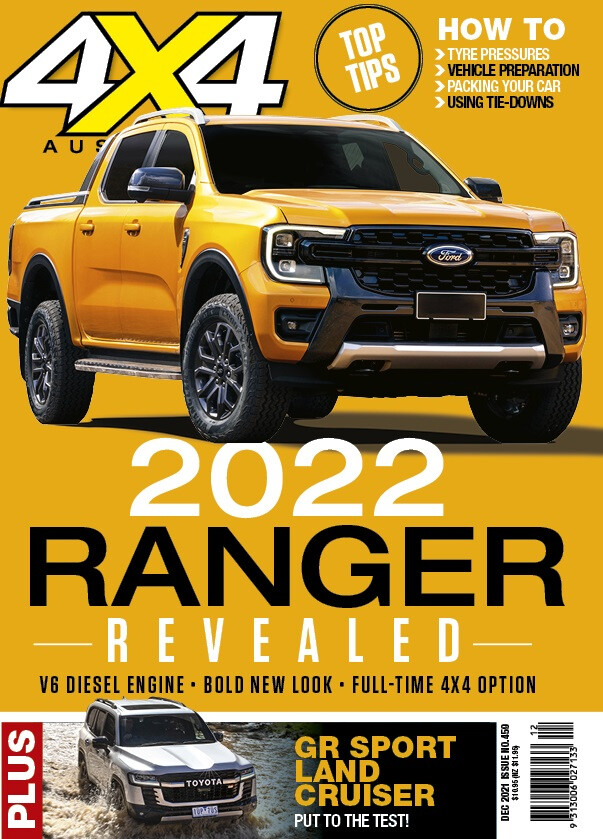
Plenty of new vehicles passed through 4X4 HQ for review this month, and we’ve managed to squeeze three off-road tests in the December issue: Toyota LandCruiser 300 GR, Chevrolet Silverado LT Trail Boss and Ford’s mildly updated Ranger Raptor X.
Plus, while it mightn’t be the fairest fight, we lined the all-new Land Rover Defender D250 up against a Toyota LandCruiser Prado Kakadu. Spec your models wisely, and these two come from the showroom with relatively similar price tags.

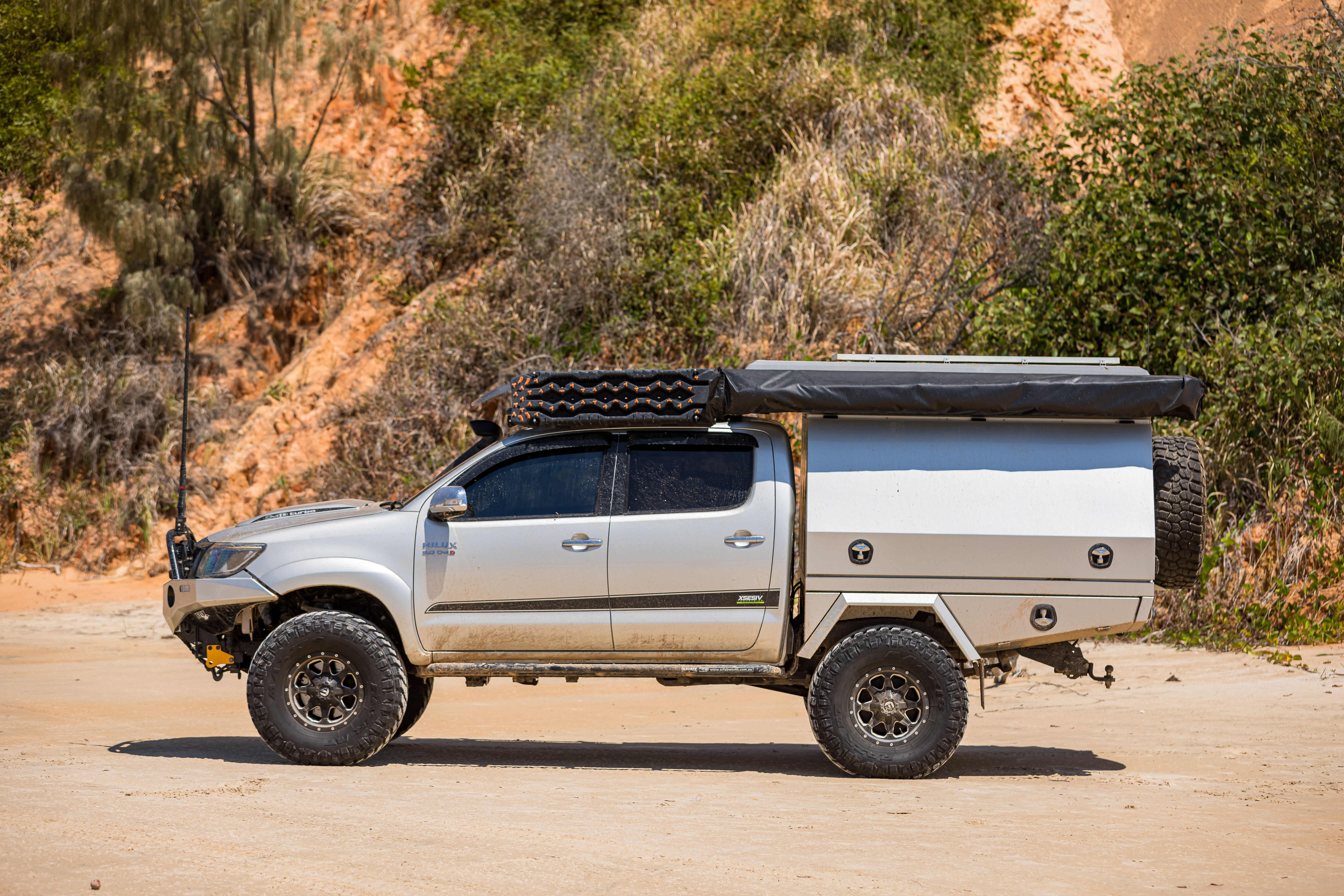
An ‘excessive’ 2014 SR5 Hilux custom shows what can happen when a savvy owner pushes a build to the nth degree, with painstaking attention to detail. The result is an epic rig that pushes the boundaries in so many ways.
We also take a close look at an immaculate 79 Series Cruiser built by the team at Pinnacle 4×4, an Australian owned and family-run business based in Queensland. The special build is aptly named Why Not and runs some pretty wild kit.
In Deano’s next instalment of his ‘How To’ series, he explains how and when to modulate tyre pressures for off-roading – there’s a lot more to it than many may realise.
Plus, we explain how to prepare a vehicle for its next adventure, as well as how to pack a 4×4 properly – and use tie-downs.
What else is there?
- Fraser Island reborn
- D-MAX equipped with MSA 4×4 gear
- Hayman Reese’s 70th anniversary
- New products on the market
- Regular columns + more
For a limited time only, sign up to a 12-month subscription to the magazine and you’ll save 50% – offer ends November 29.
UPDATE, July 2022: New Ford Ranger review – it’s here at last
The new 2023 Ford Ranger is now on sale in Australia, and the local media launch has been run. The Wheels and 4×4 Australia teams have both driven the new Ranger, and you can find their stories at the links below.
Story continues…
UPDATE, April 7, 2022: Australian pricing for the new 2022 Ford Ranger has now been revealed. Get the full details at the link below.
Original reveal story follows
2023 Ford Ranger revealed!
Snapshot
- V6 diesel engine and full-time 4×4 options
- 50mm wider track and 50mm longer wheelbase
- On sale mid-2022, electrification to come
Ford Australia has pulled the covers off its new Ranger, which will go on sale locally around mid-2022.

Following countless teasers, leaked images, spy photos and pictures of prototypes snapped on public roads, these are the first official images of un-camouflaged cars to be released by Ford.Most obvious is the striking front-end design, which incorporates the signature C-shaped headlamp clusters from Ford trucks in the US. Of course, the US will also be receiving this new Ranger in 2022, along with some 180 other countries around the globe – but as with Rangers in the past, most of the design and engineering work was done in Australia.It’s no secret the new Ranger’s platform will be shared with the 2023 Volkswagen Amarok, and while the design and engineering has been led by the Blue Oval’s team, it seems the Ford crew have learned a few lessons from VW and the ageing Amarok – as it remains one of the best driving one-tonne utes on the market.
NOTE: To see all the new cars coming to Australia this year, check out our 2022 New Car Calendar story right here.
Upgrade your Ranger
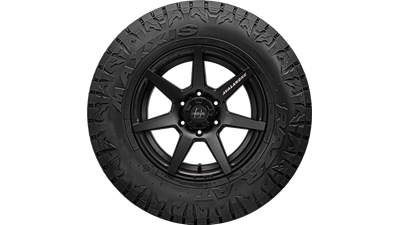
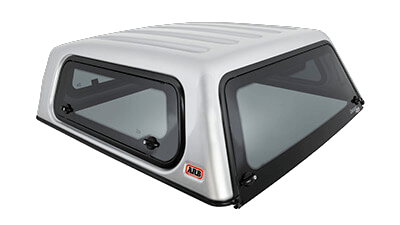
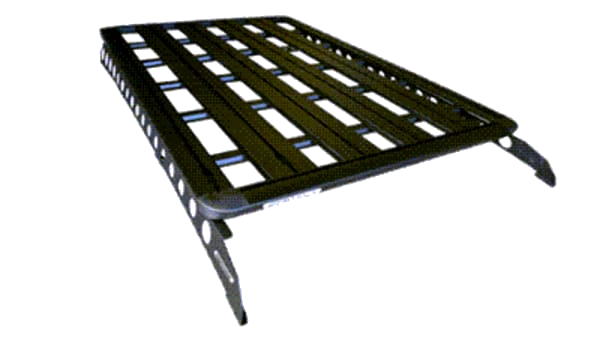
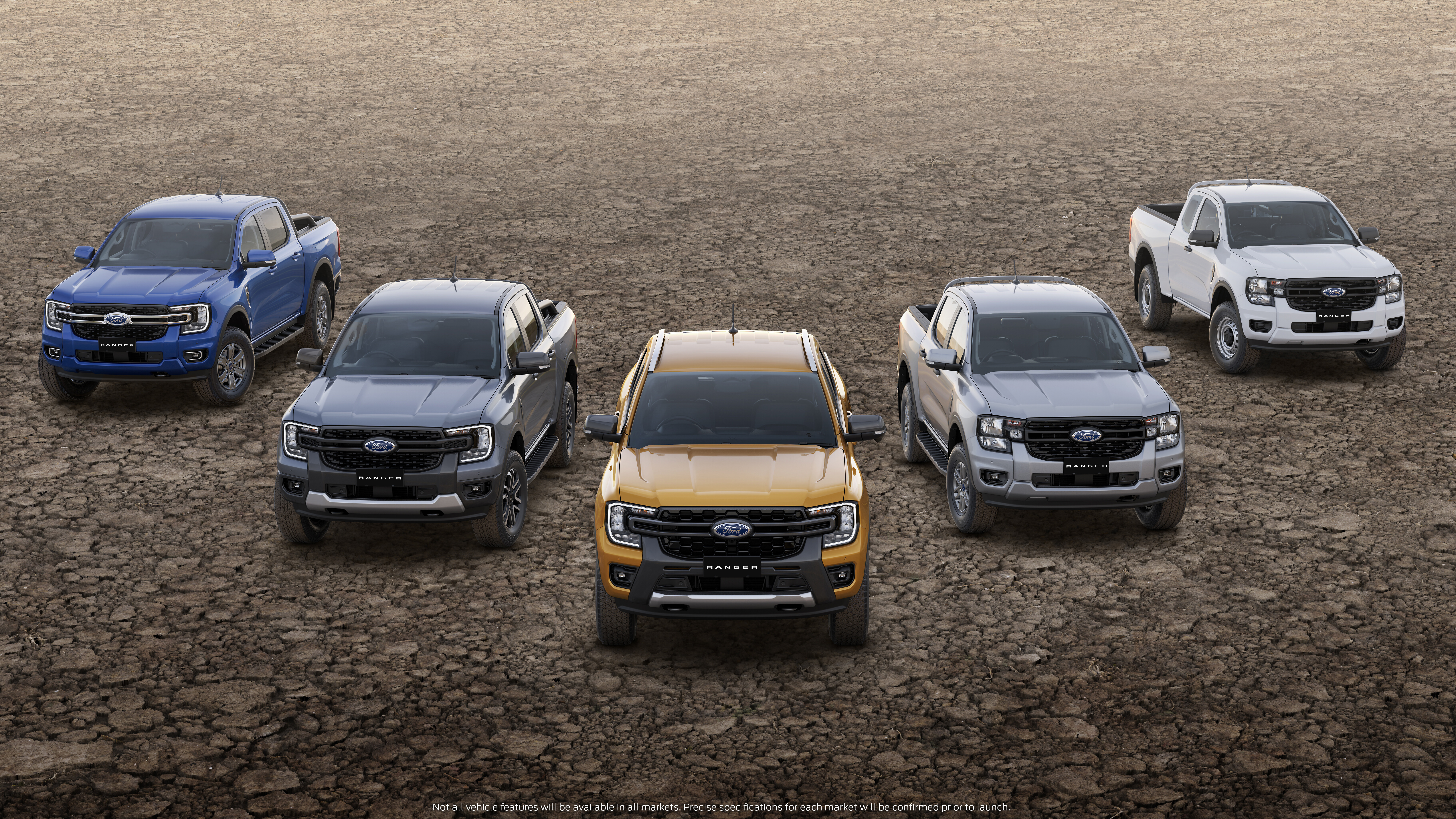
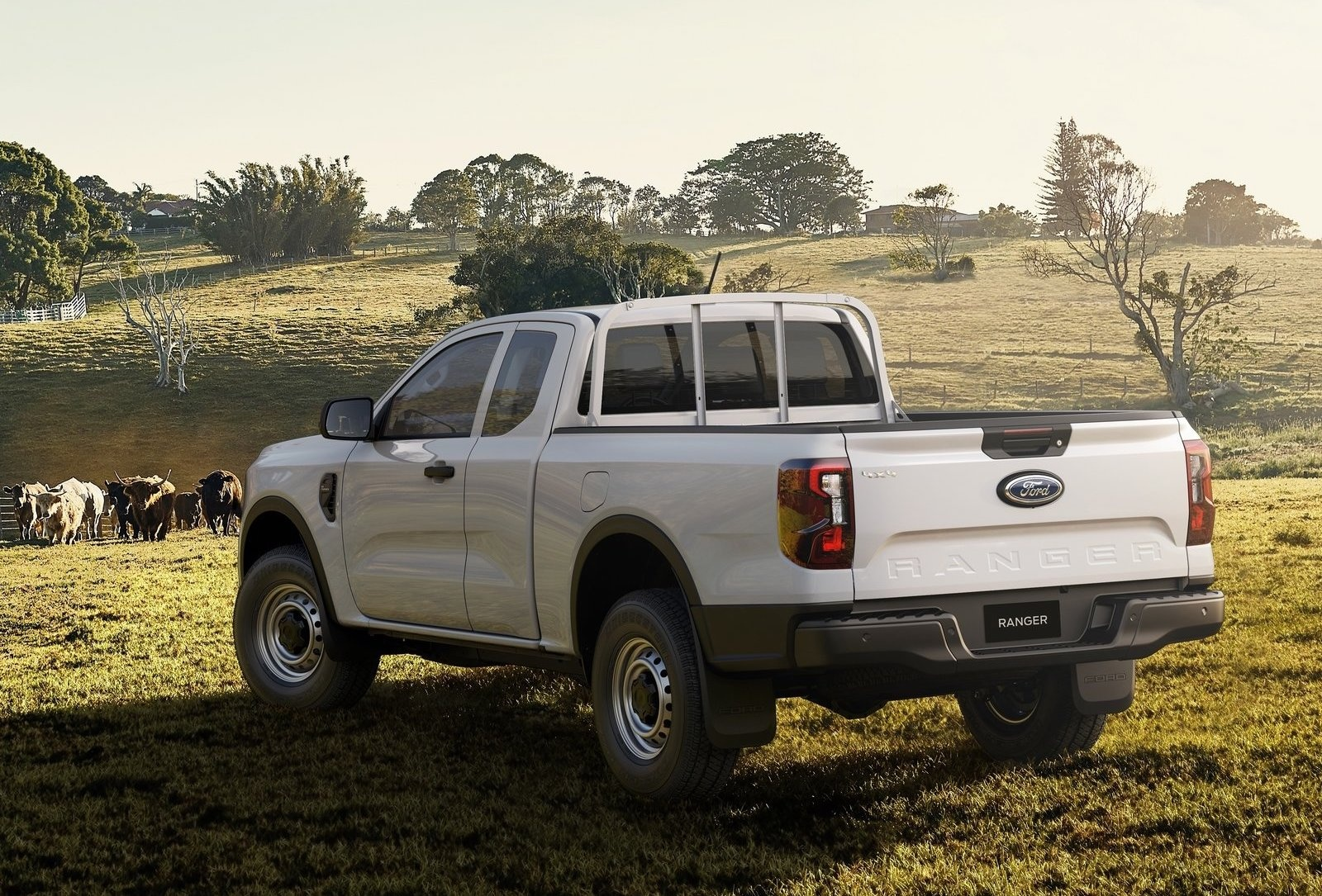
Chassis changes, such as widening the wheel track by 50 millimetres and moving the rear shock absorbers further outwards to widen the ute’s footprint and thus improving dynamics and increasing wheel articulation, are features that could have been taken from the current generation VW.Moving the wheels outwards has also allowed the designers to fit a wider cargo tub that will accommodate a full-size shipping pallet – something that has always being an Amarok bragging point.
CUSTOMER RESEARCH
Ford looked at many other vehicles when considering the next generation of Ranger, but also at the hugely successful current model and how it could improve on that. As part of this quest it carried out an extensive customer research programme.“I think one of the key differentiators that was actually brought to this vehicle is the level of human centred design thinking, and really understanding the customer usage and how we integrated the vehicle in to the customer’s life,” said Rob DeFilippo, chief marketer at Global Trucks.
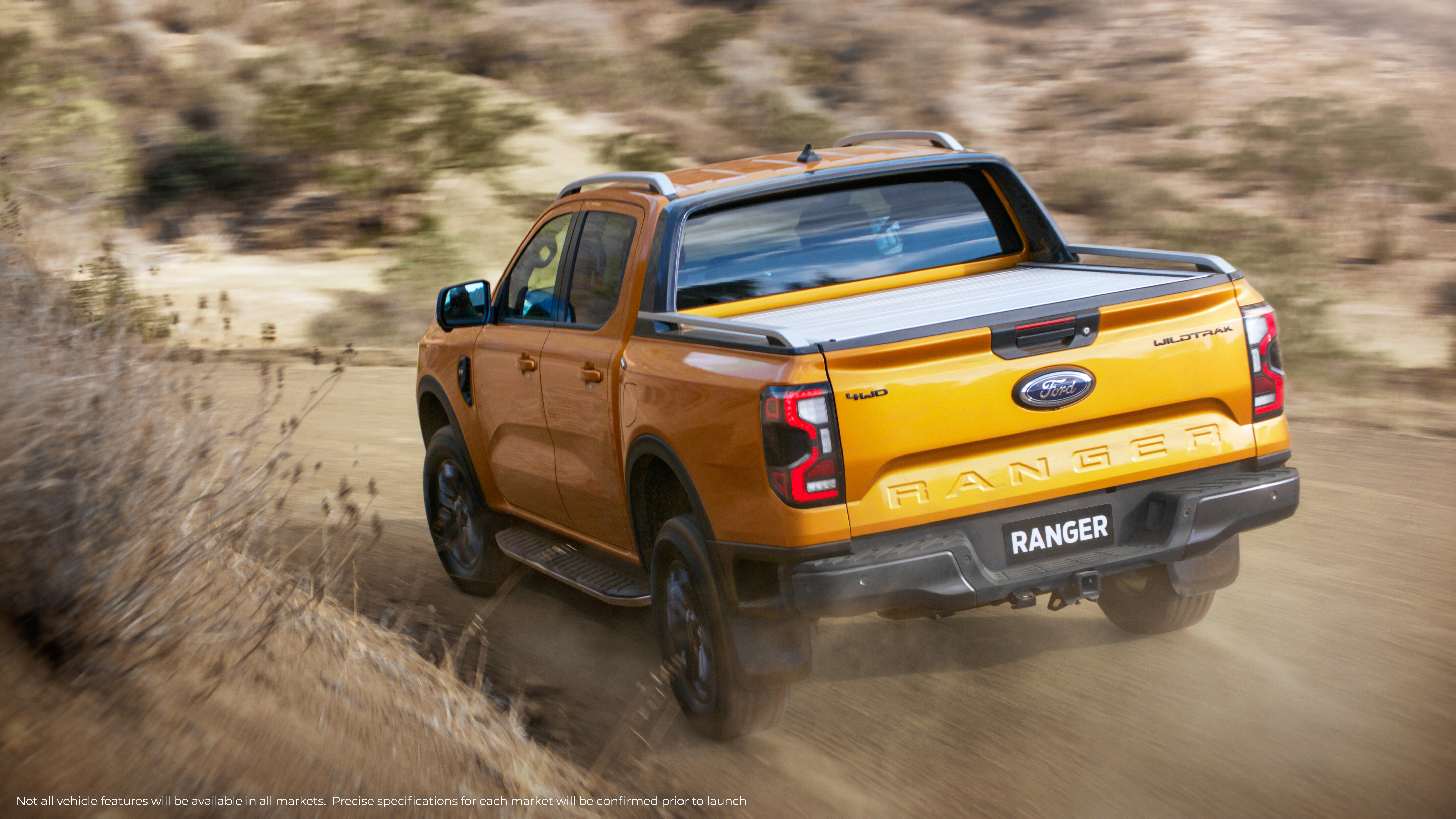
Looking at the cargo tub, on the Wildtrak variant shown to media this week, there are functional tie-down rails on the sides and these are removable should you want to fit a canopy. You might also notice there are foot-steps in the lower part of the rear quarters that make it easier to step up onto the tailgate or just to access the tub.“When we were out in the clinics, observing consumers interacting with their trucks, we noticed one challenge right away – when they were loading items into the beds many had trouble reaching over the side of the truck; others were standing on the rear tyre or the bumper to gain access,” says Max Tran, chief designer for Ranger and based at Ford’s Design Centre in Melbourne.

“So we came up with the idea of a box step, placed strategically behind the rear tyre. We mocked one up, and the response was overwhelming.”The tailgate has also come in for some clever engineering with clamping points, a ruler and cupholder built-in for those who utilise this horizontal space as a work bench. These are also features adapted from the F-Series trucks.
WIDER TRACK, BOLDER LOOK

Another positive of moving the wheels outwards is that it allowed the designers to create a tougher look for the Ranger, which is also something they learnt from extensive customer research.“Customers told us the Ranger needs to look tough and needs to inspire confidence,” said Max Tran. “They were very clear about what Ranger should be, both in the way it looks, and the way it makes them feel.”With its broader fenders, both at the front and rear to cover the 50mm of additional wheel track, the 2022 Ranger emanates a stronger overall appearance. It’s more akin to the muscular look of the current Ranger Raptor, although the ’guards have their own staunch design attributes. The sharp ridges atop the ’guards almost look a bit Bronco-like.

The extra 50mm of wheelbase is achieved by moving the front axle forward. This has a two-pronged advantage in that it reduces the front overhang for an improved approach angle when driving off road, and styling-wise it emphasises the length of the bonnet to give the driver and passenger more of a ‘big truck’ feel.Interestingly, as much as the new Ranger looks bigger than the current model, the overall dimensions are almost identical to the current one, with the designers saying that it will drive through the same gap width-wise and is the same length bumper to bumper.“People have told us they don’t want us to make it much bigger… because of where to park, the tracks it drives down,” Ian Foston, chief engineer on T6 told 4×4 Australia.
ADD DIESEL
Providing the brawn to match that muscular appearance, is the introduction of a V6 diesel engine to the Ranger.
This is the 3.0-litre V6 engine that was, until recently, available in the Ford F-150 full-size truck and this is its first application in a mid-size ute. In the Effy, it made close to 600Nm of torque and 185kW of power, but Ford Australia is yet to say what the outputs will be capable from the new Ranger. Needless to say, the potential is there to exceed those of the VW Amarok V6 – which is the only other six-cylinder ute in this category.“I learned from customers in Australia, Germany, the UK and Thailand about how Ranger fits into their lives,” says Pritika Maharaj, T6 program manager.“No matter if a customer’s priority is fuel economy, refinement, or great low-end torque for towing and hauling – the powertrains we’ve chosen for the next-gen Ranger will give all of them the best performance and core capability.”
The ‘Lion’ TDV6 engine is not all-new, as it harks back to the 2.7-litre engine that we first saw in the Land Rover Discovery 3 wagon and also in the Ford Territory diesel.
In 3.0-litre capacity with single- and twin-turbo arrangements it appeared in Land Rover and Range Rover models, where it produced up to 225kW and 700Nm as the SDV6.The TDV6 engine will be joined by the familiar 2.0-litre four-cylinder diesel engine in both bi-turbo and single-turbo variants, with two tunes for the single-turbo engine. The old 3.2-litre five-cylinder engine has been relegated to history.The 2.3-litre EcoBoost petrol four-cylinder engine will also be available in some markets, but it is not expected for Australia. There have also been rumours that the V6 EcoBoost petrol engine will be fitted in some markets such as the US, but so far there is no confirmation of that from Ford.
It was interesting to note that large dual exhausts exiting the back of a left-hand drive Ranger prototype snapped in some recent images from the Victorian High Country – a US-model Ranger Raptor perhaps?
ELECTRIFIED?
The new Ranger has been engineered with electrification in mind and Ford says it will be happening, but stopped short of confirming when or in what form it will take. The electric F-150 Lightning has been creating a buzz in the US and we imagine that the brand is keen to carry that over to the mid-size segment as well.Transmission choices will include the 10-speed automatic, which is familiar from the current model when powered by the bi-turbo diesel and in the Mustang V8. It will also be the transmission to back-up the V6 diesel in the Ranger. It has been improved with a new torque converter and closer gears to make it more refined and durable.The MT-88 manual gearbox will be available in both five- and six-speed variants, but Ford would not confirm what engines will come with a manual option.Most Rangers will retain the traditional part-time, dual-range 4×4 system, but the car will also debut a new full-time 4×4 system that also offers 2WD mode and locked 4×4. Expect this transfer case to be reserved for the V6 in upper specification models. The V6 engine, automatic transmission and dual-range transfer case combo will make the Ranger unique in the class.
3RD GEN T6
The new Ranger platform is still called the T6 platform, but it is the third generation of T6. It’s a modular chassis to accommodate use under Ranger, Everest and Bronco vehicles, and the front section of it is hydro-formed, which is a technology Ford has employed on F-Trucks for many years now. Hydro-forming allows for more complex shapes and greater strength and helped the engineers install the new V6 powertrain.“The hydro-formed construction is a kind of spaceframe structure, [that] completely changes how you actually execute the engine bay, [and] where all the components are fitted,” said Ian Foston, chief engineer for T6. “It’s all-new [and is] significantly different in terms of how all of the components are located on to the frame.”Suspension is the traditional IFS with a live axle under the back, and the modular nature of the chassis allows Ford to fit the coil-spring rear-end for the Everest wagon and Raptor ute. The 50mm wider wheel track gives the suspension more travel at the wheel for improved ride and off-road ability. The rear shock absorbers have also been moved outwards to further improve stability.The 2022 Ranger Wildtrak also comes with four-wheel disc brakes, which is a first for the non-Raptor variants. Ford wouldn’t reveal if all new Rangers will get this feature or just the higher specification models.
ALL-NEW CABIN
Like the rest of the car, the interior of the 2022 Ranger is all-new. It remains tough and functional with a view to practicality. Significantly, the AV screen is now either a 10.1- or massive 12.0-inch unit depending on the model variant and as well as the usual mapping and audio controls, all of the HVAC controls have now moved into the lower part of the big screen.When the car is in four-wheel drive, the 4×4 info, Multi-Terrain Selector drive modes and controls are displayed on the screen. There’s also a 360-degree surround-view camera to show what is around the car.The screen is integrated in to the dash rather than sitting proud of it, as it was in some earlier designs. This change also came from that extensive customer research where people said that they preferred it to look like part of the car rather than an add-on.The transmission shifter was also revised based on customer feedback.

“The first design we showed customers was a more traditional, rotary-type of shifter. But almost unanimously, customers rejected it,” said Max Tran of the design.“That led us to develop a new short-throw e-shifter. The beauty of this is when people are driving, they don’t have to look down to see what gear they’re in – intuitively, they can move it and find the gear a lot easier.“Customers overwhelmingly liked the e-shifter – they liked the fact that it looked higher-tech, and many said it was a nice place to rest their hand while driving.”The images and information we have to date on the 2022 Ranger reveal XLT Wildtrak and Sport specifications. Sport is new and will sit between the XLT and Wildtrak, while details of lower-spec XL models and range-topping Ranger Raptor are yet to be revealed.
ARB ACCESSORIES
Ford Australia is strengthening its partnership with ARB 4×4 Accessories to deliver a range of products for the new Ranger and Everest, all of which can be ordered when you purchase the car, fitted by the dealer and are covered by Ford’s new-car warranty.
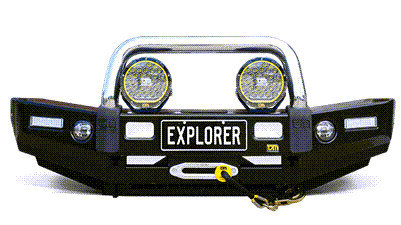
It is yet to officially show us any of the kit on the new Ranger, but the prototypes snapped in the High Country were clearly wearing a couple of different ARB bull-bars and LED lights. These will be offered, along with a range of other genuine Ford accessories.Pricing is another aspect we are yet to see and don’t expect to know until closer to the model launch. We think that a WildTrak with V6 engine, 10-speed auto and full-time 4×4 will be up around current Raptor money, that is, around $80,000.The 2022 Ranger not only looks new, but it is all new. The chassis, the panels, the interior, the glass, the powertrains – all new. About the only things we see that are carried over are the 2.0-litre bi-turbo engine and the exterior door handle look pretty familiar.While Ford isn’t talking specific details such as engine outputs at this point, it did confirm that the 3500 kilogram towing rating would be carried over and mentioned higher payloads, something that would be greatly appreciated by users. These figures and more will be revealed closer to that mid-2022 launch date.
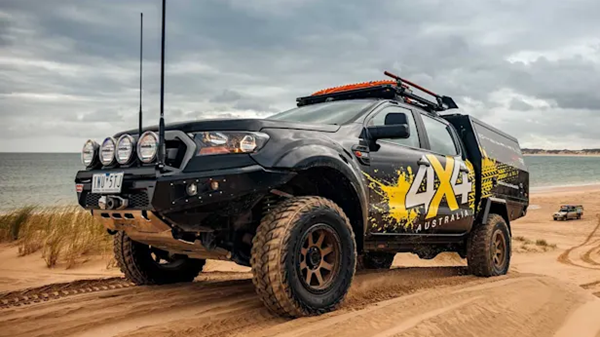
4X4 Australia's project builds
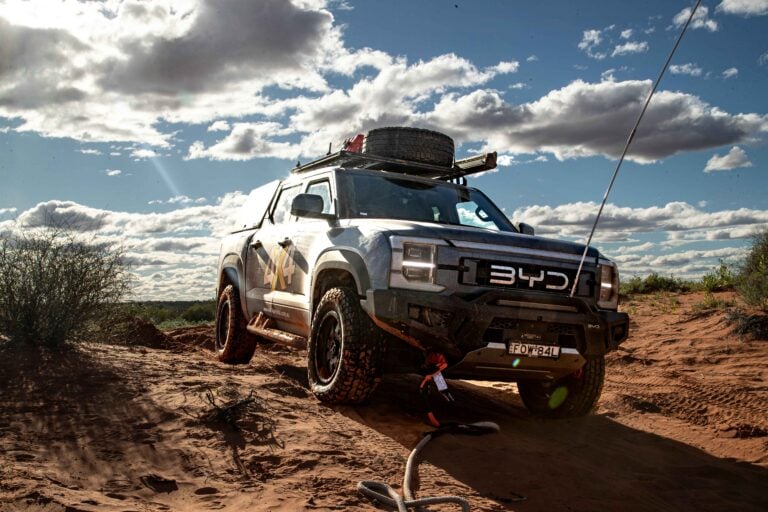
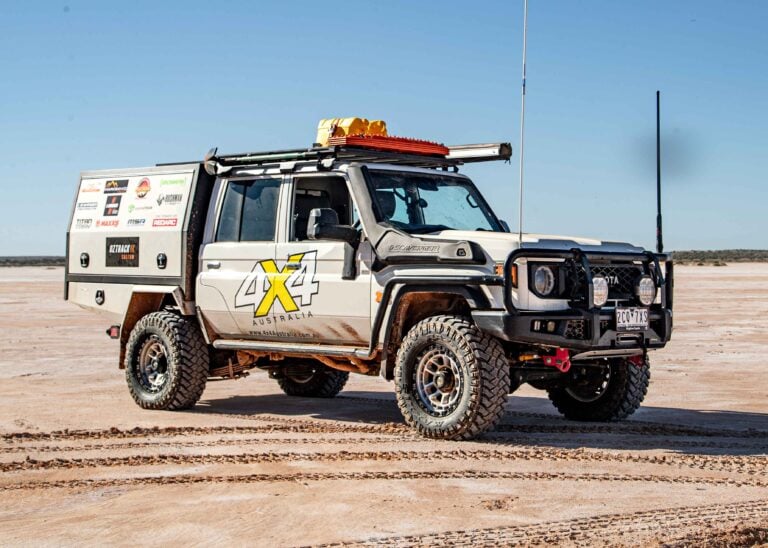
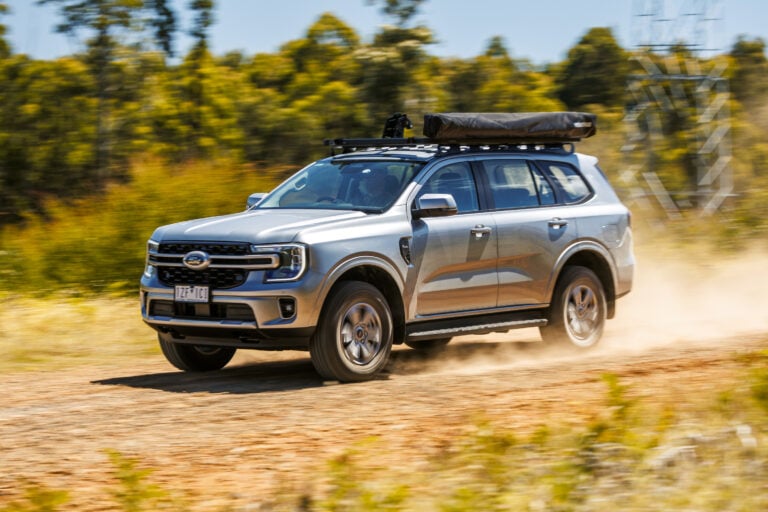
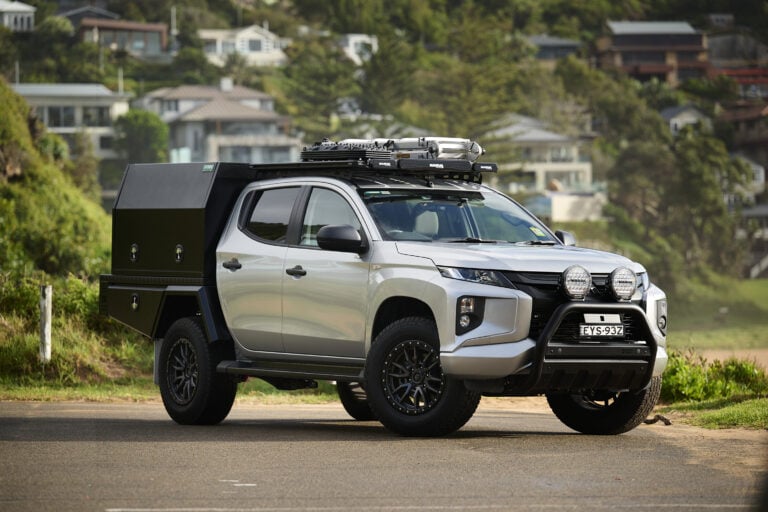
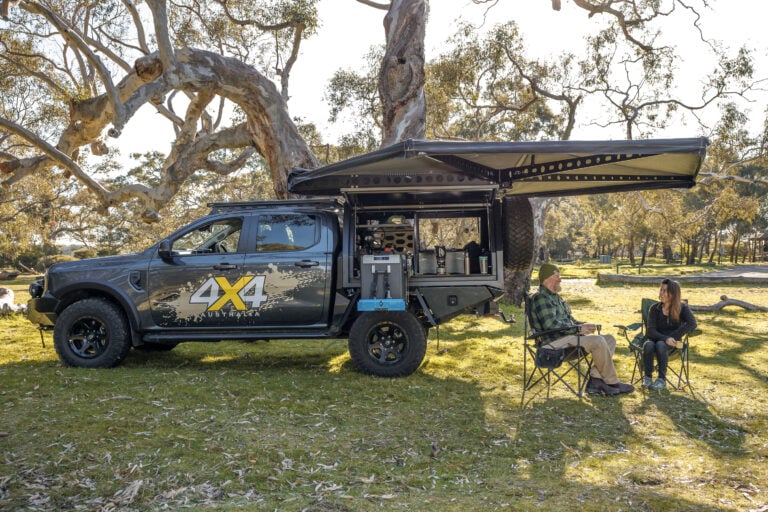
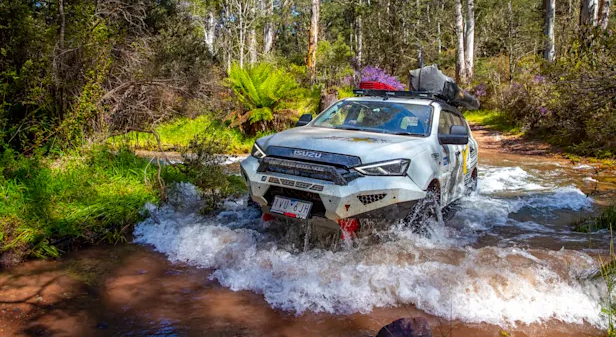
The covers have finally hit the floor to reveal the 2022 Ford Ranger, with the all-new ute rushing in what is, in essence, the third and final generation of Ford’s T6 platform.
Breaking new ground for the Blue Oval, the 2022 Ranger will be available for the first time with a 3.0-litre V6 diesel engine – a version of the mill used in the big Ford F-150.
With bite to match the bark, the new Ranger also wears a wider stance and features more muscular design cues than its predecessor.
Upgrade your Ranger
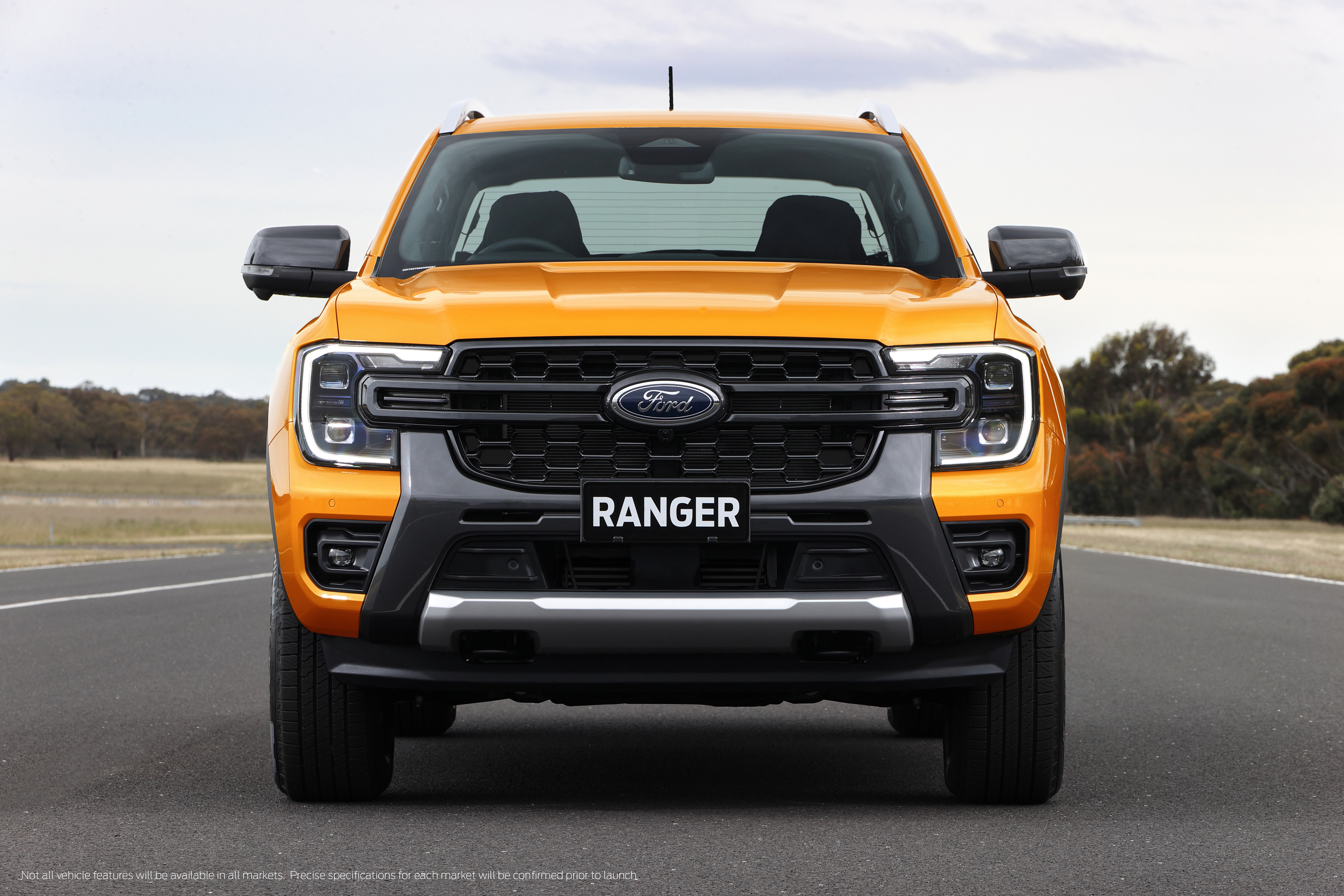
A 50mm wider track and 50mm longer wheelbase not only improves on- and off-road driving dynamics, but it widens the cargo tub to enable it to swallow full-size pallets. Plus, the 2022 Ranger Wildtrak is equipped with four-wheel disc brakes previously exclusive to Raptor variants.
The T6’s modular platform – hydro-formed at the front-end – is shared by the Ranger Raptor, Everest wagon and upcoming Bronco. In what is widely known, this platform will also be shared with the 2023 VW Amarok.
To welcome in the all-new Ranger, here’s a brief look at the evolution of the home-grown T6 Ranger ute.
2011-2015 – PX Ranger
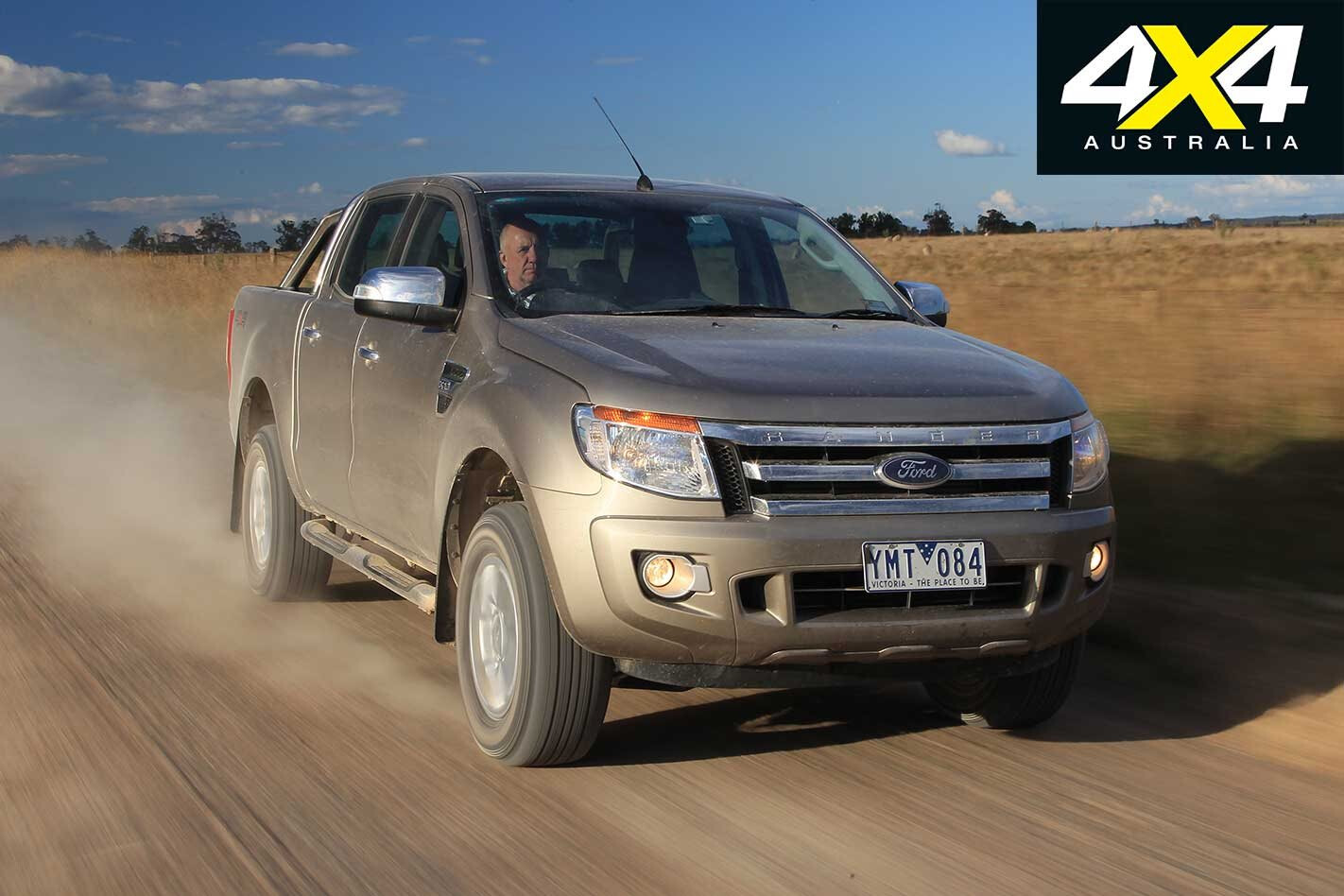
Ford unveiled the current-generation Ford Ranger – codenamed T6 – back in 2010 at the Australian International Motoring Show. The new-gen T6 Ranger bumped up its towing strength, hiked its power, and arrived with a fresher, bolder face.
Three new engines heralded the new age of the Ranger: a 2.2-litre Duratorq TDCi four-cylinder diesel (110kW/375Nm); a 3.2-litre Duratorq TDCi five-cylinder diesel (147kW/470Nm); and a 4×2-only 2.5-litre Duratec four-cylinder petrol (122kW/225Nm). Five-speed manual and automatic transmissions were available.
2015-2018 – PX MKII Ranger
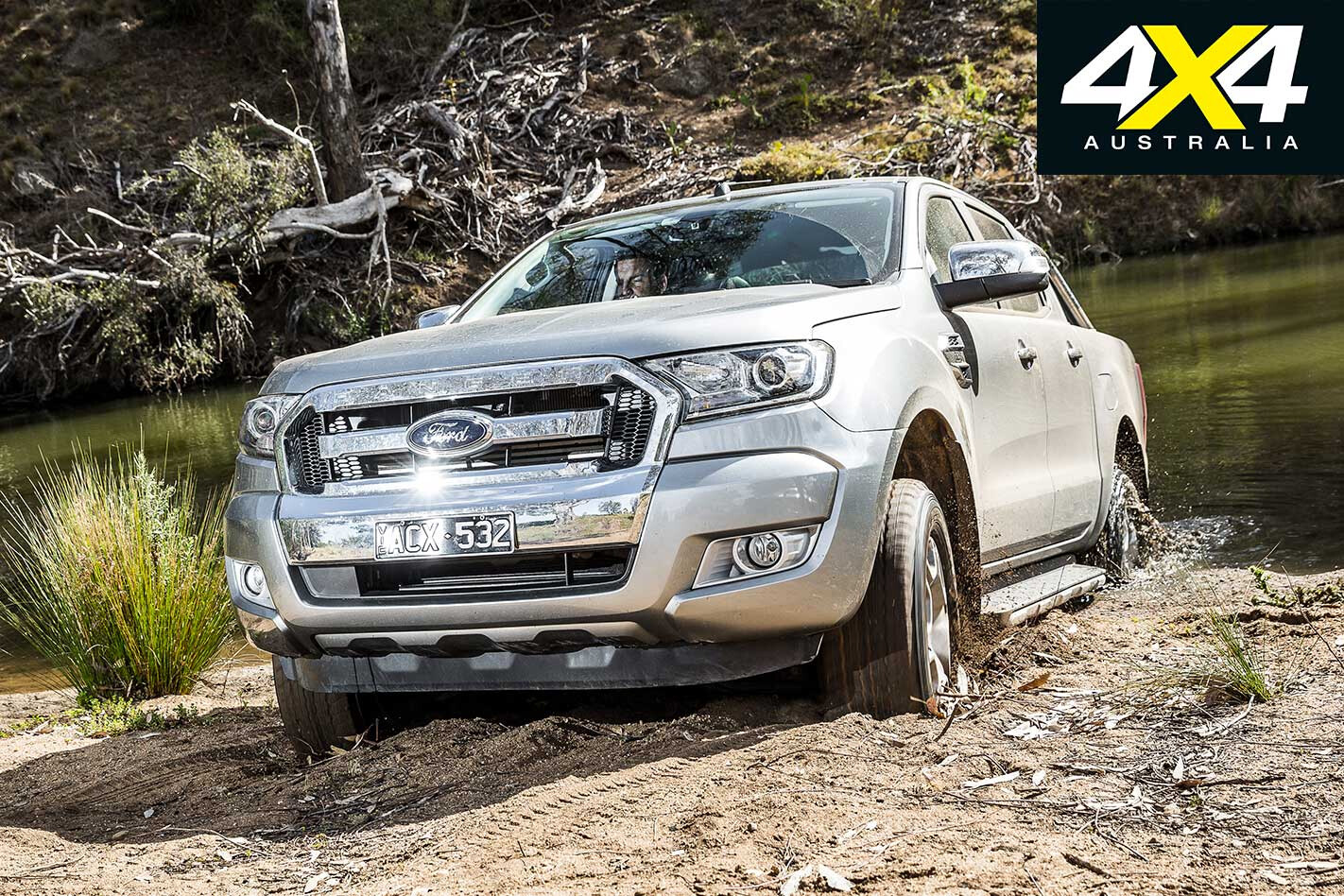
THE Ranger range received a major facelift in 2015, with the PX MKII hitting local showrooms in September that year.
The main changes included a redesigned front-end for a more aggressive look, retuned suspension componentry (springs and dampers), the addition of a new Electric Power-Assisted Steering system, and tech upgrades to get with the times (namely, SYNC2 and active safety features). Ford also tweaked the 2.2-litre engine to eek more power (now 118kW/385Nm).
2018 – 2021
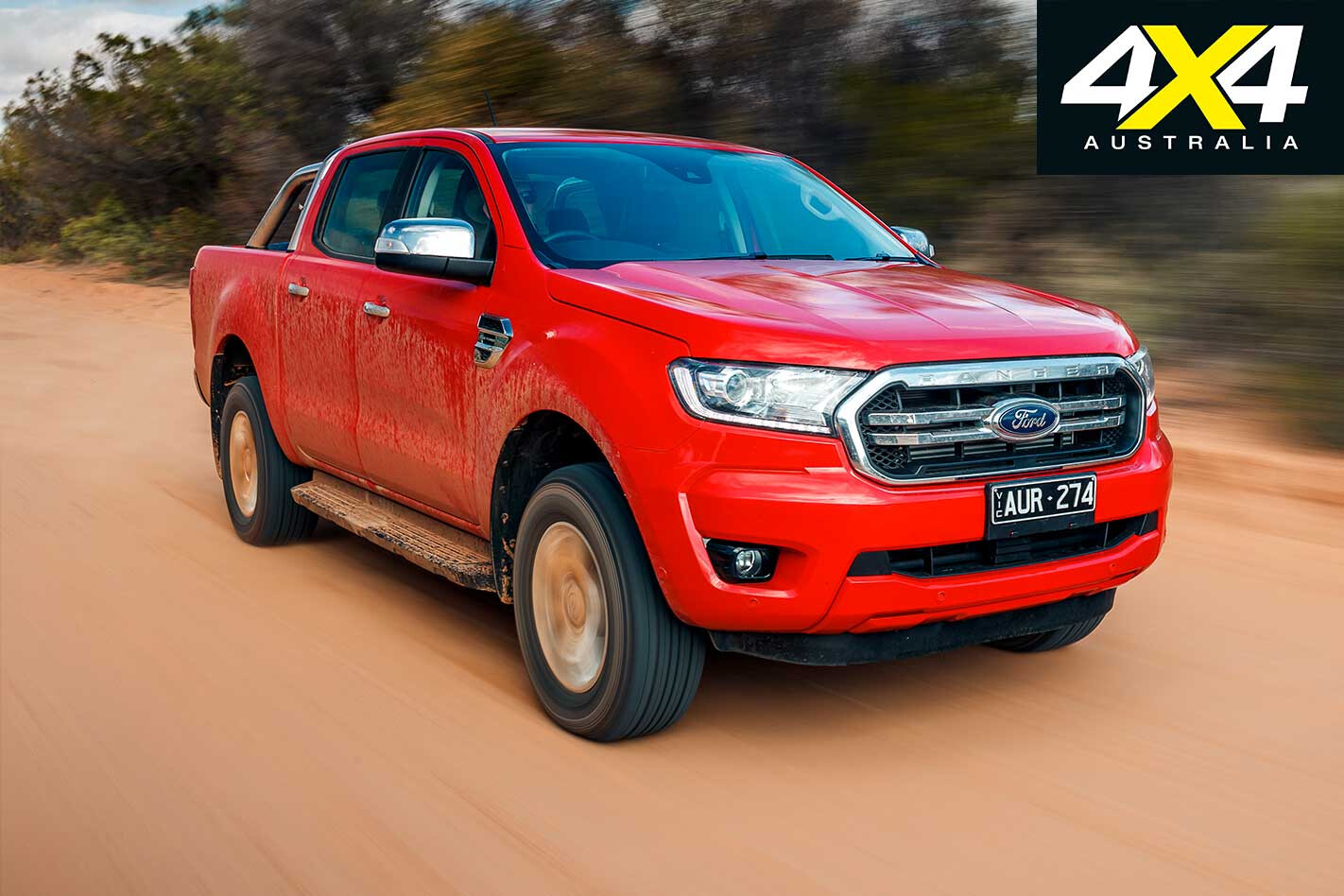
THE big change to the T6 Ranger in 2019 was the addition of the Ranger Raptor’s 2.0-litre bi-turbo engine (157kW/500Nm) and 10-speed automatic transmission. The 2.2- and 3.2-litre engine options remain.
The new powertrain came with the Raptor’s Terrain Management system, but keeps its 3500kg towing capacity, rather than the Raptor’s 2500kg. Another big update was the inclusion of Autonomous Emergency Braking.
4X4 Australia's project builds
Key Points
- Price increases for every Defender variant
- Wide range of optional equipment now fitted as standard
- Entry-level D200 gets the chop
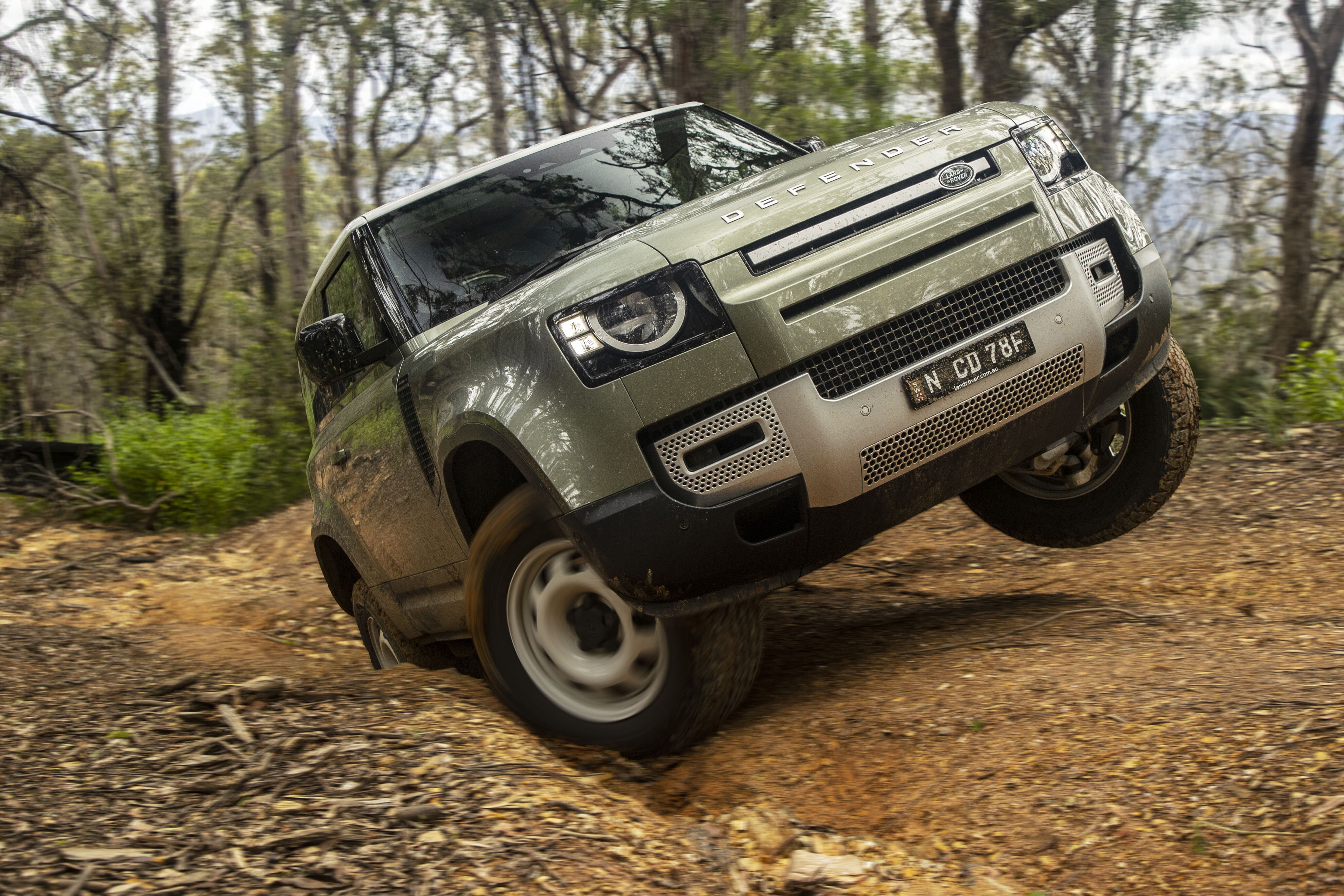
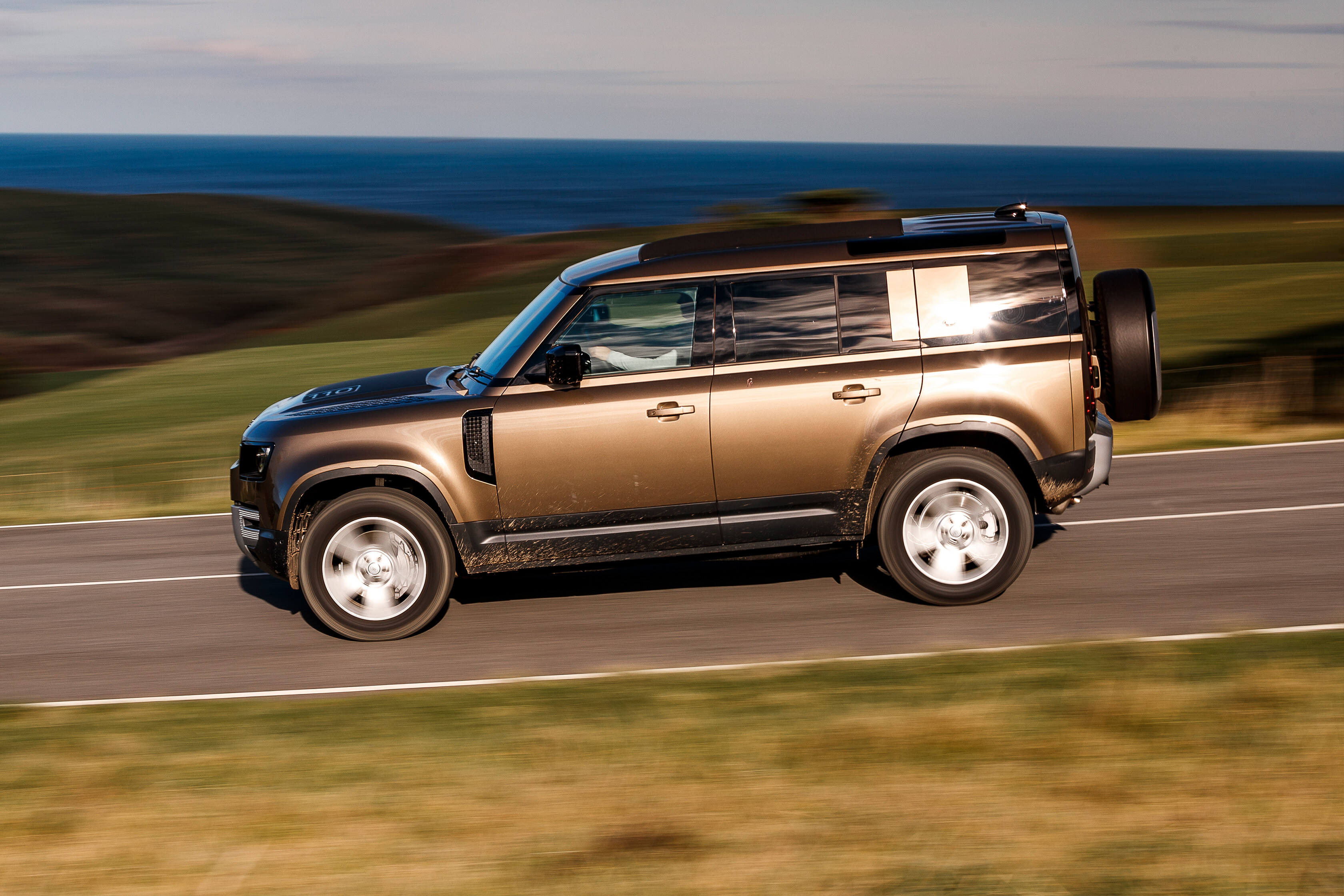
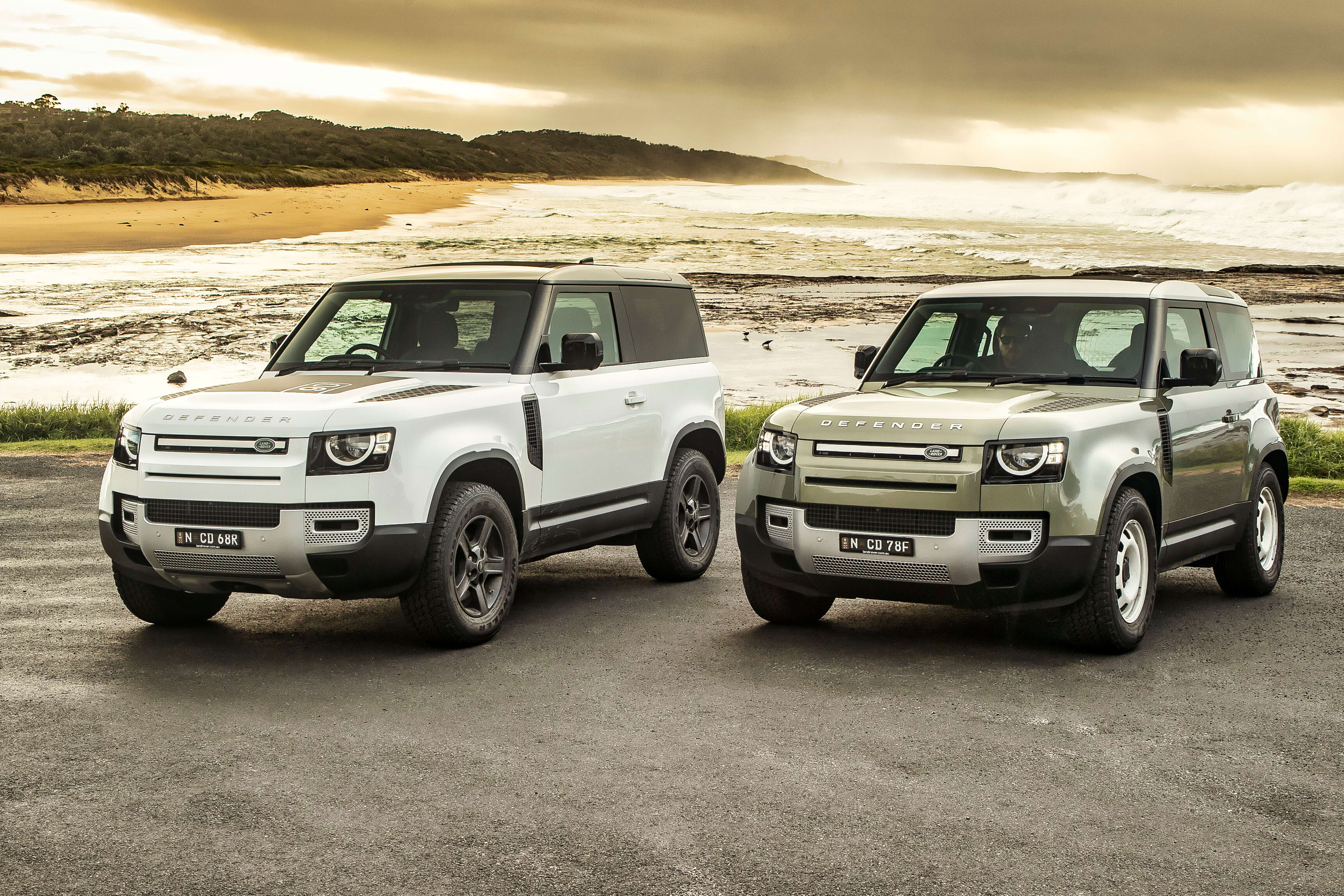
Land Rover has given the L663 Defender its first Australian update, with the first 2023 models expected to arrive in showrooms early next year.
Less than 12 months from its local debut, Jaguar Land Rover Australia has provided a comprehensive equipment update to all Defender variants, increasing the price of each grade in the process.
The biggest changes are the inclusion of the optional 11.4-inch Pivi Pro infotainment touchscreen as standard, replacing the 10-inch unit currently fitted to all Defenders, as well as Land Rover’s Activity Key and wireless smartphone charging being included in the base package.
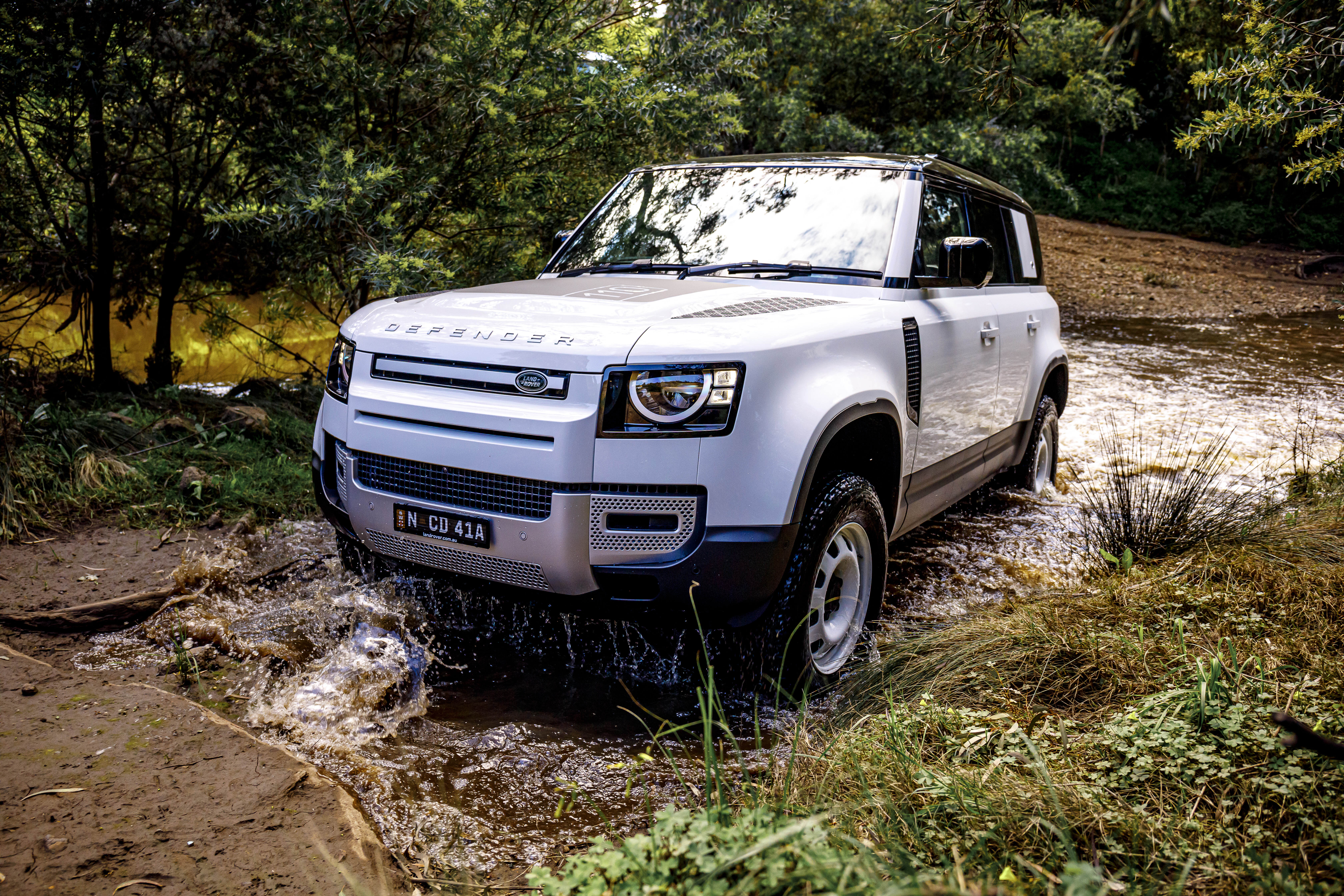
While a majority of changes add to the existing package, there’s been a subtraction, as the D200 diesel engine which powered the entry-level, three-door Defender 90 is no longer available, with the D250 now serving as the cheapest diesel in the range.
There is also a powertrain change for the five-door Defender 110, with the D250 on the chopping block, now meaning the cheapest diesel 110 is now just $20 under $100,000 before on-road costs, equipped with the D300 six-cylinder.
Pricing
2023 Land Rover Defender 90 Australian pricing
Prices exclude on-road costs:
- Defender 90 P300 – $78,480 (up $3964)
- Defender 90 S P300 – $86,410 (up $3064)
- Defender 90 S D250 – $93,530 (up $3204)
- Defender 90 SE P400 – $103,630 (up $3304)
- Defender 90 X P400 – $145,700 (up $4344)
- Defender 90 V8 P525 – $215,480 (up $4764)
2023 Land Rover Defender 110 Australian pricing
Prices exclude on-road costs:
- Defender 110 P300 – $79,830 (up $2994)
- Defender 110 S P400 – $95,480 (up $3244)
- Defender 110 SE D300 – $99,980 (up $3244)
- Defender 110 SE P400 – $107,050 (up $3374)
- Defender 110 X-Dynamic HSE D300 – $118,250 (up $4394)
- Defender 110 X-Dynamic HSE P400 – $124,880 (up $4524)
- Defender 110 X D300 – $147,440 (up $4374)
- Defender 110 X P400 – $149,580 (up $4414)
- Defender 110 V8 P525 – $220,530 (up $4854)
Features
The entry-level Defender 90 and 110 starts off the range with a solid collection of equipment as standard, including:
- Heated, electric, power fold door mirrors
- Auto-dimming rearview mirror
- LED headlights and tail-lights
- 18-inch Style 5093 gloss white steel wheels
- 18-inch full-size spare wheel
- Goodyear Wrangler AT/S tyres (all-season also available)
- Coil springs (air suspension optional)
- DAB radio
- Apply CarPlay and Android Auto
- Online pack with data plan
- 12-volt power in rear loadspace
- Rubber cabin flooring
- Keyless entry
- Tyre pressure monitoring system
- 40:20:40 fixed rear seats
- Light Oyster Morzine headlining
S
Moving up to the S variant adds:
- Avantec (PVU) Seat Material replaces leather seat facings as standard fit (new)
- Leather gearshift
- Auto high beam assist
- 19-inch Style 6010 six-spoke gloss sparkle silver wheels
- 19-inch full-size spare wheel
- 12-way semi-powered front seats
- 40:20:40 fixed rear seats with centre armrest
- Centre console with armrest
SE
Jumping up to the SE sees extra equipment included, such as:
- Electric Steering Column now optional and only available through Premium Interior Upgrade Pack (new)
- Avantec (PVU) Seat Material replaces leather seat facings as standard fit (new)
- Matrix LED headlights with signature DRL
- Front fog lights
- Automatic headlight levelling
- 20-inch Style 5094 five-spoke gloss sparkle silver wheels
- 20-inch full-size spare wheel
- 12-way electric memory front seats with 2-way manual headrests
- Meridian sound system with 11 Speakers including subwoofer and 400W amplifier
X-Dynamic
Available in the 110 only, the X-Dynamic grade features the following upgrades over the SE:
- Contrast Roof standardised on all X-Dynamics (new)
- X-Dynamic Robustec hockey sticks material changed to PU and Windsor Leather (new)
- 14-way heated and cooled electric memory front seats with 4-way manual headrests
- Carpet mats
- 20-inch Style 5098 five-spoke gloss black wheels
- Sliding panoramic roof
- Ebony Morzine headlining
- Extended leather upgrade
- Leather steering wheel
- Twin front cupholders with cover
X
The highest-spec variant of the straight-six powered cars, the X gains:
- Orange Rear Recovery Eyes now standard (new)
- Black contrast bonnet
- Electronic air suspension
- Configurable terrain response
- Adaptive Dynamics
- Privacy glass
- Darkened tail lights
- 20-inch Style 5095 five-spoke gloss dark grey with contrast diamond turned finish wheels
- Front centre console refrigerator compartment
- Rough-cut Walnut veneer
- ClearSight interior rear view mirror
- Meridian surround sound system with 15 Speakers including subwoofer and 700W amplifier
V8
Finally the range-topping V8, bolstering the line-up with standard kit which includes:
- Black front and rear brake callipers (previously front callipers were Xenon Blue)
- Windsor Leather now optional (including interior trims such as console finisher and veneers)
- Terrain Response 2 with Dynamic Program
- Solar attenuating windscreen
- Heated windscreen
- Heated washer jets
- Advanced Tow Assist
- Tow hitch receiver
- 22-inch Style 5098 satin dark grey wheels
- 22-inch full-size spare wheel
- Suedecloth steering wheel
- Three-zone climate control with rear cooling assist
- Air quality sensor
- Cabin Air Ionisation with PM2.5 filter
Safety
No ANCAP crash test results have been released for the Defender 90, although the 110 scored five stars in the ANCAP crash test when it was tested in 2020, rating particularly well for child and adult occupant protection.
The Defender features a variety of safety technology to keep its occupants and other road users safe, including:
- Emergency braking
- Blind-spot assist
- 3D surround camera
- Clear exit monitor
- Adaptive cruise control
- Lane keep assist
- 360° parking aid
- Rear collision monitor
- Rear traffic monitor
- Traffic sign recognition and adaptive speed limiter
- Wade sensing
- Driver condition monitor
- Rear ISOFIX
The 2022 Tank 500 was shown at the Guangzhou auto show in recent days, as the all-new model prepares to launch in its native China.
Following the Tank 500’s unveiling at the Chengdu motor show in August, the GWM sub-brand has finally announced pricing – which appears to be designed to undercut the Toyota LandCruiser Prado.
The Tank 500 has been priced from between ¥335,000 (AU$72,600) and ¥395,000 (AU$85,000) – between 22 to 30 per cent cheaper than the Prado when it was on sale in China – but roughly on par with the Prado’s local pricing of between $59,840 and $87,807 before on-road costs.
While the four-cylinder Prado does have a lower starting price, it’s the range-topping variants that most closely resemble the specification found on the Tank.
The newcomer might not have the off-road heritage of the Prado, but the new model could put forward a compelling argument to families needing a large SUV, as it is actually closer in dimensions to the new V6-powered Toyota LandCruiser 300 Series.
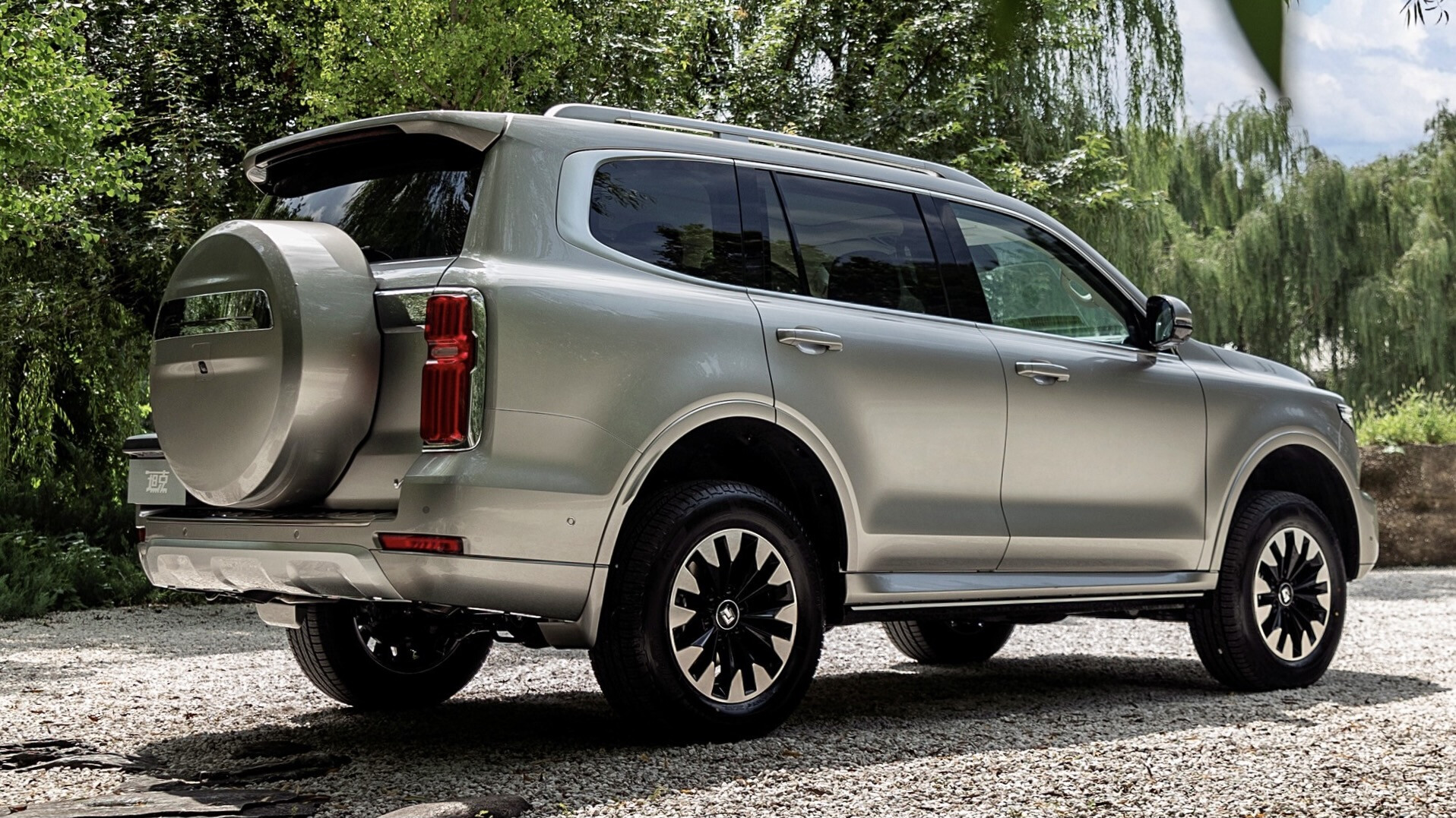
Powered by a 3.0-litre turbocharged V6 engine producing 260kW and 500Nm, the Tank uses a nine-speed automatic transmission and a part-time, low-range four-wheel-drive system with optional front and rear locking differentials. The driver has access to 11 terrain modes to aid traction in different environments.
Inside, occupants are greeted with a 14.6-inch infotainment screen, a 12.3-inch digital instrument cluster, leather, faux wood panelling, and a premium audio system.
GWM Haval is understood to be evaluating the Tank line-up for the Australian market, but if the 500 does make it to local showrooms, the model could offer LandCruiser 300 Series levels of comfort and technology, for less than the price of a Prado.
When news of Land Rover’s all-new Defender dropped back in 2019, we were excited by the promise that the 110 wagon would start at around $75K. That would put it right in the middle of Toyota Prado territory and we figured we’d all be lining up to order one.
Since the L663 Defender arrived in Australia late in 2020, most of the ones we have driven have all been well past the $110,000 mark, and you can easily take that figure closer to $200K when you start ticking the option packages. For the record, the cheapest Defender 110 is the P300 petrol model which starts at $74,000, while the cheapest diesel is the D250 that we have here starting at $82,466. Even this car has crept up in price and it sits here at $99,596 as tested.
With the Prado getting a spec and price rise in the middle of 2021, we couldn’t resist the chance to line up this entry-level Defender with a top-of-the-range Prado which sells for $87,807+ORC, making them around the same money when you ignore the extras on the Landy.

LAND ROVER DEFENDER 110 D250
POWERTRAIN & PERFORMANCE
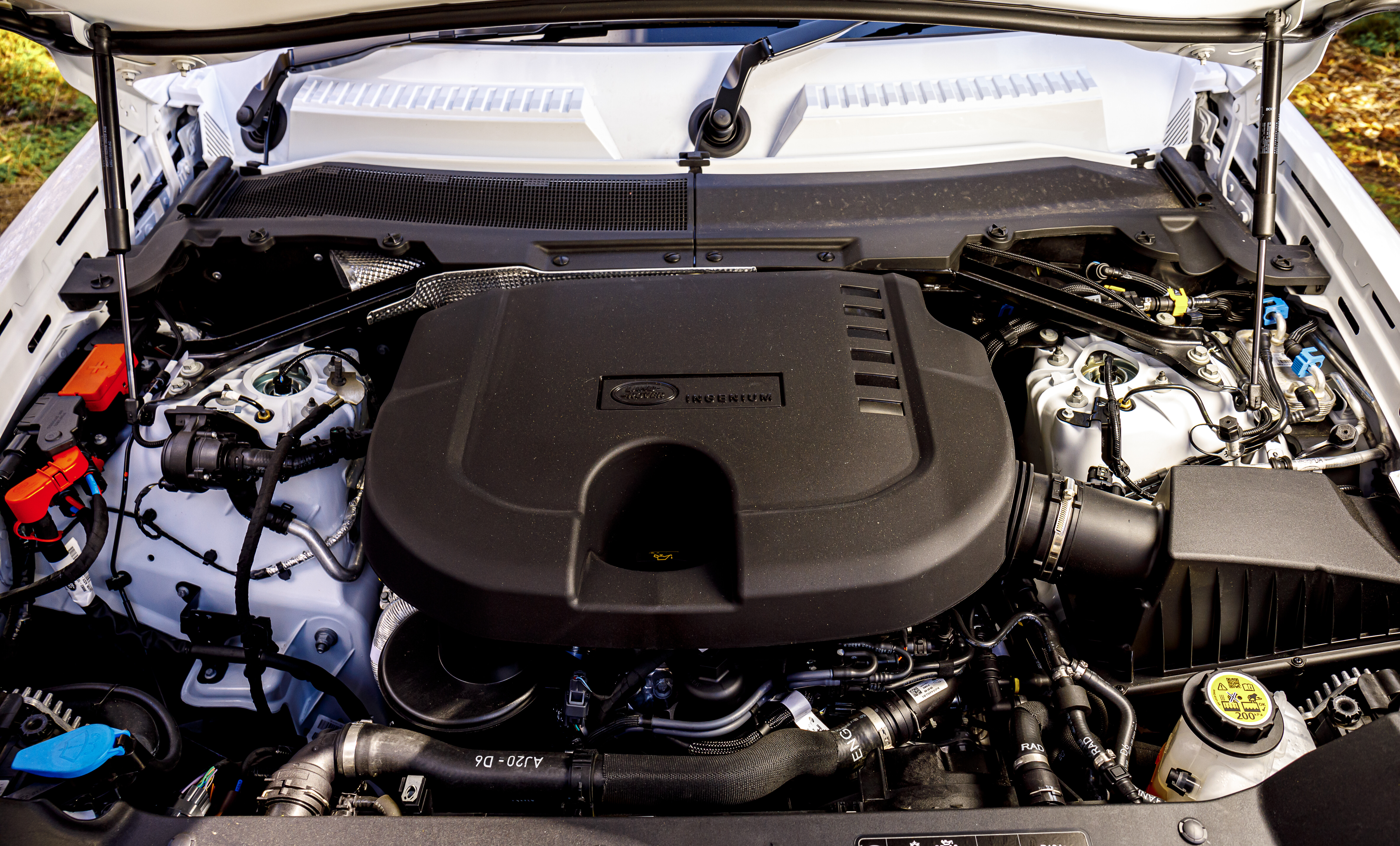
We’ve reviewed the D250 before and, despite being the lower output version of the 3.0-litre inline diesel six, we found its 570Nm and 183kW to be everything you need in a powerful touring 4×4. The extra power and torque of the D300 would be just cream on top, but you can’t get that engine in this base model.
The engine is smooth, quiet and very tractable, offering a steady supply of grunt through its rev range while waking up to a pleasant straight-six growl when you hold the throttle flat. The eight-speed automatic transmission is equally as pleasing; although, even after a couple of years of use, I still find the shifter less than user-friendly.
Officially the D250 is rated to return 7.9L/100km in the combined scale, while we achieved 11.38L/100km during our week of urban driving and on- and off-road testing.
ON-ROAD RIDE & HANDLING
The base specification D250 comes on coil springs as standard, but we are yet to drive a 110 on coils. All the test cars have been fitted with the optional adjustable air-suspension kit which is a $1309 option and, we have to say, well-worth the extra money spent.
All L663 Defenders ride on independent suspension front and rear, and this gives superior on-road ride and handling to anything using a live axle. This set-up does a fine job of isolating the body from rough roads and irregularities in the surface, and it controls the vehicle over harsh corrugations better than anything with a live axle ever could.
OFF-ROAD
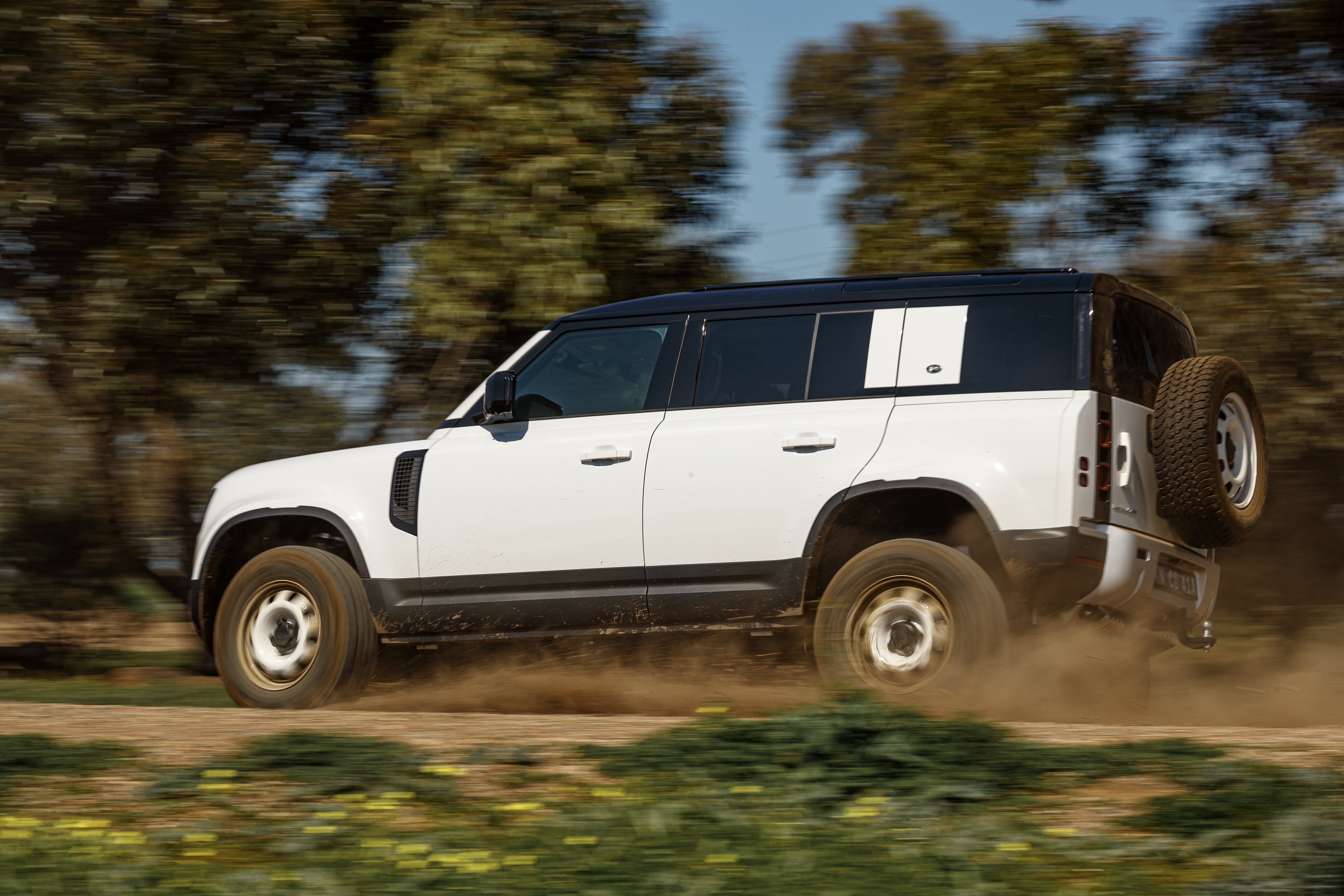
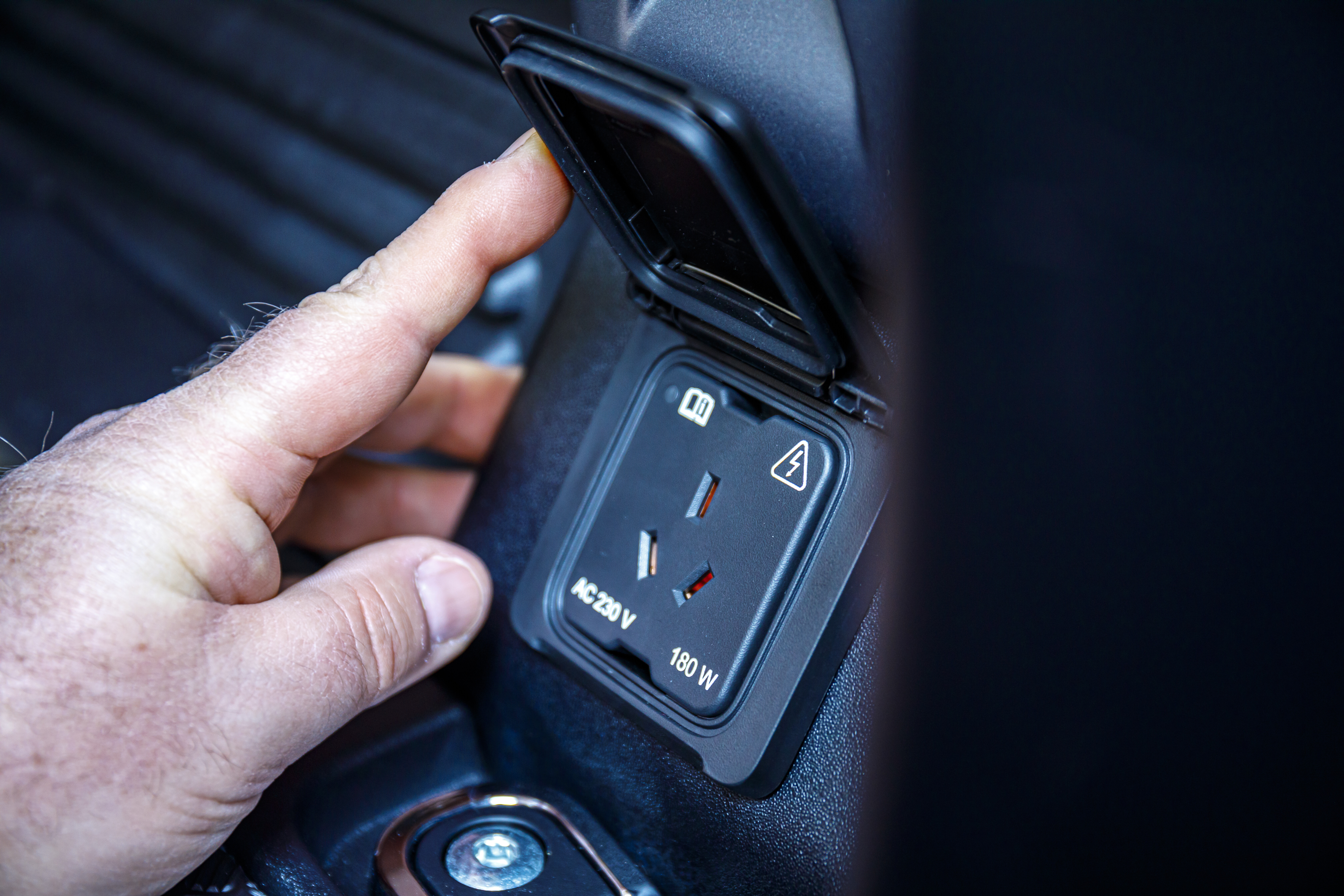
We can only imagine that a Defender 110 on fixed-height coils would be compromised for ground clearance, and this is why we say the height-adjustable air suspension is a must-have option for anyone planning off-road use. Another essential option for driving off-road is the auto-locking rear differential, and it’s fitted on this vehicle as part of the $1663 Off Road option pack which also gets you black roof rails and a 240V-style power outlet in the cargo area. You can, however, just get the auto-locking diff on its own for $806.
This car is also fitted with all-terrain tyres on 18-inch steel wheels which are a no-cost option. The smaller diameter wheels are better suited to off-road use under any car and also improve the ride quality of the vehicle at the slight expense of on-road dynamics.
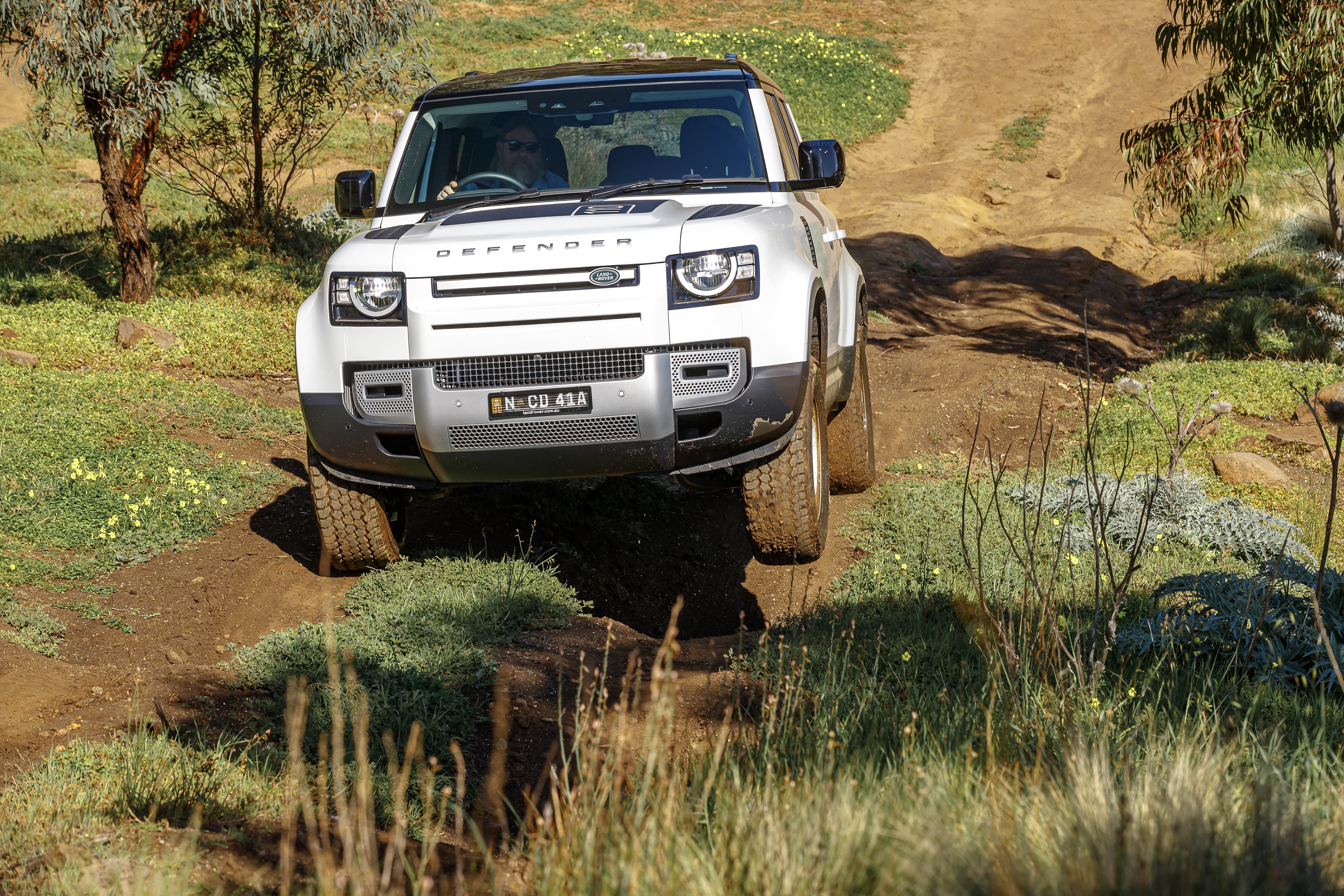
With the air suspension raised, the Defender has 291mm of ground clearance and 900mm of wading depth, which are up there with the best you’ll find in any production 4×4 wagon. The Defender walked up our steep and rutted hill climb, with the individual wheels dropping in to the holes to maintain grip on the track as it worked its way smoothly and without fail up the hill. Dialling in the Terrain Response 2 modes to suit the track sharpens up the chassis electronics to make them faster-reacting and the climb easier.
The air suspension drops back to its ‘normal’ ride height as vehicle speed gets past 80km/h, so you can leave it jacked-up while travelling on most off-road trails, but remember to raise it back up after a high-speed section on good roads. The ride quality does suffer a bit, getting harsh when touring in the raised setting, but the extra height is well-worth the rougher ride.
If we could improve on the Land Rover’s off-road systems at all, it would be to have the ability to manually lock both the centre and rear diffs when needed to ensure they remain locked – plus, we’d also add a locking front diff.
CABIN & ACCOMMODATION
For an entry-level model, the interior of the D250 doesn’t really lack anything you need. It looks more stripped out than most other vehicles such as the Prado Kakadu, but it has plenty of storage options and a modest-size AV screen with inbuilt sat-nav and wired CarPlay and Android connection.
This car is fitted with the $1853 front-centre ‘jump seat’ which gives you seating for six. A third-row pew to get seven seats is available as part of one of two option packs starting at $4796, but it also includes three-zone climate control air-con and cabin air-ioniser. You can’t have the jump seat and third-row.
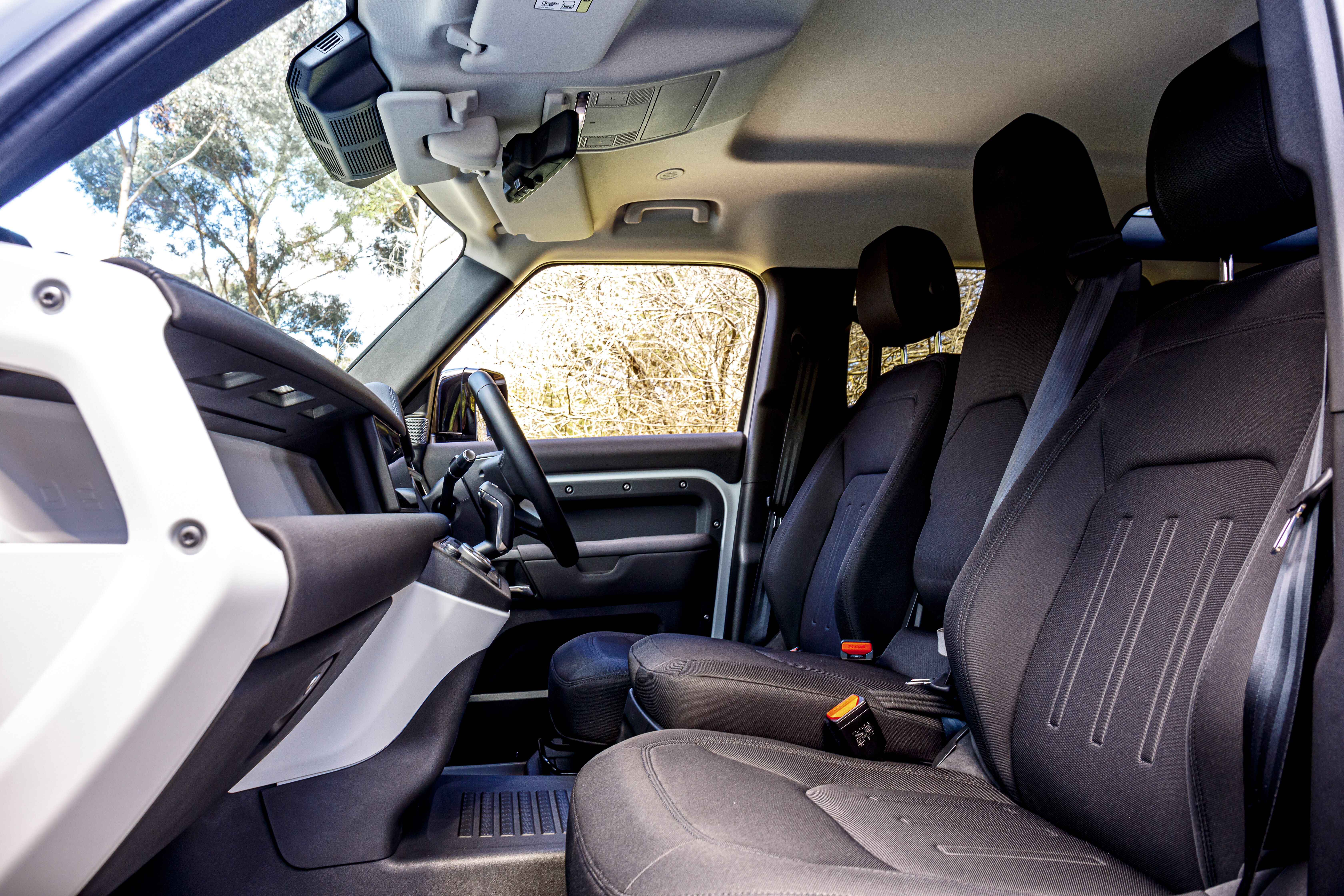
The number of seats you option depends on your needs, but we’d be more than happy with the standard five seats, leaving a big console between the front seats and the most available cargo space in the rear.
The cabin is spacious, airy and a great place to spend hours behind the wheel. It offers excellent vision through large windows which are great for off-road driving, plus there’s an array of cameras around the car for spotting, if that’s your thing. Some of the switchgear does takes a bit of getting used to, but spend the time to learn how it all works and it soon becomes second nature.
PRACTICALITIES
The Defender is nothing if not practical in every regard. It’s ease of use for general day-to-day driving make it easy to live with. The 3500kg towing capacity and 785kg payload are both up there for usefulness, as is 165kg dynamic roof-load capacity.
The second-row seats fold flat to leave a long useable cargo area, big enough for me (185cm tall) to sleep in, as I found on a cold, wet night in the mountains. There are tie-downs and more storage in the back, and either a 12 or 240V power outlet depending on the option pack. Without third-row seating, there’s also some useable storage space under the rear floor area.
There is a recovery point under the front of the vehicle, however it is concealed by a cover that you will want to remove before heading off-road. Aftermarket recovery points are available for the front and rear.
The aftermarket has been slow to develop kit for the L663 but there are things like lift rods, roof racks, switch panels and access ladders available. Land Rover offers some gear as well, including a front bar, Warn winch kit, roof racks and an intake snorkel.
The 255/70R18 tyre size isn’t massively common, but you should be able to fit the more common 265/65R18s as replacement if needed. The 89-litre fuel tank is acceptable but not as big as we’d like and certainly can’t match the150-litre available under a Prado.
TOYOTA LANDCRUISER PRADO KAKADU
POWERTRAIN & PERFORMANCE
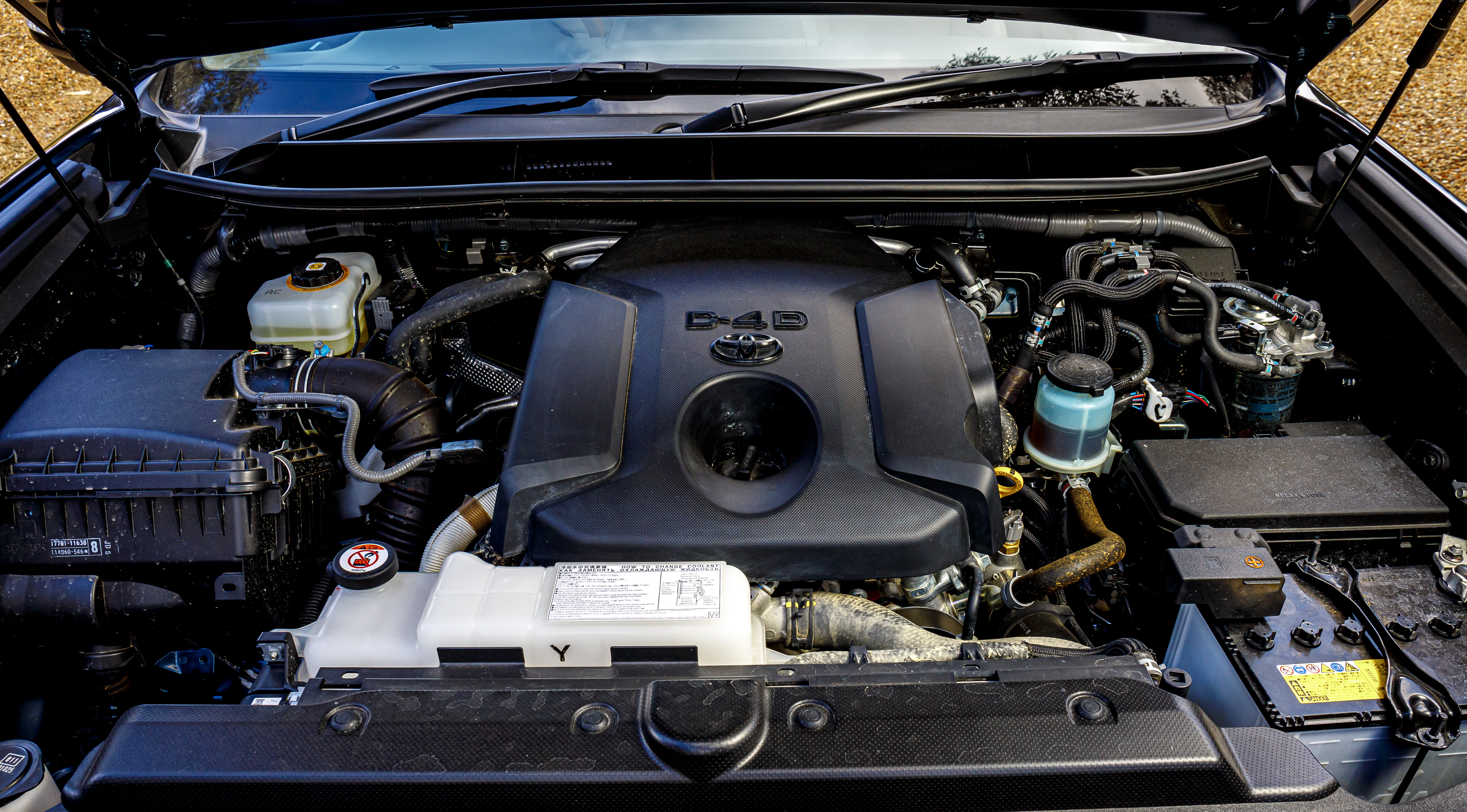
The current generation of Prado has had a few engine options over its almost 20 years of service, but in 2021 it is powered exclusively by the 2.8-litre four-cylinder diesel that was upgraded in 2020 to put out 150kW and 500Nm of grunt. It needed this upgrade as the original iteration of the 1GD-FTV 2.8 engine was desperately lacking performance or inspiration.
Now the engine is well-suited to the Prado’s size and use, even if it can’t match the Land Rover six-cylinder engine for outputs or refinement. Prado’s Aisin six-speed automatic transmission has always been a good thing, and this drive hasn’t changed our opinion of it in any way.
ON-ROAD RIDE & HANDLING
Compared to the Land Rover’s monocoque chassis and independent suspension, the Prado’s ladder-frame chassis and live rear axle are positively old-school designs and they very much determine the way the Toyota wagon drives. The Prado is a more traditional 4×4 wagon and feels more commercial in the way it handles and rides.
The suspension is soft and comfortable, but wallows and pitches and is less controlled than the more modern design that underpins the Defender. In this top-of-the-Prado-range Kakadu model, the suspension has variable dampeners which are height adjustable on the rear.
The rear axle might articulate well of road but on road, the old-school Prado still sways and lurches more than the Defender, and the Land Rover gives nothing away in wheel travel.
The body-on-frame design of the Toyota might not be great for dynamics but it does isolate the cabin well from road NVH, making the Kakadu a quiet and smooth place to cruise in.
OFF-ROAD
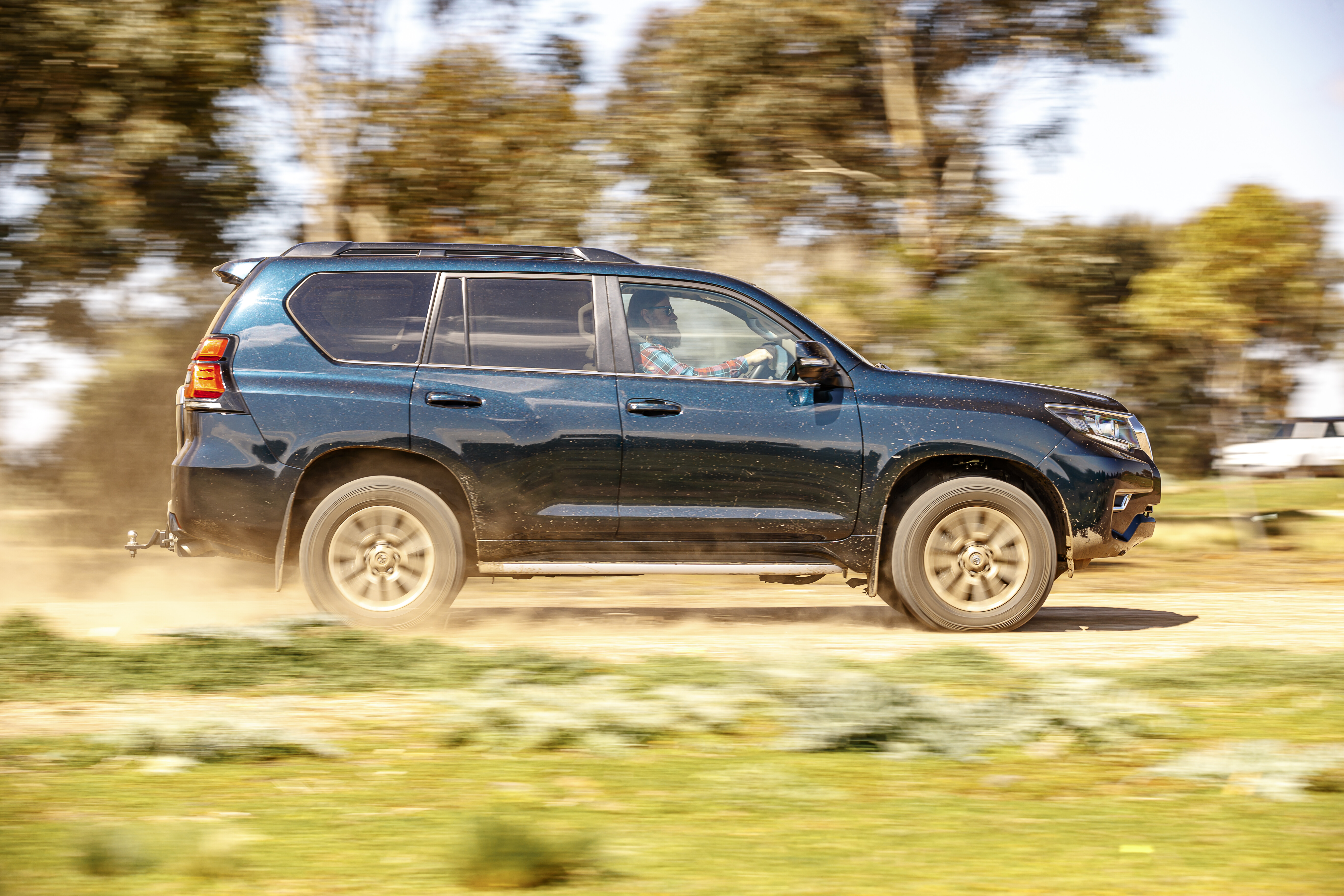
The Prado shows its age and origins off-road as well as on. Sure, the live rear axle gives decent wheel travel at the back end, but the calibration of the electronic traction control (ETC) is slow and lets the car down once that wheel travel runs out and the tyres lose grip. This is different to newer Toyota 4x4s such as the Hilux, Fortuner and LC300, where the ETC calibration is fast acting and spot on; so we expect a lot more of the next generation Prado.
The Prado struggled on our set hill climb on the first attempt, relying only on the electronic traction control, but it made its way up with the rear diff lock engaged. Out of interest, we engaged the Crawl Control on its second of four speeds and the Prado inched its way up the hill easily. The descent was also much more controlled using the Crawl Control.
Crawl Control is like cruise control for off-road, in that it controls the speed via brakes and throttle input with the driver not using the brake and accelerator pedals at all. The milliseconds of throttle input gets drive to the wheels, with grip and more finesse than your right boot to get the car over obstacles. The system is a little noisy as the actuators cut in and out, but we’ve found the newer Crawl Control system in the LC300 has been made smoother and quieter with a larger pressure accumulator. Again, something else to look for in the next-gen Prado.
CABIN & ACCOMMODATION
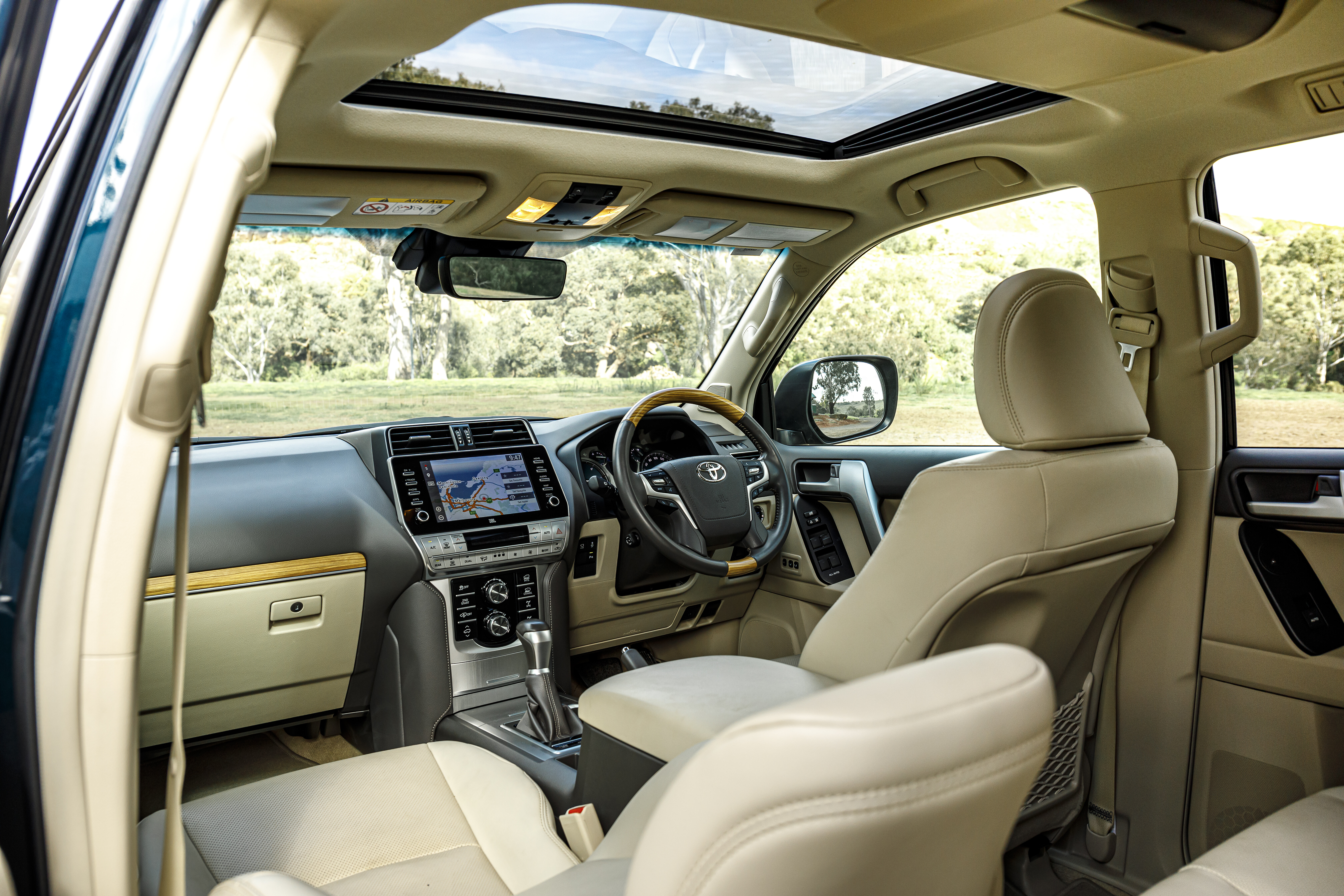
With its cream leather, light-woodgrain interior trim, large glass sunroof and a dashboard loaded with silver switches and buttons, the Kakadu certainly looks like a top-spec model, as opposed to the more functional and basic look of the Defender. There’s even a refrigerated centre console to keep your drinks chilled, a premium JBL sound system and individual Blu-Ray players on the seat-backs to keep the kids entertained on trips. Both the front and second row of seats are heated, with the front seats cooled as well.
The Prado comes standard as a seven-seater, and the third-row pew folds up and down electronically at the push of a button. However, it does eat in to the cargo area of the Prado, which is only available as a five-seater in the entry-level GX grade.
The interior of the Kakadu is also a nice place to wile away the miles, but in a very different way to the Defender. It’s all about the luxury, while the Landy is all functionality.
PRACTICALITIES
Being a long-running and extremely popular model, the Prado is extremely well-supported by the aftermarket accessories industry, as well as from Toyota genuine accessories. You can find all the gear to take your Prado anywhere and equip it for any expedition.
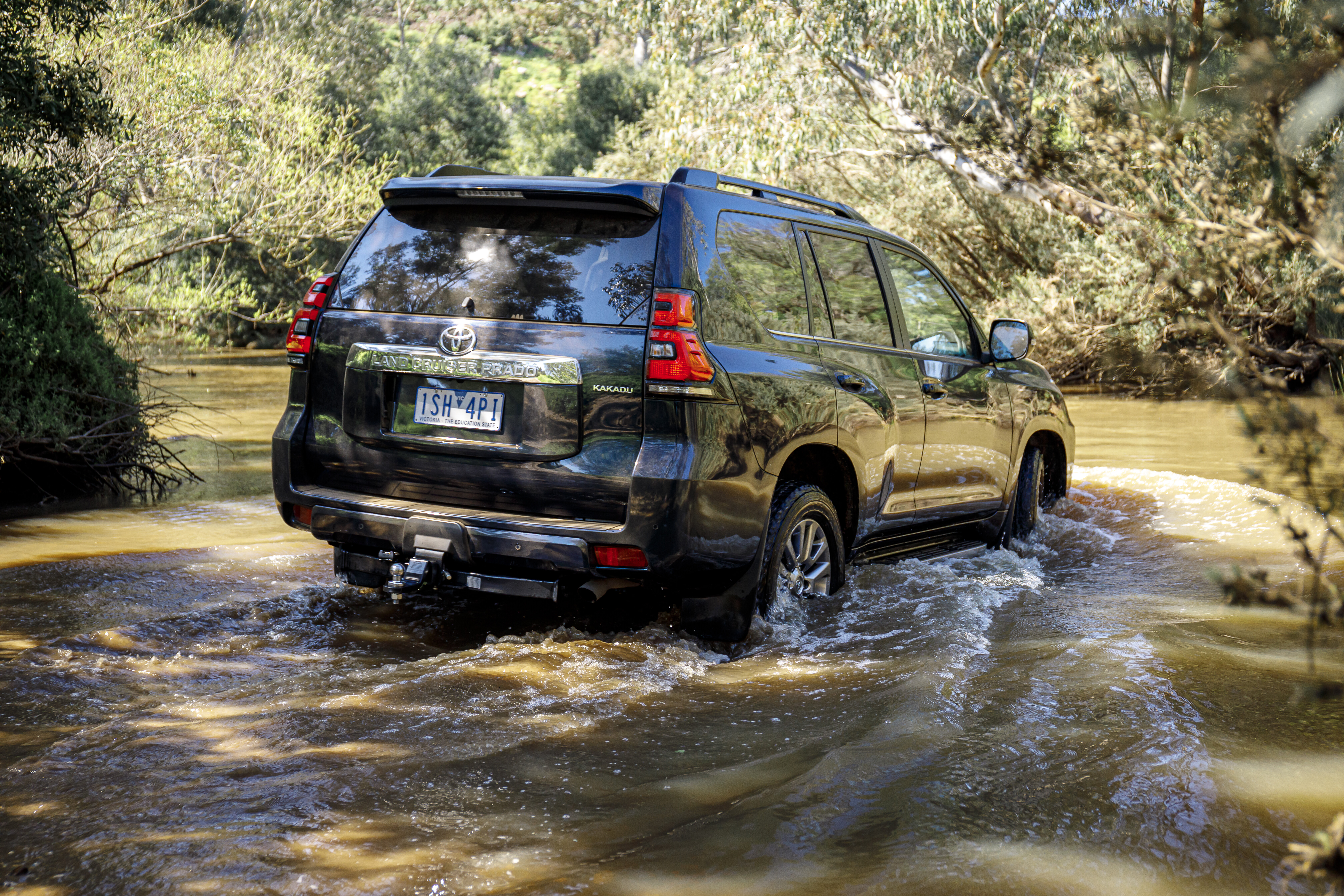
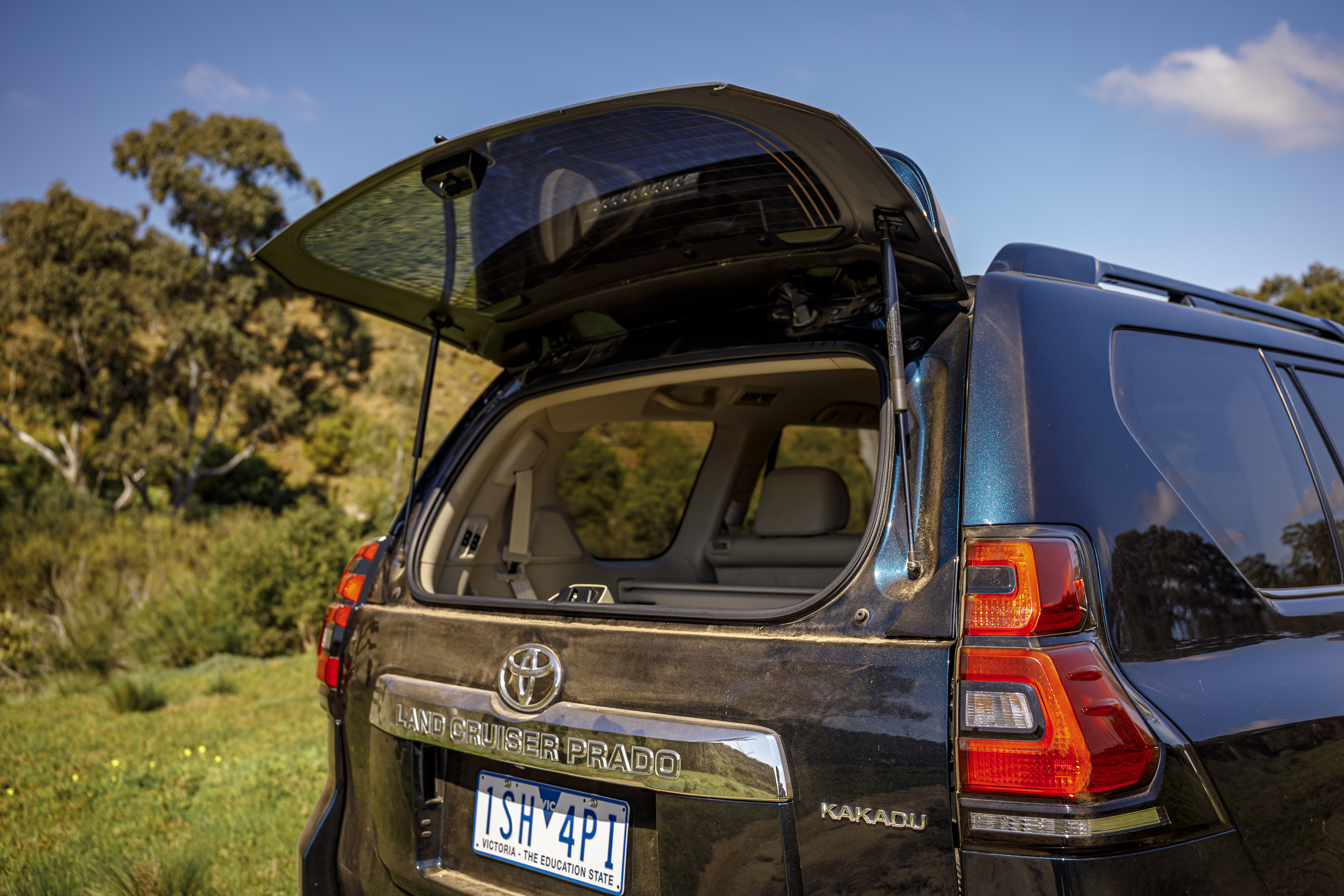
The Prado’s possible 150-litre fuel capacity is the best in the business, but this particular car was specified with the flat rear door which places the spare tyre under the back of the car where the auxiliary fuel tank would normally sit. This does clean up the look of the back of the Prado and makes the rear door lighter to open and close, but it does drop the fuel capacity down to a still-healthy 87 litres.
The most recent upgrade to the Prado Kakadu was limited to the addition of 19-inch alloy wheels replacing the 18s. These might look good on the soccer-mum run but are less than ideal for off-road use. In fact, we were contacted by a few new Kakadu owners who ordered their new cars when they were listed as having 18s but were ‘upgraded’ to the latest model on 19s, only to be disappointed to find they can’t get any light-truck tyres or many all-terrain options for their new car. The only option left to them is to buy another set of smaller diameter wheels.
VERDICT
Let’s not kid ourselves that comparing a top-of-the-range Prado with an entry-level Defender is a fair fight. The D250 misses out on a lot of the luxury features that the Kakadu gets as standard including heated and cooled, full power-adjustable leather seats, a power sunroof, a fridge in the console, an excellent JBL sound system, and 19-inch alloy wheels. Sure, you could get most those things in the Land Rover, but you’d be paying a lot more for them.
On the other hand, the D250 trumps the Kakadu in things that matter to four-wheel drivers such as a 3500kg towing capacity compared to 3000kg. It also wallops it in power with 183kW and 570Nm compared to 150kW and 500Nm. Plus it has more ground clearance, deeper wading depth, better on- and off-road driving performance, and greater interior space.
With its 18-inch steel wheels and extra ground clearance, you have to say that the Land Rover is better suited for off-road touring work; although, you’ll have a tougher time trying to find aftermarket accessories to fit to the new Defender. The Prado wins some more ground back with its excellent fuel capacity.

This Defender was fitted with a lot of factory options that bring the starting price up from $82,466 to $99,596 as tested. While most of them are styling and comfort extras, the two you really want are the height-adjustable air suspension and locking rear diff, which only brings the price up to $84,581 – still less than the Prado at $87,807. It even leaves some change for a few extras that are non-essential.
The Prado Kakadu feels like a top-spec model should, with all the bells and whistles; but the Defender doesn’t feel stripped out at all.
When you look at the two cars dollar for dollar, the Defender delivers a more modern vehicle that performs better on- and off-road, is more refined and has greater capacity than the Prado – so it’s a firm winner here. Of course, the Prado buyer could forgo some of the Kakadu’s luxury and bling items and buy a lower priced and specified model like a VX or GXL and still get the same mechanical package; and that’s something that the Defender can’t match.
LAND ROVER DEFENDER D250 110 S SPECS
| ENGINE | In-line 6-cyl turbo diesel |
|---|---|
| CAPACITY | 2996cc |
| MAX POWER | 183kW at 4000rpm |
| MAX TORQUE | 570Nm from 1250 to 2250rpm |
| TRANSMISSION | 8-speed automatic |
| CRAWL RATIO | 53.34:1u00a0u00a0u00a0u00a0u00a0u00a0u00a0 |
| 4X4 SYSTEM | Full-time 4×4 w/ high and low range |
| CONSTRUCTION | 5-door, 6-seat wagon, monocoque chassis |
| FRONT SUSPENSION | Independent height-adjustable air |
| REAR SUSPENSION | Independent height-adjustable air |
| WHEEL/TYRE | 18-inch steel / 255/70 |
| KERB WEIGHT | 2415kg |
| GVM | 3200kg |
| PAYLOAD | 785kg |
| TOWING CAPACITY | 3500kgu00a0u00a0u00a0u00a0u00a0u00a0u00a0 |
| SEATING CAPACITY | 6 |
| FUEL TANK CAPACITY | 89Lu00a0u00a0u00a0 |
| ADR FUEL CLAIM | 7.9L/100km |
| ON-TEST FUEL USE | 11.38L/100km |
| DEPARTURE ANGLE | 40u00b0 |
| RAMPOVER ANGLEu00a0u00a0u00a0 | 27.8u00b0 |
| APPROACH ANGLEu00a0u00a0u00a0u00a0 | 37.5u00b0 |
| WADING DEPTH | 900mm |
| GROUND CLEARANCE | 291mm |
TOYOTA LANDCRUISER PRADO KAKADU SPECS
| ENGINE | In-line 4-cyl diesel |
|---|---|
| CAPACITY | 2755ccu00a0u00a0u00a0u00a0u00a0u00a0u00a0 |
| MAX POWER | 150kW at 3000 to 3400rpm |
| MAX TORQUE | 500Nm at 1000 to 2800rpm |
| TRANSMISSION | 6-speed automatic |
| CRAWL RATIO | 36.11:1u00a0u00a0u00a0u00a0u00a0u00a0u00a0 |
| 4X4 SYSTEM | Full-time, dual-range 4×4 w/ locking centre and rear diffs |
| CONSTRUCTION | 5-door wagon on a ladder frame chassis |
| FRONT SUSPENSION | IFS w/ dual wishbones and coil springs |
| REAR SUSPENSION | Live axle on coil springs. Adjustable dampeners |
| TYRE | 265/55R19 |
| KERB WEIGHT | 2290kg |
| GVM | 2990kg |
| GCM | 5990 |
| PAYLOAD | 700kg |
| TOWING CAPACITY | 3000kg |
| SEATING CAPACITY | 7 |
| FUEL TANK CAPACITY | 87L (flat rear door as tested) |
| ADR FUEL CLAIM | 7.9L/100km |
| ON-TEST FUEL USE | 10.99L/100km |
| DEPARTURE ANGLE | 24u00b0 |
| RAMPOVER ANGLEu00a0u00a0u00a0u00a0u00a0u00a0u00a0u00a0u00a0 | 22u00b0 |
| APPROACH ANGLEu00a0u00a0u00a0u00a0u00a0u00a0u00a0u00a0u00a0 | 32u00b0 |
| WADING DEPTH | 700mm |
| GROUND CLEARANCE | 220mm |
Swags are the norm for off-roaders heading off the grid, but while they’re comfy and easy to set up they do tend to have one big downfall – size.For a winter trip to the Vic High Country I got a common double-size swag for the girlfriend and myself, and after four days of squeezing it inside my LWB GQ Patrol wagon, I was seriously over it. Rolled up with mattress and sleeping bags inside it weighed a metric ton, and even with it butted up against the back of the driver’s seat (rear seats down) you’d struggle to fit a small Esky behind it.After that trip we started looking at alternatives, and that’s when we came across the OZtrail Ultimate All Weather stretcher tent, which is available in either a single or double queen size. Straight away the size struck us, because it easily had room for two adults inside (being queen size) but when it was packed up, it was about half the size of the swag both in length and width and only weighed a touch over 20kg.
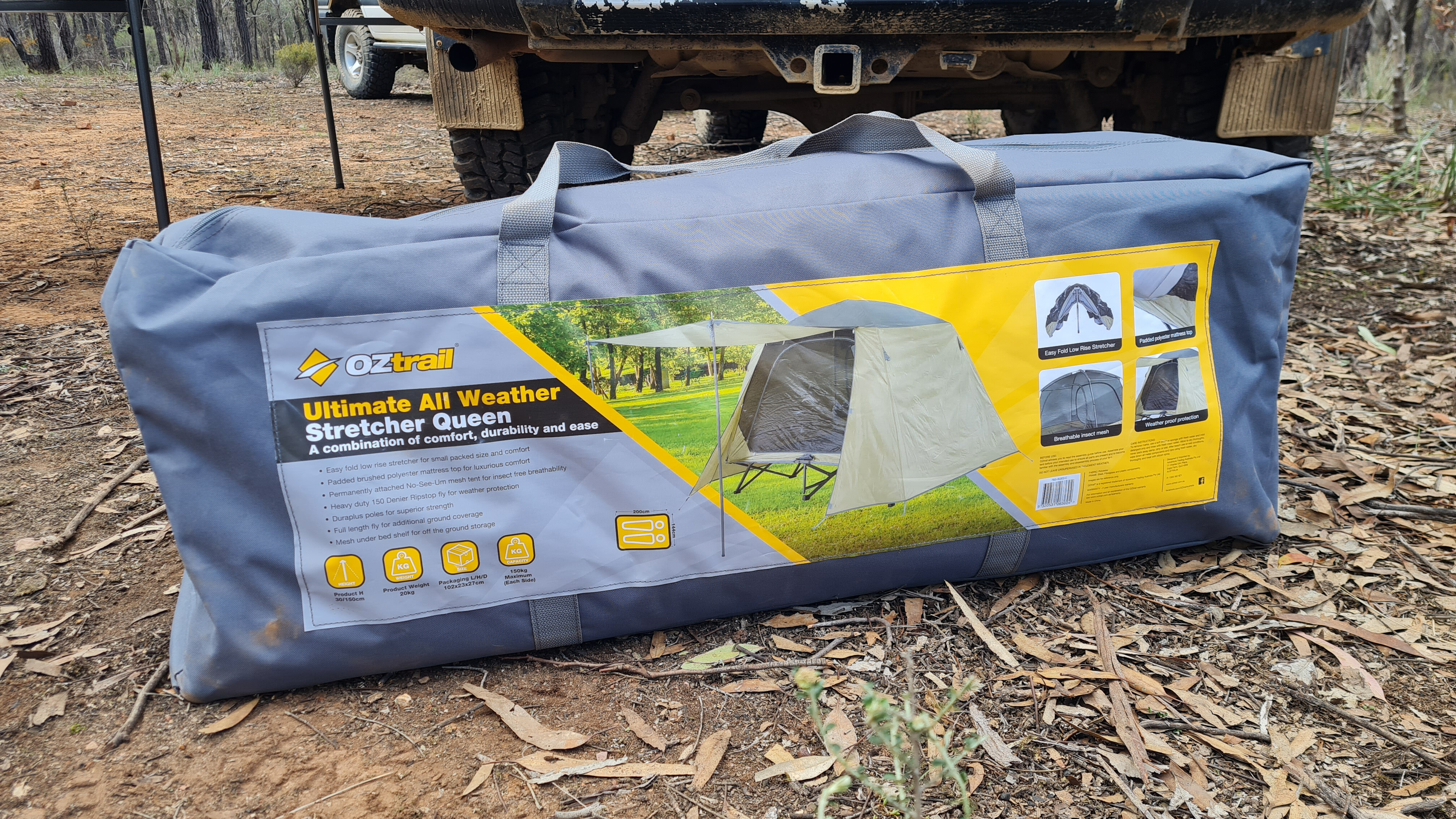
Unlike a normal tent it uses a metal stretcher frame, so set up is no less complicated or time consuming than a swag. Simply fold out the base, insert two poles for the main structure, peg down the fly over the top and you’re all set! Pack up is even easier, the frame folds up in 10 seconds and fits straight in the bag so there’s no squishing and rolling that’s needed for a big swag.The other neat feature of the stretcher frame is that it keeps you nice and high off the ground in damp conditions, and a mesh shelf underneath provides a nice dry spot to keep your shoes.Two massive doors either side make access in and out a breeze, and because it’s based on a traditional tent you still have heaps of head room to sit up, change clothes and do other basic tasks without feeling like you’re in a coffin.

The only pitfall we can find so far is the metal stretcher frame runs a beam straight through the middle of the floor, which can be uncomfortable if you really want to spread out. But at six-foot-two in height, I had no issues with head-to-toe length and because the floor of the tent is off the ground, there’s no need for a mattress.At $529.99, they really aren’t any more expensive than a good quality double swag.AVAILABLE FROM: www.oztrail.com.au RRP: $529.99
There are some places around Australia that I am very adept at finding excuses to revisit. For some inexplicable reason a detour of a few hundred kays or adding another night here or there just so I can once again enjoy a place, seems perfectly reasonable.
Of all those places, Bendleby Ranges is right up there for me, but why? Well, with more than 220km of awesome tracks, stunning camps, plenty of wildlife and commanding views, it’s a no-brainer for a 4WD tourer. But it’s also more than that, it’s the ‘feel’ you get from a place that can make all the difference, and Bendleby has a fantastic ‘feel’ to it.
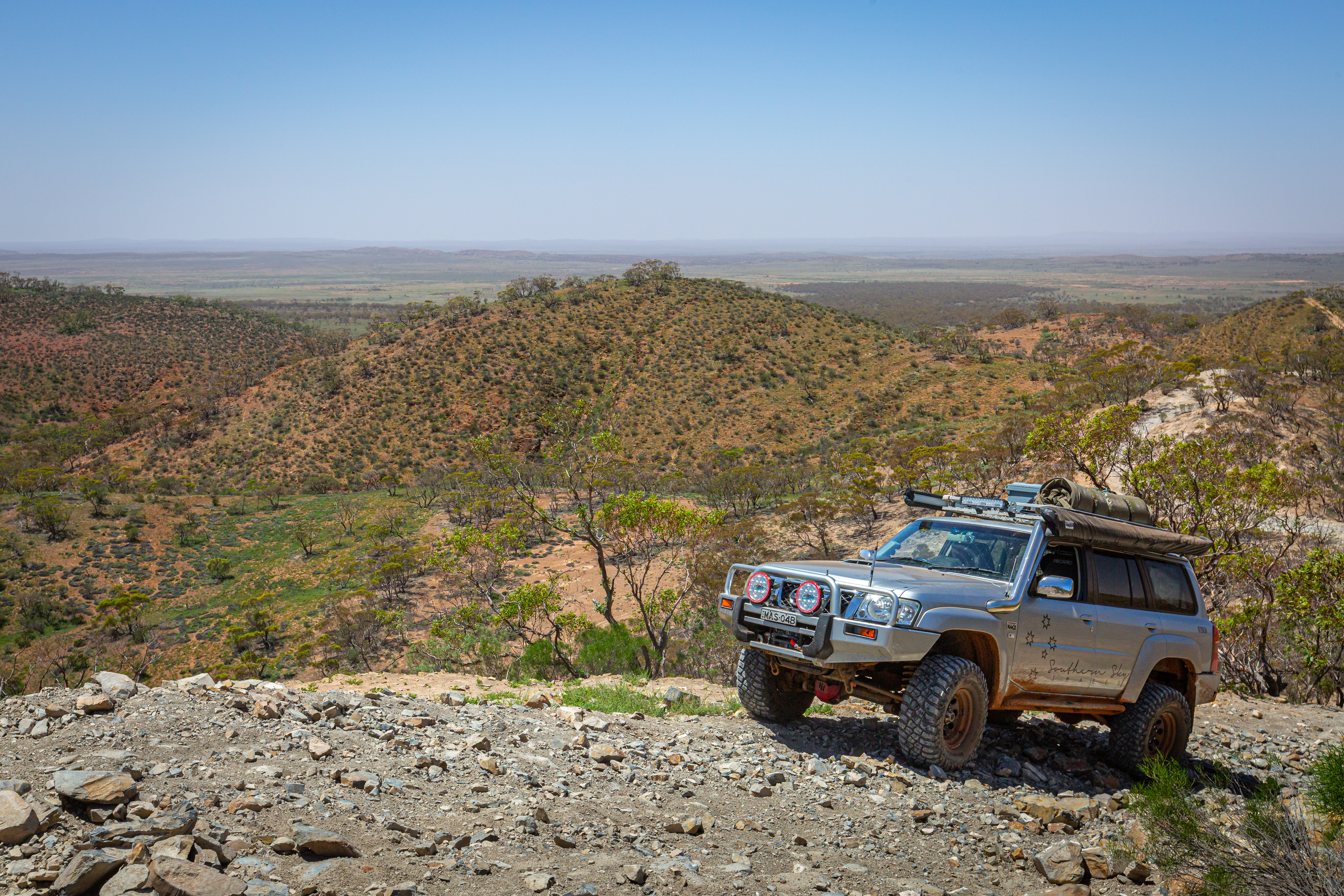
Bendleby Ranges is a privately owned station located near the township of Orroroo in South Australia. You could say it is pretty similar to the Flinders Ranges, but farther south. It is a working sheep station, but what dominates the landscape are the two ranges which almost run parallel to each other and in the middle, a small plain that hosts the homestead, and the multitude of private and secluded camps which mostly nestle into the bottom of the ranges.
PICK-A-RANGE
EACH range has a distinctively different feel to it: the Bendleby Range to the west is more gently sloping with a good scattering of native pine; while the Hungry Range to the east is far taller, steep and rugged, with sharp rock, various gums and plenty of native yakkas. What they each share though, is myriad dirt tracks ranging from easy to hard. There is plenty of driving here for everyone, from stock-standard rigs (and no prior off-road experience) right through to well-modified touring rigs (and plenty of off-road experience).
The great thing too, is that upon arrival you are given a colour topo map with each track clearly marked and graded, so there is little chance you’ll find yourself in trouble unless you deliberately seek it out. In addition, all tracks are well signposted, so for those who don’t believe in looking at maps, you’re covered!
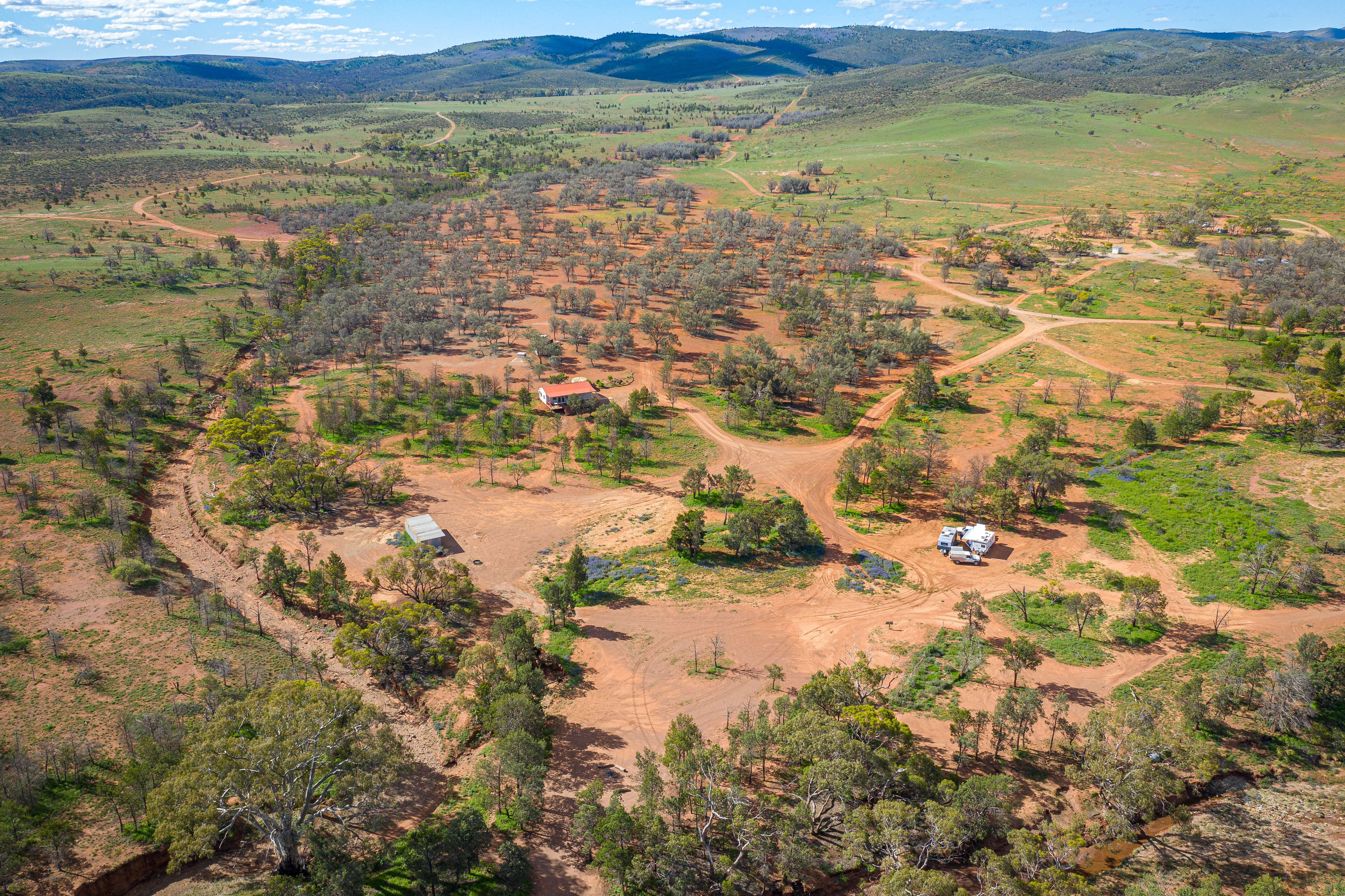
It really is a choose-your-own-adventure here. If towing a trailer, you can either set up at the main campground or head in to one of the easier secluded camps; if you want a little luxury, you can stay at one of three original old cottages or the shearing quarters; or for those who like being absorbed in nature, simply head to a secluded campsite among the trees.
Whatever your choice, there are showers and flushing-toilet facilities available (located near the main camp), long-drop loos scattered around the secluded camps, and no matter where you stay, you can enjoy a nice campfire as timber is also included in your booking. While there is a small range of goods and basics (like beer and local wine) at the reception hut, you will need to bring your own food, water and essentials. If you forget something or need to restock, Orooroo has a grocery, butcher, pub, servo and more, and is only a 30-minute easy drive away.
Dedicated bushwalking trails are scattered around the property, but I cannot speak to their qualities. Every time I visit, I can’t resist getting behind the wheel and simply driving through the ranges and gullies for most of the day, before retiring around a campfire for a cooked meal and a few coldies … perfect.
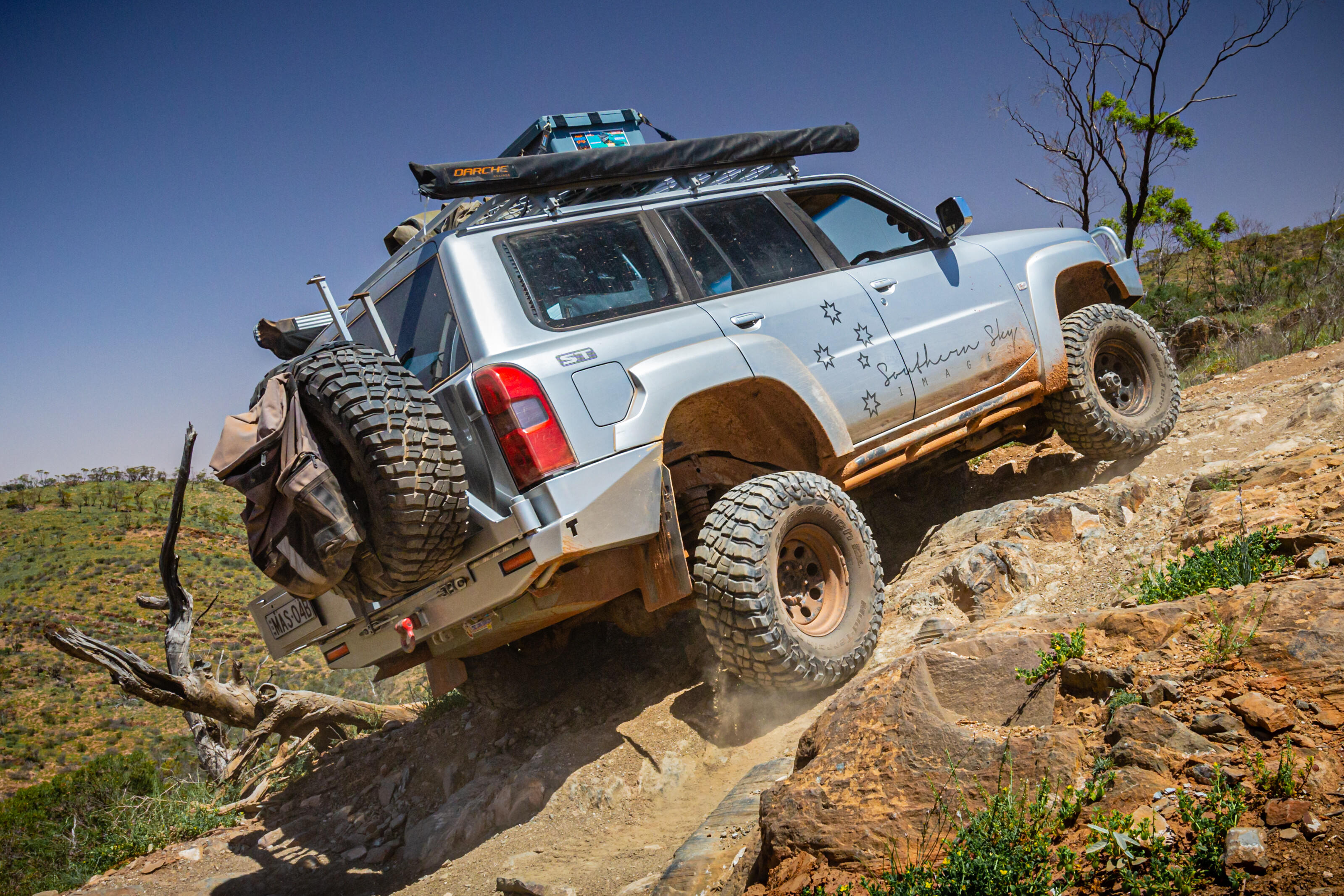
Track development at Bendleby is ongoing and a few crackers have opened up in recent years, – one hill is even named after me, Mount Scott. The latest is called the Hungry Highway, featuring some reasonably steep driving and some gritty leaps in faith with sharp drop-offs, it is an exciting track to drive with epic views. If you are new to 4WDing then its best to have someone guide you in places as you are completely unsighted at times, the track simply disappears below your bonnet. It’s definitely a white-knuckle ride for newcomers and not one to bring a nervous partner along.
If steep is what you are chasing then Pat’s Peak is your fix. It (like a few tracks on the property) is a one-way affair and will have your feet planted firmly against the firewall as you descend.
BILLY GOAT RIDGE
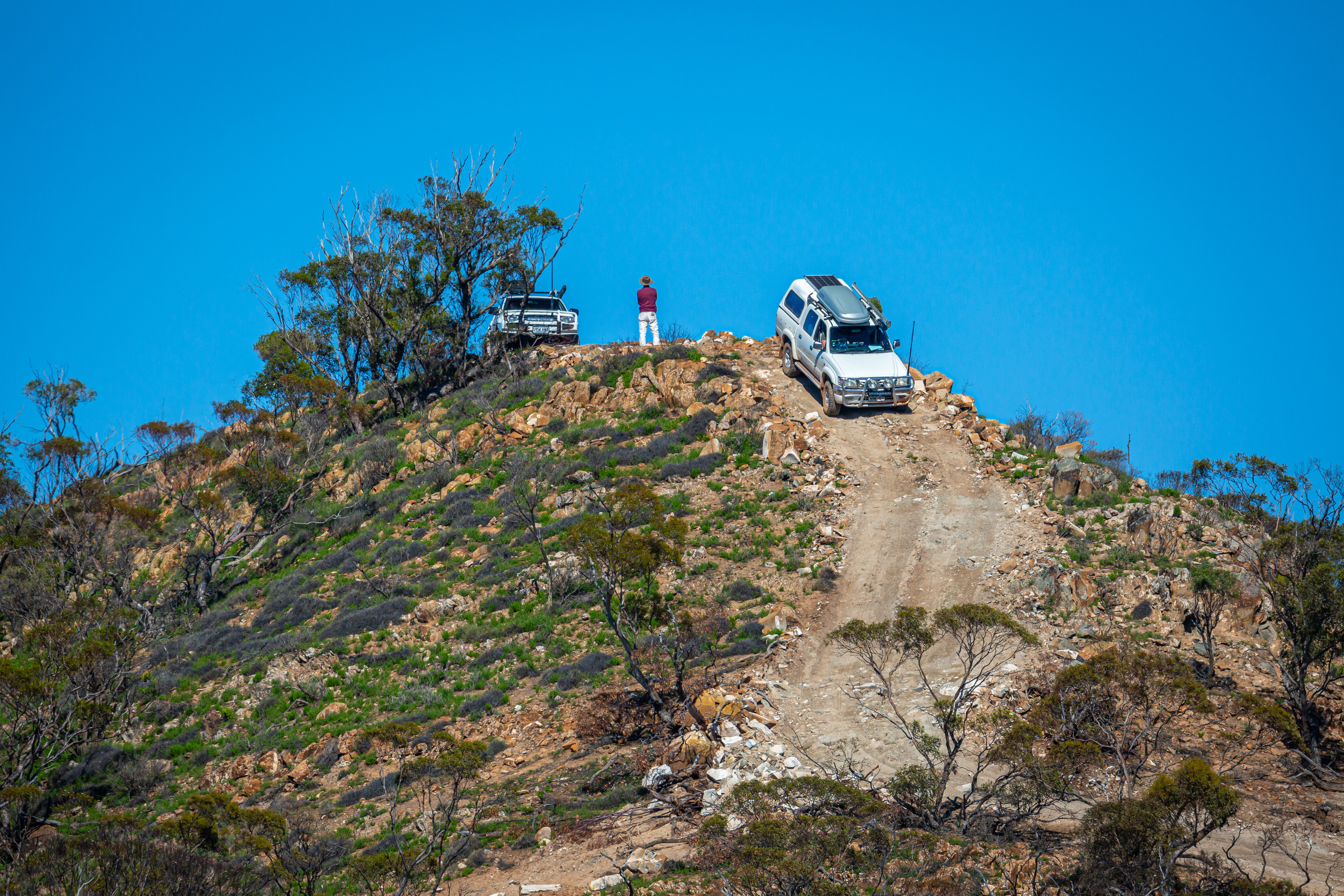
THE flagship drive has to be Billy Goat Ridge. Let’s put it this way, it is not uncommon to see people high-fiving and celebrating reaching the summit of this stunner. While it is neither incredibly steep nor overly technical, it offers both of those elements in spades and will definitely punish those who underestimate it. I would not recommend taking a stock vehicle up it (there is a high chance of hitting the sills and underbody), but many have done just that and enjoyed it.
I have taken factory stock, medium-level and full-on rigs up there successfully and easily, with good line selection, careful and steady throttle and low tyre pressures. It is a real driver’s track and one of the most enjoyable I have driven – and the views are epic. It is also another track which will leave you unsighted at times, so it’s best have a good spotter to help you out in places.
Apart from my favourites tracks above, there are countless others to enjoy at your leisure. The ridgeline tracks and gully tracks all have unique appeal and will have you smiling. One must-do is spend at least one afternoon at Sunset Hill where you look over the plain to a neighbouring range to take in the last rays of sunlight. Quite often you will meet fellow travellers here and enjoy the company of similar-minded people on their own adventures.
I hope I have inspired you by sharing one of my favourite Aussie destinations. Whether it’s a quick stopover or a weeks-long stay, you will not be disappointed by Bendleby, it’s definitely one to put on the list!
FIVE ESSENTIALS
- Billy Goat Ridge track
- Hungry Highway track
- Secluded camps
- Sunset Hill
- Embrace the wildlife
You may remember the Night Hawk, as it won our 2019 LED driving light comparison. Well, Bushranger has just introduced its Night Hawk Variable Series of high-performance driving lights.These all-new lights allow the consumer to control and choose the optimum setting and adjust it as the landscapes changes.
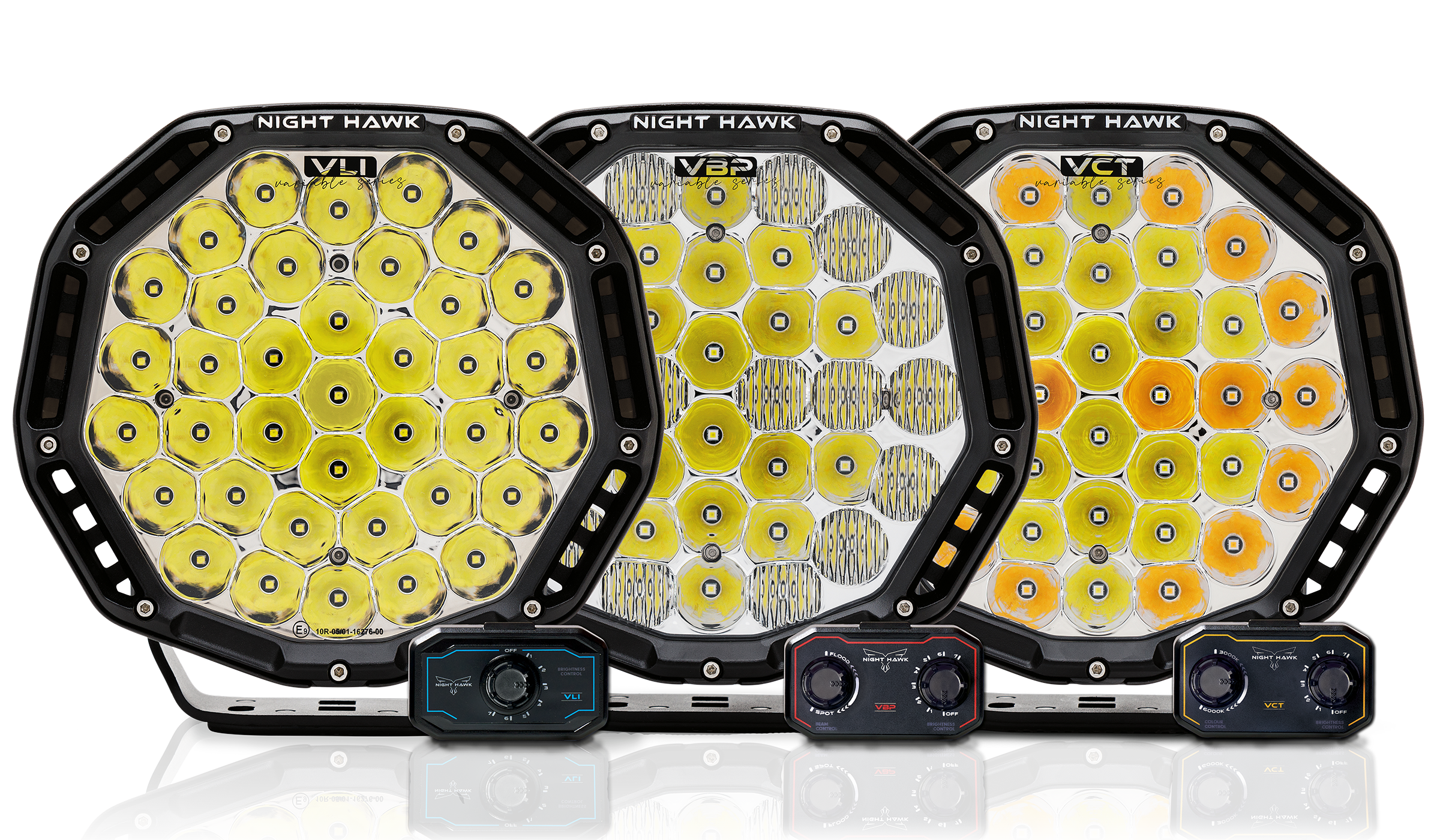
The Variable series includes the Light Intensity nine-inch kit, Colour Temperature nine-inch kit, and Beam Pattern nine-inch kit. All of the kits in this series come with everything required for simple installation. Plus, the units are designed and engineered in Australia.Full details on individual kits can be found by visiting the Bushranger 4×4 website.RRP: $749 (Light Intensity); $949 (Colour Temperature & Beam Pattern)
UPDATE, November 19: Mazda has officially released pricing for its 2022 BT-50, with the entry-level variant starting at a smidge under $40,000.
The all-new, entry-level XS Single Cab Chassis (4×2) starts at a driveaway price of $38,490 for ABN buyers – the XS in Dual Cab form (also 4×2) will set you back $43,490, both of which are powered by the new 1.9-litre diesel engine.
You’ll need to dig a bit deeper to get an XS 4×4, with the auto-only XS Dual Cab pick-up priced at $51,490 before on-road costs.
Also new for 2022 is the BT-50 SP – available exclusively in 4×4 dual cab form, the 3.0-litre-powered pick-up will be priced at $62,990 (manual) and $65,990 (automatic).
The 3.0-litre XT Single Cab Chassis is the cheapest way into the 4×4 line-up, with the manual variant asking for $45,490 and the auto priced at $47,990.
At the other end of the scale sits the flagship Thunder, priced at $65,990 (manual) and $68,990 (auto).
Full price list can be found below.
The story to here
September 21: For the first time since the release of the 2020/2021 Mazda BT-50, there is another powerplant offered other than the highly acclaimed 3.0L four-cylinder turbo-diesel Isuzu 4JJ3-TCX.
Mazda has just announced a stripped-back, entry-level BT-50, dubbed the XS. This is available in 4×2 single-cab chassis, 4×2 dual-cab pick-up and (most importantly) 4×4 dual-cab pick-up models.
While the much-loved 3.0L engine found across the BT-50 and Isuzu D-MAX range is thankfully still available in higher-trim specs, it’s refreshing to see the option of a stripped-down model aimed squarely at tradies or those looking for a simpler and cheaper option to get into a 4×4 dual-cab.
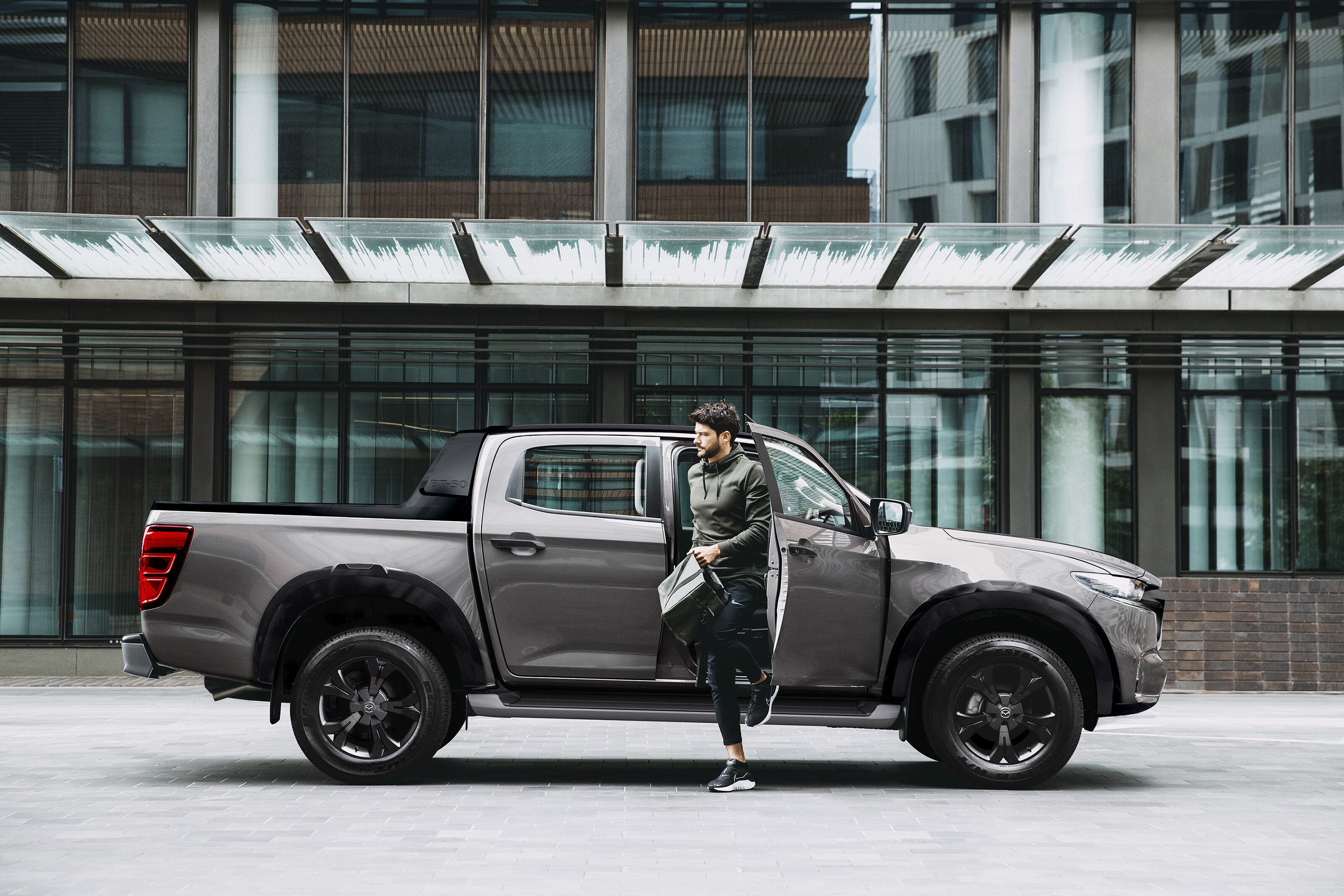
The 1.9L four-cylinder Isuzu turbo-diesel engine in question is claimed to produce 110kW and 350Nm peak torque, which is down from the 3.0L with a claimed figure of 140kW and 450Nm. This is a significant drop in power, so we’re really interested to see how much cheaper this model will be.
It is also only available with a six-speed automatic gearbox, and has a reduced towing capacity of 3000kg.
While new for the Australian market, the origins of the Isuzu RZ4E 1.9L motor date back to its release in Thailand in 2015 and Europe in 2016. What we are receiving in 2021 is now dubbed the RZ4E-TC.
Australia is one of the only markets that hung on tightly to the 3.0L 4JJ3-TCX, as we love our larger-capacity engines. We’re looking forward to taking a 1.9L-equipped BT-50 for a spin to see how they perform in the real world compared to the 3.0L engine.
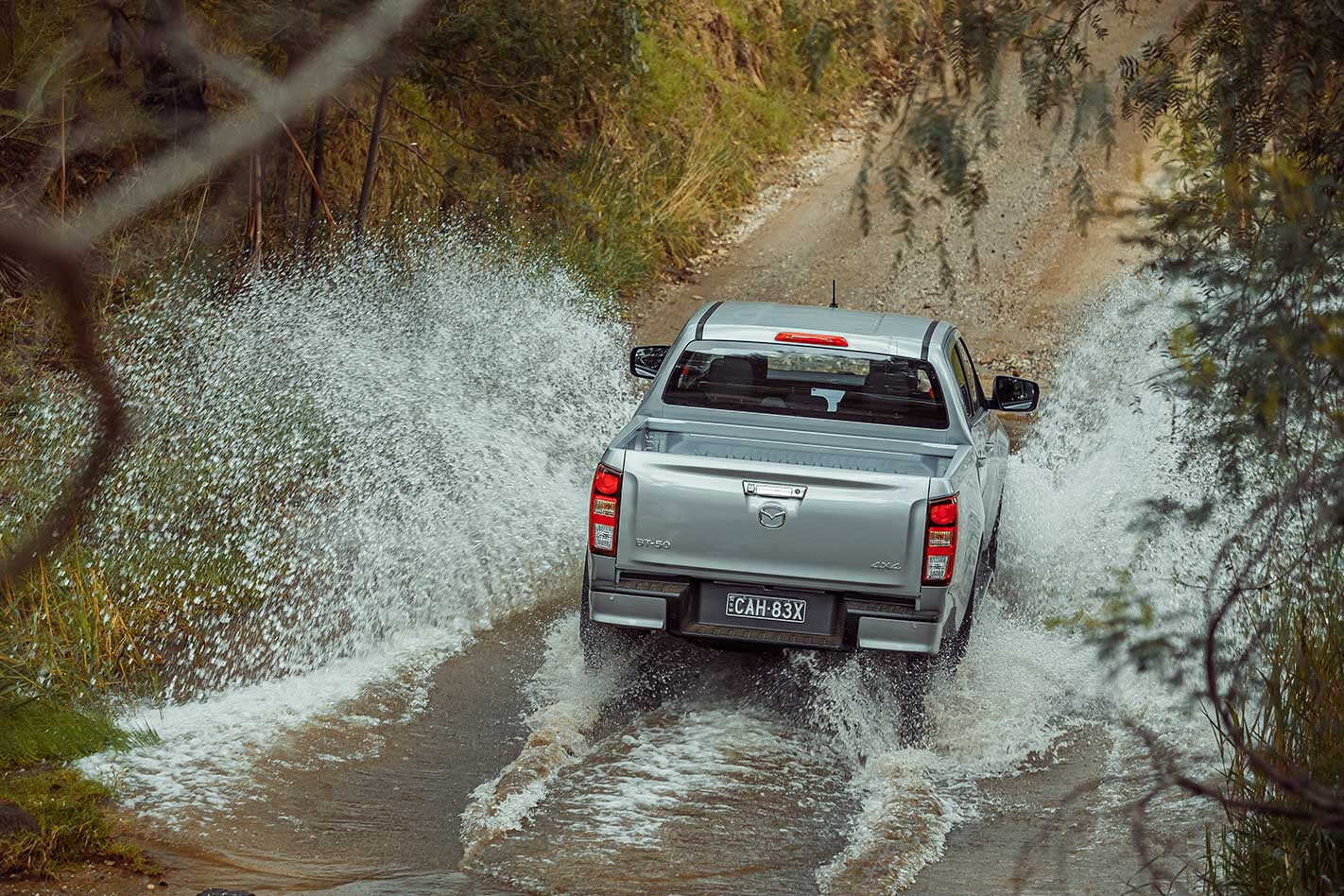
The Mazda BT-50 XS will otherwise share equipment specs of the currently available XT model, but will now be riding on 17-inch steel wheels. This base XS model will still feature a selectable locking rear differential in the 4×4, which is a boon for four-wheel drivers or those accessing muddy worksites.
As well as the announcement of the entry level XS model, Mazda has made several revisions across its BT-50 range including the premium BT-50 SP which now sits above the GT model.
This update includes features such as premium black and dark grey exterior highlights, satin black 18-inch wheels, driftwood leather and black suede interior trim, and gloss black wheel flares.
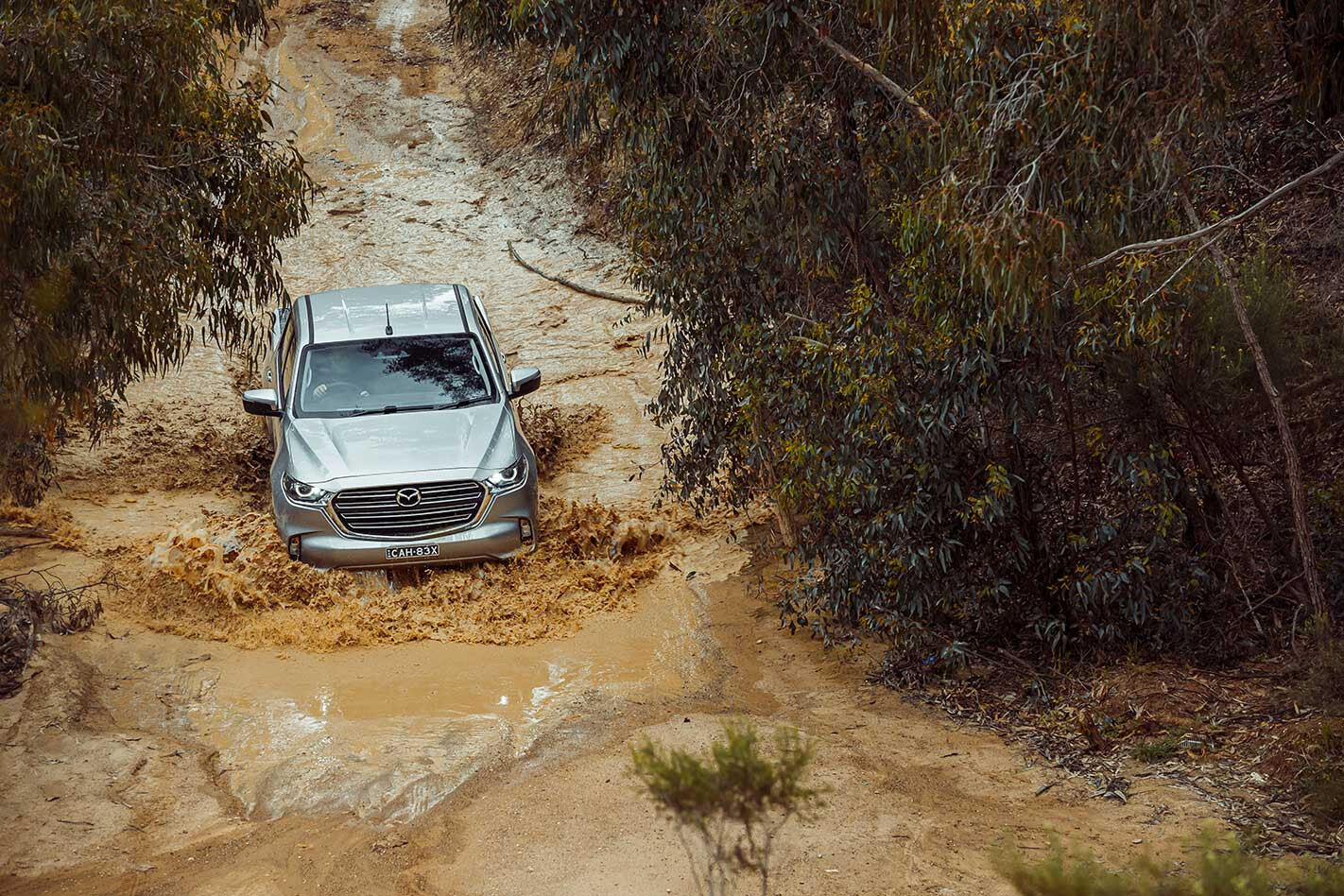
This top-of-the-line model will still be powered by the 3.0L turbo-diesel engine, but will be available with the choice of either a six-speed manual or automatic transmission.
Safety systems across the BT-50 range have also been improved, with the addition of a Lane Support System button. This button can be depressed to disable the standard Lane Support systems when required. This has been developed following customer feedback and is a welcomed addition.
2022 Mazda BT-50 Australian pricing
Driveaway pricing for ABN buyers only:
| GRADE, BODY & DRIVETRAIN | ENGINE | TRANSMISSION | DRIVEAWAY PRICE LIST |
|---|---|---|---|
| XS Single Cab Chassis 4X2 | 1.9L | Auto | $38,490* |
| XT Single Cab Chassis 4X2 | 3.0L | Auto | $40,490 |
| XT Freestyle Cab Chassis 4X2 | 3.0L | Auto | $43,990 |
| XT Dual Cab Chassis 4X2 | 3.0L | Auto | $47,490 |
| XS Dual Cab Pickup 4X2 | 1.9L | Auto | $43,990* |
| XT Dual Cab Pickup 4X2 | 3.0L | Auto | $45,990 |
| XTR Dual Cab Pickup 4X2 | 3.0L | Auto | $48,990 |
| XT Single Cab Chassis 4X4 | 3.0L | Manual | $45,490 |
| XT Single Cab Chassis 4X4 | 3.0L | Auto | $47,990 |
| XT Freestyle Cab Chassis 4X4 | 3.0L | Manual | $48,990 |
| XT Freestyle Cab Chassis 4X4 | 3.0L | Auto | $51,490 |
| XT Dual Cab Chassis 4X4 | 3.0L | Manual | $52,490 |
| XT Dual Cab Chassis 4X4 | 3.0L | Auto | $54,990 |
| XTR Dual Cab Chassis 4X4 | 3.0L | Auto | $57,990* |
| XS Dual Cab Pickup 4X4 | 1.9L | Auto | $51,490* |
| XT Dual Cab Pickup 4X4 | 3.0L | Manual | $50,990 |
| XT Dual Cab Pickup 4X4 | 3.0L | Auto | $53,490 |
| XTR Dual Cab Pickup 4X4 | 3.0L | Manual | $53,990 |
| XTR Dual Cab Pickup 4X4 | 3.0L | Auto | $56,490 |
| GT Dual Cab Pickup 4X4 | 3.0L | Manual | $56,990 |
| GT Dual Cab Pickup 4X4 | 3.0L | Auto | $59,990 |
| SP Dual Cab Pickup 4X4 | 3.0L | Manual | $62,990 |
| SP Dual Cab Pickup 4X4 | 3.0L | Auto | $65,990 |
| Thunder Dual Cab Pickup 4X4 | 3.0L | Manual | $65,990 |
| Thunder Dual Cab Pickup 4X4 | 3.0L | Auto | $68,990 |