Gear

Gallery 1
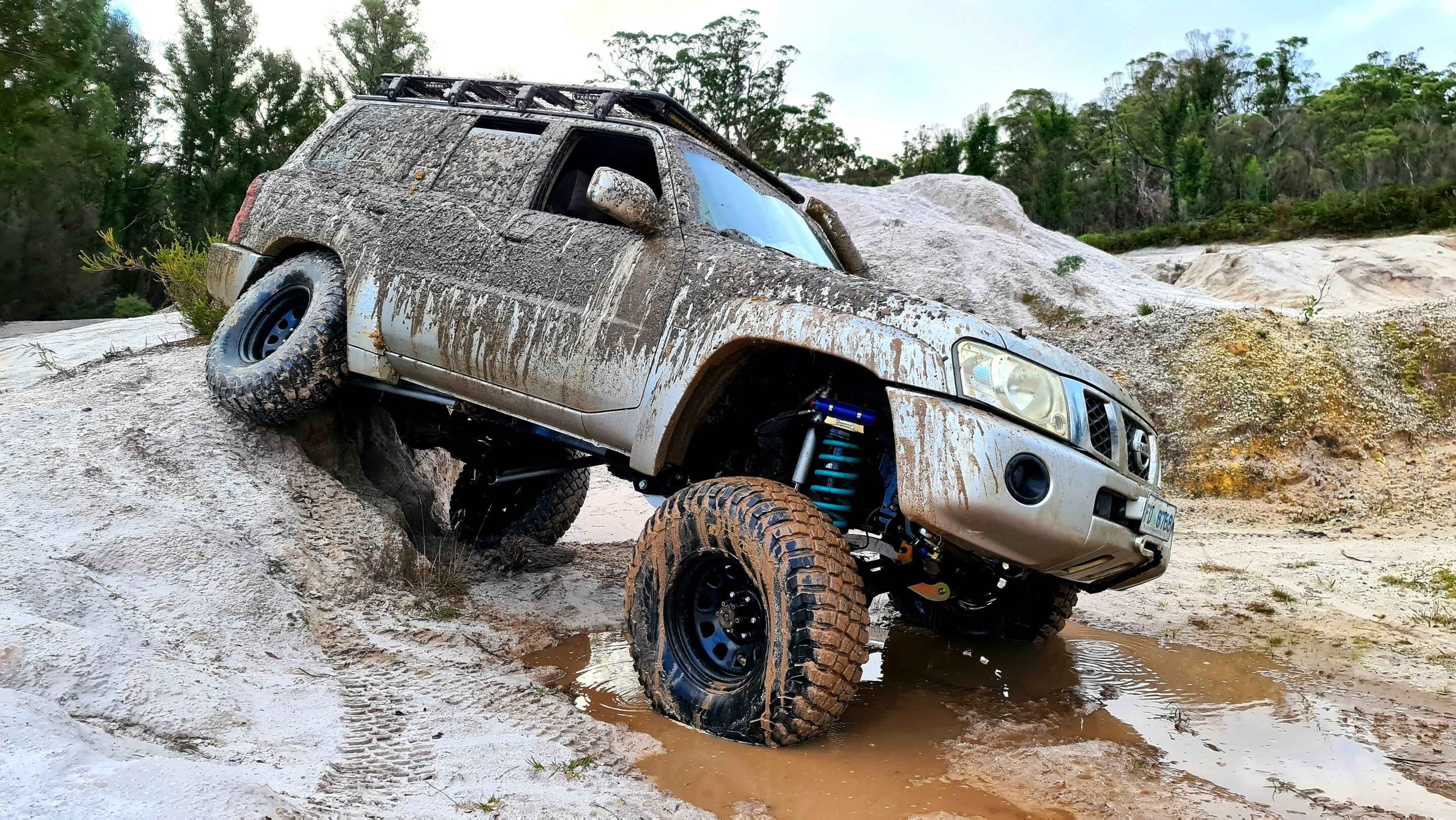
Lift kits are one of the first modifications many 4WD owners consider, whether the goal is better ground clearance, larger tyres, more suspension travel or simply a tougher stance.
The choice between two-inch and three-inch is often treated as a question of which one offers more capability. In reality, lift height affects suspension geometry, ride quality, handling, driveline angles, tyre clearance and the way the vehicle behaves on and off the road.
For most owners, a well-matched two-inch lift offers a useful increase in clearance without introducing too many compromises. A three-inch lift can make sense for drivers chasing more tyre clearance or tackling more demanding terrain, but it can also require additional components and closer attention to geometry and compliance. The right choice comes down to the vehicle, how it is equipped and what you actually plan to do with it.
1
Two-inch vs three-inch lift: What’s the difference?
A two-inch lift raises ride height by around 50mm, while a three-inch lift raises it by around 75mm. The actual increase can vary depending on the vehicle, suspension design, load and components used.
That extra 25mm can make a difference, but it doesn’t translate directly into more off-road capability. Raising the vehicle changes the relationship between the suspension and other components. Suspension and driveline geometry can change, while the centre of gravity rises as well.
A two-inch lift is generally the more conservative option. It can provide additional clearance and allow a modest increase in tyre size while retaining relatively straightforward suspension geometry and good on-road manners.
A three-inch lift provides more ride height and can create additional room for larger tyres, but it generally needs more consideration around component selection, geometry and compliance.
Two-inch vs three-inch lift at a glance
| Two-inch lift | Three-inch lift | |
|---|---|---|
| Ride comfort | Generally easier to retain factory-like manners | Can require more careful matching and tuning |
| Tyre clearance | Good improvement for moderate tyre upgrades | More scope for larger tyres, depending on vehicle |
| Cost | Usually lower | Usually higher once supporting components are considered |
| Complexity | Relatively straightforward | More attention to geometry and supporting components |
| Best suited to | Touring, daily driving, towing and general off-road use | More serious off-road use and builds requiring extra tyre clearance |
These are general guidelines rather than rules for every 4WD. Vehicle design, suspension type and the specific lift kit can all change the outcome.
What does a two-inch lift offer?
For many 4WD owners, two inches is the sweet spot.
It provides a useful increase in ride height and ground clearance without pushing the suspension system as far from its original design parameters as a taller lift can. That makes a two-inch setup particularly appealing for touring vehicles, family 4WDs, daily drivers and vehicles that spend plenty of time on the highway between trips.
A correctly matched kit can improve suspension control and provide additional clearance for larger tyres while keeping the vehicle’s overall behaviour relatively predictable.
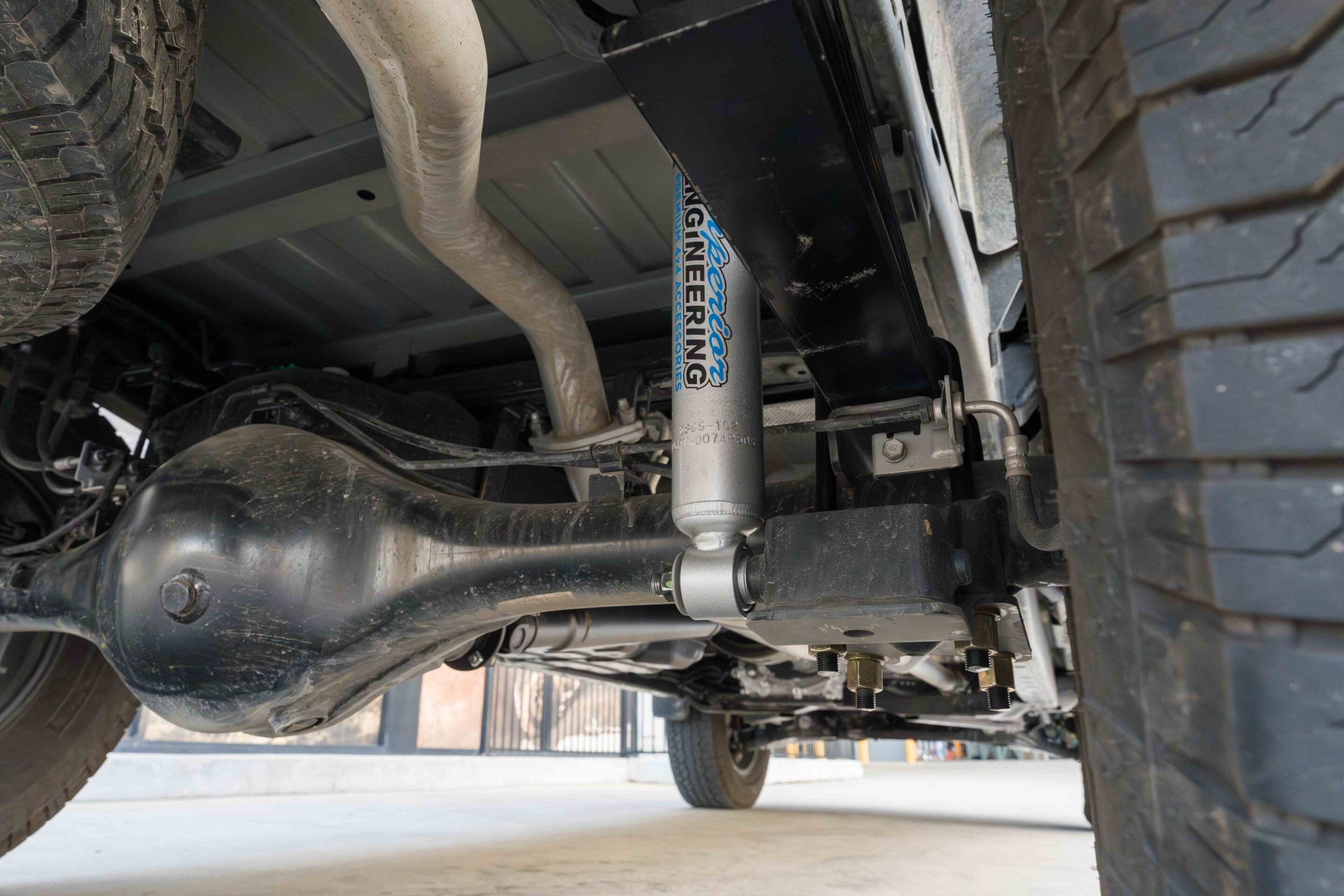
A lift doesn’t increase clearance underneath every part of the vehicle. Differential housings, for example, remain at essentially the same height relative to the wheel centre. The practical benefit comes from a combination of increased body and chassis clearance, improved approach and departure angles, and the ability to run larger tyres where appropriate.
For a vehicle that spends most of its time touring, towing or travelling on gravel roads, a two-inch lift is often enough to deliver the practical benefits the owner is looking for.
1
When does a three-inch lift make sense?
A three-inch lift starts to make more sense when a vehicle’s requirements go beyond what a moderate lift can provide.
The additional ride height can help create room for larger tyres, while the increased lift can improve approach, departure and ramp-over angles. Those benefits become more relevant on steep, uneven or technical terrain. A three-inch setup can suit a more dedicated off-road build, particularly where tyre clearance and suspension capability are higher priorities.
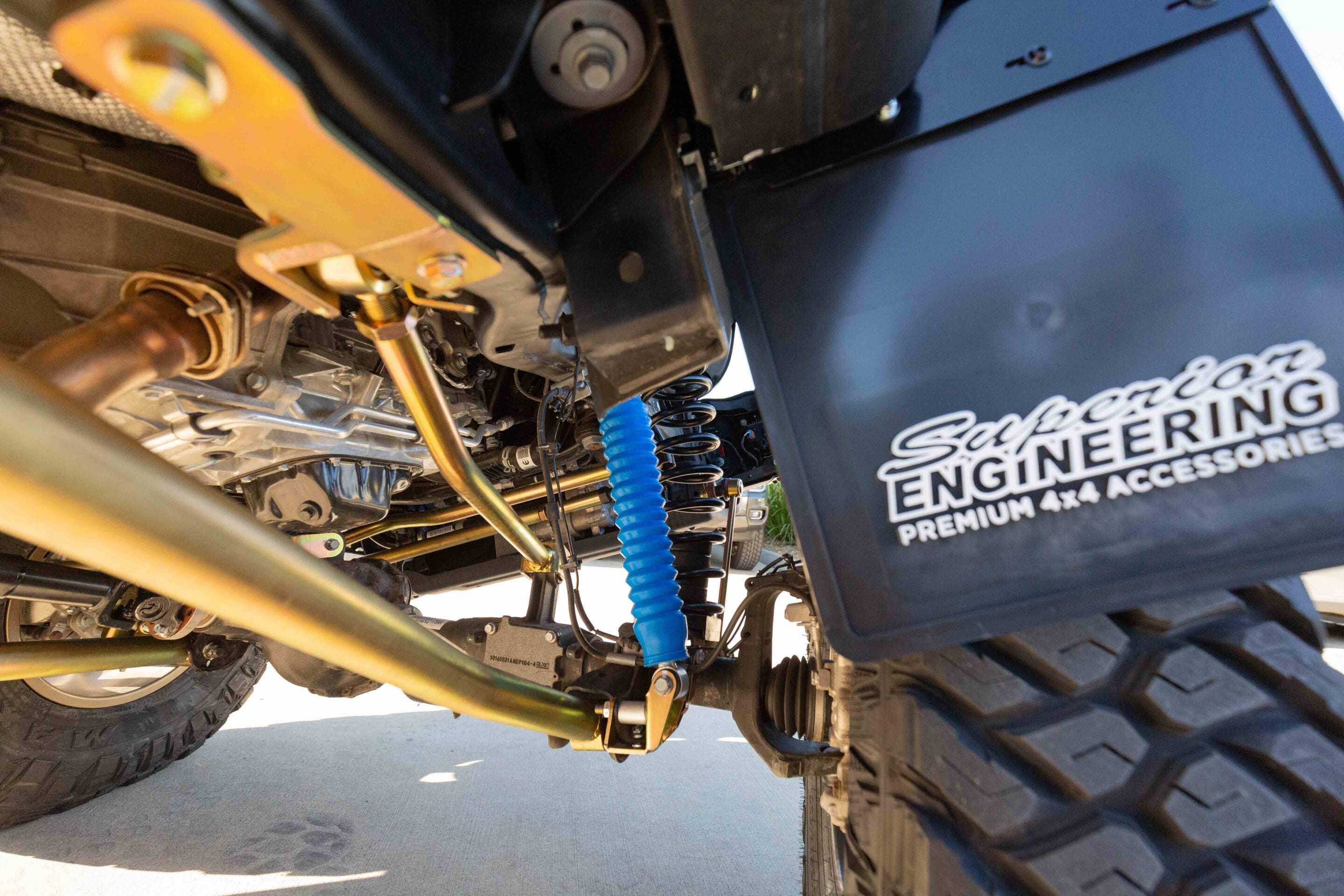
As lift height increases, so does the need to consider suspension and driveline geometry. Depending on the vehicle and kit, supporting changes may include extended brake lines, sway bar links, corrected control arms, diff drops or other geometry corrections.
A taller lift can also change driveshaft operating angles. If the geometry isn’t correctly addressed, that can contribute to premature wear of driveline or suspension components. Not every vehicle will need the same supporting components, so the requirements need to be assessed for the specific vehicle.
How lift height affects ride and handling
A suspension lift changes more than ride height.
Raising the vehicle’s centre of gravity can affect how it feels through corners and during sudden changes of direction. The higher a vehicle sits, the more important it becomes to have the springs, shocks or struts and other suspension components properly matched.
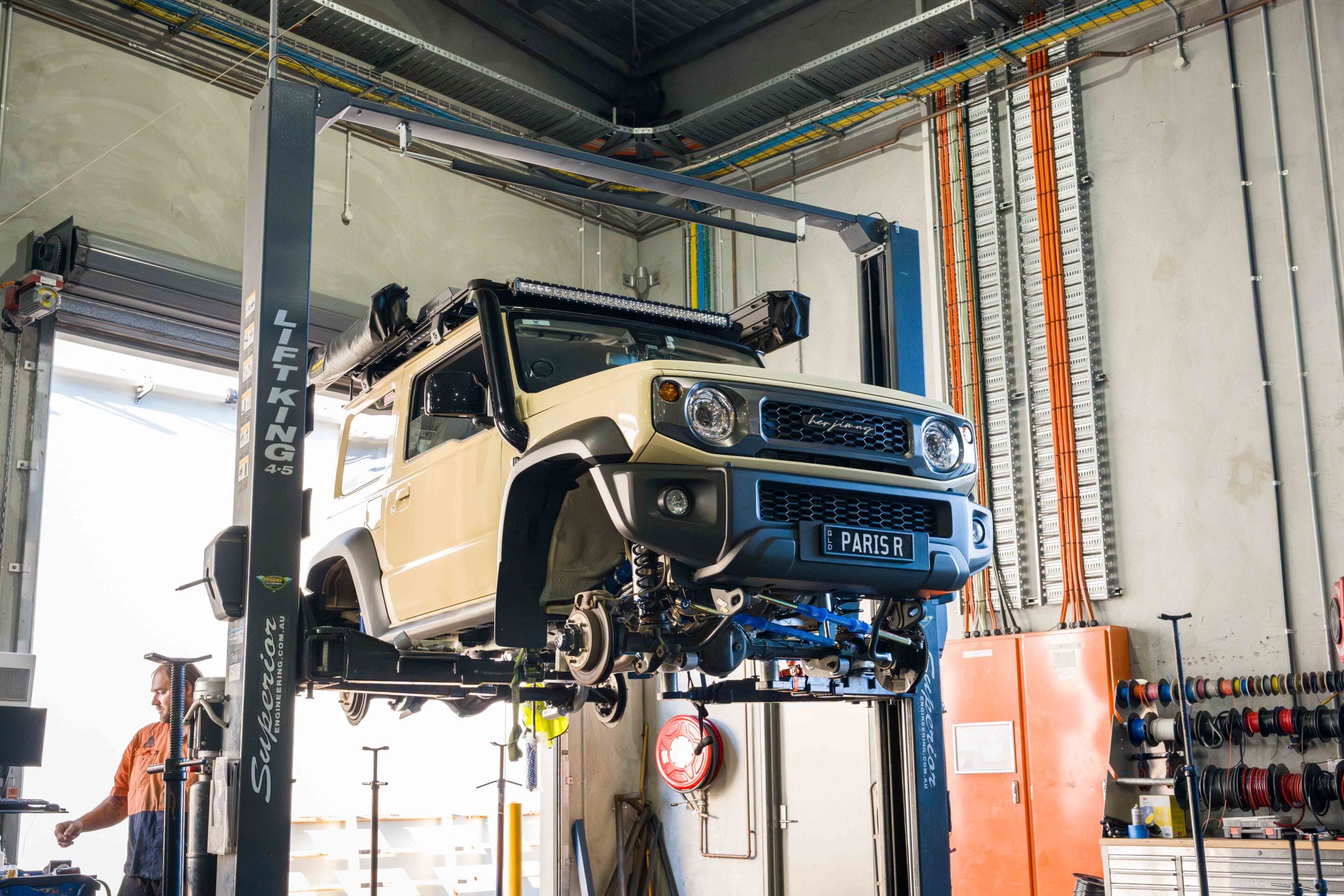
Ride quality also depends on spring rates, dampers, vehicle weight and how the 4WD is loaded. A touring vehicle carrying a bull bar, winch, drawers, fridge and camping gear needs a different suspension setup to a relatively light weekend 4WD.
Those accessories change the load the suspension has to support and where that load is carried. A bull bar and winch, for example, can increase front axle load and influence spring selection, while drawers and touring gear add weight over the rear. Roof racks, awnings and other equipment can also add to the vehicle’s overall height. That matters both when selecting the suspension and when considering the finished vehicle’s clearance at garages, car parks and other height-restricted areas.
A taller lift won’t compensate for poorly matched suspension components. In some cases, a well-engineered two-inch setup can perform better than a poorly configured three-inch lift.
1
Tyres, clearance and suspension travel
Lift height and tyre size are closely related, but they aren’t the same thing.
A two-inch lift can provide additional clearance for a larger tyre on many 4WDs, but exactly what fits depends on the vehicle, wheel offset, tyre dimensions, guards and suspension design. A three-inch lift can provide more room again for larger tyres, which can be useful when extra ground clearance and off-road traction are priorities.
Larger tyres can also improve clearance under the differentials, since the axle centre sits higher as tyre diameter increases. This is different from suspension lift, which primarily raises the body and chassis relative to the suspension.
Suspension travel is another consideration. Adding lift doesn’t automatically mean more usable articulation. Available droop and compression travel, shock length, bump-stop position and spring design all affect how far the wheels can actually move. The aim is usable suspension performance rather than simply achieving a higher ride height.
What about shocks, springs and spacers?
A lift kit isn’t necessarily just a set of springs or spacers.
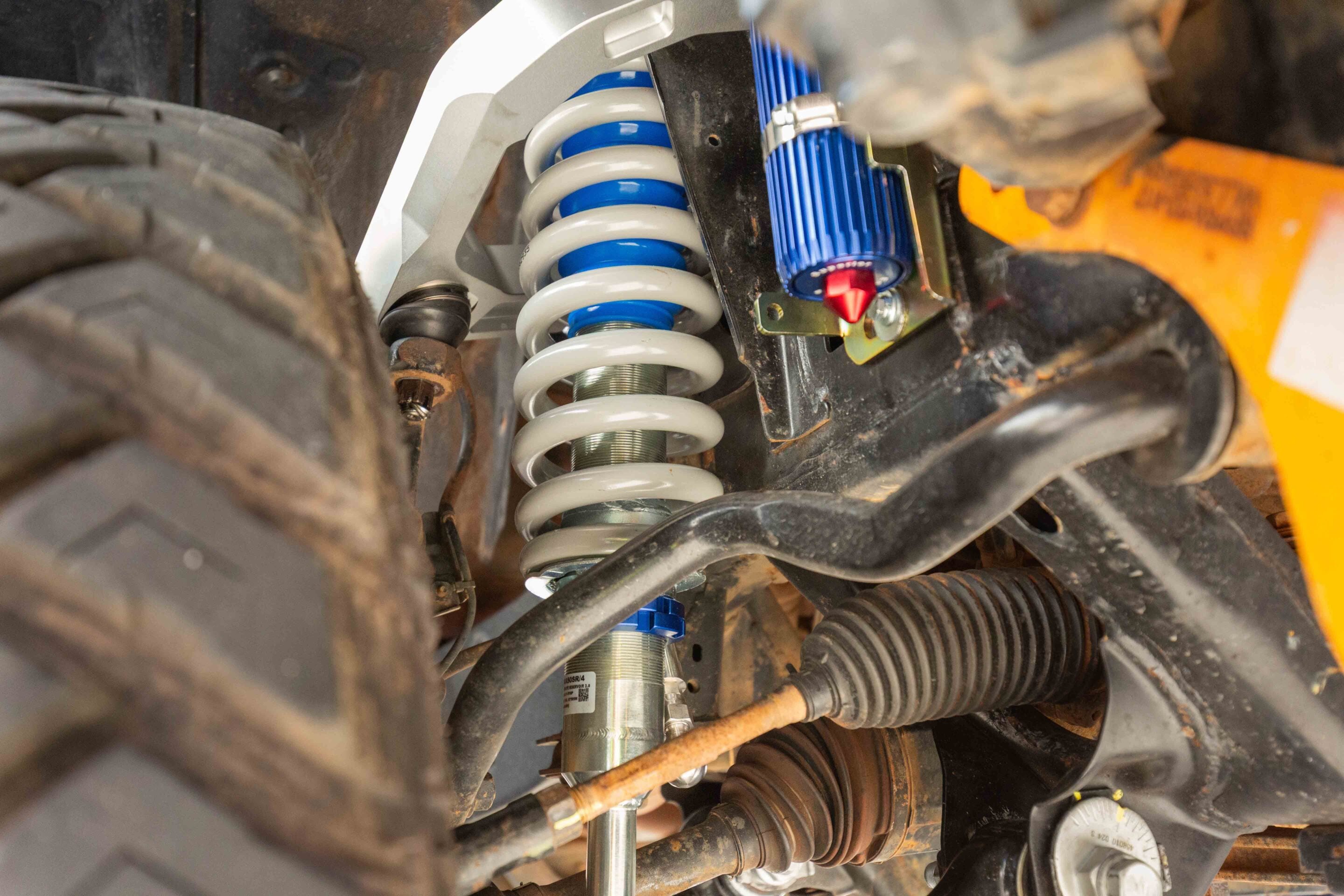
Depending on the vehicle and the type of kit, a suspension upgrade can include coil or leaf springs, shocks or struts and various supporting components. A spacer lift can raise the vehicle without replacing the original springs, while a full suspension kit can use new springs and dampers designed around the vehicle’s requirements.
For example, a vehicle carrying permanent touring accessories may need springs with an appropriate load rating rather than a spacer simply used to increase ride height. A vehicle being built for demanding off-road use may benefit from upgraded shocks and other suspension components as well.
The choice should be based on the vehicle’s weight, intended use and suspension requirements rather than lift height alone.
1
Do you need extended components?
At two inches, some vehicles can retain standard components, while others may need changes depending on the suspension design and available travel.
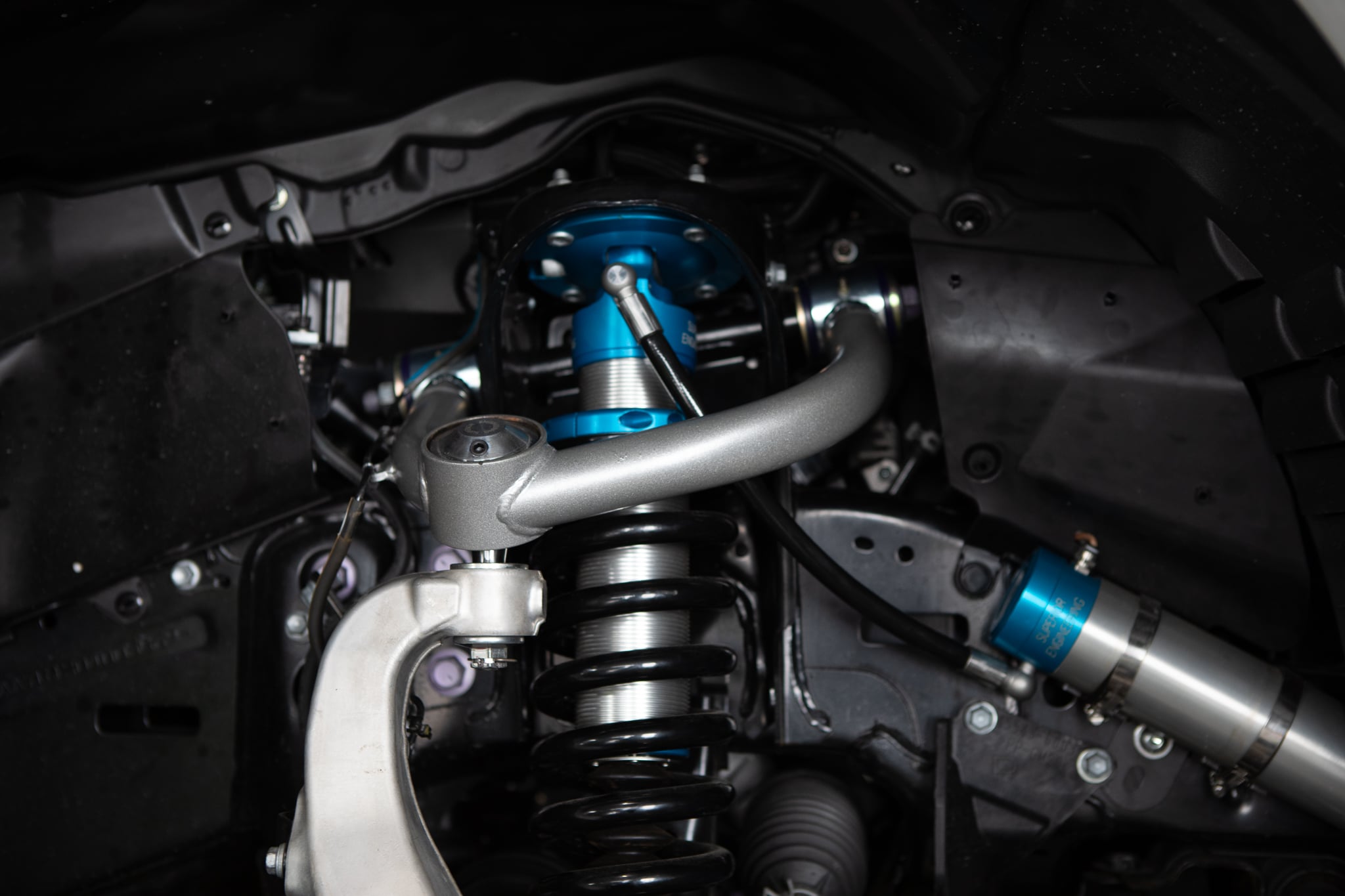
At three inches, there is generally more reason to assess brake lines, sway bar links, control arms and driveline angles. A taller lift can change driveshaft operating angles. On some vehicles, a diff drop or other geometry correction may be appropriate; on others, it may not be required.
The same applies to brake lines and sway bar links. There’s no universal rule that a particular component must be replaced at exactly two or three inches. The suspension system needs to be considered as a whole rather than choosing components based solely on advertised lift height.
Will a three-inch lift affect warranty or compliance?
Suspension modifications can be subject to different engineering, modification and compliance requirements depending on where the vehicle is registered and what components are fitted.
A three-inch lift isn’t automatically illegal or guaranteed to cause warranty problems, just as a two-inch lift isn’t automatically exempt from every requirement. Owners should check the rules that apply in their state or territory before modifying their vehicle, particularly when combining suspension lift, larger tyres and other modifications.
Having the work completed by a reputable suspension specialist can also help ensure the components are correctly selected and fitted.
1
Will a lift affect fuel economy, garage clearance or towing?
It can, although the lift itself isn’t necessarily the only factor.
Larger and heavier tyres can increase rolling resistance and aerodynamic drag, while changes to vehicle weight and suspension setup can also affect fuel consumption.
Overall vehicle height increases with suspension lift, and larger tyres, roof racks, awnings and other accessories can add further height. It’s worth measuring the finished vehicle rather than relying on the advertised lift height when checking garage, car-park or ferry clearances.
Towing also needs to be factored into the suspension setup. A vehicle used for towing should have springs and shocks matched to the actual load rather than simply fitting the tallest available lift.
So, should you choose two or three inches?
If your 4WD is a daily driver that spends weekends touring, towing or exploring moderate off-road tracks, a two-inch lift will often provide the best balance of clearance, ride quality, handling and simplicity.
A three-inch lift is more appropriate for a serious off-road build where extra tyre clearance and improved angles justify the additional complexity.
Before choosing, consider the vehicle’s current weight, accessories, tyre choice, towing requirements and typical terrain. A professional assessment can help determine whether you actually need the additional lift or whether a two-inch setup will do the job. Mismatched springs, shocks or supporting components can compromise handling and contribute to premature wear, so the complete suspension system needs to be considered.
The biggest lift isn’t necessarily the best lift. It’s the one that gives your 4WD the capability it needs without adding compromises you don’t.
Follow 4X4 Australia on Google
Get more 4x4 news, reviews and gear stories from 4X4 Australia in your Google feeds.

We recommend
-
 Gear
GearPicking the right shocks for your 4WD: Inside Superior Engineering’s range
Superior Engineering explains the different 4WD shock options and how to choose the right setup for your rig
-
 Gear
GearHow Superior Engineering can transform the Prado into a serious touring rig
Superior Engineering’s Outback Venturer kit is designed to build on the Prado’s factory capability while keeping it balanced, compliant and easy to live with
-
 Advice
Upper Control Arms: The essential guide for modern 4x4 suspension lifts
Why upper control arms are essential for correcting geometry, restoring alignment, and maintaining safe handling on lifted modern IFS 4x4s