Gear

Gallery 1
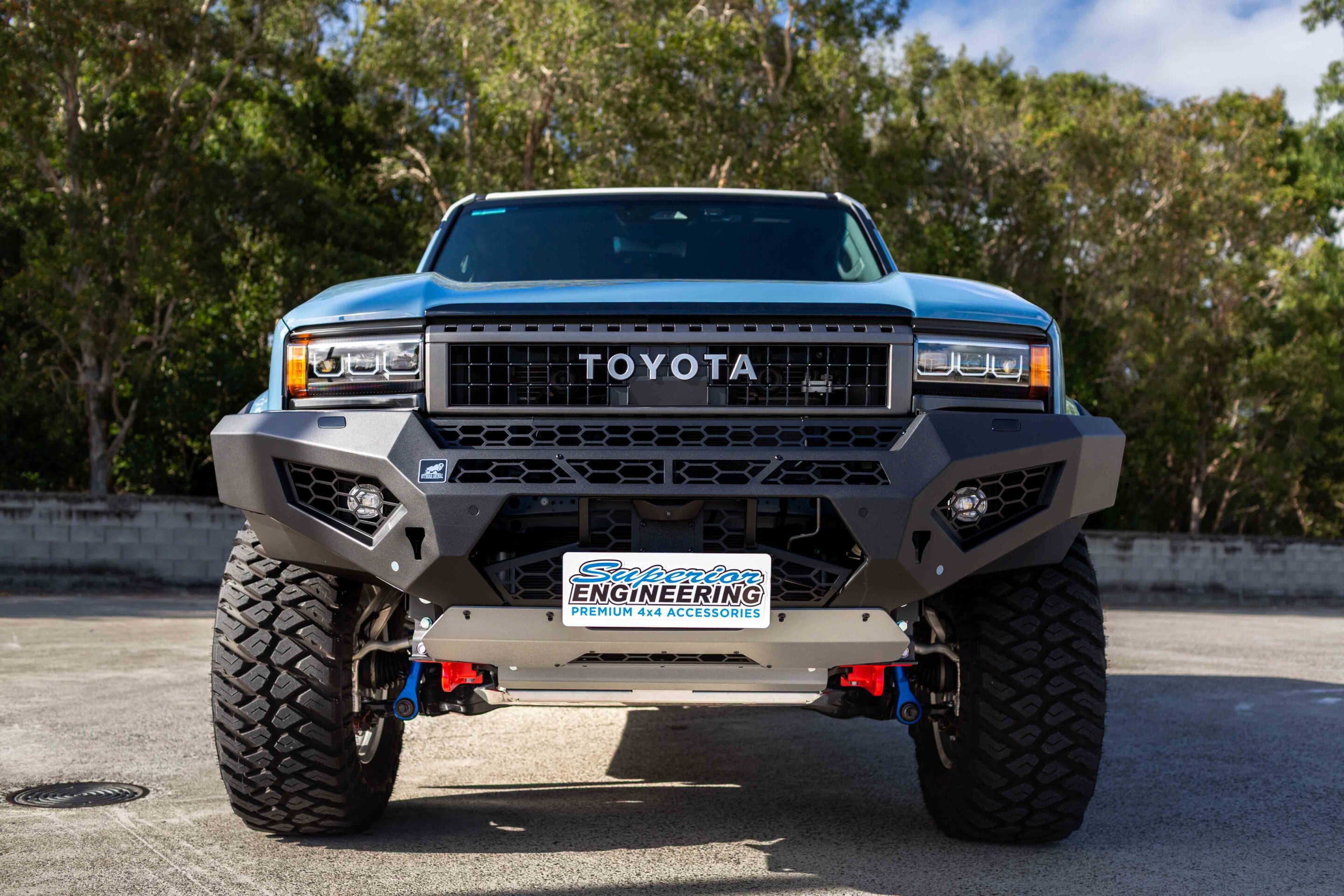
If you are buying a Toyota Prado 250 with touring in mind, the question of what to do with the suspension is not something you can leave for later. It is one of the first decisions to make, and for good reason.
The 250 is a strong wagon straight off the showroom floor. Full-time 4×4, solid chassis rigidity, a proven turbo-diesel and a factory set-up that holds up well across the Gibb River Road or a run out to Birdsville on corrugated dirt. It is hard to fault as a starting point.
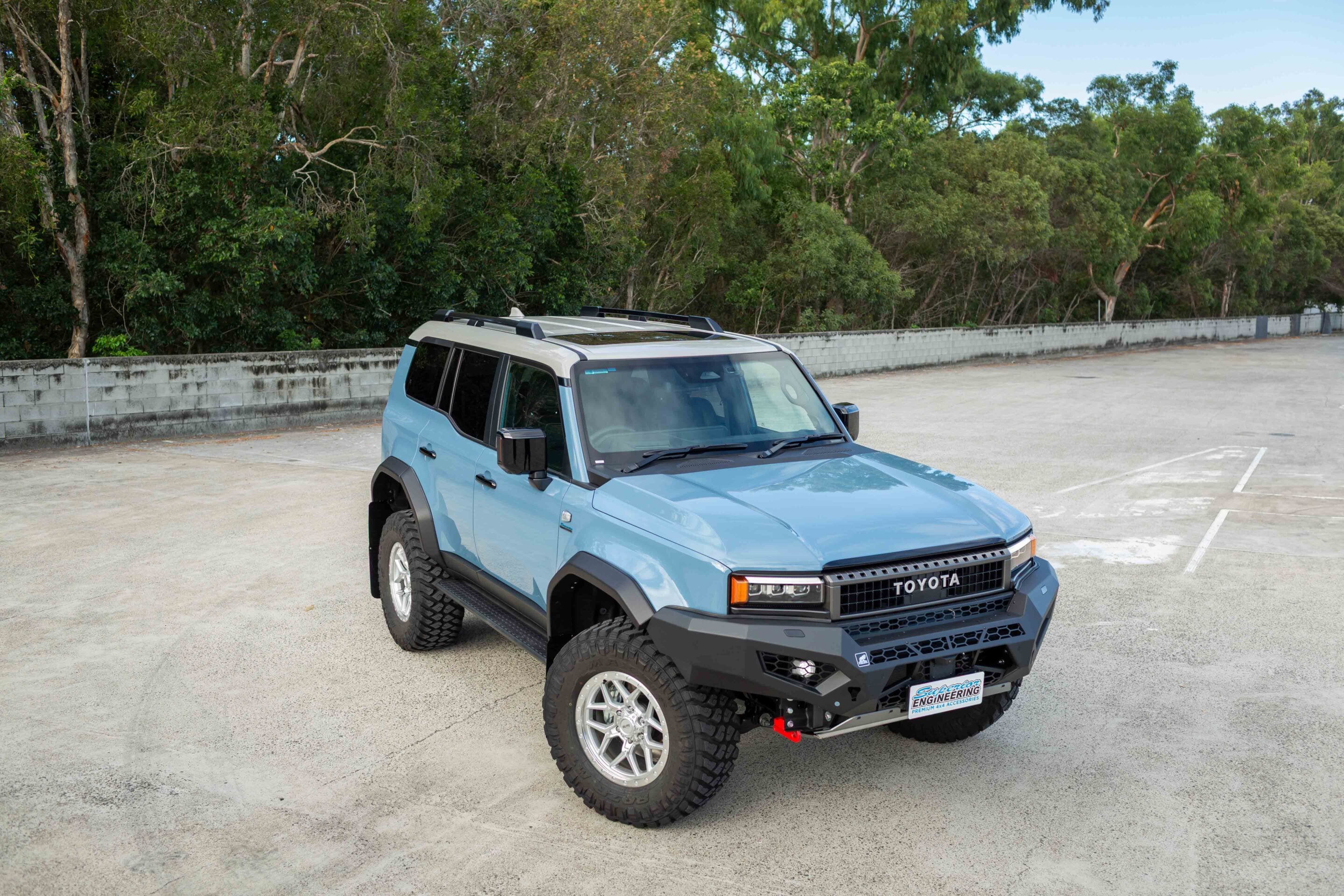
The problem is what happens once you start building it. Bull bar and winch on the front, long-range tank underneath, drawers in the back, recovery gear stashed across the floor. Each item makes sense in isolation. Together they push the vehicle well past the weight limitations Toyota engineered the factory suspension around. Add a caravan on the towball and passengers in the back, and the capacity the engineers designed for is long gone.
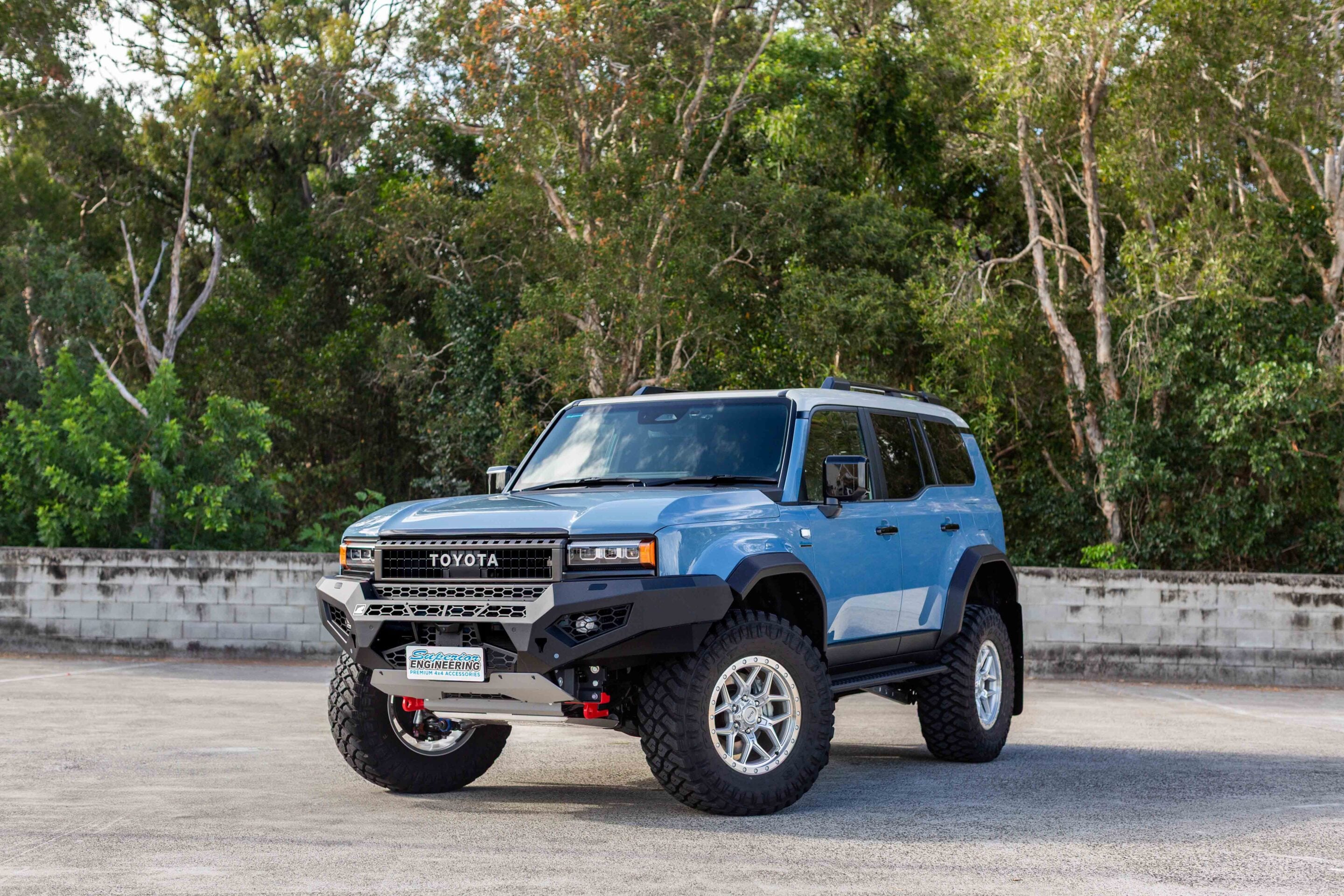
This is where Superior Engineering’s Outback Venturer kit (↗) is aimed. It is not a lift kit with a decent spring rate and a set of shocks. It is a complete engineering approach designed for the Prado 250 in its real-world touring state: Heavy, loaded, towing, and expected to cover serious distance without falling apart or drifting off the line. And it is designed to keep the vehicle driving like a proper 4WD the other 300 days a year too.
1
Why the factory setup runs out of headroom
The Prado 250 handles load well in standard form, up to a point.
The factory geometry, stability control calibration and drivetrain tuning all work together when the vehicle is operating within its design parameters.
The difficulty is that a fully built touring rig is rarely within those parameters. Front-end mass climbs with protection equipment. Rear axle weight increases with fuel, cargo and towing. Larger tyres change unsprung weight and alter how the suspension cycles.
The result is not a vehicle that falls apart. It is a vehicle that behaves differently. It sits differently under load, tracks differently over corrugations, and works harder over long distances. Suspension and driveline components take more punishment than they were designed to absorb. After five hundred kilometres of corrugated outback track, you feel the difference.
1
Why suspension planning is moving to the start of the build
Specifying suspension last used to be standard practice, but most serious 250 Prado owners are no longer doing it that way.
The shift is driven by practicality. Owners want a setup designed around the expected finished weight of the vehicle, not the factory kerb weight. Repeated suspension changes as a build progresses are expensive and disruptive. Getting it right from the outset makes more sense, particularly when the regulations around tyre size, ride height and GVM modifications tighten once a vehicle is registered in a modified state.
For buyers ordering a 250 Prado with touring in mind from day one, a pre-registered build through a Second Stage of Manufacture (SSM) approval pathway takes this further. The suspension, tyre upgrade and load-related modifications are engineered as a complete package before the vehicle is registered. The buyer drives away in a vehicle that is already compliant, already on the right tyres, and already built for how they intend to use it. No subsequent engineer’s reports. No incremental modifications after the fact. The vehicle is ready to work from the first kilometre.
For existing 250 Prado owners, the same logic applies. Getting the suspension right early, before the accessories are bolted on, avoids the cost and disruption of doing it twice.
1
What the Outback Venturer package actually covers
This is a full-system kit, not a height change with a pair of shocks.
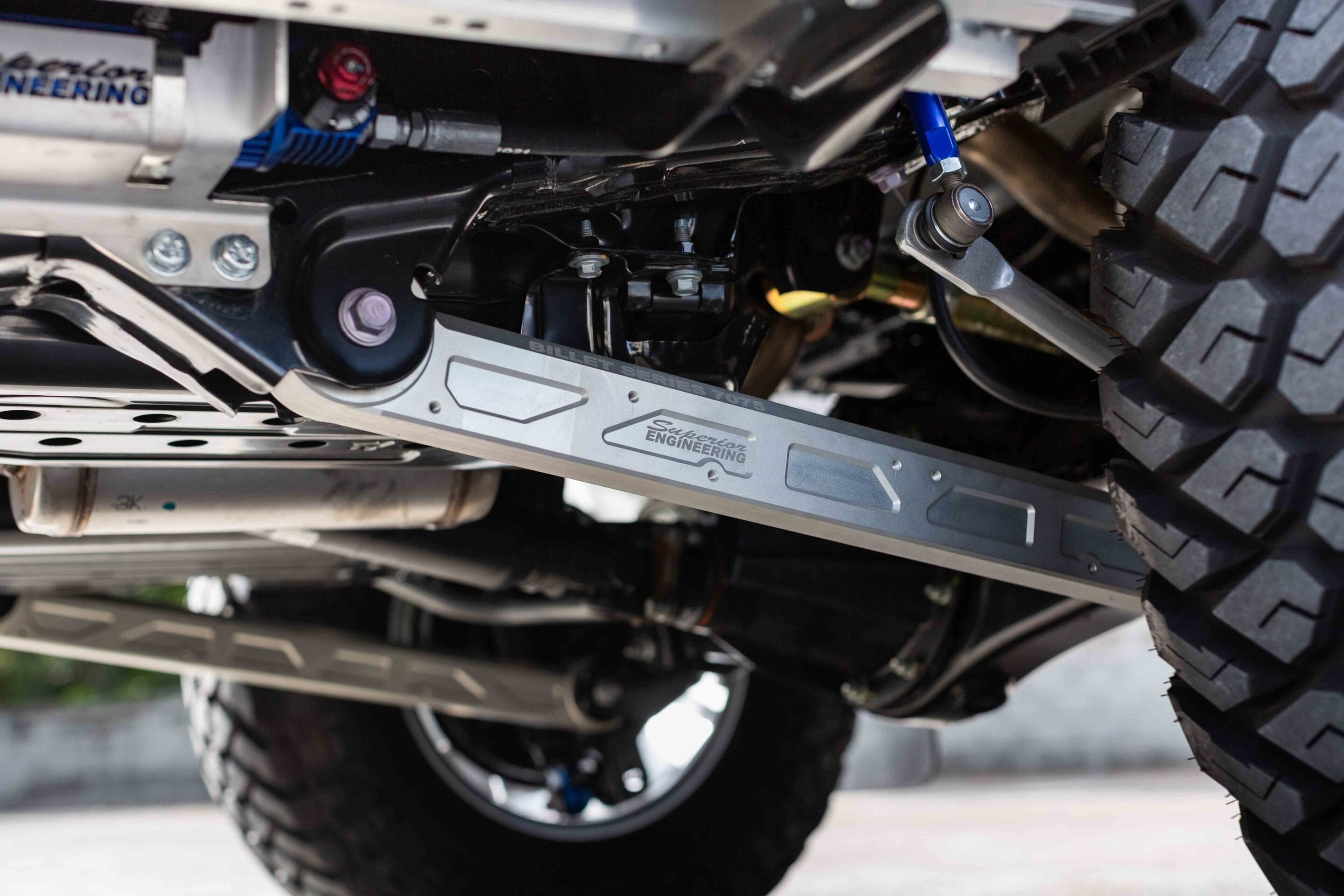
The Outback Venturer package for the Prado 250 (↗) addresses the vehicle as a complete platform rather than treating suspension in isolation. The components covered include:
- Suspension matched to expected touring loads, not factory kerb weight
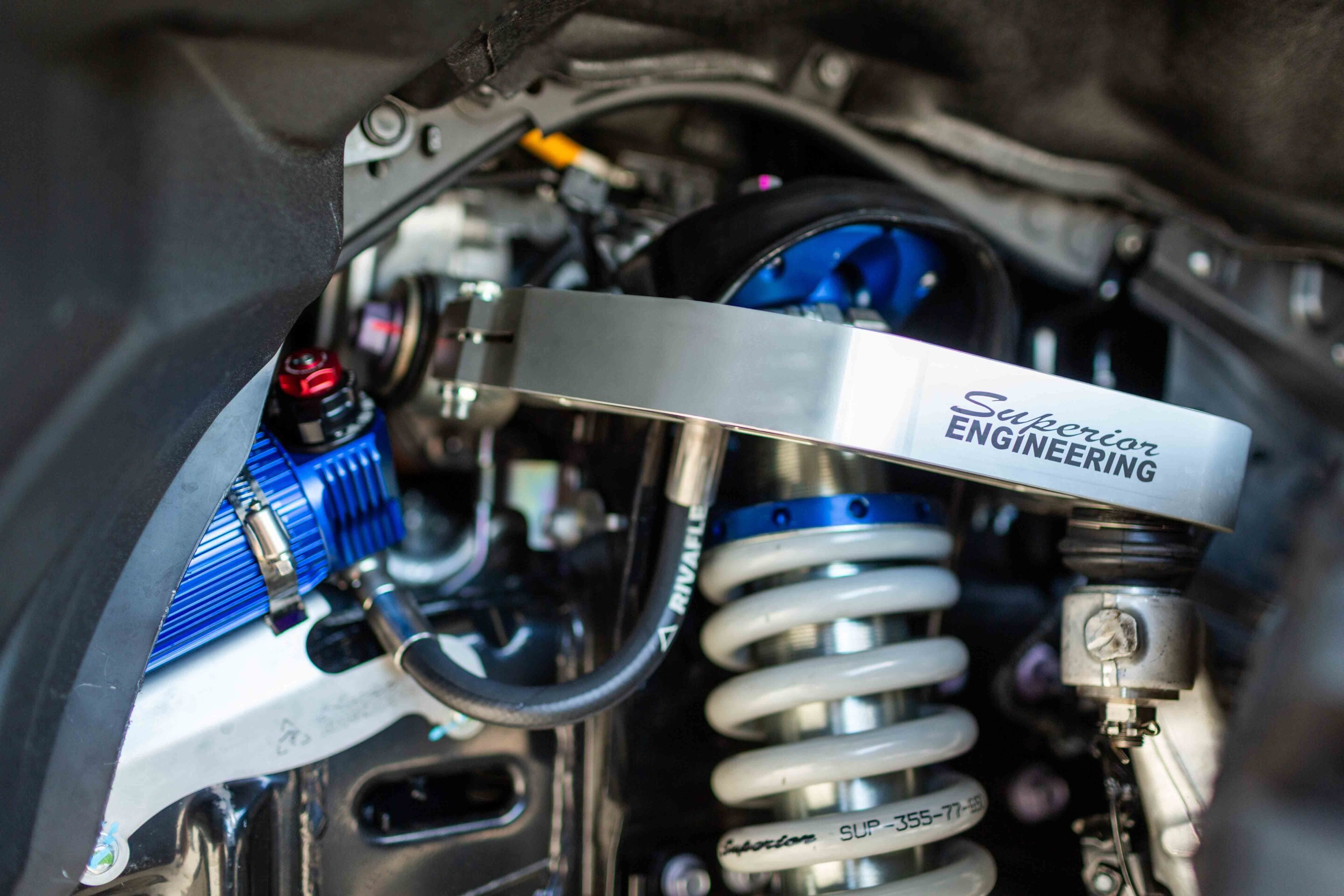
- Geometry correction components to restore suspension and driveline angles after the lift is introduced
- Control arms and diff drop to keep CV joints within a workable operating range and preserve articulation quality
- Braking system support to maintain stopping performance once load and tyre size change the equation
- Underbody protection engineered for the modified vehicle
- Speedometer correction for larger tyre fitment
- Guard and flare coverage to suit 35-inch tyres within legal requirements
The intention is that every system on the modified vehicle works together, rather than individual upgrades creating new problems elsewhere.
Geometry: Where lifted builds succeed or fall over
Lift height alone does not tell the full story.
Once ride height increases and larger rubber goes on, suspension geometry shifts. Even moderate changes in operating angles affect how the vehicle drives across the Tanami on corrugated dirt or descends a loose track in the high country. Without correction, the results include reduced suspension efficiency, accelerated wear on key components, vague steering response and driveline angles that put CV joints under sustained stress.
Correcting geometry after a lift is not adding complexity. It is restoring the vehicle to a state where the suspension, steering and driveline all operate within a controlled range, whether the vehicle is running light or loaded to its touring weight.
1
Tyre size: More than a clearance question
Larger tyres affect more than appearance and ground clearance.
Gearing changes. Speedometer accuracy drops. Articulation clearances shift. Legal compliance comes into play around guard coverage. On a vehicle also carrying a lift and touring weight, tyre fitment needs to be considered as part of the full system, not fitted first and sorted later.
When tyre size, suspension setup and load are all addressed together, the outcome is a vehicle that drives consistently. Comfortable on bitumen runs between Broken Hill and Tibooburra, predictable on loose descents in Karijini, and stable on corrugated outback tracks with 2500kg on the towball.
Still a daily driver
A touring build that turns the 250 Prado into a bruiser on dirt but a handful in traffic is not a good outcome.
The Outback Venturer kit (↗) is not designed to transform the character of the vehicle. The 250 Prado earns its following partly because it works in everyday life: School runs, supermarket car parks, or highway kilometres between the city and the trailhead. A properly matched suspension setup at correct touring load ratings should improve ride quality and composure on sealed roads, not worsen it. The spring rates and geometry corrections are chosen to work with the vehicle’s weight in its built state, which on bitumen translates to a flatter, more controlled ride than the factory setup under load.
For touring families in particular, this matters. The driver clocking 1200km from Melbourne to the Victorian High Country and then spending a week on tracks around Dargo wants the same vehicle doing both. An engineered system should deliver that without compromise.
30
The point of all of it
A touring rig earns its reputation across long distances, not in a car park.
Five hundred kilometres of corrugations and a campsite at the end of a rough track will tell you more about a suspension setup than any spec sheet.
The aim with an engineered touring system is consistency: Maintaining ride height under sustained load, keeping suspension control predictable over repeated impacts, preserving steering stability with larger tyres fitted, and reducing driver fatigue by ensuring the vehicle feels just as composed at the end of a long day as it did at the start.
The Prado 250 is already a seriously capable platform in factory form. With the right engineering underneath it, it becomes an even more complete touring vehicle. That is the point.
Follow 4X4 Australia on Google
Get more 4x4 news, reviews and gear stories from 4X4 Australia in your Google feeds.

We recommend
-
 Gear
GearSuperior Engineering launches heavy-duty LandCruiser upgrades
New Superior upgrades strengthen key front-end components, correct alignment, and improve durability on lifted and off-road Toyota LandCruisers
-
 Gear
GearWhat is a rear-end coil conversion, and do you really need one?
Curious about upgrading your 4x4’s suspension? A rear-end coil conversion could be the key to smoother rides and better off-road performance
-
 Gear
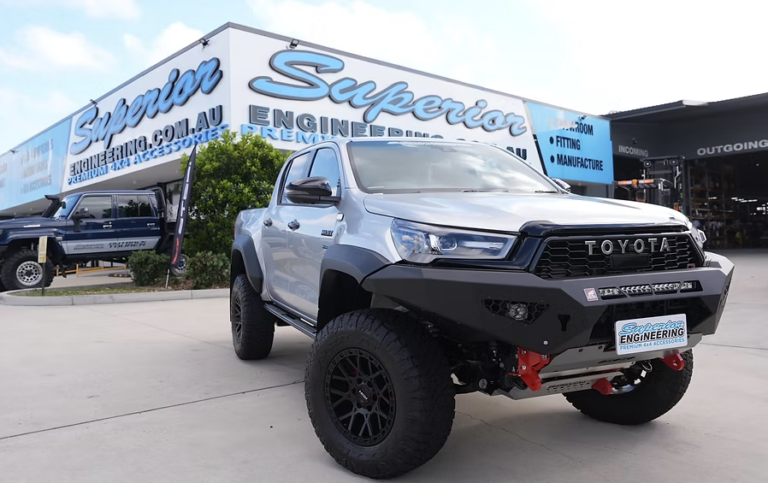
GearSuperior Engineering expands Hilux GR Sport suspension upgrade range
Superior Engineering has launched a focused range of bolt-on suspension and front-end upgrades for the Toyota Hilux GR Sport