Gear

Gallery 1
When you’re building a 4WD for serious touring, suspension, tyres, a snorkel and underbody protection tend to get most of the attention.
The less glamorous components buried inside the driveline are easy to overlook, even though they’re just as important to keeping the vehicle moving. Front axle seals are a good example. They’re out of sight and usually out of mind, right up until one fails.
Their job is straightforward: Keep diff oil in and water, dirt and grit out of the axle and bearing assembly. But when a seal starts leaking, the problem can spread. For LandCruiser owners in particular, premature axle shaft wear and oil leakage can become an issue, particularly on vehicles exposed to demanding off-road conditions and heavy use.
What causes a front axle seal to fail?
The seal runs against the axle shaft, creating a barrier between the diff oil and the outside world.
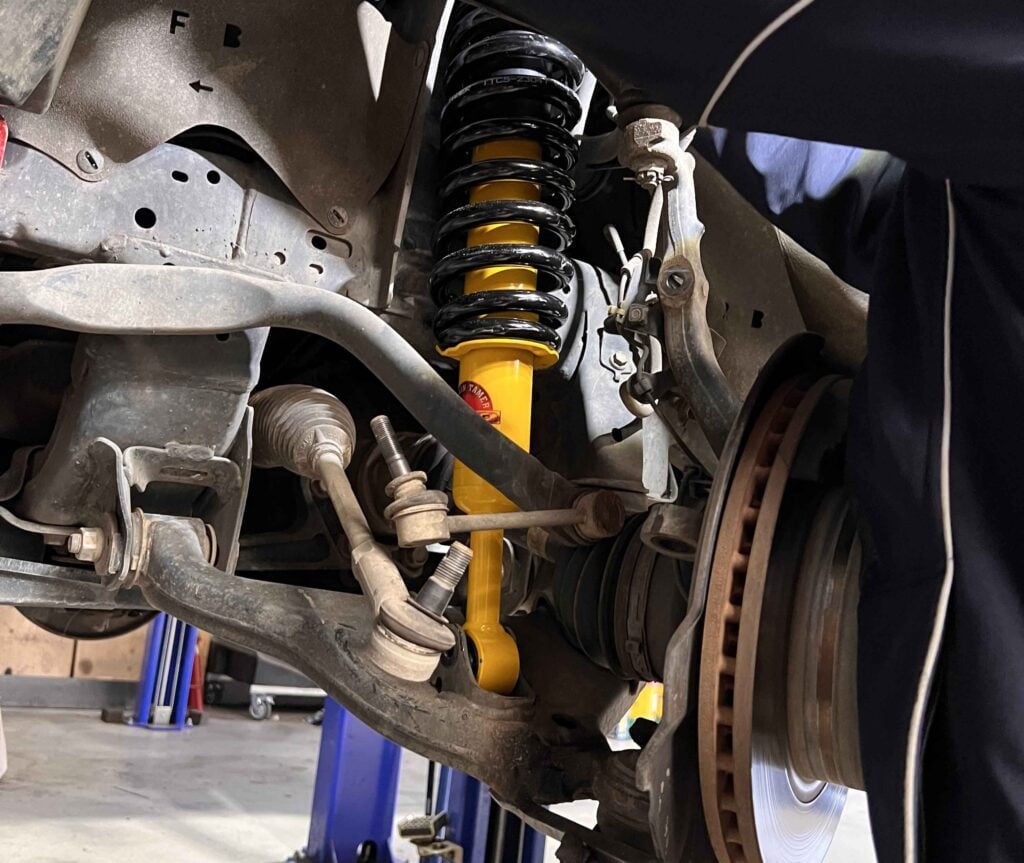
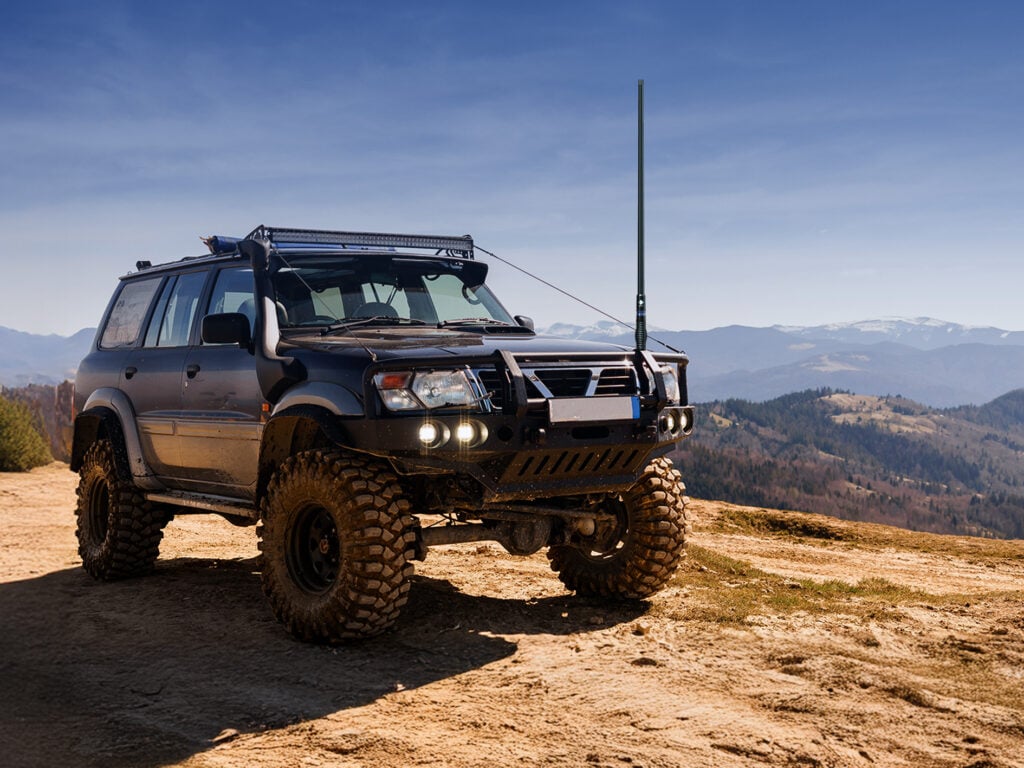
Over time, that contact can wear a groove into the shaft. Once that happens, replacing the seal alone isn’t always enough because the new seal is still running on a worn surface. Off-road conditions add to the abuse. Water crossings, mud, dust and fine grit can all take their toll. Bigger tyres, extra weight and the demands of touring and towing also place more strain on the front driveline.
A leaking inner axle seal can allow diff oil to migrate into areas where it shouldn’t be, potentially contaminating surrounding components and creating another repair job.
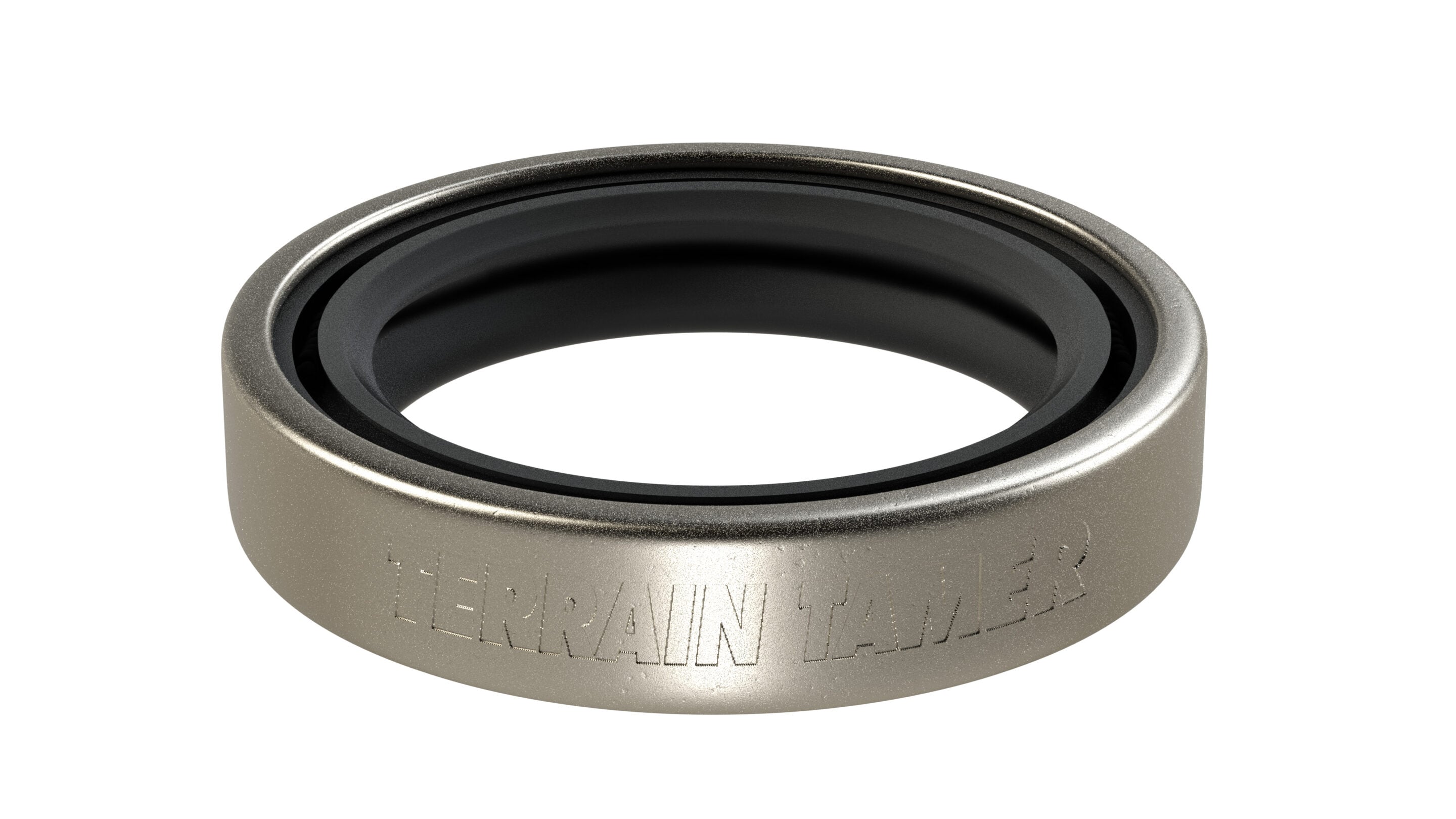
Terrain Tamer’s Heavy Duty Front Inner Axle Seal (↗) uses a dual-lip design, with the two sealing surfaces intended to provide protection against oil leakage and contaminant ingress. Terrain Tamer (↗) also says the design can maintain effective sealing on axle shafts that have already experienced some wear.
That matters because fitting a new seal doesn’t necessarily fix a problem with the shaft itself. If the shaft has already worn where the seal runs, the condition of both components needs to be considered.
1
Less friction, less wear
A seal needs enough contact with the shaft to do its job, but excessive friction creates heat and accelerates wear.
Terrain Tamer (↗) says its seal uses a self-lubricating design that reduces friction by up to 30 per cent. The company says this reduces contact wear between the seal and axle shaft, potentially extending the life of both components.
That’s particularly relevant to a loaded touring vehicle spending days on corrugations, low-range tracks and long highway runs. Finding a worn seal or bearing in the workshop is a much easier problem to deal with than discovering a leak or damaged component in the middle of a remote trip.
Check more than the seal
Replacing the seal is only part of the job. If the front end is already apart, it’s worth checking the bearings, axle shafts, seals and other components rather than simply replacing one part and hoping everything else is fine.
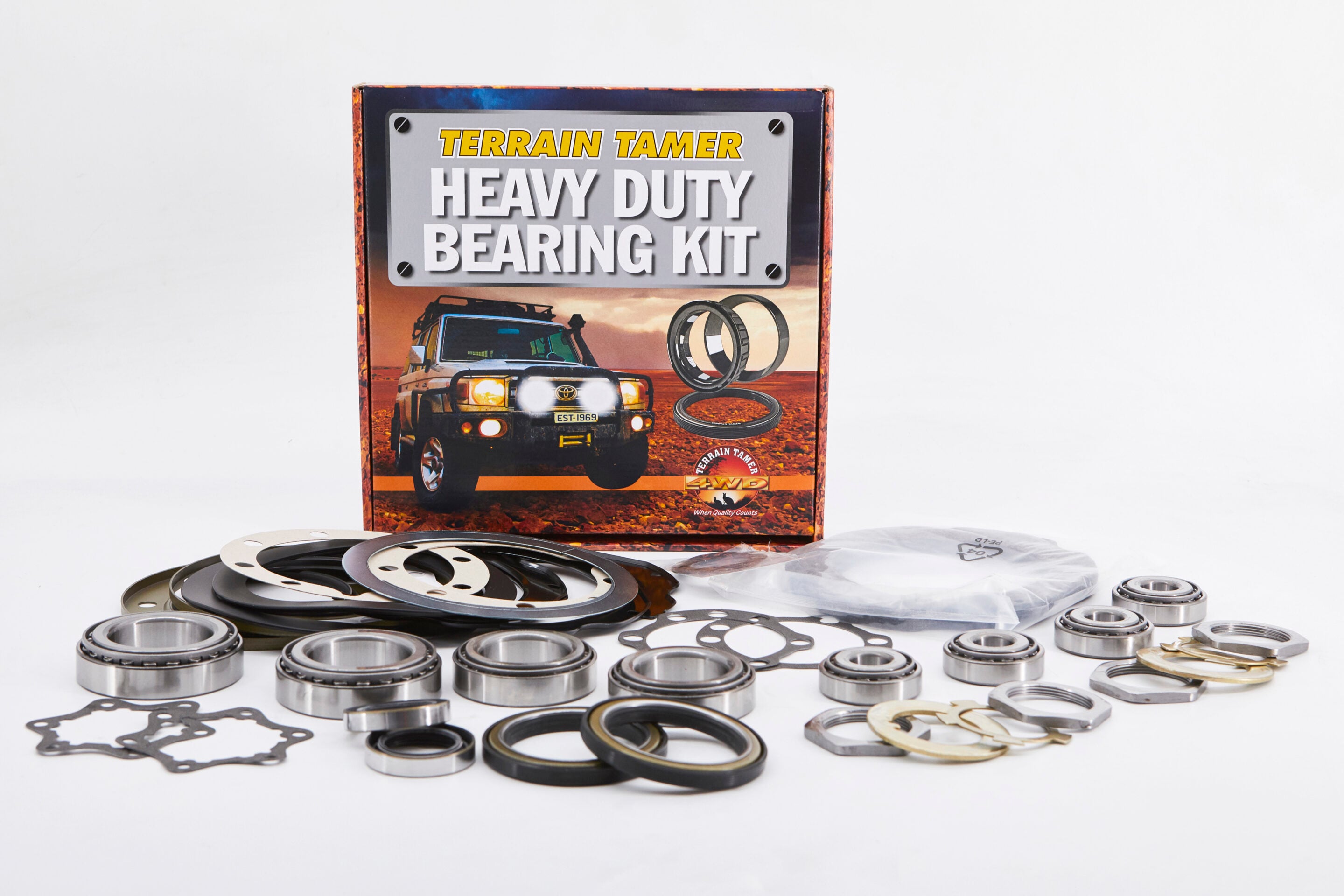
The new Heavy Duty Front Inner Axle Seal will be included in applicable Terrain Tamer Heavy Duty Bearing Kits (↗), which combine bearing and sealing components for the relevant application. For an older 4WD being prepared for a long trip, checking these components while the front end is apart can save having to pull it apart again later.
The front axle is only one part of a touring 4WD. The driveline, suspension, cooling system, electrics and brakes all need to be up to the job. Consider a vehicle running bigger tyres and carrying a steel bar, winch, roof rack, drawers, long-range tank and camping gear. That’s a significant amount of additional weight on the vehicle, which is why regular inspections matter.
Check the wheel bearings for play and condition, inspect the diff oil for contamination, look over the CVs and axle shafts for wear, and check the seals for signs of leaking. Finding a problem in the workshop is a lot easier than finding it halfway through a remote trip.
1
LandCruiser and Patrol applications
The new Terrain Tamer Heavy Duty Front Inner Axle Seal (↗) is available for a range of Toyota LandCruiser 70, 80 and 100 Series models, as well as Nissan GQ and GU Patrols.
For an older 4WD with plenty of kilometres behind it, it’s worth considering when carrying out a front-end rebuild or tracking down an axle seal leak.
The bigger point is to inspect the axle assembly rather than treating the seal in isolation. If the shaft or other components are already showing signs of wear, replacing the seal without addressing the underlying problem may only postpone the next repair.
FAQs
What does a front axle seal do?
A front axle seal keeps diff oil inside the axle assembly while preventing water, dirt and grit from getting in.
What causes front axle seals to fail?
Wear on the axle shaft, along with exposure to water, mud, dust and fine grit, can contribute to seal failure. Bigger tyres, additional vehicle weight and heavy touring or towing use can also place more strain on the front driveline.
Can a new axle seal fix a worn axle shaft?
Not necessarily. If the axle shaft has developed a groove where the seal runs, replacing the seal alone may not address the underlying wear.
How can you tell if a front axle seal needs attention?
Signs include oil leakage around the axle assembly. During a front-end inspection, it’s also worth checking the axle shafts, CVs, wheel bearings and diff oil for signs of wear, play or contamination.
Which 4WDs does the Terrain Tamer Heavy Duty Front Inner Axle Seal suit?
The seal is available for a range of Toyota LandCruiser 70, 80 and 100 Series models, as well as Nissan GQ and GU Patrols.
Follow 4X4 Australia on Google
Get more 4x4 news, reviews and gear stories from 4X4 Australia in your Google feeds.

We recommend
-
 Gear
GearWhy your 4WD’s clutch could be the weak link in your touring build
Heavy loads, towing and off-road driving put serious demands on a clutch, so choosing the right upgrade can be the difference between a trouble-free adventure and a costly failure
-
 Gear
GearWhy more tourers are looking at parabolic springs
Parabolic leaf springs, like those available at Terrain Tamer, offer a lighter, more compliant alternative to traditional multi-leaf packs