Gear
Gallery 1
Buying a 4WD is just the start.
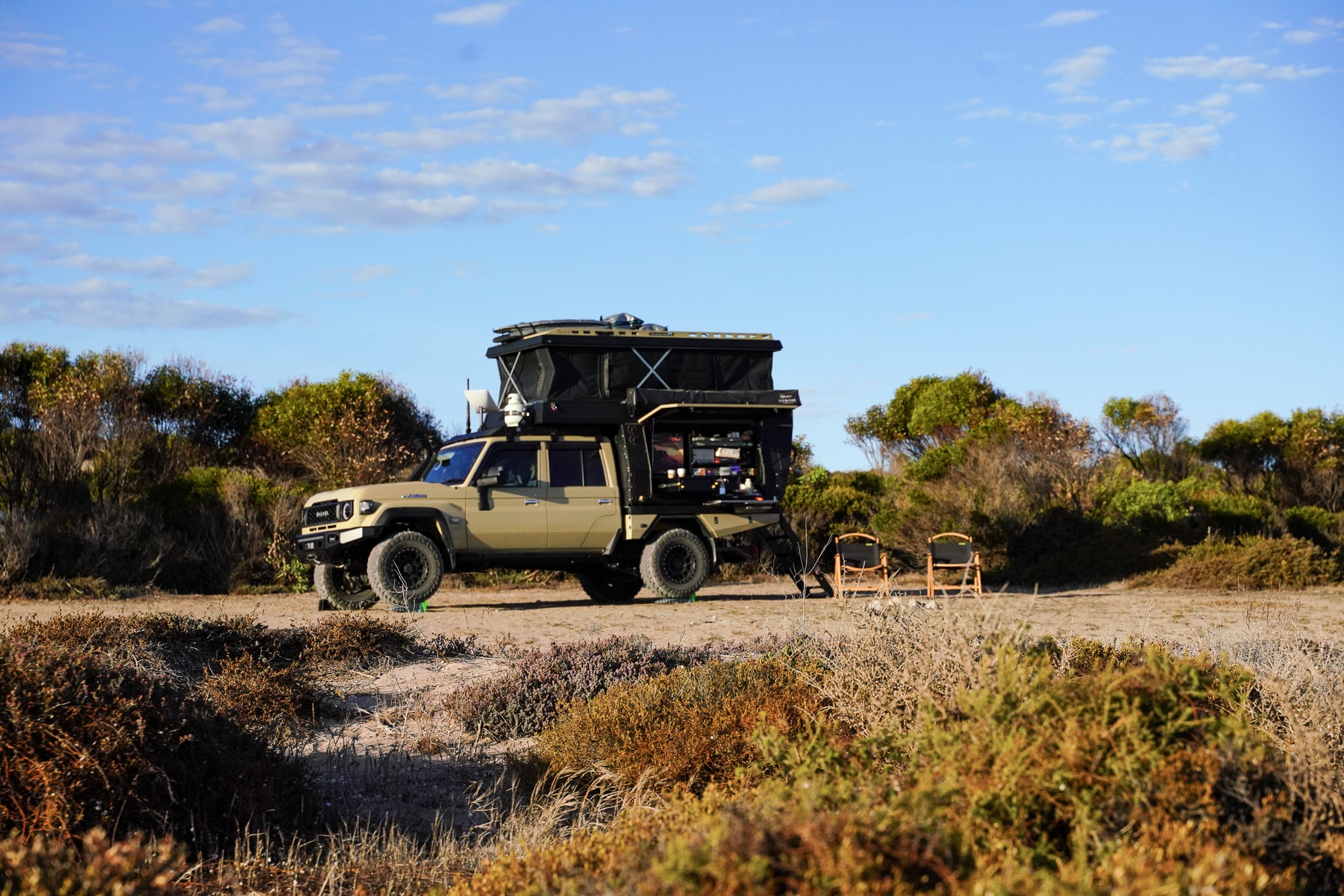
For many owners, the modifications begin almost immediately. A bull bar, suspension upgrade, driving lights or a set of all-terrain tyres soon lead to a canopy, drawer system, dual-battery setup, rooftop tent and camping gear. Before long, what started as a $65,000 dual-cab can represent an investment well into six figures.
Here’s the question worth asking yourself: Does your insurance still reflect the way you actually use your 4WD? For many owners, the answer isn’t as straightforward as they think.

1
How 4WD modifications affect your insurance
Not every 4WD becomes a fully equipped touring rig overnight.
Many start life as a daily driver before gradually evolving into something much more capable. A few weekend camping trips often turn into longer adventures, with each trip adding another accessory or modification.
Take a typical dual-cab ute. In its first year it might remain completely standard. By year three it could be running upgraded suspension, a bull bar, winch, canopy, drawers, a dual-battery system, driving lights and a rooftop tent. It’s not unusual for those upgrades to add $30,000 to $50,000 to the overall investment.
Even if your 4WD is still factory standard today, it’s worth thinking about where it might be in a few years. As your vehicle evolves, your insurance should evolve with it.
That’s where specialist insurers such as Club 4X4 (↗) come into their own. Rather than forcing owners to rethink their insurance once modifications begin, policies designed specifically for 4WD enthusiasts can adapt as the vehicle and the way it’s used changes.
1
Are your 4WD modifications properly insured?
For many touring builds, the accessories eventually become one of the biggest investments.
Bull bars, suspension, winches, long-range fuel tanks, canopies, electrical systems and storage solutions all add value to the vehicle, while professional installation can represent a significant cost in its own right.
Whatever insurer you choose, it’s worth checking exactly how modifications are covered. Are they automatically included? Do they need to be declared? Are they insured at market value or agreed value? They’re questions many owners don’t ask until they need to make a claim, by which point it’s a bit late to be finding out the answer.
Club 4X4, for example, allows owners to insure modifications separately from the base vehicle, recognising that accessories often represent a substantial investment in their own right.
2
Does your policy cover camping and touring gear?
Walk around any touring setup and you’ll quickly realise the accessories bolted to the vehicle are only half the story.
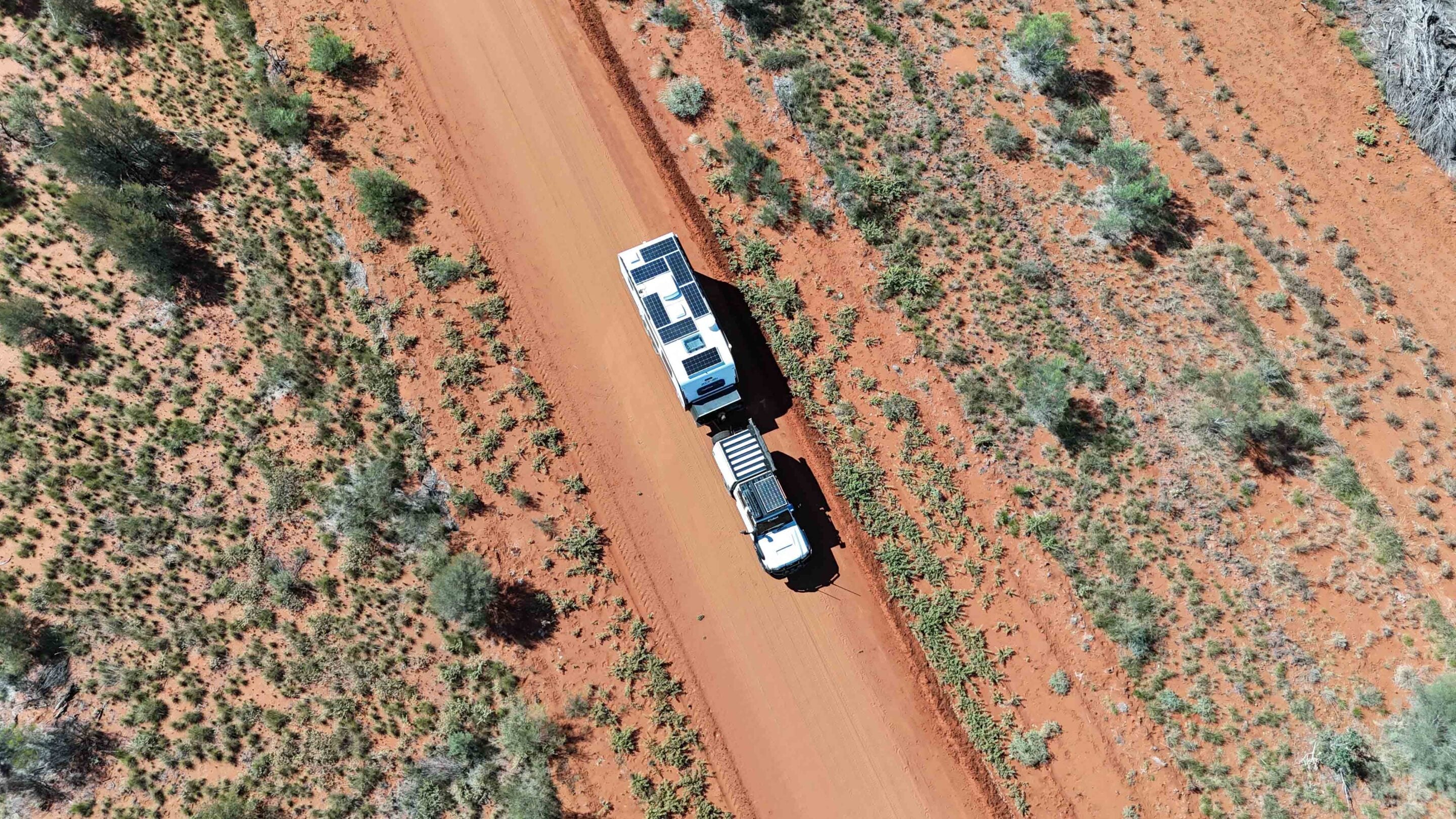
Portable fridges, recovery gear, camp chairs, awnings, cooking equipment, portable power stations and camera gear can easily add thousands of dollars to the value of your setup.
It’s another reason to read your policy carefully. Some insurers offer cover for portable equipment, while others have different limits or conditions depending on where the equipment is stored or being used. If you’re regularly travelling or camping away from home, it’s worth understanding exactly what’s covered before you leave the driveway.
1
Does your insurance cover off-road driving?
Another question many owners don’t think about is where they’re insured to drive.
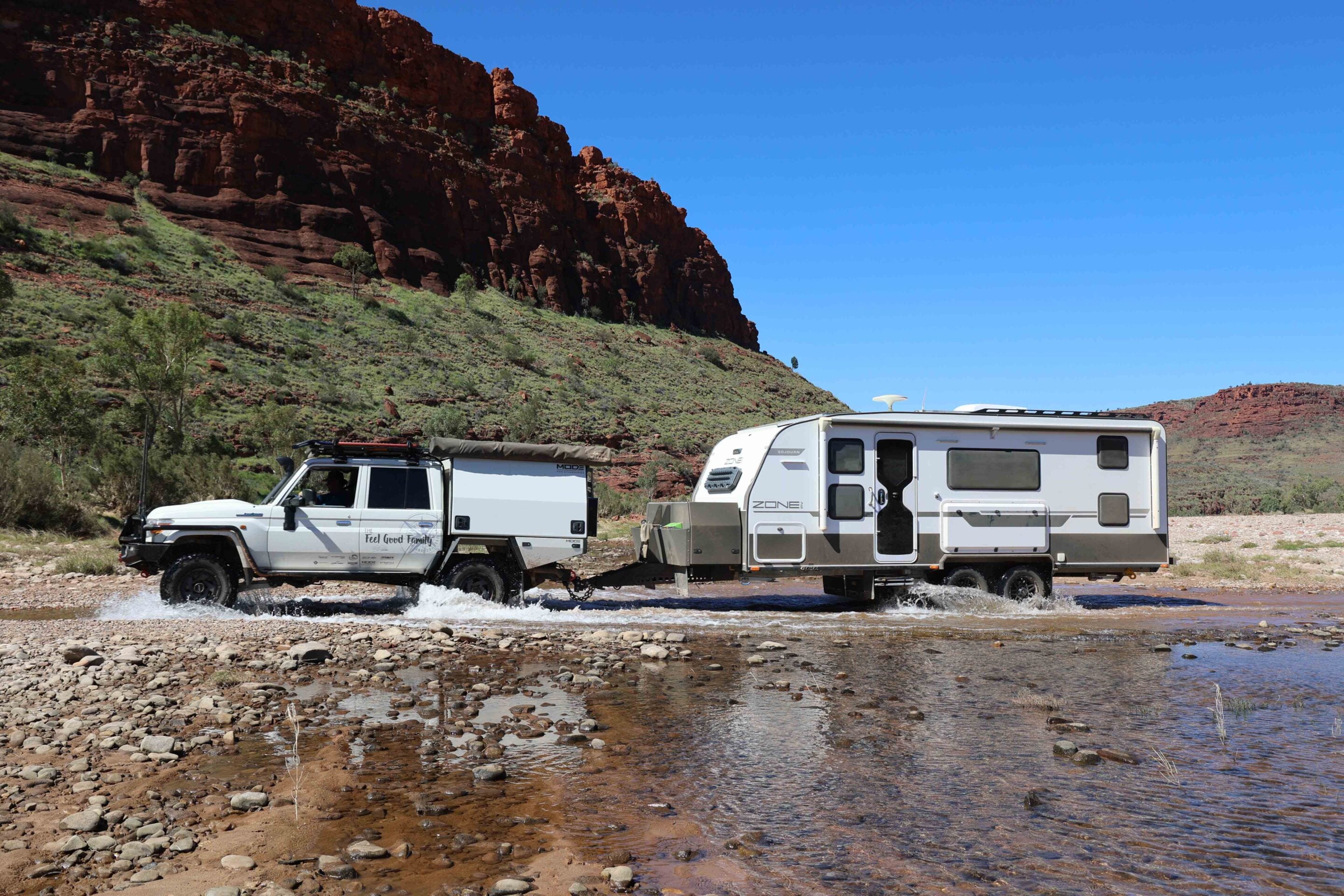
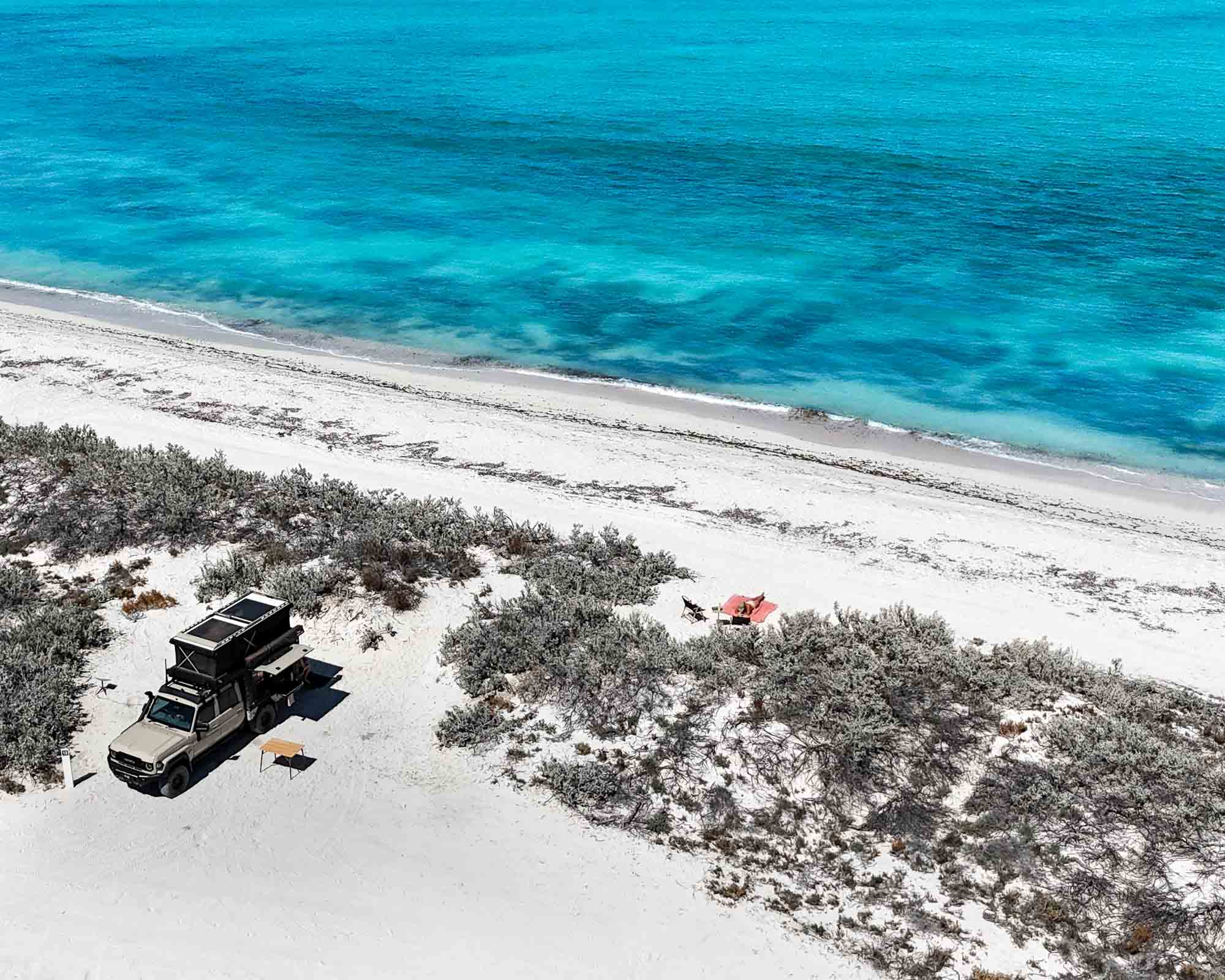
Most 4WDs spend plenty of time away from sealed roads, whether that’s on beaches, forestry tracks, station roads or remote touring routes. Insurance policies can differ when it comes to off-road use, so it’s worth checking exactly where you’re covered and whether any exclusions apply.
The same goes for off-road recovery. Recovering a stranded vehicle from a remote location can quickly become one of the biggest expenses following an incident. Even experienced four-wheel drivers can find themselves needing assistance after mechanical failures, flooding or unexpected track conditions.
It’s worth understanding what recovery assistance your policy includes and, just as importantly, what it doesn’t.
Agreed value vs market value explained
Another decision every 4WD owner should understand is the difference between agreed value and market value.
Market value reflects what the vehicle is worth immediately before a claim, taking into account its age, kilometres and condition. Agreed value is a figure agreed when the policy is taken out, providing certainty about what the vehicle is insured for during the policy period.
There’s no right or wrong option. It comes down to your individual circumstances. However, once modifications start adding significant value to your vehicle, it’s worth reviewing whether your current policy still reflects what you’ve invested.
Choosing the right insurance for your 4WD
Every 4WD owner uses their vehicle differently.
Some remain largely stock. Others gradually evolve into dedicated touring rigs over several years. Whatever stage you’re at, it’s worth reviewing your insurance regularly to make sure it reflects both your vehicle and the way you use it. The key isn’t simply finding the cheapest policy. It’s understanding exactly what’s covered before you need to make a claim.
Here at 4X4 Australia, our project vehicles are constantly evolving as new accessories and equipment are fitted throughout the year. That’s one of the reasons we insure them with Club 4X4. They don’t stay standard for long, and we wanted an insurer that understands the realities of modified four-wheel drives, off-road touring and the gear that comes with them.
Whether you choose a specialist insurer or not, the important thing is making sure your insurance keeps pace with your build. After all, your next modification could be just one weekend away.
Frequently Asked Questions
Q: Do I need specialist 4WD insurance for a modified vehicle?
A: It depends on how your vehicle is used and what has been added to it. As a 4WD evolves with accessories such as bull bars, suspension upgrades, winches, canopies, drawer systems and electrical setups, it’s worth making sure your insurance still reflects the vehicle’s true value and how it is used.
Q: Are 4WD modifications covered by standard insurance?
A: Insurance policies can differ when it comes to modifications. Some may automatically include certain accessories, while others may require modifications to be declared or insured separately. It’s worth checking exactly how your modifications are covered before you need to make a claim.
Q: What 4WD modifications should I tell my insurer about?
A: Any modifications that add value to the vehicle should be reviewed with your insurer. This can include bull bars, suspension upgrades, winches, long-range fuel tanks, canopies, electrical systems and storage solutions.
Q: Can accessories be worth more than the vehicle itself?
A: For many touring builds, accessories can represent one of the biggest investments. Items such as bull bars, suspension, winches, canopies, electrical systems and storage solutions can add tens of thousands of dollars to the overall investment.
Q: Does 4WD insurance cover camping and touring gear?
A: It depends on the policy. Portable fridges, recovery gear, camp chairs, awnings, cooking equipment, portable power stations and camera gear can add significant value to a touring setup, so it’s important to understand whether these items are covered and any limits or conditions that apply.
Q: Does 4WD insurance cover off-road driving?
A: Insurance policies can differ when it comes to off-road use. If you regularly drive on beaches, forestry tracks, station roads or remote touring routes, it’s worth checking where you are covered and whether any exclusions apply.
Q: Is off-road recovery covered by 4WD insurance?
A: Off-road recovery cover varies between policies. Recovering a stranded vehicle from a remote location can be expensive, so it’s worth understanding what recovery assistance your policy includes and what it does not.
Q: What is the difference between agreed value and market value insurance?
A: Market value reflects what the vehicle is worth immediately before a claim, taking into account factors such as age, kilometres and condition. Agreed value is a figure agreed when the policy is taken out, providing certainty around what the vehicle is insured for during the policy period.
Q: Should I review my 4WD insurance after adding modifications?
A: Yes. As your vehicle changes, it’s worth regularly reviewing your insurance to make sure it reflects both the vehicle and the way you use it. A stock 4WD and a fully equipped touring rig may require very different levels of cover.
MORE
All things Club 4×4!
Follow 4X4 Australia on Google
Get more 4x4 news, reviews and gear stories from 4X4 Australia in your Google feeds.

We recommend
-
 4x4 Comparisons
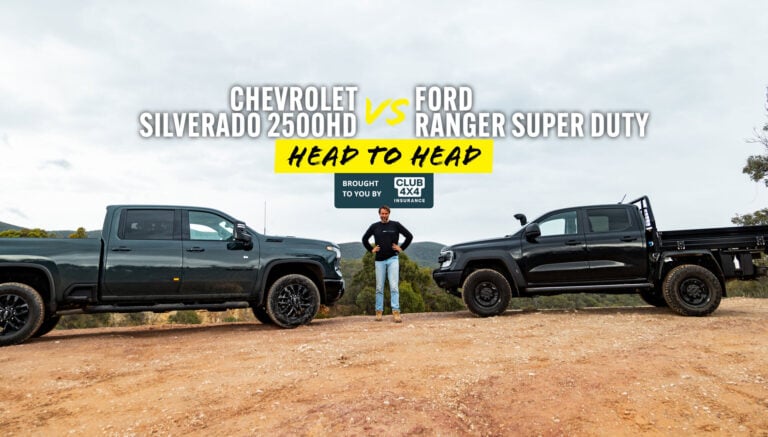
Ranger Super Duty vs Silverado 2500HD: Can a Ranger really rival a Silverado?
Ford’s Ranger Super Duty delivers genuine heavy-duty capability in a midsize package, but how does it compare with a full-size American tow rig built for the same kind of work?
-
 News
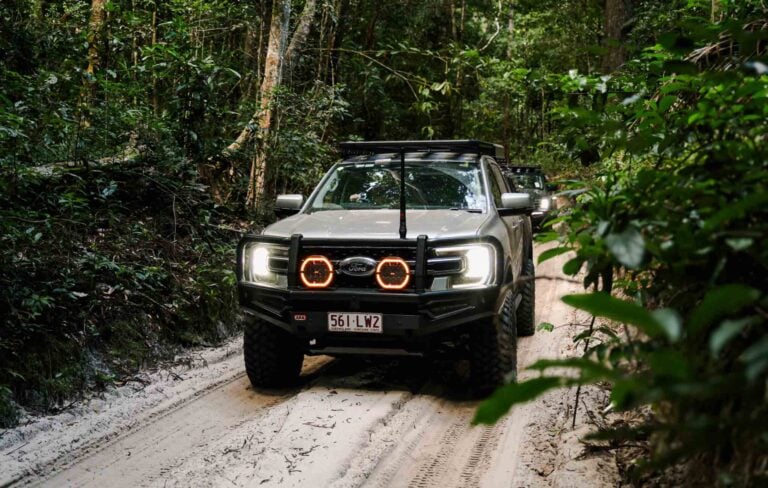
NewsNew research shows $100K 4x4s are spending more time in school zones than the bush
Club 4x4 research suggests Australians still dream of big road trips, but rising fuel prices and cost-of-living pressures are keeping many 4x4s in suburbia
-
 Advice
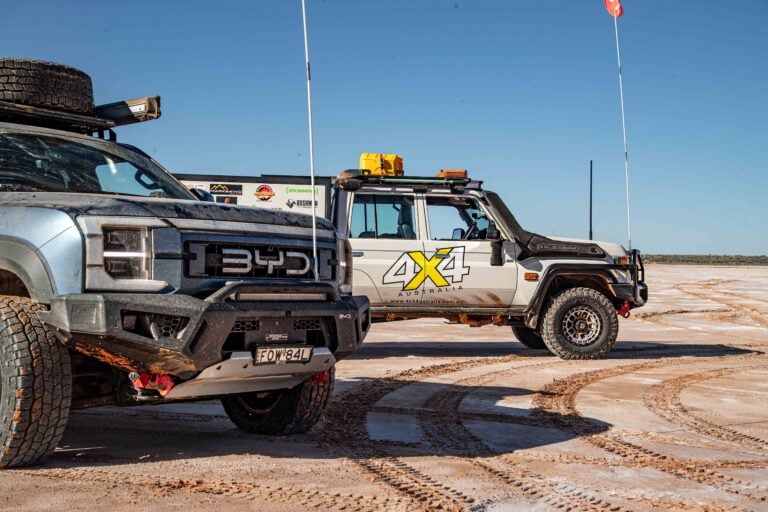
Agreed value vs market value: What 4x4 owners need to know
Understanding agreed and market value is essential for 4x4 owners with mods, accessories, or touring gear, and it can make all the difference if disaster strikes