
News

Gallery 1
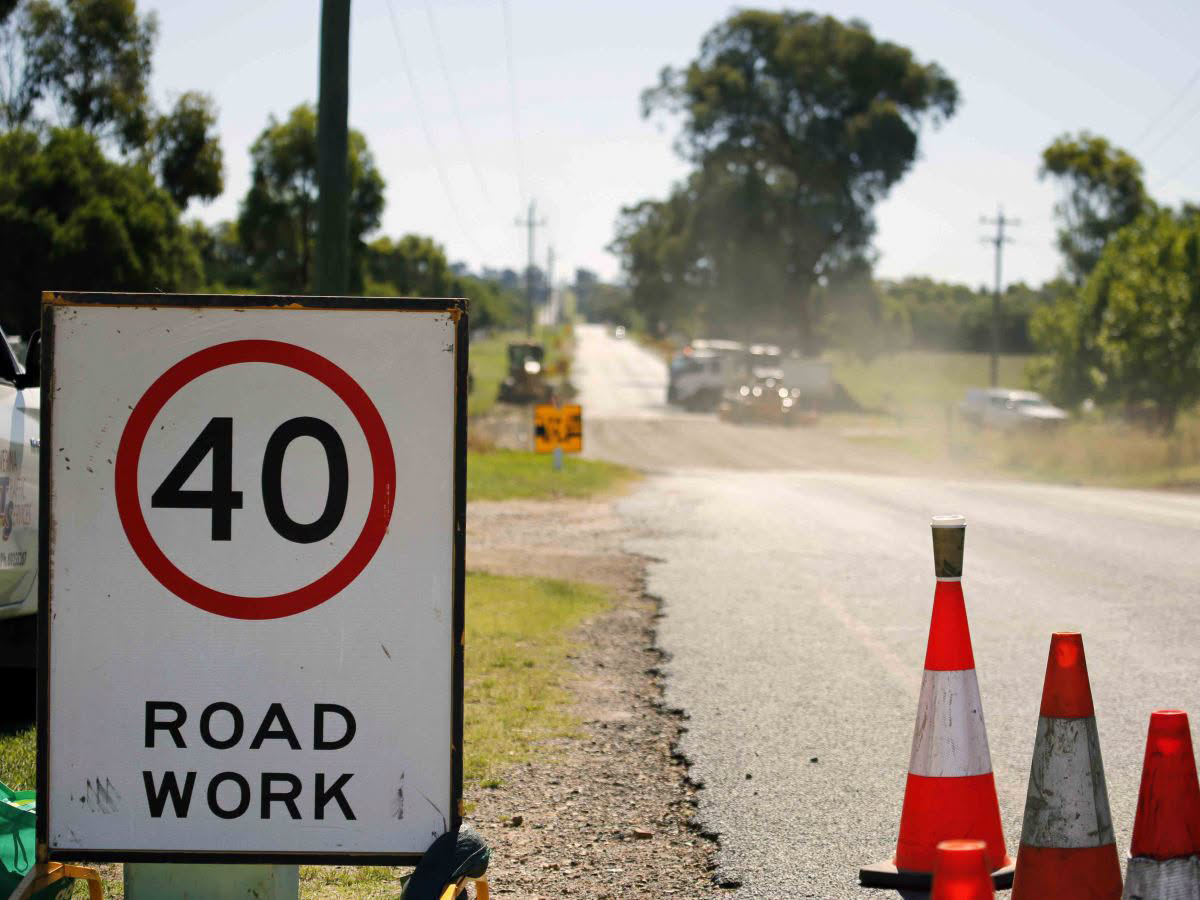
The NSW Government (↗) has moved to end one of the most persistent frustrations on the road, with temporary roadwork speed limits now required to be lifted outside construction hours when no work is taking place and it is safe to do so.
For drivers, it is a familiar irritation. Kilometres of reduced speed limits through roadworks with no workers on site, no machinery operating and no obvious reason for the restriction to still be in place. Just an unchanged sign and a long, unnecessary slow crawl. From July 1, that setup is supposed to become far less common.
We say “supposed” because the limits will only be lifted where it is “safe to do so” and at the discretion of construction workers and site conditions. So it is fair to ask whether drivers will actually notice much change on the roads, or whether most of these slow zones will remain.
Under changes delivered by the Minns Labor Government (↗), road authorities must now remove reduced speed limits in construction zones during non-work hours where conditions allow. The aim is to stop the long-running issue of what many motorists call “ghost roadworks”, where speed restrictions linger for weeks or even months well beyond active works.
“Motorists across NSW deserve to spend less time stuck in unnecessary traffic and more time with family and friends, which is why we have made this important change,” Jenny Aitchison, Minister for Roads and Regional Transport, said.
“Protecting construction workers and motorists around worksites is critical. We are not changing or weakening any rules around safety,” Aitchison added. “But as everyone has experienced, leaving speed restrictions in place outside of construction hours often slows down traffic movement. This change will help traffic keep moving, reduce frustration for motorists and make journeys across the state more efficient.”
The updated Traffic Control at Work Sites Standard (↗), released by Transport for NSW, sets out the rules for how speed limits are managed across construction zones in the state.
Officials say the change is about consistency and safety, but for motorists it also tackles a simple reality. If nothing is happening on site, there is no reason for drivers to be forced into extended low-speed travel through empty work zones.
The Standard still requires all road users to obey posted speed limits at all times, particularly where road conditions are changed by works. Safety remains the priority, with limits only lifted when it is assessed as safe for both drivers and pedestrians.
Follow 4X4 Australia on Google
Get more 4x4 news, reviews and gear stories from 4X4 Australia in your Google feeds.


We recommend
-
 News
NewsVictorian national parks face closures over King’s Birthday weekend amid ranger pay dispute
Dozens of Victorian parks and campgrounds face closure over the King’s Birthday long weekend amid escalating industrial action over pay
-
 News
NewsHeavy-handed AI seatbelt fines overturned in WA amid wave of appeals
WA drivers are successfully overturning a large number of AI-issued seatbelt fines, raising questions about accuracy of automated enforcement