News


Gallery 1
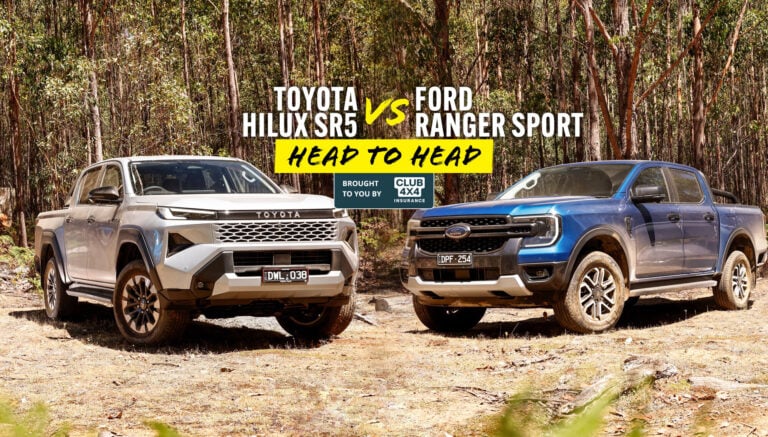
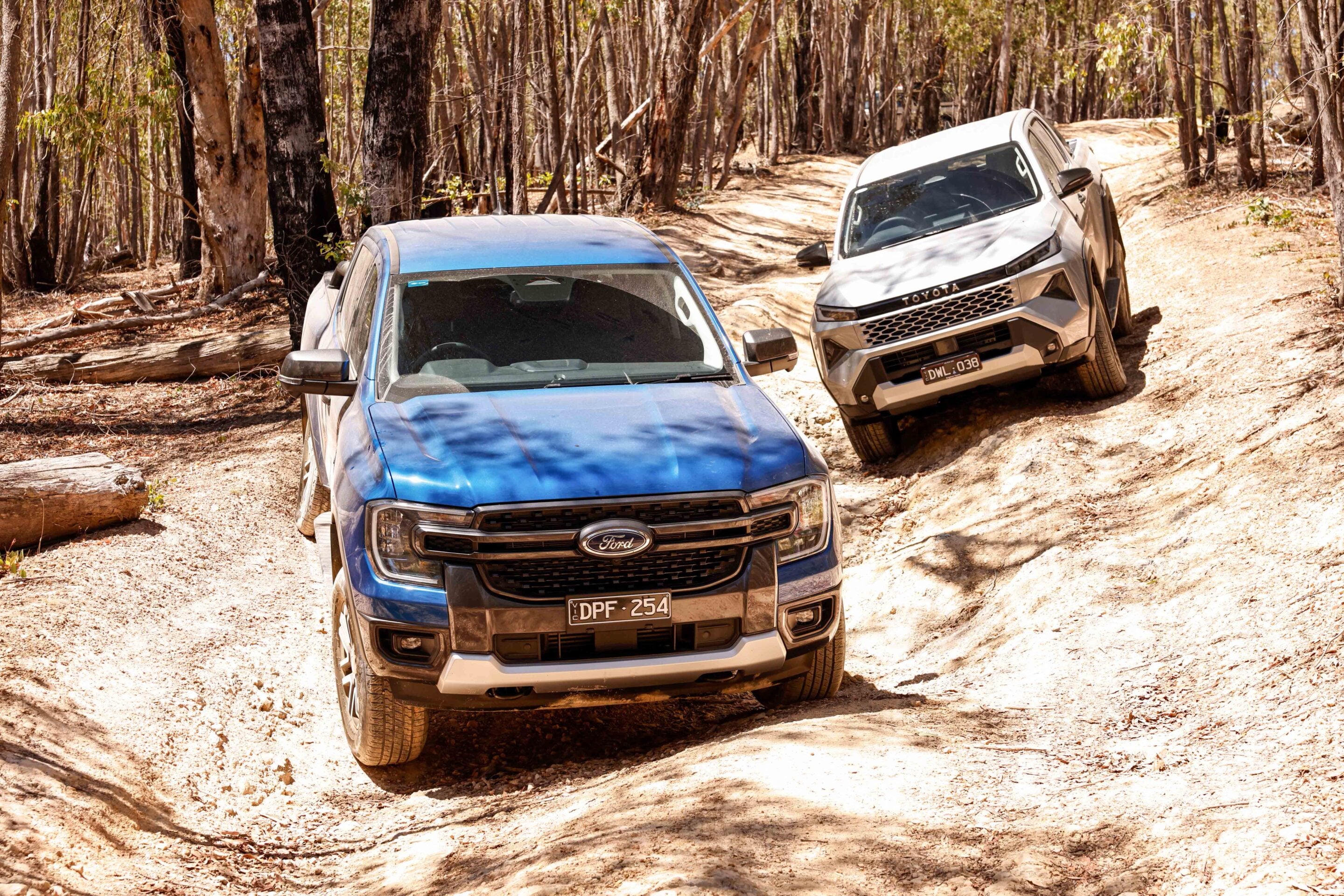
The new Toyota HiLux has once again failed to unseat the Ford Ranger atop the 4×4 sales charts, with the Ranger (4121) outselling the HiLux (3040) by 1081 units in February.
Trailing the Ranger and HiLux, the Mitsubishi Triton posted 1747 sales, maintaining a strong run following a lull throughout 2025. The Isuzu D-MAX continued its consistency, selling 1599 units in the PU/CC 4×4 segment.
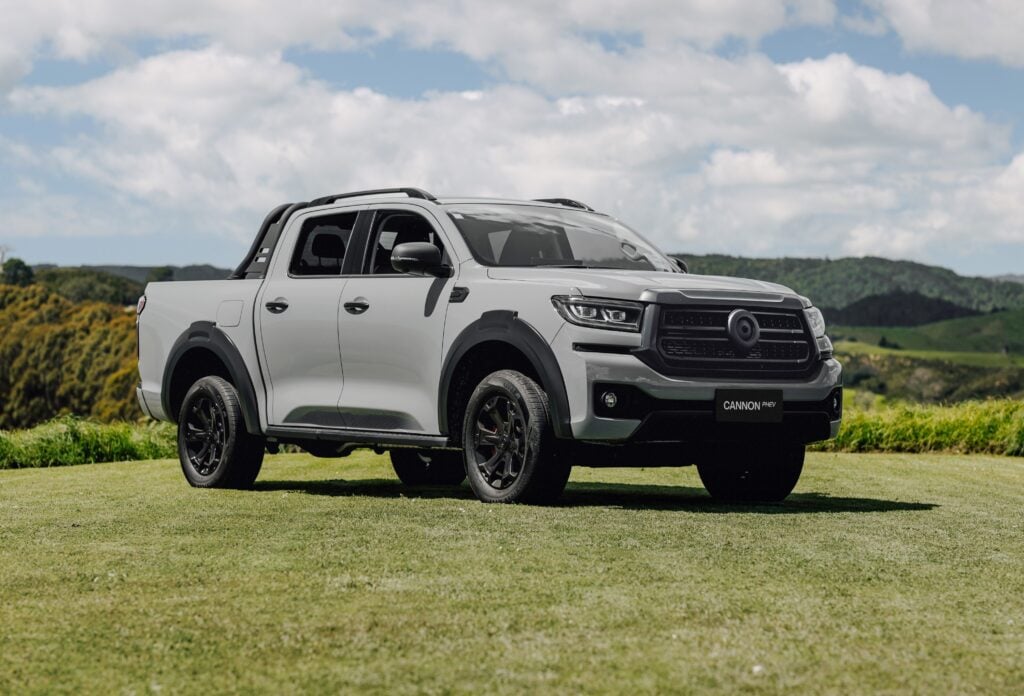
The BYD Shark remains steady, once again exceeding 1000 sales for the month (1,058). Meanwhile, GWM is steadily expanding its presence in Australia, selling more than 1000 Cannon/Cannon Alpha models in February – a remarkable 225 per cent increase on the same month last year. With the Tank 300 Hi4‑T PHEV and Cannon Alpha Hi4‑T PHEV set to launch in 2026, GWM is a brand to watch closely.
Not all newcomers are faring so well. MG managed just 200 sales of its MGU9, the Tunland V7/V9 registered only 91 units, and the Tasman continues its sluggish start with just 427 4×4 sales for the month.
In the wagon segment, the Ford Everest led with 1778 units sold, ahead of the Isuzu MU-X (1292) and the Toyota Prado (1273). By comparison, Toyota sold 5570 Prados in the same period last year – with only 2723 registered so far in 2026, that’s a massive 52.2 per cent decline. At the top end of the market, the Chevrolet Silverado/Silverado HD (265 sales) outperformed the Ram 1500 (185), Ford F-150 (180) and Toyota Tundra (92).
These results come as China has dethroned Japan as Australia’s top source of new vehicles for the first time since 1998. In February 2026, 22,362 vehicles from China were sold, surpassing Japan (21,671), Thailand (19,493), and South Korea (11,913).
“After 28 years, Japan has been overtaken by China as the largest source of vehicles for the Australian market in a single month,” said Tony Weber, chief executive of the Federal Chamber of Automotive Industries. “The Australian market is one of the most open and competitive in the world. New brands can enter, establish dealer networks and compete on price, technology and design. Consumers are the beneficiaries of that competition.”
The shift comes amid a wave of new entrants to the market. Since 2020, 10 new brands have launched locally, six in the past two years, and nine of the 10 are manufactured in China.
Overall, Australia’s new vehicle market recorded 90,712 sales in February 2026, down 4,281 vehicles (4.5%) compared with the same month last year. Light commercial vehicles remained largely stable, with 21,191 sold, only slightly below the 21,337 recorded in February 2025. The PU/CC 4×4 segment followed a similar trend, with 16,220 sales compared with 16,500 last year.
Despite NVES restrictions, sales of diesel-powered vehicles edged higher, at 26,963 versus 26,864 a year earlier. Meanwhile, petrol vehicle sales continued their sharp decline, falling from 40,496 in February 2025 to 33,309 this year. Electric and plug-in hybrid vehicles continued to gain traction, with sales up by 3748 and 983 units respectively.
Battery electric vehicles now account for 11.8 per cent of total sales, marking a record-high monthly share for February.
| Top-selling 4x4s in February 2026 | |
|---|---|
| 1. Ford Ranger | 4121 |
| 2. Toyota HiLux | 3040 |
| 3. Ford Everest | 1778 |
| 4. Mitsubishi Triton | 1747 |
| 5. Isuzu D-MAX | 1599 |
| 6. Isuzu MU-X | 1292 |
| 7. Toyota Prado | 1273 |
| 8. BYD Shark | 1058 |
| 9. GWM Cannon/Cannon Alpha | 1001 |
| 10. Toyota LC300 | 827 |
| Top-selling 4x4s in 2026 (YTD) | |
|---|---|
| 1. Ford Ranger | 7362 |
| 2. Toyota HiLux | 5315 |
| 3. Ford Everest | 3691 |
| 4. Mitsubishi Triton | 3154 |
| 5. Isuzu D-MAX | 2992 |
| 6. Toyota Prado | 2665 |
| 7. Isuzu MU-X | 2423 |
| 8. BYD Shark | 2166 |
| 9. GWM Cannon/Cannon Alpha | 1886 |
| 10. Toyota LC300 | 1734 |
Follow 4X4 Australia on Google
Get more 4x4 news, reviews and gear stories from 4X4 Australia in your Google feeds.