Reviews

Gallery 1
Update 1: Project X
By Matt Raudonikis
- Total kilometres: 1527km
- Average fuel use: 9.9L/100km
Following an extensive pre-launch media campaign, the Kia Tasman became the most talked-about new midsize 4×4 ute to hit the Australian market in 2025 – and not all of that talk was positive.
Even before it went on sale, it was clear that plenty of folk weren’t fans of the Tasman’s styling, particularly the look of its front end. The Tasman isn’t the first – and certainly won’t be the last – new vehicle to cop such criticism, but put the looks aside and take it for a drive, and your opinion might quickly change.
With all the interest surrounding the Tasman – and after completing a couple of road tests since its launch – we decided to add one to the fleet for three months to get a true feel for what the Kia ute is like to live with.
4
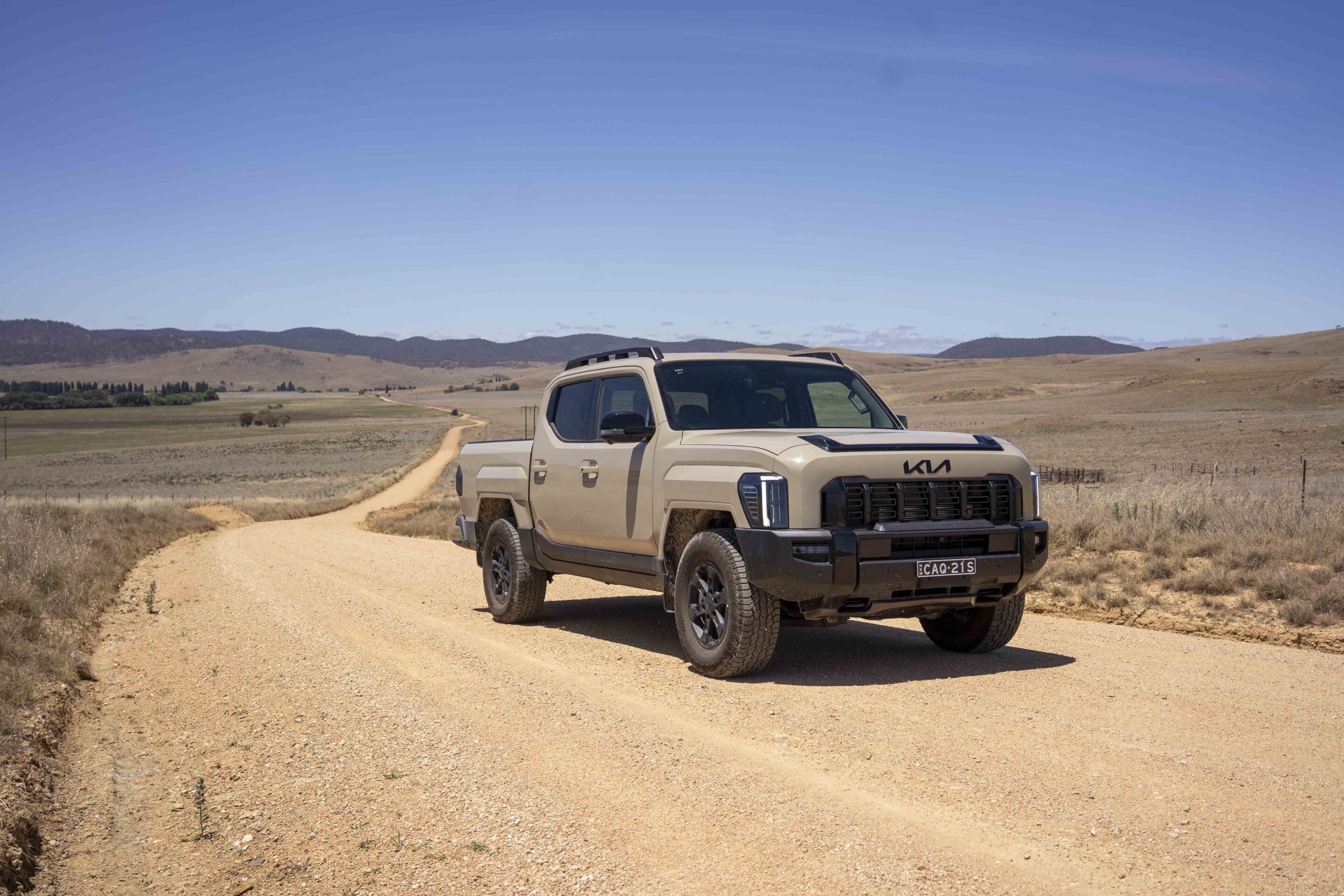
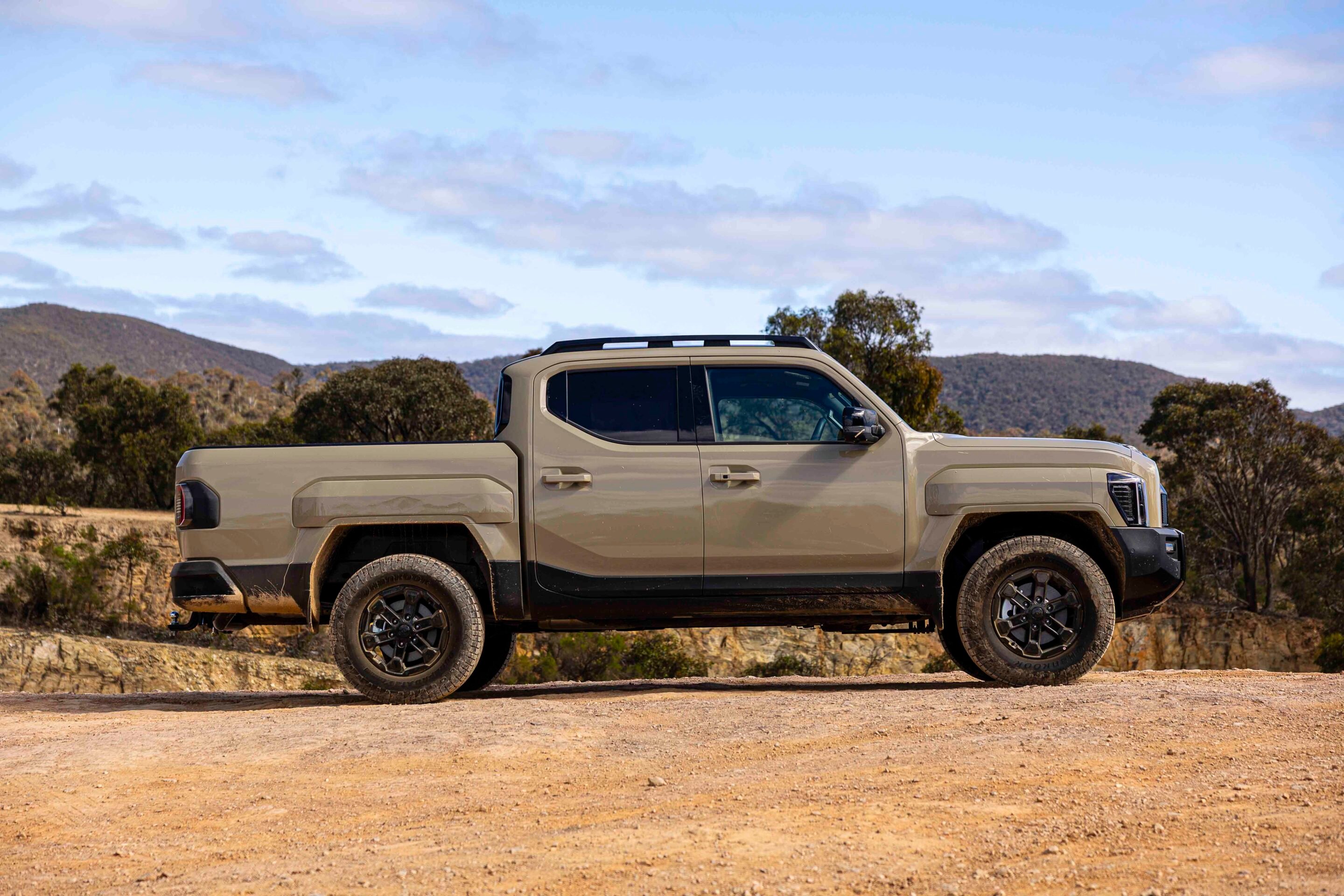
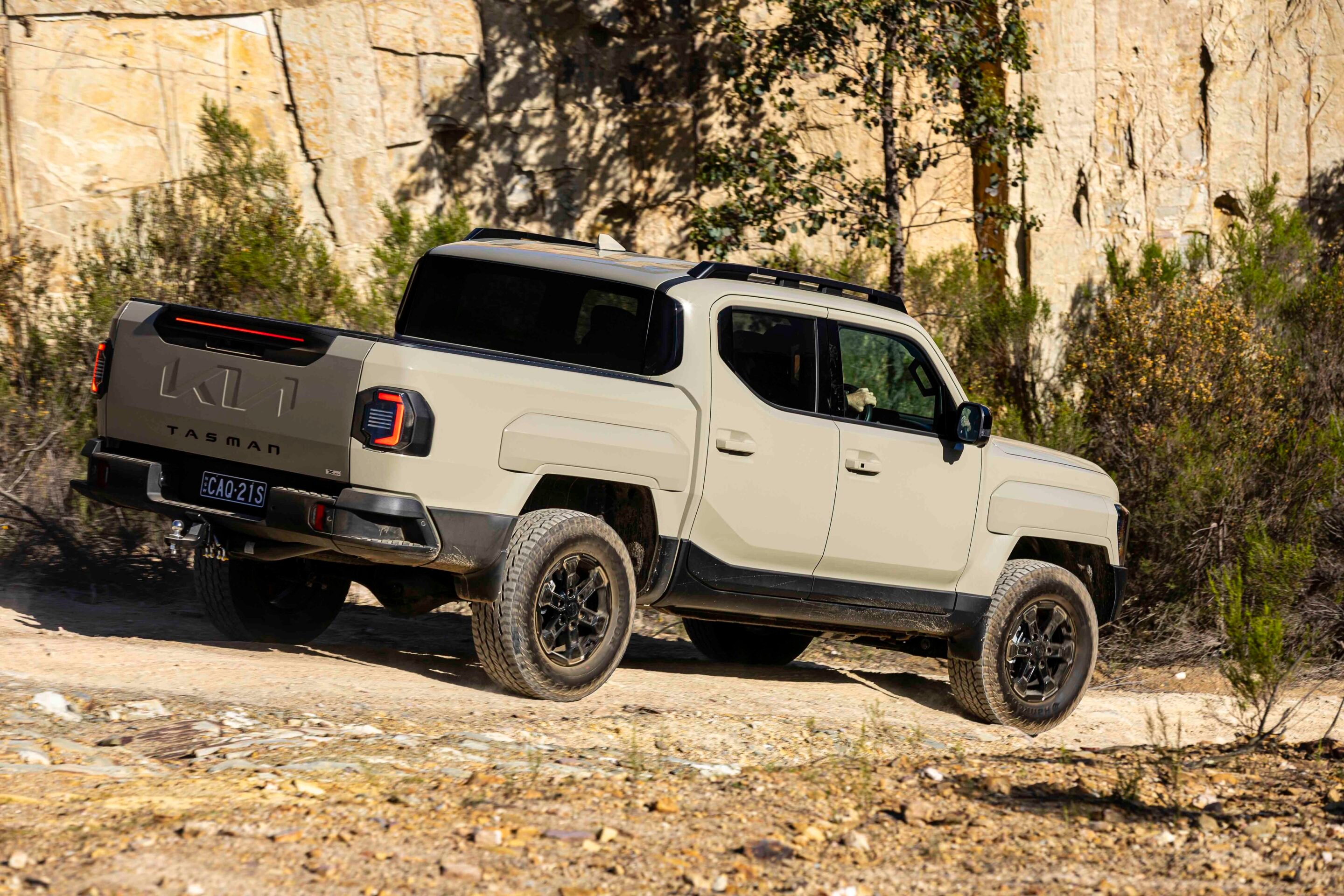
We chose the top-of-the-range Tasman X-Pro for this loan – not just for its extensive list of comfort and convenience features, but because it’s the model aimed squarely at off-road users, with a selectable rear diff lock, all-terrain tyres, extra off-road drive modes and no side steps.
Our first outing in the Tasman was as part of our extensive midsize 4×4 ute comparison – which you’ll be able to read all about soon.
At $75K, the X-Pro comes loaded with features – many of which we’ve already come to appreciate. These include a wide, roomy cabin fitted with supportive heated and cooled power-adjustable front seats; rear seats that slide and tilt forward; a pair of large, easy-to-read multimedia screens; dual wireless phone chargers; an integrated trailer brake controller with trailer setup checks; 17-inch alloys with all-terrain rubber; X-Trek crawl control; a selectable diff lock; and a large cargo bed.
The drivetrain is relatively smooth and quiet for a diesel ute. It’s powered by a 2.2-litre single-turbo diesel engine producing a claimed 155kW and 441Nm, backed by an eight-speed automatic transmission and a dual-range, part-time transfer case that also offers a 4×4 Auto mode for all-road, all-wheel-drive use.
This combo is a pleasure to drive both on- and off-road, however we do feel it’s a little underdone when you put your foot down for overtaking at highway speeds or when towing heavy loads.
1
Update 2: Through the lens
By Ellen Dewar
A week in the field gives 4X4 Australia’s resident photographer a close-up look at our Kia Tasman X-Pro.
In my Inner West street there’s no shortage personalities and vehicles. The rotating test-car fleet usually sparks lively debate, but nothing has divided opinions quite like the Kia Tasman. Its styling has prompted plenty of spirited comments, not all flattering. Then again, neither was ’90s baggy fashion, and that’s well and truly back – along with a resurgence of the music.
Like any new model, the Tasman takes a little getting used to. At 5ft 2, climbing in and out of vehicles can feel like a minor workout, and the Kia sits even taller than my FJ Cruiser. I briefly considered fitting a small step but quickly dismissed it as overcomplicating things. For now, getting aboard is treated as part of my fitness routine – made easier by the well-placed grab handles.
1
Inside, the cabin feels refined. The layout is modern and easy to settle into once the start button is located – tucked cheekily behind the steering wheel, it isn’t immediately intuitive. The seats are well-cushioned and supportive, making long drives comfortable, while visibility is excellent, though shorter drivers will need to adjust the seat carefully.
Cabin noise is minimal, and the infotainment system is straightforward, though, like all new tech, it can distract until you’re familiar with its features. Apple CarPlay proved a little frustrating when trying to switch to local radio – multiple button presses were required, and even after several attempts, I still couldn’t recall the exact sequence.
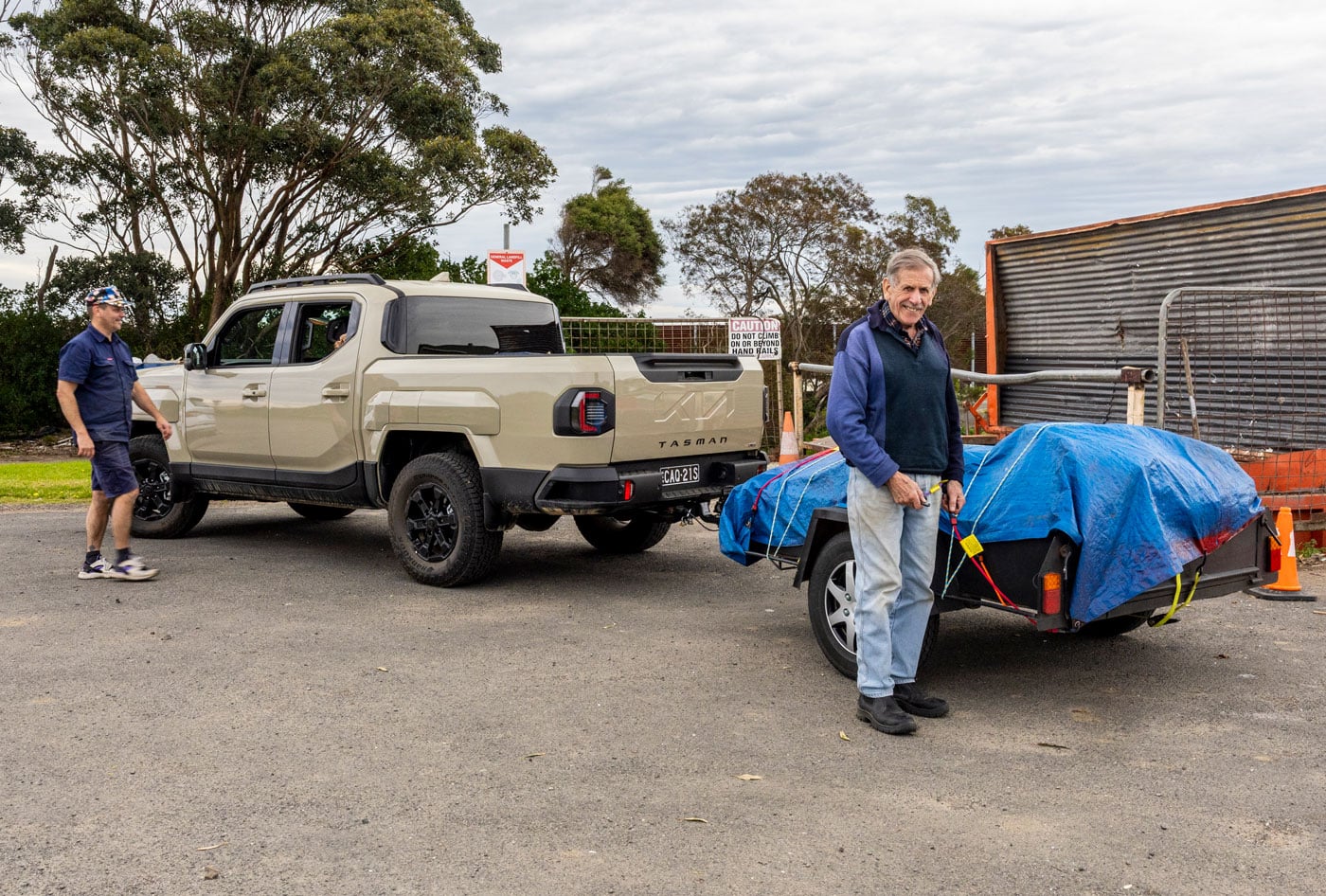
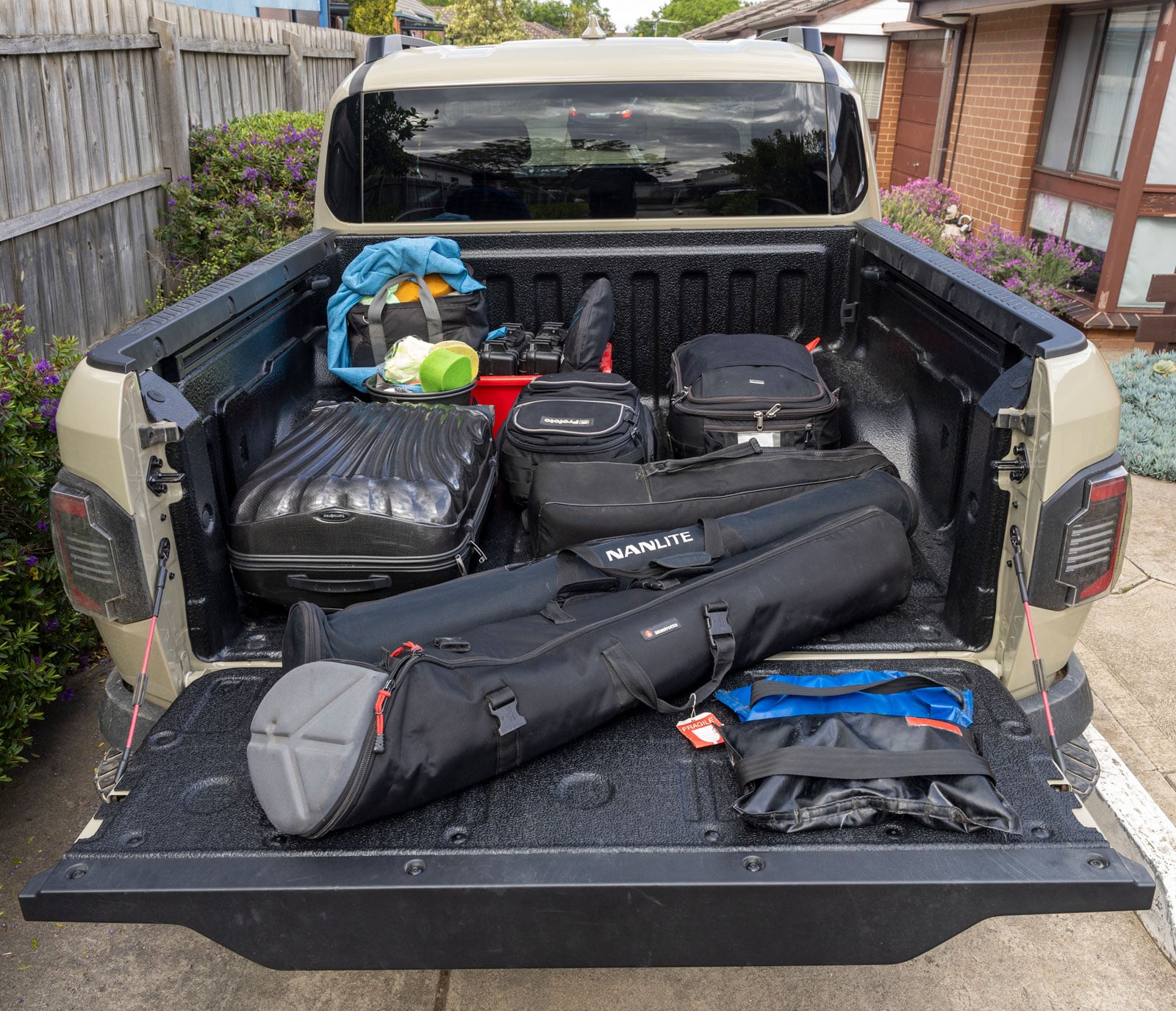
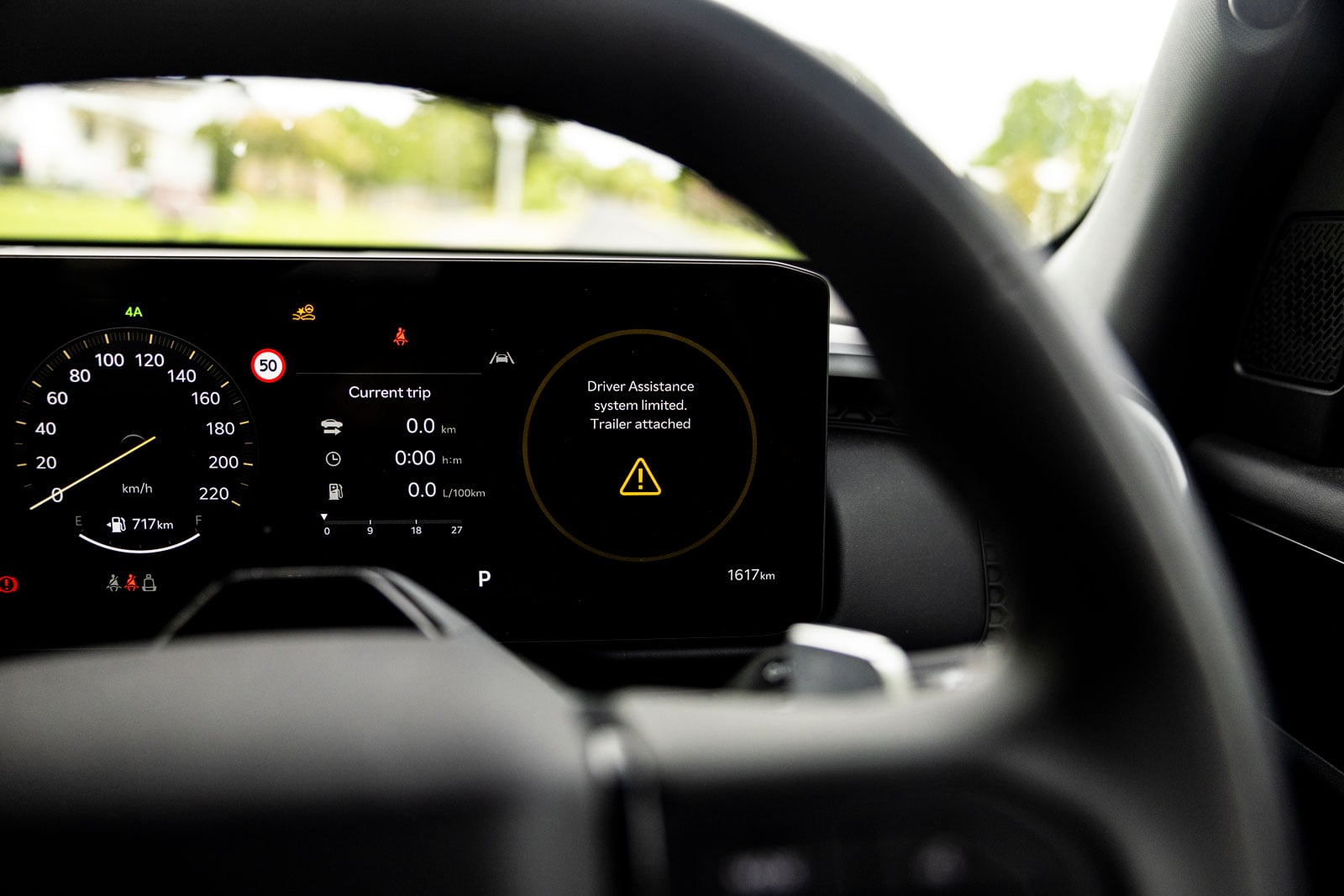
Over 10 days with the Tasman as my workhorse, the first task was shed-cleaning at my parents’ property, followed by a long week at Wheels Car of the Year (COTY). The tub lining is excellent for stress-free loading, with ample tie-down points to secure gear. Hitching a trailer was straightforward: the rear camera provided a clear view for alignment, and the standard 7-pin flat configuration made connections easy. Lights, indicators and brakes all performed as expected, though the trailer-signal icon repeatedly flashed on the dash despite correct connections. Likely caused by the trailer’s LED rear lights and older wiring, it was more of an annoyance than a functional problem.
1
One noticeable limitation was the Tasman’s small side mirrors. Combined with its width, standard box trailers are invisible, even on bends, only reappearing at T-intersections. Larger mirrors would improve confidence when towing. Still, towing itself was good, even over bigger bumps on country roads. The ride feels firm, but the Tasman handled a load with ease.
Without a tonneau cover or canopy, the Tasman highlights just how exposed utes can be when carrying expensive gear. Fortunately, the rear cabin is generous, allowing camera equipment to be neatly stacked on the floor and seats while remaining easily accessible.
At COTY, Victoria threw everything at it – sun, rain, and gale-force winds and the Tasman handled it all. It drove confidently across wet, twisty Gippsland roads, pulling into muddy or gravel areas without hesitation, a godsend for this job. With tougher all-terrain tyres, it would be even more capable. Its height was also useful, doubling as a stable platform for wide multi-car setups and tracking shots at Lang Lang’s speed bowl.
1
Over my days of testing, the Tasman impressed with its comfort and practicality. It’s easy to drive and genuinely useful for work. While its styling divides opinion, it certainly gets people talking. City parking can be a challenge due to its size, but as a workhorse it’s outstanding. Fitted with a canopy, it would be even better for both work and weekend adventures.
Update 3: The little things
By Matt Raudonikis
- Total kilometres: 4740km
- Average fuel use: 9.4L/100km
Living with the Tasman has its pros and cons, and it’s the little things that make all the difference.
When you have a vehicle as well equipped as the Tasman in top-of-the-range X-Pro trim, it’s the little things you notice over time that you come to appreciate – along with a few areas that could be better.
One of the standout features is the well-appointed and accommodating Tasman cabin, so let’s start with the front seats. As you’d expect in a top-of-the-line model, the seats are power adjustable to get you into the ideal driving position. They’re leather trimmed, and the front seats also feature heating and ventilation.
1
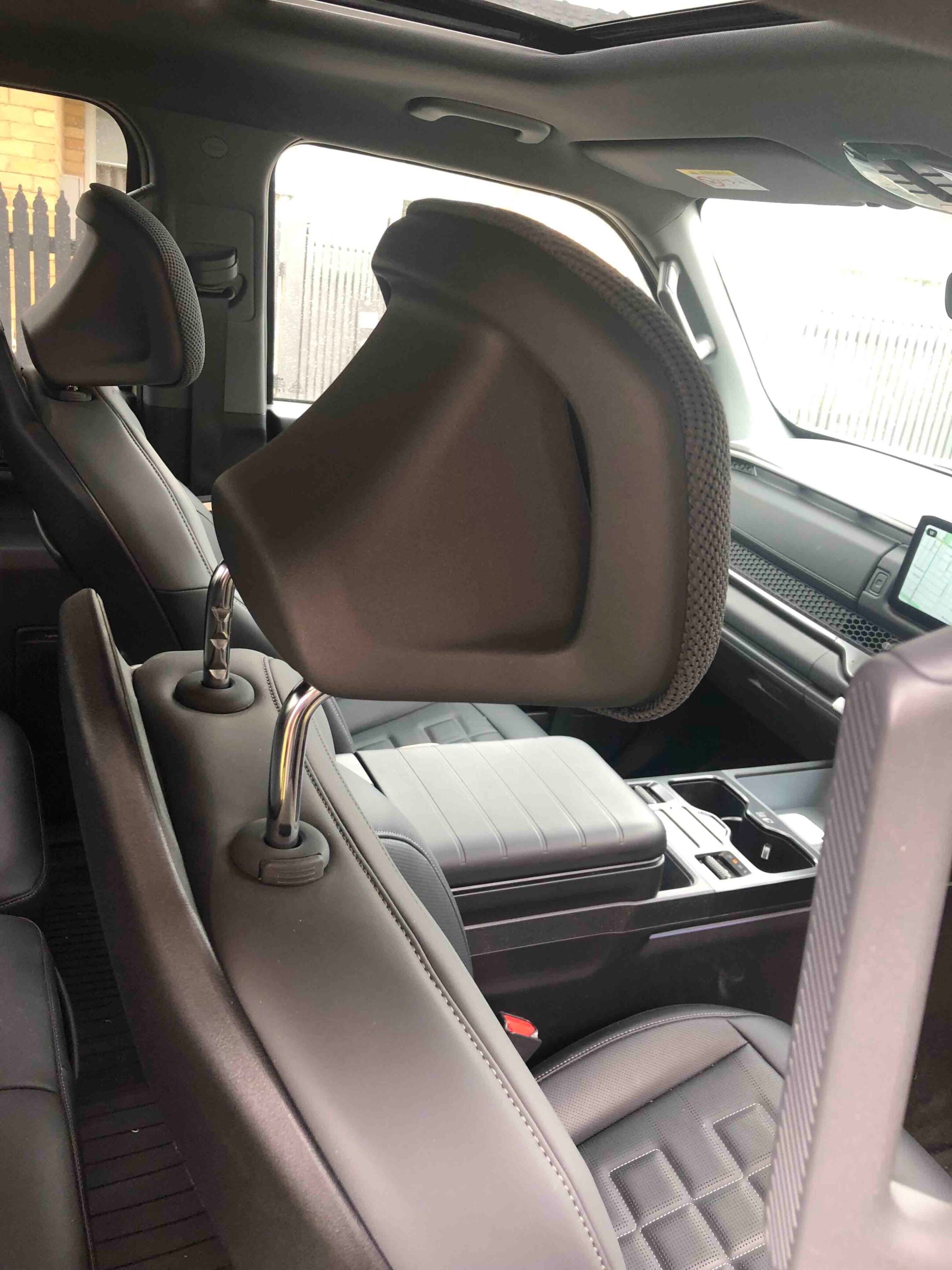
My favourite thing about the seats is the way the backrest follows your spine upwards, and the fact the headrests are adjustable fore and aft to position them close to the back of your head. This not only makes the seats comfortable on a long drive, but also improves safety in the event of an accident, as proper head, neck and back support is critical.
Less impressive is the placement of the seat heating and ventilation controls. The buttons are positioned too far forward on the doors, making it difficult to see the icons when operating them. That said, once you know where they are, they’re easy enough to find by feel.
Some drivers have complained about the usability of the column-mounted gear selector and ignition button, but I found both familiar after just a day or two. The layout also places the start button on the correct side of the column, making it easy to locate when getting into the car. The steering column is power adjustable for reach and height, but I wish it extended further back, as I found myself reaching forward to the steering wheel while driving. That’s an issue I encounter in many vehicles, as I have relatively long legs.
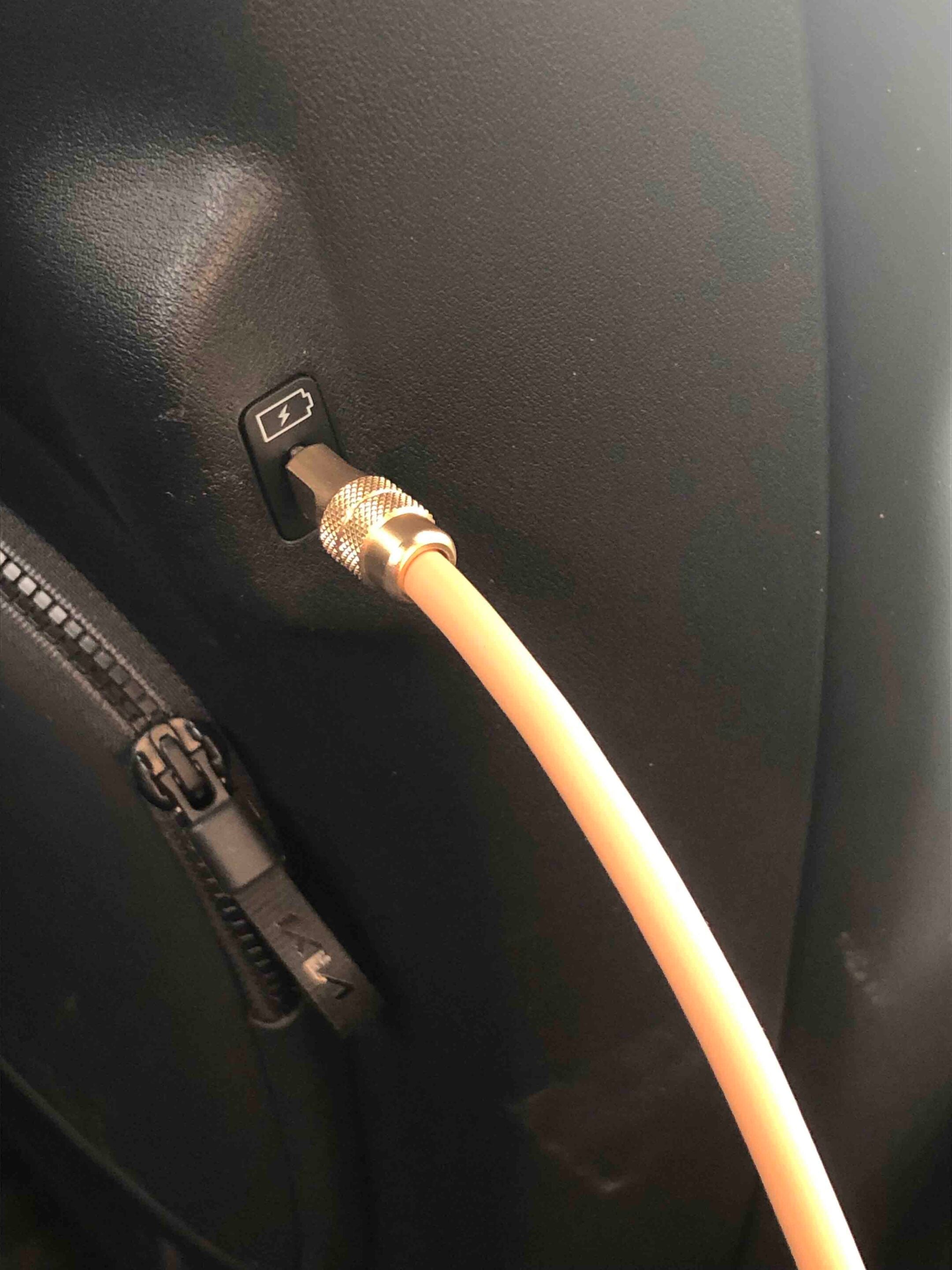
The placement of the USB ports on the inside edges of the front seats is clever, as it makes them easy to find and access for both front and rear passengers. There are additional USB ports in the centre console for front-seat occupants. The seatback pockets are also handy, and the rear seat slide and tilt function is excellent for rear passenger comfort. However, this functionality prevents the rear seat from folding up to create additional cargo space.
Up front, the dual 12.3-inch screens for multimedia, instruments and HVAC are well executed, with all functions within easy reach of the driver. I also liked being able to select a dash layout with round analogue-style gauges for a more traditional look, while still having quick access to tyre pressure and trip information screens.
I wasn’t a fan of wireless charging after having a phone damaged by an earlier system, but the two wireless chargers in the Tasman’s centre console haven’t overheated at all. It’s become second nature to drop my phone in there for charging and CarPlay as soon as I jump in the Kia.
4
One quirk of the media system is that if you’re listening to the radio and open Maps for navigation, the system automatically switches audio to CarPlay and cuts the radio. That proved frustrating, although we did find a workaround at the time – I just wish I could remember what it was. While most HVAC controls are handled via large buttons low in the centre stack, the HVAC display itself sits behind the steering wheel, meaning you need to look around the rim to see it.
Outside, I like the fact the Tasman doesn’t have side steps. I’m tall and find steps often get in the way when getting in and out, while also brushing against your jeans and getting them dirty. The plastic side steps fitted to many utes are also usually among the first things to be torn off when driving off-road. That said, some shorter drivers may miss having a step to aid entry. Also outside, the X-Pro features handy tie-down points in the tray, with the usual four in the corners plus adjustable points along the sides of the bed. There’s also a power outlet in the tray.
For me, the positives of the Tasman X-Pro far outweigh the negatives, and it’s become my favourite four-wheel drive ute to drive on a daily basis. In many ways, the Tasman has set the benchmark for future utes to chase.
Update 4: Road trippin’
By Ellen Dewar
- Total kilometres: 2693km
- Average fuel use: 8.5L/100km
The silly season has a habit of catching you out. One minute there’s time to plan, the next you’re staring down a 2100km road trip with deadlines closing in and gear still scattered on the floor.
Ordinarily, long getaways begin in my well-prepared FJ Cruiser, permanently kitted out with a drawer pantry, camp kitchen and carefully considered supplies. This time, the FJ stayed home. Matt handed over the keys to the Kia Tasman X-Pro, and with little time to overthink it, the plan shifted.
The planned route headed north via Canberra, followed by Wollongong, before doubling back south to Lake Jindabyne for camping and alpine hiking. It was a trip that demanded flexibility covering highways, city streets, gravel roads and campsites, with the weather changing almost daily.
1
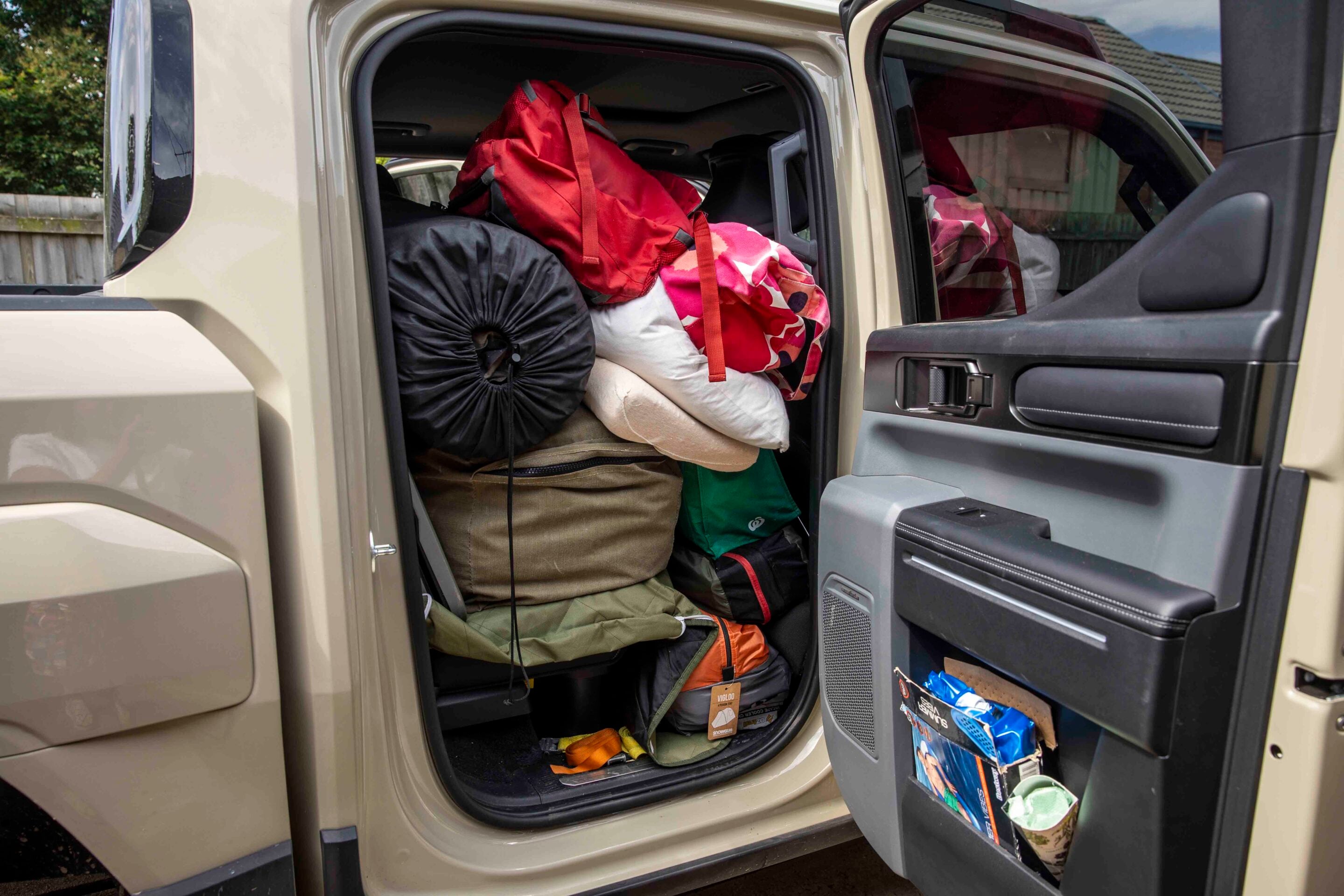
On paper, the Kia’s generous proportions suggested space wouldn’t be an issue. In practice, the absence of a canopy or hard cover complicated matters. Keeping gear secure during city stops was tricky, and even when packed under tarps and straps, the tray contents never felt entirely safe. The workaround became a careful game of Tetris, shifting gear into the back seats at each stop for peace of mind. One practical note for fridge use: the 240-volt plug in the rear centre console needs to be firmly connected before stacking anything on top – a lesson learned the hard way.
Kia’s safety suite is comprehensive, though it certainly makes its presence known. The system chimes and alerts frequently; while generally subtle, it can become intrusive over long drives. Ongoing roadworks and constantly changing speed limits meant road-sign recognition and overspeed warnings were often triggered unnecessarily.
Adaptive cruise control, on the other hand, is a standout. It operates smoothly and predictably, and for extended highway driving, the lane-assist functions can be adjusted or switched off with a simple button hold. On narrower, unmarked country highways, the lane-keeping system tugged at the steering, even when space for oncoming traffic was limited, so in those conditions it was best disabled altogether.
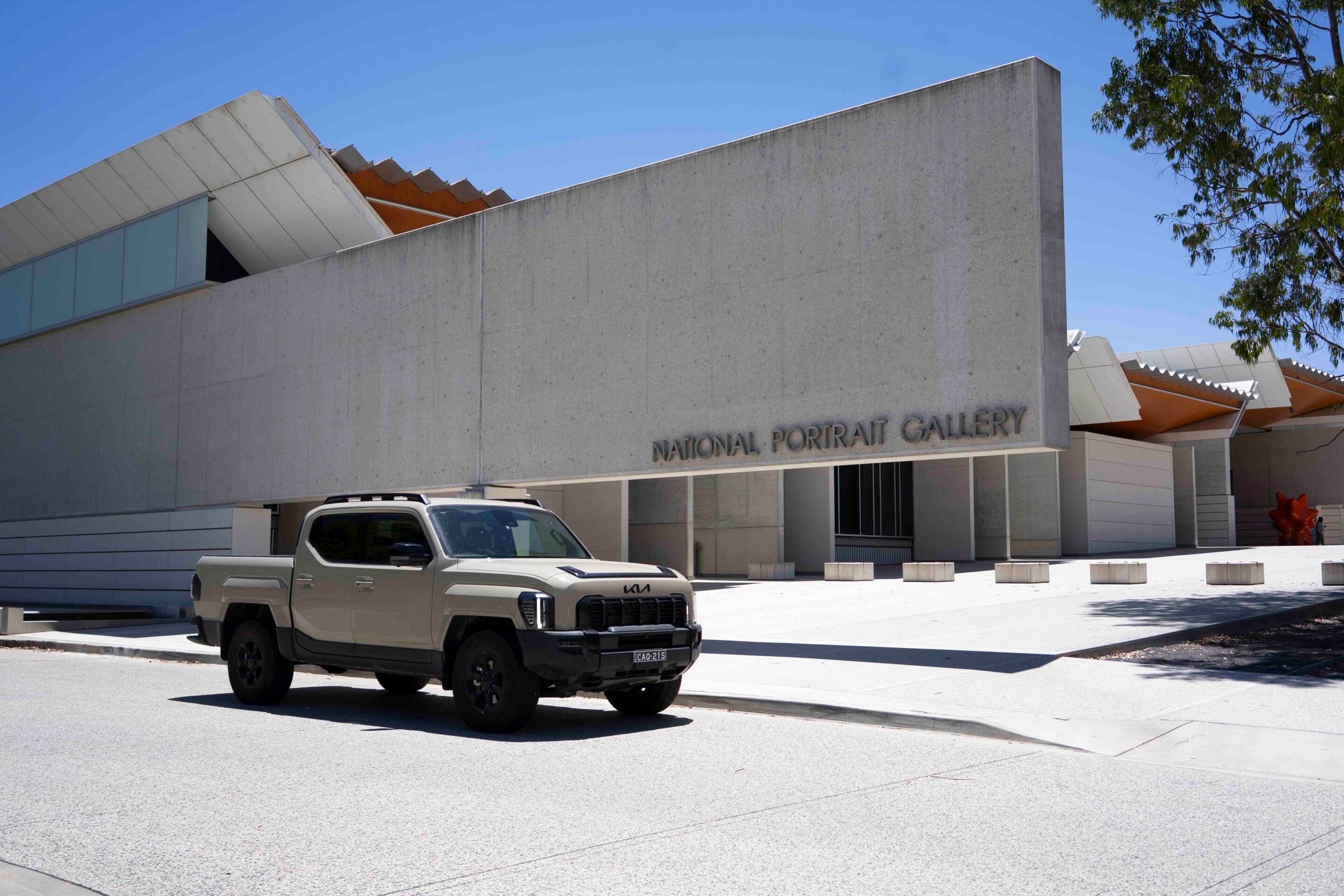
Rolling into a small town just before Canberra, it was a relief to find the Tasman accepted the high-flow bowser for a quick refuel. That evening, I ducked into the portrait gallery to see work by contemporary Indigenous artist Kaylene Whisky – beautifully detailed, comical and well worth the visit.
1
A few days of urban driving in Wollongong, however, highlighted the importance of parking planning. Reversing out of a multi-level car park during sales time didn’t win me any fans, with the Tasman’s roof rails brushing the 2.0‑metre warning bar. Beach parking was equally tricky, requiring the largest available spaces . The 360-degree cameras and front and rear sensors proved essential, particularly given the small mirrors, though parking remained a constant consideration.
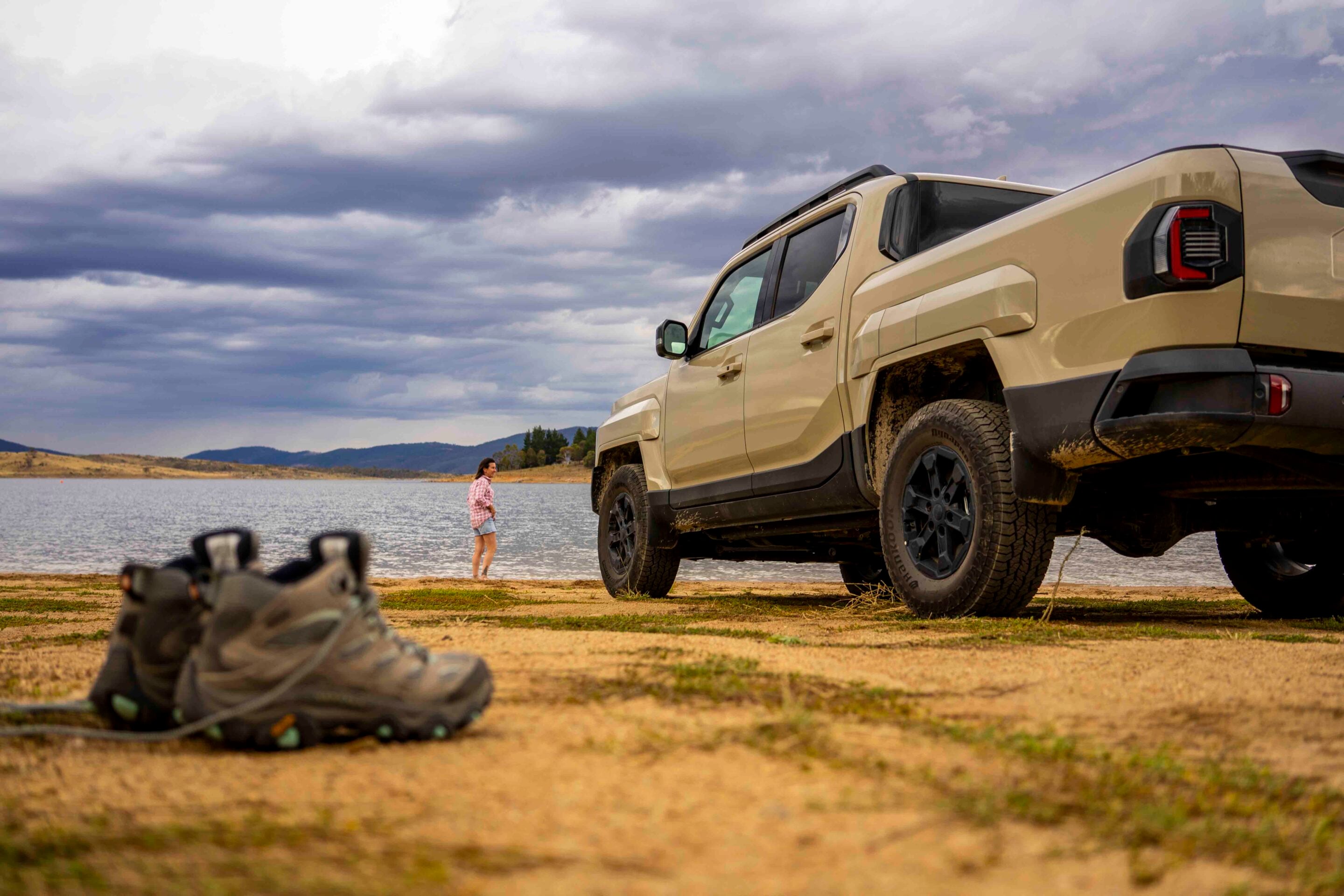
Heading south toward Lake Jindabyne, the landscape grew drier with every kilometre. Upon arrival, I was reminded how much I prefer bush camping. Friends had already set up near the lake, and while the cool swims and nearby hikes were welcome, the campsite itself felt tight. Wedged between families, the sheer size of the Kia made parking and pitching a small tent a squeeze. I should have brought the swag and slept in the tray.
One early morning, setting off for a hike before the heat arrived, the integrated corner steps built into the rear bumper made access to the cargo bed easy. Perched above Guthega, muesli in hand, I took in the view. On the winding gravel climb, the Kia felt solid and composed. On the descent, however, the rear stepped out slightly at just 45km/h. While there was some corrugation, the ABS intervened quickly, realigning the ute without drama.
13
Over the following days, the Tasman became a reliable transporter of hikers, ferrying mountain bikers to trailheads and doubling as a platform for post-hike lounging by the lake. Six days flew by, and soon enough I was packing up for the seven-hour drive south on a blistering 41°C day. The air-conditioning worked exceptionally well, and the seats are genuinely impressive. When I arrived at the end of that long day, I felt refreshed and limber, as though I’d driven for an hour, not seven.
Comfort is often the sticking point in dual-cab utes, but the Tasman gets it right. For those balancing workhorse duties with family adventures and long-distance travel, it stands out as one of the most comfortable and capable utes I’ve driven in a long while.
Follow 4X4 Australia on Google
Get more 4x4 news, reviews and gear stories from 4X4 Australia in your Google feeds.


We recommend
-
 4x4 Comparisons
Beauty contest: Kia Tasman SX vs Mitsubishi Triton GLX-R
They won’t win any beauty pageants, but the Tasman SX and Triton GLX-R have plenty to offer tradies, tourers and families alike
-
 4x4 Comparisons
Kia Tasman vs Ford Ranger: Can the newcomer topple the king?
How does Kia’s all-new Tasman measure up against the hugely popular Ford Ranger Wildtrak?
-
 News
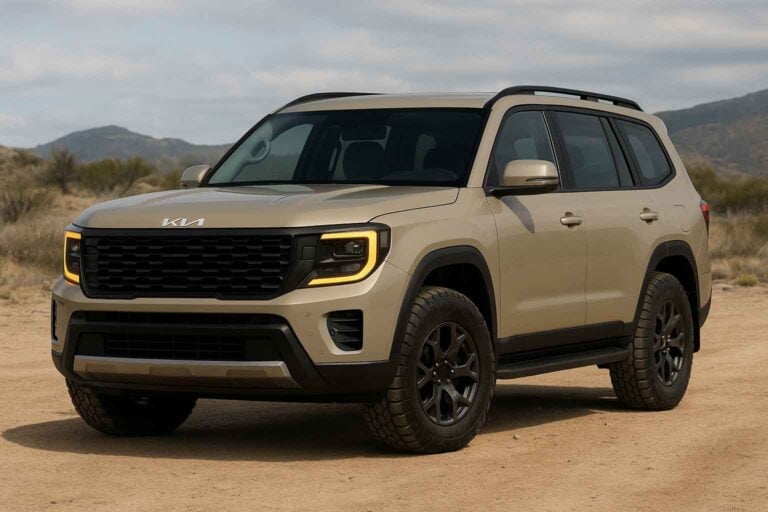
NewsIs Kia working on a Tasman-based 4WD wagon?
Industry whispers suggest Kia’s rugged new Tasman ute could spawn a family-friendly 4WD wagon to take on the Prado and Everest