News

Gallery 1
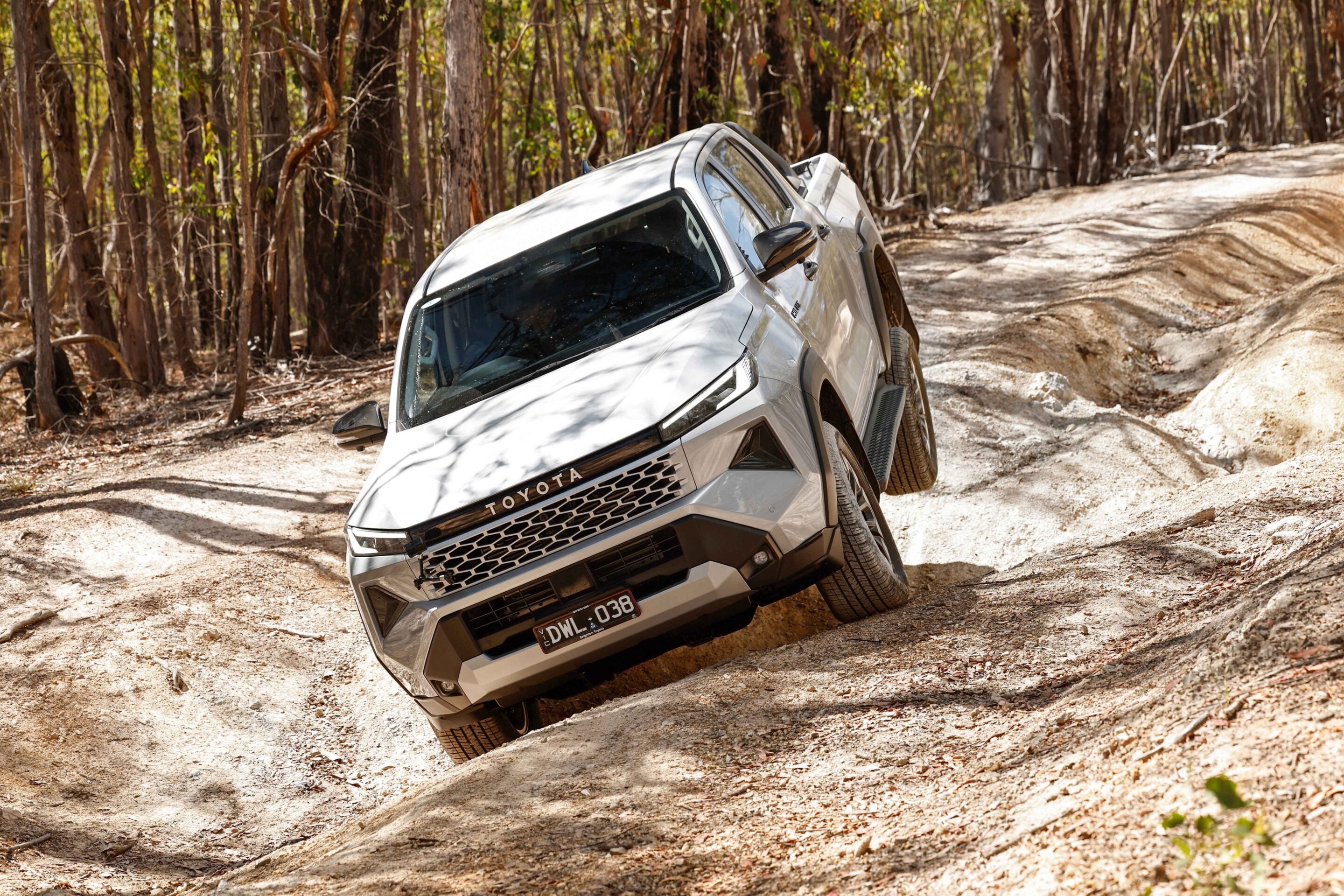
The Toyota HiLux has put some daylight between itself and the Ford Ranger, almost doubling its rival’s sales in August after overtaking it last month.
Toyota shifted a total of 4833 HiLuxes compared with 2440 Rangers across both 4×4 and 4×2 variants. The result was largely driven by the Ranger’s year-on-year decline, with sales falling from 4942 in August 2025 to 2440 this year, a 50.6 per cent drop. Toyota’s strong result can largely be put down to stock of the new-generation model reaching owners, with Toyota no doubt also working through its backlog.
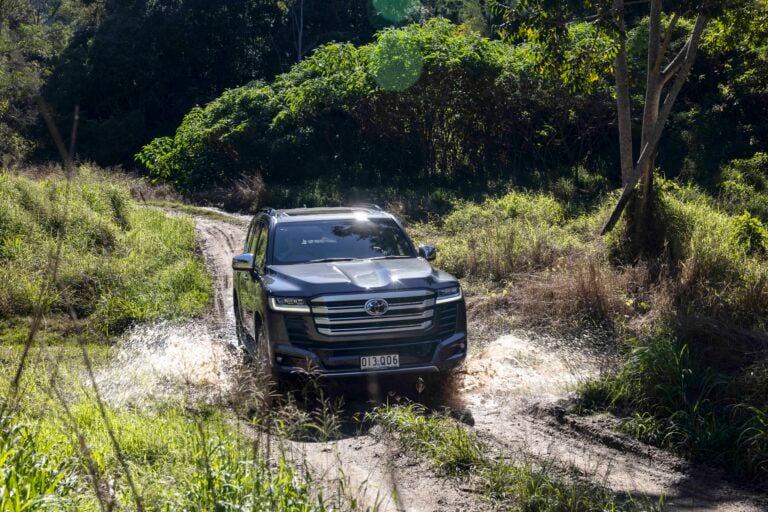
The HiLux wasn’t just the top-selling ute, either. It was the second-best-selling vehicle in the country, behind the Toyota RAV4 on 5470 sales. The Prado also had a strong month with 2475 sales, putting it third overall. That means Toyota locked out the entire Australian sales podium in August, with the RAV4, HiLux and Prado taking the top three spots. The Isuzu D-MAX was the only other 4×4 in the top 10, registering a total of 1708 sales.
For all that movement, the overall market barely budged. VFACTS recorded 100,939 new vehicle sales in August, up just 0.4 per cent on the same month last year. Year to date, 811,388 vehicles have been sold, broadly matching the same period in 2025.
The ute market tells a very different story to the overall new-vehicle market. Light commercial vehicle sales fell 22.1 per cent in August, from 23,211 last year to 18,081 this year. The slide is just as obvious year to date, with LCV sales down 11.5 per cent from 184,948 to 163,701.
For 4×4 buyers, the numbers are even harder to ignore. The 4×4 pick-up and cab-chassis segment dropped 27.1 per cent in August, from 18,529 sales to 13,507. Year to date, the segment is down 13.6 per cent, falling from 143,985 to 124,365.
EV sales surge as petrol and diesel decline
Another major shift continues: Electric vehicle sales are taking off while petrol and diesel continue to lose ground.
The VFACTS report indicates that 27,089 BEVs were sold in August, accounting for 24.9 per cent of the entire new-vehicle market. That’s a 171 per cent jump on August 2025 and the highest number of BEVs ever sold in a single month in Australia.
“The sustained level of BEV sales, together changing brand preferences, shows how quickly consumer choice and competition are reshaping Australia’s new-vehicle market,” said Tony Weber, Federal Chamber of Automotive Industries chief executive.
“These changes continue to reinforce the need for infrastructure settings that keep pace with the market. Accessible and dependable charging will remain critical to consumer confidence, particularly on highways, in rural and regional areas and for motorists without access to charging at home.”
The change is particularly dramatic in the LCV market. August EV sales nearly tripled, jumping from 6848 in 2025 to 19,257 this year. PHEVs also surged from 3906 to 10,591, while conventional hybrids edged up from 17,381 to 18,662.
The year-to-date numbers paint an even bigger picture. LCV electric vehicle sales have climbed from 44,746 in 2025 to 116,772 in 2026, while PHEVs have more than doubled from 33,550 to 75,206. Hybrid sales have risen from 128,896 to 142,210.
At the same time, petrol and diesel are heading in the opposite direction. Diesel sales dropped from 30,459 to 23,608 in August, while petrol fell from 38,315 to 25,824. Year to date, diesel is down from 247,552 to 207,541, while petrol has fallen from 327,792 to 243,673.
Across the broader VFACTS market, PHEVs accounted for 10.5 per cent of August sales and conventional hybrids another 18.5 per cent.
Follow 4X4 Australia on Google
Get more 4x4 news, reviews and gear stories from 4X4 Australia in your Google feeds.