News


Gallery 1
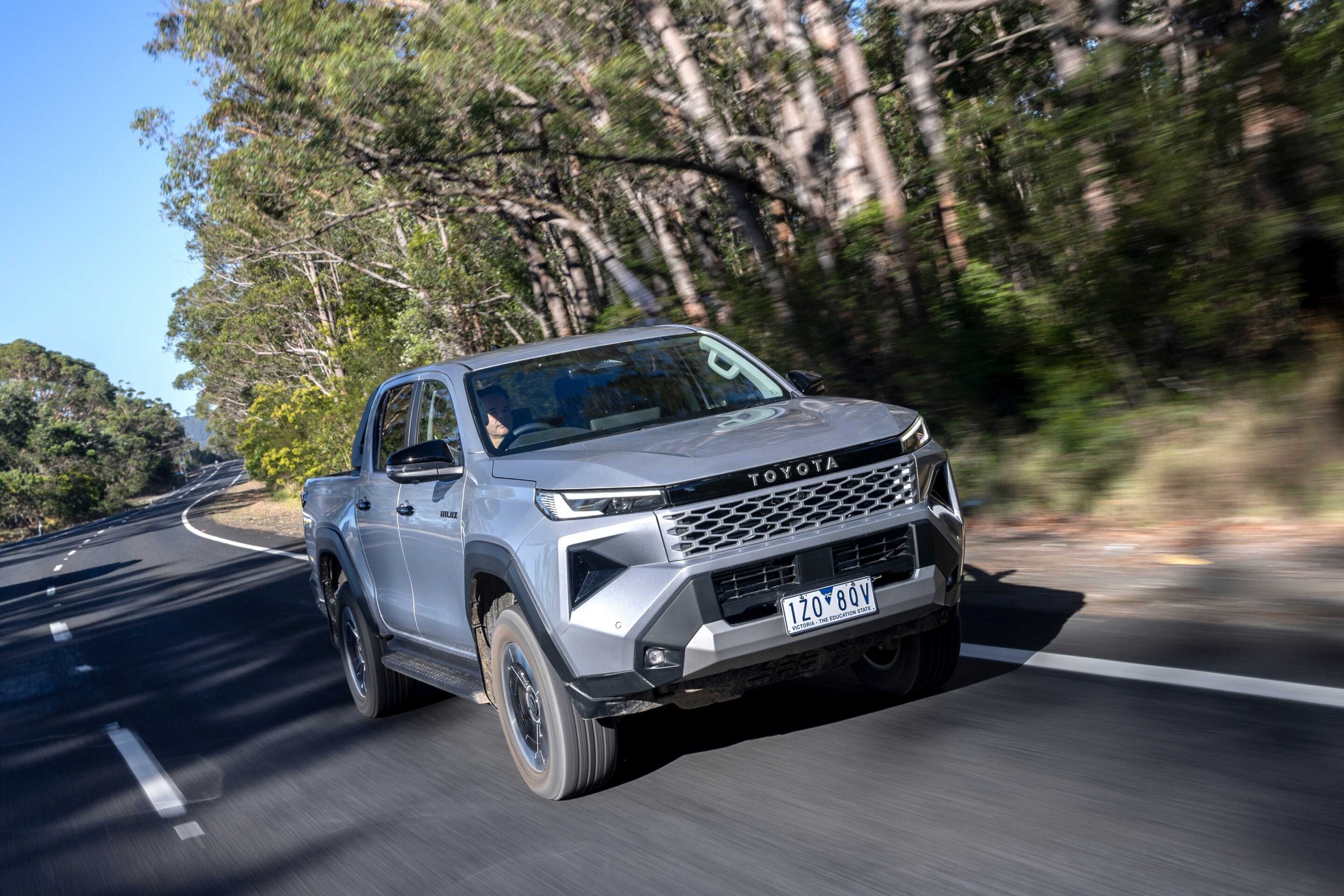
Toyota’s 40-strong HiLux fleet will run on renewable diesel at this year’s AFL Grand Final, with the fuel made from waste and vegetable oils.
The HiLuxes will transport the two Grand Final teams through Melbourne on September 25 for the Grand Final parade, with the entire fleet running on 100-per-cent Renewable Diesel HVO100. The same vehicles will also be used on Grand Final day for the lap of honour involving recently retired players.
“We’re looking forward to seeing thousands of fans line the streets to cheer on the teams and this year, for the first time ever, our 40-strong Toyota HiLux fleet will be powered by low-carbon liquid fuel,” said John Pappas, Toyota Australia Vice President Sales, Marketing and Franchise Operations.
“We see Renewable Diesel playing a role in Australia’s transition to lower-emission motoring, without leaving customers behind in the journey towards decarbonisation.”
HVO100 is a paraffinic fuel made from hydrotreated vegetable oil, using renewable feedstocks including waste oils and vegetable oil. Toyota Australia will trial and test the fuel in its vehicles as part of its work on low-carbon liquid fuels (LCLFs), which the company says have the potential to reduce lifecycle emissions from existing and future diesel vehicles.
The fuel is compatible with all HiLuxes produced from 2015 onwards and fitted with either the 2.8-litre 1GD or 2.4-litre 2GD diesel engines. Toyota says approximately 500,000 such vehicles are currently on Australian roads, giving the existing HiLux fleet potential to reduce lifecycle carbon emissions if HVO100 becomes widely available and adopted.
Toyota also plans to make other diesel vehicles compatible with HVO100 and says it is continuing to work with industry on opportunities for renewable diesel in Australia. The HVO100 program forms part of Toyota’s multi-pathway approach to decarbonisation.
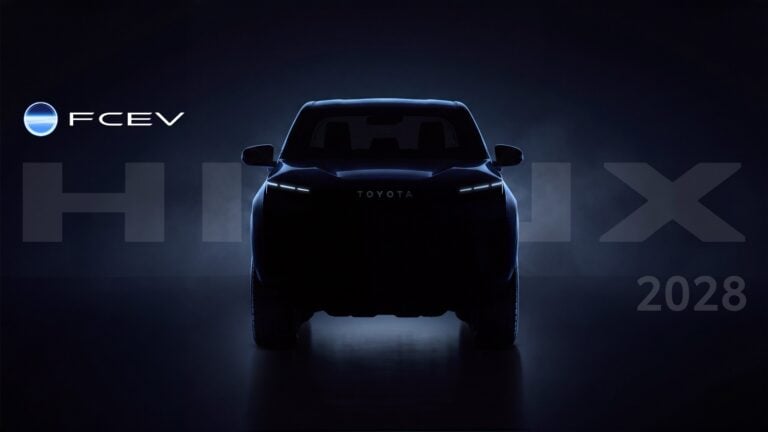
Last week, Toyota announced its hydrogen-powered HiLux will enter production in 2028, adding a fuel-cell powertrain to the existing diesel and battery-electric options. The ninth-generation HiLux FCEV is set to use a third-generation hydrogen fuel-cell system producing 300kW, with more than 400km of targeted WLTP range and up to 2500kg towing capacity.
Toyota has indicated the hydrogen HiLux is expected to follow in Australia around the time of its European introduction, although local specifications are yet to be confirmed.
What is HVO100, and how is it made?
HVO100 stands for Hydrotreated Vegetable Oil 100, referring to a renewable diesel fuel made entirely from HVO. Despite the name, HVO can be produced from a range of renewable feedstocks, including used cooking oil, animal fats, vegetable oils and other waste and residue oils.
Unlike conventional diesel, which is refined from crude oil, HVO is produced by first cleaning and processing these feedstocks before treating them with hydrogen. The process removes oxygen and other impurities from the oils and fats, converting them into hydrocarbon molecules that are chemically similar to those found in conventional diesel.
The 100 in HVO100 means the finished fuel is 100-per-cent HVO, rather than a blend of HVO and conventional fossil diesel. HVO100 is therefore a hydrocarbon diesel fuel, rather than the chemically different biodiesel produced through the conventional transesterification process.
Toyota says using renewable and waste-derived feedstocks can reduce the lifecycle emissions associated with diesel vehicles. The actual reduction depends on factors including the feedstock and production pathway, including how the hydrogen used in production is produced.
Follow 4X4 Australia on Google
Get more 4x4 news, reviews and gear stories from 4X4 Australia in your Google feeds.


We recommend
-
 News
NewsHydrogen-powered HiLux confirmed for production in 2028
Toyota Europe has confirmed its hydrogen-powered Hilux will enter production in 2028, with a 300kW fuel-cell system and more than 400km of targeted range
-
 Advice
Hydrogen cars explained: How fuel-cell vehicles work
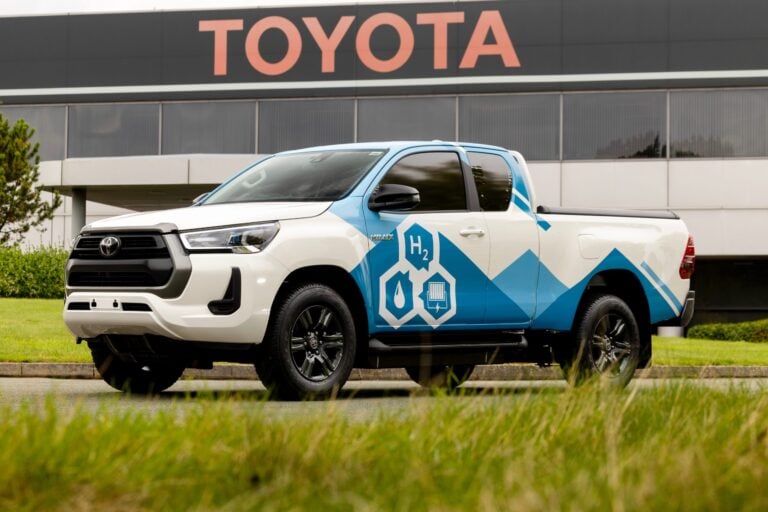
From fuel cells and high-pressure tanks to refuelling and emissions, here's how hydrogen-powered cars differ from other powertrains
-
 News
NewsToyota HiLux BEV gets five-star ANCAP safety rating
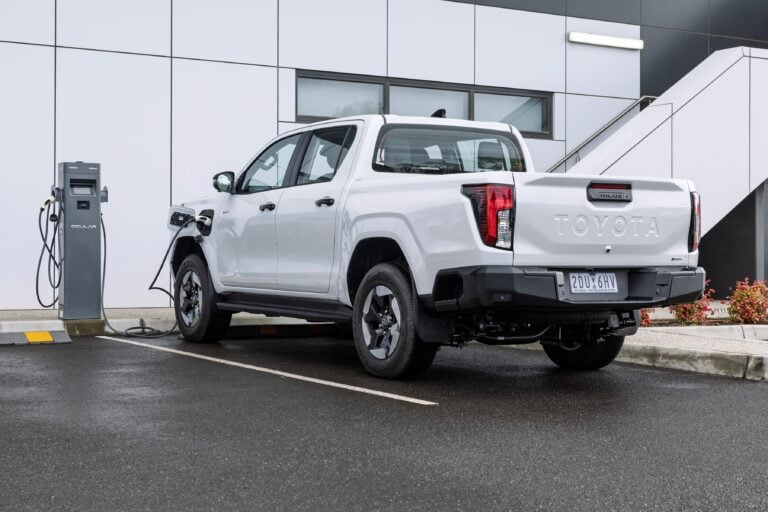
Battery-electric HiLux has earned a five-star ANCAP safety rating after additional crash testing confirmed parity with diesel variants