Electronics & Gadgets


Gallery 1
If you’ve ever found yourself axle-deep in outback sludge or crawling over rocky trails far from phone reception, you know that a reliable UHF radio isn’t just a luxury – it’s a non-negotiable.
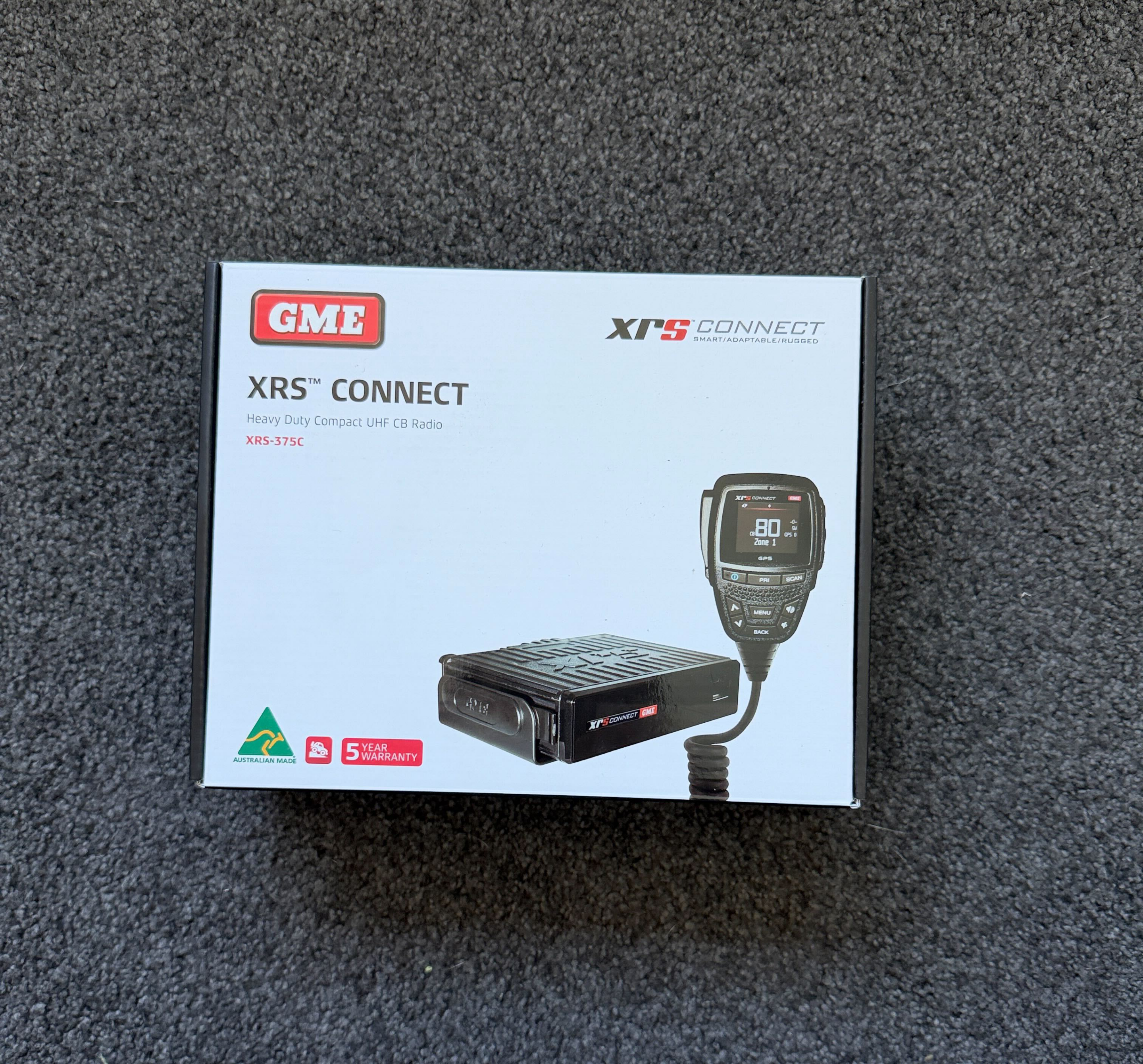
Enter the GME XRS-375C, the latest piece of gear that promises to keep you connected even when you’re miles from anywhere. Just released in 2026, this radio is set to become an essential part of any 4WD adventurer’s kit. In this deep dive, we’ll explore exactly why the XRS-375C stands out. We’ll talk specs, features, build quality, and how it performs in the real world – all with that classic 4X4 Australia detail.
JUMP AHEAD
- Why a UHF radio is essential
- First impressions and build quality
- Key features
- Installation and real-world use
- Built for Australian conditions
- Who is it for?
- Verdict
- Specifications
Why a UHF radio is essential
A UHF CB radio is as essential to outback travel as a spare tyre and a well-stocked first-aid kit. When you’re hundreds of kilometres from the nearest town, a UHF radio can be your lifeline.
It’s not just about chatting with your convoy; it’s about having a direct line to help when your mobile has zero bars. The XRS-375C is designed exactly for these scenarios. It provides a reliable communication range of several kilometres – often more if you’re using a good antenna and working with line-of-sight.
That means you can reach out for help, coordinate with your group, or even get updates from passing truckers when you’re out in the bush.
First impressions and build quality
So, let’s get into the nitty-gritty.
The GME XRS-375C is built like a tank. It features a die-cast metal chassis designed to handle the toughest conditions Australia can throw at it. Whether you’re bouncing over corrugations in the Simpson Desert or fording a creek in the Victorian High Country, this radio is built to survive.
The unit is IP67-rated, meaning it’s both dustproof and waterproof. Drop the mic in the mud? No worries – it’ll still work. The materials feel premium in hand, and the buttons are well placed for easy use, even if you’re wearing gloves. The XRS-375C’s main housing is crafted from die-cast aluminium, giving it a solid, durable feel.
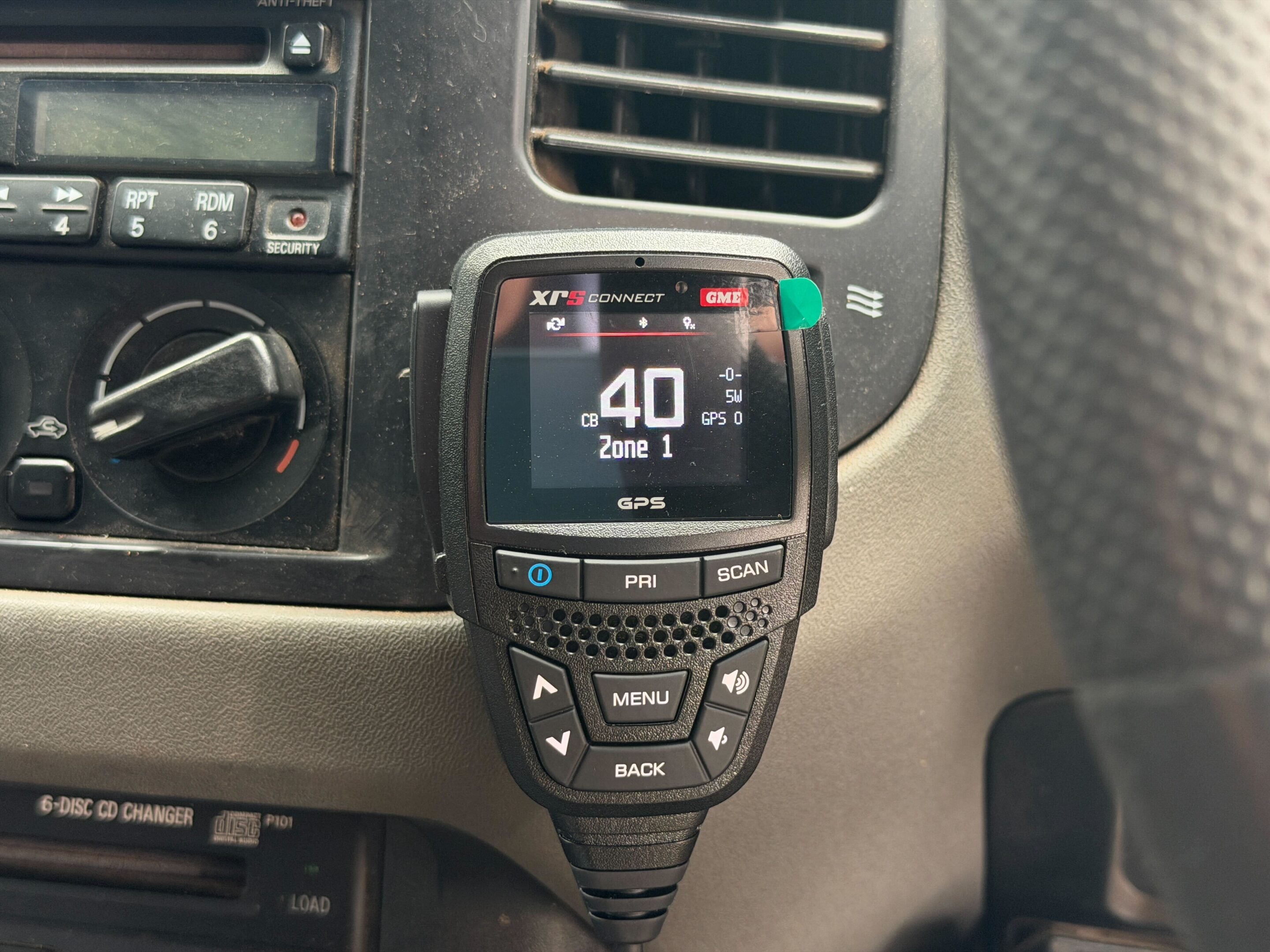
The microphone is similarly tough, and it includes a colour LCD screen that’s bright enough to read in full sunlight. Inside, you’ve got rugged circuitry designed to handle temperature extremes, vibration, and all the rough-and-tumble that off-road travel brings.

1
Key features
Now, on to the fun stuff. The XRS-375C isn’t just tough; it’s also smart. It comes with a range of features that make it incredibly user-friendly and versatile.
Bluetooth connectivity
This allows you to pair the radio with the GME app on your phone, letting you manage settings, update firmware, and even customise your channel list directly from your device.
Built-in GPS
This means you can keep track of where everyone in your convoy is, provided they’re also running compatible XRS radios. Through the XRS Connect smartphone app, you can view the location of other radios in your group, making it incredibly handy when vehicles get spread out across dunes, tight forest tracks, or dusty outback highways. For filming trips or large convoys, knowing exactly where everyone is adds a genuine layer of safety and coordination.
Voice playback
One of the most underrated features in the XRS system is voice playback. Anyone who’s spent time on a convoy channel knows the pain of someone mumbling into a mic, talking while driving through a noisy section of track, or simply forgetting to press the button properly. With playback, you can instantly replay the last received transmission and catch what you missed. It’s a small feature, but in real-world off-road scenarios, it quickly becomes one of the most-used tools on the radio.
3
Bluetooth audio and wireless integration
Bluetooth capability opens up another level of usability. The XRS-375C allows you to pair wireless headsets or earbuds, meaning you can run hands-free audio if you prefer. This is especially useful in louder vehicles or during longer highway stints where you want clear audio without holding the mic. Bluetooth also enables seamless connectivity with the XRS Connect app, allowing firmware updates, channel management, location services, and radio settings to be controlled directly from your smartphone.
Advanced channel monitoring
The XRS platform allows you to monitor multiple channels simultaneously, which is ideal when travelling between convoy channels and highway channels like Channel 40. For touring groups or filming projects where multiple vehicles and crews are involved, the ability to scan and monitor multiple frequencies ensures you don’t miss important calls.
Audio clarity
Audio quality is another area where the XRS-375C shines. The radio features a 5-watt transmission output, delivering the maximum legal power for Australian UHF CB radios. This ensures strong signal performance across several kilometres, depending on terrain and antenna setup. The 3-watt speaker microphone provides clear, loud audio that cuts through road noise, diesel engines, and the rattles that come with serious off-road driving. Combined with built-in noise reduction technology, conversations remain clear even in harsh conditions.

1
Installation and real-world use
For anyone already running a previous XRS system, installation is refreshingly simple.
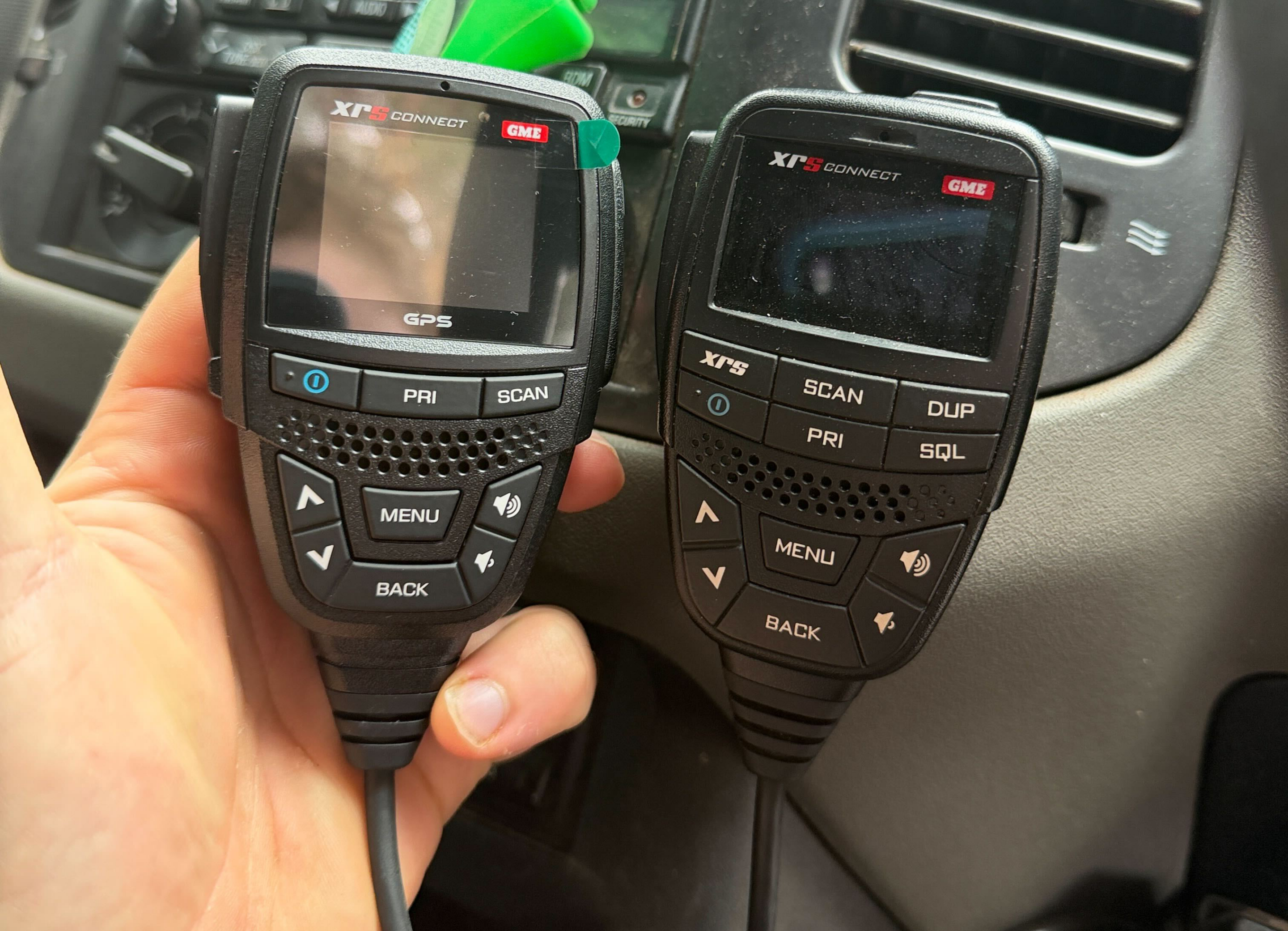
Having used an earlier XRS unit in my own vehicle for several years, swapping over to the XRS-375C was essentially a plug-and-play job. The antenna connection, power input, and mounting were all straightforward, meaning the upgrade took only minutes rather than hours. Once installed, the system feels immediately familiar. The menu system is intuitive, the screen is easy to read while driving, and the mic sits comfortably in the hand.
One small adjustment I noticed was the new placement of the XRS control buttons. Initially, it felt a little different compared to previous models, which had a more top-mounted control layout. However, after a few drives it became second nature, and the thumb-friendly positioning actually works well once you get used to it.

2
Built for Australian conditions
One of the biggest reasons many off-roaders stick with GME radios is their reputation for durability.
The XRS-375C continues that legacy. The die-cast aluminium housing gives the radio structural strength and helps dissipate heat during extended operation. Internally, the radio is designed to handle:
- Heavy vibration from corrugated roads
- Extreme temperature swings
- Dust-heavy environments
- Moisture exposure during wet-weather trips
Combined with the IP67 waterproof and dustproof rating, the XRS-375C is genuinely built for Australian conditions. This is the kind of radio that you install once and then forget about while it quietly does its job in the background of every trip.
1
Who is it for?
The XRS-375C is clearly designed for serious users.
Whether you’re running a touring setup, leading convoys across remote tracks, filming off-road content, or simply want the most capable communication setup available in a 4WD, this radio ticks all the boxes. It’s particularly well suited for:
- Touring vehicles and remote travel
- Convoy leaders
- Overlanders and expedition vehicles
- Off-road media and filming crews
- Anyone wanting the most feature-packed UHF available
Verdict
After spending time with the GME XRS-375C, it’s clear that this is a radio built on years of refinement.
It takes everything that made the earlier XRS systems popular and improves it with better connectivity, modern features, and the same rugged build quality that Australian off-roaders expect. The combination of Bluetooth connectivity, built-in GPS, voice playback, multi-channel monitoring, and tough IP67 construction makes it one of the most capable UHF radios currently available. Add in the fact that installation is simple and the interface remains intuitive, and you’ve got a radio that works just as well for newcomers as it does for experienced tourers.
Bottom line
If you want a UHF radio that’s as tough as your 4WD and as capable as modern technology allows, the GME XRS-375C is about as good as it gets.
If budget is no concern and you want the best, the XRS-375C is an easy recommendation. For anyone looking to upgrade their communication setup, the XRS-375C sets the benchmark.
Pros
- Extremely rugged die-cast construction
- Waterproof and dustproof IP67 rating
- Built-in GPS and convoy tracking
- Bluetooth connectivity and app integration
- Clear and powerful audio
- Excellent voice playback feature
Cons
- Premium price point
- Slight adjustment period for new button layout
Specifications
| GME XRS-375C | |
|---|---|
| Type | UHF CB Radio System |
| Power Output | 5 Watts (Maximum legal Australian UHF CB power) |
| Channels | 80 UHF CB channels |
| Speaker Microphone Output | 3 Watts |
| Waterproof Rating | IP67 (dustproof and waterproof) |
| Connectivity | Bluetooth audio and app connectivity |
| GPS | Built-in GPS receiver for location sharing |
| Display | Colour LCD display on microphone |
| App Integration | Compatible with XRS Connect smartphone app |
| Channel Monitoring | Multi-channel scanning and monitoring |
| Voice Playback | Replay last received transmission |
| Noise Reduction | Integrated audio noise reduction technology |
| Construction | Die-cast aluminium chassis with ruggedised components |
| Power Input | 12V vehicle systems |
| Antenna Connection | Standard UHF antenna connector |
Follow 4X4 Australia on Google
Get more 4x4 news, reviews and gear stories from 4X4 Australia in your Google feeds.