Gear

Gallery 1
A long stretch of outback corrugations can put shock absorbers to work for hours at a time.
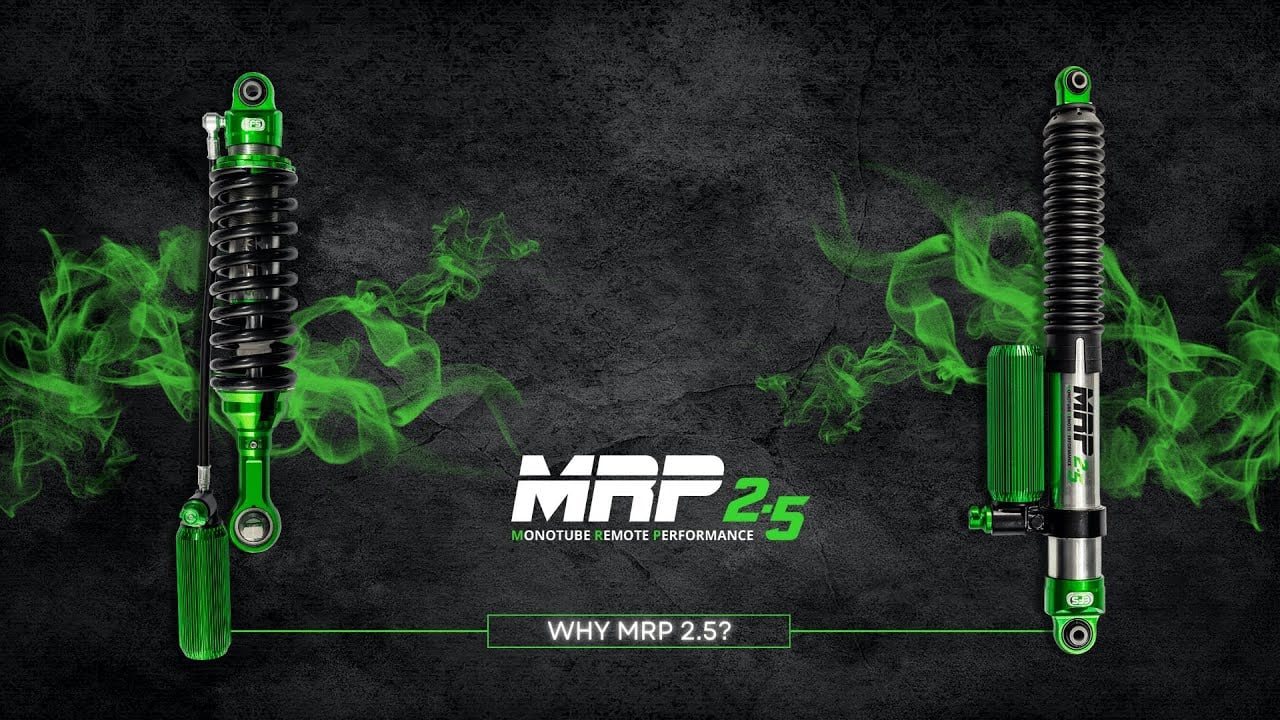
As the bumps keep coming, dampers generate heat while controlling the suspension’s movement, and a heavily loaded 4WD can place even more demand on the setup. That’s where remote-reservoir suspension comes into the picture. EFS MRP 2.5 (↗) is a range of adjustable monotube shock absorbers and struts designed for owners wanting more control over suspension performance. But what does the extra hardware actually do, and is it worthwhile for everyday touring?
What is EFS MRP 2.5 suspension?
MRP stands for Monotube Remote Reservoir. EFS MRP 2.5 (↗) is a range of large-diameter monotube shock absorbers and struts, with external reservoirs on applicable units.
The springs carry the vehicle’s weight, while shock absorbers control how quickly the suspension moves over bumps, dips and corrugations. A more sophisticated damper can offer greater control and a broader tuning range, but it still needs to be matched to the vehicle, its load and how it’s driven.
What do remote reservoirs and adjustable damping do?
A shock absorber turns suspension movement into heat.
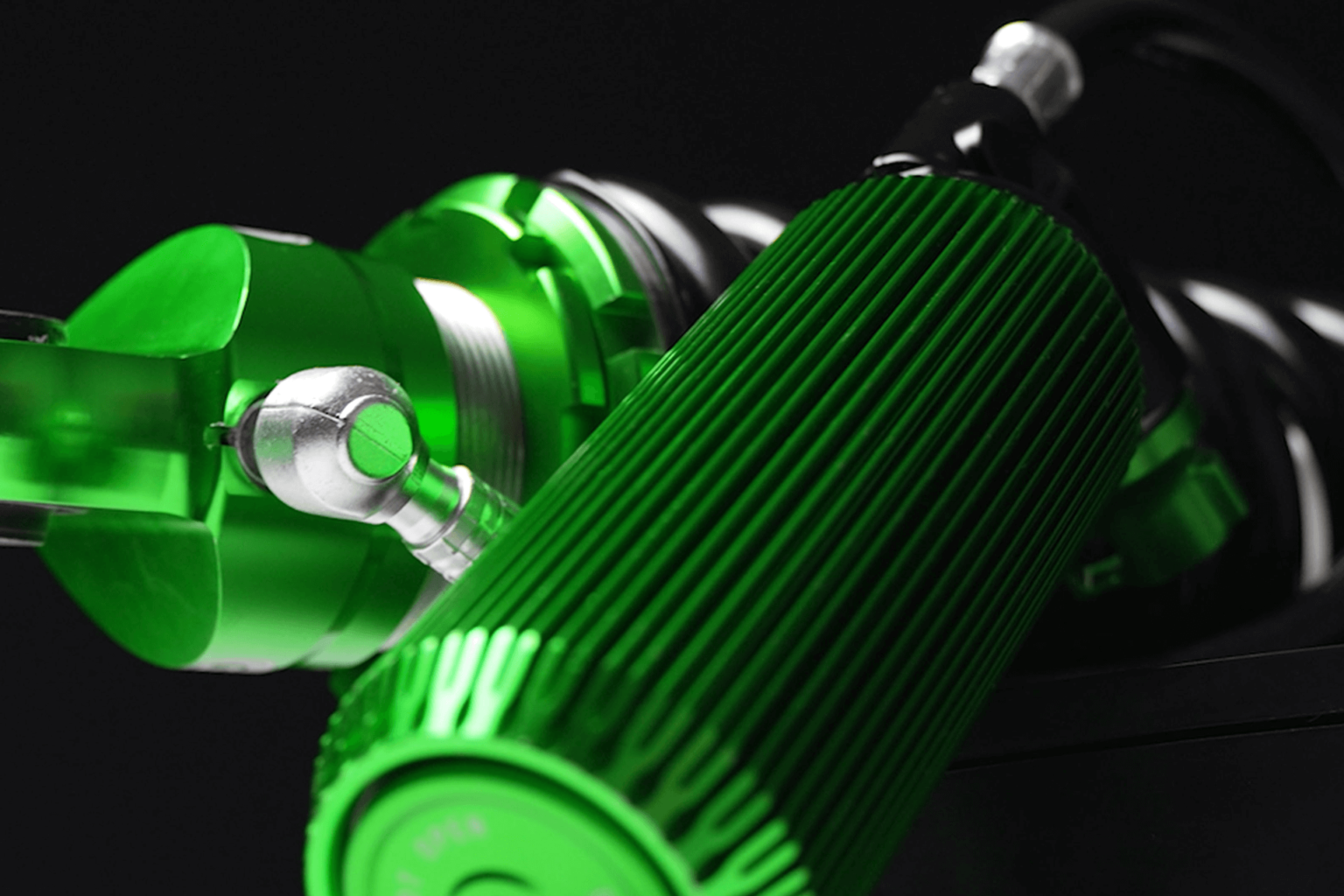
On a long corrugated road, that happens thousands of times, which can put considerable demand on the dampers. A remote reservoir provides additional space for fluid and gas management, helping the shock handle sustained hard work.
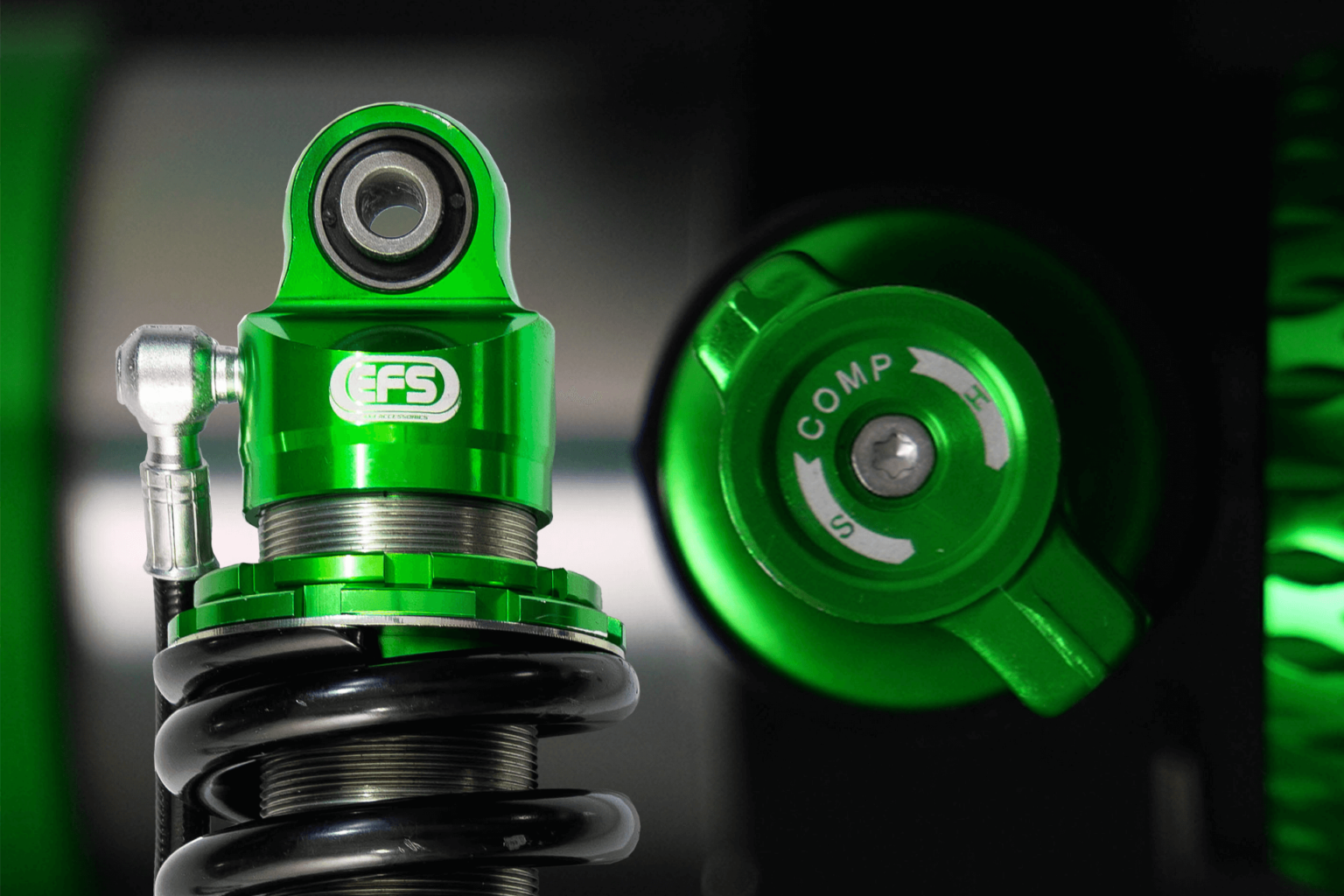
On applicable MRP 2.5 units (↗), EFS lists 24 compression settings and up to 36 rebound settings. Compression damping controls resistance as the wheel moves up into the vehicle over a bump, while rebound damping controls how quickly the suspension extends again.
The two settings work together, but they aren’t interchangeable. Too much damping can make the ride harsh or unsettled, while too little can leave the vehicle wallowing or bouncing after a bump. Having adjustment available gives owners and installers more scope to tune the suspension to different loads and driving conditions. Settings and adjustability vary by part number, so check the specific front and rear units for your vehicle before buying.
1
Are remote-reservoir shocks worth it for touring?
Remote-reservoir shocks can be useful for vehicles that regularly carry substantial loads, tackle rough tracks or spend long periods working their suspension.
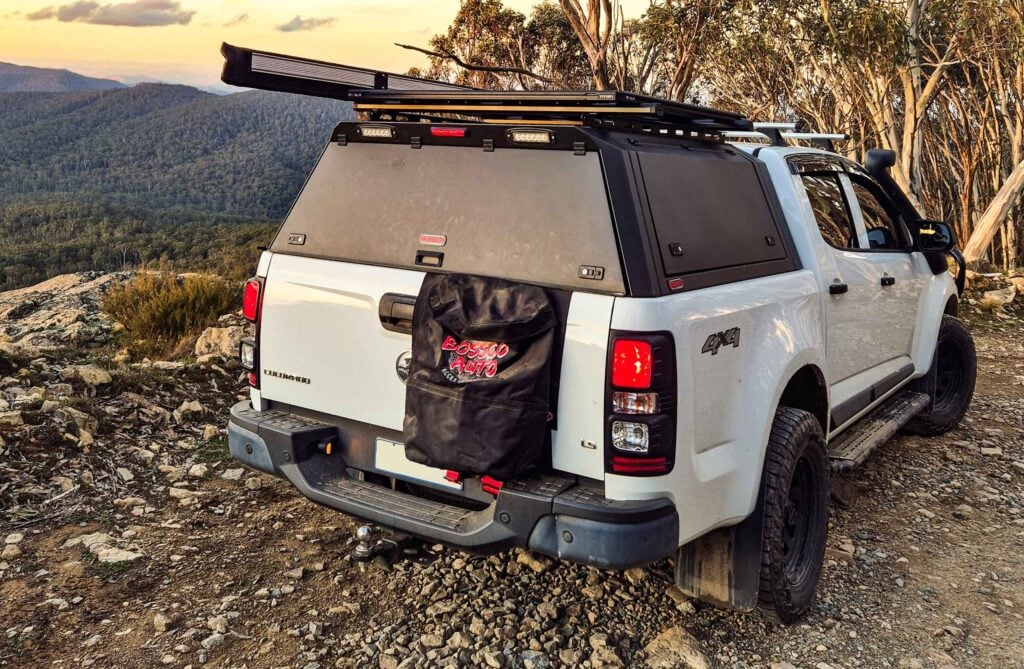
A touring ute might spend the week running around town, then head away with a canopy full of gear or a camper in tow. Adjustable damping provides more scope to tailor the suspension response to those changing conditions. But not every 4WD needs remote reservoirs. For a lightly loaded vehicle doing mostly bitumen kilometres and the occasional easy gravel road, a well-matched conventional shock absorber may be perfectly adequate.
Nor can adjustable damping compensate for the wrong springs. If the rear suspension is overwhelmed by a permanent load, winding up the damping won’t fix the underlying problem. Springs, shock absorbers, tyre pressures and vehicle loading all need to work together.
What should you check before buying EFS MRP 2.5?
MRP 2.5 (↗) is a different proposition from a basic suspension lift, which is often chosen for increased ride height or load support.
The EFS range is aimed at owners wanting greater damper adjustability and performance under sustained use, but it still needs to be part of a properly matched suspension package. Availability depends on vehicle model, year and lift configuration. Some fitments may also require specific brackets, upper control arms or other components, so check the complete application details rather than pricing individual shocks in isolation.
EFS markets the MRP 2.5 as a premium performance suspension range. Rebuild options, service requirements, warranty eligibility and maintenance intervals should be confirmed with EFS for the exact part number and intended use.
For vehicle applications and current product listings, check the EFS MRP 2.5 range (↗). The best setup will depend on your vehicle, typical load and the sort of driving you actually do.
1
FAQs
What does MRP stand for?
Monotube Remote Performance.
What does a remote reservoir do?
It provides additional space for fluid and gas management, helping the shock absorber handle sustained hard work.
How many adjustment settings do EFS MRP 2.5 shocks have?
EFS lists 24 compression settings and up to 36 rebound settings on applicable units. Check the specific part number for details.
What’s the difference between compression and rebound damping?
Compression controls resistance as the suspension moves upwards over a bump, while rebound controls how quickly it extends again.
Are remote-reservoir shocks necessary for touring?
No. They’re more relevant to vehicles regularly carrying heavy loads or tackling rough tracks for extended periods. A conventional shock may be sufficient for lighter use.
Can adjustable shocks compensate for overloaded springs?
No. Damping adjustment can’t fix springs that are unsuitable for the vehicle’s permanent load.
Does EFS MRP 2.5 fit all 4WDs?
No. Availability depends on the vehicle model, year and lift configuration. Check EFS’s fitment information before buying.
Follow 4X4 Australia on Google
Get more 4x4 news, reviews and gear stories from 4X4 Australia in your Google feeds.