
The 2025 GMC Yukon Denali has officially arrived in Australia, with the first remanufactured right-hand-drive vehicle rolling out of GMSV’s stand-alone facility in Victoria.
The Yukon Denali marks the debut of the GMC brand in Australia, and deliveries are expected to commence in Australia and New Zealand from May. Deep pockets will be needed to secure the US-born SUV, which is priced from $174,990 in Australia.
“This is a flagship product in the truest sense of the term – an eight-seat family vehicle unrivalled in terms performance and practicality,“ said Jess Bala, Managing Director, General Motors Australia and New Zealand.
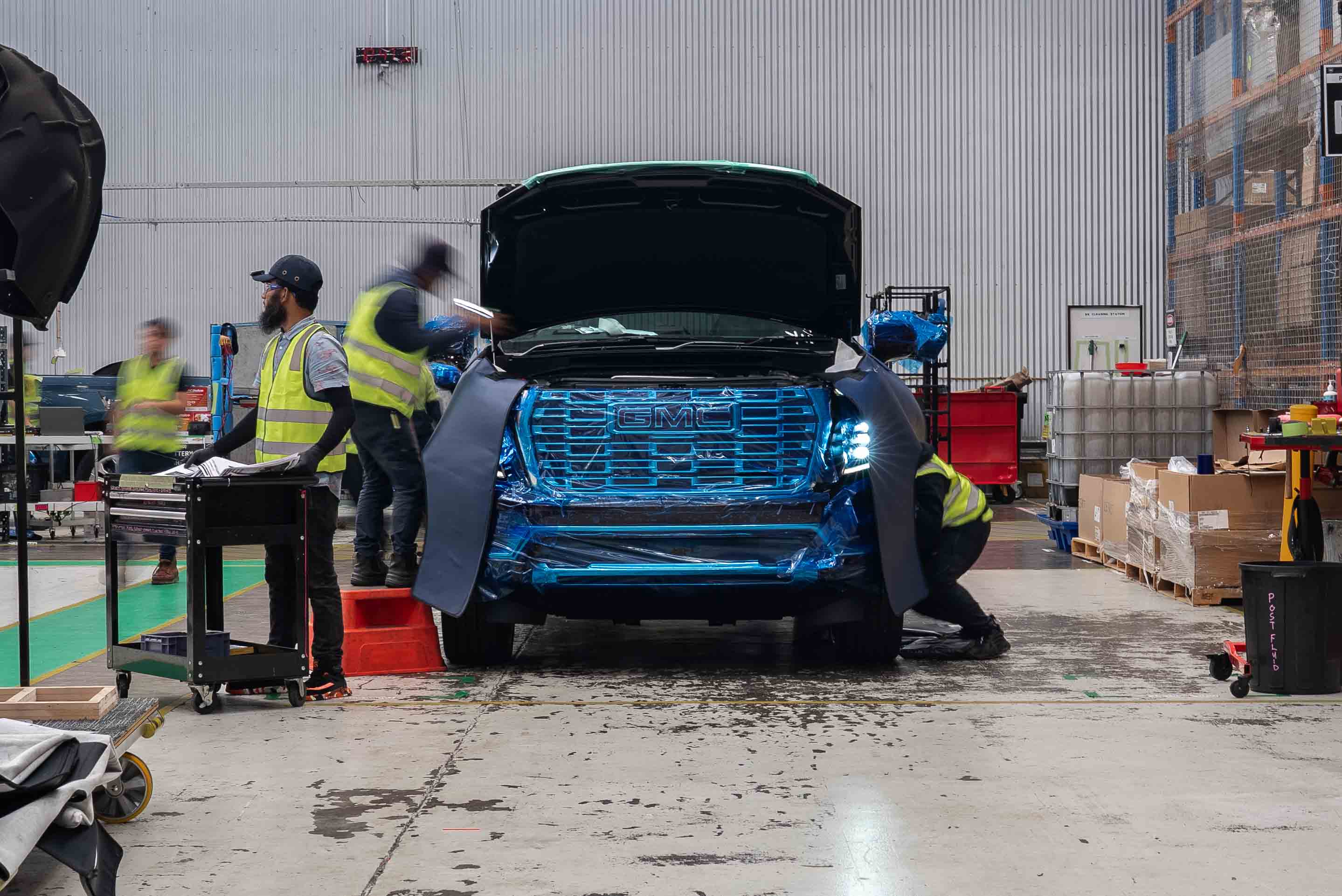
“There’s no better vehicle to launch the GMC brand in our market, with the Yukon Denali’s combination of potent performance, towing confidence and luxury in every seat delivering a truly unique proposition in the upper-large SUV space.”
The Denali is powered by a 6.2-litre EcoTec3 V8 petrol engine producing 313kW and 624Nm and featuring a Dynamic Fuel Management system to improve efficiency by shutting down four cylinders when they’re not needed. The engine is paired with a 10-speed automatic transmission.
The Denali is equipped with an Active Response 4WD system with an electronic limited-slip differential and two-speed transfer case to improve off-road performance. The towing juggernaut can tow “in excess” of 3500kg.
The burly SUV has ample room to fit eight people inside, with official numbers stating the vehicle stretches 5330mm in length, 2058mm in width and 1943mm in height. Plus, it has a wheelbase of 3071mm. In fact, there’s a massive 3480 litres of cargo space when the rear seats are folded down.
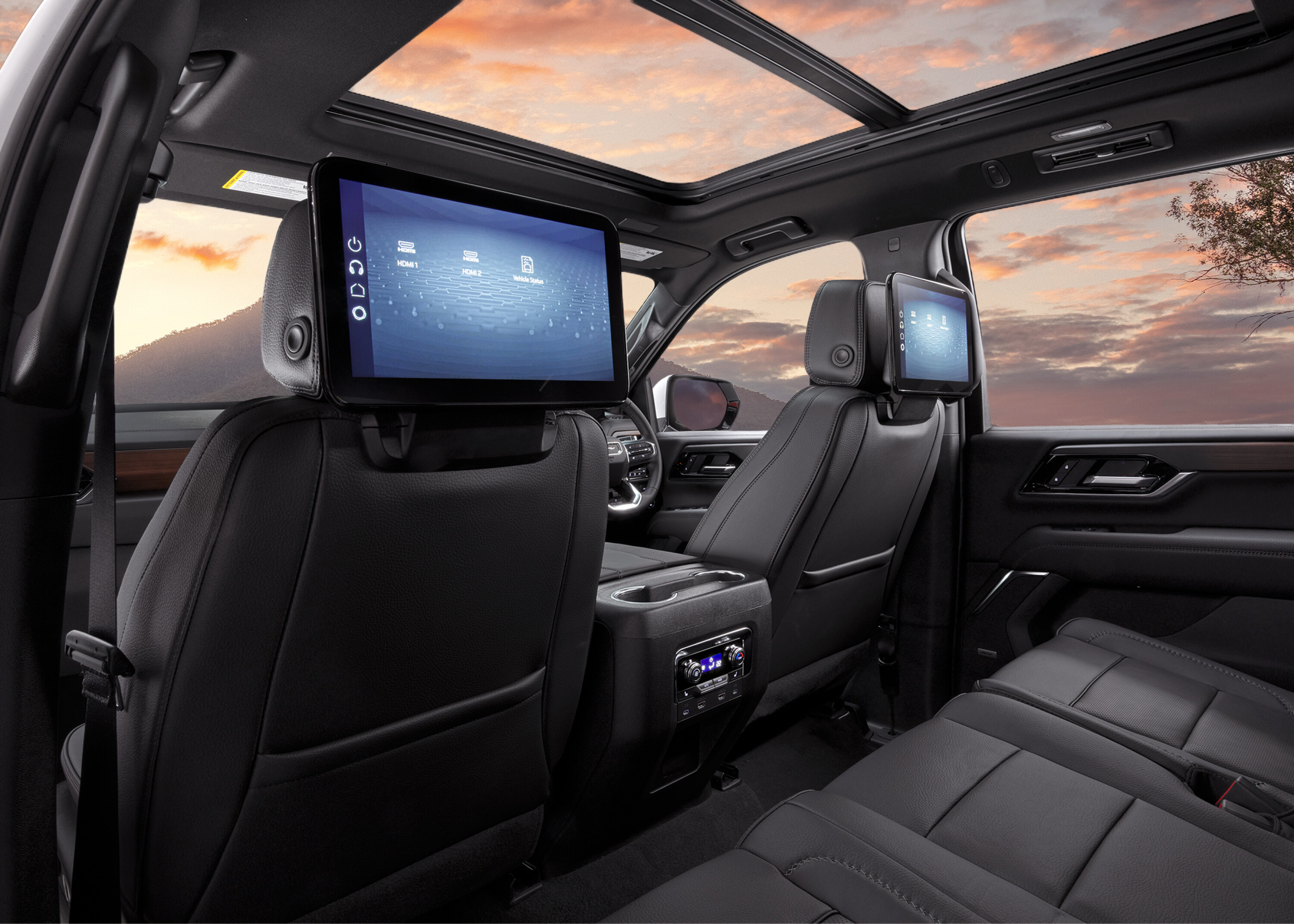
The interior also benefits from heated and ventilated front seats; heated second-row seating; a 16.8-inch infotainment display, with wireless Apple CarPlay and Android Auto; a 14-speaker Bose sound system; an 11-inch Digital Driver Information Centre; a 15-inch multicolour head-up display; dual 12.6-inch colour-touch LCD HD rear screens for second-row passengers; and a Panoramic sunroof.
It also gets a full suite of driver assistance features such as adaptive cruise control, forward collision alert, lane keep assist, and a 360-degree camera.
2025 GMC Yukon Denali: Australian features
Engine and powertrain
- 6.2L EcoTec3 V8 with Dynamic Fuel Management
- Maximum power: 313kW
- Maximum torque: 624Nm
- 10-speed automatic transmission
- Electronic precision shift
- Automatic stop/start with disabled switch
- Fuel tank: 91L
- Capless fuel filler
- Two-speed transfer case with push-button controls
- 3.23 rear axle ratio
- Four-wheel anti-lock disc brakes with brake pad wear indicator
- Active Response 4WD system with electronic limited-slip differential
- Air Ride adaptive suspension
- Dual system exhaust with polished stainless-steel tips
- Hill Start Assist
- Magnetic Ride Control
- StabiliTrak electronic stability control system
Safety technology
- 360-degree HD camera with up to 10 camera views
- Adaptive Cruise Control – camera
- Electrical theft-deterrent system
- Following distance indicator
- Forward Collision Alert
- Front and rear park assist
- Front pedestrian braking
- HD surround vision
- Head-up display
- Hill Start Assist
- Hitch guidance with hitch view
- IntelliBeam high beam assist
- Lane Change Alert with Side Blind Alert
- Lane Keep Assist with Lane Departure Warning
- LED daytime running lamps
- Rear camera mirror
- Rear Cross Traffic Alert
- Rear Pedestrian Alert
- Safety Alert seat
- Teen driver alert
- Trailer-side blind zone alert
- Trailer sway control
- Tyre Pressure Monitoring System
Exterior
- 24-inch wheels
- Acoustic laminated glass
- Denali badging
- Chrome bodyside mouldings
- Deep tinted glass (rear windows)
- Chrome door handles, with body-colour strip
- Mudflaps (front and rear)
- Galvano chrome bodyside mouldings
- Hands-free power liftgate
- Heated power outside mirrors (body colour)
- IntelliBeam
- LED headlamps, DRLs, fog lamps and tail lamps
- Mirror caps (body colour)
- Panoramic power sunroof
- Power-retractable assist steps
- Rainsense automatic wipers
- Rear Camera Mirror Washer
- Rear intermittent wiper
- Roof-mounted side rails (bright)
- Upper active aero shutters in front fascia
Interior
- Wireless Apple CarPlay and Android Auto
- Assist handles
- Bluetooth connectivity
- Bose 14-speaker surround with CenterPoint audio system
- Carpet floors
- Carpet floor mats
- Three child seat anchor points
- Driver and front passenger visors with illuminated mirrors
- Driver seat memory
- 11-inch diagonal digital driver information centre with high contrast display
- Dual-zone automatic climate control
- Front and rear USB ports
- Front bucket seats
- 16.8-inch diagonal colour touchscreen
- Head-up display: 15-inch diagonal multicolour
- Heated leather steering wheel
- Heated and ventilated front seats
- Heated rear seats
- Keyless open and start
- Power driver and passenger seat adjustment
- 12-way panoramic power sunroof
- Rain-sensing wipers
- Rear air vents
- Rear camera mirror
- Rear seats: 60/40 split-folding rear bench seat
- Dual 12.6-inch diagonal colour-touch LCD HD rear screens
- Retractable cargo shade
- Bright front and rear sill plates with Denali logo
- Steering wheel-mounted controls
- Wireless phone charging
Measurements
- Towing: > 3.5 tonne braked
- Overall width w/o mirrors: 2058mm
- Overall height: 1941mm
- Overall length: 5338mm
- Wheelbase: 3071mm
I’ve spent a lot of time driving many different new vehicles over the last couple of months. Between the 4X4 of the Year test and multiple new model launches, I’ve sampled many new 4x4s and have been reacquainted with some old favourites.
One stand out from driving all these different new 4x4s is that the newer they get, the more annoying and distracting chimes they emit. While vehicle manufacturers and do-gooders like to warn us about the dangers of distracted driving, and are happy to point the blame at drivers themselves, the onus should be on the vehicle companies and the distractions they create.
The chimes, bleeps, buzzers and bongs that come from the dash of these new vehicles has become so relentless that I’ve had to teach myself to tune out from them; I reckon they have become the biggest distractions of all when they prompt the driver to take his/her eyes off the road ahead to see what the warning is for.
When you hear a warning chime you look down at the dash which is a complex array of lights and information, some of them miniscule and not always obvious. If you paid heed to all of them you would never have the time to look at the road ahead, in which case you’d really hope the autonomous systems would do their job in preventing you from running into something while you are looking at the dash.
Perhaps that is why many new vehicles have that little widget in the gauges in front of the driver to show where the vehicle is sitting in the lane. It’s a symbol of the vehicle with lines either side of it representing the lane, and they light up and warn you when you drift one way or the other. The widget mimics the image you have out through the windscreen, which is far a far better indicator of where you actually are than if you’re looking down at the stupid dashboard!
Heaven forbid that the distracting warning should be about anything important!
Then you get in the LandCruiser 76 Series or the Ineos Grenadier, which have very limited levels of safety tech. The Ineos has almost none (for the time being), while the LandCruiser just has a lane-keeping assist that occasionally pulls the vehicle back into the centre of the lane with an autonomous application of the brakes, but for the most part these are non-intrusive systems. More importantly, the LandCruiser has great visibility out of its deep windscreen and side windows, so you’ll see any potential hazards in the real world, with your own eyes, not on the dash!
Modern safety tech saves lives, there’s no denying that, but loading vehicles up with excessive tech just because it exists will prove more hazardous than not having any of that tech at all.
I don’t often get excited about shovels because they usually mean bloody hard work, but I recently encountered a brand that may change the way we think about recovery gear.
The inventor of this American-made DMOS shovel is Susan Pieper, a mum who in 2015 watched her son break shovel after shovel while making ski jumps in their backyard. After many years of persistence and kickstarter campaigns, the first tool was launched.
Now, many years later, DMOS has grown and is available in many countries. The idea behind the brand was to build extremely lightweight but strong bits of gear that were designed for people who work and play in demanding conditions. I chose the Delta shovel (to us Aussies it’s more like a V-nose spade)m as well as the Stealth shovel with mounting kit.
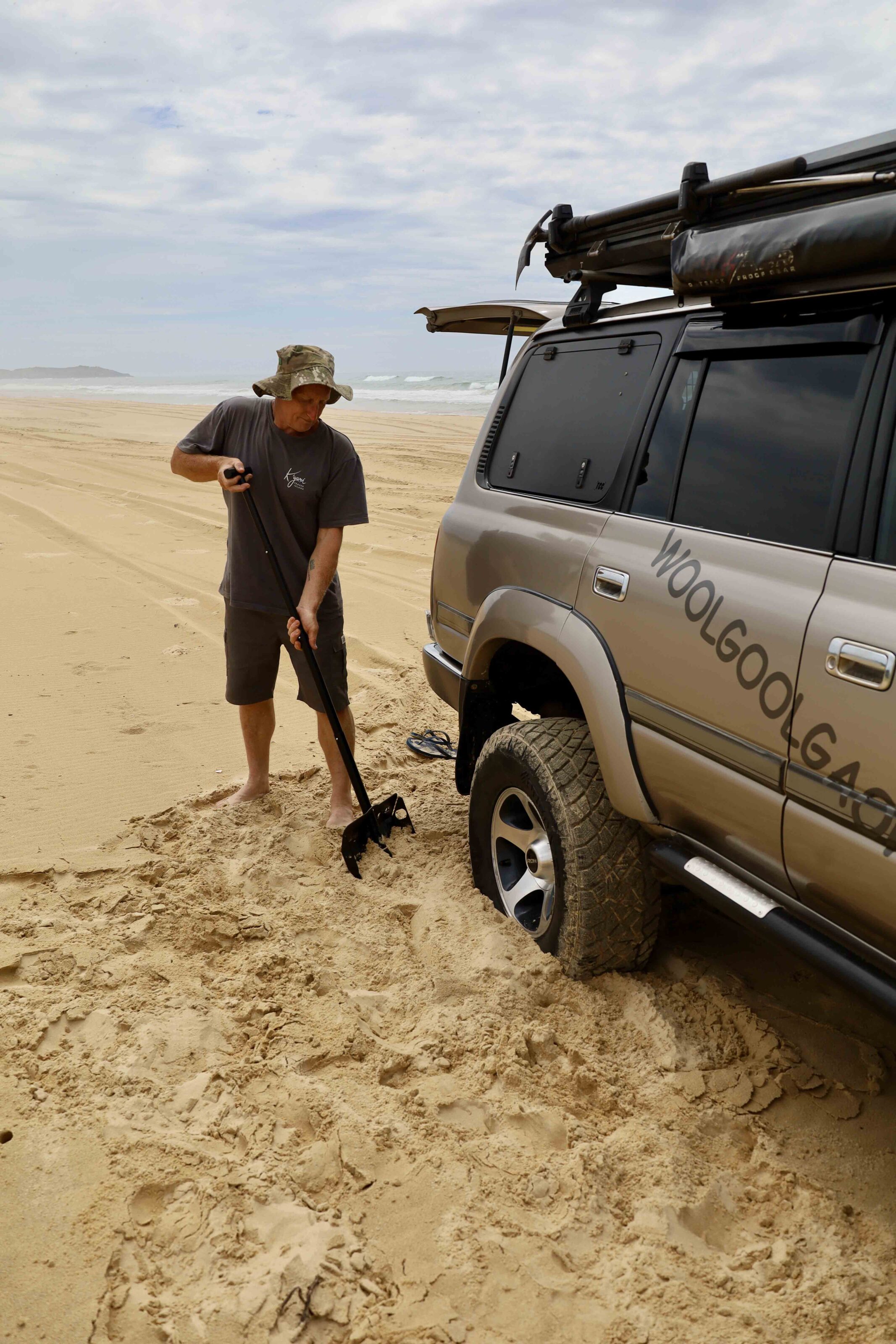
The multi-use heavy-duty Delta shovel weighs in at 2.5kg. It has a premium 12-grade steel blade and the handle is made from aircraft-grade alloy and extends out to 1000mm. The unique patented multi-adjustable connector on the head can quickly turn the shovel into a hoe so you can dig trenches or drag mud and rocks out of the way.
The Delta is the result of more than a hundred prototypes and it features the ideal strength-to-weight ratio, versatility, quality and portability for a multitude of uses. It’s also covered by a limited lifetime warranty.
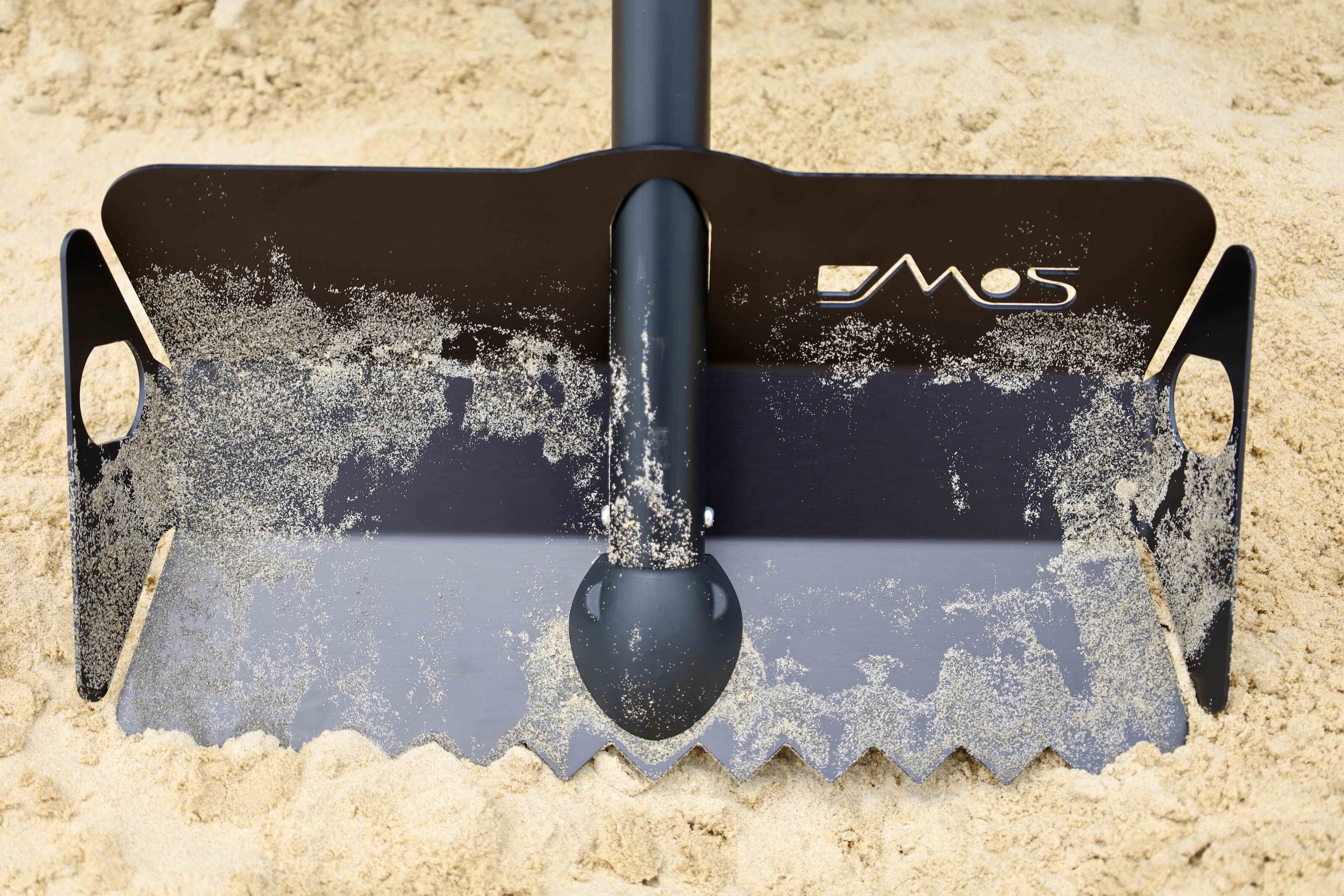
The award-winning Stealth shovel is an amazing piece of gear that folds to a very compact size to fit into its mounting bracket. Made from 6061 aluminium, the head is 400mm wide and can act as a rake, snow or sand shovel. The handle is fully adjustable out to 1370mm so it works if you’re standing up, or you can compress the handle to dig under your vehicle. It weighs in at just under 1.5kg.
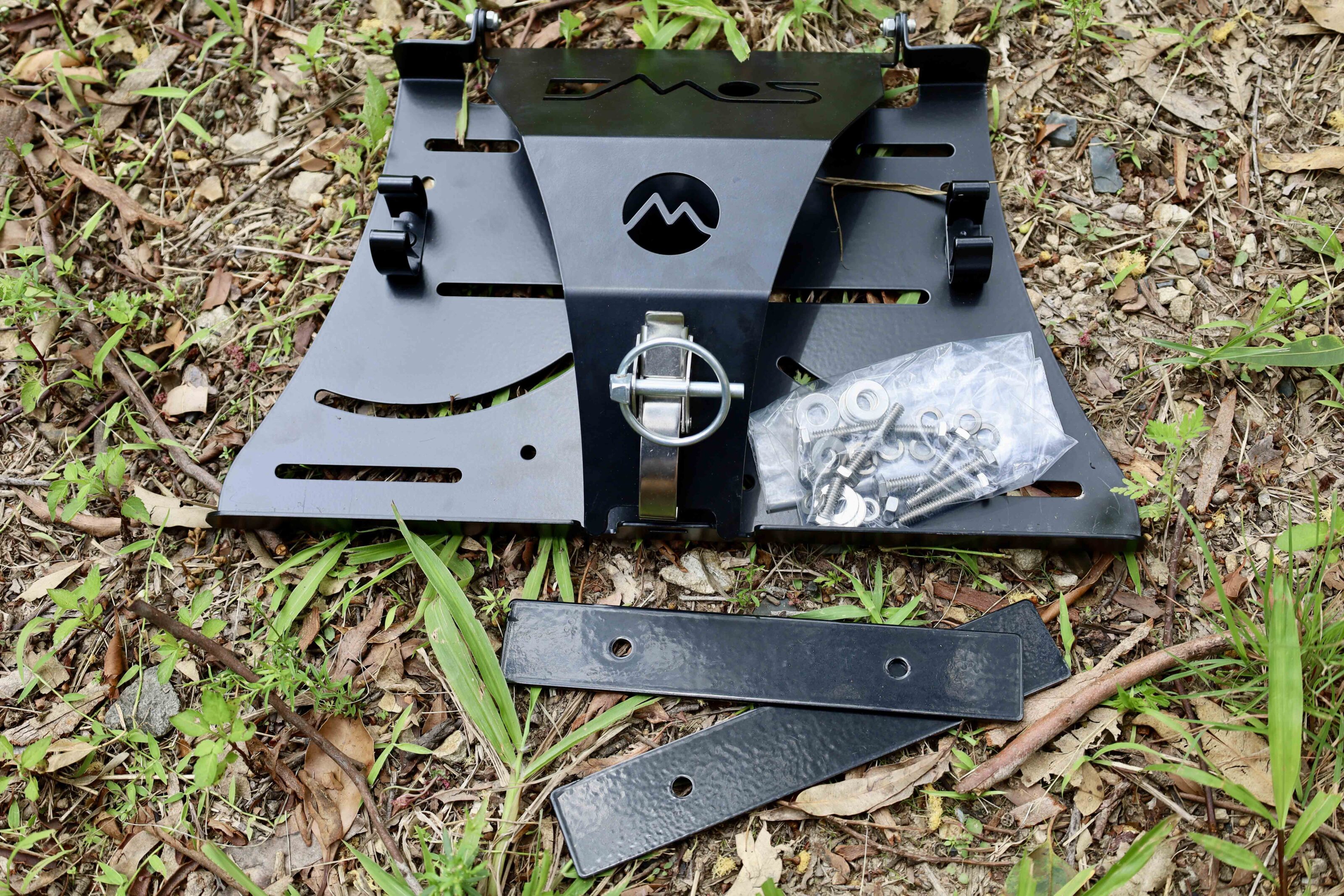
The Stealth mount is made from premium aluminium and it has pre-drilled holes and slots to securely mount to multiple applications. It is also extremely light at just under 1kg. The kit comes with mounting hardware plates, stainless lock-nuts and hex bolts, and is fully lockable to keep sticky fingers away.
I headed down to my local beach to try out the DMOS shovels in the sand, and I came away impressed with just how easy it was to use the Stealth digging sand out from under my 80 Series Cruiser. Extending the handle made it easier on my back and I could really scoop a stack of sand out. The Delta was equally impressive when digging out a deep trench in the soft sand.
DMOS says it empowers people who are able to ‘Do My Own Sh*#’, and the company stands behind its products with support partnerships that include competitors in the Baja 1000, snow teams, serious off-road drivers, first responders, adventurers and hikers who take on harsh climates across the world.
Browsing the company’s website, you’ll see multiple variations of shovels plus the relevant mounting kits and also a range of clothing and 4WD gear.
RRP: $399(Delta); $349.95 (Delta Mount); $259 (Stealth)
BYD has simplified its warranty policy, announcing all-new six-year/150,000km bumper-to-bumper coverage, as well as its eight-year/160,000km battery warranty.
“This warranty now includes the power battery pack and drive unit, which are covered for a period of eight years or 160,000km, whichever occurs first, while all other components are subject to a six-year or 150,000km warranty,” BYD said in a statement.
Previously, BYD offered a mix of warranty periods for various pieces of equipment, including the infotainment system, shocks, charging port assemblies, lights, suspension, tyre-pressure monitoring module, and more.
BYD has stated that this coverage applies to all models, “backdating to those delivered sinch launch in August 2022”.
“BYD’s advanced technology continues to attract attention from both consumers and the wider industry. The blade battery represents safety and performance, and we’re thrilled to back the vehicles with an enhanced consumer warranty” said EVDirect CEO David Smitherman.
In March 2025, the BYD Shark 6 outsold the D-MAX, Triton, BT-50 and Navara, with 2810 units shifted for the month. This positioned it as the fourth best-seller overall for the month, below the Ranger, HiLux and Prado.
After crunching the March sales data, the Shark sits in sixth spot on the year-to-date 4×4 sales charts, accumulating a total of 4836 sales. It will likely eclipse both the Everest and D-MAX in April to sit in fourth spot overall, come the end of the month.
Priced sharply at $57,900 before on-road costs, the Shark features BYD’s DM-O (dual-mode off-road) tech, pairing a 1.5-litre turbo petrol engine with dual electric motors for a total output of 321kW. It offers independent coil-spring rear suspension, with instant torque distribution between axles. The estimated driving range is around 800km.
The well-appointed Shark comes with a 12.8-inch infotainment touchscreen (supporting Apple CarPlay and Android Auto), a 10.25-inch digital instrument display, a 360-degree camera and wireless phone charging.
At 4X4 Australia’s 2025 4X4OTY, fellow judge Dave Morley probably summed the Ford Everest Sport V6 up best: “The Everest really is the vehicle a lot of Ranger owners should have bought”.
He’s not wrong. The Everest does pretty much everything a Ranger with a tub-topper canopy does, but in more comfort and with a nicer interior. It has the same 3500kg tow rating, it has all of the safety stuff that has always been a strong point for the Fords, and it has the same off-road ability. Plus, it has significantly more luggage space than its closest rival, the Toyota Fortuner (1823L with the rear seats folded down versus 1080L).
As you’d expect, there’s also a metric buttload more power and torque from the V6, which this segment of the market is almost always sorely lacking. In fact, the Everest is the only large diesel-powered SUV that puts respectable numbers out. Please take note, other manufacturers.
JUMP AHEAD
Exterior
Much like the next-gen Ranger, the Everest is unmistakenly an American “truck.”
The big ol’ LED headlights, the big ol’ black grille, the big ol’ wing mirrors, and the same amount of attention paid to the overall aerodynamics as was paid to a 1940’s Peterbilt. But it works. They get all the cool points, and you can’t help but start adding a front bar, winch and some high-end suspension with filthy large tyres to it in your head as you absorb its almost brutalist form.
With that said, it’s essentially unchanged from the 2024 model. There are a billion articles online already that have each switch, measurement and driver aids listed in exhaustive detail, so we won’t go too deep into them all here because we’re an off-road website. Even so, the approach, departure and rampover angles, while not exactly setting the world on fire, are not terrible at 30-, 25- and 22-degrees respectively.
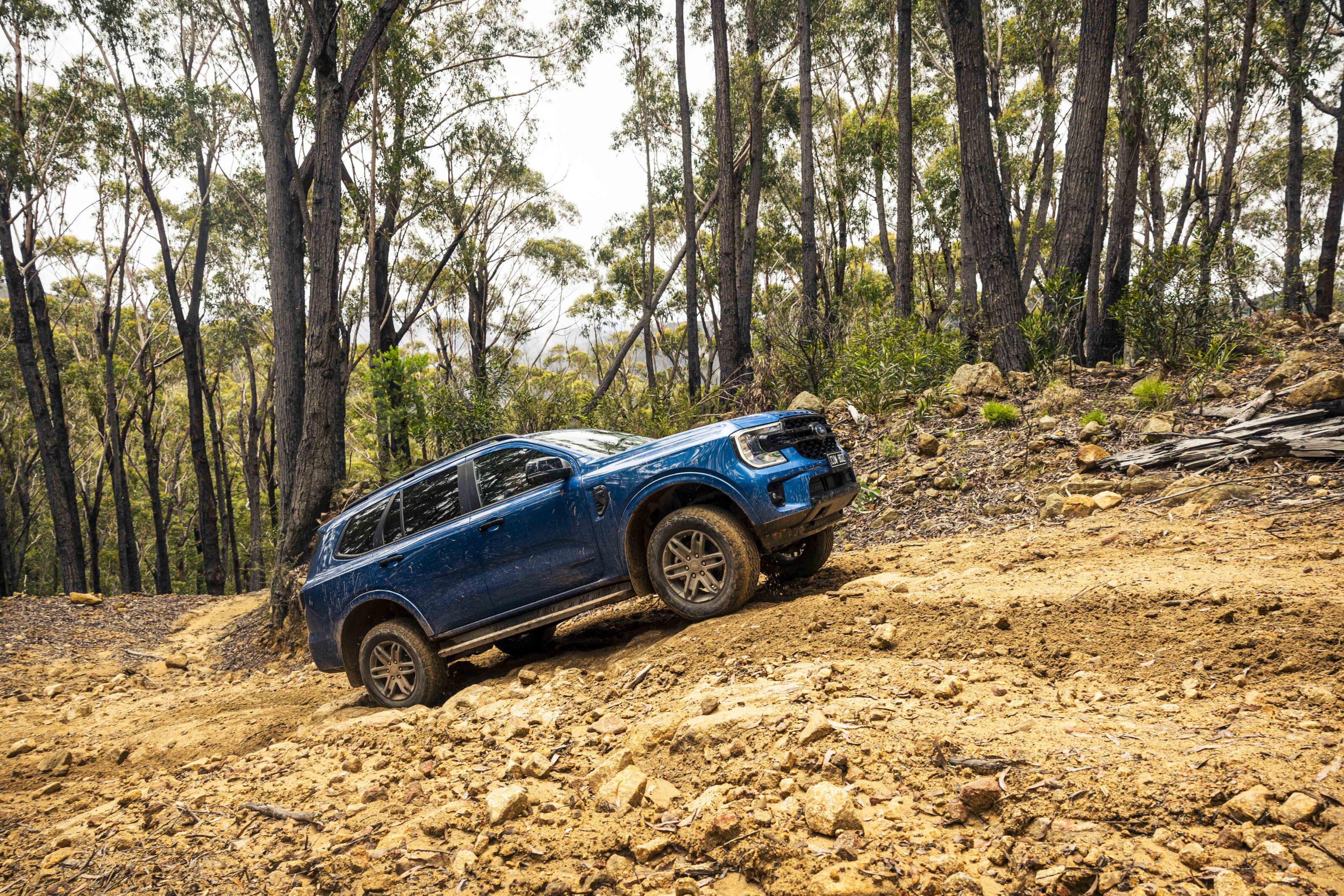
During off-road testing, the dimensions of the Ford were not problematic, and the vehicle never felt like it was one rut away from concaving a door. While we were very grateful for the standard steel bashplates, a front bar and a set of sliders would have given further peace of mind – but there are very few off-road vehicles this side of a Unimog that aren’t at least a little bit of a concern in that regard.
Sure, beauty is in the eye of the beer-holder and all that, but the Everest, for our money, is a good-looking 4×4. It’s big and ballsy without being overbearingly butch, and it only starts looking better with a few aftermarket accessories.
Interior and safety
The interior is somewhere that’s super easy to spend an hour or eight, and it makes a lot of its rivals pale by comparison.
This is seriously a nice place to spend a commute, a few hundred kays blasting up the highway … or up the Peninsula Development Road for that matter. The vertical infotainment touchscreen is huge without being obnoxious, and it’s very intuitive and easy to use.
The eight-way power leather seats are supportive and comfy, and even after several hours in the saddle didn’t leave us with aches, pains, stiffness or any other downside to being north of 25 years old. Which, if you’re coming from a 70 Series LandCruiser or a cloth-covered milk crate pov-pack ute, is a total treat.
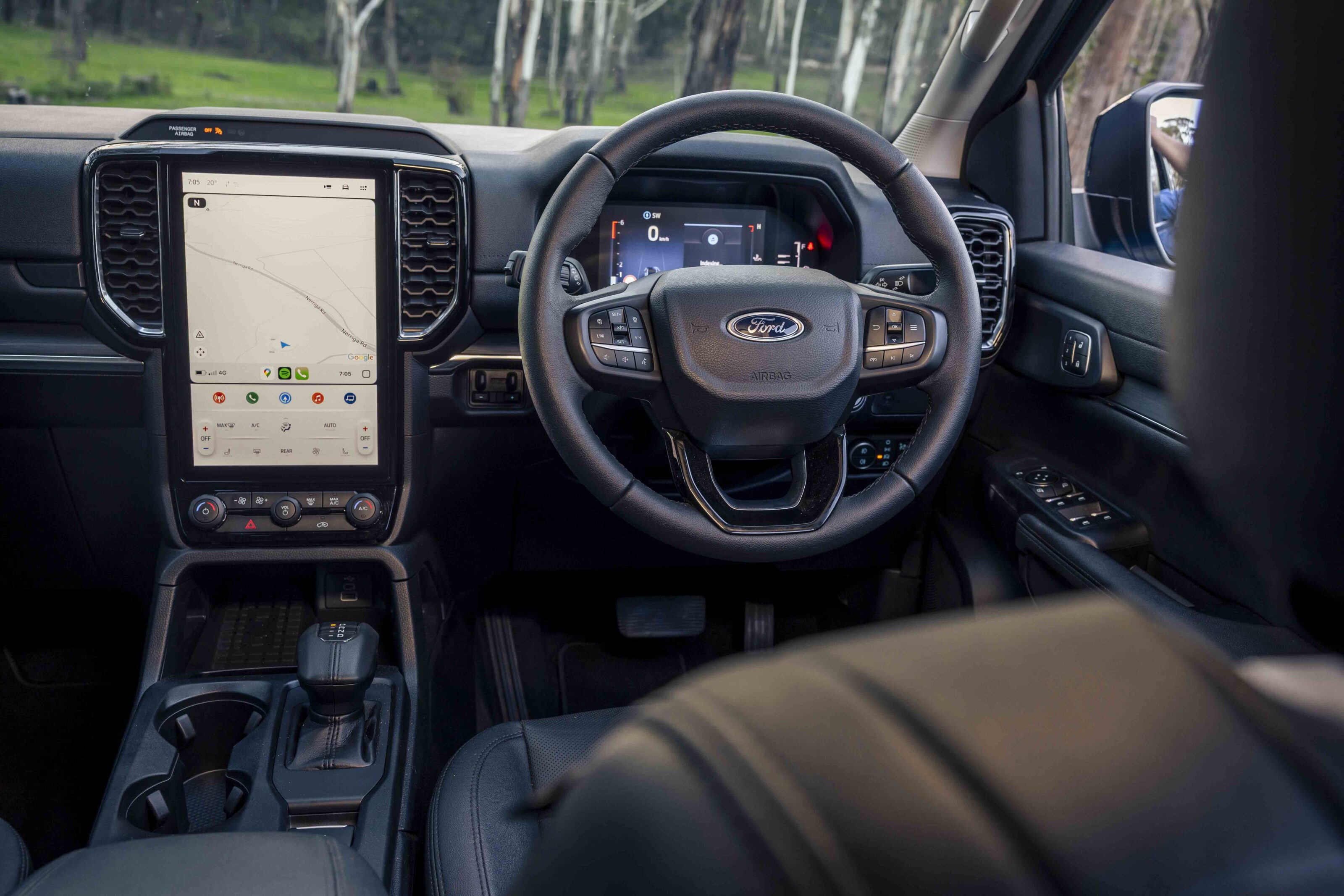
The driver aids and safety additions are plentiful. Some people will value them, others won’t (raises hand). Autonomous Emergency Braking, Lane Support System, Lane Keep Assist, and Emergency Lane Keeping (because staying between the lines needs three different computer programs to help; but whatever) are just the tip of the safety iceberg.
There’s also active cruise control with stop-and-go, auto high beam, rollover mitigation, trailer sway control, traffic sign recognition, post-impact braking and drive attention assist all as standard. Whether you like these things or not, if you’re someone who habitually rams into other cars and continues to drive after impact while wildly swerving from lane to lane and ignoring traffic signs as you struggle not to high-beam other motorists, these inclusions would be a godsend.
There are also nine airbags dotted around the cabin and a very ambience-calming 10-speaker sound system to keep the audiophiles happy. The hands-free electric tailgate will impress the neighbours, and the impressive interior build quality and high level of appointments make the Everest, particularly the higher grades, more of a Prado rival than, say, a Fortuner or MU-X rival.
On-road
Interestingly, at $74,640 the 2025 model Everest Sport V6 has increased in price by $900 over the previous year’s model, making it $7600 more expensive than the 2.0L bi-turbo Trend. Whether you think the V6 is worth the extra money is up to you, but spoiler alert: it definitely is.
It doesn’t matter if you’re buying this as the family hauler, daily driver, tow pig or touring vehicle, the V6 simply does it all easier and better than the 2.0L, which to be fair, is no slouch. But those 184 killer wasps and 600 Newton yards (hey, it’s ‘Murican) just make it a dream to drive, particularly on-road.
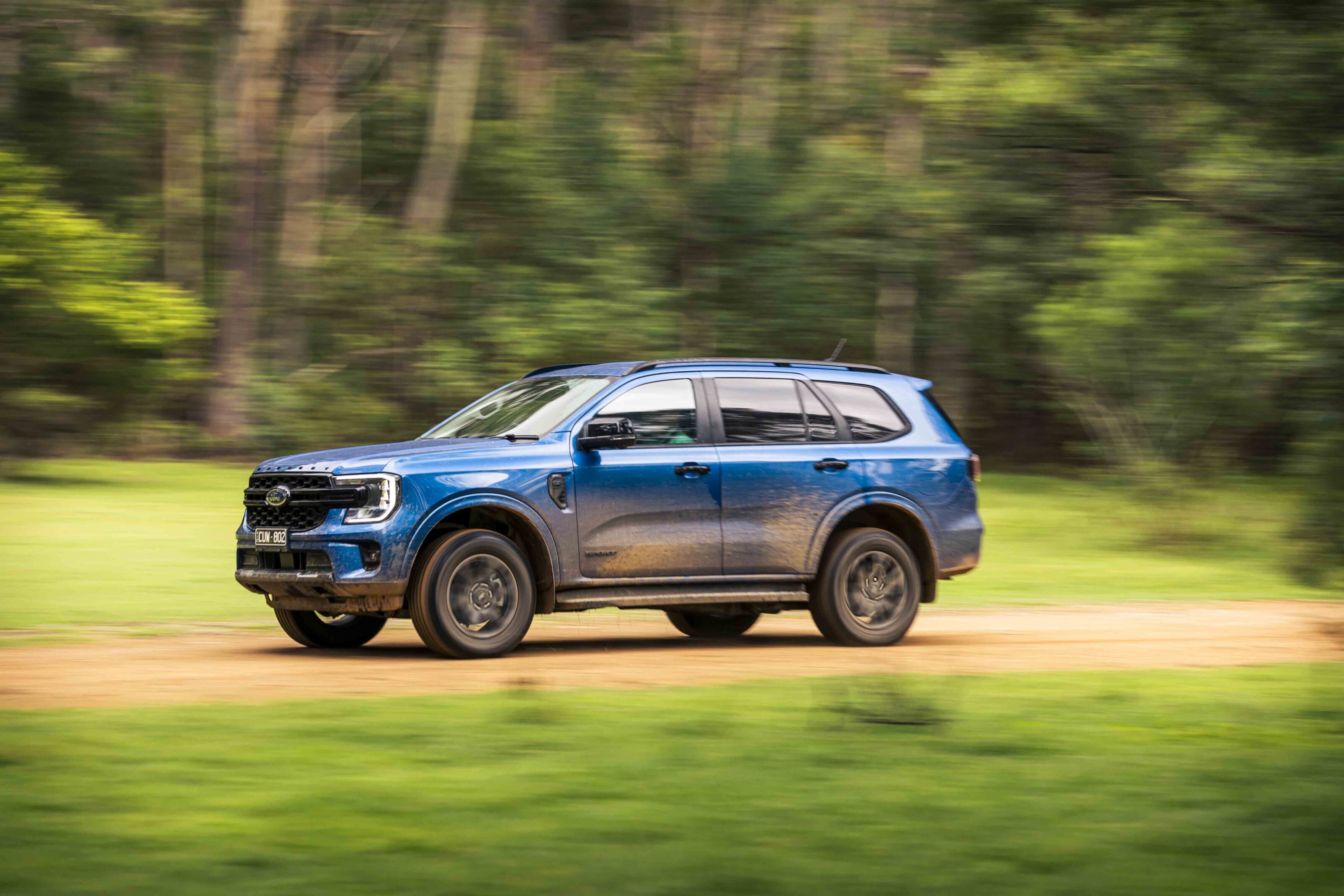
In fact, on-road is where this vehicle really shines. It doesn’t matter what kind of driving you’re buying the vehicle for, the handling for a vehicle this size is nothing short of excellent thanks to the selectable transfer case that allows you to switch between 2H and 4A when on the blacktop, and the steering is nothing short of excellent with its direct feel with decent feedback from the road without ever feeling heavy or vague.
Even if you had no intention of driving off-road and merely used this as the family holiday rig as well as for school-runs and the daily commute, the Everest is still very difficult to fault. It has power, it has comfort for days and it handles like something much sportier than it is. What’s not to like?
Off-road
At 4X4OTY, the Everest was the only vehicle on test that could select the rear locker in high-range. Everything else needed to be in low. It seems like a small thing, but for off-roaders having that little bit of extra control over the mechanicals is a lot.
However, it can’t be said that the Everest performed astoundingly out of the box. It ran out of flex, and traction control was unable to keep up without applying some serious revs, to the point where it felt like you were increasing the chance of breaking something significantly. But it’s nothing that couldn’t be fixed with a few choice aftermarket mods.
Yes, we’re an off-road website and, yes, off-road performance is incredibly important to us, but we can’t in good conscience say the Everest is a bad off-road vehicle, because it’s simply not. Is it a rock-crawler? No, but without much effort it could be a hell of a touring and tow rig, which really says a lot. It has nice, strong diffs, decently durable half-shafts that have been proven to handle up to a 35-inch tyre, factory bash plates, and not terrible off-road angles and clearance.
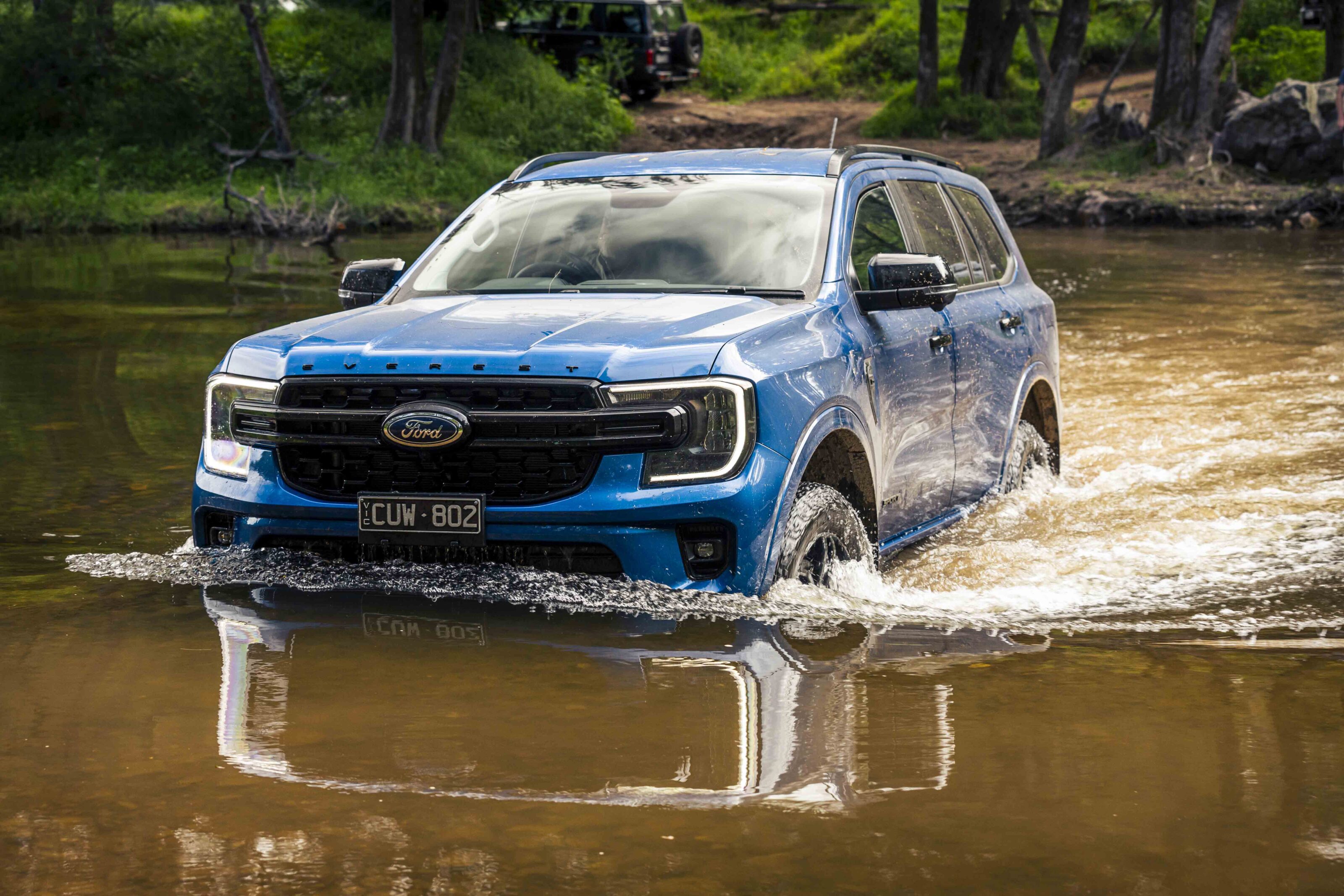
Also, you have to factor in the engine. The V6’s praises have been sung a bunch, and we stand by those lyrics – it’s a gorgeous piece of mechanical art that makes the most out of modern technology with very few drawbacks. It’s not perfect, but it’s a lot closer than any other mid-size wagon currently on the market, with the possible exception of the BMW-derived straight-six in the Ineos Grenadier; but that’s a different vehicle altogether, so it doesn’t count.
The Ford’s engine opens you up to serious towing, serious torque for wheeling, and serious power for fatigue-free long-distance driving. Yeah, it’s getting old now, having been around since the early twenty-tens, but it’s a long ways better than Toyota’s 2.8L turbo-diesel that’s about the same age, so it’s difficult to think of too many negatives.
Who should buy one?
Do you like driving off-road or for long distances? Do you need more than two usable seats? Is having a tray a non-negotiable vehicle requirement for you? If you answered yes, yes and no respectively, then you need to be looking at an Everest. Simple as that.
It may not be perfect for you and there may be things you won’t like about it, but it does need to be a consideration. The big Ford just does too many things right for it not to be.
Isuzu UTE Australia’s I-VENTURE Club has just celebrated its 10-year anniversary, marking the occasion with a two-day off-road event at the Gordon Country 4WD Park in Queensland.
The program is offered to essentially give MU-X and D-MAX owners the opportunity to learn the capabilities of their vehicles, under the guidance of an experienced team of off-roaders. Plus, participants get to experience some of the best 4WD locations in Australia, and do it with like-minded people.
Since the program was established in 2015, we’ve participated a number of memorable I-VENTURE Club adventures including to K’Gari (Fraser Island), the Victorian High Country, Flinders Ranges, and – who can forget – the west coast of Tasmania, for a failed but memorable attempt at conquering Climies Track. We were even there for one of the very first trips in 2016.
“When I-VENTURE Club was established ten years ago, we never would have dreamt of the uptake and participation the program has experienced,” said Mr Junta Matsui, Isuzu UTE Australia’s Managing Director.
“Since 2015, over 7500 IUA customers and more than 3500 vehicles from across Australia have joined one of our IVC events. These events have taken place all over the country, from Stockton Beach in New South Wales to West Australia’s Moondyne and even as far south as the west coast of Tasmania, we’ve certainly enjoyed experiencing the wonderful landscapes each region has to offer.
“We are proud of the program’s ability to not only assist our customers with instilling confidence in their own skills, but to also learn how to best harness their vehicles’ capabilities to truly embrace the Australian lifestyle with their Isuzu D-MAX or MU-X.
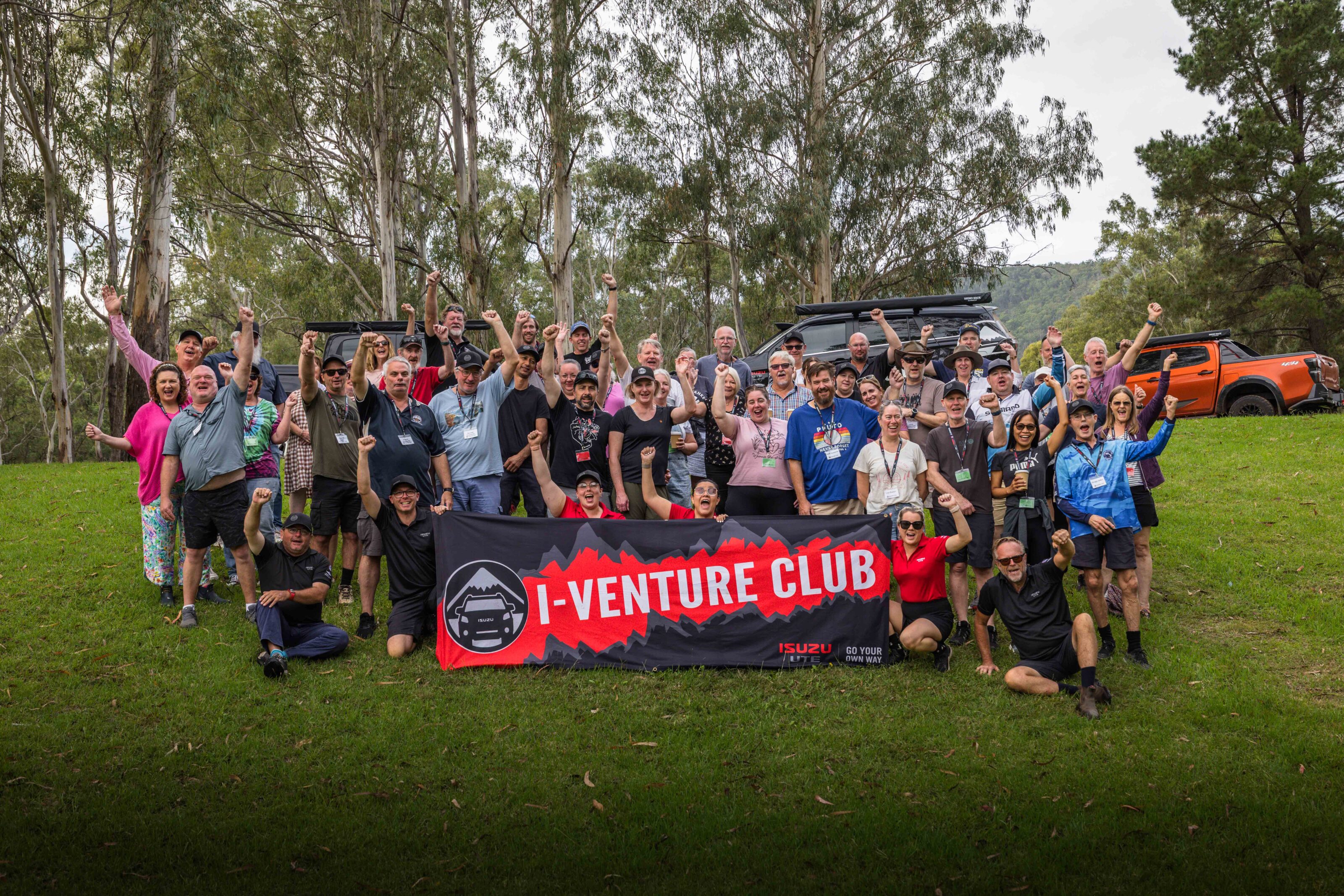
“I-VENTURE Club is more than just a driving programme, it’s an outstanding way for us to get feedback directly from our customers, to help inform and improve our product,” said Mr Matsui.
“This feedback has directly shaped the D-MAX and MU-X updates, helping IUA to better understand the unique needs of our Isuzu UTE family and Australians more broadly. Our customer is at the heart of everything we do, and their feedback is invaluable to our success. I would like to thank them all for their continued support.”
Walkinshaw’s collaboration with Volkswagen will continue, with confirmation that the second-gen, Walkinshaw-tuned Amarok has been given the green light.
Reports indicate that the vehicle is slated to launch in Australia in 2026, with testing to begin within the next few months. It is expected that the Walkinshaw Amarok will retain the stock Amarok’s powertrain, in either 184kW/600Nm V6 or 222kW/452Nm four-cylinder turbo-petrol guise – as seen in the top-spec Aventura.
Details are scarce at this stage, with only a shadowy render released at this stage (above). However, the teaser image does reveal a unique grille pattern, an LED light bar running between (and connecting) the headlights, a sailplane, wider wheel arches, and alloy wheels.
The upcoming variant will build on the success of the W580 – the last iteration of which was the W580X, an off-road-focused variant given a suspension lift and off-road tune courtesy of MTV twin-tube dampers front and rear. It was also strengthened with underbody protection and heavy duty rock sliders. The W580S was a road-oriented version wearing 20-inch alloys, and road-biased suspension.
The Walkinshaw-fettled W580 utilised a tuned 3.0-litre V6 turbo-diesel engine, producing 190kW and 580Nm and paired with an eight-speed automatic transmission. Other changes include the addition of twin-tube dampers and bold style tweaks including Walkinshaw insignia.
Late last year, Walkinshaw and Isuzu launched the D-MAX Blade, a flagship model exclusive to the Australian market. There is also speculation that Isuzu could also be planning to give its MU-X the Walkinshaw treatment.
Air-intake snorkels for 4×4 vehicles have evolved considerably over the years but at the end of the day they are all designed to do the same job: to supply clean dry air to the intake of the engine in a way that is better than the OEM setup.
Some 4×4 specialist OEMs take off-road use in to consideration when designing the intakes on their vehicles, and many of them offer an intake snorkel as an accessory, but more often than not the OEM will call it a ‘raised air intake’ rather than a snorkel, and the inclusion of such a device does not raise or change the quoted safe wading depth of the vehicle.
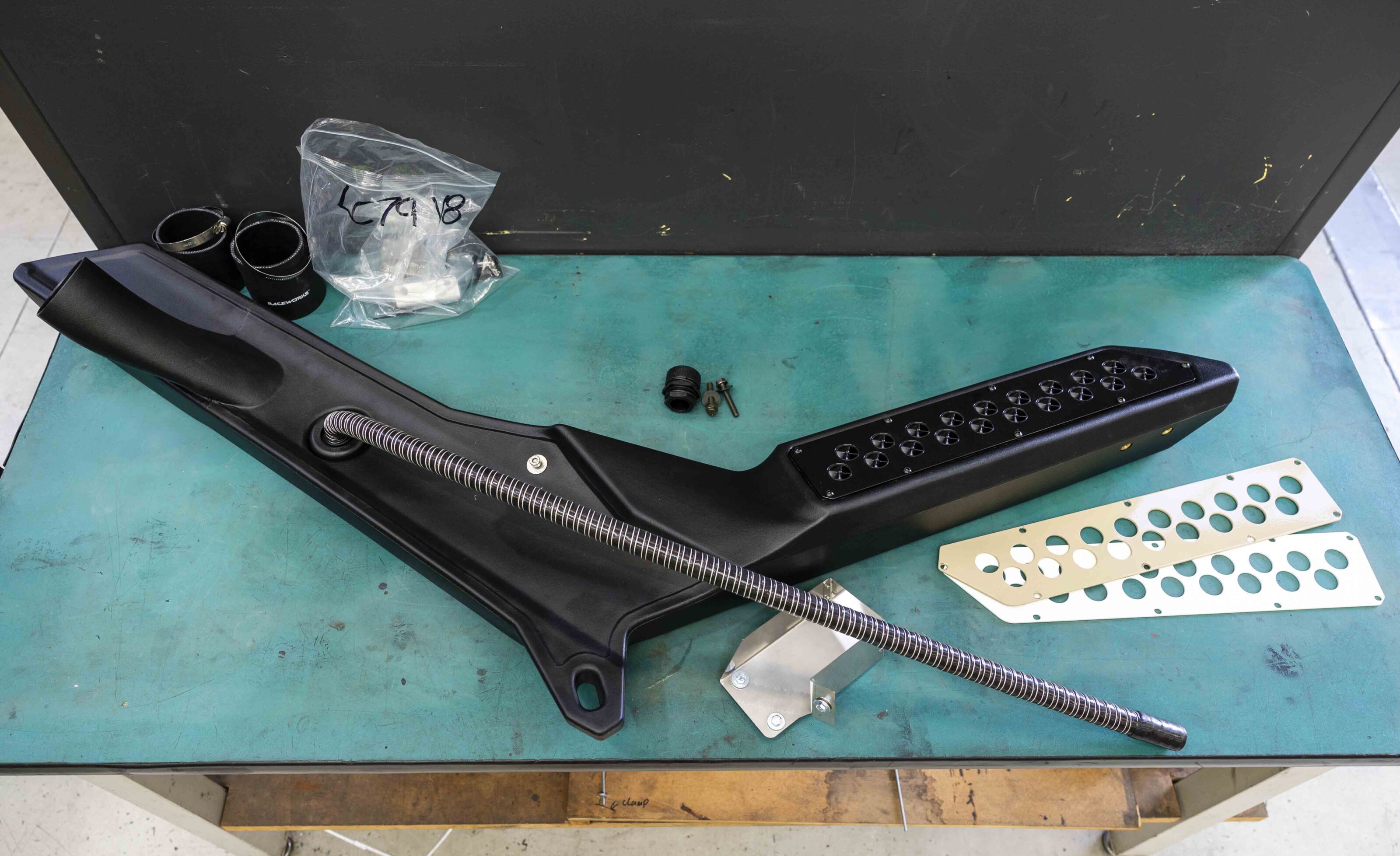
While fabricated metal intake snorkels have become more popular over recent years, traditional plastic snorkels have also evolved to supply more air to the engine, with the higher-quality brands using optimised plastics and flow-tested designs to ensure longevity of their products in harsh environments and the best airflow to the engine. And yes, even these evolved products just do the same old job of providing clean air to the engine’s airbox.
It was with much interest that we saw a different looking intake snorkel fitted to a LandCruiser at the 2024 Melbourne 4×4 Show. The snorkel was an early prototype of an all-new product from Scavenger Advanced Air Filtration and, while it appears to follow a familiar design at first look, there’s a lot more to it.
Built better
Scavenger came from a need to create a better way to get clean air into the engines of 4×4 vehicles, at a time when there was a lot of talk about ‘dusting’ in Toyota diesel engines and perceived problems with the OEM intake system.
Dusting is a term used to describe what happens when dust and grit gets past the air filter that is in the airbox, and then into the engine itself. Once this dust gets into the engine it can make its way into the cylinders and score the bores, which was a problem being found in affected engines.
Scavenger Advanced Air Filtration is a part of Western Australian company Work Air Technologies, a leader in the business of cabin filtration, particularly in mining vehicles. Scavenger started looking more closely at the problems occurring in diesel engines and the best way to remedy them.
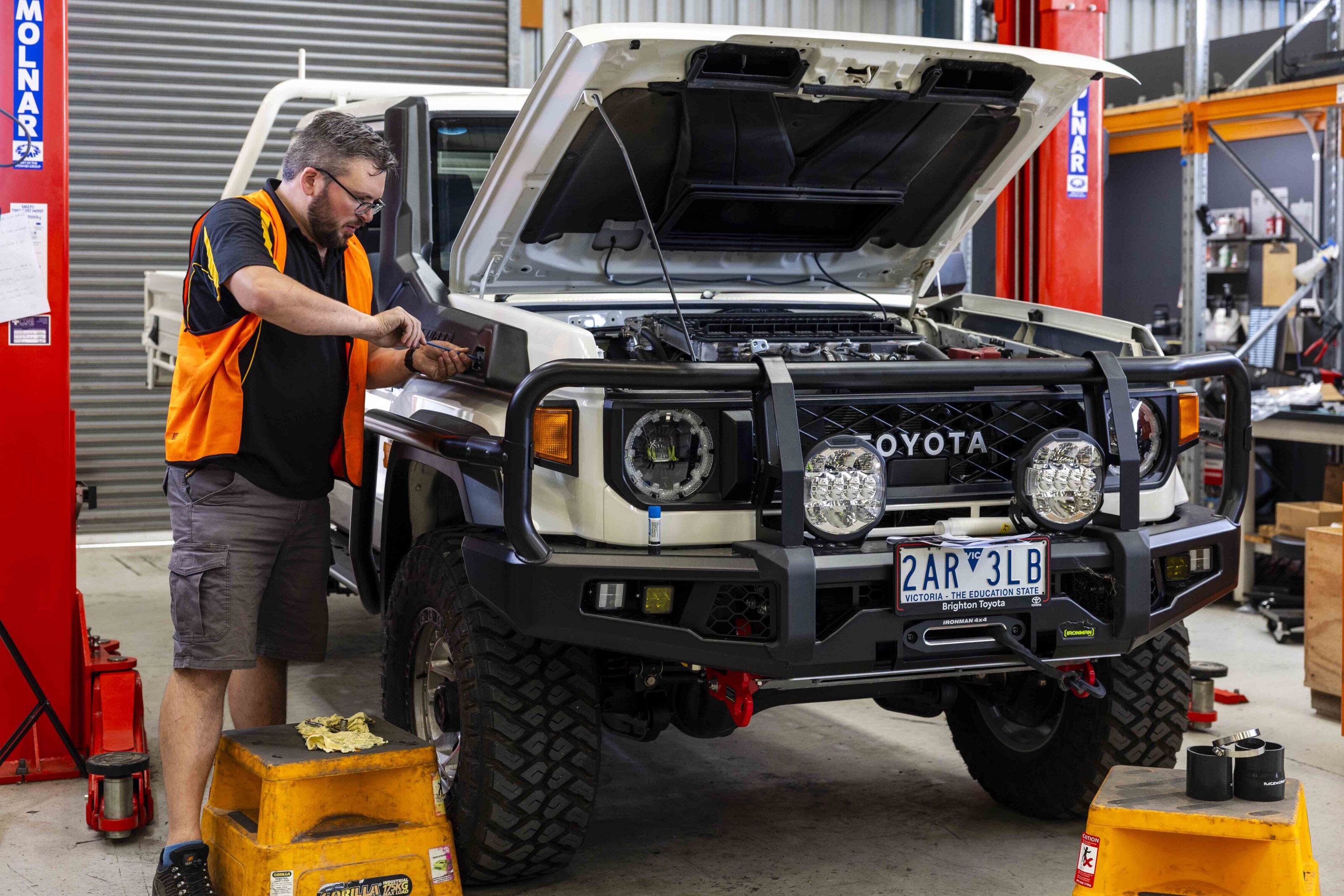
Cabin filtration is of utmost importance for the health and safety of workers in the mining industry and Work Air Technologies is the leader in this space. The company uses Freudenburg filters for this important work and these are regarded as some of the best in the business.
The company’s testing of OEM intakes and airboxes showed that the problem of dusting was coming from deformation of the OEM panel filter element due to the pressure put on it when the engine was under load. This flex in the OE filter allowed dust to get around the edges of the panel, so the problem was not with the airbox itself as many had claimed.
Freudenburg’s solution was a replacement panel filter that is much more rigid than the OE part, and is one that doesn’t deform and allow anything to enter the engine that doesn’t pass through the filter itself.
The testing done by Work Air Technologies revealed that there was more that could be done to reduce the amount of contaminants that get through to the filter itself, and this led to the development of Scavenger Advanced Air Intake Systems, or put simply, Scavenger Snorkels.
Clean air
With standard and most aftermarket intake snorkels, the air coming down the snorkel body and hitting the filter panel is unfiltered and it can contain a lot of grit and contaminants.
The Scavenger Snorkel is claimed to remove up to 75 per cent of those contaminants – be they dust, grit or even water droplets – from the intake tract before they get a chance to hit the filter panel. It does this in a couple of ways.
The intake of the Scavenger Snorkel bolts to the A-pillar just like most other snorkels but the opening in the head faces across the windscreen where it draws pressure-fed air that has hit the screen.
Upon entering the Scavenger Snorkel, the air passes through a section of cyclonic pre-separators that remove the contaminants from the air charge. As the contaminants and air move down the body of the snorkel, the contaminants are siphoned off to the atmosphere so that they don’t reach the airbox or filter at all.
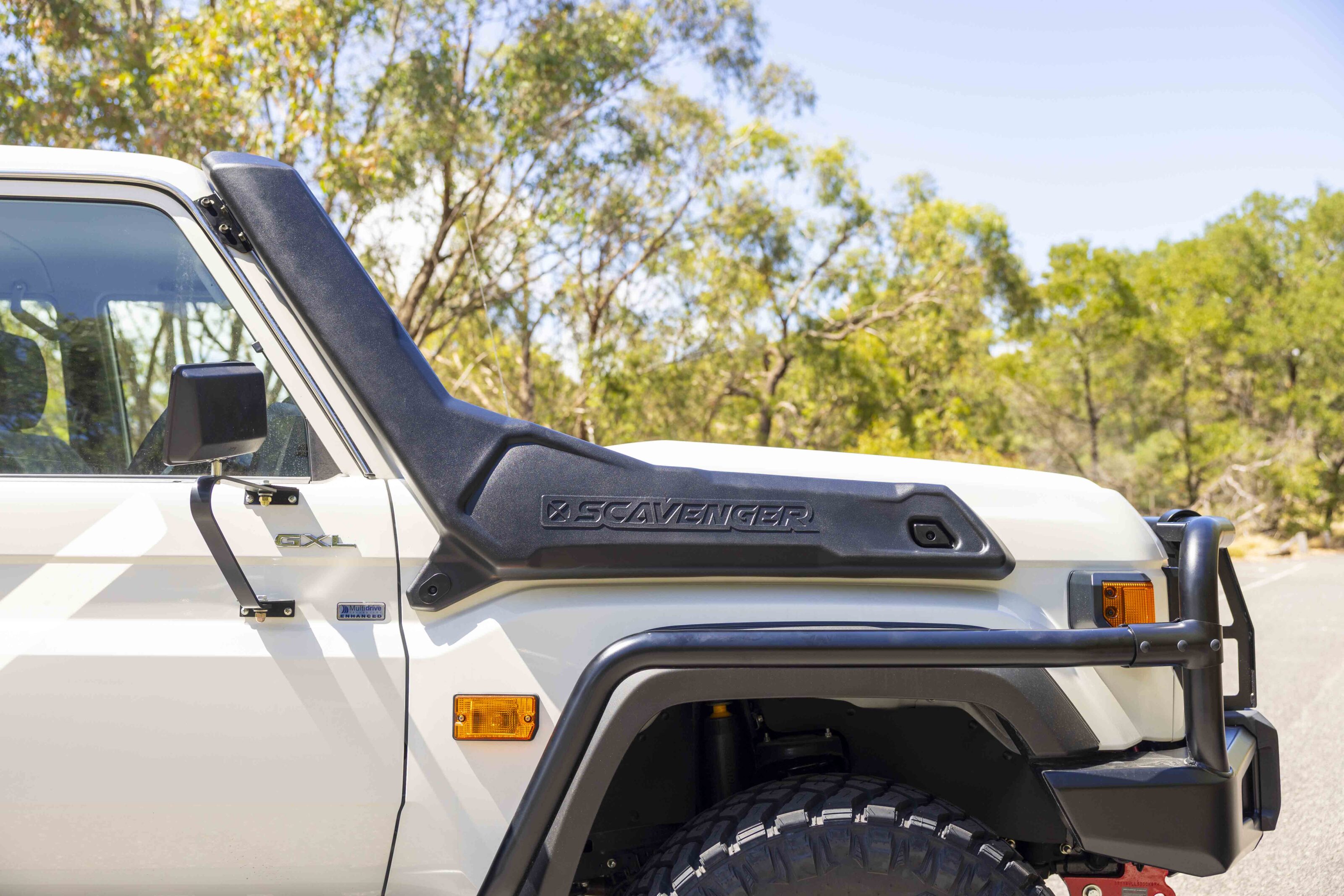
This siphoning-off occurs through a port with a hose that runs down to the OE fan shroud where contaminants are sucked out using the vacuum generated by the engine’s cooling fan. It seems simple but it took plenty of development and engineering to get right, and it allows Scavenger to make that claim regarding a 75 per cent reduction in dust and water droplets reaching the airbox.
Once the pre-filtered intake charge reaches the Freudenburg filter in the OE airbox, the filter itself has fewer contaminants to contain, which also reduces the amount of dust that builds up in and on the filter itself. The Freudenberg filter then purifies the air, ensuring that only the cleanest air reaches the engine for efficient and long-lasting performance.
The Scavenger Snorkel is manufactured in Australia using a UV stable, high-gloss polyethylene material that is made to withstand the climatic conditions of the Australian outback. Work Air Technologies supplies a limited lifetime warranty on Scavenger Snorkels. The intake face panel is aluminium and is available in a range of finishes to suit your vehicle. Also included with the kit are comprehensive fitting instructions, installation templates, required hoses and adapters, and quality hardware to complete the install.
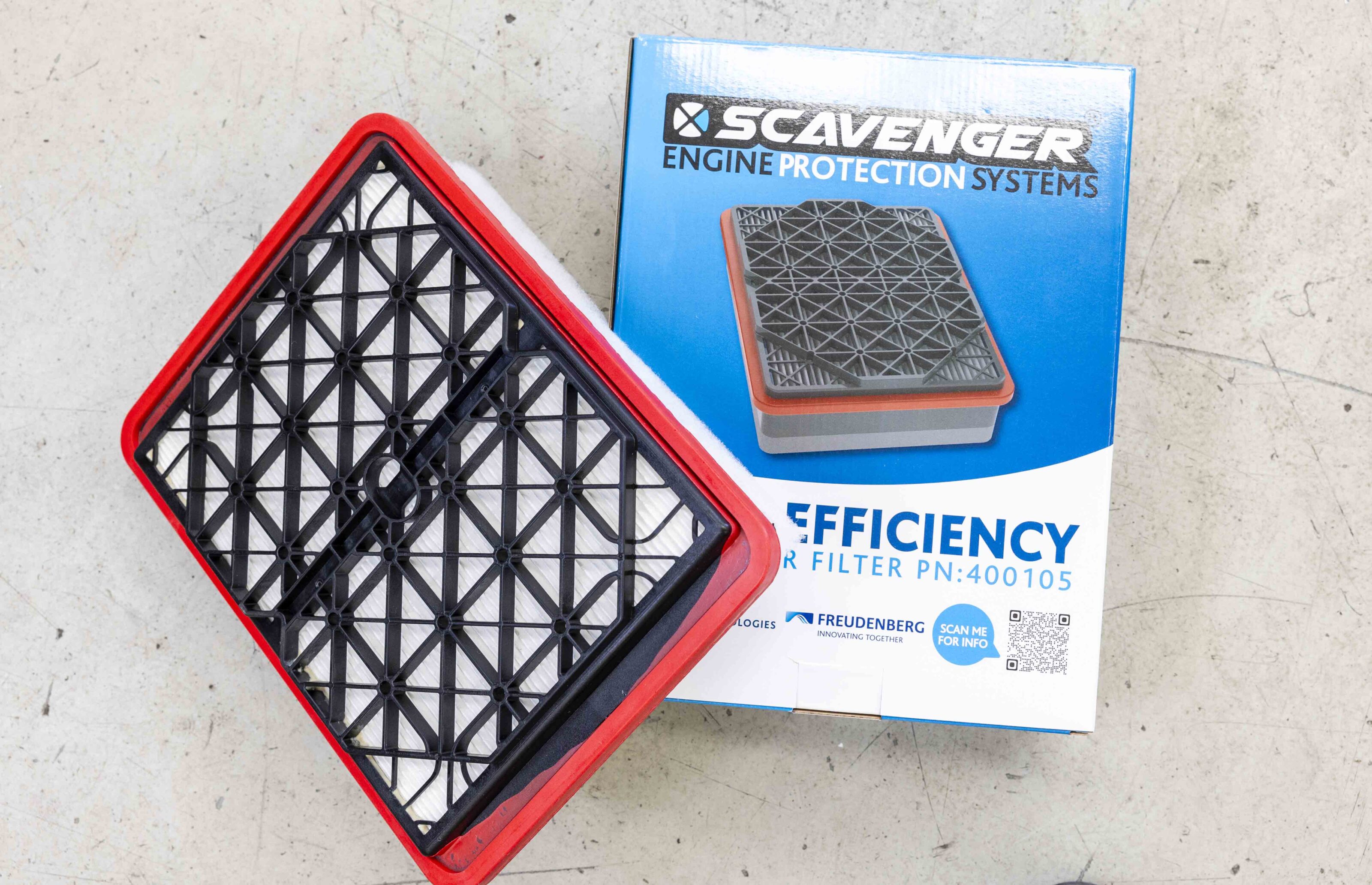
Extensive airflow and durability testing of the snorkel and filter were done in the development stage to ensure airflow is maintained and is in fact better than that delivered by the OE set up.
At present there are Scavenger Snorkels available to suit both the VDJ and GDJ 70 Series LandCruisers, the Toyota N80 HiLux and the 2022-on Ford Everest and Ranger models.
We chose to have our good friends at Marks 4WD do the installation on our VDJ79 LandCruiser. Marks is a distributor for Scavenger Snorkels and it took the guys there a good half day to remove the OE Toyota snorkel and complete the Scavenger installation.
Anyone who has driven a 70 Series with the factory raised air intake will know how much noise the intake creates, both induction and wind noise. Driving our Cruiser with the factory intake to Marks in the morning, and then out of there in the afternoon, was like chalk and cheese; both intake and wind noise were reduced significantly, making the cabin a much quieter place to travel in.
We hit the highway and got the Cruiser up to 100km/h and still there was almost no wind noise coming from the snorkel, resulting in a huge improvement in driving comfort.
World’s best filter
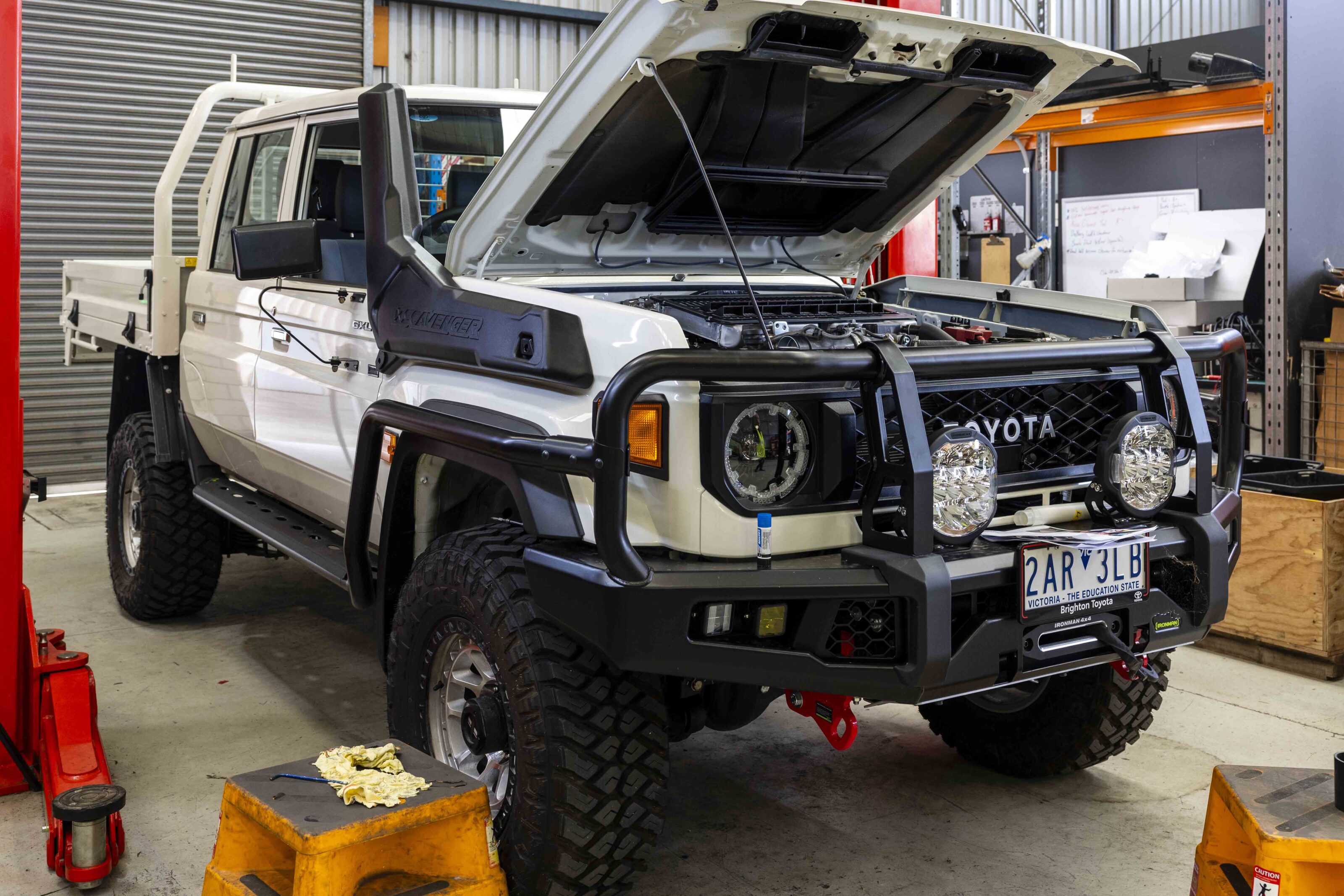
The Scavenger Snorkel system features the highest efficiency filter on the market, designed to capture submicron particles that standard filters miss, thereby enhancing engine longevity.
Freudenberg filters are known for their superior quality, offering excellent flow, filtration efficiency and durability. Using advanced multi-layered media technology, these filters effectively capture a wide range of particles, from coarse dust to fine pollutants. The high-performance synthetic fibres with electrostatic surface charging optimise airflow while maximising particle retention. Head to freudenberg-filter.com.au for more information.
US President Donald Trump called it Liberation Day. The rest of the world took a deep breath and waited for Payback Day.
In a startling piece of captain’s-call legislature – the type of which had already characterised the second-term Trump administration, not even a full four months into its four-year term – Trump imposed tariffs on every one of its global trading partners, Australia included, of course.
The question now revolves around what it means to those of us who might otherwise be in a position to purchase a US-made car or accessories for it. Not to mention what it means to Aussie businesses selling their product into the US, where Australian-made off-road gear is highly regarded as among the best in the business.
So let’s stand back and take a critical look at what MIGHT happen next. Let’s start with what the hell is a tariff anyway.
In its simplest form, a tariff is a form of market protection (in this case, the USA market) that works by imposing what amounts to a tax on goods imported from another country. Effectively, they’re trade barriers that increase the price of an imported product in the country that imposed the tariff. Usually, that tariff-induced price increase is a percentage of the cost of that product.
So, a $100 (wholesale) Australian-made snorkel exported to the USA, will now carry a 25 per cent tariff which means the importer pays $100 for it plus another $25 to the government as the tariff amount. And that’s the bit a lot of people are getting wrong: It’s the importer, not the Australian exporter, who must pay the tariff to the US government. Of course, it’s not going to be that simple, right? Right.
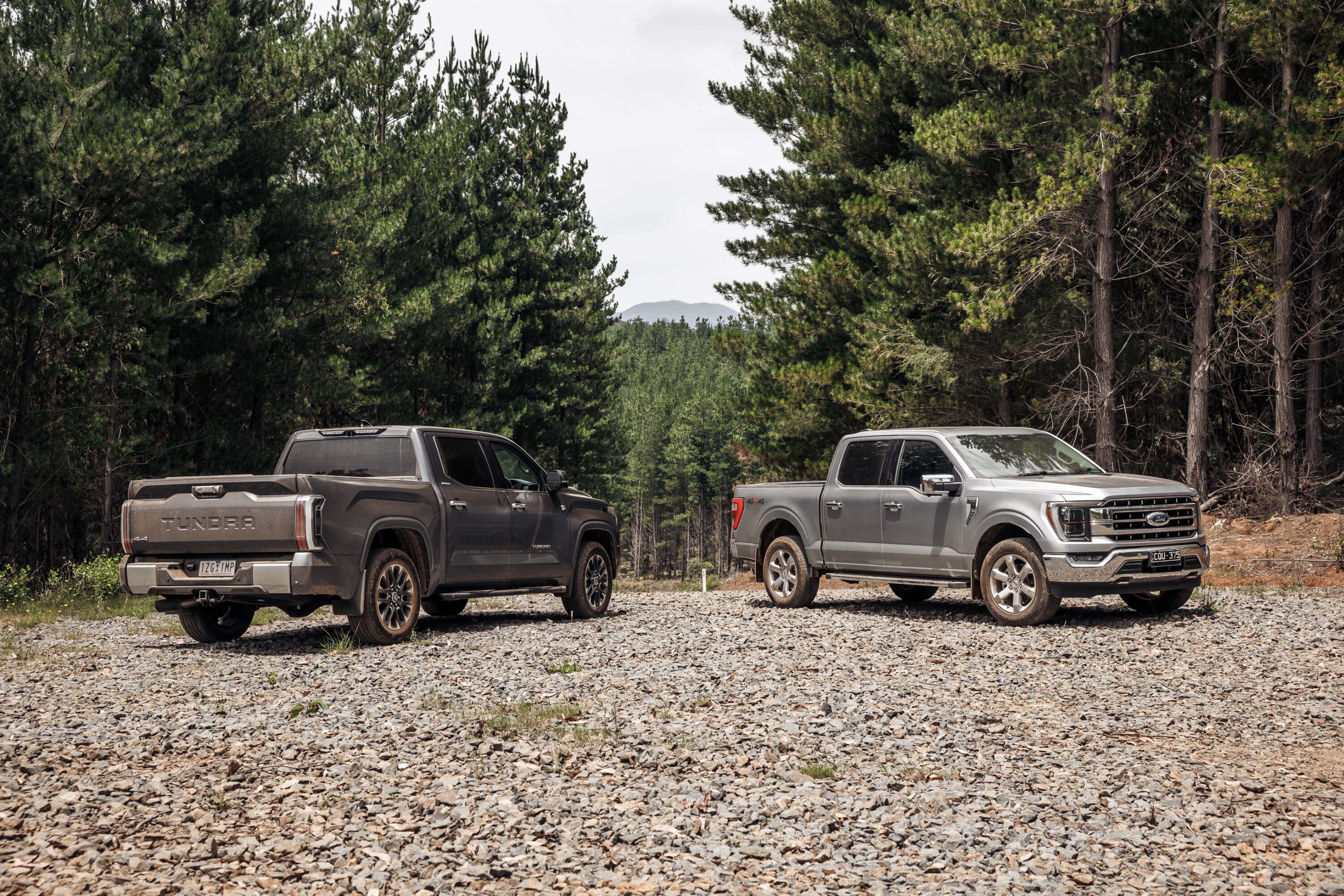
Historically, tariffs have been used to give locally produced goods a price advantage (which fits with the Trump government’s narrative that the rest of the world has been cheating the USA for decades). But the World Trade Organization points out that tariffs also raise revenue for the government that imposes them. In many cases, this has meant that the tariff has been passed directly on to the end consumer, so it will be the American public ultimately paying for Liberation Day. Trump himself has admitted there could be some pain for his citizens as a result of the move.
But here’s where that ‘it’s not that simple’ stuff comes in. Even though the exporter does not pay the tariff, the consumer price hike at the other end of the supply chain usually means reduced demand for those products. And right there is the potential hit for Australian companies exporting to the USA.
The Liberation Day announcement handed out a blanket 10 per cent tariff to all America’s trading partners, as well as a higher ‘reciprocal’ tariff placed on countries which President Trump has deemed to have been a poorly behaved trade partner in the past. Hardest hit of those were Malaysia and Cambodia (49 per cent), Vietnam (46 per cent), and Sri Lanka (44 per cent). China copped a 34 per cent tariff (and has since `reciprocated’ with its own 34 per cent slug on US goods) and the European Union was slapped with a blanket 20 per cent tariff. Interestingly, Britain was handed the baseline 10 per cent impost.
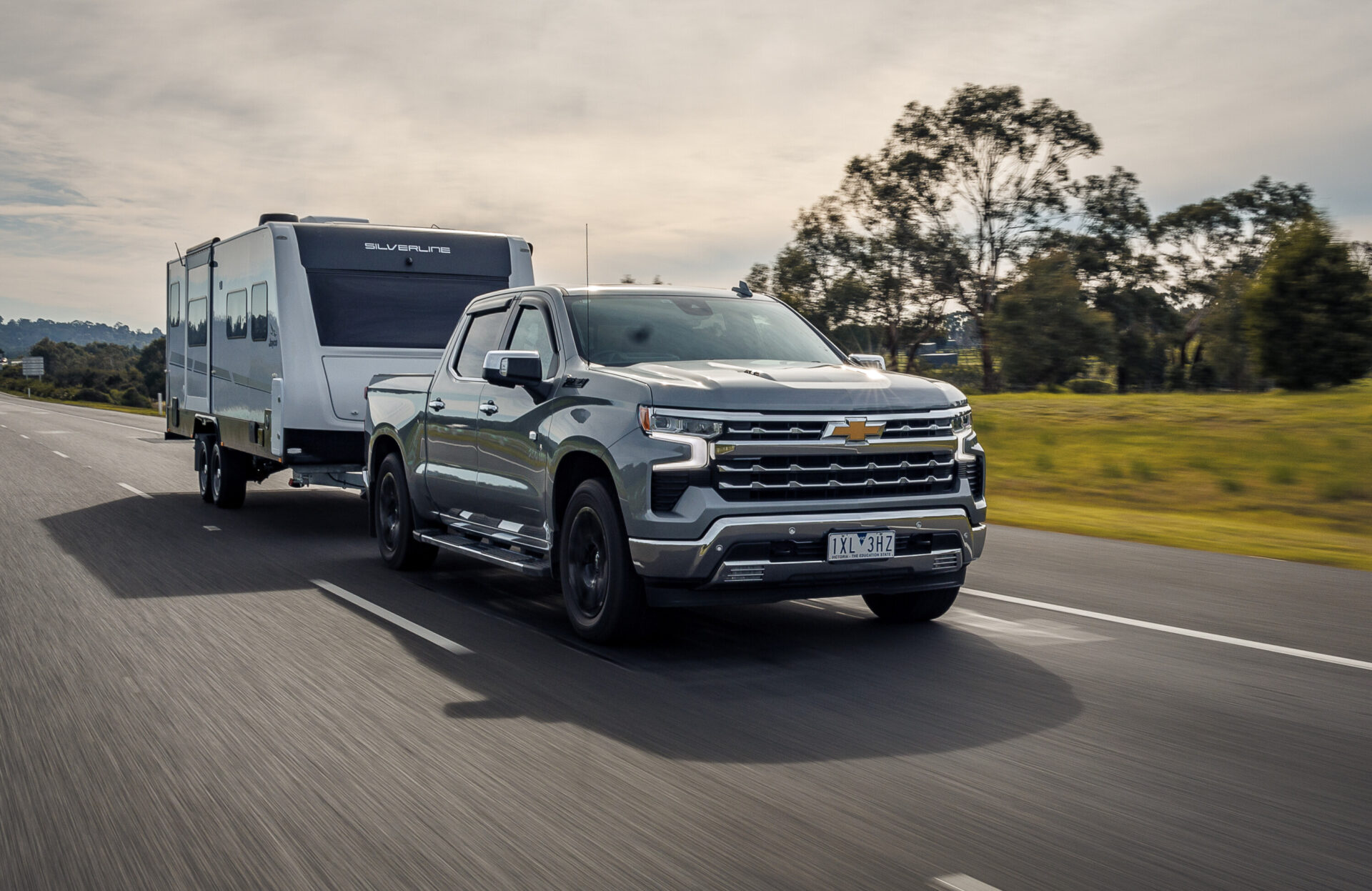
And Australia? We ‘escaped’ with the minimum 10 per cent tariff. But unlike some other tariff impositions in the past where certain product categories or industries have been targeted and others ignored, this time, it’s a blanket deal which means virtually every Australian export to the USA will attract the 10 per cent tax.
And the ones that don’t? Oh, they’ll be hit with a 25 per cent tariff and, unfortunately, many of the goods involved relate to the automotive industry. They include pretty much anything that contains steel or aluminium; chassis and drivetrain products; tyres and inner tubes; bodies and body parts including glass and mirrors, engines and components; and electrical systems including compressors.
Just think about how many Australian-engineered and made 4×4 accessories like ARB bull bars and compressors are sold to US-based off-roaders, and how many electronic ECU modules an industry leader like Haltech sends to US street machiners and hot-rodders, or how many sets of Harrop Engineering brakes are sold in the US each year in the high-performance aftermarket. They’re all now subject to that 25 per cent tariff and they all stand to suffer severe demand fall-off as the price to the US consumer spirals as a result.
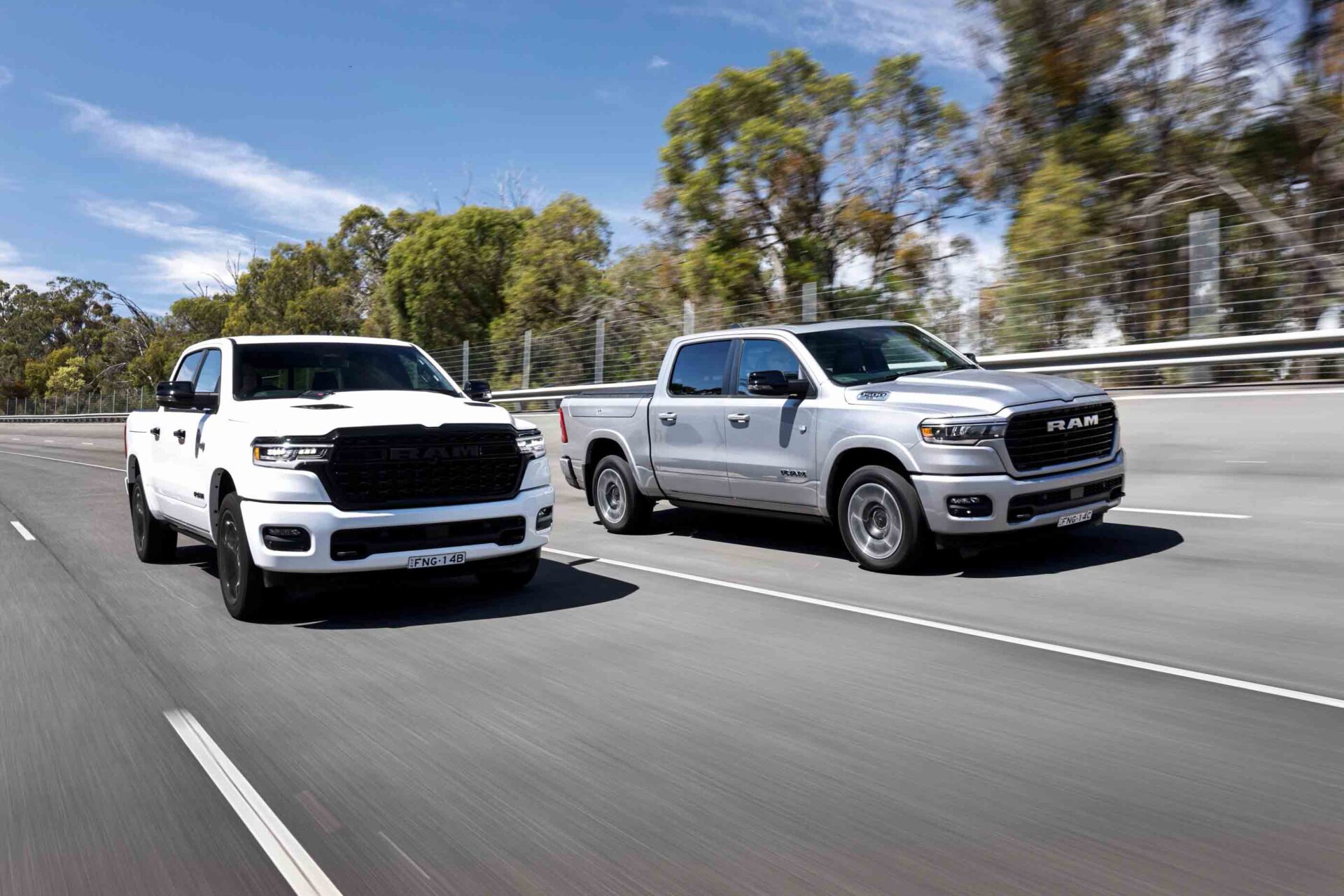
Ironically, the tariffs actually hit even the US-headquartered car companies including Ford and General Motors. At the moment, 80 per cent of Ford’s US-showroom models are made in the USA, but GM has plants in Mexico and Canada that supply many of the models and parts for those models sold in the USA. Chevy’s LS range of V8 engines, for instance, are made in Mexico. And those cars and parts, even though badged as Chevys, will be subject to the tariff. Some American-branded cars are very likely to be more expensive for Americans. How will Joe Average of Downtown Idaho feel about a price hike on his next Silverado on the basis that Donald Trump doesn’t like Mexicans?
Stellantis, owner of the Jeep and RAM brands (among others) has pointed out that American-owned brands build more than a million cars a year in Canada, using 50 per cent American parts and 55 per cent American raw materials. The inference being that to make these cars more expensive and, therefore, less attractive to US buyers is something of an own-goal, since US revenue from those raw materials and parts would fall in line with any slump in sales.
In fact, as I write this, word has just come through that Stellantis (owner of Jeep, Dodge and RAM – and others) will lay off 900 workers in the US and temporarily pause production at two plants in Mexico and Canada, quoting the new tariff as a direct cause. As many as 46 per cent of the vehicles sold new in the USA last year were imported.
We contacted the Australian importer of RAM Trucks, Ateco Group, but a spokesman would not comment on the moves, confirming only that ‘it’s too early to know’ what’s likely to happen.
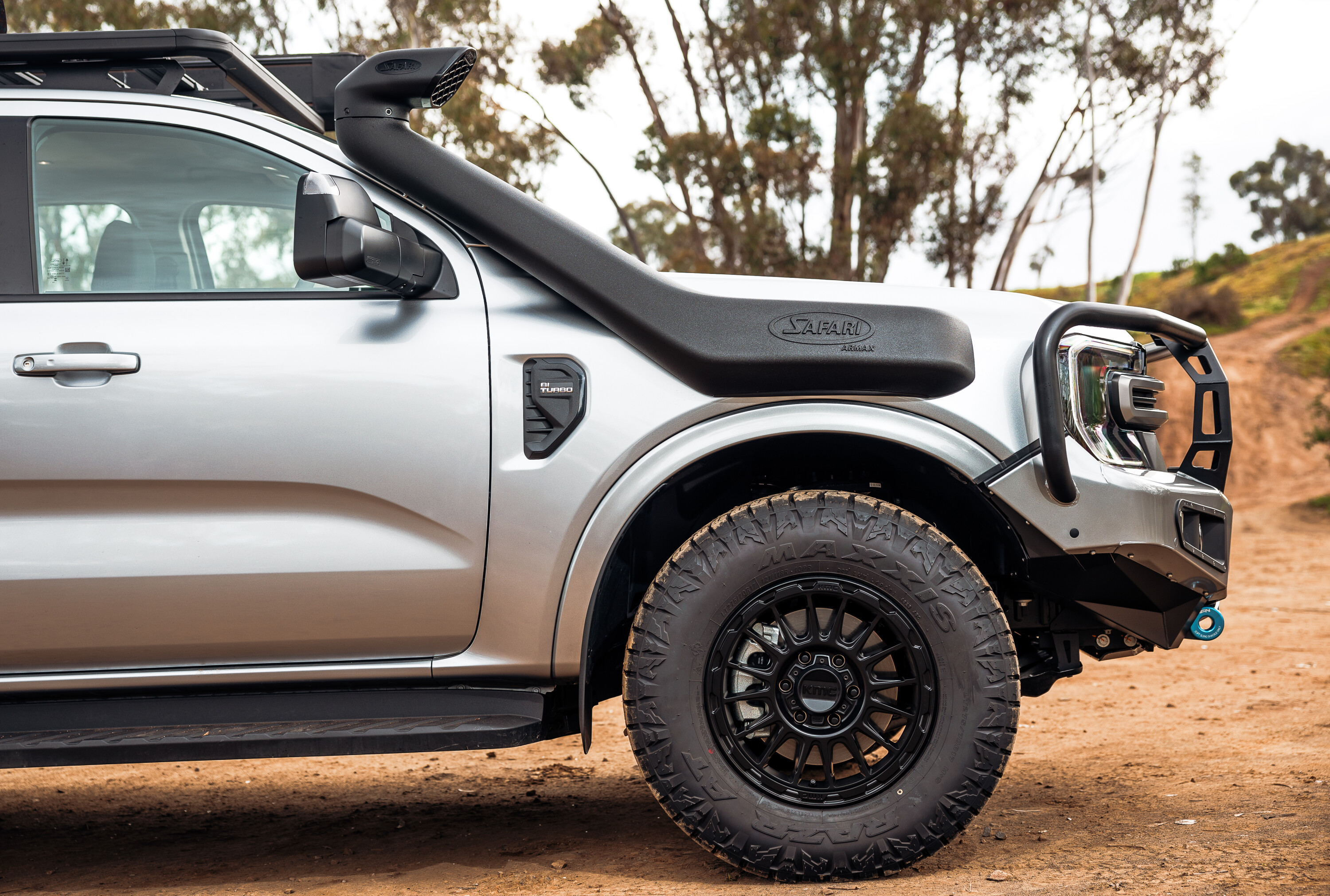
And what of Aussie consumers? It’s no secret that the likes of the Ram 1500, Chevy Silverado and Ford F-150 have all enjoyed success here. Anybody who needs to tow anything heavy understands the value of these vehicles. But will the tariff on imported parts be used to force up prices? Will US domestic demand for them rise or fall, causing either a supply pinch or a glut at this end? Can local importers absorb any price hikes or will the Aussie consumer be paying for Liberation Day?
If you’re thinking about buying a US-made pick-up (or Jeep) here, perhaps you might be lucky and prices won’t move much if at all. Australian PM, Anthony Albanese, has already said that this country won’t be playing tit-for-tat and imposing our own tariffs on US-made goods, so the Aussie importers of such things won’t bear any additional cost. But that’s only on one level.
Because if demand for imported cars and trucks falls in the US, then that void might be filled by locally-made vehicles which, in turn, may mean we can’t receive the volumes of those US-made vehicles we currently do. Enter the laws of supply and demand. We’ve already recently seen during Covid what a global supply chain crisis can do to retail prices.
Could be that Liberation Day might, in terms of global trade, make Covid look like a runny nose.
This is just the beginning. In part two, we’ll unpack how Aussie brands – from 4×4 accessory makers to high-tech tuners – are planning to adapt to the new trade reality. And what it could mean for local jobs, pricing, and global reach.
Ineos has unveiled a bold offer to entice consumers to sign on the dotted line for an all-new Quartermaster double-cab ute or cab-chassis.
The “Love it or Leave it” offer essentially allows new owners the opportunity to return and refund their brand-new Quartermaster if it doesn’t meet their expectations. It’s a striking move, highlighting the brand’s confidence with its product – but also consumer hesitation when looking outside of the trusted brands.
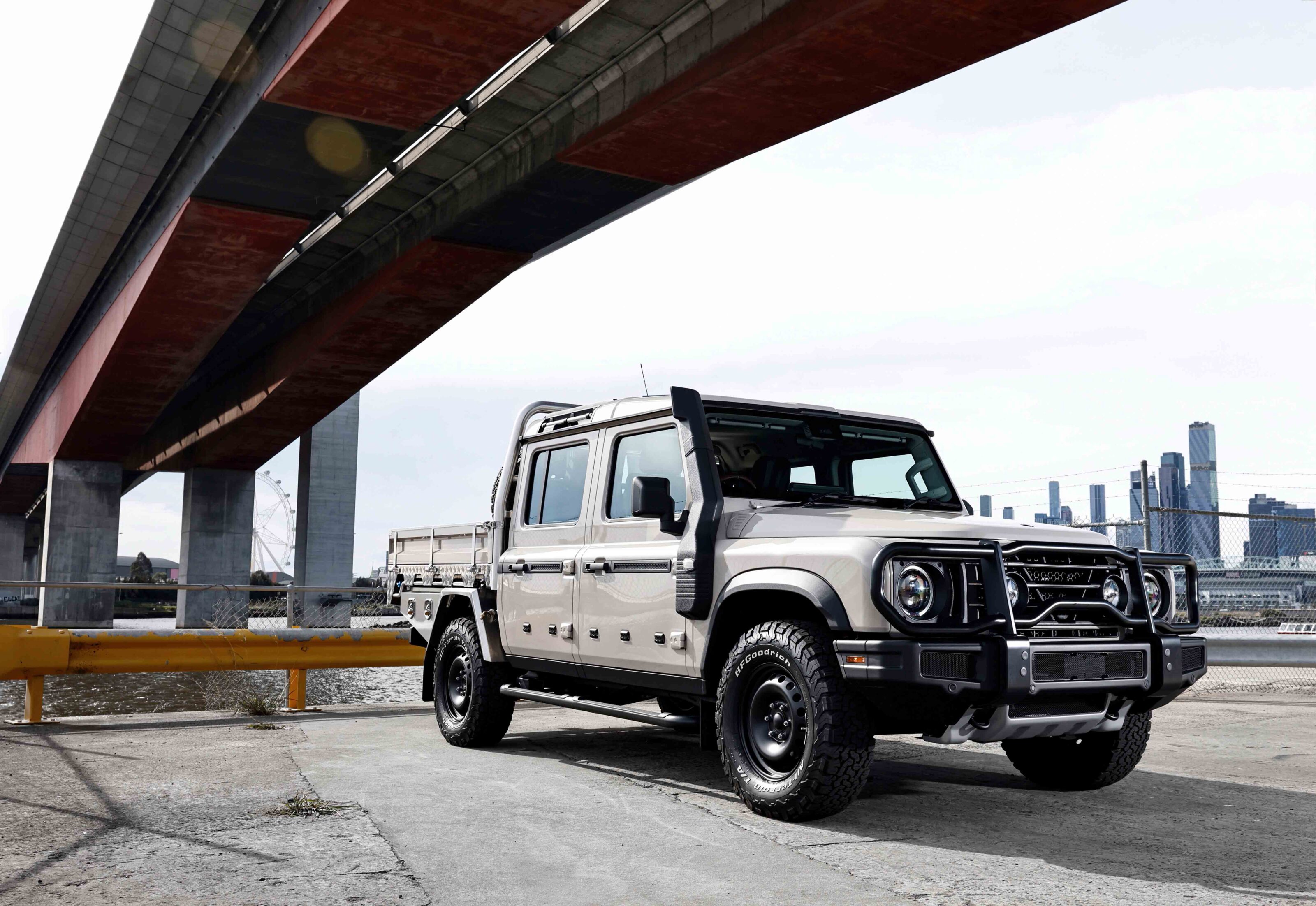
If the offer is activated, Ineos will repurchase the vehicle from customers within a six-month period, subject to vehicle condition and usage terms and conditions. More info HERE.
“As a scale-up brand we recognise that we’re combatting brand awareness and trust, to an almost David versus Goliath extent with engrained industry giants who have become a default choice, particularly in regional Australia,” said Justin Hocevar, Head of Region at INEOS Automotive Asia Pacific.
“Our ‘Love It or Leave It’ offer embodies not only our unwavering confidence in Quartermaster and the Grenadier vision, but it also demonstrates our steadfast commitment to building trust in our customers.
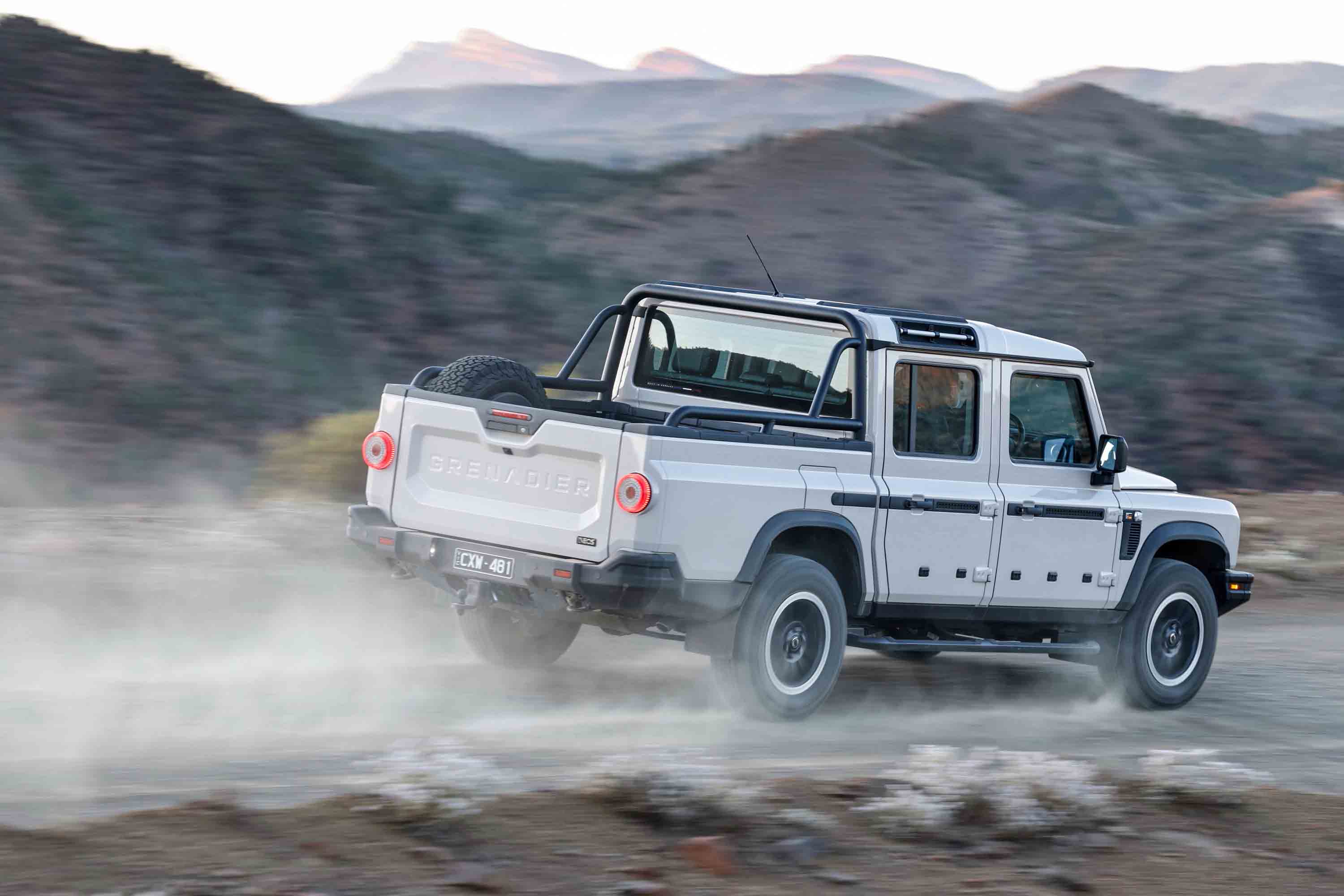
“By their nature, 4×4 enthusiasts like to challenge the status quo, yet for too long they’ve clicked their heels without the opportunity to own a vehicle that is built exactly for their specialised 4X4 interests. The Quartermaster is that vehicle.
“So, before opting for the default, we’re daring Aussies to do their research and put the Quartermaster to the test – trust us by buying it, taking it, off-road adventuring with it, and loving it… and if they don’t, leave it.”
Like the Grenadier wagon, the Quartermaster is powered by the choice of BMW 3.0-litre turbo-charged inline six-cylinder petrol and diesel engines, both paired with an eight-speed ZF automatic transmission. The ute offers 264mm of ground clearance, 800mm of wading depth, payload capacities of 907kg (petrol) and 832kg (diesel), and optional front and rear diff locks. It also rides on the same heavy-duty five-link front and rear suspension as the Grenadier wagon.