WHEN my sister Brittany and I purchased our very first Jeep Wrangler JK in 2012, we had two missions: one was a quest to meet ‘the father of all Jeeps’; the second was to visit the famed Rubicon Trail.
After spending years educating consumers on why they should buy a Jeep Wrangler Rubicon, we needed to visit the Rubicon. How can you honestly tell people how amazing a Jeep Rubicon is if you haven’t visited its namesake? And, after following a few leads, we were told the ‘father of all Jeeps’ lived right outside the Rubicon Trail in Northern California.The stars must have been aligned, because both our missions were going to happen in one trip.
I still remember reading an article about Mark A. Smith – the founder of the Jeep Jamboree – the night before we met him. It mentioned he had the word ‘Jeep’ tattooed on his behind. It also claimed he led a group across the Darien Gap between Panama and Colombia – Mark and his team used six Jeeps to make the crossing in 122 days. There’s a great Dirt Every Day episode that shows some of the footage from Mark’s 1978-79 Expedicion de las Americas.
After packing our red JK for a road trip, we found Mark and his wife Irene nestled in the historic mining town of Georgetown, California. They moved to Georgetown in 1951, when Mark purchased his first Jeep for $500. Irene mused: “Mark had found Shangri-La. We were honeymooning in Georgetown, CA, and we had jobs in Las Vegas. We had to call them and tell them we weren’t coming back.”
After hearing about The Rubicon Trail, Mark got together a group of friends and started the first Jeepers Jamboree in 1953, a trek down what is now the world’s most popular and intense recreational 4×4 trail. Since those days, the popularity of recreational off-roading has elevated to new heights, allowing Jeep Jamboree USA to create organised Jeep trips across America. Ever since Mark passed away in 2014, we have made it a point to participate in a Jeep Jamboree event every year.
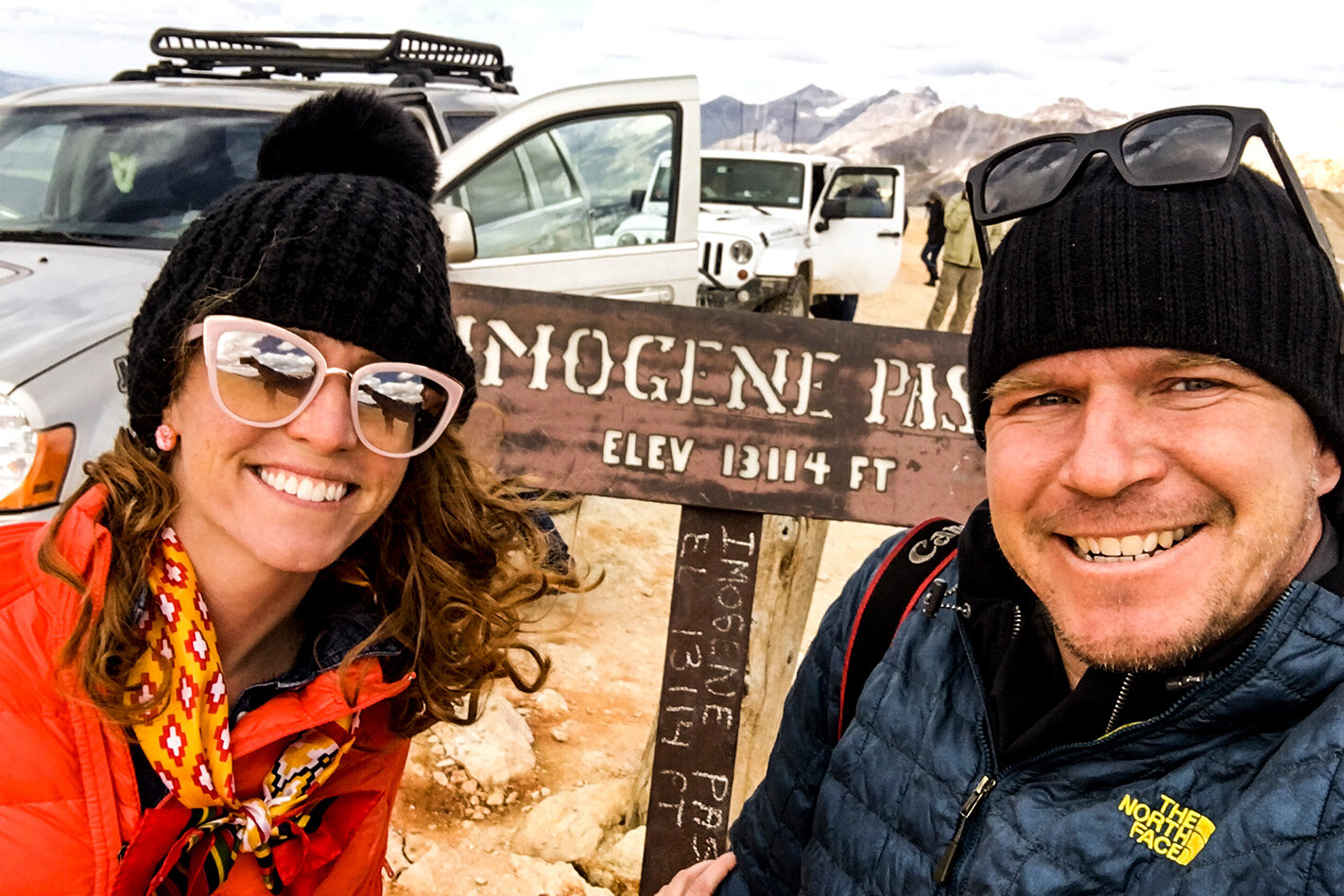
For the 2017 trip, Jeep Jamboree USA offered 31 different events across America; most of the events were scheduled with check-in on Thursday evening and two days of trail riding, with everything wrapped up by Saturday evening or Sunday. To get the trip started I met Dirt Every Day’s Fred Williams and his Jeep ‘Tube Sock’ in Denver, and, on our way to Ouray, we stopped in Golden, Colorado, to meet with Jeep Jamboree USA president Pearse Umlauf. Pearse mentioned that Mark’s two favourite Jeep Jamboree USA events were The Rubicon and Ouray, and Mark loved visiting the Rockies in September to see the Fall (read: Autumn) colours. In celebration of the 30th Anniversary of The Ouray Jamboree, we knew we were in for a special treat.
After breakfast with Pearse, we made a mad dash to Ouray for event check-in and vehicle inspection. Once you check-in to your own hotel, all you have to do is show up, as Jeep Jamboree USA takes care of all of the scheduling and planning.
Jeep Jamboree USA tries to make each and every one of its events safe and family friendly, and most of the trail guides have attended Jamboree events over the years with their families and love it so much that they come back year after year as trail guides. If you need something, they have it for you; if you forget your CB radio, someone will find one for you that you can borrow; if you break something, they will find a way to fix it. It’s how Mark treated people, so his staff still continues to live his legacy.
After a few hours of sleep, Fred and I woke at 6.30am and headed to the Ouray Community Center where Mark and Terry Chris (Jeep Jamboree USA coordinators) greeted us with coffee and a delicious hot breakfast. We broke into our trail group, jumped in Tube Sock, and introduced ourselves on the CB radio as we headed out on the trail. Everyone in our group had been on another Jamboree event in the past, but Fred and I had only ever been on the Rubicon trip.
Day one involved a trip from Stony Pass to Buffalo Boy, and we were left in absolute awe of the Aspen leaves glittering in the sunlight – there’s a reason they schedule this Jamboree in mid-September. The weather is crisp, the air feels refreshing, and every single photo you take is stunning.
We spent the first half of the day cruising through the mountains, and we finished the day with a scenic trail-ride back to Ouray before sunset. The trails are mild but there are intense switchbacks in Colorado and, as with any trail ride, it’s important never to go out alone, and to ensure the vehicle behind you is always in your rear-view mirror. After we got back to town, we headed back to the Ouray Community Center where Jeep Jamboree USA provided dinner. We hit the hay early so we were ready for another day on the trails. On day two, with a different group of Jeepers, we tackled Imogene to Ophir. There was plenty of snow on our way to Imogene Pass, and we felt as if we were on top of the world when we finally made it to the top of Imogene. After lunch, Fred and I stopped for a coffee in Telluride, and then we made it back to Ouray for the celebratory prime-rib dinner.
We had an absolute blast on the trip and we’re already looking at the 2018 Jeep Jamboree USA schedule to see which events we will attend next year.
Chatting to the brains trust behind one of Australia’s most highly regarded four-wheel drive brands: Piranha Off Road.
IN THE BEGINNING
ALAN and Barbara Johnson started Piranha Off Road 30 years ago (yep, it’s the big anniversary this year) and have since developed the company into a brand synonymous with quality products and excellent service. The long road to 30 years of successful business wasn’t easy, especially at the start when Al received plenty of ‘advice’ on what he shouldn’t be doing. His answer was akin to the old ‘red rag to a bull’.
“What started me off was people telling me that all my ideas and things I wanted to do were stupid,” he laughed. “One of the people – one of my mates – who was someone I had a lot of respect for, said ‘Alan, car companies spend millions of dollars, they have teams of engineers to build the car, what makes you think you know better than those guys?’.
“It was a valid point, and it still is a valid point, but I guess the issue is what we’re doing is we’re not rebuilding a car from the ground-up, we’re taking something that exists and we’re making it better,” he affirmed. “We’re improving its weak points and making it better and making it do things that were possibly not intended for it to originally do.”
This has remained Al’s ethos since the start of Piranha but with one significant change from the early days of the 1980s, and one that reflects the marked change in what a four-wheel drive is expected to do in the modern era.
“What we were doing in the early days was making a very tough car a bit softer and a bit more liveable,” he said. “Now, what we’re doing is making a soft car a bit tougher. So that’s what’s happened: the big thing in 30 years for me is this change. We’re now taking a 200 Series and trying to make it a bit tougher; make it a bit more suitable for off-road work. Whereas in the old days you had a 60 Series, it really was a ‘truck’, and we’d try and make it a bit less rough and a bit nicer to live with. It’s a different world.”
KEEPING IT REAL
YOU don’t stay at the top of the game for three decades by focusing on one thing. For Alan, it’s not only about manufacturing and selling top-end products, as Piranha Off Road also prides itself and is highly regarded for its attention to service and to the actual customer.
“The thing is, many people want advice,” Alan said. “They want to be guided into a package that is going to do the job that they want it to do and, in most cases, I’d suggest most companies (possibly, if they’re lucky) meet their expectations.
“We try to exceed people’s expectations, we try to give them more than what they’re asking for, we try to give them a really good solution and, in many cases, that’s not just selling your product, it’s educating them as to what something can and can’t do and how and why it works.”
Alan is also always very keen to get the customer out to the workshop so they can see what the Piranha Off Road team is doing during the fitment process. “That way, people get a good understanding of how the whole thing is likely to work,” Alan said.
ON THE FRONT FOOT
PIRANHA Off Road remains a small and nimble company, as Alan and Barbara never wished to expand too much for fear of compromising quality – plus it enables them to keep the entire manufacturing process in Australia. Remaining small means the company can quickly adapt to market changes, which is something Alan believes has been a big factor in keeping Piranha Off Road relevant.
“We are often able to lead the market because we can respond quickly because we are small,” he said. “Obviously we don’t have the ability to produce massive volumes, but we can normally produce enough product to satisfy our initial immediate market very, very quickly and very, very well. So that’s a really good thing – it does give us the advantage.”
Piranha’s long-developed reputation and relationship with vehicle manufacturers also brings with it many advantages in terms of bringing new product for new vehicles to market quickly.
“One of the good things is we get brands who we buy new vehicles off are very happy to lend us a vehicle to do R&D with,” Alan told us. “Often manufacturers will bring us a car when a new car comes out and say ‘look, you’ll probably need this for a couple of days to do your R&D’. Fortuner came out, for instance, and we were able to have all the accessories for that pretty much straight away.”
The compact business size also ensures that, by remaining self-contained, Piranha Off Road can maintain a high level of quality control – something that is increasingly more important in the marketplace and, along with personal service, a brilliant selling point when compared to the ‘faceless’ online retail outlets.
Again, being in the business for 30 years is an advantage, most notably in regards to brand recognition and returning customers from all generations.
NEVER STAND STILL
THERE’S no doubt that to stay in any industry for 30 years you have to be passionate about it, and Alan and his team most definitely are. Equally, they aren’t content to sit on their laurels, with Alan using his frequent off-road trips (he tries to average four big ones a year, with 2017 including a big Cape York trip with a group of fellow Suzuki 4×4 owners) to tweak and fine-tune available products, as well as identify an area in the touring scene where a new idea might sit.
“I guess whenever I do a biggish trip I normally come back with some change or tweak on my vehicle that I think would have made that trip better,” Alan said. “It could also be something I didn’t need and could have left behind or something that I took and failed or didn’t live up to expectations. I think every longish trip you come back with at least ideas for things and concepts and, yeah, it’s a fluid thing; it never stops changing. You know, you tweak this way, you tweak that way and every time it’s a little bit better. You know, it’s a bit nicer.”
Speaking of products, Piranha Off Road has been busy behind the scenes and has some new gear coming in 2018, but Alan was understandably reticent to offer a sneak peek. He was, however, willing to nominate a slight favourite out of the myriad of gear Piranha has produced.
“Look, over the years we’ve developed a lot of different products,” he said. “Things like 30-second kitchens, things like fridge slides, things like diff breathers and dual-battery systems. But I think our expertise and our knowledge we’ve learned in the electrical side of things in dual batteries is probably second-to-none and has enabled us to really be able to give people exceptional results at really good sensible prices, without wasting money on things they don’t need.”
This is what was most noticeable during our chat with Alan and what we reckon has been one of the main reasons for Piranha’s continued success for more than 30 years: A focus on ensuring as many people as possible get the gear they absolutely need to get out and enjoy the off-road touring lifestyle.

RECORD BREAKER
BACK in September Alan was part of a team that set two World Records: the first solar-powered AGM vehicle and the first lithium battery-powered vehicle to cross the Simpson Desert, taking seven days to do so. Not a bad way to celebrate 30 years in the off-road touring business.With an aim to improve on that record, as well as gear-up for the release of some exciting and innovative product in 2018, Alan and the team at Piranha Off Road have a busy year ahead, which is good news for any off-road tourer looking for top-notch locally designed and manufactured gear.
MY OLD BJ73 Middy has gone very much unloved since I drove it to Melbourne four years ago.
I used it regularly for eight months, but once the New South Wales registration ran out, it sat under a tree in my driveway, growing moss in the window rubbers and providing a home for countless spiders. I’ve started it once or twice a year; usually in autumn when the tree drops its leaves all over the FRP top and stains the plastic and I hit it with the CT18 and Karcher to clean it off.
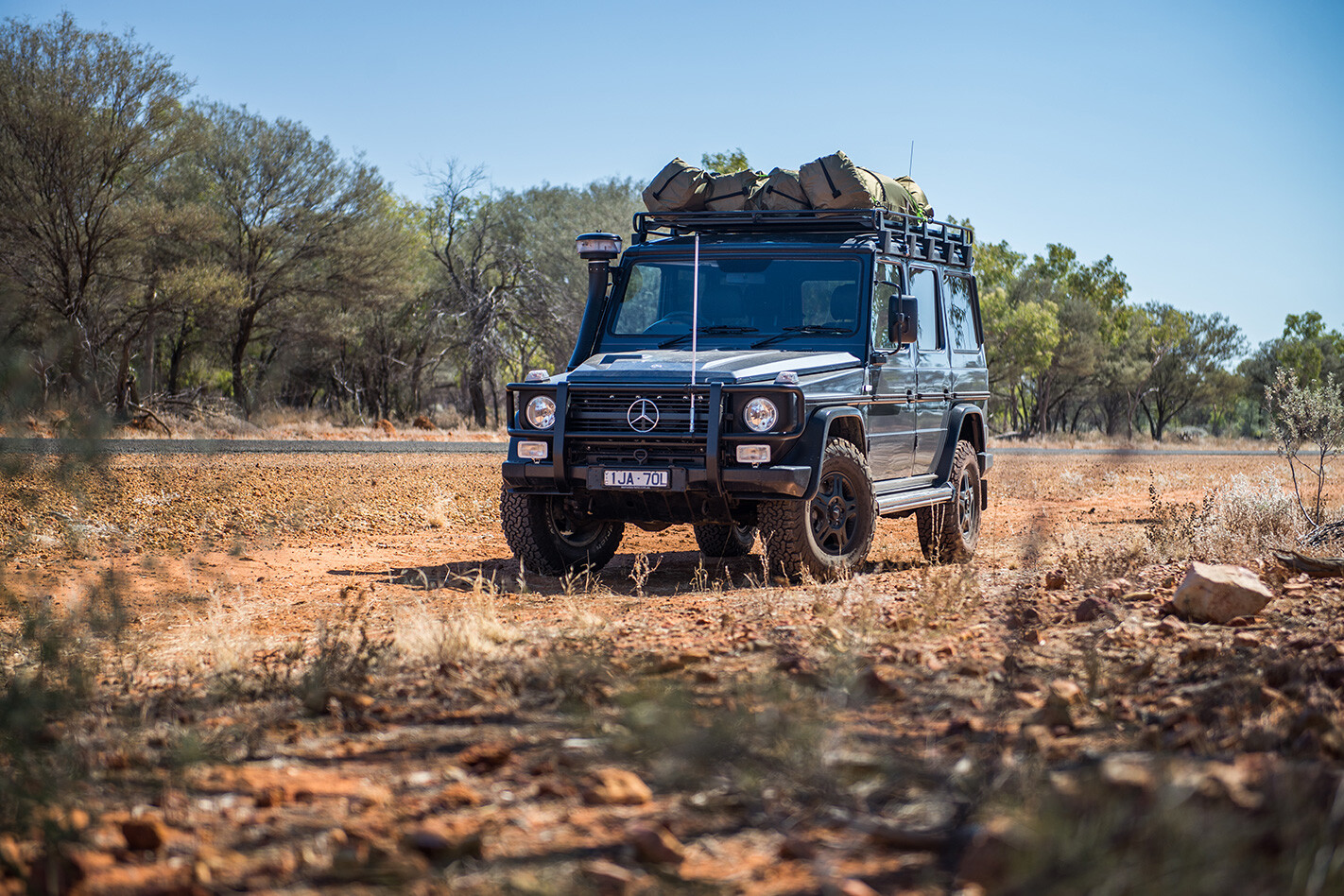
More recently the high-pressure cleaner has been taking the paint off as well. Despite the fleet of new 4x4s we drive here at 4X4 Australia, I do miss driving the old bus. It’s authenticity, heritage, character, smells and rattles more than make up for the lack of creature comforts and performance. Perhaps it’s been the time driving the G300 Professional over the last few months that has reminded me of the simpler side to off-road motoring and has prompted me to action.
To get the Middy back on the road in Victoria will require a roadworthy certificate and, knowing it has a few nasty oil leaks and the possibility of other ailments a 400,000+km truck would have, I sought professional help. Terrain Tamer is an old Land Cruiser owner’s best friend. The company produces and sources replacement parts for most old and new Cruisers, as well as other 4x4s, and its massive warehouse in Melbourne is like a candy store for a kid like me.
Knowing that Terrain Tamer would have the seals and parts needed to fix the oil leaks and anything else, I took the Cruiser out there to have it thoroughly assessed. Terrain Tamer’s Allan Gray and in-house mechanic Tony Demetriou gave the Cruiser a detailed once over and came back with a pretty extensive list of things that needed attention. The oil leaks were coming from the steering box, rear main seal, transfer case and rear differential.
Then there were faulty light switches, cracked tail-light lenses, loose seat bolts, worn and leaking rear brakes, cracked rubber brake lines, loose wheel bearings, and a few other items that could be covered by Terrain Tamer’s extensive replacement parts catalogue.
Ultimately, it seems every part the guys touched or unbolted needed attention or replacement, and the list soon snow-balled.
Over the coming months we’ll show what was required to get the classic Cruiser roadworthy and ready to hit the tracks in 2018. With what’s going into it the car should drive like a new one by the time it gets licence plates back on it, and we’re looking forward to giving it a new lease on life with a swag of new or reconditioned parts from Terrain Tamer.
The Outback Challenge is Australia’s premier long-course off-road event and has become an event that all serious off-road drivers dream about competing in. Returning from the disappointment of the 2016 cancellation caused by the extensive flooding across eastern Australia, Silverton (near Broken Hill, NSW) hosted the Outback Challenge in 2017.
The terrain in the region provides huge variety – sand, mud, steep gorges and rocks – all of it unforgiving on driver, navigator and vehicle. Event director Steven Tjepkema spends months in the lead-up to the event exploring the region and plotting stages that test the teams, both night and day, during the duration of the seven-day challenge.
The formula is simple: be self-sufficient for a week in the Outback and complete as many stages as possible with as few penalties as you can manage – then maybe, just maybe, you might become a legend of the sport by standing on the podium at the end. Just to finish the event is a major achievement not to be underestimated.
Outside assistance and returning to town all attract penalties, so the mission here is to conserve your vehicle during the long week and carry enough spares to keep you running – and sprinkle those skittles into the toolbox to fill up any leftover space, as they just might keep you fed.
Critical to the event’s growth and safety was the introduction of the RallySafe system in 2014. Competitors must navigate to GPS waypoints provided to them at the start of each stage. The vehicle must get within 10 metres of each point before proceeding to the next. RallySafe not only notifies the team of a successful waypoint acquisition but also allows event organisers to track each vehicle in real time, providing not only the scoring and timing validation but also a vital safety function. Teams are notified of other vehicles in the near vicinity for avoidance and can also call for assistance should it be required. RallySafe also allows spectators to view vehicle progress via the RallySafe app – something thousands of people took advantage of during the running of the event.
The early stages of the event were held around Silverton, allowing Broken Hill locals to enjoy some awesome night-time sandy creek stages and the Sunday Silverton Mine prologue. From there the competitors and accompanying spectators headed out to private properties surrounding Broken Hill.
Each property offers something different and, with some new properties on offer this year, even experienced competitors were kept guessing. From mud, sand, rocks, gorges and dry river beds, the Outback Challenge certainly doesn’t lack excitement and terrain variety for the teams and spectators.
Custom GQ Patrol takes on the 2017 Outback Challenge
With long competition stage distances and often more than eight hours a day of competitive driving, the Outback Challenge certainly delivers on the promise of providing an extreme off-road event that shows off the best of the Australian Outback.
As always, there were some hard luck stories during the week. The Young Veterans team representing our returned serviceman came undone with tyre damage on the Land Rover but returned for Friday’s epic Mad Max stage; and the front runners from Western Australia, Rob Robson and Cass Jones, who did substantial damage to the front end but worked night and day to return to the event, eventually placed fifth in a massive effort.
As the week progressed it was clear the teams were creating the special camaraderie that the Outback Challenge is known for, just as much as the sweeping, vast terrain upon which the stages are run. Teams help each other complete stages, fix broken cars and trade parts – the objective to win mixed with the willingness to help your mates get to the final “Mad Max” stage of the week. It’s also not uncommon to see teams working on each other’s vehicles no matter how little sleep and how tired they are.
The sense of team even extended to local businesses such as ARB in Broken Hill, who provide workshop facilities night and day to keep competitors in the event. Spectator vehicles were also assisted equally – the rough cross-country terrain inevitably claiming a few casualties.
Mad Max is aptly named: a final 140km, eight-hour stage that completes the week, and every competitor strives to make the start line of Mad Max as the final hurdle. Mad Max is also open to competitors who just wish to take on this massive single-day stage of driving, navigation and winching. The Outback Challenge vehicles joined by Ultra 4 and Production Class vehicles on this stage.
This year the Mad Max start line was positioned outside of Silverton in a natural rock amphitheatre, allowing all the competitors, spectators and officials to camp together and view the spectacle. We were also joined by some Enduro riders with a desire (madness) to take on Mad Max. Suffice to say, no bike completed the event this year – the shell-shocked look of the riders at the end of a very tough day told the story. Who will be able to claim the title of first motorbike to complete Mad Max in 2018?
As always, there is a winner. For the third successive time, the Outback Challenge was won by Team Hella’s Neil Cooper and Chris Hummer. Providing a master class of all the elements that make up the Outback Challenge, Neil and Chris were certainly deserving winners.
However, nothing in the Outback Challenge is certain until the finish is crossed, and a very hard impact early into Mad Max reshaped the team’s front axle housing into a banana and resulted in a very lucky escape. The duo had to operate in two-wheel drive for a substantial portion of the day; reducing the stress as much as possible on a damaged front end got them home. As Neil said: “18 excursions out of the vehicle to lock and unlock the hubs is nothing when you want to finish Mad Max.”
Second place went to the husband and wife team of Team Narva, Shayne and Alison Barkley (the first husband-and-wife team to ever score an Outback Challenge podium), and in third place TPS Constructions’ Johnnie Stavrou and Steve Fowler.
The Outback Challenge is an Australian 4×4 epic. If you’re a competitor or spectator, it’s simply an event that must be on your bucket list. Words and pictures simply do not tell the story of this iconic event – its something to be experienced!
HOW’S this for gutsy: buy a brand-spankin’ new 4X4 (about the $50 to 60k mark) and cut the roof clean off.
This article was first published in 4×4 Australia’s June 2012 issue.
It takes a reasonable amount of courage to stand back and watch another fella remove a perfectly good lid from a perfectly good 4X4. Fred Mayer, the brave and determined owner of this Defender 110, has done just that. Not that you’d immediately pick it from the photos.
That is, until the new roof is popped open to reveal the camper set-up – it’s an absolute ripper for a touring couple and detracts very little from the original lines of the Land Rover. You see, Fred was intent on creating his version of the perfect touring vehicle and wanted to start with a clean slate.
He did, however, have a fair idea about who was going to do the big chop to his new home-on-wheels – he even had the rest of the wagon’s future mapped out well before handing over his cheque to the salesman.
Keen Landie spotters will no doubt pick the slight difference in the roof line when in driving mode, with only a few inches of extra metalwork showing outside the factory Land Rover technical drawings. Even that extra metalwork has been colour-coded to match the body, so as not to stand out; not that this roof was white from factory, mind you.
Hands up how many Defender enthusiasts spotted that? The roof of the latest Defenders are colour-coded to the body – that’s product development for you. Fred drove his Defender straight over to Daniel at Mulgo Expedition Vehicles & Equipment (Mortdale, NSW) for the pop-top camper replacement.
Off came the standard roof, on went the pop-up camper lid, complete with gas struts, lightweight canvas walls and extra metal wall height built in around the top of the standard Defender.
Of course there is much more to it than that, but Daniel has created a brilliantly easy pop-top roof system that is ideal for camping and doesn’t detract from the day-to-day useability of the wagon, even when it’s being driven around town.
While Mulgo had Fred’s wagon, it also added its ExBox conversion, where all the electronics fitted under the driver’s seat as standard are re-positioned under the centre console (or cubby, as Land Rover calls it).
A pretty clever conversion for sure, as it allows the now released under-drivers- seat space to be used for extra storage of tools or recovery gear or even a safe hidey-hole for valuables.
All the electronics are now in a sealed box and the centre console/cubby is now about 15cm higher – perfect for an armrest. Mulgo also installed its clever glove box conversion kit, which inserts a glove box with twin (upper and lower) opening doors, where there was previously just a blank, unused space in the dash – clever.
Non-Defender experts would be hard-pressed at realising there was something non-standard in the dash with this kit; it looks OE and serves its purpose well. Also fitted to the dash is a Hema Navigator and a good old-fashioned compass for remote-area trips.
As good as they are, GPS-cum-navigator units are not infallible, so Fred’s use of a compass makes sense. To keep in contact with fellow travellers, Fred uses a GME UHF radio, while longer distance comms are directed out via the remote-head Codan HF radio and auto-tuning whip antenna, which is rear mounted near the spare-wheel carrier.
In the rear of the wagon, Drifta Camp Kitchens has crafted a custom unit to store food, utensils and general camping gear. The kitchen incorporates a drop-down door that becomes a table, at which the two occupants can sit opposite for out-of-the-weather meals – a brilliantly simple and effective set-up.
Fred also opted for one of Drifta’s slide-out camp kitchens that transforms into an acre of tabletop food-preparation area, with a few drawers built in underneath.
These kitchens can be used partially in the rear of the wagon or they can be removed and used standing on their own adjustable legs under the Defender’s rear awning or down by the river’s edge – or wherever you reckon is the best vantage point to eat and watch the sunset.
Fred has also plumbed a manual water pump inside, plus a 12-volt electric water tap outside, both of which are drawn from a 65-litre sill-mounted water tank. An aluminium Front Runner WindCheetah full-length roof rack, with extra front bracing (which doubles as a tree deflector) sits on top of the lift-up camper roof.
Fred carries a tank of water plus extra camping gear for his longer bush trips, plus this rack provides a great vantage point from which to take a few photos, or simply take in the sights. If you’re wondering how strong the Mulgo camper pop-up roof is, Daniel was issued a report from an engineer stating the design and manufacture of his handiwork is superior to the factory-standard turret.
Not that you should overload the roof past the specified limit, but it’s reassuring to know the modifications haven’t compromised strength or integrity. The rear passenger door is the access point to the Bushman fridge, under which recovery gear, a few spares, camping gear and tools reside.
Again, this is a very simple and basic arrangement, but allows easy access to everything and has nothing to go wrong – perfect for bush travel.
Fred wasn’t one to leave all the mechanicals stock; rather he’s plugged in a Steinbauer performance module, together with a 100 percent larger intercooler, a washable cotton high-performance air filter and Water Watch fuel-filtration system and Safari snorkel – that should get the 2.4-litre turbo-diesel hiking and keep it clean for the long haul.
Fred bought a set of 40mm raised springs and Koni shock absorbers from Les Richmond Automotive (a dedicated Land Rover joint) and fitted the lot himself. The additional load-carrying capacity and increase in height from the coils suits all that extra weight in water, fuel and camper kit perfectly, at least from what we could see while Fred negotiated a few steep obstacles during our shoot.
Fred was more than happy to demonstrate how capable his wagon is, given the factory traction control system, longer travel suspension and his level-headed driving. We watched those coil springs flexing all over the shop to help the Defender through some pretty gnarly climbs and ruts.
That Fred could drive pretty much anywhere on our little island, pull up, have camp set up in a blink and kick back with a meal in no time is a credit to both his and his suppliers’ handiwork and products.
Should things not go quite to plan, Fred has had Mannell Motors (Thornleigh, NSW) fit an ARB steel bullbar with a Warn 9.5XP electric winch, plus he carries a plethora of recovery gear under the fridge on the passenger’s side.
There are also front and rear QT diff protectors that mount via OE threaded holes; these steel units help the diff centres slide over rocks instead of bashing straight into them, potentially cracking the housing. To help protect the soft aluminium sills, Fred knocked up his own sliders using 75mm x 50mm box-section steel.
While he was at the welder, he also fabricated his own rear bar and swing-out spare wheel carrier, as well as an 8.5-litre oil and air storage canister. Geez, this fella is clever; not only are all the mods he’s done hard to pick, they all work like a charm – just goes to show he’s probably been there and done it before.
And he sure has; Fred used to be a professional four-wheel driver in Africa where he ran photography safaris into the wilds of Kenya, and he is currently one of the professional driver trainers with the Land Rovers Owners Club, so he knows his stuff and loves nothing more than getting out with his new camper conversion.
In fact, Fred was due to set off on a trip up to far-north Queensland and the Northern Territory just weeks after our photo shoot to take part in a recreation of the 1986 Camel Trophy event.
The Camel Trophy recreation let Fred test his camper where it was designed to be used. We reckon he would have had camp set up faster than most of the participants, and with many more mod cons for comfy bush camping than they would have had back in 1986.
OFF the back of thriving 4×4 aftermarket scene, 2017 saw a spike in quality, heart-stopping custom builds.
The fact we could squeeze the field of wild customs down to only five is an achievement in itself.
Patriot Campers’ 6×6 LC79
When the team at Patriot Campers gets to work, you know there’s going to be something incredible in the making. Everything about this build is special, including the complete JMACX 6×6 system which replaced the standard rear axle/leaf spring setup. A GSL 100% kit provides a 100 per cent increase in torque. Plus, we got to drive it!
Read about the 6×6 LC79 here
Land Rover Defender 90
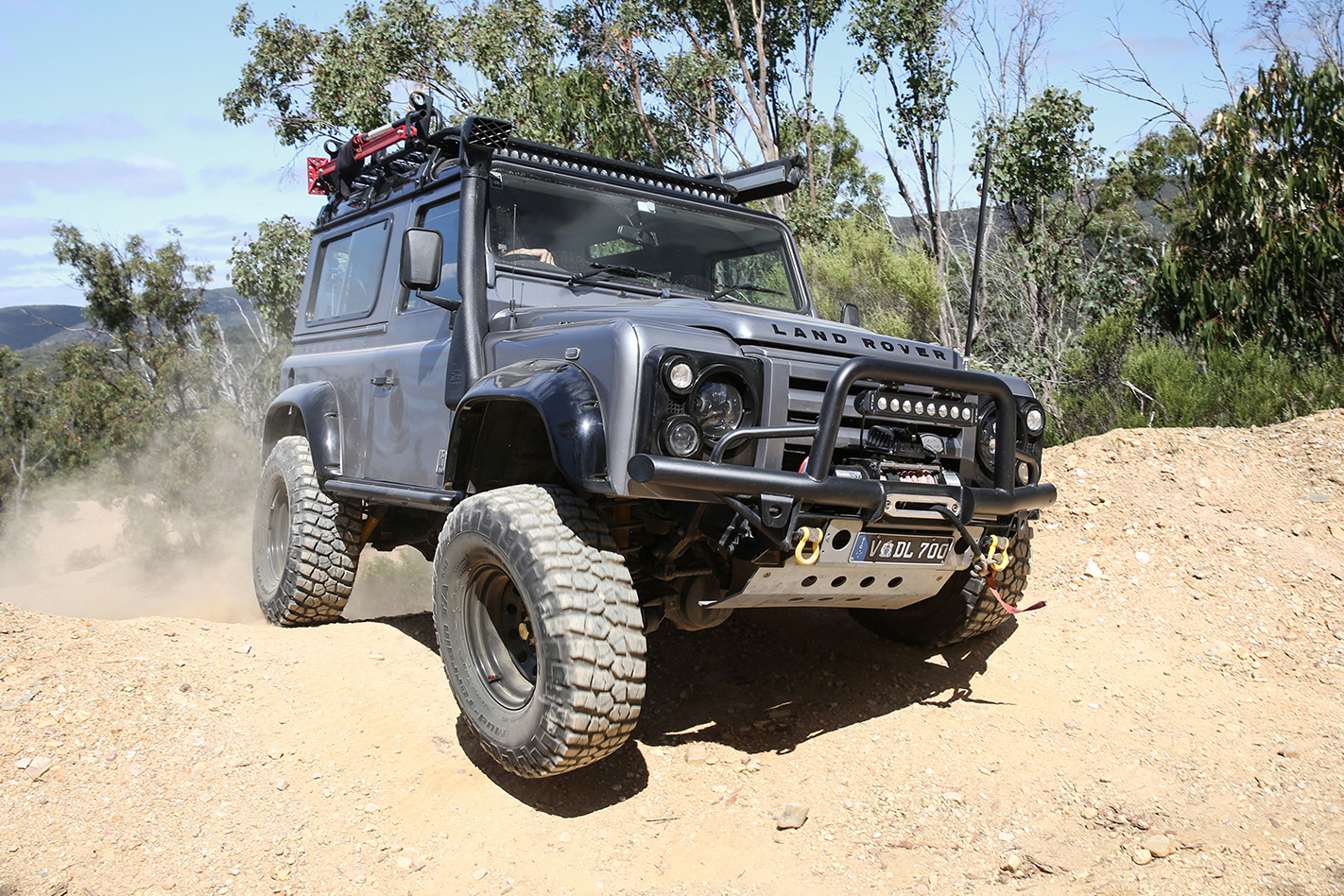
This Defender 90 was initially supposed to be a daily driver, but once its owner caught the Landy bug that soon changed. Since it was purchased back in 2013 the 90 has had the aftermarket catalogue smartly thrown at it. Everything from the drivetrain to the suspension componentry has been tweaked to make it an off-road beast.
LS3-powered Holden Colorado
This is the Colorado Holden should have built! It’s powered by a General Motors 6.2-litre LS3 V8 engine capable of dishing out more than 400 ponies and around 580Nm. These torque levels are comparable with the twin-turbo V8 diesel found in LC200s, but the Colorado is considerably lighter… you beaut.
For more info on the conversion and what else it’s packing, head here
Toyota N80 Hilux
N80 Hilux bucks the trends of vehicles built for show instead of go. It’s owner, a keen fisho and hunter, needed an ultimate work rig that could lug a 2000kg boat, but also get beyond the black stump across treacherous terrain. So he opted for the N80 Hilux and set to work expertly modifying the rig for its intended purpose. The results speak for themselves.
What’s it got? Read about it here
Coyote V8-powered Ford Ranger
When the request came through by the client for a V8 transplant into a Ranger, the crew at Diesel Leaders dismissed the idea of a big-block engine in favour of a supercharged Ford Coyote V8 that, in stock form, pumps out 335kW and 570Nm. It had to be expertly squeezed into the engine bay, which was no mean feat. If you’ve got a spare 30 seconds, we recommend watching the video just to listen to the big V8 howl!
Watch the Ranger in action here
PREVIOUSLY known as Beverley Springs, Charnley River was the first property along the Gibb River Road to offer tourist accommodation.
In 2011 the Australian Wildlife Conservancy (AWC) took over the management of the station. The AWC also owns and operates the 3000km² Mornington Wilderness Camp 140km to the south-east, which incorporates stretches of the Fitzroy River and King Leopold Range.
Like Mornington, Charnley River was attractive to the AWC because its isolation and rugged terrain has protected the habitat of many animal species that have disappeared from other areas due to the impact of humans and feral animals.
With its spectacular complex of red sandstone ranges and rugged gorges carved by rainfall, the Artesian Range which covers half of Charnley’s 300,000 hectares is home to more than 30 animal species found nowhere else in Australia.
Protected by topography and high rainfall, the Artesian Range offers a glimpse into the past as it is possibly the only region in mainland Australia that has not experienced any animal extinctions since European settlement. It also remains one of the few places in Australia where the Gouldian Finch, with its colourful plumage, still clings to existence.
Access to Charnley River is by way of a 42km gravel road that leaves the Gibb 250km east of Derby near Imintji Store (one of the few supply and fuel outlets along the Gibb). The Station campground will invite you to stay longer.
Grassed with plenty of shade and generator and non-generator camping areas, amenities include showers, flushing toilets, communal barbecue and fire pit (with wood provided) and, surprisingly (considering the remote location), WiFi. With an ample supply of drinking water on tap, Charnley River also provides an opportunity to top up your tanks.
And, perhaps best of all, being located some distance off the Gibb, Charnley River tends to be not as crowded as other nearby campgrounds, such as Silent Grove and Manning Gorge. The principal tourist attractions on the station are several gorges, of which the most distant (Lily Pools and Grevillea Gorges) are 20km to the north of the campground.
Lily Pools is located at the top of Grevillea Gorge and access to the gorge floor necessitates climbing down a ladder bolted to the cliff face. Good views can be had from the lookout above the ladder, so go and check it out.
While the station tracks are in relatively good condition, the drive to Lily Pools takes about two hours as it’s slow going in some sections where cattle have pugged the surface during the wet season. Unlike other gorges along the Gibb you will probably have the place to yourself, and yes, it is safe to swim here without the risk of becoming a meal for some hungry reptile.
That said, the water does attract less threatening reptiles in the form of Green Tree Snakes and Merton’s Water Monitors, both of which regularly show up around the waterholes (and might give you a bit of a fright).
Heading back towards the homestead, a side track takes visitors to nearby Dillie Gorge, which is another beautiful swimming spot. For $40 visitors can hire a canoe and paddle the 400m length of the gorge, possibly stopping along the way to have a leisurely BYO lunch while soaking up the natural beauty around them.
Even closer to the campground is Donkey Pools, which is a favourite with families as swimming is possible in any of the three gorges there. The station offers a nature walk for bird lovers and, with more than 192 recorded species of birds, the area is a twitcher’s paradise.
Dawn brings a cacophony of bird calls around the campground as the avian population declare their territory while warming themselves in the first rays of sunlight. In addition to offering pleasant camping facilities and some great attractions of its own, Charnley River makes a handy base to visit other nearby tourist drawcards.
Perhaps the best known and arguably the most delightful gorge in this part of the Kimberley is Bell Gorge. The road into Bell Gorge passes Silent Grove which, with its shady campsites, solar hot showers and drinking water on tap, is another great place to take a break from the heat and dust of the Gibb.
From the gorge car park, a 750m track ends at a large waterhole with spectacular views of water cascading down rock steps to another large waterhole below. Both waterholes are safe to swim in, but, as Bell Gorge is one of the most popular tourist stops in this part of the Kimberley, you almost certainly won’t be on your own.
Arguably the best time to check it all out and visit is late in the day when most of the travelling public have scuttled back to camp for Happy Hour. It’s also a great time to get some holiday snaps when the warm, late afternoon sun lights up a conical red sandstone hill that overlooks the gorge.
TRAVEL PLANNER
WHERE The Kimberley, located in far north-west Western Australia, is an area of 423,000km² and is approximately 5000km from Melbourne by road. Charnley River Station is 250km east of Derby on the Gibb River Road.
WHEN TO TRAVEL Most roads and campsites in the Kimberley are closed during the annual Wet season. The most pleasant time to travel is between May and August. Outside of those months, expect temperatures of 35°C (or greater) accompanied by humidity.
STAYING THERE Charnley River Station camp fees are $20 per person per night (children $10) plus a one-off vehicle access fee of $25. The camp includes facilities for the disabled and offers WiFi internet. Booking is not required and pets are not permitted. Mobile reception is non-existent.
SUPPLIES Visitors should plan to be totally self-reliant. While most campsites have water available, boiling is advisable. Basic food supplies are available from the Imintji Store and Mt Barnett Roadhouse.
ROAD CONDITIONS Tyre damage is a major issue on the Gibb, and Neville, the local mechanic near Imintji, sees several stuffed tyres a day due to fractures from sharp stones that the regular grading of the Gibb drags into the path of vehicles. Neville suggests running pressures of around 35psi.
CONTACTS Charnley River Station www.australianwildlife.org Phone: (08) 9191 4646
2017 was huge for quality aftermarket kit. Here are six of the best.
MSA 4X4 DROP SLIDE
With most 4x4s, fridge access can be compromised by height – more so if the fridge sits on a cargo drawer. MSA 4X4’s Drop Slide system eliminates this issue by sliding the fridge out from the cargo area and lowering it 300mm. MSA claims the slide design means that gas struts of 670N to 1200N are needed to assist lowering, which helps keep the overall weight of the unit down compared to others. The Drop Slide has a 200kg slide-runner rating, lock-in/lock-out safety latches and all the extras (fixing and straps) needed to fit the fridge.
There are even Side Drop Slide variants available, designed for when the best way to fit them is actually sideways. There are numerous models to choose from, governed by the capacity and brand of the fridge. The Drop Slide has MSA 4X4’s lifetime guarantee.
Website: www.msa4x4.com.au; RRP: $425-849
TERRAIN TAMER LC70 MODIFIED FIFTH GEAR SET
THE 4.5-litre 1VD engine in Toyota’s 70 Series Cruiser is one sweet thing. The only complaint is that, in pre-2017 models, it’s matched to a five-speed manual gearbox with a low fifth gear, meaning it sits relatively high in the rev range (around 2400rpm) when cruising at 100km/h.
Terrain Tamer’s new modified gear set includes a taller fifth gear, designed as a direct replacement for the OE part. This modified gear set brings the gear ratio down from .881 to .736, with an overall RPM reduction of 20 per cent. The modified gear is built tough, too. Made from 62-strength Rockwell hardened steel, it meets exclusive Terrain Tamer tooling specs to be equal to or better than the OE part.
The set can be purchased individually or as part of a gearbox overhaul kit. It will also be optional in all relevant Terrain Tamer reconditioned gearboxes.
Website: terraintamer.com
MSA 4X4 DASH ORGANISER
Designed to mould to any dash shape, MSA 4X4’s dash organiser design has been upgraded. Ensuring all your at-hand travel essentials can be easily accessed, the organiser now features five pockets for small items (think: sunnies, mobile phones, etc.) and a large pocket for your map.
Objects inside the organiser are secured via elastic straps to ensure they don’t fall out when negotiating bumpy terrain, and the unit is secured to your dash (or dash mat) using Velcro and adhesive strips. The organiser’s unique ability to be moulded to the dash is due to the internal flexible aluminium strip, with the overall manufacturing quality that you’d expect from this Aussie company. The dash organiser measure 185mm long by 365mm wide, making it an easy fit to all 4×4 dashboards.
Website: www.msa4x4.com.au; RRP: $69.95
EFS RECON R13 WINCH
EFS spent more than two years developing this big-bopper electric winch. Impressively, it has a 13,000lb (5900kg) rated single-line pull, which puts it at the top of the market in terms of capacity. It also includes a full-load automatic brake and a 265:1 gear ratio.
The 6hp electric motor is waterproof (as is the gearbox) and the 25m, 18,000lb, 10mm-diameter, syntuff synthetic multistrand rope is abrasion-resistant and includes anti-bind tech. The full-load auto brake is designed to work with synthetic rope and this, combined with the gearbox’s three-stage zinc-plated hardened planetary gears, ensures a virtually bombproof winch.
Website: www.efs4wd.com.au
PIRANHA UNIVERSAL DIFF BREATHER KIT
ONE OF the best bang-for-buck mods to increase your 4×4’s bush-touring reliability is to fit aftermarket diff breathers. Piranha Off Road’s universal diff breather kit includes seven metres of hose, two osmotic filters, clamps and all essential fittings. The kits extend the breathers higher from the diff housing to eliminate any chance of water ingress.
Vehicle-specific kits are available for the new Triton and Pajero Sport, both of which need a replacement fitting in the rear diff housing to work effectively. Piranha also offers vehicle/brand-specific kits for Toyota, Nissan, Pajero and Ford Ranger.
Website: www.piranhaoffroad.com.au
EVAKOOL RV18 FRIDGE/FREEZER
For those tight for space in their 4WD, this new compact fridge/freezer from Evakool is perfect. With space for 16 375ml cans or a mix of drinks and food (including a dairy shelf), the RV18 is ideal for road trips or overnight adventures. The slim design (230mm width) means it can be fitted between passengers in the second row.
The RV18 features an Evakool CK15 compressor and can be run as a fridge or as a freezer, with an operating temperature range of 10°C and -18°C. The unit weighs a paltry 8.7kg, has an impact-resistant polypropylene cabinet and lid, an internal LED light, digital control panel, and can be operated via 12V, 24V or through 240V mains (using an adaptor). The RV18 comes with a two-year warranty.
Website: www.evakool.com RRP: $549
SUMMER’S here, which means it’s a great time to get out and explore. Here are some events coming up in the early-half of 2018:
SILVERTON SUNSETS MUSIC FESTIVAL (NSW)
Based at one of Australia’s iconic outback pubs, this new event, on Saturday, February 24, will feature some of the best from the Aussie country music scene. Hosted by country music star Catherine Britt and husband James Beverley, in combo with Silverton Hotel owners Peter and Patsy Price, the event also features John Williamson, Adam Harvey, The Sunny Cowgirls and more.
You can camp at Penrose Park (just across the river from the pub) or at nearby Broken Hill and catch the free bus out to the festival. Check www.silvertonsunsetsmusicfestival.com for more info.
HIGH COUNTRY BREWERIES TRAIL (VIC)
With summer looming and the Victorian High Country tracks open, it’s the perfect excuse to plan a few days following the High Country Brewery Trail.
This big loop takes in the Bridge Road Brewers at Beechworth, Rutherglen Brewery, Taminick’s Black Dog Brewery, The Social Bandit Brewing Co in Mansfield, King River Brewing in King Valley, Bright Brewery, Dinner Plain’s Blizzard Brewing Co, and Sweetwater Brewing Company in Tawonga South. Enticing? We reckon so. Check out: www.victoriashighcountry.com.au/food-wine-beer/high-country-brewery-trail
MILLION DOLLAR BARRA’ (top end, NT)
It’s always easy to find a reason to head to the Northern Territory’s Top End and fish for the mighty barramundi, but the NT government has just come up with the ultimate excuse: 101 barramundi have been tagged and released across the Top End’s waterways, with 100 of these worth $10,000 if you can catch one.
Then, there’s the big one: somewhere, deep in those crocodile-filled waters, is a barramundi worth $1,000,000. Yep, like we said, any excuse will do – especially this one! Entry is free, so head to www.milliondollarfish.com.au for more information.
EAST COAST HEAVEN (NSW)
With summer upon us, it’s time to check out some of NSW’s fantastic touring destinations. With the mountains of the Great Dividing Range abutting the coastal lowlands, the NSW coast offers a fantastic variety of four-wheel escapes, with the Barrington Tops region (and the nearby town of Dungog) a top option.
The alpine tracks of the national park will be open for the summer period, and the high campsites in this park are awesome. Add in neighbouring Chichester State Forest’s tracks and it makes a great summer destination. See: www.nationalparks.nsw.gov.au and www.forestrycorporation.com.au/visit/forests/chichester
ARB TOWN & COUNTRY TYRES STACKPOLE 400 (NSW)
The ARB Australian Off Road Racing Championship kicks off at Griffith in southwestern New South Wales with the Stackpoole 400 running from March 17 to 19. The ARB ORRC runs over four rounds at four different locations during the year. It is a great chance for those looking to get into competitive off-road racing to try it out in a sociable environment.
With eight vehicle classes ranging from production 4x4s through to buggies and everything in between, it’s guaranteed to be an awesome weekend. For more info, see: www.offroadracing.com.au
MAN FROM SNOWY RIVER FESTIVAL (VIC)
Make your way to Corryong on April 5 to 8 for this annual event celebrating Australia’s unique mountain lifestyle. The festival includes the epic Man from Snowy River Challenge horse race, local art exhibits, bush tucker, some brilliant country music, local photography displays and the High Country Ute Muster.
Designed to recreate the big bush gatherings of yesteryear and the Aussie country lifestyle, it is a fantastic four days in and around this pristine alpine village. For event details and to buy tickets, head to: www.bushfestival.com.au
2018 DRIVE 4 LIFE (VIC)
A fantastic off-road tour that helps raise money for the Northcott foundation, which provides support and services to people with disabilities. A $1000 tax deductible donation per vehicle ensures participation. The trip kicks off from Harrietville on Sunday, March 18, and is five days of fantastic Vic High Country touring, before finishing back at Harrietville on Friday, March 23.
Vehicle’s must have low range and be fitted with all-terrain tyres; plus you must be self-sufficient in regards to camping gear, food and water. See www.drive4life.com.au
THE beauty of an opinion is that everyone has one, but the opinions of those in the industry often carry more weight.
Our journos penned a bunch of divisive opinion columns throughout 2017; here are six that gained traction with our readers.
Concerns for new 4x4s not fitted with snorkels – Dean Mellor
After battling through tough Victorian High Country Terrain in a couple of snorkel-less showroom-stock 4x4s, Deano left concerned with said 4×4’s ability to effectively ford rivers, with water ingress to the engine a real problem.
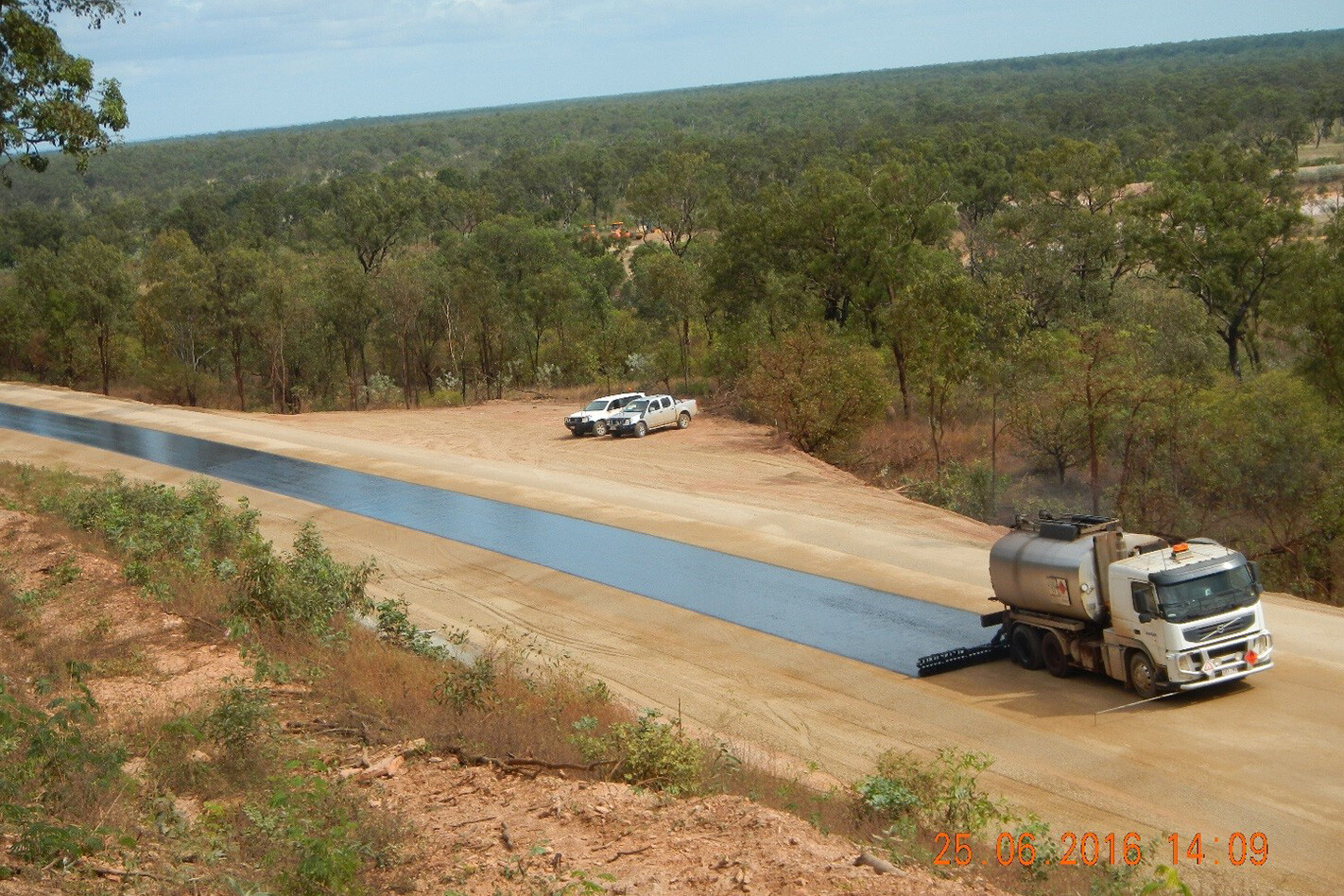
Dirt roads are vanishing under tar – Ron Moon
Tracks that were once dirt and dust are disappearing beneath bitumen, in a concerted effort to ease the commute for those that live away from the masses. The problem for Ron is that the off-roader has to look farther afield to get their tyres dirty, but is it a small price to pay to help the greater good?
Five 4×4 features we could live without – Matt Raudonikis
Modern 4x4s come with plenty of advantages over old-school models, but car companies are also hell-bent on loading the modern fourbie with things we don’t need or want. Things that irk Matt most include keyless ignition, idle stop/start, power tailgates, small fuel fillers and vehicle chimes (or alerts).
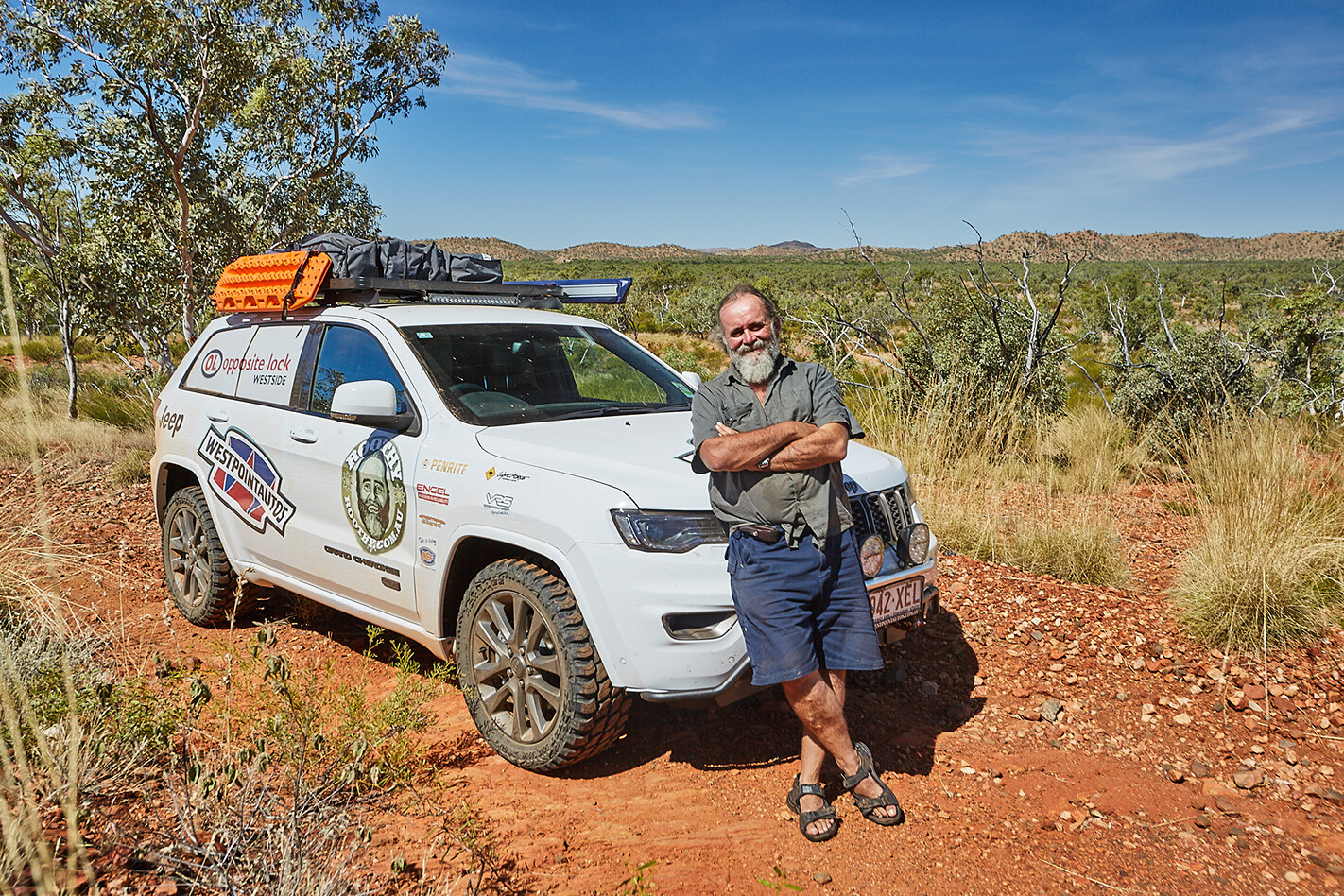
2017 Jeep Grand Cherokee hits the tracks with Roothy – John Rooth
Roothy put his Milo2 build on hold while he took a brand new Jeep Grand Cherokee from the showroom to rough and remote country. Before he got there, though, he decked it out with some quality aftermarket gear from Opposite Lock.
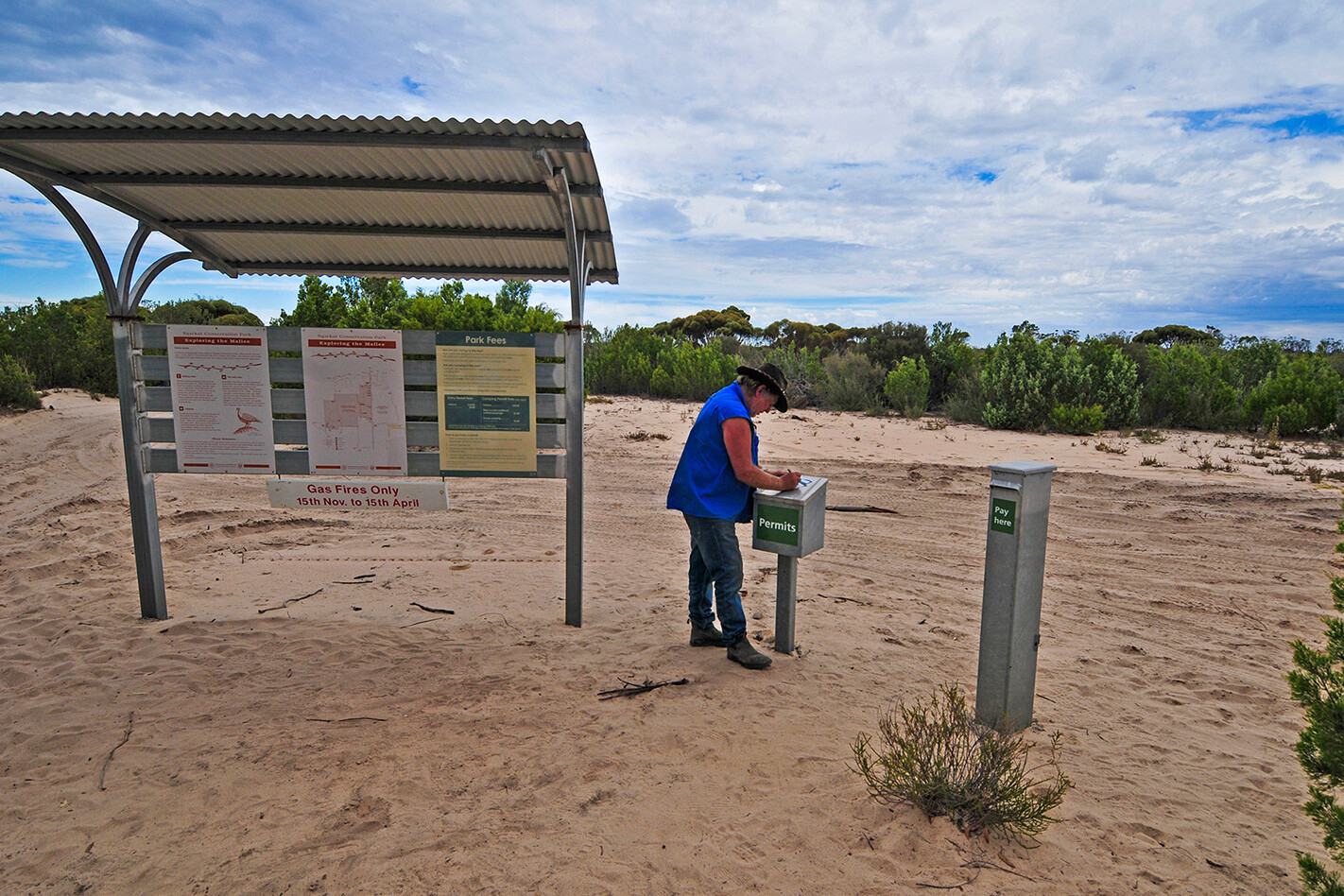
Web-based campsite booking systems are flawed – Ron Moon
Moonie hit a soft spot with readers when he penned this column on the farcical web-based campsite booking systems – and we realised it’s an issue affecting many off-roaders. The system, designed by someone with no clue about the requirements of the travelling public, requires a tourer to plan their trip to the last detail before you’ve left the front door. Unrealistic, we know.