
Snapshot
- All new Jeep Grand Cherokee L launched in the USA
- Due in Australia in Q4 2021
- New platform with three row seating
Jeep USA has pulled the wraps off its new three-row premium 4×4 wagon the Grand Cherokee L.
More than just a Grand Cherokee with some added booty and a third row seat, this is an all-new vehicle that replaces the Mercedes Benz-derived platform of the current GC with a new architecture borrowed from the Fiat stable and adapted to a large off road capable wagon.
The Grand Cherokee L is due to go on sale in Australia in Q4 of 2021 as a 2022 model, with local specification and pricing to be announced closer to that launch date.
In the USA, The Grand Cherokee L starts at US$38,995 through to US$63,995, so it’s cheaper there than a Land Cruiser 200 Series. There are four specifications offered in the US, starting with Laredo, Limited, Overland and Summit.
The Grand Cherokee L is the first new vehicle to come out of Jeep’s new three-million-foot Mack assembly plant, the first new auto manufacturing in Detroit in 30 years.
UPDATE, May 12 2022: The new Jeep Grand Cherokee L is now in Australia, and we’ve driven it. Read and watch our review at the link below.
The story to here
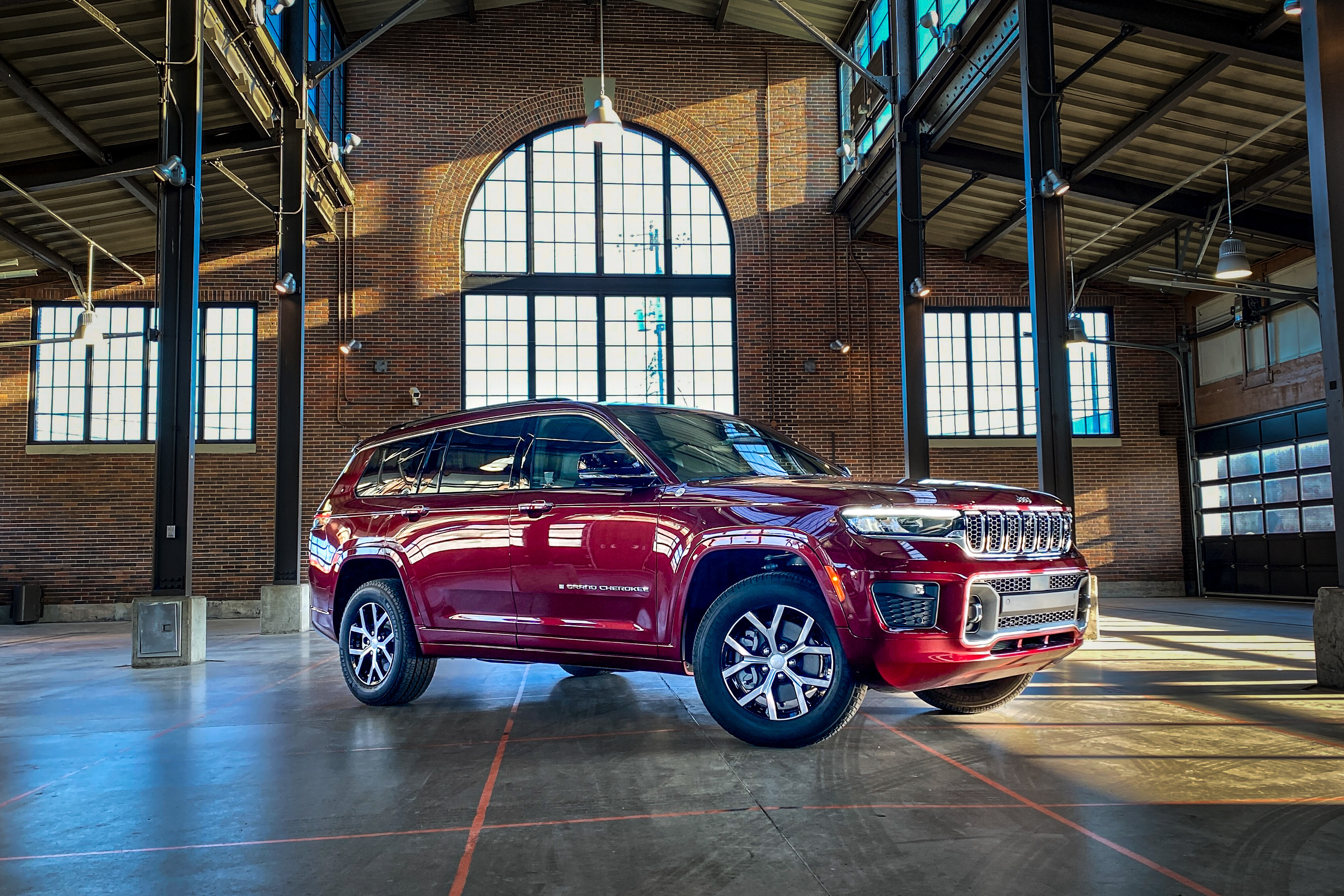
In creating this new chassis, Jeep incorporated 70 percent high-strength steel to improve rigidity and reduce mass.
The use of aluminum in the bonnet, tailgate, suspension, steering knuckles, and engine cradle reduced weight further; more than 100 kilograms total.
To lower the center of gravity and accommodate the new body lines, the engine sits deeper in the bay and is now attached to the front drive axle.
This configuration allows for increased ground clearance and reduces noise and vibration on the road.
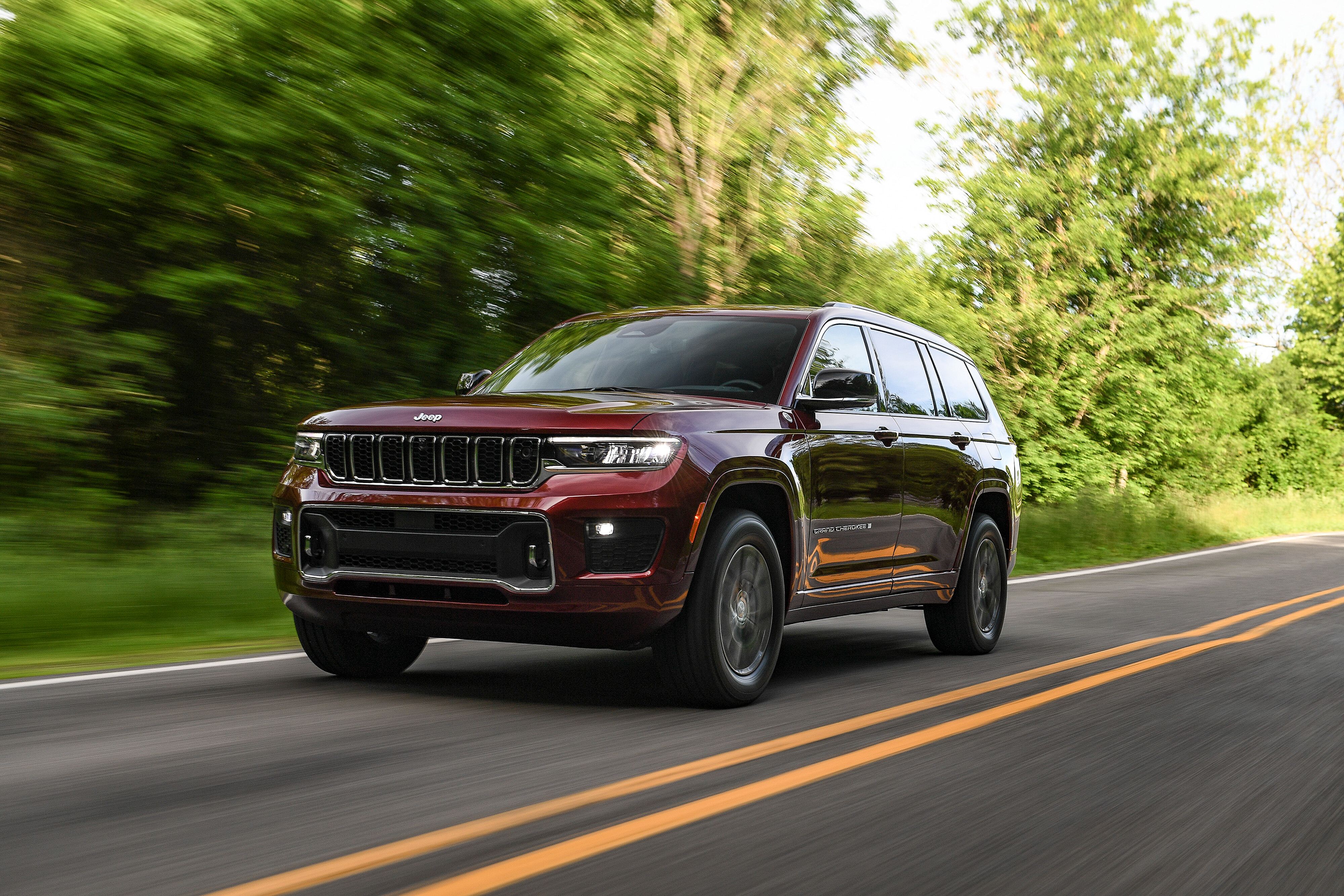
ON ROAD
We put this new technology through the paces during a half-day road trip to the Chelsey Proving Grounds.
Our drive was in a GCL Summit model fitted with the 266kW and 528Nm 5.7-litre Hemi V8 engine. The base engine is the venerable 3.6-liter Pentastar V6, producing 216kW and 348Nm of torque.
First impressions were a little jarring. I was sure it possessed the trail capability expected from a seven-slot grill, but slipping into the hand-crafted leather seat and glancing around, I wondered if I’d walked into the wrong drive program?
This was not my granddaddy’s Grand Wagoneer. Leather and hardwoods throughout, ambient LED lighting under the dash and seats, a frameless instrument panel, and four-station HVAC system. Was this really a Jeep?
Rolling out of the gates, I toggled the drive mode selector to ‘Sport’ and made my way through the streets of Detroit.
Finding the expressway onramp, I pressed the skinny pedal to the floor. Keeping my eyes above the dash, I watched the speedo on the heads-up display spin north as the Hemi V8 launched me from zero to the fast lane in a heartbeat.
New is a fully electric power steering system, which I was initially apprehensive about, but on the road it is very smooth, had a natural feel, and seamlessly adapted between slow parking lot turns to sensitive lane changes at highway speeds.
The Grand Cherokee L is the first new vehicle to come out of Jeep’s new three-million-foot Mack assembly plant, the first new auto manufacturing in Detroit in 30 years.
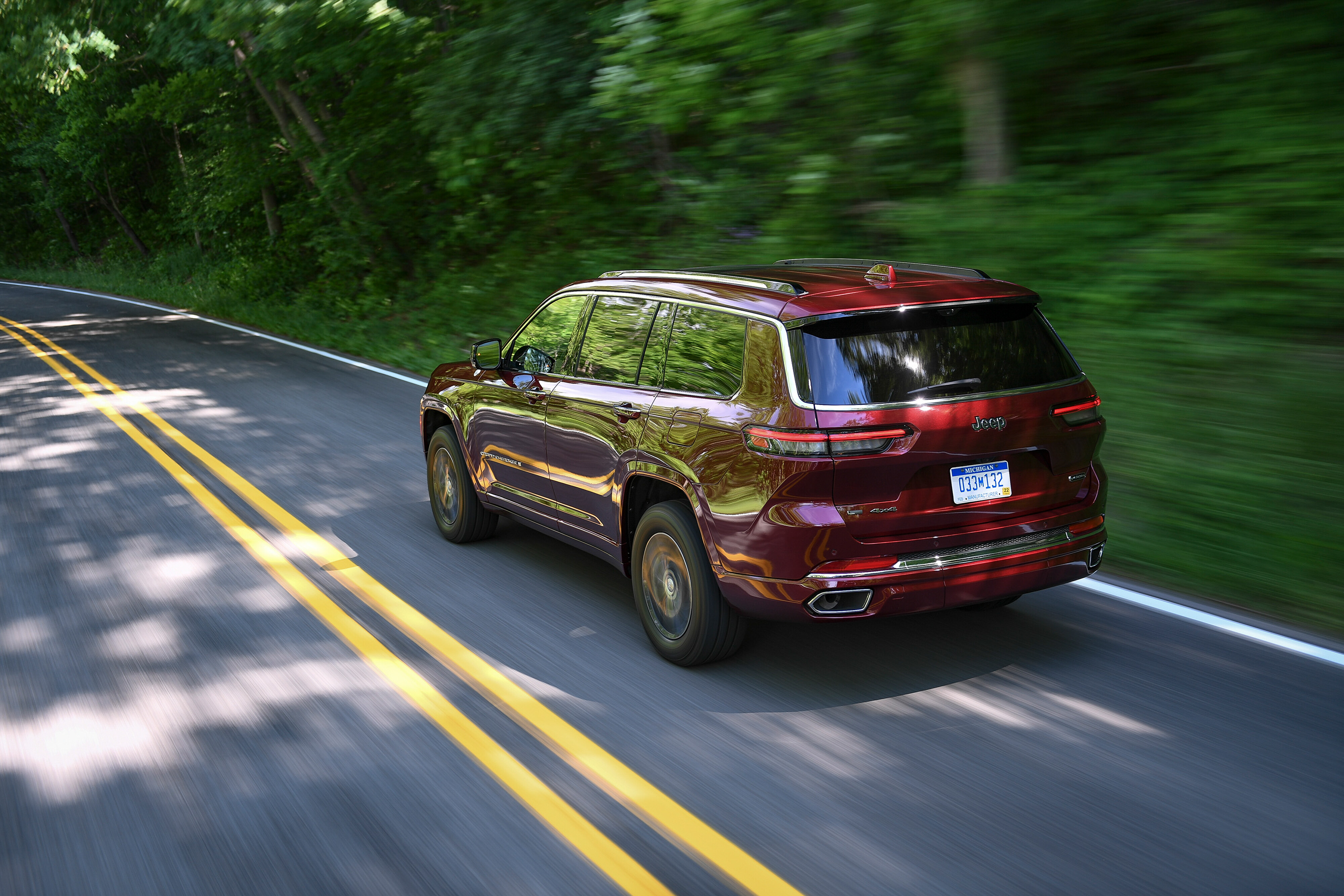
Pulling off the highway onto a labyrinth of country roads, I pushed the Grand through tight corners at a spirited pace. Steering was light and predictable, the 52/48 (fore/aft) weight distribution provided balanced handling, and the combination of twin-tube gas shocks and variable-rate air suspension rendered a sportscar feel.
In a clear section I dodged the wheel hard left and then right to emulate an emergency lane change. The return-to-center cycle, where the vehicle stabilizes, was measured in fractions. Emergency braking was immediate and dead straight, thanks to the larger rotors (354mm front, 350mm rear) and calipers, and an effective ABS.
The Grand Cherokee L is rated to tow up to 3200kg in the USA and has a very healthy payload for the 4×4 wagon. The top-spec 4×4 Summit model weighs in at 2395kg, yet has a 1190kg payload. Overland and Summit models are available with a two-speed transfer case for off road driving.
INTERIOR
It was a hot, humid Detroit day and the sun beat through the dual-pane sunroof like a blast furnace.
Comfort was achieved by pressing a few buttons to close the sunshade, activating the ventilated seats, and setting my temperature preference on the four-zone HVAC system.
This new model has a lower belt line, which leaves more real estate available for glass. The increased visibility from the driver’s seat was appreciated as I worked my way through commuter traffic.
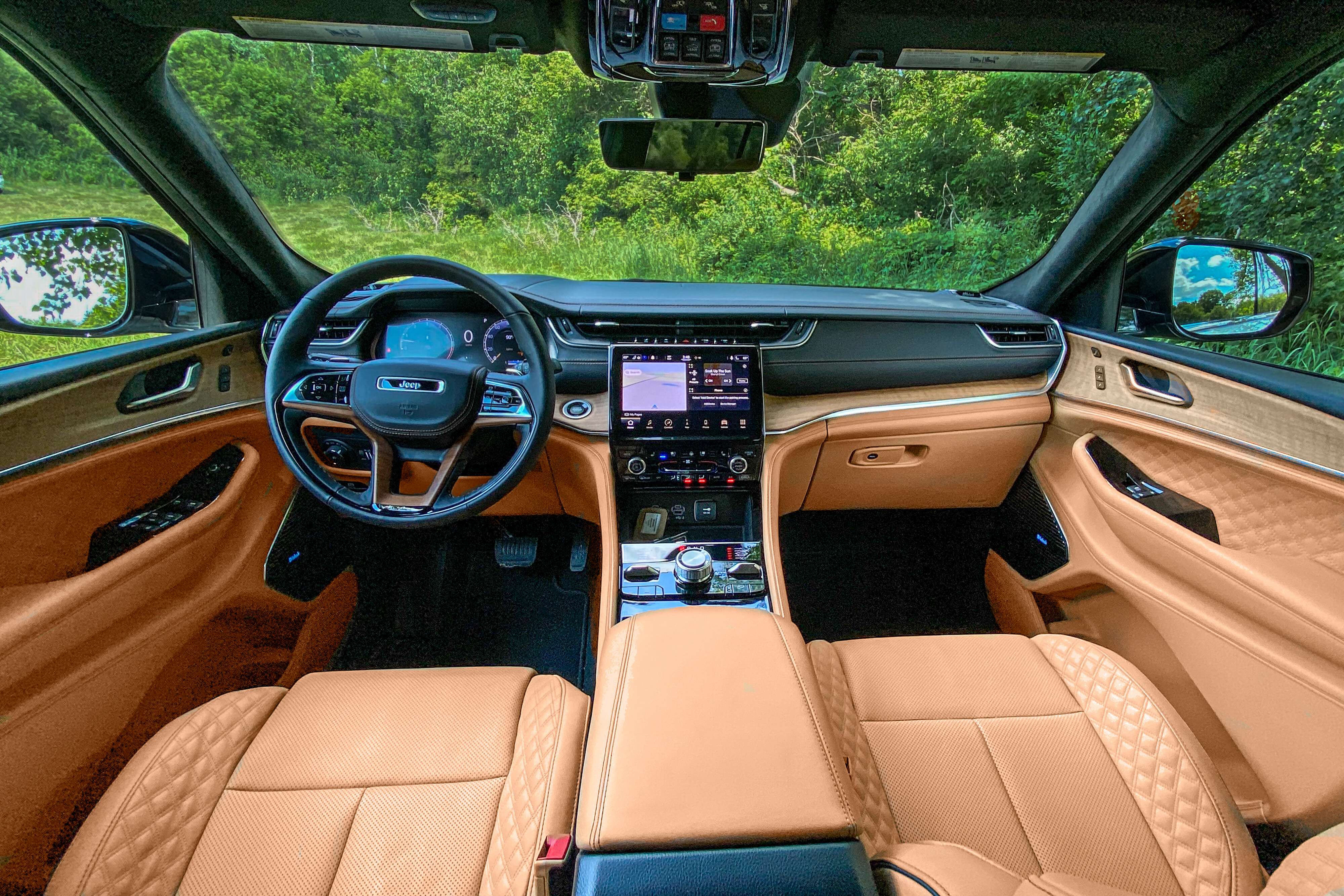
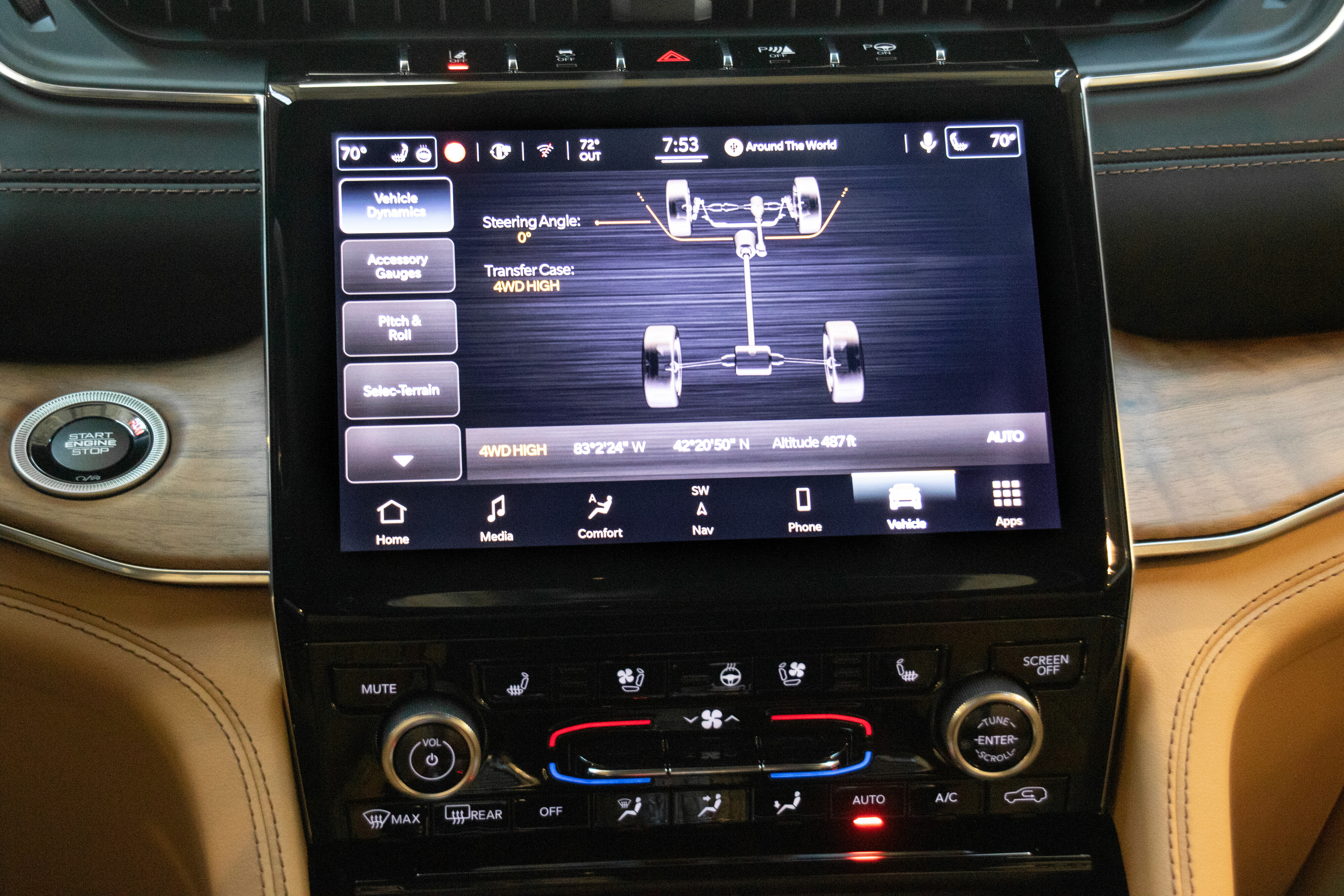
I took advantage of the highway time to savor the Grand Cherokee L’s plush interior and explore the plethora of pages on the Gen 5 Uconnect LCD screen.
First was the 360-degree Surround-View camera system. Not only can you monitor traffic around you, but interior cameras allow you to watch your kids as they smear peanut butter and jelly sandwiches on each other.
There is also a night vision mode, which incorporates thermographic technology to increase the reach of the headlights. In turn, infrared cameras pick up heat signatures on the horizon, whether it be a car’s exhaust, stray dog, or wayward child. Where this comes into play is in the AI driver assist modes.
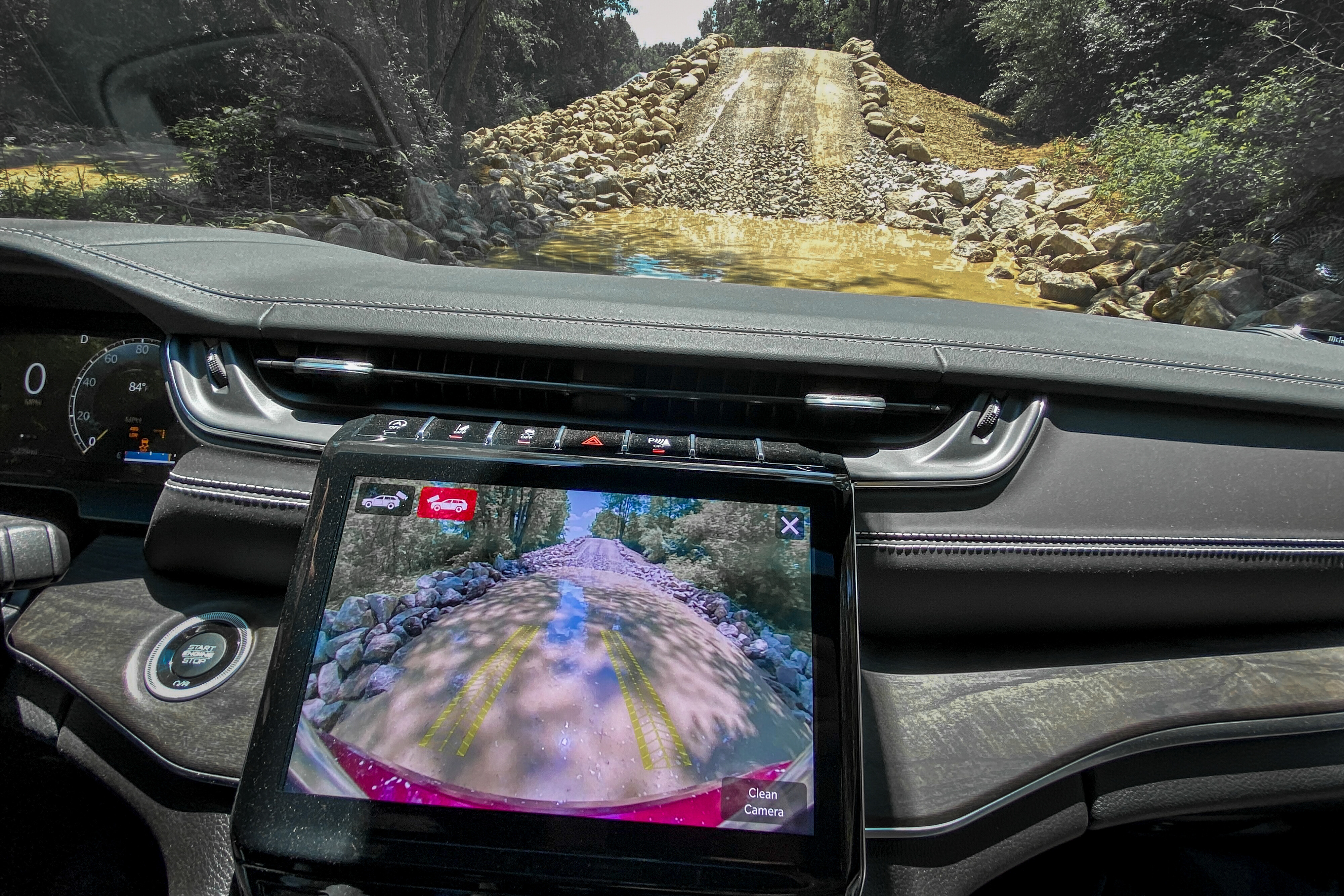
While I’m not fan of electronic nannies, the onboard safety systems in this vehicle can be lifesavers. Stability control, Drowsy Driver Alert, Collision Avoidance Assistance, Active Cruise Control, Blind-spot monitoring and more to keep you and your family safely cruising down the road.
Scrolling through various screens on the frameless instrument panel (accessed via fingertip controls on the steering wheel), we find engine vitals, tire pressure, fuel range and economy, and a dozen informational options. Above, I watched my six through a digital rearview mirror that utilizes the backup camera.
A number of efforts have been made to stay abreast of the Corporate Average Fuel Efficiency (CAFE) standards, including engine start-stop, variable valve timing, cylinder deactivation during highway cruising, active grille shutters, and electrically assisted brakes.
Another fuel-saving measure lays within the TorqueFlite eight-speed automatic transmission with two overdrive gears allow the engine to purr gently while cruising down the highway, seamlessly kicking down a few notches when additional power is needed.
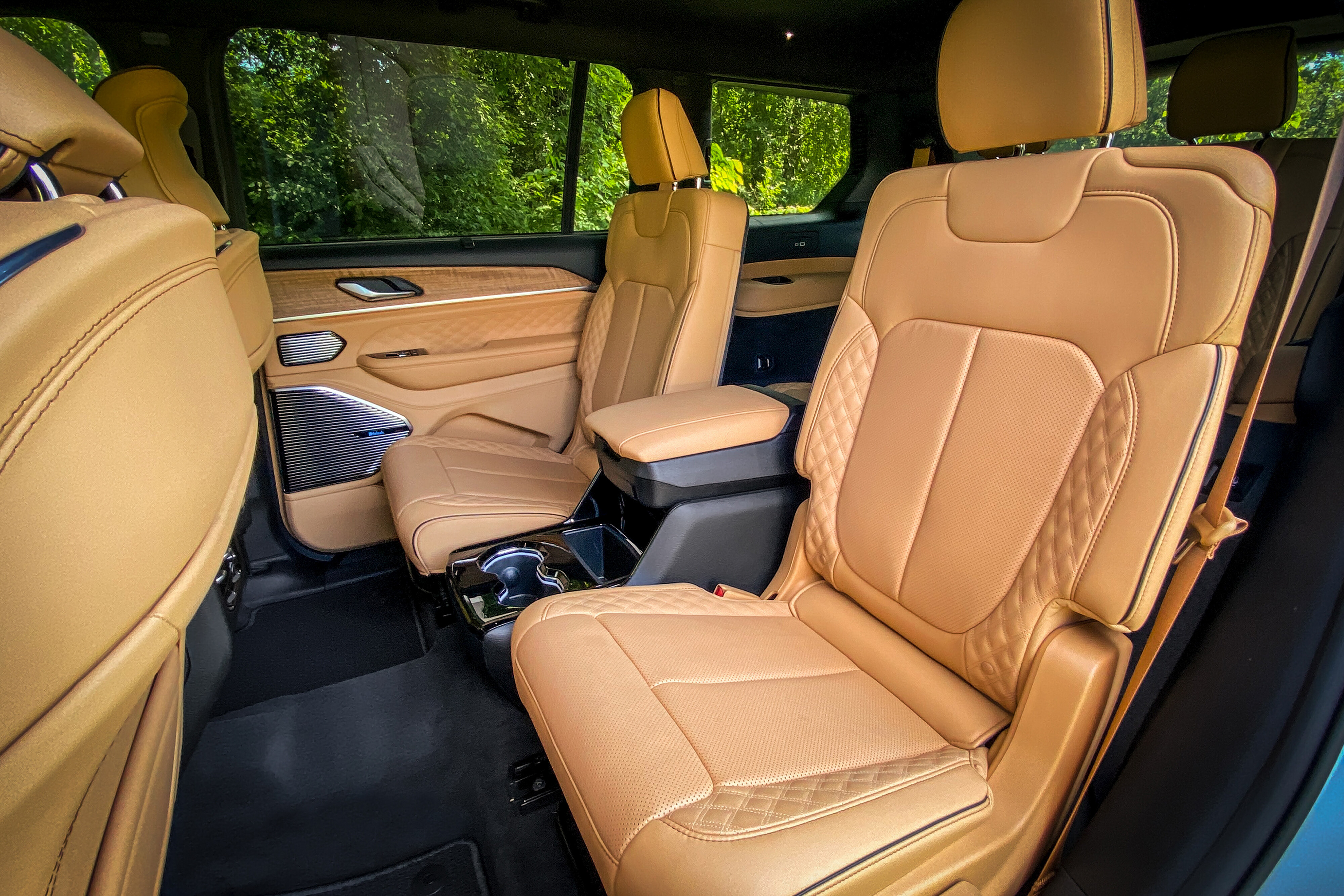
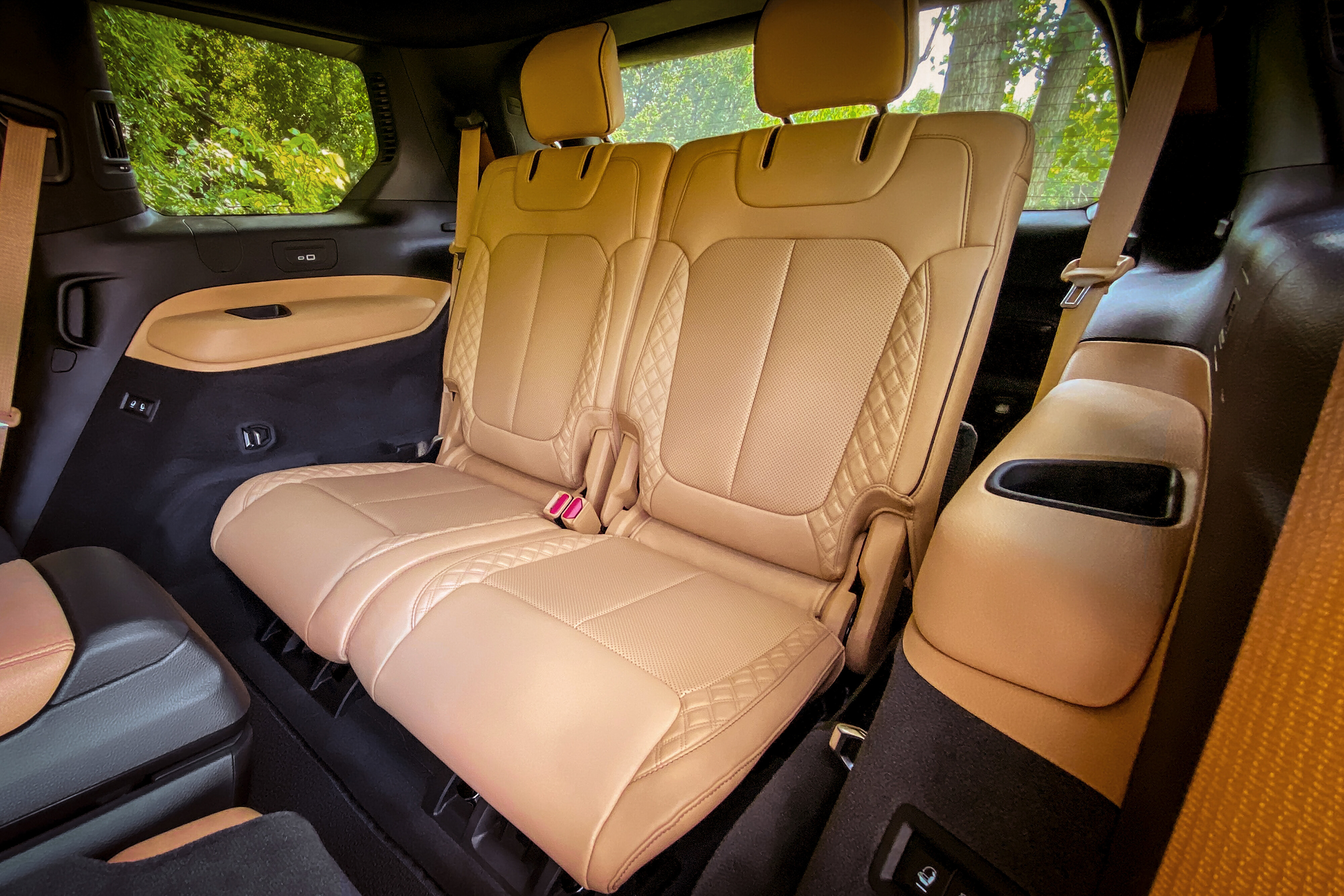
In addition to doing a full makeover of the platform, the new Grand will accommodate seven passengers. During the day I made it a point to settle into the second and third-row seats. I’m six feet tall with a medium build, and I’m happy to say I fit in all of them. The interior can be ordered with seats for six or seven occupants.
My last indulgences were to activate the back massager, link my iPhone to the Uconnect system (which features Apple CarPlay and Android Auto), and crank up the 950-watt McIntosh audio system.
The symphonic quality of its 19 speakers was sublime, and a dozen pulsing fingers buried within the 16-way adjustable seat worked their magic on my back, nearly putting me to sleep. And lest I forget the wealth of USB power points, satellite navigation, and 4G hotspot for up to eight devices.
OFF ROAD
The Chelsey Proving Grounds, a massive complex west of Detroit, is where Jeep goes to test, evaluate, and crash anything and everything. It also has an extensive off-road area replete with a Rubicon-style sluice, hill climbs, wet and dry skid pads, and creek crossings.
Gone are the days of transfer case shift levers, and in the Grand Cherokee’s case, even an engagement button.
All four-wheel drive models now feature full-time active transfer cases, which automatically detect when the front drive axle needs to be engaged and how much bias it requires.
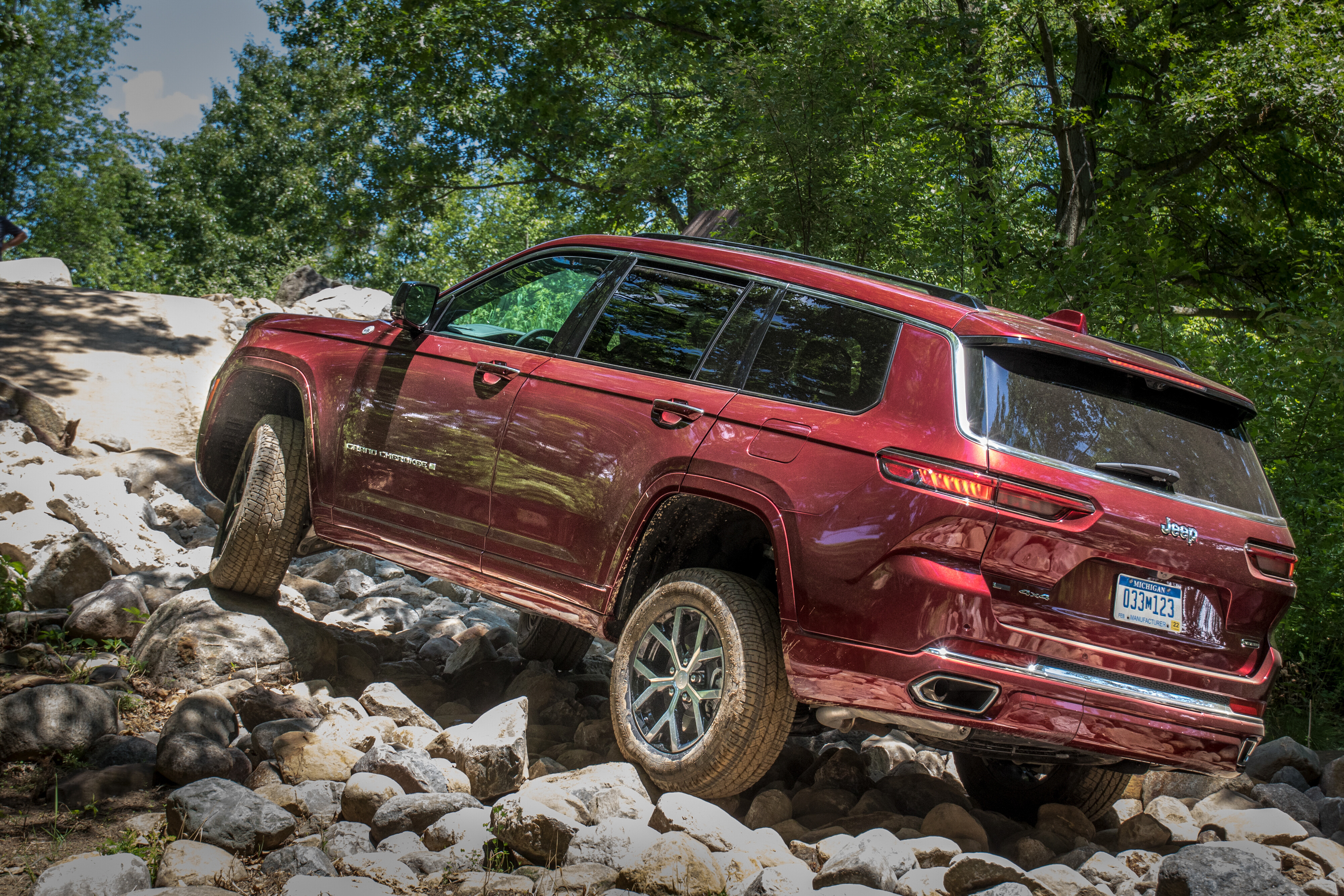
I toggled the Select-Terrain lever to Rock mode—there are five including Auto, Sport, Snow, and Mud/Sand—and nosed up to the sluice box, a hill climb strewn with bowling ball-sized boulders. The Quadra-Lift air suspension raised the vehicle 60 millimeters, and I inched my way up with the help of its rear electronic limited slip differential.
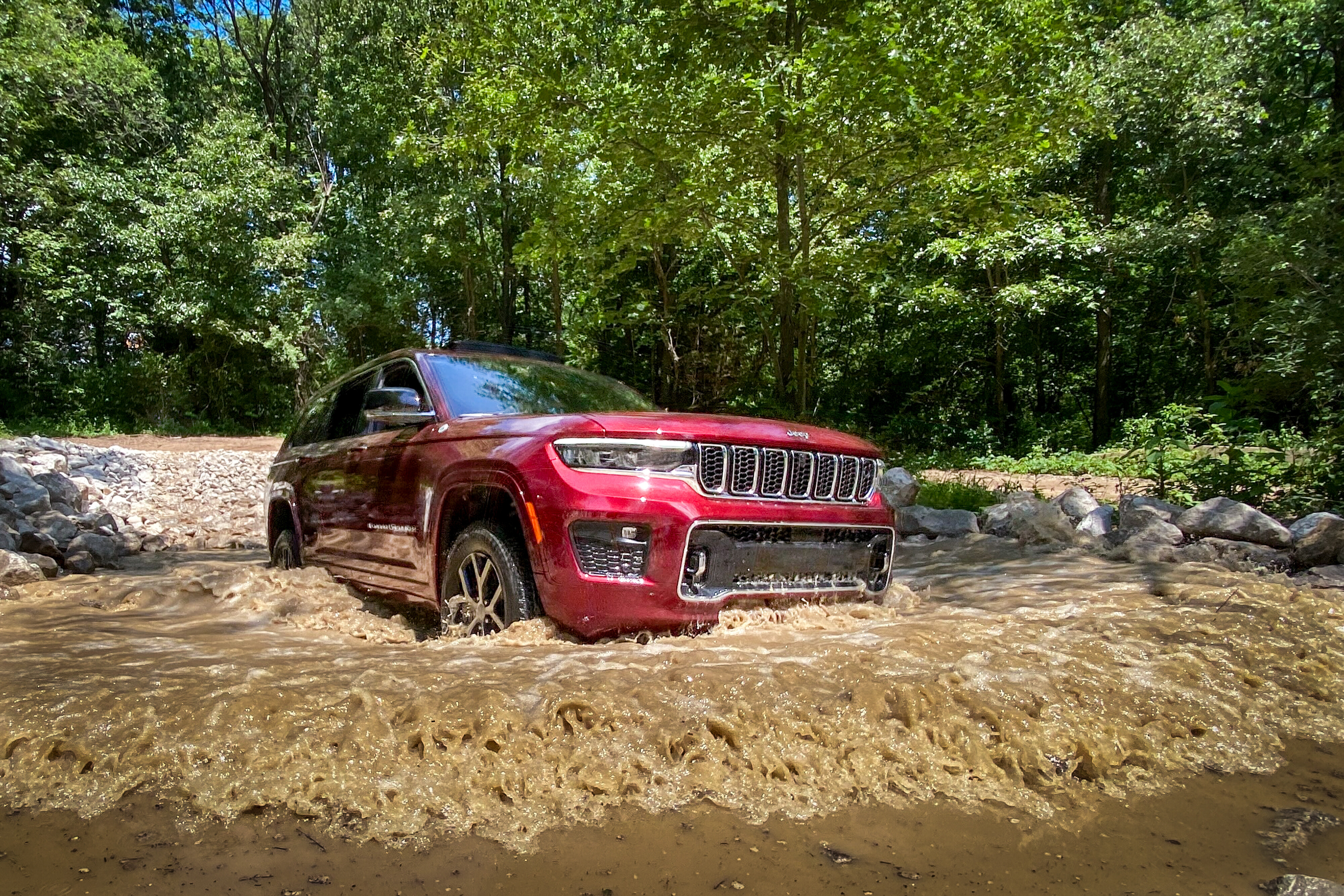
On the backside was a steep descent, which was made easy by variable-speed hill descent control. Next up was a loose hill climb, and again the rear limited slip and traction control helped me clear the top without issue. It is not often that the average person needs to ford deep water, but it is nice to know this new Grand will handle 600mm with room to spare.
If I have one grievance, it would be with the monster brakes. While their function is world-class, the larger the rotors and calipers, the larger the wheels must be to accommodate them (options are 18- to 21-inch diameter). While this is great for highway performance, reduced rolling resistance, and increased fuel economy, the accompanying low-profile tires offer less sidewall, thus limiting the ability to air down when you get in a bog when off road.
SUMMARY
Would I pick this vehicle for a trip across the Rubicon Trail or up the Old Telegraph Track to Cape York? Maybe not, but that’s what the Wrangler is built for.
However, if I needed a superbly comfortable, fully capable off-roader with room for my wife, a gaggle of kids, and the dog, the new Grand Cherokee L fits the bill quite well.
The amount of thought and resources that went into this new vehicle is truly impressive.
You’d never know it today but back in its heyday Tintaldra was a thriving metropolis, the hub of the Upper Murray with a ferry punt crossing, customs house, blacksmith and a police sergeant doing the rounds. It was one of the few places you could cross the river from Victoria into NSW.
Fast forward to 2021 and the punt has been replaced by a bridge, but we have no plans to cross the river. We’re content to stay on the Victorian side, making friendly conversation with the four relaxed-looking police officers stationed there. Restrictions and quarantine measures are still in place for those crossing the border, but for us, the tiny hamlet of Tintaldra and its nearby iconic river offers all we need.
This area has been hit hard, first by the devastating fires of late-2019 and then from months of closures and lost tourism from COVID. We’ve come from Melbourne, a drive of five-plus hours which becomes more scenic once we turn off the Hume Highway and head towards Tallangatta and the Murray River Road. This road links two of Australia’s most iconic landscapes, the Murray River and the Snowy Mountains, and our destination for the next few days is a campsite somewhere in between.
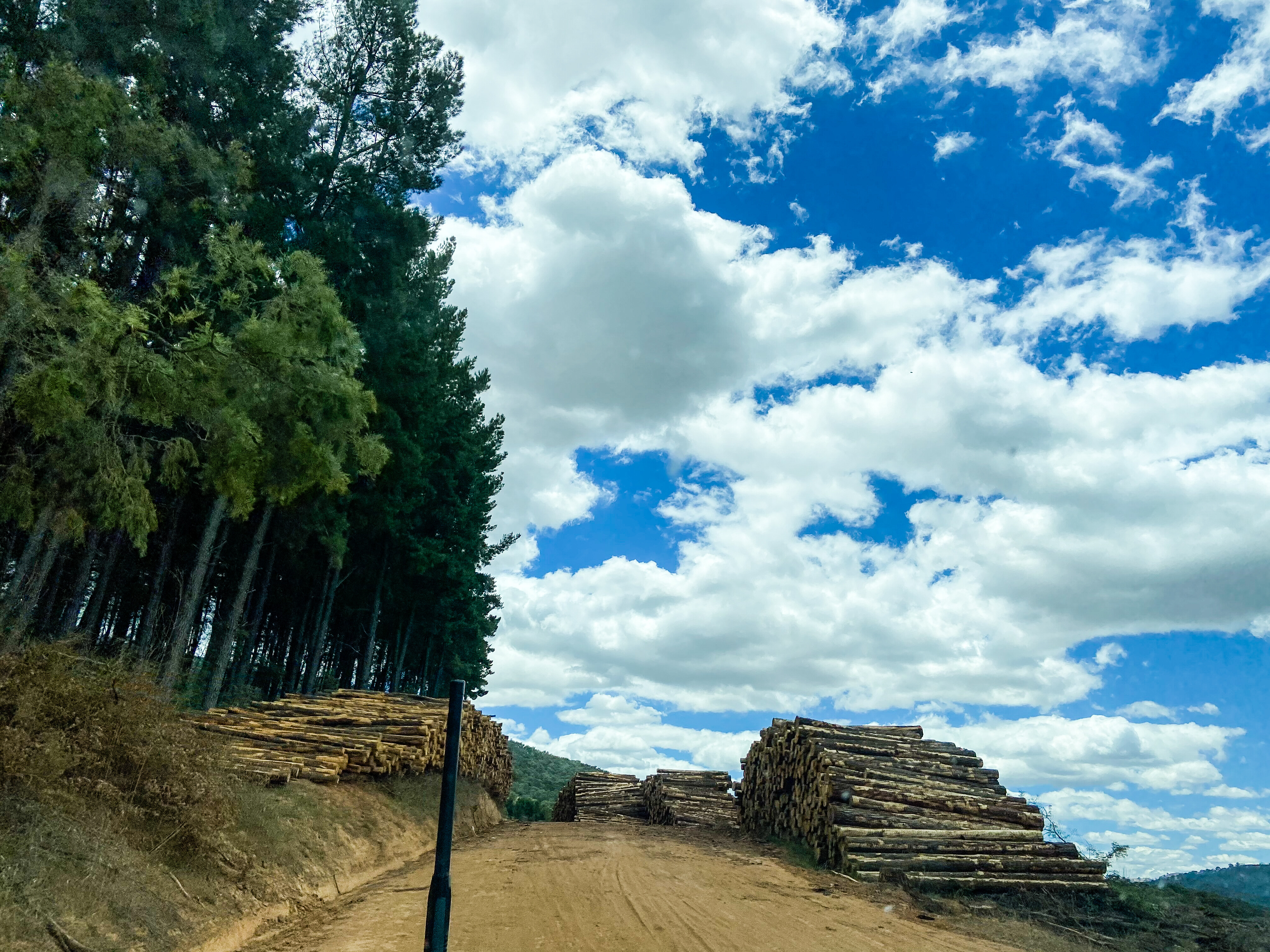
Fortunately, there are plenty of them, and as we drive through Tallangatta and the steep and windy Shelley-Walwa Road, the regrowth and regeneration in the forests from the bushfires of a year ago is prevalent. The road weaves through extensive pine plantations and descends on to the Murray River Road where the river twists its way through a mix of grazing land and forest.
Walwa is a great pit stop with a well-stocked and friendly general store, a pub, caravan park and a dump point at the recreation reserve on O’Halloran Street. Seven kilometres east of town we check out Neils Reserve which has loads of dispersed camp spots along the Murray.
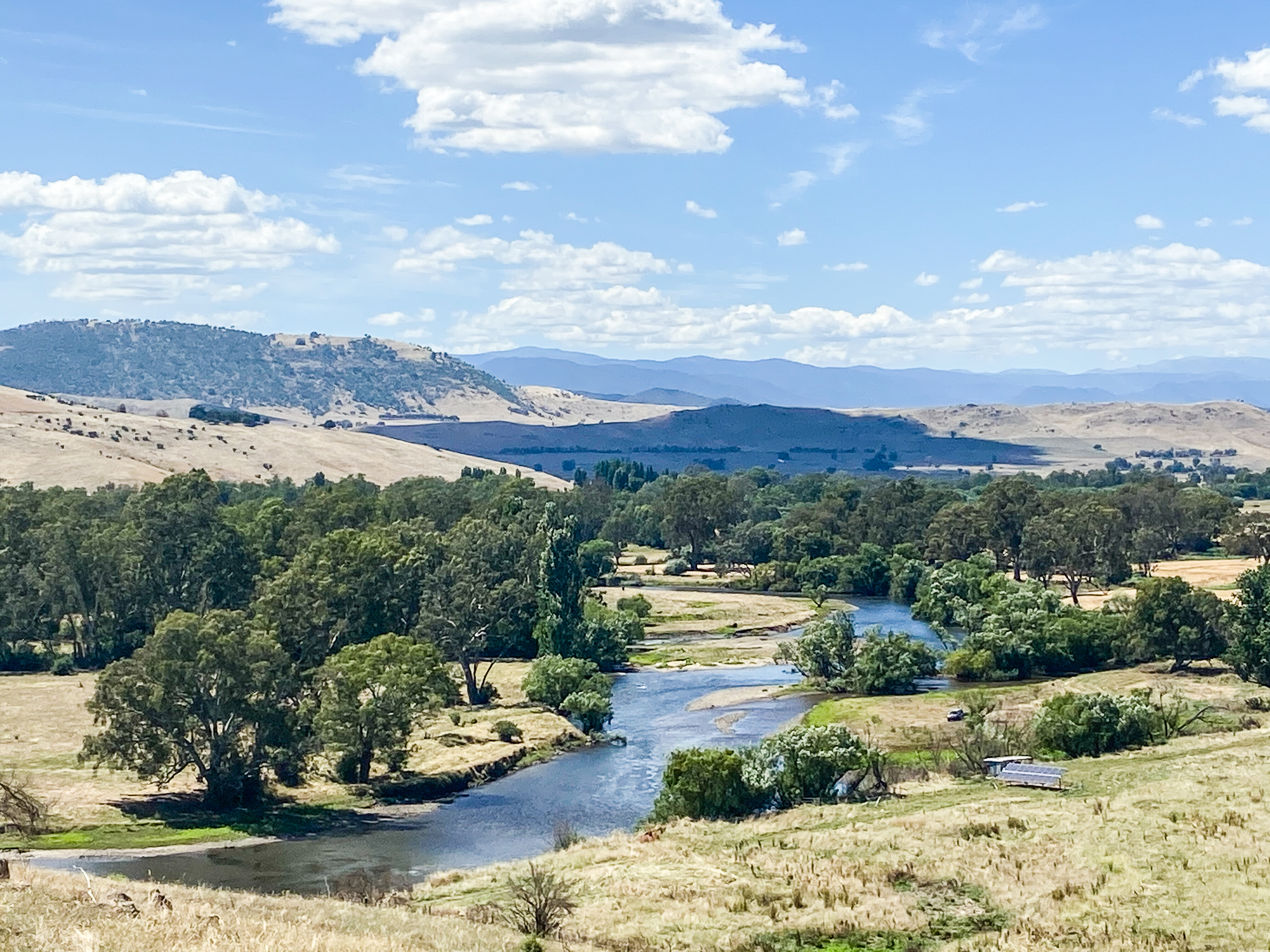
We continue on with plenty of opportunities to stop and take in those big views. A few kilometres before Tintaldra, the Jim Newman Lookout offers spectacular views of the Murray River winding through the valley with the Alps in the background. It features a giant bogong moth structure with an interpretative panel explaining the significance of the moths to the indigenous groups, who came to the region to feast during the spring and summer months on the plentiful moths. The hunters collected them in their thousands, roasted them over hot ashes and grew fat on the rich, sweet nut-like flavour of the moths. Give me a beef camp roast any day.
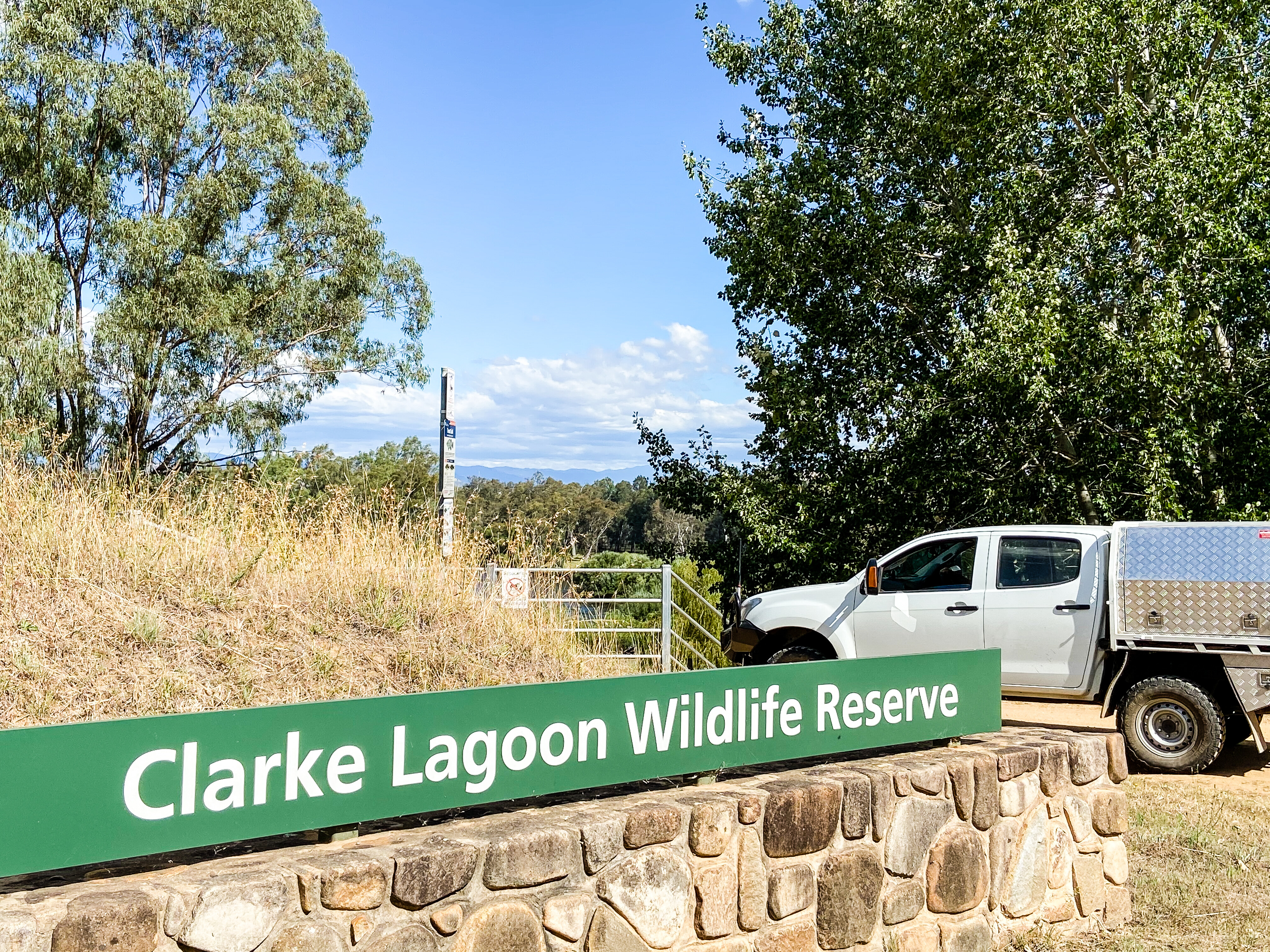
Finally, we arrive at Clarkes Reserve, our picture-perfect campsite for the next few days. Although there’s no facilities here, Clarkes Lagoon has absolute river frontage, it’s perfect to throw in a line or canoe, the grass is lush and there’s plenty of room for our rigs. We’re only 6km drive to Tintaldra, the first pioneer settlement of the Upper Murray established in 1837 and it’s here we head, after settling into camp. The tiny town is quiet with the only traffic a couple of police cars stationed on the border patrol. After some friendly banter we head to the historic general store, the one and only shop in town, where we meet its caretaker Robin Walton.
HISTORY FOR SALE
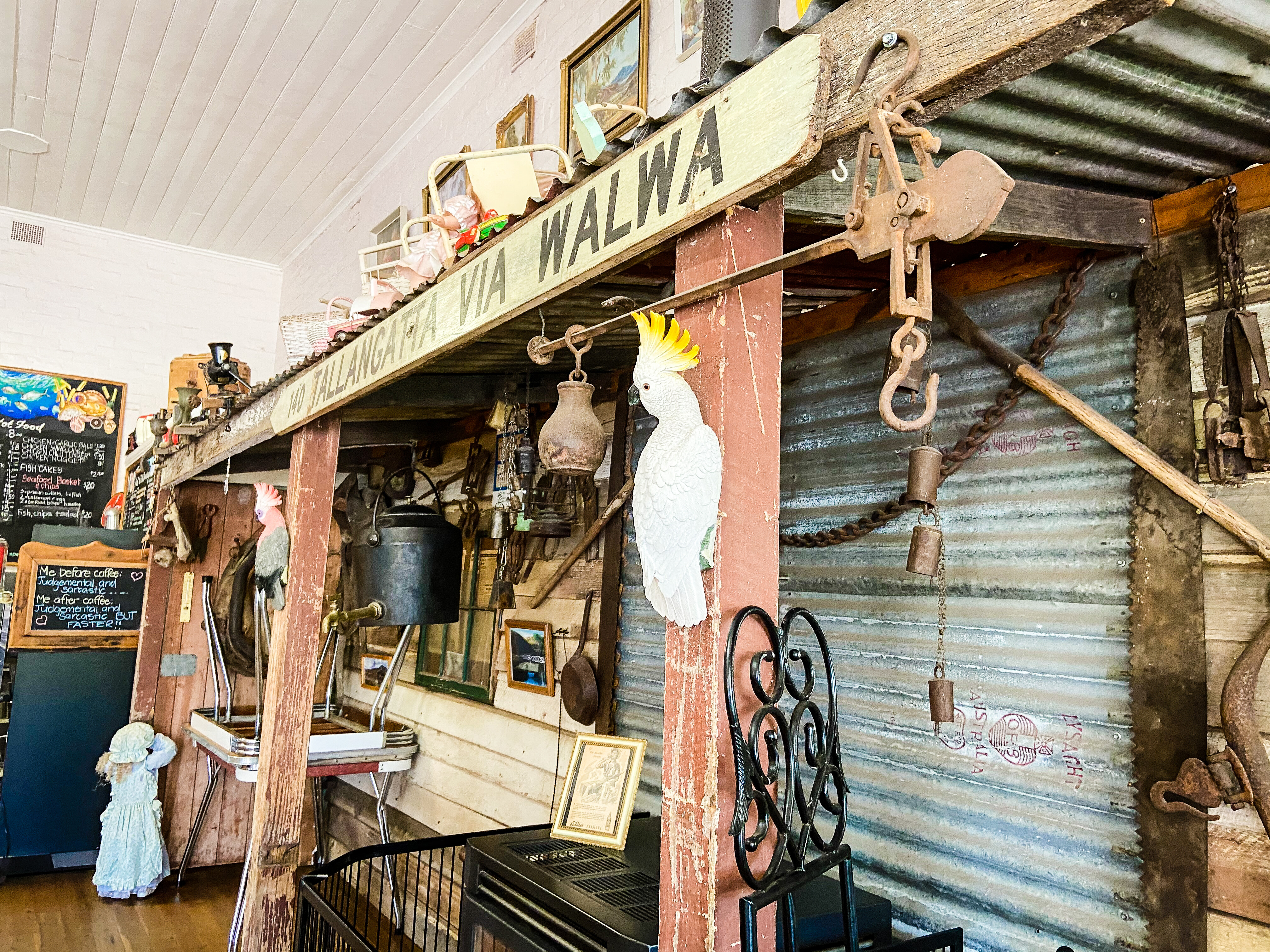
Built in 1864, stepping inside the heritage listed general store is like stepping back in time. The interior is lined with patterned tin and the walls constructed with rough-hewn river red gum beams, supporting rafters made from vertical slabs of stringybark timber. When it operated as a supply store and local post office it had two weekly deliveries from Melbourne and was the longest horseback delivery in Victoria. The store is still the post office, as well as a museum and it’s a great place to find some true alpine hospitality.
Robin tells us the Tintaldra Store has been in her family for nearly 50 years. The store turned 110 years old when her mother, Betty Walton, arrived with her husband and six children to face their first cold winter. Losing her husband early on, Betty worked hard to keep the store going. She was a master of alpine hospitality, a colourful character and published bush poet and historian, and her passing last year was hugely felt in the community.
Robin takes us around the back to show us the historic bakery and bread oven which operated from 1927 but closed due to lack of manpower in WWII. Behind the property are sweeping views of the river and the bridge which leads to Tooma. The general store, bakery and accompanying bed-and-breakfast next door are all for sale.
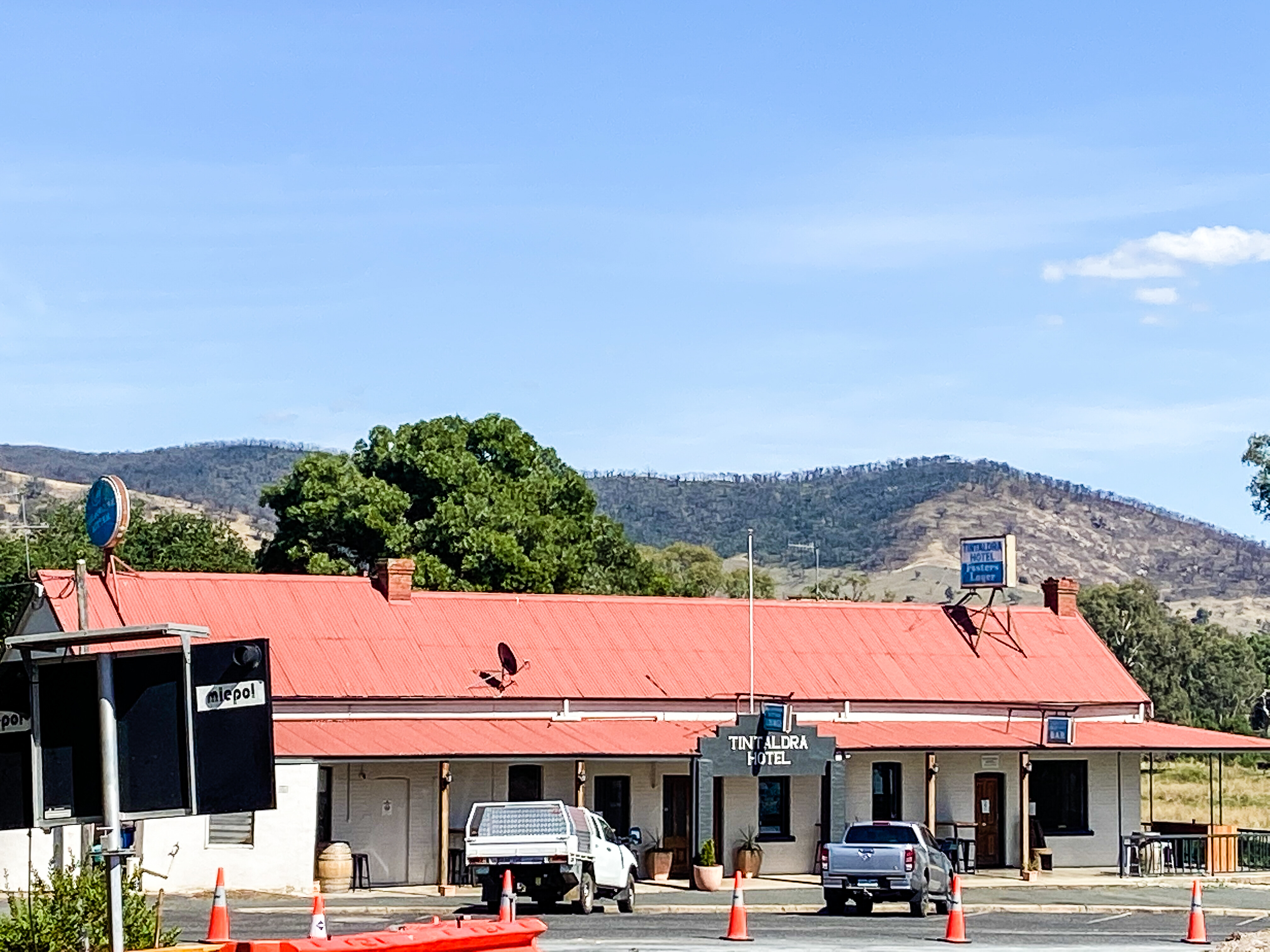
Across the road is the historic Tintaldra Hotel built in 1870 and the local watering hole for many years. Back when the punt service was the only one on the Upper Murray, the town, and pub, drew loads of traffic. However, as other local centres developed nearby, hotel trade eventually died and in 2017, the hotel closed its doors.
Fortunately, it was bought in 2018 and today is open again. Inside you’ll find remnants of the past, old photographs, a fireplace, as well as modern comforts, excellent pub grub and cold beer. On the veranda you can soak up the views of the pylons from the 1891 river red gum bridge which leads across the border. With no traffic coming through, the young cops are taking time out to kick a footy. Not far away, at the entrance to the picnic area, on the site of the blacksmith’s hut, is a monument to early pioneers, the Vogel family.
Christian Vogel established a punt across the river and was, according to the bronze plaque, a “blacksmith, wheelwright, carpenter, dentist, punt builder and operator”. The area is full of plaques and sculptures and down in the river, standing tall on a pylon, a large Murray cod sculpture graces the waterway. Tintaldra makes a great base for those who enjoy their Murray cod fishing, as well as those seeking more action.
MURRAY TO THE MOUNTAINS
BURROWA-PINE Mountain National Park stretches between Walwa Creek in the northwest and Cudgewa Creek in the southeast, both tributaries of the Murray River. The area is a bushwalking and four-wheel driver’s playground with extensive tracks leading to rugged mountain peaks and rocky outcrops, Mount Burrowa the highest peak in the park. Since the bushfires a year ago the tracks remain closed to undergo hazardous-tree assessment and treatment to make them safe.
Pine Mountain is one of the largest monoliths in the Southern Hemisphere, reputedly 1.5 times the size of Uluru and, although the popular walking track to the summit is still closed, ranger Scott Thomson from Parks Victoria says the aim is for the track to be opened, hopefully by the end of this year.
One of the most popular spots in the Pine National Park is the Cudgewa Bluff Falls. This spectacular waterfall thunders down to a tranquil grotto at the bottom where you can cool down on a hot day. Steps, walking paths and infrastructure were destroyed in the fires of 2019, however Scott says rebuilding is underway and will reopen by either the end of 2021 or early 2022 with new and improved walking facilities, including additional access for the disabled.
Mt Mittamatite Regional Park is a striking feature in the landscape and our aim was to drive to the summit, at Embery Lookout, the highest point in the park. From the top are views of Corryong with the Australian Alps as your backdrop. It’s a windy, spectacular 16km drive uphill and our only traffic are the four-legged variety, however, with only a few kilometres to go, we’re stopped by a closed gate. Though we didn’t quite reach the summit, the views were mind blowing. Mt Mittamatite and Embery Lookout should be open by mid-2021.
The Murray River Road continues towards Corryong, where the Man from Snowy River legend lives on with the festival in April planned to go ahead in 2021. En route we pass the historic Towong Racecourse where scenes from Phar Lap were filmed as well as the iconic Farrans Lookout with its big views.
TIME FOR A PIT STOP
TUCKED in amongst the scenic roads and tracks of the Upper Murray are small country pubs that offer a great opportunity to enjoy a cold beer and hospitality. Whether it’s the Walwa Pub smack bang in the middle of town, the Cudgewa Pub renowned for its Friday night happy hour or the remote Koetong Hotel you won’t be caught short of a drop.
At Koetong the beer garden is a top place to stop after a morning exploring the back tracks and trestle bridges in the area. We’d been told about the pub’s great food and huge servings by our daughter who works in the pine plantation at nearby Shelley, but we’re still gobsmacked by the massive steak sandwiches that come out. Patronising these country pubs will help the economic recovery of the Upper Murray.
Nearby at Shelley, the track to Lawrence Lookout can get rough in wet weather but on a clear day, has unforgettable 360-degree views of the surrounding pine plantations and mountain landscape. Koetong provides access to the Mount Lawson State Park which covers 13,150 hectares and is known for its steep slopes and rocky bluffs. Inside the park are more bushwalking and four-wheel drive tracks to discover.
It’s within the Mount Lawson State Park and Mount Granya State Park you’ll find the nearest 4WD tracks along the Murray River. The iconic Mt Pinnibar Track was reopened in late February as was Mt Gibbo, both remote, popular tracks near the Alpine National Park near Tom Groggin, which form part of the Davies Plain iconic 4WD route. This unforgettable route offers some of the highest tracks in Victoria and is an epic trip in itself.
Back at camp the river is a perfect backdrop as we swim, relax and enjoy a night of serenity around the fire. We’re heading home in the morning, via Corryong, but one thing’s for sure … With more than 155 kilometres of high country to explore along the Murray River Road, there’s no shortage of views, side trips and brilliant riverside camp sites in this magnificent part of Victoria.
Snapshot
- Budget off-roader getting an even more utilitarian variant
- New Lite model will be manual only
- Pricing not yet released, will go on sale August 1
The uber-popular Suzuki Jimny has been given a second variant for the Australian market as the Japanese brand officially revealed the Lite today.
Off the back of the Jimny’s introduction in 2019, where it chalked up a waiting list more than 12 months long, Suzuki has been struggling to meet demand for its small off-roader, increasing the price in some instances to try and capitalise on the affection for it.
Now it has delivered a back-to-basics, stripped out variant, sacrificing the mod-cons from the normal Jimny with only a five-speed manual gearbox on offer, still being powered by a 1.5-litre four-cylinder engine making 75kW/130Nm.
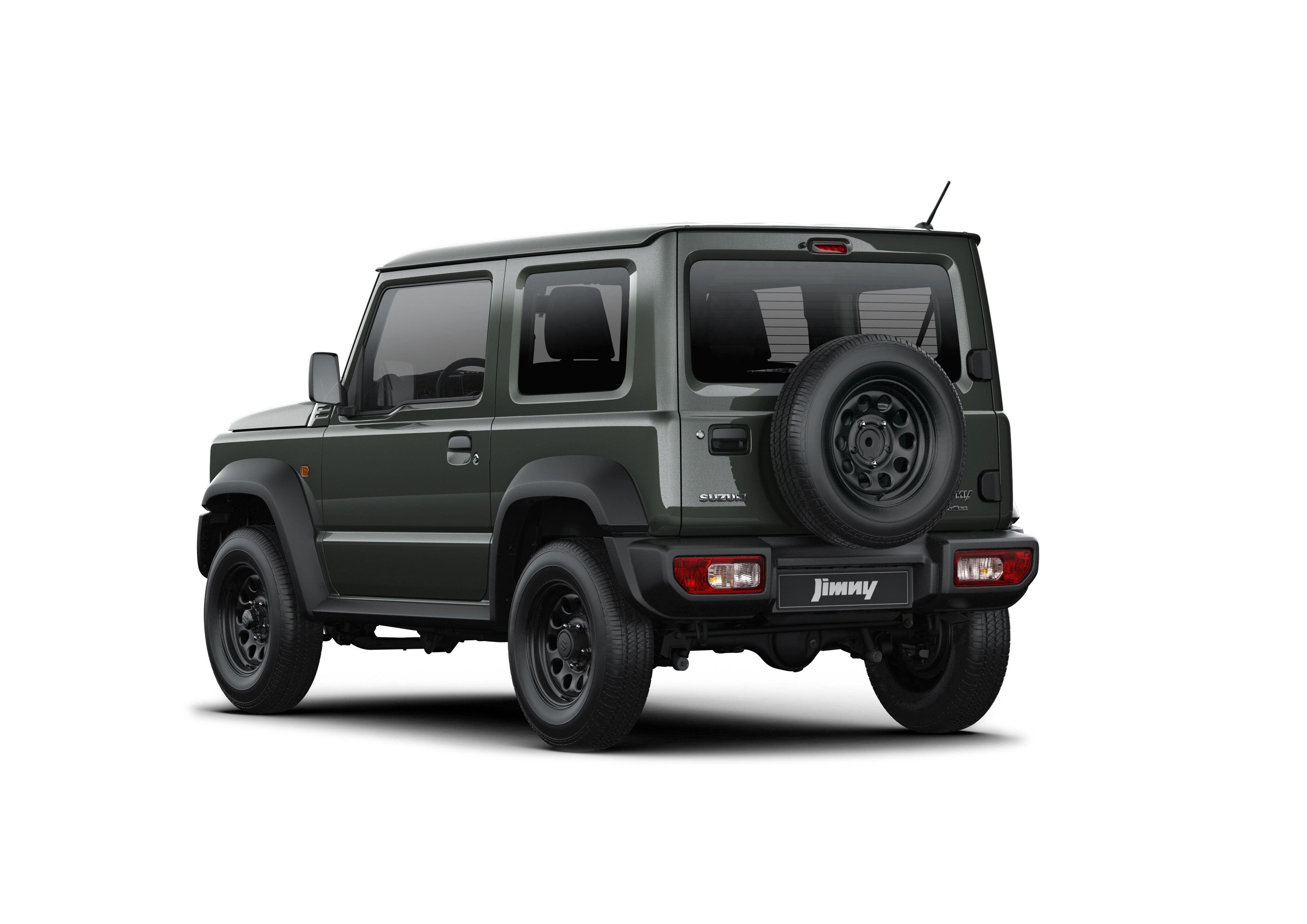
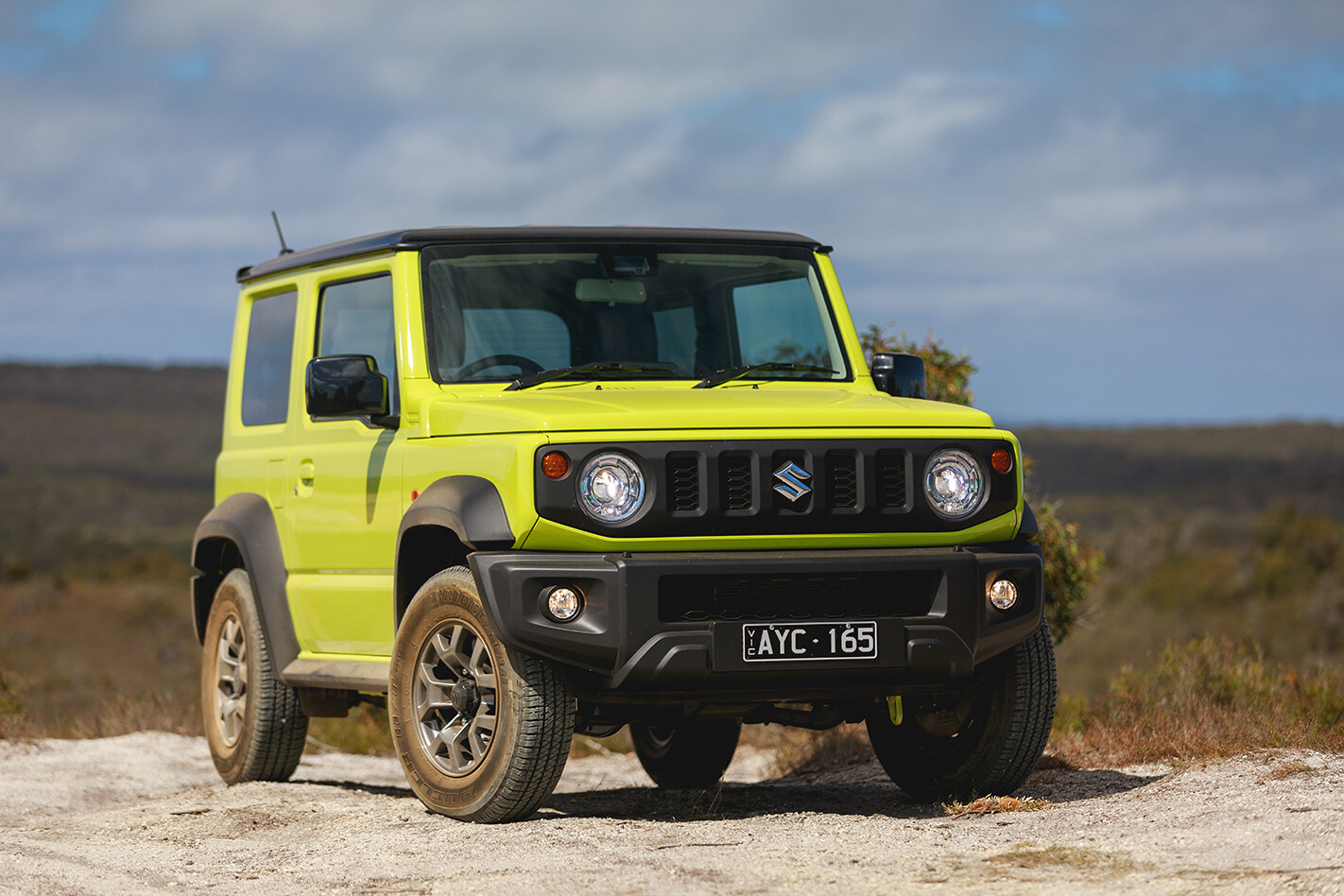
The Jimny Lite will ship with 15-inch steel wheels rather than the existing alloys, as well as halogen projector headlights and no front fog lights, deleting the LED units normally found on the model.
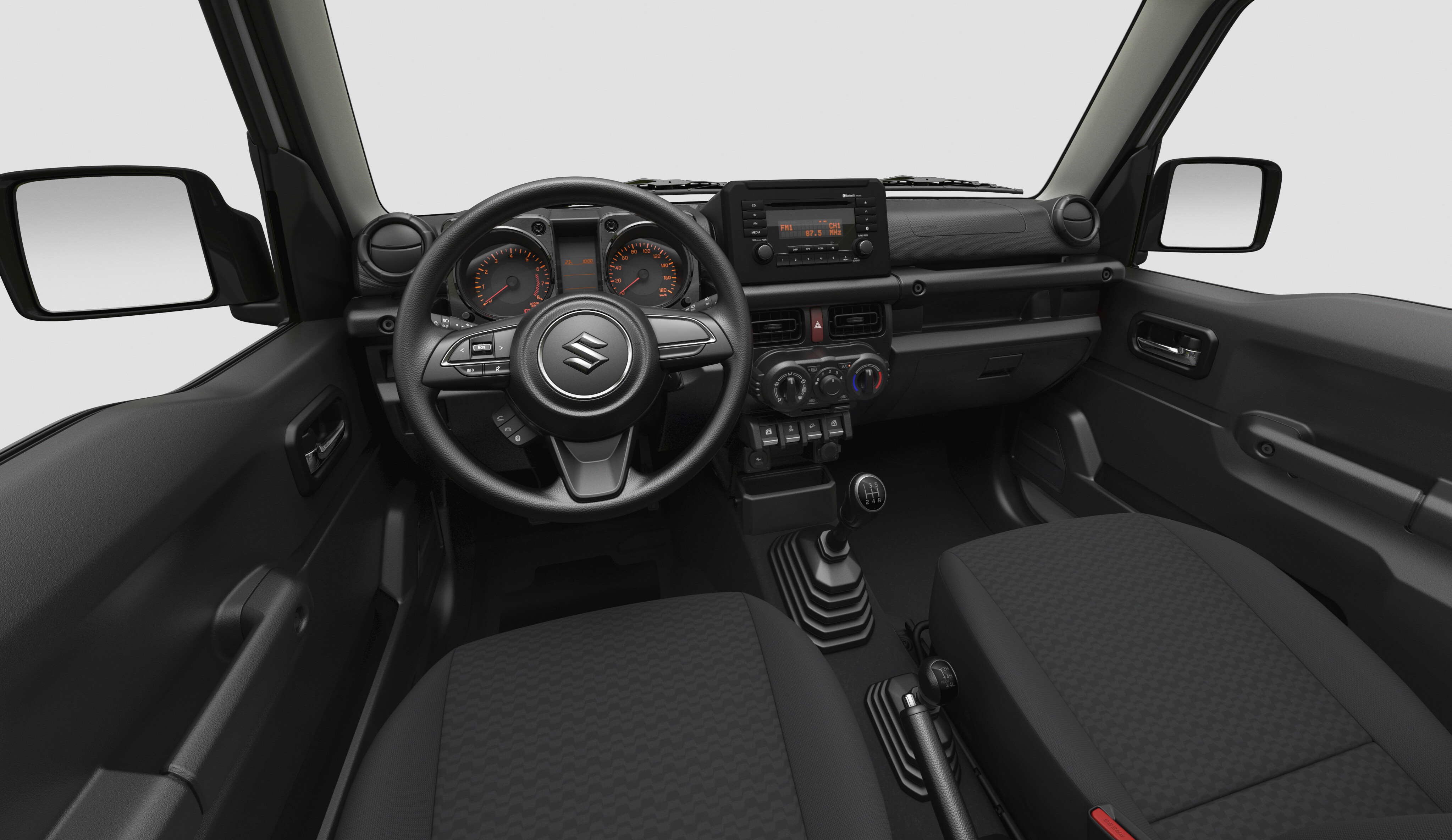
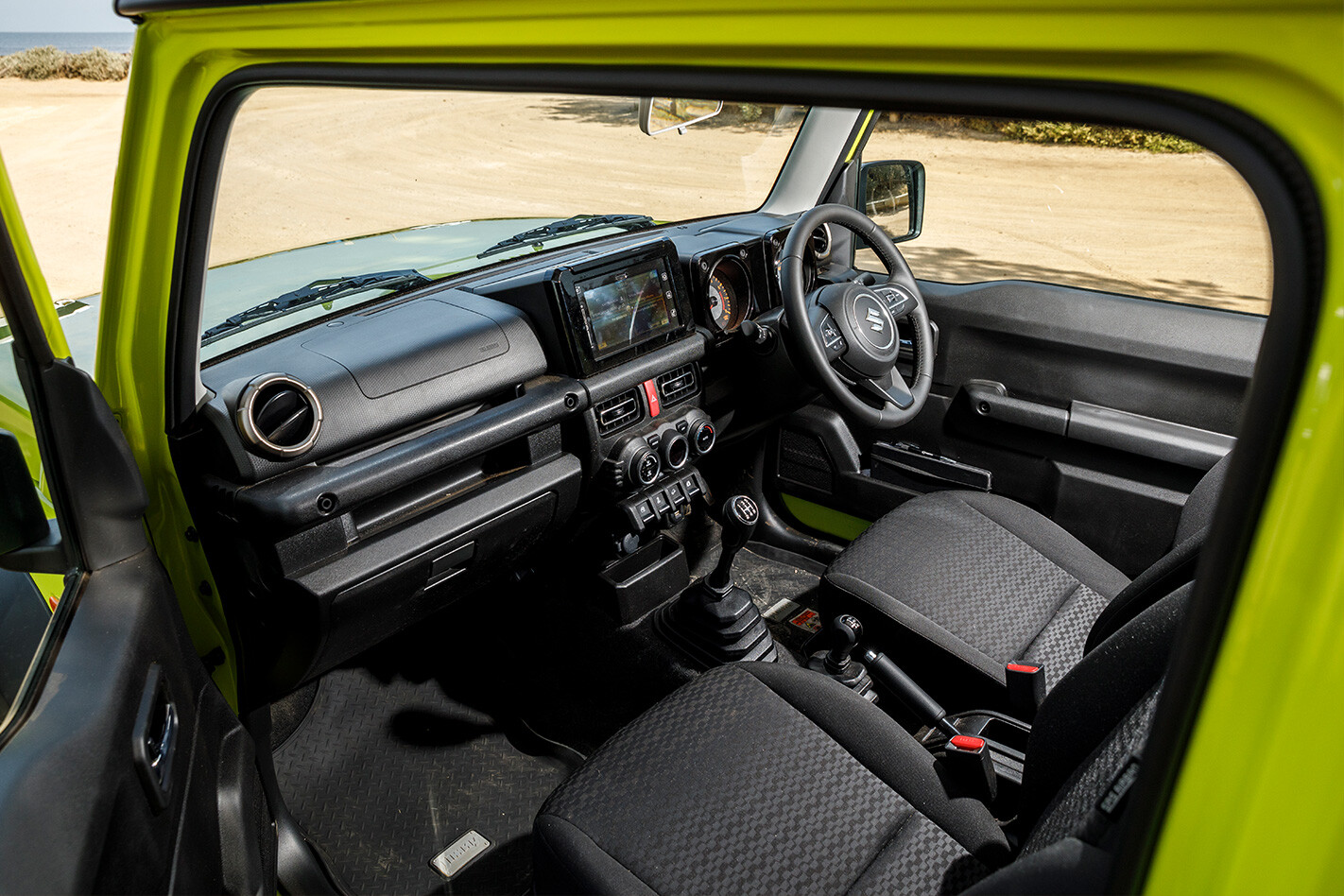
Inside the cabin the same principle has been applied with the Apple CarPlay/Android Auto infotainment set-up removed in favour of a simpler in-dash radio/CD player, still featuring Bluetooth connectivity for music streaming and calls.
Thankfully those who enjoy summer trips to Cape York will still be able to do so without losing their body weight in sweat, as air conditioning is retained as a standard fitment.
Suzuki’s General Manager, Michael Pachota, said the firm expects a continuation of demand for the Jimny Lite and will distribute it in the same manner as the current Jimny.
“We’re giving people what they want – more Jimnys!” said Pachota.
“With demand continuously increasing for this model we are so pleased to be able to add another variant in the line-up and continue to grow our Jimny community with this incremental supply opportunity.
“We will also maintain the fair allocation process based on customer orders with a queue system as we have done with the current Jimny in 2021, making sure the next order in the queue gets the next car to hit Australian soil, every time.”
Pricing of the Jimny Lite will be released on August 1, 2021, the same day the model goes on sale. Suzuki will also launch a dedicated page for the car on its Australian website from July 1.
The 2021 Jimny manual is currently available from $28,490 plus on-road costs.
Snapshot
- Record price for 1994 Land Cruiser
- The 80 was a u2018goalpostu2019 in the design of the new 300 Series
We’ve all seen the prices of vintage Land Cruisers and particularly the classic FJ40 variant go through the roof, especially in the USA where they are much loved but relatively rare. But no one would have expected to read the headline of a 1994 80 series selling for the astonishing amount of US$136,000!
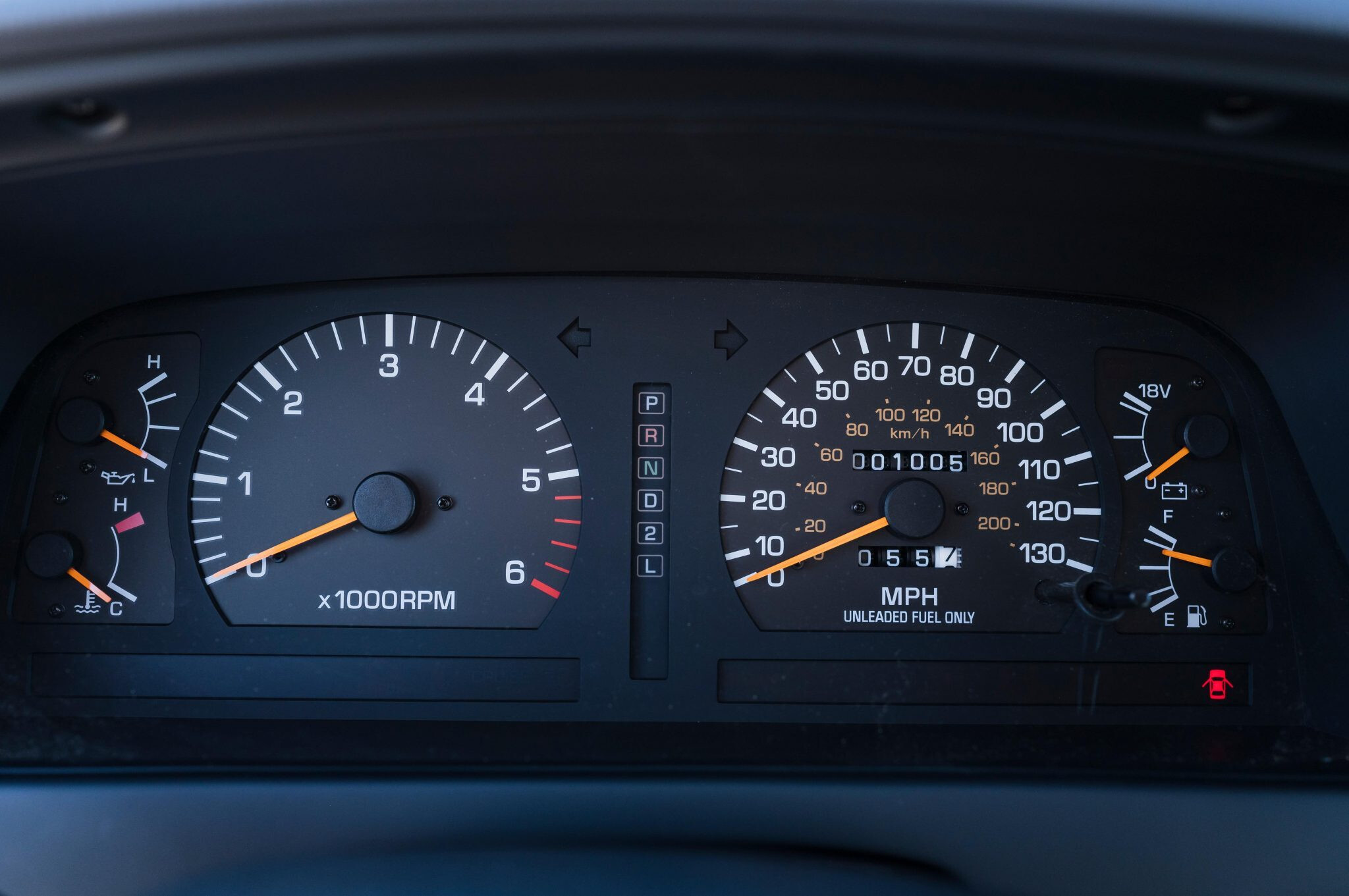
Sure this particular FZJ80 might have the lowest original mileage of any 80 on the planet with just 1005 miles showing on its odometer, but the selling price is amazing.
The for sale ad on Bring-a-Trailer says that the car sat in the original owner’s collection up until 2020 when it was sold again. The new owner gave it a thorough service replacing the oils, belts and tyres and advertised it again.
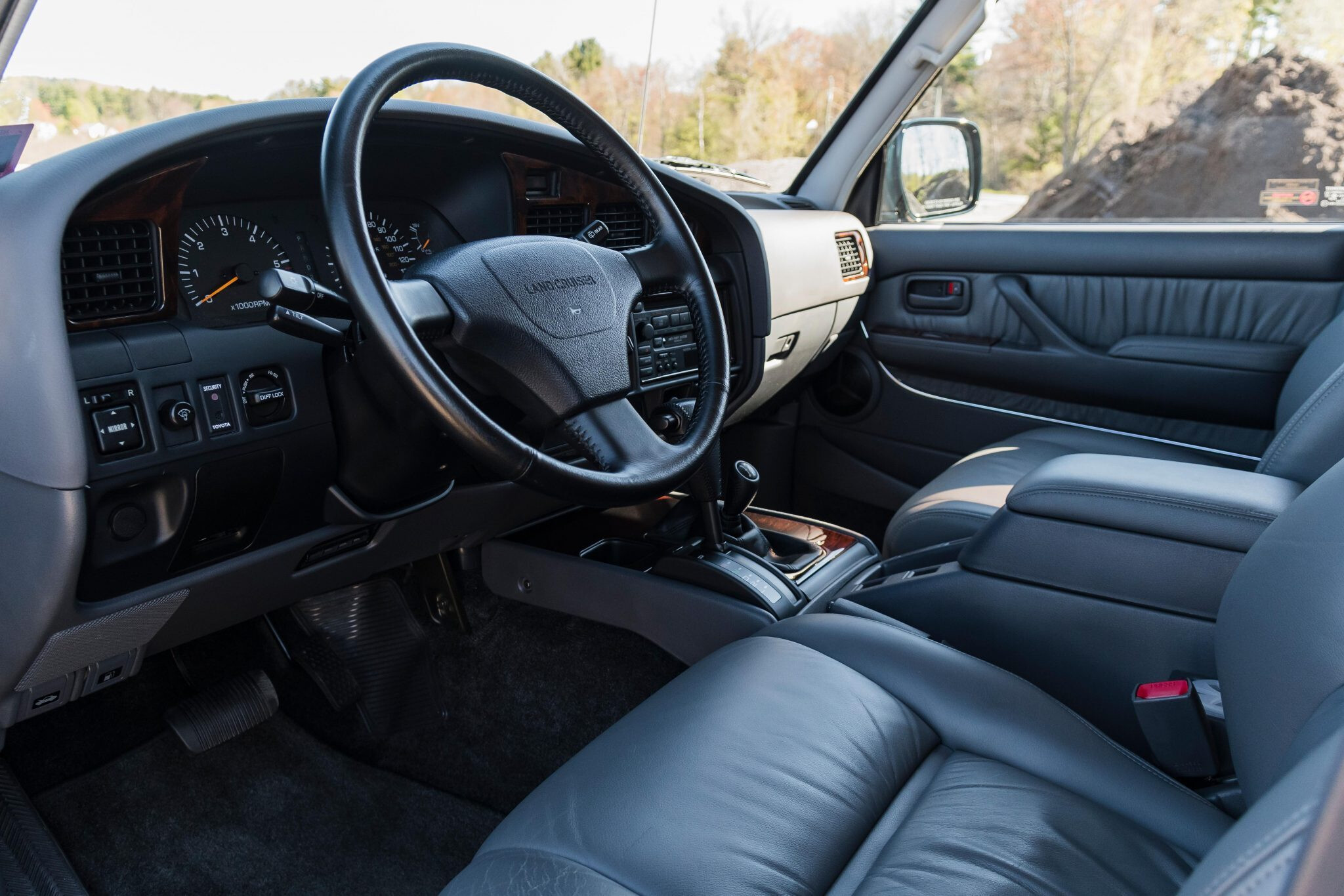
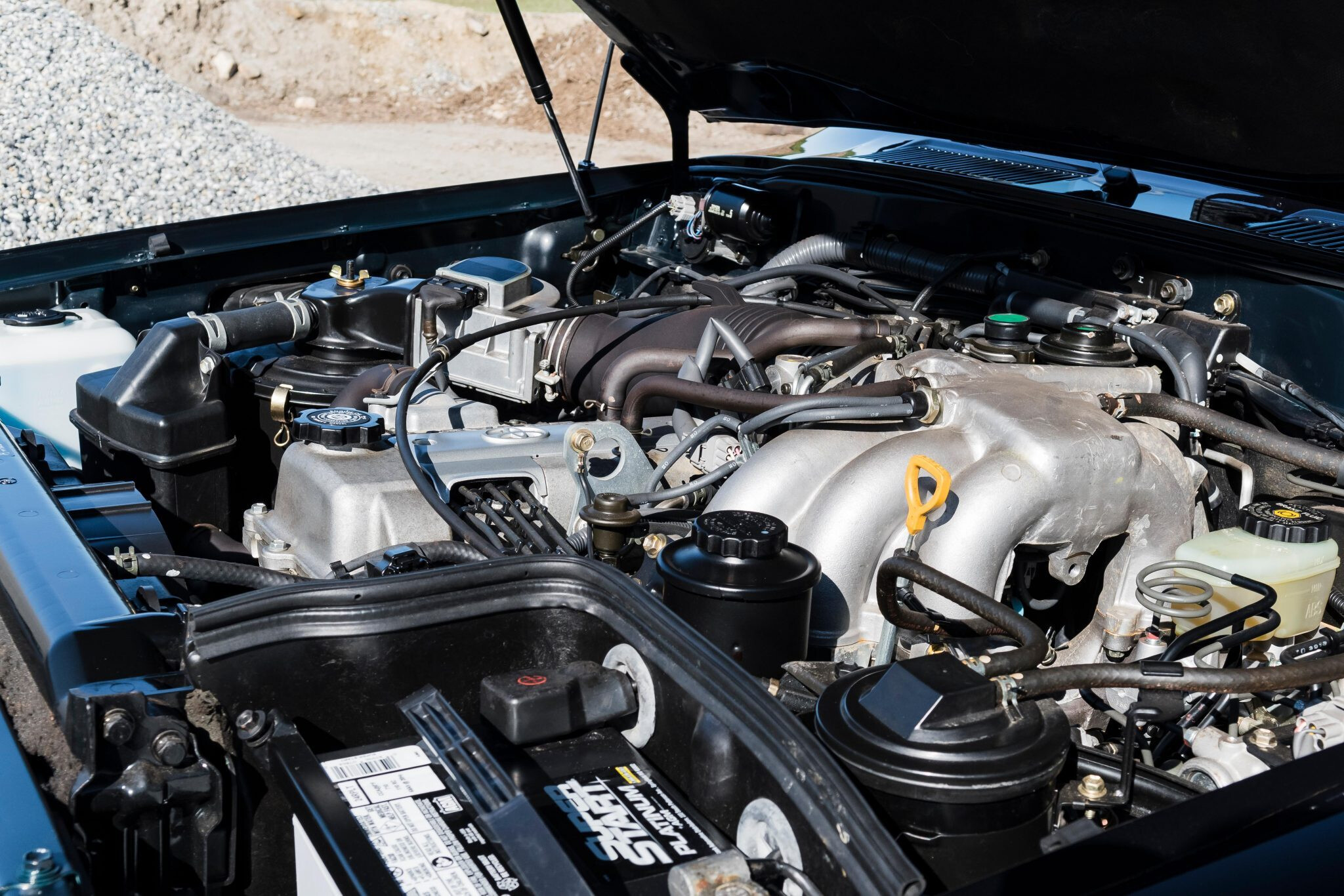
Aside from the items replaced to get the car roadworthy, the 80 is all original with its 1FZ-FE petrol 4.5-litre engine and auto transmission, metallic green paint and grey leather interior.
Not much is revealed about the winning bidder but searching his BAT history shows that he generally goes for and buys low mileage vehicles and this is the first Land Cruiser or SUV in his history.
At the recent reveal of Toyota’s all-new 300 Series Land Cruiser, the chief engineer, Takami Yokoo, made reference to the 80 Series saying that they used it as a “guidepost” when engineering and testing the new vehicle and that any new Land Cruiser should match or better the 80 in its off road dive ability. That’s high praise of a vehicle that is a quarter of a century old and testament to why many long-time Land Cruiser owners still say that their 80 was their favourite.
We wonder if Tokoo-san’s comments added any value to the sale price of this example.
Check out more than 100 photos of this unique and possibly the world’s highest priced 80 Series in the ad here.
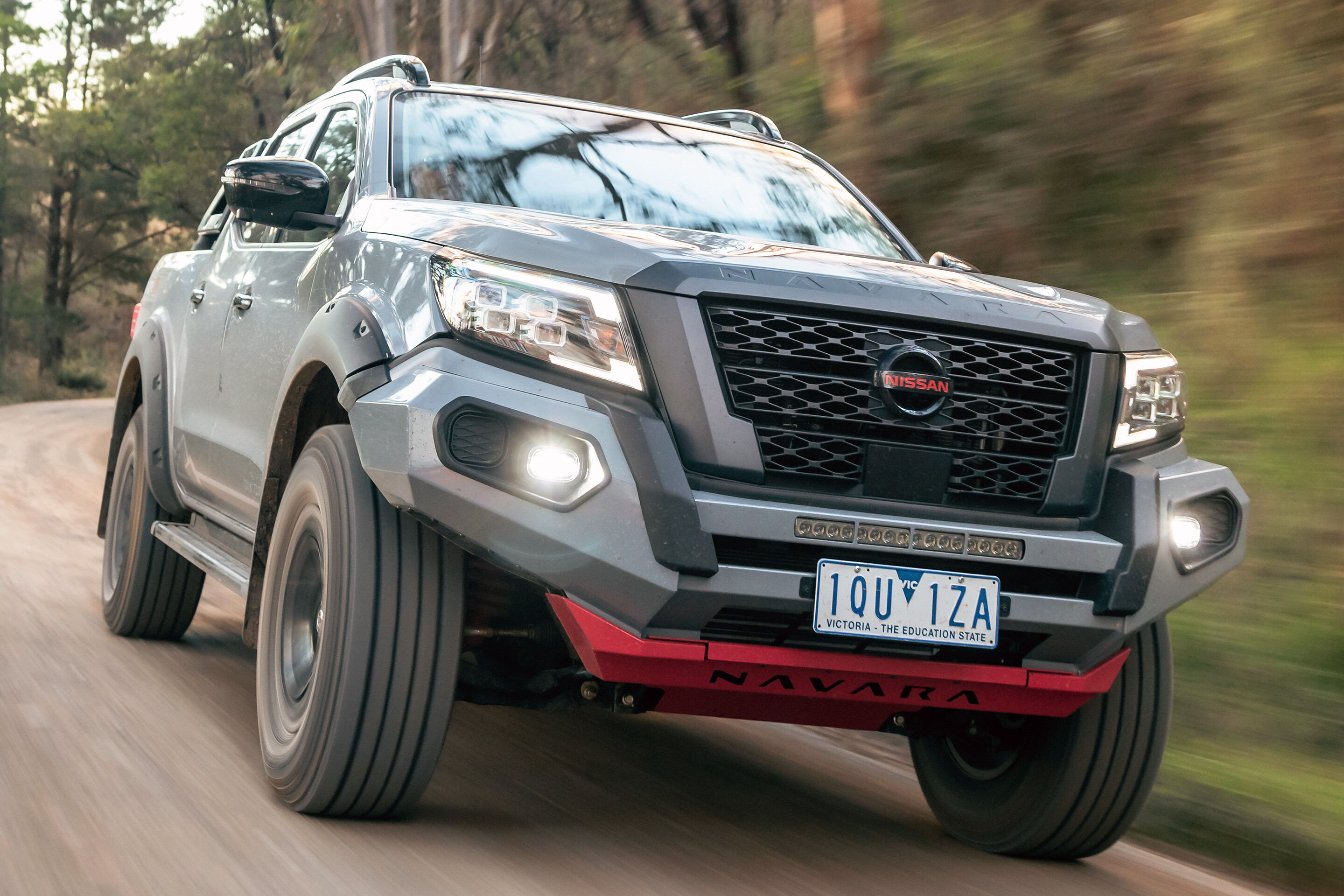
Nissan has pulled the wraps off its latest Navara Warrior, now known as the Navara PRO-4X Warrior by Premcar; recognising the Melbourne engineering house that has applied the tweaks to make – what it claims is – the world’s toughest Navara.
Significantly, the new Warrior is based on the freshly muscled-up Navara PRO-4X variant with its bold, new look and high level of standard features.
“We’re taking all the key improvements made by Nissan on the Navara PRO-4X, like its impressive NVH levels, steering quality, extensive safety equipment and core dual-cab functionality, and we’re overlaying those updates with our own in-house engineering expertise to create the toughest and most capable Navara in the world,” says Premcar engineering director, Bernie Quinn.
“We’ve taken everything we learned on the first Warrior, and the feedback we’ve received from customers and the media, to create a tough, capable and refined vehicle that we think will be unrivalled in the dual-cab ute market in this country.”
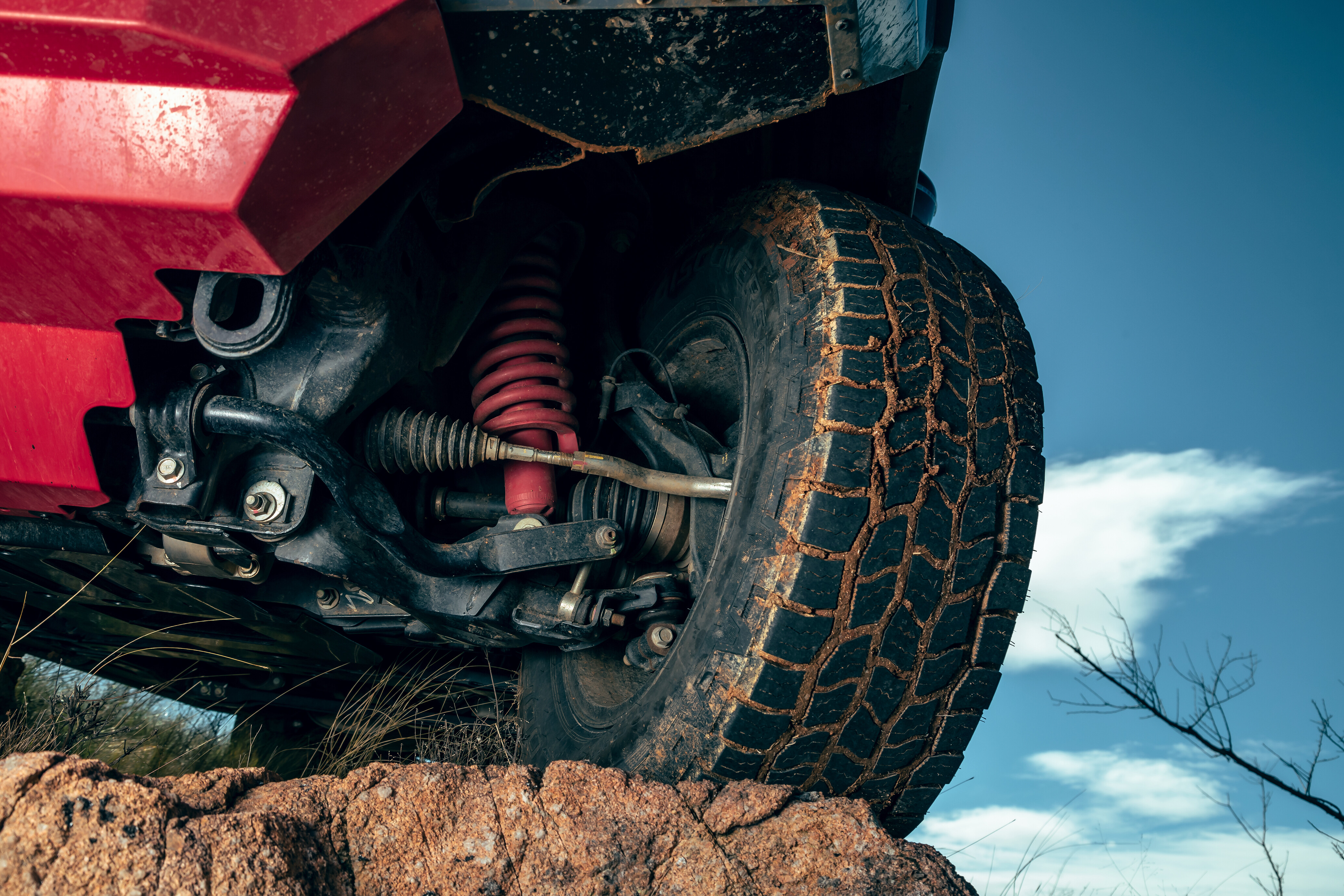
The previous N-Trek Warrior was by far the best handling and off-road suitable D23 Navara, thanks to its Premcar-specified suspension tune. With increased ride height and softer settings, the N-Trek Warrior rode like no other Navara and was better sorted than any ‘standard’ model. While no specifics of the new PRO-4X Warrior have been given, we expect the latest Premcar suspension to be every bit as good, if not better.
Familiar parts from the previous model include the Cooper all-terrain tyres and Warrior-specific alloy wheels. The new front bumper looks a lot like the latest Nissan factory bar for Navara, which means it should also be winch-compatible, something the N-Trek Warrior’s bar was not. The integrated LED light bar will be a useful addition to the PRO-4X’s standard LED headlights.
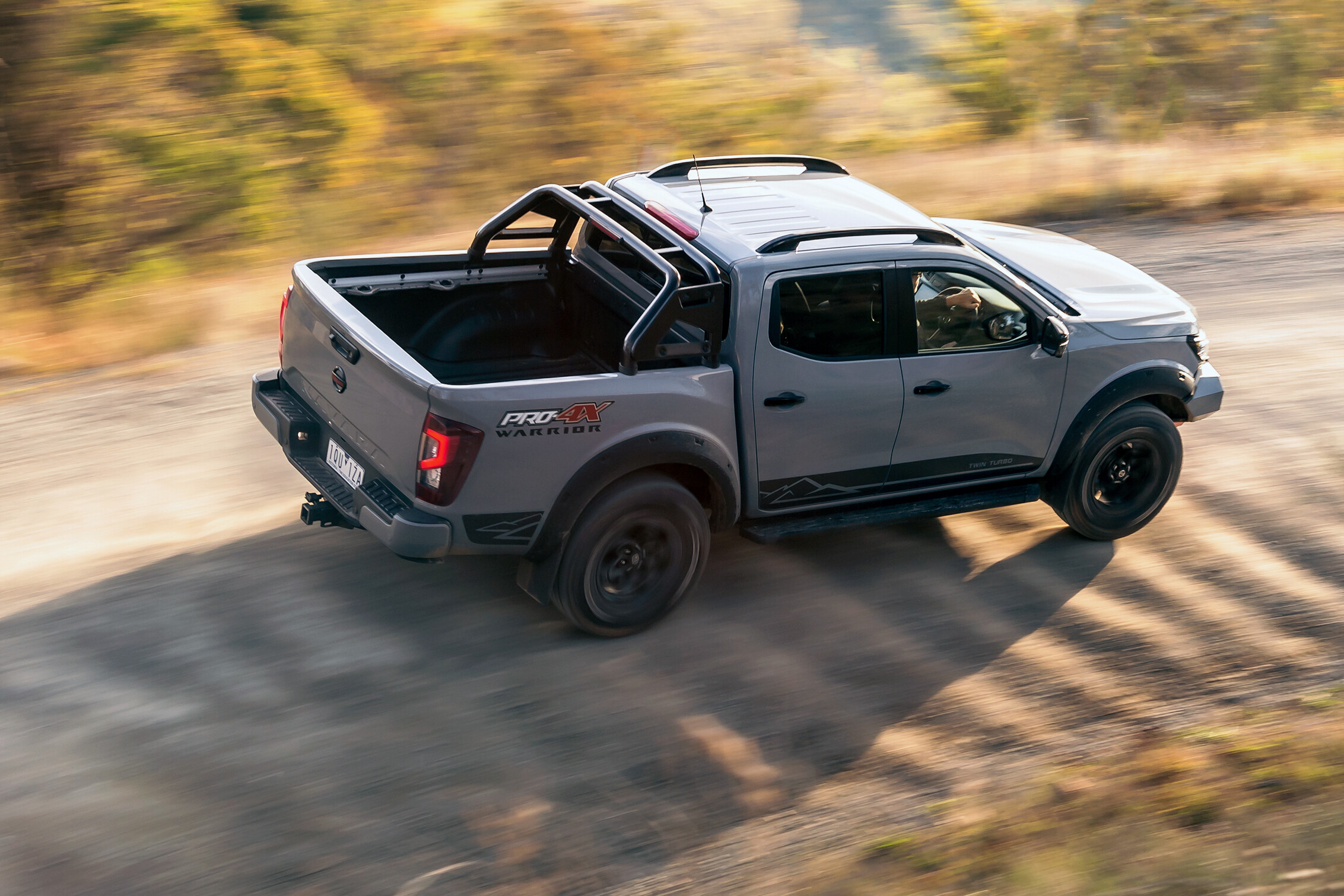
Motivation for the PRO-4X Warrior is expected to come from the donor model’s standard 140kW/450Nm bi-turbo 2.3L diesel engine backed by a seven-speed automatic transmission. Nissan offered a six-speed manual in the N-Trek Warrior and we hope that choice is continued with the PRO-4X.
The Navara PRO-4X Warrior is expected to go on sale in Q3 this year.
Nissan’s 2022 Australian line-up is coming together
If you have been paying attention, and I’m sure some of you do, you would have seen a report that Toyota Australia’s sales and marketing supremo Sean Hanley has issued a word of caution regarding the push for the faster take-up of electric vehicles.
Hanley’s words were a rare, sensible and reasoned voice in a discussion that’s often far from sensible or reasoned.
See, the trouble is, EVs aren’t just a new automotive technology – they also represent an ideology that says cutting carbon emissions, and hopefully limiting climate change, is the most important thing on mankind’s agenda right now. And when it comes to ideological debate, the subtle detail is almost always lost.
Among other things, Hanley points out that if you charge electric vehicles off an electricity grid that relies in any part on fossil fuels (coal and gas) then all you’re doing is transferring the carbon emissions away from the car’s tailpipe to a fossil-fuel power station, a fact seemingly overlooked by the EV ideologues.
Hanley notes that even by 2040, more than half of the world’s electricity is expected to be generated by fossil fuels. Right now in Australia, the percentage is closer to 80 per cent nationally. The only benefit of moving carbon emissions away from the tailpipe to a remote power station is that the air in built-up areas, where vehicle use is concentrated, will become cleaner.
To fully close the environmental loop with EVs, we need a grid powered 100 per cent by renewables. Or you bypass the grid by charging EVs off home solar panels, or via solar-panel or wind-powered public charging points.
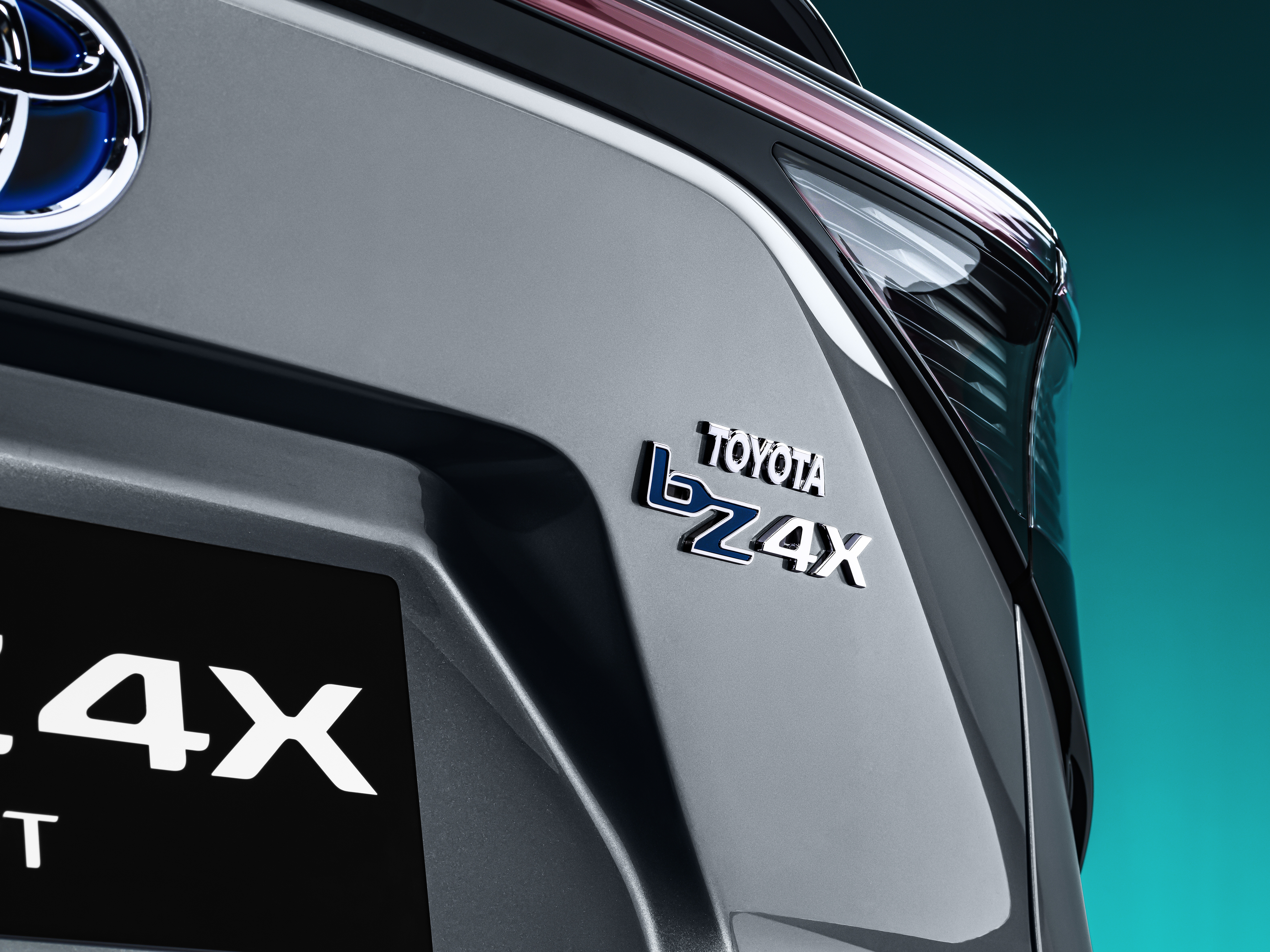
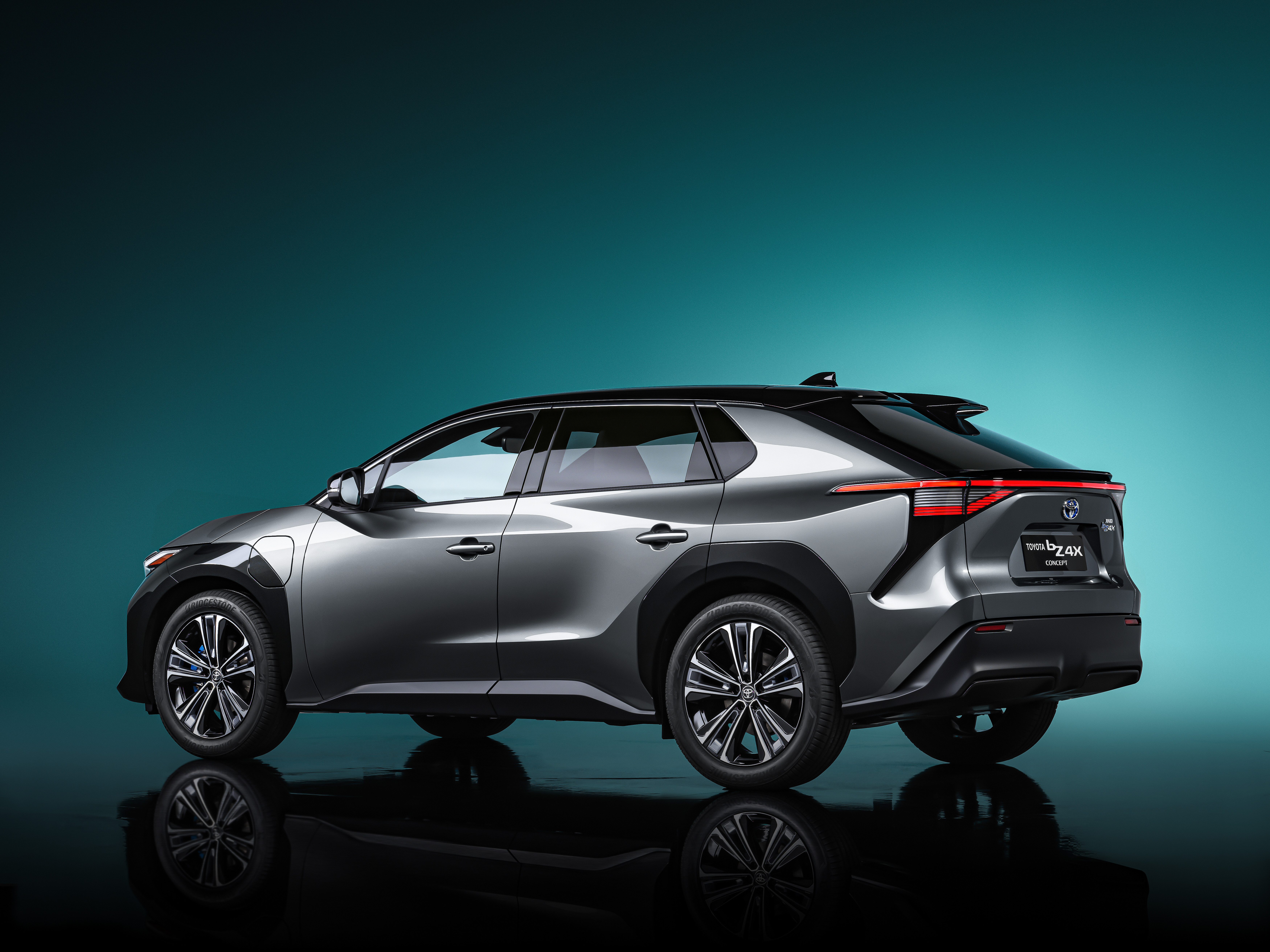
It should be noted that Hanley’s caution comes off the back of Toyota unveiling its first fully battery-electric vehicle, the BZ4X (due 2022) and the background of Toyota making petrol-electric hybrids for the better part of a quarter of a century.

The other problem that the EV protagonists miss, especially those in Australia, is that we simply don’t have sufficient grid power for a rapid and significant take-up of battery EVs.
In fact, if everyone swapped their fossil fuel cars to battery-electric cars tomorrow and charged them off the grid, Australia would need an electricity grid with around twice the power than it has now!
As it is, our national power grid barely copes with current demand at high-load periods.
There’s a huge amount of inertia in the automotive industry and switching from fossil-fuel cars to EVs, either battery or hydrogen fuel cell, requires functional infrastructure to be built. And that will take time.
A recent study in California, where EV take-up is far greater than in Australia, showed that nearly 20 per cent of EV buyers want to go back to a fossil fuel car for their next purchase – despite California being well-served by charging stations. The disgruntled EVs owners cited the inconvenience of the public charging infrastructure and the fact they didn’t have a suitable charging facility at home.
The lesson here for public EV charging is that charging stations set up like conventional fuel stations will only work if you can charge your EV in a similar time that it takes to fill the fuel tank of a petrol or diesel car, and that isn’t going to happen any time soon.
EV charging points need to be at places where you are going to park and leave your car anyway; at home, at parking stations, at office car parks, at shopping centres, and so on. Then the slow charging time isn’t an issue.
Unfortunately, all this will take clear forward planning, especially at local and state (and territory) government levels – and that may be too much to ask, going on the previous dud decisions like approving Tesla charging stations where you can only charge a Tesla! Who would approve a conventional fuel station where you can only fill up one make of car? Please…
Making the whole EV take-up even more fraught with problems is the federal government is set to lose up to $12 billion a year in revenue that you and me provide, thanks to the 42.7 cents-per-litre levy we currently pay on petrol and diesel fuel.
So expect to see more of the push-and-shove between the federal government and the state and territory governments, which we have already seen with COVID-19, as we stagger down the inevitable road to EV take-up.
Snapshot
- New bullbar features integrated LED lights and winch compatabillity
- Powered by standard Navara PRO-4X’s twin-turbocharged 2.3-litre diesel engine
- Expected to be released in the coming months
The 2022 Nissan Navara PRO-4X Warrior has been revealed in an image published by automotive engineering company, Premcar.
In images released today by the Epping-based firm, Mark Doody, Premcar’s principal engineer of body systems, can be seen at his desk sitting in front of a screen showing a seemingly undisguised image of the all-new off-roader.
This isn’t the first time we’ve seen the Warrior – the off-roader was spotted in camouflage last month testing on the streets of Melbourne. However, this is the first glimpse of the 4×4 totally unmasked.
With the heading “Takeko – White Pearl”, which indicates one of the PRO-4X Warrior’s four paint schemes, the photo shows off a tough-looking ute.
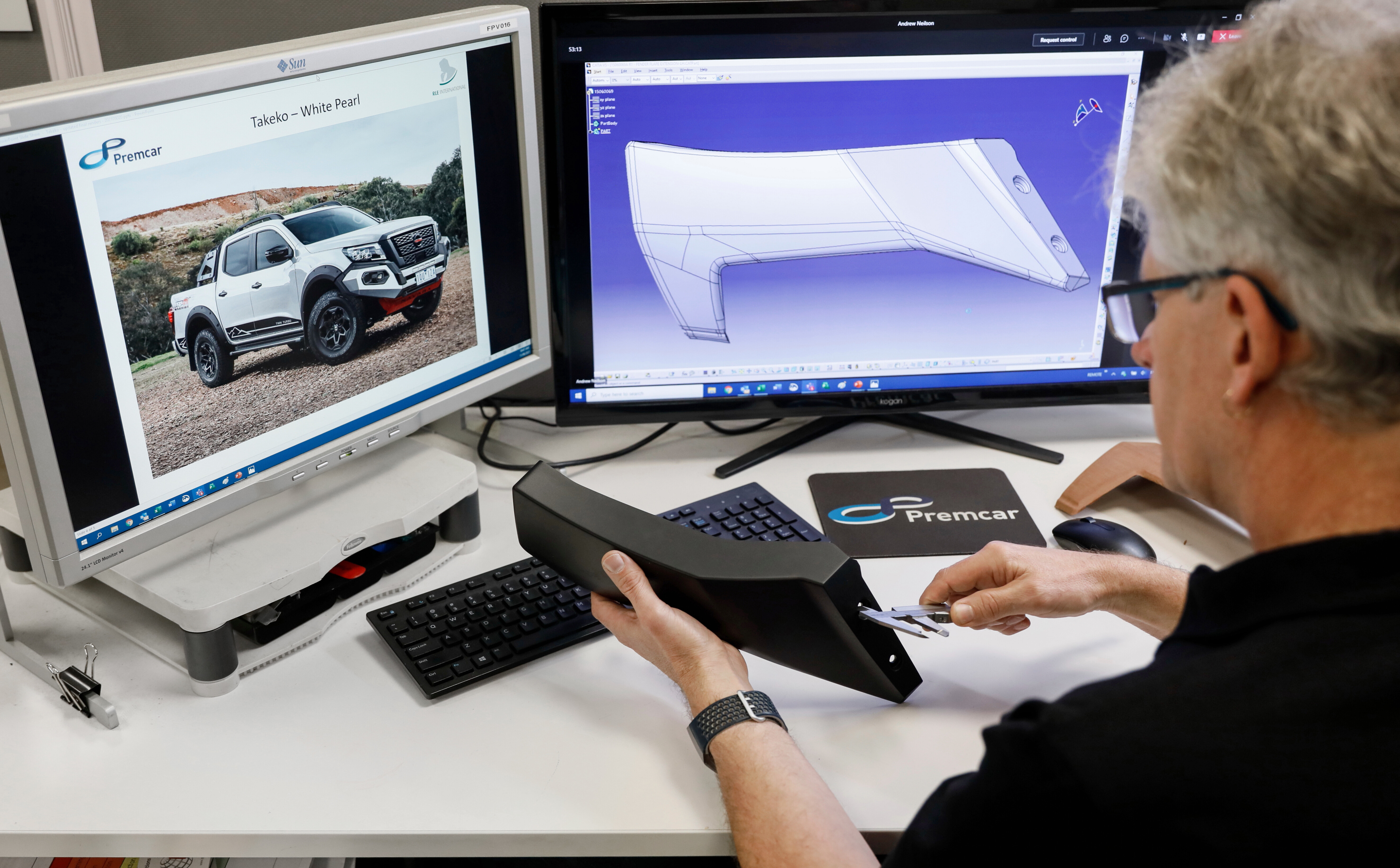
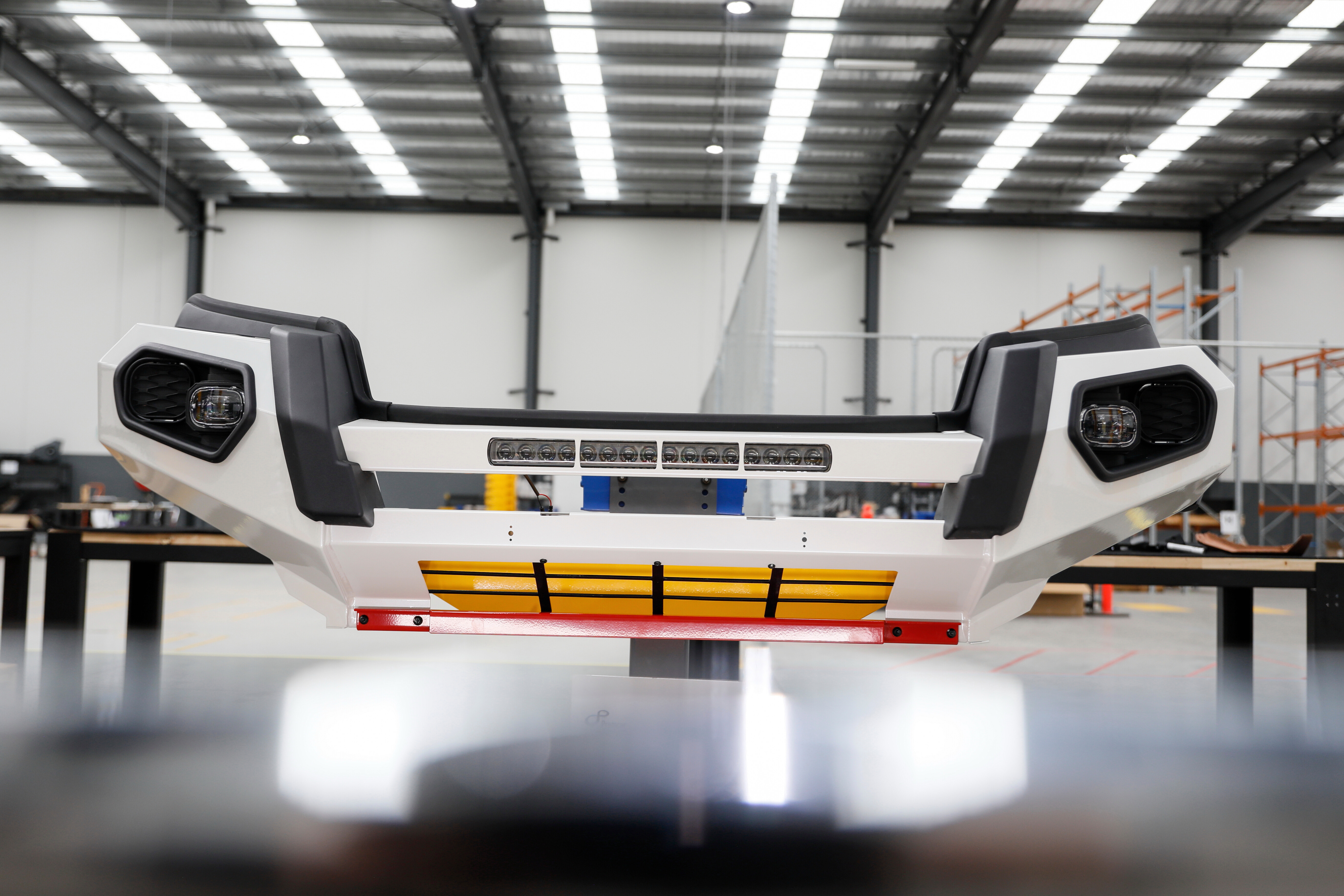
Sitting front and centre is an all-new, beefy, hoopless bullbar, which sports a set of neatly integrated LED lights and fog lights.
The sizeable bullbar also looks to feature a built-in winch compatibility from the get-go, which will undoubtedly enhance its desirability with the off-roading fraternity.
Below the imposing bar is a contrasting red bash plate, which has been adorned with custom “Warrior” lettering.
It also appears much of the unique equipment found on Nissan’s N-Trek Warrior, released in 2019, will feature on the new 4×4.
A set of matte-black off-roading wheels are wrapped in Cooper all-terrain tyres, and shrouded by the same complimenting matte-black flared wheel arches we saw on the N-Trek.
Flanked low on the front and rear doors, and extending to the rear quarter panel, is a black decal with a mountain motif and “twin-turbo” lettering, which denotes the Warrior’s powertrain.
Expected to remain unchanged from the standard Navara PRO-4X, on which the jacked-up 4×4 is based, the twin-turbocharged 2.3-litre diesel engine found in the Warrior will pump out 140kW and 450Nm.
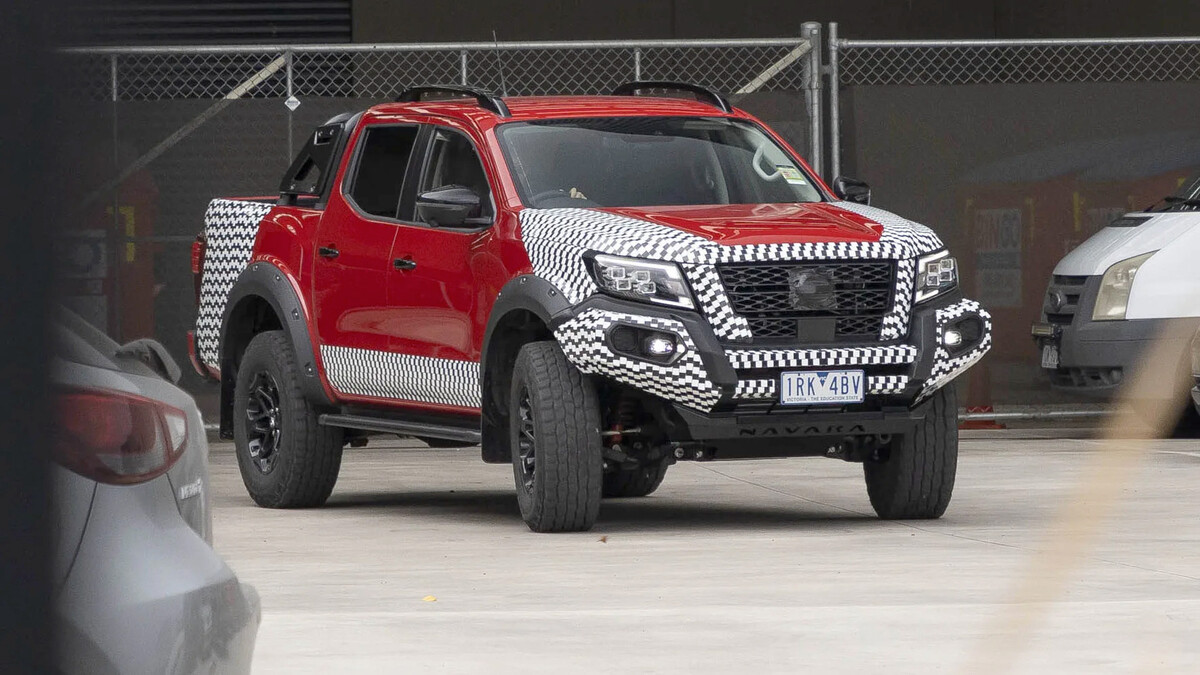
Premcar, which is developing the upcoming Ford Ranger Raptor and Toyota HiLux Rugged-X competitor, says its latest creation will be the “world’s toughest Navara”.
In fact, the auto engineering outfit has dumped millions of dollars into its Epping manufacturing facility and hired 35 dedicated staff to ensure the Warrior project is a success.
The 2022 Nissan Navara PRO-4X Warrior is edging closer to its local launch, with a representative from the Japanese marque’s local arm telling 4×4 the off-roader is just “months away” from an official unveiling.
Part 1: Wildtrak in the shed
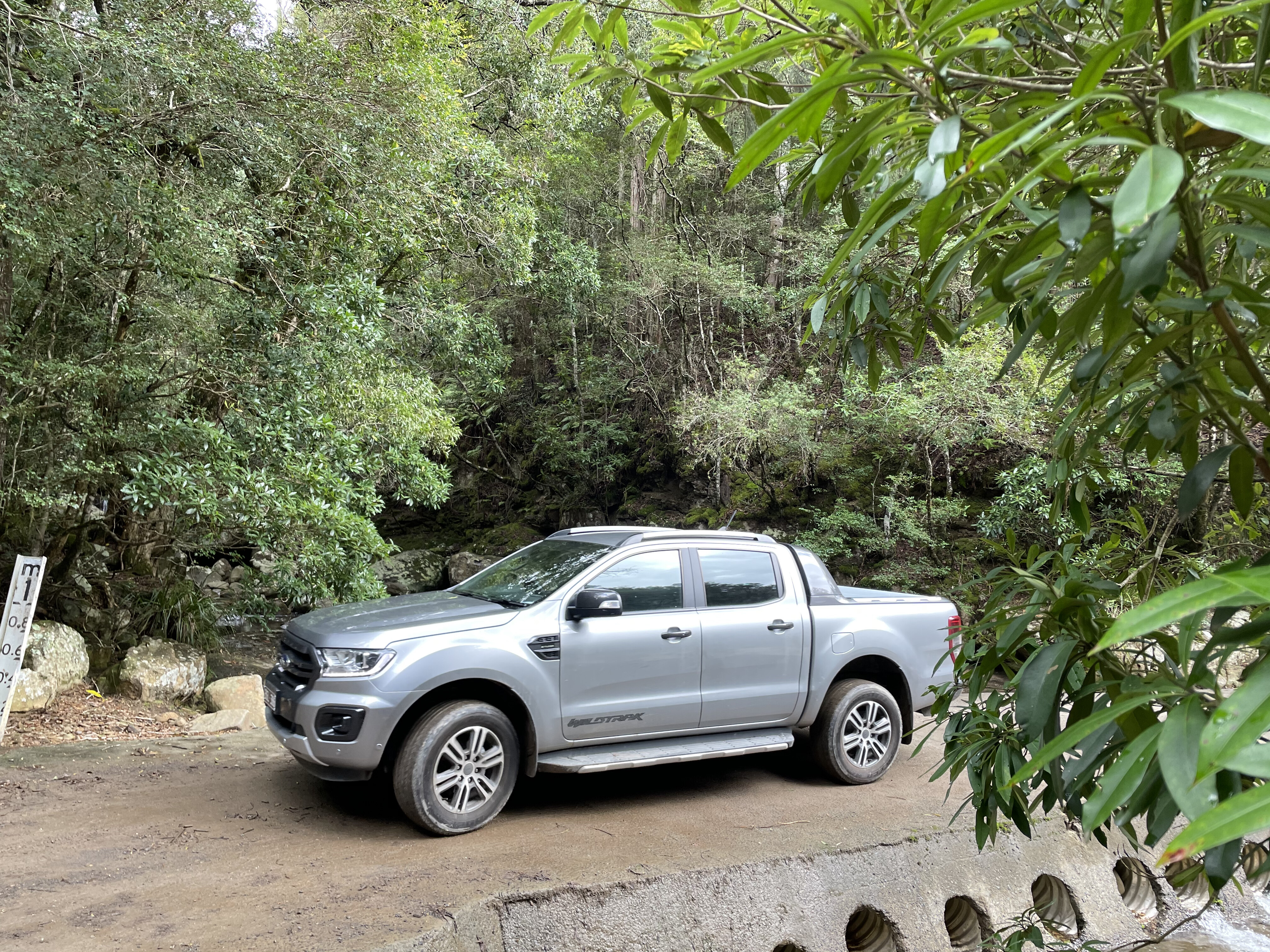
When Ford chucked me the keys to a Ranger Wildtrak 2.0-litre Bi-Turbo diesel in December, I knew it was just the ticket to serve as 4X4 Australia’s resident tow tug for camper trailer reviews.
With heaps of grunt and an impressive 3.5-tonne towing capacity, the Wildtrak was born for the job. What I wasn’t expecting, however, was just how comfortable the Ranger would be as an everyday people mover.
Year after year the Ranger proves itself as one of the most popular 4x4s in Australia, and it wasn’t long before I got a glimpse of why. With power, comfort and functionality to spare, this vehicle would happily serve tradies, serious adventurers, weekend warriors, young parents and grey nomads alike.
Upgrade your Ranger
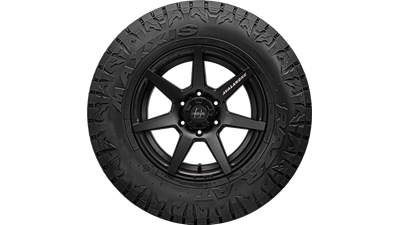
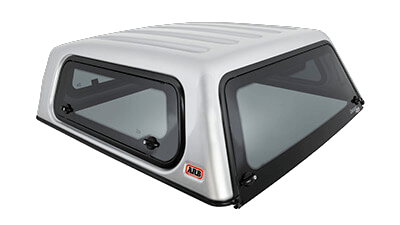
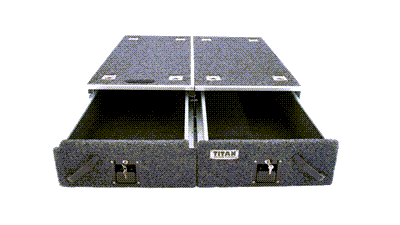
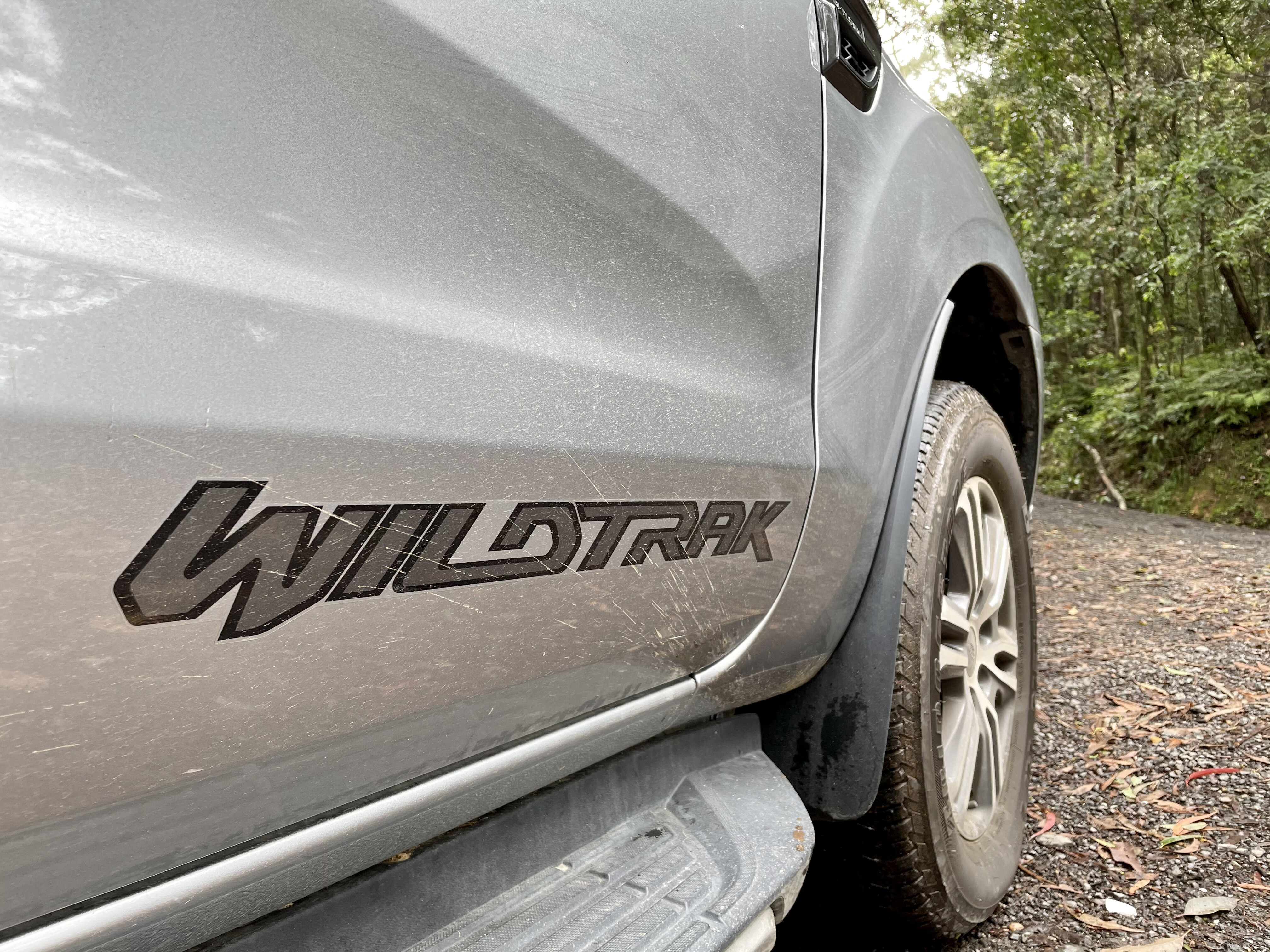
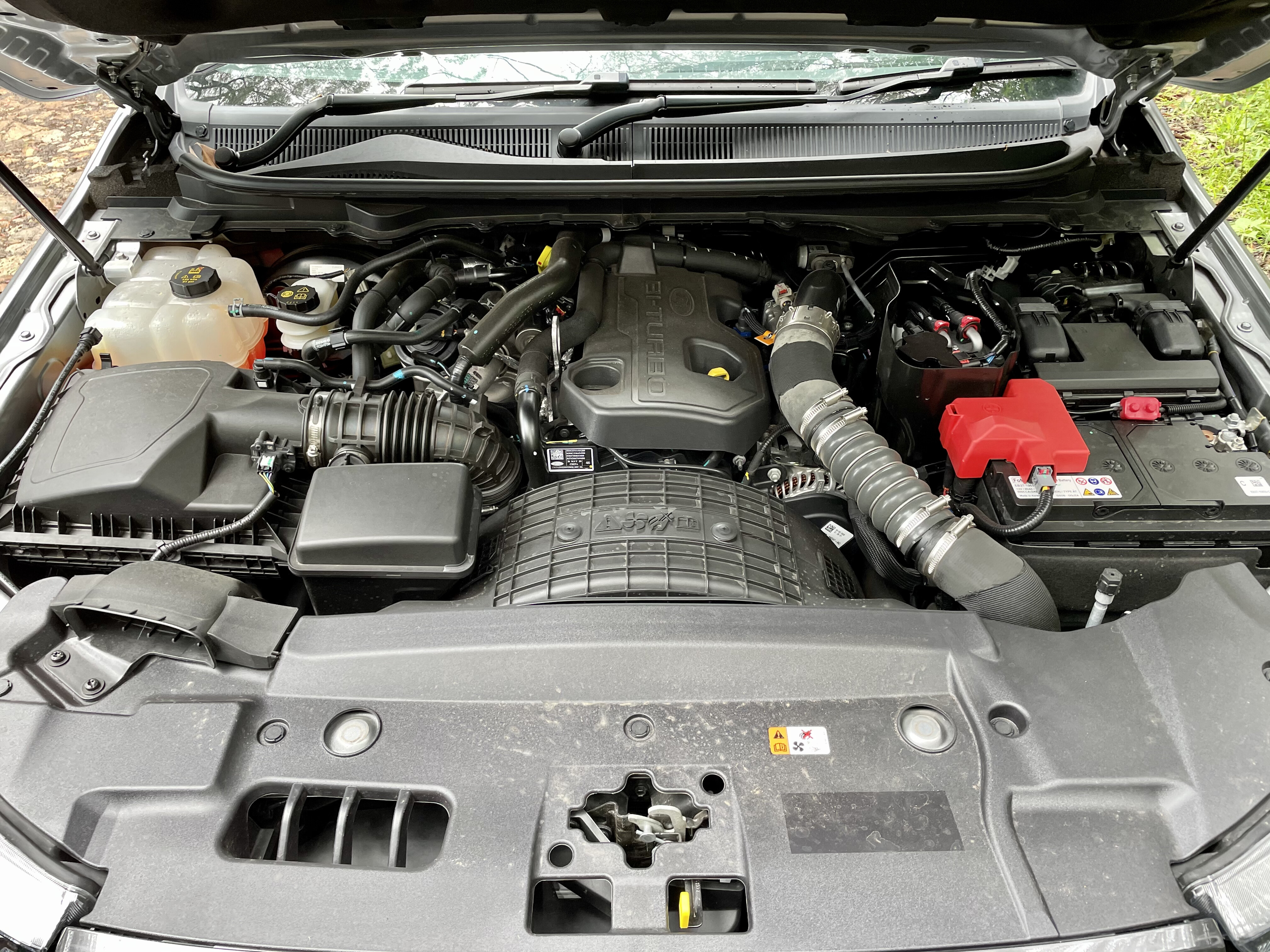
Despite its smaller engine size than the stablemate Wildtrak 3.2-litre five-cylinder turbo diesel, the 2.0-litre four-cylinder Bi-Turbo packs more of a punch when it comes to power down low. It’s got loads of torque at 500Nm at 1750 to 2000rpm, versus the 3.2-litre’s 470Nm at 1750 to 2500rpm. The 2.0-litre also enjoys a 10-speed automatic gearbox, providing the vehicle a smooth, quiet ride at low and highway speeds.To my surprise and delight, the Ranger drives and handles more like an SUV than a hefty ute, a fact I appreciated greatly when using the vehicle for grocery runs, school drop-offs and arvo beach missions in my hometown of Wollongong.
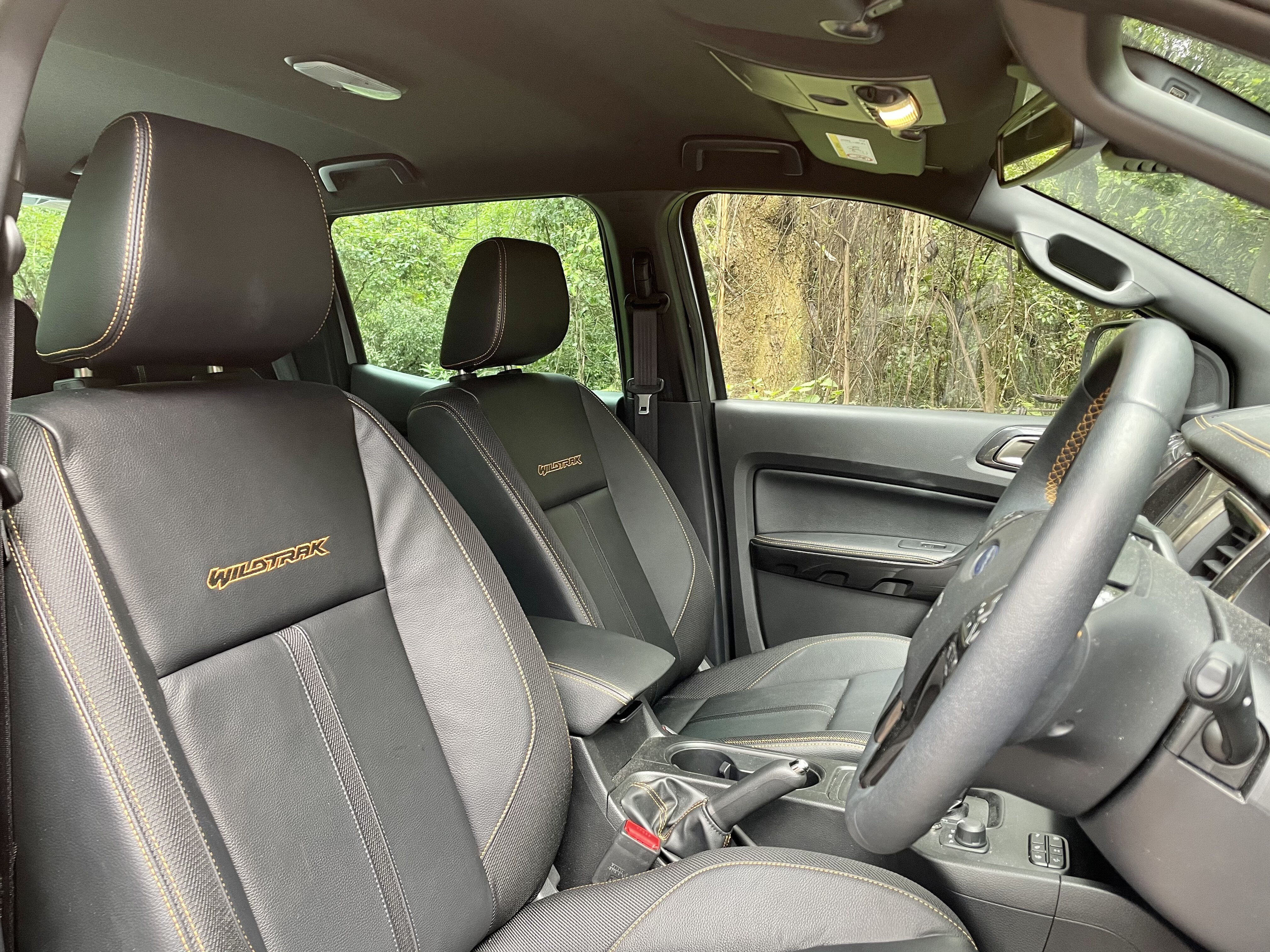
Historically I’ve found driving 4×4 utes can make me feel like an 11-year-old who has stolen dad’s keys for a spin around the back paddock, which is to say, too small to do so comfortably. Not the case with the Ranger. Finding a comfortable seating position with the six-way electric seat controls is easy and visibility is excellent out every window. Steering is light and predictable at any speed and manoeuvring around tight carparks is simple.
Parking is aided by some handy technology, namely the autonomous reverse-parking feature which scans the street for a spot of a suitable size and backs the thing in for you.
If I’m honest, I was a bit too nervous to relinquish control but my partner, an electrical engineer and virtual reality professional (ahem, massive nerd) was right into it. Cool trick indeed. Front and rear parking sensors help, of course, as does the reversing camera displayed on the 20cm entertainment screen.
Apple CarPlay and Android Auto enable the safe navigation of your phone’s call log, messages, music and podcasts while driving, and will be sorely missed by yours truly when I go back to driving my 2014 Volvo.
Other driver-assist technology I loved was the radar cruise control with adjustable sensitivity to enable the vehicle to coast at a specified distance from the car in front. It’s so smooth and subtle that my biggest gripe is that you can easily drop well below the speed limit without realising it’s happening.
Automatic headlights and wipers plus lane-keep assist and emergency crash warning features also gave me the warm, fuzzy feeling of someone having my back.
And while this summer’s relentless rain combined with border closures and pandemic influences of manufacturers’ stock levels foiled more than one camper trailer review plan during our first month with the Ranger, it got a good workout in our household for weekend excursions to secret swimming spots in Kangaroo Valley, lazy Sunday drives out to Wombeyan Caves and school holiday missions to the Mid North and South Coasts of NSW.
TOTAL KM: 3356km PRICE: $65,790 KM THIS MONTH: 2250km AV FUEL: 8.1L/100km
Part 2: Tow Tug
Our second month with the Ranger Wildtrak 2.0-litre bi-turbo diesel saw little improvement on the weather front. Weekend after weekend became a washout as our friend La Niña poured her moody torrents over the Australian east coast summer. Great for farmers, ducks and bushfire evasion, not so good for camper trailer or 4×4 adventures.
But after thrice rescheduling a review of the Cub Campers Drifter II camper trailer, we eventually decided to suck it up and push on. Besides, there appeared to be a bit of break in the clouds.
Momentary glimpses of sunshine were about the best we could hope for. So, it was onwards and upwards to the Hawkesbury, just outside Sydney, for a quick overnighter.

We’d planned to meet Matt Kennelly from Cub Campers at our chosen spot, Burralow Creek Campground, so the trip there in the Ranger involved no towing. The Wildtrak is a dream to drive on the open highway, its 2.0-litre bi-turbo diesel engine with 10-speed transmission providing a refined and quiet ride.
Driver-assist technology adds to the feeling of comfort behind the wheel, with adjustable radar cruise control enabling you to maintain a safe distance from the car ahead. I could happily drive this car all the way to the tropics, if only the pandemic hadn’t closed all the borders.
We made a left towards the campground, and the tarmac gave way to dirt. The drive into Burralow Creek is about 20 minutes of generally well-graded dirt, but the weeks of relentless deluge had created washouts and thick, slippery mud on hairpin bends. More fun than we expected.
Once we arrived, we hooked the camper on to the Ranger and set off back up the road to test her out and get some happy snaps for this here magazine.
The Cub Drifter II weighs just a lick under 1400kg tare, which was the approximate weight on test as the water tanks were dry and there was no gear loaded in the camper. The Ranger, with its 3500kg towing capacity, was always going to giggle at this Lilliputian load. Still, the road in the reverse direction was steep, slippery and washed out, so she’d have to work a little.
The 2.0-litre Bi-Turbo diesel, despite being a smaller engine than the stablemate Wildtrak 3.2-litre five-cylinder turbo diesel, offers plenty of grunt down low. It’s got ample torque of 500Nm from 1750 to 2000rpm, versus the 3.2-litre’s 470Nm at 1750 to 2500rpm. This loans itself very well to towing, and served us well as we lugged the Cub back up the sodden, windy track.The Ranger barely seemed to notice the load of the camper, powering up the hill with ease. The transmission however, while ninja-like on the highway, is not as smooth in low range. Gear changes at low speed tended to thud a little.

At our request, the Ranger was equipped with Ford’s own electric trailer brakes, with the discreet controller knob easy to access alongside the gear stick. Set to a low level of 3 to 4 to suit the Cub’s diminutive weight, the brakes worked efficiently and smoothly as we headed back down into the gully to the campground.Sure, it was a brief glimpse into what the Ranger Wildtrak 2.0-litre Bi-Turbo diesel is capable of when it comes to pulling a load, but the rig impressed nonetheless. Combined with its exceptional driving comfort and ease of manoeuvrability around town, this vehicle would be an excellent option for anyone looking for a 4×4 that’s equally suited as a weekend workhorse and everyday family mover.
Oh, and in case you were wondering, La Niña unleashed her fury on us once more later that day and all through the night.
TOTAL KM: 4985km KM SINCE LAST UPDATE: 1629km AV FUEL: 8.1L/100km
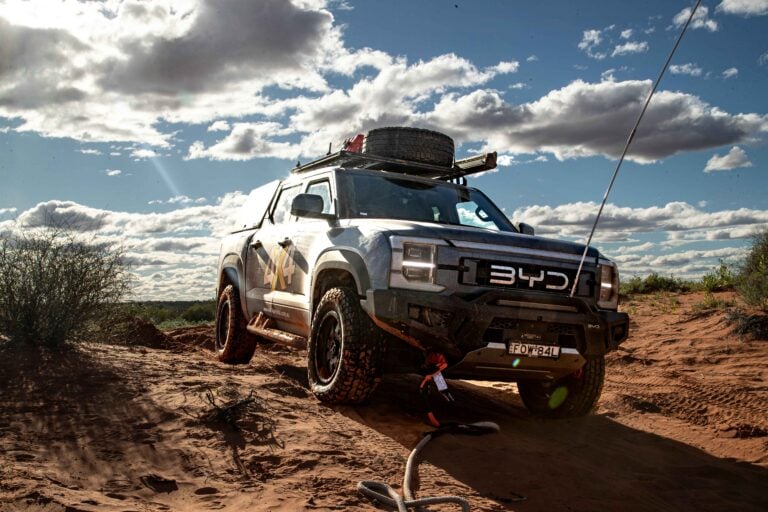
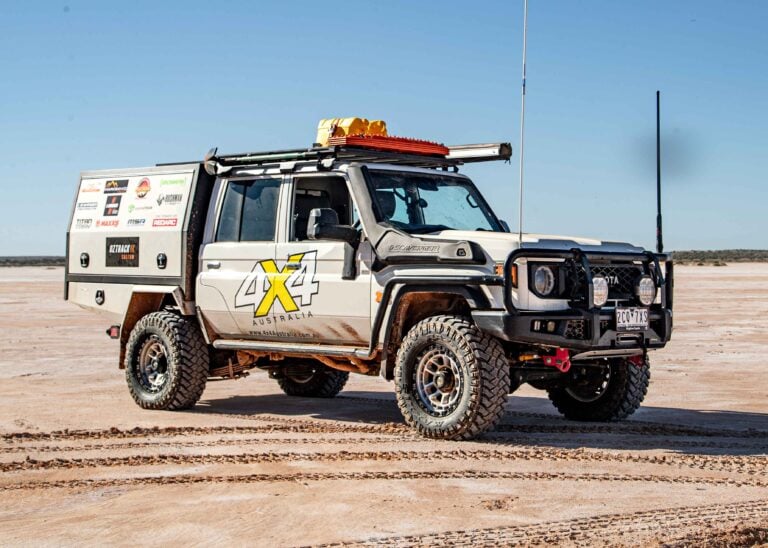
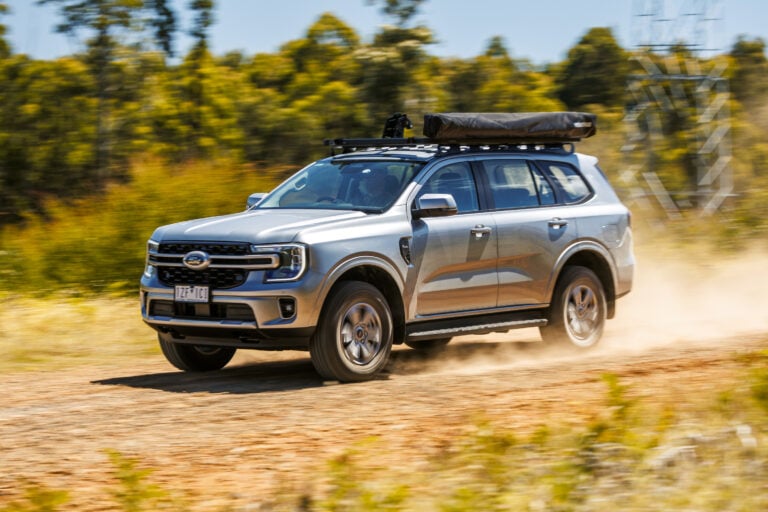
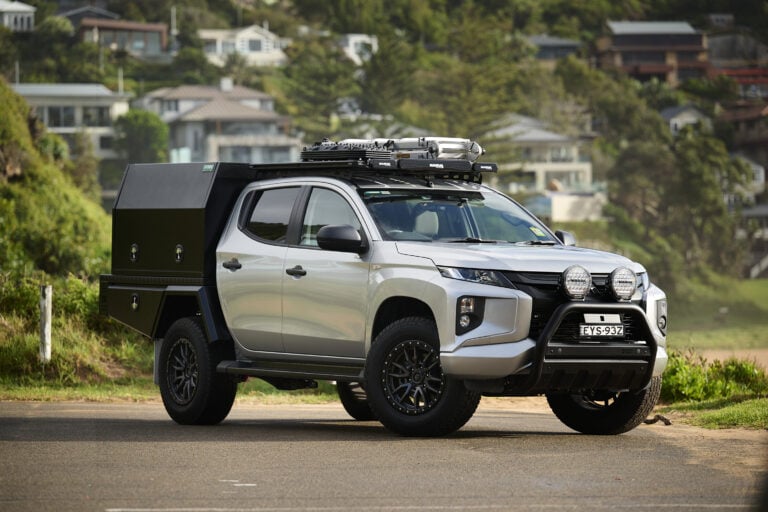
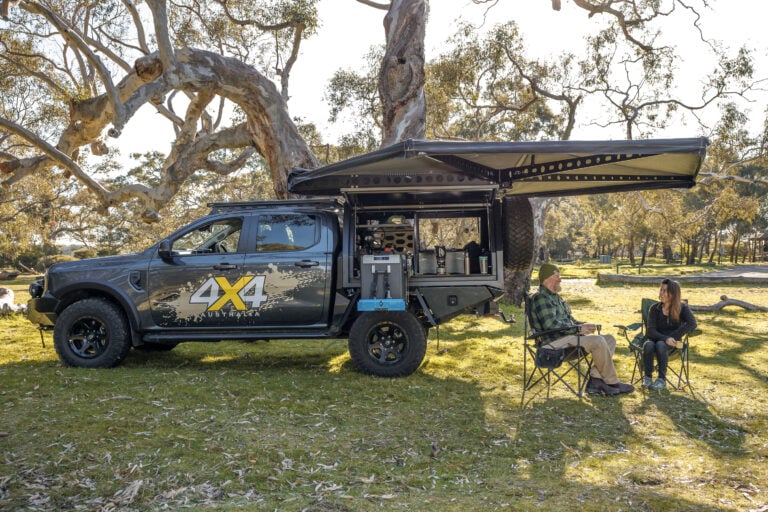
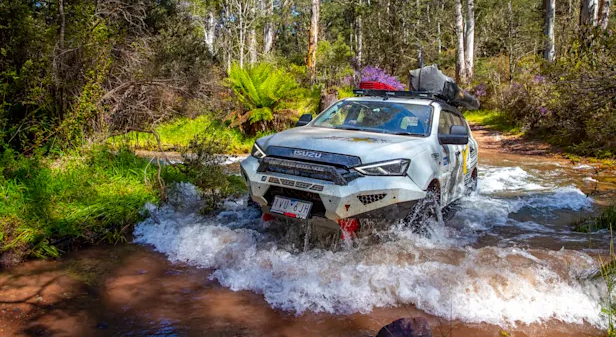
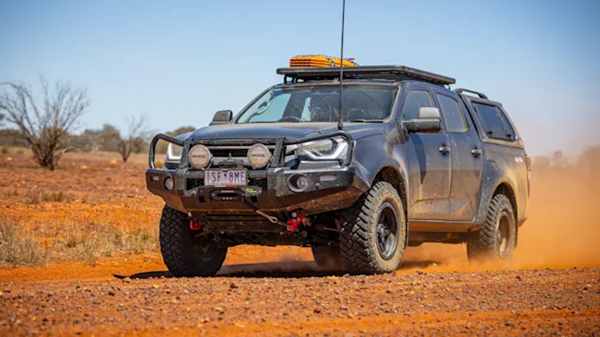
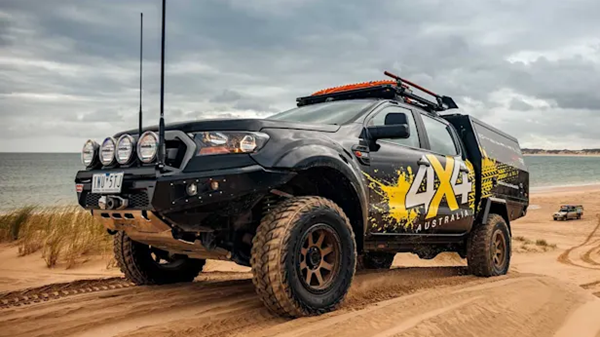
4X4 Australia's project builds
Snapshot
- One man in his 60s died at the scene
- Another spectator and navigator required an airlift to hospital
- Return leg of bike class was cancelled
A spectator at the 2021 Finke Desert Race has died and two others have been injured after a competitor in the car class ran off the course.
Motorsport Australia has confirmed the incident happened 35km from the finish line in Alice Springs on Monday morning, with one man aged in his 60s passing away at the scene.
Northern Territory Police said the other two people injured were in their 50s – a male spectator and a female navigator from the vehicle involved in the incident.
Another specatator, Kerry Turley, told the ABC a vehicle had lost control over the dunes leading up to the crowd, triggering the incident.
“What had happened, just… shocking,” said Mr Turley.
“A trophy truck had come over this sand dune and bounced and bounced, and then they just veered to the left.
“There were people running everywhere.”
A statement from the event organisers said the race had been declared by the clerk of the course and presentations for competitors in the bike category called off.
“Motorsport Australia and event organisers have advised that as the NT Police are still carrying out investigations at the scene of today’s incident, the clerk of the course has declared the car section of the Finke Desert Race concluded,” the statement said.
“Arrangements will be made in conjunction with NT Police for vehicles stopped on the course at various locations on the Finke Track to be recovered by crews.
“Competitors and crews will be advised in due course.
“Following an earlier incident, the bike category return leg has been declared.
“Event organisers and emergency services are working with competitors and crews to return to Alice Springs safely.
“Bike category standing orders are as at Day 1.”
Motorsport Australia said it extends its sympathies to those affected by the incident and counselling services will be available to all competitors, officials and spectators involved in the event.
The Finke Desert Race is a two-day race, held each June on the Queen’s Birthday long weekend, through desert for bikes, cars, buggies and quads. It goes from Alice Springs to the small community of Aputula — also known as Finke — and back.
Day 1 of the Tatts Finke Desert Race is underway, as more than 700 competitors race their way down the sandy track for 228 kilometres from Alice Springs to the community of Aputula on the ancient Finke River.
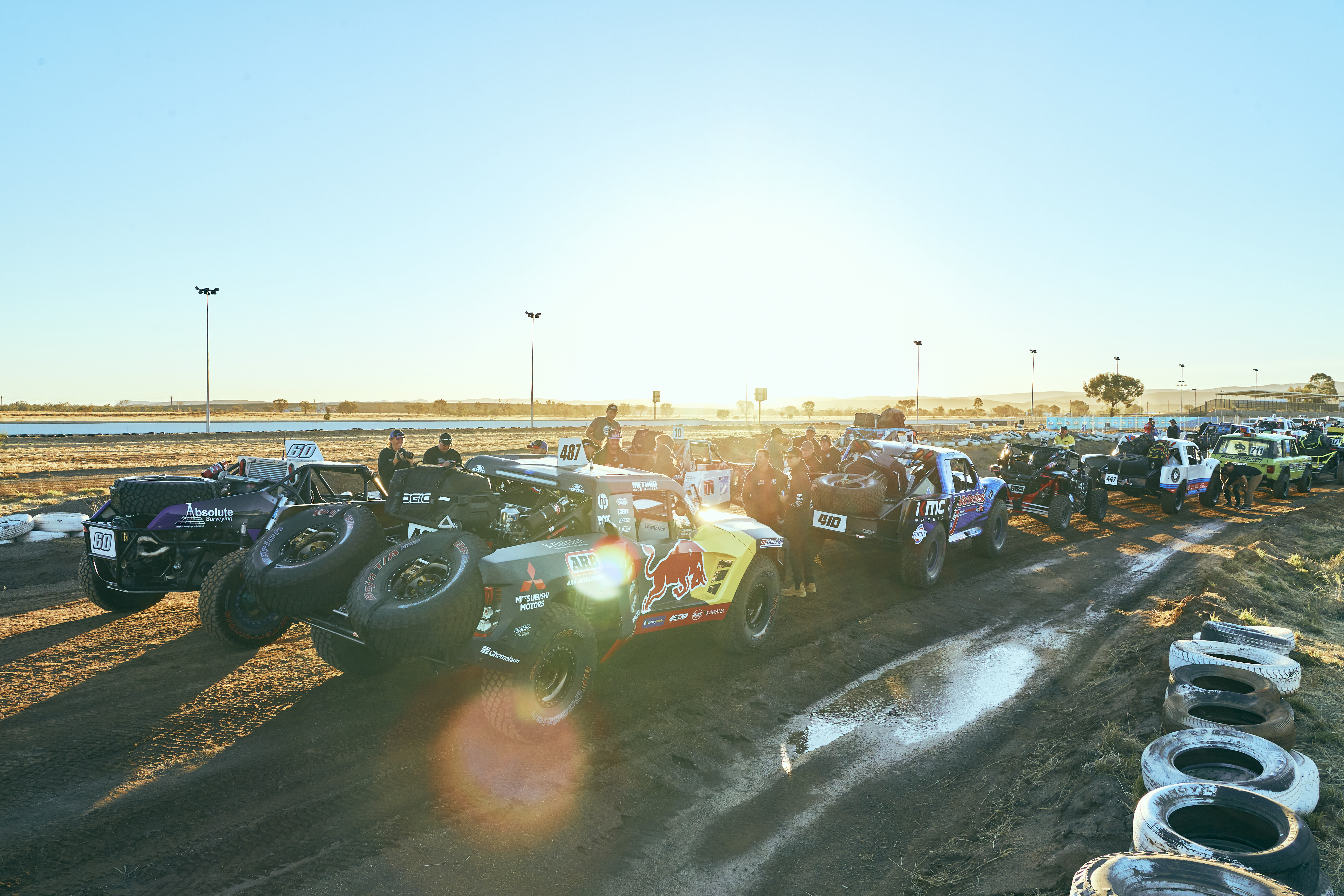
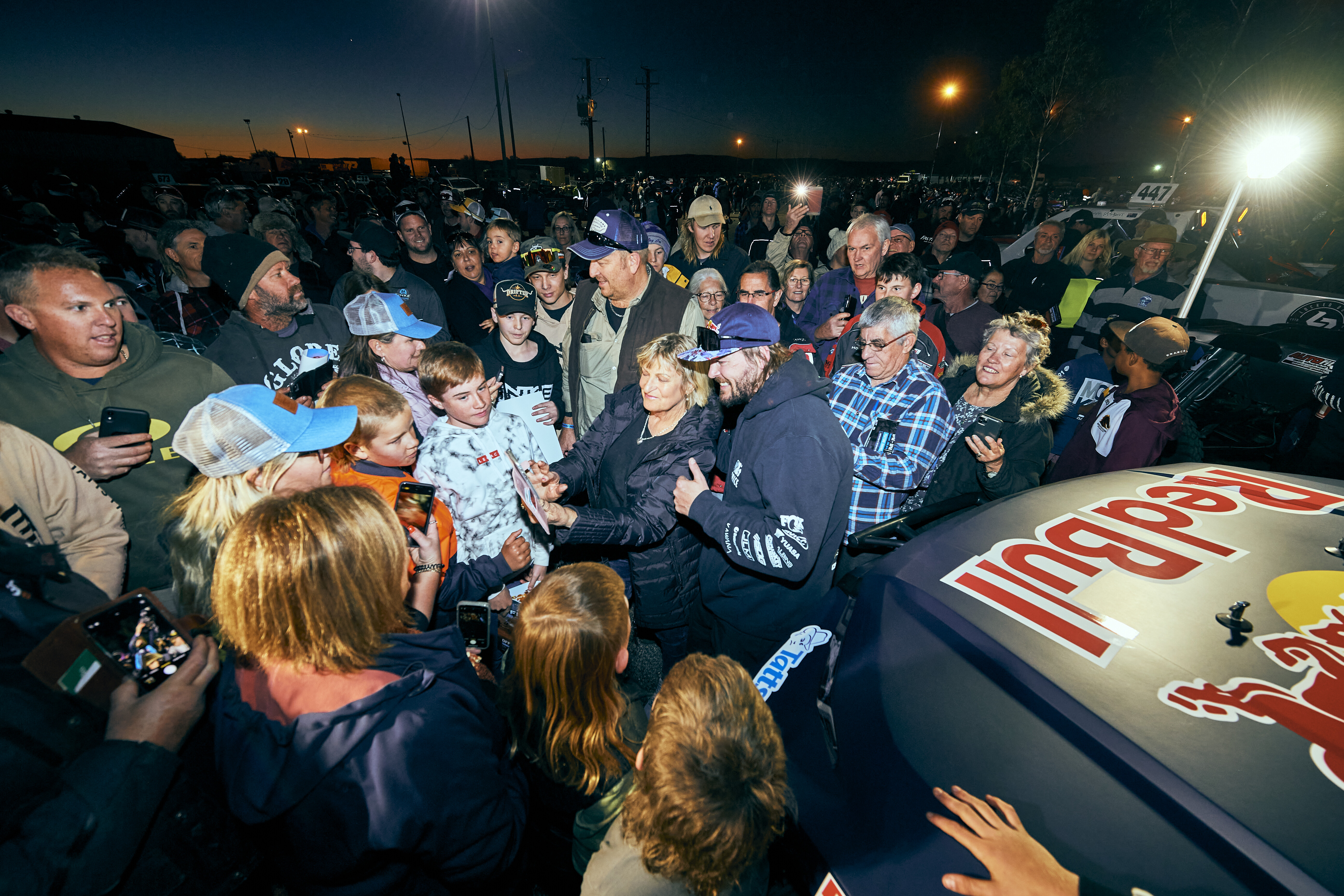
Before they kicked off on a chilly Sunday morning, there was plenty to see back in Alice with the scrutineering taking place at the start/finish line complex on Friday night. This gives race fans a chance to get up close for a look at the cars, buggies and bikes, as well as the opportunity to meet and talk with the riders and drivers.
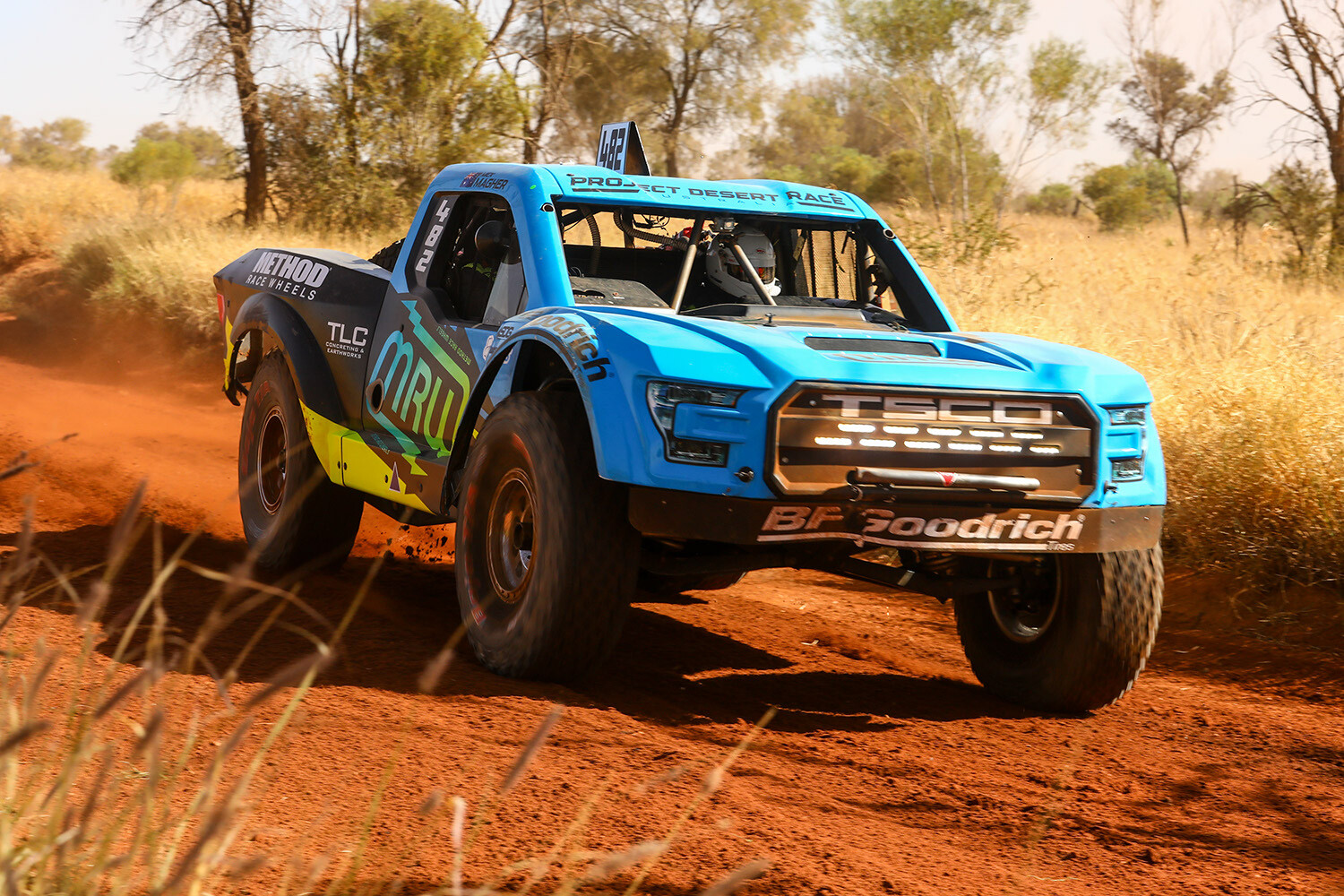
Saturday saw the action kick off and the dust billowing off the race tyres as the Method Race Wheels Prologue took place over a short course, again near the start/finish complex. The 8.3km prologue determines the start order of the cars and bikes, and getting the fastest times gets you at the head of the pack heading south. This is important, as the cars in front will have less dust to contend with on their run.
Crowd favourite, two-time Dakar winner and six-time Finke ‘King Of the Desert’ Toby Price was quickest on Method Race Wheels Prologue Day, lapping the track in 4:38s in his new and unique Mitsubishi Triton TSCO Trophy Truck.
Josh Howells was runner up in the prologue in a Pro Buggy, with a time 3.8s slower than Price’s, with Beau Robinson rounding out the top three.
Price was awarded $5000 from Method Race Wheels for setting the outright quickest prologue lap, while Toby Whateley scored $2500 for being the fastest SXS.
Jack Simpson set the pace on the bikes at 4:47.4s, 3.9s over the prologue ahead of 2019 race winner David Walsh. Racing got underway on Sunday morning at 7:30am Alice Springs time for the 226km trip south, before all camp overnight and return up the same route on Monday.
It is expected to take the fastest vehicles around 90 minutes to reach Finke, while for many of the racers behind them, just getting there will be a win, regardless of the time.