
If you tow or carry heavy loads for work or pleasure, Pedders Suspension & Brakes has a range of total undercar solutions to take your 4×4’s load-carrying capability to the next level. Pedders is an Australian family-owned business that has been established since 1950 and is a market-leader in the Australian automotive aftermarket industry.
Pedders is a great option for 4×4 owners seeking a total suspension and brakes solution that is tailored to their needs and designed for towing, load-carrying and off-road touring. Pedders has an expansive product range which includes 4×4 lift kits, GVM+ Upgrades and towing solutions.
Pedders is renowned for their impressive catalogue of replacement and upgrade brake components including Rear Drum to Disc Conversion kits for dual-cab utes, big brake upgrade kits, and performance rotors and pads.
Pedders understands everyone has a unique tow and load scenario and as such, offers services including safety inspections and vehicle weight checks so you can ensure you’re within GVM and confidently make a decision on whether you should consider a brake or GVM+ Upgrade.
JUMP AHEAD
Pedders GVM+ upgrades
Over the years, Pedders has concentrated its efforts in the 4×4 space, innovating in the towing and load-carrying segment. Pedders is one of the early adopters of Gross Vehicle Mass Upgrades and now offers Australia’s largest range of Federal Government-approved GVM+ Upgrade solutions with over 30 different popular vehicles supported by the Pedders GVM+ Upgrade program.
Pedders GVM+ Upgrades are also configurable to suit the individual customers needs with constant load, variable and heavy-duty spring options available across the range. Each Pedders GVM+ Upgrade also includes the brand’s Foam Cell technology shock absorbers which is designed for off-road performance and on-road comfort.
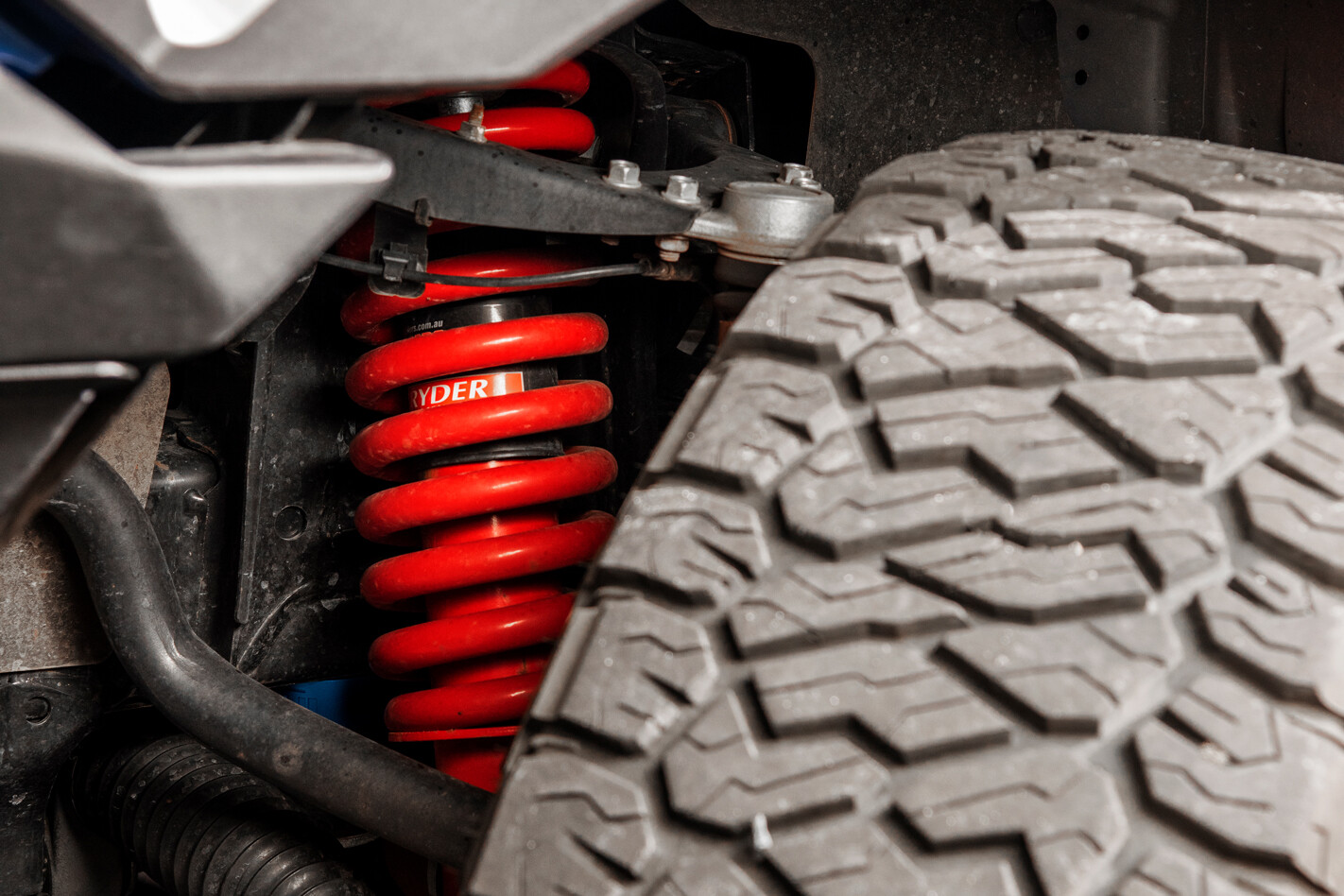
Pedders Foam Cell Shock Absorbers feature an extra-large bore and piston design, compared to the original Shock Absorber supplied with the vehicle. The larger size of the Foam Cell Shock Absorber provides a dramatically increased oil capacity for greater ride control and comfort.
This enhanced design improves off-road performance and provides a smoother ride over rough terrain. The Foam Cell technology virtually eliminates shock fade by avoiding the aeration of the shock absorber fluid which ensures optimum damping control in all conditions and enhanced temperature control.
| Vehicle | New GVM | Additional Payload |
|---|---|---|
| Ford Ranger PX, PXII, PXIII | 3500kg | Up to 300kg |
| Ford Ranger PXIII | 3670kg | Up to 470kg |
| Holden Colorado RG2 & RG3 | 3450kg | Up to 300kg |
| Isuzu D-Max | 3450kg | Up to 600kg |
| Isuzu MU-X | 3200kg | Up to 450kg |
| Mazda BT-50 UR & UP | 3500kg | Up to 300kg |
| Mazda BT-50 2020+ | 3450kg | Up to 350kg |
| Mitsubishi Triton MR | 3200kg | Up to 480kg |
| Toyota Hilux Gen 8 | 3620kg | Up to 770kg |
| Toyota LandCruiser 200 | 3850kg | Up to 500kg |
| Toyota LandCruiser 79 | 4200kg | Up to 900kg |
| Toyota LandCruiser Prado 150 | 3500kg | Up to 510kg |
| Toyota LandCruiser 300 | Coming in 2023 | |
| Ford Ranger 2022+ | Coming in 2023 | |
Pedders brake upgrades
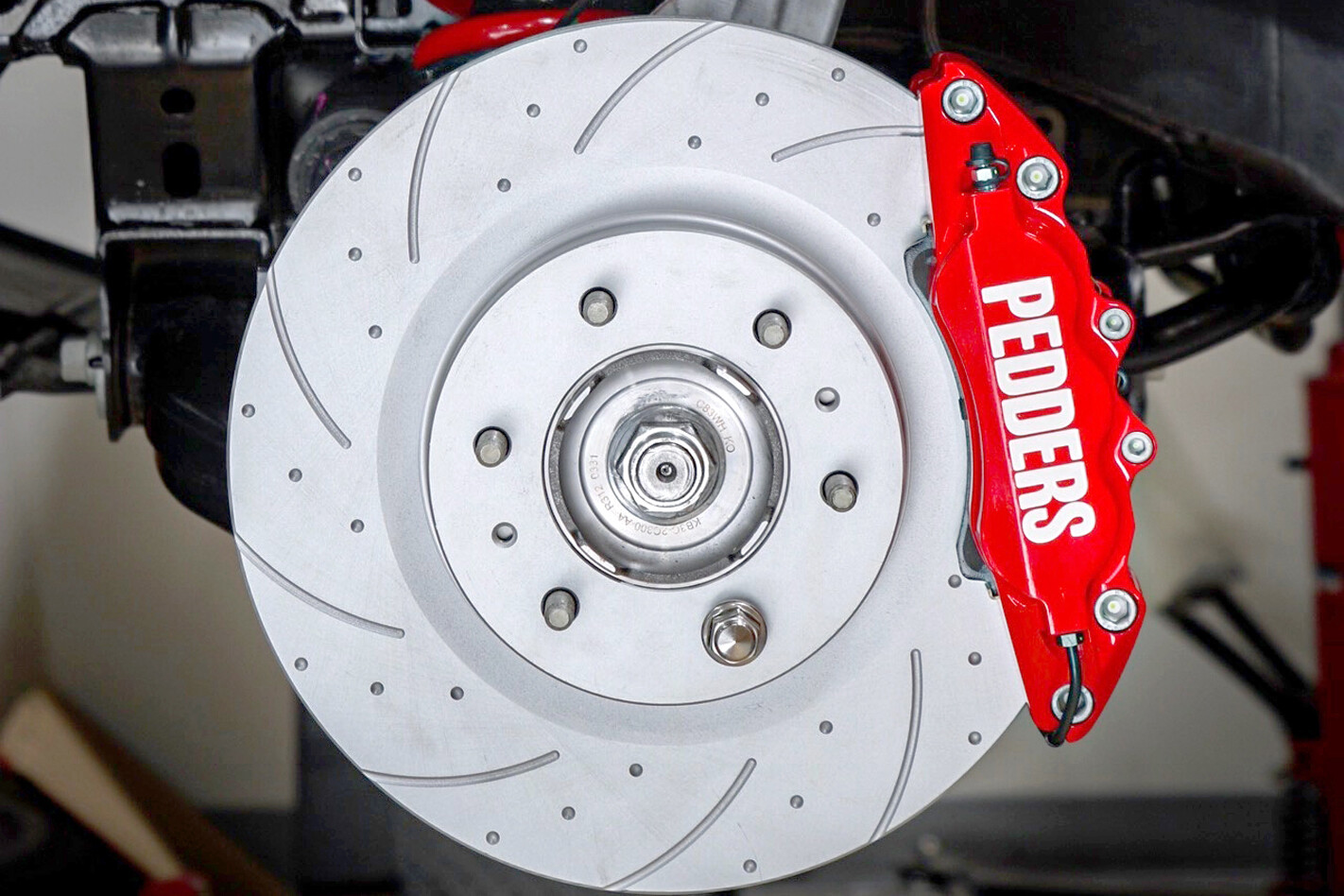
If you tow or carry heavy loads with your 4×4 then upgrading your brakes should definitely be a consideration! Adding weight to your vehicle increases your stopping distance and places additional stress on your vehicle’s braking components which can cause them to wear out more quickly or underperform with hard use.
Pedders has developed a range of 4×4 brake upgrade components that are designed to handle additional load and boost braking performance.
Pedders rear drum to disc conversion
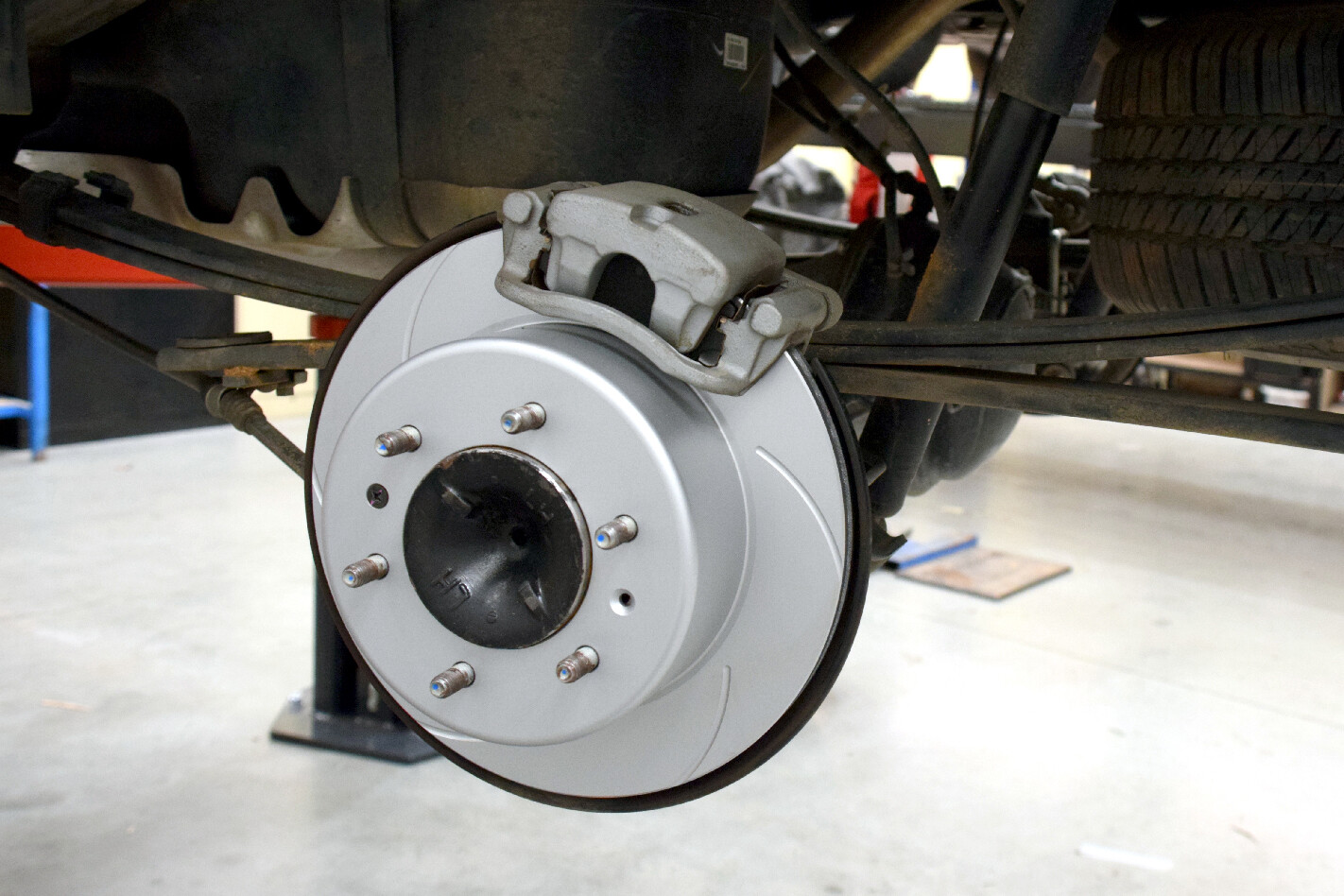
With a Pedders Rear Drum to Disc Conversion kits, the vehicle’s braking system benefits from increased stopping power, improved brake pedal feel and reduced stopping distances.
Disc brakes are completely self-adjusting and have fewer moving parts, and it takes longer for the disc brake to experience brake fade, because they have a wider surface area that is directly exposed to air. If you’re driving off-road and through creeks, disc brakes drain water quickly whereas once water and grit enters a drum brake, it stays inside the drum hindering braking efficiency.
Pedders Rear Drum to Disc Conversion kits include everything you need to convert from old-tech drums to superior discs and calipers.
Suited vehicles:
- Ford Ranger PX Series
- Toyota Hilux Gen 8
- Isuzu D-Max 2012-2020 & 2020+
- Holden Colorado RG
- Mazda BT-50 2012-2020 & 2020+
- Mitsubishi Triton MQ & MR
- Suzuki Jimny 2018+
Pedders big brake kit
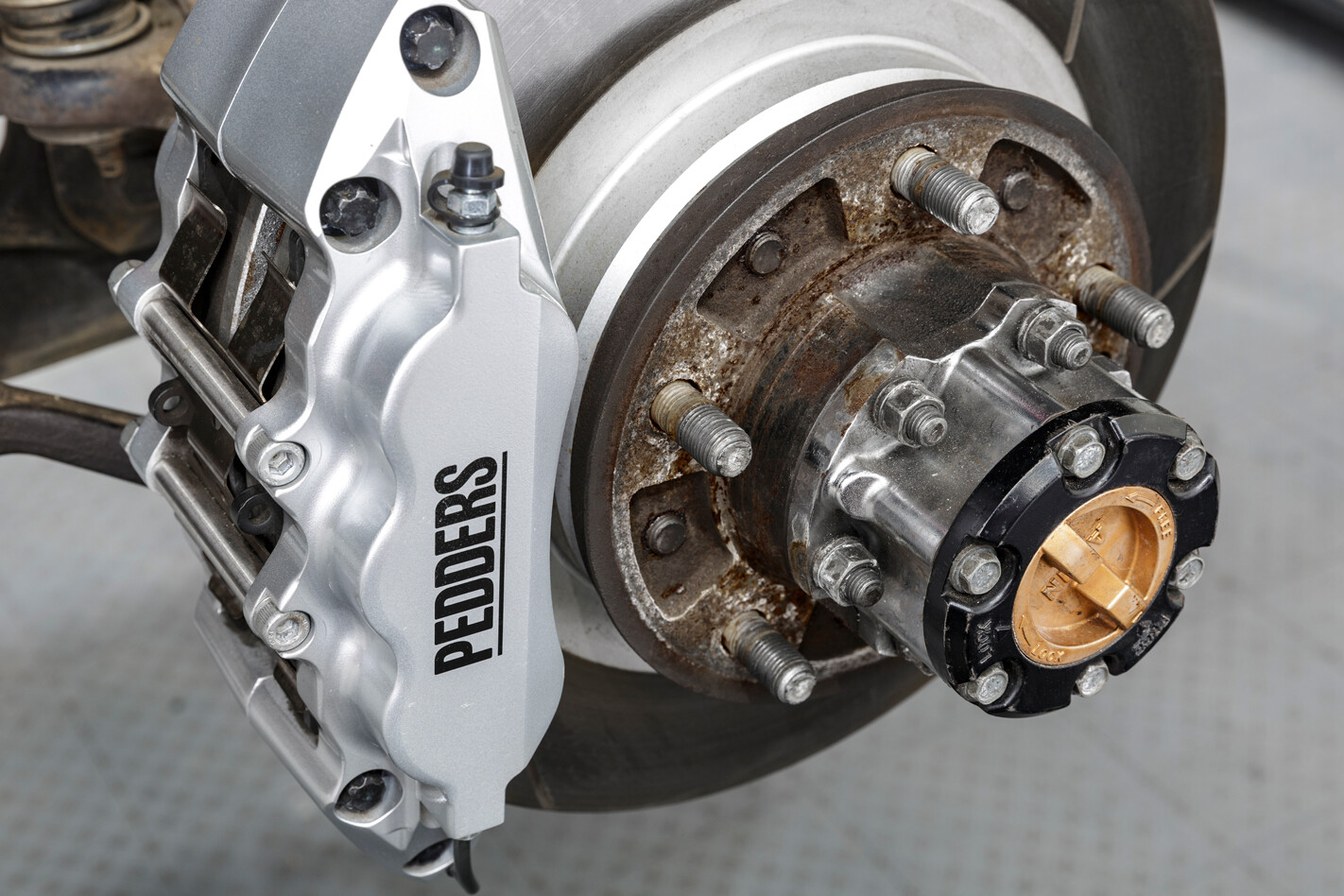
For those that want their 4×4 to stop like a sports car, Pedders offers a seriously impressive Big Brake kit which is a bolt-on, high-performance brake upgrade package.
Featuring a monster six-pot brake caliper design, enlarged slotted and Geomet-coated brake rotors, stainless-steel braided hoses and high-tech Kevlar Ceramic Brake Pads, this brake upgrade has been proven to dramatically reduce stopping distances compared to the original equipment and reduce brake fade after repeated hard braking.
Suited vehicles:
- Ford Ranger PX Series
- Toyota Hilux Gen 8
- Isuzu D-Max 2012-2020 & 2020+
- Holden Colorado RG
- Mazda BT-50 2012-2020 & 2020+
- Toyota LandCruiser 70 Series
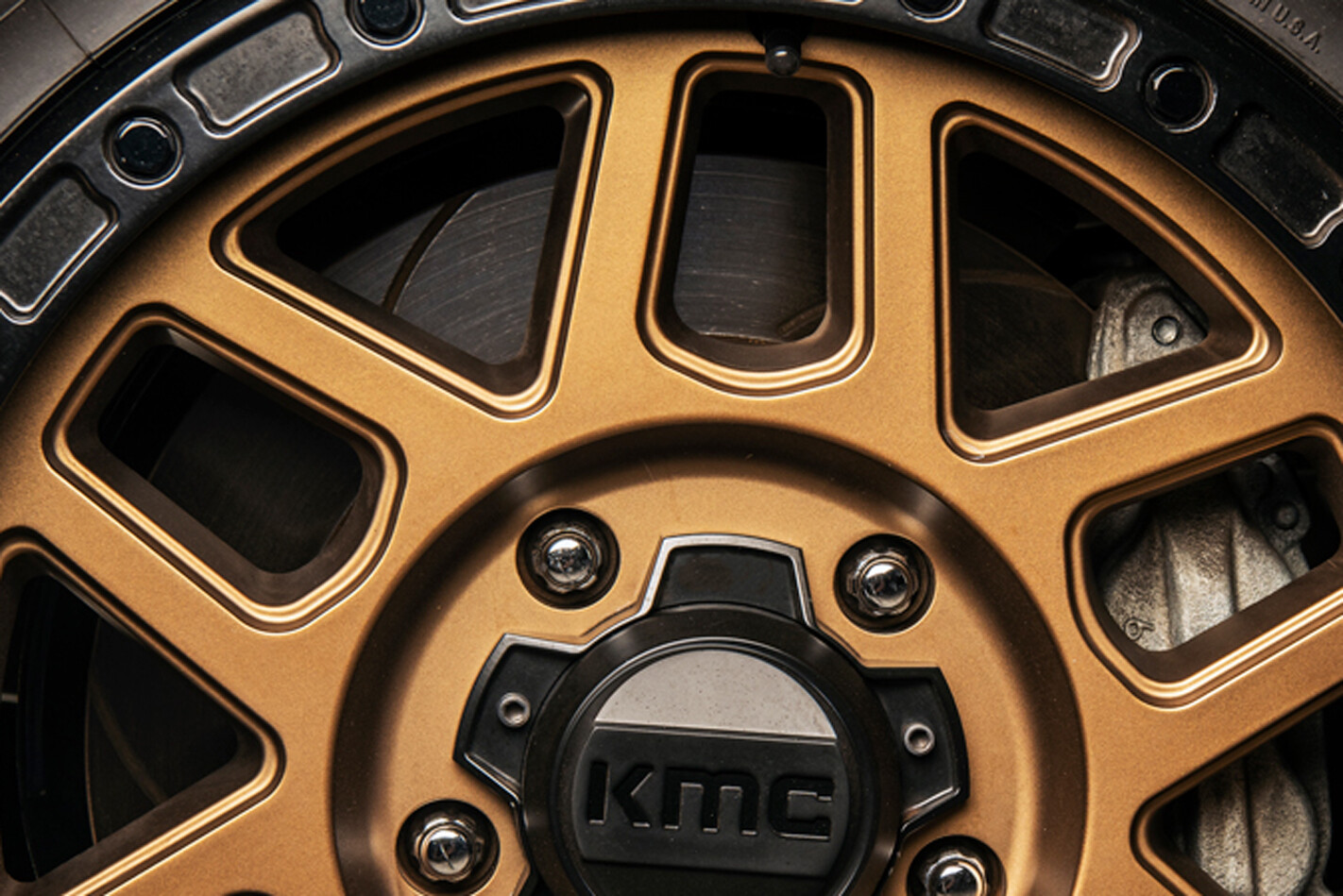
Pedders performance rotors and pads
The Pedders range of performance 4×4 brake rotors and pads are a great solution for upgrading your rig’s brake system when it comes time to replace your worn out pads and rotors.
Pedders offers a range of Slotted and Geomet-coated brake rotors for 4x4s with improved cooling performance thanks to the unique slotted design, while the Geomet-coating provides anti-corrosion protection.
Pedders Kevlar Ceramic 4×4 Brake Pads are another simple yet effective upgrade that offers improved temperature control over standard brake pads so you can rely on them under heavy braking when the vehicle is towing or carrying heavy loads.
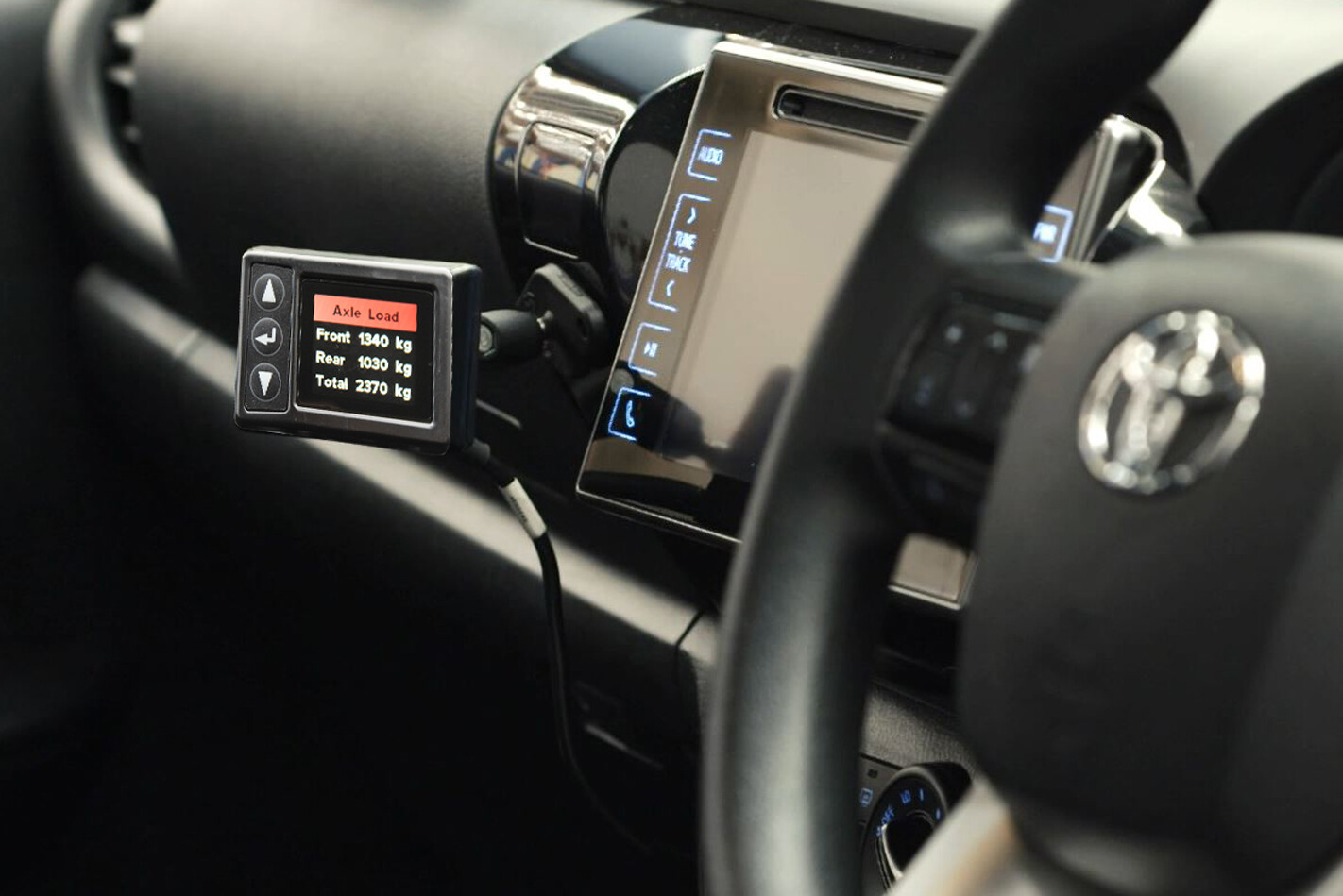
Pedders LoadRyder Onboard Scales
Pedders’ innovative LoadRyder Onboard Scales system provides real-time payload-monitoring capability to a range of popular load-carrying vehicles, displaying accurate vehicle weight metrics to the driver. The system features model-specific calibration to alert the driver when their vehicle is overloaded and beyond its GVM limit.
The in-car display shows front and rear axle loads, Gross Vehicle Mass and available Payload – so you don’t have to stop at a weigh bridge to know your vehicle weights!
Available to suit:
- Ford Ranger PX3
- Toyota Hilux Gen 8
- Isuzu D-Max 2012-2020 & 2020+
- Mitsubishi Triton MR
- Toyota LandCruiser 70 Series
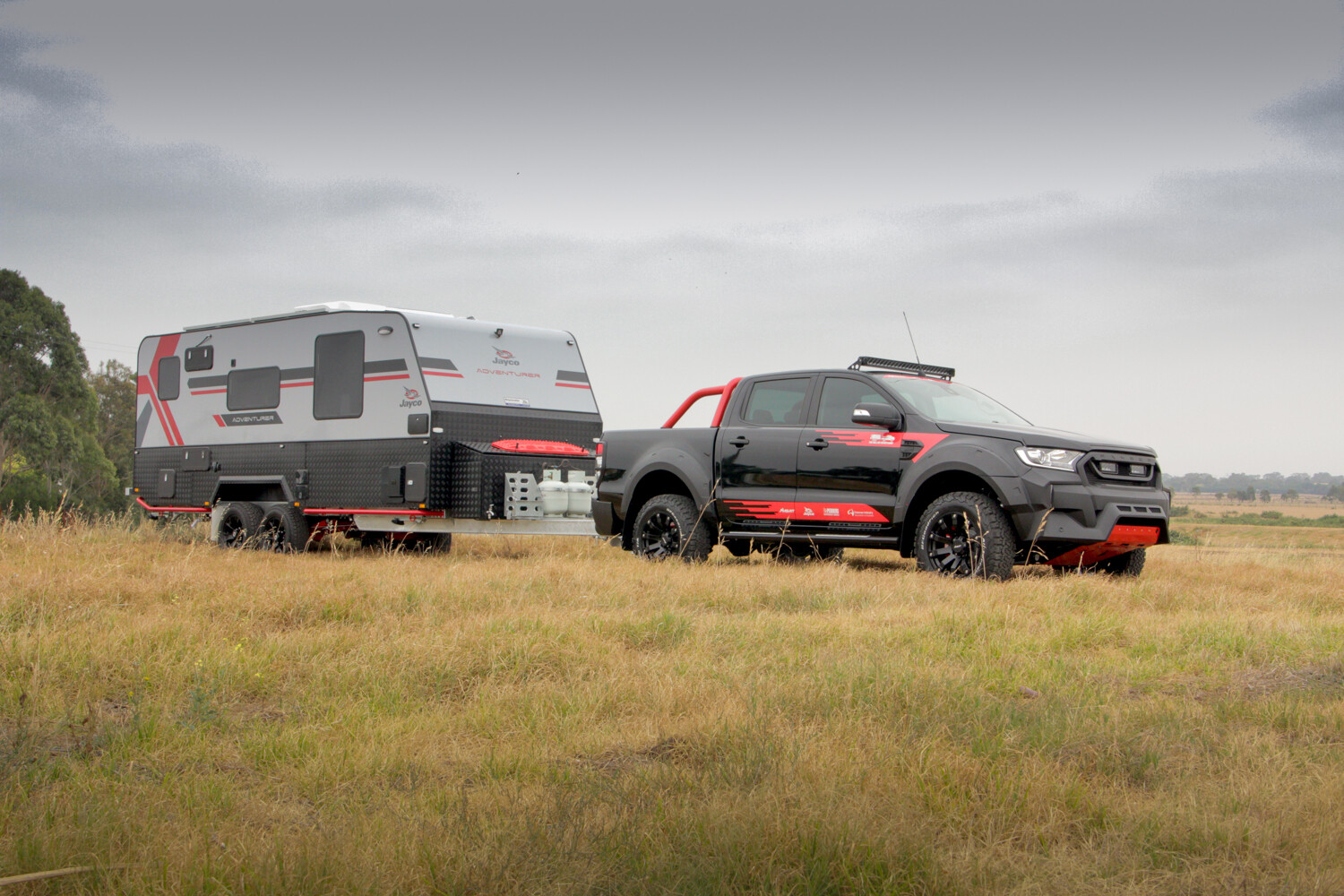
Pedders towing solutions
If you only tow or carry heavy loads occasionally with your 4×4, then Pedders has a range of towing solutions suitable for many popular vehicles.
Common upgrades include Pedders Air Assist Air Bag kits, heavy-duty coil and leaf springs, as well as standard-height heavy-duty suspension kits for drivers that want to tow or carry extra load without the suspension lift. Pedders can also recommend, supply and instal a tow bar, weight distribution hitches and brake controllers to suit your vehicle.
More information
For more information, check out the Pedders Suspension & Brakes website or get in touch with your local Pedders outlet. With over 120 locations Australia-wide, Pedders has you covered!
Store Locator: https://www.pedders.com.au/store-finder/ Pedders website: https://www.pedders.com.au Pedders Catalogue: https://shop.pedders.com.au/
Snapshot
- Shares a striking resemblance to Bollinger EV
- 220kW and 280kW versions available
- Impressive off-road figures
Munro Vehicles, a Scottish-based EV outfit, has unveiled a five-seat 4×4 dubbed the Munro MK_1 that’s set to electrify the 4×4 segment.
Sharing an uncanny resemblance to the electrified Bollinger EV vehicles, the Munro MK_1 has been developed with two powertrain options delivering either 220kW (295hp) or 280kW (375hp). Both utilise a full-time 4×4 system, connected to a two-speed transfer case with a locking diff.
The 220kW/600Nm version pairs the electric motor with a 61.2kWh battery, giving it an optimal driving range of 227 kilometres. The more powerful 280kW/700Nm electric motor is paired with an 82.4kWh battery, to give it an extended driving range of 306km.
Munro Vehicles says the battery pack is guaranteed to deliver 80 per cent of its original capacity for at least eight years or 100,000 miles (160,000km).
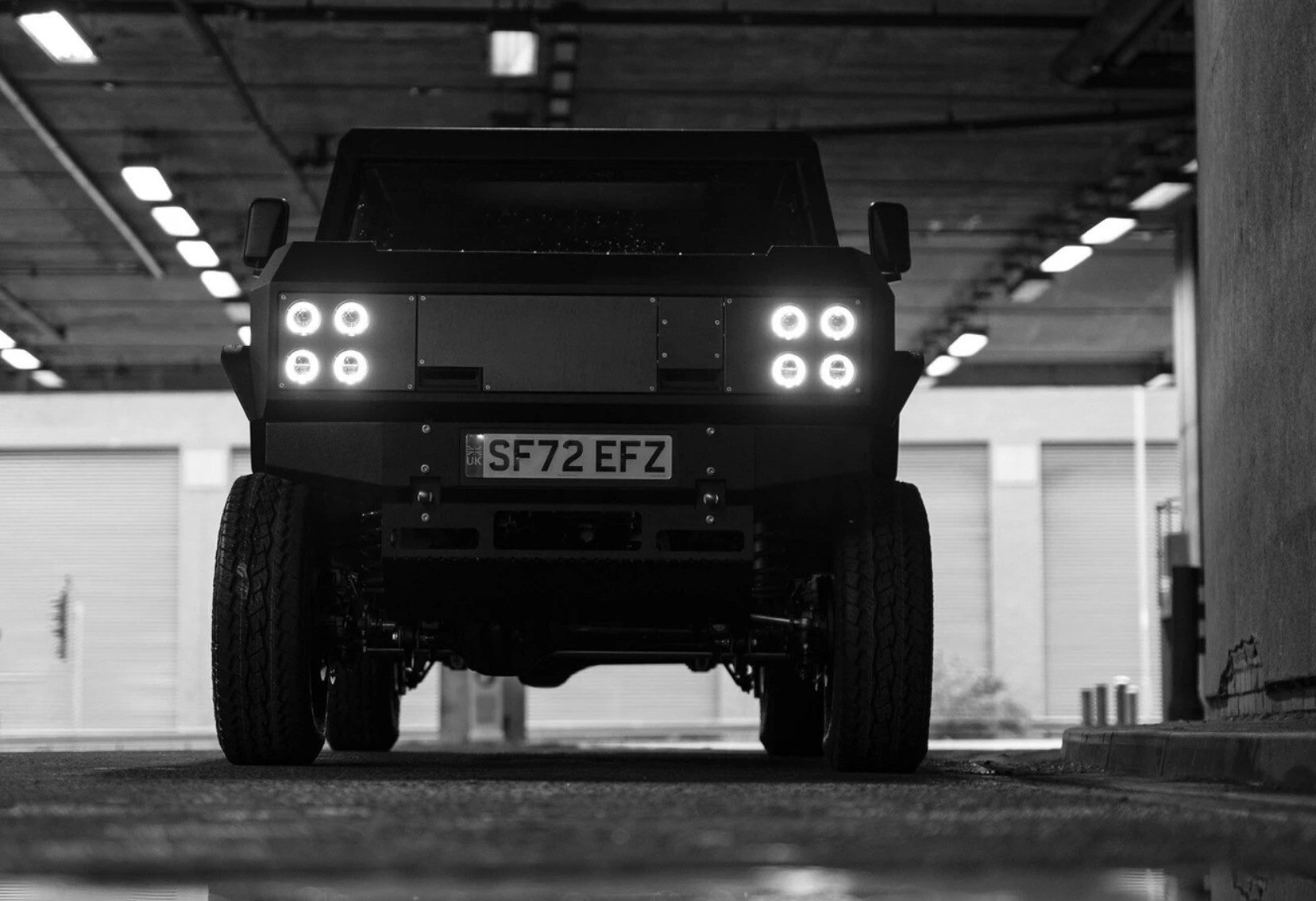
Currently in a “small production phase” of development, the vehicle has impressive approach and departure angles of 84 and 51 degrees respectively, and ground clearance is 480 millimetres. Steel wheels live inside all-terrain rubber, and the MK_1 is coil-sprung.
Upol Raptor Paint protection comes as standard with the MK_1, providing protection against knocks and scrapes when trailblazing tracks in pursuit of forgotten campsites.
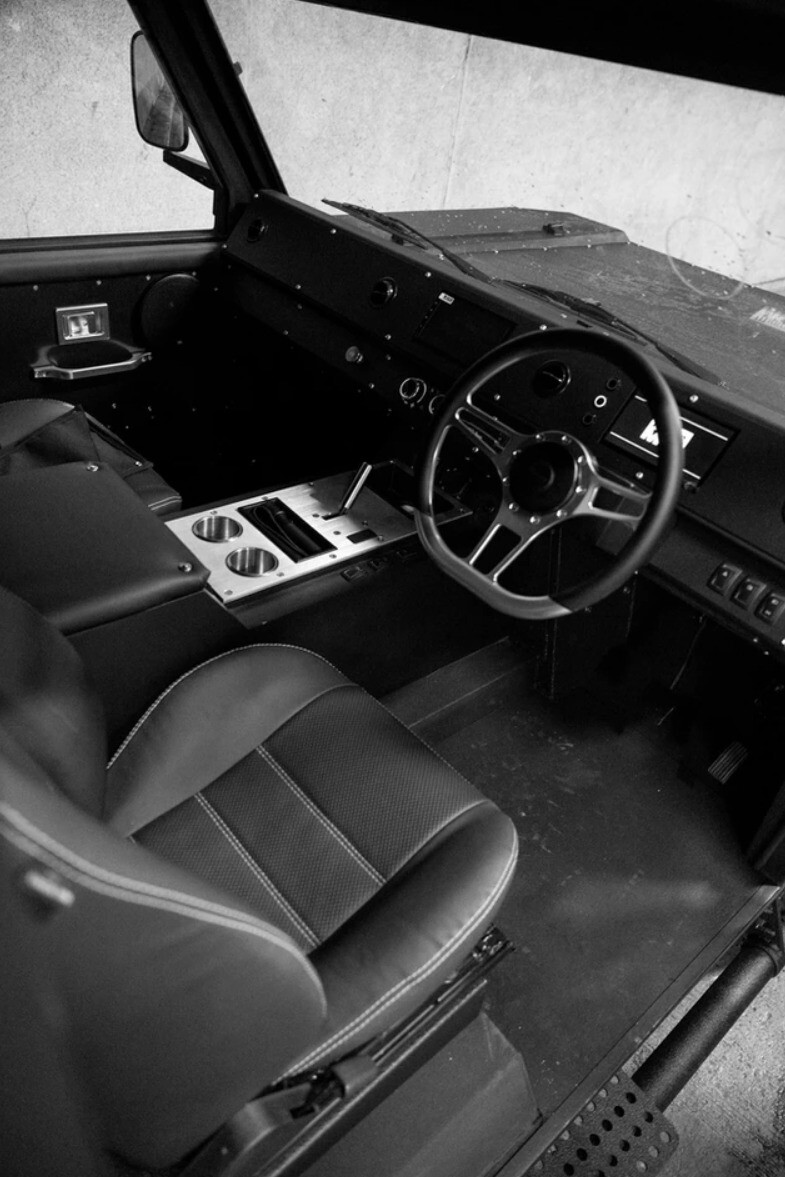
A similar approach was taken on the inside, with emphasis clearly placed on durability, practicality and surviving the rigours of off-roading. To this end, the front dash comprises easily replaceable waterproof buttons, there are drain holes in the floor, and the cabin can be housed out, as can the G4 seat coverings.
Other interior gear includes full LED lighting, countless storage cavities and power supplies, two USB-C ports, a small touchscreen with both Apple CarPlay and Android Auto, and Carling Tech switchgear.
The cavernous cargo area measures 1028mm in length (at the floor) by 1076mm in height, and has 1166mm between the wheel arches, so it’s large enough to squeeze in a Euro pallet. It has up to 1600 litres of stowage capacity. A plywood floor in the rear cargo adds an increased level of durability, while multi-point tie-down points can secure larger loads.
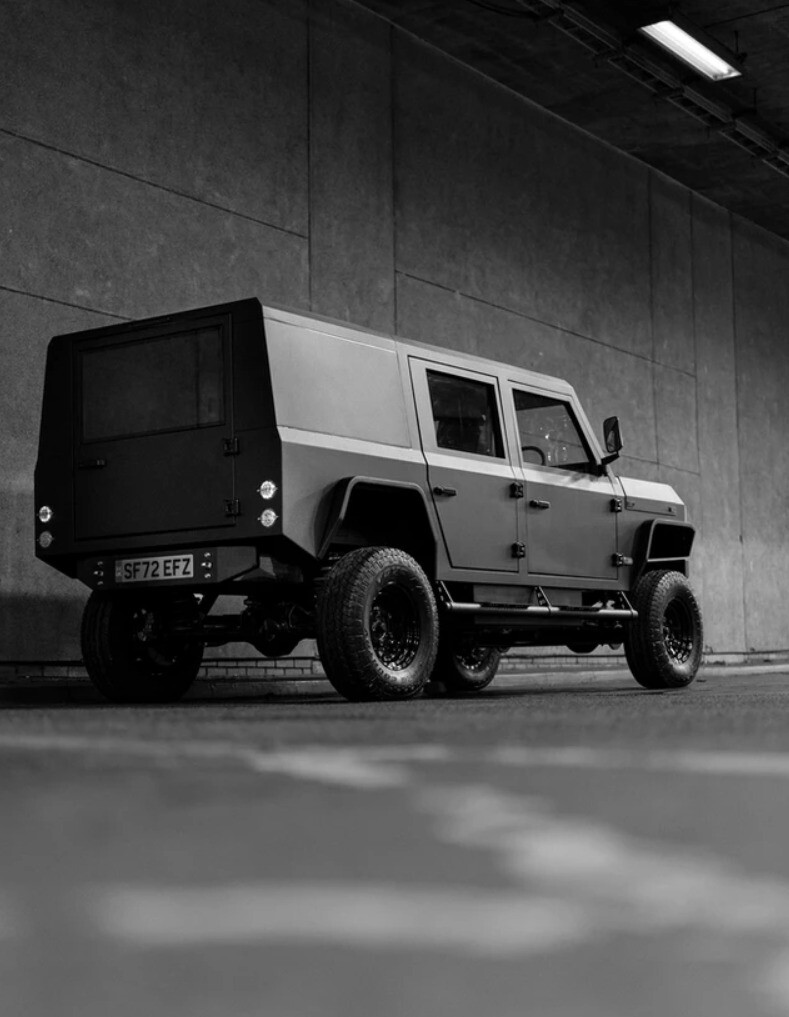
The vehicle itself has a 1000 kilogram payload capacity, a maximum towing capacity of 2500kg, and a kerb weight of 2500kg.
The EV comes with a five year/100,000 mile (160,000km) vehicle warranty and has a price tag of around £75,000 (approx. AU$120,000).
A purpose-built facility in Scotland will be used from 2024, to ramp up production to 2500 vehicles per year by 2027. However, there’s no word yet of an Australian arrival.
Our last issue of the year is officially out, with the Summer 2022 edition landing on shelves today.
The next-gen Ford Ranger may have received the lion’s share of coverage on these pages in 2022, but we’ve ended the year by planting its biggest rival on the cover.
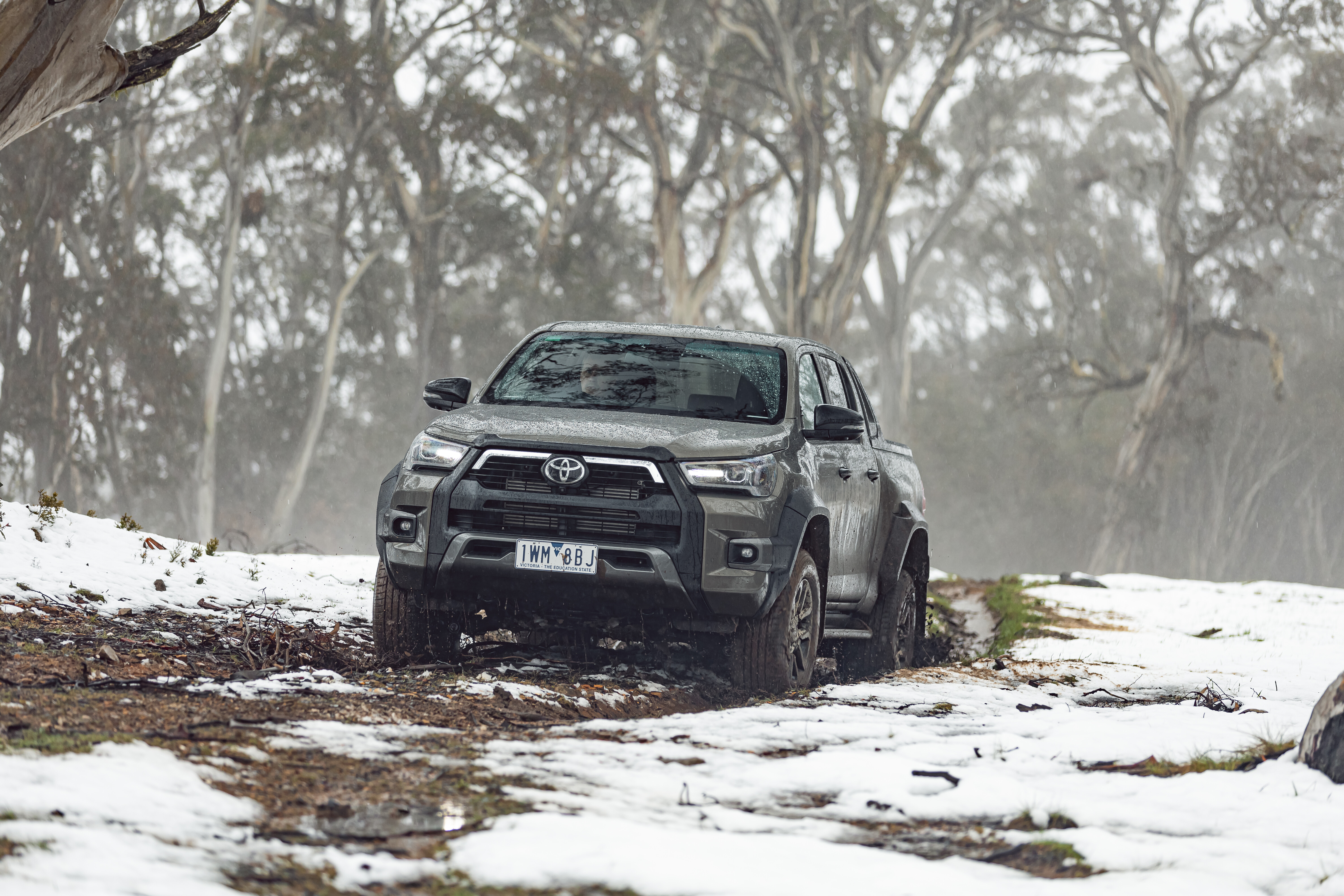
The wide-body HiLux Rogue flaunts a new suspension package (at no extra cost, mind you), so we spent a few days getting the premium model dirty on some off-road tracks. It makes the incoming GR Sport variant scheduled for 2023 an exciting prospect.

We also had an in-depth look at a no-fuss custom HiLux, in the form of a 2016 N80 SR5 variant. Specifically built for a lap of the map, this HiLux has been meticulously pieced together using first-rate equipment including an ARB Deluxe bullbar, Old Man Emu suspension, a Paul Paget Welding tray, a Bush Company AX27 Alpha rooftop tent, and a sophisticated electrical set-up.
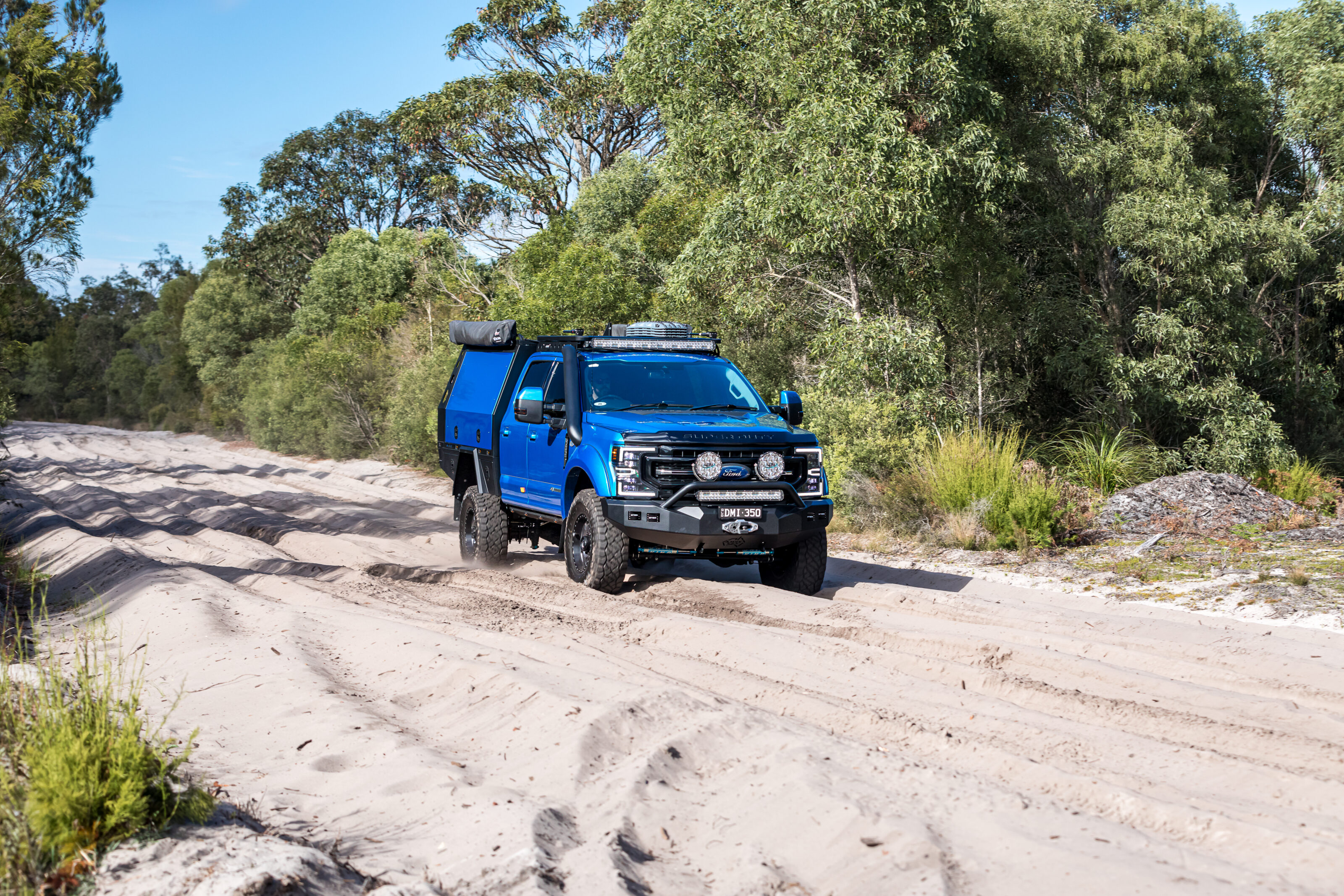
Bigger isn’t always better, but this custom 2021 Ford F-350 makes a compelling case for all things large. Spending its days lugging around a 4.5-tonne caravan means this F-Truck needs plenty of poke, and it delivers in spades with a high-performance tune netting a claimed 475hp (354kW) at the wheels. The big rig also received a complete suspension overhaul and features an AMVE canopy, among a long list of quality kit.
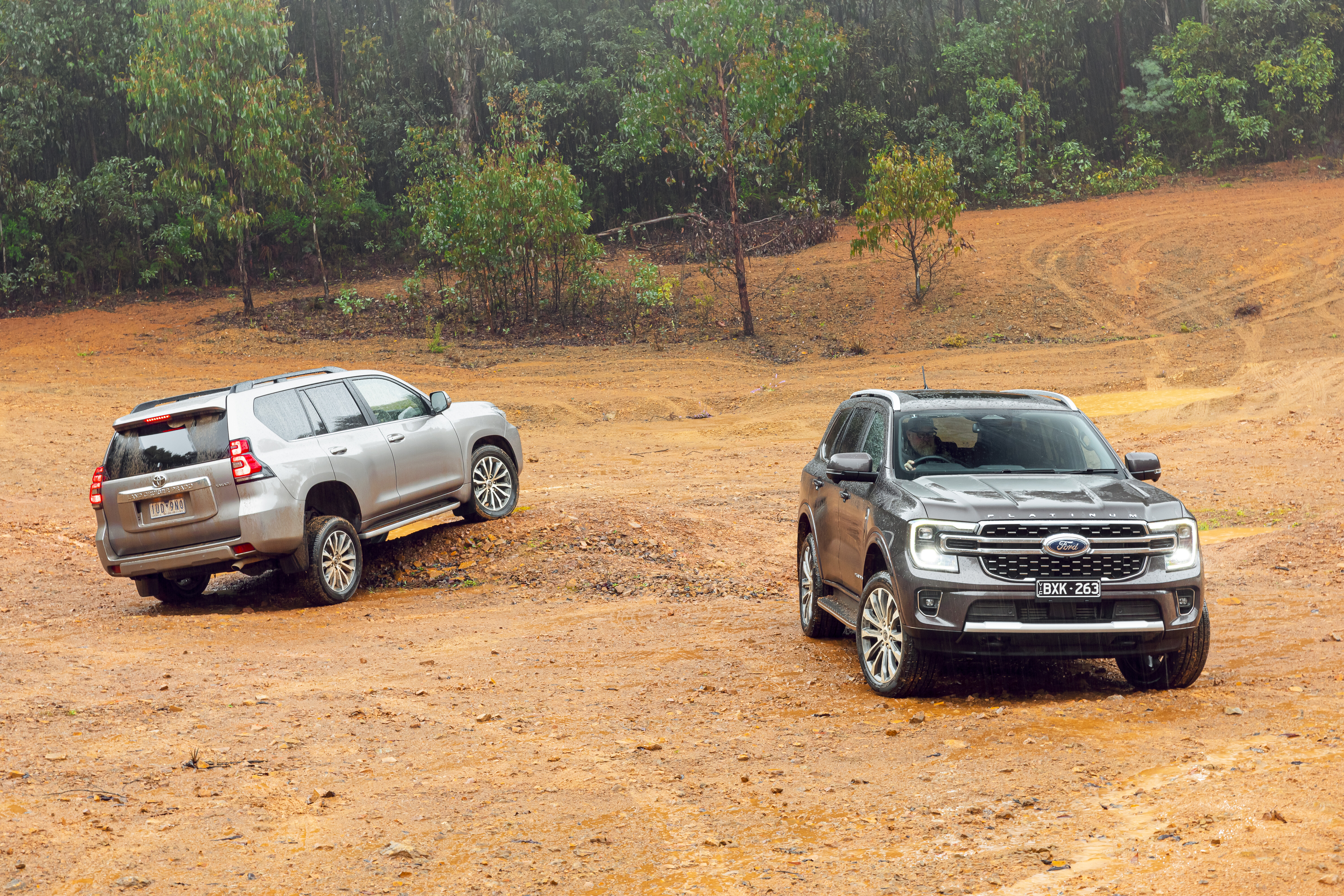
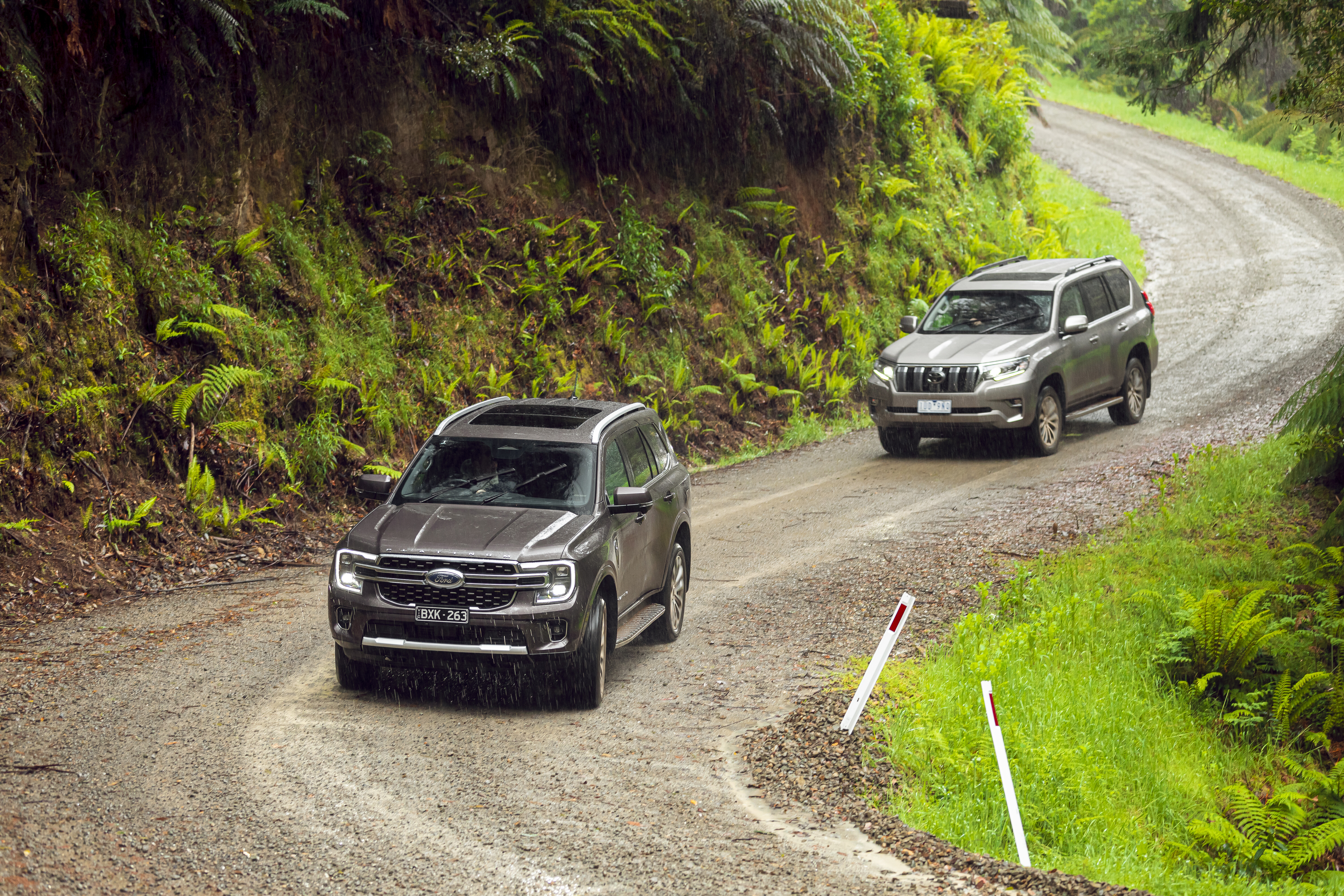
We then lined up an all-new Everest in top-spec Platinum guise, against the segment-dominating Prado, also in top-spec Kakadu trim, to see if the Everest could be the vehicle to finally topple the Prado from the mid-size 4×4 wagon throne.
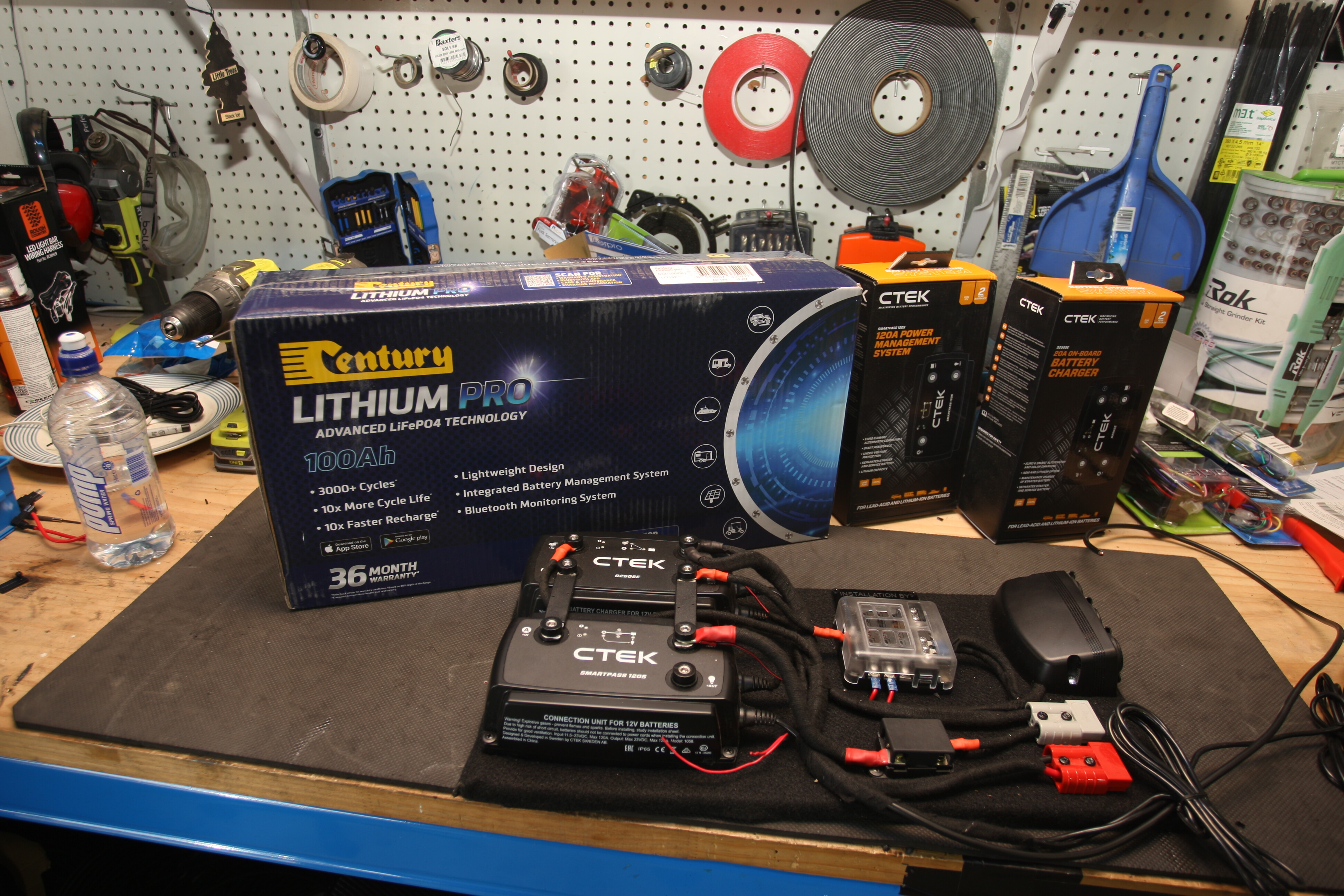
Our MU-X build is almost complete, with the last few pieces of the puzzle coming together. This month, we installed a CTEK auxiliary battery system and Century Lithium Pro secondary battery, to keep our campsite set-up humming long into the night.
Deputy editor Evan Spence also spent a week doing what most of us dream of: Driving a Can-Am Maverick X3 side-by-side buggy from Finke to the Simpson Desert. Yep, the rest of us were a little bit jealous. Read all about it in this issue.
What else is there?
- Travelling the Western Deserts, SA to WA
- Exploring Yunta to Wilpena Pound, SA
- Companion lithium power station tested
- New 4×4 products on the market
- Opinion columns, latest news and more
If there’s been one 12-volt accessory that has made vehicle-based camping a hell of a lot easier, it’s the 12-volt fridge.
From the enduring Engels to the countless fridges now on the market, powered fridges make life a lot easier than the old eskies with ice. No more warm bevvies or smelly sausages because you ran out of frozen water.
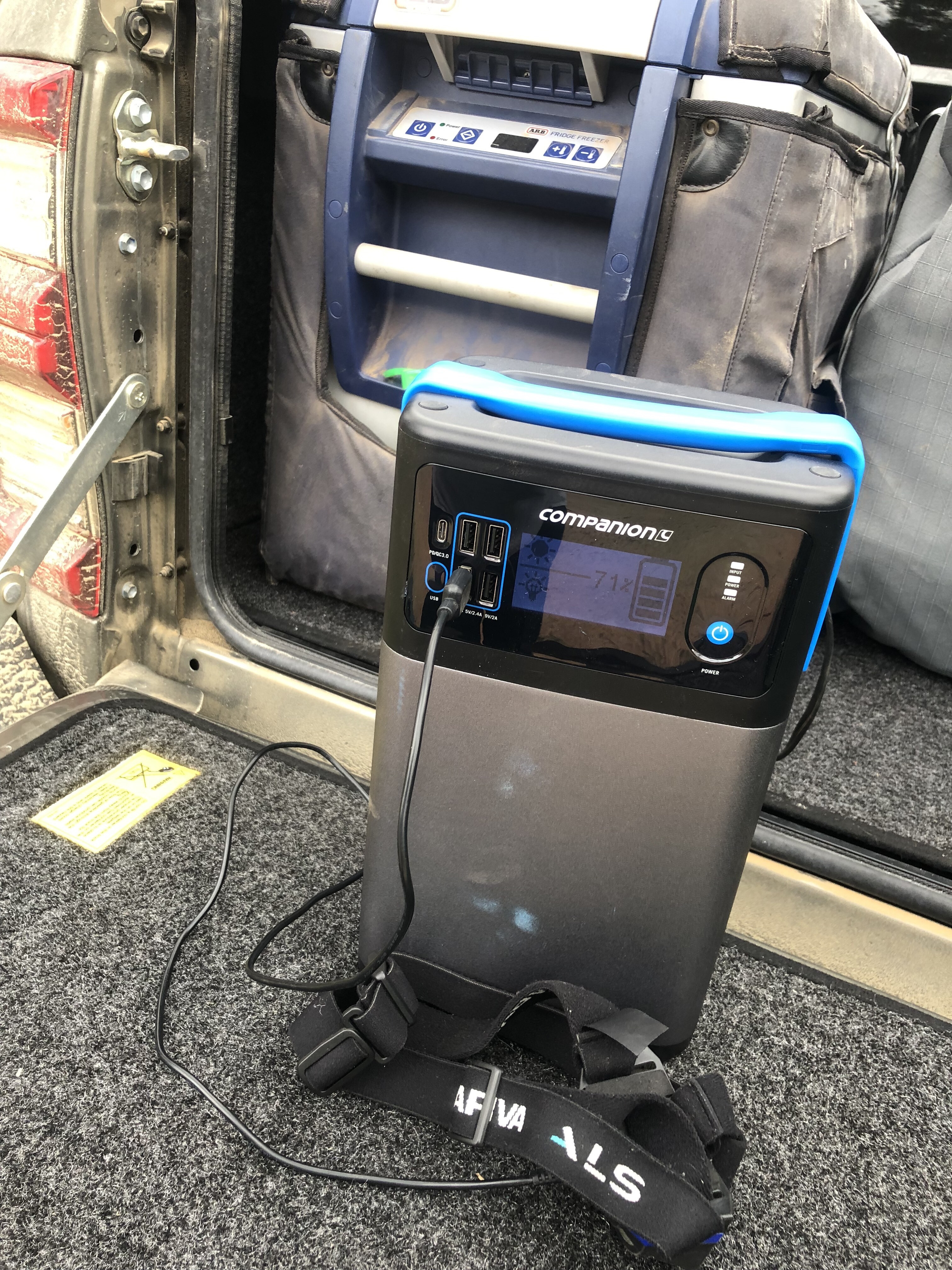
Keeping your fridge powered when the car is not running requires a secondary power source, so that you don’t drain the car’s starting battery. This is best done with a dual-battery system, but these can be expensive and costly to set up. A cheaper and more versatile way to keep the power on is with a lithium power pack, and here we’re trying out the Rover Lithium Power Station from Companion.
The Companion Rover Li uses a 70Ah, 850Wh LI-NMC (lithium, nickel, manganese, cobalt oxide) battery as its power source. The unit can be charged in three different ways: by plugging it into a 240-volt household power point, from a 12-volt socket in your car while the car is running, or via a solar panel using the Anderson plug adaptor. Cords for the AC and DC charges are included with the Rover, as is an adaptor for the solar-input Anderson plug, but you’ll need to supply your own solar panels.
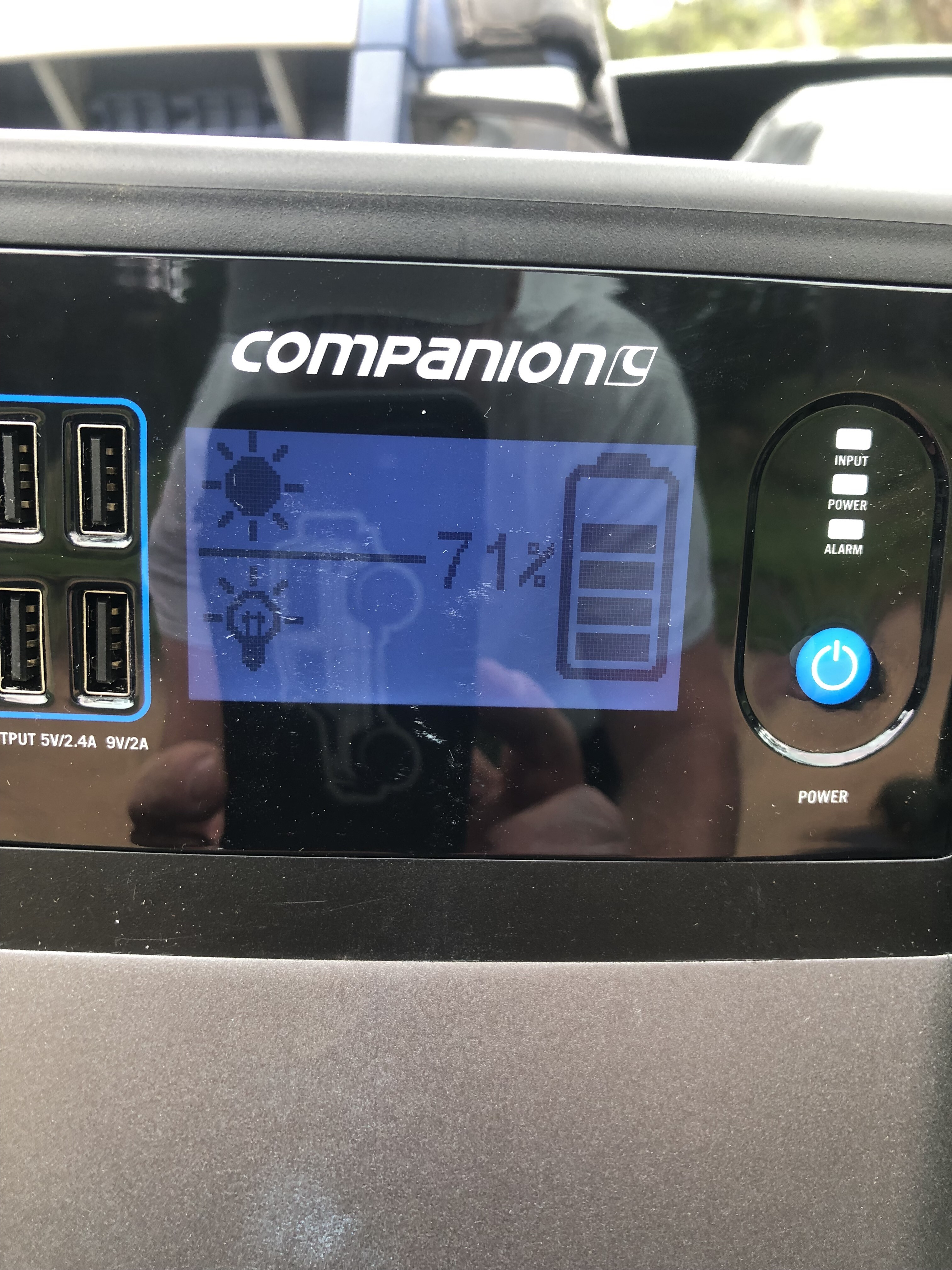
It’s not just a fridge that you might want power for when out on the road, so the Rover Li Power Station gives the users plenty of power outputs. There’s a 10A 12V ciggie-style plug, a 10A 12V two-pin style outlet, four USB outlets and a USB-C outlet. There should be something there for all your power needs and each outlet is individually switched.
Another use would be if you want to take your fridge away from the car to where you want your cold drinks handy; just plug it into the Rover Li Power Station and keep them close at hand.
The Power Station case even has an LED light for night-time use, and the LCD screen gives clear indications of the status of the unit and how much charge it has on board.
Power on demand
For this test, we were away for a weekend in a new Hilux, and while our car fridge worked well when we were driving it would have drained the Hilux’s battery if it was left on overnight. So, once we arrived at camp and switched the Hilux off, we transferred the fridge’s power source to the Rover Li Power Station and kept it monitored throughout the evening.
Of course, the fact that the contents of the fridge were already down to temperature helps a lot here, as the fridge, set to 2°C, was not working hard to pull the temp down.
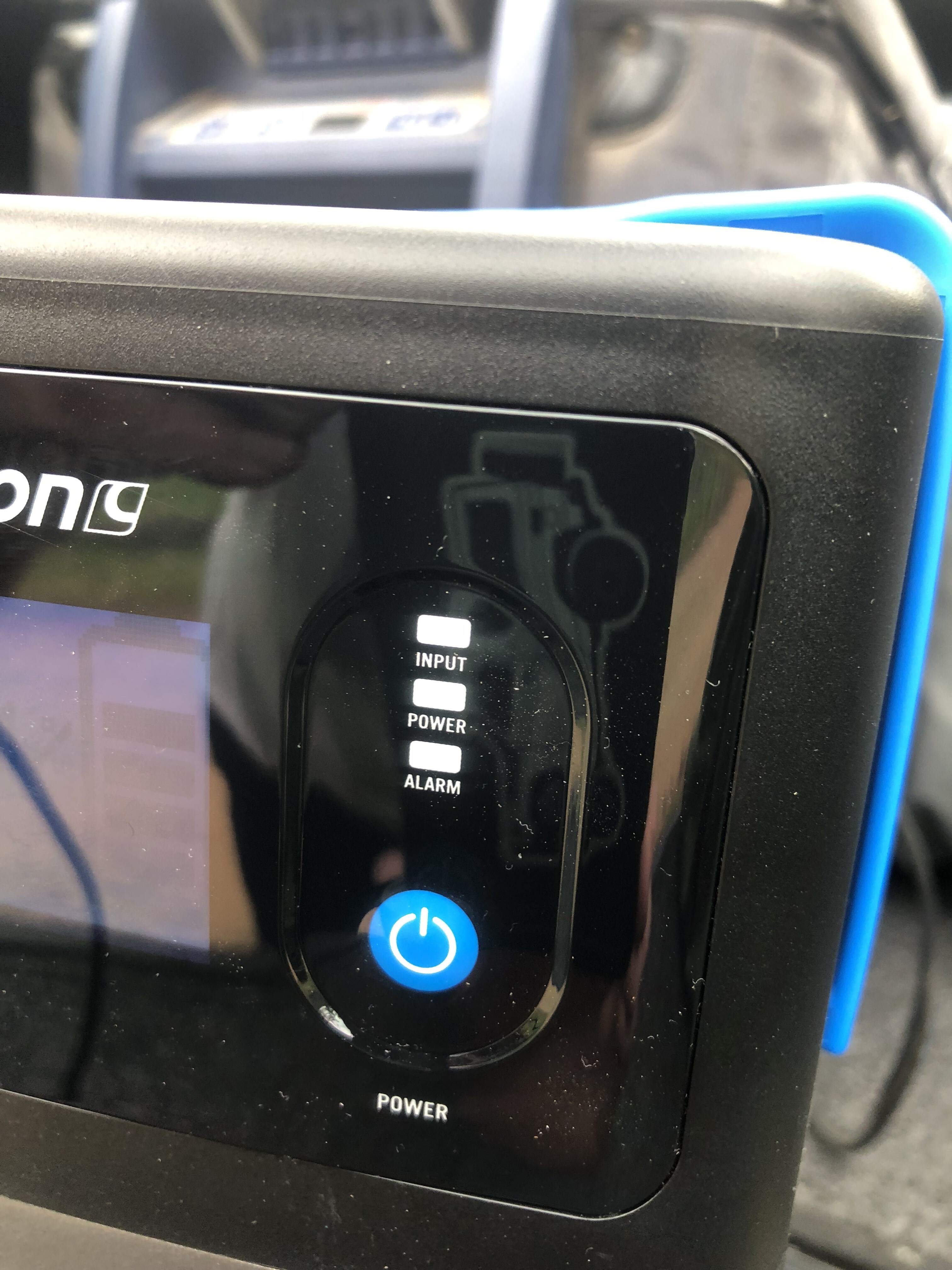
It was also a cool night, but the car had sat in the sun for a few hours in the afternoon with the fridge running off the Power Station, and the next morning the Power Station had only dropped to 71 per cent power capacity. The fridge was still down at 2°C and the bacon was fresh and ready to cook for breakfast. While breakfast was cooking, I plugged in my LED head torch to one of the USB ports for a recharge as well.
“The Rover Li Power Station did everything we needed on this trip and we’ll certainly be taking it with us on future adventures”
I made sure the Power Station was charged to 100 per cent from the wall socket at home before I set off at the start of the trip. On the next day of the trip I plugged it into the Hilux’s 12-volt power outlet to up the charge lost overnight and found it was much slower to charge here than it was on 240V. After six hours of driving, it was not quite back up to 100 per cent charge, but 99 per cent was pretty close.
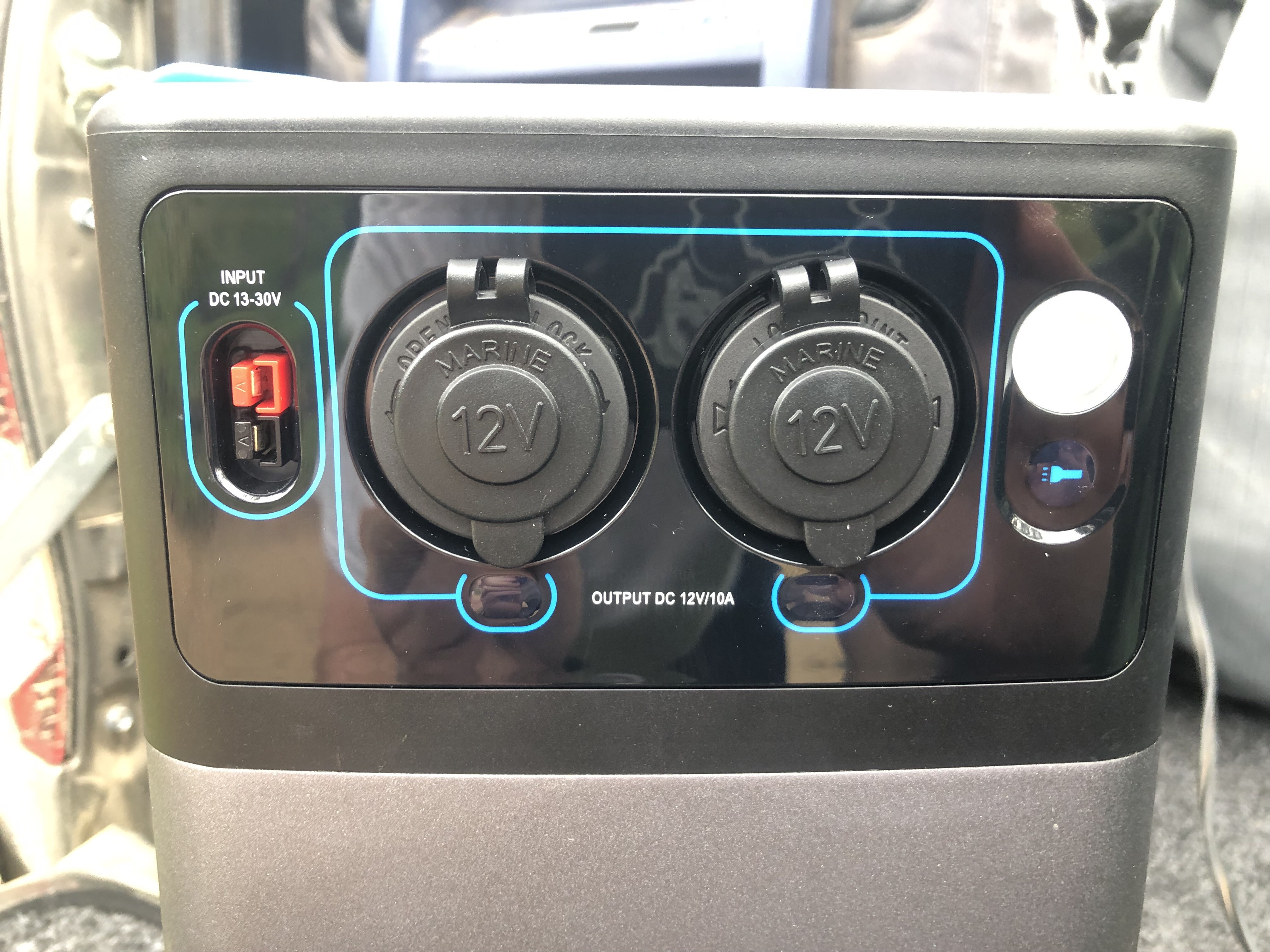
We’re keen to plug a solar panel to the Power Station to see how well that charges, if we are staying in camp for longer. The Power Station has its own in-built MPPT controller so it takes its solar input direct, not through any regulator. It provides charging at 12amp and Companion claims that a 200W solar panel should charge the unit in nine to 12 hours, depending on the weather.
If I had to find a negative with the product, it is that the unit doesn’t have anywhere to store the various power cords, so they can easily be misplaced.
However, the Rover Li Power Station did everything we needed on this trip and we’ll certainly be taking it with us on future adventures to see how many ways we can use it.
Available from: companionoutdoor.com/rover-lithium-70ah-power-station RRP: $1470, but currently selling for $999
Snapshot
- Ranger outsells HiLux in November, but latter leads YTD
- Everest overtakes Prado
- LDV and GWM fall from top 10
Despite fewer registrations in November than October, the all-new Ford Ranger continues to be the best-selling 4×4 vehicle in Australia.
Ford sold a total of 4479 Ranger 4×4 vehicles in November, a total of 668 fewer sales than what were registered the preceding month. It remained the dominant 4×4 on the charts, though, outselling its perennial rival, the Toyota HiLux, which registered 4159 4×4 sales.
However, as has been the case for all of 2022, the HiLux maintains a healthy sales lead on the overall 4×4 charts with a total of 44,217 sales. With a lead of 5202 sales and only one month left in 2022, it’s safe to say the HiLux will be the best-selling 4×4 for the year.
Two vehicles which continue to move north on the charts were the LandCruiser 300 Series and Ford Everest, posting monthly sales of 1477 and 1312 respectively. This positioned both vehicles above the ageing Prado, a vehicle which is consistently the best-selling 4×4 SUV in Australia.
Toyota sold a total of 1045 Prado units, which is 416 fewer sales than October 2022. As a result, the Prado slipped from fourth to eighth on the 4×4 charts.
This is representative of an ongoing boom in SUV sales. In November, for example, the SUV market was up by a whopping 31.9 per cent (or 12,662 vehicle sales) compared to the same month in 2021. In comparison, the LCV market was up 6.1 per cent (or 1227 vehicle sales).
After clinging to spots in the top 10, the budget buys – LDV’s T60 and GWM’s Ute – dropped off the 4×4 sales charts in November, replaced by the BT-50 and 79 Series LandCruiser.
Still, sales were steady and consistent with previous months: These were 773 for the LDV and 687 for the Great Wall. Only 296 Musso 4×4 variants were sold for the month.
Despite an all-new Ranger-based model launching early in 2023, a total of 541 new Volkswagen Amaroks were registered in November.
November 2022: Top 10 new 4×4 sales
| 1 | Ford Ranger | 4479 |
| 2 | Toyota HiLux | 4159 |
| 3 | Toyota LandCruiser 300 | 1477 |
| 4 | Isuzu D-MAX | 1422 |
| 5 | Ford Everest | 1312 |
| 6 | Mitsubishi Triton | 1256 |
| 7 | Isuzu MU-X | 1218 |
| 8 | Toyota Prado | 1045 |
| 9 | Mazda BT-50 | 961 |
| 10 | Toyota LandCruiser 79 | 819 |
Top 10 New 4X4 Sales: YTD
| 1 | Toyota HiLux | 44,217 |
| 2 | Ford Ranger | 39,015 |
| 3 | Mitsubishi Triton | 23,039 |
| 4 | Toyota Prado | 20,132 |
| 5 | Isuzu D-MAX | 18,744 |
| 6 | Toyota LandCruiser 300 | 11,608 |
| 7 | Toyota LandCruiser 79 | 10,452 |
| 8 | Isuzu MU-X | 10,043 |
| 9 | Mazda BT-50 | 9472 |
| 10 | Ford Everest | 9388 |
We have set up the back of our MU-X wagon with an MSA fridge slide to mount a 12V fridge in for camping trips. While a fridge will run off your vehicle’s main battery when you are driving and the alternator is keeping the battery charged, the battery won’t last long once you have stopped in camp for the night or longer.
Add in a few other electrical accessories such as camp lights and music players to the power draw on the car fridge and you’ll probably wake up to a flat battery after the first night.
This is why we fit dual-battery systems to our 4x4s, to provide a second battery in the car that is used exclusively to power accessories. The second, or auxiliary battery is also charged off the car’s alternator when the engine is running but is isolated from your main starting battery, so that any accessories being used do not drain the main battery and you are able to start the car when it’s time to move on.
Smart charging
For many years these dual-battery systems were relatively simple, but as our vehicles have become more complicated and loaded with computers and so-called smart charging systems, fitting a dual-battery system has also become more complex.
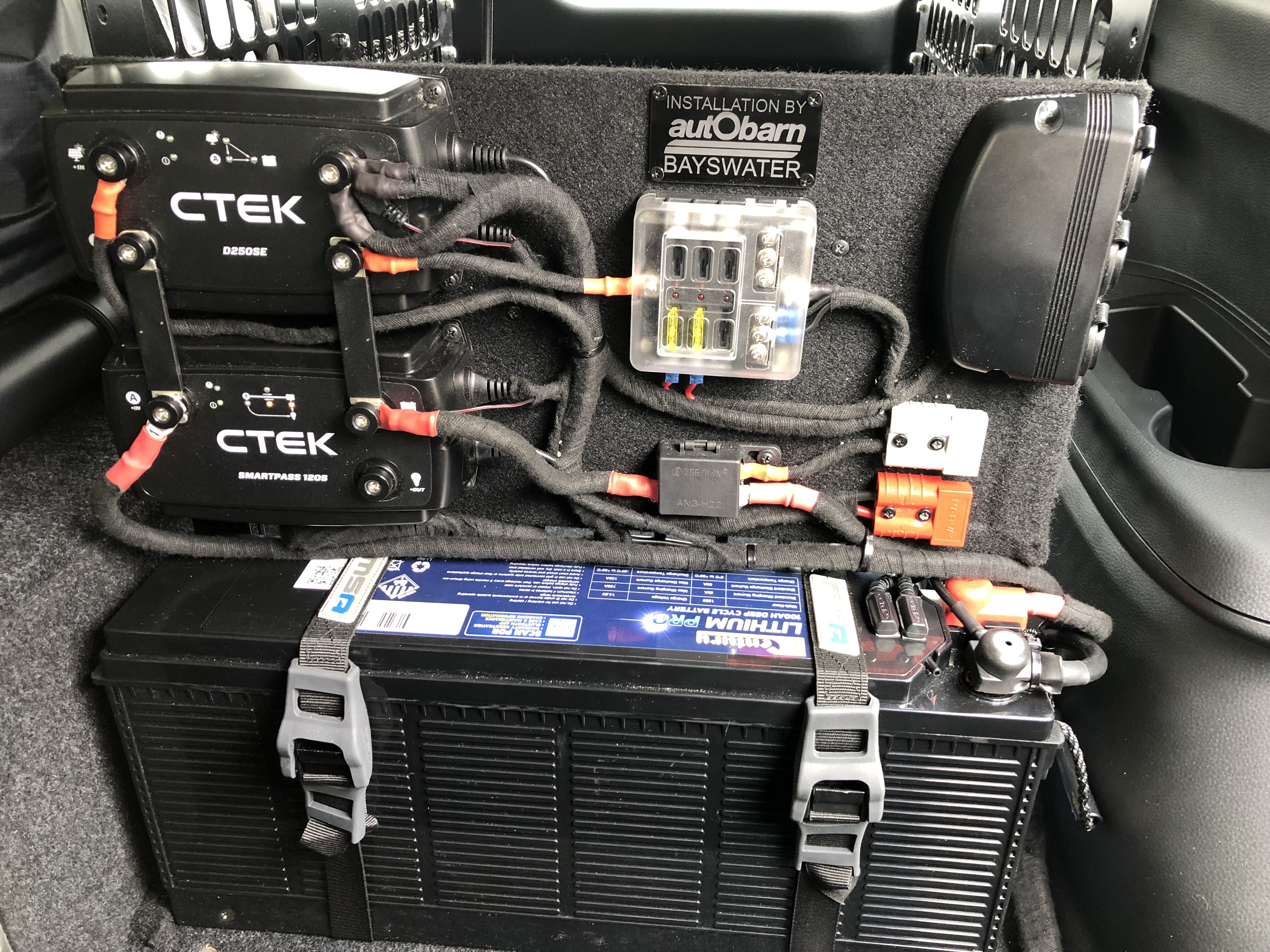
DC-DC chargers have become the standard practice for dual-battery set-ups in recent times. Not only do they work with modern vehicles’ complex charging systems, but allow smart charging of your auxiliary battery via staged charging as required.
Modern DC-DC chargers are also compatible with lithium batteries which have their own specific requirements, so you need a specific charger for them. Lithium batteries are becoming more popular in 4×4 battery systems as their prices come down and they’re suitable to use as an auxiliary battery.
Quality gear
For our MU-X, we’ve gone with a charging system from Swedish battery charging specialists CTEK, and one of the new Lithium Pro batteries from Australian battery manufacturer, Century Batteries.
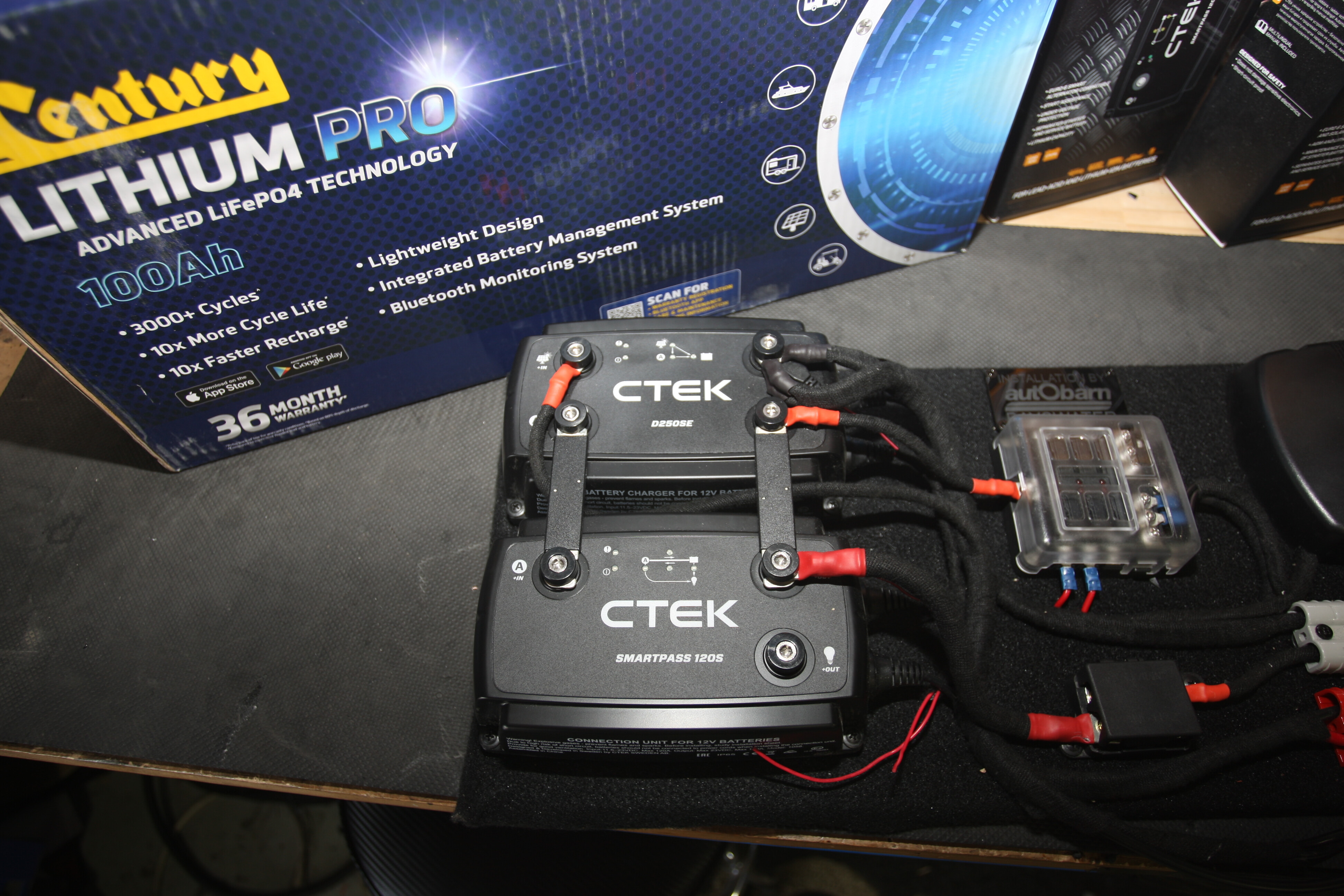
The CTEK hardware starts with one of its D250SE DC-DC chargers which is boosted by a CTEK Smartpass 120S. The D250SE is a 20amp DC-DC charger, but by partnering it with the Smartpass, the charging output is boosted up to 140amp as required.
The Smartpass also acts as the battery isolator to protect the main battery from draining when running accessories, gives us an input to take charge from solar panels, and is suitable for lithium batteries, allowing us to use the new Lithium Pro slimline from Century.
Installation
While this is a relatively simple dual-battery set-up that many would be able to instal at home with the right tools, we went to the team at Autobarn Bayswater where the store’s touring and 4×4 manager, Torin Petty, has experience with the CTEK gear.
After talking with Torin and telling him what we needed and where we wanted to mount the components of the system on the back of the MSA Fridge Barrier, he was able to ‘build’ the system on a board ready for the installation before we took the car to the workshop.
The Smartpass and D250SE were mounted on a board along with a Narva fuse box, Narva 3x outlet panel and Anderson plugs for the solar input, and another power output.
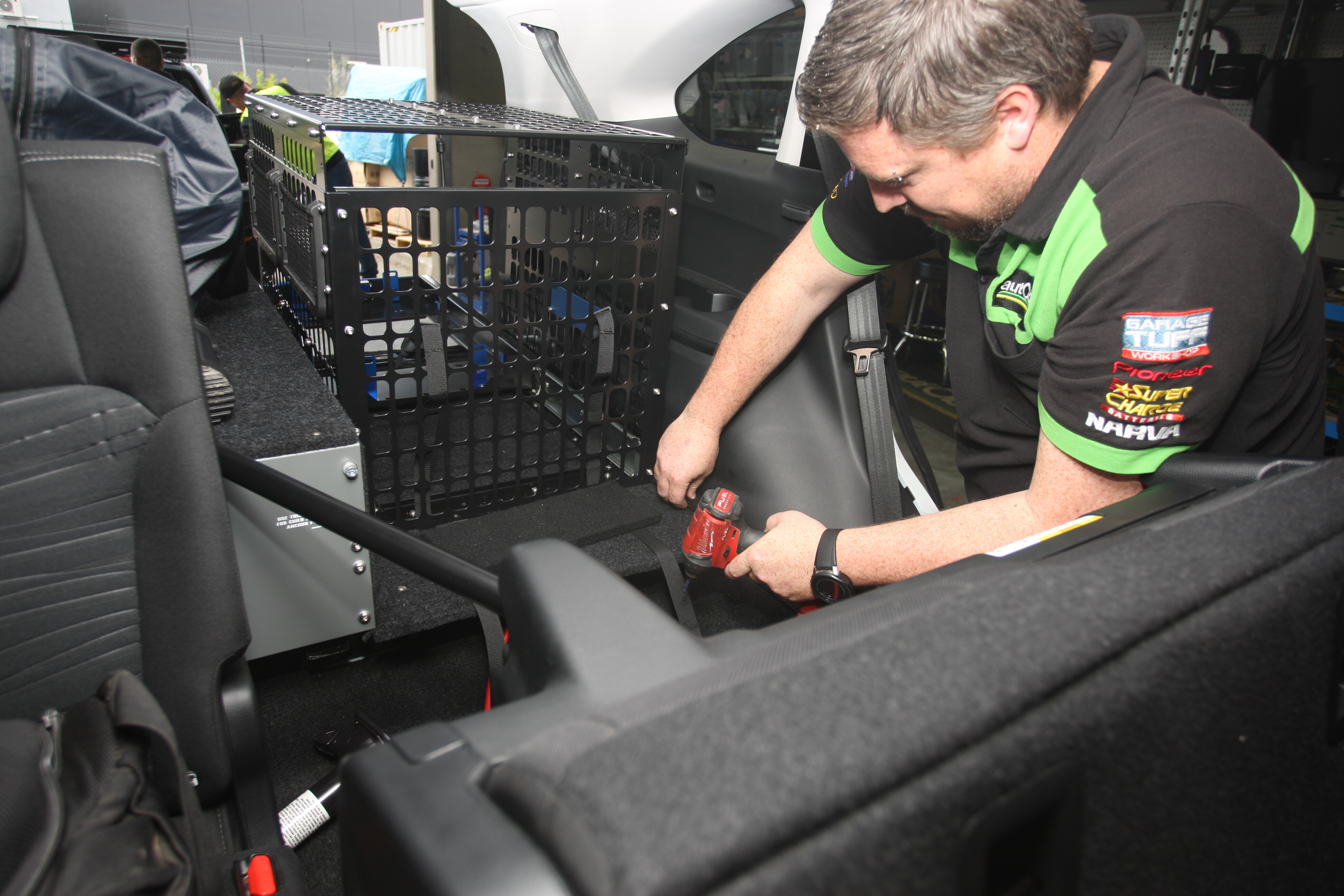
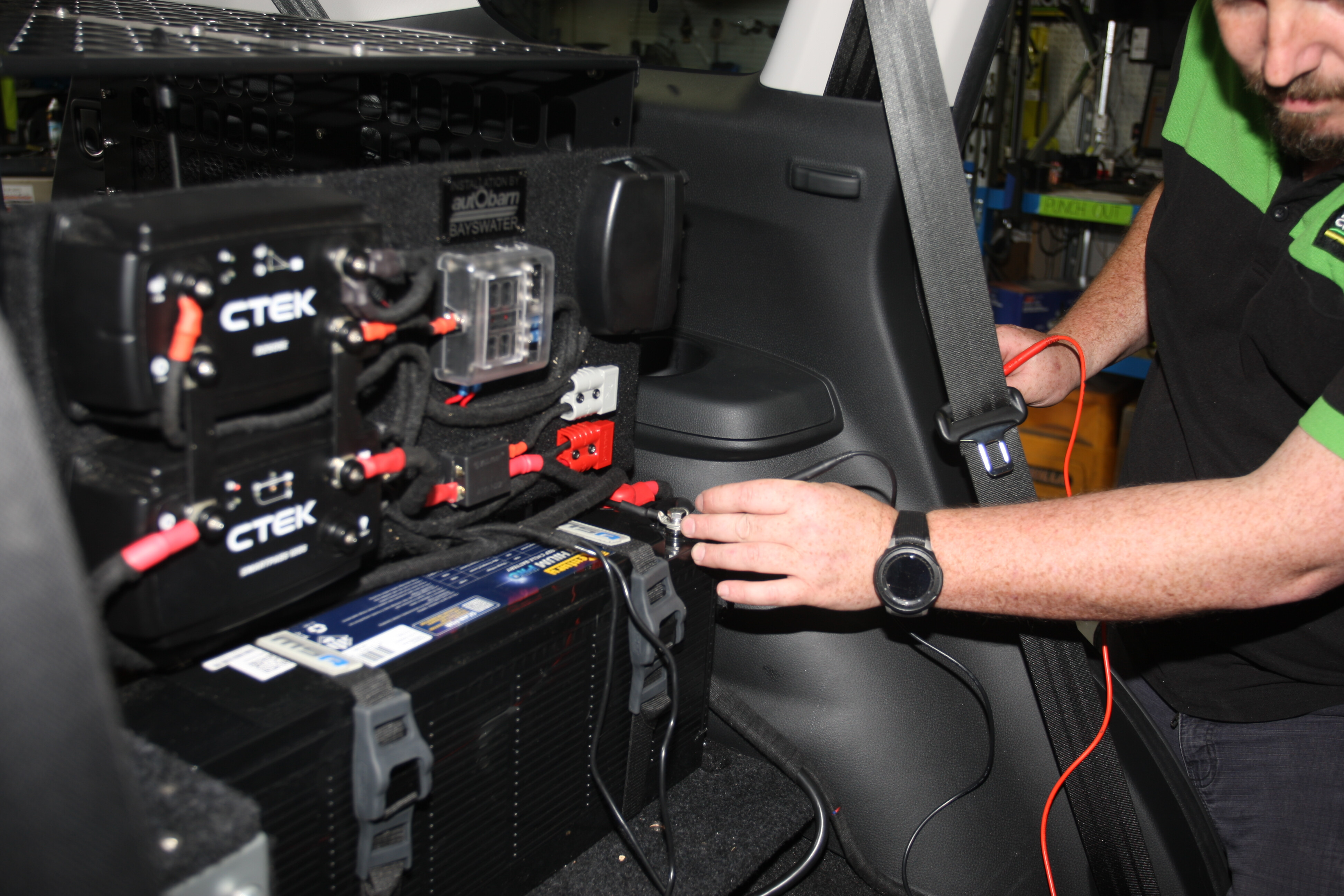
The mounting board was cut to size to fit on the fridge barrier directly above where the battery was mounted on the MU-X’s false rear floor.
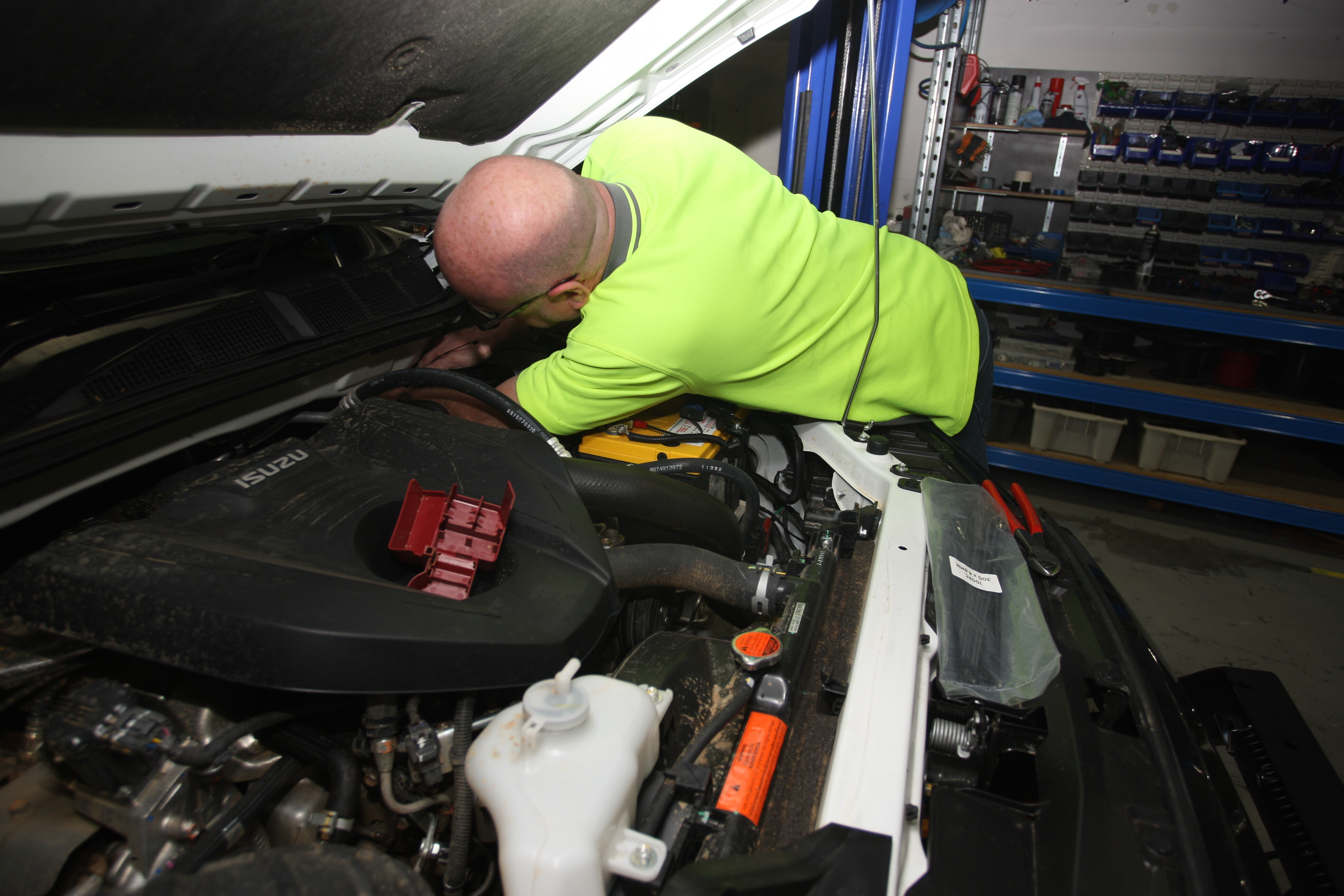
Wiring the system up meant running cables from the Century Dual Force main battery in the engine bay, back through the firewall and under scuff panels to the system. A fuse and new earth leads were also fitted in the engine bay.
With everything in place, it was just a matter of attaching the positive cable and firing the system up. This has to be done in a sequence described in the CTEK owner’s manual to avoid any problems, and there were none on this occasion.
Torin put a meter on the system and found it to be charging the Lithium Pro up as it should, and by the time we drove the MU-X back to work it was fully charged. Using the Century Lithium Pro app on your phone, you can check on the state of charge at any time and the rate of charge when the engine is running or a solar panel is plugged in.
The CTEK combination uses a five-stage charging process to ensure maximum charging without overcharging the battery:
• The first stage checks the state of charge and if the battery can accept a charge.
• Once the battery is found to be okay and can accept a charge, Stage 2 employs maximum charging until the battery is at 90 per cent of its capacity.
• Stage 3 is an absorption stage where the charge reduces the charging current to bring the battery up to 95 per cent.
• Stage 4 again employs maximum constant charge.
• Stage 5 delivers a pulsing charge to maintain the battery at 95 to 100 per cent, keeping it at its optimal state of charge.
Both the Smartpass 120S and the D250SE have a temperature sensor, which are placed close to the battery and monitor ambient temperature, so that the units can deliver optimal charging according to the conditions.
The CTEK products are IP65 rated as splash- and dust-proof, which is not a problem for them where they are mounted in the car but good to know if you’re mounting them in the elements. They are also covered by a two-year manufacturer’s warranty.
Century Lithium Pro battery
When we made the call to go with a second battery, we wanted it to be a lithium unit and our timing was perfectly in-line with the Century Batteries’ launch of its new Lithium Pro products.
There are three batteries in the Lithium Pro Range: a 100Ah/1280Wh N70 sized unit, a 100Ah/1280Wh slimline unit, and the big 200Ah/2560Wh unit. We went with the slimline battery as it met our requirements and would fit perfectly in the space we had behind the back seat.
Lithium Iron Phosphate (LiFePO4) batteries are perfect for deep-cycle applications where the unit might be drained and recharged regularly, such as in recreational application where they are running accessories.
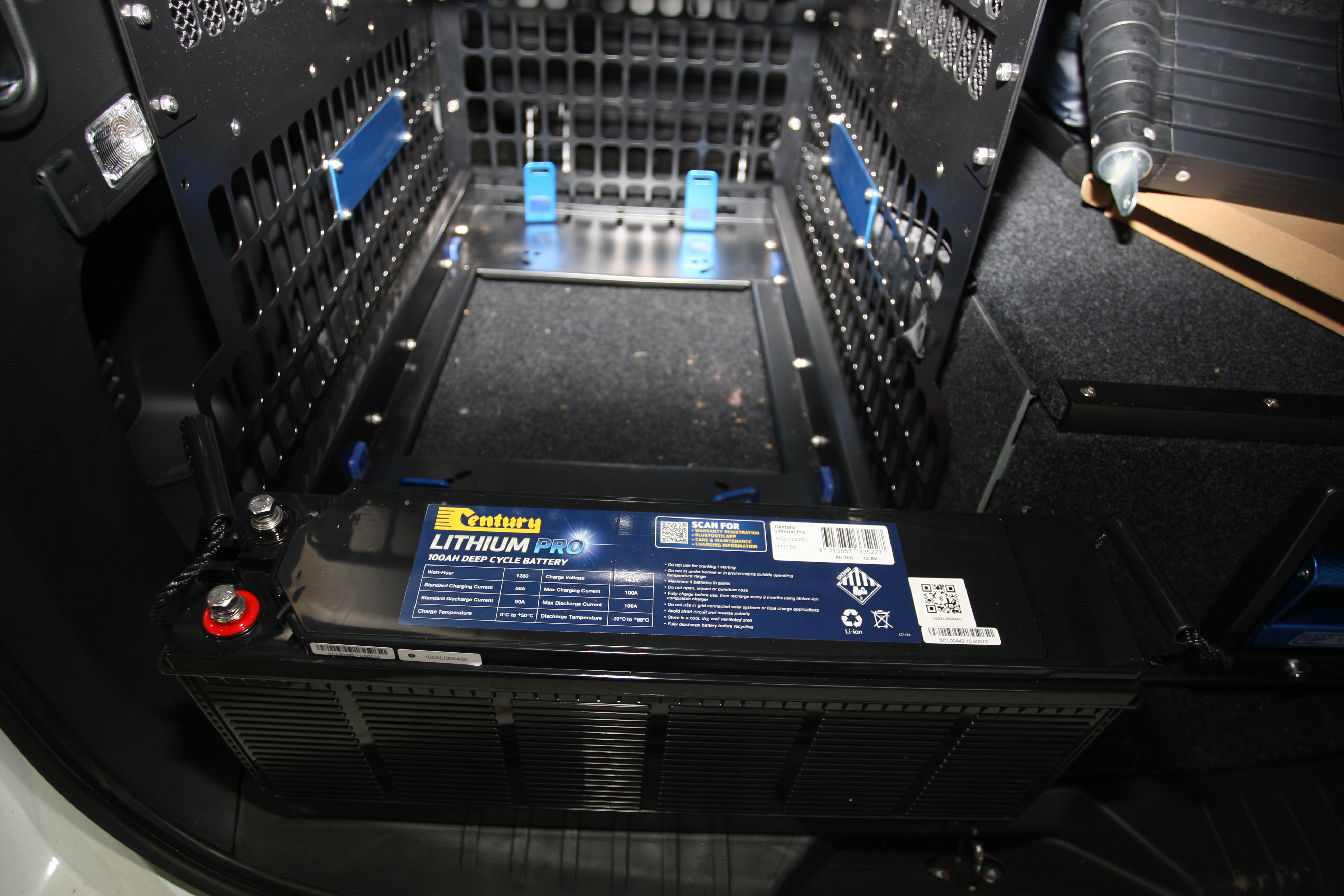
Century Batteries says its Lithium Pro Deep Cycle batteries are designed to provide long-lasting power in recreational application, delivering more than 3000 cycles (at 80 per cent DOD) with a longer service life, more usable energy and up to 10 times faster recharging. With claims like that, you can see why they are so popular in 4×4 applications.
The Century Lithium Pro can be monitored via a free app that shows you the state of charge, condition of the individual cells and the rate of charging. Unfortunately, this is a separate app to the regular Century battery monitor app, so we now have two apps to monitor the two different Century batteries in our MU-X. First world problems, eh?
The Century Lithium Pro is covered by a 36-month warranty.
With thanks
A big thank you to our suppliers at CTEK and Century Batteries for this system and a big thank you to Torin, Chris and the crew at Autobarn Bayswater for such a professional installation.
I must admit that Autobarn wouldn’t have been my first choice for fitting 4×4 accessories, but the guys at Autobarn Bayswater own and drive 4x4s and knew exactly what was needed here, doing a first-rate job on our 12V instal.
For more information, visit: www.autobarn.com.au/ab/store/31BW
Available from: www.ctek.com/au; www.centurybatteries.com.au RRP: CTEK D250SE $469; CTEK Smartpass 120S $549; Century Lithium Pro Slimline $1399
The festive season is around the corner, so we’ve compiled some great 4×4 and camping products that’ll take you further these holidays. Plus, they’ll make for some great stocking-stuffers, too.
Hulk 4X4 Tailgate Assist Kits
Hulk 4X4 has just beefed up its range of vehicle-specific fitment Tailgate Assist Kits, with a wide range of four-wheel drives now covered. These Tailgate Assist Kits have been designed to remove the inconvenience of operating a heavy tailgate found on many dual-cab utes.
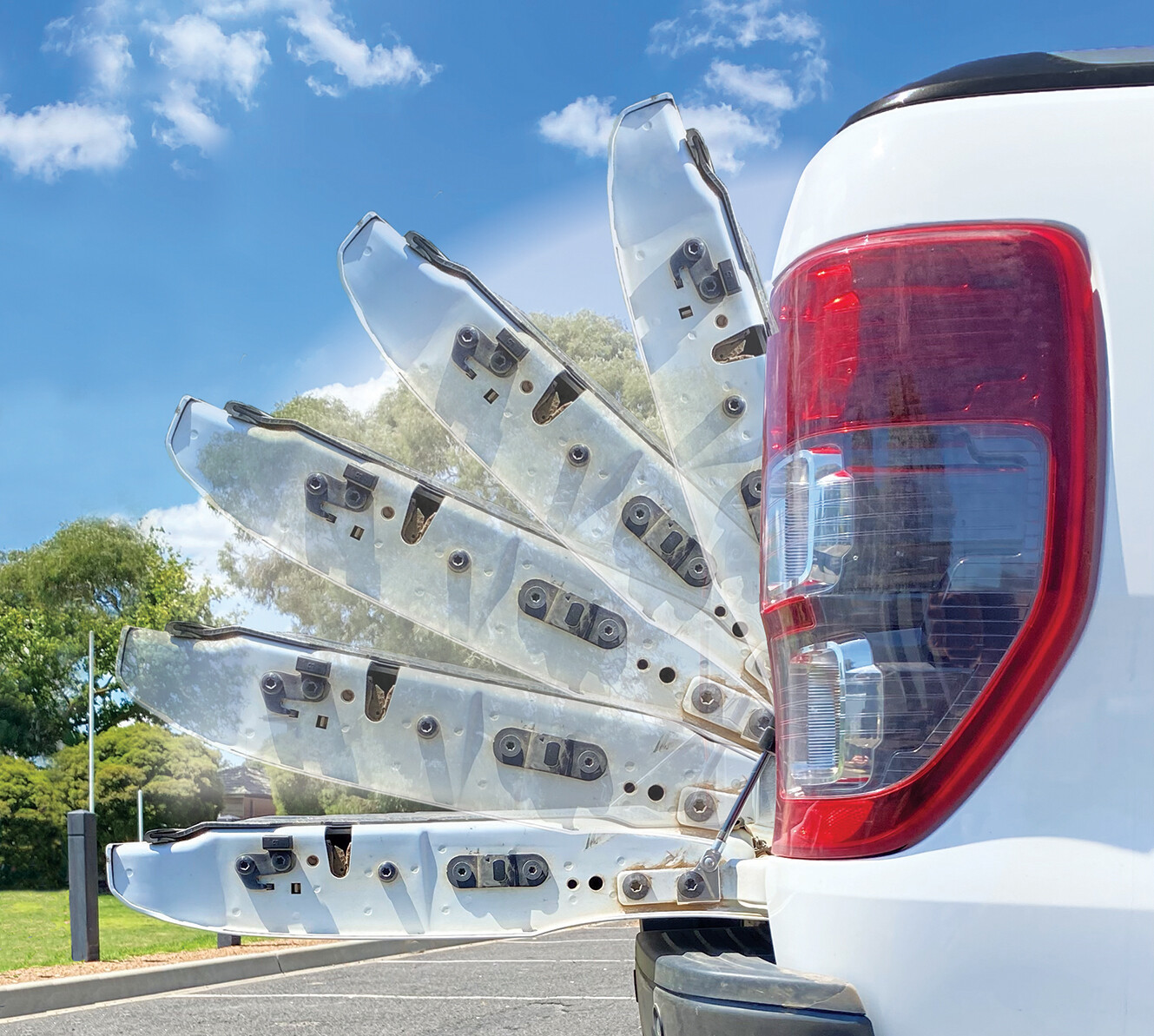
All Hulk 4X4 Tailgate Assist Kits have been designed to be easy to instal, with every component required supplied in each kit. Inside each kit, you’ll find two struts, one assists the soft and slow down-direction of the tailgate, while the other makes lifting it up again a breeze. By fitting a Tailgate Assist Kit to your 4WD, you’ll be able to open and close your tailgate with one hand.
Kits are available to suit many popular makes and models, including Ford Ranger, Isuzu D-MAX, Mazda BT-50, Mitsubishi Triton, Nissan Navara, Toyota Hilux and Volkswagen Amarok.
More info: https://hulk4x4.com.au Buy now: https://amzn.to/3WwnCxT
ScanGauge Three
An all-new product from the ScanGauge team, is the ScanGauge Three, designed to monitor your vehicle’s vital systems and provide real-time data via the inbuilt digital gauges.
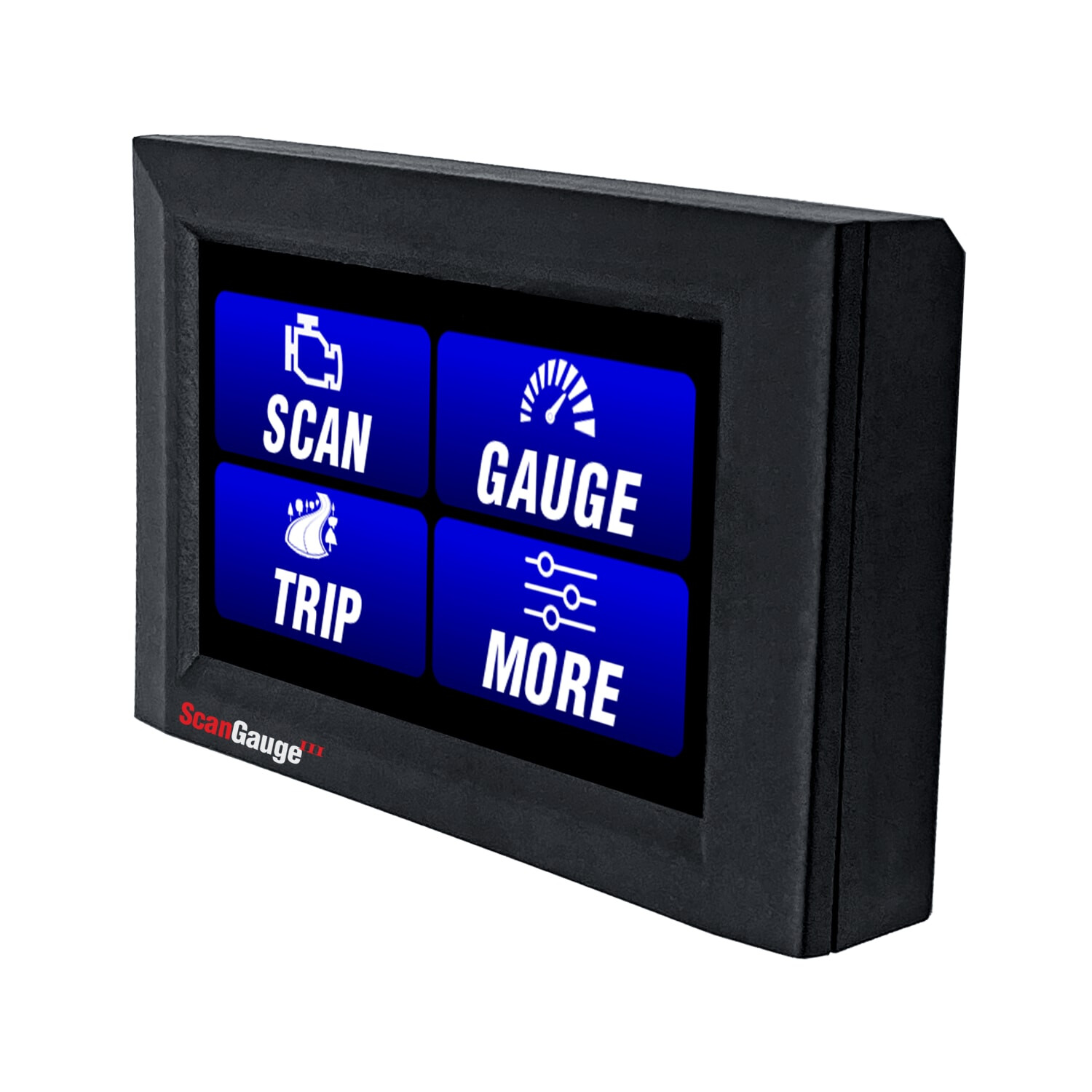
As well as monitoring vitals such as transmission temperatures, oil temperature, trip data and fuel economy information, the ScanGauge Three is also an OBD2 Scan Tool that allows you to read and clear trouble codes in the event of a check engine light.
The ScanGauge Three is easy to instal, with no tools required and no batteries required either. Another neat feature, is the ability to customise the coloured backlit display to match your mood or instrument cluster for a factory finish.
More info: www.scangauge.com.au Buy now: Outback Equipment
TAG Next-Gen Ford Ranger towbars
TAG has just launched its most extreme range of towbars for the Next-Gen Ranger. The range of new towbars includes Heavy Duty (HD) and Extreme Recovery (XR) Towbars that have been designed to fit the Styleside, Cab Chassis and Extended Cab Chassis configurations, offering products to suit all needs for Next-Gen Ranger owners.
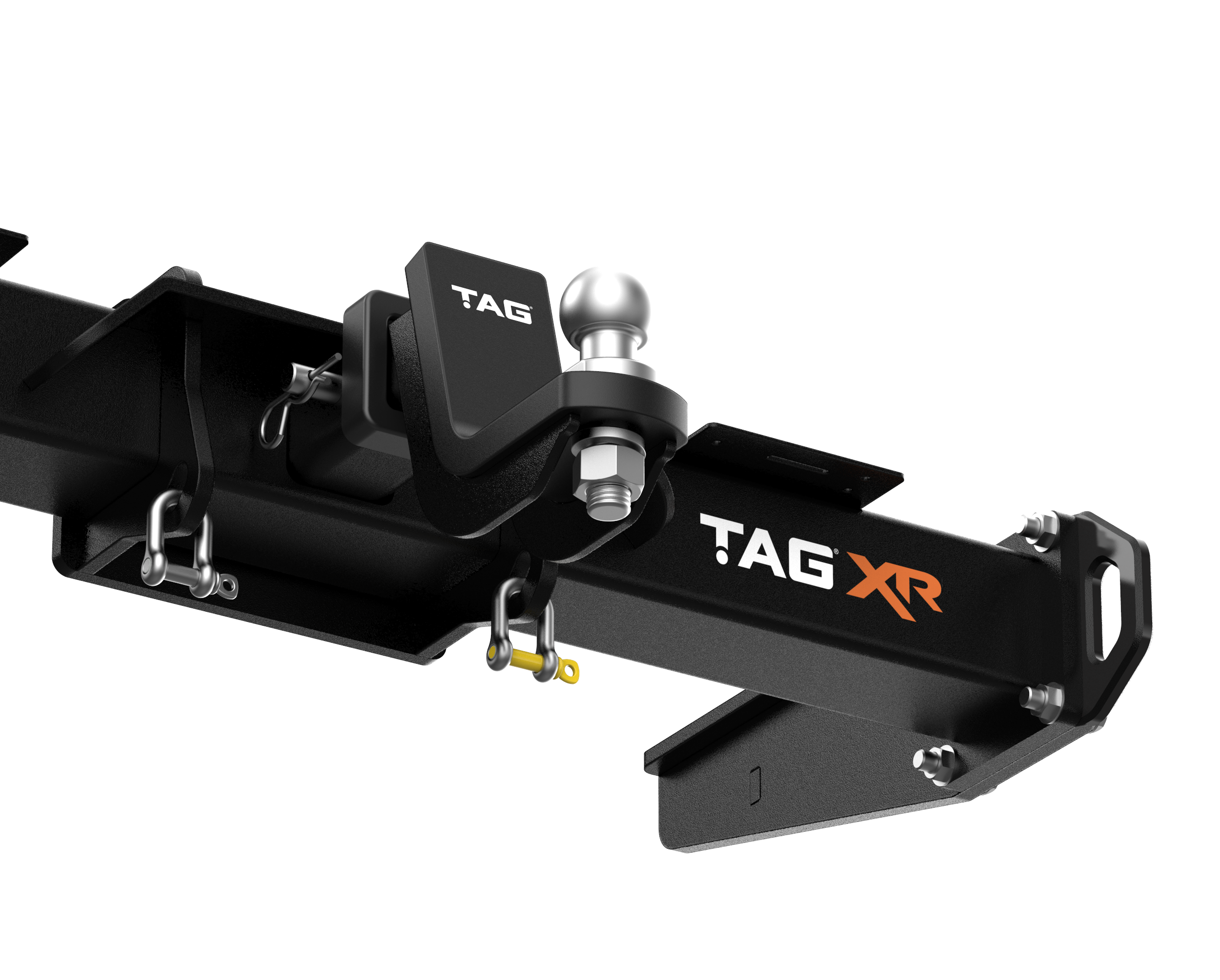
Tag’s towbars are a three-piece design for ease of installation, finished in a textured powder-coat for style and durability, all covered by the TAG Limited Lifetime Warranty. To sweeten the deal, all TAG towbars offered for the Next-Gen Ranger come with Tow Ball Mount, Pin & Clip and D-shackles.
More info: www.tagtowbars.com.au Buy now: https://ebay.us/loESaj
Invicta Hybrid Starter lithium battery
A recent addition to the Invicta Lithium Batteries range, is this Hybrid Starter battery that offers a dual purpose. It’s got enough grunt to start your vehicle, as well as power a 12V electric winch and to run your camp accessories such as a fridge or LED lighting.
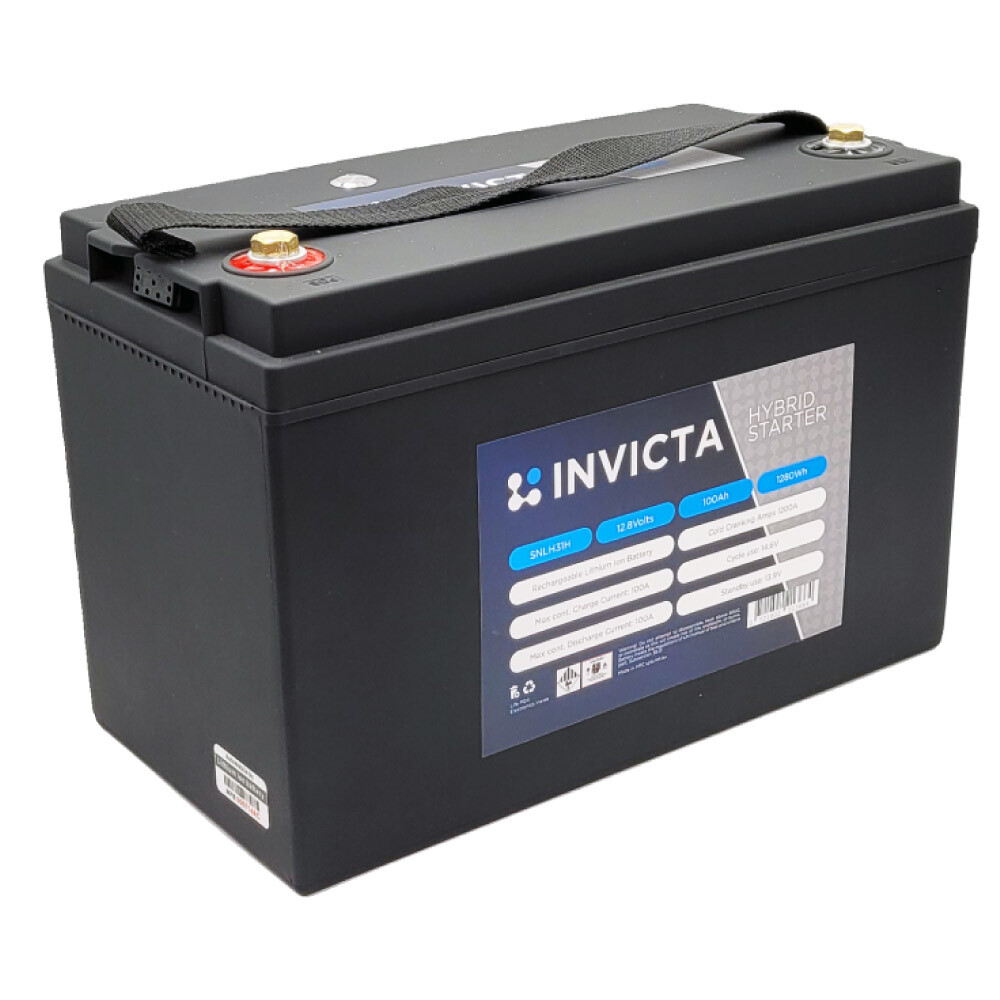
The Invicta Hybrid Starter battery is made up of A123 pouch cells, with a claimed output of over 1400CCA depending on the size of battery selected. This is a drop-in battery replacement, that is powered off your vehicle’s alternator for a painless installation, too.
There is a wide range of batteries in the Hybrid Starter range, with a size to suit most applications. One unique feature, is a backup Jump Start function, which allows you to safely start your vehicle if you run the fridge at camp for a little too long.
More info: www.invictalithium.com.au Buy now: https://ebay.us/ioPf9m
OZtrail Canning 1300 rooftop tent
The newest addition to the OZtrail rooftop tent range, is the top-of-the-line Canning 1300 hard-shell tent. It boasts a slimline design to reduce wind resistance, a durable aluminium exterior and a unique four-point scissor-frame system that increases internal space.
This design also allows for an extra window at the front of the tent, as well as more height and light inside. On top of the Canning 1300, OZtrail includes some rather stout looking roof bars for easy storage of additional items, or mounting a solar panel.
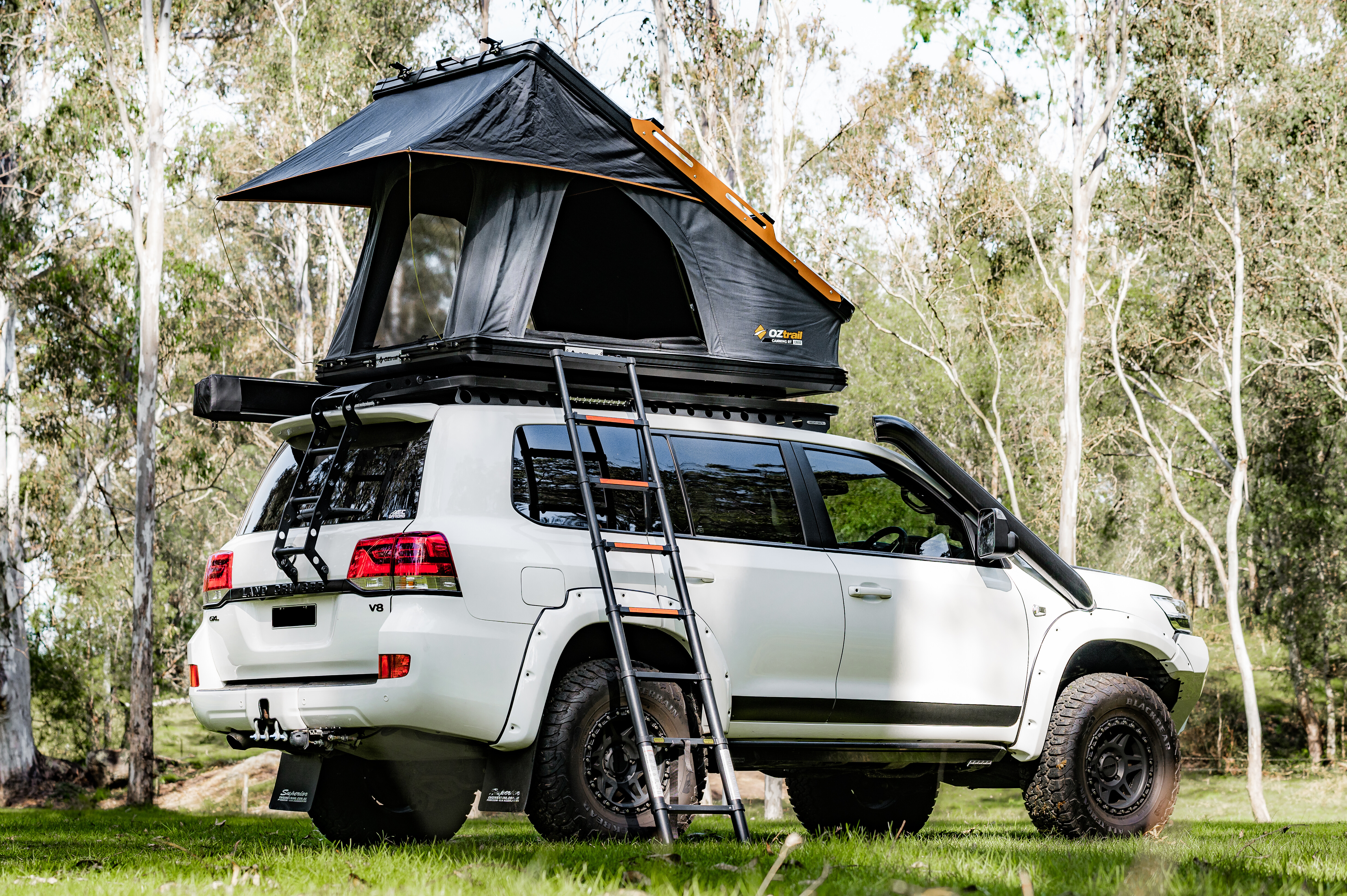
Premium German engineered gas struts make setting up and packing down the rooftop tent quick and easy, and heavy-duty 280gsm ripstop polycotton canvas combined with 210D polyoxford fly over the entry keeps the outside elements where they belong.
Also included is a 50mm foam memory mattress with removable luxe comfort flannel cover for a comfortable night’s sleep wherever you park up for the night.
More info: www.oztrail.com.au
Ezy Anchor caravan starter pack
If the idea of using traditional tent pegs for your camper trailer or caravan gives you the cold sweats every time you go to set up, it’s time to take a closer look at these offerings from Ezy Anchor.
Designed to be quick and easy to use in hard red and gravelly dirt conditions found in the outback, as well as sandy loam-based soil, Ezy Anchors are as easy as it comes to use when securing your awnings, swags, camper trailer walls … and anything that requires pegging down really.
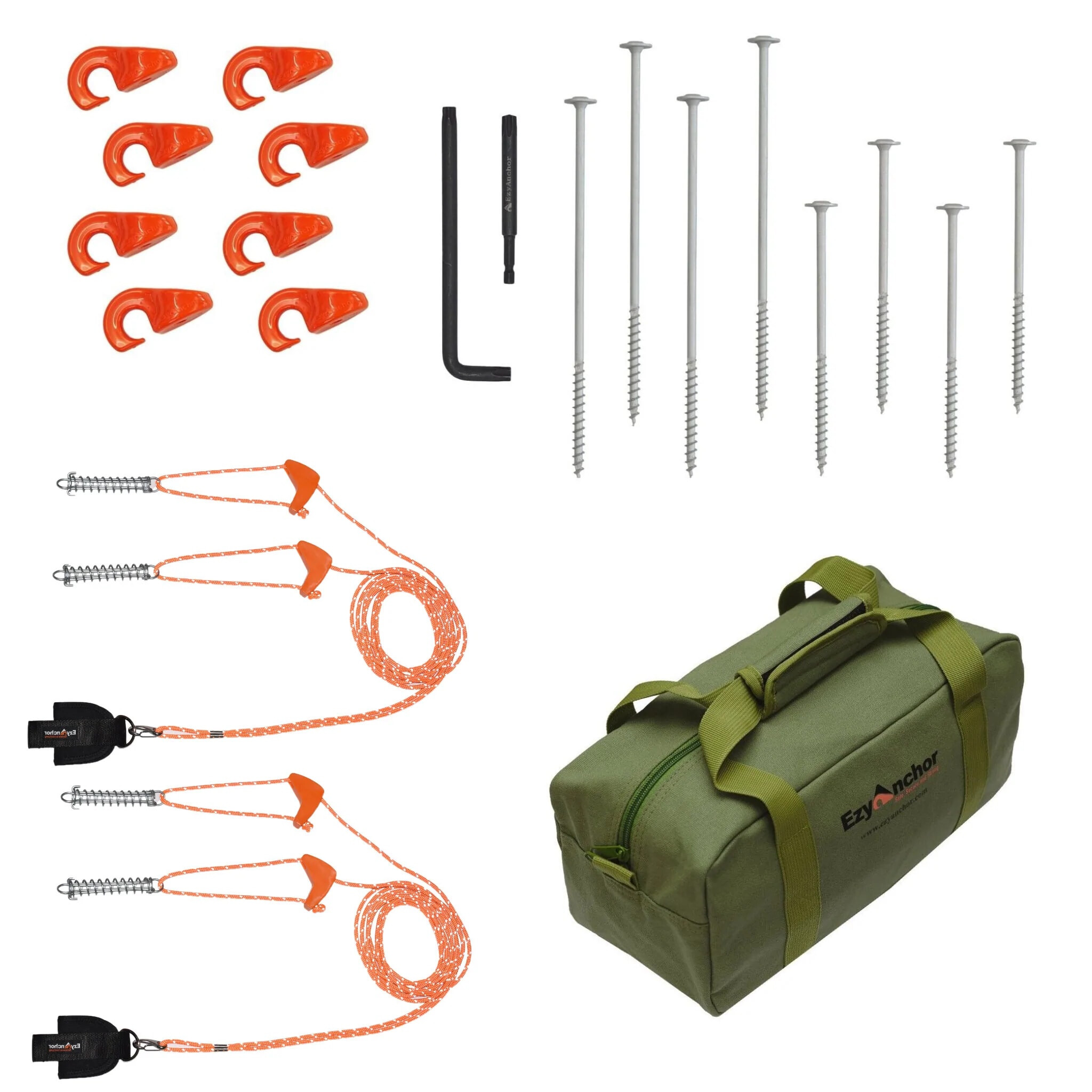
Instead of bashing a tent peg with a hammer, Ezy Anchors are driven into the ground using a cordless drill or impact driver. Best of all, if your battery goes flat, you can manually remove them using a shifting spanner.
The Caravan Starter Pack includes everything you’d need for a caravan or camper trailer, including eight Ezy Anchors, four Coastal Pegs and four Outback pegs just to name a few items. All of which are housed neatly in a canvas tent peg bag.
More info: www.ezyanchor.com
Companion Rover 70AH Lithium Power Station
This Rover 70AH unit is the second largest portable lithium power station in the Companion range, and offers some very usable features for four-wheel drivers and campers.
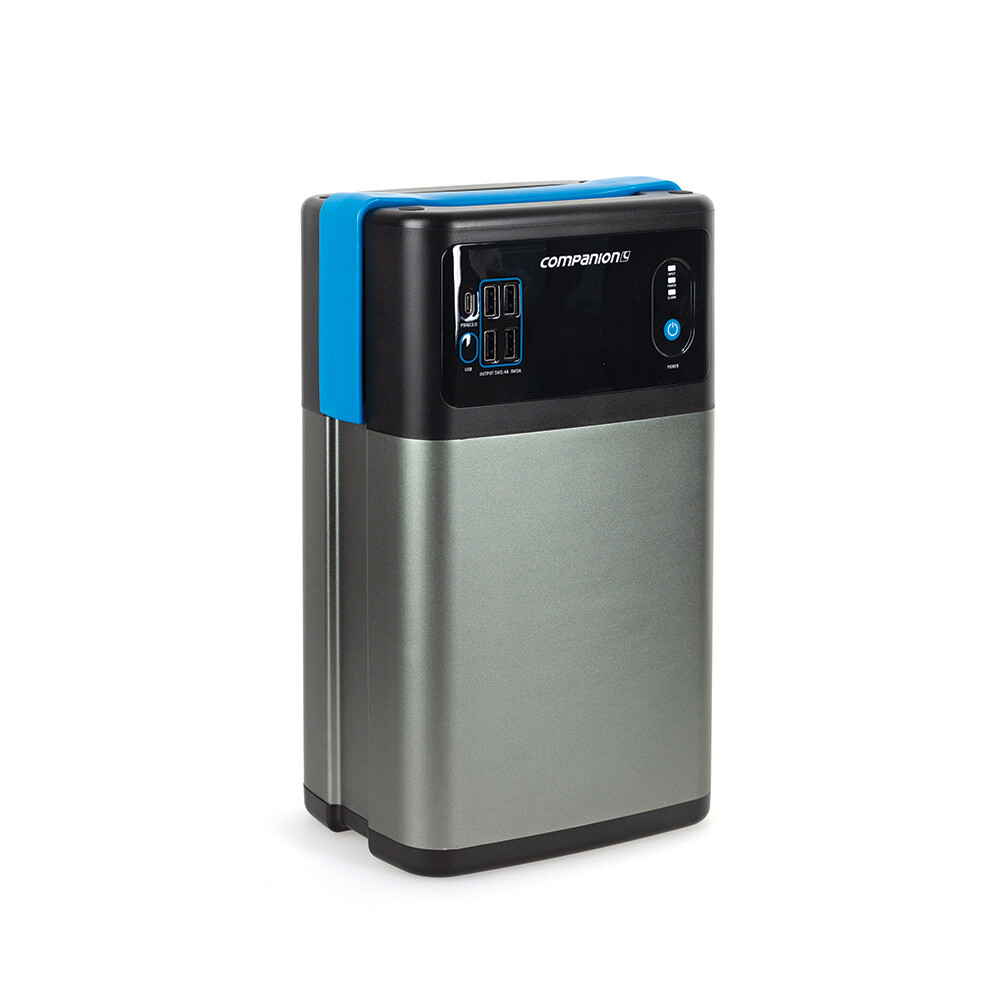
First of all, it’s light, weighing in at just 6.8kg, making it truly portable. Secondly, as the name suggests it boasts 70AH of lithium power, which is more than enough to power a fridge and charge phones while camping for a weekend.
The Rover 70 can be charged directly via solar thanks to the inbuilt MPPT controller, as well as being charged via 240V before leaving home, or 12V while travelling. There are multiple output charging options including 12V socket, USB and USB C to keep everyone charged up on family trips away.
More info: www.companionoutdoor.com
Terrafirma Rugged Terrain RT tyres
Hybrid tyres are all the rage these days, and here we have the latest release from Terrafirma Tyres, the Rugged Terrain RT.
This tyre is said to offer a sweet spot between the aggressive off-road traction found with mud-terrain tyres, as well as the stability and on-road handling characteristics of an all-terrain tyre.
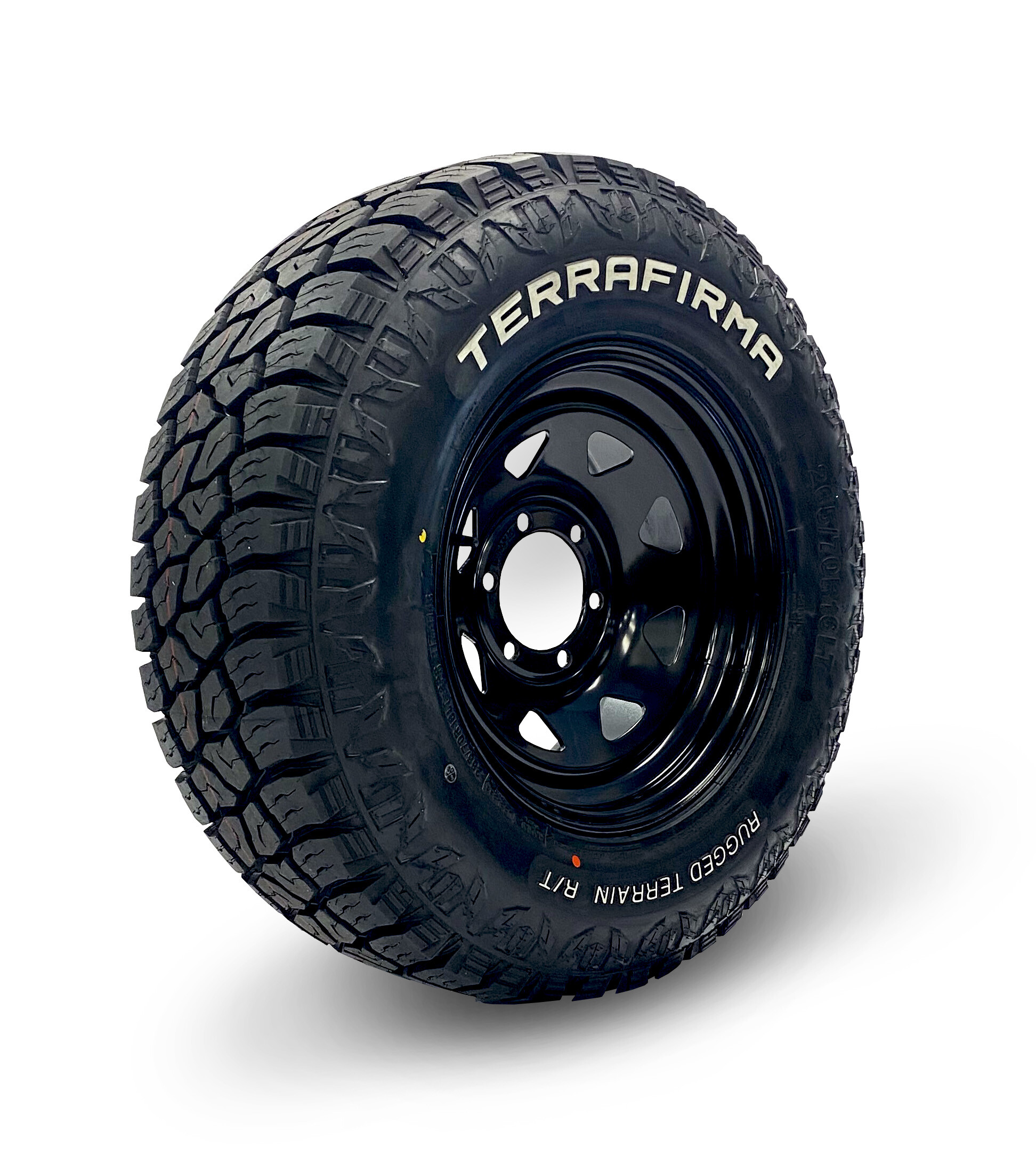
While aimed as a more budget-friendly tyre, there’s still plenty of features to talk about, such as a two-ply 1500 denier carcass with steel belts and a chemically coupled silica compound for grip and resistance to damage off road.
The Terrafirma Rugged Terrain RT offers a claimed tread depth of 12.1mm, and can be found in sizes ranging to suit wheel diameters from 15-inch up to 17-inch.
More info: www.terrafirmatyres.com.au
Projecta 12V lithium battery range
Projecta tells us its new range of 12V lithium batteries took three-years of development and testing before release, and have since announced there are two new lithium batteries available.
The first being an 100AH called the LB100, and the second being a high-discharge unit dubbed the LB100-BT. The LB100 offers a true 100amp discharge ability, with enough power to run a 1000W inverter as well as a fridge.
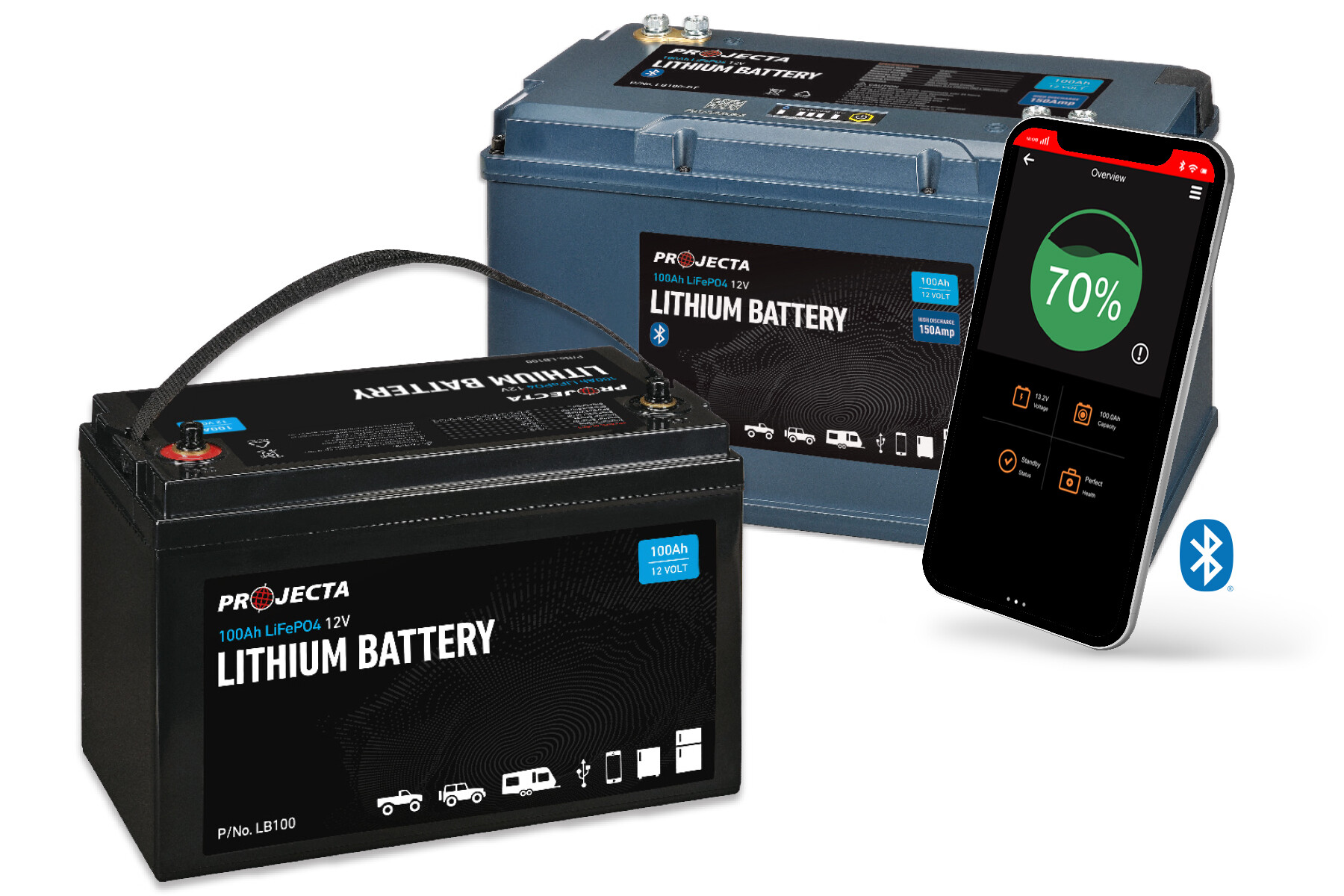
The LB1-BT takes things one step further, by having the ability to power up to a 2000W inverter, which from a 100AH battery is impressive stuff indeed. Both batteries are housed in a traditional N70 casing for ease of installation, but it must be mentioned these, like most lithium batteries, are not suitable for under-bonnet installation.
More info: www.projecta.com.au
Ironman 4×4 RAM Foam Cell Pro suspension
A big vehicle like the RAM 1500 needs a big suspension set-up to handle the demands of owners. Ironman 4×4 has released its range of Foam Cell Pro suspension kits, to suit the 2014+ RAM 1500 DS, available in a range of spring rates ranging from Comfort, Performance and even Long Travel for those wanting the ultimate in off-road performance.
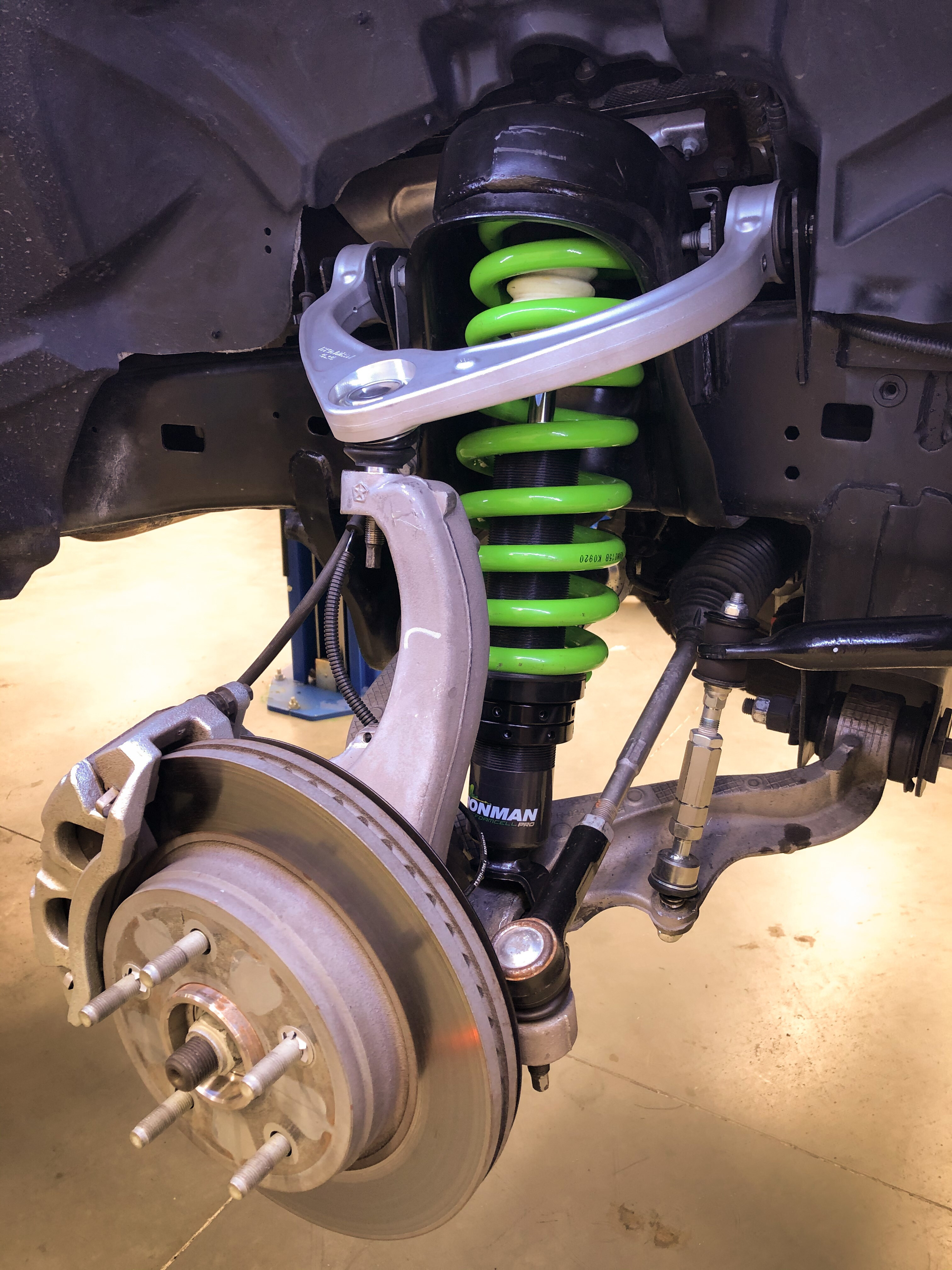
Not only does the Ironman 4×4 Foam Cell Pro suspension kits offer an increase in suspension height, it also offers increased wheel travel for the RAM platform. Foam Cell Pro shock absorbers feature a 45mm piston and a 65mm body, all backed by a three-year warranty.
More info: www.ironman4x4.com.au
Clearview Cutlery Set
The Clearview Cutlery Set is a smart addition to your current camping kitchen, designed to keep all your cooking essentials conveniently in place and organised when on the road.
This 24-piece cutlery set includes four forks, four knives, four tablespoons and four teaspoons, as well as a chef’s knife, bread knife, paring knife, spatula, serving spoon, tongs, chopping board, and even a bottle opener with corkscrew.
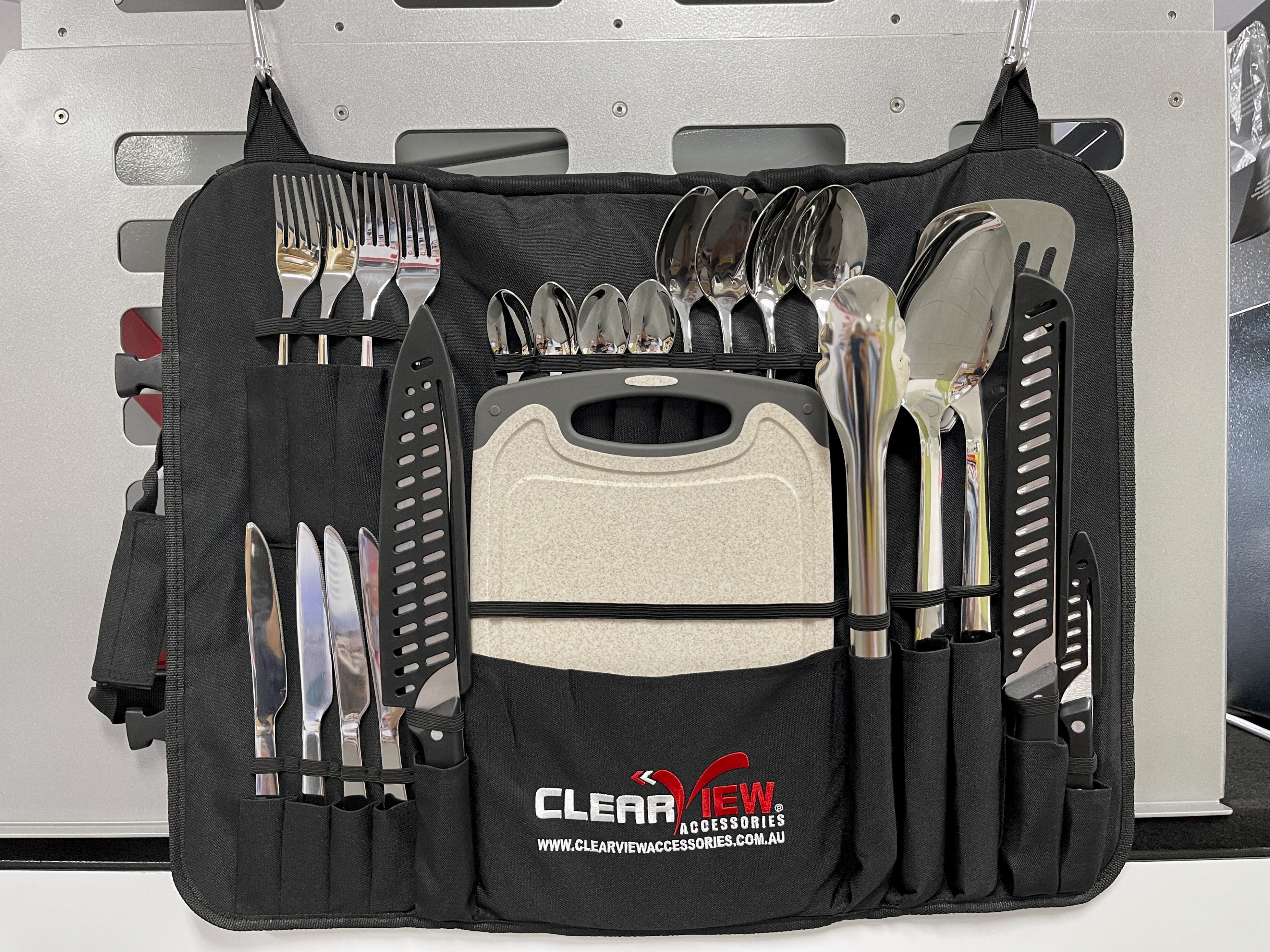
It can be conveniently stowed, as the cutlery set folds open and closed, and can even be secured with its straps and quick-release buckle clips, for efficient, safe storage. There are also individual pockets and elastics to keep your cutlery and utensils in place without clanging against each other, preventing scratches or damage.
The Cutlery Set is made from a heavy-duty black canvas that provides a durable storage solution for your cutlery while out exploring.
More info: www.clearviewaccessories.com.au
Snapshot
- 2023 Ford Ranger Platinum pricing and features
- New flagship grade adopts technology and styling from the Everest and Raptor
- Priced from $76,990 before on-road costs
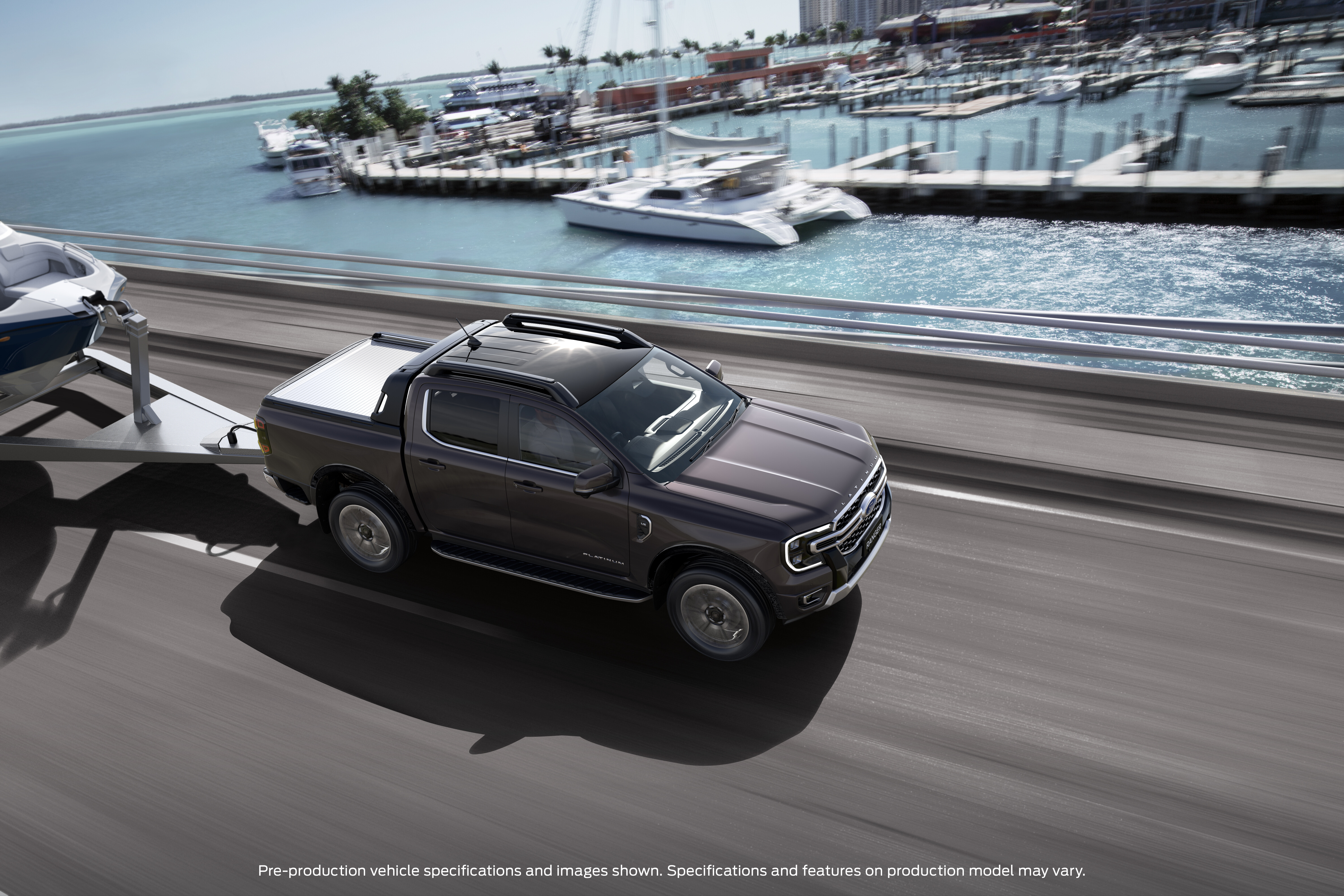
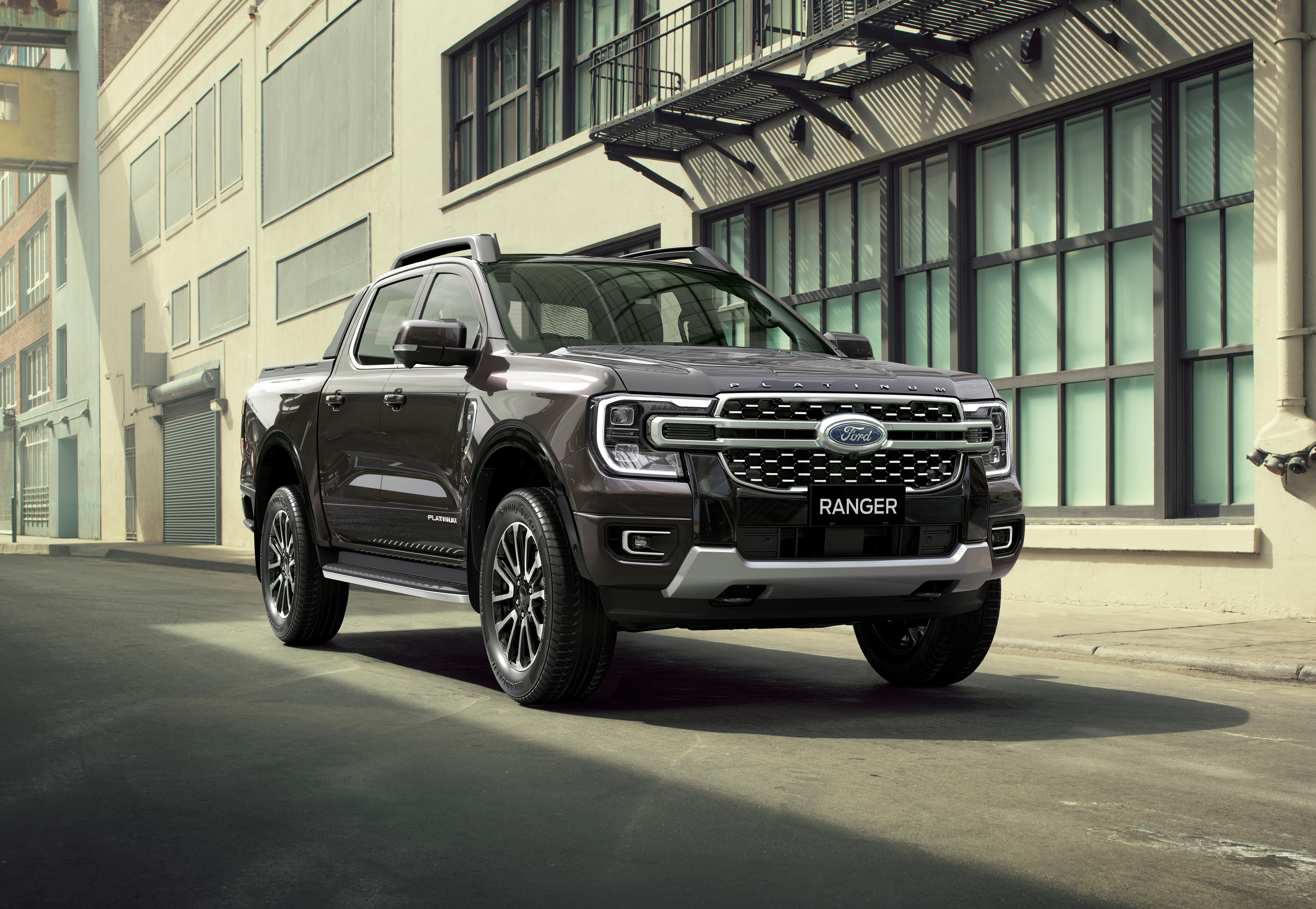
The 2023 Ford Ranger line-up has expanded with a new luxury-focused, range-topping variant.
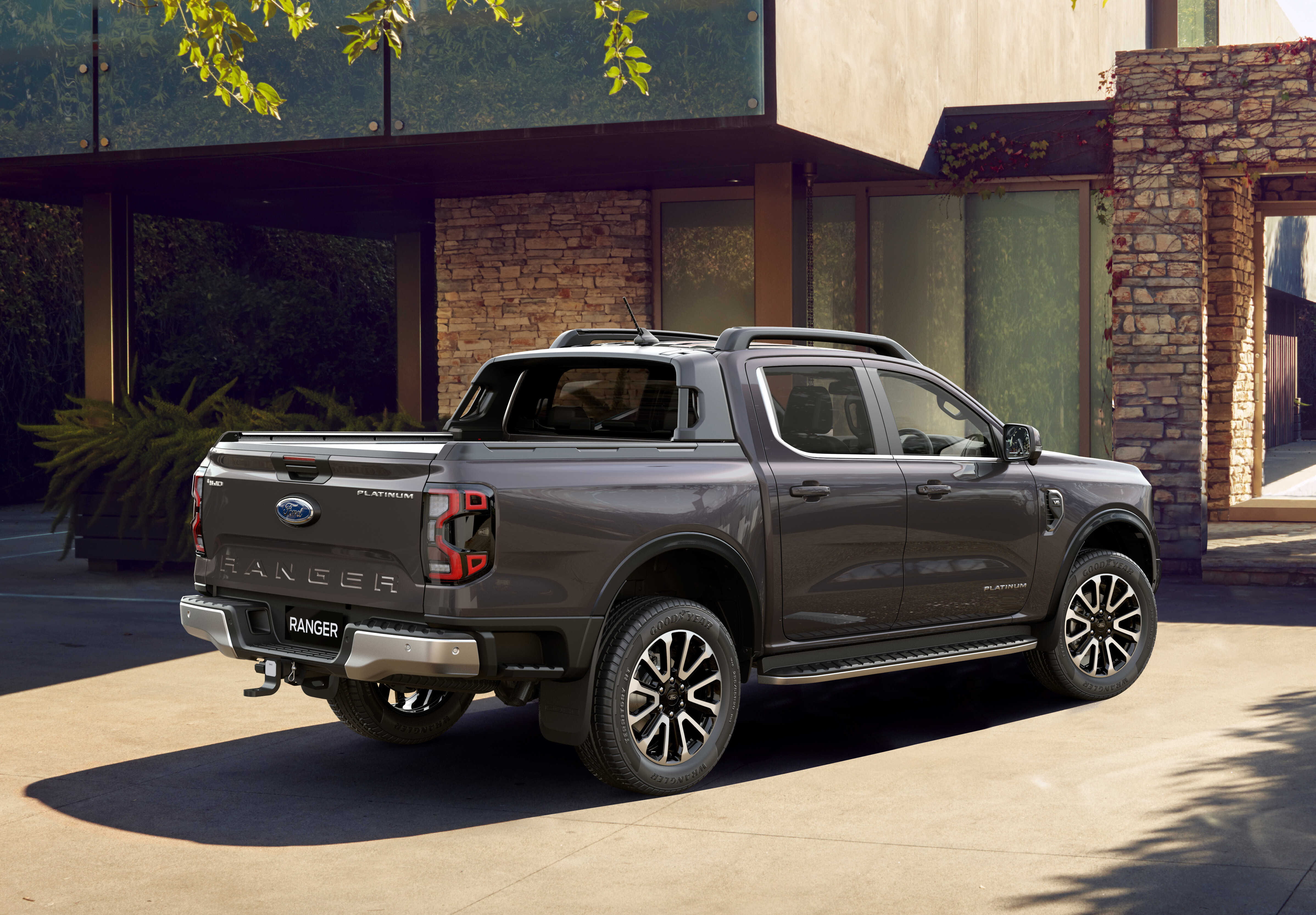
With elements borrowed from the related Everest, the Ford Ranger Platinum adds several features previously exclusive to the family SUV and the performance-orientated Ranger Raptor.
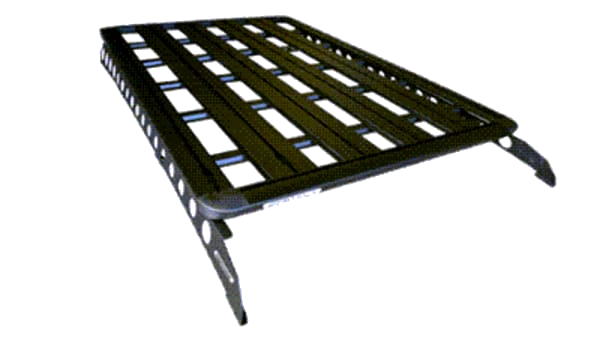
This includes 20-inch alloy wheels, a chrome grille, ‘Platinum’ badging, matrix-LED headlights, chrome exterior trim, a damped tailgate, and Ford’s new flexible rack system unveiled last week.
Upgrade your Ranger
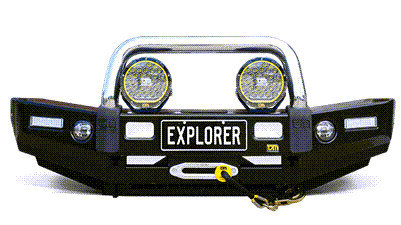
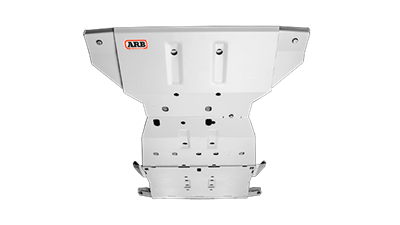
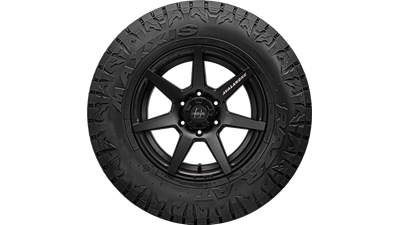
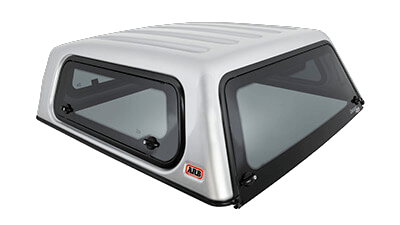
Inside, the Ranger Platinum adopts quilted leather-accented upholstery, heated and ventilated front seats, a heated steering wheel, 10-way power-adjustable driver and front passenger seats with driver memory function, and the larger 12.4-inch digital instrument cluster.
It is exclusively powered by the popular 184kW/600Nm 3.0-litre diesel V6, priced from $76,990 before on-road costs – making it $5800 dearer than the Wildtrak V6.
However, the contents of the Wildtrak’s Premium Pack are standard on the Platinum, including a 10-speaker Bang & Olufsen audio system, full LED tail-lights and an overhead auxiliary switch bank. This reduces the price gap to $3950.
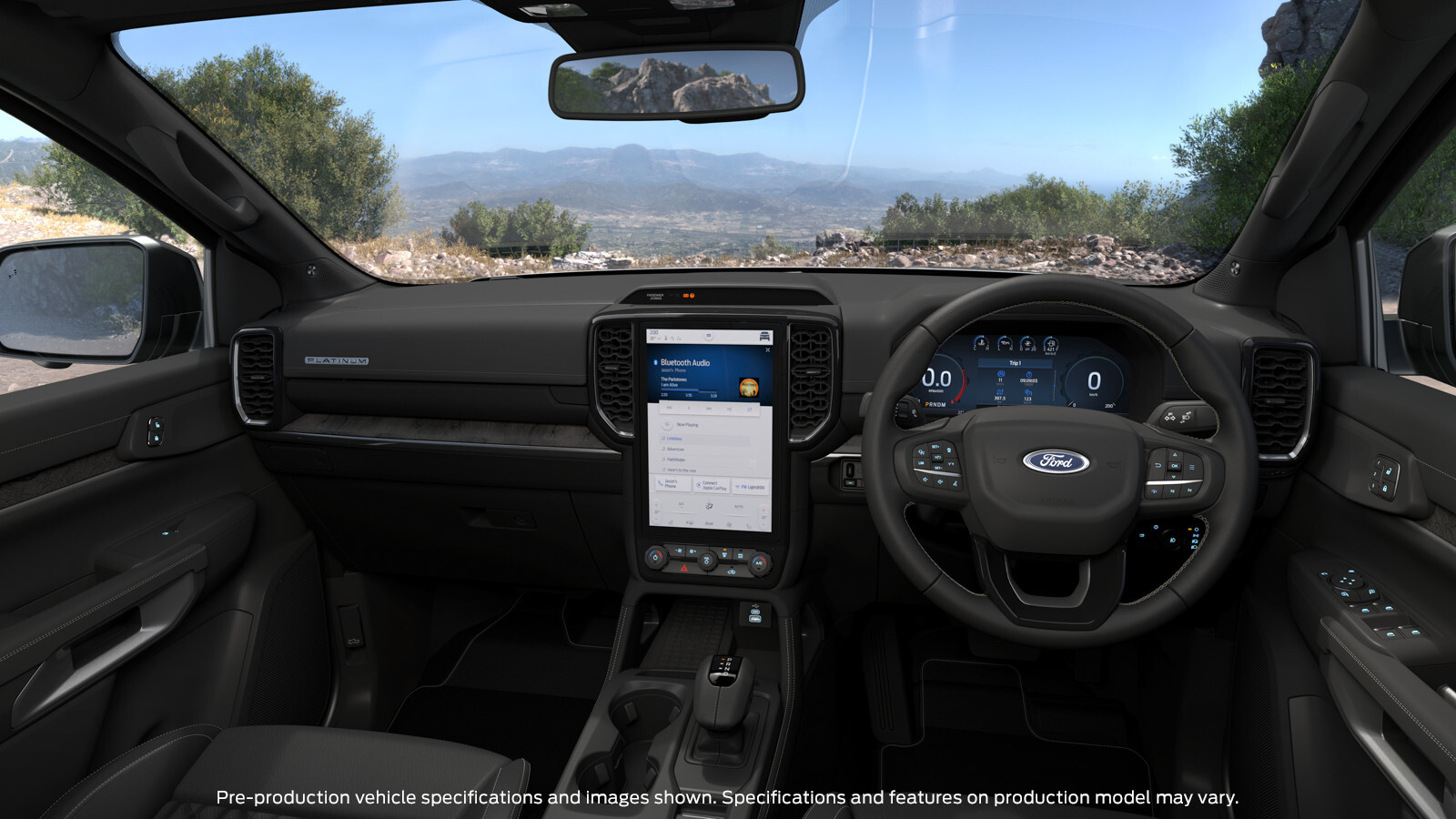
Further changes include a black-painted roof, unique badging on the front seats, ‘premium’ carpet floor mats and upper glovebox, accent stitching, and the previously Everest-exclusive equinox bronze exterior colour.
A body-coloured roof is available as a no-cost option, while metallic paint adds $700 to the list price.
The latest addition to the Ford Ranger line-up follows the announcement of a model-year 2023.5 update earlier this month, with price rises and minor specification adjustments across the entire range. For more information, click on the read more link below.
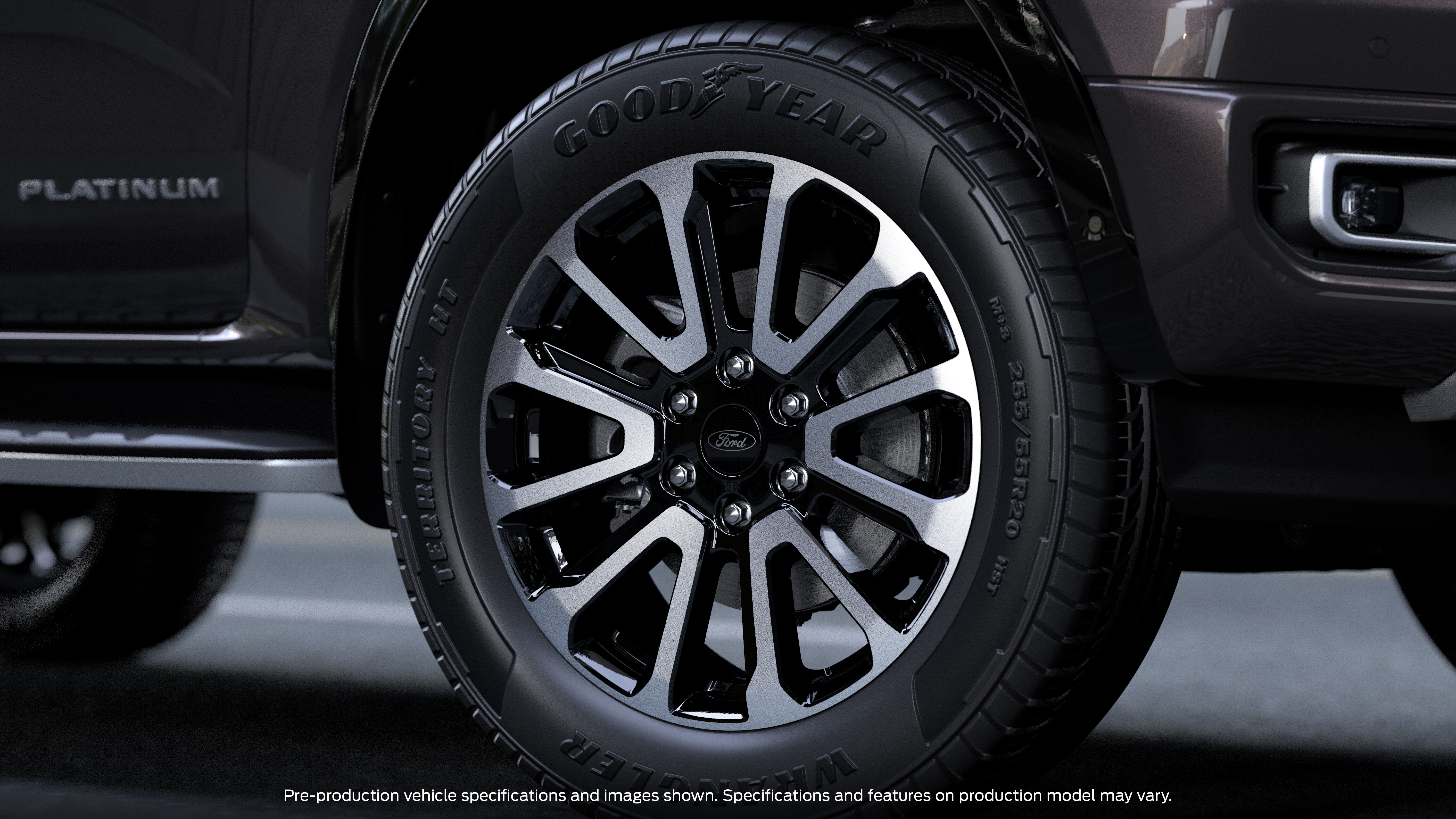
The 2023 Ford Ranger Platinum is on sale now, with the first deliveries expected in May 2023.
As with the remainder of the diesel V6 line-up, expect a potential wait time of as long as 12 months for a newly-placed order.
For more information on Ford’s wait times, click here.
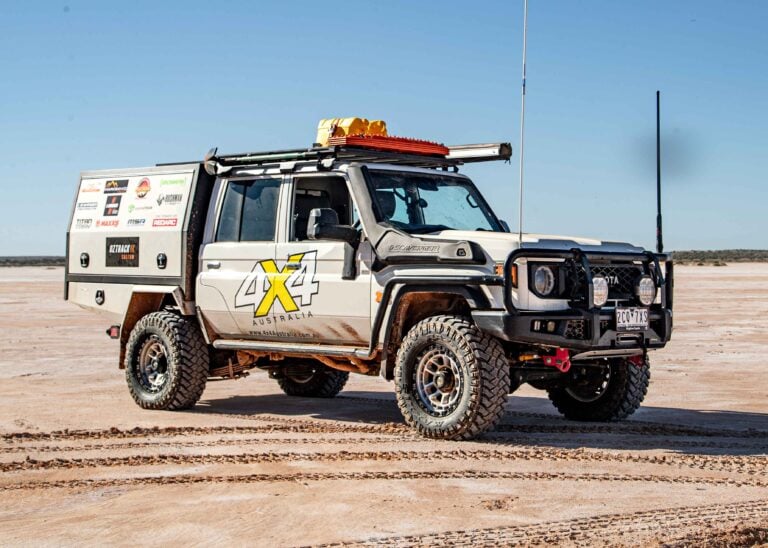
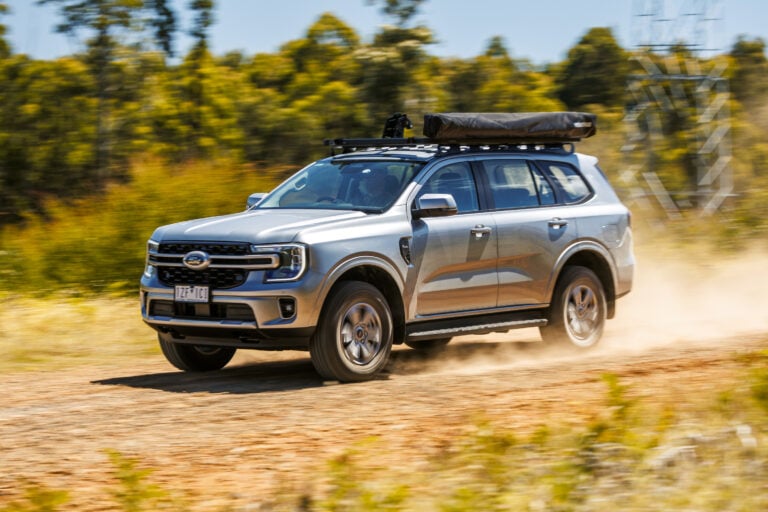
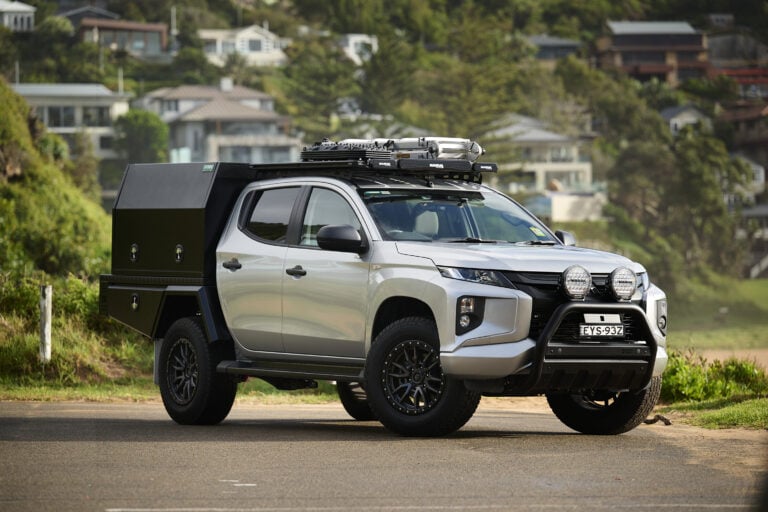
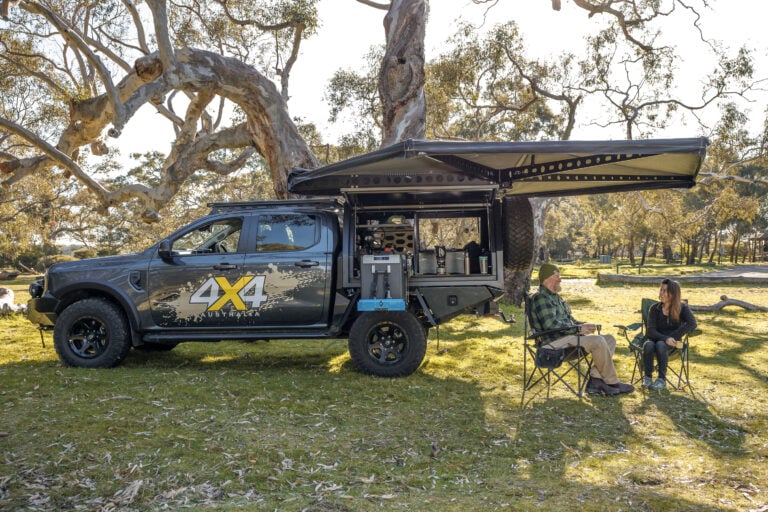
4X4 Australia's project builds
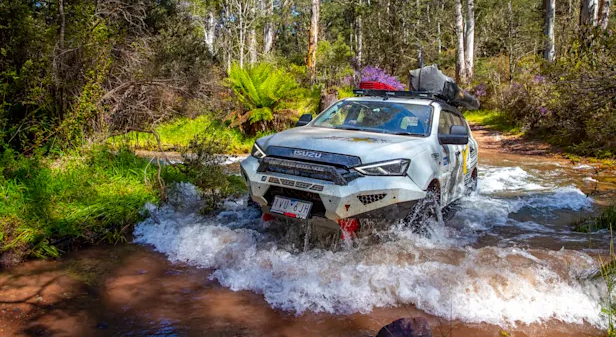
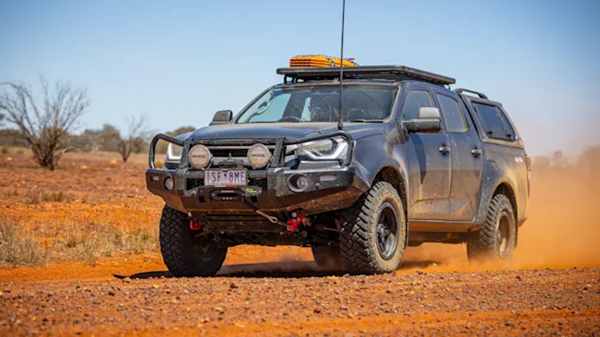
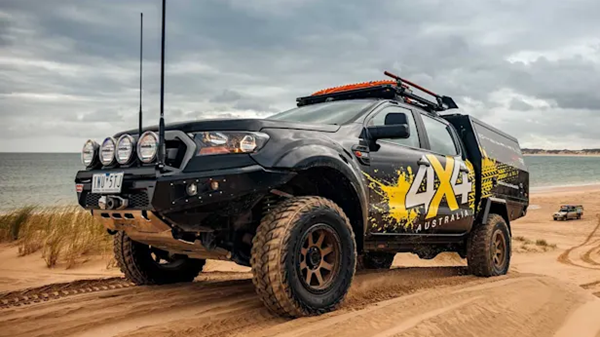
2023.5 Ford Ranger pricing
4X4 DUAL-CAB UTE
Snapshot
- 2023.5 Ford Ranger pricing and features
- Asking prices up $250-$1300
- Spec improvements for XL, XLT, Sport, Wildtrak and Raptor
- Production commencing in March; priced from $36,180 plus on-roads
UPDATE: Ford Ranger Platinum announced
Ford has unveiled a new, range-topping Ranger Platinum variant.
It is set to arrive in May 2023, priced from $76,990 before on-road costs with the 3.0-litre diesel V6 as the sole engine choice.
Equipment highlights include; chrome exterior trims, quilted leather-accented upholstery, a 12.4-inch digital instrument cluster, a heated steering wheel, heated and ventilated front seats, and Ford’s new flexible rack system.
For a full run-down on the Ranger Platinum and the flexible rack system, click on the read-more links below.
Our original story, below, has been updated to reflect the latest information
Ford has announced a raft of updates for its popular Ranger ute, just four months after the new-generation model launched in July.
The MY23.5 Ford Ranger will start production in March, with local deliveries commencing afterwards. It is on sale now with price rises and minor specification adjustments across the entire range.
It follows the recently-announced 2023.5 Ford Everest, with production also set to begin in March.
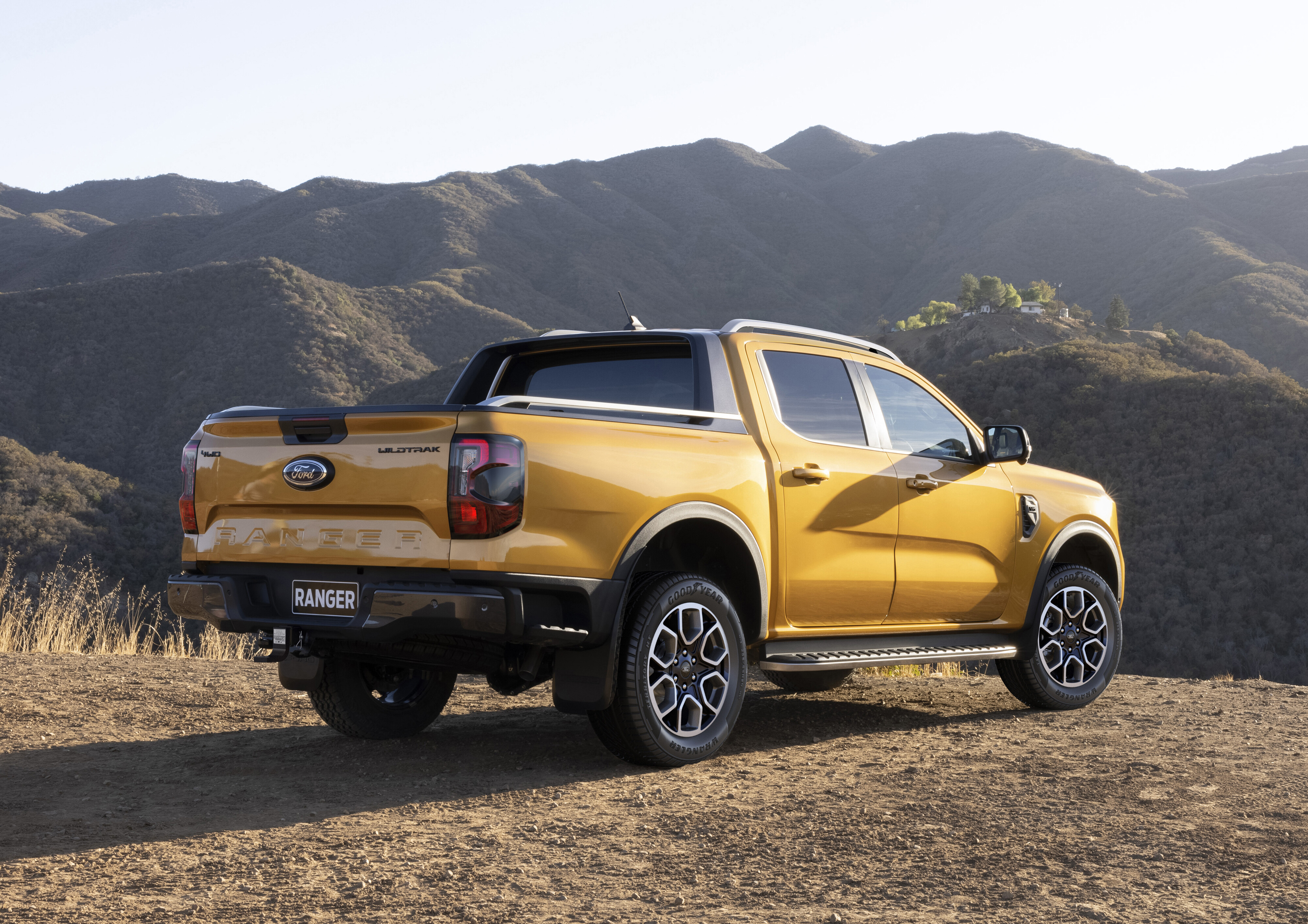
The largest updates have been applied to the mid-spec XLT and Sport variants, which gain an integrated trailer brake controller as standard.
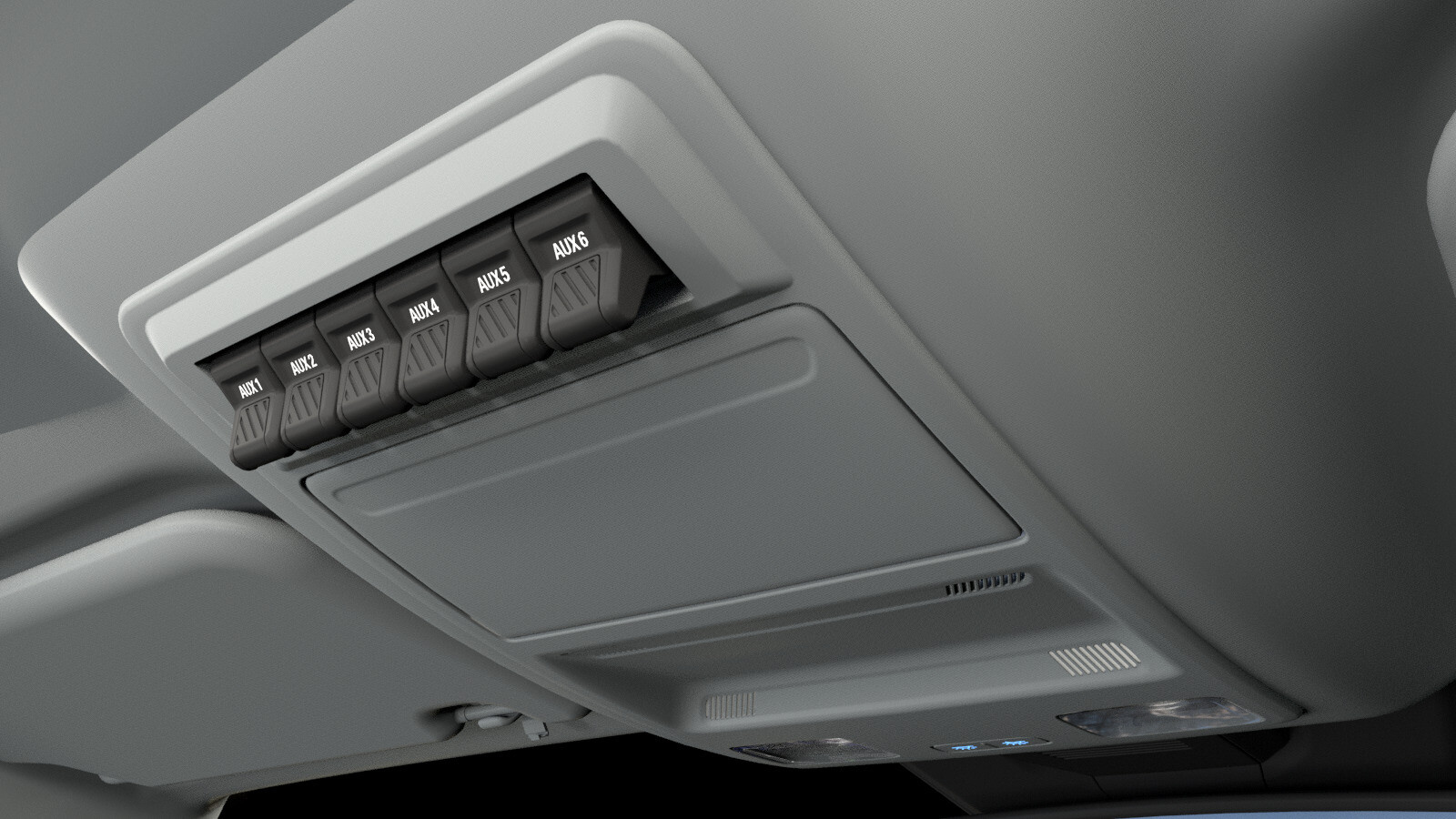
In addition, the optional touring pack will include the cargo management system and overhead auxiliary switch bank previously exclusive to the Wildtrak and Raptor.
Other changes include a 20-inch alloy wheel option for the Wildtrak and the addition of a rear-view camera kit for XL cab-chassis variants, providing a factory-backed unit for installation by dealerships and bodybuilders.
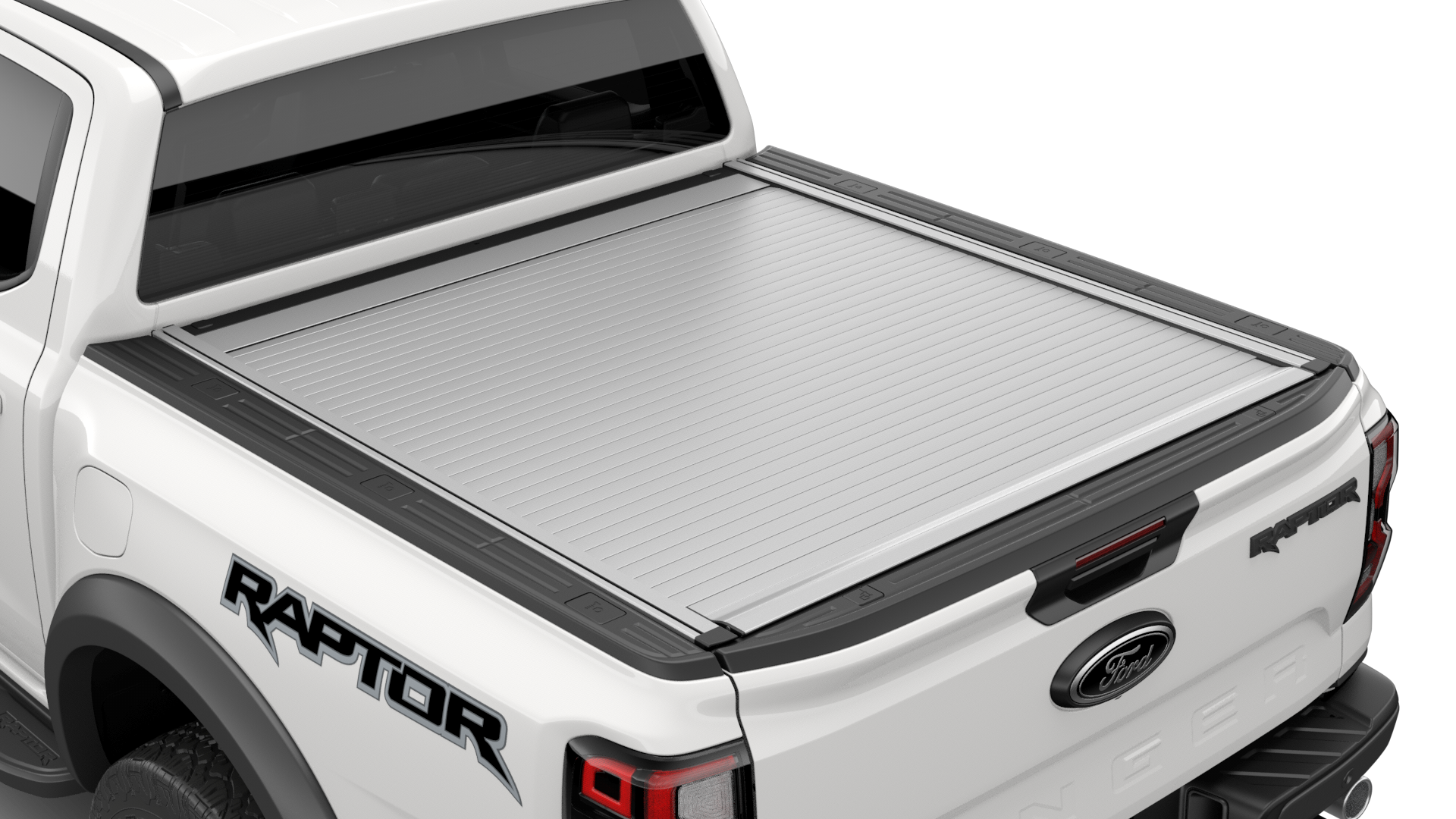
The flagship Ranger Raptor includes a newly-optional powered roll-top tonneau cover and a plastic drop-in bedliner – replacing the spray-in unit – for $3000.
However, pricing has increased between $250 and $1300, with the largest increase for the Raptor, followed by a $1000 rise for all diesel V6 variants.
All other specifications remain unchanged from the 2023 Ford Ranger launched in July. For a full run-down on the next-generation line-up, check out the links below:
JUMP AHEAD
- Pricing
- Features
- Options
- Colours
- Engine, drivetrain, and fuel economy
- Safety
- Warranty and servicing
- Availability

2023.5 Ford Ranger pricing
4X2
| Model | Pricing | Change |
|---|---|---|
| XL single cab cab-chassis 2.0L single-turbo 4×2 | $36,180 | up $250 |
| XL space cab cab-chassis 2.0L single-turbo 4×2 | $38,680 | up $250 |
| XL dual-cab cab-chassis 2.0L single-turbo 4×2 | $40,680 | up $250 |
| XL dual-cab pick-up 2.0L single-turbo 4×2 | $42,580 | up $250 |
| XLS dual-cab pick-up 2.0L bi-turbo 4×2 | $47,130 | up $400 |
| XLT dual-cab pick-up 2.0L bi-turbo 4×2 | $54,790 | up $800 |
4X4 CAB-CHASSIS
| XL dual-cab cab-chassis 2.0L single-turbo 4×4 | $48,280 | up $250 |
|---|---|---|
| XL dual-cab cab-chassis 2.0L bi-turbo 4×4 | $51,780 | up $250 |
| XLT dual-cab cab-chassis 3.0L V6 4×4 | $63,290 | up $1000 |
4X4 DUAL-CAB UTE
2023.5 Ford Ranger features
XL
XLS
XLT
Sport
Wildtrak
Platinum
Raptor
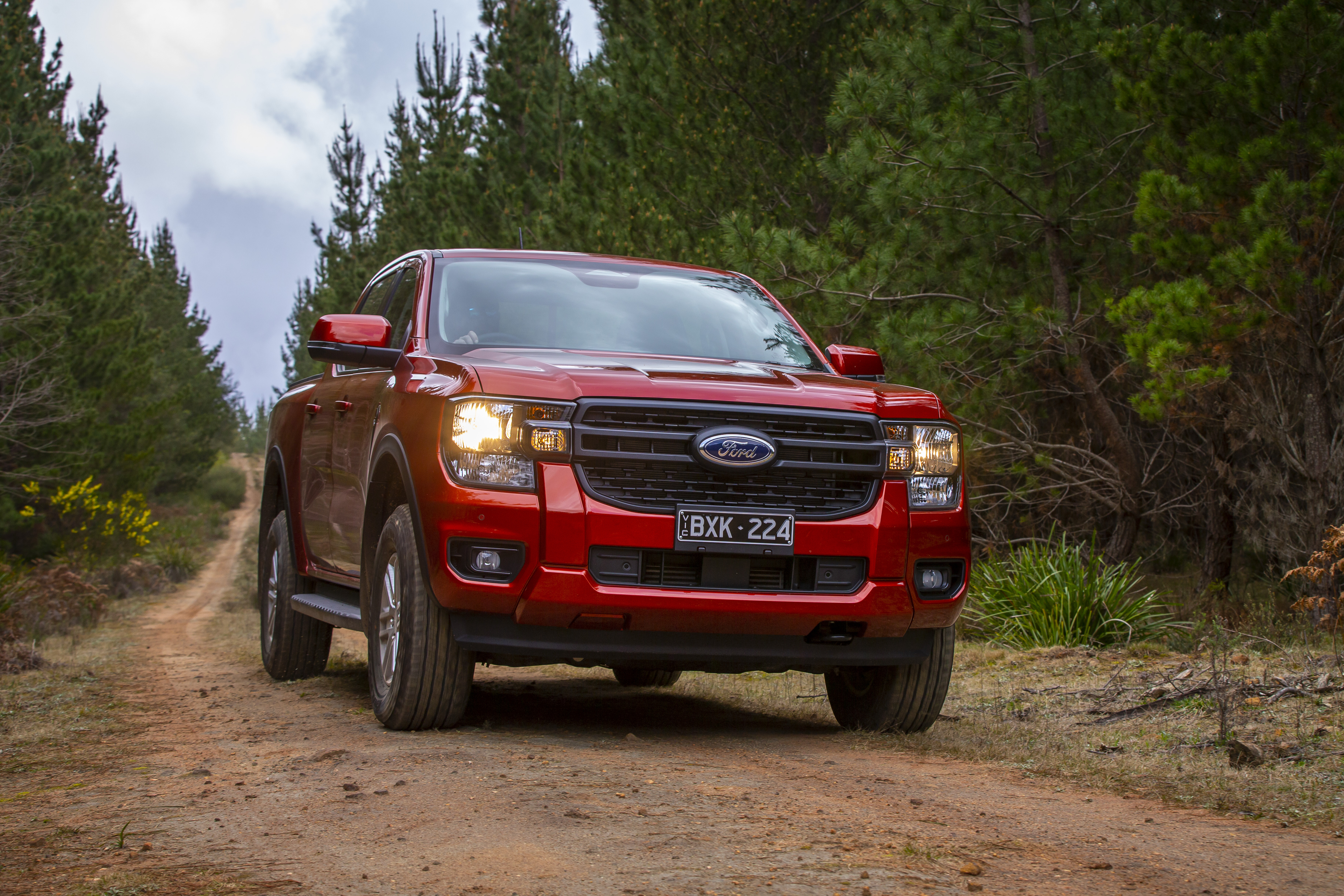
Options
| Options | Features | Pricing | Change |
|---|---|---|---|
| XL wheel centre cap kit | u2013 | $20 | u2013 |
| XL heavy-duty suspension | u2013 | $500 | u2013 |
| Spray-in bedliner (XL and XLS) | u2013 | $900 | u2013 |
| Towing Pack (XL and XLS) | Integrated trailer braking controller, tow bar | $1,700 | u2013 |
| XL Wheel Pack (4×4) | 17-inch steel wheels, 17-inch steel spare wheel, all-terrain tyres | $750 | u2013 |
| XLS Wheel Pack (4×4)u00a0 | 17-inch alloy wheels, 17-inch steel spare wheel, all-terrain tyres | $750 | u2013 |
| Off-Road Pack (XL and XLS 4×2) | Rear differential lock, locking rear axle, steel underbody protection, all-terrain tyres, 17-inch steel wheels | $1,150 | u2013 |
| XLS Tech Pack | Sat-nav, DAB+ digital radio, dual-zone climate control, second-row air vents, keyless entry and push-button start, body-coloured exterior door handles | $750 | u2013 |
| Off-Road Pack (XLT 4×2) | Steel underbody protection, all-terrain tyres, 17-inch spare wheel | $650 | u2013 |
| Overhead auxiliary switch bank (XLT cab-chassis) | u2013 | $250 | new |
| Spray-in bedliner (XLT and Sport) | u2013 | $400 | u2013 |
| All-Terrain Wheel Pack (XLT and Sport 4×4)u00a0 | u2013 | $500 | u2013 |
| Touring Pack (XLT and Sport 4×4 ute) | 360-degree camera system, exterior mirror puddle lamps, zone lighting, cargo management system, overhead auxiliary switch bank | $1,295 | up $395 |
| Wildtrak Premium Pack | Matrix LED headlights, full LED tail-lights, 10-speaker Bang & Olufsen audio system, overhead auxiliary switch banku00a0 | $1,850 | up $350 |
| Wildtrak wheel package | 20-inch alloy wheels | $500 | new |
| Raptor decal package | u2013 | $500 | u2013 |
| Bead-lock capable wheels (Raptor) | u2013 | $2,000 | u2013 |
| Power roller shutter (Raptor) | u2013 | $3,500 | new |
Colours
Metallic paint incurs a $700 premium – up $25 over the pre-update Ranger.
A body-coloured roof is a no-cost option on the Platinum, which features a black painted roof as standard.
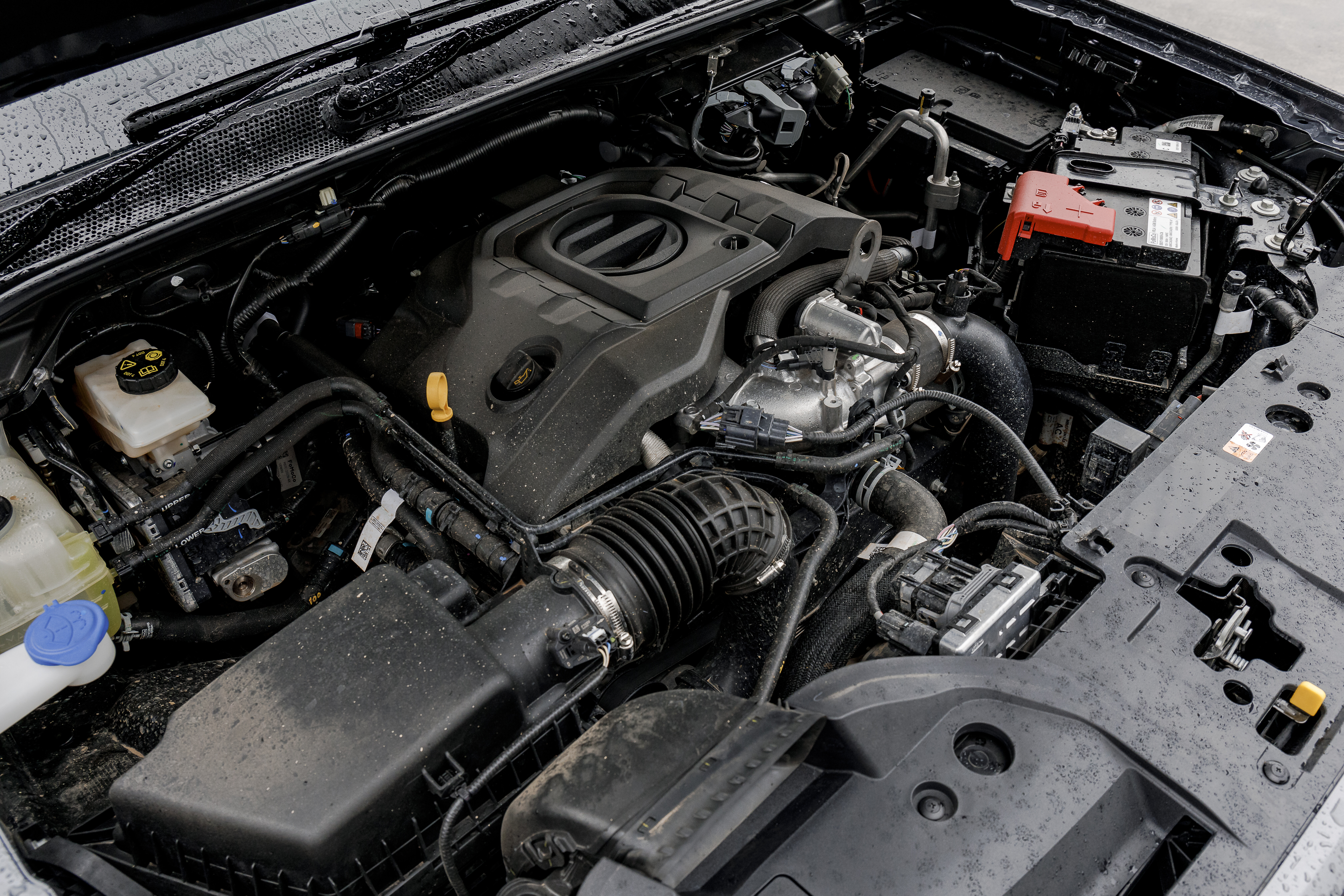
Engine, drivetrain and fuel economy
Under the bonnet, the Ford Ranger is available with two four-cylinder diesel engines, a 3.0-litre turbo-diesel V6, and a 3.0-litre twin-turbo petrol mill.
The entry-level option is the 2.0-litre single-turbo four-cylinder diesel, which produces 125kW and 405Nm. It is matched with a six-speed automatic transmission and is available in two- or four-wheel drive, depending on the configuration.
Excluding the flagship Raptor, the entire range is available with the familiar 2.0-litre bi-turbo four-cylinder, which pushes outputs to 154kW and 500Nm. It is mated to a 10-speed automatic transmission with two- or four-wheel drive options, depending on the variant.

The popular 3.0-litre turbo-diesel V6 – available on XLT, Sport and Wildtrak grades – produces 184kW and 600Nm, with a full-time four-wheel drive system and a 10-speed automatic transmission.
Meanwhile, the flagship Ranger Raptor is exclusively available with a 3.0-litre twin-turbo petrol V6 engine, which produces 292kW and 583Nm. As with the diesel V6, it is matched with a 10-speed automatic transmission and a full-time four-wheel drive system.
While the standard Ranger range has a 3500-kilogram braked towing capacity, the Raptor is limited to 2500kg.
The combined fuel economy of the single-turbo 2.0-litre sits between 7.6L and 8.0L/100km, depending on the variant, while the bi-turbo version is rated between 6.9L and 7.6L/100km.
For the diesel V6, all variants are rated at 8.4L/100km, while the combined fuel consumption for the Raptor is 11.5L/100km.
Safety
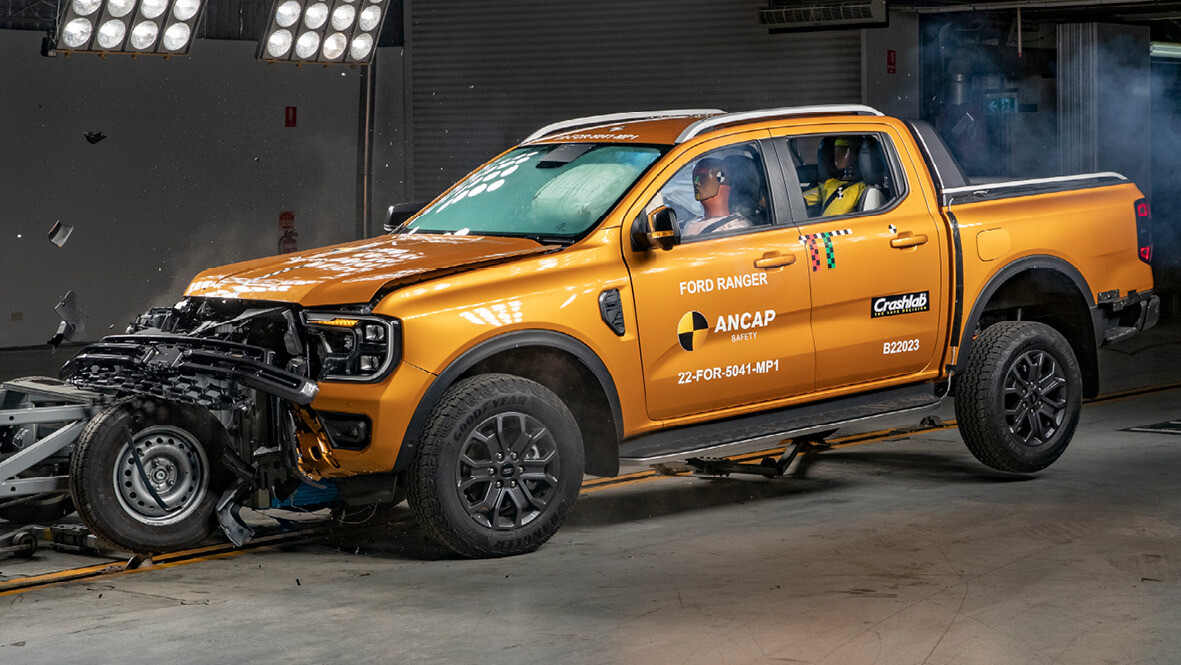
The Ford Ranger is covered by a five-star ANCAP safety rating, based on testing conducted in 2022. This score applies to all variants, except the flagship V6 petrol-powered Raptor.
For more detail, read our full report here.
It received a score of 84 per cent for adult occupant protection, 93 per cent for child occupant protection, 74 per cent for vulnerable road user protection, and 83 per cent for safety assist.
Nine airbags (dual front, side, curtain, driver and front passenger knee, and front-centre) are fitted across the range.
Each variant includes the following active safety equipment as standard:
* Ute models only
Warranty and servicing
As per the wider Ford range, the Ranger is covered by the brand’s five-year, unlimited-kilometre warranty.
Servicing for the Ranger is required every 12 months or 15,000 kilometres, whichever comes first.
Availability
The 2023.5 Ford Ranger will commence production in Thailand in March, with local deliveries set to begin shortly after.
For information on Ford’s wait times, click here.
UPDATE, November 16: Ford Everest vs Toyota Prado
We’ve put the new-generation Ford Everest up against its most popular and obvious rival, the Toyota Prado. Get the full story at the link below.
Story continues: Ford Everest Sport 4×4 review
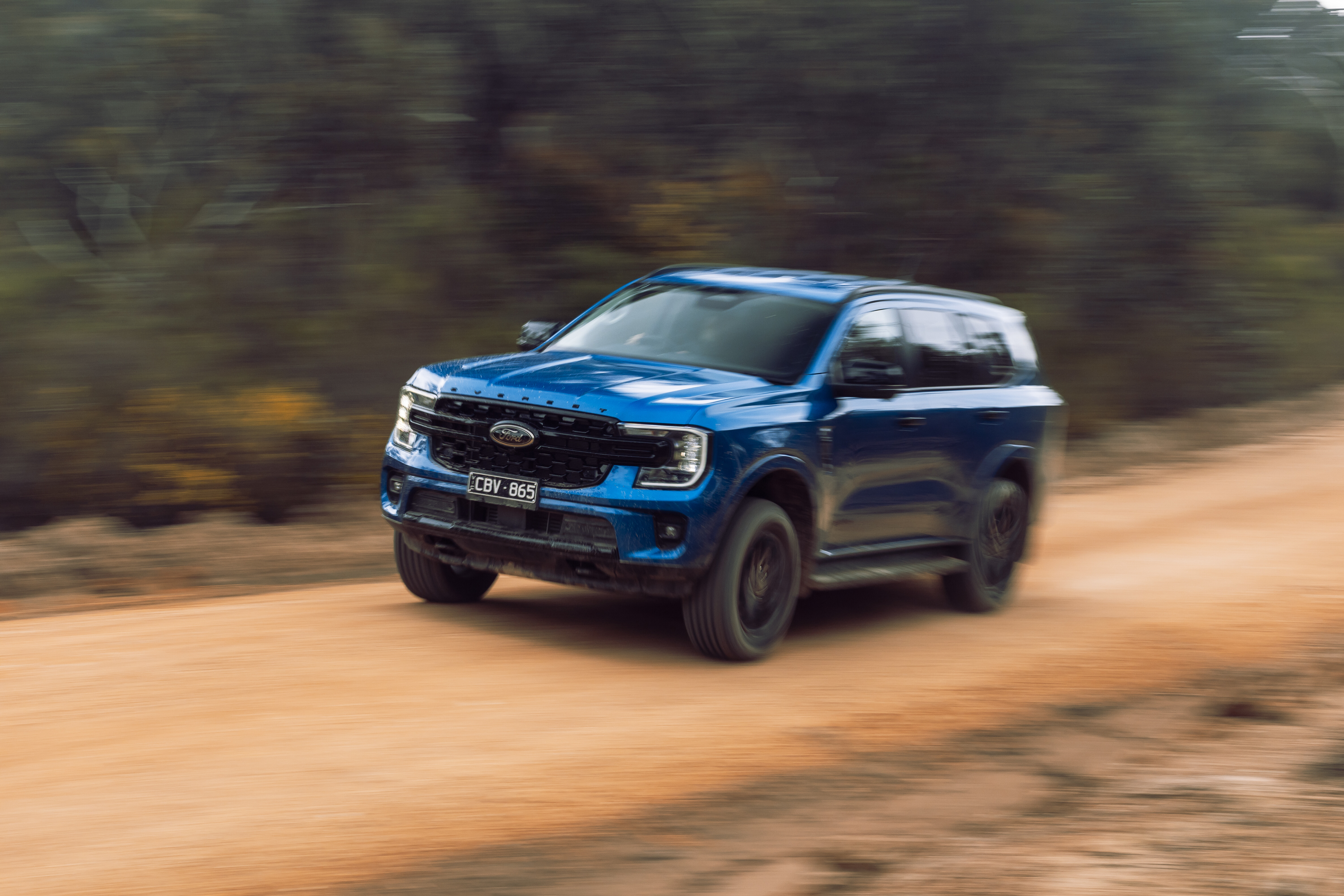
Ford has taken the advances made on the T6 Ranger ute and applied them to its Everest wagon that also rides on the T6 architecture. In doing so, it has created what could be the perfect touring wagon for the Australian family.
The new Everest came with a new-model variant in the range, the Sport, which sits in between the popular Trend and the top-of-the-line model that’s now branded as the Platinum in lieu of the Titanium as it was called on the previous generation.
The Everest Sport is available in 2WD or 4WD drivetrains and the choice of the 2.0-litre 4-cylinder or 3.0-litre V6 diesel engines, while inside, all Sport models are fitted with seven seats.
Upgrade your Ranger
Pricing
Here we’re testing the V6 Everest Sport which starts at $69,090 plus on-road costs, but it must be noted that as of the February production run, the price will go up to $69,590 and extra standard equipment will include black stand-off roof rails, a 360-degree camera, zone lighting, tow bar and integrated trailer-brake controller.
Powertrain and performance
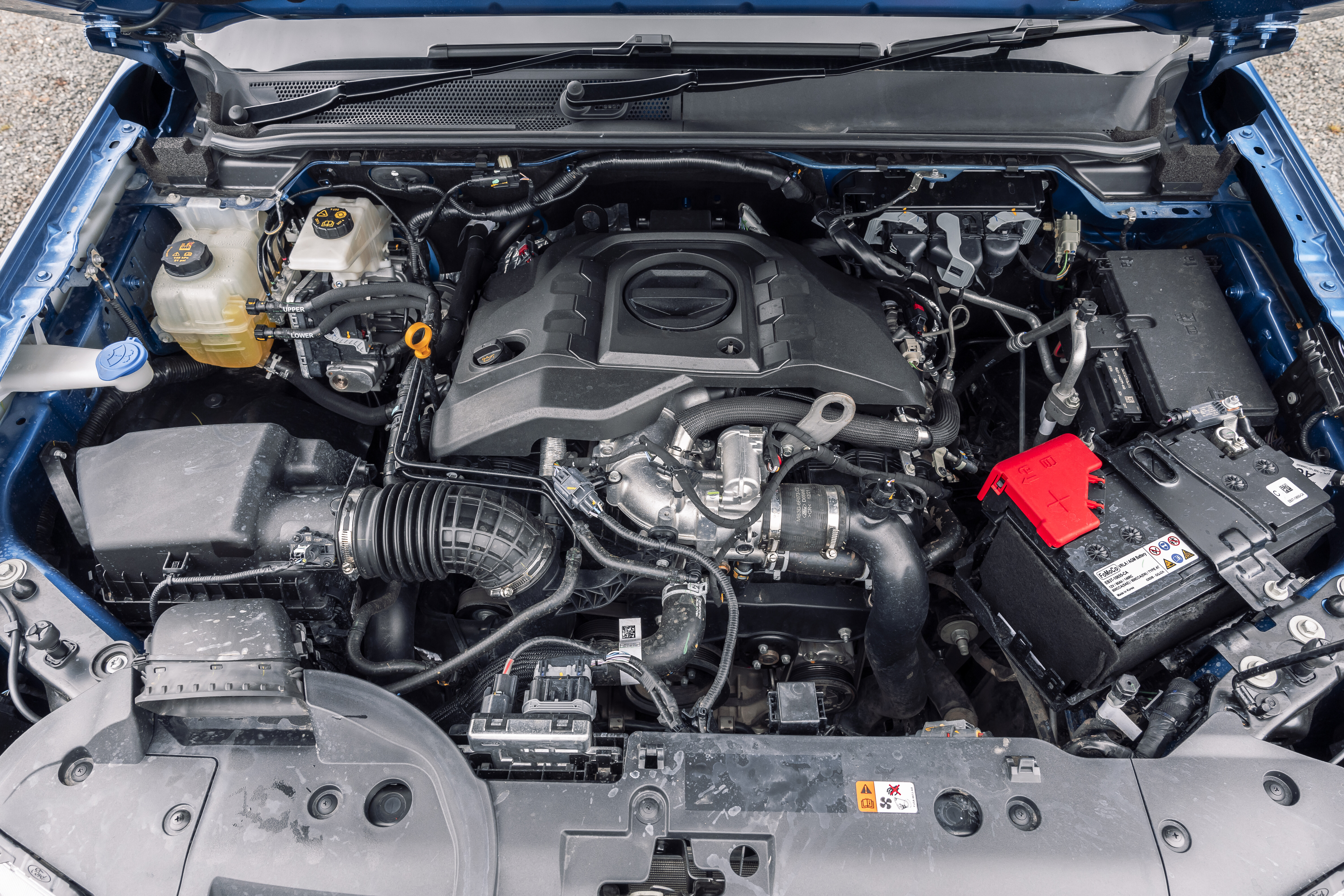
Producing 184kW of power and 600Nm of torque, Ford’s new V6 diesel engine makes the Everest unique in its class as the only vehicle powered by a 6-cylinder engine.
The V6 engine, which has its roots back with Land Rover and Ford Australia’s original SUV, the Territory, delivers seamless torque throughout its rev range and while not earth-shattering in its performance, its smooth, quiet power delivery contributes significantly to the Everest’s high levels of cabin quietness and refinement.
The engine is backed by a 10-speed automatic transmission which has been redeveloped since its introduction in the previous model Everest and Ranger where it was behind the 4-cylinder engine. It’s now smoother and more precise in its shifting and faultless in its performance.
One small gripe we have with the 10-speed is its manual shifting application which is done using thumb buttons on the right-side of the transmission gear selector. These buttons are small and not as tactile or usable as a fore-and-aft movement of the shifter itself or even paddle-type levers behind the steering wheel.
The 4-wheel drive Everest Sport feature a new transfer case that offers 2WD, 4×4 auto, 4×4 locked high range and 4×4 locked low range settings. The previous generation of Everest had an on-demand 4×4 system that didn’t give the driver the option of 2WD.
Actuation of the transfer case is easy via buttons within a dial on the console. Turning the external ring of the dial selects the multi-terrain modes for normal, towing, Eco, Slippery, Mud/Ruts and Sand driving. There’s also a locking rear differential that integrates with the electronic traction control on the front axle.
All these modes and features can also be selected via the off-road display in the huge centre dash screen after pressing the off-road button on the console.
On-road ride and handling
The Everest uses a separate ladder chassis to which the body is mounted. It uses an independent suspension set-up at the front featuring double wishbones and coil springs, while at the back is a live axle suspended on coil springs and a multi-link set-up utilising a Watt’s-link for lateral location of the axle.
It’s a suspension design that has served the Everest well over the previous generation of the model and is made better thanks to the wider wheel track and longer wheelbase of the latest model. This has resulted in improved stability, handling and ride control of the big family wagon.
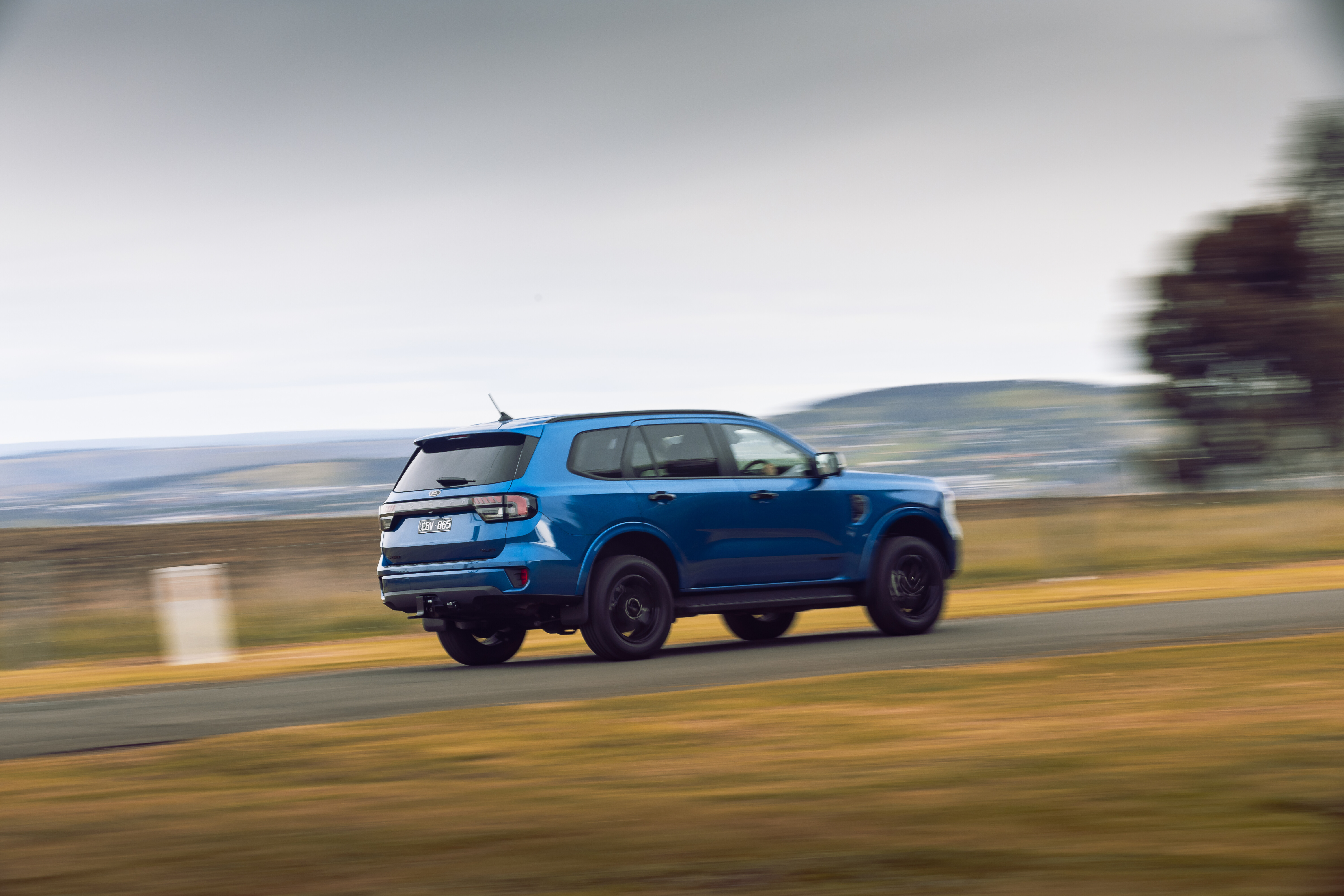
The suspension is exceptionally well-composed when driving over rough ground and doesn’t let potholes and bumps unsettle it, as can be the case with live rear-axle vehicles. For a big wagon, it’s almost a sporting ride that will reward enthusiastic drivers.
The Everest Sport rides on 20-inch alloys as standard, but a no-cost option is the 18-inch wheels and all-terrain tyres as fitted to this test car. The tyres are 255/65R18s.
Off-road
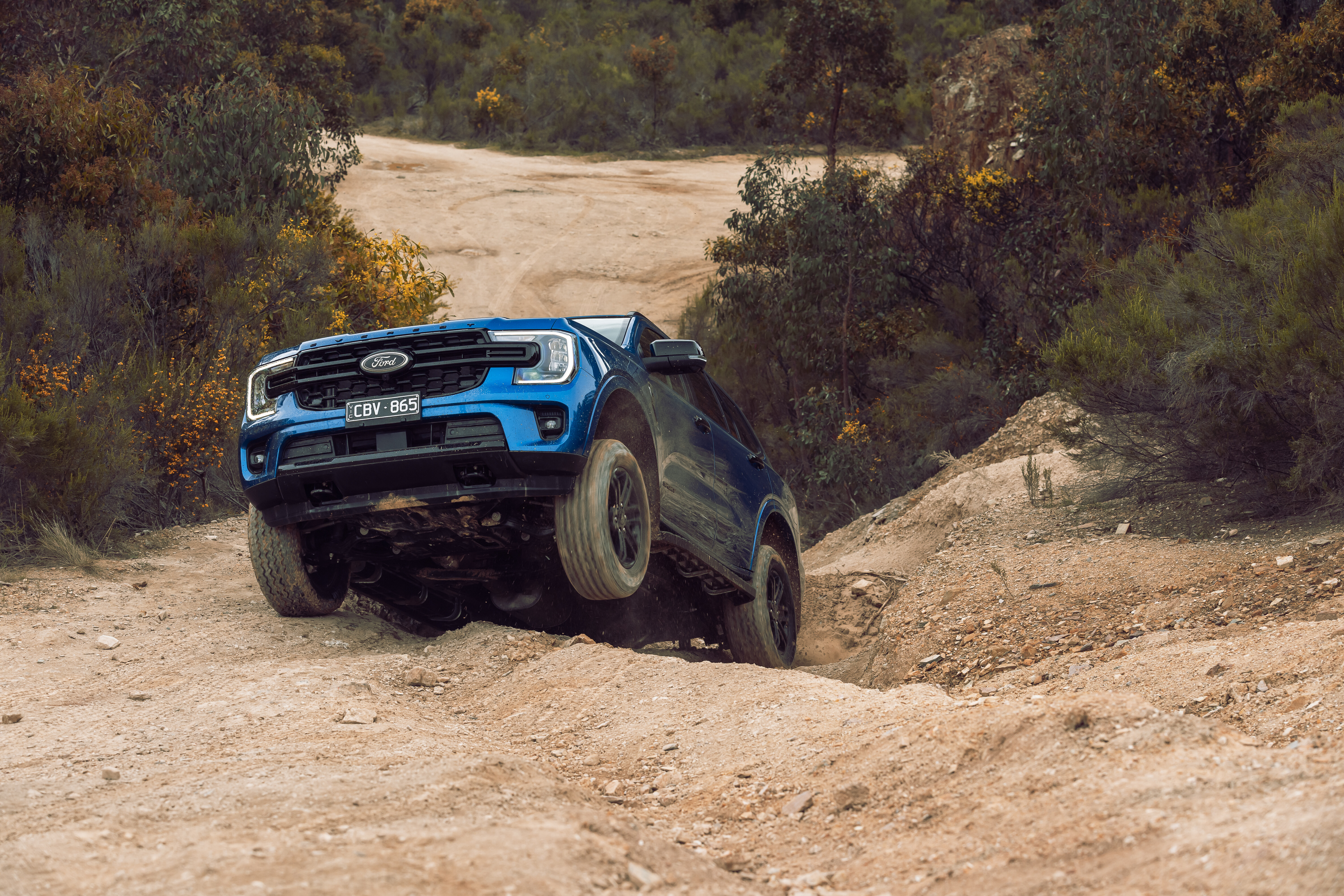
The Everest Sport impressed us when we pointed it at a deep-rutted pinch that we thought might challenge its off-road credentials. The ruts soon have its wheels in the air and panels close to the hillsides, but the Everest’s electronic traction-control made progress easy, both going up and down through the pinch.
The 4×4 Everests have a dual-range transfer case, rear differential lock, electronic traction-control and multi-drive settings that all combine to make the Everest pretty handy off road.
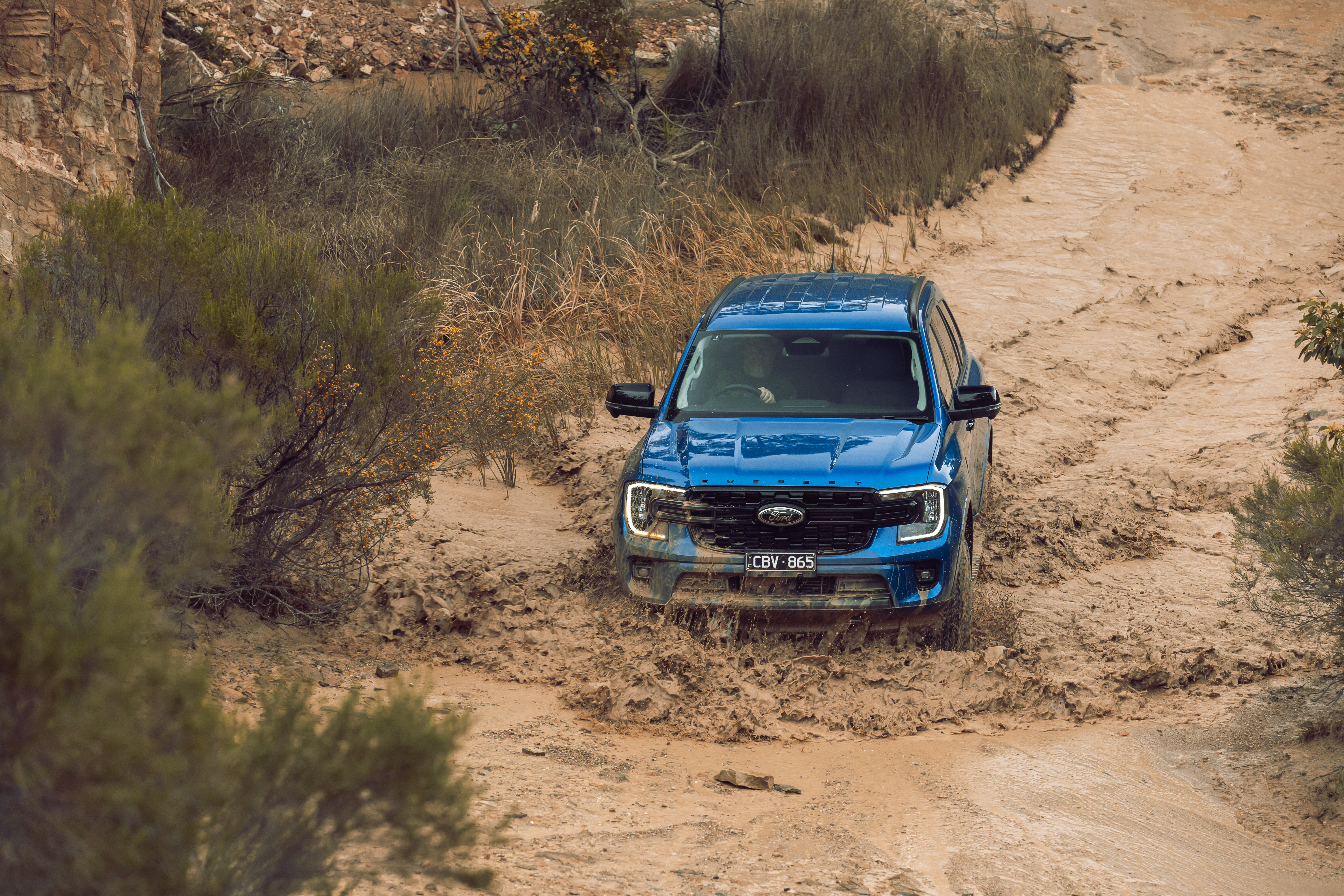
The wider wheel track of these latest T6-based Fords not only makes them more stable at speed but also gives a bit more suspension travel at the tyre to keep them on the ground for best traction.
It’s still not great wheel travel and the Everest picks up wheels easily but the well-calibrated ETC does an excellent job of keeping the car moving. The optional 18-inch alloy wheels and all-terrain tyres fitted to this car no doubt helped and are a better choice than the 20s if you are heading off road.
Interior
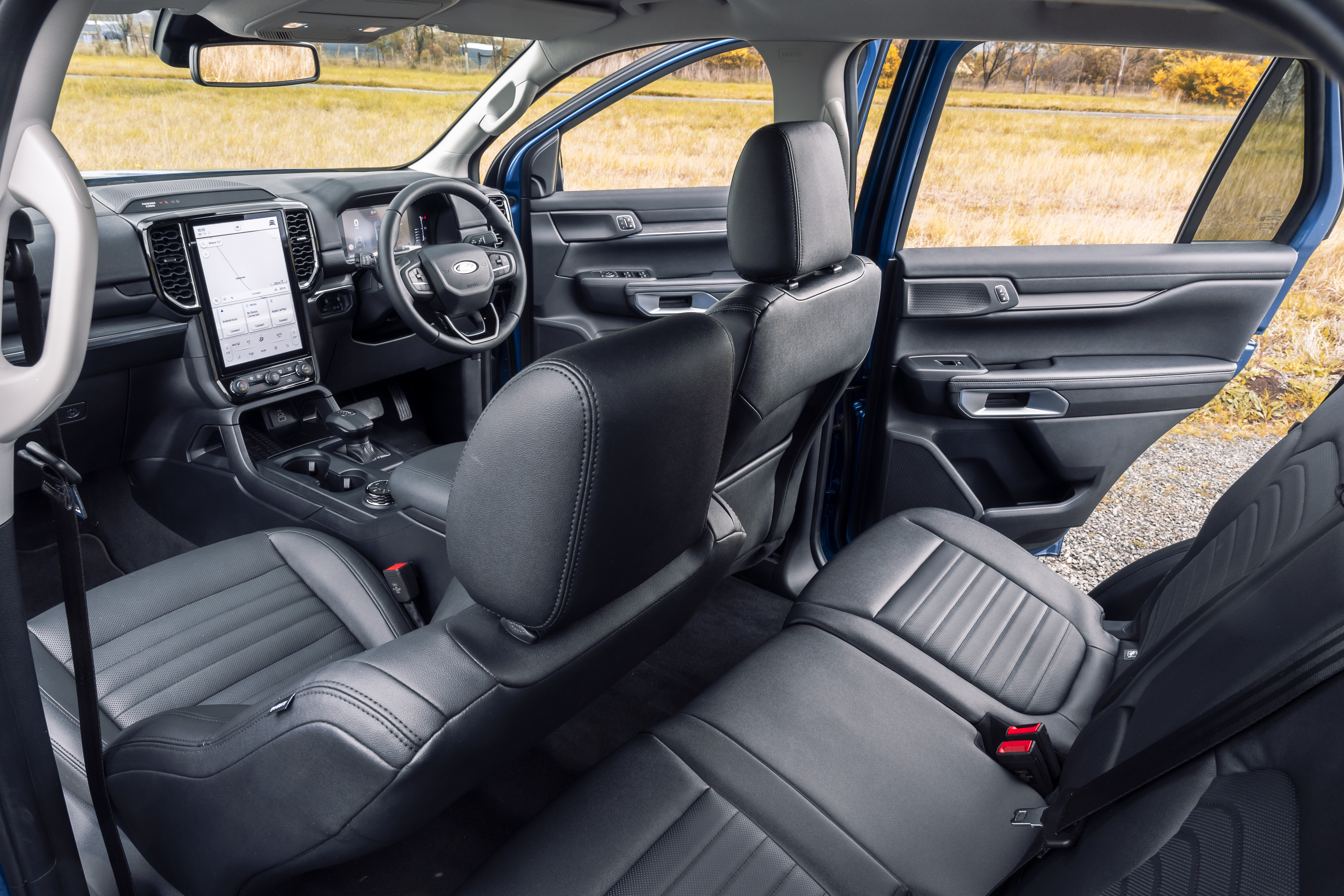
While the Everest Sport gets the black-out treatment on the outside, inside there’s a touch of luxury such as heated and cooled leather seats with powered 8-way adjustment up front, a sliding second row, and split-folding third row. The centre of the dash features a 12-inch screen that includes all your A/V controls, HVAC and Ford Sync 4 functions, while ahead of the driver is an 8-inch configurable digital dash that allows you to set up your gauges and info to how you like to use it.
Wireless Apple CarPlay and Android Auto are also standard as is a wireless phone-charging pad in the console. We did find that the wireless charging made the phone quite hot and preferred to use a cable plugged into the USB port. You also get more reliable CarPlay connection when using a cable.
Safety-wise, there is AEB, side airbags that extend through to the third-row occupants, a centre airbag between the driver and front seat passenger, lane-keeping assist that has road side detection so that it doesn’t rely on the white lines, blind-spot indicators, reversing emergency brake, post impact braking, trailer-sway control, 360° camera, and radar cruise control. The blind-spot indicators work with the Sync 4 trailer set-up to take into account the length of your trailer and adjust the range it works over.
Unfortunately, Ford only sees fit to include the tyre-pressure monitoring system (TPMS) as standard on the Platinum Everest, so its not available on the Sport.
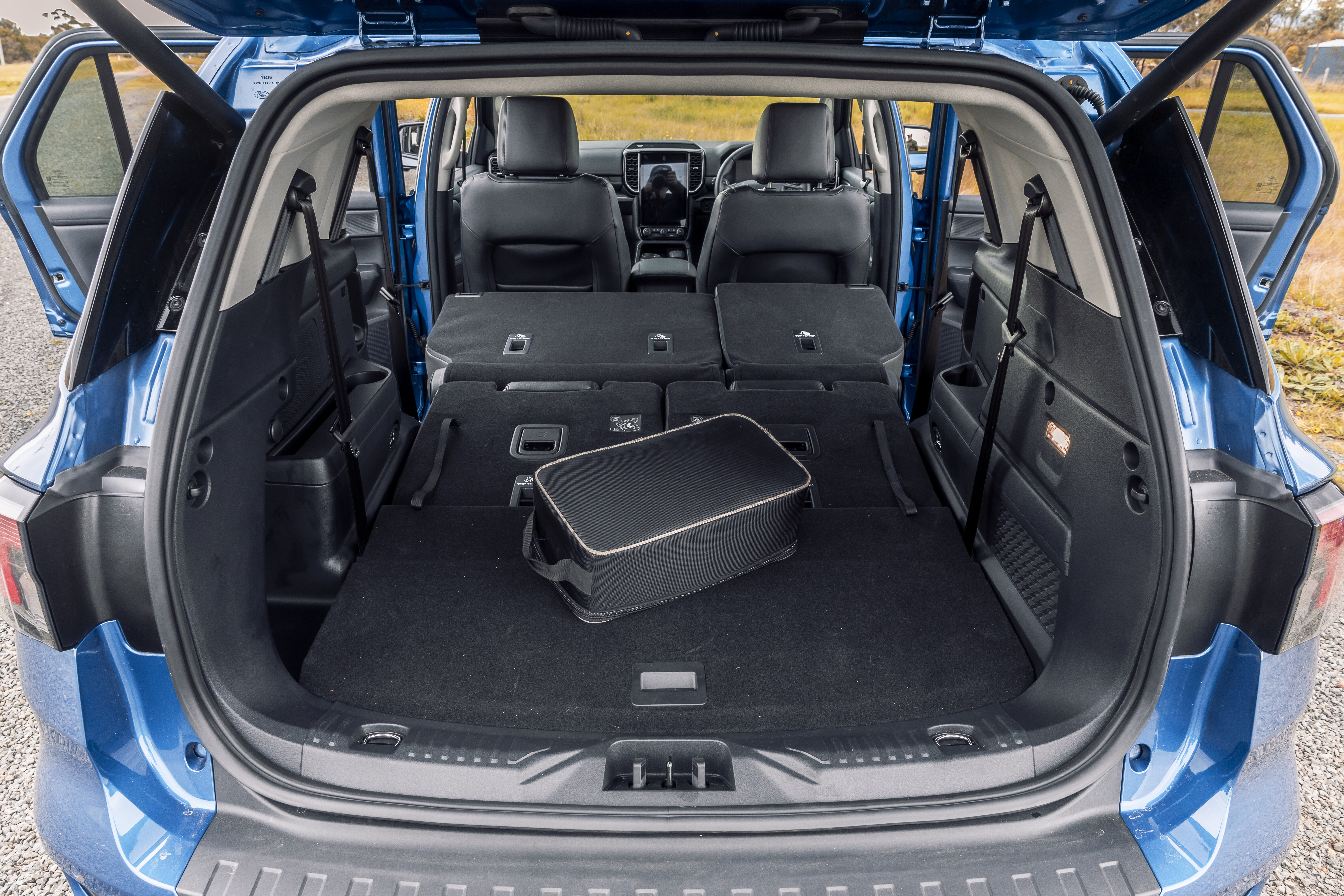
There’s plenty of room for front-seat passengers, while room is adequate for two adults or three kids in the second row. The third-row seat is surprisingly accessible for an adult, but a tight squeeze once you’re in there. They fold flat into the floor when not in use to give a large, long cargo space with a 12V power outlet back there.
Ford quotes the capacity behind the second row of seats to be 898-litres with 259-litres left with the third-row upright and in place. The Everest Sport has a powered tailgate. The steering column is manually adjustable for both reach and height.
Practicalities
The Sport, like all 4×4 Everest 4×4 models has a 3500kg towing capacity, a 6250kg GCM and a 696kg payload. It offers a good balance of standard equipment and payload capacity but like all 4×4 wagons, it’s something you need to keep in mind if you are fitting accessories and carrying passengers. You don’t want to exceed the 3150kg GVM.
Being closely related to the Ranger ute, there is an abundance of accessories available to allow the owner to build the Everest to suit his or her needs. These come from both Ford and the aftermarket, and also include Ford’s partnership with ARB to offer ARB accessories that are covered by the factory Ford warranty, provided they were ordered at the time of vehicle purchase.
Verdict
Ford has delivered a vehicle that should surpass everything else in its class in terms of performance, refinement, safety and features. The fact that this is a new model in a class of aging competitors plays a big part in that, but the Everest is a big step up from anything before it.
The inclusion of the V6 diesel engine makes the Everest unique in this category and is the major contributor to its refinement both on and off road. The extra money for the V6 engine over the bi-turbo 4-cylinder engine is money well-spent, as it takes the Everest to a higher level of driving, one that you’re otherwise paying $100K or more to be in.
4X4 Australia's project builds
2023 Ford Everest Sport specs
| Price | $69,090 |
| Engine | V6 turbo diesel |
| Capacity | 2993cc |
| Max Power | 184kW at 3750rpm |
| Max Torque | 600Nm at 1750 to 2250rpm |
| Transmission | 10-speed automatic |
| 4×4 system | 2WD, 4×4 auto, 4×4 high range, 4×4 low range |
| Crawl ratio | N/A |
| Construction | Body-on-frame 5-door wagon |
| Front suspension | Double wishbone IFS |
| Rear suspension | Live axle, coil springs, multi-links, Wattu2019s link |
| Tyres | 275/45R21 |
| Weight | 2492kg (kerb) |
| GVM | 3150kg |
| GCM | 6250kg |
| Towing capacity | 3500kg |
| Payload | 696kg |
| Seats | 7 |
| Fuel Tank | 80L |
| ADR fuel use | 8.5L/100km |
| On-test fuel use | 11.1L/100km |
| Approach angle | 30.2u00b0 |
| Rampover angle | 21.9u00b0 |
| Departure angle | 23u00b0 |
| Ground clearance | 226mm |
| Wading depth | 800mm |