
Snapshot
- Prices for LC300 start at $89,990
- GR Sport lands from $137,790
- Range-topping Sahara ZX begins at $138,790
Toyota has confirmed the price and specifications of the Australian-delivered LandCruiser 300 Series ahead of its arrival later this year.
After the vehicle’s initial unveiling at the beginning of June, Toyota remained tight-lipped surrounding exactly which trim levels would come to the local market, only confirming Australian models would exclusively be powered by the new 3.3-litre V6 diesel engine, replacing the outgoing V8.
Although it was first believed there would only be five variants to arrive Down Under, Toyota has added a sixth trim to the LC300 range, now topped by the Sahara ZX which is placed just above the highly-anticipated GR Sport.
UPDATE, October 14 2021: The LC300 has now made its proper Australian debut, and you can read and watch our full first-drive review here.
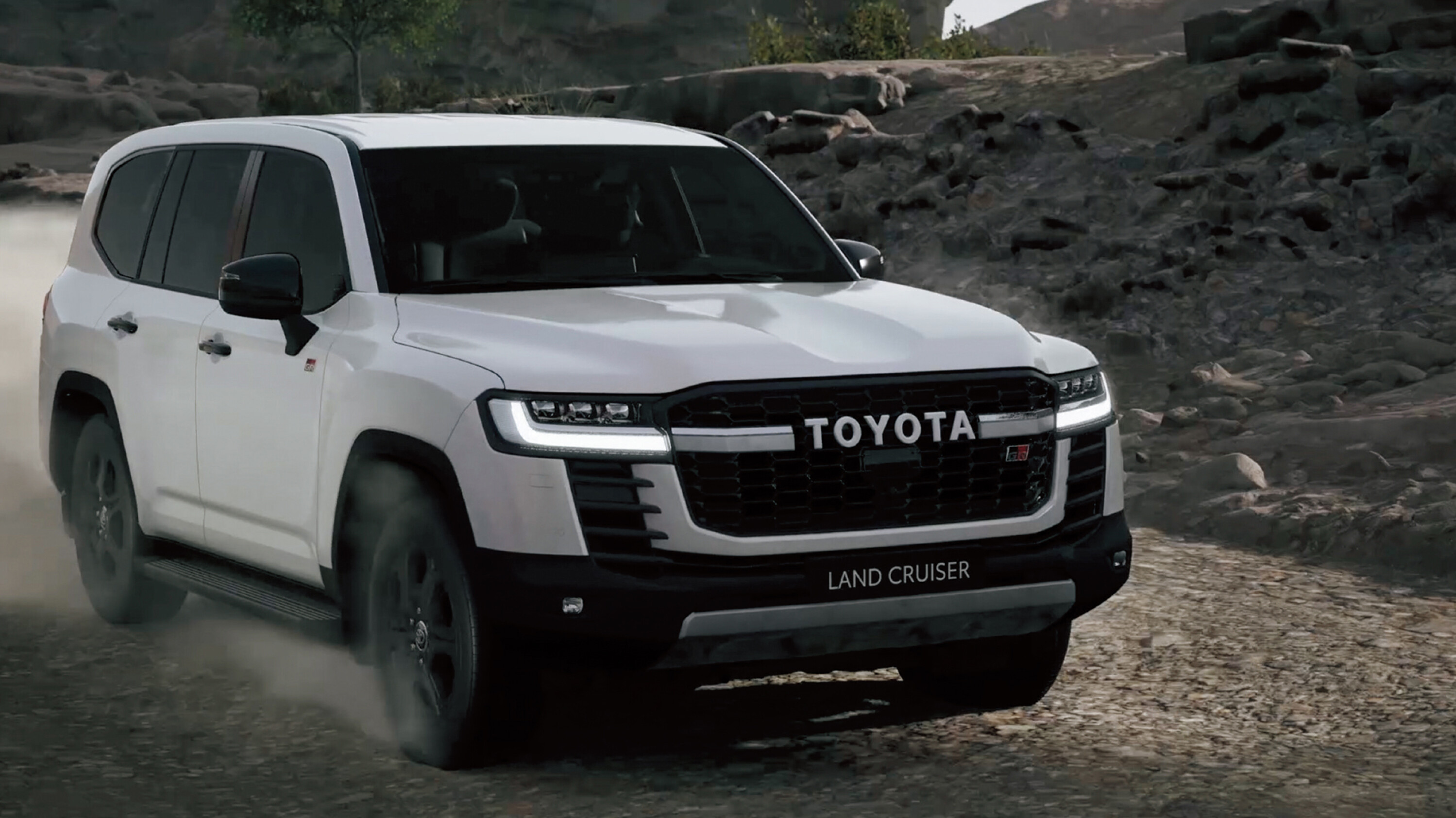
2022 Toyota LandCruiser 300 pricing for Australia
All new LandCruiser 300 variants have undergone a price increase over the outgoing 200 Series, ranging from just over $9000 in the case of the GX to around $10,000 for the VX.
Of the six trim levels available, three are offered with five seats (GX, GR Sport, Sahara ZX) as the remaining three are fitted with seven seats as standard (GXL, VX, Sahara).
| GX | $89,990 |
| GXL | $101,790 |
| VX | $113,990 |
| SAHARA | $131,190 |
| GR SPORT | $137,790 |
| SAHARA ZX | $138,790 |
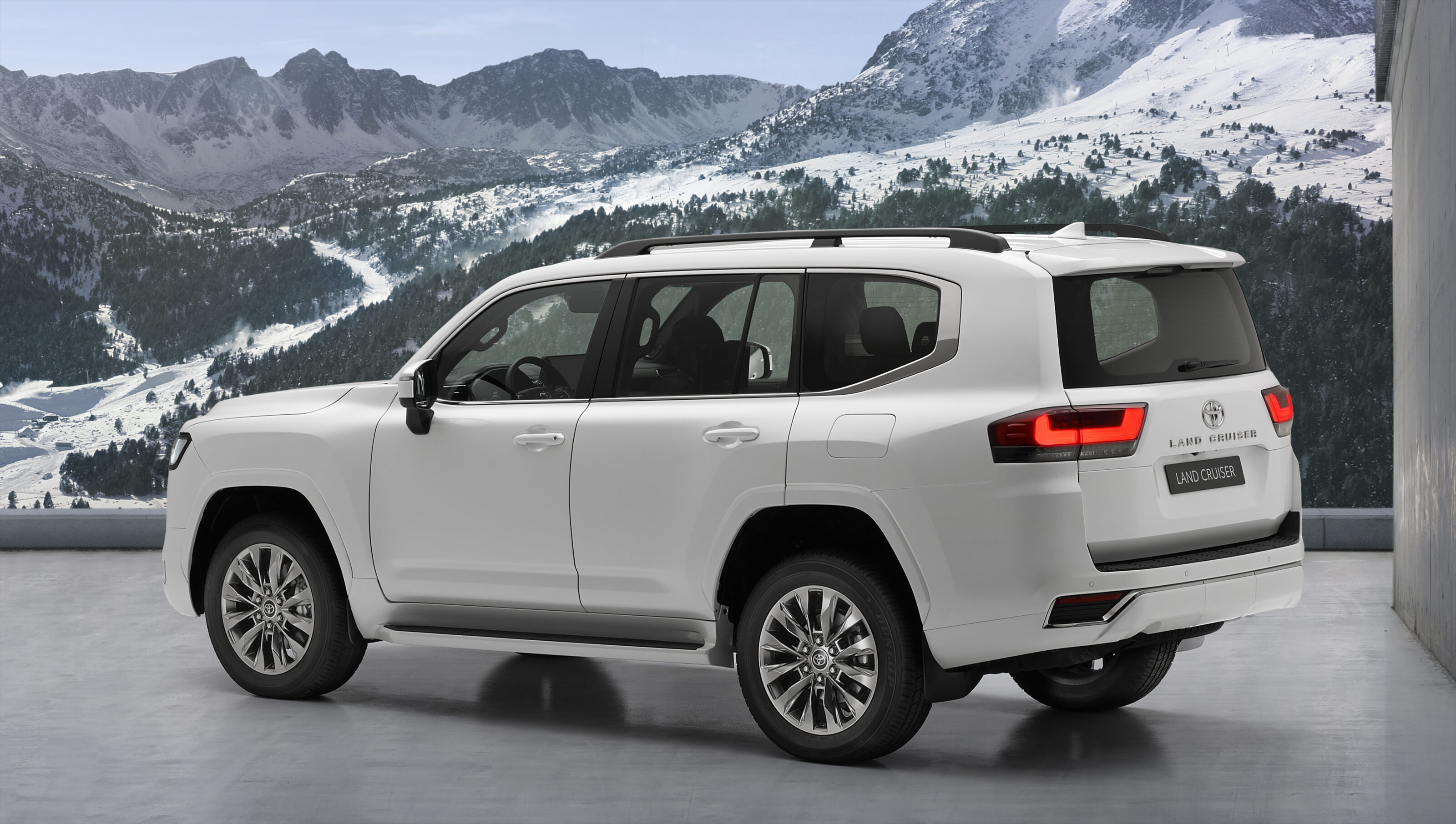
Features
Starting off with the entry-level GX, the base model includes as standard:
| 17-inch wheels |
| LED headlights with auto high beam |
| Single-piece tailgate |
| 9-inch infotainment touchscreen with smartphone integration |
| Apple CarPlay/Android Auto |
| Keyless entry and ignition |
| Dual-zone automatic air-conditioning |
| Single-touch power windows |
| Autonomous emergency braking |
| Adaptive cruise control |
| Lane assist |
| Toyota Connected Services automatic traffic collision notification, SOS and stolen vehicle tracking |
Moving up to the GXL, the larger capacity trim gains:
| 18-inch wheels |
| Rear cross-traffic alert |
| Blind-spot monitor |
| Auto-dimming rear view mirror |
| Qi wireless phone charger |
| Multi-terrain select |
Next, the VX, another seven-seater but with more kit on top of the GXL, including:
| 12.3-inch touchscreen |
| 10 speaker audio system |
| 7-inch multi-info display within the instrument cluster |
| Quad-zone automatic climate control |
| Remote power windows |
| Power-adjustable steering wheel |
| Heated and ventilated front seats |
| Rear parking support brake |
| Panoramic view monitor |
| Vehicle Dynamics Integrated Management. |
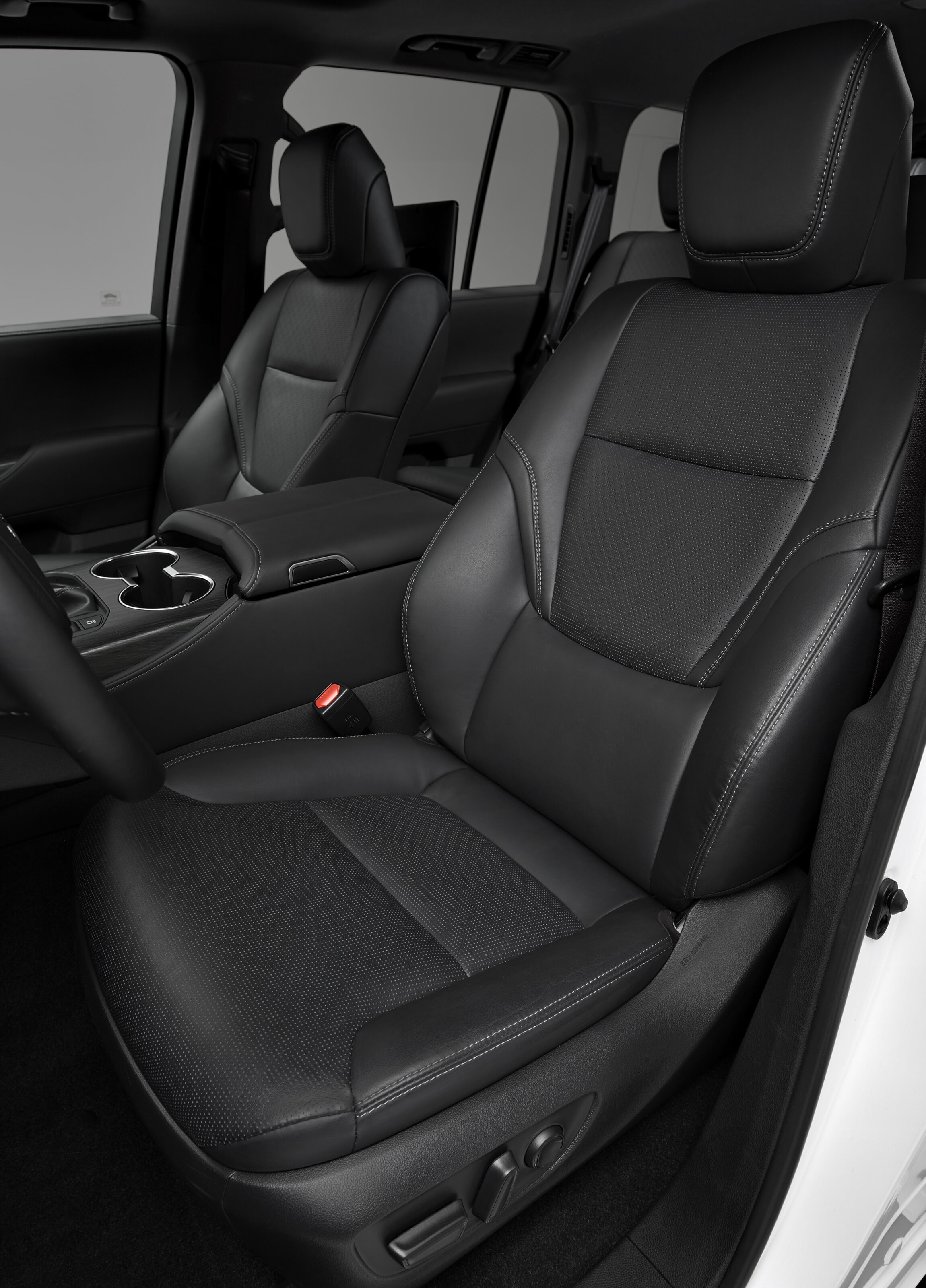
The former range-topping Sahara has given up its title as the highest-price variant in the range but still features some impressive kit such as:
| 14-speaker JBL premium audio system |
| Head-up display |
| Heated steering wheel |
| Ventilation for second-row seats |
| Power folding third-row seats |
The GR Sport takes a different approach to the LandCruiser experience, developed to take on the Dakar Rally but not skimping on features, adding:
| Honeycomb black grille with Toyota lettering |
| GR Sport badges on the grille, doors, tailgate, steering wheel, front-seat headrests and ignition button |
| Black 18-inch wheels |
| Black wheel arches, side steps, door handles, mirror and window trims |
| Unpainted front and rear bumpers |
| Black leather seats with carbon or red highlights |
| Toyota e-KDSS (electronic Kinetic Dynamic Suspension System) |
Finally, the five-seat Sahara ZX, intended to be the premium offering, has:
| 20-inch wheels |
| Sahara ZX-specific front bumper and chrome rear bumper |
| Body-coloured wheel arches |
| Illuminated side steps |
| Front scuff plates |
| Rear mudguards |
| Unique sleek headlights and taillights |
| Chrome grille |
| Remodelled tailgate |
| Four heated and ventilated seats |
| Hands-free tailgate with kick sensor |
| Torque-sensing limited-slip rear differential |
Engine, drivetrain and fuel economy
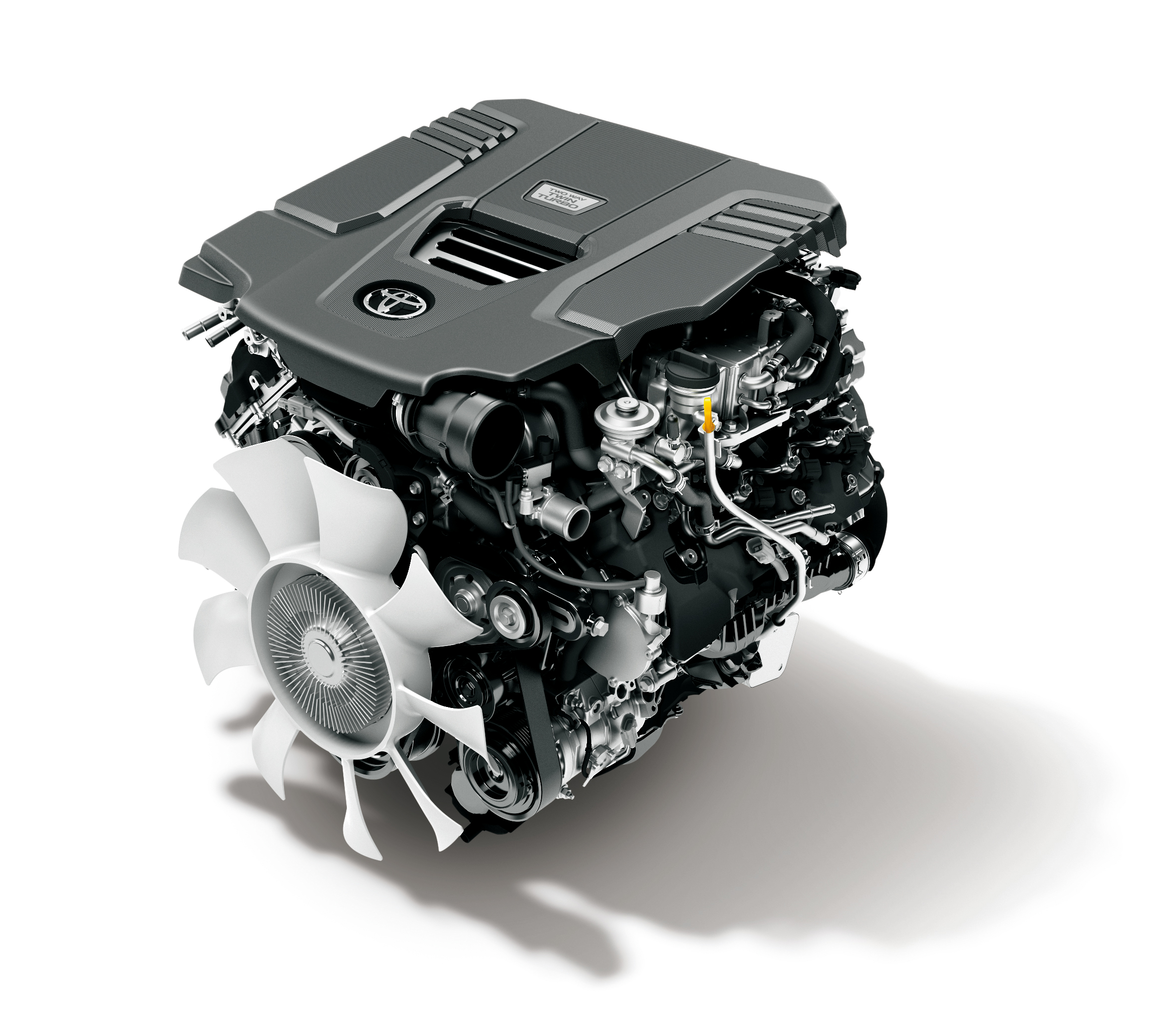
Featuring Toyota’s new F33A-FTV donk, the LandCruiser drops the 4.5-litre, twin-turbo V8 diesel in favour of a 3.3-litre, twin-turbo V6 diesel unit, producing 227kW of power and 700Nm of torque, a 27kW/50Nm increase over the outgoing engine.
Fuel economy has also improved over the 200 Series, dropping from a combined 9.5L/100km to 8.9L/100km, due in part to the LC300’s ten-speed automatic gearbox which features four more ratios over the LC200’s six-speed.
Power is sent to all four wheels through Toyota’s AWD Integrated Management system, linking the steering assist, brake and throttle control, transmission and drive torque distribution to optimise power delivery and overall handling.
The GX, GXL, VX and Sahara feature centre differential lock, with the Sahara ZX gaining the aforementioned torque-sensing rear LSD – although the GR Sport has the most comprehensive system, with front, centre and rear diff lock thanks to solenoid actuators.
Dimensions
The LC300’s dimensions vary depending on spec, with the GR Sport tipping the scales as the heaviest variant of the six available.
| u00a0 | Length (mm) | Width (mm) | Height (mm) | Wheelbase (mm) | Tare Mass (kg) |
|---|---|---|---|---|---|
| GX | 4980 | 2000 (w/snorkel) | 1950 | 2850 | 2410 |
| GXL | 4980 | 1980 | 1950 | 2850 | 2545 |
| VX | 4980 | 1980 | 1950 | 2850 | 2525 |
| Sahara | 4980 | 1980 | 1950 | 2850 | 2495 |
| Sahara ZX | 5015 | 1980 | 1950 | 2850 | 2570 |
| GR Sport | 4995 | 1990 | 1950 | 2850 | 2580 |
Gross vehicle mass for the range is reduced to 3280kg from the LC200’s 3350kg, while towing capacity remains the same, standing at 3500 braked and 750kg unbraked.
Availability
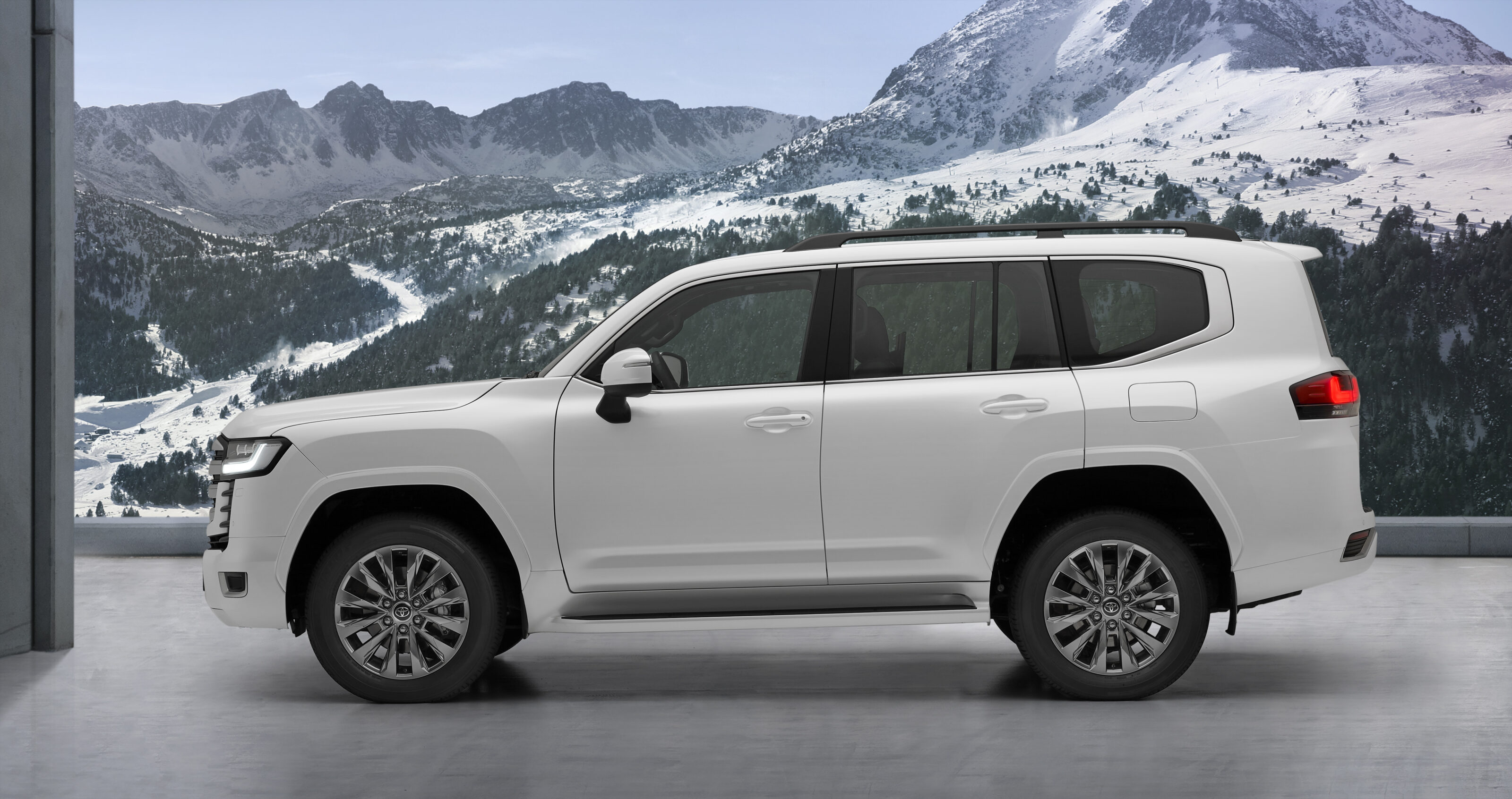
The LandCruiser 300 Series is currently available to order with deliveries expected to begin towards the end of 2021.
As with the rest of Toyota’s range, the LC300 will be covered by a five-year/unlimited-kilometre warranty.
Snapshot
- Hilux with slender sales lead in July
- Ranger still leads on the YTD charts
- Budget boomers
The Toyota Hilux has outsold the Ford Ranger on the 4×4 charts in July, with 4×4 vehicles continuing to sell well on the Australian market.
Despite the lingering presence of COVID-19 across the country, sales of new 4×4 vehicles continues its steady incline, with 16,147 4×4 vehicles sold in July 2021.
With 11,069 4×4 units sold in July 2020, this represents an increase of 20.6 per cent month-to-month. This is indicative of the YTD trend, where 117,744 units have been sold so far in 2021 compared to 86,838 at the same time last year.
On the overall Light Commercial Vehicles (LCV) charts, 20,994 units sold in July 2021 compared to 14,898 in July 2020 – and 154,501 units have been sold YTD compared to 115,512 in 2020.
This represents an increase of 40.9 per cent month-to-month and 33.8 per cent YTD.
“The Light Commercial segment increased by 40.9 per cent on July last year while SUV sales are up by 15 per cent. We are also seeing the trend of restocking in the rental segment, with growth of 231.4 per cent reflecting the increasing demand for local tourism and travel,” said FCAI’s Chief Executive, Tony Weber.
Total LCV sales for the month comprise of 6837 private sales, 12,423 business sales, 968 government sales and 766 rental sales.
Diesel still dominates the LCV market, accounting for 19,628 sales. 1362 petrol-powered LCVs were sold, and four electric LCVs.
A total of 3790 Hilux 4x4s were sold in July 2021, giving it a slender lead over its arch rival (Ranger; 3683 sales) on the monthly charts. The Prado continues to be Australia’s favourite off-road wagon, shifting 2251 units for the month.
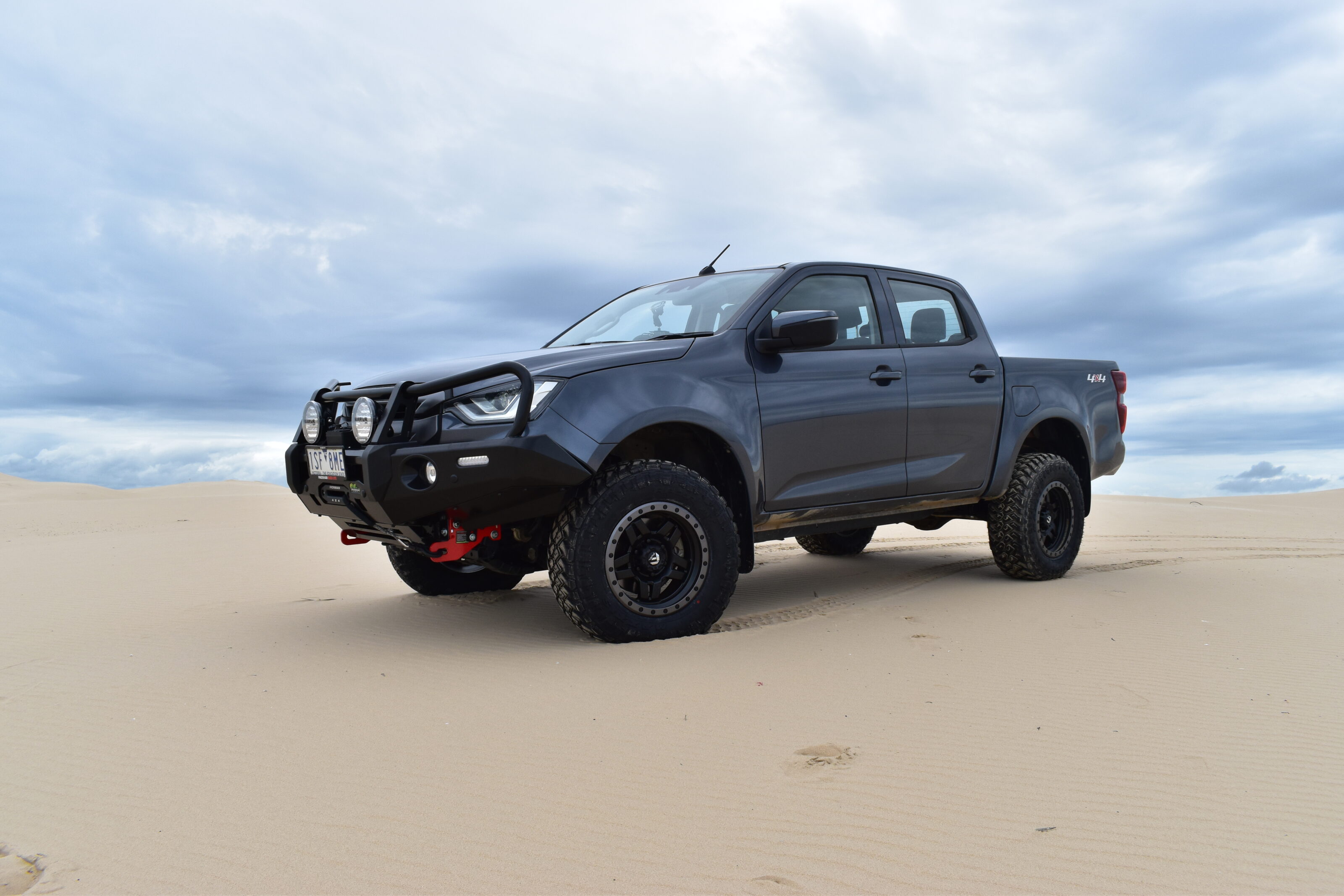
The new D-MAX continues to truck along, netting 1795 sales. This once again puts it in the top three selling dual cabs, behind the Hilux and Ranger. And with the arrival of the all-new MU-X in August, it’ll be interesting to follow sales of the Japanese marque in the back end of 2021.
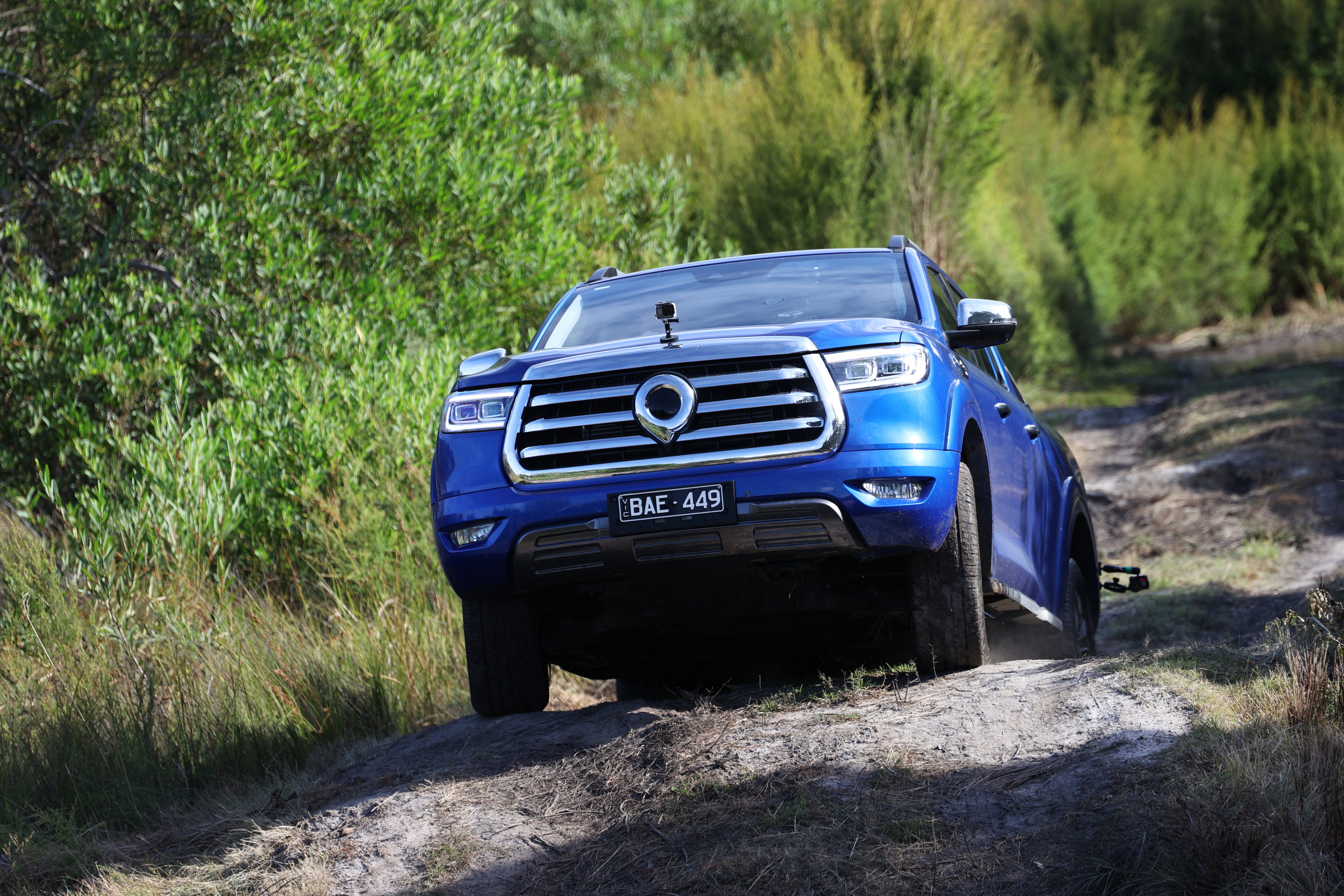
Sales also boomed at the budget end of the 4×4 market, with both the LDV T60 and SsangYong Musso recording considerable spikes in July. LDV sold 647 T60 vehicles (+48.1 per cent month-to-month) and Ssangyong sold 157 Musso/Musso XLV models (+41.4 per cent month-to-month). GWM sold an impressive 762 Ute units in its first month on the charts.
4X4 SALES: JULY 2021
| 1 | Toyota Hilux | 3790 |
| 2 | Ford Ranger | 3683 |
| 3 | Toyota Prado | 2251 |
| 4 | Isuzu D-MAX | 1795 |
| 5 | Mitsubishi Triton | 1290 |
| 6 | Toyota LC79 | 984 |
| 7 | Nissan Navara | 983 |
| 8 | Mazda BT-50 | 977 |
| 9 | Isuzu MU-X | 976 |
| 10 | Ford Everest | 772 |
Snapshot
- Six variants confirmed to land locally
- All LC300 trims to be powered by V6TT diesel
- Five and seven-seat options available
The new Toyota LandCruiser 300 Series has been officially homologated for Australia ahead of the model’s release later this year, with the Japanese manufacturer receiving Government clearance to sell its latest off-roader.
Officially unveiled in June, the LC300s will be exclusively powered by the new F33A-FTV 3.3-litre, twin-turbo V6 diesel engine which produces 227kW and 700Nm, mated to a ten-speed automatic transmission which sends power to all four wheels.
While international models will wear SX, ZX and VX-R badging, it is likely the Australian arrivals will adopt the existing GX, GXL, VX and Sahara names, with the GR Sport and Sahara ZX expected to arrive as the model’s range-topping variants.
UPDATE, October 14 2021: The LC300 has now made its proper Australian debut, and you can read and watch our full first-drive review here.
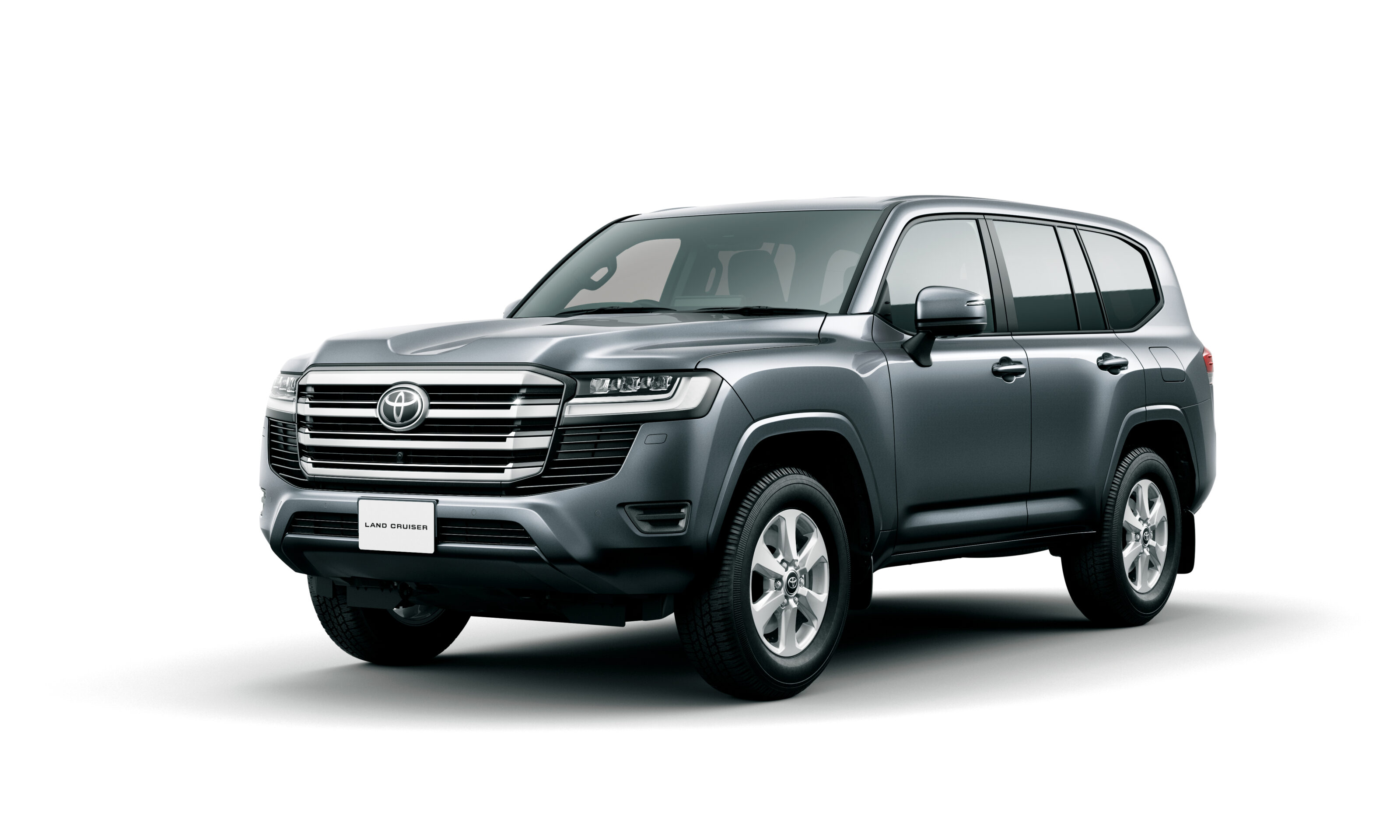
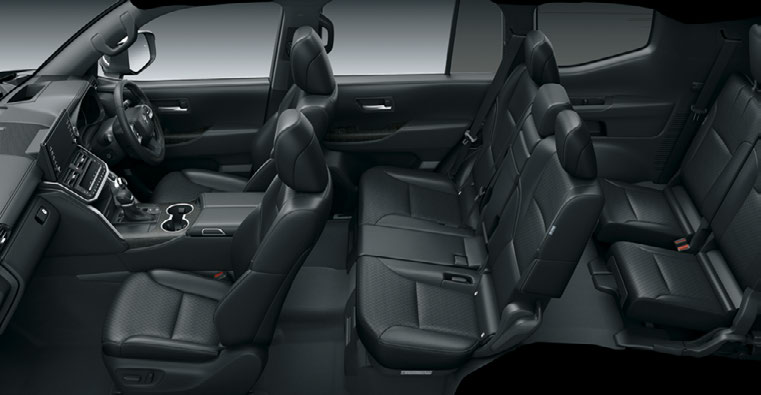
Government documentation shows six variants have been homologated for local release, with at three of the trims to be offered as seven-seat options as the remaining three are only available as five-seaters.
Below is a breakdown of the six variants and their potential names.
| u00a0 | Length (mm) | Width (mm) | Height (mm) | Wheelbase (mm) | Tare Mass (kg) |
|---|---|---|---|---|---|
| GX | 4980 | 2000 (w/snorkel) | 1950 | 2850 | 2410 |
| GXL | 4980 | 1980 | 1950 | 2850 | 2545 |
| VX | 4980 | 1980 | 1950 | 2850 | 2525 |
| Sahara | 4980 | 1980 | 1950 | 2850 | 2495 |
| Sahara ZX | 5015 | 1980 | 1950 | 2850 | 2570 |
| GR Sport | 4995 | 1990 | 1950 | 2850 | 2580 |
The entry-level GX is set to ride on 17-inch wheels with 245/75 tyres, stepping up to 18-inch alloys and 265/65 rubber on the GXL, VX, Sahara and GR Sport while the Sahara ZX gains 20-inch wheels, shod in 265/55s.
Toyota has also confirmed international versions of the LC300 will feature an engine start button with a fingerprint sensor, only turning on the vehicle if the finger used is registered to the vehicle.
Having recently celebrated 70 years of LandCruiser, Toyota announced it will also be producing limited edition 70 Series models to mark the occasion, based on the single cab, dual cab and wagon body shapes.
Snapshot
- Toyota to start reproducing parts for 40 series
- Parts include engines, drivelines and exhaust
- Available from early 2022
Toyota is set to expand its GR Heritage Parts Program, with its Gazoo Racing performance wing announcing it is to remanufacture parts for the LandCruiser 40 series.
The move forms part of Toyota’s celebration of the LandCruiser’s 70th birthday, which also includes some special editions of the 70 series LandCruiser announced earlier this week.
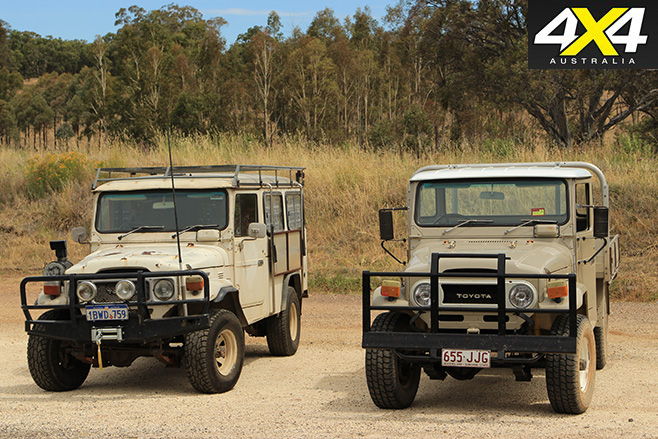
At this stage there is no exact parts list of what will be reproduced, but in its statement, Toyota said the program will include “engines, drivelines, and exhaust systems.”
According to the carmaker, parts sold will be “related to the critical functions of driving, turning, and braking for the 40 Series LandCruiser.”
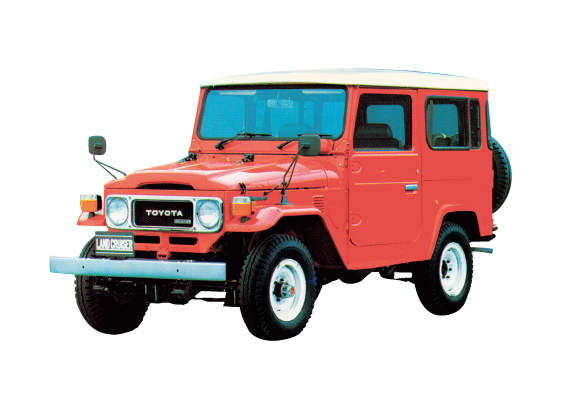
Toyota expects the parts will be available from the beginning of 2022, with the company preparing a questionnaire whereby LandCruiser owners can submit their wish-list of the reproduction parts they’d like to see made available.
Toyota said “this feedback will be used in the selection of the next parts to be reproduced.”
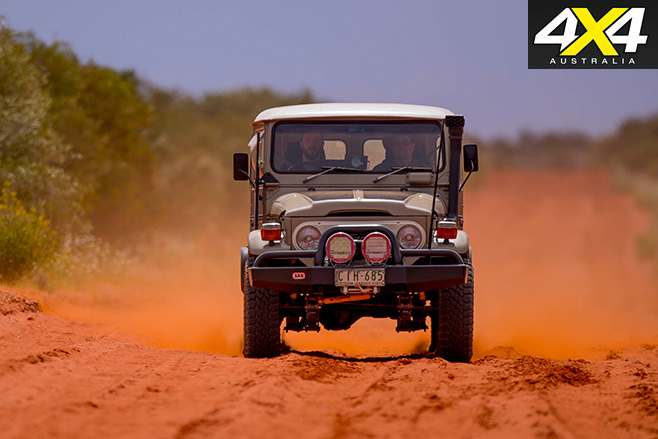
Owners of later-model LandCruisers won’t need be left out either, as Toyota states: “In addition to the 40 Series, the company intends to discuss reproduction of parts for later generations of the model.”
The 40 series LandCruiser will be the fourth car to have parts reproduced by Toyota, the company already remaking parts for the A70 and A80 Supra along with the highly valuable 2000 GT.
Toyota may just have saved best until last.
The first official details on the new 300 Series LandCruiser have been announced and it’s coming with a brand-new high-tech 3.3-litre V6 diesel that, on paper at least, makes any previous diesel engine Toyota has produced look decidedly underwhelming. And that even applies to the recently updated 2.8-litre four in the Hilux and Prado. This new engine will also be backed by a 10-speed automatic, again a very significant leap forward.
To invest this heavily into new diesel technology when seemingly the vultures are already circling over the carcass of the internal-combustion engine, is a stunning move by Toyota and challenges any suggestion that the diesel engine (or the petrol engine for that matter) won’t have a future beyond this decade. And no doubt electric-vehicle zealots will see this investment in new diesel technology akin to building a new coal-fired power station, but best not tell them …
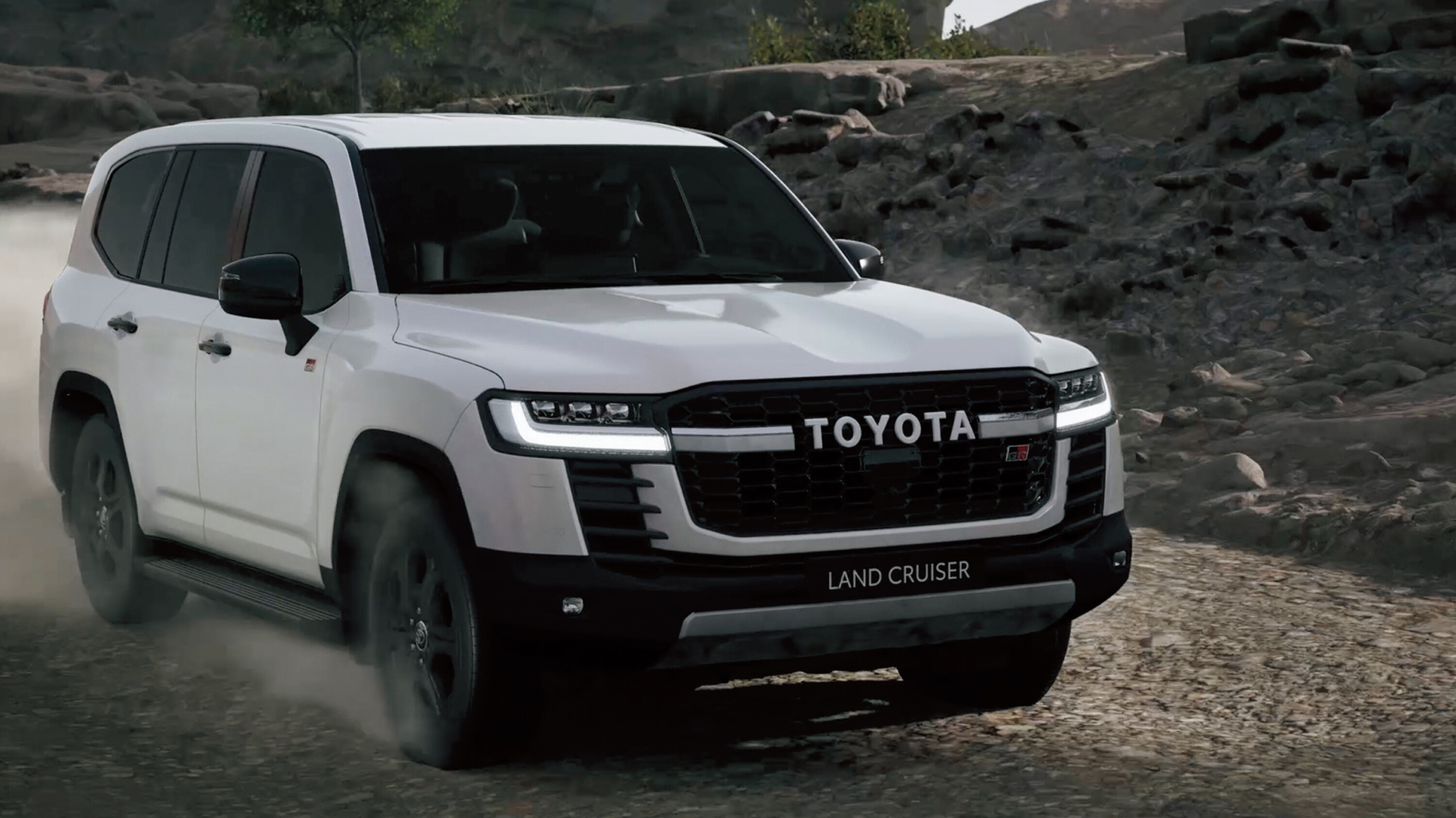
There was, of course, much speculation that the 300 wouldn’t even be offered with a diesel engine but with a petrol-electric hybrid powertrain, which is still likely to happen sometime down the track. For mine, I was convinced Toyota would revise the 4.5-litre V8 twin-turbo diesel and carry that over … perhaps not make it Euro 6 emissions standard-compliant but at least Euro 6-ready, as is the case with Toyota’s current 2.8.
Of course, Toyota could have carried over the 200’s diesel V8 without upgrading any of its emissions technology, as Euro 5 compliance is all that is required currently given the introduction of Euro 6 in Australia is only flagged for 2027.
The case for the 200’s V8 being carried to the 300 was further strengthened by the fact that in the recent evolution of the LandCruiser, Toyota’s general practice with both diesel and petrol engines is to have them span more than one LandCruiser generation.
So for the 4.5 V8 (in twin-turbo form at least) to come and go in one generation, the 200, is a notable departure from previous Toyota practice. (Note the 4.5-litre V8 engine in single-turbo form will continue in the 70 Series for the time being)
“For the 4.5 V8 (in twin-turbo form) to come and go in one generation is a notable departure from previous Toyota practice”
The fact that the 300 has been such a long time coming (arriving some four years after expectations) may in part explain this entirely new engine. At the same time it’s probably fair to say the 4.5 V8 isn’t the best diesel Toyota has ever made, with problems early on with oil consumption (especially with the 70 Series’ single-turbo version), gearbox shift protocol matching, and somewhat indifferent fuel consumption and refinement.
The refinement issue is important here as Toyota sees the LandCruiser as very much a premium product (not just as a tough 4×4) as witnessed by the fact that it benchmarked 300 Series prototypes against the Range Rover and Range Rover Sport here in Australia during its development.
The new 3.3-litre V6 diesel will make 227kW and 700Nm. To put that in to perspective and to show unequivocally what a huge step forward this is, if the current Hilux/Prado 2.8 was tuned to the same specific power and torque outputs it would make around 193kW and 594Nm instead of 150kW and 500Nm. And if the 4.5 V8 in the 200 was tuned to this level it would make 309kW and 954Nm instead of 200kW and 650Nm.
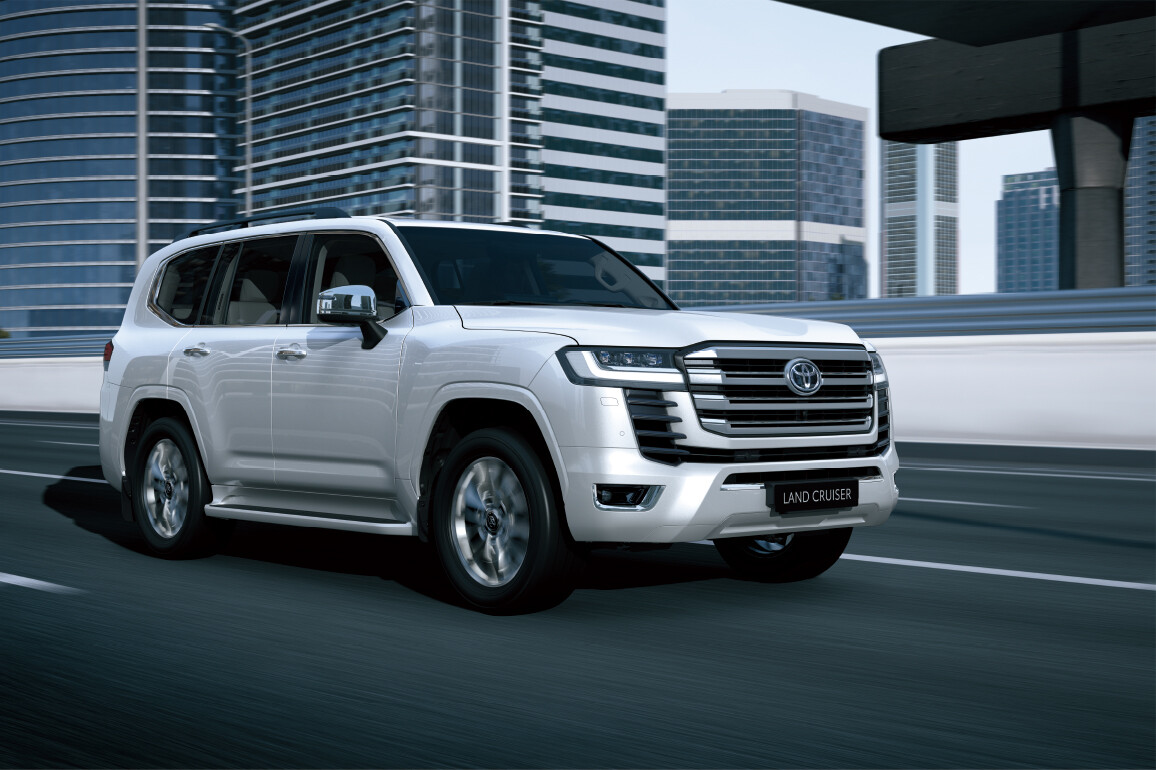
Not only is this new engine Toyota’s first diesel V6 but it’s also very much an adoption of European diesel technology, as the Europeans, especially the Germans, have been producing diesels with very high-specific power output for a good time now.
Some 20 years ago I was in Japan on Toyota’s invitation test-driving a prototype 120 Series Prado. At the time BMW had just released its first generation X5 with its in-line 3.0-litre six-cylinder diesel that made a stunning (for the time) 135kW, some 40 per cent more power than the same capacity diesel in the 120 Series Prado that made 96kW.
When I asked LandCruiser Prado chief engineer Kunihiro Hoshi at the time if he had driven the X5 diesel he said, “Yes, we bought one to try.” When I asked if Toyota would entertain similar new diesel technology he said, “Yes, we are looking.” Seems they did.
Snapshot
- To be based on GXL model
- Single-cab 79 pick-up, double-cab 79 pick-up and 76 Series wagon variants
- Priced from $78,500
Toyota Australia is expected to mark 70 years of building 4×4 vehicles with a number of 70th anniversary LandCruisers, and it has confirmed the first of them to get the treatment will be the most iconic of all surviving models: the 70 Series.
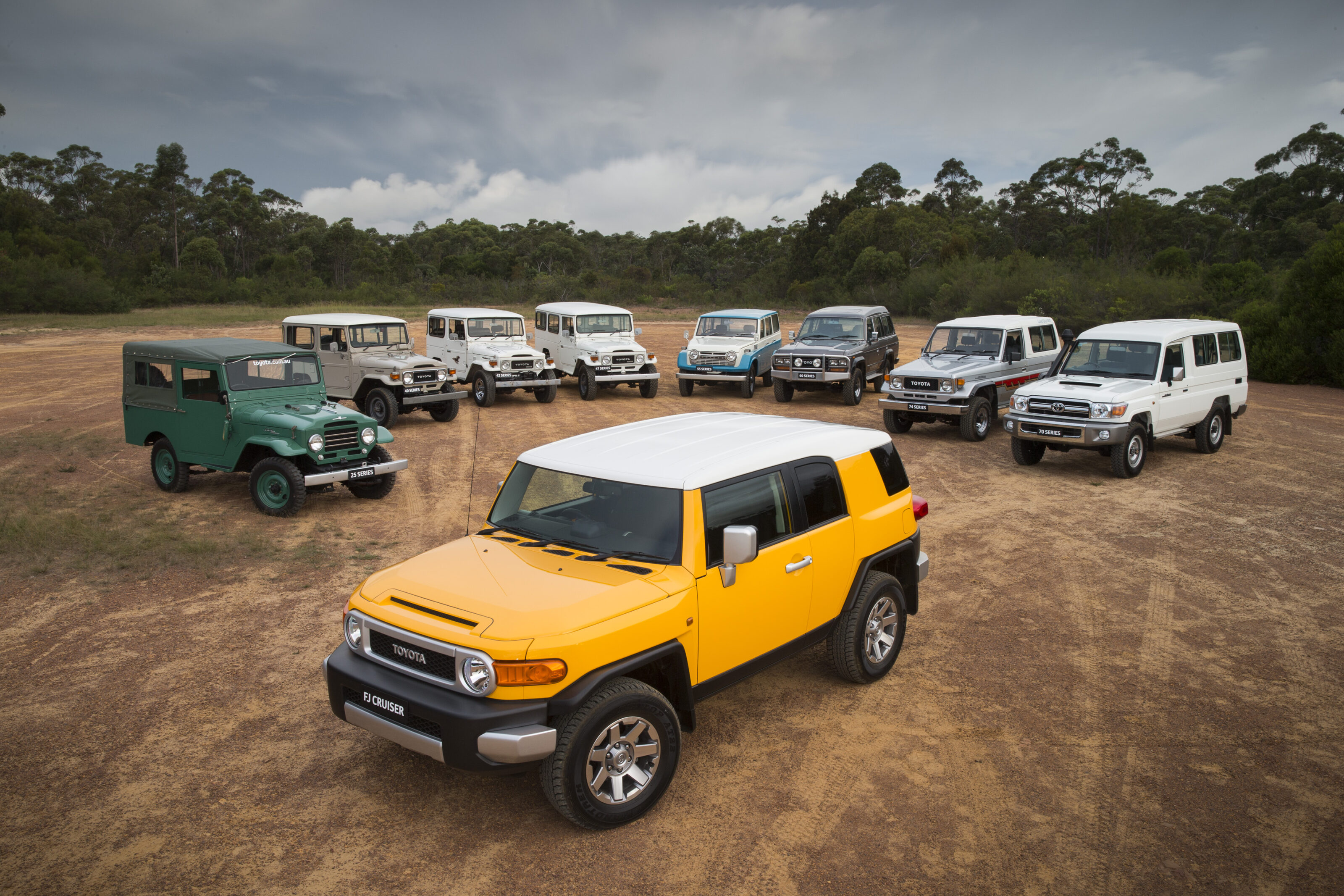
Toyota began building its BJ 4×4 in post-war Japan in 1951, but it wasn’t until 1954 that the name LandCruiser was placed on them after Willys filed a trademark on the name Jeep. Around this time the first petrol engine was introduced to the model, and thus the first FJ LandCruiser was born.
The 70 Series is the one remaining LandCruiser model that can truly trace its heritage back to those early vehicles, as it stayed true to the rugged and commercial offerings that were built to take on any condition.
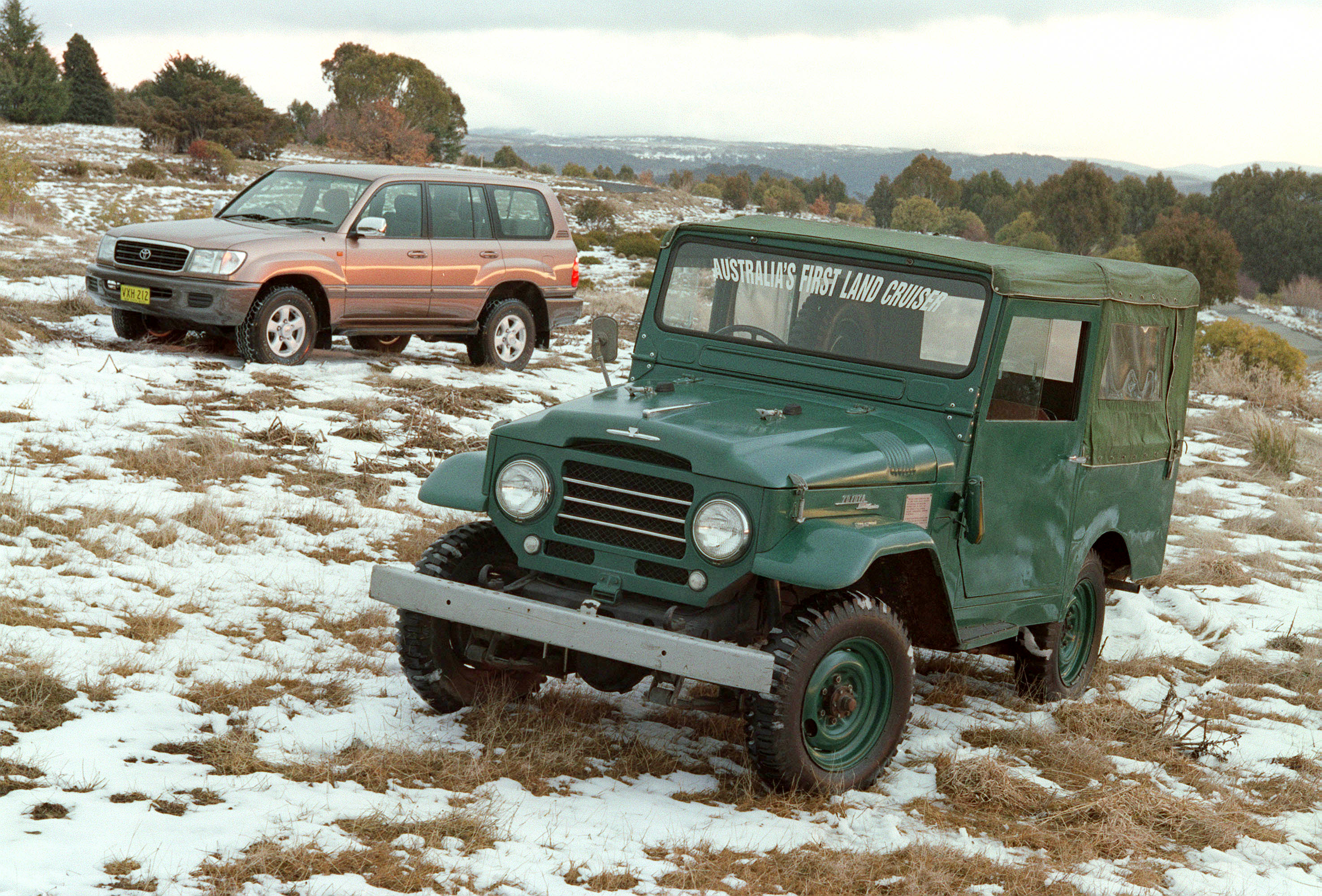
Ever since the 60 Series debuted in 1980, the subsequent LandCruiser wagons have taken on a more comfortable and user-friendly design than the commercial-grade 70s.
The 70 Series has been there for 36 of the LandCruiser’s 70 years, and today it’s more popular than ever.
The 70th Anniversary edition 70 Series will be based on the GXL model available in single-cab 79 pick-up (200 units), double-cab 79 pick-up (320 units) and 76 Series wagon (80 vehicles) variants.
They will be priced at $78,500 for the 76 Series wagon, $80,050 for the single-cab 79, and $82,600 for the double-cab 79.
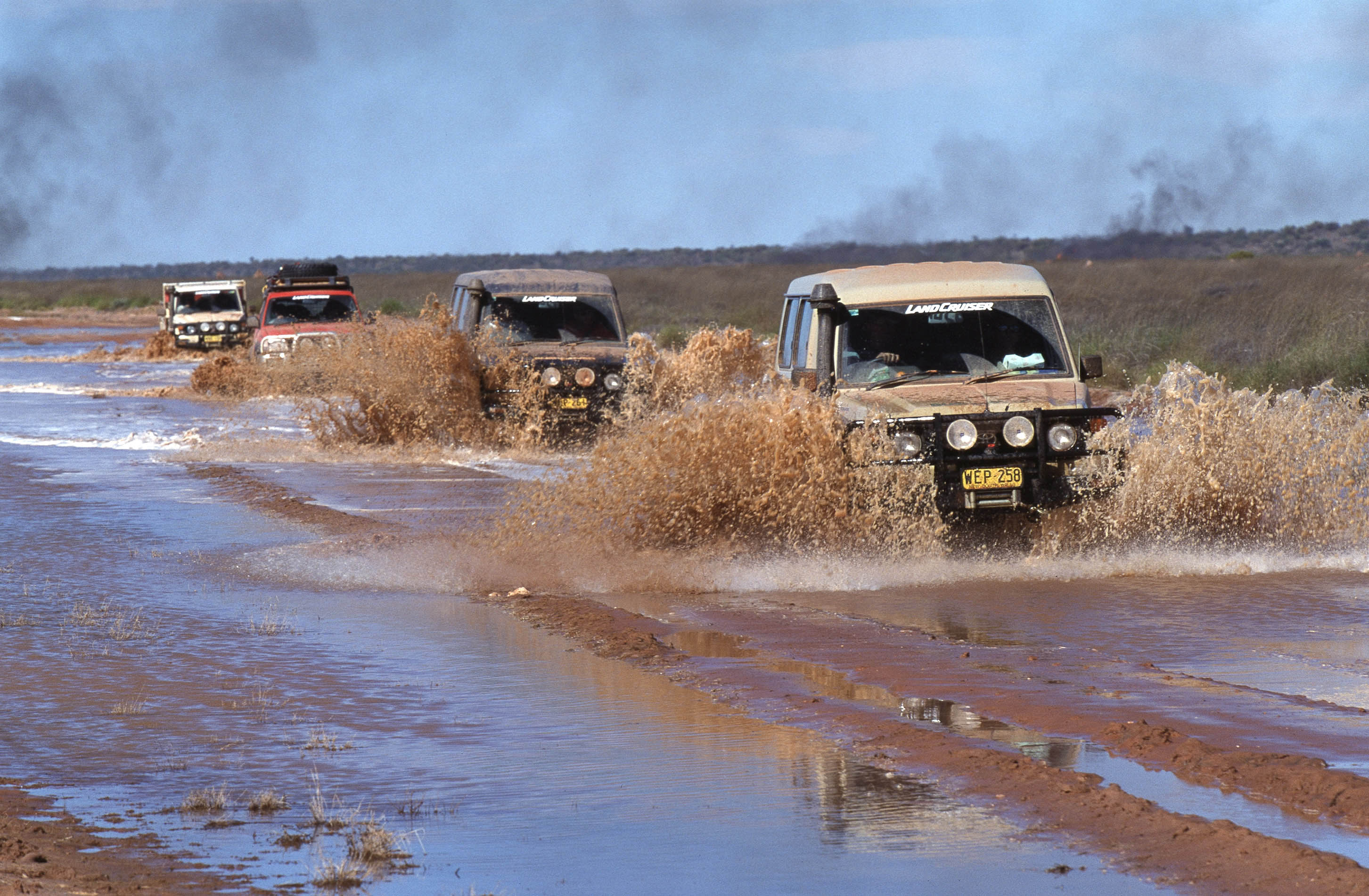
The special edition models will feature a black heritage grille with ‘TOYOTA’ lettering surrounded by darkened headlight bezels and LED fog lights and DRLs. A black front bumper, wheel-arch flares and darkened alloy wheels continue the dark look. A ‘Heritage’ LandCruiser badge is applied on the front guard, along with a ‘70th Anniversary’ emblem.
The interior of the 70 Series Cruisers remain quite Spartan, in keeping with their commercial use, but the Anniversary edition gets dolled up with black seats, black leather-accented door trims, and a black leather-wrapped steering wheel and gear shift knob. Faux wood-grain trim and instrument panel, silver accents for the air vents and black treatment for the switch trims on the doors complete the look.
A new centre console with two additional 2.1-amp Type-A USB outlets and a pair of cup holders surrounds the gear shifter. Traditional 70 Series owners will wonder what the world in coming to with such luxuries.
All 70 Series LandCruisers retain the 1VD-FTE 4.5-litre single turbo V8 diesel engine backed by a five-speed manual gearbox and dual-range, part time four-wheel drive. Word on the street is that, while the all-new 300 Series LandCruiser wagon has dropped its V8 engine for a more powerful twin-turbocharged V6 diesel, the 70 series will keep the V8 for the foreseeable future.
The 70th Anniversary 70 Series LandCruisers will only be available in Sandy Taupe, Merlot Red and French Vanilla and are due in Toyota dealerships in September.
With the growing popularity of the 70 Series and the fact vehicles of this style are in decline and can’t be with us forever, you would have to think these limited-edition anniversary models could one day be valuable collectables.
Early leaked photographs of the forthcoming 300 Series showed some cars wearing 70th Anniversary badging, so you can bet we’ll see that model here when the new wagon arrives before year’s end.
4X4 OF THE YEAR
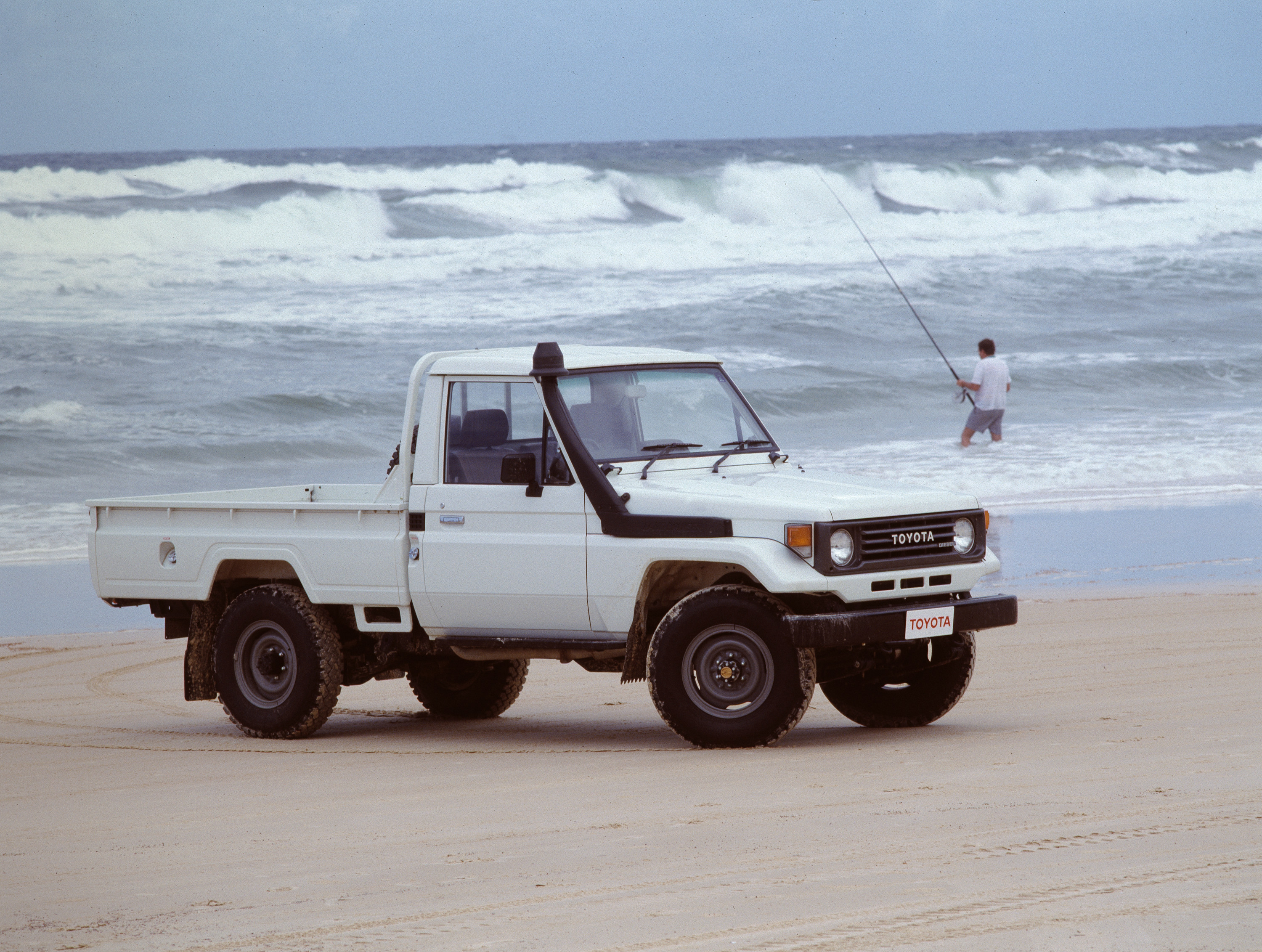
Over its 70 decades the LandCruiser has won 4X4 Australia magazine’s 4X4 of the Year award six times.
The 80 Series took the award in both 1992 and 1993; the 100 Series won it in 1998 and then again in 2001 when the turbo-diesel was introduced and in 2003 for the 4.7-litre V8 100 Series. The 200 Series has never picked up a gong, while the VDJ79 single-cab won it in 2016.
Interestingly the LandCruiser Prado GXL diesel won 4X4OTY in 2005, and in 2001 the polarising FJ Cruiser beat the 200 Series GX.
While the Ford Ranger and Toyota Hilux continue to be the stars of the 4×4 ute class, there are plenty of other brands in the mix, all of them wanting bit of that action that is so hot right now.
This opens up a diverse range of products at varying price points for buyers to choose from and frankly, the buyer has plenty to look at. There should be a 4×4 ute on the market today to suit every buyers’ application and budget.
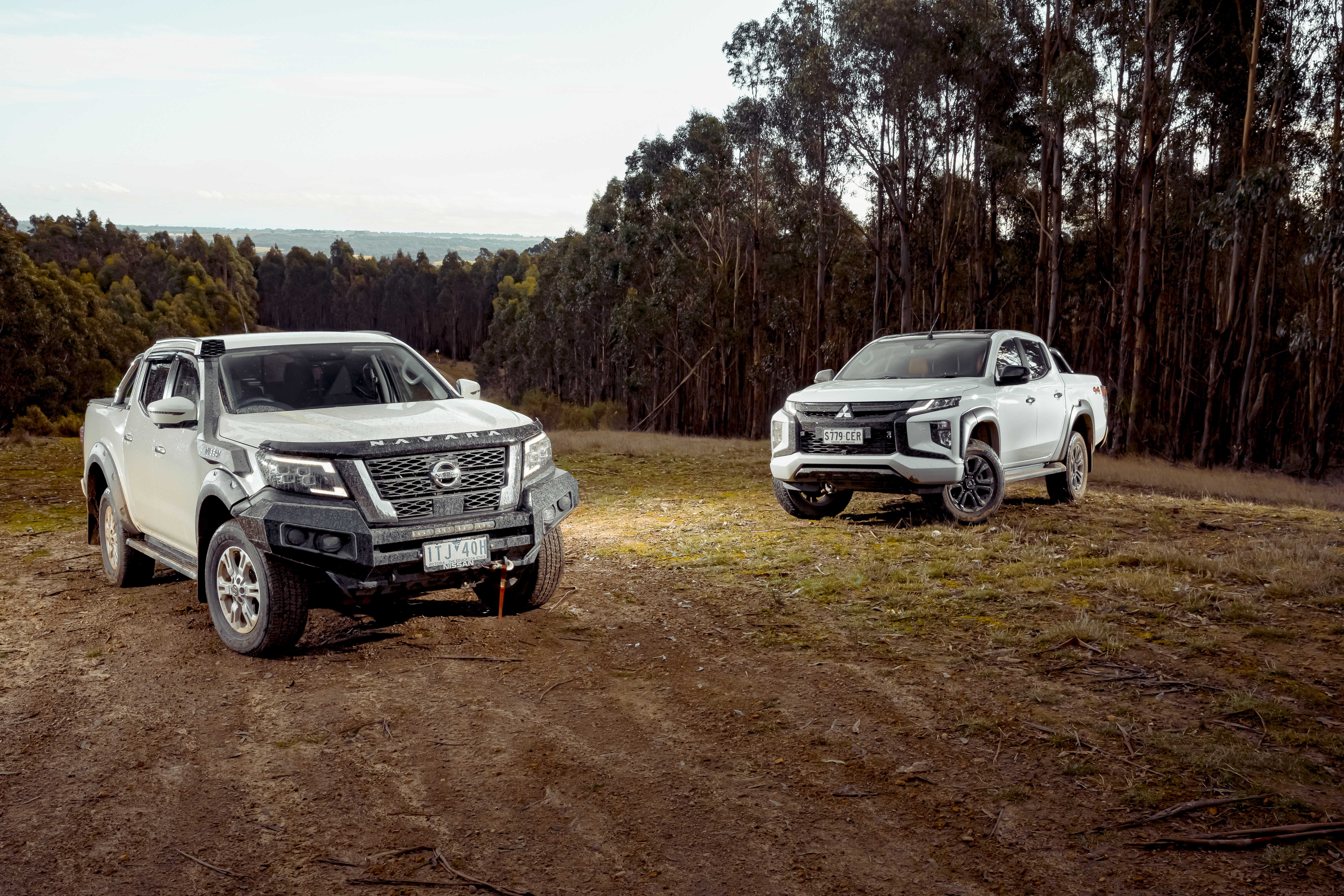
Two of the long-time players in the category are the Mitsubishi Triton and Nissan Navara, and with the Navara receiving a recent facelift and equipment upgrade and a Triton in the car park, we figured we should take them out for a look at which works the best.
NISSAN NAVARA ST
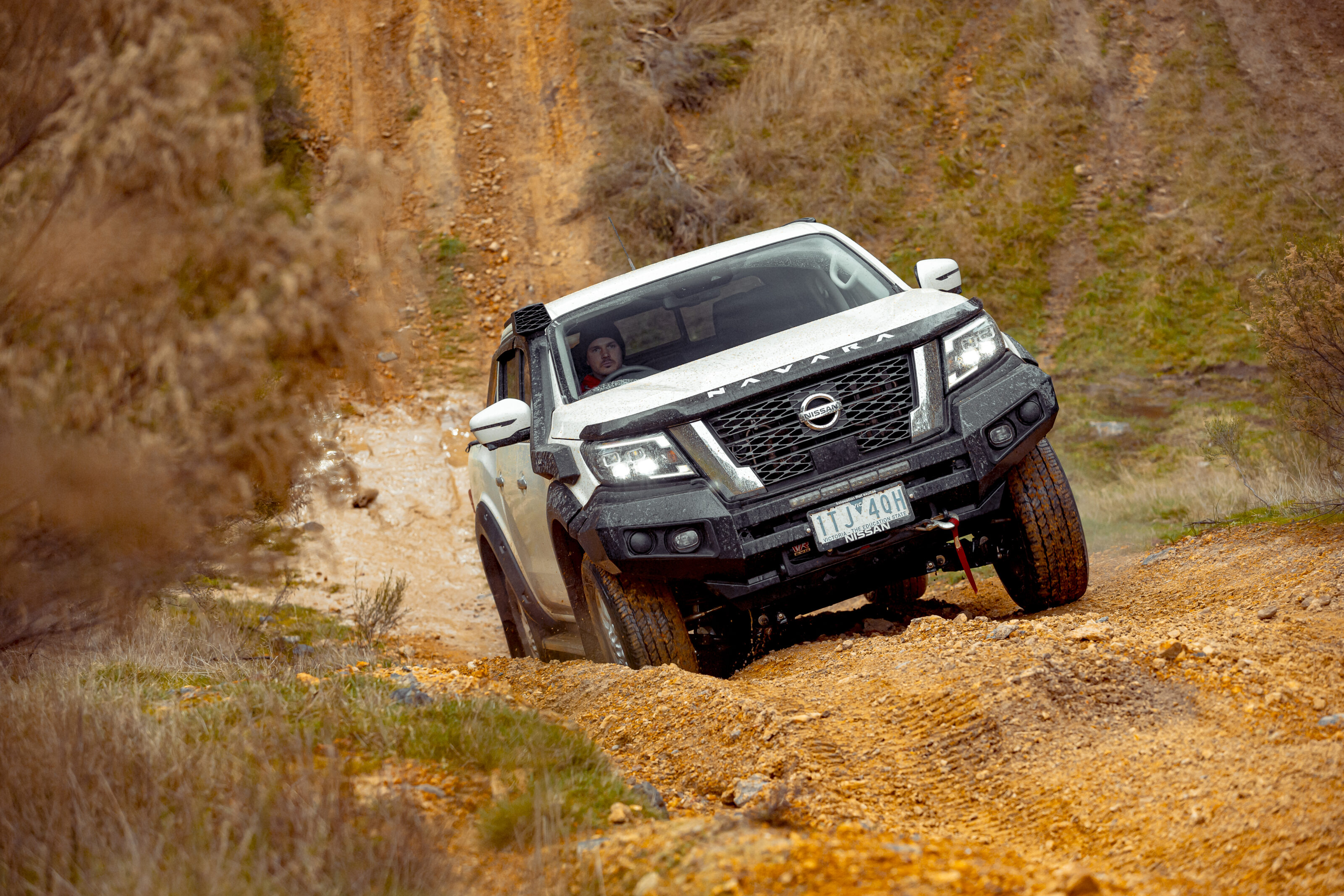
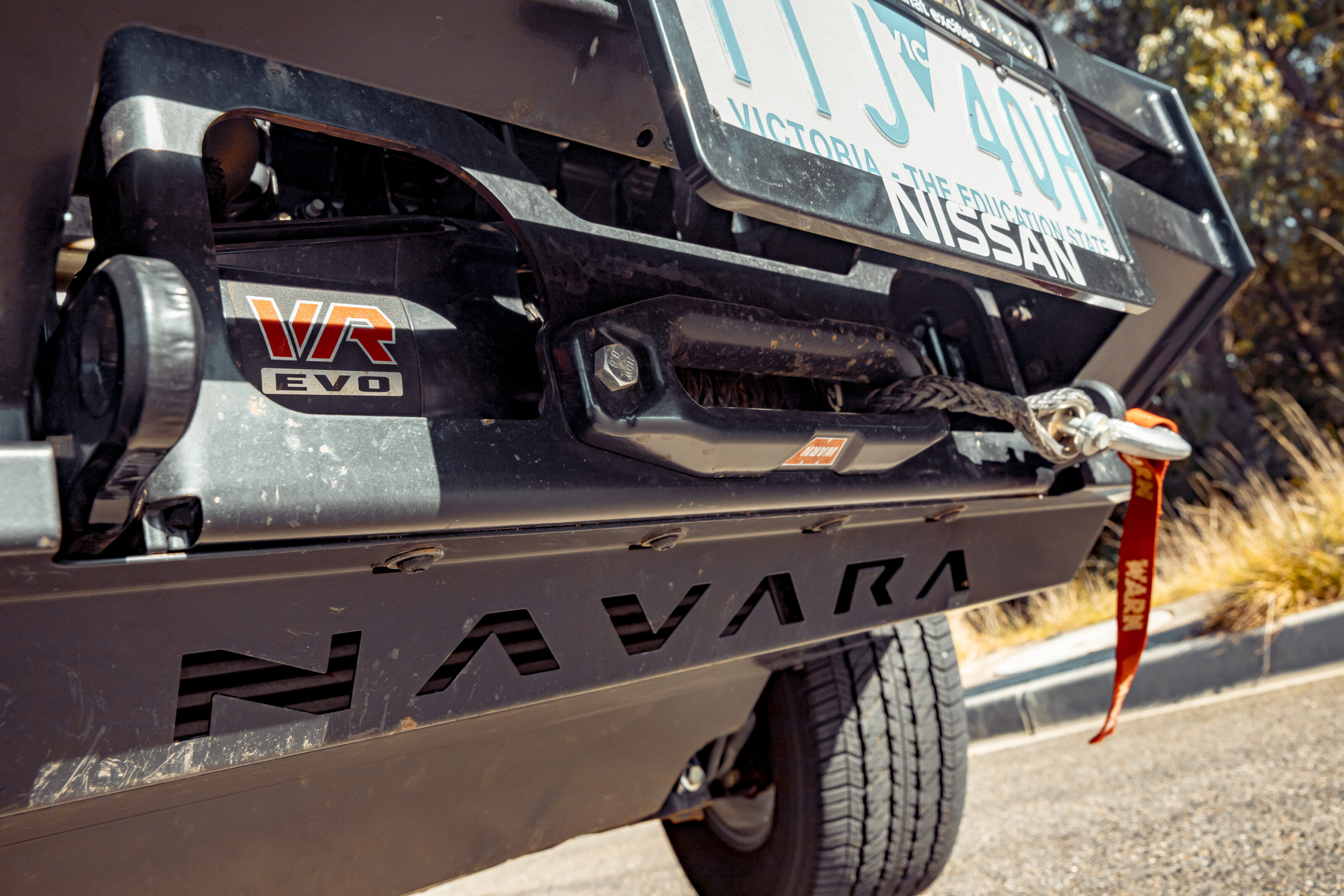
The Navara we have here is the ST variant; the second up the scale in a four-model double-cab line-up. It came to us loaded with optional accessories such as an air intake snorkel, loopless steel bumper, Warn VR winch and fender flares.
All these factory goodies add a hefty $11,573.14 to the ST’s $54,790 MSRP. Include another $650 for premium paint and you’re looking at $67,003.14 before on-road costs. Or, to put it another way, very nearly enough to buy Nissan’s new PRO-4X Warrior.
POWERTRAIN & PERFORMANCE
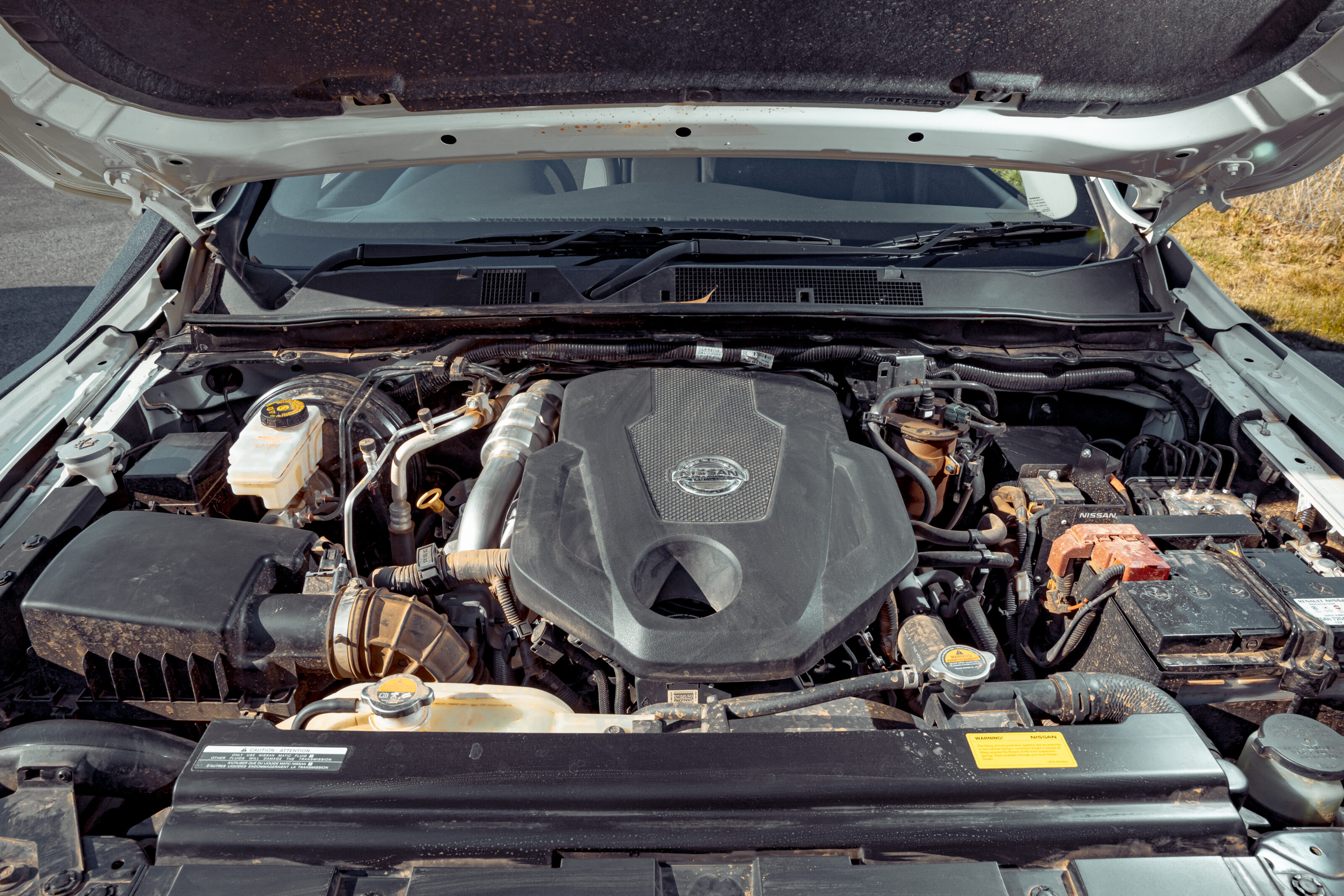
Nissan carried over its 2.3-litre, 4-cylinder diesel engine for the facelifted Navara and this ST spec 4×4 gets the bi-turbo set-up that makes 140kW of power and 450Nm of torque which are middle-of-the-road figures for cars in this class.
Despite the modest numbers, the 2.3 gets along sprightly with linear power delivery through the range of throttle applications, working well with the 7-speed auto to keep things moving along. The engine is smooth and responsive when asked for more and it does so with a minimum of engine noise.
A minor gripe with the auto transmission is one that applies to other Nissan 4x4s as well; the conservative calibration of the manual selection never lets the driver shift down a gear when he or she wants to. When driving off road in low range, you need to come to a complete standstill before the transmission allows you to select first gear before a descent when you expect to be able to make the selection at a crawling pace.
ON ROAD RIDE & HANDLING
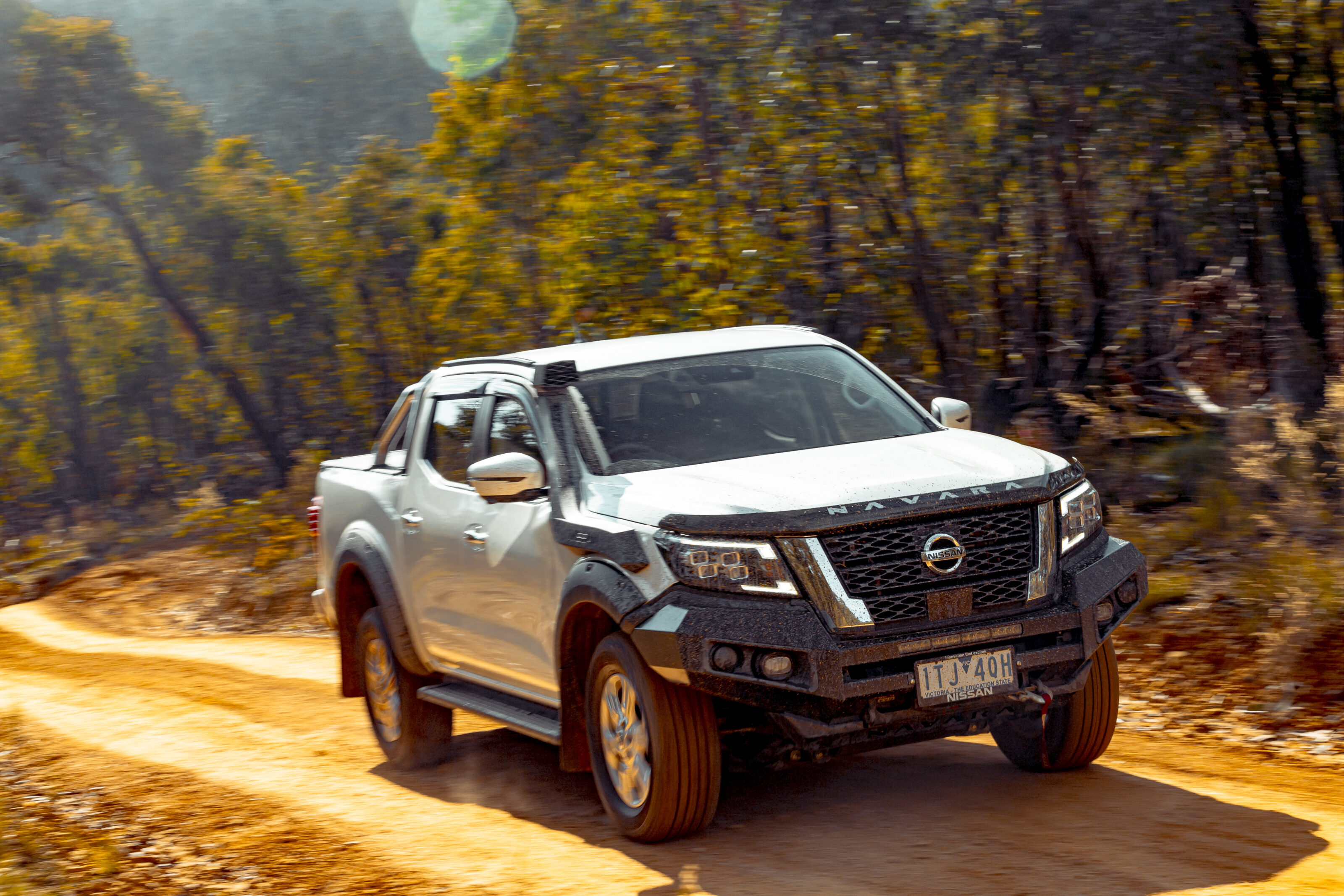
It’s no secret that Nissan has had a few goes at fiddling with the Navara’s suspension set-up, but it remains softer than most of its rivals. This doesn’t do it many favours when towing or over large undulations where it can continually kiss the bump stops at speed, but it does make for a more comfortable ride.
Unlike the Triton, there isn’t the ability to run the Navara in all-wheel drive with a centre diff, but traction is impressive on slippery surfaces in rear-wheel drive. The steering is nicely weighted, lighter than the Mitsubishi’s, and the 2.3-litre engine is smoother and more refined, particularly as it approaches its 4500rpm redline, 500rpm more than the Triton.
It feels impressive, but figures from our recent dual-cab mega test reveal the Triton and Navara – albeit slightly different variants – are virtually identical in terms of acceleration (11.36 vs 11.32sec) and you notice that while the Nissan’s engine is smooth, it doesn’t really have a lot of grunt.
OFF ROAD
With its multi-link coil-spring rear suspension, the Navara offers a slightly more supple ride over rough ground than most 4×4 utes which are leaf sprung in the rear; the Triton included. That supple ride is appreciated in the cabin and with rear wheel travel, although that’s still not great by aftermarket standards.
Where the suspension falls short is when things get really bumpy as its soft ride doesn’t control the weight so well, and this is with no load in the car. The Navara’s front bump stops are never going to fail from lack of use if you regularly drive one of these off road as they get a good workout. This vehicle also has Nissan’s HD front springs fitted to account for the weight of the winch and bumper, but they still struggled. Further uprated springs and shocks would be recommended for any Navara set to carry a load or fitted with heavy accessories.
In the slower, low-range terrain, the supple suspension helped with wheel articulation keeping the rubber on the track and the electronic traction control acts swiftly to keep you going. There’s a rear differential lock for when the going gets tougher and you need maximum traction from the back axle.
The steel front bumper improves ground clearance there, but the lightweight side-steps aren’t up to a beating and one came adrift after scraping as we crested a hump. With Nissan designing all its bar work and kit locally, hopefully it will see fit to create some proper sliders to protect the flanks of the Nav. Even the Warrior retains the standard steps, but at least they will be more protected thanks to the added ride height.
Among its factory accessories this Navara wears an intake snorkel which should deliver cleaner air to the engine and give a bit of added security when crossing waterways. It doesn’t however change the factory 600mm wading depth. The Warn VR winch is also a great inclusion for self-recovery security when out and about.
The steering does feel a bit dull when on road and no better off road but the relatively tight turning circle of the Navara works well on tight tracks, something that can’t be said for all the cars in this class.
CABIN & ACCOMMODATION
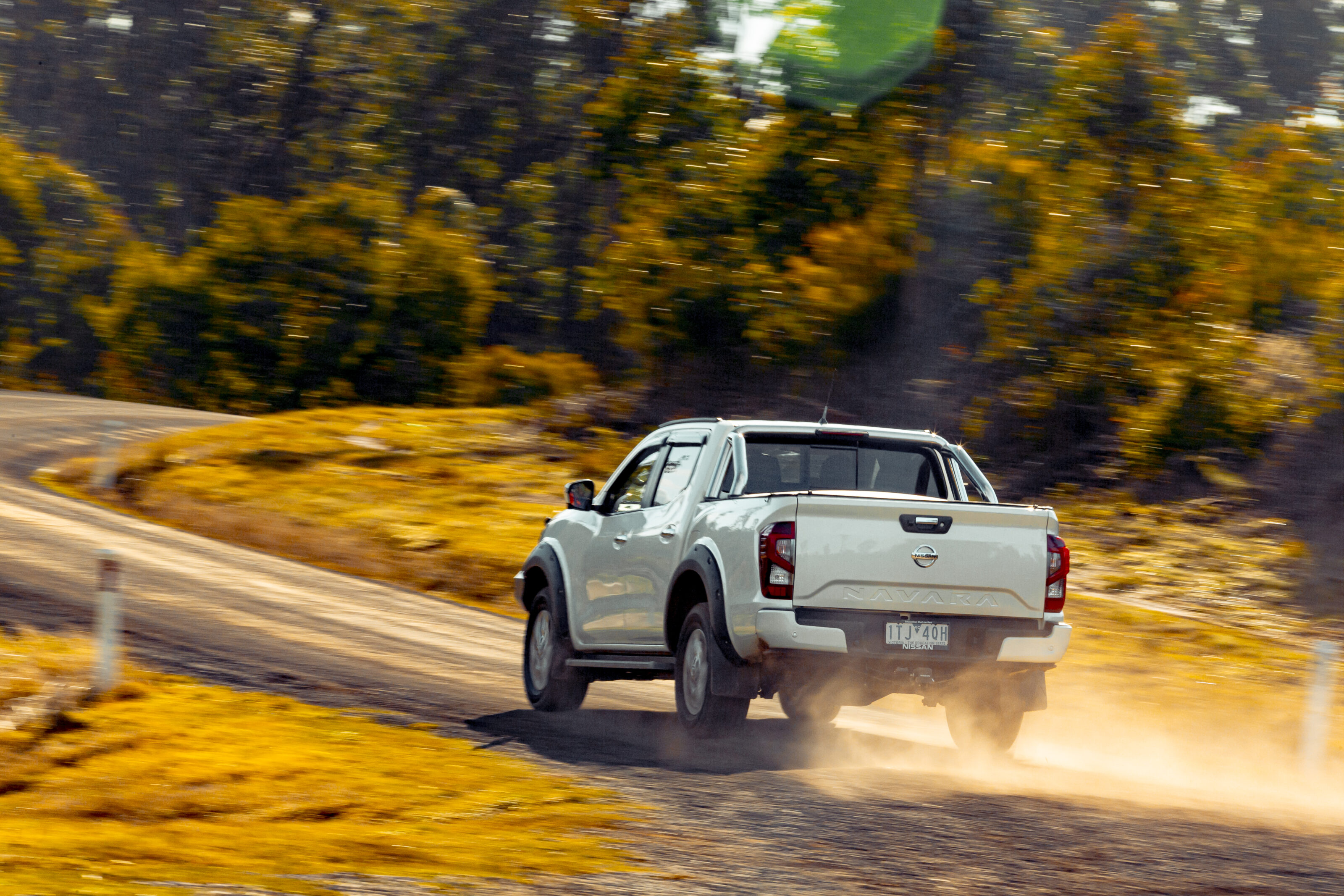
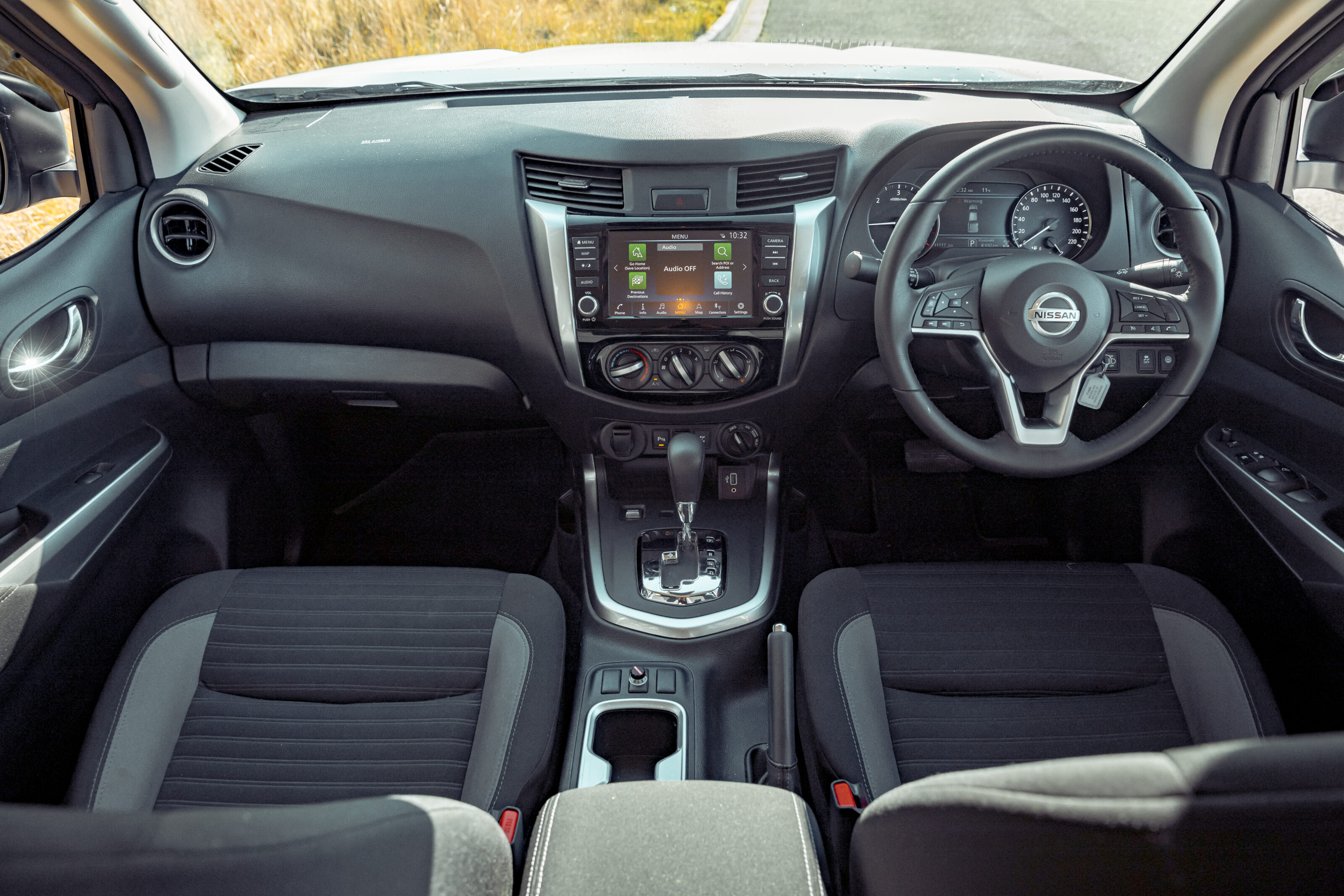
One aspect of the Nissan’s interior that immediately jumps out is its steering wheel. It might sound strange, but the Navara’s small, simple wheel could be from the 370Z sports car or similar. While it lacks the paddle shifters of the Mitsubishi, it makes a surprisingly large difference to how the Navara feels.
I personally prefer the design and layout of the Navara’s cabin, with its larger 8.0-inch touchscreen flanked by physical buttons, simple rotary dials, circular side air vents and the way the dash moulds into the doors – your taste may differ.
There’s no arguing it’s not as well-equipped, with cloth-trimmed, manually-adjustable seats, manual air-conditioning and no keyless entry, though there’s still smartphone mirroring, native sat-nav, DAB radio and plenty of charging options, including two 12V outlets, three USB-A and one USB-C ports.
Matching the Triton’s spec list is certainly doable, but you’ll need to step up to the ST-X variant. Rear space is tight, which could be an issue for larger adults or car seats, though both have a pair of ISOFIX child seat anchorage and top tethers.
SAFETY
The Navara’s safety gear is up to date, with forward collision braking, lane departure warning and intervention, blind-spot warning and intervention, rear cross-traffic alert, around-view monitor, auto wipers and lights, and trailer sway control.
A total of seven airbags includes front, side seat, curtain and driver’s knee, while there’s a rear-view camera and parking sensors, but no front sensors.
Like the Triton, the Navara’s safety aids are generally unobtrusive in their operation, though one pretty much unavoidable consequence of these systems on off-road vehicles is that mud, dirt or water can obscure the cameras.
PRACTICALITIES
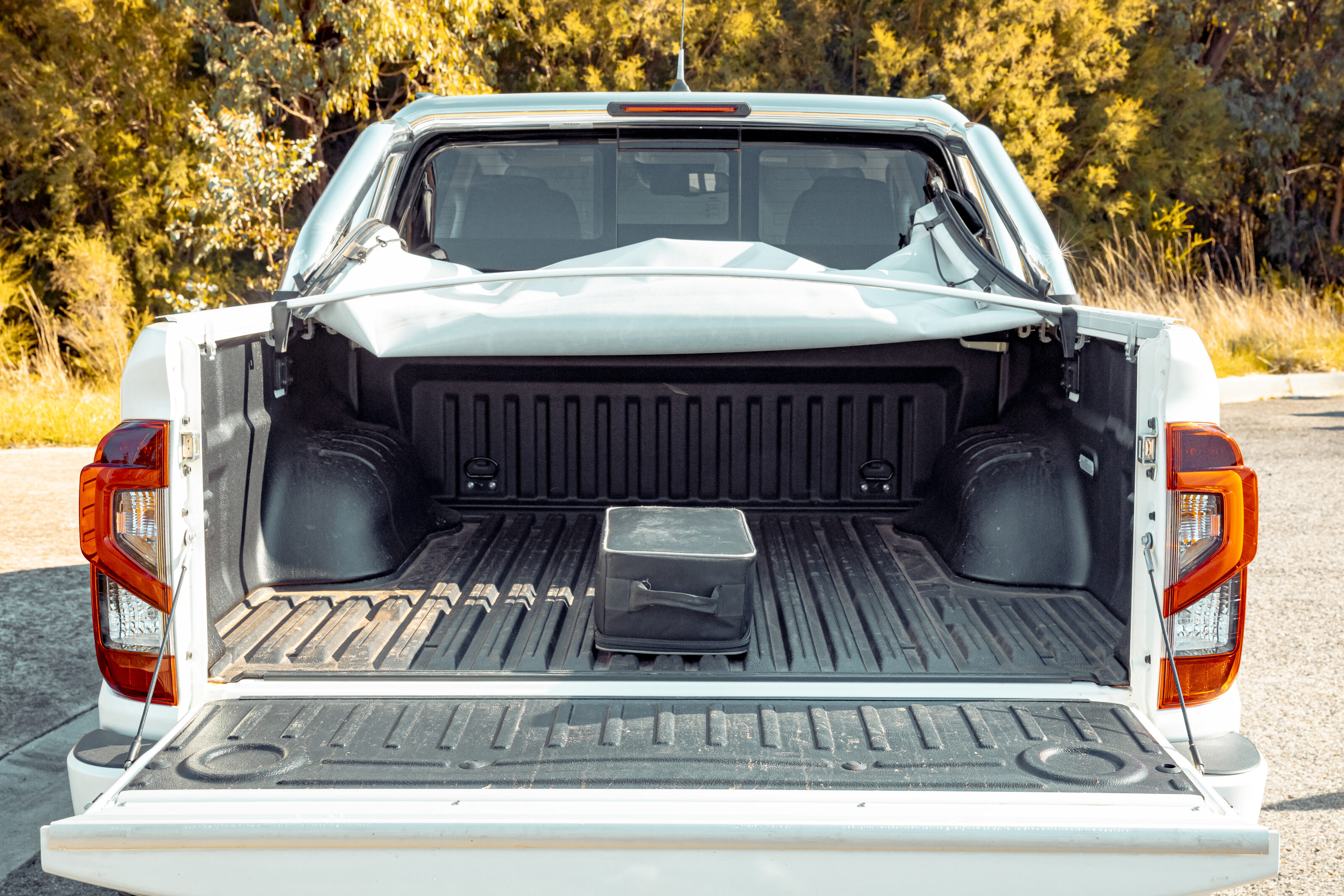
Nissan increased the payload on the 2021 Navaras so they all have at least 1-tonne capacity. For the ST 4×4 it comes in at 1097kg, but that’s without the heavy accessories such as the steel bumper and winch fitted and they will eat into that payload a bit. Towing capacity is the industry standard 3500kg.
The cargo tub in this car has a bed liner for protection and makes do with four, low mounted tie-down points for securing a load.
The factory accessories add to the practicality of any 4×4 ute, improving both durability and capability, and we’re happy that Nissan is designing and offering its own range of factory-supported parts.
MITSUBISHI TRITON GSR
The Triton GSR sits at the top of Mitsubishi’s four-model range so equipment-wise, it’s already ahead of the Navara ST. It now includes a roll-top tonneau for $57,240 driveaway so it’s fairly evenly priced with the big Nissan (sans options).
The Triton has always been a great value-for-money package and its sharp pricing and regular ‘specials’ keep it near the top of the 4×4-ute category sales, traditionally sitting in third place behind Ranger and Hilux.
The Triton is one of the smaller utes in the category and many buyers who don’t want the big-car feel and inconvenience of the larger utes are drawn to this trait. While smaller in size, it really doesn’t give away much in terms of performance and capacity.
POWERTRAIN & PERFORMANCE
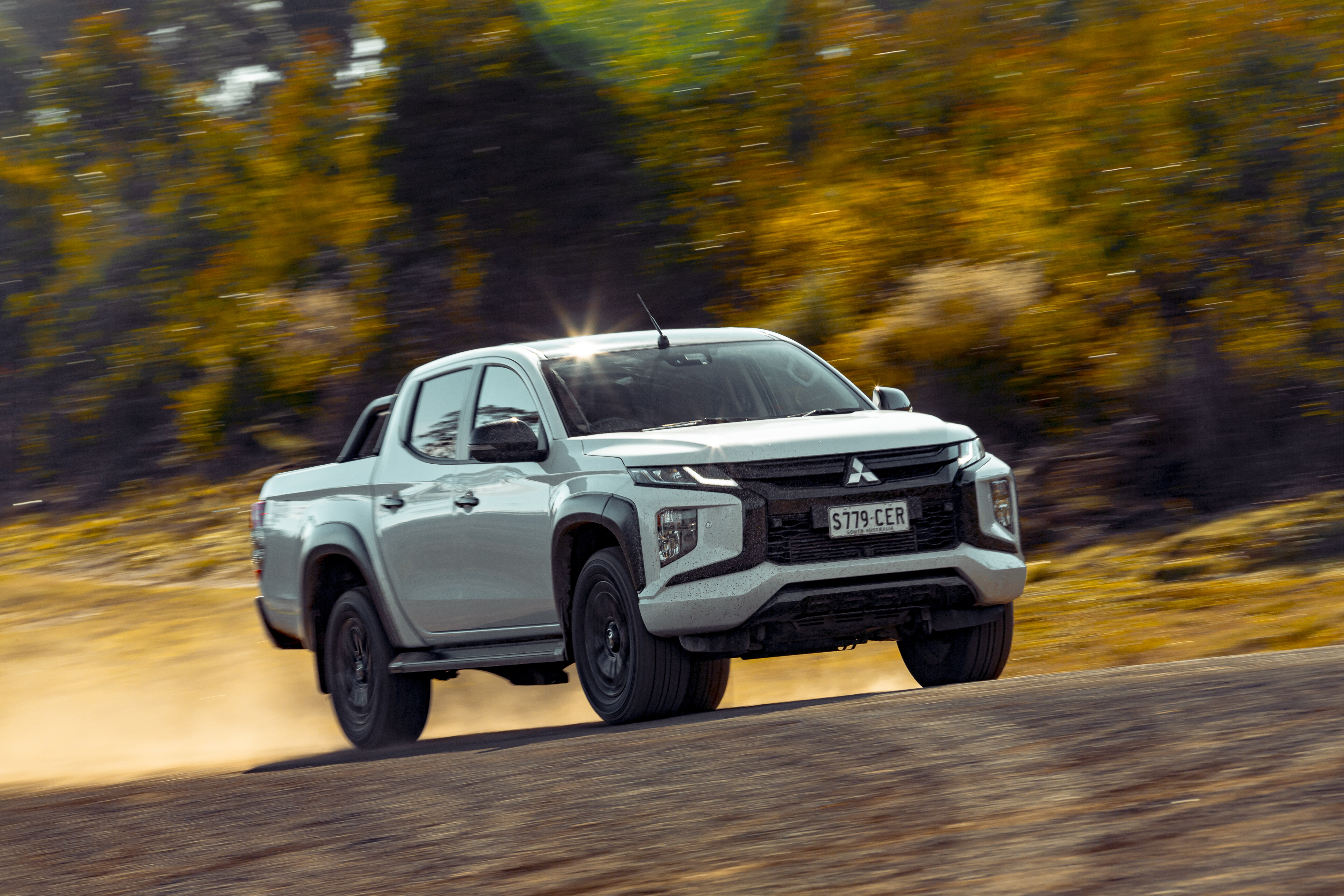
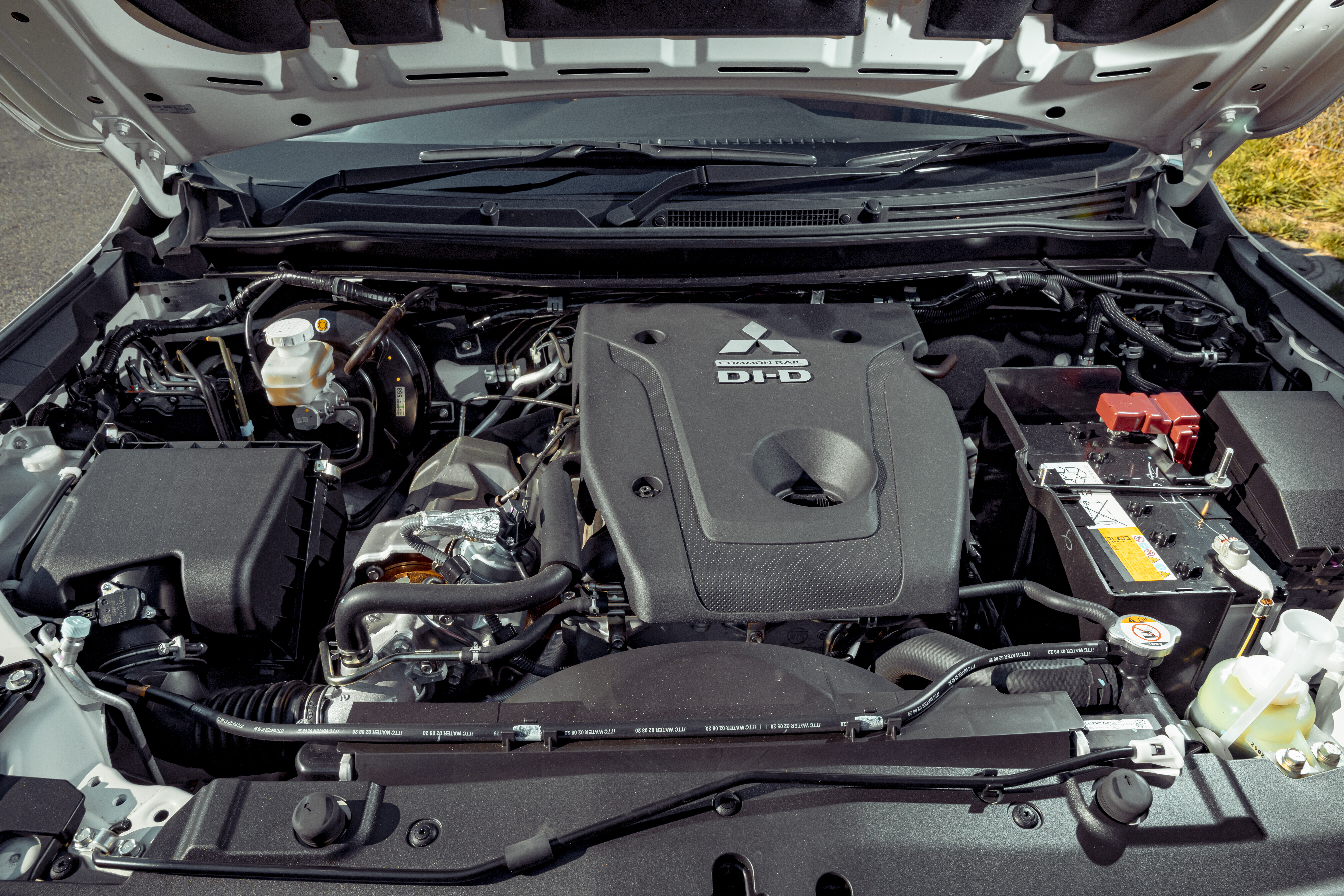
The Triton’s 2.4-litre, single turbocharger equipped diesel engine makes 133kW of power and 430Nm of torque, so it does lack behind many of the bigger and newer engines in the class. But this deficiency doesn’t seem to affect it too much when you put your foot down as the lighter weight of the Mitsubishi accounts for any slack. The weight also helps with fuel economy as the Triton quotes 8.6L/100km on the combined scale compared with the Navara’s more frugal 7.3L/100km claim.
The engine is backed by a six-speed automatic transmission which is unremarkable for all the right reasons – it gives the driver nothing to complain about. While some may think that paddle-style gear shifters behind the steering wheel are purely for boy racers and have no place in a 4×4 ute, they do come in handy off road when you want to tap back a few ratios as you approach a descent.
As the top of the range Triton, the GSR gets Mitsubishi’s Super Select transfer case which gives the operator the choice of 2WD, full-time 4WD, locked 4WD high range, and locked 4WD low range. The addition of full-time 4WD is handy on varied road surfaces or wet roads as it saves the driver from having to switch between two- and four-wheel drive and this feature makes the Triton unique in the segment.
ON-ROAD RIDE & PERFORMANCE
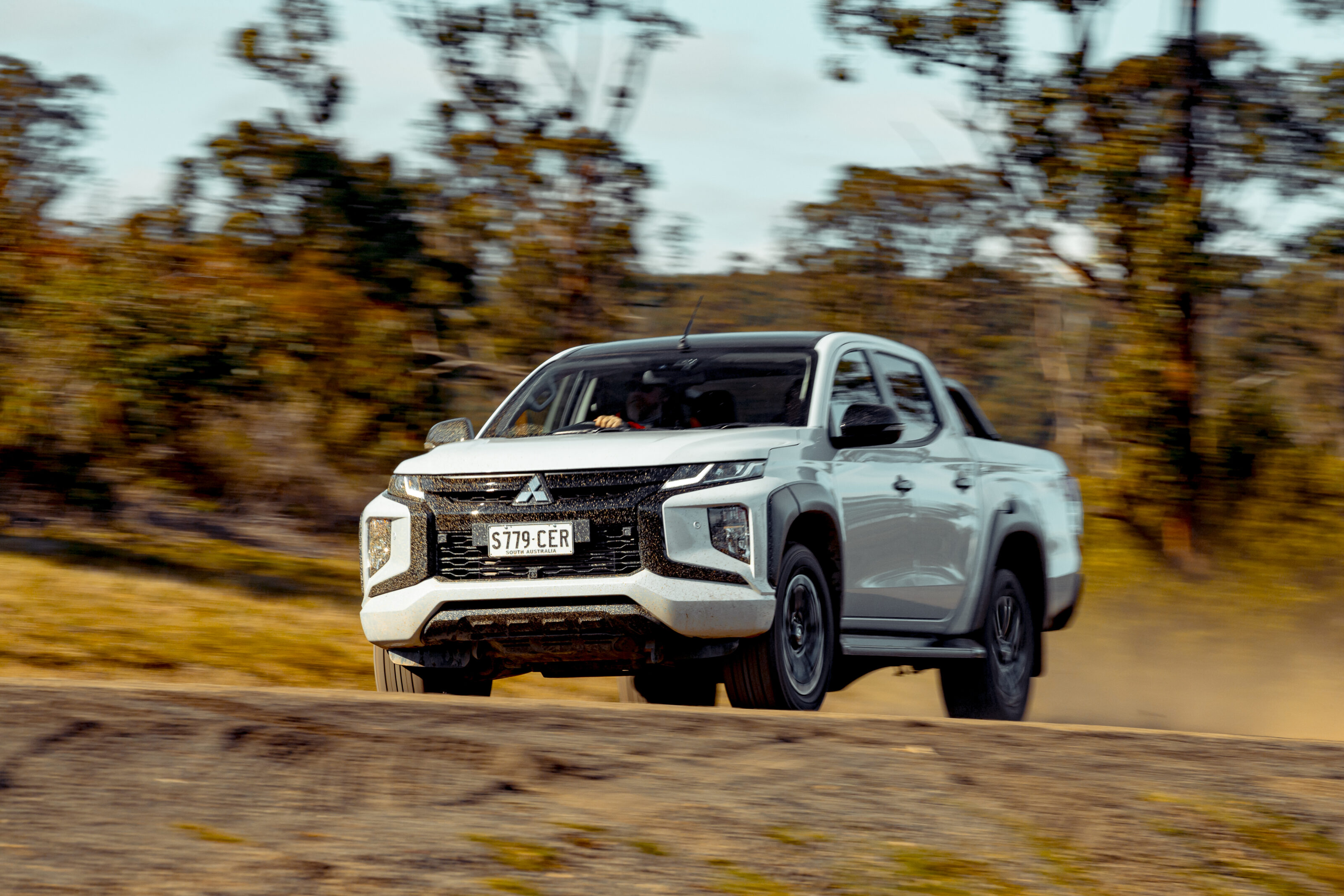
On first impressions the Triton feels quite agricultural with weighty steering, a busy ride, soft brakes and a noisy engine, particularly at higher rpm, but with acclimatisation some positives also begin to make themselves known.
The engine has a relatively narrow powerband, but there’s a nice hit of low-end torque that provides decent response. Including the Pajero Sport’s eight-speed auto would probably improve its outright performance but the current six-speed is unobtrusive – the option is there to use the large shift paddles, but it works fine of its own accord.
Roadholding and steering accuracy are adequate without approaching the fluency of the Ranger or Amarok, the relatively stiff suspension providing fairly tight body control. Mitsubishi’s Super Select 4WD system does allow the Triton to operate in all-wheel drive without the need to have a locked centre diff, which can be handy on wet or slippery tarmac roads.
OFF ROAD
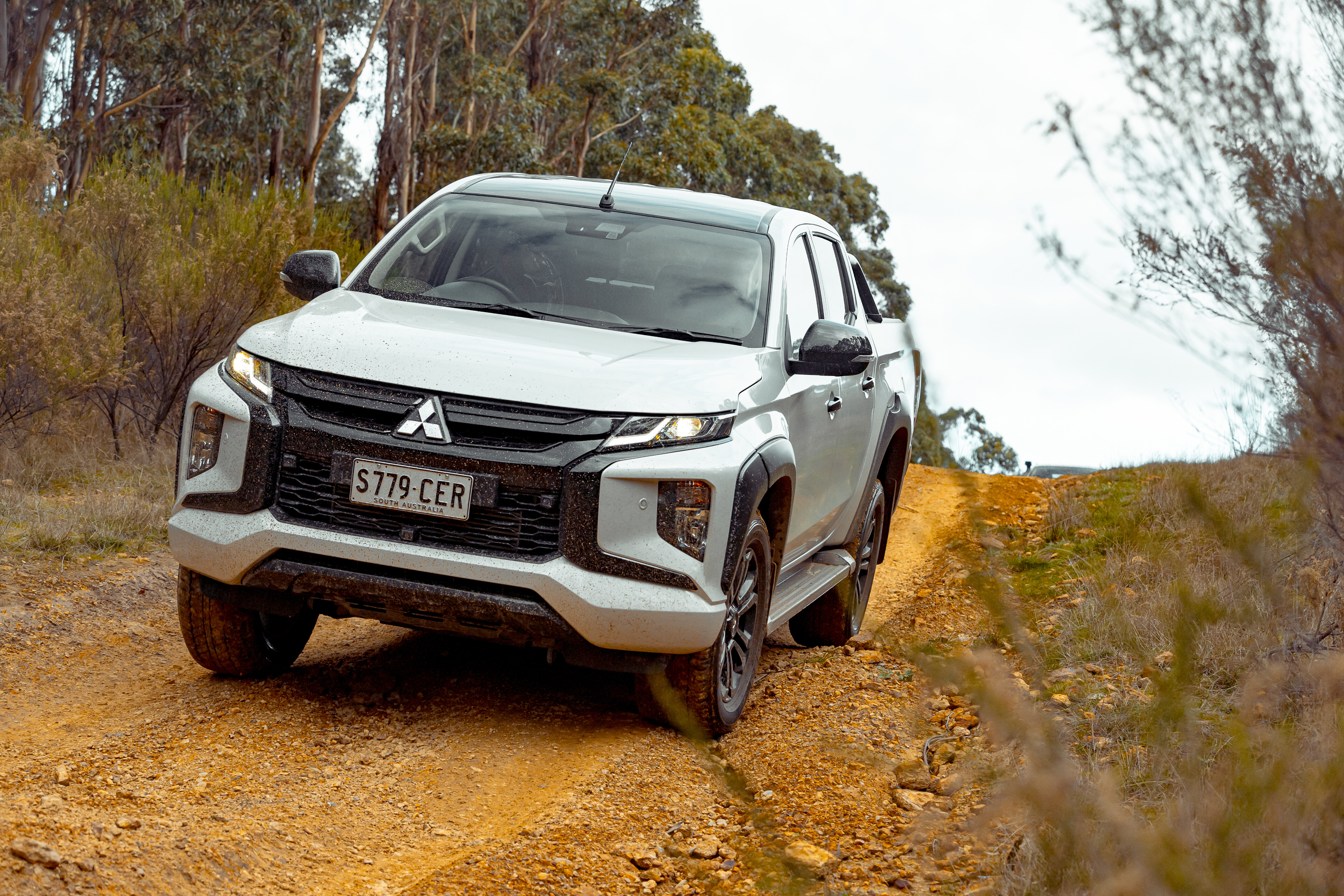
With its smaller overall size, shorter wheelbase and firm suspension, the Triton feels quite nimble on the track, especially when compared to the Navara. The Triton’s firmer suspension does a far better job of absorbing bumps than the Navara’s and it wasn’t hitting its bump stops over the same terrain the Navara was, while the steering feels sharper and more direct. Nor did it bottom out between the axles as the Navara did, saving its side-steps.
Low range offers adequate reduction and allowed us to crawl over deeply rutted tracks; while the rear differential lock is there is needed, although it wasn’t on this drive. The ETC is relatively responsive and was all that was required on this track. It stays engaged on the front wheels even when the rear diff lock is activated.
There’s also an off-road terrain selector that optimises the various electronic chassis controls to suit the selected terrain, although we failed to feel any difference when switching between them.
CABIN AND ACCOMMODATION
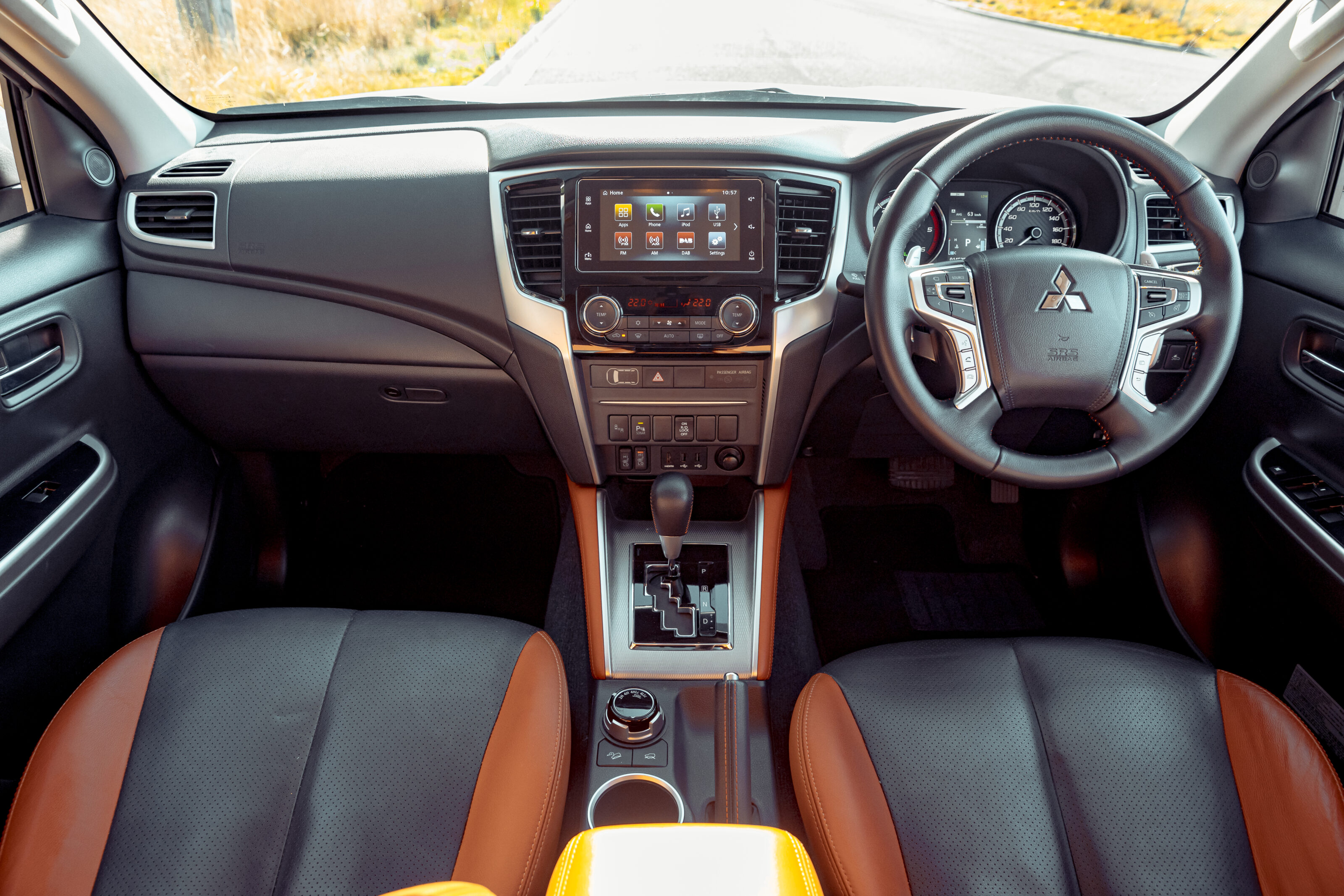
The GSR attempts to justify its position as the pinnacle of the Triton range by including leather seats, though the unusual caramel colouring perhaps limits their appeal. The fronts are heated (with high and low settings) though, and the driver’s is electrically adjustable.
It’s not a particularly flashy interior in terms of its design or materials but it has plenty of kit, including a 7.0-inch infotainment touchscreen with smartphone mirroring, DAB radio, a pair of USB-A inputs, an HDMI input and 12V socket up front.
Rear passengers aren’t forgotten with roof-mounted vents feeding air from the dual-zone climate control with separate fan speed, a pair of USB-A inputs, another 12V outlet, reading lights, a pair of cupholders in the fold-down centre armrest, large door bins and a small cubby hole in the back of the centre console.
The rear bench is a little short on under-thigh support but is otherwise comfy and spacious enough, while folding forward to reveal the tyre-changing equipment. Up front, the seats are well-bolstered albeit set a little higher than ideal, but with the steering wheel adjustable for rake and reach, a comfortable driving position should be able to be found.
SAFETY
As the flagship Triton the GSR is fitted with Mitsubishi’s full suite of passive and active safety systems. There’s front, front-side and curtain airbags for driver and passenger as well as one for the driver’s knee.
Parking sensors front and rear and a rear-view camera reduce the excuses for hitting anything and once on the move, you have forward collision mitigation with pedestrian detection, lane-departure and blind-spot warning, lane change assist, rear cross-traffic alert, auto lights and wipers, and trailer stability assist.
Crucially, these systems are also well-calibrated, with less of the phantom intervention than you get in some other utes and cars. Unique to the GSR in the Triton range is the Multi-Around Monitor, which uses the car’s cameras to provide a 360-degree bird’s eye view, reveal blind spots and prevent low-speed collisions using the ‘misacceleration mitigation system’. Basically, it stops you hitting something if you accidentally hit the accelerator.
PRACTICALITIES
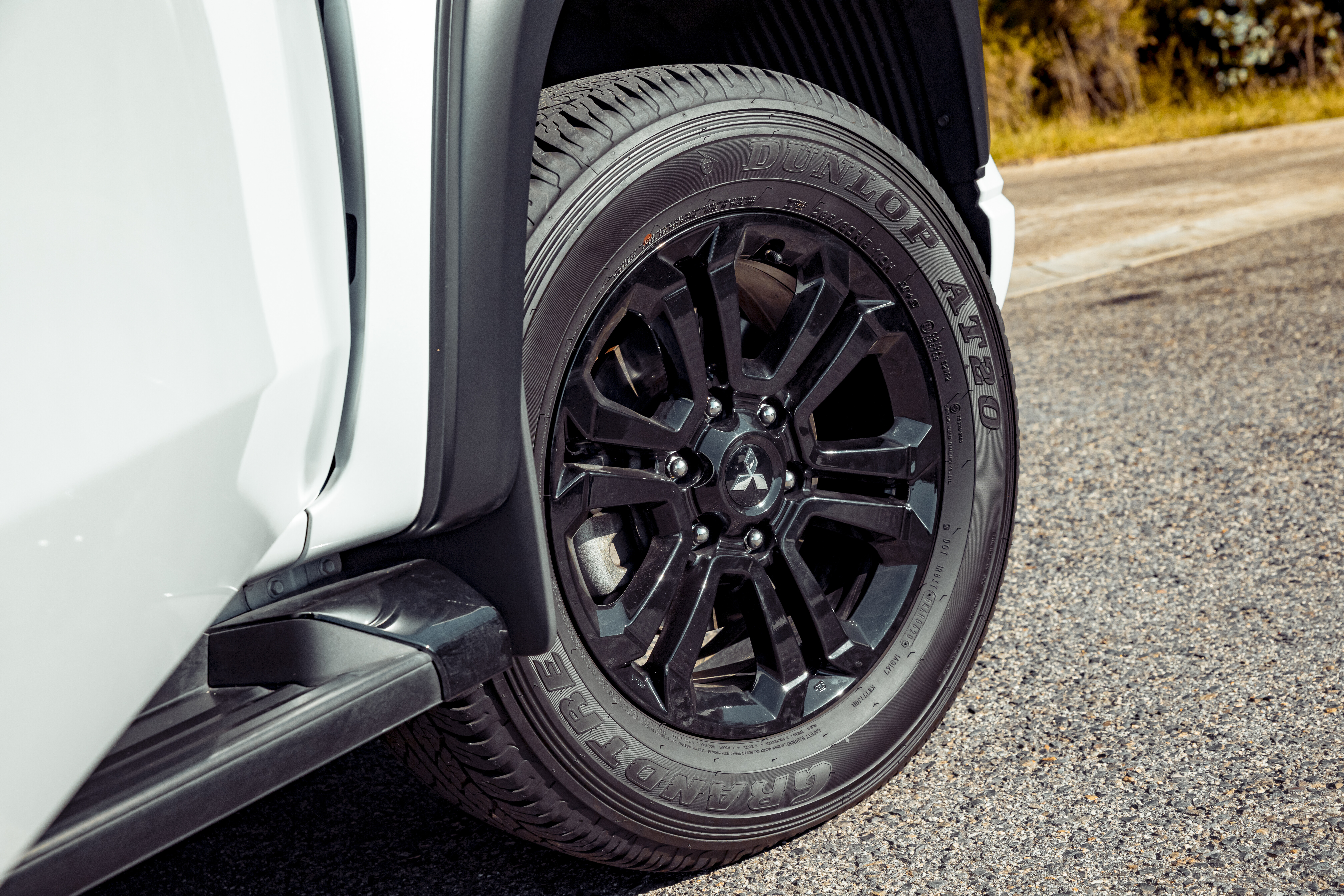
With its smaller size and shorter wheelbase the Triton gives away a bit to its bigger competitors in terms of towing and load capacity. The maximum towing is rated at 3100kg and payload for the GSR is 901kg. With its lower kerb weight and handy GCM, the Triton does stack up relatively well when you do the sums before hooking up a trailer.
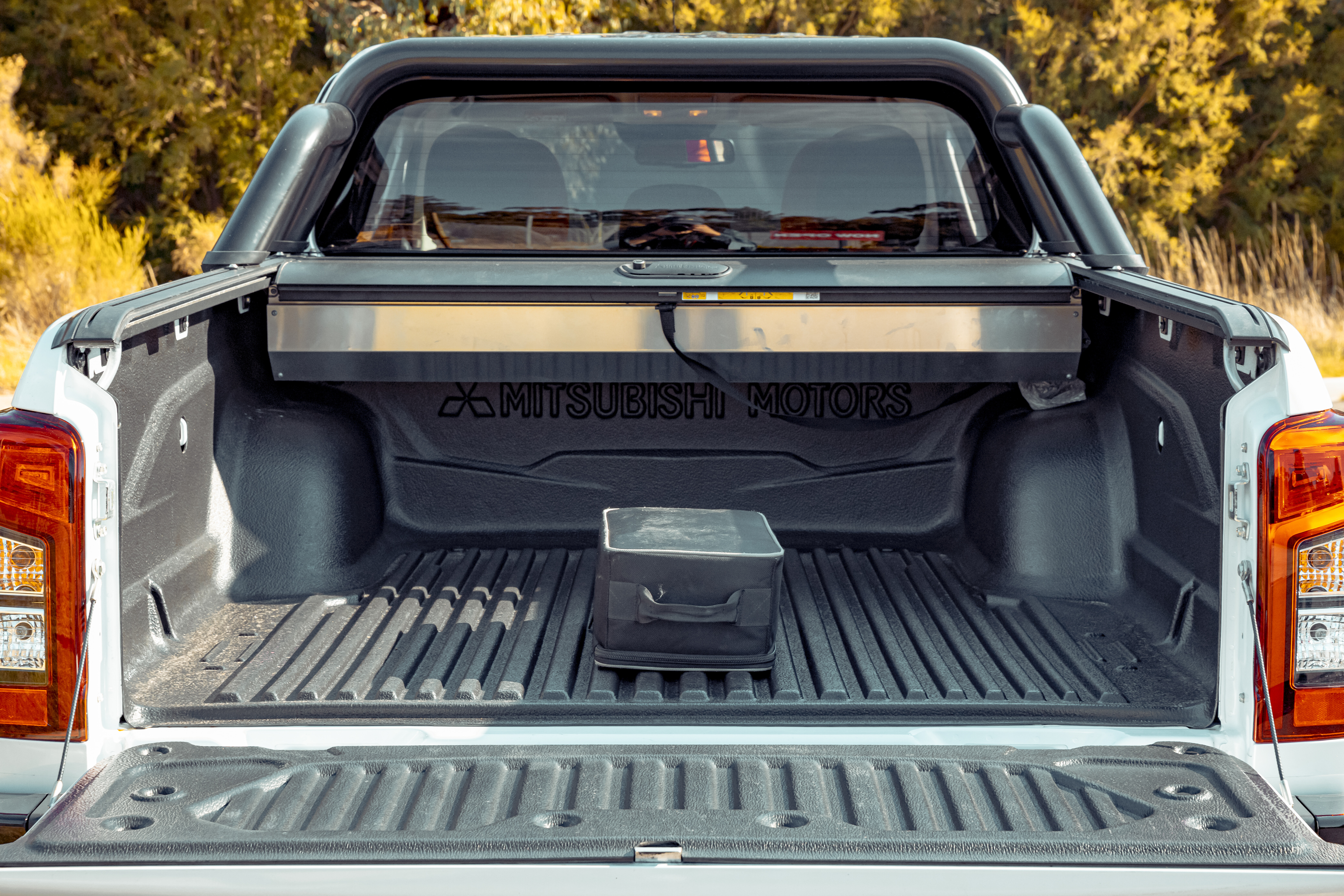
The cargo tub is a bit smaller than most others in the class, including the Navara, and the shorter wheelbase put most of the cargo space behind the rear axle so its load distribution is less than ideal. The GSR’s tub does have a protective liner and there are six tie-down points.
The roller hard tonneau cover that is standard on the GSR is great for protecting the contents of the tub from the weather, dust and prying eyes, although it does eat in the usable space at the front of the tub.
Mitsubishi Australia does offer a range of factory accessories for the Triton and the model is well-supported by the aftermarket allowing owners to build it to their needs.
SUMMARY
On first appearance, you might think that comparing the Navara ST against the top-billing Triton GSR would be an unfair fight but when you see how close they are on price, it changes the equation.
To that end, the Triton wins in terms of the level of equipment and features, and the way it drives both on and off road. Look at them side by side and you start to see why the Triton is a popular value-for-money equation. It’s also appealing for its smaller and more maneuverable size, providing you don’t need the space of a bigger ute.
If you do need that bigger cabin and load space of the Navara, then it’s the only choice of this duo. The 400kg difference in towing capacity is in reality negligible, as towing anything heavier than 3000kg in any of these 1-tonne double-cab utes is really not something you’ll want to do on a regular basis; they don’t take too kindly to that sort of treatment.
The 100kg up in payload for the Navara is more of a plus as you really want all the payload you can get in these vehicles, especially if you are going to start accessorising them with bullbars, winch, roof racks and canopy; all that extra weight soon eats up your payload.
For mine, the added equipment, drivability and overall package of the Triton GSR makes it the winner here. It has the capacity to handle most of what most buyers will want from a double-cab ute, has all the features of a top-of-the-range model and represents great bang for your bucks.
SECOND OPINION
If your use-case is primarily on road or light duties, then I’d be tempted by the Navara for its softer ride and smoother engine, though a step up to the ST-X or PRO-4X would be in order to fill some missing specification gaps.
Otherwise, the Triton is the clear winner, especially when talking buck-for-buck. But while value is key to its appeal, the Mitsubishi does everything well enough – admittedly, without really having any standout qualities – to make it an appealing package.
A quick word though, if you can live without a few of the GSR’s trinkets the Triton GLS is a very similar offering for around $9K less!
Snapshot
- New model on sale August 2
- Upgraded across three-variant range
- Price hikes up to $7500 for top spec LS-T
Isuzu Ute Australia (IUA) has revealed its second generation MU-X wagon, which goes on sale in Australia from August 2.
The pretty much all-new wagon arrives in a three-model line-up that mirrors the previous generation with both 4×2 and 4×4 drivetrains, but adds significant safety technology in line with the D-MAX ute that arrived late in 2020.
The three-tier range starts with the 4×2 LS-M model at $47,900, followed by the LS-U and top of the range LS-T which tops out at $65,900 for the 4×4 model. All variants are available in two- and four-wheel drive platforms.
Those prices are markedly up on the previous MU-X which you could get into for $42,900 (LS-M 4×2), while an LS-T 4×4 could be had for $56,400. All of those prices are plus on-road costs.
IUA is offering the new MU-X LS-T 4×4 at a $63,990 drive-away price as an introductory offer.


The 2022 MU-X gets a new five-door, three-row body on a revised chassis using the same live rear axle and IFS all-coil suspension. Power comes from the latest version of Isuzu’s 4JJ3 3.0-litre four-cylinder engine. It now produces 140kW of power and 450Nm of torque in line with the same engine in the current D-MAX ute.
The only transmission option is the Aisin six-speed automatic and this is backed up by a part-time, dual-range four-wheel drive with a locking rear differential. The MU-X is no longer offered in Australia with a manual gearbox.
Significantly the new MU-X gets the full IDAS safety suite as appears in the D-MAX. Included in this are autonomous emergency braking, lane departure warning and prevention, rear cross-traffic alert, post-collision braking, turn assist, lane keeping assist, automatic cruise control, traffic sign recognition and forward collision warning.
The full suite of IDAS features are standard on all new MU-X models, however tyre pressure monitoring, another important safety feature, is only available on LS-T variants. We see this as an oversight by IUA as many of the other safety systems rely on the tyre’s contact with the track and can only operate as they should with correct pressure in the tyres.
All new MU-Xs get the same powertrain, a rear diff lock, ‘Tough Terrain mode’ button for off road use, three-row seating for seven occupants, air-con vents for all three rows of seats with separate controls for the second row, full ADAS systems, auto-on LED headlights, 3500kg towing capacity, an electrically activated parking brake, electrically assisted power steering, Apple and Android connectivity and alloy wheels.

The LS-U adds over the base LS-M, a leather covered steering wheel and gear shifter, auto keyless entry, dual-zone climate control, a 9-inch touchscreen over the 7-inch in the LS-M, power lumbar support for the driver’s seat, chrome door handles and radiator grille, LED fog lights, side-steps, roof rails, privacy glass, a power operating tailgate, and 18-inch alloys over the LS-M’s 17s.
The top-spec LS-T adds 20-inch alloy wheels, tyre pressure monitoring system, leather accented interior trims, power adjustment and heating on the front seats. LED interior lighting, remote engine starting via the key fob and an auto dimming rear-view mirror.
The mid-spec LS-U appears to be the best value-for-money package when looking at the spec levels, and we expect this will become the more popular option with buyers, especially once the introductory drive-away pricing on the LS-T model expires.
The MU-X continues to compete in that mid-size 4WD wagon market among the other models that offer genuine off-road ability as opposed to soft-roader SUVs. These include the Ford Everest, Toyota Fortuner, Mitsubishi Pajero Sport and the class leader – in terms of sales – Toyota Prado.
Comparing the $59,990 MU-X LS-U 4×4 with the popular mid-spec variants from each of those, you’re looking at $60,890 for the Everest Trend; $60,490 for a Pajero Sport GLS; $54,350 for a Fortuner GLX and $66,540 for a Prado GXL, which is almost in a class of its own in price and size. The curveball is a SsangYong Rexton Ultimate which at $55,990 drive away is certainly one not to overlook.
With the launch of the new MU-X and the new D-MAX seven-months ago, Isuzu Ute Australia has stepped up its range in both equipment levels and price, and in some aspects the Isuzu vehicles lead their respective class. How well the buyer adapts to this from a brand which always sold on having a more affordable and dependable product remains to be seen but if the sales of the 2021 D-MAX are any indication, IUA is on the right track.
The new MU-X will be in Isuzu showrooms on August 2.
2022 ISUZU MU-X PRICING (+ORC)
Snapshot
- Stronger CV joints and driveline (with factory rear locker)
- Increased safety
- A multitude of changes
It’s almost a little overwhelming looking at the spec sheet for the new 2022 Isuzu MU-X, so much has changed over the previous model.
There are three trim levels available in the line-up, starting with the base LS-M, the mid spec LS-U and the top-of-the-line LS-T. The chassis and body are new, the engine is also new for the MU-X, but is the same 3.0L 4JJ3-TCX found in the current model D-MAX with 140kW and 450Nm of torque. The suspension has been redesigned front and rear, and (drum roll please) the MU-X finally has a rear differential lock as standard across the 4×4 range.
Let’s dive in deep, and take a look at everything we know about the new 2022 Isuzu MU-X; including an increase in pricing, which we’ll touch on later.
INSIDE
It’s safe to say, that the majority of potential MU-X owners, will either be using this vehicle for towing or carting family members around. Or both. Being a 7-seat family wagon, practicality needs to be at the forefront for the vehicle to be successful.
Thankfully, what we are seeing is a nice, flat cargo area (when the third-row seats are folded flat). Effort has been put in to the seating useability according to Isuzu, with easier access to the third row of seating.
The interior has been completely redesigned, with many styling cues taken from the current D-MAX. There are now more cupholders than airbags in the MU-X, 12 cupholders to eight airbags. All models in the line-up receive air-con vents and controls across all rows, however only the higher spec LS-U and LS-T receive dual-zone climate control.
The LS-T is also the only model to receive quilted leather accents on seating, as well as heated front seats. LS-U model scores adjustable lumbar support, though. Another feature only found on the highest spec LS-T, is remote engine start.
Touchscreen wise, the LS-M spec scores a 7-inch display, while the two upper levels receive a massive 9-inch screen. All models offer Apple CarPlay and Android Auto, as you’d expect. The LS-M misses out on a powered tailgate ─ if this is a feature you’d like, you’re going to need to spec up to the LS-U or LS-T model.

TOWING AND LOAD CAPACITY
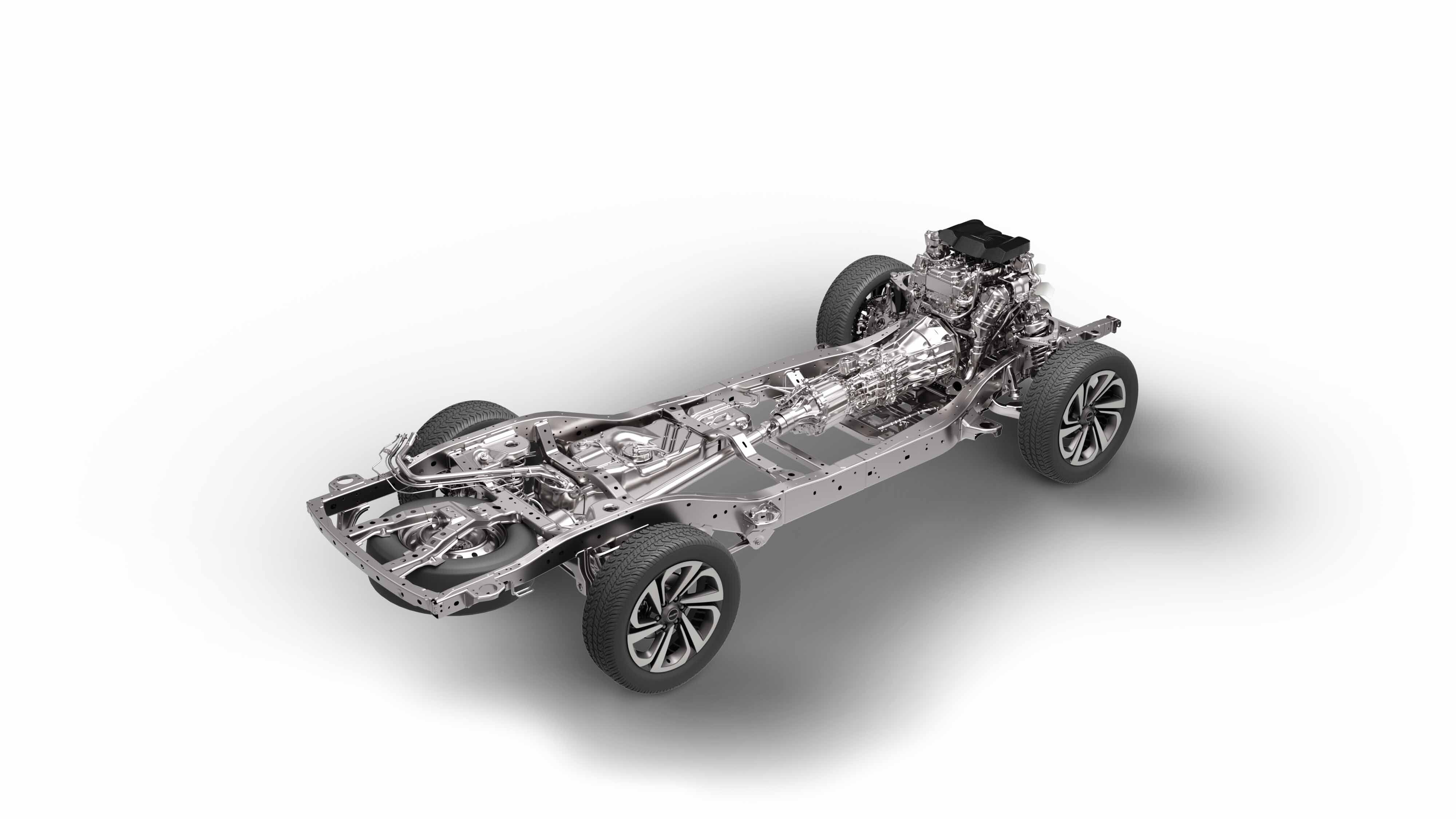
A 3500kg towing capacity is now standard across the MU-X range, as well as an increase in load carrying capacity. This has been achieved by designing a new chassis, that Isuzu says is crafted from high-tensile steel, has chassis rails that are 14 per cent wider and 34 per cent taller and with increases of longitudinal and torsional rigidity. It’s stronger, basically.
The body has an additional 157 spot welds found throughout, which Isuzu also tells us results in a body that is 10 per cent stiffer than the outgoing model.
With a lighter yet stiffer chassis, and a revised suspension tune, this 2022 MU-X has increased axle loads front and rear, with 100kg and 50kg increases respectively. Payload limits will depend on which model takes your fancy. The lighter base model LS-M can carry 665kg, the mid-sped LS-U 645kg and the top-of-the-line LS-T 625kg. Across the 4×4 line-up, the MU-X has a GVM of 2800kg and a GCM of 5900kg.
SERVICING COSTS
Isuzu are recommending 15,000km service intervals or every 12 months (whichever comes first):
15K service costs: $389 30K service costs: $409 45K service costs: $609 75K service costs: $299 90K service costs: $749 105K service costs: $409
This brings the total for Isuzu capped-price servicing to $3373 over the first 105,000km of ownership.
SAFETY TECH
Get ready for an onslaught of acronyms, the 2022 Isuzu MU-X is loaded with integrated safety technology under the banner of Intelligent Driver Assistance System (IDAS).
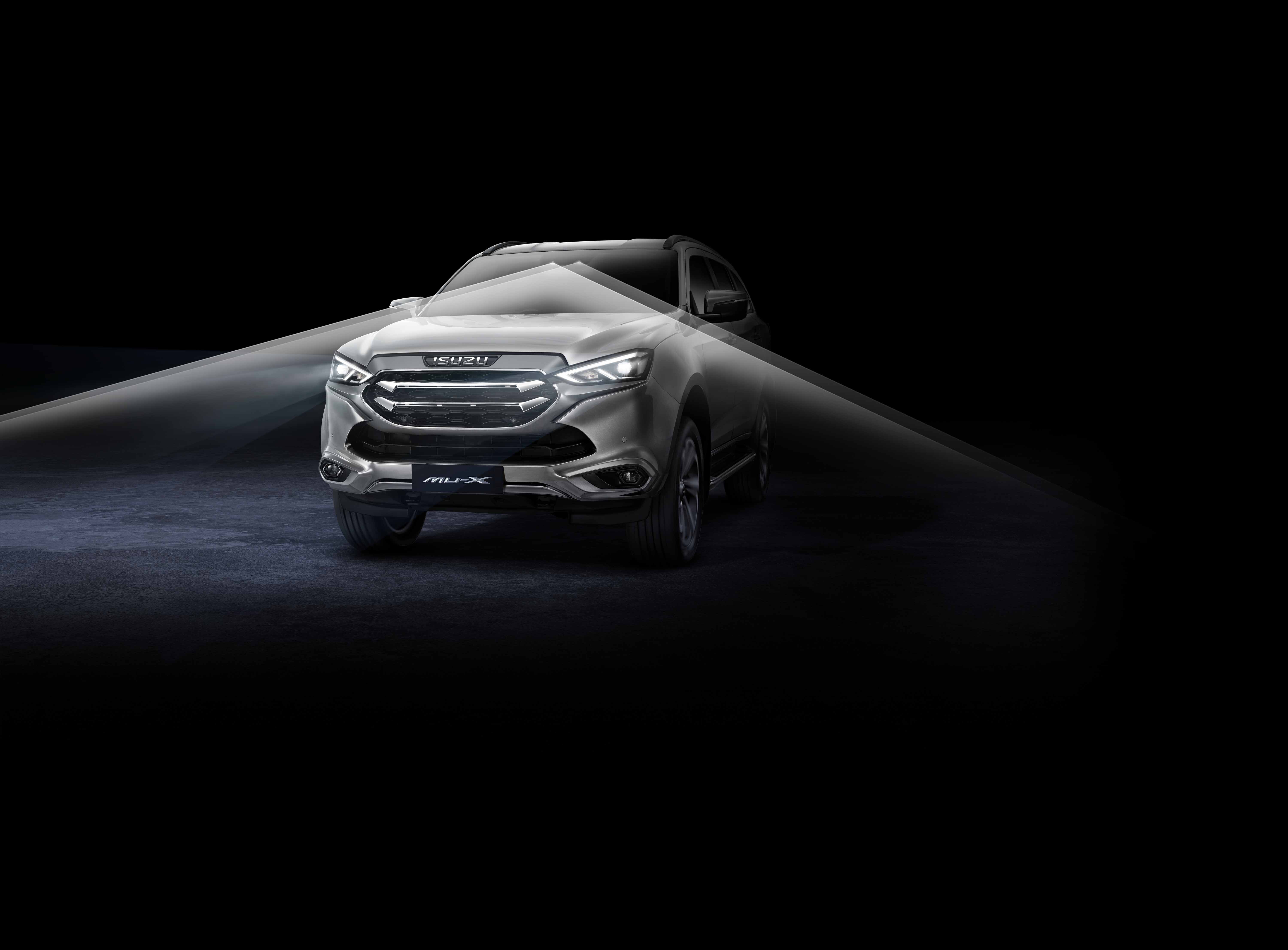
Autonomous Emergency Braking (AEB) AEB with Turn Assist Post-Collision Braking Forward Collision Warning (FCW) Misacceleration Mitigation (MAM) Adaptive Cruise Control (ACC) Traffic Sign Recognition (TSR) Intelligent Speed Limiter (ISL) Manual Speed Limiter Lane Departure Warning (LDW) Lane Departure Prevention (LDP) Lane Keep Assist System (LKAS) Emergency Lane Keeping (ELK) Driver Attention Assist Blind Spot Monitoring (BSM) Rear Cross Traffic Alert (RCTA) Anti-Lock Braking System (ABS) Electronic Brake Force Distribution (EBD) Electronic Stability Control (ESC) Emergency Brake Assist (EBA) Traction Control System (TCS) Hill Start Assist (HSA) Hill Decent Control (HDC) Trailer Sway Control (TSC) Roll Over Mitigation (ROM) Reversing Cameras with Dynamic Guidelines Rear Parking Sensors Front Parking Sensors (LS-U and LS-T models) LED rear Combination tail-lights Automatic Bi-LED headlights with auto-levelling LED Daytime Running Lights (DRL) Automatic High-Beam (AHB) Automatic Windshield Wipers Crash Door Unlock ISOFIX compatible anchor points across two seats, with three top-tether points Push Button Start with Smart Entry and Start (LS-M Push Button Start only) Welcome Light (LS-U and LS-T) Walk Away Door Lock (LS-U and LS-T) Remote Engine Start (LS-T) Automatic-Electronic Park Brake (EPB) with Auto Hold Function. Tyre Pressure Monitoring System (TPMS) (LS-T only) Auto-Dimming rear view mirror (LS-T)

ON-ROAD FEATURES
We’ll talk more about suspension in the off-road section of this article, but it’s safe to say there have been some significant improvements on paper, such as thicker sway bars and geometry revisions.
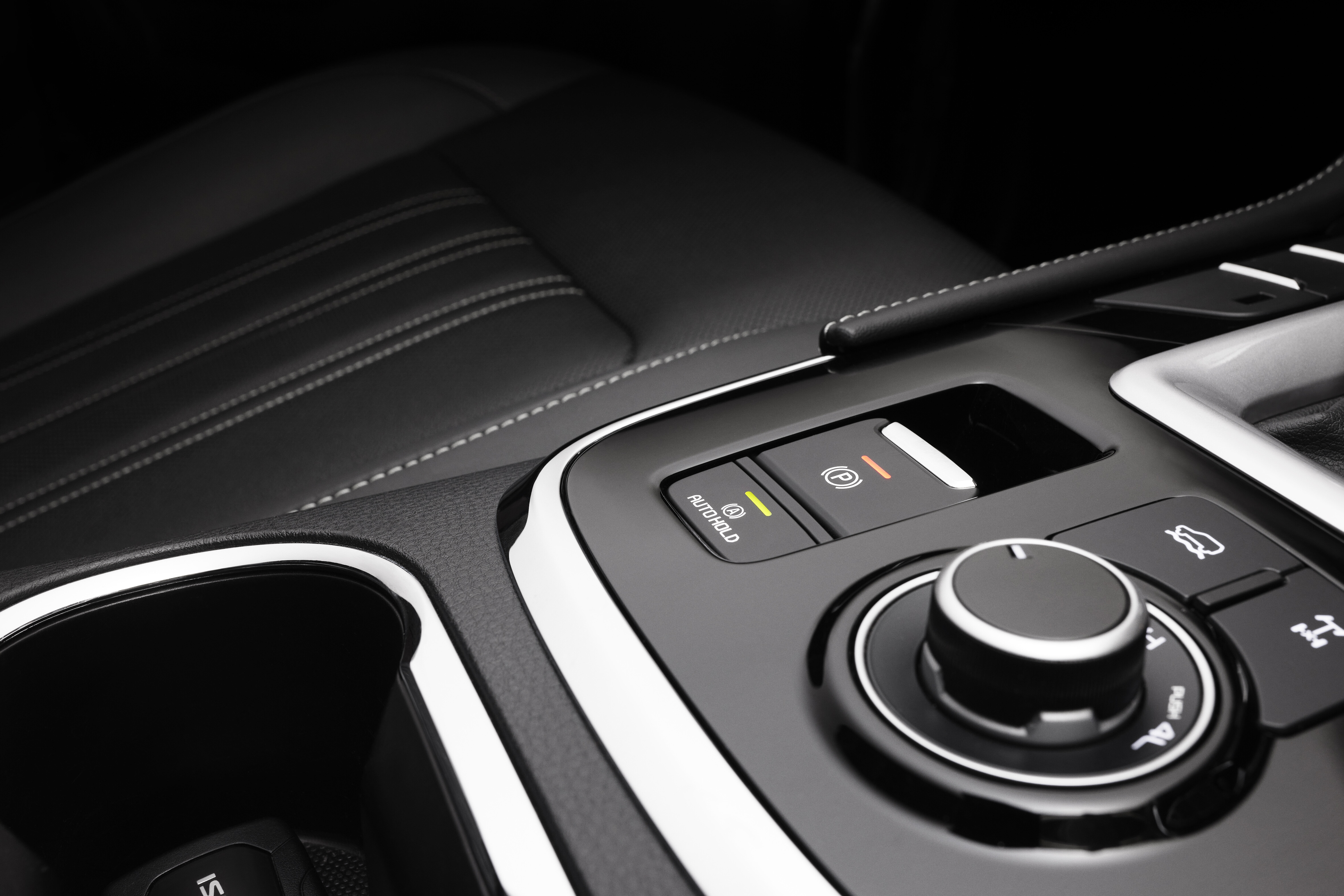
Another point worth mentioning, is an overhaul of the MU-X’s brakes. First of all, the handbrake is now electronically operated and features an Auto Hold function. While this is a sign of the times, we can’t help but mourn the manually controlled handbrake for its simplicity in a 4WD. Oh well …
Larger (20mm bigger on the front) and more powerful disc brakes can be found on all four corners. Just what you want to see on a family tow vehicle. An increase in clamping pressure is also reported, so this shouldn’t be a slouch when it comes to slowing down.
Electronic steering now replaces the hydraulically-controlled type found in the old MU-X. This will help slightly with emissions; however, Isuzu tells us this is also a more reliable system. We’ll report back after our first drive to see if they got it right. We are sad to announce that the MU-X will not be available with a manual gearbox, the only choice on offer is a 6-speed Aisin automatic gearbox. Another sign of the times.
Also, it’s worth mentioning you can no longer get 16-inch wheels on an MU-X. The smallest wheel offered is a 17-inch on the LS-M because of the larger brakes now fitted. The LS-U sees 18-inch wheels, and the LS-T 20-inch wheels.
OFF-ROAD FEATURES
When it comes to off-road focused additions, there are a fair few key points to take a look at. Namely, the inclusion of a factory fitted electromagnetic rear-differential lock across the 4×4 range. There’s also a neat little button, called Rough Terrain Mode, which Isuzu tells us is an off-road specific calibration of their traction-control system, designed to be more aggressive at slowing spinning wheels, and sending drive to the wheels with traction. We’ll be testing this out soon.
In terms of off-road angles, approach, ramp-over and departure angles have been improved over the previous model, too. Wading depth has also been increased to 800mm, with a revised airbox design, that will be simple-as-pie to add a snorkel (raised air intake) to.
Suspension revisions are plentiful, with tuning to suit Australian conditions a priority according to Isuzu. Starting with front-end geometry tweaks made to the IFS system, including a new high-mount upper control arm and a thicker sway bar. Apparently, the wider span upright arms help to maintain camber and castor angles and geometry composure allowing for a wider contact patch on the road when cornering. The front spring rate has been increased, for a firmer ride and increased load carrying capacity.
In the rear-end, the 5-link coil-sprung suspension has been totally redesigned, with the aim of allowing more suspension travel, as well as better load carrying abilities. Spring rates have been increased in the rear, to assist with load carrying. A 23mm sway bar offers a 36.6 per cent greater span than the old one, to further prevent body roll.
One point worth mentioning to my fellow off-roaders, is the entire driveline in this model has seen significant strength upgrades. The CV joints are now stronger and thicker, the front shaft is also stronger. Isuzu is now using a one-piece carbon steel tail shaft in the rear measuring 108mm in diameter, claimed to be 13.6 per cent thicker.
Sealed maintenance-free wheel bearings have also been used on the front end, meaning they won’t need to be pulled apart every 40,000km and regreased; saving consumers money come service time. Just be aware, that these whole units will need to be replaced when the time comes, rather than just repacking them with grease.
Isuzu has also put in attention to the transfer case, with a nice low-range reduction ratio of 2.482:1. Internally, the output shaft is now 15.3 per cent thicker, and they are telling us 4×4 engagement is quicker and easier than the previous generation. The 4WD high-range can be engaged at speeds of up to 100km/h, however low-range will need to be selected at a standstill with the auto gearbox (no manual available) in neutral.
Underbody protection has been improved, with a combination of 1.5mm thick steel and 5mm thick poly-composite protection plates to protect vital components. An 80L polyurethane fuel tank is also now standard, which is a welcome addition for long-distance tourers.
PRICING
With stock and supply shortages wreaking havoc worldwide, we are curious to see how the roll-out of the new MU-X is handled. What we have been told though, is the official on-sale date is August 2, 2021, and dealerships should have the 2022 MU-X towards the end of July.
So, while you are getting many more standard inclusions with the 2022 Isuzu MU-X, you certainly will be paying for the privilege compared to the previous generation:
LS-M 4X4 with Automatic Transmission: $53,900 (Before ORC) LS-U 4X4 with Automatic Transmission: $59,900 (Before ORC) LS-T 4X4 with Automatic Transmission: $65,900 (Before ORC)
*As a side note, Isuzu is offering pricing of $63,990 drive-away for the LS-T model during the initial introductory period.
Snapshot
- One-make rally series to run in 2022
- 12 identical Defender 90s to compete over seven rounds
- Defender Challenge to spawn range of accessories for Defender
Drew Bowler built his brand of rally vehicles through the late ’80s, ’90s and 2000s using a range of Land Rover-based vehicles that competed in the UK and on the global stage in top-tier events such as the Dakar and Baja Rallies. Some of the most memorable Bowler vehicles included the Defender-derived Bowler Bobcat and Bulldog.
That was until Andy Bowler’s passing in 2016, and shortly afterwards the Bowler company was acquired by JLR to work closer with the manufacturer.
The latest result of the closer ties will see the new Land Rover Defender 90 modified for rallying in its own, single-make series to be conducted in the UK in 2022.
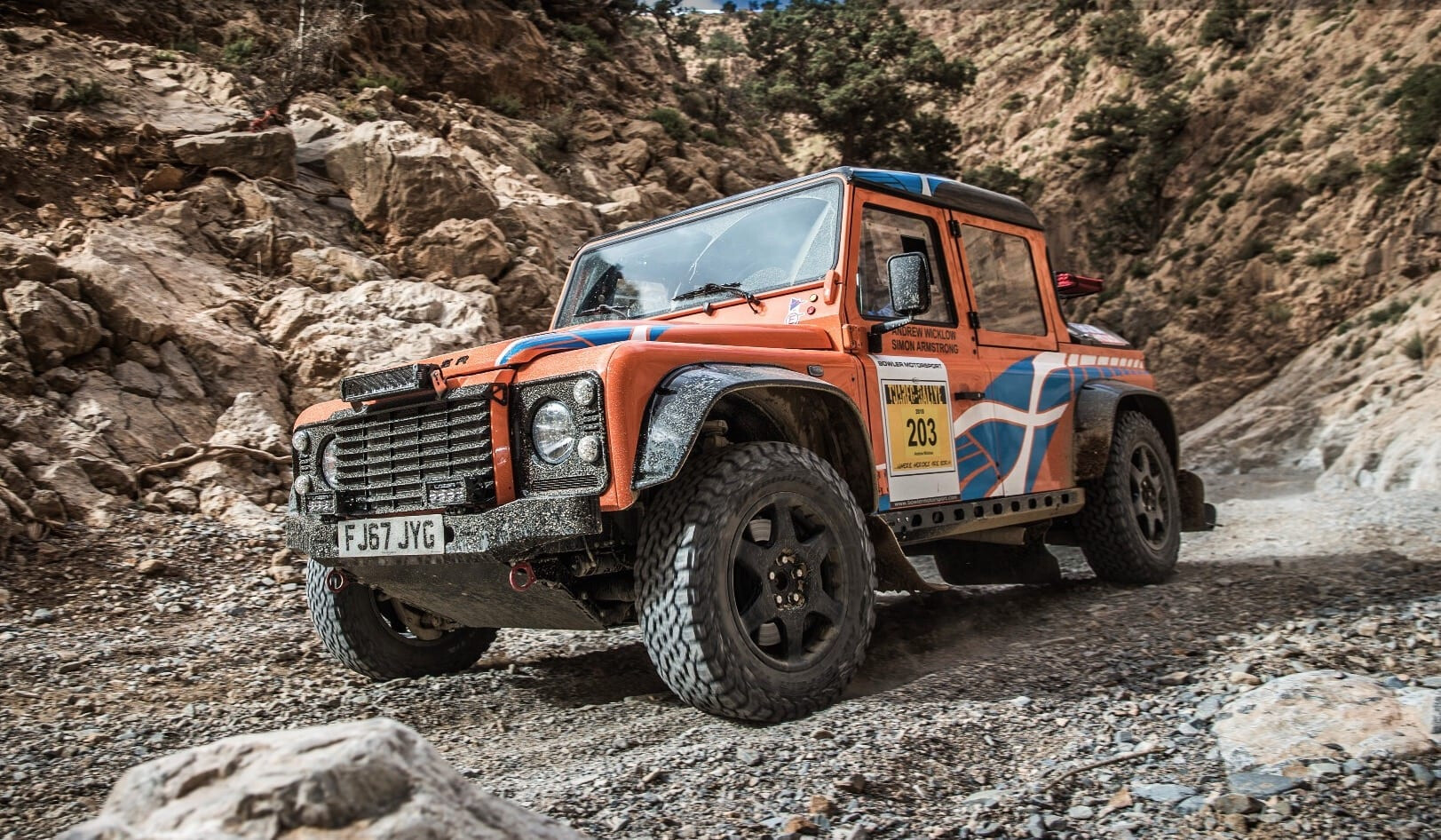
The Defenders will be stripped of all their road-going features for competition and fitted with safety items such as a full FIA-spec roll cage, racing seats and harnesses, and a fire-suppression system. Underneath, the suspension subframes have been modified and braced for increased strength and to accept Fox shock absorbers that have been specifically developed for the cars. The rally suspension sees the Challenge Defenders riding 25mm higher than a standard coil-sprung vehicle.
All the rally Defenders will be powered by the 2.0-litre turbocharged petrol four-cylinder engine backed by the standard eight-speed automatic transmission, which gets steering column-mounted shift paddles for the drivers. Rally-spec 18-inch wheels will be standard across the cars.
“The development of the new Bowler Defender Challenge rally car perfectly illustrates the mutual benefits of Bowler joining Jaguar Land Rover Special Vehicle Operations, said Michael van der Sande, Managing Director, Jaguar Land Rover Special Vehicle Operations.
“Our technical support married to Bowler’s legendary rally expertise has turned the extraordinarily capable Defender into a purposeful competition machine. The Bowler Defender Challenge will prove the Defender’s durability through some of the toughest conditions, while providing an exciting and accessible entry point into all-terrain motorsport for a new generation of Bowler and Land Rover customers.”
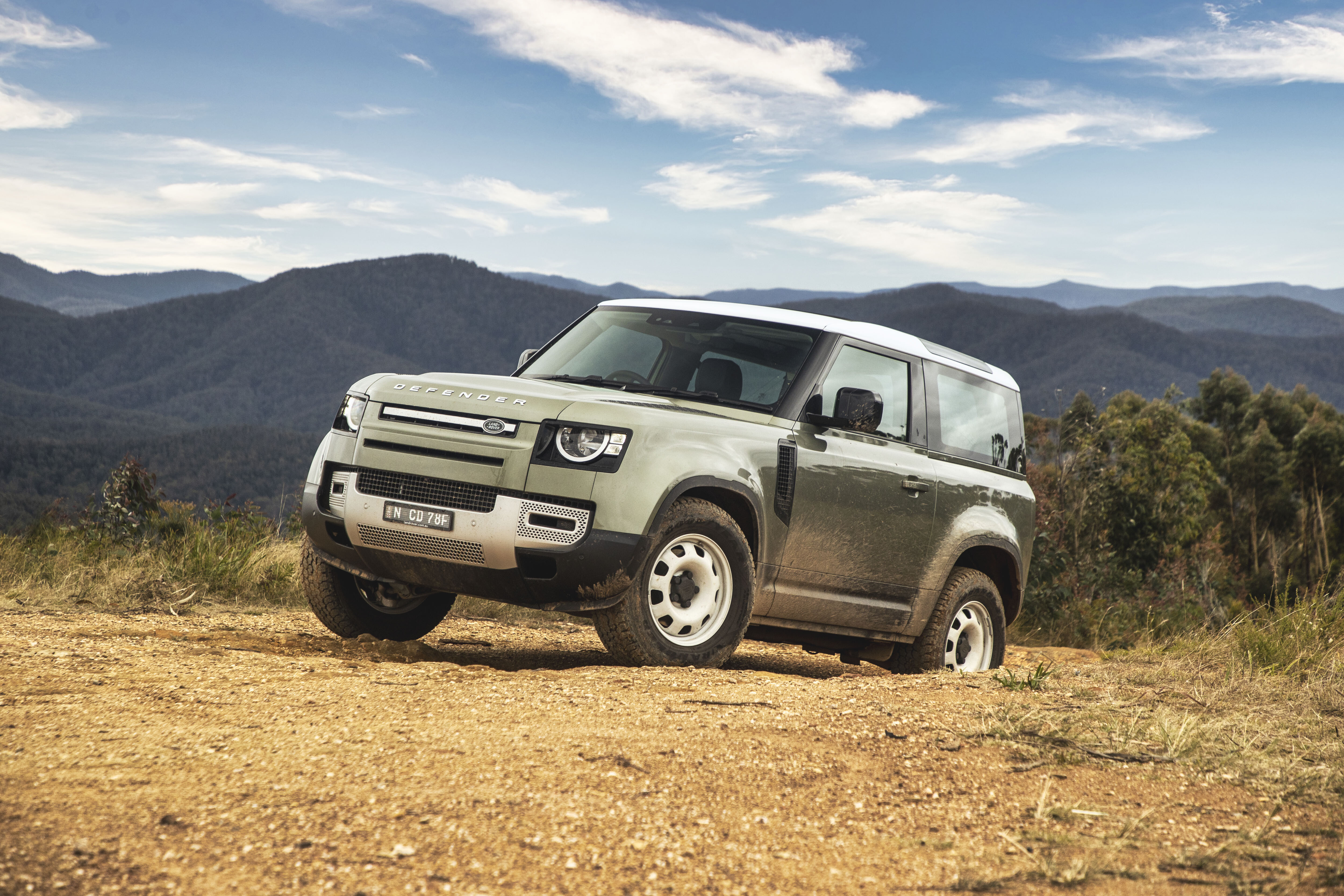
The Bowler Defender Challenge will run over seven rounds, all in the UK, with dates and locations to be announced later in the year. There are 12 entries available for the one-make series, with each team competing in identical Bowler-prepared Defenders.
For those with limited experience or none, Bowler can offer training and support to gain the necessary licence before moving directly to the series.
Entry into the Challenge will set competitors back around £99,500 which includes a Bowler-prepared Defender Challenge car, entry into the 2022 series, and event support. Options include training, series logistics and vehicle support at all rounds.
While it might be a hoot to race a rally-prepared Defender against other like-minded people, the boon for regular Land Rover owners is that the Challenge will spawn a range of accessories that will be available further down the track.
The old adage that racing improves the breed rings true and having access to factory-approved, Bowler-developed parts for your Defender will be a good thing.