Opinion


Gallery 1
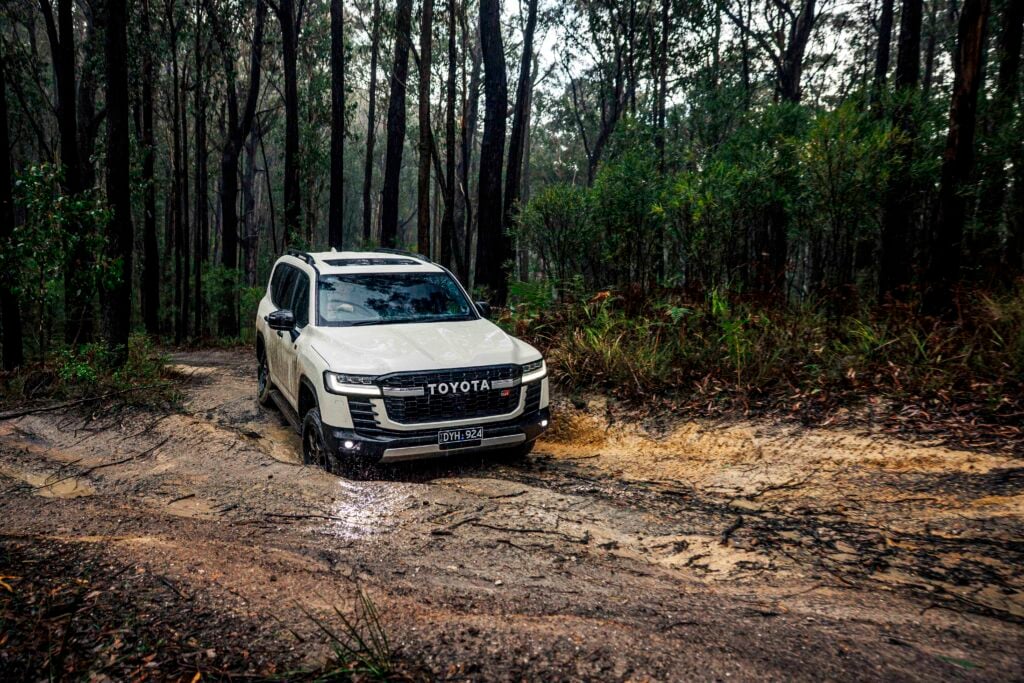
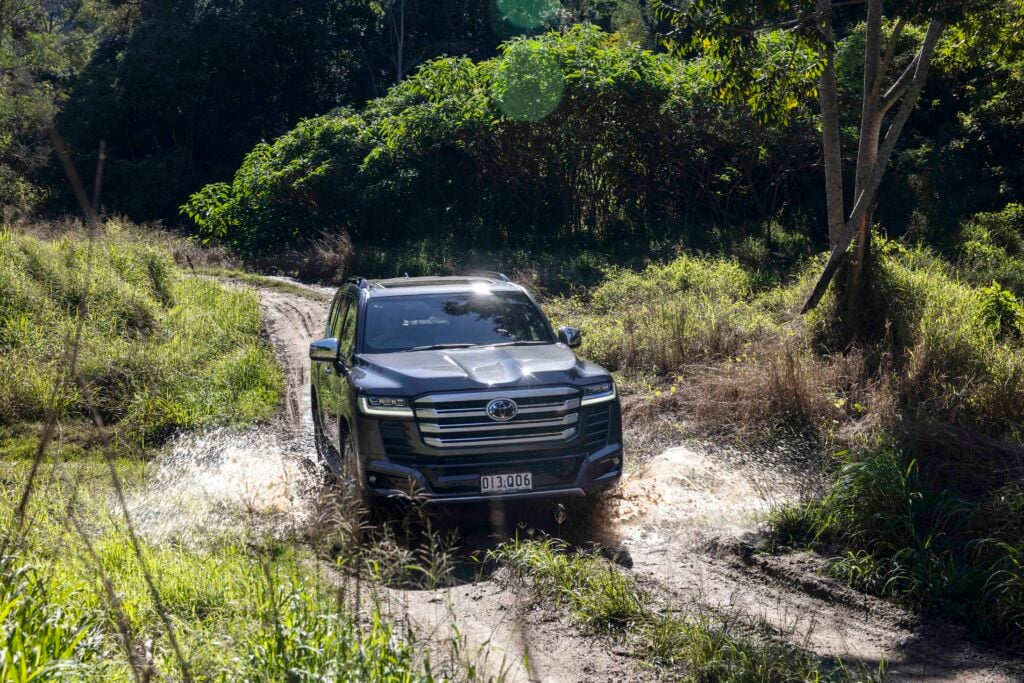
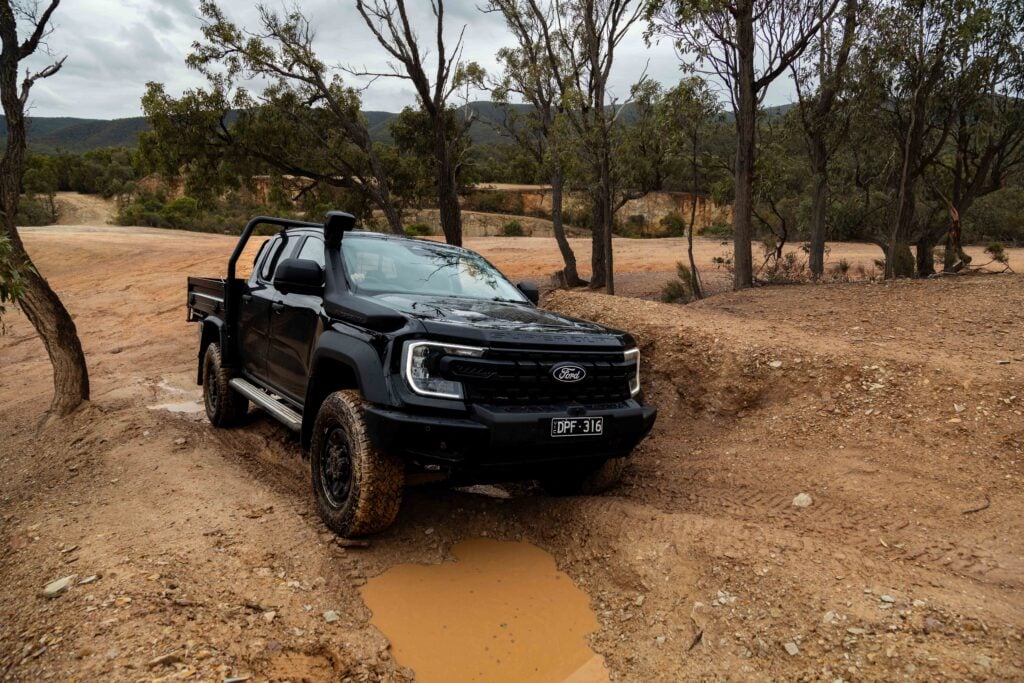
At a time when new players are flooding into the vehicle market with some interesting ideas about what a 4×4 vehicle is, I thought it was time to reflect on what 4×4 means. It is, after all, the name of this website.
4×4 denotes a four-wheeled vehicle in which all four wheels propel the vehicle in the chosen direction. For this to happen, all four wheels need to be locked together via the driveshafts and axles, but because our vehicles still need to turn and manoeuvre on hard surfaces, having them locked together is not always practical. This is why we have differentials within the drivetrain: A centre differential between the front and rear axles on a full-time four-wheel drive vehicle, and cross-axle differentials in both the front and rear axles.
These differentials allow the wheels to rotate at different speeds when turning a corner, but they also allow the drive to go to the axle or wheel with the least load on it when traction is broken. The car can then be left stuck with that one wheel spinning in the air or in the mud.
When you lock the centre differential, both the front and rear axles are forced to rotate at the same speed, but a spinning wheel on one side of either axle could attract all the drive there, killing forward progress. Locking the differential in the axle forces the wheels on each end of the axle to turn at the same speed, just as the centre diff does front and rear when you lock it. The only way to ensure that all four wheels are doing the job of propelling your vehicle is to have them all locked together.
Electronic traction control (ETC) was brought in to help soft-roader SUVs that don’t have locking diffs or low range traverse a modest range of off-road tracks. It does this by using the ABS to arrest a wheel spinning in the air or mud and send the drive to the wheels that still have grip. That’s putting it simply. ETC systems have developed massively since those first systems, but they are still no match for locked diffs when the going gets tough.
Now, most manufacturers have vehicles that they call “4×4”, but is that really the case if they can’t have all four wheels propelling the car at the same time?
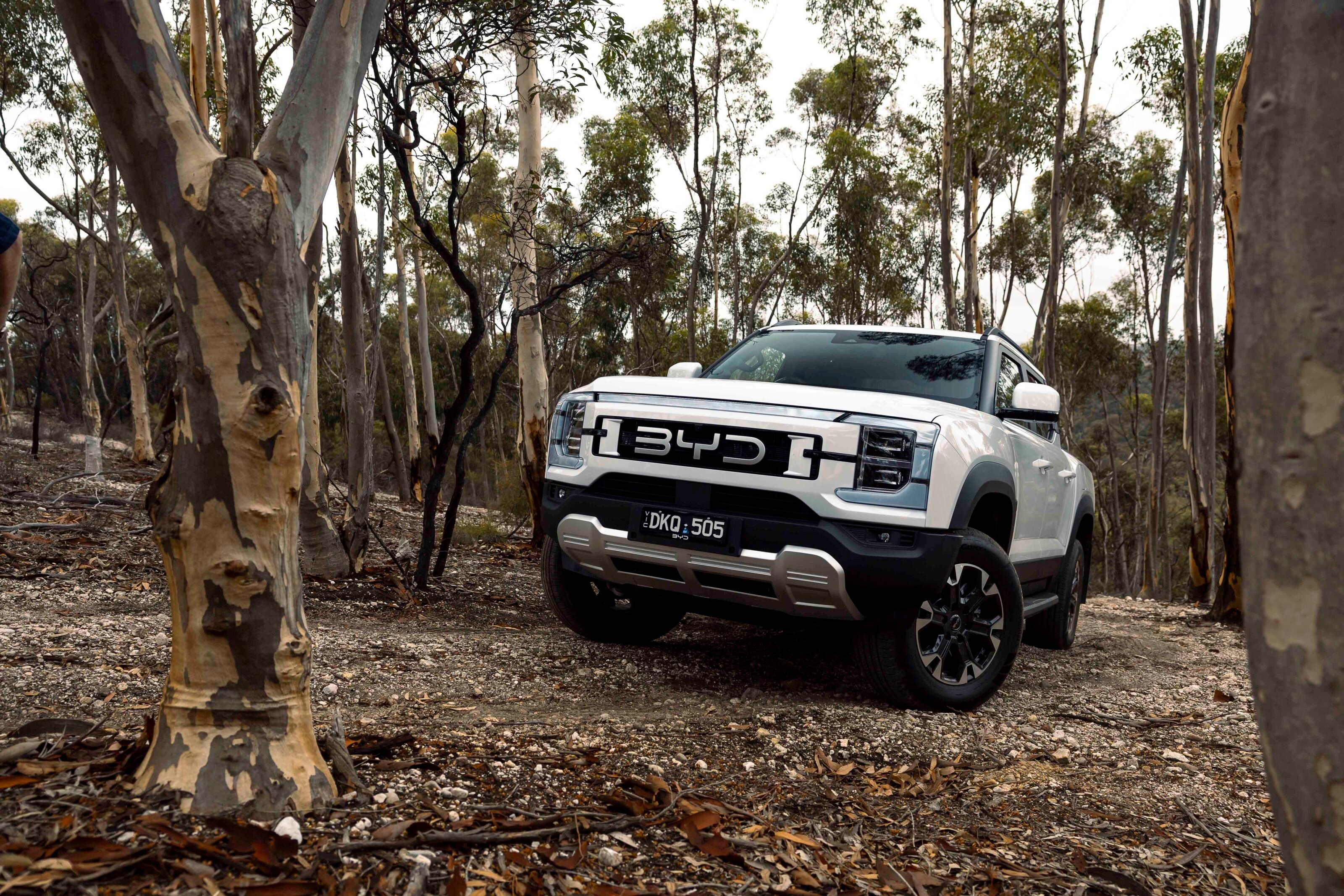
What about a vehicle like the BYD Shark, which has no mechanical connection between the front and rear axles, let alone locking differentials or even low range? Can it be a 4×4, or is it just another soft-roader like a RAV4, X-Trail or Subaru?
The first versions of the Shark 6 were pretty useless off-road, but, according to a recent test, BYD has solved this with nothing but a software upgrade. Something to ponder around your next campfire.
Follow 4X4 Australia on Google
Get more 4x4 news, reviews and gear stories from 4X4 Australia in your Google feeds.

We recommend
-
 Opinion
Are modern 4x4s too complicated for the bush?
Modern 4x4s are more capable than ever, but all that technology and complexity could make an old-school rig a smarter choice for remote touring
-
 Opinion
Is diesel still the best fuel for a 4x4, or is petrol gaining ground?
Diesel has long been the fuel of choice for Australian 4x4s, but a growing number of petrol-powered models are challenging that dominance