Gear

Gallery 1
A suspension lift is a popular starting point for a new Toyota N90 HiLux, but choosing a kit by ride height alone can miss the bigger picture. The right setup needs to suit the vehicle’s weight, driving conditions and how its suspension will be used.
A daily-driven dual-cab doing occasional beach work has different needs from a heavily loaded tourer spending weeks crossing the country. Regular corrugations, rocky tracks, towing and carrying accessories all place different demands on suspension.
TJM’s XGS range (↗) offers different approaches to suspension performance, from the all-round Roamer to the adjustable Remote and the more specialised Rugged. For owners whose accessories and equipment push the vehicle’s carrying capacity, the XGS GVM Plus may also be worth considering.
| Driving scenario | What to prioritise | TJM option to consider |
|---|---|---|
| Tradie / daily driver | Everyday ride comfort, predictable handling and spring rates suited to tools, accessories and regular loads. | XGS Roamer for everyday work and occasional touring. |
| Touring | Controlled damping on corrugations, springs matched to touring gear and consistent performance on long trips. | XGS Roamer for general touring, or XGS Rugged for more demanding rough-road travel. |
| Touring with a camper | Suspension matched to the loaded vehicle, towing demands and extended rough-road travel. Adjustable damping can help adapt the ride to changing conditions. | XGS Remote for adjustable compression and rebound damping. Consider XGS GVM Plus if an approved increase in carrying capacity is required. |
| Regular rough tracks and corrugations | Heat management, suspension control and spring rates suited to the vehicle’s loaded weight. | XGS Rugged for demanding terrain, or XGS Remote for additional damping adjustment and a remote reservoir. |
These are starting points, not universal fitment recommendations. The right setup depends on vehicle compatibility, accessories, loaded weight and intended use. A GVM upgrade doesn’t override other vehicle or towing limits.
What each XGS option offers
XGS Roamer: The all-rounder
For a HiLux that spends most of its time on the road but regularly heads away for weekends or longer trips, XGS Roamer (↗) is worth considering.
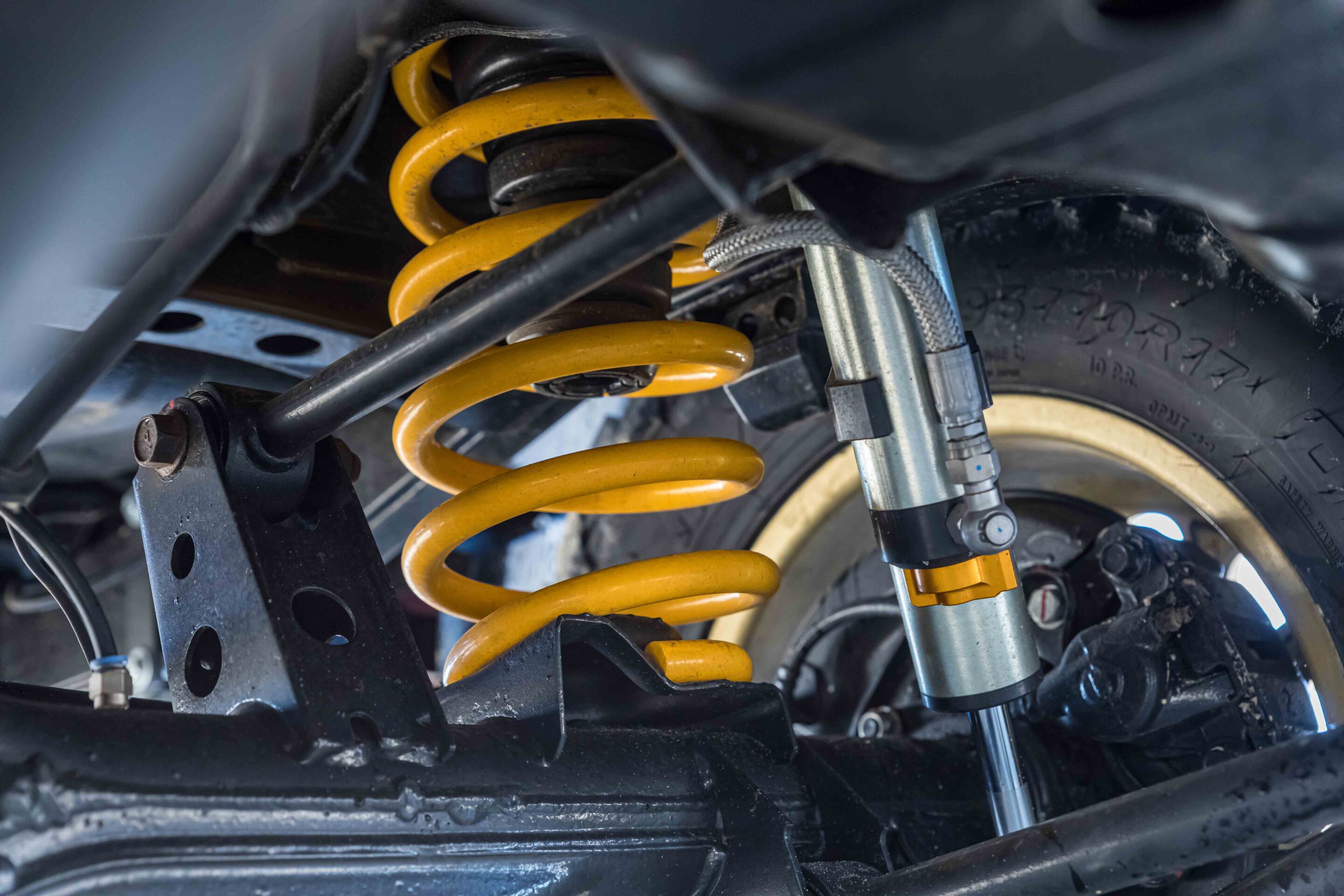
Roamer uses nitrogen-charged twin-tube shock absorbers with an 18mm hard-chromed piston rod and 40mm piston bore. Its multi-stage, velocity-controlled valving is designed to respond to changing suspension speeds and terrain, balancing everyday ride comfort with the control needed for touring and weekend off-roading.
Spring selection is just as important as the shock absorbers. A HiLux carrying a bull bar, canopy, drawers and touring equipment needs springs matched to its actual load. Choosing a kit simply to achieve a particular lift can leave the vehicle riding poorly if the spring rates don’t suit the weight.
1
XGS Rugged: for demanding terrain
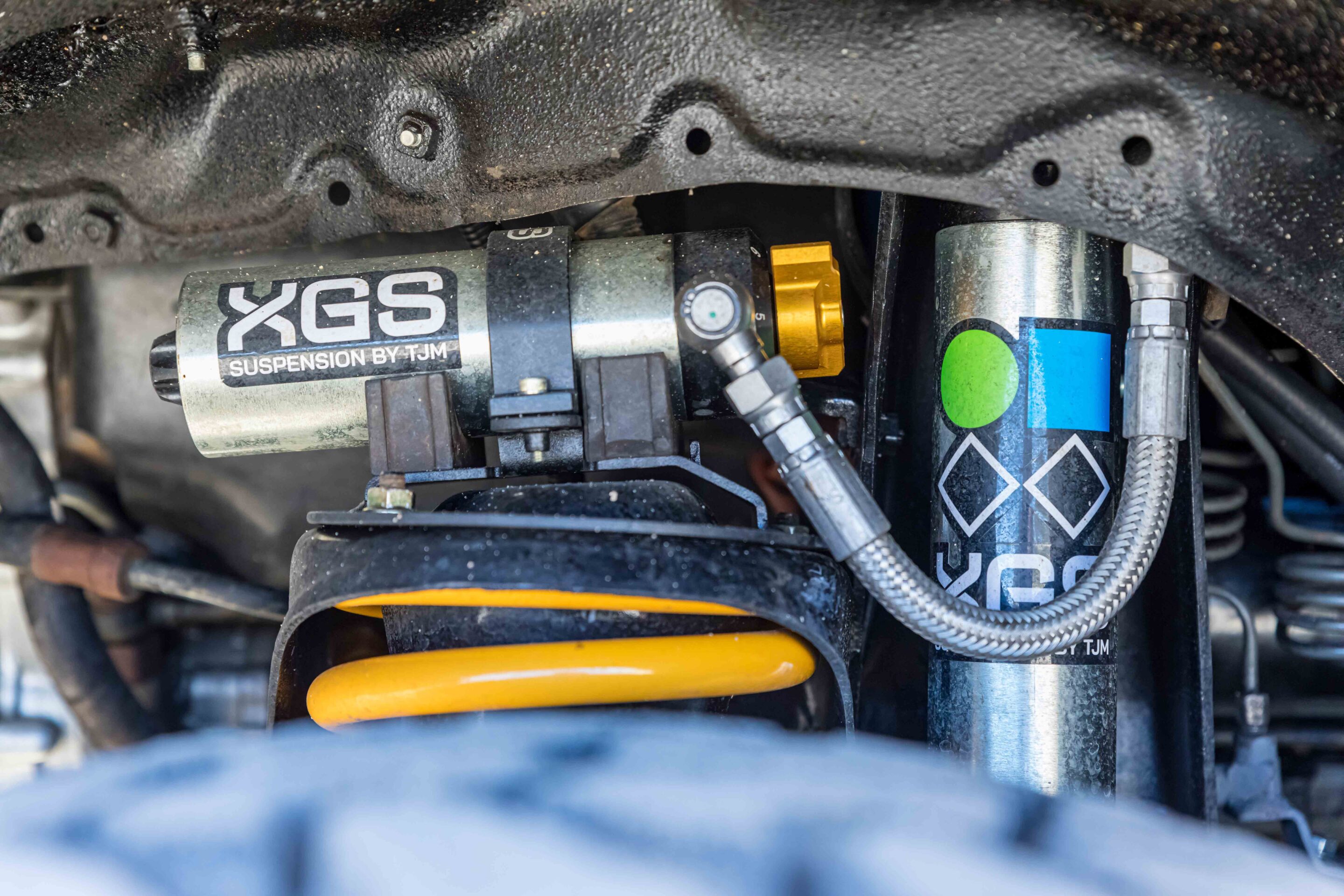
Corrugations and rough tracks put repeated demands on shock absorbers. As the oil inside a shock heats up, damping performance can fade, reducing the control it provides over suspension movement.
XGS Rugged (↗) steps up to a monotube shock absorber with a 52mm piston bore. In this design, a floating piston separates the damping oil from pressurised nitrogen gas, while the oil’s contact with the cylinder wall helps dissipate heat. This construction is designed to manage demanding conditions and reduce shock fade during sustained corrugated-road driving.
Rugged also features adjustable front struts and multi-stage, velocity-controlled valving, designed to respond to changing suspension speeds and help maintain control when carrying heavier loads on and off the road.
For owners who regularly tackle rough tracks, corrugations and demanding touring routes, these features are worth considering alongside spring rates suited to the vehicle’s load. Correct setup and appropriate driving speeds remain essential, particularly over prolonged rough sections.
7
XGS Remote: adjustable damping
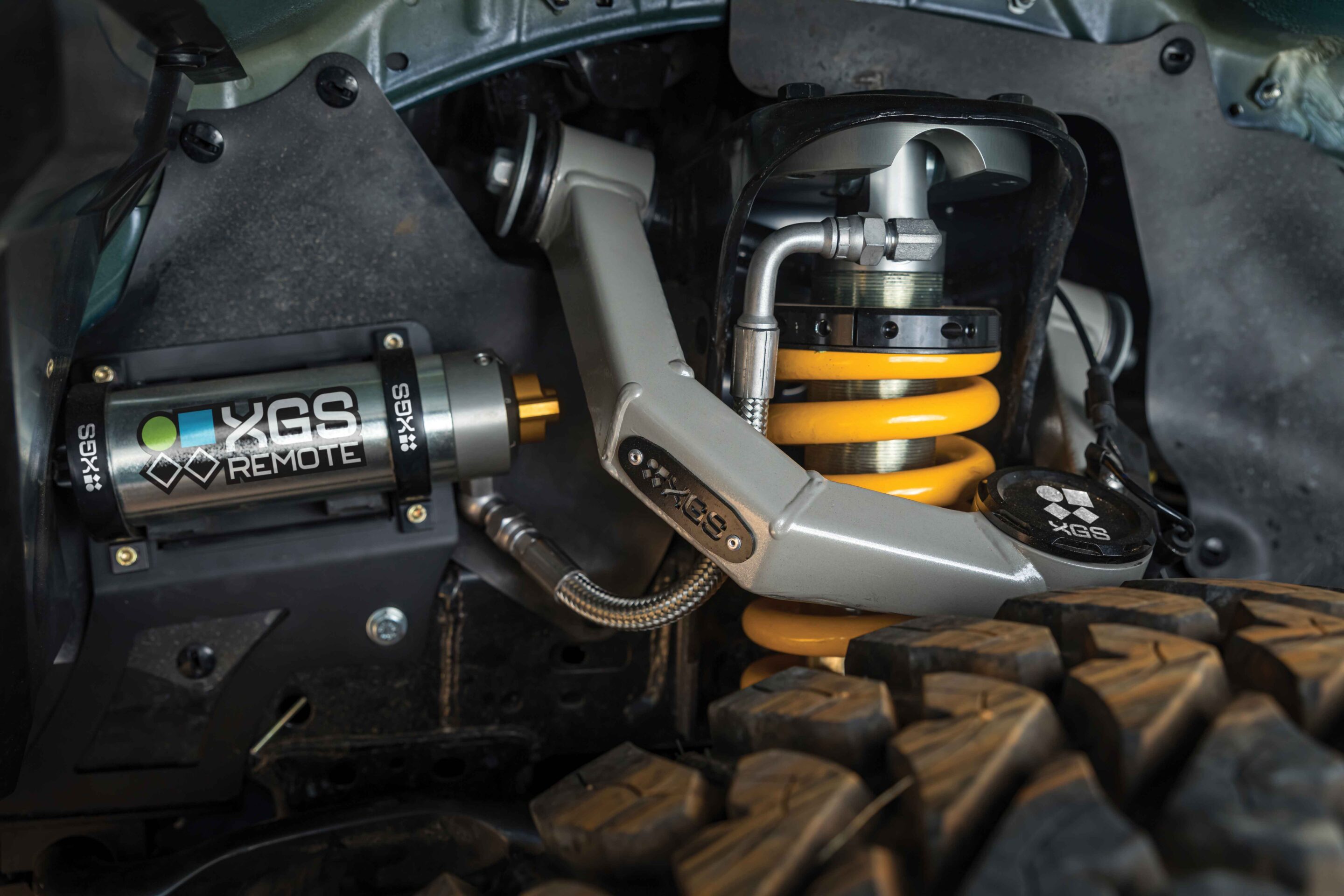
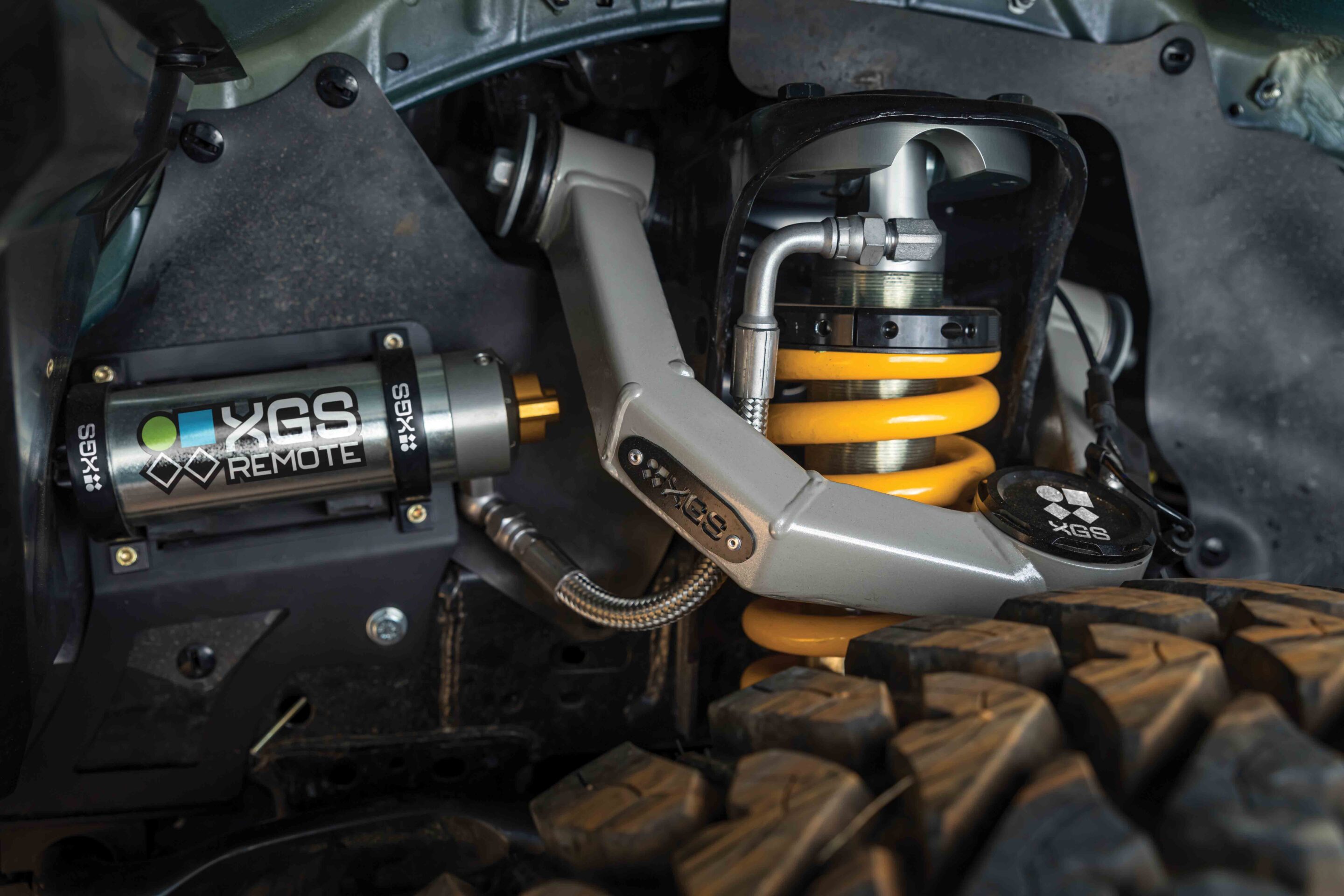
XGS Remote (↗) builds on the Rugged’s 52mm piston bore and monotube design, adding a remote reservoir that doubles the shock absorber’s oil capacity. The additional oil volume helps manage heat and supports consistent damping during demanding use.
Remote also incorporates a hydraulic bump stop within the shock absorber. This provides progressively increasing resistance as the suspension approaches the end of its compression stroke, helping manage harder impacts and improve control when driving over bumps and corrugations with a load on board.
Its key point of difference is eight-stage adjustment of both compression and rebound damping. Compression adjustment changes how the shock responds as the suspension compresses, while rebound adjustment controls how quickly it extends again. Drivers can tune the response to suit different terrain and loads, rather than relying on one fixed setting.
That flexibility can be useful for a HiLux that shifts between daily driving, touring and heavier off-road work. However, damping adjustment isn’t a substitute for selecting the correct springs. The vehicle still needs to be set up for its regular load, and adjustments won’t compensate for exceeding weight limits or using unsuitable spring rates.
8
XGS GVM Plus: for heavier loads
A suspension lift doesn’t automatically increase a vehicle’s legal carrying capacity. HiLux owners planning to add accessories, carry touring gear or tow a camper should calculate the finished vehicle’s weight and check whether the standard gross vehicle mass (GVM) will be sufficient.
TJM’s XGS GVM Plus range (↗) is designed to increase approved load-carrying capacity while maintaining ride quality on and off the road. Depending on the application, kits include the required suspension components, which can include leaf springs, X5K spring-steel coil springs, bushes and installation hardware. Any increase in GVM must be approved for the specific vehicle and application, and it doesn’t override other limits such as towing capacity or tyre ratings.
A GVM upgrade should be considered as part of the overall build, rather than an automatic addition to every lift. The right setup depends on the vehicle’s expected loaded weight and how it will be used.
Don’t overlook upper control arms
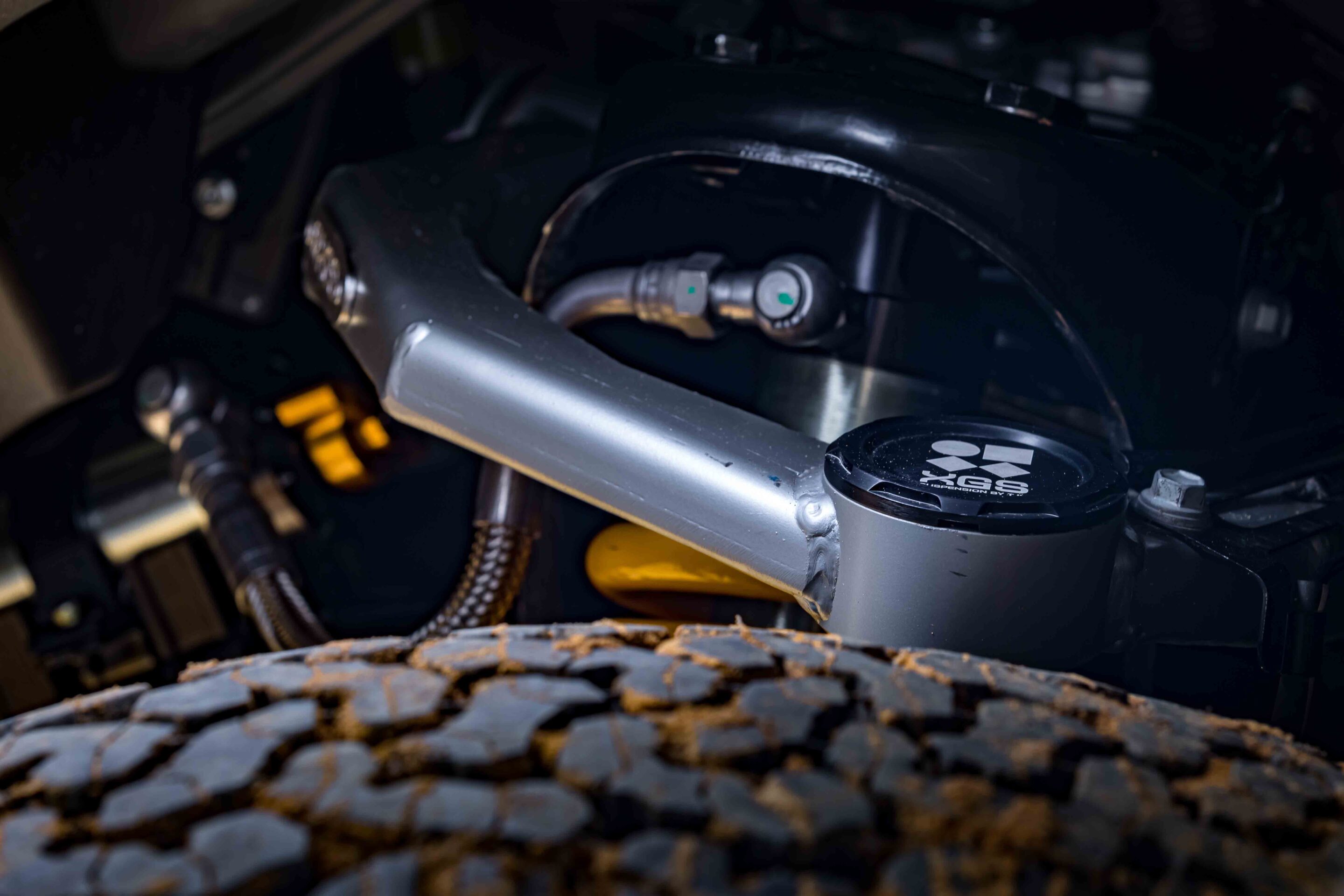
Lifting a HiLux can change front suspension geometry and make it harder to achieve the correct wheel alignment using factory adjustments alone. TJM’s XGS upper control arms (↗), designed and made in Australia using high-quality components, provide additional adjustment, with up to three degrees of extra caster and camber correction specified, depending on the application.
Developed using 3D computer-aided design, the arms retain a footprint similar to the original equipment components while revising the geometry and ball-joint positioning for lifted suspension setups. TJM also says the design provides additional wheel clearance and has been tested with a range of aftermarket wheels to help minimise the risk of contact.
Upper control arms aren’t required for every lift. Whether they’re needed depends on the vehicle, lift height and alignment results. A wheel alignment after installation is essential to confirm the suspension can be adjusted to the appropriate specifications.
1
Choose for the HiLux you will actually drive
The best suspension upgrade isn’t necessarily the one that delivers the biggest lift or the most adjustment. It’s the one that suits the vehicle’s weight, terrain and intended use.
For everyday driving and general touring, XGS Roamer is an option to investigate. For sustained rough-road use, consider the benefits of a monotube design such as XGS Rugged where it’s available for your vehicle. If adjustable damping is a priority, XGS Remote offers more scope to tailor suspension response. And if accessories and equipment are pushing carrying capacity, discuss XGS GVM Plus before the build begins.
Tell your suspension specialist how the HiLux will be used, what accessories are planned and how much weight it will carry. That information is a better starting point than choosing a lift height first.
Follow 4X4 Australia on Google
Get more 4x4 news, reviews and gear stories from 4X4 Australia in your Google feeds.

We recommend
-
 Gear
How TJM is unlocking the BYD Shark’s off-road potential
The Shark has plenty of potential beyond the bitumen, and TJM has the suspension, protection and touring upgrades to help owners take it further
-
 Gear
Choosing the right bull bar for off-roading
How TJM bull bars, winches and front-end accessories add weight to your 4WD, and why it matters for suspension and handling
-
 News
TJM announces new range of XGS 4WD suspension systems
Set for release in November 2022, TJM Australia says its new range of XGS suspension lift kits are here to shake up the 4WD suspension industry