Reviews


Gallery 1
8
/10
Score
Things we like
- Smooth, grunty engine
- Triple diff locks
- Off-road capability
Not so much
- Transmission calibration at low revs
- Confusing driver controls
- Low profile tyres
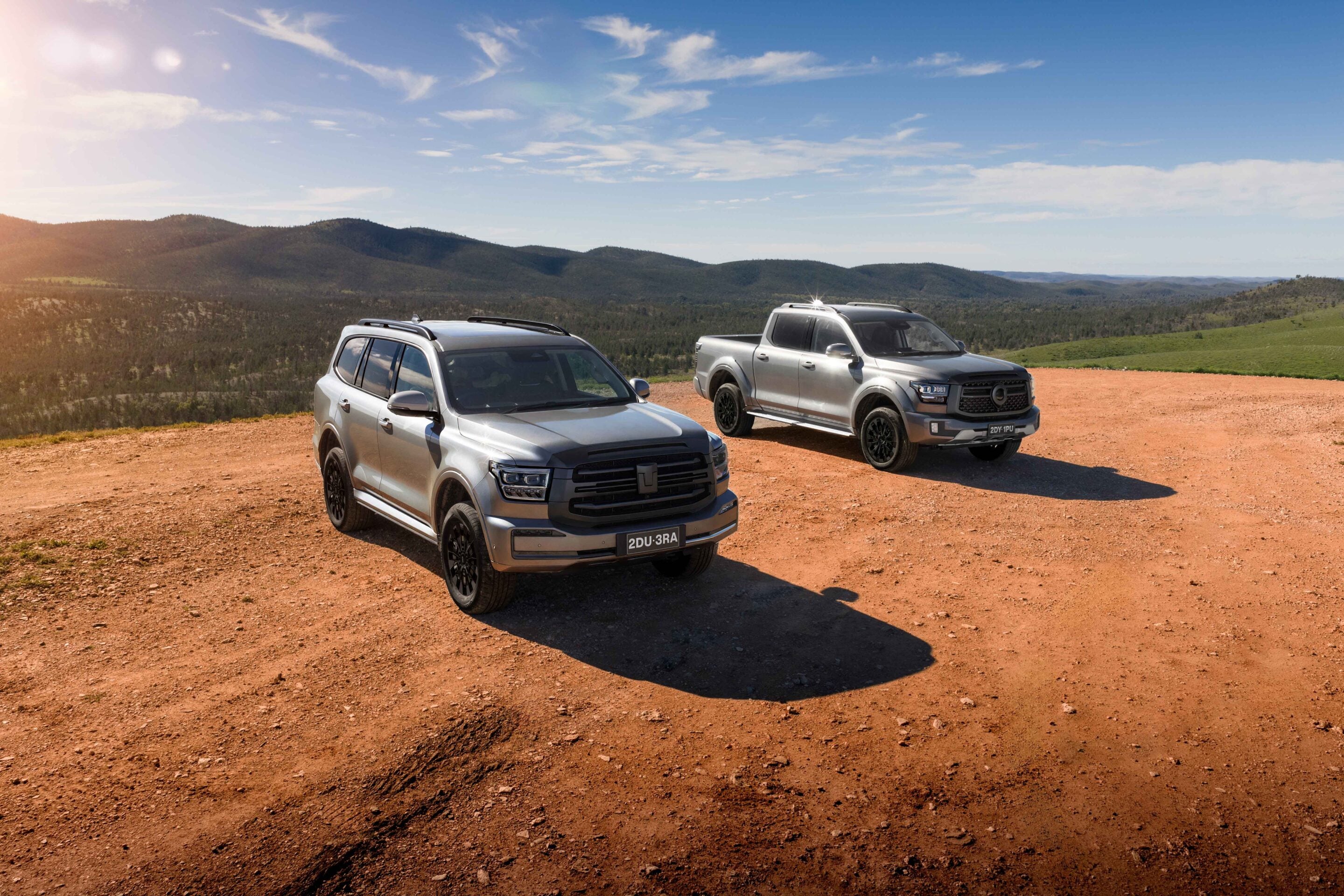
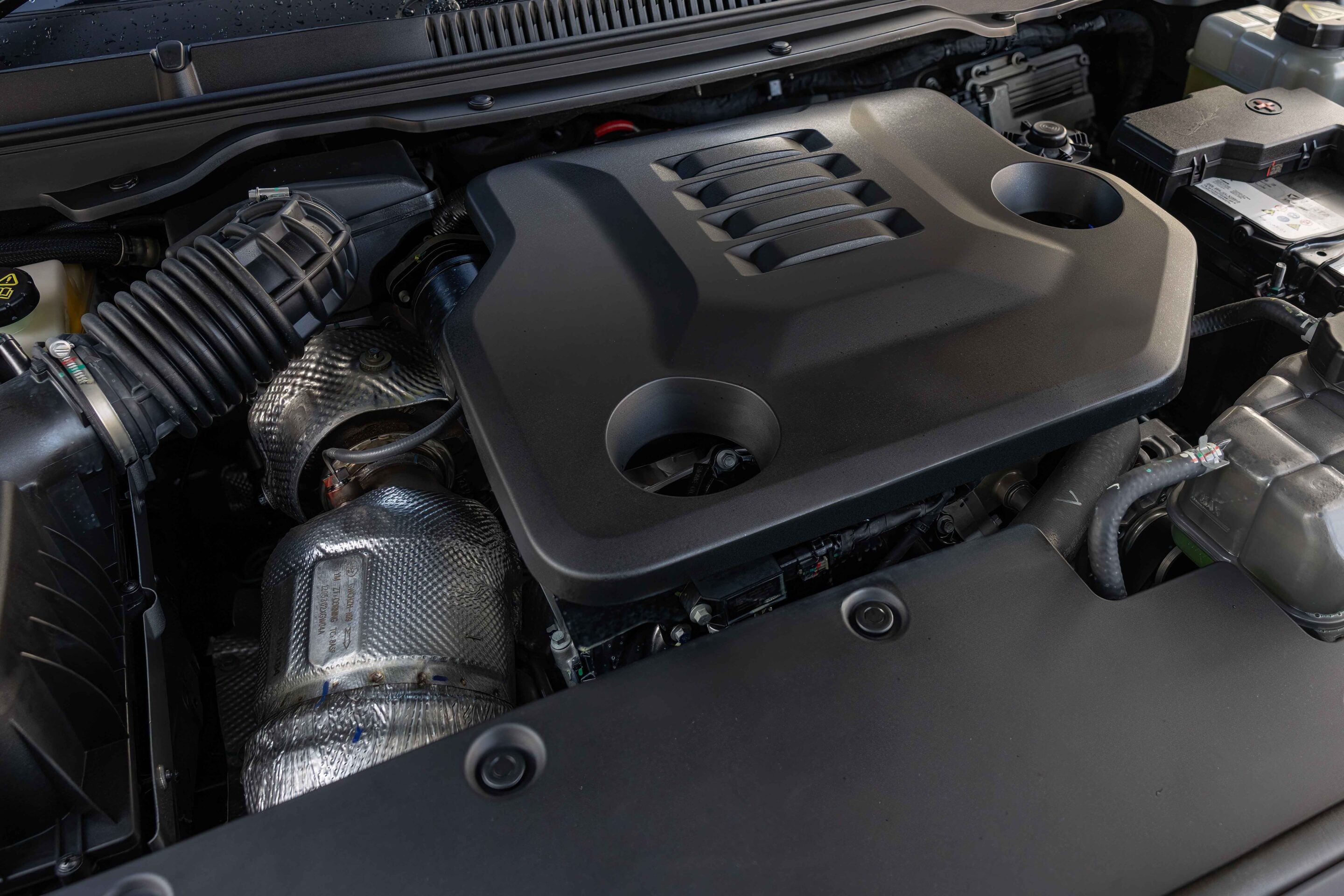
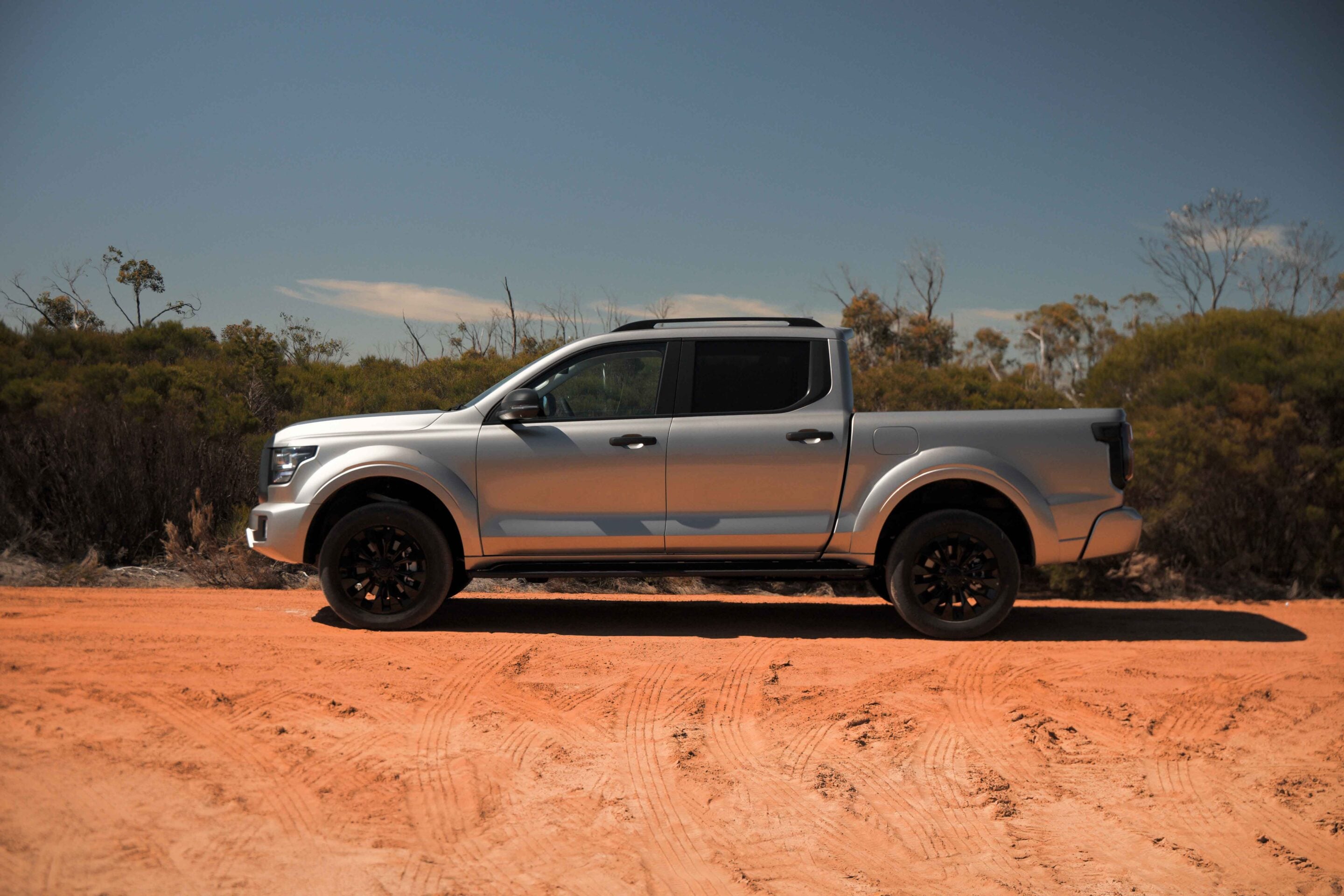
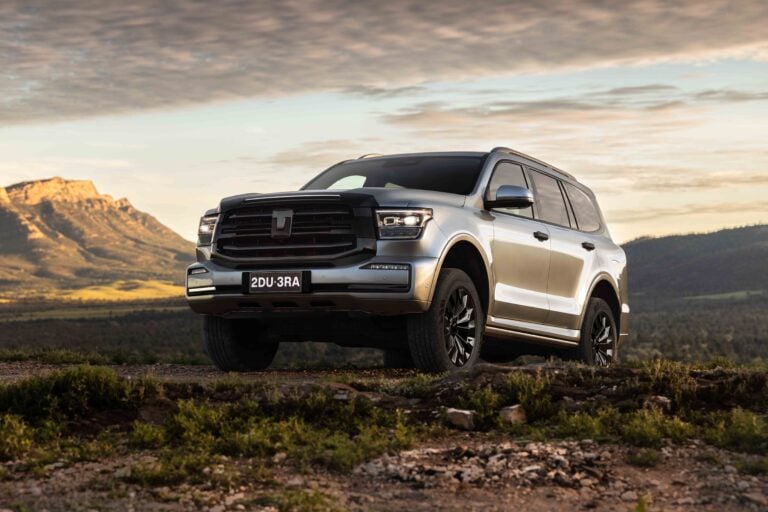
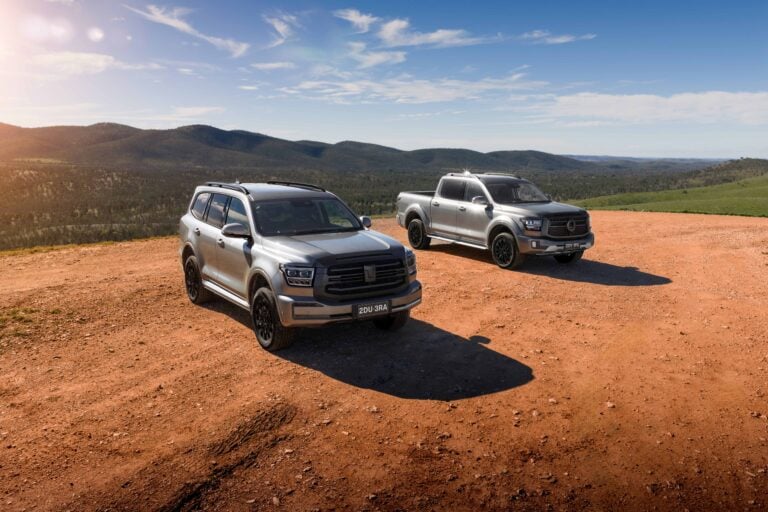
GWM has updated its Cannon Alpha and Tank 500 models with a new 3.0-litre diesel engine producing 170kW and a class-leading 620Nm.
The torque figure eclipses that of other 3.0-litre engines in the category, including Isuzu’s 450Nm four-cylinder and Ford’s 600Nm V6. The new engine’s outputs represent increases of 35kW and 140Nm over the 2.4-litre engine it replaces.
At launch, the new engine is available only in the Cannon Alpha Vanta and Tank 500 Lux grades, but GWM tells us more variants will be available across both the wagon and ute ranges in 2027. The Cannon Alpha Vanta is priced at $63,990 drive-away, while the Tank 500 Lux is $58,990 drive-away.
New 3.0-litre diesel engine
A 3.0-litre four-cylinder engine is considered large in this age of smaller engines, many of which use multiple turbochargers to produce torque and power outputs that still don’t match the GWM mill’s single-turbo outputs.
The risk with a larger-capacity inline four-cylinder diesel is that the larger, heavier reciprocating components can create harsh noise and vibration. However, GWM seems to have done an excellent job of limiting noise, vibration and harshness (NVH), with the engine quieter than many smaller-capacity engines currently on the market.
It’s also efficient, with a combined fuel consumption rating of 7.3L/100km in the Cannon Alpha and 7.1L/100km in the Tank 500. Interestingly in this day and age, the new engine has reached the market without needing AdBlue selective catalytic reduction (SCR), which some potential owners will appreciate.
Ford’s V6 engine is inherently smoother because of its configuration, but the GWM inline four comes impressively close and produces more claimed torque than the V6. The new engine’s increased output has allowed GWM to raise the capacities of the models it powers, including a 3500kg towing capacity for both the Cannon Alpha and Tank 500, and payloads of 945kg and 760kg respectively.
1
On- and off-road drive
The launch drive for the new 3.0-litre models took us out of Melbourne and into the forests, where there were gravel roads, steep climbs and plenty of opportunities to test the off-road capability of both vehicles.
Expecting the harsh rumble of a 3.0-litre diesel engine on start-up, I was pleasantly surprised when I pressed the start button in the Cannon Alpha. The ute’s large, well-appointed cabin is very well insulated from engine noise, something that remained evident once out on the open road.
The engine also delivers plenty of grunt for overtaking, which should prove useful once you put a load in the tub. The nine-speed automatic transmission was smooth and faultless on the highway and once we hit the bush tracks. It’s great to have the option of using the paddle shifters behind the steering wheel to hold gears when needed, particularly on steep descents.
1
The only complaint I have with the drivetrain is the way the transmission is tuned to reach the highest ratio as soon as possible for fuel economy. When commuting around the suburbs at 40-50km/h, it shifts too high too soon, bringing engine revs down to a point where it creates an annoying rumble and vibration.
Selecting Sport mode takes it too far the other way, holding second gear and forcing the engine to rev higher than desired. Using the paddles to change gears means you’re constantly intervening manually, instead of the transmission finding a sweet spot in fourth or fifth where the engine is smoother.
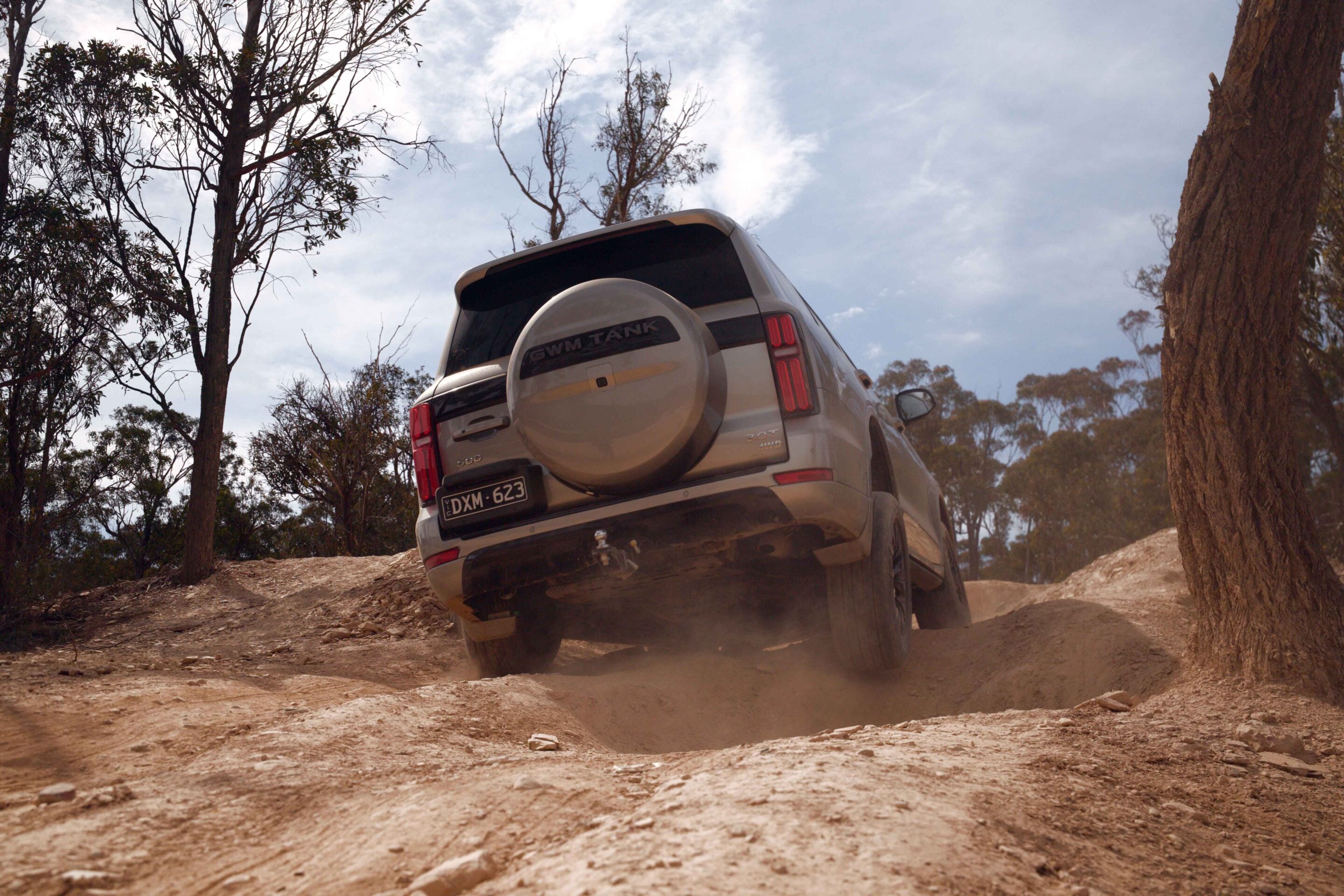
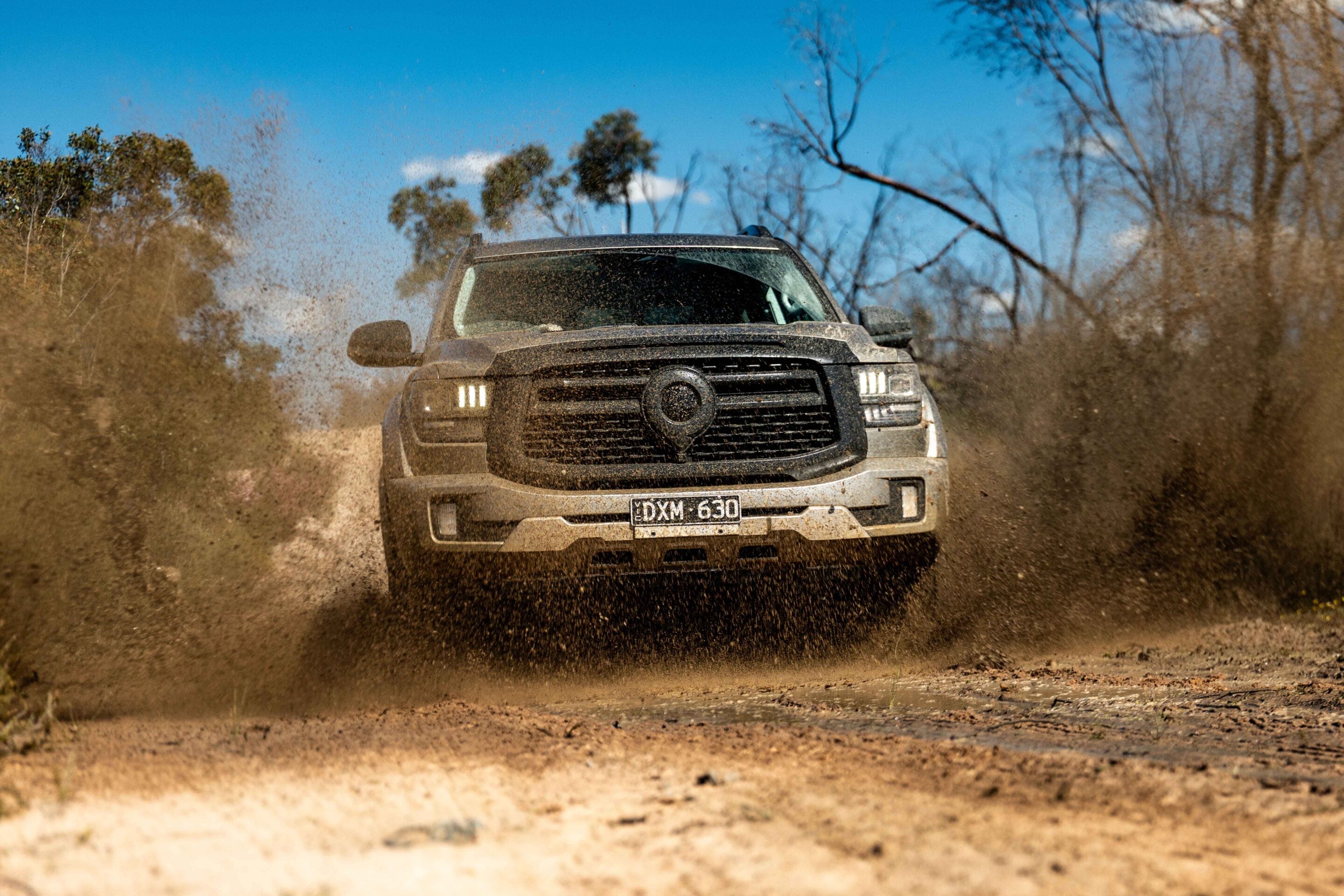
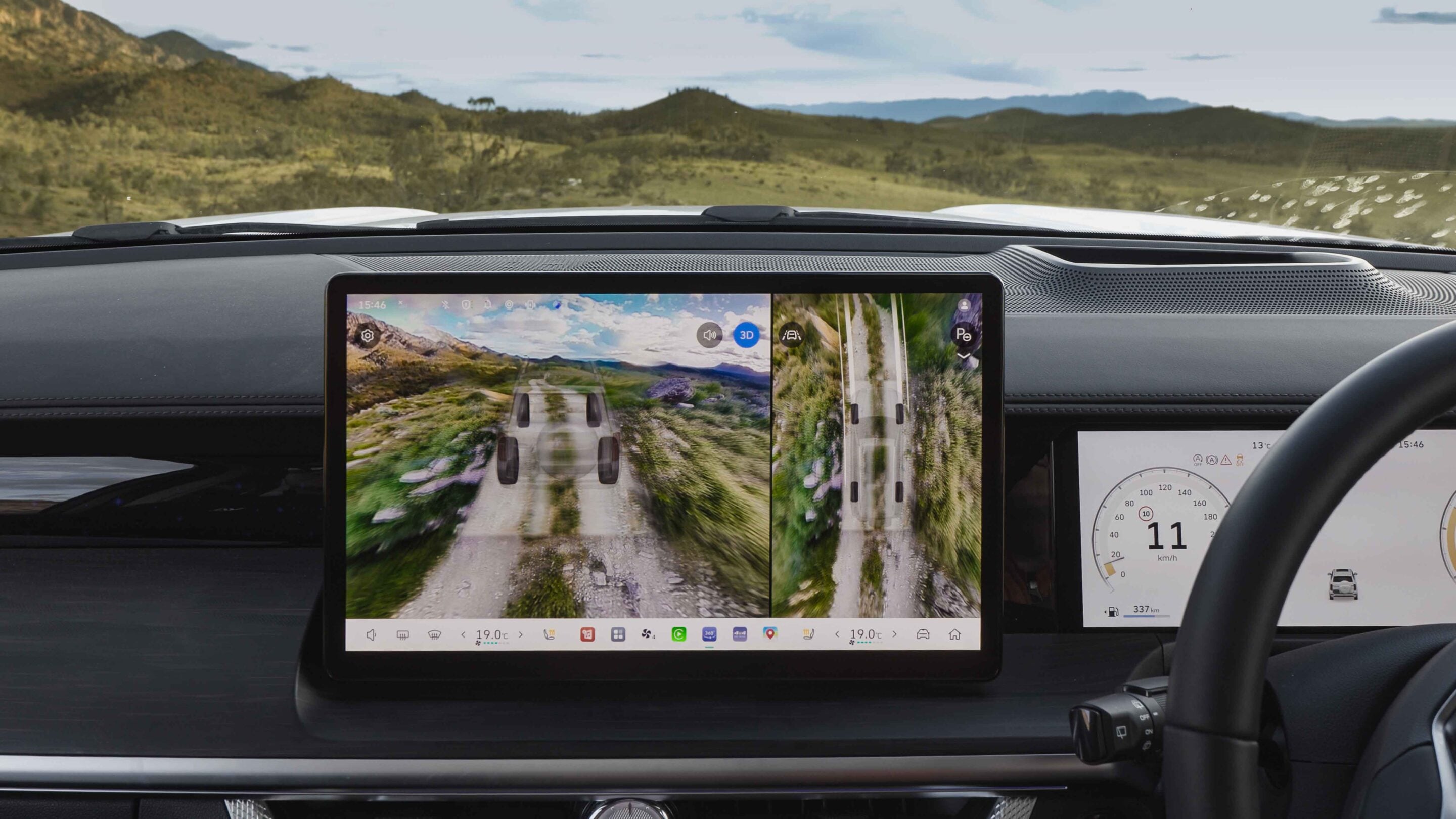
This wasn’t a problem on the bush tracks and off-road sections of the drive. Both the Cannon Alpha and Tank 500 have dual-range transfer cases and locking differentials in both axles to maximise off-road traction. This became especially important as the steep tracks were wet and muddy from recent rain, and the vehicles were fitted with low-profile highway tyres on 19-inch wheels.
1
The lockers engaged relatively quickly compared with the systems in some other brands’ vehicles, allowing us to maximise traction on the steep and slippery tracks. Note that the images used here are not from the tracks used on the launch drive.
Despite the low-profile tyres, the suspension proved very compliant as it soaked up bumps and ruts, with the rear axle in particular articulating well to help keep the tyres in contact with the ground. The GWM team said the 2027 Cannon Alpha range will include an XSR variant with the new 3.0-litre engine and smaller-diameter wheels wearing tyres better suited to off-road use.
With the rear locker engaged, the vehicles tackled most of the terrain. It was only on one particularly steep and muddy section that both front and rear lockers were warranted.
1
Compared with the earlier versions we drove a few years ago, both models have benefited greatly from GWM’s local engineering and development work to better suit Australian roads and tracks. The ride and dynamics are much improved, with greater suspension compliance replacing the harshness of earlier models.
With the added performance and increased carrying and towing capacities of the 3.0-litre models, GWM has certainly hit its target of creating vehicles with greater appeal to Australian buyers. Factor in what you get for your money and we think the updated models will become very popular here, ruffling a few feathers among the more established 4×4 brands.
1
Cabin and equipment
Both the Cannon Alpha and Tank 500 are well equipped inside.
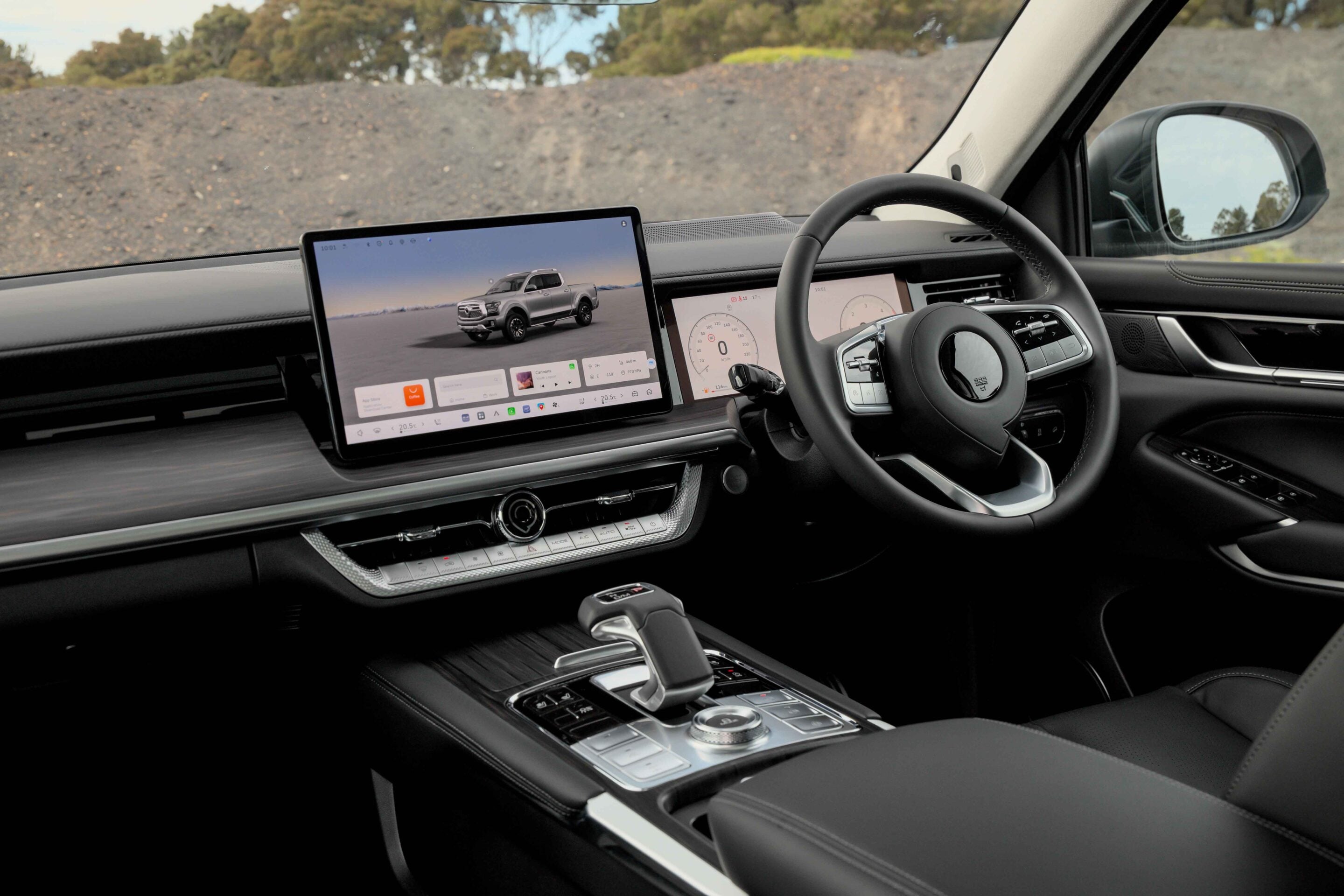
Features include heated and cooled front and rear seats, power sunroofs, wireless Apple CarPlay and Android Auto, and a premium sound system. A new 14.6-inch multimedia screen runs a ‘connected’ operating system that allows over-the-air updates to various vehicle systems. The cabins are spacious for both front and rear passengers, while the Tank 500 is available in five- and seven-seat configurations.
1
Some cabin controls are more complex and confusing than they need to be. Adjusting the cabin temperature requires opening a screen on the dash and using a digital slider. There’s a big round dial at the front of the console that looks ideal for adjusting temperature or volume, but it’s non-functional.
Likewise, the 4×4 controls are scattered. Buttons on the passenger side of the console activate low range and the front and rear lockers, but selecting high-range 4×4 requires choosing a drive mode for sand, snow or mud.
You never really know whether you’re in high-range 4×4 until you’re driving. It’s another example of why drive modes should not alter the transfer case settings: the two systems should be kept separate. GWM is not alone in this fault.
Key specifications
| Specification | |
|---|---|
| Engine | Four-cylinder turbo diesel |
| Capacity | 3.0L |
| Max power | 170kW at 3600rpm |
| Max torque | 620Nm at 1400-2400rpm |
| Transmission | 9-speed auto |
| 4X4 system | Full-time 4×4, dual range, 3 x diff locks |
| Construction | Cannon Alpha: 4-door cab and tub on separate chassis; Tank 500: 5-door wagon on separate chassis springs |
| Front suspension | Independent, wishbone and coil |
| Rear suspension | Live axle, multi-links and coil springs |
| Tyres | 265/55R19 on alloy wheels |
Vehicle weights
| Specification | Cannon Alpha Lux | Cannon Alpha Vanta | Tank 500 Lux | Tank 500 Vanta |
|---|---|---|---|---|
| Gross Combined Mass (GCM) | 6555kg | 6555kg | 6545kg | 6545kg |
| Gross Vehicle Mass (GVM) | 3495kg | 3495kg | 3395kg | 3395kg |
| Vehicle tare weight | 2458kg | 2458kg | 2578kg | 2603kg |
| Kerb weight | 2550kg | 2550kg | 2635kg | 2705kg |
| Payload | 945kg | 945kg | 760kg | 690kg |
| Max braked towing capacity | 3500kg | 3500kg | 3500kg | 3500kg |
| Unbraked towing capacity | 750kg | 750kg | 750kg | 750kg |
| Downball weight | 350kg | 350kg | 350kg | 350kg |
8
/10
Score
Things we like
- Smooth, grunty engine
- Triple diff locks
- Off-road capability
Not so much
- Transmission calibration at low revs
- Confusing driver controls
- Low profile tyres
Follow 4X4 Australia on Google
Get more 4x4 news, reviews and gear stories from 4X4 Australia in your Google feeds.

We recommend
-
 News
NewsPricing revealed: GWM unleashes new 3.0-litre diesel Cannon Alpha and Tank 500
GWM undercuts established rivals with sharp pricing for its new 3.0-litre diesel Cannon Alpha and Tank 500
-
 News
NewsGWM opens expressions of interest for new 620Nm diesel-powered Tank 500 and Cannon Alpha
GWM’s new 3.0-litre is coming, with expressions of interest now open for the diesel-powered Tank 500 and Cannon Alpha