Gear

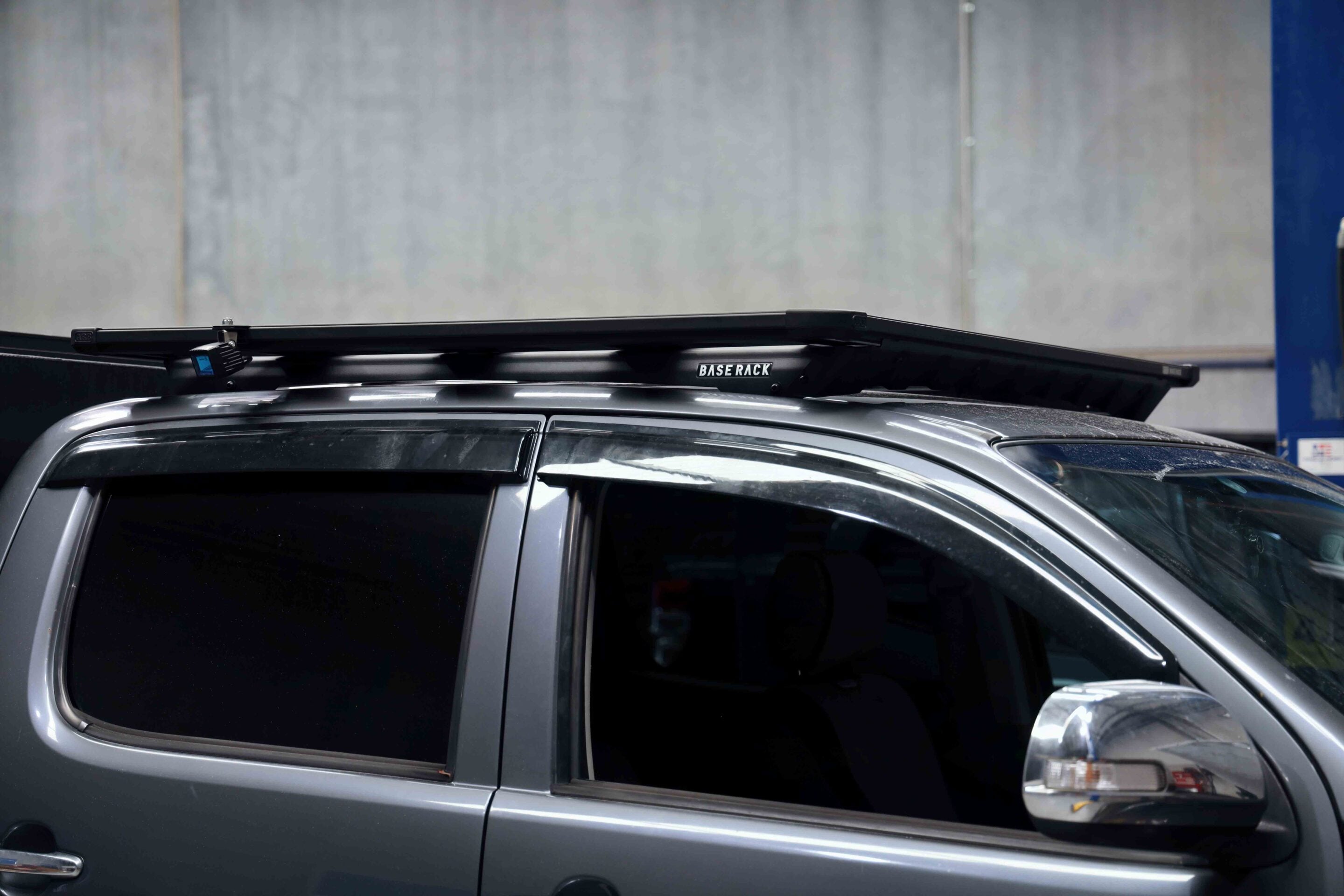
Gallery 1
Imagine sliding down into Gunshot Creek in Cape York, or tackling that almost impossible climb up a sheer rock face, only to find your roof rack system parting ways with your 4×4. Ouch.
Then consider alternative racks that howl like a dingo at any speed above walking pace. How about not being able to stand on the cross beams for fear of bending them, not being able to simply tie your gear down, or not being able to fit into underground car parks because high-legged racks make you too tall in too many scenarios? Surely not. Surely none of the above could happen.
Yes, they have all happened with inferior racks. Given my need for a platform rack to suit my 2013 N70 HiLux, I went about my due diligence to sort the trash from the cash. It seems some rack systems are attached to the turret via pop rivets. Some have generous on-road load limits, but these diminish greatly in off-road situations. These are not the type of racks I wanted on my HiLux.
Although I won’t be loading my rack up with every kilo available in the ratings, I wanted peace of mind that I could carry enough gear for extended trips and not have to remove weight every time I went off-road. That’s insane and totally not doable while out and about.
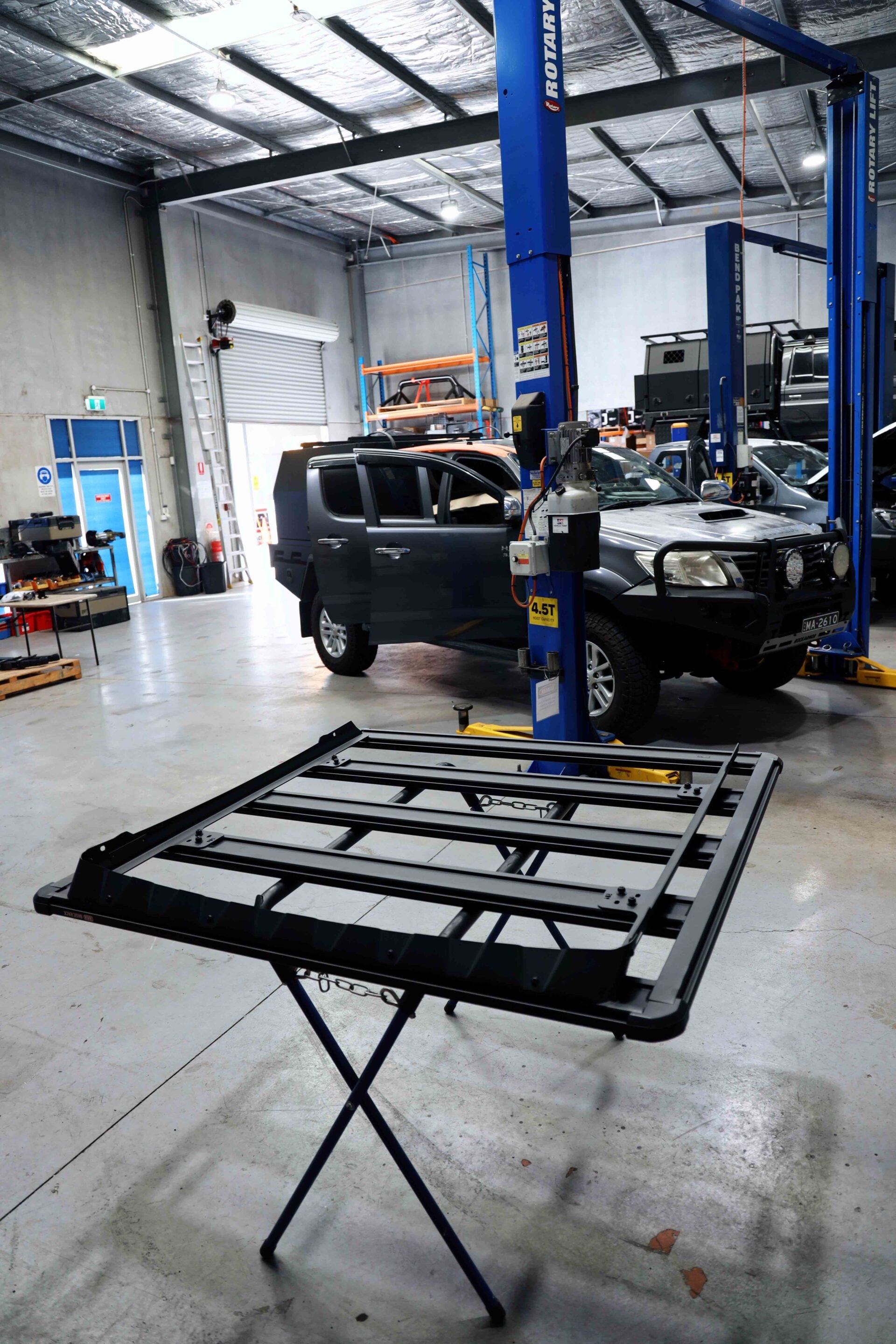
1
Roof rack installation challenges
Gone are the days of simply doing up a few nuts, bolts or Allen-key attachments to install or remove a set of crossbars, then easily attaching a basket on top.
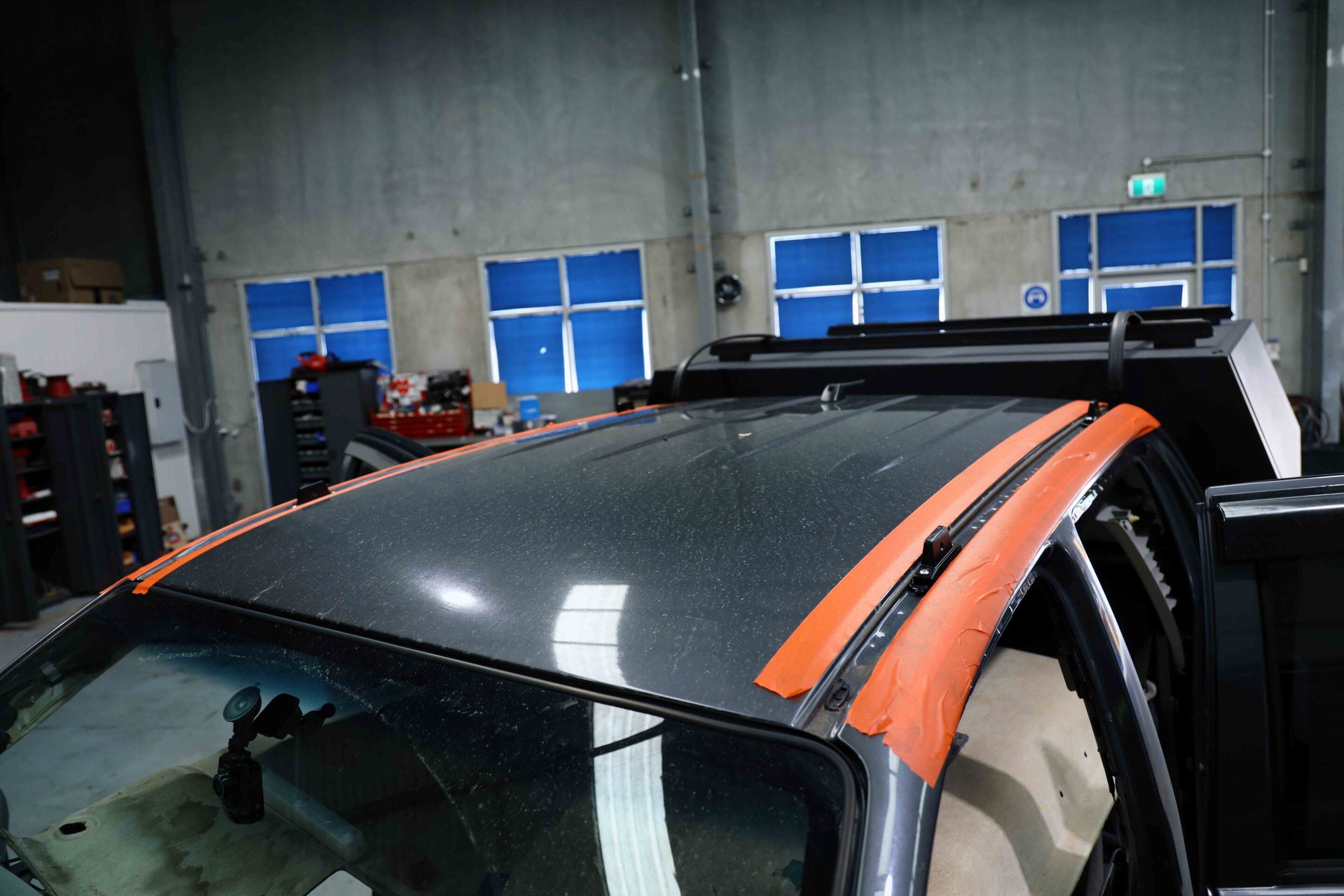
Nope, the latest trend of vehicles featuring smooth rooflines is ideal for reduced wind resistance, but it creates difficulties when attaching racks. Most have an inbuilt track to which rails or various fittings are attached, allowing a rack, basket or platform to be mounted.
It’s these initial roof fittings that are important when it comes to allowing the maximum carrying weight. It’s also these very fittings that are, for some brands, pop-riveted to the roof – far from ideal.
1
Why I chose this rack
Once I’d understood the failings of some other brands, my choice was simple. The ARB Base Rack system (↗) incorporates metal plates, acting as washers, secured on the underside of the roof. This means the roof lining needs to be dropped for access.
These metal plates are secured with nuts and bolts, making for a much sturdier mounting system that doesn’t lose load ratings when used off-road. I didn’t want to be bound by lighter loads while driving off-road, so the ARB system came out as a clear winner, even before considering its many other features.
Given each crossbeam is rated to 25kg, my rack, which incorporates five beams, can carry a theoretical 125kg – plenty enough for my needs and more than the roof load rating.
It’s important to understand the difference between dynamic and static loads and their ratings, which is outside the realm of this article, but suffice to say, this ARB system exceeds what can be loaded up top.
1
Cross beam design and strength
ARB has chosen to manufacture its racks with the beams running east-west, across the vehicle, rather than north-south, from front to rear. This reduces the length of each beam, therefore reducing the chances of flexing or bending.
While most other racks and beams have inbuilt upper-surface slots to attach accessories, ARB has taken a different approach by utilising a dovetail design on each edge of every beam, as well as on the front, side and rear surrounds. This dovetail allows accessories to be fitted without taking up real estate on the top of each beam, and allows them to be easily slid along each beam to suit the load being attached.
Each beam is an extruded aluminium, hollow, single-seam section, complete with internal bracing for added strength and rigidity, while retaining light weight. The shape of the dovetails also enhances rigidity, so it serves more than just attachment purposes.
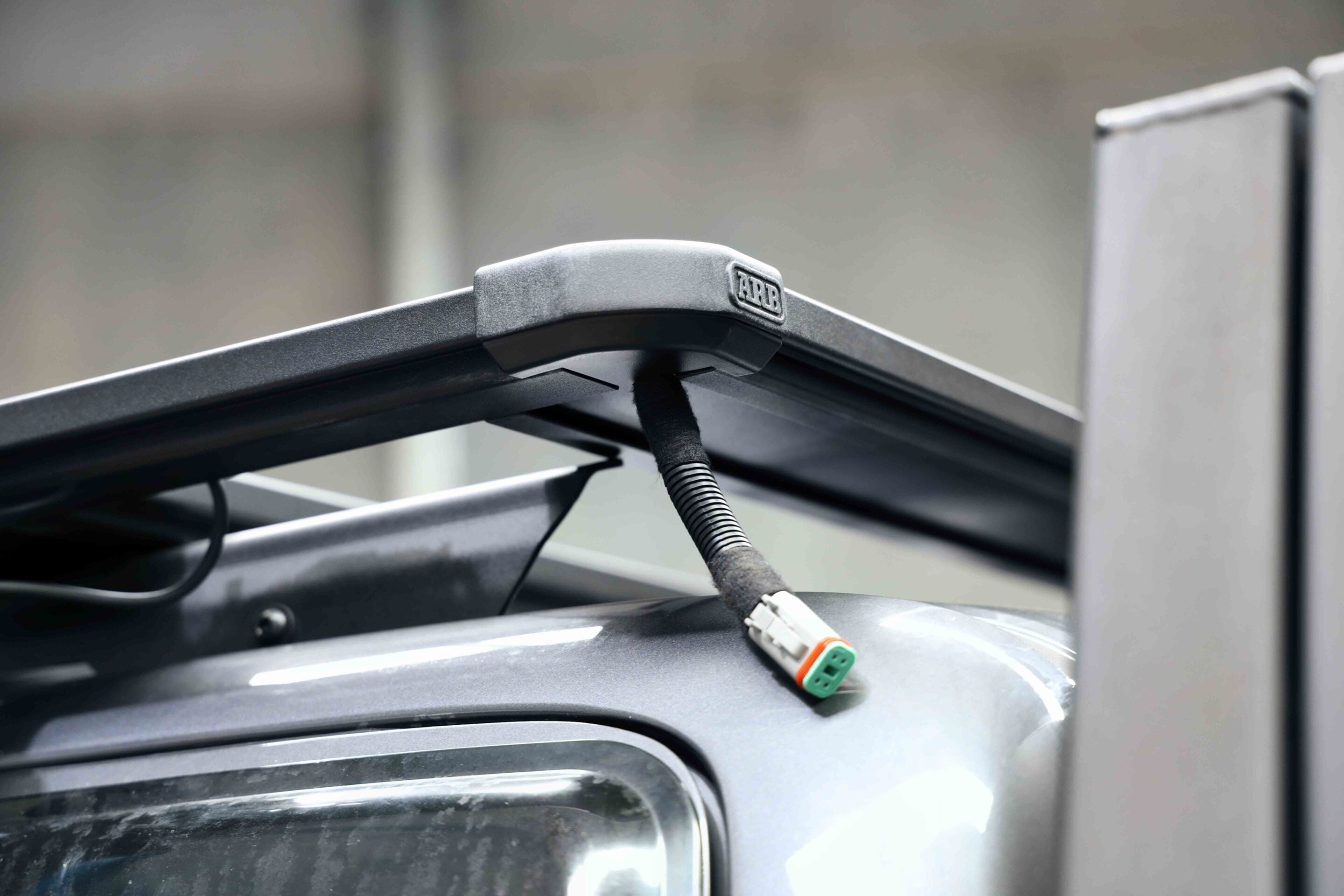
All crossbeams, the surrounding frame and integrated parts are welded together, with removable plastic end caps to help hide wiring looms if you choose to include lights on the rack. It’s a clever design that can expand, grow and adapt to your needs.
Roof rack accessories and mounting options
While I opted for a flat rack design, guard-rail options allow for partial or full basket designs that can be added later if needed.
A multitude of product-specific brackets allow for easy fitting of items such as spare wheels, gas bottles, Hi-Lift jacks and traction boards. I’ve opted for a HiLux-dedicated wind deflector, a couple of tie-down eyebolt kits, a pair of spring-loaded tie-down kits, a pair of dedicated ratchet-strap kits and the wiring loom to suit a pair of side-mounted work lights, which I’ll use as camping lights.
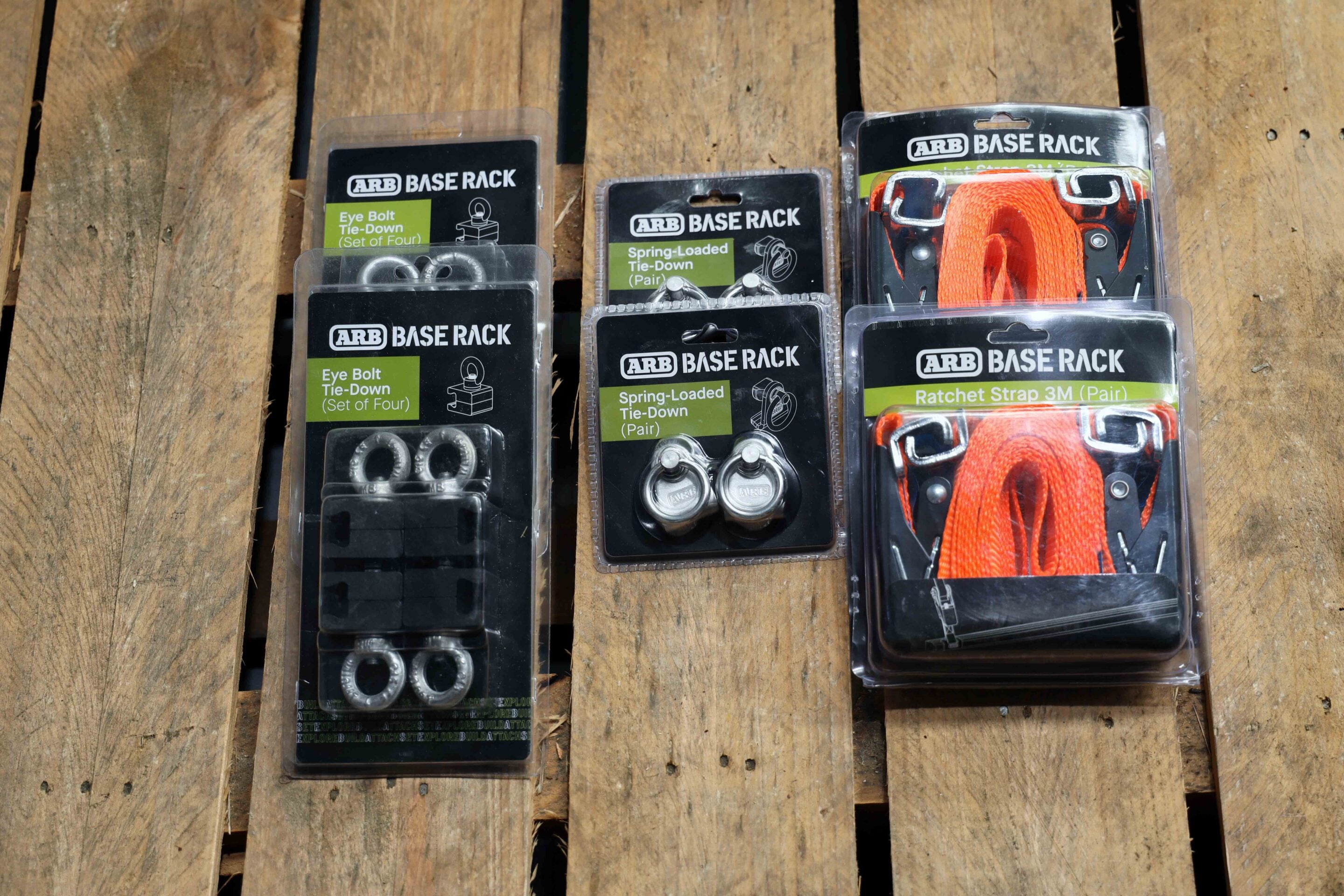
1
Final verdict
I’m happy with my chosen rack system and accessories. I may add to the cache of extras as needed, such as a bracket to carry an LPG bottle.
The wind deflector does its job of reducing wind noise; however, it doesn’t eliminate it altogether. Being directly above the driver’s and front passenger’s heads makes it more noticeable. Regarding fuel consumption, I’ve noticed no appreciable difference between the previous two oval-shaped crossbars fitted to my HiLux and this ARB system – and that’s a good thing.
The complete system is a clever stroke of engineering, plus the build quality is superb. I reckon I’ve chosen the best rack system for my intended purpose and wouldn’t go back to anything lesser. While my system fits perfectly to my N70 HiLux, there are plenty of sizes available to suit smaller and larger dual-cabs, wagons and even a few vans. It’s best to check out the ARB website (↗) to find the perfect fit for your vehicle.
Given that the rack sits low and close to the cab, hand-washing is a little hard, which I accept. If I ever need to remove the rack, it’s only four bolts to separate the platform from the mounts, plus one waterproof Deutsch connector to unplug, then the whole thing can be lifted off. The only things left are four solidly mounted brackets, which are secured from under the cabin’s roof lining.
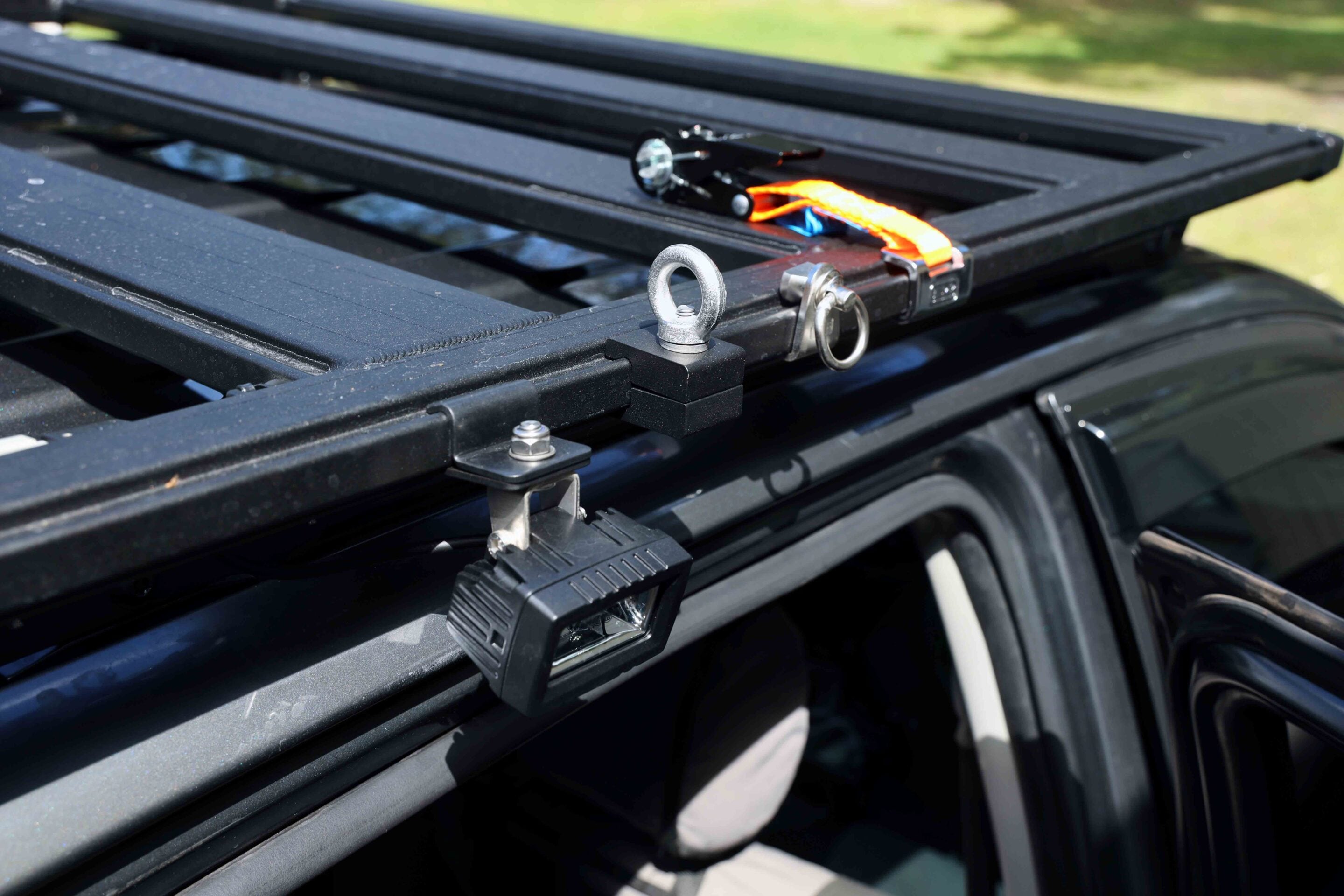
1
Frequently asked questions
Q: How is the ARB Base Rack mounted to the HiLux?
A: The system uses metal plates secured with nuts and bolts on the underside of the roof, creating a sturdier mounting system that doesn’t lose load ratings when used off-road.
Q: How much weight can the rack carry?
A: Each crossbeam is rated to 25kg. With five beams, the rack has a theoretical carrying capacity of 125kg, which is more than the roof load rating.
Q: What makes the crossbeam design different?
A: The beams run across the vehicle rather than front to rear, reducing their length and the chances of flexing or bending. They also feature dovetail designs for fitting accessories.
Q: What accessories can be fitted to the rack?
A: Product-specific brackets can be used for items including spare wheels, gas bottles, Hi-Lift jacks and traction boards. Guard rails can also be added to create partial or full basket designs.
Q: Does the ARB Base Rack increase wind noise or fuel consumption?
A: The wind deflector reduces wind noise, although it doesn’t eliminate it altogether. No appreciable difference in fuel consumption was noticed compared with the previous oval-shaped crossbars.
Q: How much does the ARB Base Rack system cost?
A: The RRP is $952 for the 1255 x 1285mm rack, $407 for the N70 HiLux mounting system and $188 for the wind deflector.
Follow 4X4 Australia on Google
Get more 4x4 news, reviews and gear stories from 4X4 Australia in your Google feeds.

We recommend
-
 Gear
GearARB Frontier long-range fuel tank review: Why plastic makes sense
The ARB Frontier long-range fuel tank adds serious touring range without the weight penalty of steel
-
 Gear
GearStraight to ARB: Our 2019 HiLux gets front-end upgrade
After securing our HiLux, the first stop was ARB for a bull bar, winch and driving lights to kick off the build
-
 Gear
GearARB front-end upgrade for our 2026 HiLux build
Our 2026 HiLux gets its first major upgrade with an ARB bull bar, winch, lighting and underbody protection package