Gear

Gallery 1
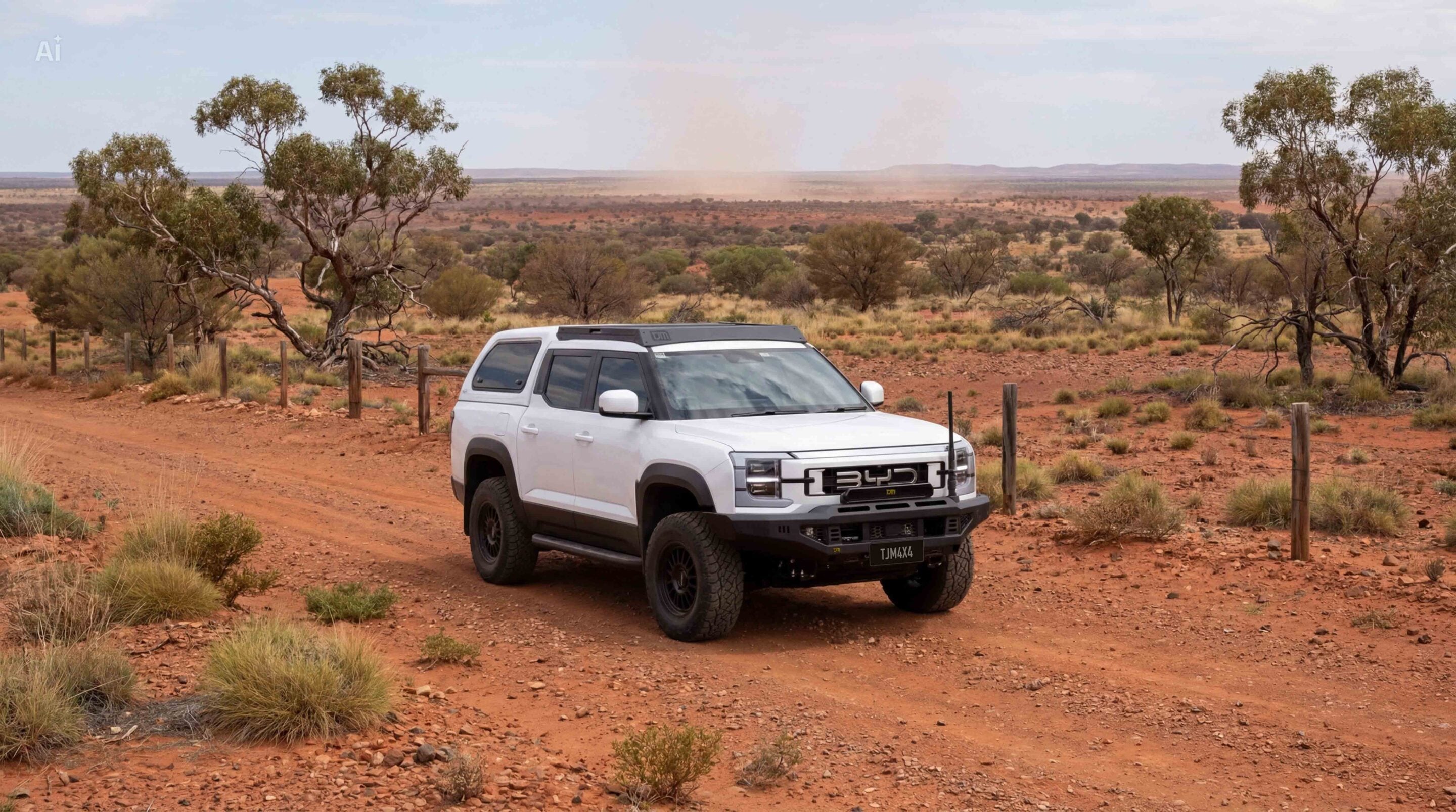
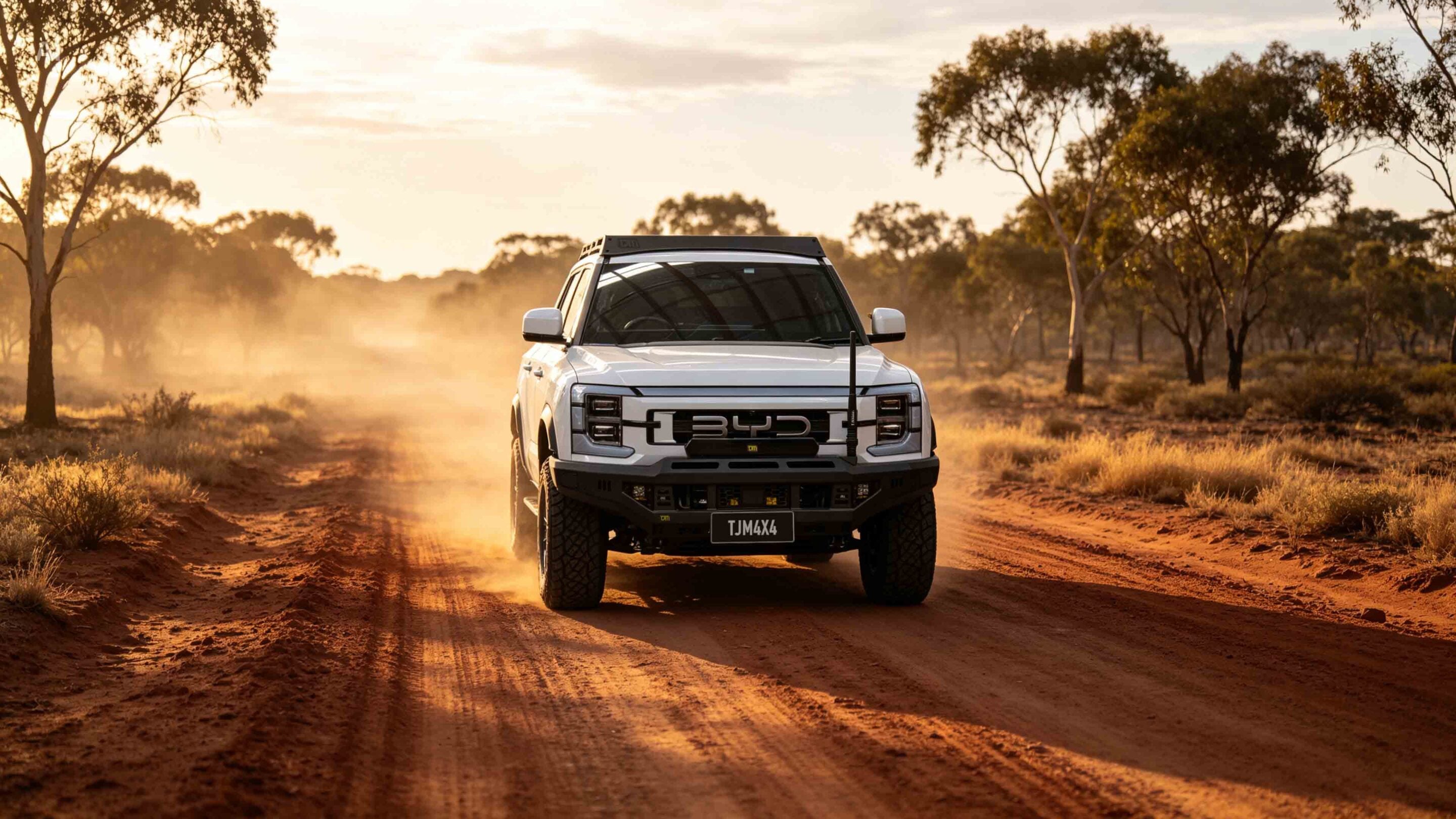
The BYD Shark has shaken up the ute market since its arrival in Australia at the start of 2025, bringing plug-in hybrid technology to a dual-cab platform with plenty of touring potential.
But like any 4WD, its capability beyond the bitumen comes down to how it’s set up. Suspension, protection gear and how you carry your load all play a role once the blacktop ends. Whether it’s tackling remote tracks, touring long distances or carrying camping gear, the fundamentals of building a capable vehicle remain the same.
While much of the conversation around electrified utes focuses on battery range, charging and whether they can handle life beyond the city, preparing one for off-road use involves many of the same considerations as any other touring build. Suspension, payload, protection, tyres, recovery gear and route planning all play a role, whether you’re heading into the High Country, tackling remote tracks or chasing a coastal camp spot.
Straight off the showroom floor, the Shark provides a capable platform for Aussie adventures. With the right aftermarket upgrades, including suspension, protection and storage solutions, owners can take its off-road potential further and better prepare it for tougher tracks and longer touring trips.
1
Upgrade your suspension after adding accessories
Building a touring-ready BYD Shark often starts with accessories. Bull bars, winches, roof racks, recovery gear, storage systems and camping equipment can all add significant weight to a vehicle, and that extra weight can change how the suspension performs.
That’s why suspension should be selected to suit the vehicle’s actual setup rather than simply fitted in anticipation of future accessories.
Adding heavier-duty suspension before the accessories go on can result in a harsher ride, particularly if the expected equipment is never fitted. On the other hand, choosing suspension that is too light for the final build can leave the vehicle under-sprung once accessories and touring gear are added, affecting ride height, control and overall suspension performance.
The aim is to match the suspension to the vehicle and the load it will actually carry. This helps maintain a good balance between ride comfort, control and load-carrying ability, whether the Shark is being used as a daily driver, touring vehicle or off-road rig.
As accessories are added, the vehicle’s weight distribution and suspension requirements can change. A bull bar and winch add weight to the front, while roof racks, storage systems, recovery equipment and camping gear can increase the load elsewhere. Considering the complete setup allows the suspension to be specified around the vehicle’s real-world requirements.
Why suspension matters
Suspension has to do more than simply provide additional ground clearance. It needs to support the vehicle’s weight while maintaining appropriate ride height, handling and control across different surfaces and loads.
When accessories are added, the extra weight can change how the vehicle sits and behaves. A suspension system matched to the vehicle’s actual load helps maintain the balance between comfort and control, particularly when travelling over corrugations, rocky tracks and uneven terrain.
Upper control arms also play an important role in the front suspension, locating the wheel assembly and keeping the suspension geometry within its designed range as the vehicle travels over uneven terrain.
When a suspension lift is added, the relationship between those components changes. If the geometry isn’t corrected properly, it can affect wheel alignment, handling and overall suspension performance. Stronger aftermarket upper control arms are designed to handle increased suspension travel and the additional demands of off-road driving, helping restore correct alignment and geometry after a lift.
Australian conditions can place serious demands on suspension systems, with corrugations, rocky tracks and additional vehicle weight all contributing to increased stress. Local engineering and durability testing help ensure aftermarket components are developed around the conditions they are designed to face.
1
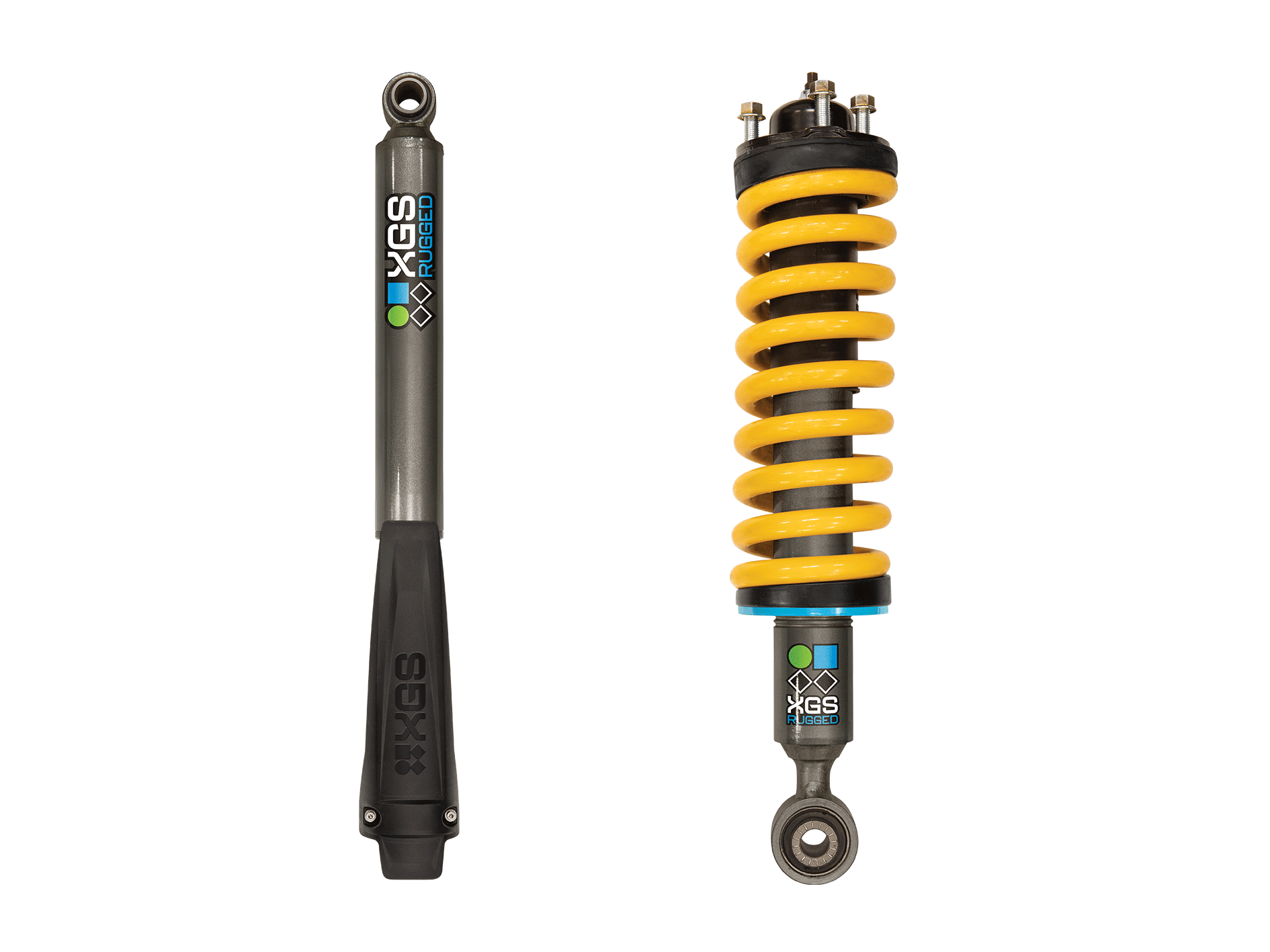
TJM XGS Rugged suspension
TJM’s XGS Rugged suspension system (↗) is engineered for the Shark, with a focus on improving capability and durability for Australian touring and off-road conditions.
The system can be matched to the vehicle’s intended load and use, helping owners select a suspension setup that complements the accessories fitted to their Shark rather than simply choosing the heaviest available option.
This approach helps maintain ride quality and control as the vehicle is modified. For a Shark carrying accessories, recovery equipment and camping gear, selecting suspension suited to the additional weight can help maintain appropriate ride height and suspension performance without unnecessarily compromising comfort.
The right suspension setup is ultimately about balance. A touring vehicle needs to cope with additional weight while remaining comfortable and controlled when driven unloaded or with a lighter load. Matching the suspension to the accessories actually fitted provides a better starting point than trying to predict a future build that may never eventuate.
For owners planning to add more equipment over time, the suspension setup can be reassessed as the vehicle evolves. This helps ensure the suspension continues to match the vehicle’s actual weight and intended use rather than being based on equipment that may never be fitted.
1
Adding protection and carrying capacity
Suspension is only one part of preparing the Shark for Aussie conditions. Protection and storage solutions are just as important in a well-rounded touring build, but every accessory added to the vehicle also contributes to its overall weight.
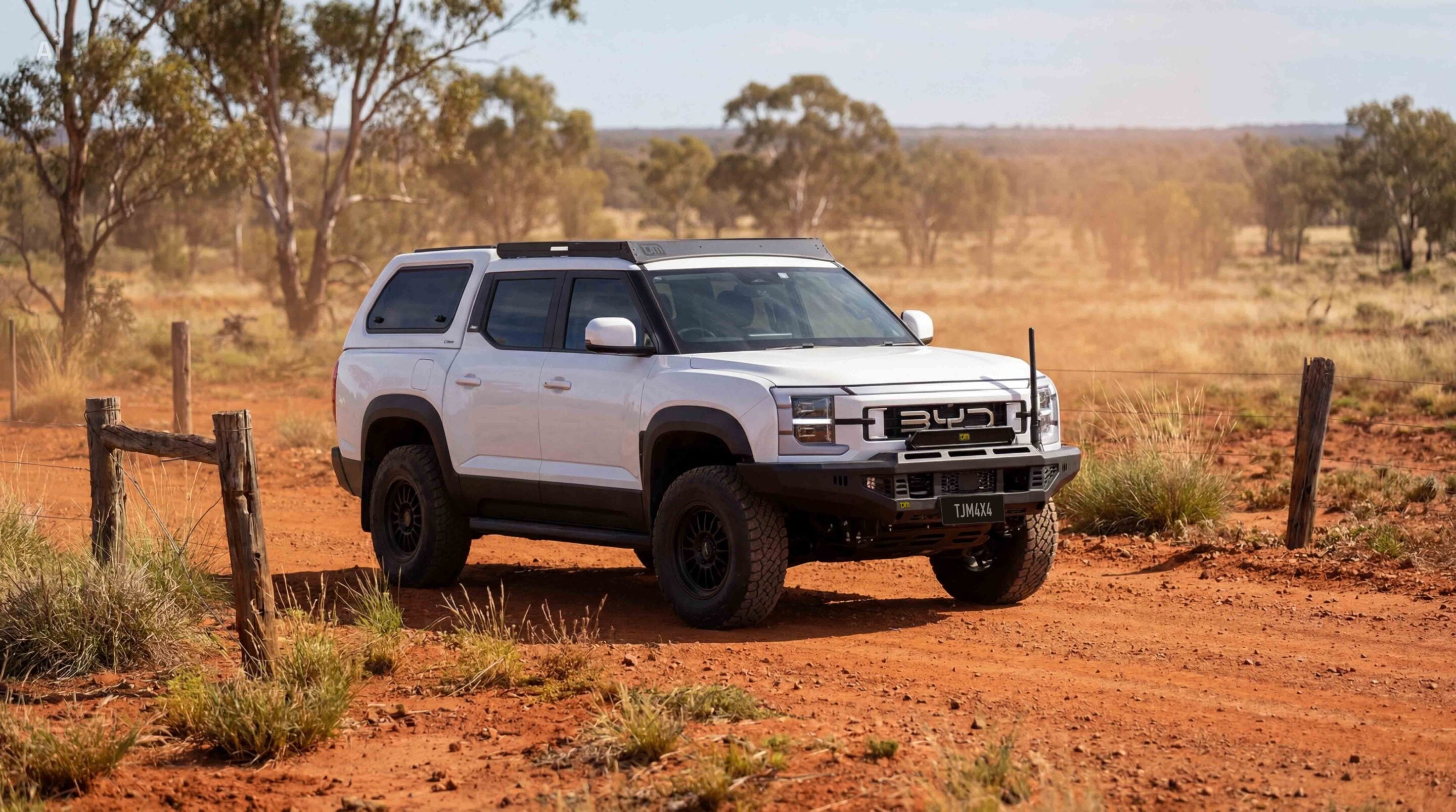
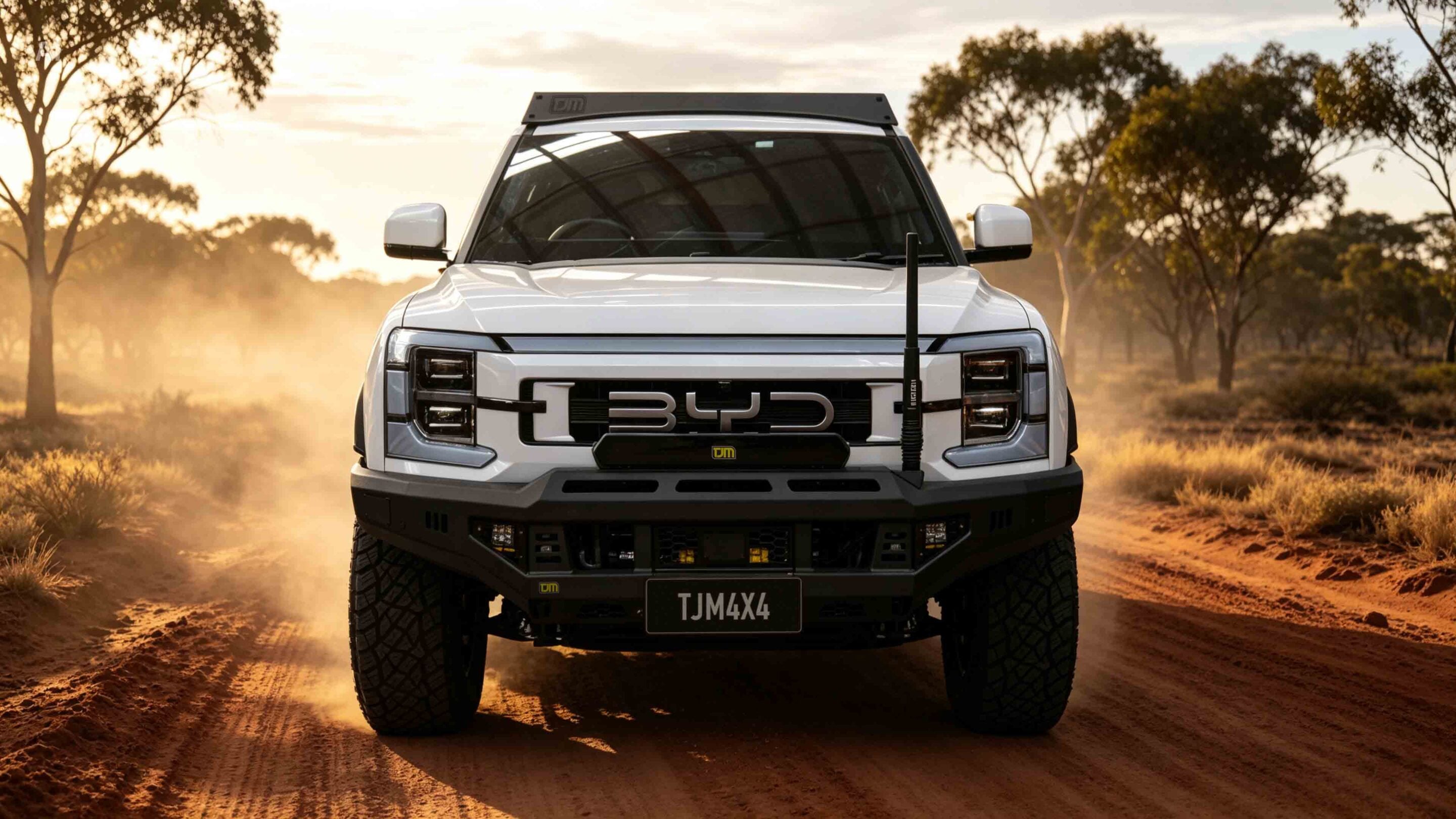
The TJM Venturer Bar (↗) provides front-end protection against animal strikes and off-road obstacles while retaining the Shark’s modern styling. It’s designed to integrate with recovery points, driving lights and winches, allowing owners to build their setup as their needs evolve.
Roof racks further expand the Shark’s carrying capacity, creating space for rooftop tents, recovery gear, camping equipment, kayaks or bikes. They can also help free up space in the cabin and tray by moving larger items up top. Every accessory added to a touring vehicle contributes to its overall weight. Bull bars, winches, roof racks, recovery equipment and camping gear can quickly add up, making payload planning an important part of any build.
Bull bars and other front-end accessories should be selected with the vehicle’s intended use in mind, as the weight of the bar, winch, driving lights and recovery equipment all contribute to the overall load carried by the vehicle. Choosing components that suit the vehicle’s intended use helps ensure the suspension system can support the additional load while maintaining ride quality, handling and driver confidence.
Rather than fitting heavy-duty suspension simply because more accessories might be added in the future, owners should assess the equipment already fitted and choose a suspension package that matches the vehicle’s actual load.
If the build later changes, the suspension setup can be reassessed to account for the additional weight. This approach helps maintain a good balance between comfort and control as the Shark evolves from a standard ute into a fully equipped touring vehicle.
TJM recommends considering the combined weight of accessories and equipment when planning a vehicle build, ensuring the setup is matched to how the Shark will actually be used, whether that’s daily driving, touring or fleet applications.
Built around the Aussie lifestyle
Aussie drivers expect plenty from one vehicle these days, from the daily commute and school run through to towing, camping and weekend 4WD adventures.
With the right upgrades, the Shark can be configured for everything from Cape York adventures and Birdsville Track runs to Simpson Desert support trips, High Country weekends, Fraser/K’gari beach driving and family camping holidays.
As with any touring build, matching the suspension and accessories to the vehicle’s intended use is key to maintaining performance and reliability. The fundamentals of building a capable touring vehicle don’t change, regardless of what powers it. Suspension setup, protection, load carrying and practical accessories all play a role in how a vehicle performs once the bitumen ends.
For Shark owners looking to explore further, TJM’s Australian testing and XGS Rugged suspension (↗) development show how the ute can be adapted for the demands of Australian touring.
The key is getting the balance right. Fit the accessories, understand how much weight they add and then select suspension that is engineered around the finished vehicle. That way, the Shark can remain comfortable and controlled when unloaded while still having the support needed when fully equipped for touring.
1
Frequently asked questions
Q: When should I upgrade the suspension on my BYD Shark?
A: Suspension should ideally be selected after determining what accessories and equipment will be fitted to the Shark. Bull bars, winches, roof racks, recovery equipment and camping gear can add significant weight, so matching the suspension to the actual vehicle setup helps maintain ride comfort, ride height and control.
Q: Should I fit heavy-duty suspension before adding accessories?
A: Not necessarily. Fitting heavy-duty suspension in anticipation of accessories that may never be added can result in a harsher ride. It’s generally better to select suspension based on the accessories and load the vehicle will actually carry.
Q: What happens if I add more accessories after upgrading the suspension?
A: Adding significant weight can change the vehicle’s suspension requirements. If the Shark’s setup evolves, the suspension can be reassessed to ensure it remains appropriately matched to the vehicle’s actual load and intended use.
Q: What suspension upgrade does TJM offer for the BYD Shark?
A: TJM’s XGS Rugged suspension system (↗) is designed specifically for the Shark, with a focus on improving capability and durability for Australian touring and off-road conditions.
Q: What protection does the TJM Venturer bull bar provide for the Shark?
A: The Venturer bull bar (↗) is designed to provide additional front-end protection for the Shark, helping safeguard the vehicle when travelling through tougher off-road environments and remote touring conditions.
Follow 4X4 Australia on Google
Get more 4x4 news, reviews and gear stories from 4X4 Australia in your Google feeds.

We recommend
-
 Sponsored
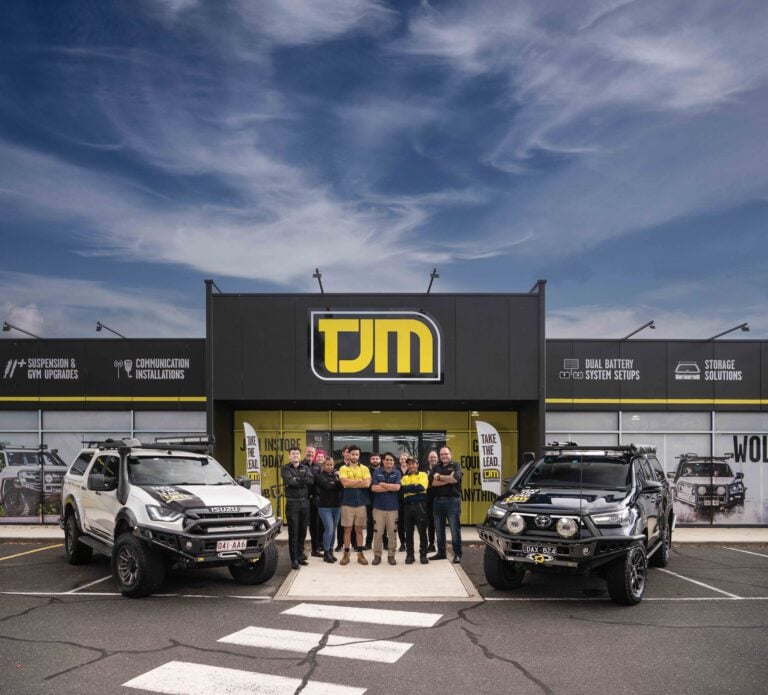
TJM distributor opportunities available in NSW
TJM is expanding its national network and inviting NSW businesses to become distributors
-
 Reviews
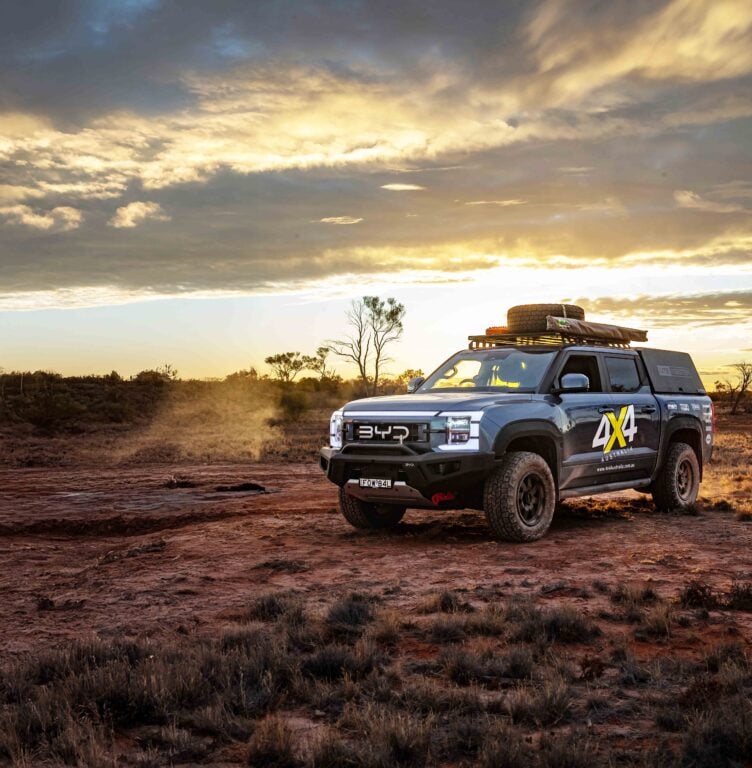
Sink or swim: Is the BYD Shark tough enough for the Simpson Desert?
The Chinese-built BYD Shark sinks its teeth into the brutal Simpson Desert to prove it’s much more than an urban EV
-
 News
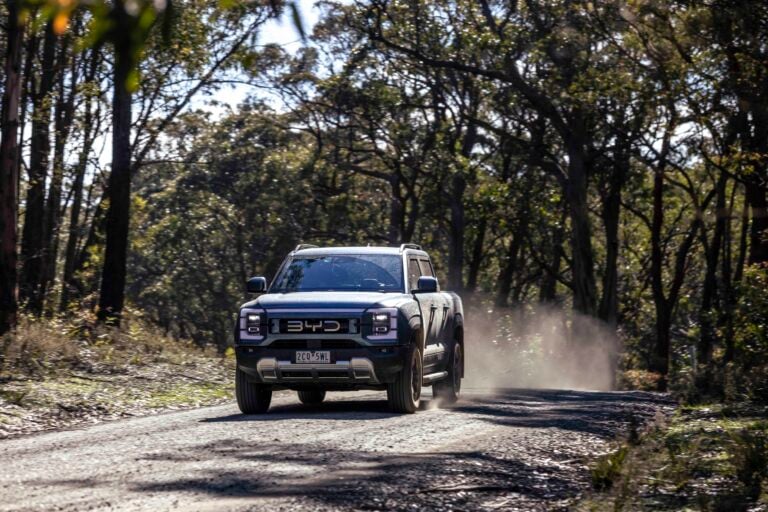
NewsCan BYD be the world's largest automaker within five years? Its chairman thinks so
BYD is betting on export growth, vertical integration, and technology investment to close the gap