4x4 Comparisons

Gallery 1
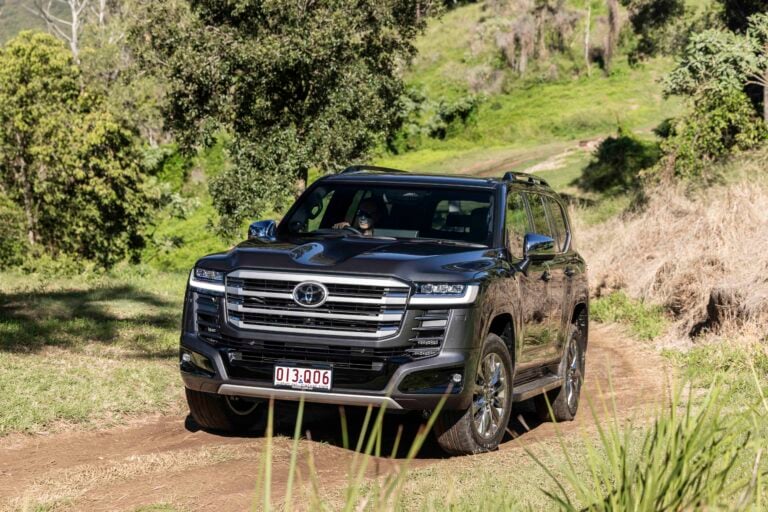
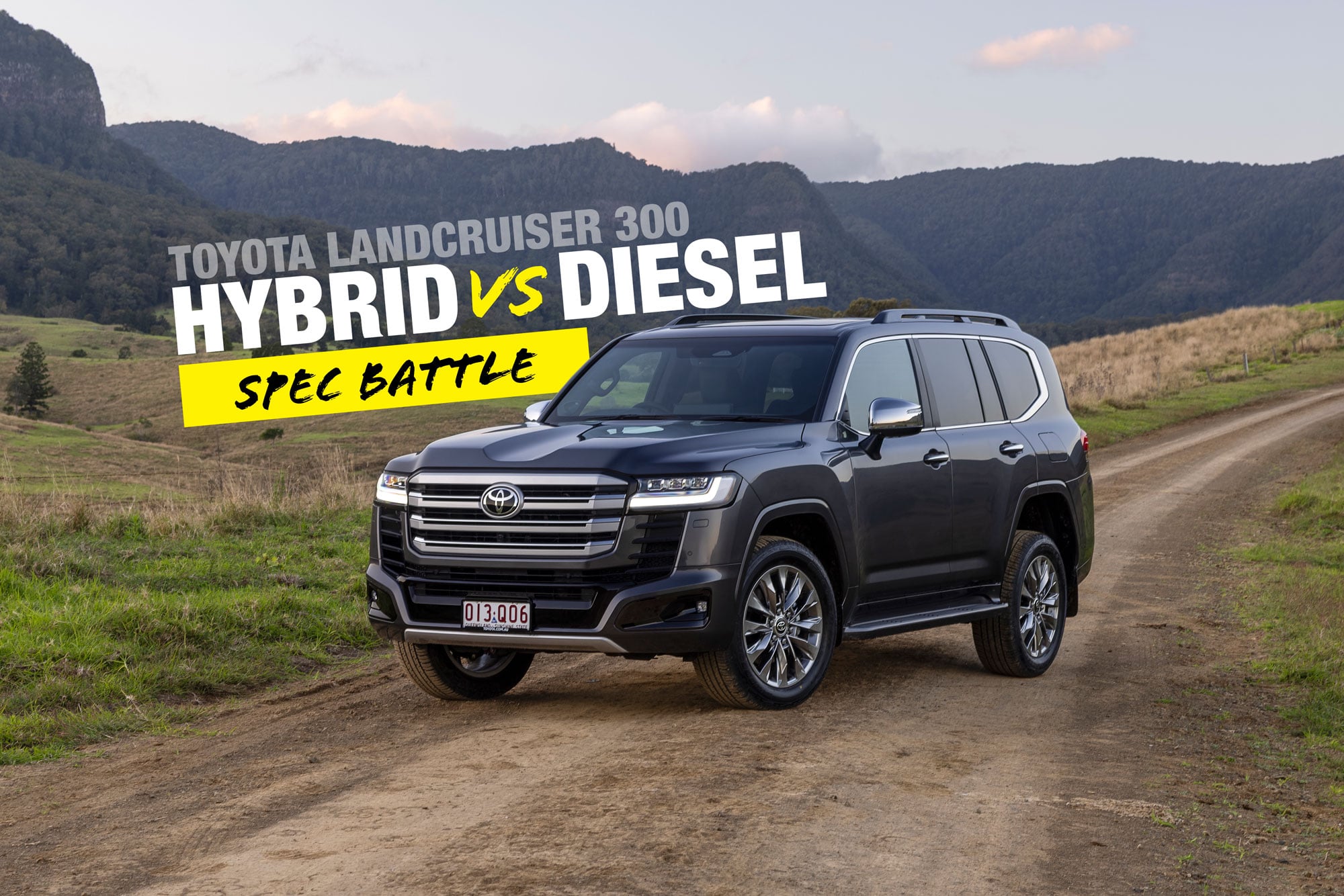
Toyota’s LandCruiser has long been defined by its diesel powertrains, with the current 300 Series replacing the previous twin-turbo diesel V8 with a twin-turbo diesel V6.
However, the arrival of the Performance Hybrid introduces a very different take on the flagship 4×4 wagon. Unlike many hybrid systems designed primarily to reduce fuel consumption, Toyota has used the tech to boost performance. The result is the most powerful LandCruiser ever sold in Australia, combining a twin-turbo petrol V6 with electric assistance to produce a major increase in power and torque.
Available exclusively in the flagship GR Sport and Sahara ZX grades, the Performance Hybrid retains the LC300’s ladder-frame chassis, full-time four-wheel-drive system and 3500kg towing capability. So how does it compare against the proven V6 diesel?
JUMP AHEAD
- Power and performance
- Fuel efficiency
- Hybrid battery and packaging
- Towing, payload and weights
- Off-road capability
- Verdict
- FAQs
Power and performance
The biggest difference between the two LC300 powertrains is found under the bonnet.
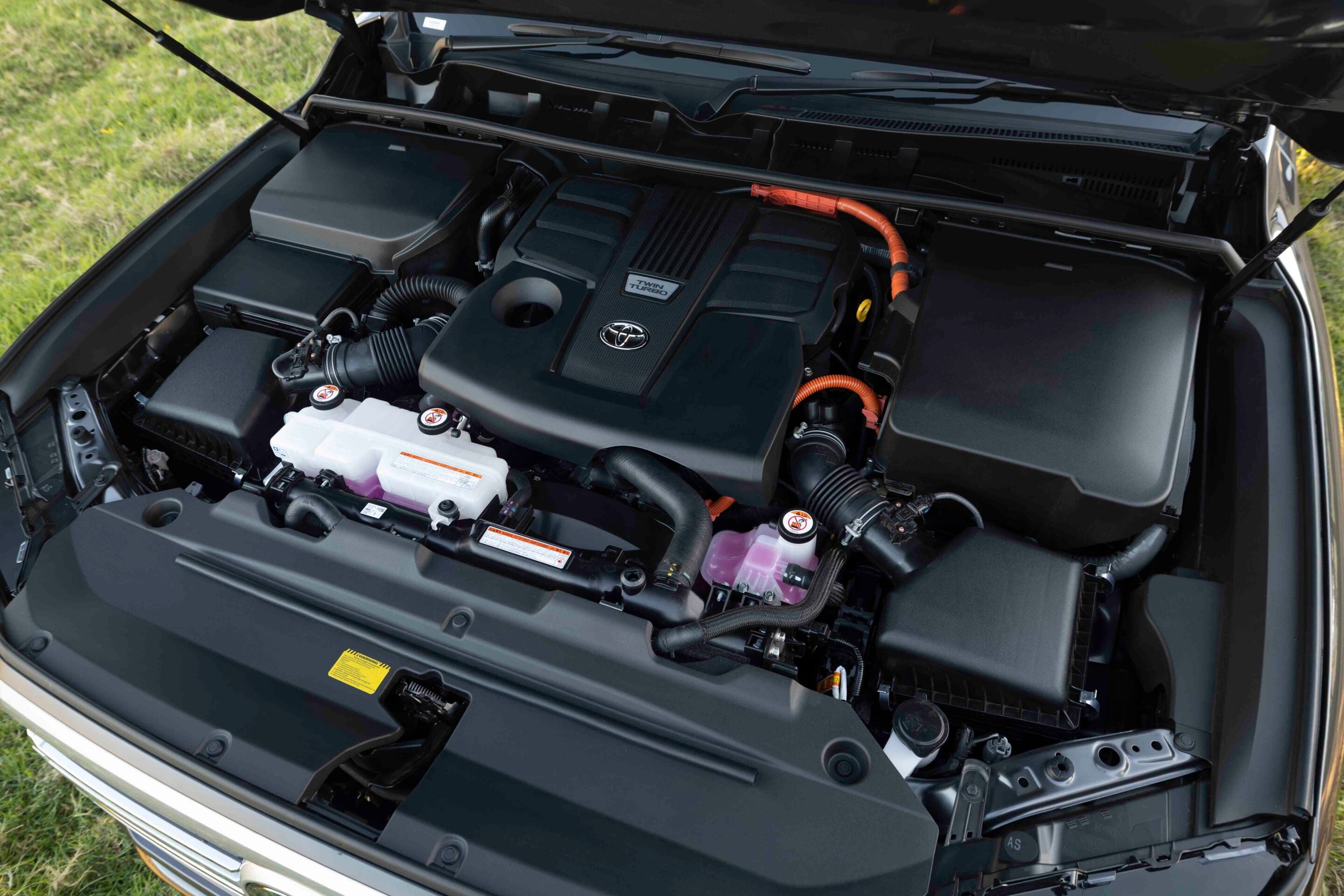
The V6 diesel has been the backbone of the 300 Series range since launch, offering strong torque delivery and efficiency expected from a long-distance touring vehicle. The Performance Hybrid takes a different approach, using a twin-turbo petrol V6 paired with a single electric motor.
| Specification | Performance Hybrid | V6 Twin-Turbo Diesel |
|---|---|---|
| Engine | Twin-turbo petrol V6 with single-motor hybrid system | Twin-turbo diesel V6 |
| Capacity | 3445cc | 3346cc |
| Maximum power | 341kW | 227kW |
| Maximum torque | 790Nm (combined system output) | 700Nm |
| Transmission | 10-speed automatic | 10-speed automatic |
| Drive system | Full-time 4×4, dual-range | Full-time 4×4, dual-range |
The hybrid produces an extra 114kW of power and 90Nm of torque compared with the diesel, making it the most powerful LandCruiser ever offered in Australia.
It’s also the quickest ever. Toyota claims the Sahara ZX Performance Hybrid accelerates from 0-100km/h in 6.5 seconds, while the GR Sport takes 6.6 seconds. The V6 twin-turbo diesel is claimed to reach 100km/h in 6.9 seconds, which is around half a second slower.
1
Performance hybrid, not economy hybrid
While the word “hybrid” often suggests improved fuel economy, the LC300 Performance Hybrid takes a different approach.
Rather than using electrification to reduce fuel consumption through a smaller engine and increased electric-only driving, Toyota has used the system to enhance performance.
The electric motor adds torque and improves response, helping the petrol V6 deliver a level of performance previously unavailable in a LandCruiser. The trade-off is fuel consumption.
The diesel remains the more efficient option, with lower claimed fuel consumption and a larger fuel tank. So for remote touring, the diesel’s advantage becomes more significant, offering greater range between fuel stops.
| Specification | Performance Hybrid | V6 Twin-Turbo Diesel |
|---|---|---|
| Fuel consumption | 10L/100km | 8.9L/100km |
| Fuel tank capacity | 98L | 110L |
| Fuel type | Petrol hybrid | Diesel |
1
Hybrid battery and packaging
The Performance Hybrid adds an air-cooled 6.5Ah, 288V nickel-metal hydride battery pack beneath the rear luggage area.
The battery packaging raises the cargo floor slightly and means the hybrid is only available as a five-seat LC300. The diesel remains available in both five- and seven-seat configurations.
| Specification | Performance Hybrid |
|---|---|
| Battery type | Nickel-metal hydride |
| Voltage | 288V |
| Capacity | 6.5Ah |
| Battery location | Beneath rear luggage area |
| Cooling | Air-cooled |
Towing, payload and weights
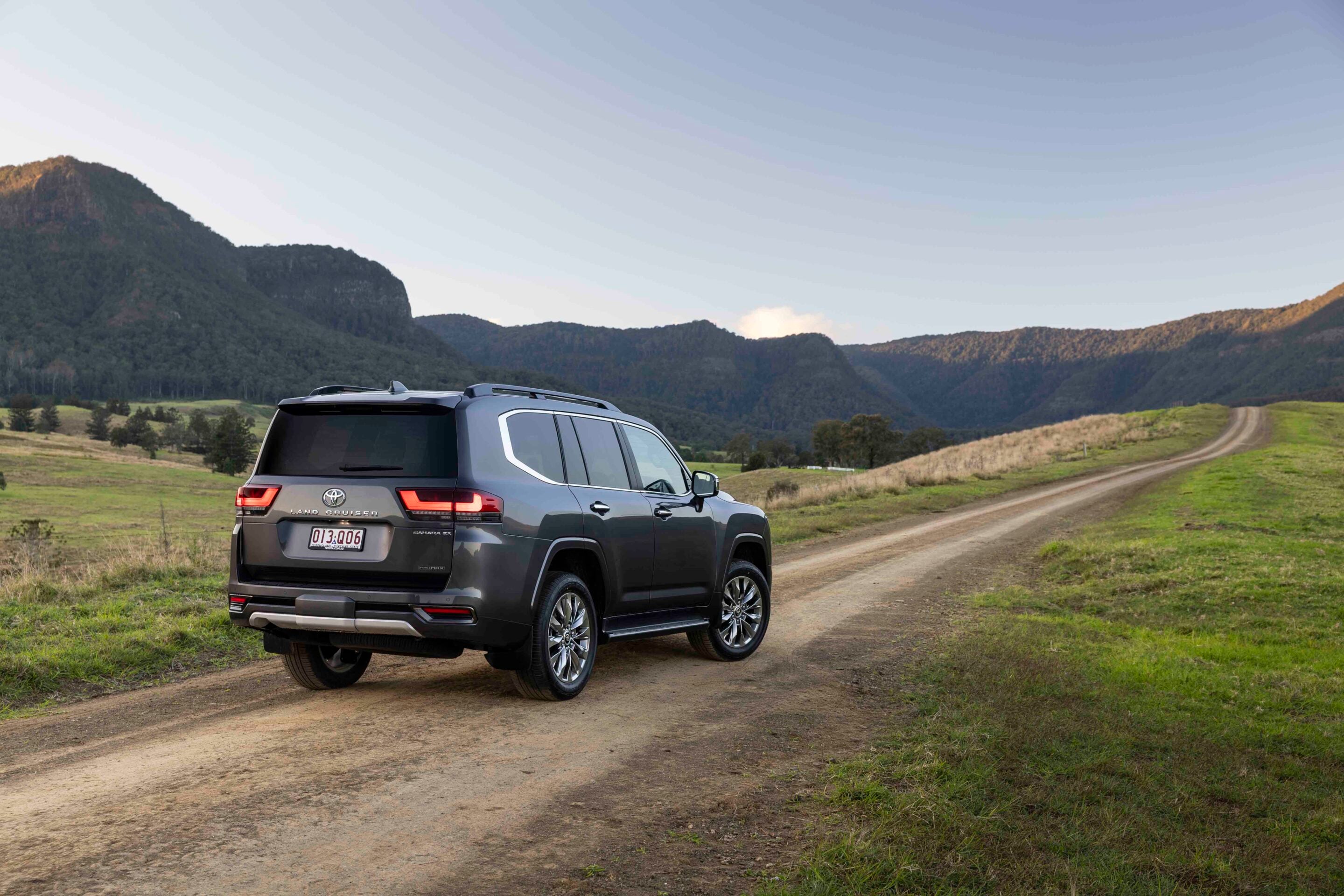
Despite the added hybrid hardware, the Performance Hybrid retains the same 3500kg braked towing capacity as the V6 twin-turbo diesel, making it equally capable on paper when it comes to hauling a large caravan or trailer.
The difference comes down to weight and payload. The Performance Hybrid has a 2715kg kerb weight and a 665kg payload, while the diesel range varies from 2495kg to 2630kg kerb weight and offers payload figures between 650kg and 785kg, depending on variant.
That means the hybrid carries more weight than the diesel, reducing its payload advantage compared with some diesel variants. For touring buyers carrying heavy accessories, passengers and recovery gear, the diesel’s broader payload range may offer more flexibility.
1
Off-road capability
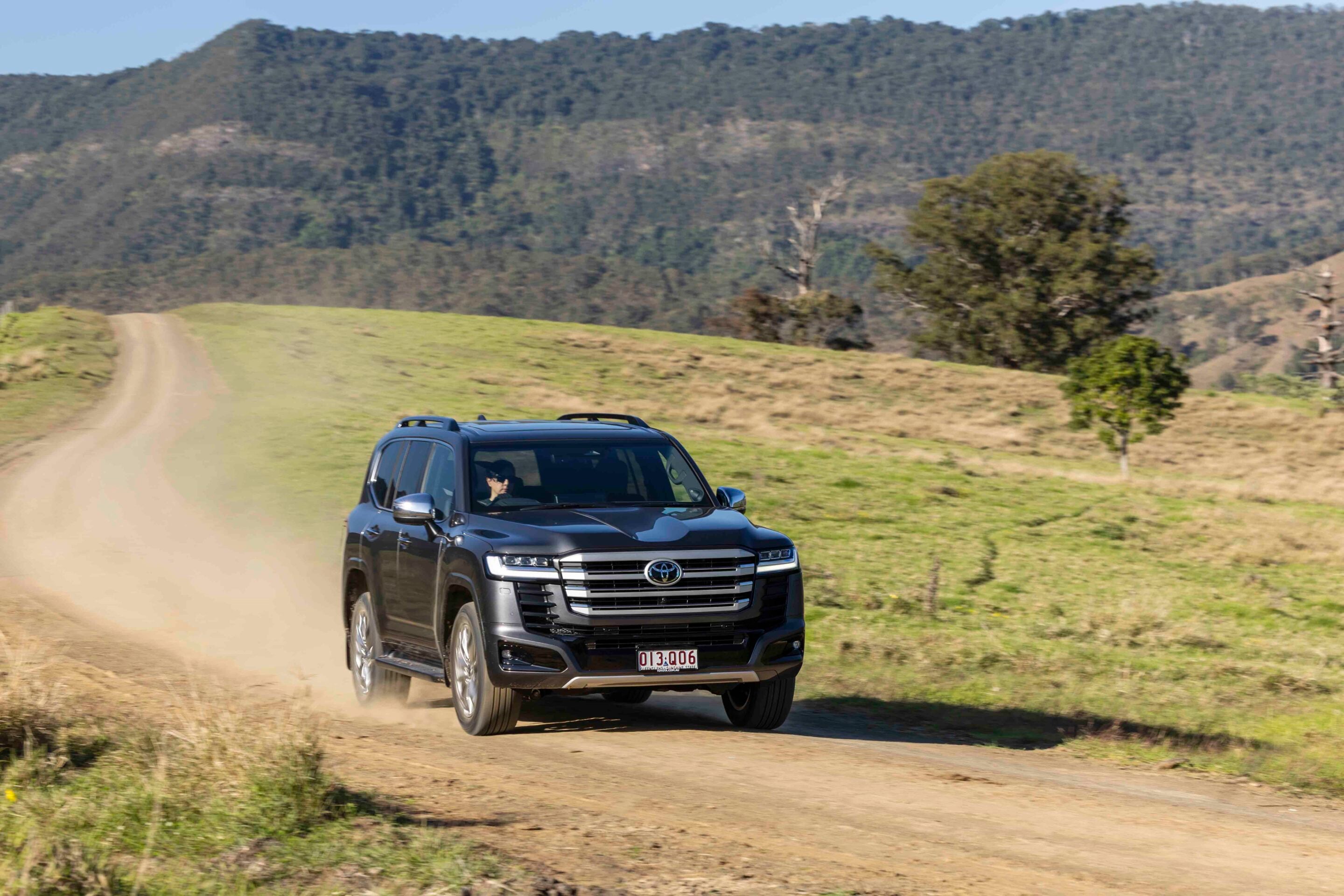
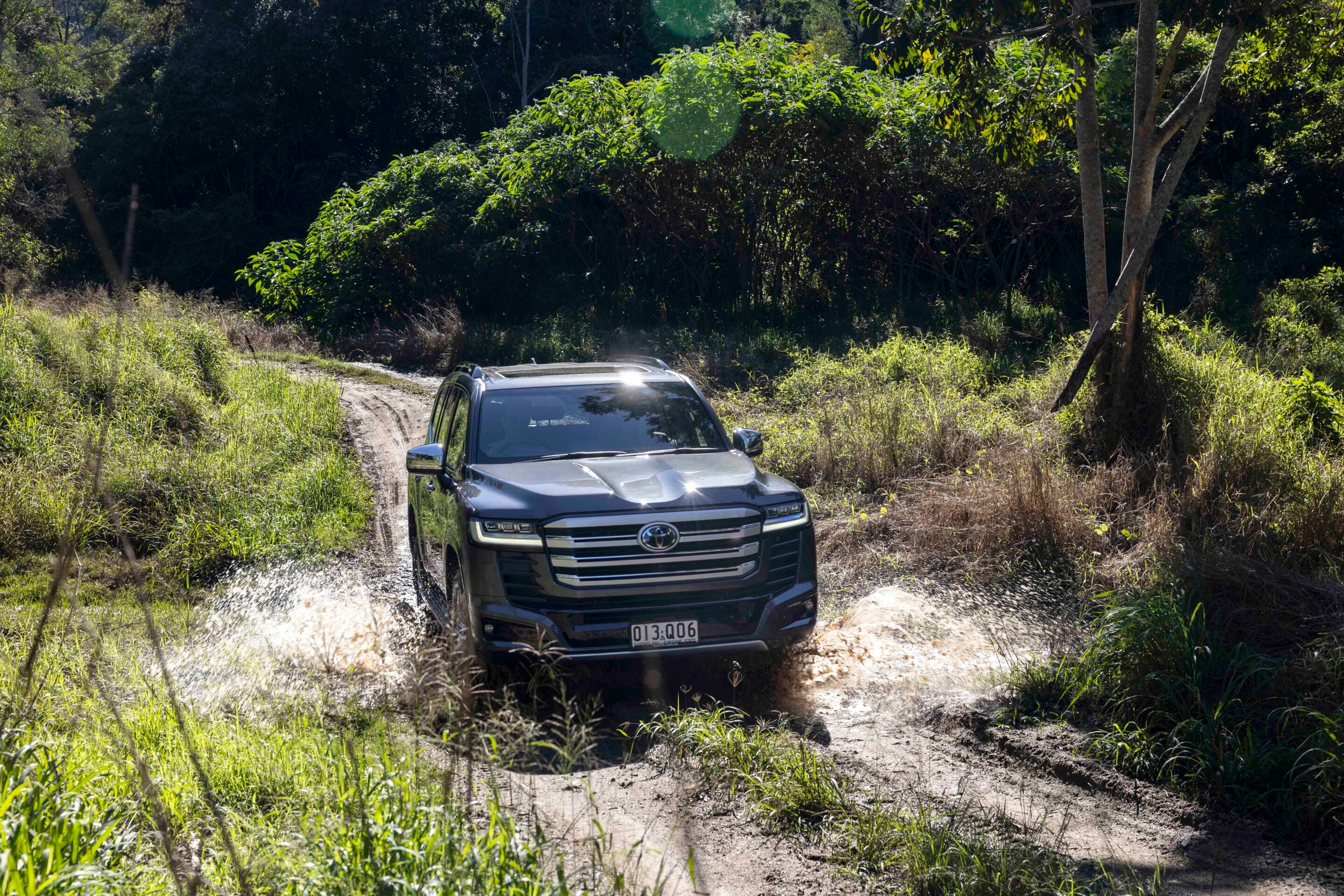
The Performance Hybrid retains the LandCruiser 300’s core off-road hardware, including Toyota’s TNGA-F ladder-frame platform, full-time four-wheel drive and dual-range transfer case.
Compared with the diesel, the main differences come down to packaging. The hybrid is only available as a five-seat model due to the battery placement beneath the rear luggage area, while diesel-powered LC300 variants are available with five or seven seats.
The Performance Hybrid also has 231mm of ground clearance, compared with 245mm for the V6 twin-turbo diesel, giving the diesel a small advantage for tackling rough terrain.
Beyond those differences, off-road capability is largely determined by the grade rather than the powertrain. The GR Sport remains the most off-road-focused LC300 variant, with features including front and rear locking differentials, E-KDSS suspension, 18-inch alloy wheels with 265/65R18 all-terrain tyres and a 31-degree approach angle.
The Sahara ZX takes a more luxury-focused approach, with 20-inch alloy wheels, 265/55R20 tyres, a Torsen rear differential and a 24-degree approach angle.
1
Pricing
The Performance Hybrid sits at the top of the LandCruiser 300 range, available exclusively in the flagship GR Sport and Sahara ZX grades.
The GR Sport Performance Hybrid is priced from $156,060 plus on-road costs, while the Sahara ZX Performance Hybrid starts from $156,810 plus on-road costs. Compared with the equivalent V6 twin-turbo diesel models, the hybrid commands an $8900 premium in both grades.
| Grade | V6 twin-turbo diesel | Performance Hybrid | Difference |
|---|---|---|---|
| GR Sport | $147,160 | $156,060 | +$8900 |
| Sahara ZX | $147,910 | $156,810 | +$8900 |
For context, the V6 twin-turbo diesel range starts significantly lower, with the GX priced from $99,340, followed by the GXL at $111,820, VX at $123,510 and Sahara at $140,310.
The verdict
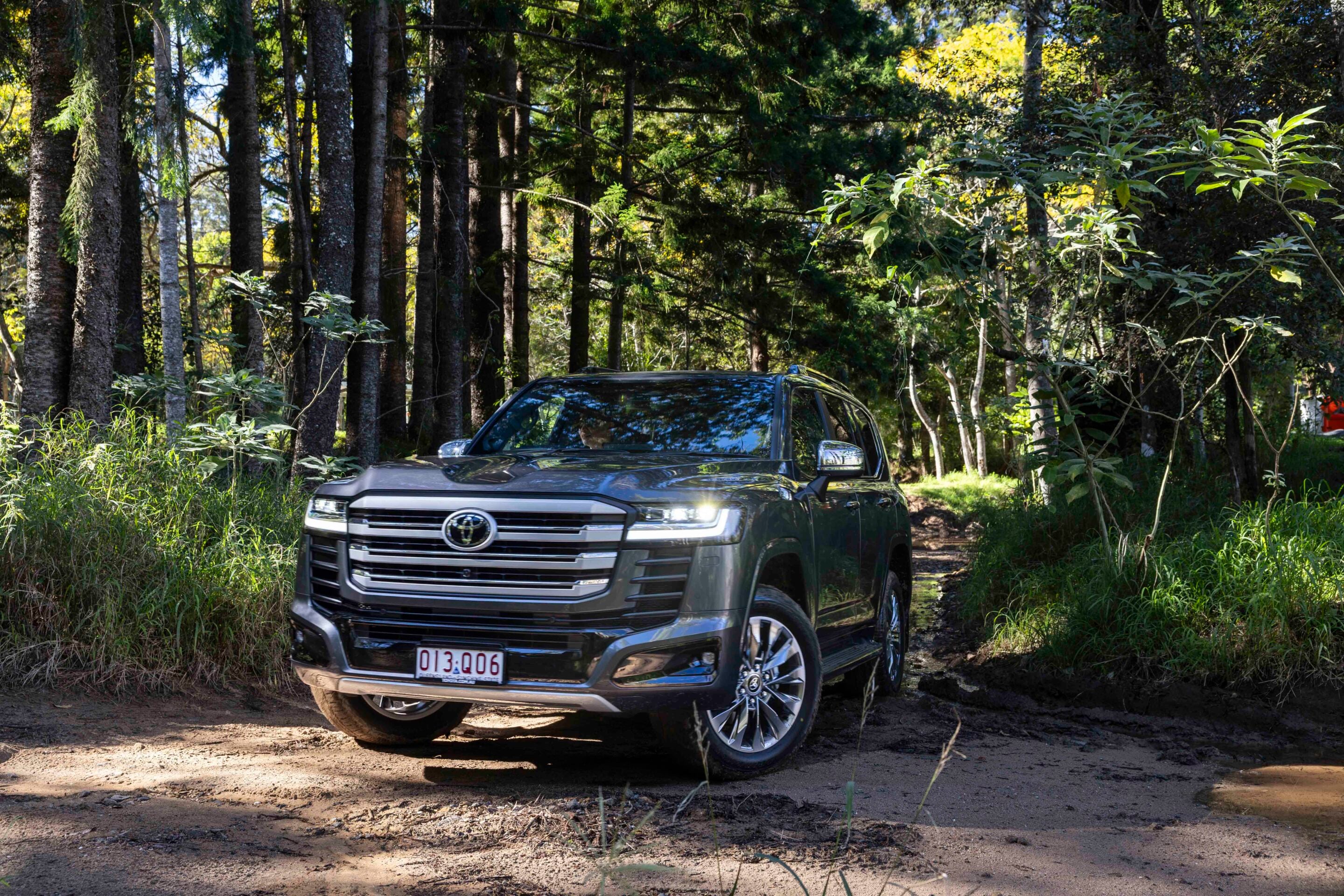
The Performance Hybrid changes the character of the LandCruiser 300.
Rather than focusing on fuel savings, Toyota has used electrification to unlock a level of performance never before seen in a LandCruiser. With 341kW and 790Nm on tap, the hybrid is significantly quicker and more powerful than the V6 diesel while retaining the same 3500kg towing capacity.
The trade-offs favour the diesel for long-distance touring: lower claimed fuel consumption, a larger fuel tank, greater ground clearance and broader seating availability.
For buyers wanting the fastest and most powerful LandCruiser ever built, the Performance Hybrid is the clear choice. It offers sports-car-like performance from a full-size 4×4 wagon without sacrificing towing ability or the LC300’s core off-road capability.
For those travelling long distances, towing caravans into remote areas or prioritising maximum range and practicality, the V6 diesel remains the more logical touring option.
The decision comes down to priorities: the Performance Hybrid brings unmatched performance, while the diesel continues to provide the attributes that have made the LandCruiser a touring icon.
1
Frequently Asked Questions
Q: Is the LandCruiser 300 Performance Hybrid more powerful than the diesel?
A: Yes. The Performance Hybrid produces 341kW and 790Nm of combined system torque, compared with the diesel’s 227kW and 700Nm.
Q: Is the LandCruiser 300 hybrid more fuel efficient than the diesel?
A: No. The Performance Hybrid is rated at 10L/100km, while the V6 twin-turbo diesel is rated at 8.9L/100km. Toyota has designed the hybrid system to improve performance rather than maximise fuel economy.
Q: Does the LandCruiser 300 Performance Hybrid tow 3500kg?
A: Yes. Both the Performance Hybrid and V6 twin-turbo diesel retain a 3500kg towing capacity.
Q: Why is the hybrid LandCruiser only available with five seats?
A: The hybrid battery is mounted beneath the rear luggage area, which raises the cargo floor and limits the Performance Hybrid to a five-seat configuration.
Q: Which LandCruiser 300 is better for touring?
A: The V6 diesel remains the stronger choice for long-distance touring due to its lower fuel consumption, larger fuel tank and greater seating flexibility.
Q: Which LandCruiser 300 is better off-road?
A: Off-road capability depends heavily on the grade selected. The GR Sport version of either powertrain offers the most off-road-focused equipment, including front and rear locking differentials, E-KDSS suspension and 18-inch all-terrain tyres. The diesel also has an advantage in published ground clearance.
Q: Is the LandCruiser 300 Performance Hybrid an economy hybrid?
A: No. Toyota has used the hybrid system primarily to improve performance, adding electric assistance to the twin-turbo petrol V6 rather than focusing solely on reducing fuel consumption.
Follow 4X4 Australia on Google
Get more 4x4 news, reviews and gear stories from 4X4 Australia in your Google feeds.