News

Gallery 1
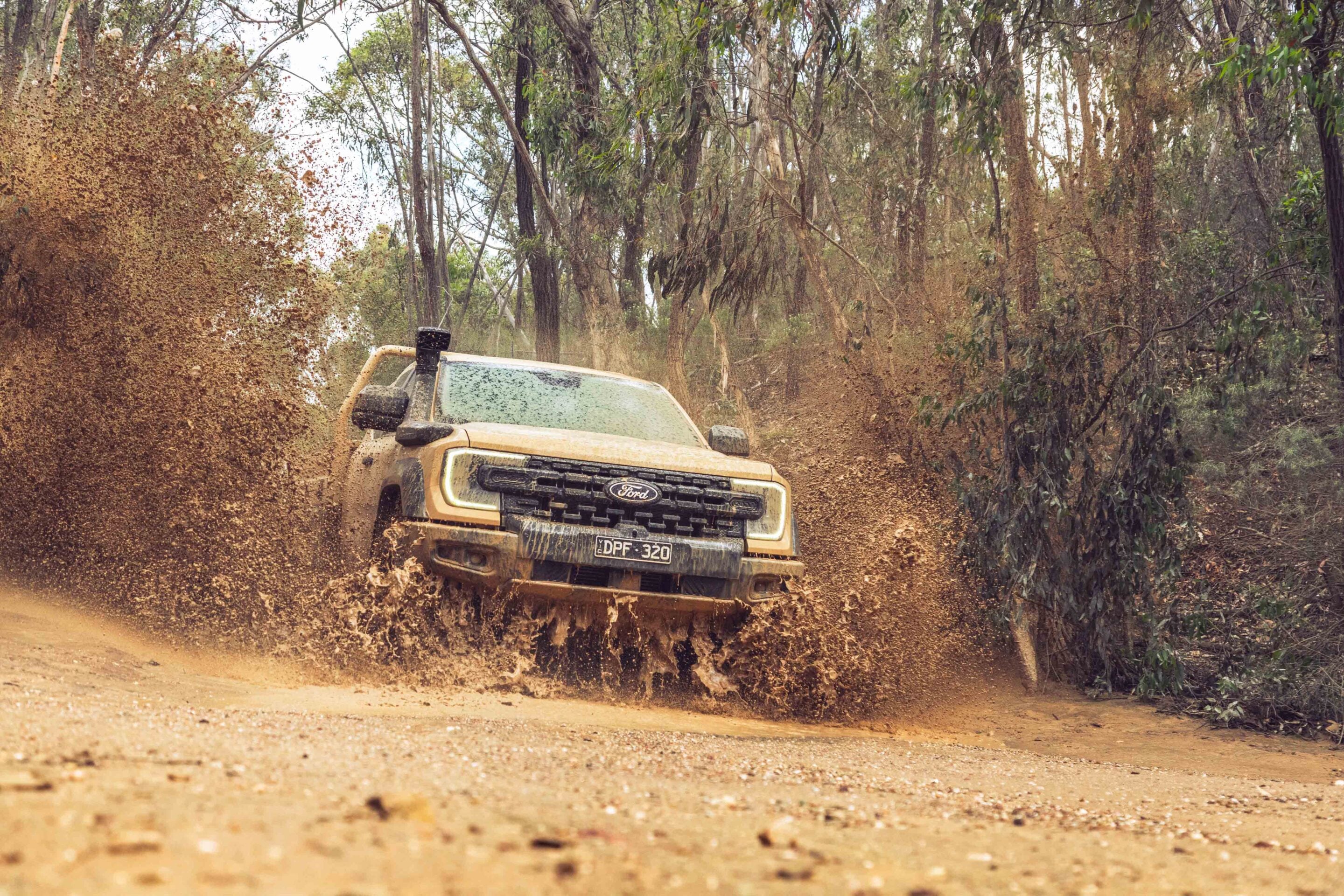
Ford Australia will expand its Ranger Super Duty XLT lineup later this year, confirming Single Cab Chassis and Super Cab Chassis versions will join the range as part of the MY27 update.
Until now, the XLT grade had only been offered in Dual Cab form. The new variants bring the same higher-spec trim level to buyers who prefer the more work-focused Single Cab and Super Cab body styles.
Pricing starts at $88,990 before on-road costs for the XLT Single Cab Chassis and $92,490 before on-road costs for the XLT Super Cab Chassis. Both sit $6000 above their standard Ranger Super Duty equivalents and are priced without a tray.
Equipment mirrors the existing XLT models, with leather-accented seats, heated and ventilated front seats, carpet flooring, all-weather floor mats and unique 18-inch alloy wheels.
Mechanically, nothing changes. Both variants continue with Ford’s 3.0-litre turbo-diesel V6 producing 154kW and 600Nm, paired with a 10-speed automatic transmission and full-time four-wheel drive system.
The heavy-duty credentials also remain unchanged, including a 4500kg braked towing capacity, 4500kg GVM and 8000kg GCM. The Single Cab Chassis offers a payload of up to 1982kg, while the Super Cab Chassis is rated at up to 1885kg.
What this means in practical terms
For buyers, the main change is simply more choice in how the Super Duty is specced, depending on how the vehicle is used day-to-day.
Single Cab and Super Cab versions are typically aimed at trade and fleet use, where the priority is payload, towing and durability rather than passenger space. Adding the XLT trim to these body styles means those users can step up to a more comfortable cabin setup without moving into a dual-cab layout that may not suit heavier work duties.
In the Super Cab, the rear area remains limited and is more of a storage space than a full-time seating solution, so the focus stays on two-person operation with occasional rear-seat use.
From a workload perspective, the key figures don’t change. Payload, towing and GVM remain the same as the rest of the Super Duty range, so the choice here is mainly about cab layout and interior specification rather than capability differences.
Follow 4X4 Australia on Google
Get more 4x4 news, reviews and gear stories from 4X4 Australia in your Google feeds.