Advice

Gallery 1
These days, the typical 4×4 buyer is willing to part with a little extra of their hard-earned cash to step up to higher-spec variants, chasing maximum comfort, more tech, and enhanced safety – all while retaining the same rugged capability that makes utes essential tools for work and off-road adventures.
Base models still get the job done, but higher-spec trims make a tangible difference on long trips, daily drives, and when towing. But there’s a sweet spot for buyers who want the benefits of stepping up without paying flagship prices, and it’s found smack-bang in the $60 to $70K mid-range bracket.
Here, dual-cab 4×4 utes deliver most of the creature comforts, safety systems, and cabin tech of top-tier variants, while still keeping them accessible. Beyond just comfort, these mid-range models often hold their value better, as the combination of capability, features, and price makes them more appealing in the second-hand market than entry-level trims.
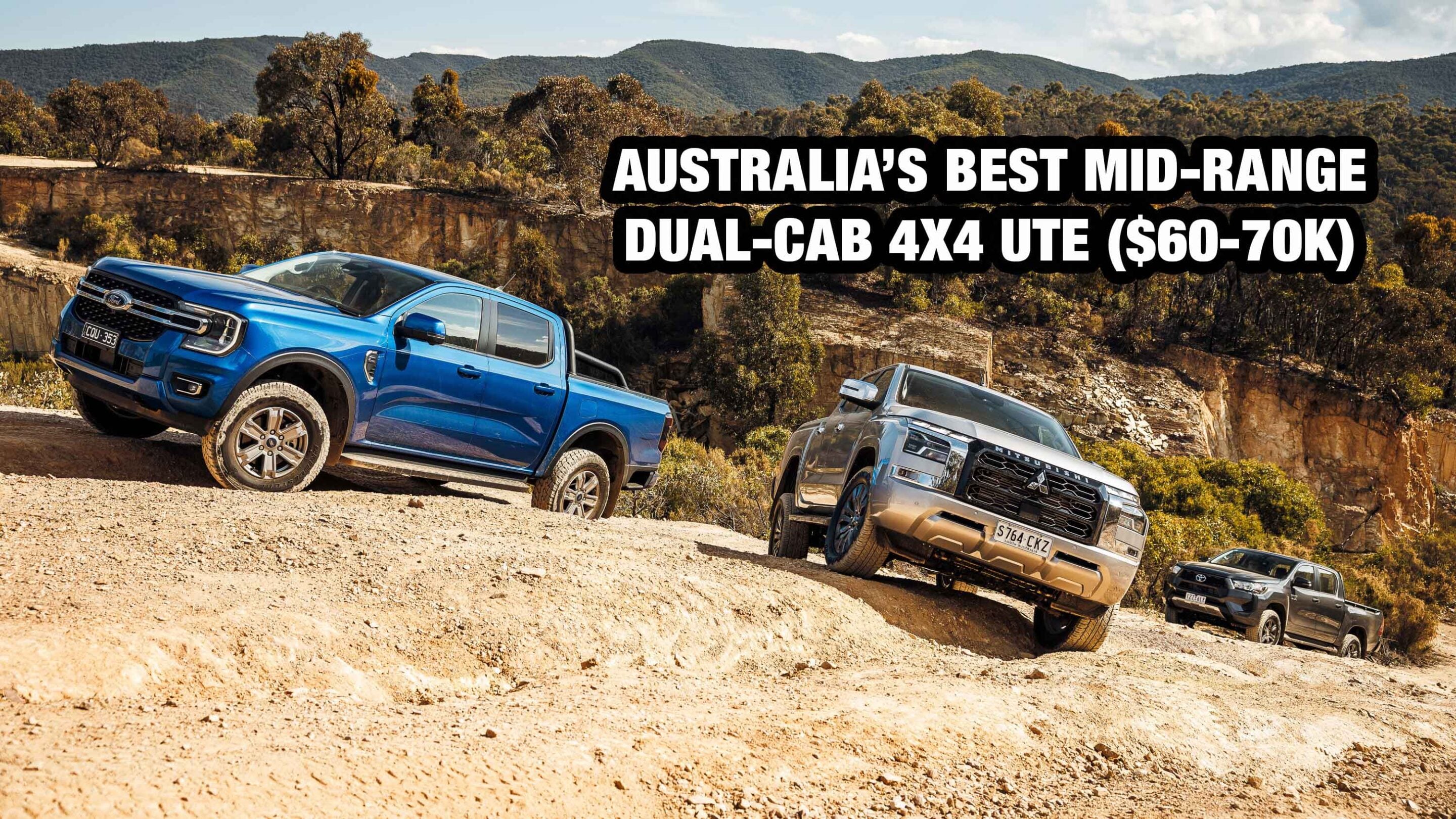
We’ve picked five of the best mid-range dual-cab utes currently on the market 👇
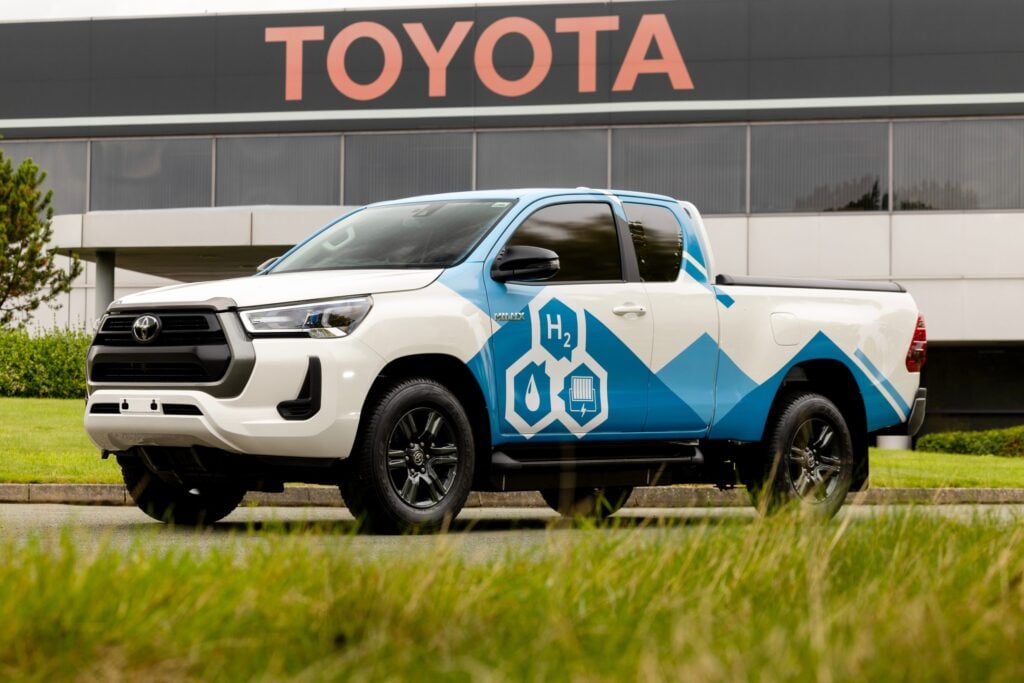
Toyota HiLux SR5 48V
- From $65,990
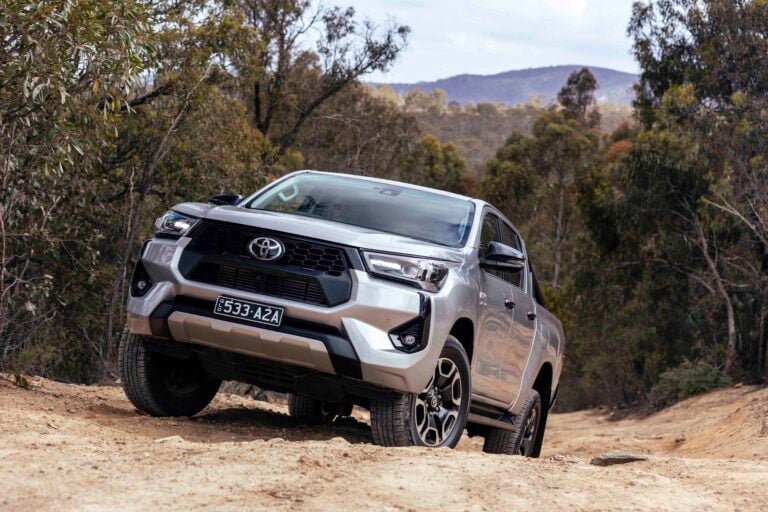
Move up to the HiLux SR5 and the shift is less about chasing luxury and more about improving day-to-day livability without compromising the ute’s core working credentials – a big reason this grade consistently outsells the lower trims.
The exterior gains are subtle but meaningful. 18-inch alloys, high-grade auto-levelling LED headlights, LED tail-lights, and darker exterior finishes lift the SR5 above the utilitarian look of entry models, while privacy glass and a powder-coated sports bar (pick-up) add both function and polish.
Inside, the SR5 makes its strongest case. A 12.3-inch digital driver display, dual-zone climate control, and an upgraded comfort package – including heated front seats and steering wheel, a cooled glove box, and an auto-dimming rear-view mirror – transform the HiLux into something far easier to live with across long workdays and touring stints. Wireless phone charging further reinforces its role as a genuine dual-purpose ute.
Toyota has also focused on refinement and control. A comfort-biased rear leaf suspension tune improves ride quality unladen, while larger front brakes and rear ventilated discs sharpen stopping performance – upgrades that pay dividends both on the highway and when towing. Practicality isn’t overlooked either. A damped tailgate with lift assist, front and rear parking sensors, and the Multi-Terrain Monitor (automatic pick-up) add confidence in tight worksites and off-road environments alike.
The SR5 hits the sweet spot in the HiLux line-up, delivering tangible comfort, tech, and refinement gains that explain why many buyers are prepared to spend more without stepping into top-tier pricing. Plus, as with any HiLux, it maintains strong resale value thanks to Toyota’s reliability and enduring popularity.
Ford Ranger XLT
- From $67,990
The Ranger XLT represents a popular step up from the XL and XLS work-focused trims. It keeps the Ranger’s proven chassis and drivetrain options – including the 2.0-litre turbo-diesel engines producing up to 154kW and 500Nm – while layering in comfort, technology, and safety features that make it far easier to live with day to day.
Compared with the lower-spec models, the XLT gains LED headlights with daytime running lights, 17-inch alloy wheels, a chrome-accented grille, body-coloured mirrors, and a black sports bar. Practical upgrades include a factory bedliner, 12V tub socket, rear tub lighting, and a front-mounted tow hook, all of which add genuine utility for work and touring use.
Inside, the XLT steps up with dual-zone climate control, a leather-wrapped steering wheel, Ford’s e-shifter, an auto-dimming rear-view mirror, and rain-sensing wipers. Technology is a major drawcard, headlined by the large 12-inch touchscreen with built-in satellite navigation and DAB+, backed by a strong safety suite including adaptive cruise control with lane centring and stop/go, rear parking sensors, and rear disc brakes.
Compared with Wildtrak and Platinum variants, the XLT misses out on premium touches such as leather upholstery, larger wheels, 360-degree camera systems, premium audio, and some higher-end driver aids. However, it delivers the core Ranger experience at a more attainable price point. Like the HiLux, it also maintains strong resale value in the used market.
Isuzu D‑Max LS‑U
- From $65,000
Step into the LS-U and the D-MAX starts to feel less like a bare-bones work tool and more like a ute buyers can comfortably live with day to day. The mid-spec grade layers in meaningful upgrades without touching the core 4×4 hardware.
Externally, the shift is obvious. Larger 18-inch alloys, chrome detailing, LED rear tail-lights, and silver side steps give it a more finished look, while practical additions such as heated, power-folding mirrors, a factory tow bar, and a tub liner (ute models) save buyers ticking option boxes later.
Inside is where the spending case really stacks up. The jump to a 9.0-inch infotainment system brings built-in navigation, wireless smartphone mirroring, and DAB+, paired with a larger 7.0-inch digital driver display. Dual-zone climate control, keyless entry and start, carpet flooring, and improved cabin materials move the D-MAX firmly into dual-purpose territory, while features like driver lumbar adjustment and an auto-dimming rear-view mirror make long stints behind the wheel easier.
Safety and usability also improve. Rear parking sensors complement the standard reversing camera, TPMS displays individual tyre pressures and temperatures on the main screen, and all the serious off-road gear remains intact, including Rough Terrain Mode and a rear diff lock on 4×4 models.
Mitsubishi Triton GSR
- From $62,290
The Triton GSR sits between $60 to $65K but effectively tops the Triton line-up. It retains the same proven drivetrain and Super Select II 4WD system as some of the lower-spec models, while adding meaningful upgrades.
Externally, the GSR is clearly differentiated with 18-inch black alloy wheels, a full blacked-out exterior theme, unique GSR badging, flared wheel arches, and a distinctive rear sailplane in place of a conventional sports bar. Inside, it steps up with leather-appointed seats with orange contrast stitching, heated front seats, a power-adjustable driver’s seat, upgraded soft-touch trim, and GSR-specific finishes.
The GSR also swaps the heavy-duty rear suspension used in work-focused trims for a more compliant standard-duty setup, improving ride comfort without sacrificing touring or towing capability. Added features such as a surround-view camera, tailgate assist, and standard tub liner further enhance day-to-day usability. While the GLS shares much of the underlying hardware, the GSR’s styling, standard leather, and comfort upgrades set it apart as the most complete Triton variant.
For buyers, the GSR delivers near-flagship presentation without flagship pricing, and that balance helps support better resale than lower-spec Tritons.
Mazda BT‑50 XTR
- From $63,700
The BT‑50 XTR offers a balance of comfort, capability, and practicality that explains why many buyers step up from the entry-level XT or XLS trims. Mechanically it shares the proven 3.0-litre turbo-diesel engine with the D-MAX.
Exterior upgrades include 18-inch alloy wheels, LED headlamps with auto-levelling, LED front fog lights, power-folding side mirrors, and side steps, giving the XTR a more refined and purposeful look while adding practical utility. Inside, it steps up with keyless entry with push-button start, dual-zone climate control, and an auto-dimming rear-view mirror, enhancing convenience and comfort on longer drives.
Technology and infotainment also see a boost at this level: A larger 9.0-inch touchscreen with satellite navigation, wireless Apple CarPlay/Android Auto, and an eight-speaker audio system replaces the smaller screens of lower trims. Cabin trim improvements, including a leather-wrapped steering wheel and gear knob, add to the premium feel without pushing the price into top-tier territory.
The XTR remains a compelling mid-range choice, offering features that matter for daily use and long-distance touring while also supporting strong resale value.
Why mid-range specs matter
- Safety and tech: Lane assist, adaptive cruise, extra airbags, and braking systems are often included in mid-range trims, improving safety for highway and towing work.
- Comfort and convenience: Better seats, climate control, and infotainment enhance long drives, family trips, or daily commuting.
- Capability enhancements: Some mid-range models feature upgraded suspension, multi-terrain modes, and larger wheels/tyres for better off-road handling.
- Resale advantage: Mid-spec utes retain value better because buyers in the used market prioritise convenience, safety, and comfort in addition to brand reputation.
Resale considerations in 2026
Trim level, feature content, and service history now strongly influence used 4×4 dual-cab pricing. Well-equipped mid-spec utes tend to sell faster and closer to their market value than bare-base models, making them a smart choice for buyers looking for a balance of new-car affordability and long-term investment.
Follow 4X4 Australia on Google
Get more 4x4 news, reviews and gear stories from 4X4 Australia in your Google feeds.