News

Gallery 1
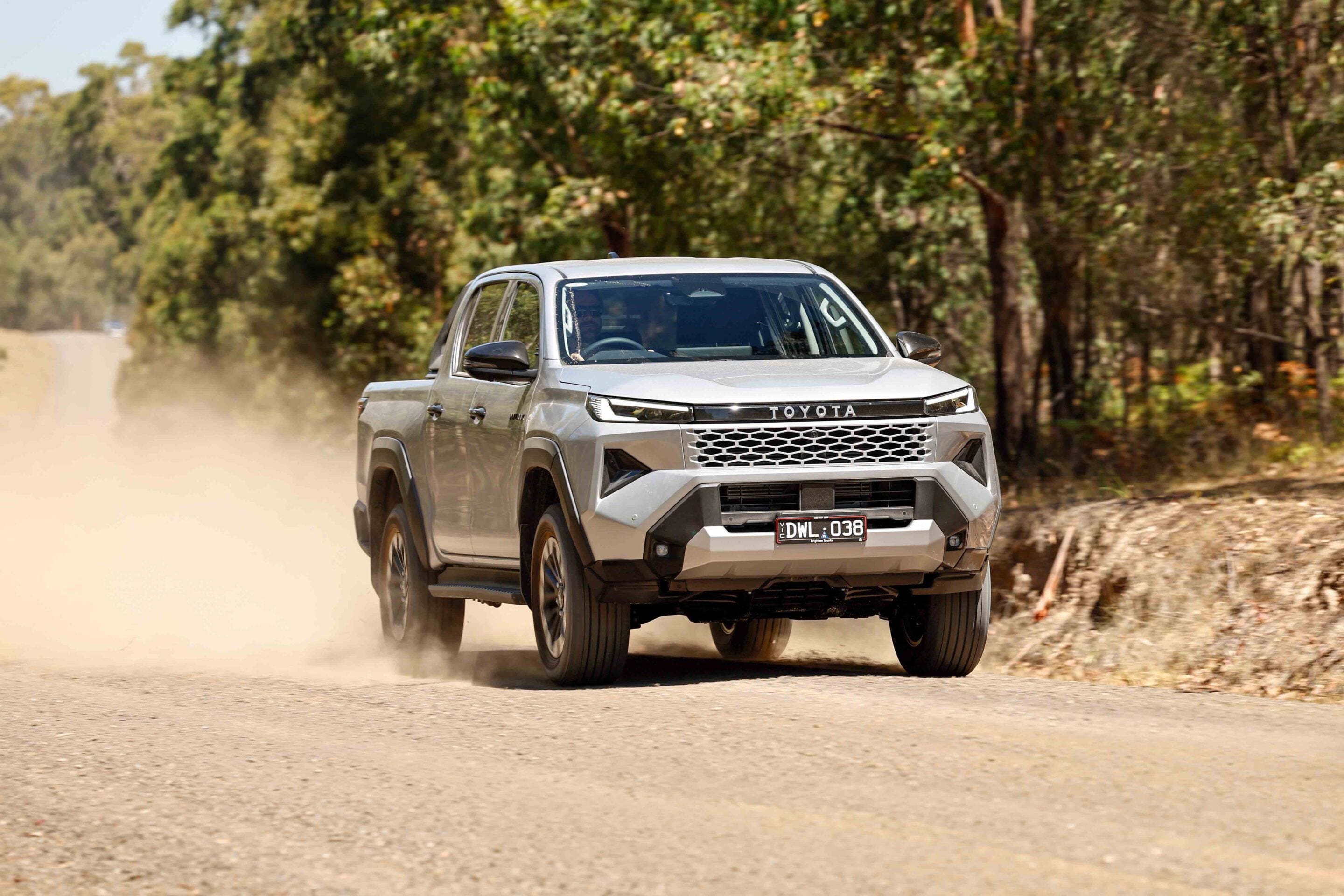
Toyota’s $750 million settlement over defective diesel particulate filters fitted to HiLux, LandCruiser Prado and Fortuner models has been approved by the Federal Court, bringing the long-running class actions closer to resolution.
Justice Michael Lee approved the settlement on November 20, 2026, resolving two proceedings involving Toyota’s 2.4-litre and 2.8-litre turbo-diesel engines. However, owners won’t be sharing the entire $750 million. Legal costs, litigation funding and administration expenses will be deducted before compensation is distributed, and individual payouts have not been finalised.
Which Toyota 4x4s are affected?
The class actions cover certain Toyota HiLux, LandCruiser Prado and Fortuner models fitted with Toyota’s 2.4-litre 2GD-FTV or 2.8-litre 1GD-FTV turbo-diesel engines.
The 2.4-litre engine was fitted to eligible HiLux variants, while the 2.8-litre engine was used across the affected HiLux, Prado and Fortuner ranges. Not every vehicle within those model ranges is covered, with eligibility also depending on when and how it was acquired.
The dispute centred on Toyota’s diesel particulate filter system, which could cause excessive white exhaust smoke, unpleasant smells, increased fuel consumption and repeated dealer visits. For owners who bought these vehicles for towing, touring or work, the faults meant unexpected workshop visits and repair costs.
How much will owners receive?
The $750 million settlement includes legal costs, litigation funding and administration expenses. The amount available for compensation will be lower, with one outstanding issue being the commission sought by litigation funder Balance Legal Capital.
The funder has requested 32.5 per cent of the settlement, equivalent to $243.75 million. However, Justice Lee reserved his decision on the commission, noting the funder had previously told group members it did not intend to seek more than 25 per cent of damages paid to eligible owners.
The court has approved legal cost deductions but has not finalised the funding commission. The final amount available to owners will depend on the deductions approved by the court. The class action website previously published estimated average payments across four ownership categories, both before and after proposed deductions.
These are estimated average payments, not guaranteed payouts. The post-deduction figures are based on proposed deductions, including the funding payment, which remains subject to the court’s decision. Individual entitlements will also depend on factors including purchase price, ownership history and whether Toyota’s DPF repair was applied.
Late registrations accepted
The Federal Court has allowed certain late registrants to participate in the settlement. People who registered after the extended October 13 deadline, but by 10.15am on November 20, 2026, will be treated as registered group members.
The court estimated up to 3450 additional people could benefit from the decision, with the judge finding their inclusion would only marginally reduce payments to existing group members. However, registration has not generally reopened. Anyone who missed the November 20 cut-off will need to seek the court’s permission to participate.
How did Toyota’s DPF class action start?
The original Williams class action was launched in 2019, with the Federal Court finding in favour of affected owners in May 2022.
The court found the vehicles were not of acceptable quality because of their defective DPF systems and that Toyota had engaged in misleading or deceptive conduct in their marketing and sale.
The original judgment assessed the reduction in vehicle value at 17.5 per cent of average retail price. The Full Federal Court later reduced that figure to 10 per cent, but the High Court overturned that reduction in November 2024, rejecting Toyota’s argument that its subsequent free DPF repair program removed owners’ entitlement to compensation for the vehicles’ original reduction in value.
The High Court returned the case to the Federal Court to reassess damages, taking into account the availability of Toyota’s repair. Toyota and the applicants reached the $750 million settlement in September 2026, before that reassessment could proceed. The related Taylor proceeding was included in the agreement.
When will owners be paid?
There is no confirmed payment date. The outstanding work includes finalising the litigation funding commission and settlement administration arrangements, before individual compensation can be calculated and distributed.
The court has approved the proposed Settlement Distribution Scheme, subject to further orders, and appointed a referee to examine whether a competitive tender could reduce the cost of administering it. Updated vehicle registration information has also been ordered to help identify current registered operators of affected vehicles.
Toyota introduced its free DPF repair program in May 2020. Whether the repair has been applied can affect an owner’s compensation, although Toyota has confirmed it will continue offering the repair free of charge regardless of whether an owner registers for or receives settlement money.
Affected HiLux, Prado and Fortuner owners should watch for further communication from the class action administrators about their individual entitlements and payments.
FAQs
What does a DPF do?
A diesel particulate filter traps soot and other particulate matter from the exhaust to reduce emissions.
How does a DPF work?
It captures soot in the filter, then periodically burns it off through a process called regeneration.
What is DPF regeneration?
Regeneration is the process of burning accumulated soot inside the filter at high temperatures to clear it.
What happens when a DPF gets blocked?
A blocked DPF can trigger warning lights, reduce engine performance, increase fuel consumption and require cleaning or replacement.
Is AdBlue part of the DPF system?
No. A DPF traps soot, while AdBlue is used in a separate system to reduce nitrogen oxide emissions.
What was wrong with Toyota’s DPF system?
Affected Toyota diesel engines suffered from DPF problems that could cause excessive white exhaust smoke, unpleasant smells and increased fuel consumption, sometimes requiring repeated dealer visits for repairs.
Why did Toyota get in trouble over its DPF system?
The Federal Court found Toyota had supplied vehicles that were not of acceptable quality and had engaged in misleading or deceptive conduct over the DPF system. The class actions sought compensation for the resulting loss in vehicle value.
Follow 4X4 Australia on Google
Get more 4x4 news, reviews and gear stories from 4X4 Australia in your Google feeds.


We recommend
-
 News
Toyota agrees to $750 million HiLux, Prado and Fortuner DPF settlement
Toyota agrees to a $750 million settlement over defective DPFs affecting 264,170 HiLux, Prado and Fortuner vehicles, pending court approval
-
 News
Toyota LandCruiser 70 Series cops $1300 price hike in line with AdBlue update
Toyota has slapped another $1300 on the price of its 70 Series, as the iconic 4x4 gets an emissions update