News

Gallery 1
Water is one of the biggest considerations when planning an extended remote-area trip. Whether crossing the outback or spending a week exploring isolated coastlines, carrying enough drinking water takes up valuable space and adds weight to an already loaded 4×4.
But what if you didn’t have to carry quite so much? Portable water-treatment technology is opening up more options for travellers, from compact filters that treat freshwater to reverse-osmosis systems capable of removing salt from seawater. The technology isn’t new, but making it smaller, lighter and more practical to use could give remote travellers another way to manage their water supplies.
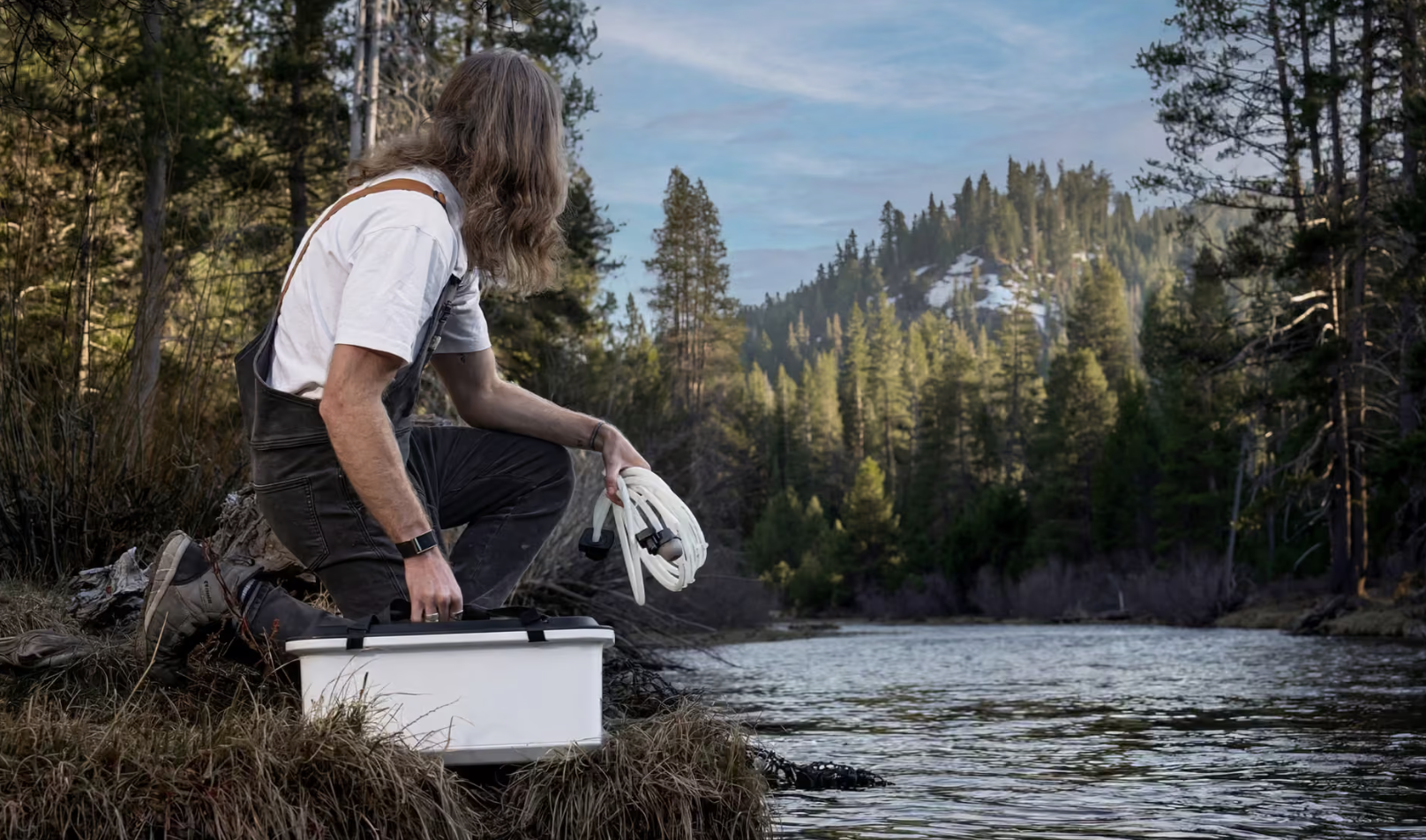
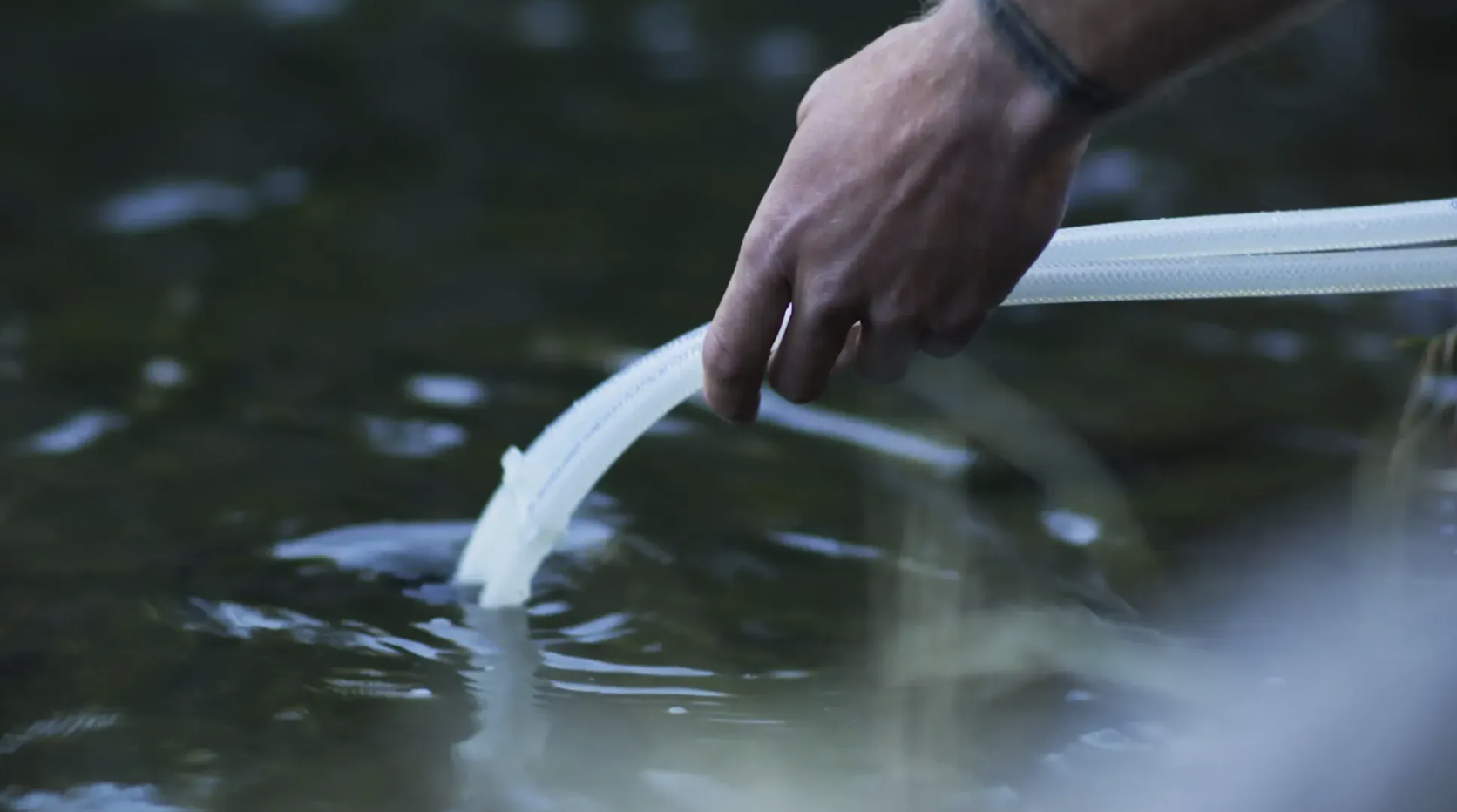
Different systems suit different water sources. Portable filters can remove sediment and certain microorganisms from freshwater, while reverse-osmosis systems use pressure and specialised membranes to remove dissolved salts from seawater and brackish water. The latter technology has traditionally been associated with boats and larger desalination plants, but compact units are now appearing on the market.
1
There are still limitations. Systems need a suitable water source, power and regular maintenance, while treatment capabilities vary. Making water look clear doesn’t necessarily make it safe to drink, so travellers need to understand what their equipment can and can’t remove.
For four-wheel drivers, the appeal is being able to make use of suitable water sources along the way rather than carrying every litre from home. That could be particularly useful for extended coastal trips; although power requirements, output and water quality all need to be considered.
These systems aren’t a replacement for carrying an adequate reserve, especially when travelling through dry or isolated country. But as portable water treatment becomes more accessible, it could give remote travellers another option for staying off-grid for longer.
1
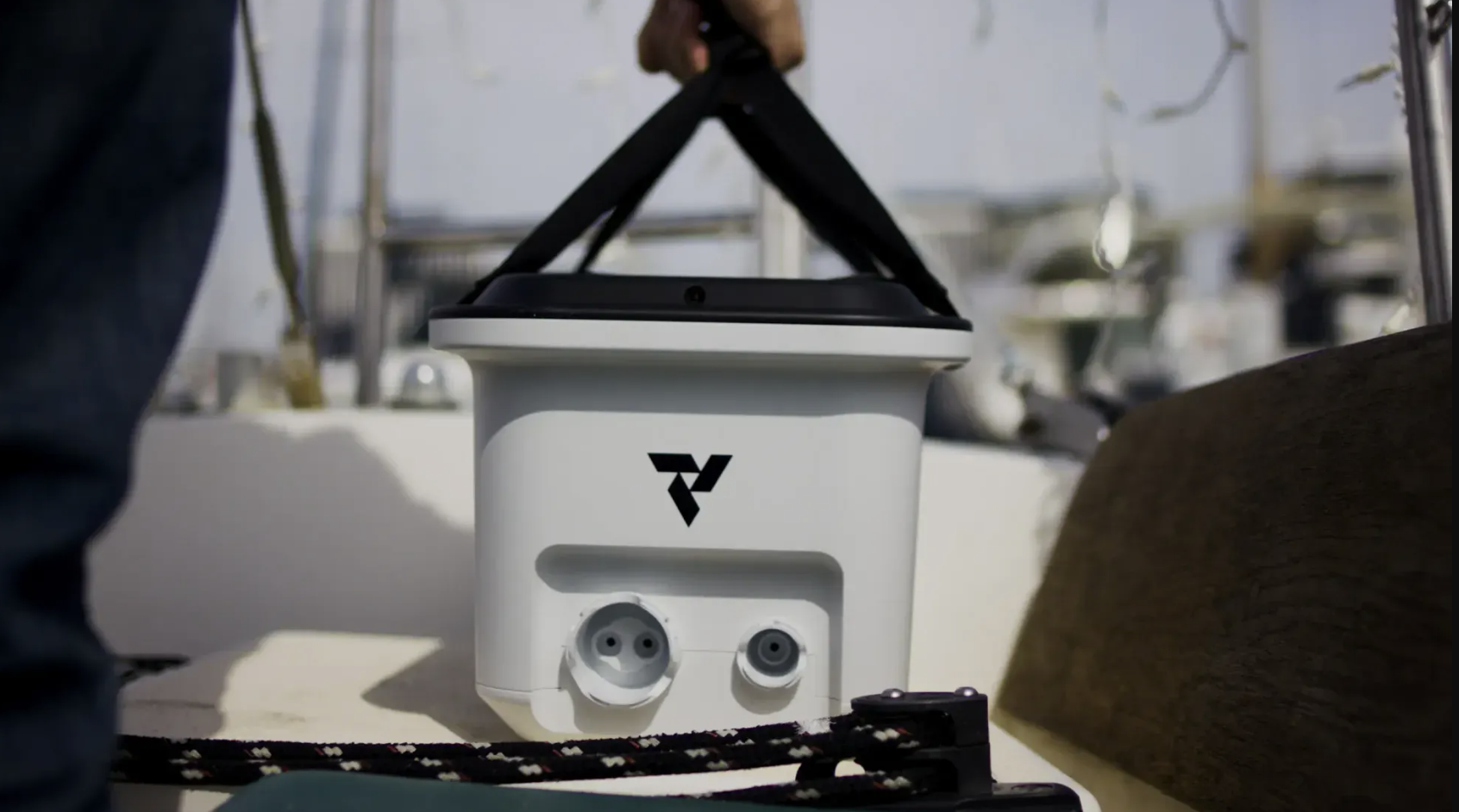
One example is the Vital Lyfe Access (↗), a portable reverse-osmosis system designed to process seawater, freshwater and brackish water. It uses a high-pressure pump operating at more than 800psi, with automated controls that adjust power and pressure to suit the incoming water. Vital Lyfe lists output of up to 22.7 litres per hour from seawater and 45.4 litres per hour from freshwater.
The unit weighs 11.3kg and has an integrated 210Wh battery, providing approximately one hour of operation under typical saltwater conditions. Longer operation requires an external power supply.
Vital Lyfe Access: FAQs
What types of water can it process?
Seawater, freshwater and brackish water.
How much water can it produce?
Up to 22.7 litres per hour from seawater or 45.4 litres per hour from freshwater.
How does it remove salt?
It uses reverse osmosis, forcing water through a specialised membrane under high pressure.
How long does the battery last?
The integrated 210Wh battery provides approximately one hour of operation under typical saltwater conditions. Longer use requires an external power supply.
How much does it cost?
$US749, or approximately AU$1108
Follow 4X4 Australia on Google
Get more 4x4 news, reviews and gear stories from 4X4 Australia in your Google feeds.


We recommend
-
 Advice
Outback travel water guide – how much you really need to carry on remote trips
Straight-up advice on how much water you really need to carry for safe and comfortable travel in the Aussie Outback
-
 Gear
4WD water tanks explained: Choosing the right setup for touring and off-grid travel
A practical breakdown of 4WD water tank options, sizes and setups to help you carry clean, reliable water for camping and remote touring
-
 Advice
8 essential tips for a safe outback adventure in Australia
Stay safe on your next outback adventure with these eight practical tips