Gear
Gallery 1
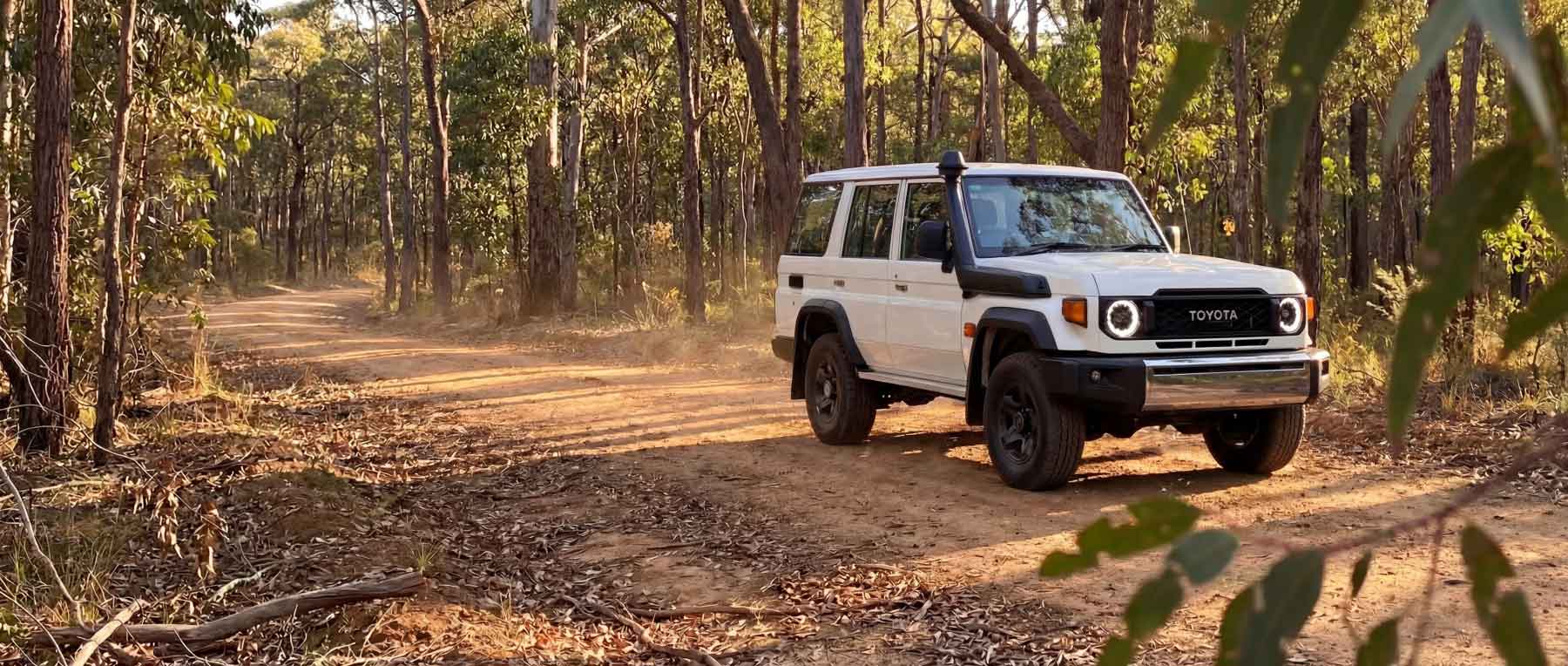
A 70 Series is primarily a work and touring vehicle, designed for prolonged exposure to heat, dust, corrugations and sustained load.
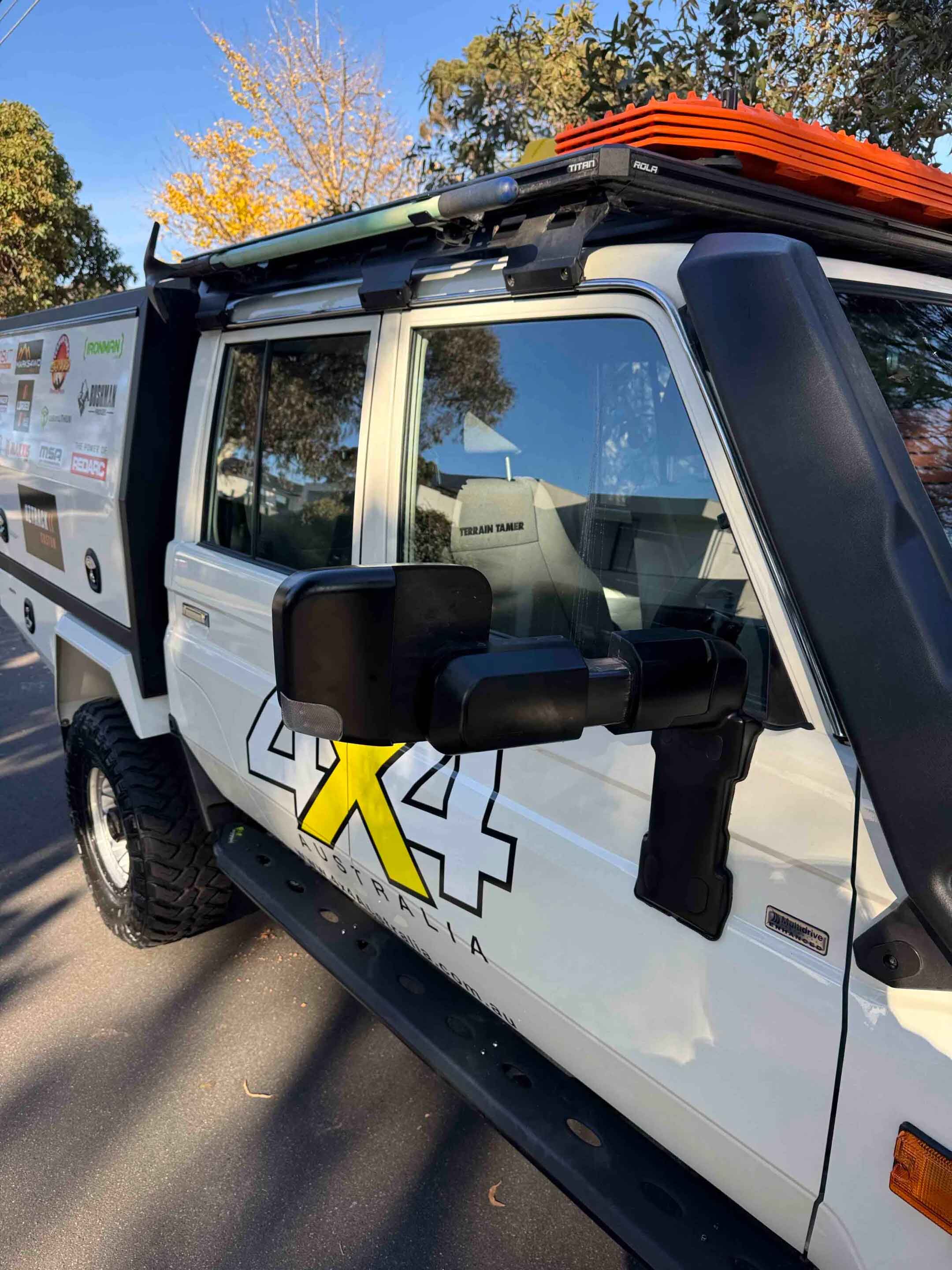
That operating environment places constant stress on every component fitted to it, and over time it exposes which upgrades are genuinely fit for purpose. We’ve run a few 70 Series over the years, and our current project LC79 GXL is loaded with quality aftermarket equipment. That experience has shown that lower-quality gear doesn’t just fail sooner, it makes ownership harder in the short term as well. Rattles develop, fasteners loosen, components fatigue and parts begin to work loose. Over time, the effort spent removing, repairing and replacing items adds up quickly, both in time and cost.
Extended sun exposure accelerates material degradation, fine dust works its way into joints and mechanisms, and corrugations place constant load on mounts and fasteners. After a few thousand kilometres, the difference between well-engineered accessories and marginal ones becomes clear.
Equipment that feels secure in urban or light-duty use can loosen, rattle or degrade after extended corrugated travel. Latches lose tension, drawers begin to chatter, and dust ingress increases as tolerances open up. On our LC79 project, we’ve seen how even small compromises in fitment or materials can create ongoing maintenance issues that erode the vehicle’s usability.
Why some upgrades fail
Most failures trace back to basic engineering compromises that don’t align with how a 70 Series is actually used.
Materials may look acceptable initially, but without proper UV stability they fade, harden and crack over time. Fastening systems designed for light or intermittent use cannot maintain preload under constant vibration. Generic fitments rarely sit perfectly in a 70 Series cabin or chassis, which introduces movement and accelerates wear. Cosmetic finishes add little protection against long-term exposure and no structural resilience. These weaknesses rarely appear in short-term use; they emerge under continuous exposure to Australia’s harsh elements.
In our experience, most owners replace at least one interior or utility upgrade within the first year. The first extended trip is usually enough to reveal rattles, loosened mounts, degraded materials or latch failures. What initially appears cost-effective often proves expensive when factoring in the time, effort and repeated replacements. Running lower-quality equipment may seem cheaper upfront, but the cumulative cost of failure quickly exceeds the price of a well-engineered solution.
1
How to choose upgrades that last
Selecting durable upgrades for a 70 Series means prioritising long-term performance over short-term savings.
Materials should be UV-stable and corrosion resistant, mounting systems designed to handle constant vibration, and fitment precise enough to prevent movement and noise. Warranties can provide some confidence, but real-world evidence matters more. We can attest that even high-spec components fail if not engineered for sustained Australian conditions. Our experience with the LC79 shows that upgrades also need to function as a system. Storage, lighting, protection and utility gear all interact, and failure in one area can compromise the performance of the entire setup.
Solutions for real conditions
Here are some of the top picks from the 70 Series Store to keep your 70 Series sorted for real-world Aussie touring.
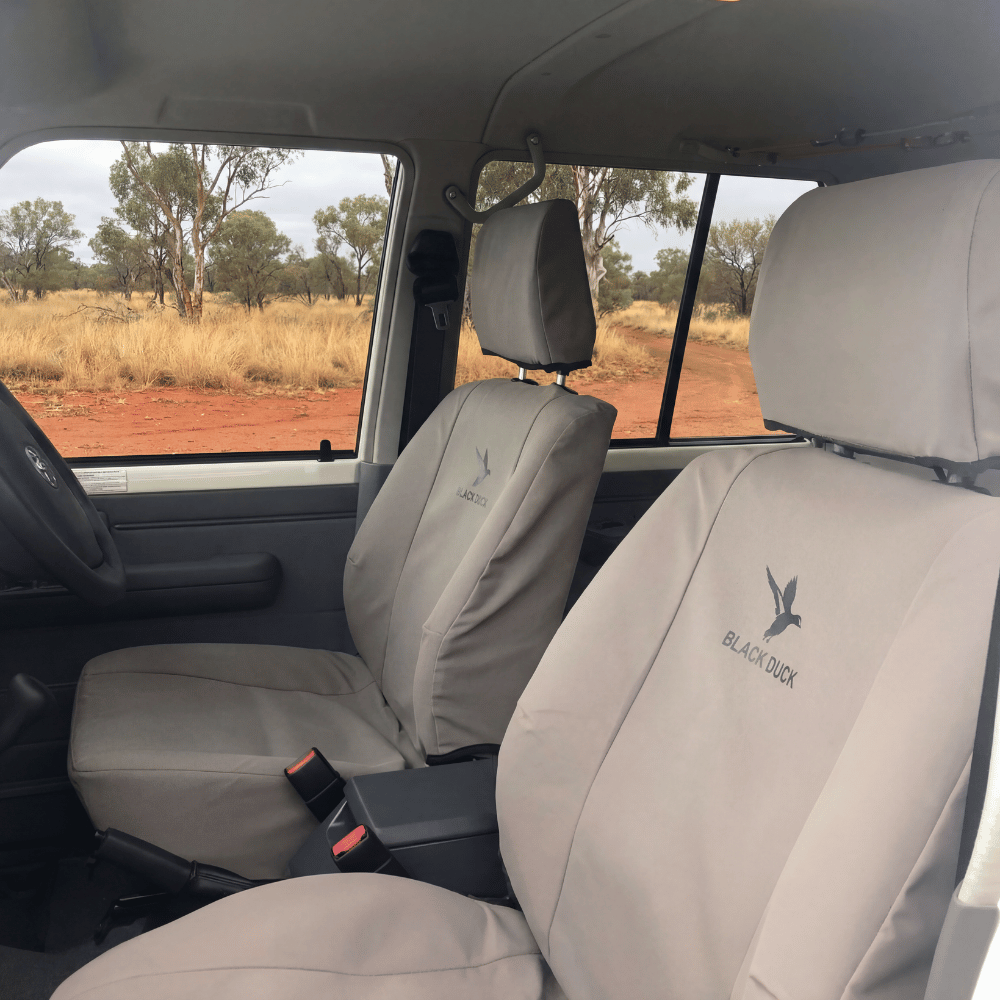
Black Duck provides tailored, heavy-duty covers that protect factory seats while ensuring precise fitment for 70 Series interiors. For storage and organisation, Front Runner offers modular drawers, roof racks and load solutions designed to keep gear secure and accessible.
Interior refinement comes from Sunland Protection including a variety of dash mats. Safari Snorkels ensure reliable engine airflow in dusty or water-crossing conditions, maintaining performance where stock intakes would struggle.
Mudtamer provides a wide range of Aussie-made, heavy duty floor mats; while Manual, Power Fold or Electric Indicator towing mirrors from MSA 4×4 are the perfect addition for a caravan trip around the country. The Freezebrain AC amplifier is 100-per-cent plug-and-play; TAG provides a broad range of heavy-duty tow bars, as well as necessary wiring and recovery hitches; while a massive range of Redback exhaust equipment will take your 70 Series to the next level!
1
Build once, not twice
A 70 Series is a long-term vehicle, and upgrades should be treated the same way.
Components need to be engineered for sustained load, extended exposure and repeated use. Choosing solutions that meet these criteria up front reduces repeat replacements, minimises wasted time and prevents the frustration of gear failing in the field, lessons we’ve reinforced repeatedly while running our LC79 project.
The goal is not just reliability in isolation; it is a rig that performs consistently as a whole over years of real-world use.
MORE
The 70 Series Store
Follow 4X4 Australia on Google
Get more 4x4 news, reviews and gear stories from 4X4 Australia in your Google feeds.