Gear

Gallery 1
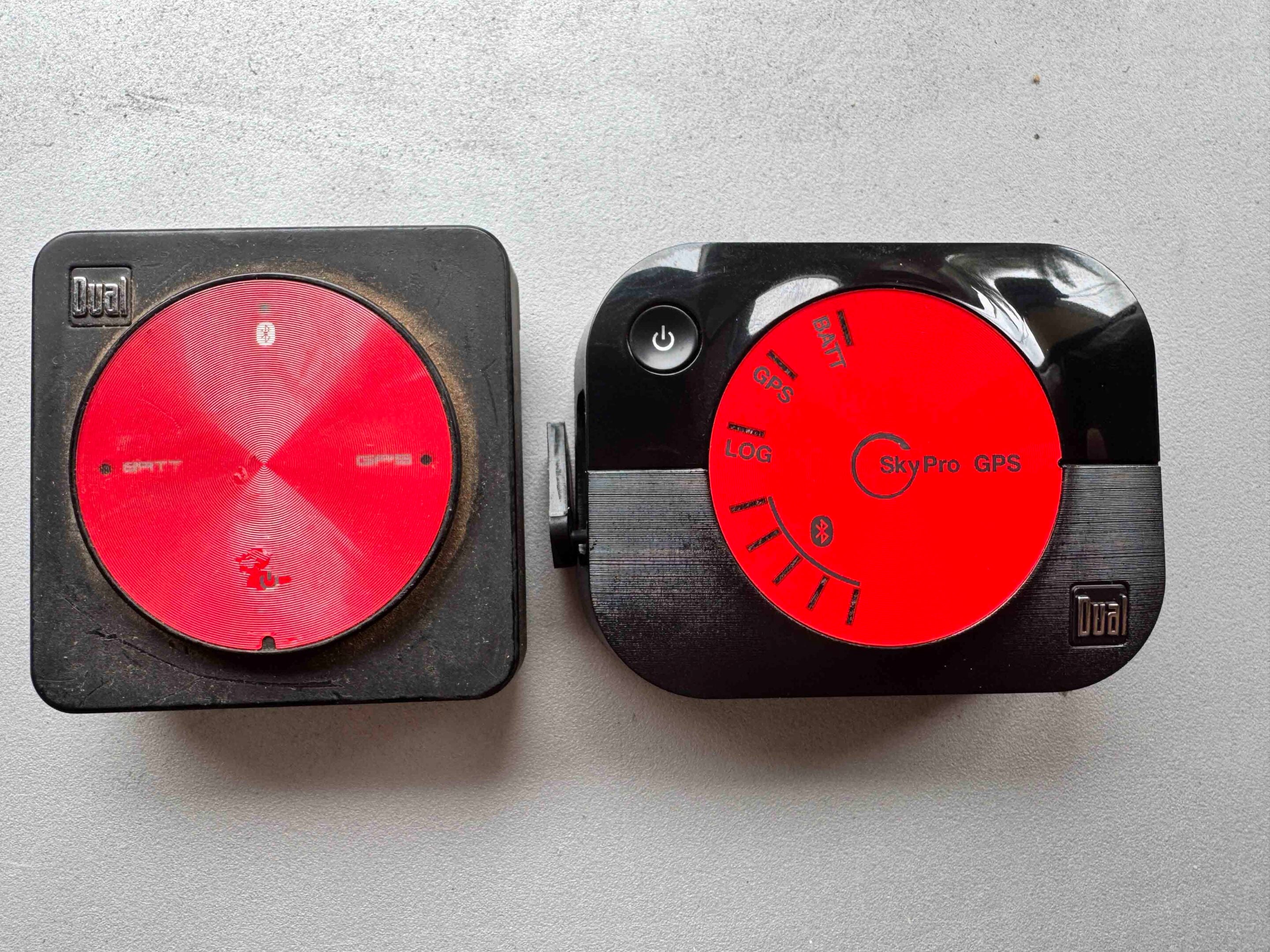
I bought our first Dual GPS around 20 years ago and it’s still going strong today. That original unit was the XGPS150A, which you can still buy – and it’s about $80 to $100 cheaper than the latest version, the XGPS160 which retails for $325.
About six months ago I picked up an XGPS160, but it didn’t get off to a great start. I used it once, left it in the vehicle with a flat battery, and when I went to charge it last month… nothing. After a few emails back and forth with the retailer – Mendelssohn Pilot Supplies in Victoria – I ran through some fault-finding steps, but no luck. I sent the unit back and had a brand-new replacement in my hands within days. So, the warranty is solid and the service was first class.
1
Why a standalone Bluetooth GPS still makes sense
So, who actually needs a standalone GPS when most phones now have dedicated GPS chips? For starters, the latest Wi-Fi-only iPad doesn’t come with one, and plenty of other tablets and devices are the same. And if you prefer to run a laptop or in-car computer for mapping and navigation, you’ll definitely need a separate GPS receiver. That’s where the Dual units earn their keep.
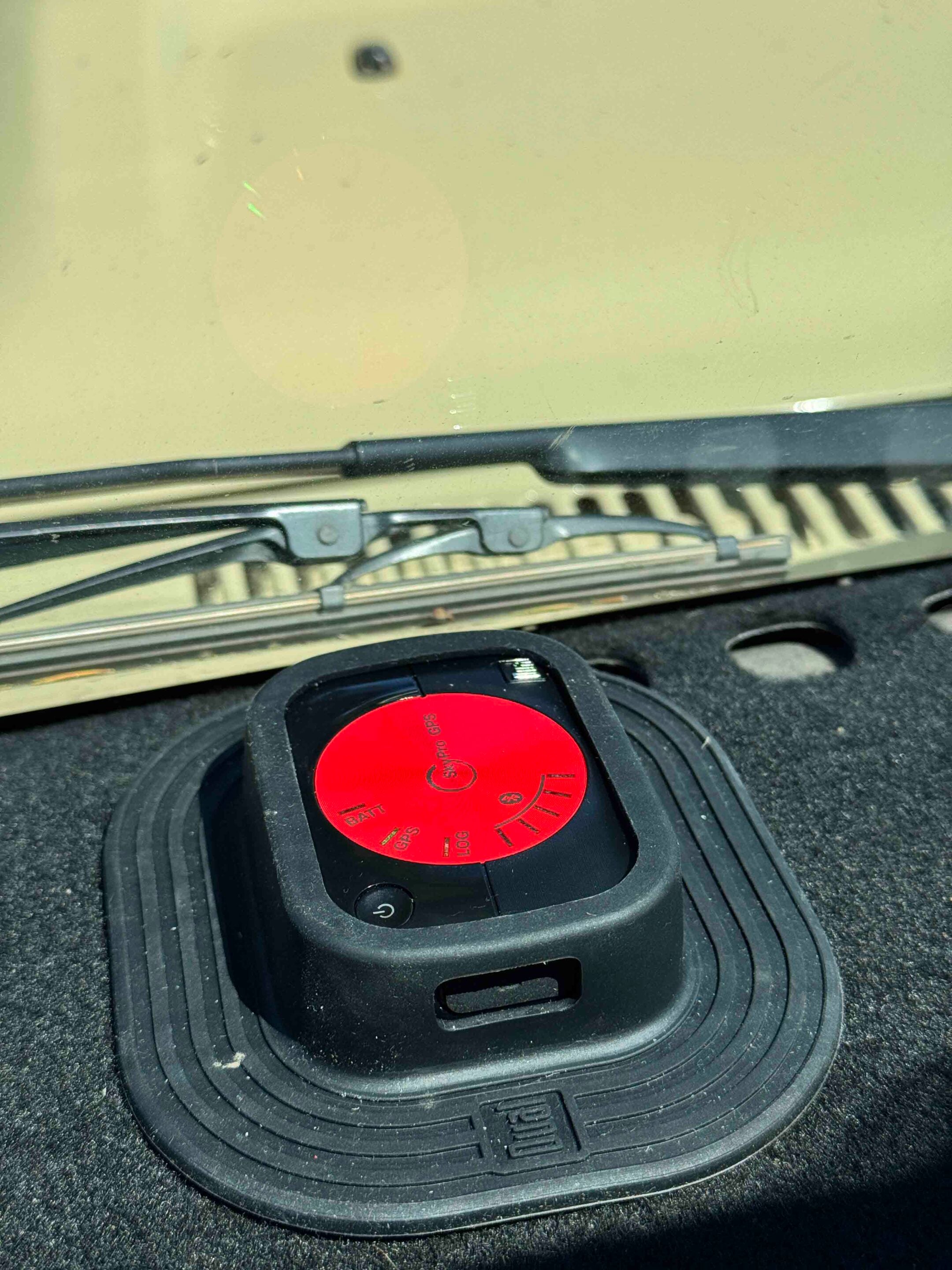
The latest XGPS160 offers 99 channels for satellite reception and can track both the long-established US GPS network and the newer Russian GLONASS system simultaneously. It can connect to up to five Bluetooth devices – Apple or Android – at once, and its internal rechargeable battery delivers up to 10 hours of use with a single device connected.
The in-built receiver is a high-sensitivity WAAS unit with fast satellite acquisition and 10Hz positioning updates (that’s up to 10 fixes per second). In practice, that means excellent accuracy and reliable tracking even in fast-moving environments such as an aircraft – or a very enthusiastic run in a quick 4×4. With a claimed operating limit of 1150mph, it’s safe to say it won’t be troubled in a Troopy.
1
Performance, app and day-to-day use
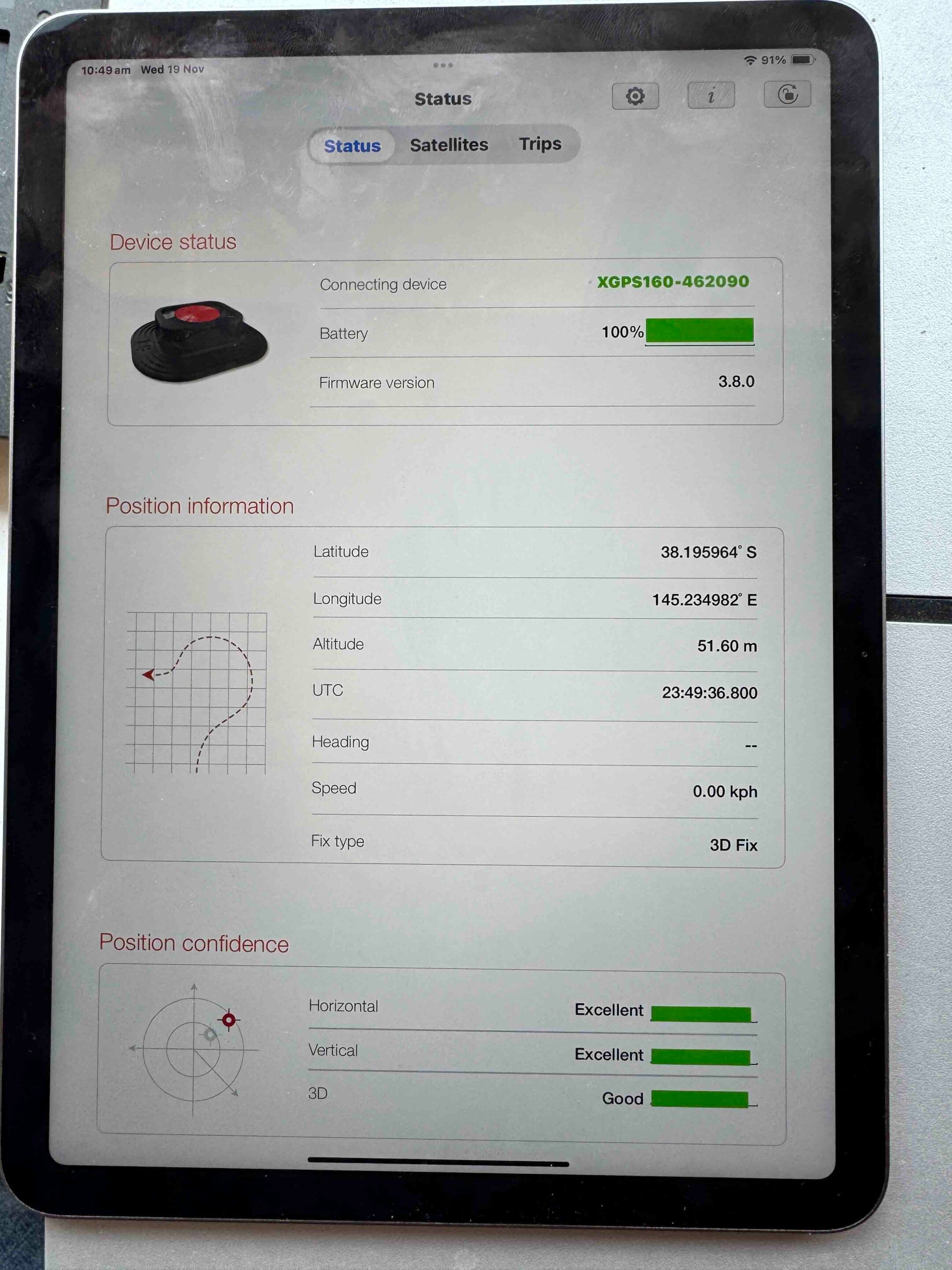
The XGPS160 also comes with a handy GPS Status Tool app, available free on the iTunes App Store. The app lets you toggle automatic route recording, export stored log files, and view detailed receiver data, including your current location, satellite count and signal strength, battery level and charging status, and confirmation that the GPS is connected to your Bluetooth devices.
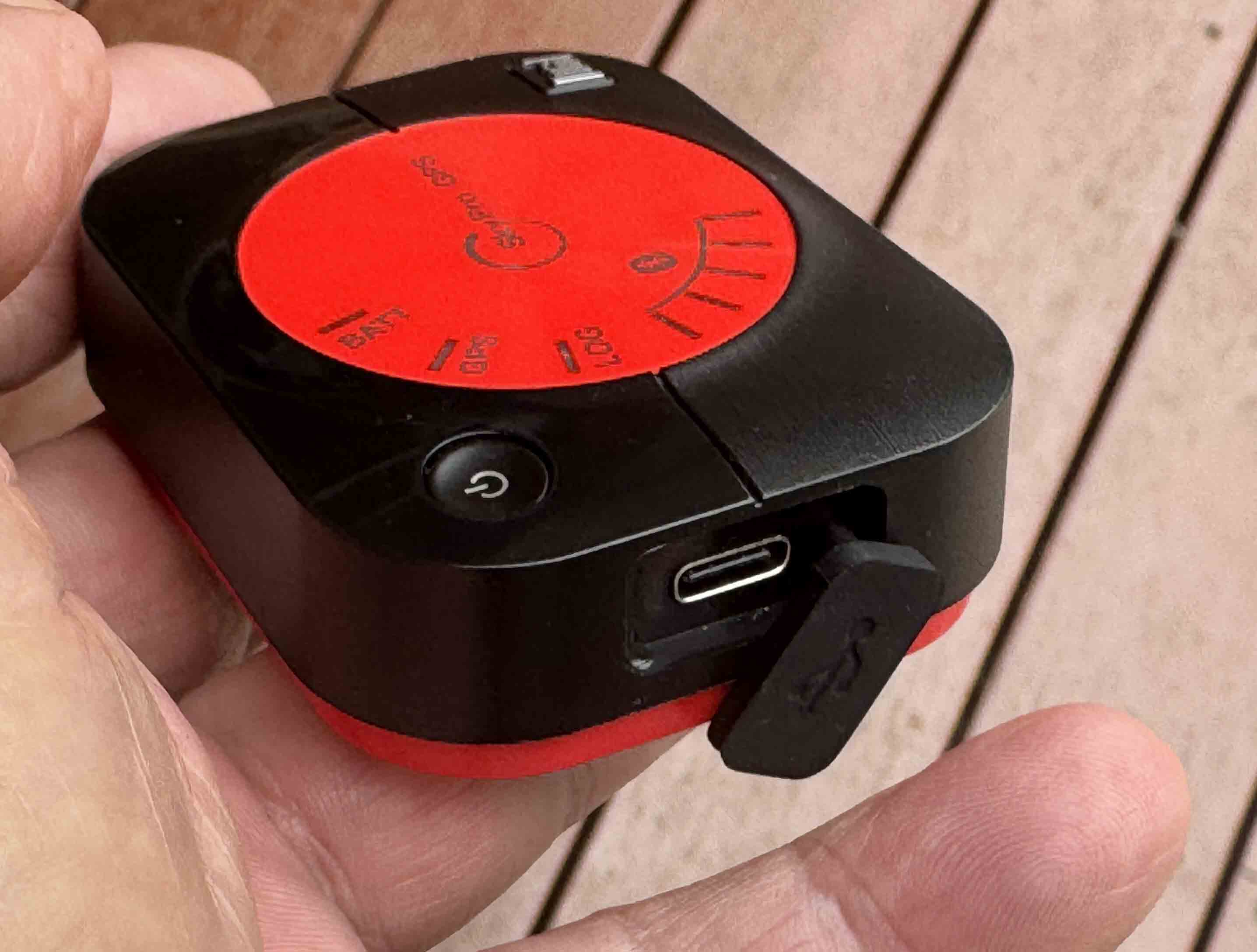
The latest version of the Dual GPS is slightly bigger and a touch heavier than the old model – still only 71 grams – but it remains small enough to sit almost anywhere on your vehicle’s dash. It comes with a non-slip pad that holds the unit securely whether you’re in a 4×4, a boat or an aircraft, and the wrap-around cover adds a bit of extra protection from bumps and drops. The new model also switches to a USB-C charging port, replacing the older Mini-USB connection.
2
I’ve had this replacement unit for a few weeks now and it’s been faultless. Pairing it with my iPad was quick and simple, and it locked onto satellites in under 30 seconds. Thanks to the extra receiving channels over the older model, the XGPS160 has maintained constant positional updates without a single dropout.
The app works well too, giving a fast read on satellite count, signal accuracy and more. It’s covered by a one-year warranty and all up, I’m pretty impressed.
Follow 4X4 Australia on Google
Get more 4x4 news, reviews and gear stories from 4X4 Australia in your Google feeds.