
GWM has announced an upgrade to the service schedule for its Cannon and Tank 300 models equipped with the 2.4-litre turbo-diesel engine.
Effective for all 2025 Cannon and Tank 300 2.4-litre turbo-diesel vehicles, the updated service schedule pushes the first scheduled maintenance to 10,000km or 12 months. Ongoing services will now occur at 15,000km or 12-month intervals, depending on which comes first. Previously, the service schedule called for a first service at 5000km, followed by services at 10,000km intervals.
“After extensive collaboration with our factory and R&D teams, we have successfully optimised the service schedule for these models – improving owner convenience while also lowering overall maintenance costs,” said John Kett, COO of GWM ANZ.
| Applicable models | |
|---|---|
| 2025 Cannon 2.4-litre Diesel | Lux 4WD dual-cab ute |
| 2025 Cannon 2.4-litre Diesel | Ultra 4WD dual-cab ute |
| 2025 Cannon 2.4-litre Diesel | Vanta 4WD dual-cab ute |
| 2025 Cannon 2.4-litre Diesel | XSR 4WD dual-cab ute |
| 2025 Tank 2.4-litre Diesel 300 | Lux 4×4 |
| 2025 Tank 2.4-litre Diesel 300 | Ultra 4×4 |
GWM has also expanded its Capped Price Servicing program. For the Cannon 2.4-litre diesel, coverage now extends up to 70,000km – an increase from the previous 45,000km limit.
Some customers may still receive early service reminders based on the original 5000km schedule listed in existing service books. GWM says it will address this by issuing updated warranty and service booklets, reflecting the new schedule. Customers affected will be notified by email once the revised documents are ready.
The Tank 300 diesel comes with a seven-year/unlimited kilometre new car warranty, seven years of roadside assistance, and seven years of Capped Price Servicing. The Cannon offers the same seven-year/unlimited kilometre warranty, along with five years of roadside assistance and five years of Capped Price Servicing.
| Previous Service Intervals | New Service Intervals | |||
|---|---|---|---|---|
| Service Event | Months | Kilometres | Months | Kilometres |
| 1 | 6 | 5,000 | 12 | 10,000 |
| 2 | 18 | 15,000 | 24 | 25,000 |
| 3 | 30 | 25,000 | 36 | 40,000 |
| 4 | 42 | 35,000 | 48 | 55,000 |
| 5 | 54 | 45,000 | 60 | 70,000 |
| 7 | 66 | 55,000 | 72 | 85,000 |
| 8 | 78 | 65,000 | 84 | 100,000 |
| 9 | 90 | 75,000 | 96 | 115,000 |
| 10 | 102 | 85,000 | 108 | 130,000 |
| 11 | 114 | 95,000 | 120 | 145,000 |
| 12 | 126 | 105,000 | 132 | 160,000 |
The Tasman is slated to arrive in Australia by July 2025, marking Kia’s bold entry into the competitive midsize ute market.
Engineered with local conditions in mind, the Tasman features a 2.2-litre turbo-diesel engine producing 154kW and 441Nm, paired with an eight-speed automatic transmission.
A recent off-road test in a pre-production model showcased the Tasman X-Pro’s capabilities. With 252mm of ground clearance, a lockable rear differential, and responsive traction control, it handled rough terrain with confidence. Although some transmission calibration is still in development, the ute’s build quality and off-road readiness suggest it’s on track to meet the demands of Australia’s toughest environments.
Inside, the Tasman blends rugged practicality with comfort. The cabin includes thoughtful features like neoprene-lined storage and a flat rear floor, while a factory trailer brake controller enhances towing performance. Priced from $45,890 driveaway, it positions itself as a strong alternative to segment leaders like the Ford Ranger and Toyota Hilux. Here’s everything we know about it 👇
JUMP AHEAD
- June 2025: Driveaway pricing locked in
- June 2025: Utemaster reveals Centurion Canopy and Load-Lid
- June 2025: ARB reveals new renders
- May 2025: Three things we still want to know it
- May 2025: REVIEW | Pre-production off-road test drive
- April 2025: Australian pricing and specs revealed
- April 2025: Hardcore Kia Tasman Weekender concept unveiled
- February 2025: International pricing hints at how much it will cost in Australia
- November 2024: VIDEO! First look at Kia Tasman
- October 2024: Controversial styling polarises the public
- October 2024: 2025 Kia Tasman ute makes global debut
- October 2024: New teaser confirms reveal date
- August 2024: Tasman spied undergoing load testing, in NSW
- August 2024: Video showcases Tasman testing in Victoria, Australia
- July 2024: Upcoming documentary to showcase Tasman testing in Australia
- July 2024: What engine/s will it have?
- April 2024: New renders of the Tasman ute
- April 2024: What if Kia turned the Tasman in a Wrangler rival?
- April 2024: Kia Tasman subtly previewed in light camouflage
- March 2024: Kia Tasman officially confirmed in star-studded video
- February 2024: New Kia ute rendered & spied with Ford Ranger Raptor
- January 2024: Kia Tasman spied in production form
- June 2023: We talk with local Kia boss about the new ute
- June 2023: Kia Tasman? New name trademarked
- May 2023: Dealers get the news
- Kia Australia super keen for a ute
- Australia important to development
- When will the Kia ute be revealed?
- January 2023: More spy photos
- November 2022: Kia ute rendered
- November 2022: Kia ute first spy photos!
Drive-away pricing confirmed
Kia has confirmed drive-away pricing, with the Ranger rival starting from $53,890 when it launches next month.
The entry-level S variant is stamped with that $53,890 price tag, and it’s followed by the SX ($58,490), SX+ ($66,490), X-Line ($70,990), and X-Pro ($77,990). The sole S 4×2 variant is priced at $46,490.
Utemaster reveals Centurion Canopy and Load-Lid for the Tasman
Utemaster has rolled out two upgrades for the upcoming Kia Tasman: the Centurion Canopy and Load-Lid.
Both are made in New Zealand, built tough for real-world use, and ready for off-road action whether you’re hitting the job site or heading into the bush.
June 2025: ARB reveals new renders
Off-road specialist ARB has revealed a set of renders showcasing the upcoming Kia Tasman equipped with a suite of accessories, offering an early look at how a fully kitted-out version of the new ute might look.
The tan-coloured Tasman is shown with a range of ARB gear, including a steel Summit Mark II bull bar, LED spotlights, integrated DRLs, underbody protection, and side rails with integrated steps. A variety of tray and canopy configurations also appear, hinting at a flexible set of load-carrying options.
May 2025: Three things we still want to know about it
Kia’s diving into the dual-cab ute game with the all-new 2025 Tasman, and it’s already turning heads.
We recently sampled a pre-production version on a muddy farm in NSW, and there’s a lot to look forward to. From Aussie-tuned suspension to its tough-looking build, it’s clear Kia’s taking this seriously. But while that initial drive showed plenty of promise, a few key questions still linger for low-range enthusiasts.
May 2025: REVIEW | Pre-production off-road test
Kia is set to launch its all-new Tasman midsize ute to the market this coming July. But before the Korean manufacturer does that, it gave us a sneak peak of the Tasman’s off-road capabilities at a drive event in NSW.
The Tasman utes made available to us on the private property were all pre-production models, and not all up to final specification and finish, but the Kia team told us that the Tan Beige Tasman we had to drive was pretty close to the top of the range X-Pro model.
April 2025: Australian pricing and specs revealed
The Kia Tasman dual-cab 4×4 ute will start from $49,990 and top out at $74,990 when it lands in local dealerships this July.
With pre-orders for the hotly anticipated Kia pick-up now officially open, this sub $50,000 launch price of the Tasman S positions it fractionally below the Ranger XL equivalent, currently listed at $50,880 (single turbo) or $53,680 (bi-turbo).
April 2025: Hardcore Kia Tasman Weekender concept unveiled
Kia has showcased a hardcore version of its Tasman dual-cab ute, dubbed the Weekender concept.
On display at the 2025 Seoul Motor Show, the rugged concept is shown wearing a Sandy Taupe-inspired beige colour scheme. While just a concept at this stage, this could indicate Kia’s desire to launch a hero variant akin to Ford’s Ranger Raptor in the future. However, that’s just speculation at this stage.
February 2025: International pricing hints at how much it will cost in Australia
South Korean pricing indicates cheaper-than-expected cost for Tasman ute.
Pricing for the hotly anticipated 2025 Kia Tasman ute has been revealed in the Korean market, with the four-model range starting at 37.5 million won (roughly AU$41,000).
November 6: VIDEO! First look at Kia Tasman
Matt takes a close look at Kia’s new ute, at the vehicle’s global debut. Watch the video here ?
October 31: Controversial styling polarises the public
Kia’s long-awaited 4×4 ute follows a proven formula but with a polarising styling package.
Since the curtain dropped at the big reveal in Saudi Arabia, with a smaller unveiling in Tasmania, the online comments about the look of the ute have been less than positive.
October 29: 2025 Kia Tasman ute makes global debut
The Ranger-fighting Kia Tasman ute has finally been revealed
Three trim levels will be available: Baseline, X-Line and X-Pro. The X-Line features 18-inch alloy wheels paired with highway and all-terrain tyres; while the X-Pro is bred more for off-road work due to its 28mm higher ground clearance (totalling 252mm) and 17-inch wheels inside all-terrain rubber.
October 17: New teaser video confirms global reveal date
A new teaser published to the Kia Worldwide YouTube page has confirmed the all-new Kia Tasman ute will make its world premiere at the Jeddah International Motor Show in Saudi Arabia, on October 29.
The reveal will live-stream on the Kia Worldwide YouTube channel at 6pm Australian time. Watch the teaser video here ?
August 27: Tasman spied undergoing load testing
We’re expecting to see what the 2025 Kia Tasman 4×4 ute will look like very soon, with a launch in Korea before the end of 2024.
For now the brand is keeping things very much under wraps as it continues testing the body-on-frame utility around the globe, including in Australia. This heavily disguised Tasman was spotted testing near Mungo National Park in the far west of New South Wales, by the quick-thinking Clive Williams who snapped these photos.
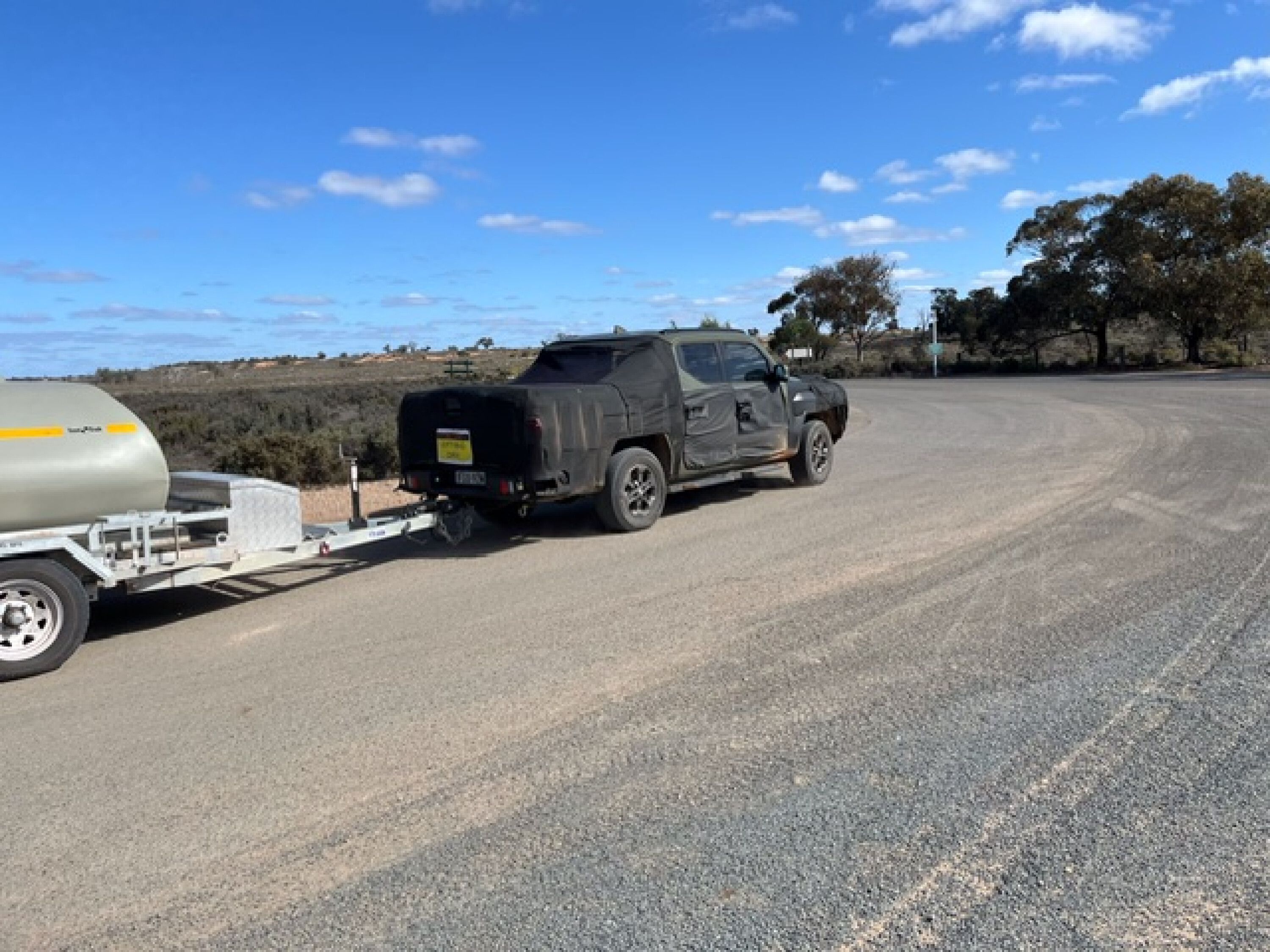
The Tasman was clearly undergoing load testing with a laden trailer in the harsh conditions. The Tasman is expected to have a 3500kg towing capacity when it arrives to compete with the likes of Ford Ranger, Mitsubishi Triton, Toyota HiLux and Isuzu D-MAX, so proving its ability in the Australian outback is most important.
Test-Trak is a Melbourne-based, private field testing company that works with many OEMs to evaluate their vehicles in Australian conditions. The signage on the trailer behind the Tasman indicates this testing was being undertaken by Test-Trak.
The Kia Tasman ute is expected to go on sale in Q1 of 2025
August 7: Video showcases Tasman testing in Victoria, Australia
Kia has posted a short video to its Korean Facebook page, showcasing its Tasman ute testing off-road in the Victorian wilderness. The brief video sees the Tasman navigate dirt and mud, overcoming a few off-camber tracks in the process.
July 16: Upcoming documentary to showcase Tasman testing in Australia
Kia dropped a teaser for its documentary series – One More Round – which will provide a behind-the-scenes look at the Tasman’s extensive testing regime in the harsh Australian wilderness. The series will run from July to October, and the first episode is scheduled for release on July 22. Watch the teaser here ?
July 9: Engine speculation
A diesel powerplant is on the cards, to align the Tasman alongside its popular Ranger and HiLux rivals.
It’s understood it will be powered by a 2.2-litre turbo-diesel mated to an eight-speed automatic transmission. However, there is also speculation we could see the 3.0-litre inline six-cylinder turbo-diesel currently found in the Genesis GV80 SUV.
Petrol and electrified options have also been discussed, with an electric Tasman expected to launch in overseas markets in 2026 and beyond – whether we see the EV here is another matter.
April 29: New renders of the Tasman
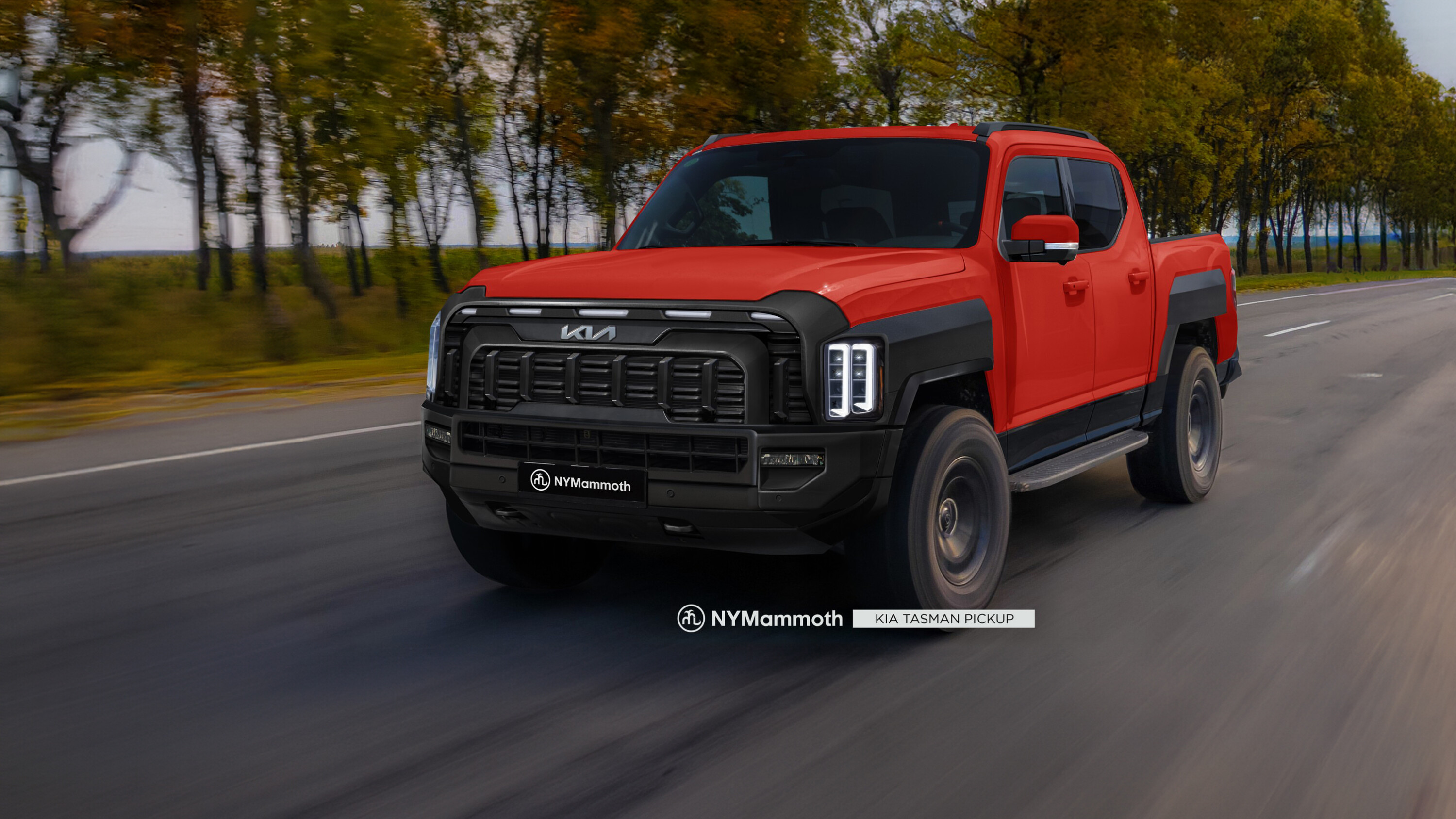
If the idea of a wagon isn’t compelling enough, digital artist NYMammoth has delivered new speculative renderings of the Tasman, based on the most recent set of official images.
Click on the image below to see the full gallery of NYMammoth’s work.
April 29: What if Kia turned the Tasman in a Wrangler rival?
An enterprising artist has imagined the Tasman in wagon form, ready to wrestle the popular Wrangler. Are you into it?
See the photos and watch the video at the story linked below.
April 23: Kia Tasman subtly previewed in light camouflage
The 2025 Kia Tasman ute has been teased in a unique camouflage wrap ahead of its full debut later this year.
See the photos and watch the video at the story linked below.
March 2024: Kia Tasman officially confirmed in star-studded video
The 2025 Kia Tasman ute has inched closer to its full reveal with a new video officially confirming what it’ll be called.
February 2024: New Kia ute rendered & spied with Ford Ranger Raptor
The hotly anticipated Kia Tasman pickup is nearing its global debut, and these latest images leave no doubts as to where its sights will be set.
January 2024: Kia Tasman spied in production form
Here it is: The 2025 Kia Tasman ute has been spied in production form for the first time.
June 2023: Kia targets Ford Ranger for new commercial vehicle range
“We think we could capture 10 per cent of the LCV market” – Kia Australia boss Damien Meredith on the coming Kia ute, hinting at a target of around 20,000 sales.
Read our interview at the linked story below.
June 2023: Kia trademarks Tasman, hinting at the name for its now-confirmed ute
The Kia Tasman nameplate has been trademarked in Australia and other nations – including New Zealand – as the brand prepares to launch a diesel HiLux and Ranger-rivalling ute in 2025.
While the name isn’t explicitly linked to the now-confirmed ute, it is the likely candidate, with previous Kia trademarks – such as Seltos and Stinger – filed in the months prior to a vehicle’s global debut.
The Tasman name is a likely reference to the state of Tasmania and the Tasman Sea between Australia and New Zealand, named after Dutch explorer Abel Tasman.
The trademark is intended for Australia’s class 12 goods and services category, which comprises ‘automobiles’, such as trucks, vans, buses, sports cars and electric cars.
FINALLY: Kia’s ute is confirmed, and it’s coming to Australia in 2025
Yep, it’s locked in. Kia’s Australian arm isn’t saying much about local plans at this point, likely forbidden from speaking on it, but it’s happening.
Speaking with Wheels today, a senior source in Kia’s dealer network said the company used a dealer conference this afternoon to confirm the ute – known internally by the model code TK – will reach Australia in 2025.
For its part, Kia’s Australian arm has confirmed the ute exists, but will say no more.
“Kia is currently developing a future pickup truck model that will be highly capable and fit for purpose,” a spokesperson for Kia Australia said today. “Additional details will be confirmed in due course.”
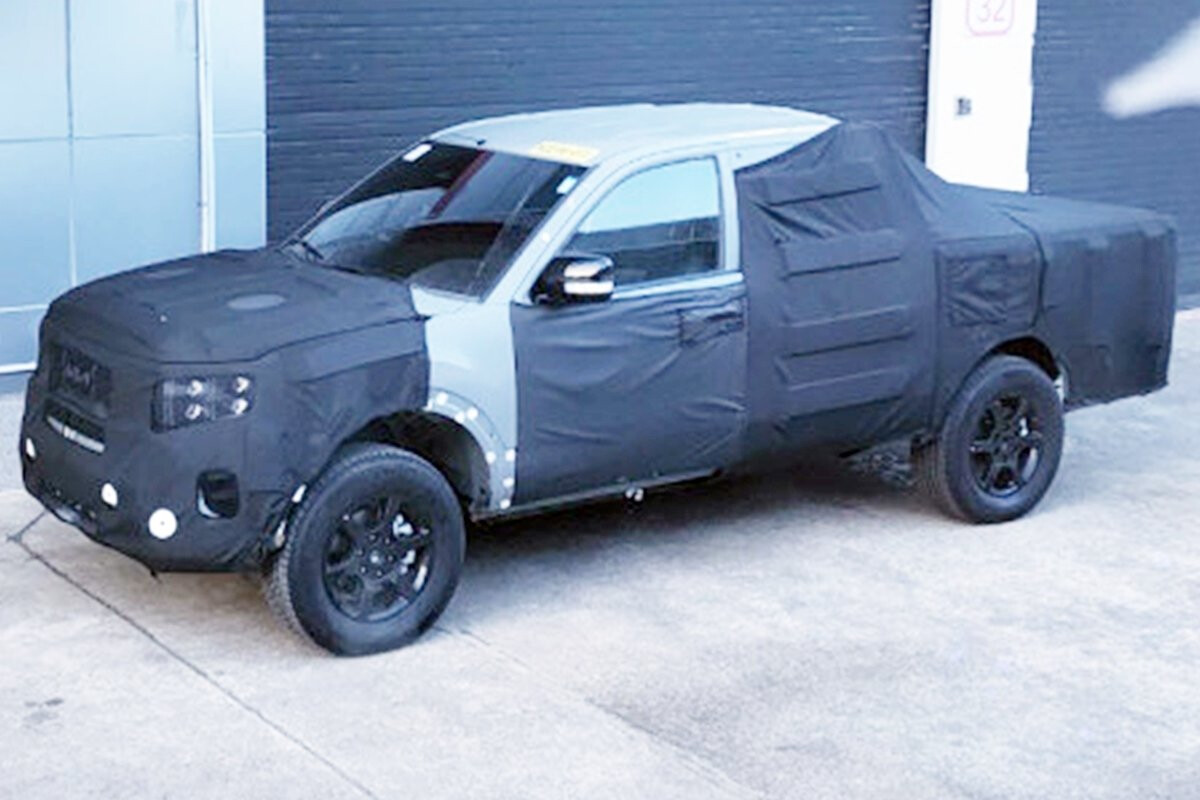
What can we expect?
Our source tells us the ute was not shown to dealers today, but, as earlier spy photos show, the Kia ute will enter as a proper ‘midsize’ pickup to rival the Ford Ranger and Toyota HiLux.
Underpinning the ‘TK’ will be an “all-new” ladder-frame chassis, with power supplied by a diesel engine. Details on those aspects of the new pickup were not revealed today, but it’s understood the Ranger and HiLux were used in benchmarking Kia’s ute.
Kia has previously confirmed it’s also developing electric (or electrified) utes for the US, but it remains unclear if either of those will make their way to Australia.
Australia playing a part in ute development
Dealers were told today that Australia has played a significant role in the ute’s development, with engineers having visited “on multiple occasions” to study our market’s most popular utes and local conditions.
It was not confirmed if any prototypes have yet come to Australia, although we expect that will occur in the coming year.
In late 2022, local boss Damien Meredith said we can expect Kia’s ute to receive local tuning in Australia.
“That’s part of our robust strategy, we get every car that enters Australia to go through that process. It’s normally eight to 12 months out, so it won’t be happening in the next year or so.”
At this point, it seems likely that Kia’s Australian team, including ride and handling consultant Graeme Gambold, are already driving the ute in Korea.
Kia Australia has made no secret of its interest in a ute
A final detail out of today’s conference is that development on the TK began in 2020, but internal discussion – and open enthusiasm from Kia’s Australian arm – has been ongoing for much longer.
“We’re hopeful that something will happen in the light commercial range in a few years’ time,” Meredith told Wheels in 2018. “There’s still a bit of homework being done at head office regarding it, but we’d like to think it will happen and we’ll be ready when it does.”
Indeed. As our evolving story below shows – see quotes from local product manager Roland Rivero – there’s plenty of enthusiasm in the brand’s Australian arm. And while the 2025 launch is still a while away, Rivero’s comments explain why dealers were informed today: some will need bigger showrooms.
When will the Kia ute be revealed?
We don’t know that yet, but a 2025 Australian launch likely means a global unveiling will occur sometime in 2024.
When it can, the local arm likes to tie big-ticket new model launches to its sponsorship of the Australian Open, so a January 2025 launch for the ute feels right. That said, the big new EV9 SUV was unveiled in late March and will reach Australia in late 2023 – so, really, we could speculate all day on this one!
Now we wait. In the meantime… how about a new Pregio van?
January 2023: Kia Ute spied with badge exposed. It’s real, finally!
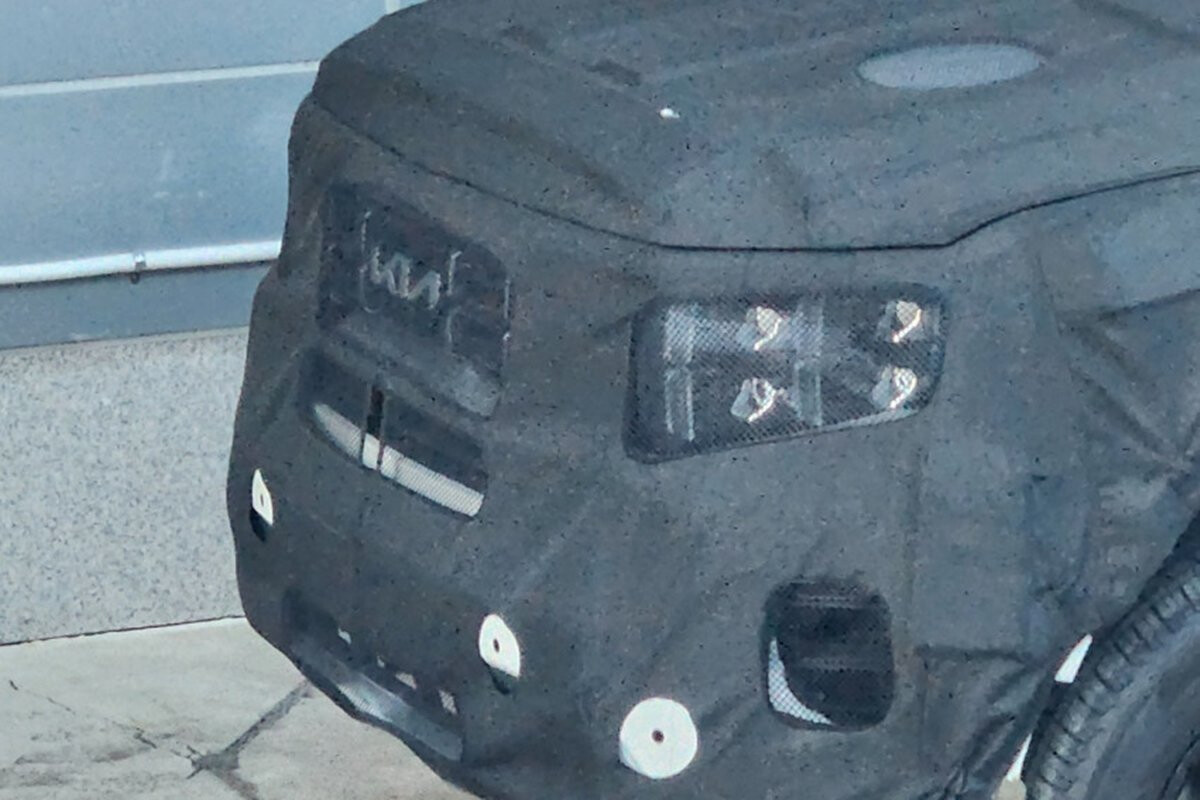
The Kia Ute story continues with the latest spy shots of an even less camouflaged ute with clear Kia badging in the grille, hidden behind no more than a mesh screen.
Kia Australia remains tight-lipped about specifics on the ute, but it’s made no secret of wanting it here as soon as it can come.These latest spy photos (courtesy of AutoSpy) show a ute progressing in development from the Mohave front-ended prototype spotted last year. Still, the headlights are distinctly Mohave in their design.
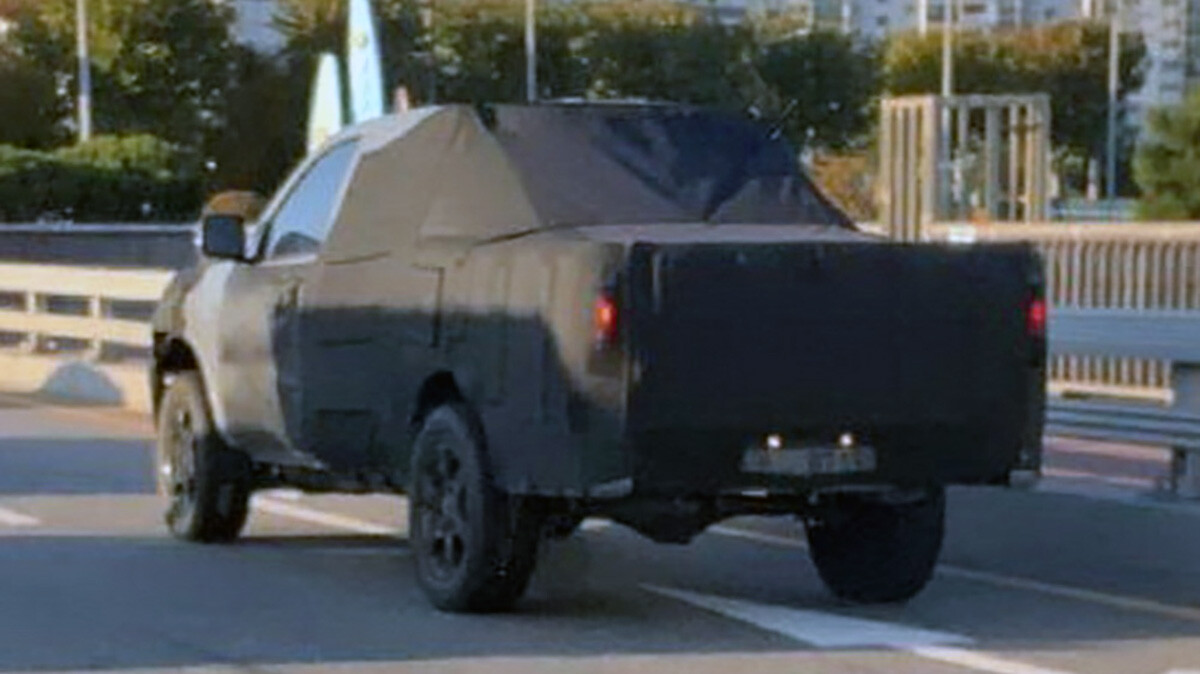
The spy photos give a clear glimpse at the roofline and the ute’s bluff styling with plenty of vertical surfaces, much like the Sorento large SUV. The Kia ute’s rear overhang also appears quite long in this shot, which may impact its load-carrying ability. Kia has worked hard to keep the rear doors and tub covered on the latest test mule. Wheels understands that Kia’s ute is in development, though any further details including local arrival remains scarce and executives guarded.
With the automotive world transitioning swiftly ito electrification, it’s unlikely Kia’s future ute will feature newly-developed diesel powertrains, and there may be potential of an EV version, too. For now, though, any word on powertrain or arrival timing is pure speculation.
We expect Kia’s final ute will be similar in proportion to Australia and Thailand’s favourite one-tonne dual cabs, those being the Toyota HiLux, Ford Ranger and Isuzu D-Max, rather than competition for the larger RAM 1500 and Chevrolet Silverado.
Check out our Theottle’s renders that feature in the previous story for an artist’s impression of what a Kia ute could look like Our original story, below, continues unchanged.
November 25, 2022: “I think your renderer has made it look sensational”
Kia Australia‘s general manager of product planning, Roland Rivero, said of Theottle’s Mohave-based Kia ute render.
Unfortunately, the pictured render won’t be the ute’s final form: “it’s not uncommon in any kind of prototype testing – particularly when you’re only currently working on chassis, for instance – to borrow panels from another car just to disguise it,” he said.
Like punters and journalists, Kia’s Australian arm is keen for more info: “I think for [Kia], if there was a vehicle in development, an announcement would be appreciated sooner rather than later”, Rivero continued.
“Because you’ve got to develop a dealer network. Some dealer showrooms might only have the size to cater for passenger cars or SUVs, so adding this [ute] to the lineup would actually mean investment and infrastructure.
“So I think you’ve got to give a dealer network time to do that – you can’t expect dealers’ to turn around in two months – so ideally something of an announcement, if there was going to be one, is made sooner rather than later if [the vehicle] was already in chassis development mode,” Rivero said.
How successful could Kia’s ute be?
With a light commercial vehicle to rival the likes of Ranger, HiLux, Triton and D-Max, Kia Australia COO Damien Meredith is certain the brand’s sales would grow. It’s not hard to see why, given the ute segment accounts for 200,000 annual new car sales.
“If you get 10 per cent of the LCV market it’s over 20,000 Aussie sales”, Meredith said. That would be enough to see Kia climb the sales leaderboard and potentially take second place from Mazda.
Of course, this would all hinge on the ute being successful. While it seems guaranteed, it isn’t, we’ve seen new players fail before – most recently the Nissan Navara-based Mercedes-Benz X-Class.
On that theme, Kia’s Australian execs made it clear to Wheels that if what we’re seeing is going to spawn a new vehicle – or range of them – then it will be new from the ground up.
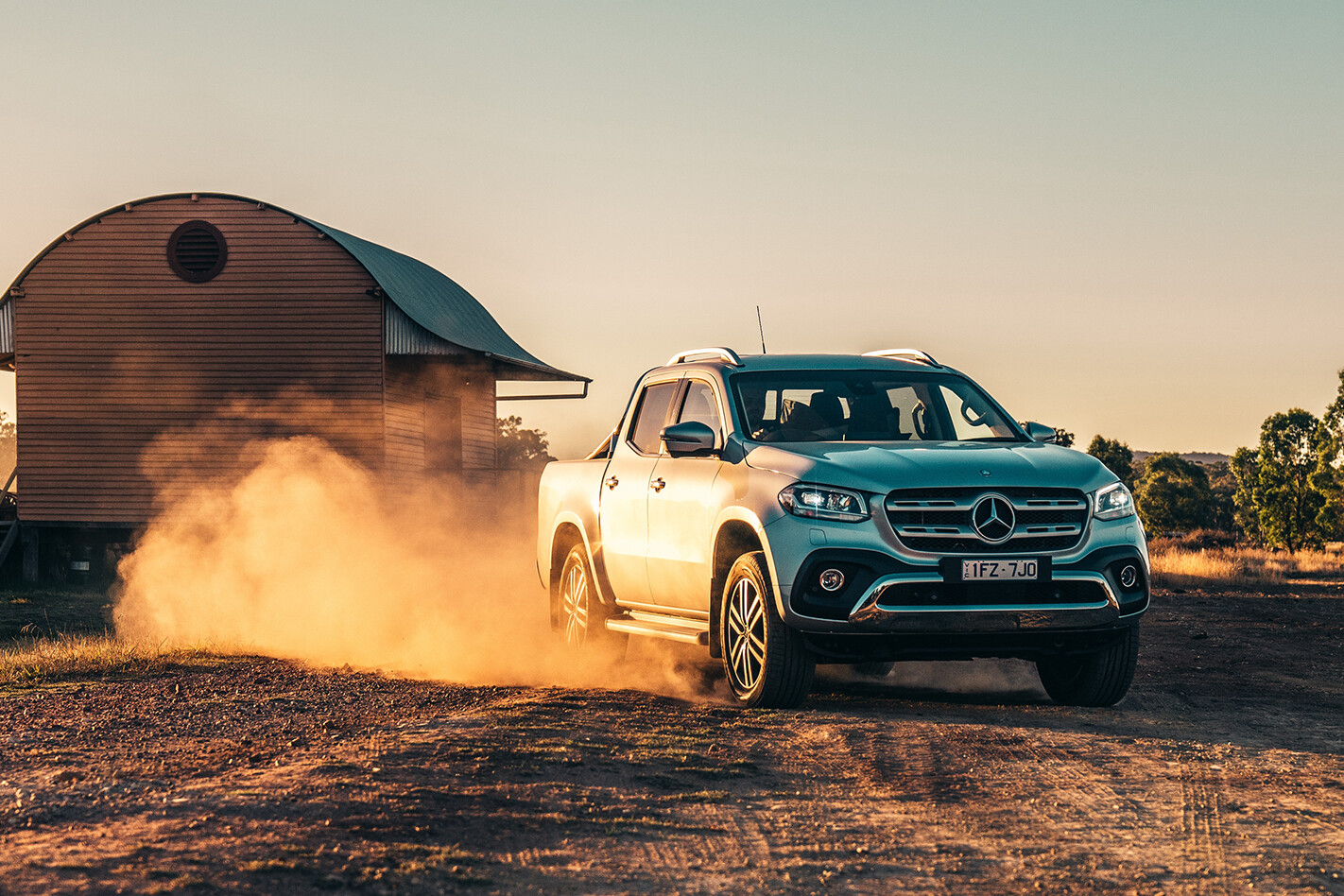
“If [Kia] was going to develop a product of this nature, they wouldn’t be basing it off a 2008 product that’s over 10 years’ old, it’s simply just which product in our range can we grab panels off to at least complete a mask for now.
“If there was such a product, expect it to be all new from the ground up”, Rivero added.
November 9, 2022: 2024 Kia ute spy photos and rendered
Ford Ranger rival takes shape
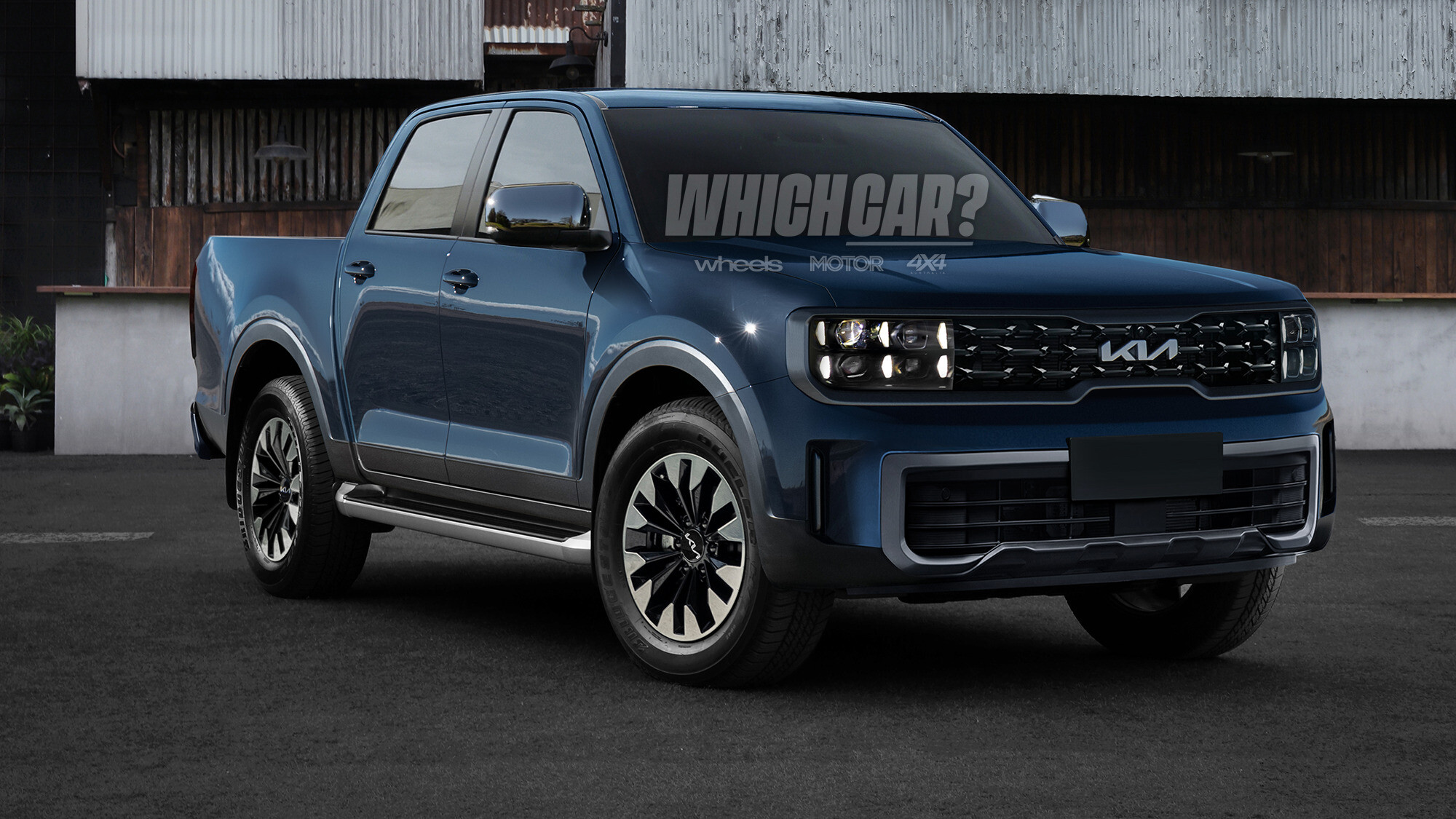
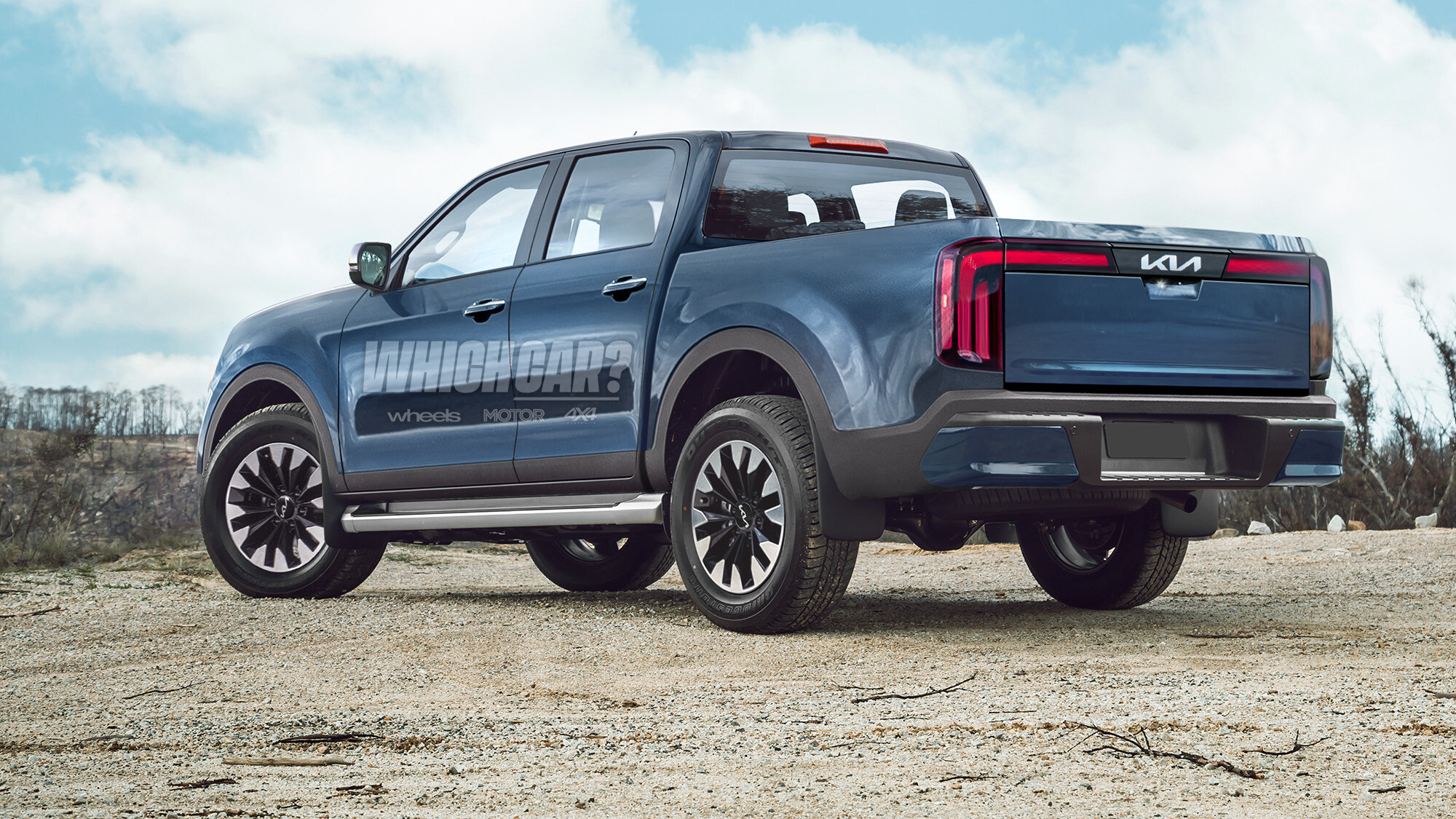
Following the first clear spy photos of the upcoming Kia pickup, published last week, we’ve commissioned a pair of renderings that could be a hint of what’s to come. (Now shown above in our more recent update.)
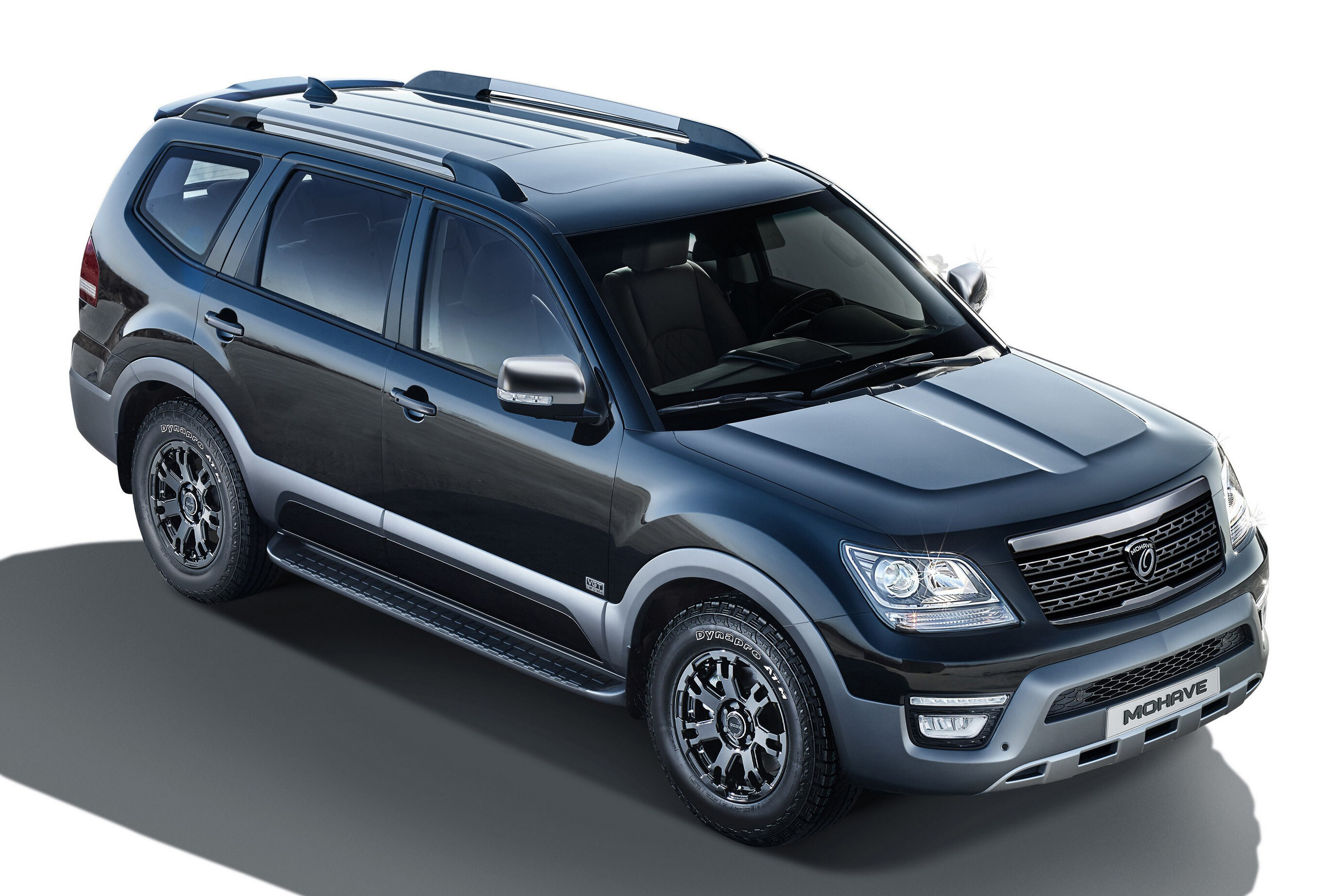
As explained below, we’re expecting the Kia ute’s design to have little in common with the Mohave face it’s wearing in prototype form, but when it comes to imagining what that might mean, we’ve decided to steer relatively close to both the Mohave and the Telluride SUV sold overseas.
We considered models like the Sportage, Seltos and upcoming EV9 as potential inspiration for our renders (crafted by the brilliant Theottle), but ultimately, it’s likely the Kia ute will drive in a different direction to all of these existing models.
Still, we reckon our rendition of the upcoming ute has an impressive style, standing out as a tough-looking rival to the popular Ford Ranger.
What do you think? Tell us in the comments below, and keep scrolling to read the rest of our story.
November 3: The upcoming Ranger-rivalling Kia ute has been spied, clearly intentionally – and it seems a sure thing that an Australian launch is in the works
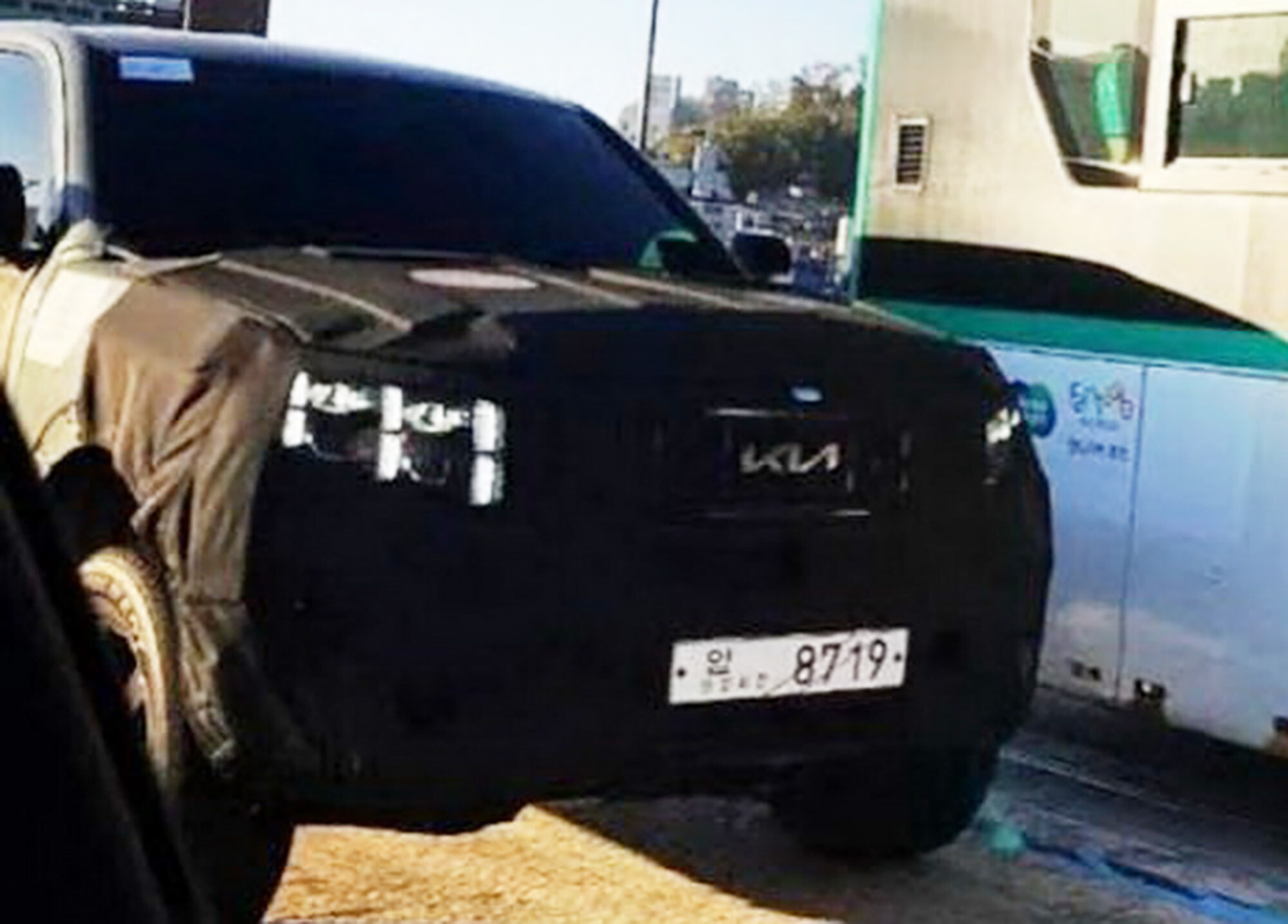
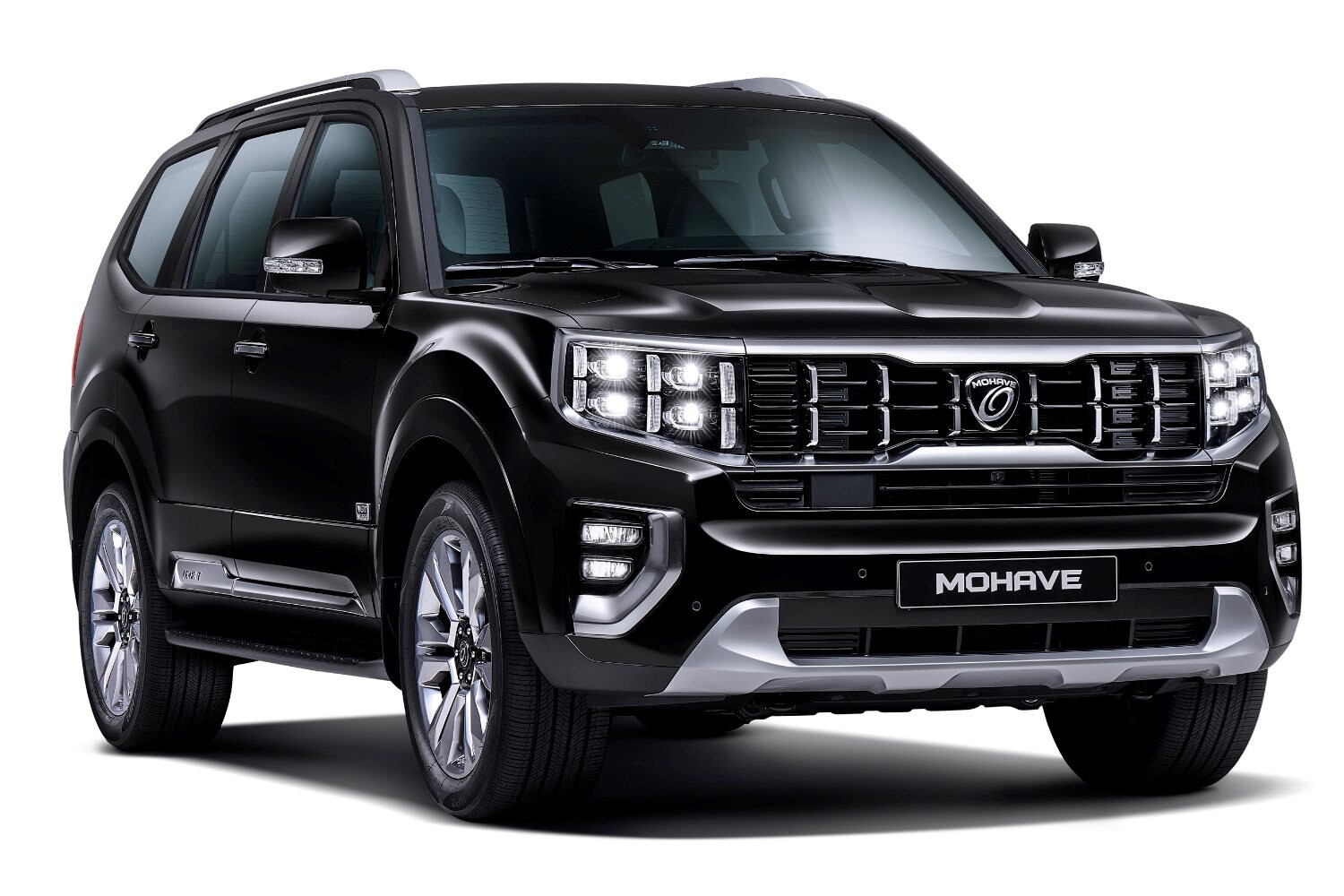
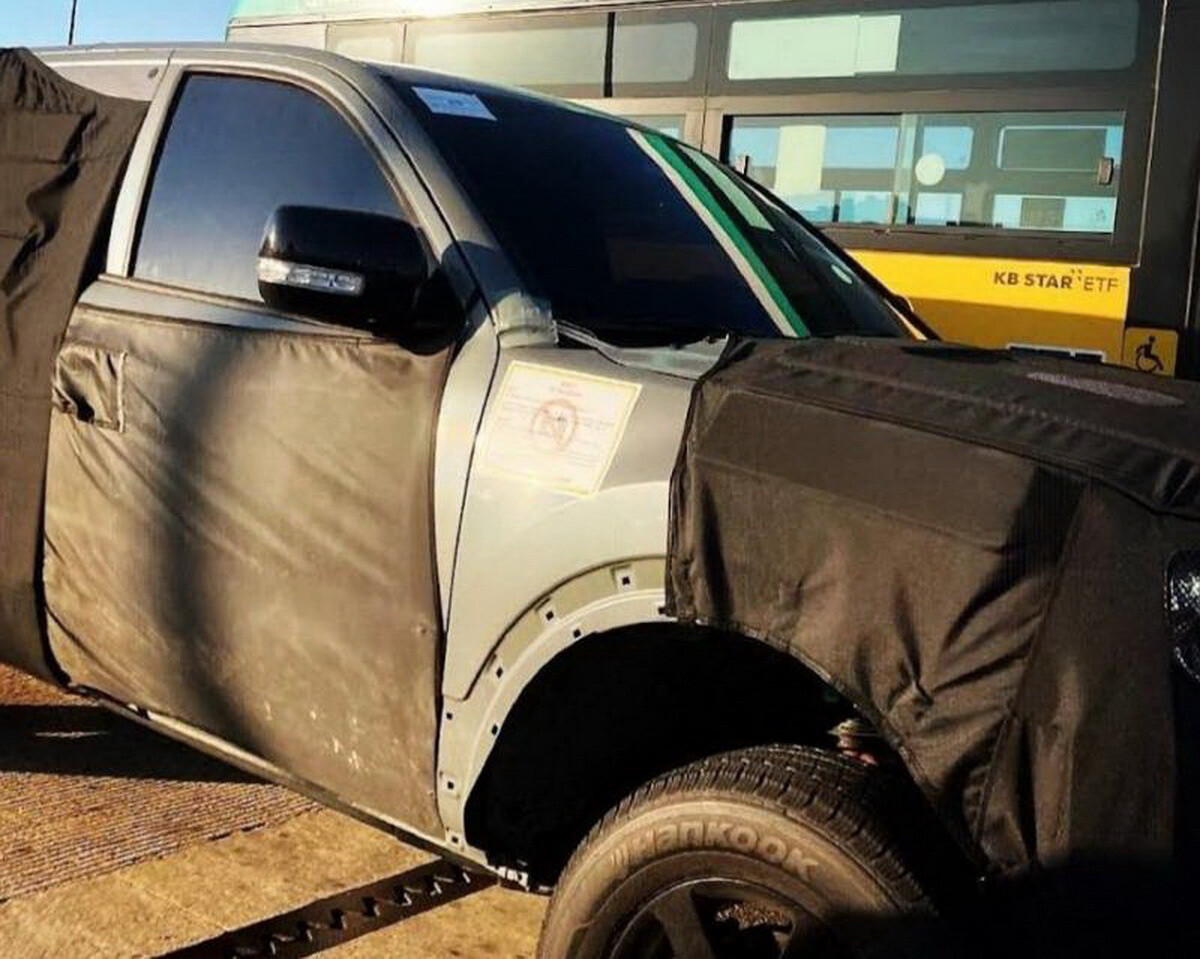
The long, long-anticipated Kia ute has been spied in the open for the first time, wearing heavy camouflage – and a very obvious front-end mask built from the existing Mohave SUV sold overseas.
Right off the bat, a few details are clear: Firstly, the seemingly seamless bolting of the Mohave’s face to this ute appears to confirm what we’ve long expected: Kia’s ute will be Ranger-sized, making it an obvious contender in Australia’s popular ute market.
Secondly…
The Mohave’s face can logically be for prototyping purposes only, given the current Mohave design is a 2019 facelift of a model that launched in 2008. Indeed, the current Mohave is now so old that despite being designed for North America, it is now only sold in Korea.
And, third
Kia’s obviously ready for the world to know more about its upcoming ute, with the brand’s new badge clearly visible in the grille of this spied prototype. Not so much ‘spied’, then, as ‘conveniently exposed for the world’s media to see’. Fair play – that’s marketing at its best. Kudos.
Expect a big electric ute, and an ICE model for Australia
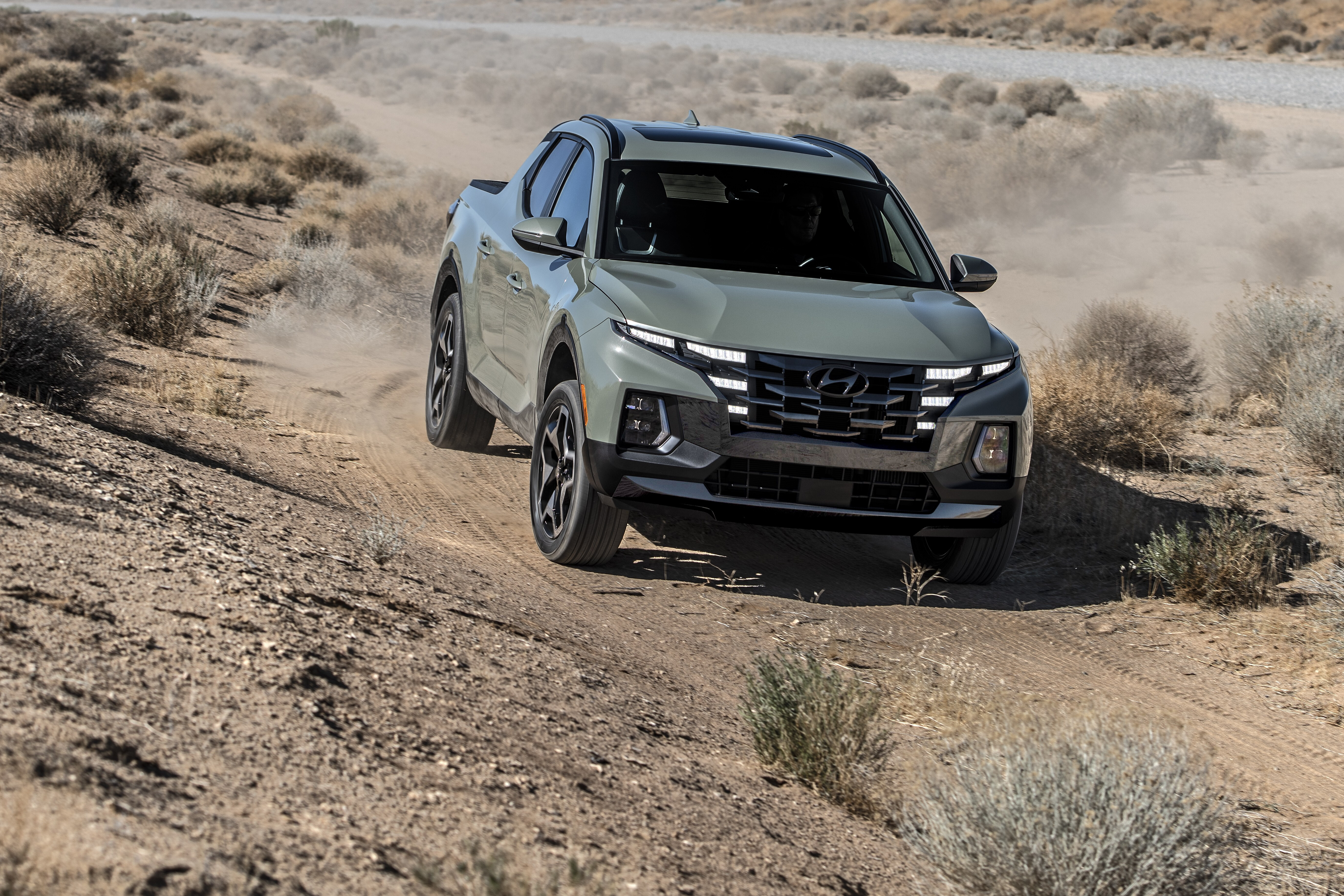
Based on comments made by Kia president Ho-sung Song at an investor event in March this year, we can expect the Korean brand to launch two utes in the coming years – larger than Hyundai’s niche, style-focused and car-based Santa Cruz pickup.
One will be a ‘full-size’ electric ute designed specifically for America and with the Ford F-150 Lightning in its sights; while the other will be a smaller ICE-based model developed for “emerging markets” in Asia, including Australia – not technically an “emerging” market, but an already well-established region for utes sold in Asia and ‘Oceania’.
Considering the open interest shown by Kia’s influential Australian arm for a proper dual-cab work ute – a ‘smaller’ offering designed to not only compete with the Toyota HiLux and Ford Ranger in size, but also to advance the segment by offering some level of electrification (perhaps before Ford’s anticipated Ranger PHEV arrives) – it seems clear the second model will be perfectly suited to Australia.
What size Kia ute are we talking?
The ute spied here, with its Mohave face, suggests a Ranger-sized offering – while the solid axle design visible at the rear makes clear we can expect this to be a segment-competitive diesel or petrol offering, suited to Australian market preferences. Of course, given we are currently living in the year 2022, an electrified version of this ute should also be on the cards. Still, for those motivated more by conventional needs, Kia’s Australian arm has been clear in its goals.
Speaking with media in South Korea at the launch of the Seltos back in 2019 – because that’s at least how long the pressure’s been on – Kia Australia COO Damien Meredith could not hide his eagerness for a ute in the brand’s line-up.
“The good news is that there is conversation, so it’s still very much a long way away, but we’re confident in the near future the group will have a light commercial range in Australia.
“Yes, I think 2022-23 would be pretty close,” he said, in regard to a date for launching here.
If only we’d had a crystal ball at the time…
Meredith continued: “Work has begun. We’re talking about a pick-up, dual-cab, single cab. What we’ve requested [for Australia] is the full gambit of a ute: double-cab, dual-cab, diesel and petrol.”
That interview provided the most detailed comment we’ve heard yet for the Kia ute that could put a dent in sales leaders like the Ranger and Hilux – but Meredith also confirmed we can expect Kia’s ute to receive local tuning in Australia.
“That’s part of our robust strategy, we get every car that enters Australia to go through that process. It’s normally eight to 12 months out, so it won’t be happening in the next year or so.”
At this point, at the back end of 2022, it seems likely that Kia’s Australian team, including ride and handling consultant Graeme Gambold, are already driving the ute in Korea. We wouldn’t be surprised to see it on Australian roads in the months ahead.
What about… Hyundai?
The local launch of Kia’s ute might be followed quickly by Hyundai’s version of a dual-cab built on the same platform.
“I think that’s logical, isn’t it?” Meredith said, on the topic of the Hyundai group designing a ladder-frame platform for both of its big-time brands.
Indeed, this week’s sneaky Kia ‘spy’ photo notwithstanding, the Hyundai version could even debut first.
“Hopefully we’re first [to launch in Australia] but it doesn’t really matter. It’ll be close.”
Good luck getting Hyundai’s Australian arm to volunteer a useful statement on that, however. We’ve so far been given the classic ‘no comment’.
Meredith has never been shy of making predictions, either. In that 2019 interview, he suggested the company would be expecting to own around “8 to 10 per cent” of the light commercial vehicle segment, translating to around 20,000 ute sales.
When will Kia’s ute go on sale in Australia?
There’s no hiding Kia Australia’s interest in a ute, especially when such a model could be considered a key contributor to climbing up the local sales ladder.
Officially there’s no word, but if the new ute is revealed early next year, a late 2023 or early 2024 launch could be on the cards for Australia.
Kia has officially confirmed drive-away pricing for its imminent Tasman 4×4 ute, with the Ranger rival starting from $53,890 when it launches next month.
The entry-level S variant is stamped with that $53,890 price tag, and it’s followed by the SX ($58,490), SX+ ($66,490), X-Line ($70,990), and X-Pro ($77,990). The sole S 4×2 variant is priced at $46,490. Kia added that drive-away pricing for WA will cost an extra $1000 for all variants.
| Trim | Drive-away |
|---|---|
| S | $53,890 |
| SX | $58,490 |
| SX+ | $66,490 |
| X-Line | $70,990 |
| X-Pro | $77,990 |
Kia officially revealed RRP pricing and specifications for its much-anticipated 2025 Tasman dual-cab ute earlier this year.
The Tasman will be available in five key trim levels: S, SX, SX+, X-Line, and the range-topping X-Pro. Each trim builds progressively on features and off-road capability, with the X-Pro designed as the flagship off-road model. All 4×4 variants are powered by a 2.2-litre turbo-diesel engine producing 154kW and 440Nm, paired with an eight-speed automatic transmission and offering both part-time and terrain-specific driving modes.
Even the base S variant comes well-equipped, featuring LED headlights, a 12.3-inch digital cluster, dual-zone climate control, parking sensors, smart cruise control, and a trailer brake controller. Higher trims add more luxury and tech: the SX includes alloy wheels and terrain modes; SX+ adds premium interior touches and power outlets; the X-Line introduces paddle shifters, heated seats, and a surround-view monitor; and the X-Pro tops the range with off-road tyres, electronic locking diff, advanced camera systems, ventilated seats, and a Harman Kardon sound system.
The aftermarket has been busy preparing for the launch of the Tasman, with ARB revealing kitted-out renders and Utemaster unveiling its Centurion Canopy and Load-Lid this week.
Kia is positioning the Tasman as a direct competitor to established utes like the Ford Ranger, Toyota HiLux and Mazda BT-50. By offering a strong mix of standard equipment, off-road credentials, and modern features at a competitive entry price, the Tasman aims to shake up Australia’s fiercely contested ute segment.
The dual-cab segment’s best-selling vehicle is the Ford Ranger. To compare, dual-cab 4×4 variants of the Ranger are priced between $50,880 (XL) and $80,640 (Platinum V6) – both MLP.
Utemaster has rolled out two upgrades for the upcoming Kia Tasman: the Centurion Canopy and Load-Lid – both made in New Zealand, built tough for real-world use, and ready for off-road action whether you’re hitting the job site or heading into the bush.
Centurion Canopy
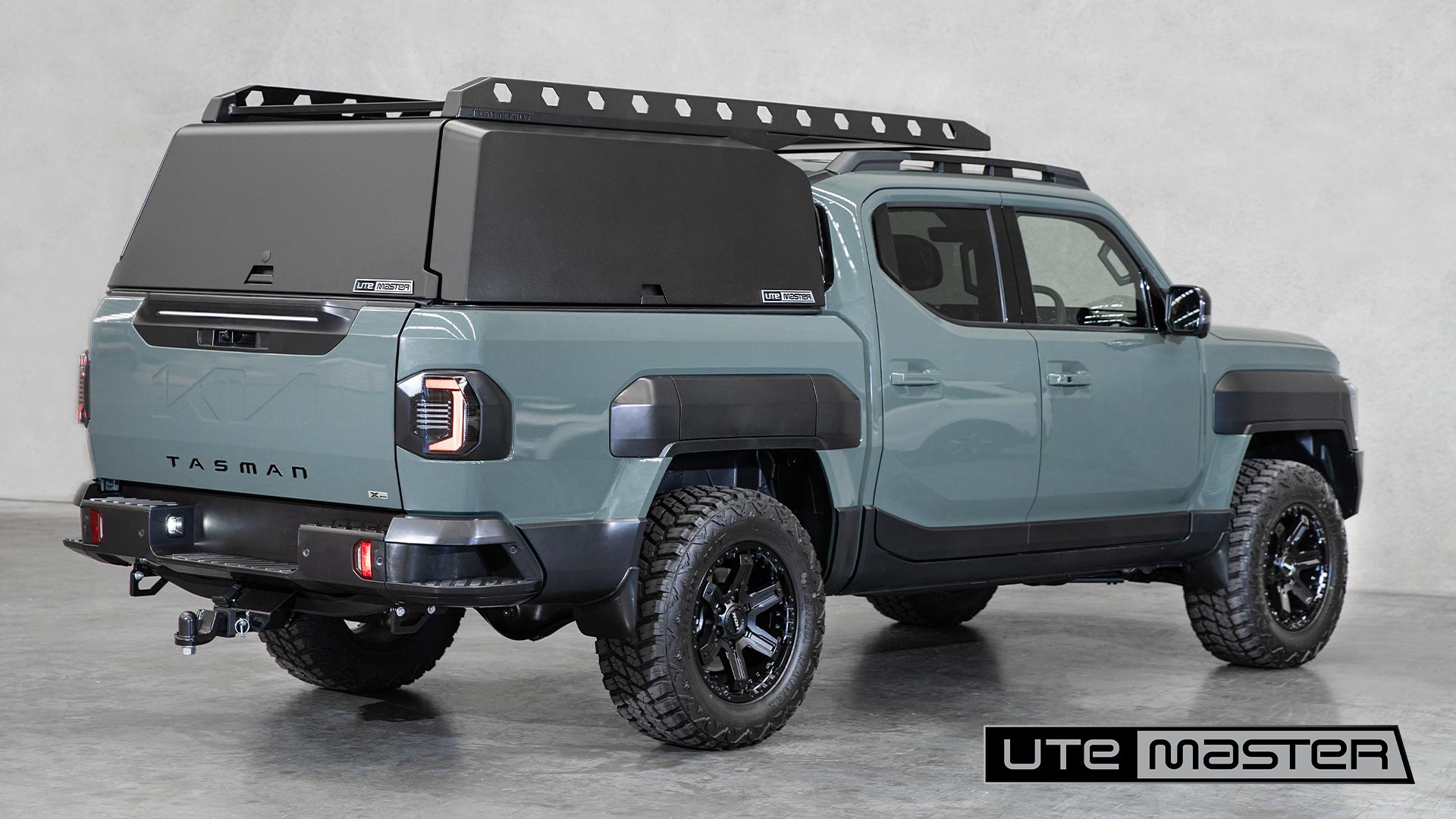
Made from high-strength aluminium, the Centurion Canopy is designed to take a beating. With a 200kg dynamic and 600kg static roof load rating, it is roof-top tent and roof-rack ready straight out of the box. It bolts directly to the tub’s load points, spreading the weight evenly, making it ideal for those who load up and head off the beaten track.
It features full-width side doors (the biggest in the game, Utemaster claims) for easy tub access, plus central locking with concealed latches for added security. Rain channels and tight seals keep gear dry in wet conditions, and the canopy’s contoured lines match the Tasman’s factory look. It comes with a five-year warranty.
Load-Lid
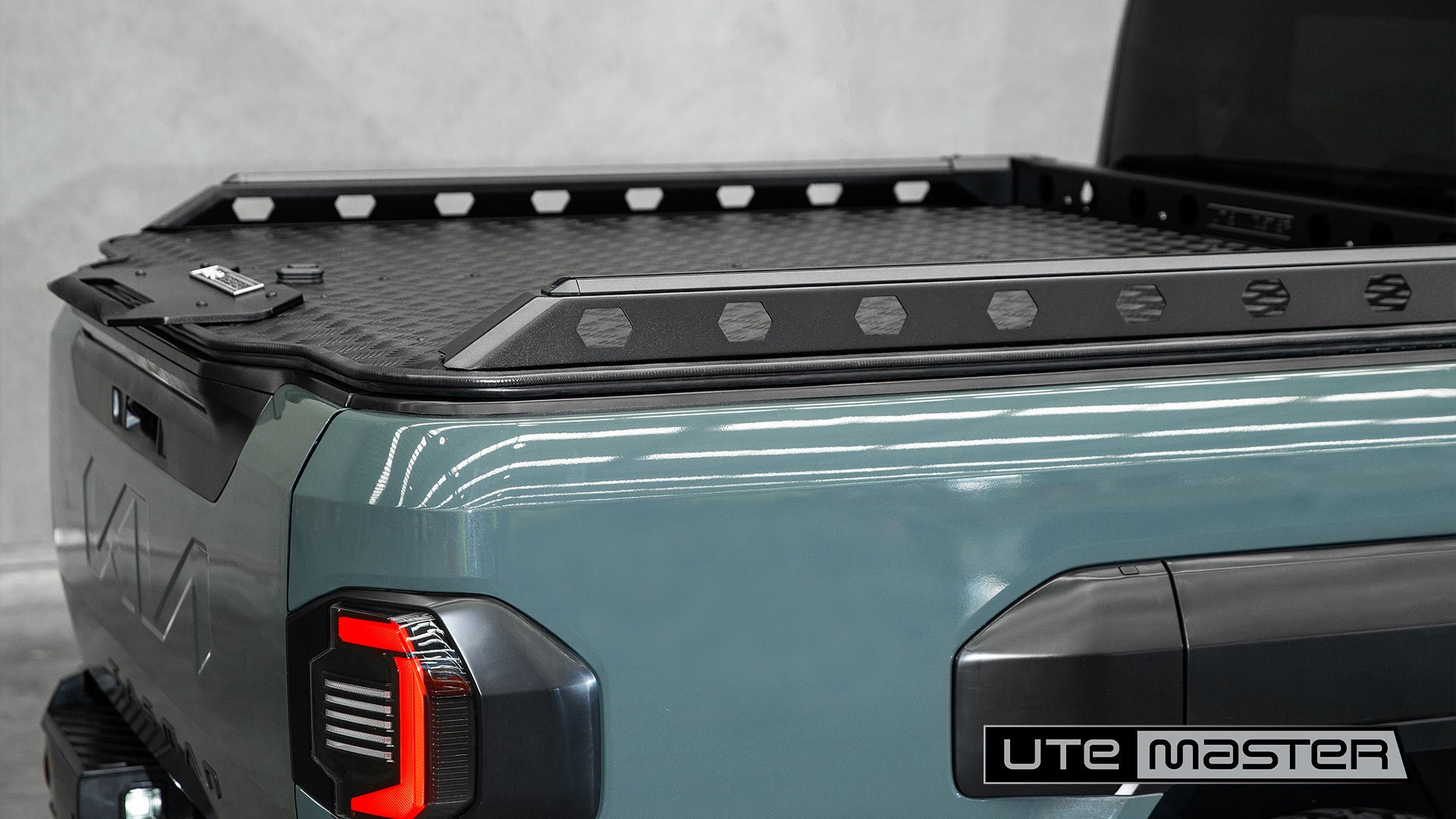
For those who prefer a lid over a canopy, the Load-Lid is a sleek, heavy-duty option. It’s weather-sealed, monsoon-proof, and comes with a reinforced locking system to keep your gear safe. Built specifically to suit the Tasman’s tub, it delivers a snug, clean fit. Like the canopy, it’s covered by a five-year warranty.
These Utemaster products are part of a growing range of gear for the soon-to-arrive Kia Tasman, which is set to shake up the dual-cab segment. ARB has also jumped on board, recently revealing renders for off-road goodies like suspension, bull bars and recovery gear.
The Kia Tasman will launch in Australia next month.
Off-road specialist ARB has revealed a set of renders showcasing the upcoming Kia Tasman equipped with a suite of accessories, offering an early look at how a fully kitted-out version of the new ute might look.
“Kia Tasman. A new era begins. Design renders that don’t just show what’s possible, they hint at what’s next,” said ARB on its Facebook page.
The tan-coloured Tasman is shown with a range of ARB gear, including a steel Summit Mark II bull bar, LED spotlights, integrated DRLs, underbody protection, and side rails with integrated steps. A variety of tray and canopy configurations also appear, hinting at a flexible set of load-carrying options.
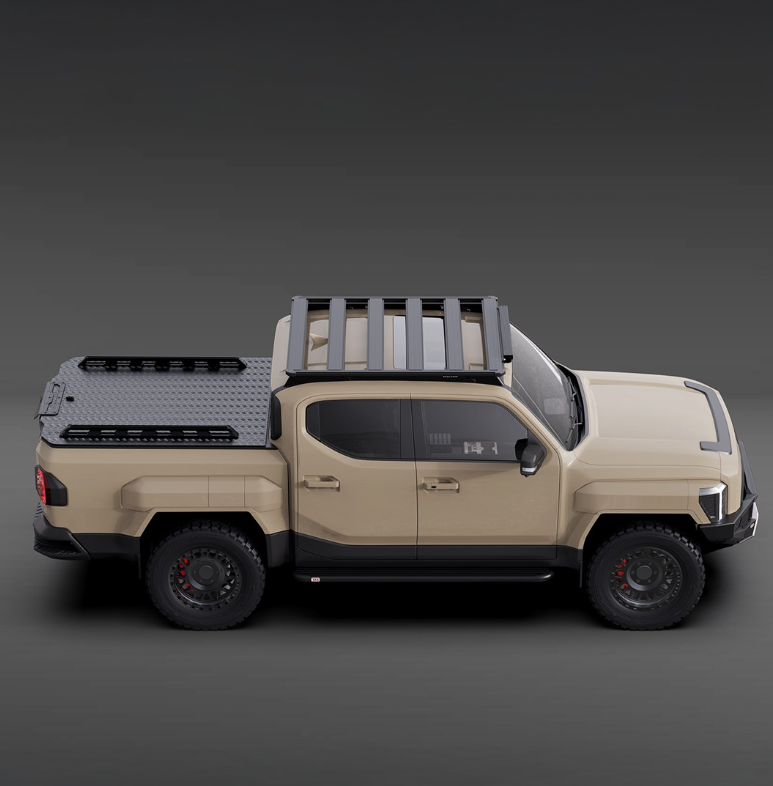
As expected from ARB, the vehicle wears aftermarket alloy wheels paired with aggressive off-road tyres, reinforcing the Tasman’s positioning as a serious new contender in the 4×4 utility market.
These are concept renders only, and ARB has yet to confirm availability or pricing. Further details are expected closer to July 2025, when the first customer deliveries of the Tasman commence in Australia.
Utemaster has also started to roll out equipment for the Tasman, unveiling two storage options this week: the Centurion Canopy and Load-Lid.
Kia Australia will also be offering a comprehensive range of genuine accessories for the Tasman, including a steel bull bar, snorkel, canopy, alloy or drop-side tray, sports bar, tow bar kit, soft tonneau cover, and an electric roll-top shutter (developed by HSP) with remote control and LED lighting.
Cargo-focused accessories include a load slide tray, tray liners, and a rear window shade, while the Load Rack Pro system supports up to 150kg and is compatible with major roof rack brands. Other kit includes side steps, mudflaps, underbody protection, and floor mats in both all-weather and carpeted options.
The Kia Tasman will be offered in multiple trim levels – S, SX, SX+, X-Line, and the top-spec X-Pro – aimed at everyone from tradies and fleet buyers to off-road enthusiasts. All variants will feature 4×4 capability and be powered by a 2.2-litre turbo-diesel four-cylinder engine paired with an eight-speed automatic transmission.
The Kia Tasman will launch in Australia next month.
Ford Australia has announced pricing for the Cab-Chassis variants of its hotly anticipated Ranger Super Duty, with the LC79 rival to be priced from $82,990 when it goes on sale early in 2026.
The entry-level Single Cab-Chassis will carry the $82,990 price tag, followed by the Super Cab-Chassis from $86,490, and the range-topping Double Cab-Chassis from $89,990. Pricing for the Pickup and XLT variants will be revealed closer to launch.
| Model | MLP |
|---|---|
| Ranger Super Duty Single Cab-Chassis | $82,990 |
| Ranger Super Duty Super Cab-Chassis | $86,490 |
| Ranger Super Duty Double Cab-Chassis | $89,990 |
All listed prices are Manufacturer’s List Prices (MLP) and exclude the cost of a tray. Buyers will be able to choose from three steel tray options: galvanised silver, body colour, and matte black. Full tray pricing can be found below 👇
For comparison, Toyota’s LC79 Single Cab-Chassis line-up ranges from $76,800 (2.8L Workmate) to $85,000 (4.5L GXL), while the LC79 Double Cab-Chassis is priced between $77,300 and $87,600 depending on the variant.
“We know our customers want a truck that can handle the toughest jobs and most extreme adventures,” said Andrew Birkic, President and CEO, Ford Australia. “With its incredible towing, payload, and GCM capabilities, Ranger Super Duty is built to exceed those expectations. We’re providing hard-working Australians the tools they need to succeed.”
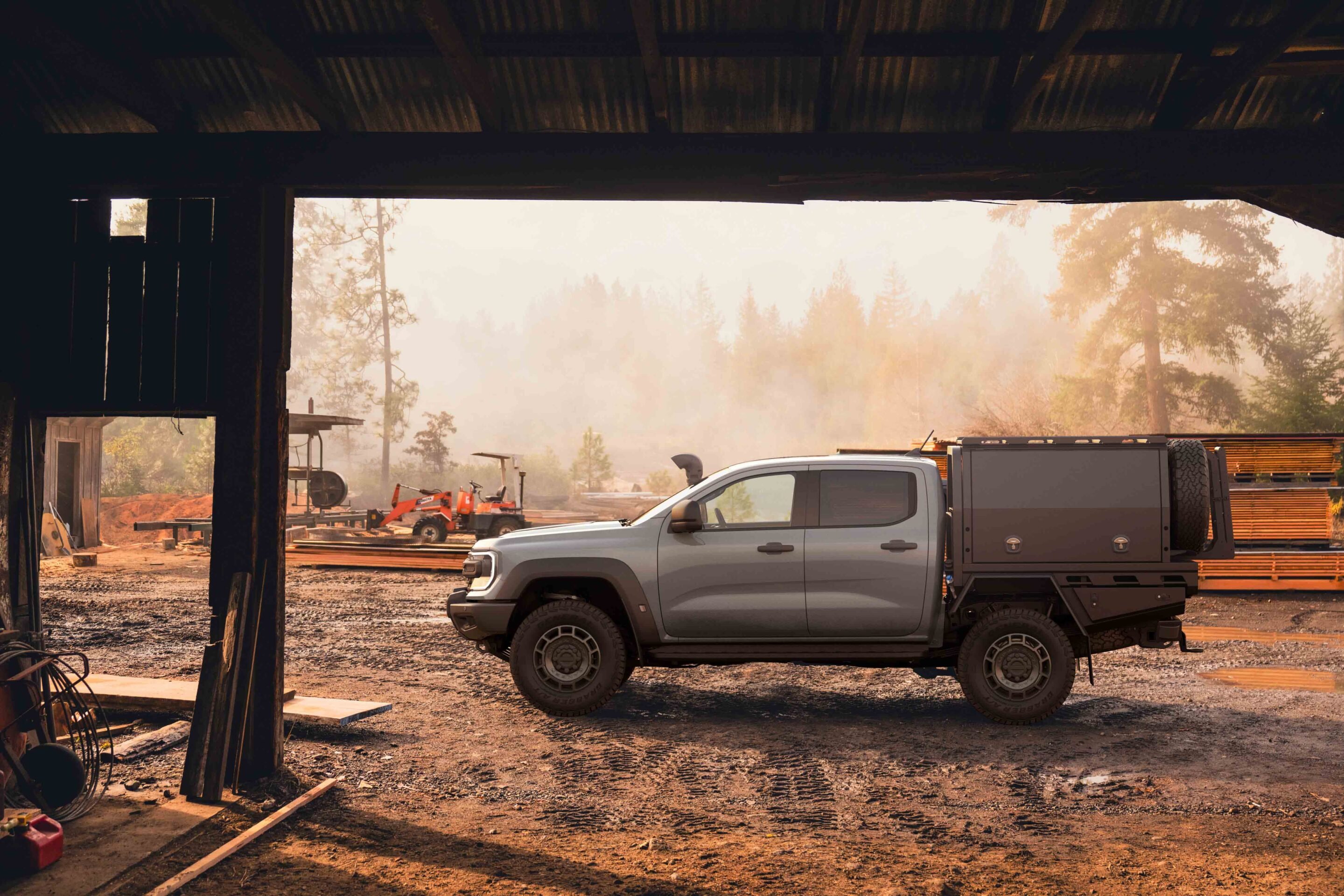
Powering the Ranger Super Duty is Ford’s 3.0-litre V6 engine, which maintains its maximum torque of 600Nm at 1750rpm but now produces 154kW of power – down from 184kW. Ford attributes the drop to a unique engine calibration that meets Euro 6 heavy-duty emissions standards, including the use of AdBlue.
An upgraded cooling system said to be 25 per cent more efficient than the current set-up will be integral to ensuring overall performance and pulling power remains strong. And it needs to be, as a key pillar of the Ranger Super Duty will be its ability to carry heavy equipment and tow cumbersome loads.
To this end, the Ranger Super Duty Cab-Chassis will not disappoint (based on the numbers). A Gross Vehicle Mass (GVM) of 4500kg, a maximum braked towing capacity of 4500kg and a Gross Combined Mass (GCM) of 8000kg is complemented by astounding payload figures: Up to 1982kg (Single); up to 1896kg (Super); and up to 1825kg (Double). Front and rear Gross Axle Weight Ratings are 1900kg and 2800kg respectively.
The Ranger Super Duty Cab-Chassis will also have a ground clearance just shy of 300mm, a track width of 1710mm and a generous maximum wading depth of 850mm.
| Running Ground Clearance (mm) | Track Width (mm) | Water Wading Depth (mm) | |
|---|---|---|---|
| Single Cab-Chassis | 299 | 1710 | 850 |
| Super Cab-Chassis | 297 | 1710 | 850 |
| Double Cab-Chassis | 295 | 1710 | 850 |
“The Ranger Super Duty project was about pushing the boundaries of what a mid-size truck can achieve,” said Drew O’Shannassy, Program Supervisor for Ranger Super Duty.
“We focused relentlessly on core capability – increasing GVM, GAWR, and towing capacity – while ensuring the truck remains incredibly durable and easy to operate in challenging environments. The unique calibration of the V6 diesel ensures that crucial torque is available right where our customers need it for heavy loads, while meeting modern emissions standards.”
Five colours will be offered at launch, with white being the only no-cost option. Expect to see the Ford Ranger Super Duty Cab-Chassis in Australian dealerships in early 2026.
| Galvanised Steel Tray | Recommended Fitted Price (incl. GST) |
|---|---|
| Single Cab-Chassis | $7121 |
| Super Cab-Chassis | $6296 |
| Double Cab-Chassis | $5966 |
| Body Colour Steel Tray | Recommended Fitted Price (incl. GST) |
|---|---|
| Single Cab-Chassis | $8331 to $8826 |
| Super Cab-Chassis | $7561 to $8056 |
| Double Cab-Chassis | $7176 to $7671 |
| Matte Black Steel Tray | Recommended Fitted Price (incl. GST) |
|---|---|
| Single Cab-Chassis | $9376 |
| Super Cab-Chassis | $8551 |
| Double Cab-Chassis | $8166 |
Land Rover has updated its Defender line-up for 2026, bringing key powertrain changes, tech upgrades, and fresh design tweaks aimed at off-road enthusiasts.
Leading the updates, the P425 5.0-litre supercharged V8 (313kW/550Nm) replaces the outgoing P400 inline-six petrol in both the Defender 90 and 110. The Defender 90 now offers a choice between the new V8 and the D250 six-cylinder mild-hybrid diesel, while the 110 gains both options for the first time. The D250 produces 183kW and 570Nm and is available in a new S D250 spec with standard electronic air suspension, 19-inch alloys, and optional 18-inch steel wheels at no extra cost.
These join the existing D350 mild-hybrid diesel, plug-in hybrid variant, and the range-topping Defender OCTA, powered by the twin-turbo P635 petrol V8 mild-hybrid.
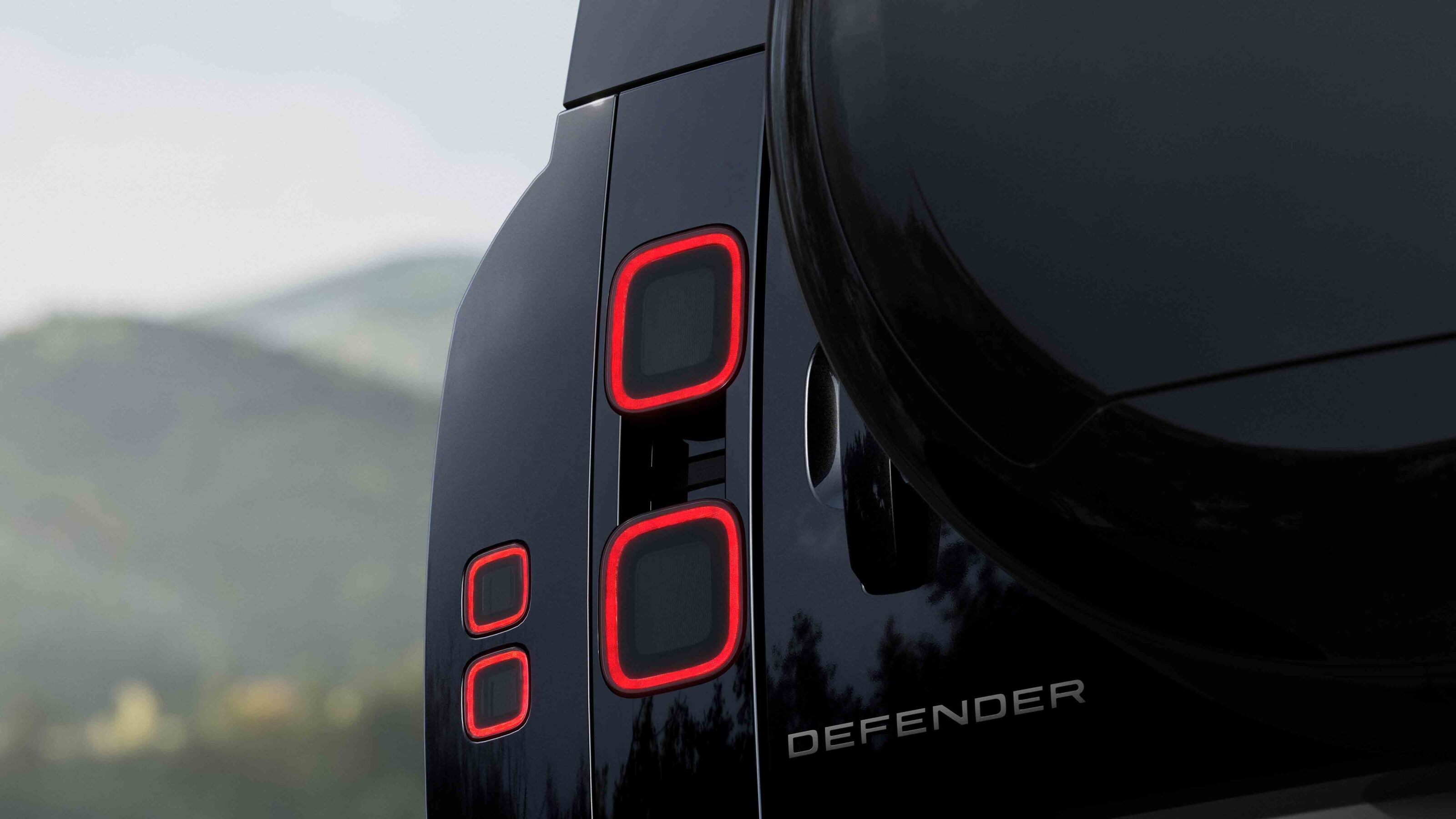
Exterior updates include revised head- and tail-light designs, new colour options like Woolstone Green, Borasco Grey and Sargasso Blue (exclusive to OCTA), and new 22-inch seven-spoke alloys with Gloss Black Defender-branded centre caps. Inside, there’s a larger 13.1-inch touchscreen and improved storage solutions to suit touring and adventure use.
For those heading off-road, the Defender range can now be optioned with Adaptive Off-Road Cruise Control, designed to maintain a set comfort level over rough terrain. The Defender 130 also adds an integrated air compressor for on-the-fly tyre pressure adjustments. A new Driver Attention Monitor is also available, using a driver-facing camera to issue alerts if attention strays.
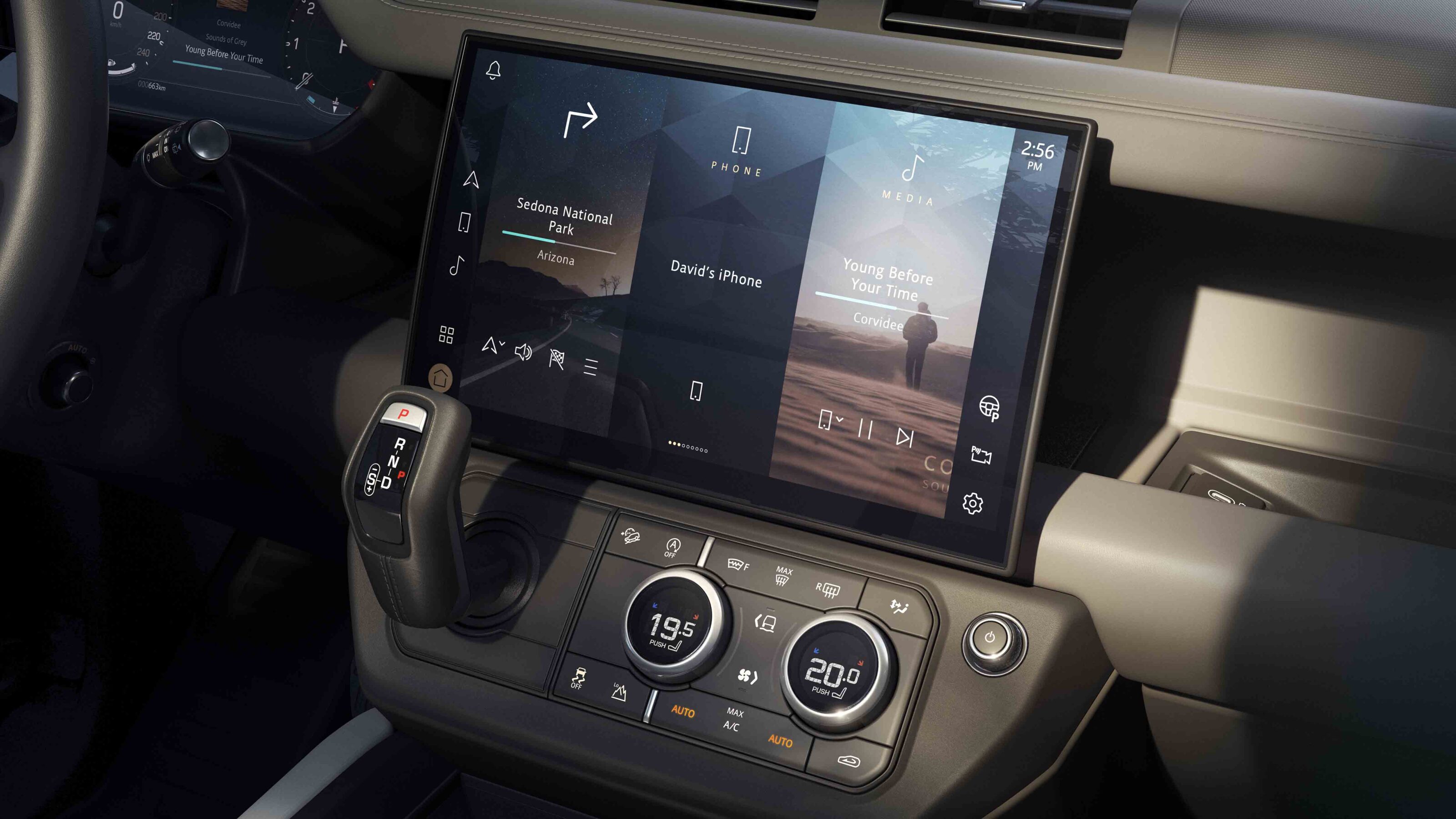
“More than five years after its introduction, Defender has become an enduring success. With a bloodline that can be traced back to the first Series I of 1948, Defender continues to capture the imagination of our clients,” said Mark Cameron, Managing Director, Defender.
“The range now includes everything from a Hard-Top commercial to the epic Defender OCTA. With production at full capacity to meet demand, the latest changes are part of our continuous commitment to make adventures even more satisfying.
“Fresh design enhancements, new colours and an expanded range of accessories follow Defender’s comprehensive upgrade last year, ensuring our iconic 4×4 is better than ever,” Cameron said.
2026 Land Rover Defender pricing in Australia
| BODY STYLE | ENGINE | TRIM | RRP |
|---|---|---|---|
| Defender 90 | D250 | S | $98,400 |
| Defender 90 | P425 | X-Dynamic SE | $124,300 |
| Defender 90 | P425 | X | $169,300 |
| Defender 110 | D250 | S | $100,900 |
| Defender 110 | D250 | Hard Top S | $99,500 |
| Defender 110 | D350 | X-Dynamic SE | $114,500 |
| Defender 110 | D350 | X-Dynamic HSE | $130,200 |
| Defender 110 | D350 | X | $165,100 |
| Defender 110 | P300e | X-Dynamic SE | $131,100 |
| Defender 110 | P300e | X-Dynamic HSE | $143,200 |
| Defender 110 | P425 | X-Dynamic SE | $127,100 |
| Defender 110 | P425 | X-Dynamic HSE | $142,100 |
| Defender 110 | P425 | X | $172,600 |
| Defender 110 | P635 | OCTA | $304,500 |
| Defender 130 | D350 | X-Dynamic SE | $136,000 |
| Defender 130 | D350 | Outbound | $141,400 |
| Defender 130 | P500 | V8 | $226,500 |
Created in collaboration with the Frank Lloyd Wright Foundation, the 28-foot Usonian Limited Edition trailer is no ordinary caravan.
This one is built for the design-savvy traveller with deep pockets – and with only 200 units being made globally, it’s very much a collector’s item.
A square Taliesin Red badge sets it apart – the subtle nod to Wright gives each trailer a distinctive identity. The iconic aluminium exterior houses a cleverly designed interior filled with mid-century-inspired details – perfect for those who want their touring rig to feel like more than just a rolling box.
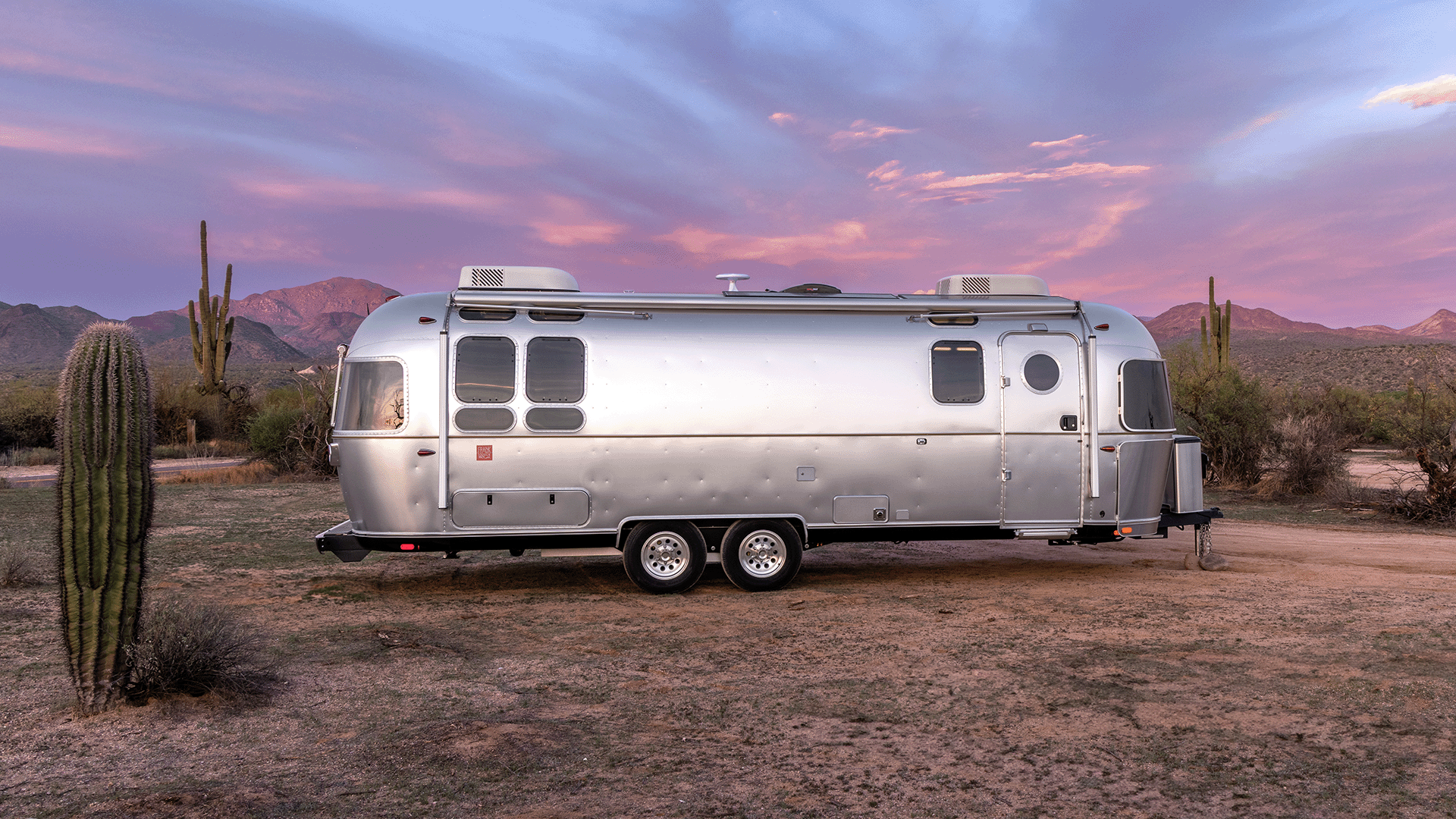
Inside, it’s flooded with natural light – 29 windows and a central skylight open up the space. Custom-built chairs and a collapsible stool tuck neatly into a wall-mounted cabinet to keep clutter to a minimum. The fully equipped galley includes a three-burner cooktop, convection microwave, deep sink and fridge – all concealed behind sleek, wood-panelled cabinetry.
A slatted ceiling fixture, inspired by Wright’s Taliesin West, runs the length of the trailer, while floating shelves replace overhead lockers – ideal for displaying books, art or travel finds. USB ports and hidden hooks are smartly integrated, adding practicality without disrupting the clean aesthetic.
At night, custom slipcovers and quilted bolsters allow for easy conversion between daytime lounge and a comfortable bed. The entire space is wrapped in a rich, earthy palette of mustard, ochre, turquoise and deep red – drawn from Wright’s 1955 paint collection.
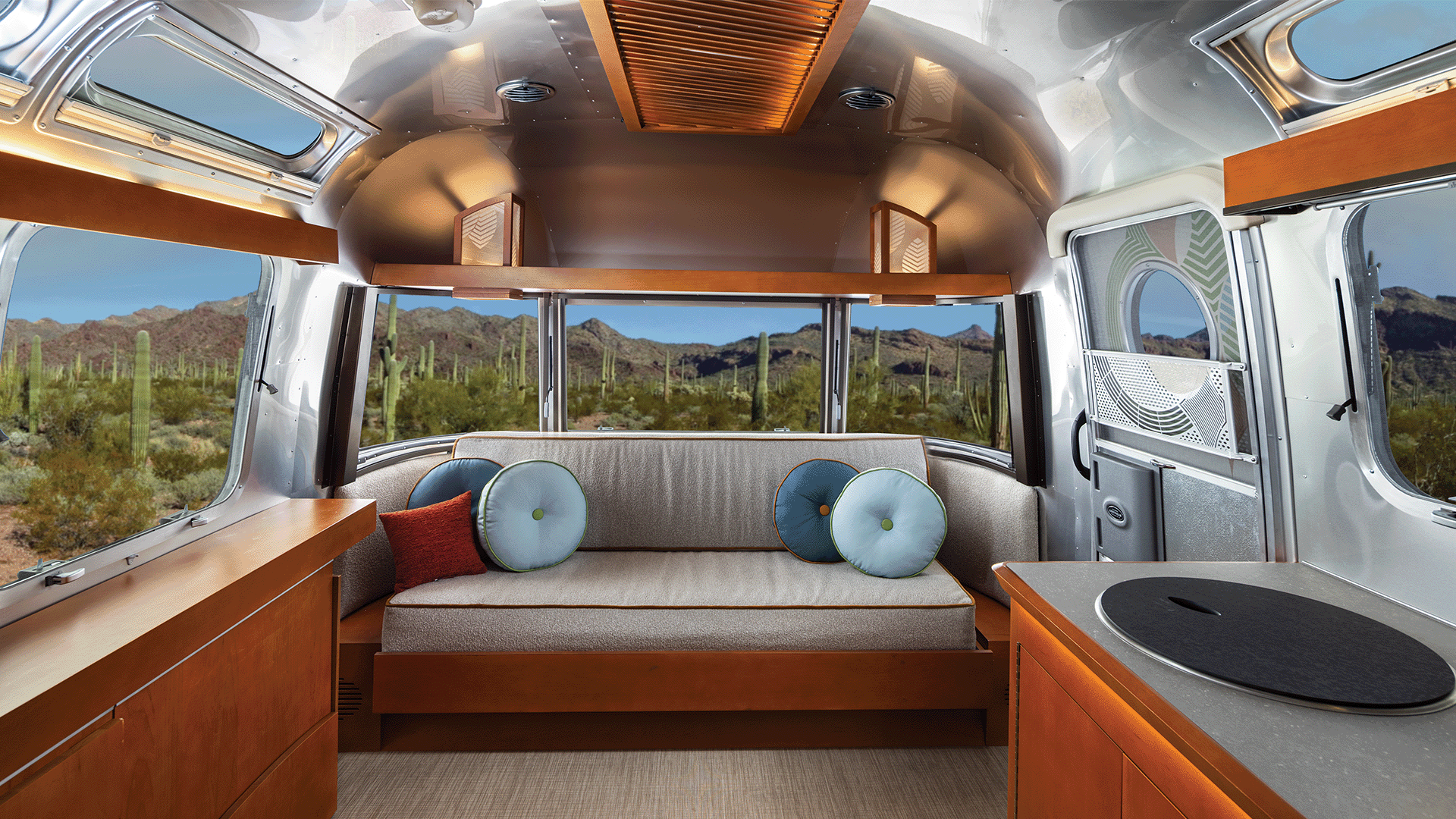
Additional touches include circular porthole windows in the toilet, a laser-cut Gordon Leaf patterned screen door, and a cream-coloured awning – a nod to the canvas tents of Wright’s drafting studio at Taliesin West. Each element adds a layer of thoughtful sophistication.
And yes, it’s exclusive. Each trailer is individually badged and numbered. With only 200 available worldwide, it’s as much a design object as it is a touring rig.
The catch? The price. At $184,900 USD (around $277,000 AUD), this clearly isn’t an impulse buy.
Ford has pulled the covers off the F-150 Lobo, a new factory-built street truck.
Based on the F-150 STX SuperCrew, the Lobo follows the release of the Maverick Lobo in 2024, which brought similar styling to Ford’s smaller ute.
Under the bonnet is the familiar 5.0-litre Coyote V8, making 298kW and 556Nm, paired with an upgraded two-speed automatic 4WD system. While it has 4WD capability, make no mistake – with its lowered suspension and low-profile 22-inch wheels, you won’t be seeing the Lobo on any off-road tracks. It’s built for the bitumen, not the bush.
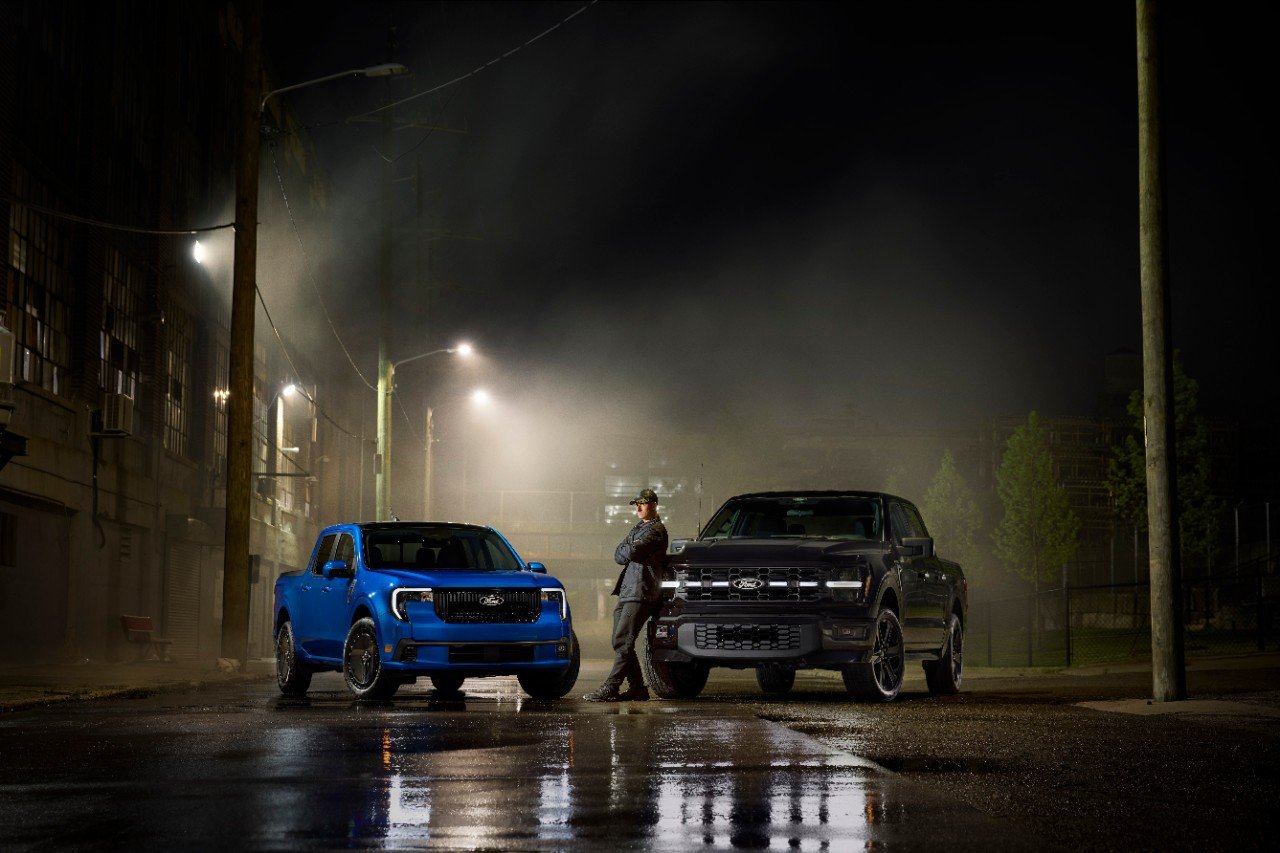
The suspension has been dropped at the rear by two inches, with a 10-piece ground appearance package visually lowering the truck even more. Ford has also added black gloss mesh grilles, a cowl hood, and black accents throughout (badging, exhaust and vents). The Lobo also gets a grille-mounted light bar, updated LED headlamps, and tail-lights shared with the Maverick Lobo.
“I love the swagger, the stance, and the edginess of the F-150 Lobo,” said John Walawender, F-150 brand manager. “There’s no mistaking the truck and its confident stance. And that unique signature light bar that runs across the centre of the grille clearly identifies it as a Lobo.”
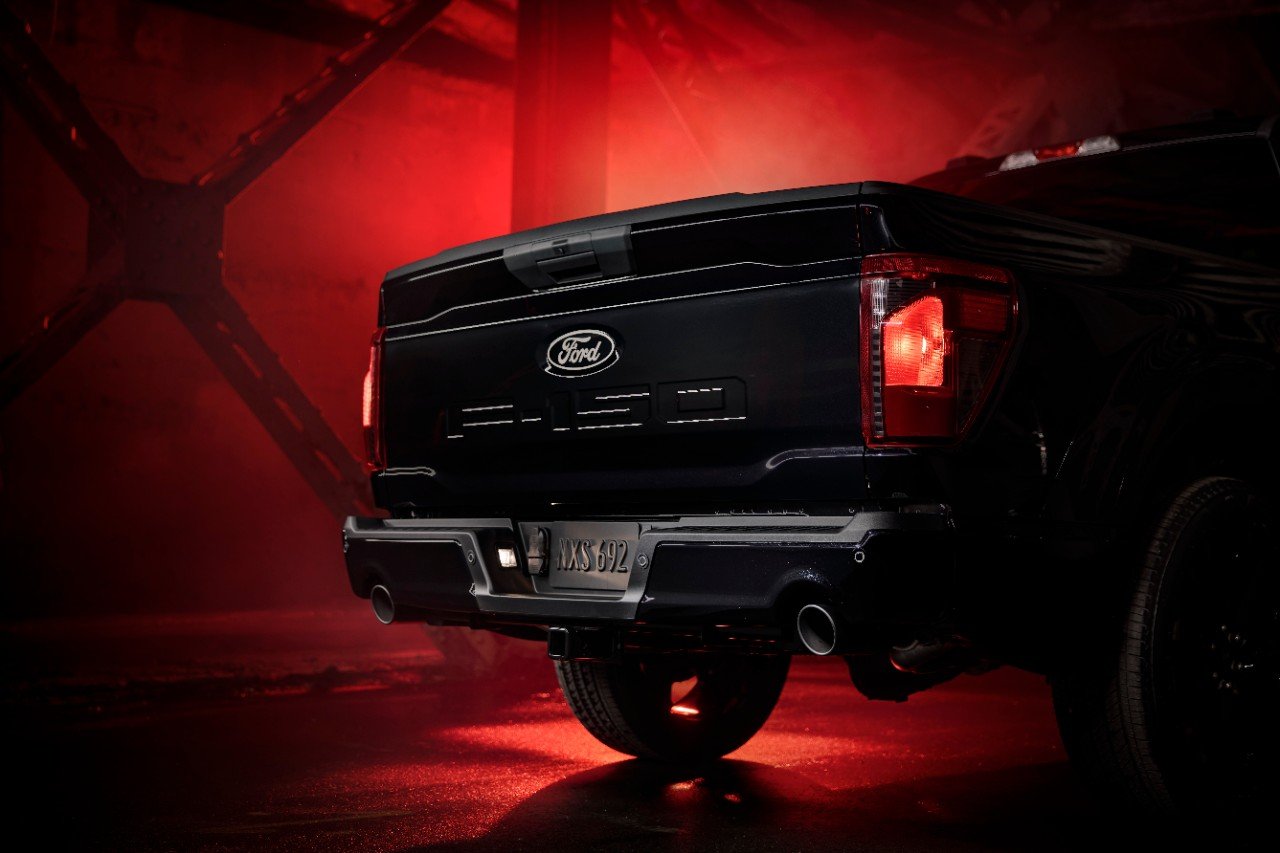
However, don’t expect to see the Lobo in Australia anytime soon, as its street-only appeal makes it an unlikely candidate for right-hand-drive production. Unless you’re planning a private import, this one’s expected for the North American market only.
The Lobo is available in five colours: Agate Black, Atlas Blue, Carbonised Grey, Oxford White, and Rapid Red.
After completing the iconic Border Track along the Victoria-South Australia border, a turnoff to Wyperfeld National Park invited a detour into one of Victoria’s hidden gems.
Wyperfeld, the third-largest national park in Victoria, spans an impressive 357,000 hectares. The park is divided into three management areas to protect its fragile mallee country, Indigenous heritage, and layers of European history. First reserved in 1909, it was formally declared a national park in 1921. The Wotjobaluk people have long called this land home, and throughout the park there are signs highlighting culturally significant sites such as artefacts, middens, and burial grounds, now protected under heritage regulations.
Each of the park’s three distinct areas offers a unique experience. To the west lies the Big Desert Wilderness area – over 145,000 hectares of undisturbed mallee landscape accessible only to experienced hikers. This region, wedged between the Border Track and the Murrayville Track, remains one of the least disturbed environments in the state.
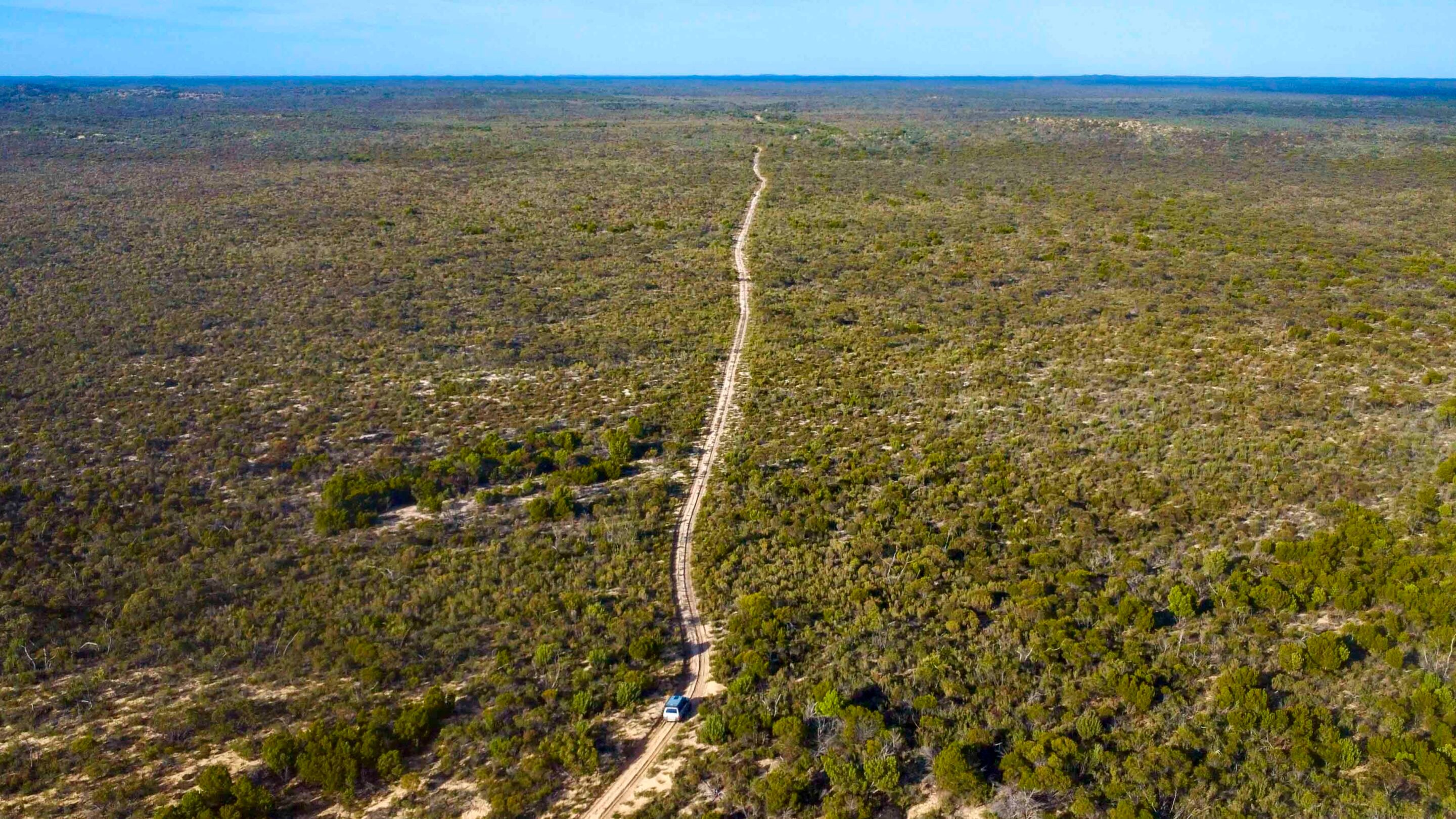
To the north, the State Forest section offers a network of sandy 4WD tracks and scattered campgrounds. Three dedicated 4WD routes traverse this region, showcasing a range of landscapes from red gums and casuarinas to heathland vegetation and steep dunes with sand softer than most beach drives.
Among these routes, the Milmed Rock Track stands out. Stretching for 175km, it cuts through soft and steep dunes and takes approximately seven hours to complete. Along the way are remote campgrounds, natural springs, and the Milmed Rock formation.
Separating the Wilderness area from the main park, the Nhill-Murrayville Track runs nearly 80km and is officially designated as a 4WD route. When dry, it functions as a well-maintained dirt road, but signage warns that it becomes dangerously slippery in wet conditions. Originally built in 1860 for cattle movement between Nhill and Kow Plains stations, the track was only upgraded for vehicles in 1936. Historic bores, windmills, and tanks still stand along the route, relics of its pastoral past.
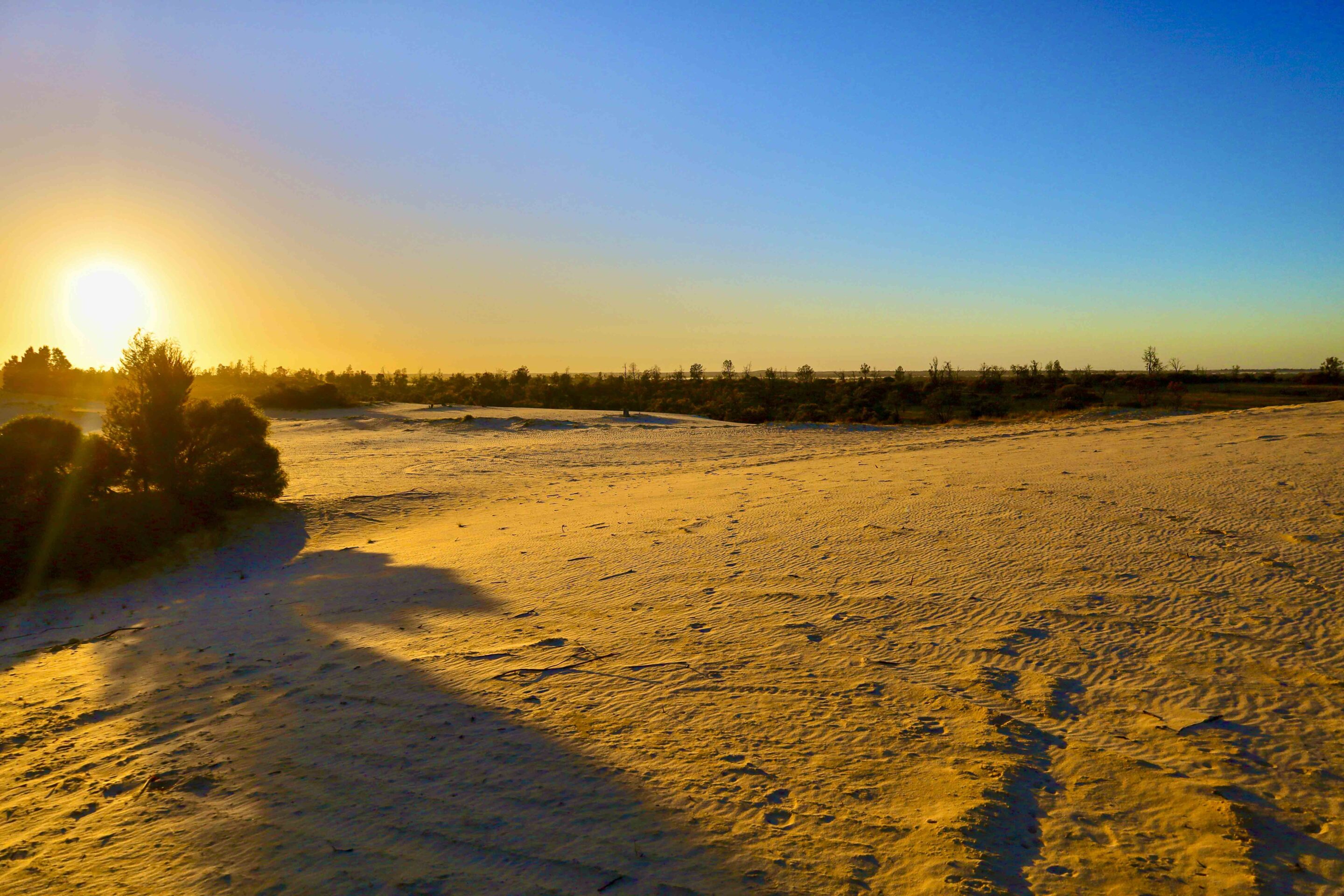
Three major camps – Big Billy, Stockman Camp, and Broken Bucket – are located along this track. Big Billy, established in the 1800s, remains one of the park’s most popular camping areas, offering toilets, a shelter with interpretive signage, and a short walk to a viewing point across the expansive mallee country – an ideal sunset spot.
Thanks to its infertile sandy soils and low rainfall, the area saw little interest from early European settlers. As a result, native flora and fauna continue to thrive. The park is home to around 200 bird species and a variety of reptiles, though snakes are rarely seen.
Wyperfeld’s sweeping dunes – linked to those in the Big and Little Desert areas – date back around 40,000 years. Following the retreat of a shallow inland sea some 25 million years ago, westerly winds deposited sand across the region, shaping today’s landscape. The park’s network of dry lakes is connected by Outlet Creek, which flows into Lake Hindmarsh – Victoria’s largest inland freshwater lake. After good rains, this semi-arid landscape erupts in a blanket of wildflowers and colour.
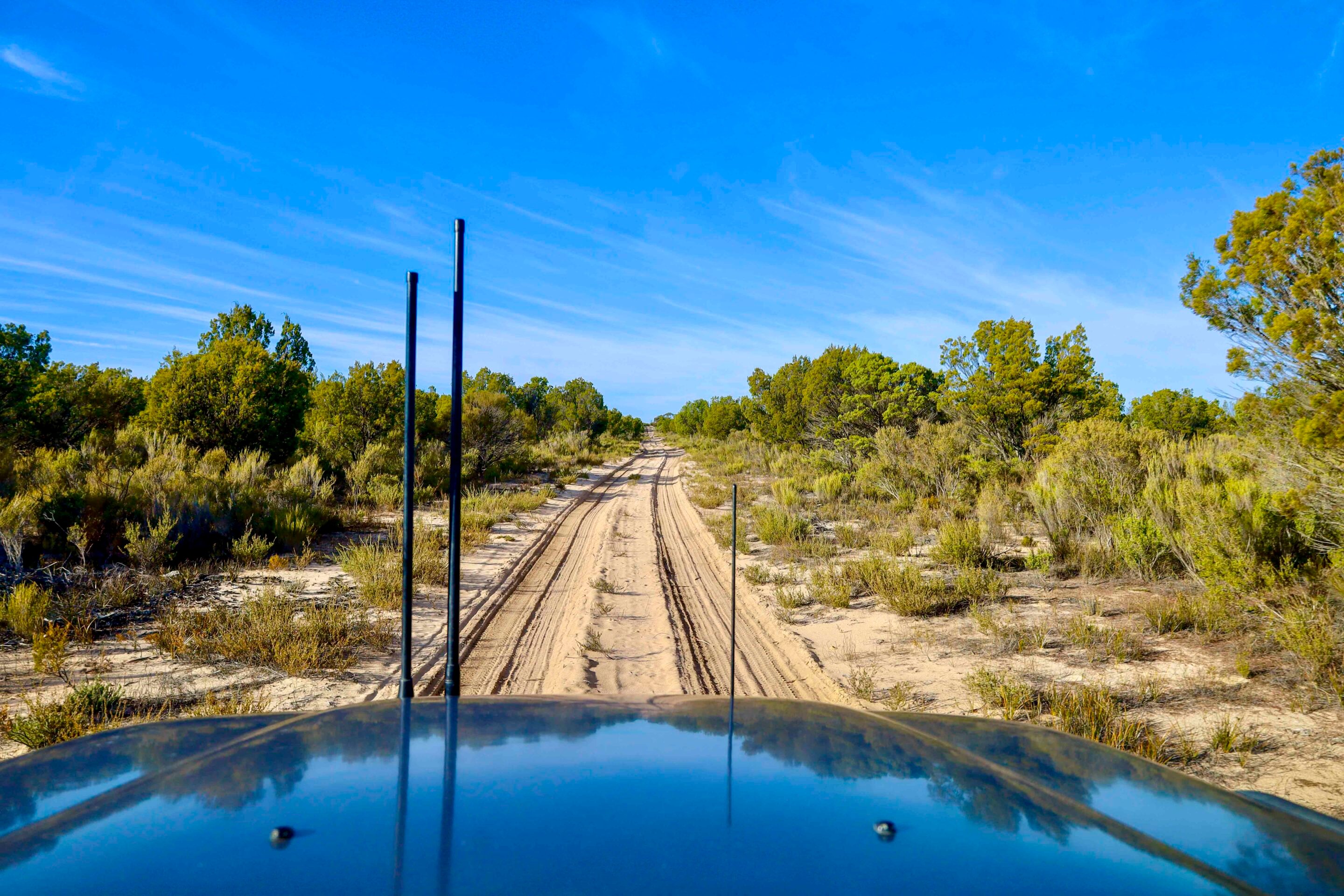
In the east, low heathland surrounds shallow, often dry lakes, ringed with towering red gums, wattles, casuarinas, and cypress pines. Snowdrift Campground, framed by a giant sand dune, is considered one of the park’s most scenic campsites. It features firepits, toilets, and broad camping spaces. Climbing the dune is a challenge, but the panoramic views are a fitting reward. Foggy sunrises create an ethereal atmosphere, while the sunsets cast a golden glow over the entire park.
Further south, Wonga Camping Area offers 2WD access and serves as a launching point for walking trails and a 15km circuit drive around Lake Brimin, with interpretive signage highlighting the unique mallee landscape.
Historically, Pine Plains Station once covered 18,000 hectares in 1855, later split into two sections. The southern area became Wonga Lake Station. Today, a replica hut built in 1934 offers visitors shelter from the elements, while nearby, Parks Victoria has constructed a large information centre detailing Indigenous, pastoral, and ecological histories. A restored whim is also on display – a simple mechanical device originally powered by a horse to draw water from a well, first installed in 1865.
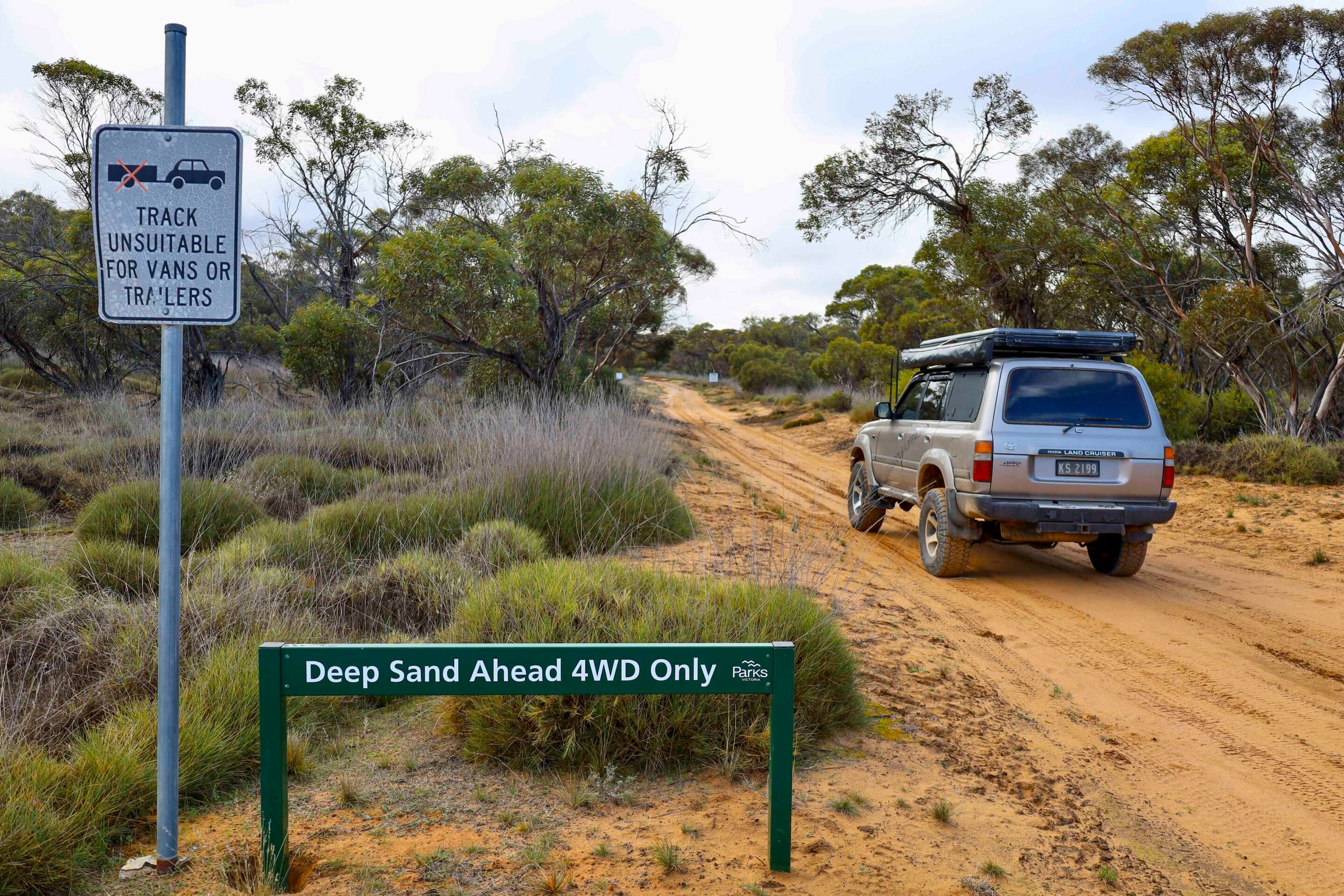
From Wonga, the Fwy Track heads north, reaching into the park’s remote northern extremes. High-clearance 4WDs are required, and towing is not recommended due to soft sand. Travellers are advised to monitor UHF channel 16. Along this route, restored rabbiters’ camps recall a period in the 1870s when rabbit plagues swept the region, and many settlers turned to trapping for income. One hut has been preserved, complete with artefacts and displays capturing that era.
Wyperfeld is a park of surprises – rich in history, home to rugged mallee country, and full of excellent sand-driving and camping opportunities in one of Victoria’s most remote and beautiful regions.
About the park
Wyperfeld NP blends Wilderness Park and State Forest areas across a vast expanse of mallee country, interlaced with historic stock routes. Located near the Victoria-South Australia border, about 450km northwest of Melbourne, this 357,000ha reserve is the third-largest national park in the state and a key site for species like the mound-building malleefowl.
What to see and do
With remote walking trails and 4WD tracks, Wyperfeld is ideal for off-grid adventures. Campgrounds are scattered throughout the park, many offering seclusion and scenic views. After rains, wildflowers bloom across the semi-arid landscape. Historic 4WD tracks like the Nhill-Murrayville and Milmed Rock Tracks challenge drivers, while sites like Big Billy and Snowdrift offer comfortable camping with interpretive features.
More information
The closest towns are Murrayville (33km north) and Horsham (110km south). Park entry points feature information boards and maps. For up-to-date navigation and POIs, the Victorian Government’s ‘More to Explore’ app is recommended. Summer temperatures can be extreme; the best times to visit are mid-spring and autumn.
Free app
The Friends of Wyperfeld National Park have released a free app – the first of its kind for a Victorian national park – designed to help visitors plan and explore Wyperfeld. Available on Android and Apple stores, the app offers essential information on the park’s features, camping areas, and best visiting times.