
WANT to optimise performance? These 4×4 aftermarket filters will do the trick.
ITGA performance air filter
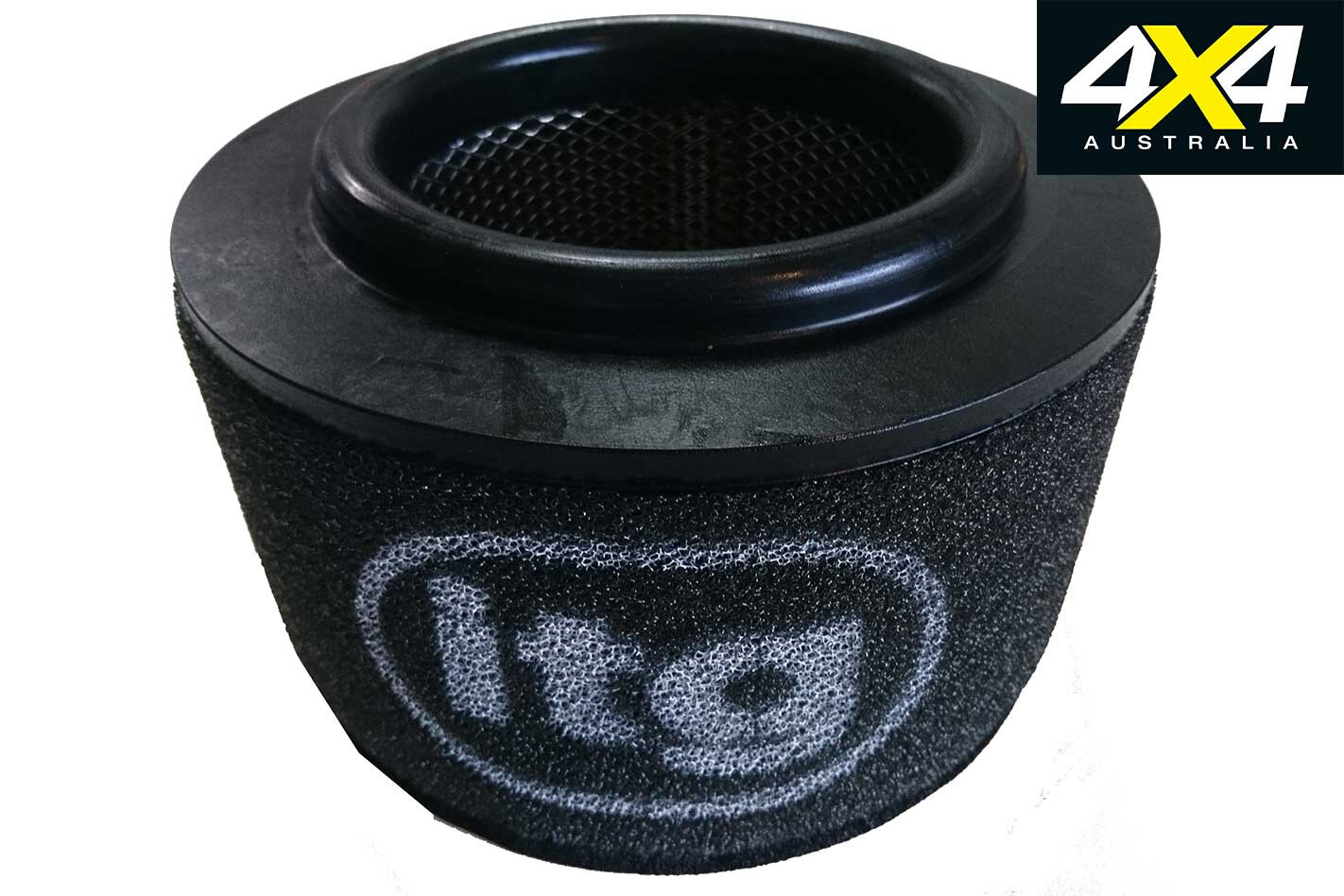
ITGA has drawn on its extensive motorsport past to produce this new performance air filter for the Ford Ranger PX-I and PX-II and its Mazda BT-50 twin (2011-2018), covering the three engine options for those vehicles (2.2L, 2.5L, 3.2L).
The washable/reusable filter comes pre-oiled for an easy install and is claimed to improve throttle response, fuel economy and power outputs when compared to the OE filter.
The drop-in design uses a tri-foam system (reticulated polyester foam) that ITGA says offers better performance in terms of optimising airflow, cleaning efficiency (can block high volumes of airborne dust while keeping the engine fed with clean air), and can absorb large amounts of dust without affecting its air-flow capacity.
RRP: $152 Website: www.williamsraceservices.com.au/
Unifilter panel filters
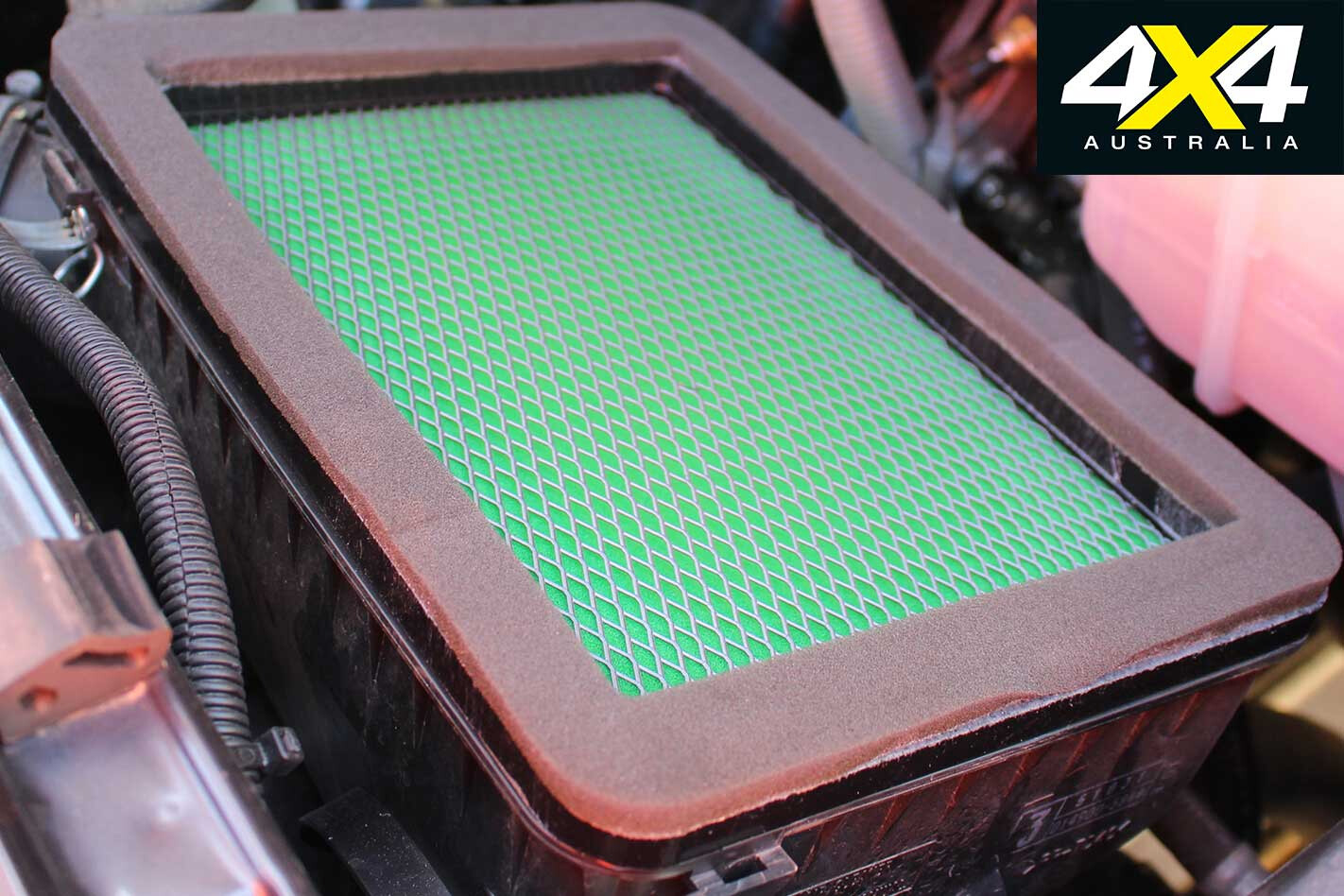
Dust ingestion issues are becoming a big problem with a number of popular 4x4s, such as the LandCruiser (70 Series and 200 Series), Prado 150 Series, HiLux, Nissan’s D40 and D23 Navara, the Mitsubishi Triton and the Isuzu D-Max.
The sealing edge of the OE filters are the culprit due to using rubber seals on plastic, where each material reacts to heat in a different way and the resultant warping creating a gap between the edges and allowing dust in.
Unifilter’s foam seal resolves the dust ingress issue on Toyota’s Cruiser and Prado, with this seal added to the sealing edge of the rubber seal; the sealing edge of the OE Toyota filters is flat, so Unifilter has added a foam seal that doesn’t breathe so dust will not penetrate.
The second type of panel filter (used in other manufacturers’ vehicles) uses a step style seal; Unifilter has widened the edge of its filter to make it flat (as opposed to a point), thus spreading the sealing point. These replacement filters are also ridged to stop deformation under load.
Website: www.uniflow.com.au
MSA 4×4 has been busy working on these awesome new towing/driving mirrors, designed to not only offer excellent rearward vision when towing that camper or caravan, but also can be kept on the vehicle even when you’re not towing, without the handicap of adding extra width to your vehicle.
The mirrors’ design revolves around a large single mirror that pivots on an extra heavy-duty slide that enables you to return the mirror to its non-towing position (and thus narrower overall vehicle width).
Features include four different mirror positions: unextended horizontal and unextended vertical when not towing; plus extended horizontal and also vertical when towing. Pretty damn clever and it also saves the hassle of having to always fit and then remove additional mirrors when needed for towing purposes. The mirrors are easy to fit, are ADR compliant, and come with a five-year warranty.
Website: www.msa4x4.com.au
THE Toyota FJ Cruiser is a polarising vehicle due to its unique design, but it’s a great base on which to build a practical, capable rig for bush-touring duties due to an array of aftermarket accessories available for it.
That the FJ already comes well-equipped from the showroom floor – rear diff lock, crawl control and an auxiliary fuel tank – adds another tick to the positive column for prospective buyers
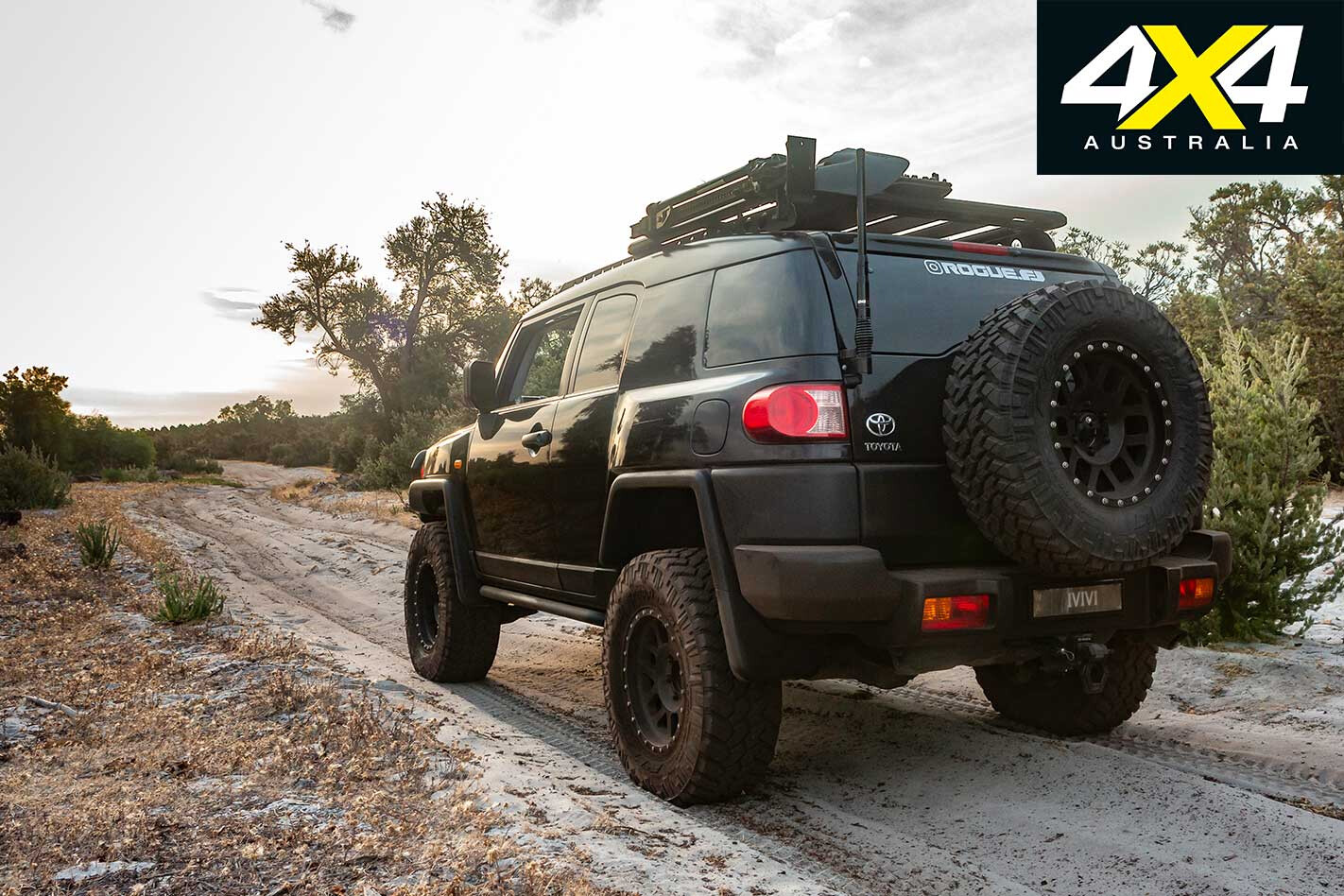
But this FJ you’re ogling has lifted the game further, building on the FJ’s strengths to make it a perfect daily driver cum weekend warrior.
The FJ has been pieced together to maximise every crevice and corner, starting with a bump in the performance of the V6 engine courtesy of Manta extractors running back through a Manta cat-back 2.5-inch performance system. A JMAX Engineering snorkel keeps the V6 churning, while a hard-to-miss ICON Vehicle Dynamics Stage 7 suspension system was fitted beneath the Toyota.
Other mods include a dash-mounted iDrive EVC throttle controller, Monster Hook Reaper recovery shackles (front) and Monster Hook Reaper recovery hitch (rear), a Rhino Rack Pioneer Platform roof rack, Stealth bullbar with Lightforce LED spotties, LT295/70 R17 Nitto Grapplers on 17 x 8.5-inch Method Mesh Race Wheels, Rhinohide body armour, and a KAON cargo barrier to maximise space in the boot.
For the complete review of this track-stomping FJ Cruiser, pick up a copy of the May 2019 issue of 4X4 Australia – in stores now!
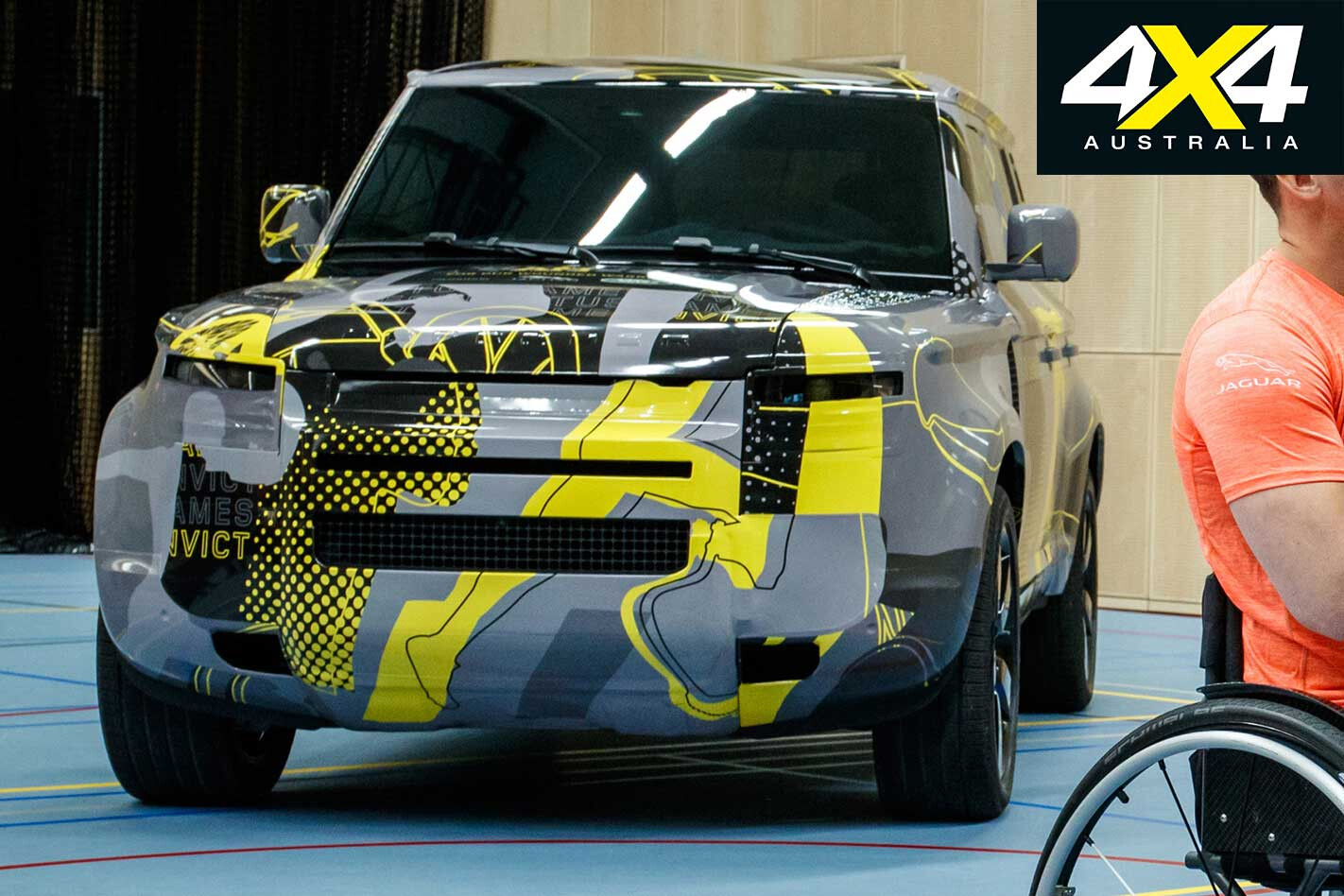
As the presenting partner of the fifth Invictus Games, Jaguar Land Rover presented a prototype of the 2020 Land Rover Defender during Prince Harry’s visit to the venue of the 2020 Invictus Games at The Hague.
Free from the obscuring camouflage, the Defender prototype’s body-hugging Invictus Games themed camouflage clues us into what the production version might look like when it makes its debut later this year.
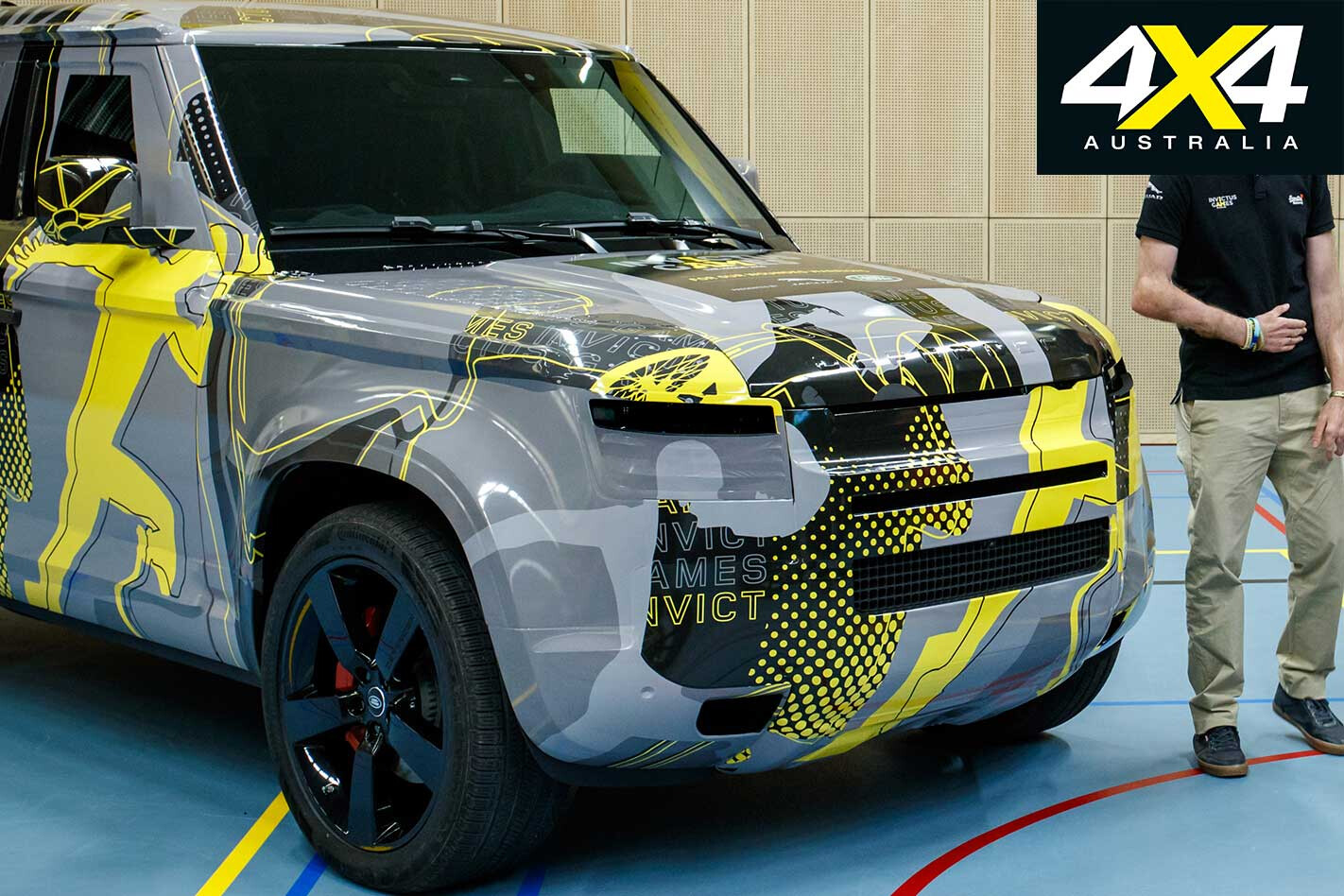
The prototype’s squarish headlights and the slim aperture of its front grille, coupled to its Discovery 3 and 4 aping profile from its boxy lines and upright windscreen, hints at the production Defender’s styling. It’s a blend of the new Discovery’s design cues grafted onto the body of its predecessor.
With the launch schedule set for September this year, Land Rover has been ramping up the development effort of the Defender with mules already clocking in over a combined 1.2 million kilometres of testing, in an effort to ensure that the new Defender lives up to the reputation of its predecessor.
With the 2020 Defender sharing the same all-aluminium architecture as the Discovery and Range Rover, the final product is expected to be far more sophisticated in features and on-board technology.
Even recent spy shots of the 2020 Defender’s interior reveal a feature laden cabin that is a far cry from its rather spartanly equipped predecessor.
The 2020 Invictus Games, which is set to take place at The Hague in May 2020, are held for wounded, injured, and sick servicemen and women from 19 nations. According to Land Rover, participants of the games, who will be part of the “Jaguar Land Rover Driving Challenge” will be among the first people to drive the production Defender.
GETTING your suspension set-up and tyre pressures just right will increase the ride quality of your fourbie tenfold.
SACHS MAX shock absorbers
ZF Services Australia has introduced SACHS 4×4-specific MAX shocks – specifically designed for 4×4 use – to the local market, with the MAX big bore dampers designed for both standard-height and lifted (up to 50mm) suspension setups and will cover some of the most popular 4x4s, including the Ford Ranger, Toyota’s Hilux and Land Cruiser, as well as Nissan’s Navara and the Isuzu D-Max.
The shocks are of a heavy-duty larger bore design, which incorporates larger pistons and cylinders for increased durability. This larger design means more fluid inside the shock, helping achieve a reduction in heat levels and a consistent ride over rugged terrain.
Website: www.zf.com.au
ARB tyre pressure monitoring system
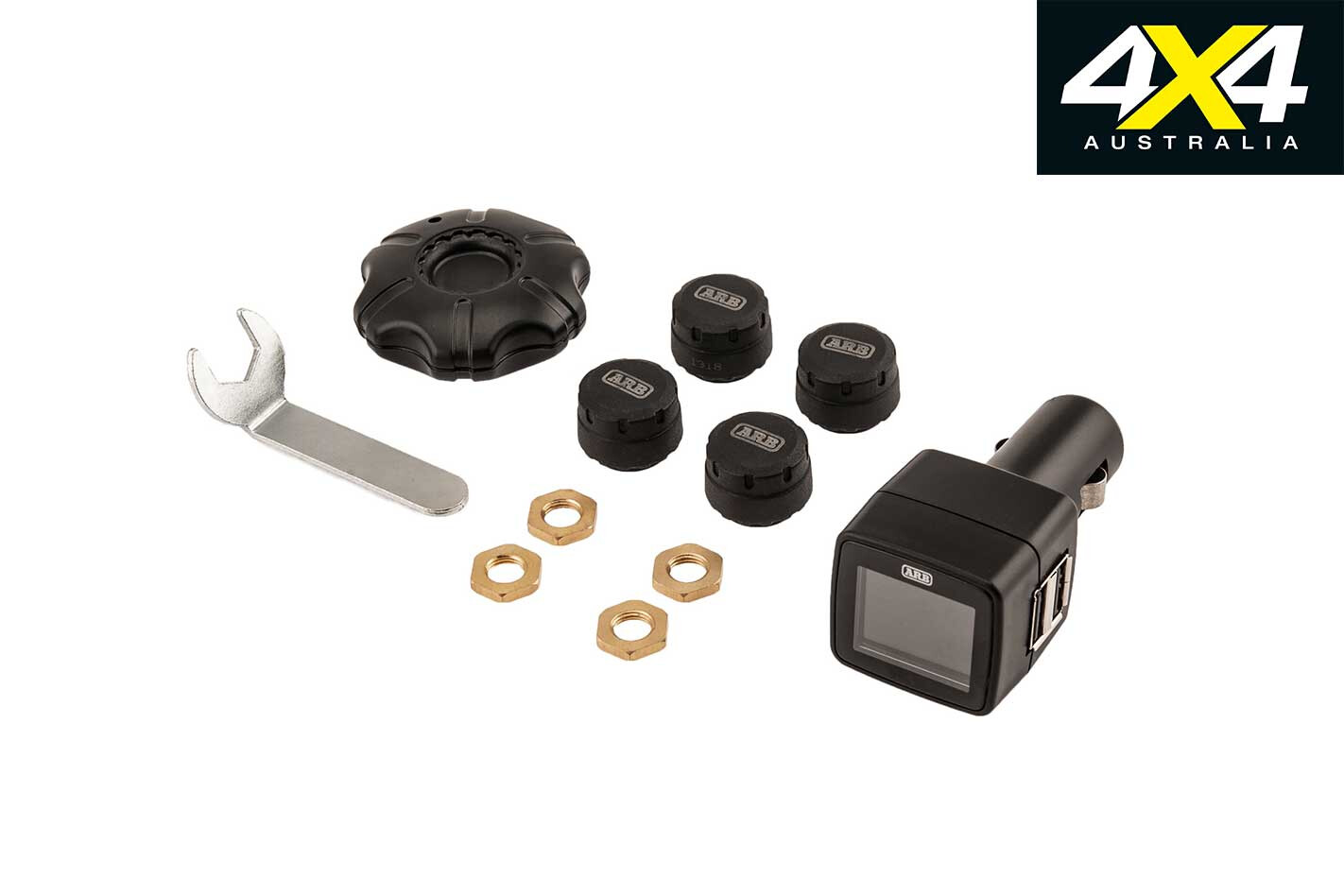
ARB’s new Tyre Pressure Monitoring System (TPMS) can monitor up to nine tyres (ideal for towing), and offers pre-set on- and off-road pressure alarms for cross-terrain configuration. There is the choice of internal or external setup; the internal sensor kit has five sensors that run inside the tyre valve.
The external kit includes four sensors (additional sensors can be purchased separately). Both setups use audible and visual alarms for tyre leakage, low pressure, high temperature, high pressure, low battery voltage and variations of plus or minus 25 per cent of the set monitored psi. The internal sensors have a battery life up to five years; the external sensor will last up to two years and can be replaced.
You can select between on- or off-road profiles and can independently monitor front and rear axles, to allow for different pressures front/rear. In development is the ability to check the TPMS through the ARB LINX system.
Website: www.arb.com.au
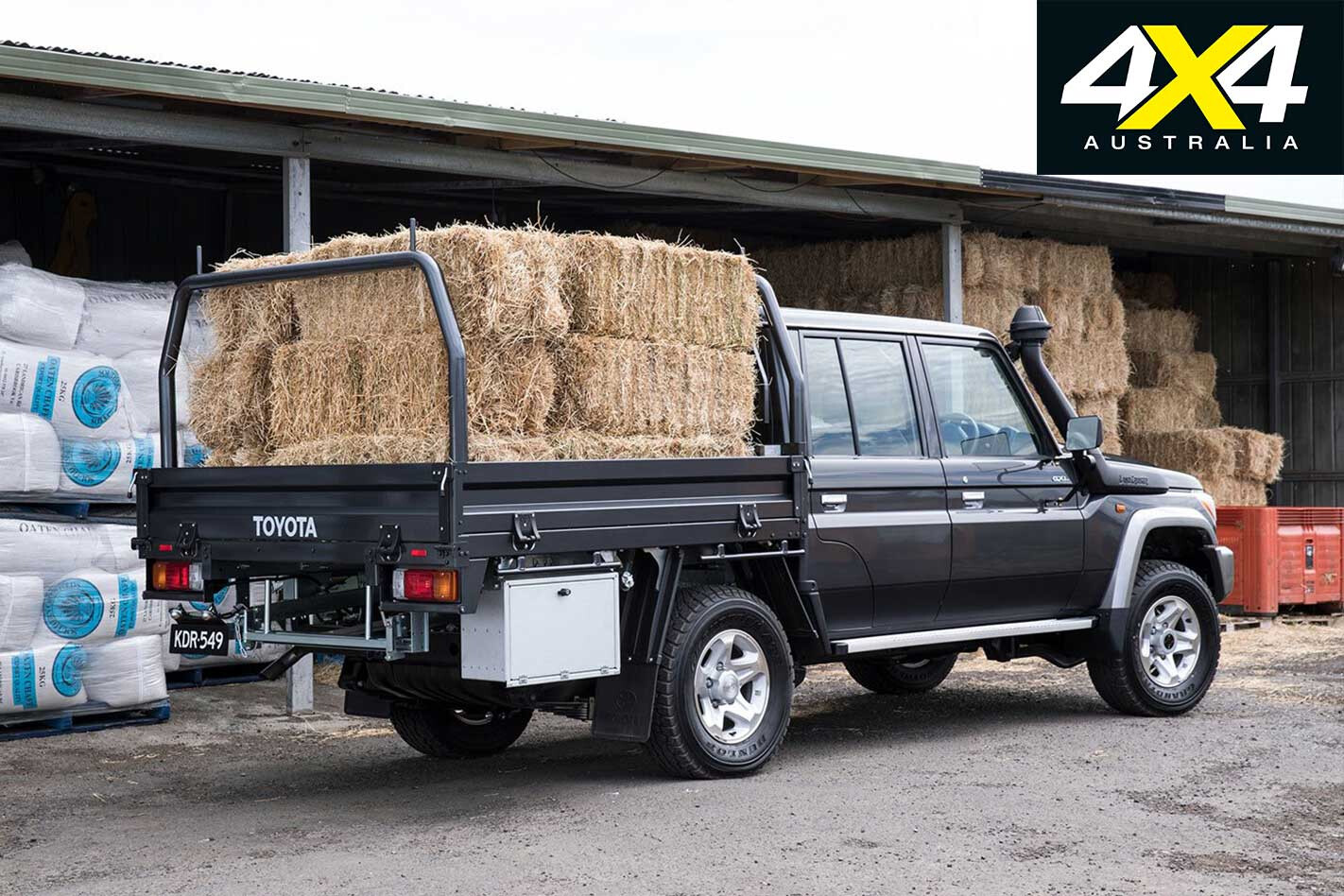
STRICTER safety standards will force Toyota to unleash a replacement for the 70 Series Land Cruiser by 2022 or 2023.
The utilitarian off-roader that’s been a favourite with farmers, fleets and mining companies since it was created in 1985 is nearing the end of its life, struggling to keep pace with rising safety expectations – in turn prompting a top secret mission to design a new model. The challenge for Toyota is maintaining or building on the rugged goodness of the current model while injecting it with modern safety features.
While Toyota upped the safety of the single-cab ute with side airbags and a redesigned bonnet to get it an all-important five-star ANCAP safety rating in 2016 – in turn returning it to the shopping lists of mining fleets from the likes of BHP and Rio Tinto – the independent safety body is planning to ramp up the pressure on vehicles boasting an ageing safety rating.
Toyota Australia product planning manager Rod Ferguson conceded the increasing ANCAP safety pressure created challenges, but that the brand would meet future expectations.
“Why not? … No reason to believe otherwise,” he said when asked whether the workhorse Land Cruiser could be created to meet modern safety standards, which increasingly focus on active safety features to avoid a crash and protect vulnerable road users such as cyclists and pedestrians.
“It is a difficult task to keep that Land Cruiser 70 Series up to [the maximum five-star rating], which is the stepping up of the ANCAP safety road map year after year.
“That’s just another challenge we face … it’s predominantly the fleet industry that’s requiring five stars.”
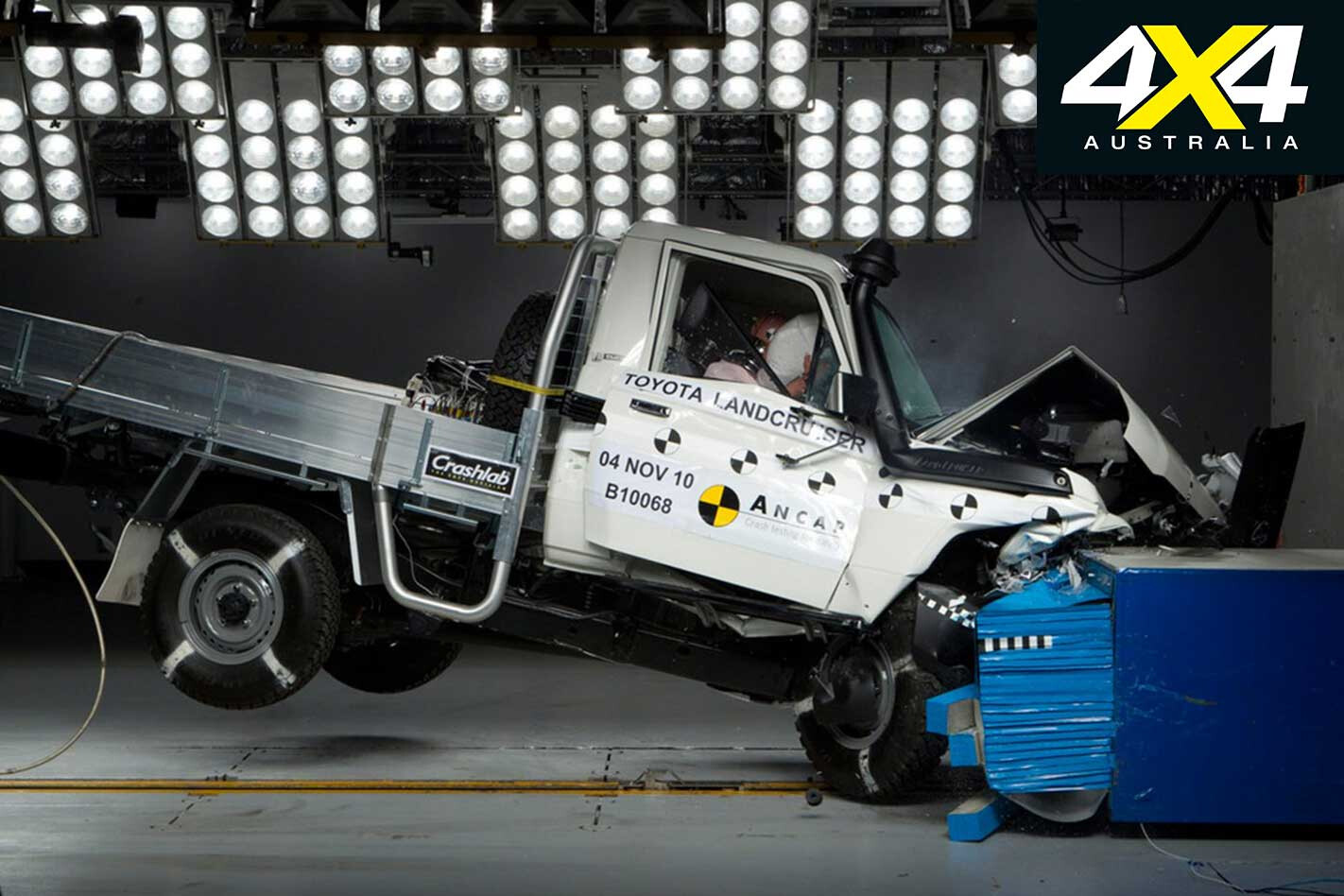
As it was evaluated by ANCAP in 2016, the 70 Series side-steps new rules introduced by ANCAP early in 2018 that stipulate any safety rating expires after six years. But ANCAP chief James Goodwin is planning to ramp up the pressure on “legacy ratings”, better educating fleet buyers on what safety features they miss out on with older vehicles such as the Land Cruiser 70.
Farmers and 4×4 adventurers may not be fussed about autonomous emergency braking that’s now a requirement to achieve a maximum safety rating, as stipulated by ANCAP.
“Our advice to fleet buyers … is to buy a five-star vehicle with a date-stamp no more than three years old,” says Goodwin. “Fleets are responding.”
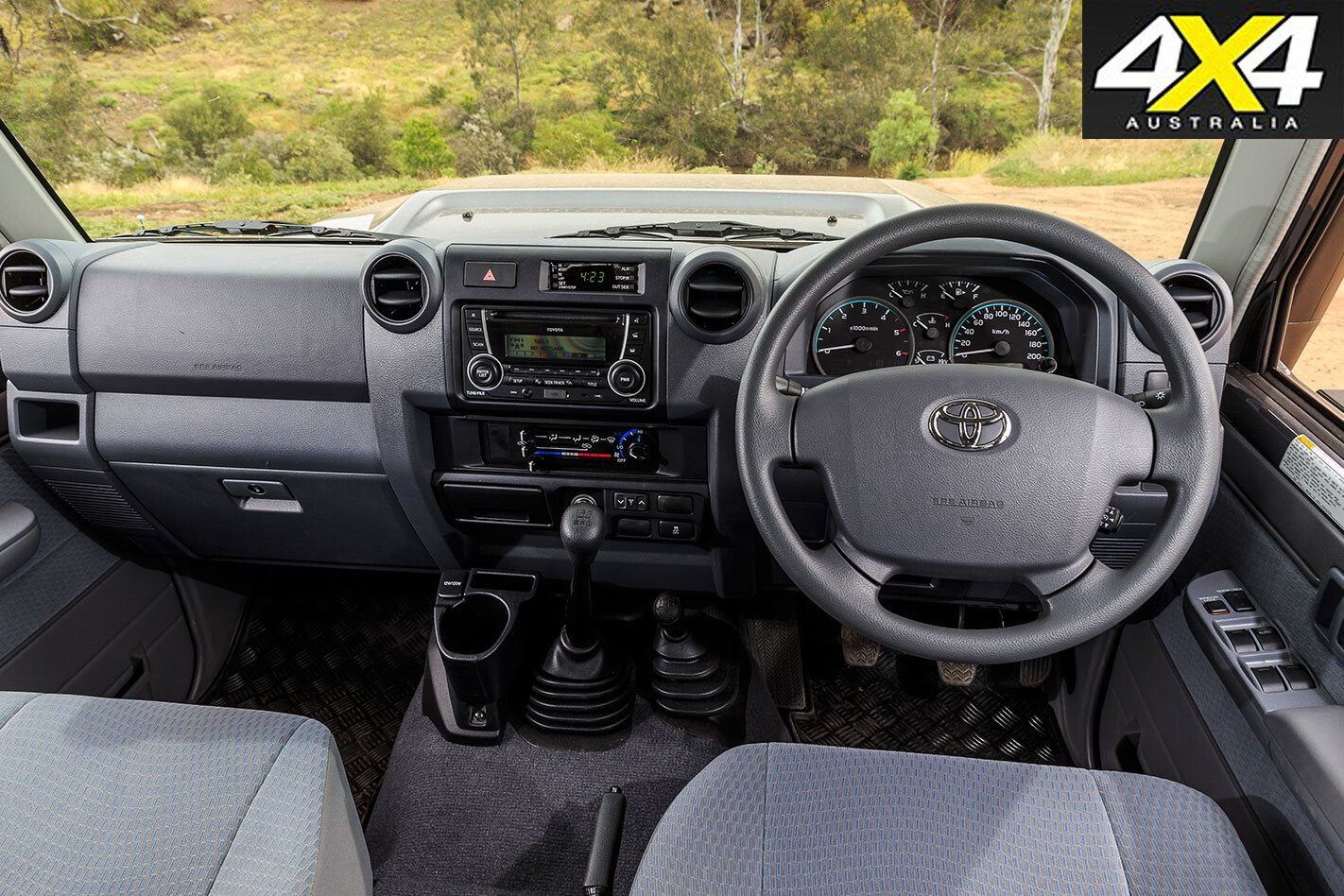
Goodwin says the increasing fitment of advanced active safety features is ramping up pressure on cars that scored five stars before the requirement for features such as autonomous emergency braking.
“We should be rewarding those new good vehicles rather than protecting those ratings that are getting a little smelly.”
Given the importance of large fleet purchases to Toyota – and the 70 Series in particular – and a promise to deliver five-star safety, Toyota Australia executives can see the need to respond with a new model.
“We have to bring a car to market … that fulfils the requirements of those peoples’ livelihoods and/or recreation, whether it be construction, farming, mining, recreation, private, whatever it may be,” Sean Hanley, Toyota Australia vice president of sales and marketing, said. “We’ve got to bring powertrains to market that reduce our CO2 footprint but still serve to be able to enable people the freedom of mobility.”
One of those drivetrains will be a petrol-electric hybrid system, in line with Toyota’s promise to ensure an electrified version of every model by 2025.
Hanley said while there were challenges he was confident of finding a solution – and a replacement – for the much-loved 70 Series.
“We’re not sitting here deeply concerned by it, but we need to study it.”
RECALLS have been issued for the Ford Ranger and Mazda BT-50, due to issues with the vehicles’ brakes.
The MY18 Ford Ranger – 4648 vehicles built from March 7, 2018 through to April 13, 2018 (Campaign Number 19S10) – has been recalled due to concerns the vehicle’s front brake caliper may not meet specification, causing the caliper to crack.
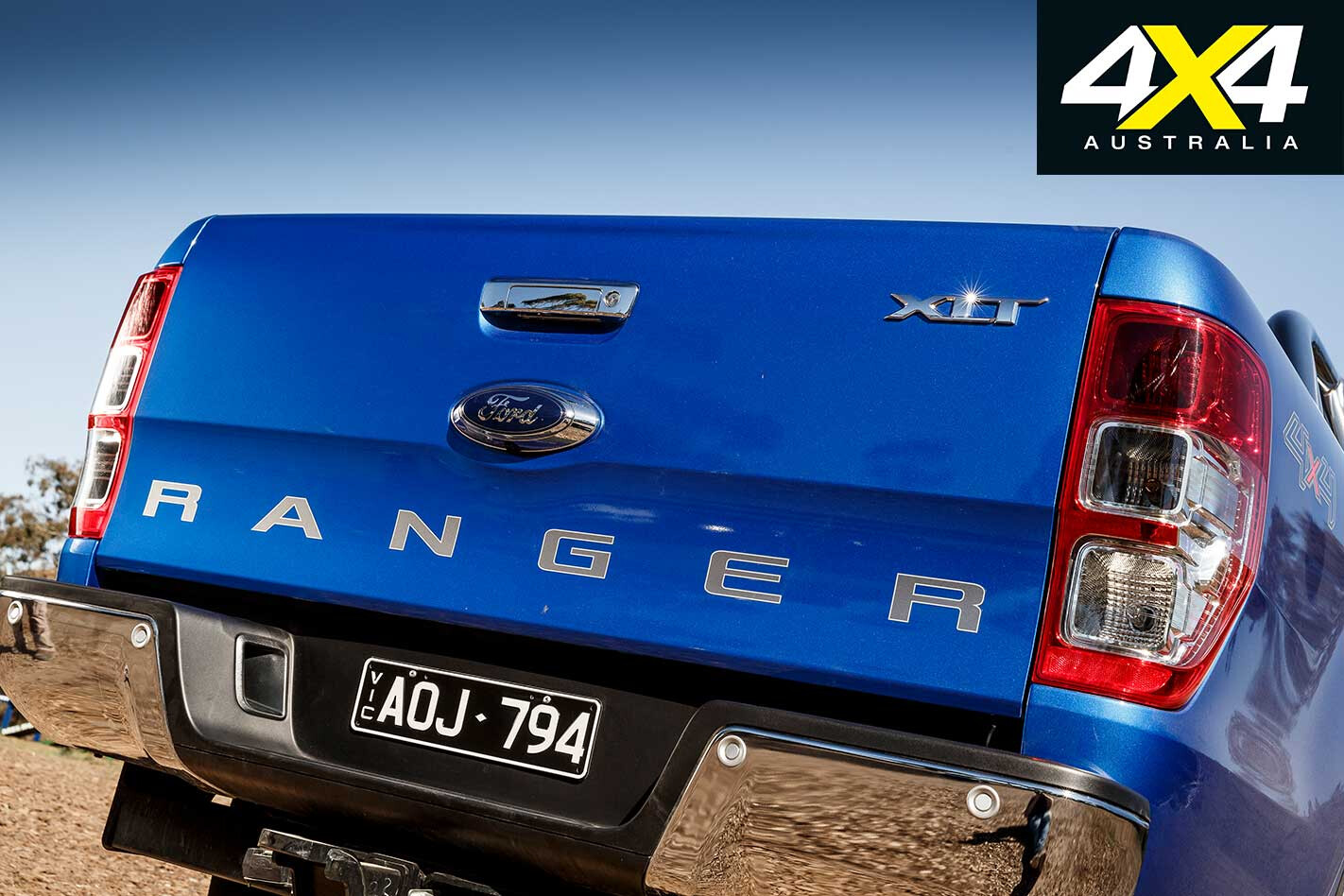
“Cracking of the front brake caliper could lead to a loss of brake fluid, causing increased brake pedal travel and increased stopping distances,” the ACCC report says. “This increases the risk of an accident.”
The rear brakes aren’t affected by this issue.
Ford’s second recall affects the MY16-MY18 Ranger – 89,094 vehicles built from March 1, 2016 through to July 13, 2018 (Campaign Number 19S12).
The ACCC recall report says that vehicles may be fitted with front flexible brake hoses that are prone to failure, where the brake hose has developed a twist when assembled to the vehicle.
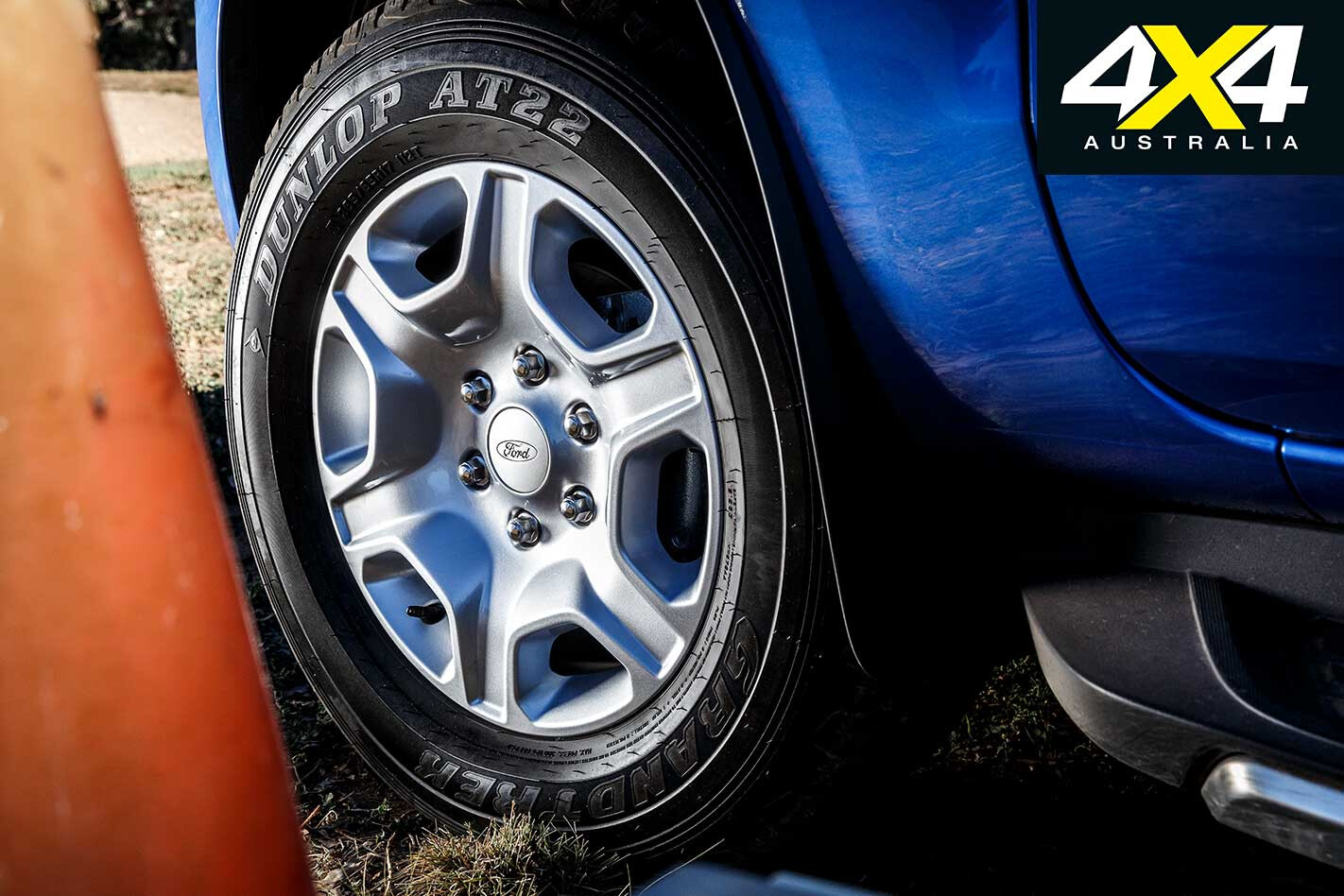
“This could create a tight bend in the hose that causes the inner and outer hose layers to wear when driven over extreme bumps that require greater suspension travel,” the report says.
“Failure of the front brake hose could lead to a loss of brake fluid, causing increased brake pedal travel and increased stopping distances. This increases the risk of an accident.”
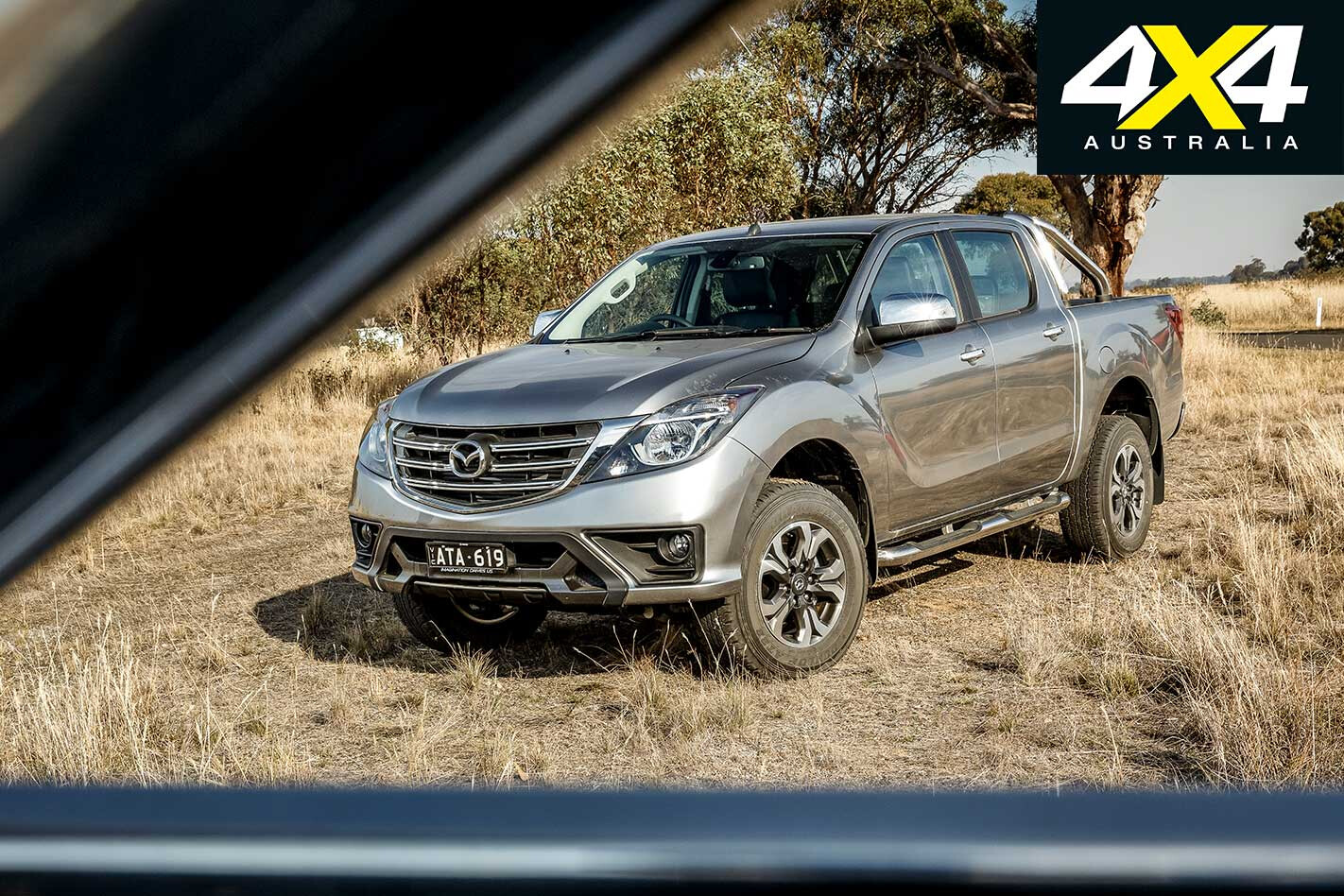
With the Mazda BT-50 sharing key architecture with the Ford Ranger, it has also been caught up in the recall. A total of 30,505 MY2016-2018 BT-50s (UR) have been affected.
The full list of affected vehicles can be found here: – https://www.productsafety.gov.au/system/files/VIN%20list_53.pdf – https://www.productsafety.gov.au/system/files/VIN%20list_52.pdf – https://www.productsafety.gov.au/system/files/VIN%20list_51.pdf
GETTING stuck in a 4×4 when touring is part and parcel of the lifestyle, so it’s essential to prepare for all forms of failures. Here’s a jump starter and recovery ropes to get you on your way.
NOCO GB70 Boost HD jump starter
This compact, high-output jump starter from NOCO is designed to safely jump-start a dead battery in a high-displacement petrol or diesel engine (up to 8.0-litre and 6.0-litre respectively) in seconds. The GB70 weighs just over 2kg and its light weight, small size makes it ideal for storing permanently in your 4×4.
The GB70 adds the convenience of USB out/in and 12V out/in terminals so you can charge your phone or tablet, lights, and more. NOCO claims up to 40 jump starts per charge and it features spark proof and reverse polarity protection.
Charging times are a claimed 15 minutes when charging a battery that is dead flat (zero charge) for a jump-start, and you can have the vehicle battery fully charged in a claimed time of just over two hours. Impressive stuff.
Website: www.no.co
Sherpa 4×4 Kinetic recovery ropes
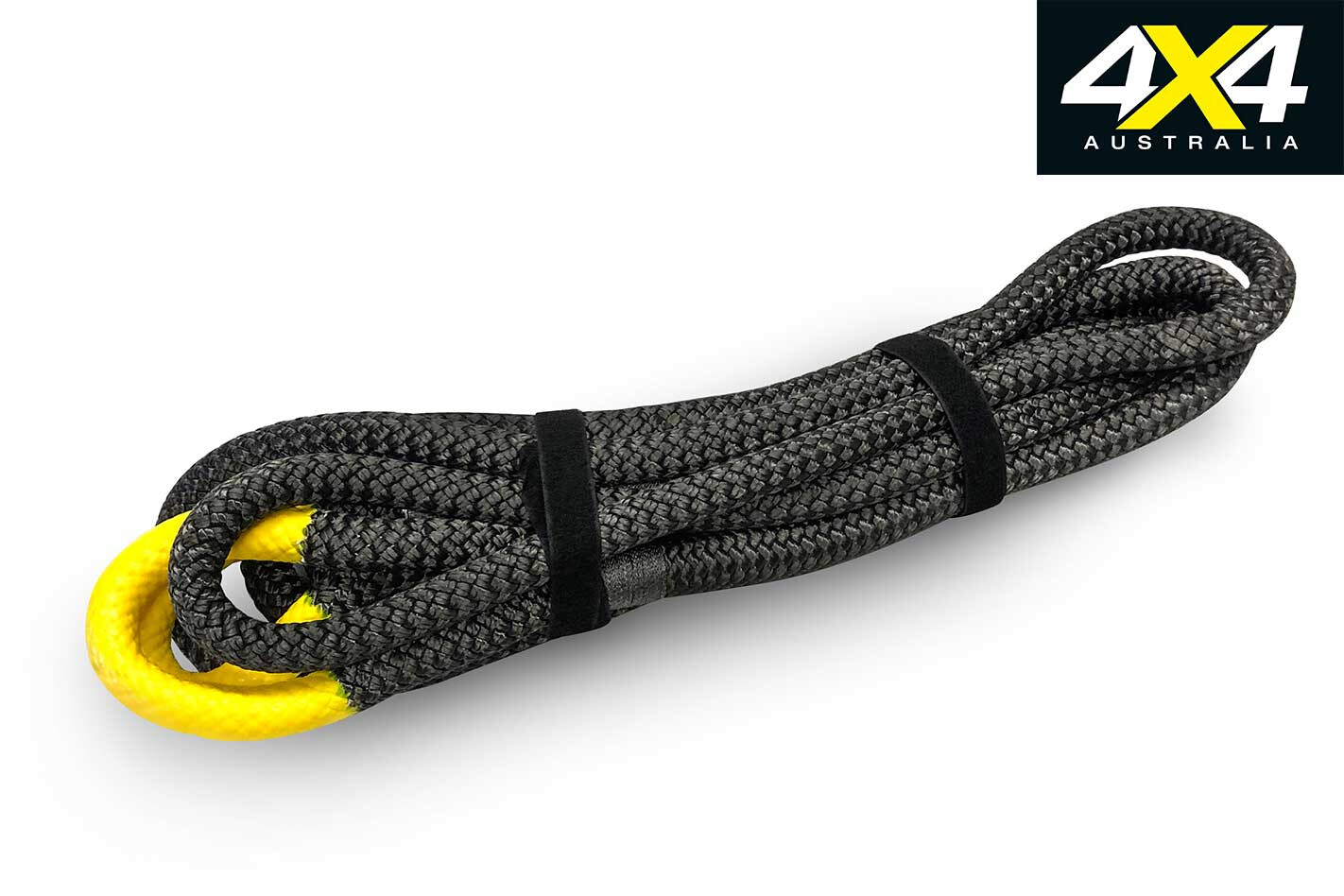
Sherpa 4×4’s new kinetic recovery ropes offer a minimum 30 per cent stretch to ensure that sling-shot effect necessary for an effective recovery that doesn’t damage the stuck vehicle with any jolting or jerking.
The rope itself is constructed of double-braided nylon and the rope eye includes a protective coating for maximum durability. The rope is also UV/abrasion and chemical resistant and is clearly labelled with its rating. The 22mm recovery rope has a minimum breaking strain rating of 13,300kg so well within the recommended rating of three times your rig’s GVM. The 38mm recovery rope offers a huge 33,600kg rated MBS.
Both ropes measure 9m in length. There’s even a wet/dry carry bag for the rope, meaning it can be packed neatly in the back of your rig without getting tangled or taking up too much storage space.
RRP: $229 (9m x 22mm); $449 (9m x 38mm)
OPTIMISE the gear you’re carrying with crafty storage solutions. New equipment to market includes the Yakima JustClick 3 bike carrier and the Rhino-Rack Pioneer grab handles.
Yakima JustClick 3
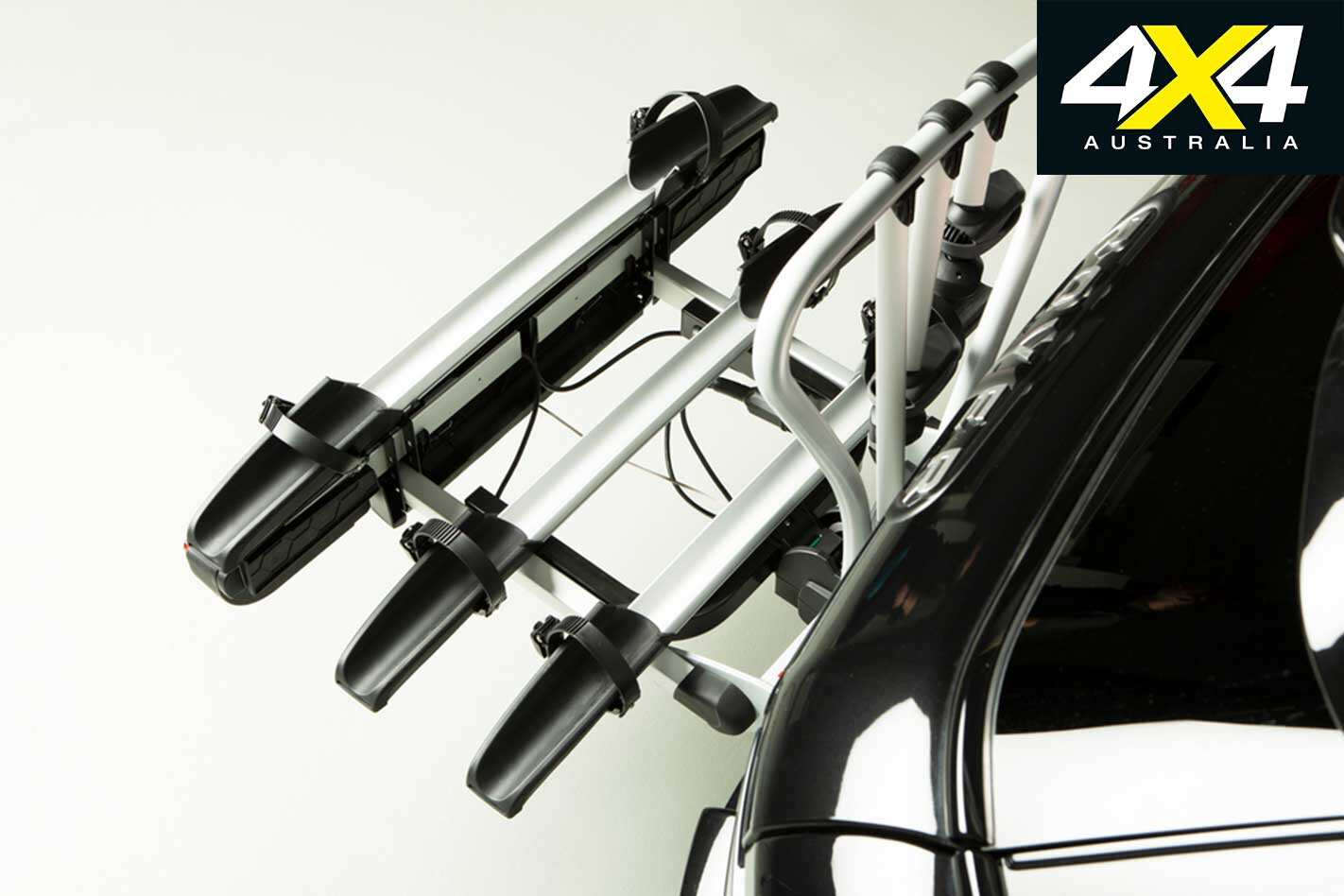
Yakima’s JustClick 3 is one of its latest towball-mount bike carriers and is designed to carry three bikes (with the option of four if you add the JustClick +1, RRP$199) and is built tough. It’s strong enough, in fact, to be capable of carrying e-bikes as well as regular treadies (with a maximum tyre width of 3.25-inch), thanks to its total maximum bike weight of 60kg.
The JustClick 3 incorporates wheels for ease of transport and storage, and weighs 20.3kg, so is easy for one person to fit to the towball. The unit features extendable wheel trays for larger frame sizes, a seven-pin flat plug, brake/indicator lighting, a number plate holder and an integrated lock system.
The JustClick 3 also tilts, allowing easy access to the cargo area of your vehicle. The bikes are simply attached via wheel straps and locking arms and for those bigger, heavier bikes, there’s also an optional drive-up ramp (ClickRamp, RRP$89). The JustClick is also available in a two-bike version, the JustClick 2.
RRP: $1099 (JustClick 3); $999 (JustClick 2) Website: www.yakima.com.au
Rhino-Rack Pioneer grab handles
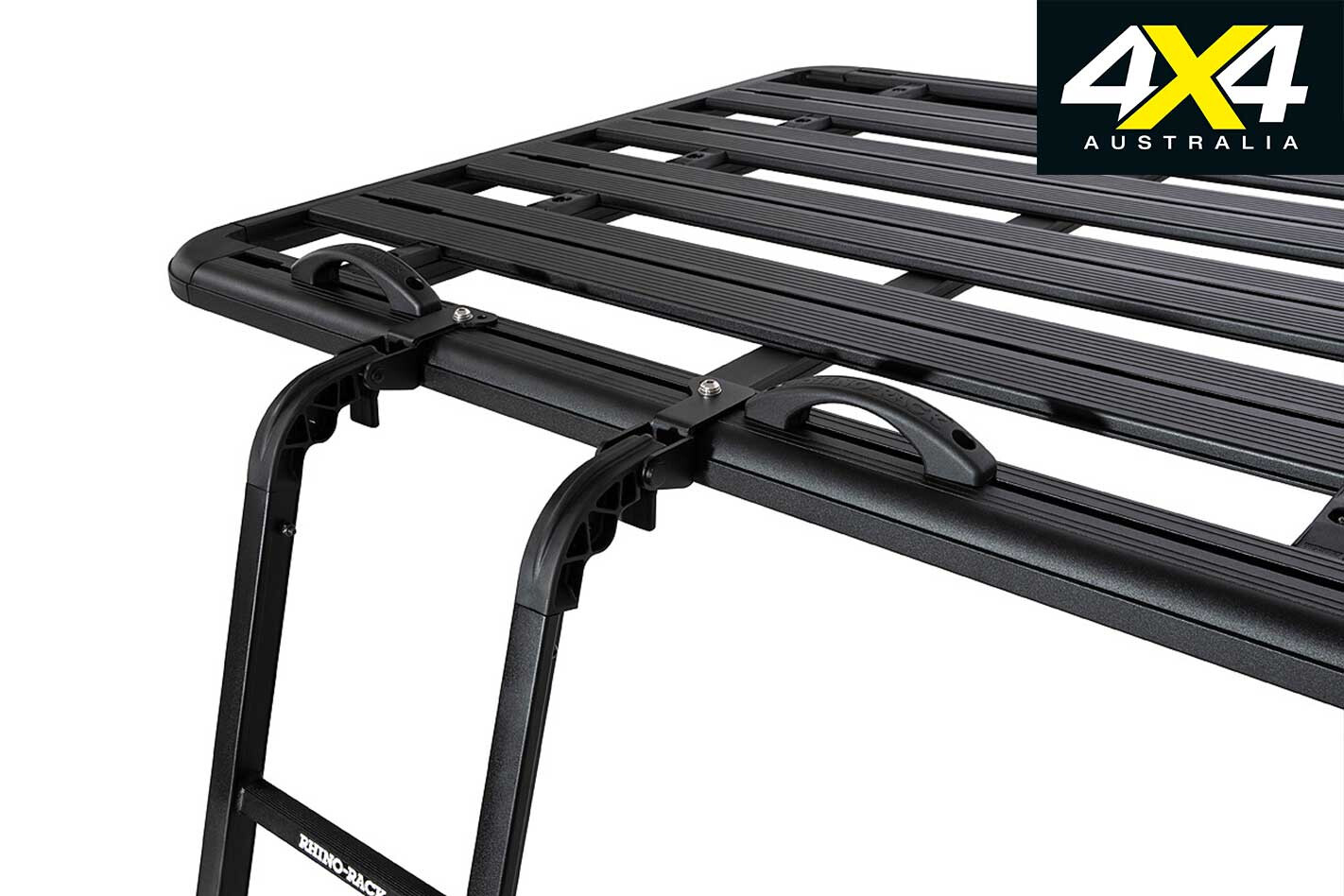
Rhino-Rack has added more to its Pioneer rack system with this new grab handle, designed to aid in loading/unloading your gear and also tying it down on the roof-rack. It is also designed to take your weight if you need something to hold on to as you drop down from loading gear on the rack.
The Grab Handle is nice and large so easy to grab no matter your hand size. It is also a super-strong anchor point for when you are securing your gear up top. The Grab Handle is of diecast aluminium construction and is powder-coated to ensure it is well protected from corrosion. The handle can cope with up to a 120kg load capacity and is very easy to affix to your Pioneer roof rack.
The Grab Handle is compatible with the Pioneer Platform, Tray and Tradie setups and comes with a three-year warranty. The kit includes two Grab Handles and all essential hardware.
QUALITY kit makes camp life bliss. ARB has released an updated Classic fridge range, and Leatherman has brought out the Free P2/P4 multi-tool.
ARB Classic Fridge Series II
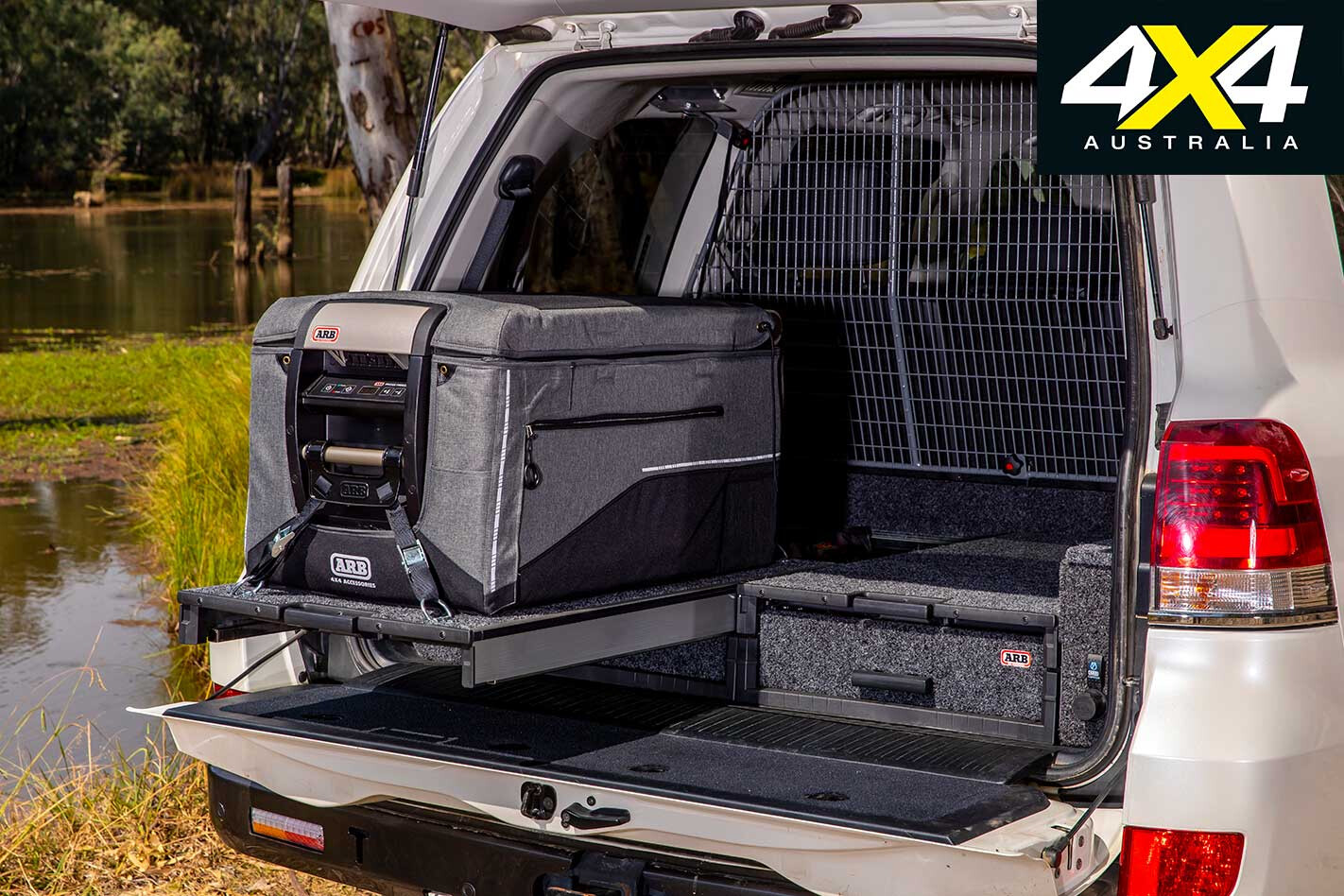
ARB has just released the second incarnation of its popular fridge range, with a new colour scheme and updated electronics, along with the ability to operate your fridge via a smartphone app. The new fridges include a backlit touchpad for optimum visibility and use. The display is now dimmable (high and low) and there’s also a 12-volt power input readout.
The app requires a transmitter (sold separately), which is attached to the fridge’s rear. Once transmitting, you can view the power input voltage, you can set the temperature (and check it), and it’ll keep you updated on how the compressor is going (whether it is at idle or running).
The app also offers a warning if the lid is left open. As well, you can turn the fridge on/off via the app, adjust the temperature (or use pre-set ones), toggle between the various battery protection levels and display brightness, and even assign your fridge a name. Excuse the pun, but that’s cool.
Website: www.arb.com.au
Leatherman Free P2/P4
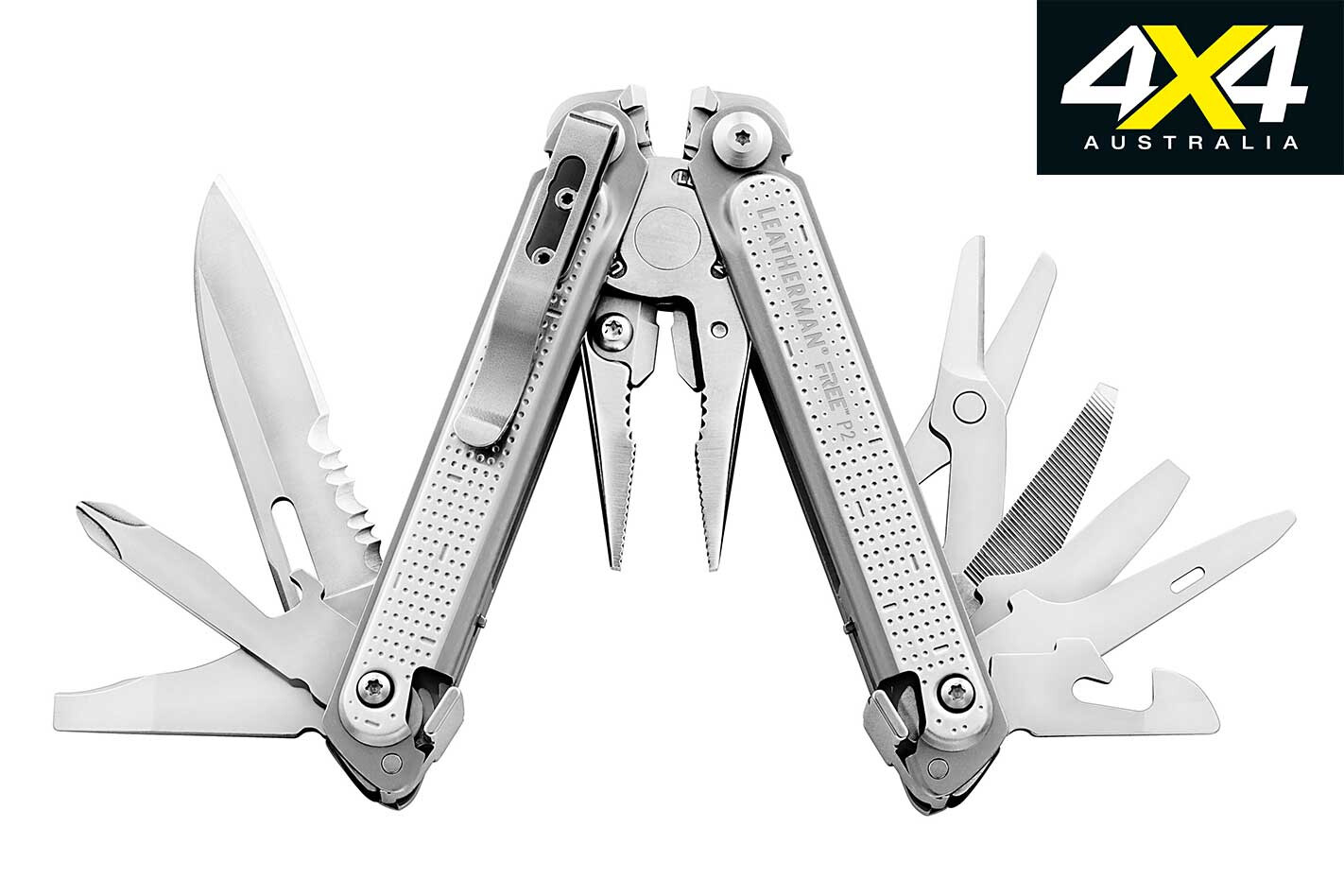
Just when you thought there was no way Leatherman could improve on its iconic multi-tool design, the company brings out the FREE multi-tool series, and packs it full of new tech, based around a technology as old as the earth: magnetism.
The P2 (with 19 tools) measures 108mm long and weighs 215g, while the P4 (21 tools) is the same length, but slightly heavier, at 244g. Both share the same main blade length of 70mm, and both utilise a magnetic system to enable users to open and close the FREE one-handed, as well as each individual tool in the unit. The handles of the FREE are held closed by magnets, but are easily opened with your thumb even with the FREE in the palm of your hand – yep, that’s right, no more nail grooves in the tools are needed.
All implements are on the outside of the tool for easier access. Speaking of which, the usual implements are included, such as two pliers, scissors, bottle opener, four screwdrivers (one of which is Phillips-head) and plenty more.
RRP: $294.95 (P2); $339.95 (P4) Website: www.leatherman.com.au