
Warm your cockles this winter with a copy of the July 2022 issue of 4X4 Australia.
Available now, the new mag is brimming with quality off-road content, headlined by an exceptional Isuzu D-MAX custom build dubbed the ‘Dreamax’.
The Dreamax – a 2021 X-Terrain – could be the most capable D-MAX in Australia, with the comprehensive build comprising revamped suspension, engine upgrades, a state-of-the-art canopy and an electrical system to match.
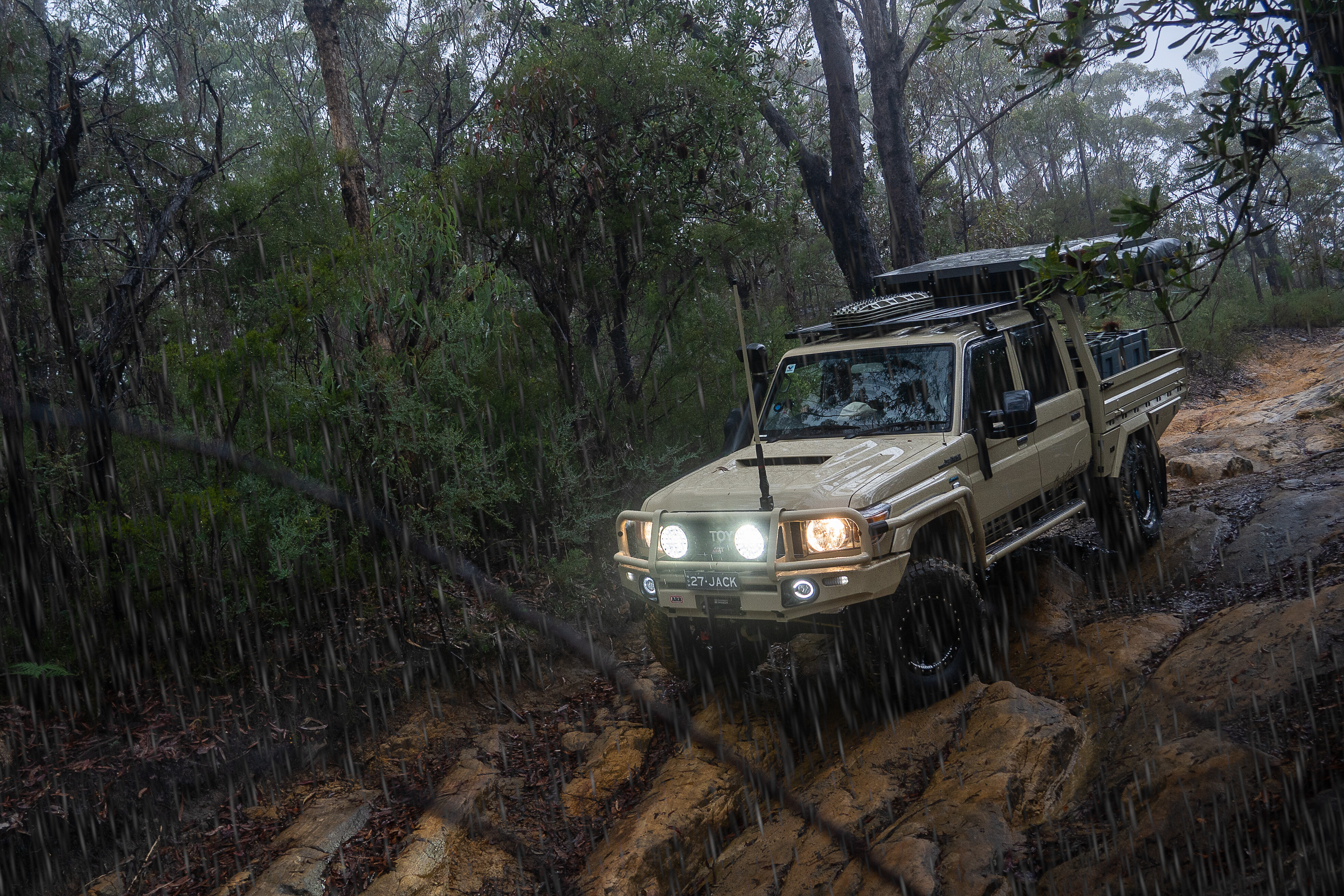
We also ran our eyes over a Toyota 79 Series modified in to an off-road weapon, running a full suite of Superior Engineering kit, ARB protection and enough camping kit to go to the remotest parts on the map. Perhaps the most amazing aspect of this Cruiser build, though, is that its owner is just 21 years old.
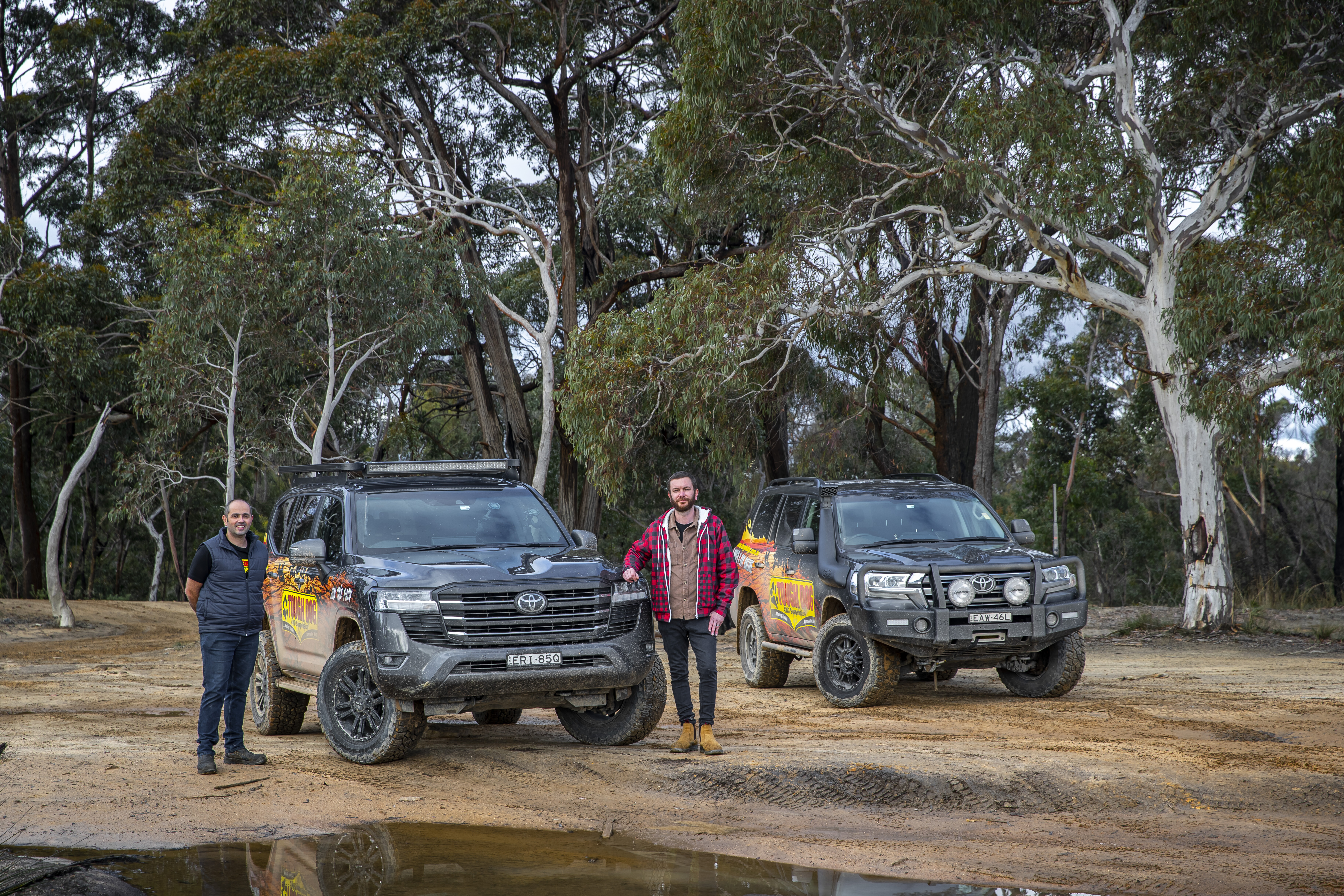
Evan Spence stole the keys to a duo of Tough Dog-fettled LandCruisers – a 200 and a 300 Series – to see how they differed on the rough stuff. Simon Vella, Tough Dog’s tech guru, was on hand to guide us through all of the equipment tweaks.
Plus, we bought a new project vehicle: a 2022 Isuzu MU-X in base-model LS-M trim. We plan on turning this bare-bones seven-seat wagon in to an off-road powerhouse, with the help of some of Australia’s best aftermarket companies – much like we did with our recently sold D-MAX build.
We also chatted to some of the experts in the field of rubber for our 2022 4×4 tyre guide. The comprehensive buyer’s guide explains why you need to ditch showroom-stock tyres, what features you need to look for, and the importance of ensuring you do your research.
On the topic of tyres, Deano takes an in-depth look at how to plug a tyre when you cop a puncture on a road trip. Plus Fraser looks at the most important electronic control systems in modern off-road vehicles.
What else is there?
- Bundjalung National Park, NSW
- Hopetoun to Esperance, WA
- Deep Creek National Park, SA
- Projecta Intelli-Start Lithium Jump Starter tested
- Hema HX-2 navigator tested
- Axial Wraith Spawn tested
- In the shed with the PRO-4X Warrior
While the Spot Gen3 has served us well for a number of years, its limitations became apparent when we were camped with friends on the sands at Ningaloo where the only reliable communication was a sat phone or a two-way communicator. One of our friends had a Spot X, and we had a sat phone, but for quick contacts to family and friends the Spot X seemed to do the job and to do it easier.So, what’s the difference between the Gen3 and the X?The Spot Gen3 is a one-way satellite communicator and, as you can see from the pics, it’s smaller and lighter in size and weight. With this unit you have a choice of three messages. The OK message is set-up before you leave home via your laptop, where you choose the people it goes to by either email or phone saying something like, ‘We’re fine and having fun’.The second message is something like, ‘We have an issue, but we can work it out’. The third message is the SOS, which ends up at the search and rescue facility in Canberra (via the Spot base in the USA) that will generate a full-scale search for you and is something you only activate in a real emergency.
There is no way anybody can send you a message with the Spot Gen3. The RRP for a Spot Gen3 is considerably cheaper – around $240 – while monthly costs were also cheaper. That’s if you can find one for sale! Within the last couple of weeks the ‘Findmespot’ website has them marked as ‘out of stock’; not sure if they are gone for good or what?However, the Spot X is much more flexible and usable. These units are slightly bigger with a much more pronounced antenna than the Gen3 and feature a full QWERTY keyboard. The X provides two-way satellite messaging via the Iridium global network and features a unique USA mobile number allowing you to exchange SMS messages with mobile phone users or send and receive emails, no matter where you are located. You can also connect the Spot X via Bluetooth and the Spot X app to your mobile phone, for even easier communication.
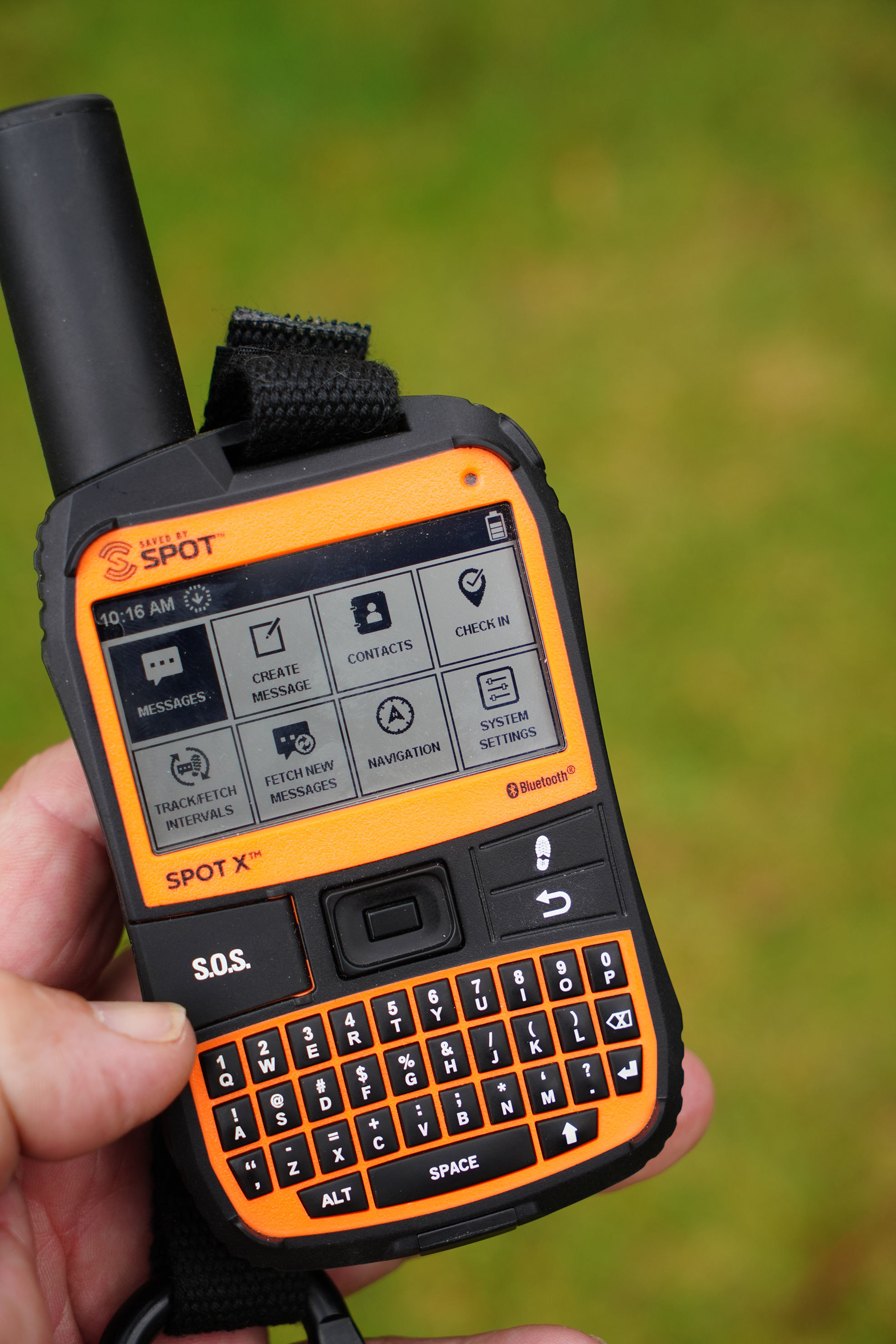
There is a separate button to send an SOS message to search and rescue services and then you can message back and forth describing the emergency. However, the screen isn’t a touchscreen and you have to use the centre buttons to control the cursor to toggle between contact lists, message creation, etc.
As with all Spot devices you can choose between 21⁄2, 5, 10, 30 or 60-minute tracking intervals and track your adventures with Spot’s cloud base mapping, or navigate using the built-in compass and programmable waypoints – the latter I haven’t bothered with.The unit reportedly features a 240-hour battery life (on the 10-minute tracking mode) and is IP67 rated against impact, dust and water ingress.There are a number of access plans starting for around AU$21.50 a month, and this gives you 20 custom messages with free incoming messages. Tracking can vary from 10 to 60 minutes. Other plans give you more messages and other features.So, what’s it like and is it worth it? We’ve been using the basic plan and find it’s acceptable in all the situations we’ve found ourselves in. We’ll probably be getting rid of our Iridium sat phone, as we are so pleased with this system. It’s cheaper and proven to be effective in keeping us in touch, whether just to say ‘hello’ or in case of something more dire.
Have you ever thought about how an 80 or 100 Series Toyota LandCruiser would look if it was given the retro treatment?
Japanese automotive aftermarket company Flex Ventures decided to create a solution for anyone who thinks their old LandCruiser looks too modern, offering retrofitted 80 and 100 Series LCs in Japan across 50 dealerships.
The international popularity of Flex’s creations has led the 55-year-old brand to announce its expansion into the United Sates, planning on opening a dealership in San Diego later this year which lets fans of Toyota’s iconic off-roader live out their cross-generational dreams.
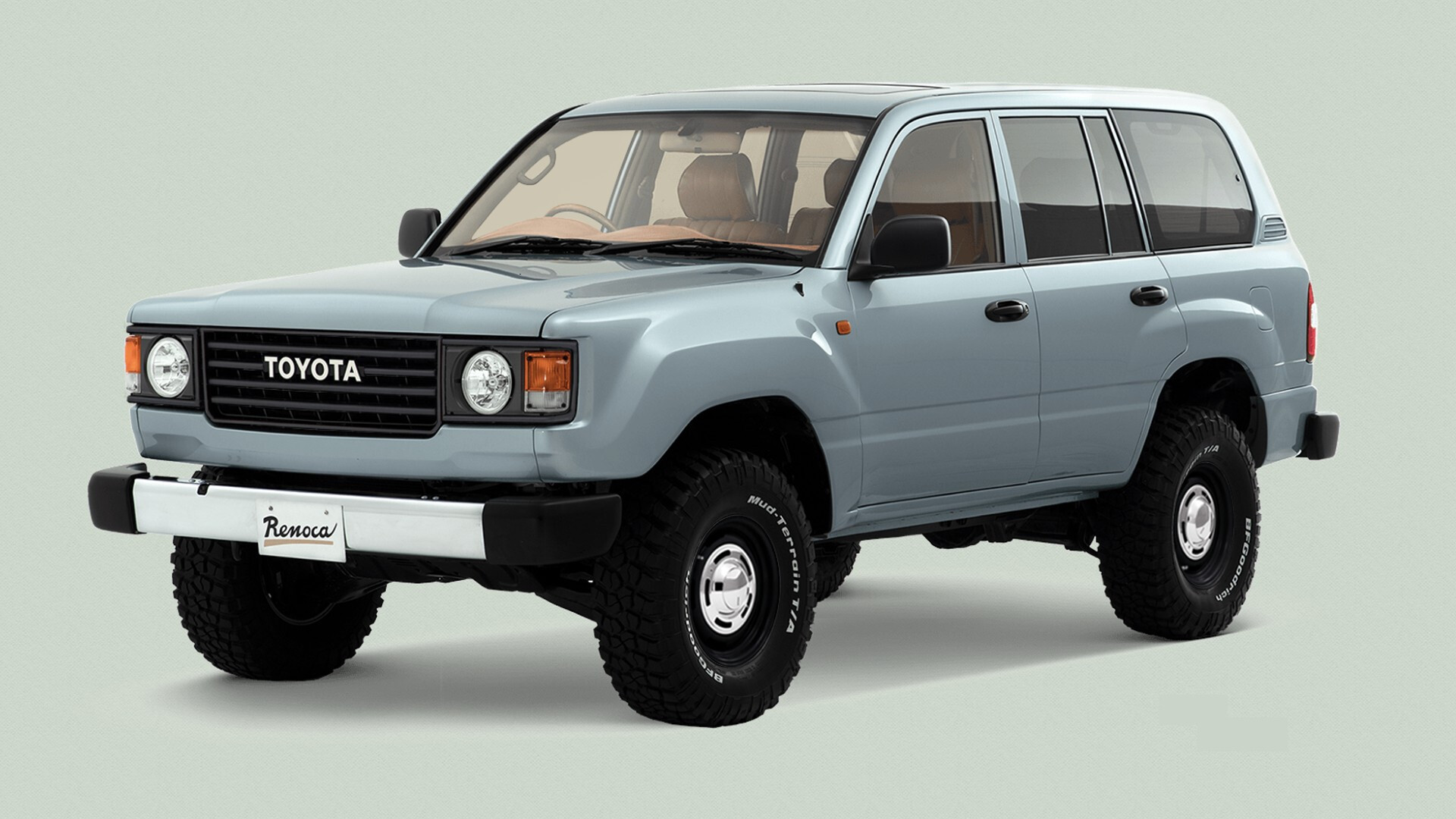
Dubbed the Renoca series (combining Renovation and Car), two models will initially be offered to American buyers – the 106 (based on the 100 Series) and the Wonder (based on the 80 Series) – while the brand is also working on modifying a Tacoma pick-up truck exclusively for the North American market.
“Based on demand, now was the right time to make this debut into the U.S. market, and San Diego is the right location for us to make this move,” said Yohei Nakamura.
“Using a bespoke concept, customers can use Flex’s online simulator to customize their vehicles to make for a true, one-of-a-kind driving experience, which is the niche that we have curated and elevated.”
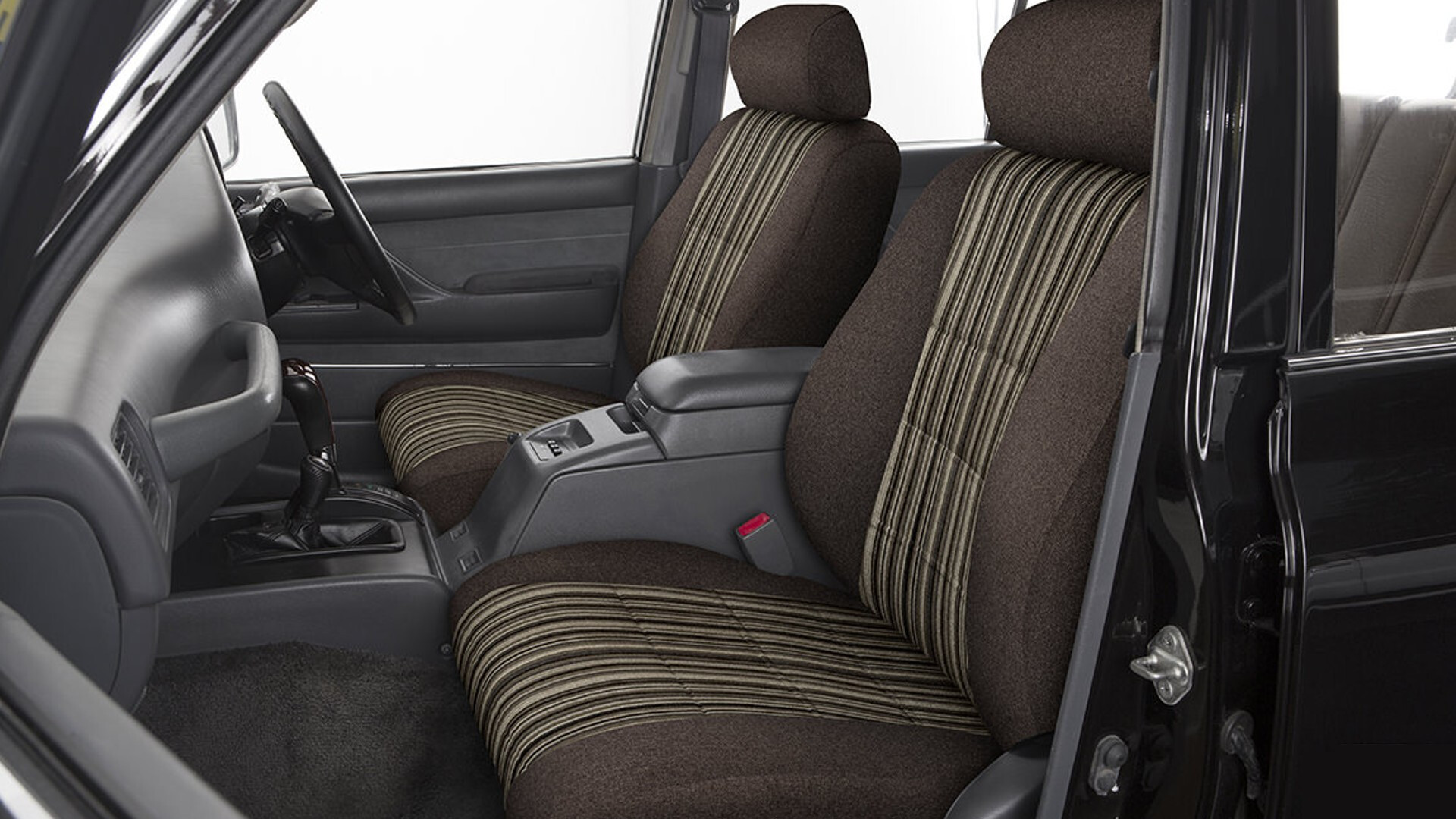
You could argue Flex is doing similar things to what Singer does to old Porsches, where an older model is taken and made to look even older, although in this case there’s no mechanical changes made to the LandCruisers.
While there doesn’t seem to be any plans for an Australian expansion just yet, those who can work out Australia’s tricky import laws could grab themselves one of the company’s right-hand-drive Japanese models if they had a retro itch which needed scratching.
Check out the gallery below to see more of Flex’s retro creations.
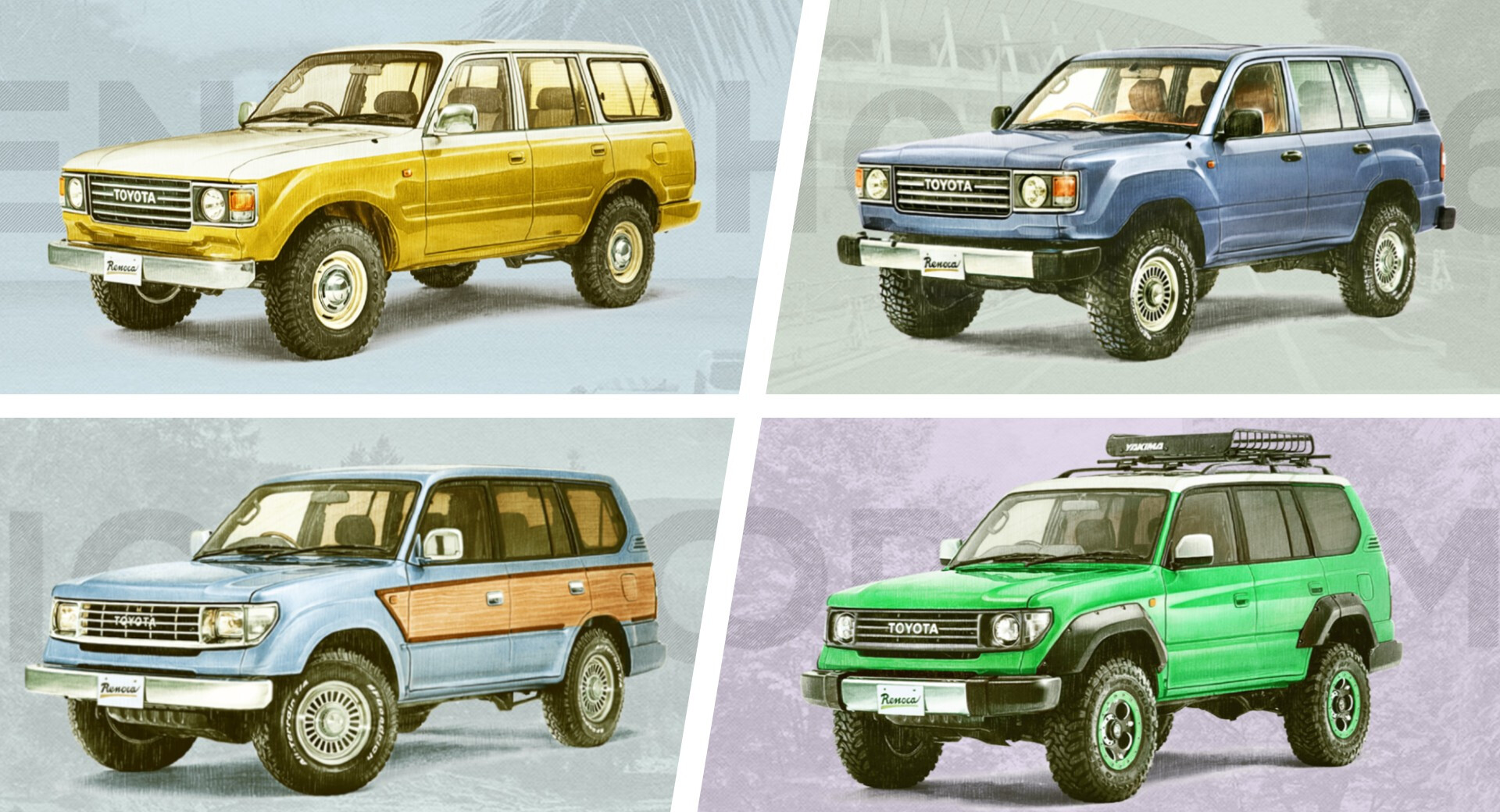
GMSV has confirmed the details of its 2023 Chevrolet Silverado line-up, with the factory off-roader ZR2 taking a flagship role while the LT Trail Boss has been axed.
The Silverado 1500 ZR2 will join the updated LTZ Premium to form the Australian range, priced at $124,000 and $121,000 before on-road costs respectively.
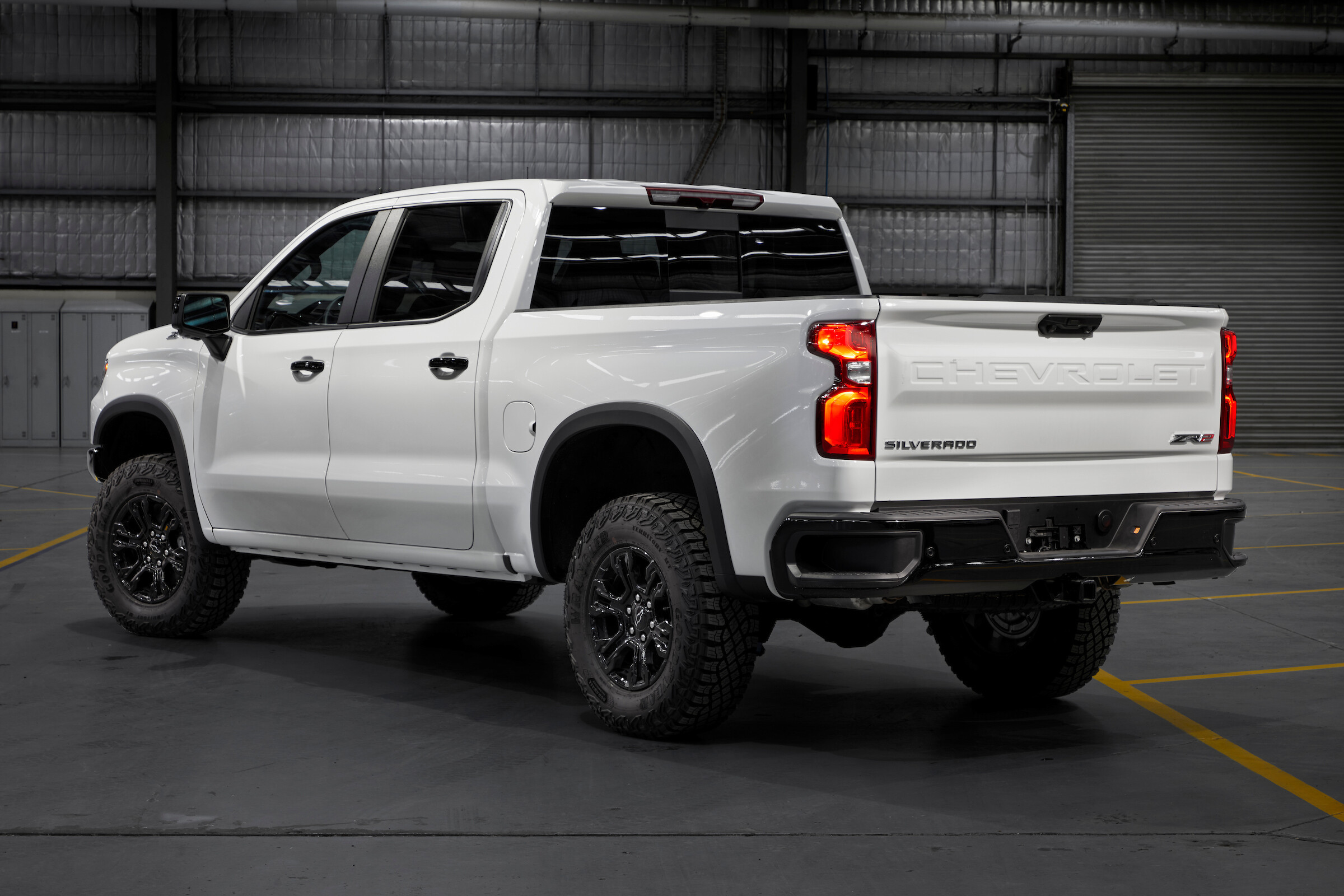
The ZR2 boasts electronic diff lockers front and rear, Multimatic DSSV shock absorbers and 33-inch mud terrain tyres, plus a high-approach steel front bar.
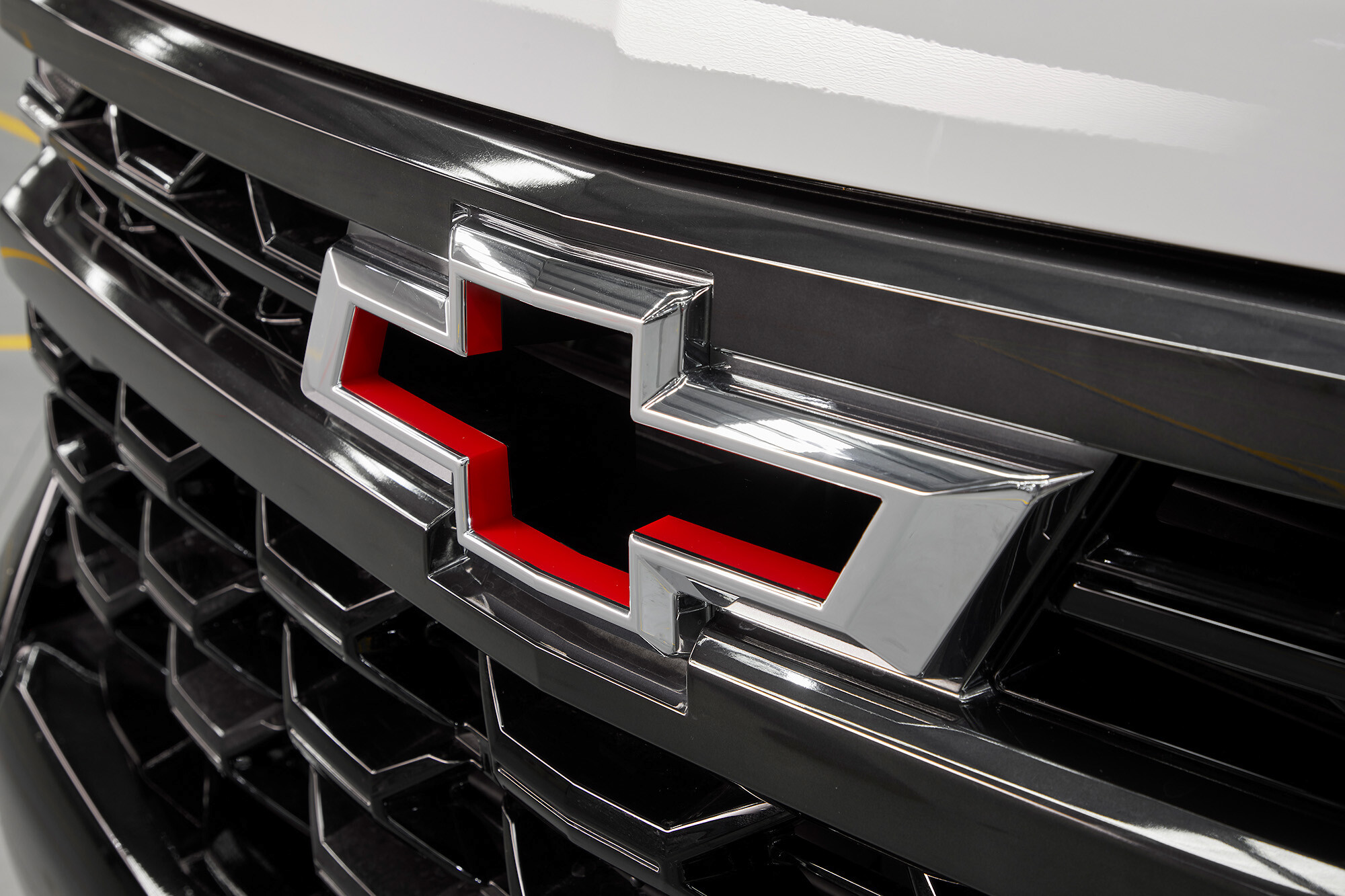
Other features include model-specific flares, a black chrome grille treatment, and a jet-black and greystone interior. Like the current range, it’s powered by a 6.2-litre V8 matched to a 10-speed auto.
“With the upcoming arrival of MY23 Silverado, we are taking the opportunity to redefine our lineup and offer a portfolio which delivers even greater levels of style and comfort, as well as a more refined interior experience, enhanced tech-features and a more dynamic appearance,” said GMSV director Joanne Stogiannis.
“This means the LT Trail Boss model will be discontinued, but we’re excited to share some fantastic news with our fans and confirm the debut of a new model to complement our popular LTZ Premium as part of the Chevrolet Silverado range,” she continued.
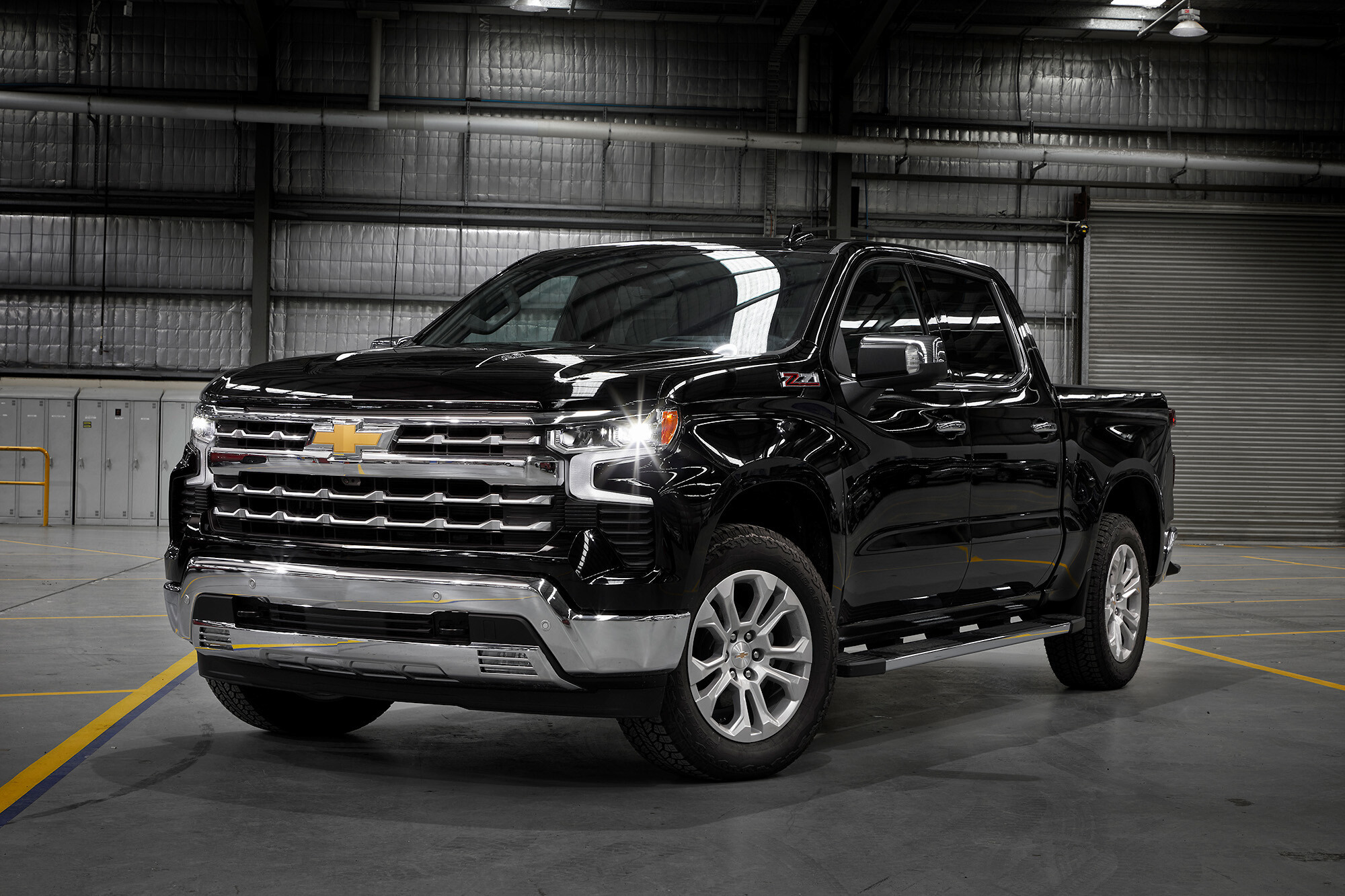
Arriving locally last year, the entry-level Trail Boss was priced at $106,990.
The MY23 range also brings updates for the LTZ Premium, including a facelifted front end with DRLs and new 20-inch wheels.
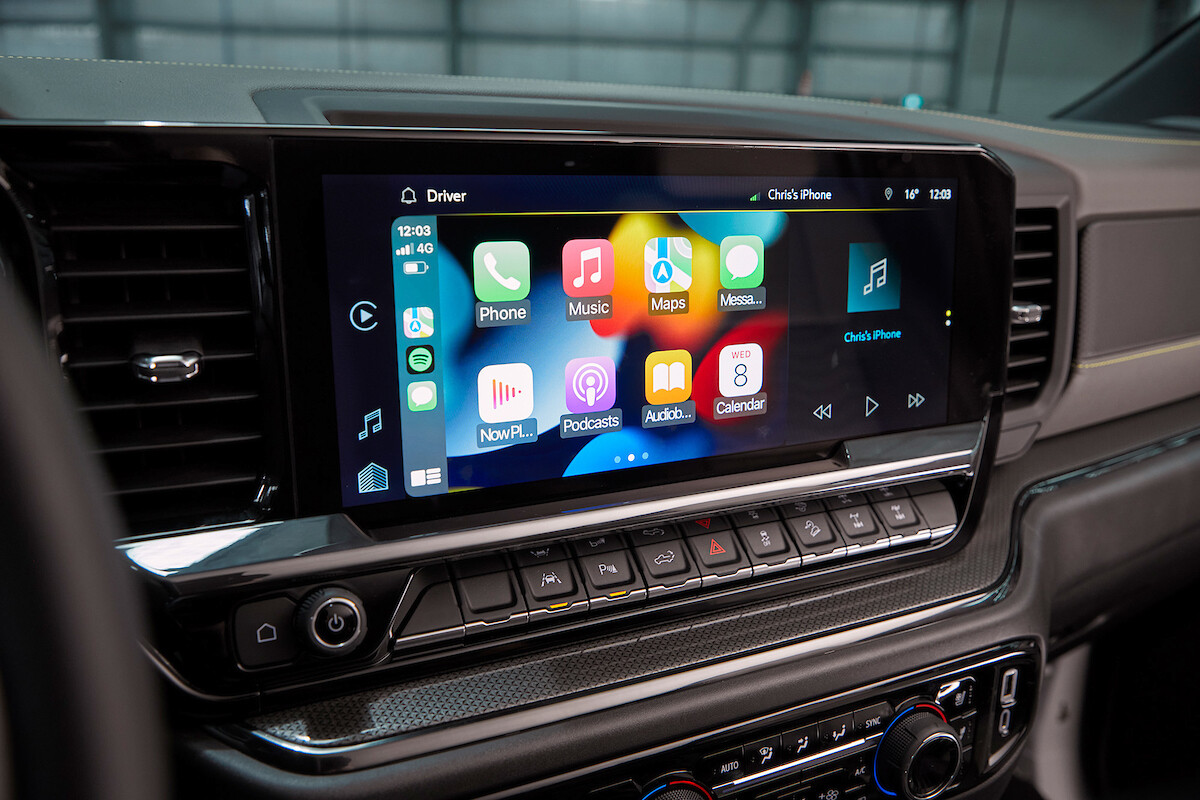
A redesigned interior layout now places the shifter on the centre console, and offers a 13.4-inch touchscreen alongside a 12.3-inch reconfigurable dash cluster. The standard Technology Pack also provides a rear camera mirror, 15-inch heads-up display and a bed view camera.
GMSV says the ZR2 is currently undergoing certification, with full specs including towing capacity to be released ahead of the pickup’s arrival in mid-2023.
No other piece of 4×4 kit I own has been used as hard or frequently as this portable ARB twin compressor. Hands down, I’ve used and slightly abused this air compressor for years, without a single issue. It’s come on every new-vehicle road test, every camping trip and every multi-vehicle comparison I’ve done over the last few years, usually with a line of 4x4s behind me waiting for their turn. That’s the magic about this product, it is so fast and consistent at inflating tyres thanks to the twin- motor design, there’s often no need to set up another smaller compressor in the convoy.That speed comes at a cost, though, both financially and space-wise. This is an expensive air compressor, coming in at $950; and the case it is mounted to isn’t exactly small. I’m prepared to live with this, as the benefits far outweigh the negatives for my needs.
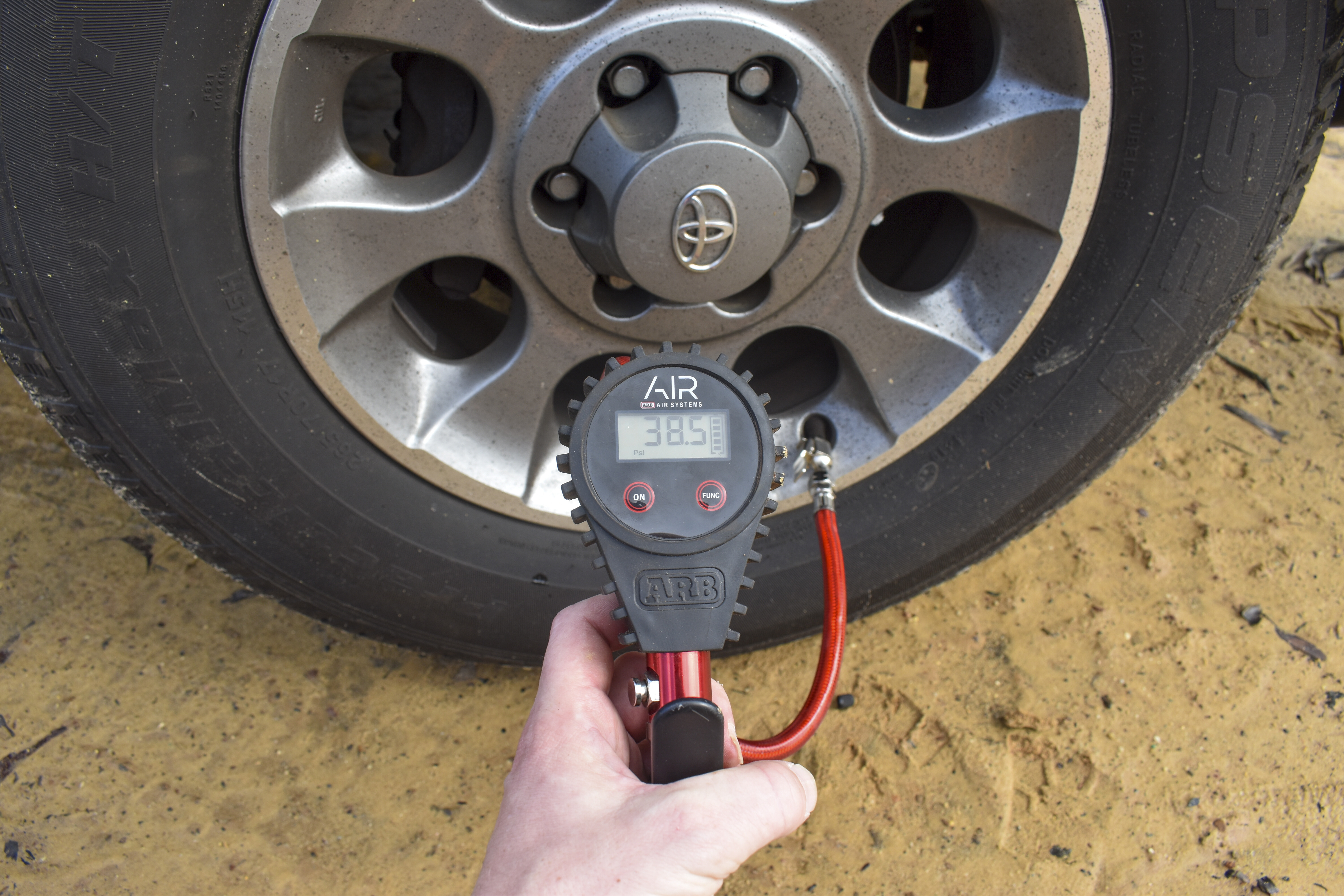
I’ll never forget how impressed I was using this compressor over nine long days at the recent 4X4 Of The Year test, inflating the tyres of six vehicles in over 40-degree heat, at least two times a day. I was actively trying to push the compressor past its limits, which I am yet to find. It never cut out; it just kept chugging along.The beauty of this portable unit is everything is stowed safely inside, from the inflator to the air hose to a small air gun for cleaning out air filters on the tracks. I’ve resisted the urge to permanently mount this compressor because of how versatile this portable unit is, even though that would be cool.
Another notable mention is the 4L air tank that sits inside the case and is connected to the compressor. When you turn the compressor on, it will cycle until the tank is full. Then when it’s time to use the compressor, a huge amount of air is forced in to the tyre, taking pressure off the compressor and speeding up inflation times in the process. It’s also perfect for reseating the bead on a damaged tyre, as that sudden rush of air pressure helps no end in that scenario. When you’re finished pumping up a tyre, I’d recommend turning the compressor off to let any remaining air out of the system, which will prevent moisture building up in the tank when not in use.
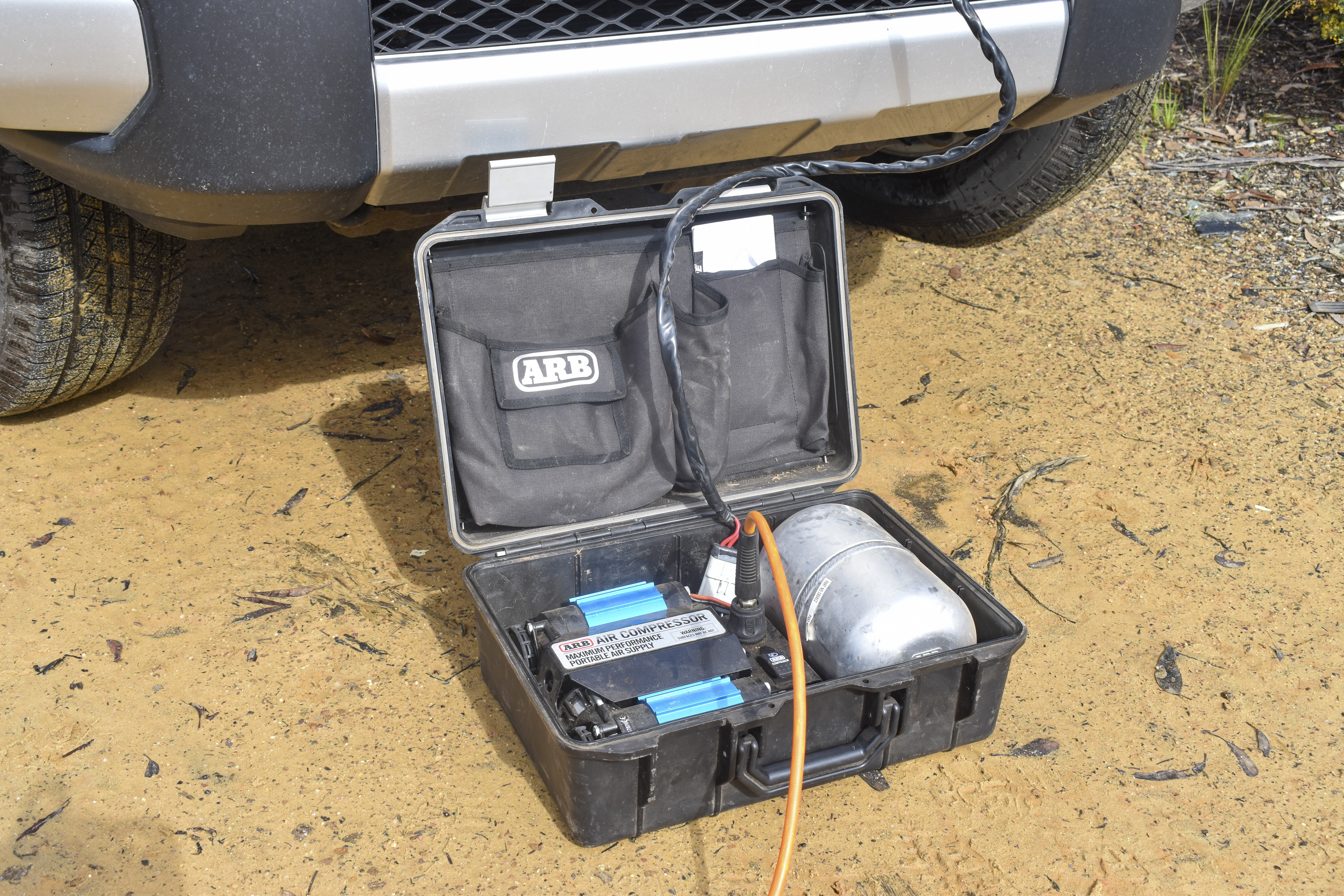
The ARB portable twin air compressor is certainly not a cheap item, but considering how it has held up and performed consistently for me over the years, it has paid for itself. I’ve done essentially zero maintenance, but once I put those alligator clips on to the vehicle’s battery, this compressor will work … and fast. Here’s to another seven years of service!
RATED
Available from: www.arb.com.au RRP: $950 What we say: It’s not cheap, but this is a premium product designed to work all day – perfect for large groups or those with big tyres.
Time flies. Whether you’re thinking of easing off the throttle a bit and taking life easy or wondering if you’ve reached the pinnacle of your profession, it probably only seems like yesterday you were ‘starting off’. It’s something Clearview Accessories’ Mike Cowan can relate to when he thinks back to how his incredibly successful off-road aftermarket accessories business started. And it was all because he couldn’t see what he needed to see …
Inspiration from frustration
It was the early 2000s when Mike Cowan first thought of what would become the success that is Clearview Accessories and, unsurprisingly, it was while he was towing a caravan behind his then-tourer, a LandCruiser 80 Series, which had the misfortune of following on from his previous tow-rig, a monster Ford F-350. You see (excuse the pun), the big Effy’s bulk meant it had, fitted to it, rear-view mirrors that were fit for purpose, when it comes to rearward vision. Something the otherwise impressive 80 Series lacked. “It was frustration, really,” Mike recounts. “I have a background in towing, and I had been towing for a long time. I had an F-350 before the Toyota; it was a big American truck, and it had really good mirrors on it. Then when I bought my 80 Series, I’d hook my caravan up and drive out the front gate and all I could see was caravan.”
This situation led to some thinking for Mike, who resolved to try and replicate what he’d experienced with the Ford’s more effective mirrors. To this end, he imported a set of Silverado mirrors from the USA and fitted them to his 80 Series. The results were excellent – as was the attention from fellow towing enthusiasts.
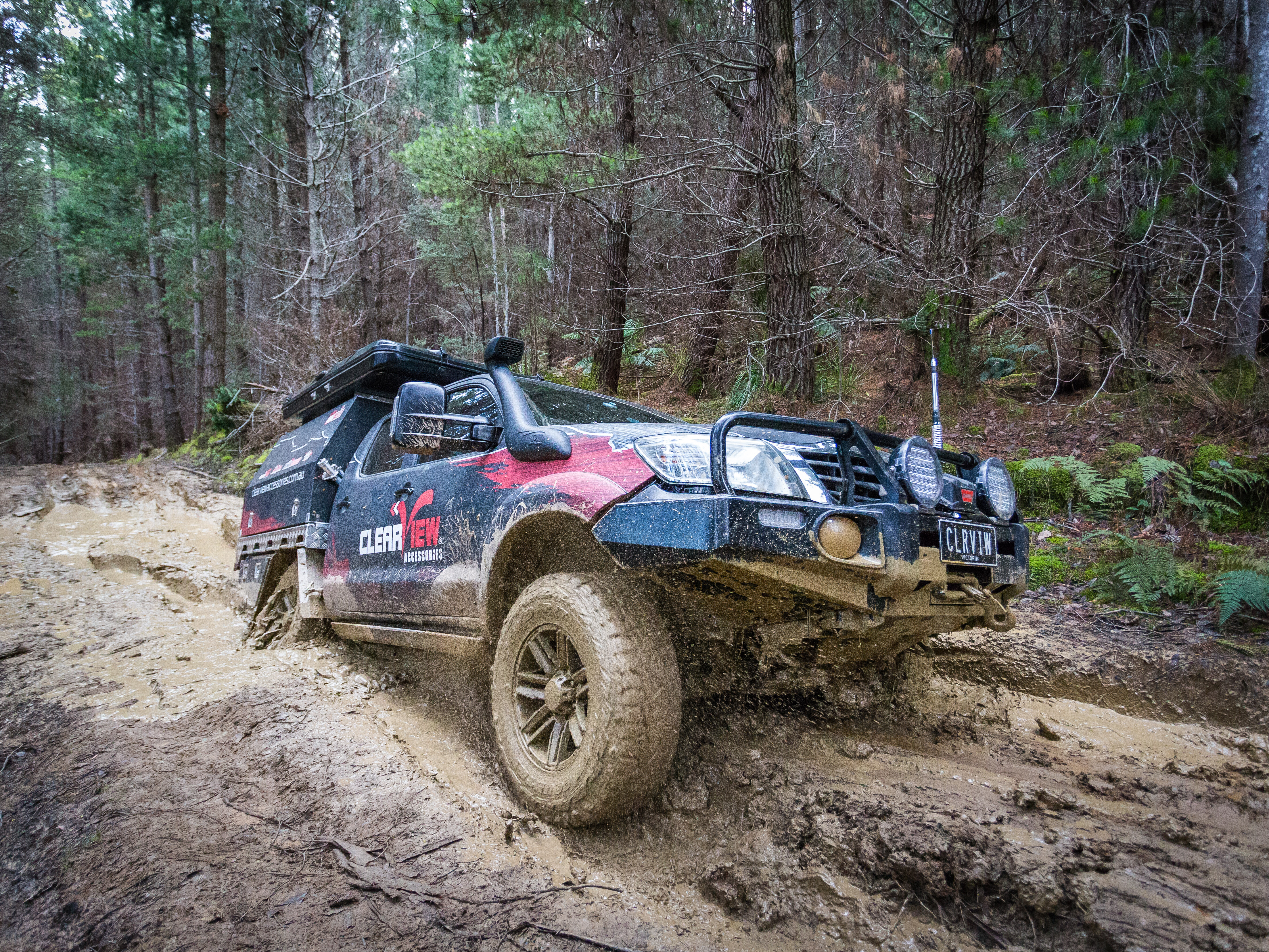
“People would just flock over when we drove in to a caravan park,” he laughs. “You know what it’s like at parks; they’re all looking at what everybody else has got. When they saw my tow mirrors, I had people asking me to make some for them. And then one guy offered me a blank cheque and told me to fill it in when I was finished.”
The past and the present
Understandably, that was what convinced Mike his idea was a bloody good one. He’d just built a set for himself and was initially just satisfied to have a set of mirrors that actually worked, but when offers of what he terms “stupid money” started coming in, he knew there was a definite market in Australia for a product such as that, thus Clearview Accessories was born.At the start, it was just Mike and his son-in-law Jay Praag, who had previously worked in another business with him. However, the team – and the product range – soon grew to the point that, today, Clearview is considered one of the aftermarket leaders in the towing and 4×4 scene and has more than 1500 partner dealerships across Australia, as well as more globally, in countries such as the USA, New Zealand, South Africa, and regions including the Middle East, South East Asia and Europe.Today, Clearview mirrors are available for most of the 4×4 market here in Australia, with only a few not being catered for. This is due to the structural requirements for fitment of the mirrors; unlike flimsy strap-on mirror extensions, with a full replacement mirror, a vehicle’s door needs to be strong enough to cope with the replacement mirror.All of Clearview’s mirrors meet the required ADRs for each available vehicle model fitment, with that process taking a little bit of toing and froing across a number of design aspects, including what was the original gestation of Mike’s idea – rear vision – as he explains.
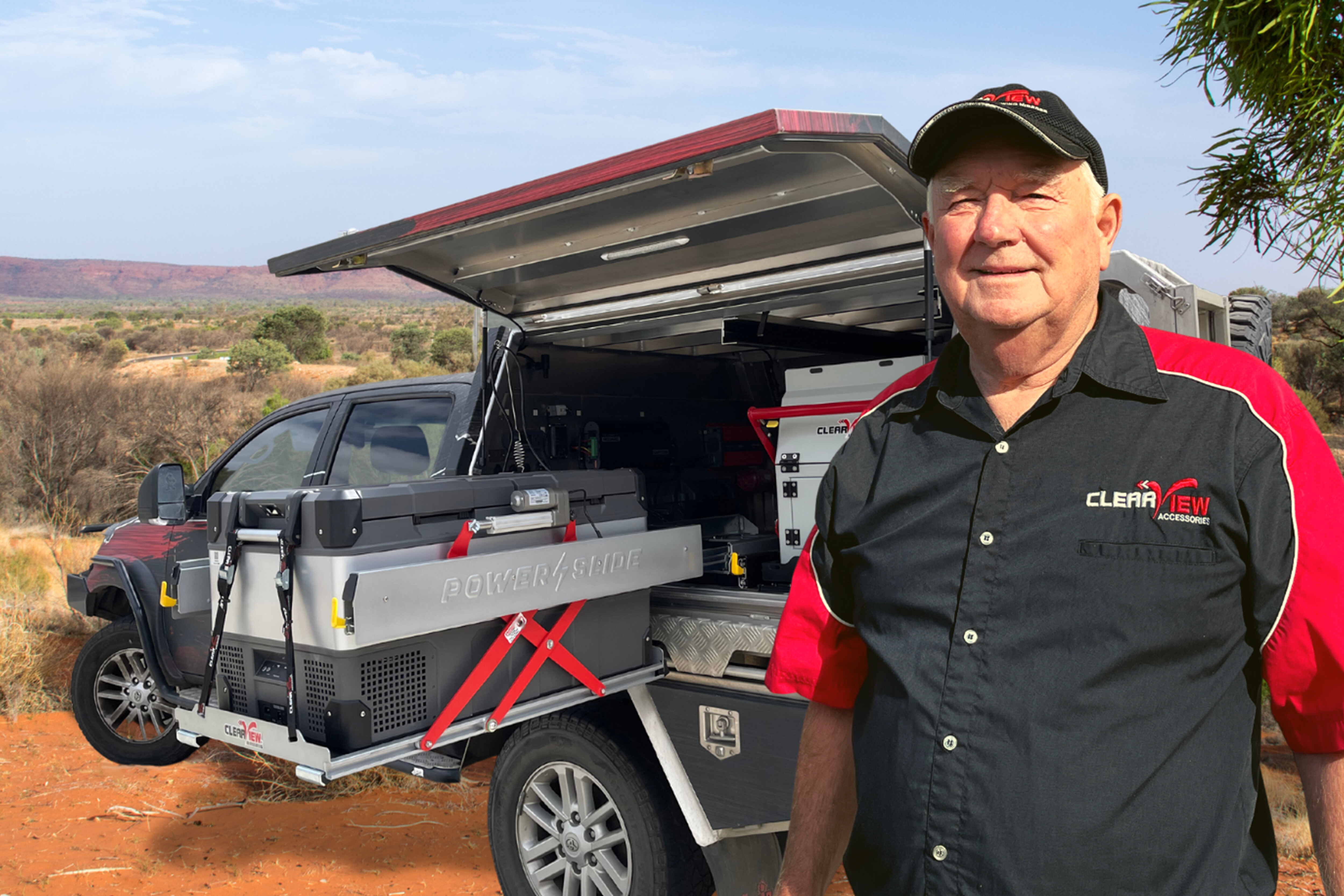
“You have what you call the field of vision,” he says. “That field of vision needs to be a certain area back behind the vehicle. And yeah, you’ve got to be able to comply with that, and all your lights and everything must be to a certain standard. There’s a fair bit in the ADR requirements.”Proving, again, that Mike and his team aren’t content with a product that is super-popular and highly regarded, Clearview has released its next-gen mirror, with some clever tweaks to the original design, borne from customer feedback. Being a well-known (and easily approachable) part of the touring community means Mike is always getting stopped for a yarn about a customer’s Clearview products, something he is always grateful for.“Most of the stuff we do is from people asking us, ‘Have you thought about doing this and can you do that?’ We listen to what our customers are asking us.”
Future vision is now
Today, Clearview is known for more than just its mirrors, with its fridge slides also very popular with tourers – with good reason, and again because it listens to its customers. Probably the best example of the company’s continual focus on improving products and bringing exciting new ones to the market is its innovative Power Slide fridge slide. This is the world’s first patented aluminium (more on that later) powered fridge slide that is the result of three years of development and extensive testing (it outlasted 10,000 movements during the test period). To say Mike is chuffed about the Power Slide is an understatement.
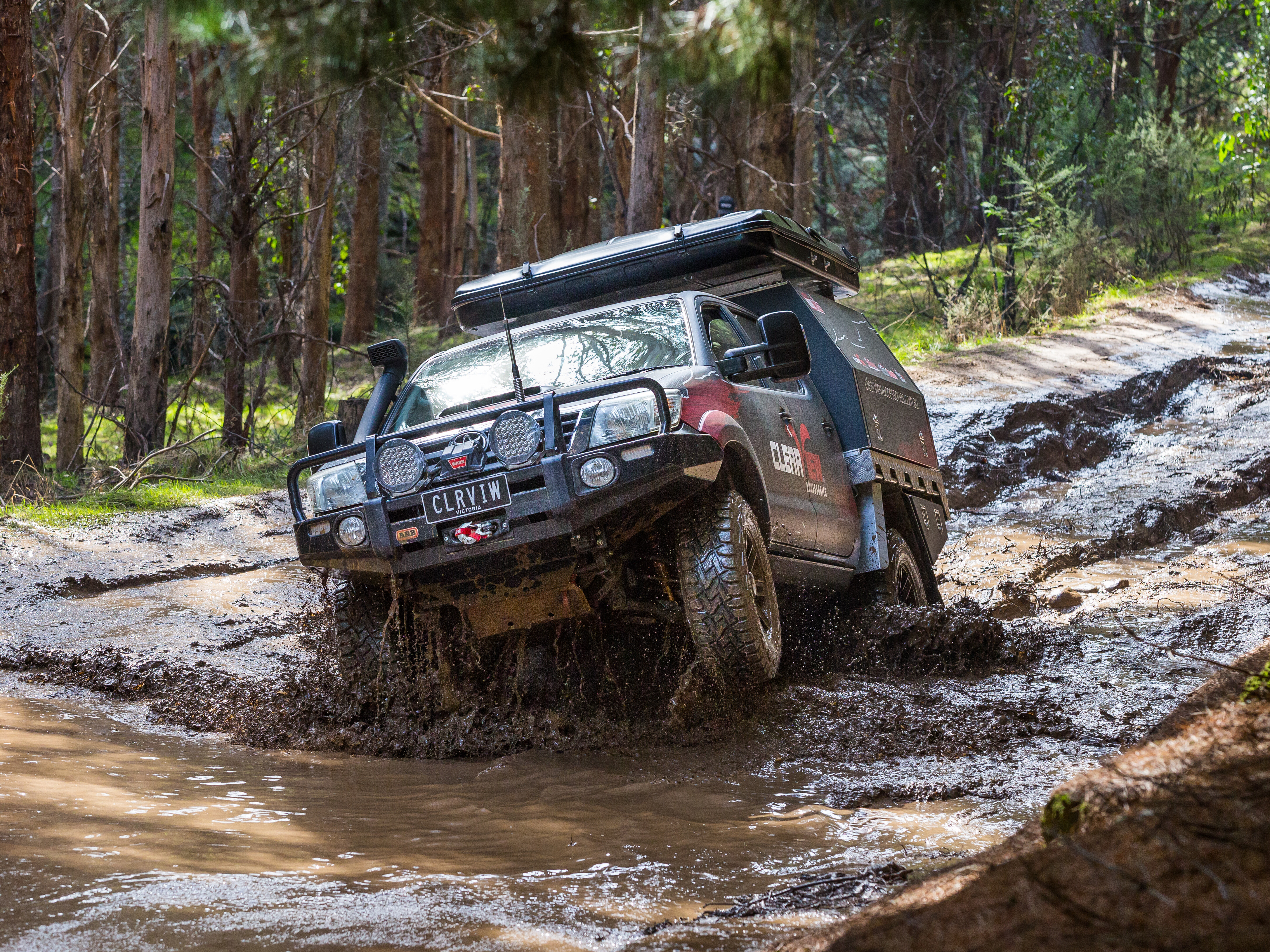
Originally powering up one of its existing Easy Slides, the team realised that, to make the best possible product, they’d have to do more than just add actuators to a fridge-slide.“We did do an easy slide with electric actuators on it,” Mike says. “But there’s sometimes when you change things, you get to a point where you look at it and you go, ‘I can make this better.’ And everybody was saying to us that our slides were heavy, which they were – they were steel.“We decided what we would do is, we would build one out of aluminium. Our new Power Slide is mostly aluminium. When I say mostly, just the bearing runners are steel and that’s where it gets its strength, and the scissor arms are still steel. But everything else is aluminium. And we’ve used aluminium extrusion for the rails that attach to the bearing runners.”The team figured out early on that the slide was going to be more expensive than its Easy Slide stablemate, so they would start from scratch with the whole design, rather than rehashing a design that’s been around for years, as Mike explains in relation to the Power Slide’s development process.
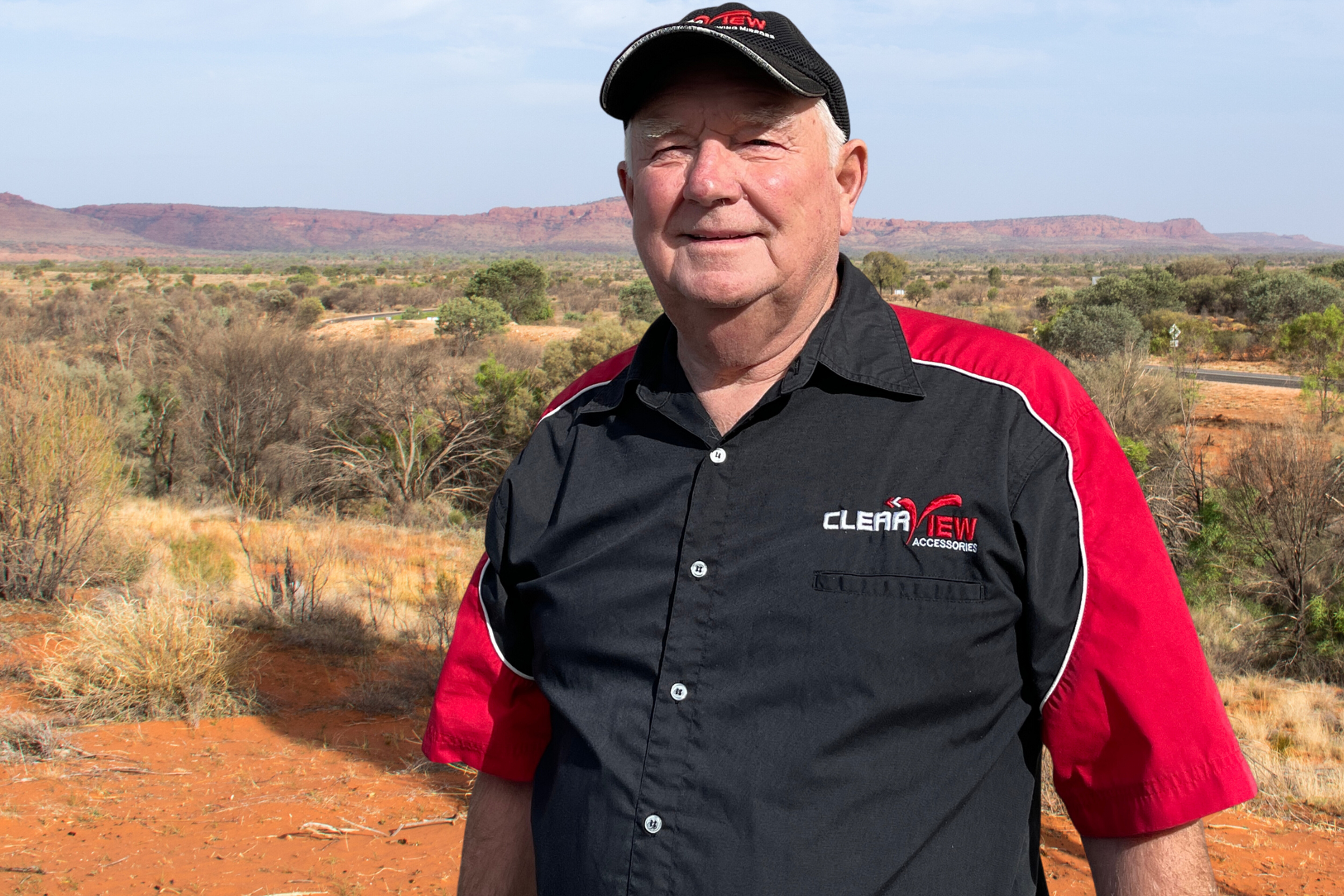
“You take something that’s 20 years old and just keep making tweaks to it,” he says. “And it comes to a point where you’ve got to start again, and we don’t like to take something that’s old and adapt to it because that’s all it is, it’s just adapting; we want to redesign it.“We have straightened out all the scissor arms, we’ve made it so that it’s more compact. It’s not as wide as what it was before, and that allows the actuators to work directly in line instead of offset, and just made a better product out of it.”Probably the cleverest part of the Power Slide’s design, though, is what Mike calls the ‘brain box’ or synchronising module. This ensures the motor in each of the rams is in sync, as Mike explains, “It talks to both motors so they come down at the same time,” thus eliminating the chance of one lowering quicker than another, something sometimes seen in a set-up without a synch module, even if both motors are the same capacity. The Power Slide was then tested with 120kg of weight and running a duty cycle for 24 hours a day, for 30 days.
No slowing down
It’s clever and impressive stuff, but when you think of how Clearview started – with smart thinking, innovation, and a passion to make something work as effectively as possible – maybe we shouldn’t be surprised at how the company’s latest product has turned out. Since he started the business, Mike has continued to push the design envelope with all the Clearview Accessories products. For us off-road tourers, that’s always going to be a good thing!
Kakadu. Most agree it’s the pinnacle of National Parks, where living cultures of the Aboriginal people have existed for thousands of years and an abundance of wildlife resides within a stunning landscape. Just getting to Kakadu can be a journey in itself, as it’s the most easily accessible northern NP in the NT.
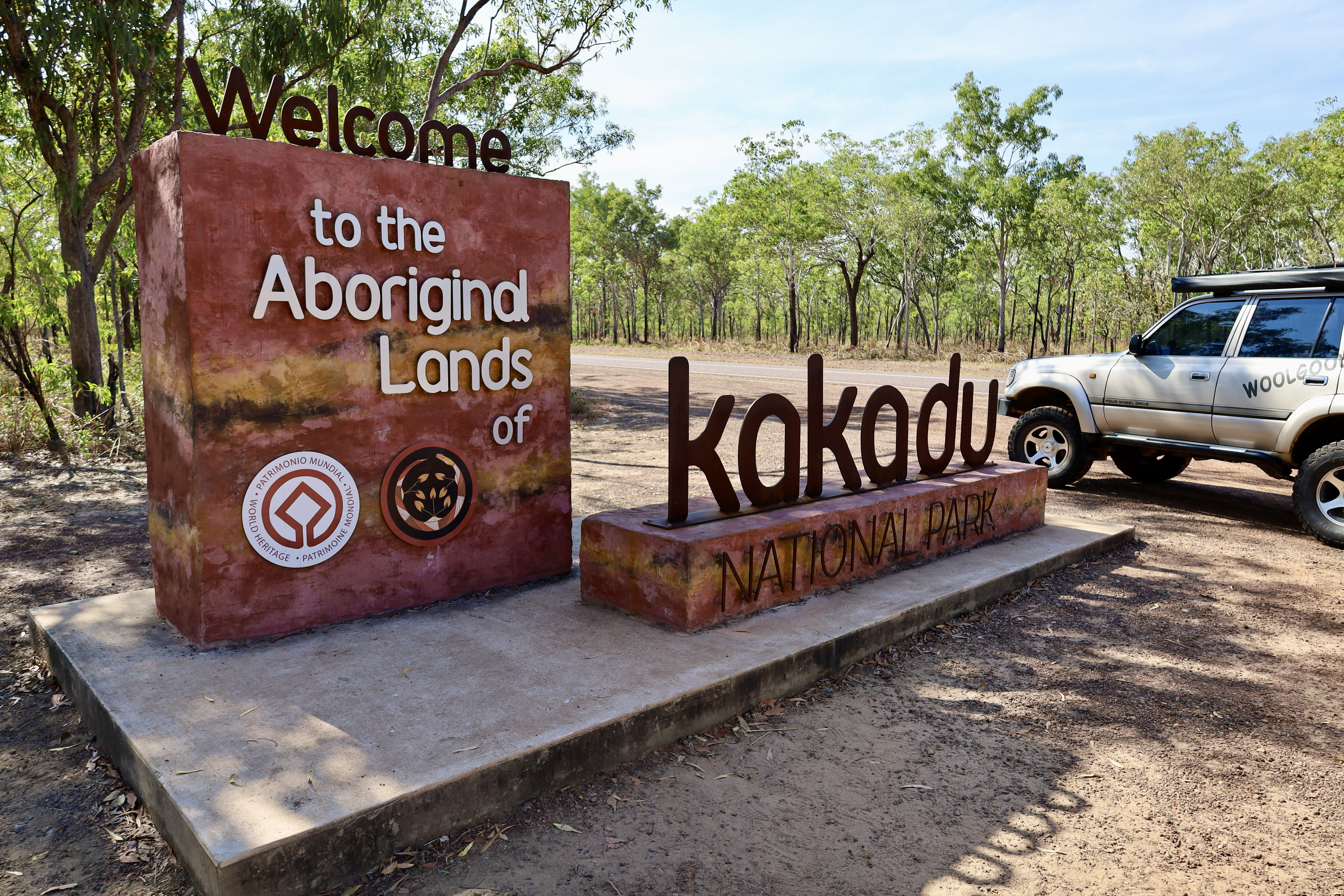
Today, it’s vastly protected and heavily commercialised, but that’s a good thing to protect this ancient landscape and culture. Covering a staggering 20,000km2 it’s the largest NP in Australia, tucked between the East Alligator and the Wildman Rivers whose tributaries feed out through the park. So much so, Kakadu is now heritage listed with UNESCO for its diverse natural values and attractions, and the living culture.Kakadu has a complex ecosystem for its huge range of flora and fauna, some found nowhere else in the world. In fact, a third of Australia’s bird species are found here. Biodiversity within the park is huge and has some pretty amazing stats. Get this: more than 2000 plant species, 26 different types of frogs, 120 reptile types, nearly 70 different mammals, 300 types of fish and an impressive 10,000 species of insects. Of course, Kakadu is known for its huge number of crocs, where it’s estimated there are three crocs in every kilometre of water within the park, then add the billabongs and swamps. Alligator River studies have shown there are 15 per kilometre, making it the most populated in Australia. Both the freshwater and saltwater crocs live in Kakadu, and warning signs are everywhere for a reason.
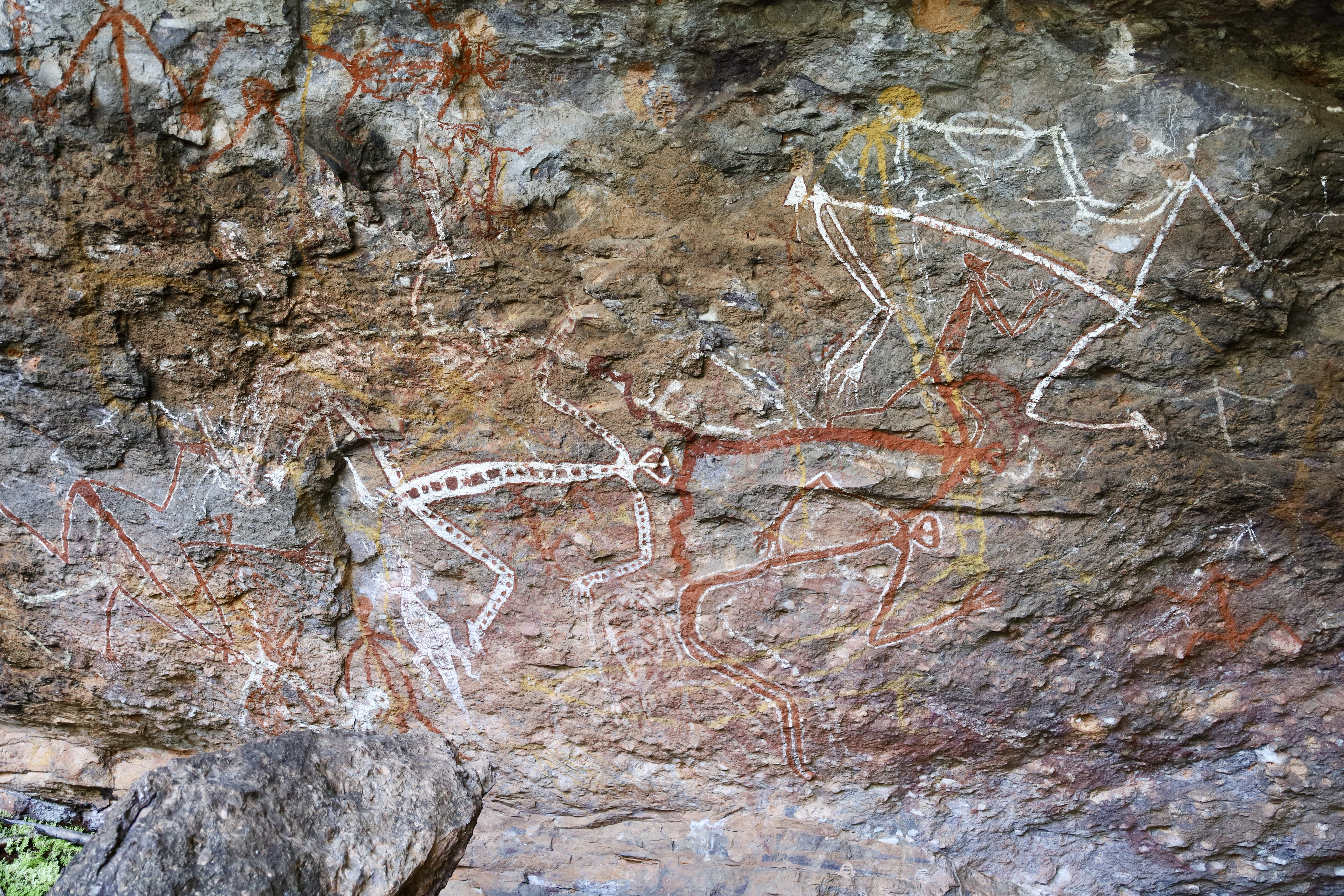
The word ‘Kakadu’ comes from the Gagudju language, and it was established in the 20th century in the northern end of the park; although, other traditional languages are still used today. Traditional owners have been living here for nearly 65,000 years and this is evident through the ancient rock art depicting extinct animals through to early trading sailboats off the coast. We’ve been to a host of different areas where rock art is prevalent, and Kakadu Traditional Owner’s allow photos to be taken of their amazing rock art in areas throughout the park.
Ancient art
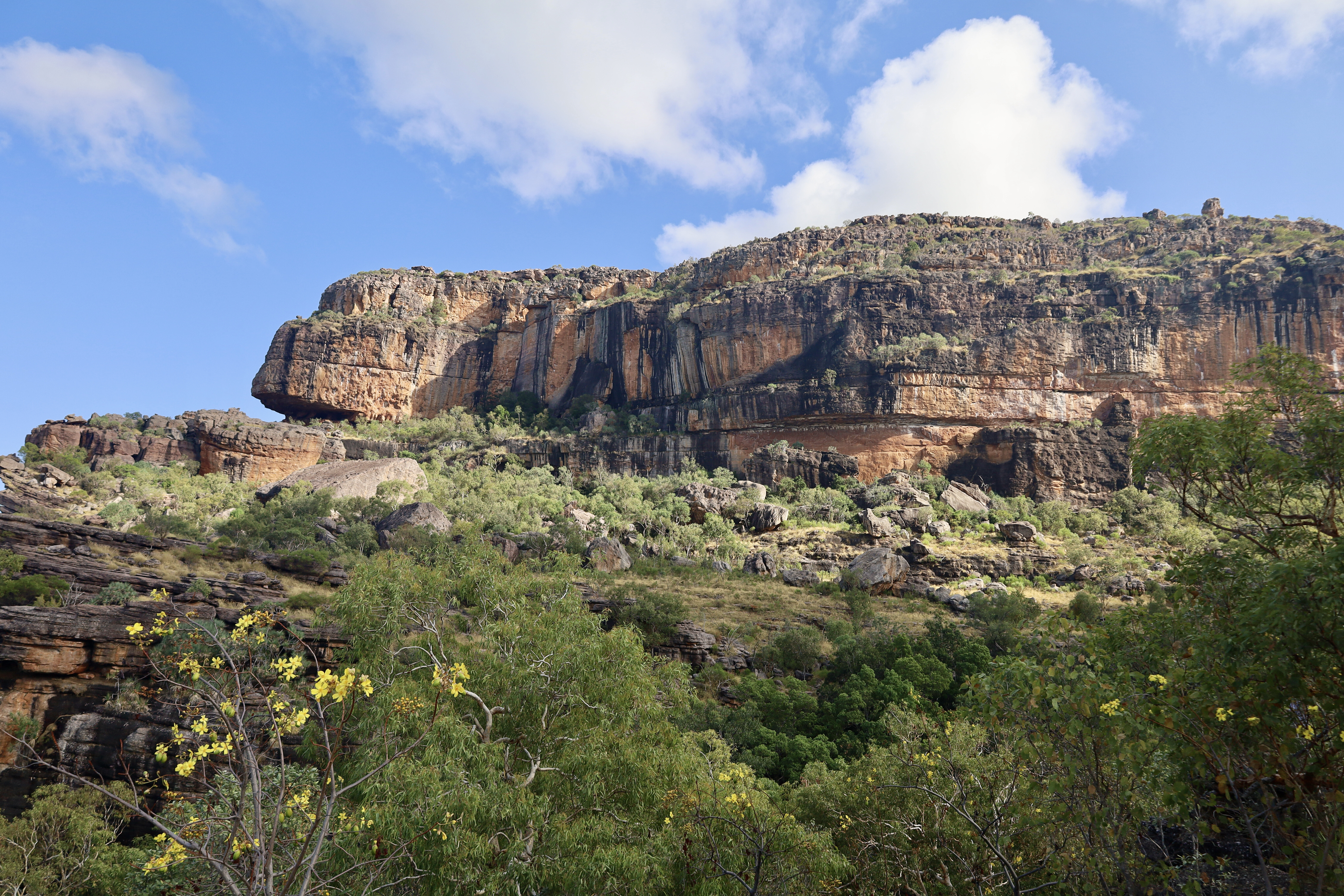
Commercialisation has kept the park under control and clean, as operators work extremely well with the Traditional Owners (TOs). The tours within the park feed visitors to beautiful sites that highlight areas such as croc- and buffalo-infested billabongs, a maze of rock-art sites, several waterfall gorge walks, and well-organised campsites. One of the best places to see stunning examples of rock art is at Burrungkuy in the Nourlangie region to the SE. There are many walks here for all ages, with platforms allowing great viewing into the rock overhangs and caves. Signage relays some pretty powerful stories of the Dreamtime and the Rainbow Serpent being created within the park, looking after the countryside and through translation is still alive today and should not be disturbed.The Burrungkuy circuit is the most popular around the rock-art galleries up to Kunwarddewardde Lookout, where views of savannah woodlands and several escarpments will have you looking in awe. Other walks, or hikes, can take up to six hours to complete and are only recommended for the most experienced. But wherever you look, the rock formations are nothing short of amazing, from plated rock sections, huge sandstone cliffs, through to towering columns.
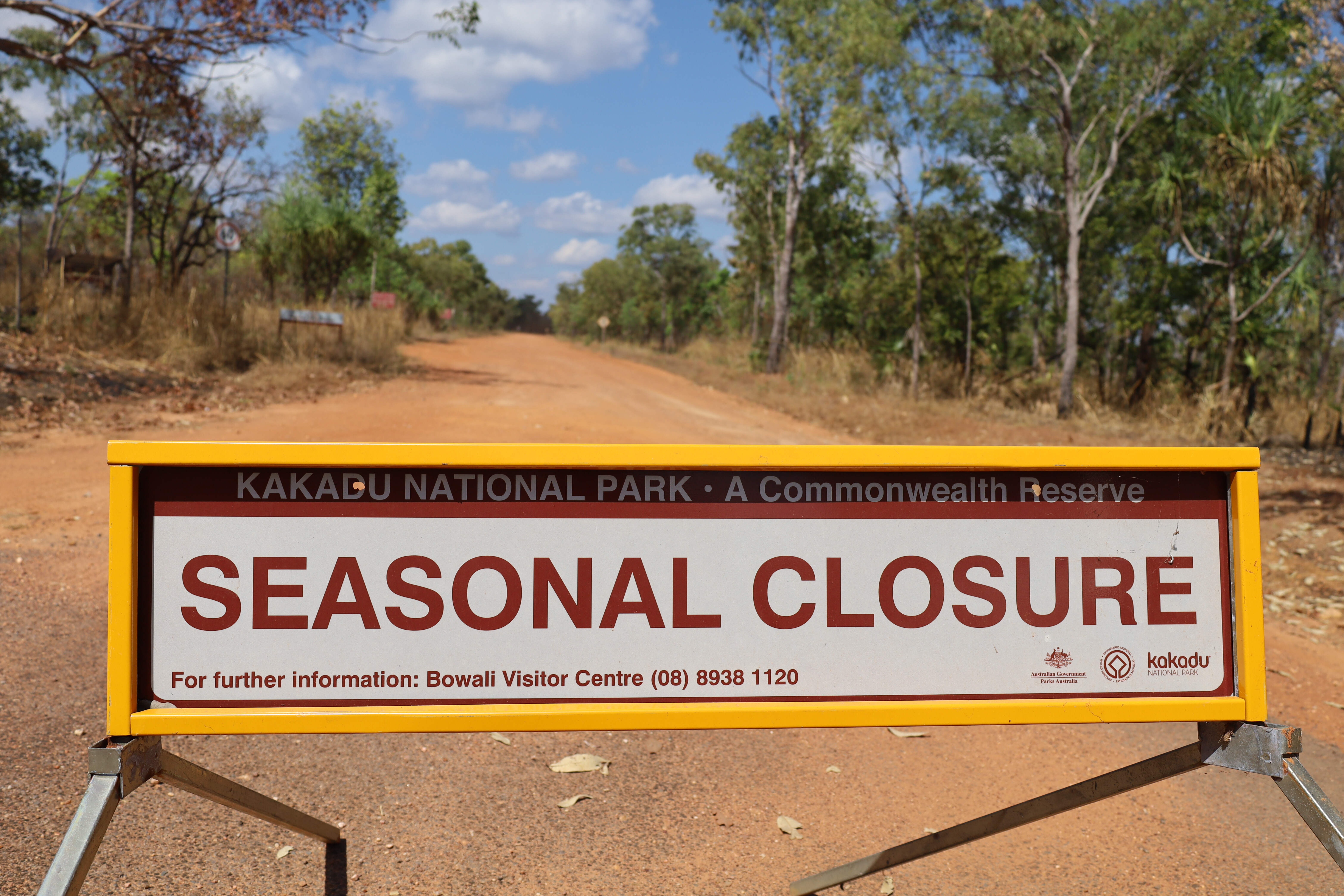
Kakadu is a park that has seasonal closures each year when rivers flood across the plains and when cyclones often pass through the area. It also has rivers and waterholes that need to have crocodiles removed and rehomed for safety reasons. The sheer vastness of Kakadu can really only be seen by air or by spending up to a week exploring the different areas of the park.Basically, the park can be broken in to seven different sections, making it easier to explore. Several sections highlight rainforest through to stone country, lookouts and waterfalls. It’s said that people need to sit, relax and feel the spirits of the home country and soak up the amazing atmosphere. During the cooler months, fire is used extensively to control long grass and give new life to the country. Ancestors have been using fire here for tens of thousands of years to help control wildfires during the warmer months from lightning strikes; it’s the traditional way for conservation and it also helps with food supply.
Jabiru
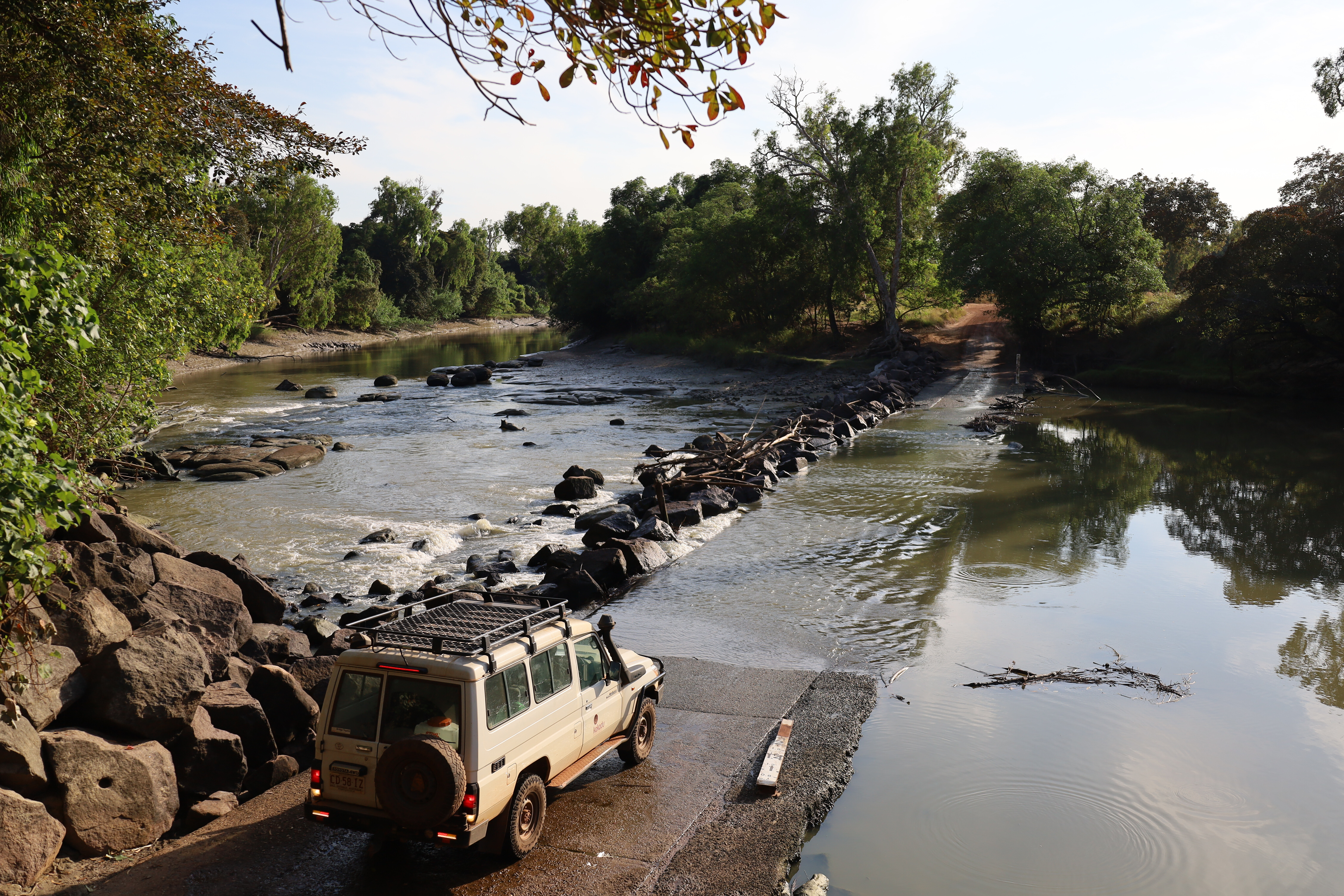
The main part of Kakadu is located within a giant sealed-road triangle, with the main town of Jabiru at the peak. Jabiru has pretty good services and is home to the uranium mine located 8km away. The mine has been supplying the world with high-grade materials for decades and is in the last stages of closing down, where the huge pits will be filled in and other buildings dismantled. Having a base at Jabiru makes it easy to explore the outer reaches of the park, but be prepared for long hauls everyday to the outer fringes.One notable place that everybody needs to check out is Cahills Crossing, 40km NE of Jabiru. Known for the crocs that line the causeway waiting for the mullet and barra to cross, it’s a must-do. Despite being 50km to the coast, the tides run fast here and the barra follow the saltwater up to the crossing, waiting for the push over to the freshwater. The crossing is named after Paddy Cahill who ran a cattle and buffalo farm in the late 1890s. The other side of Cahills heads in to Arnhem Land, where permits are needed to pass through remote and private communities.The park does have seasonal closures where roads, waterfalls and other features are closed. TOs also close areas for various reasons and respect must be given, while entry to local communities is prohibited without a permit. For example, when we spent time in Kakadu, there were several sections closed due to a high amount of water across some roads, as well as a large croc in a popular waterhole.
Get the info
A visit to the Bowali Visitor Centre run by Parks NT is essential for anyone keen on a cultural learning experience, or to learn the ins and outs of the park and gain information on where to explore. It’s here you can pay for a parks pass (free to NT residents) and camp fees to any of the managed campgrounds (this needs to be done online, and there’s phone service at the centre).Most 4WDers that come to Kakadu want to tackle the 50km 4WD track out to Jim Jim and Twin Falls, but, unfortunately when we were there, there was a large croc and a damaged river crossing that still had this section closed. A shorter drive into the stunning Barramundi Gorge and waterfall was next on the list. This is only a short 10km corrugated road in, with a 1km hike to the waterfall and pool. It’s very popular with tourist companies, so get in early to avoid the crowds.We were given information to head down to the Mary River region and Gimbat picnic area. Most dirt roads within Kakadu are a little rough but not too difficult; others are average dirt roads that are cleaned up after the Wet season. The Gimbat Road was no different, and for its 60km length it follows mountain ranges with distorted surfaces, past Mt Callinan and along the South Alligator River. Rock formations out here are mind-blowing, where layered flat plates are stacked skyward. There’s nothing seriously hard about the Gimbat Track, but several flowing river crossings make it a pleasant drive. Along the way, abandoned mines suggest the presence of asbestos with no-entry warning signs; and, right beside the road, an old truck weigh station is an interesting find. The rivers and mountains out here lead in to Arnhem Land, although there’s no access.
Old Jim Jim Road
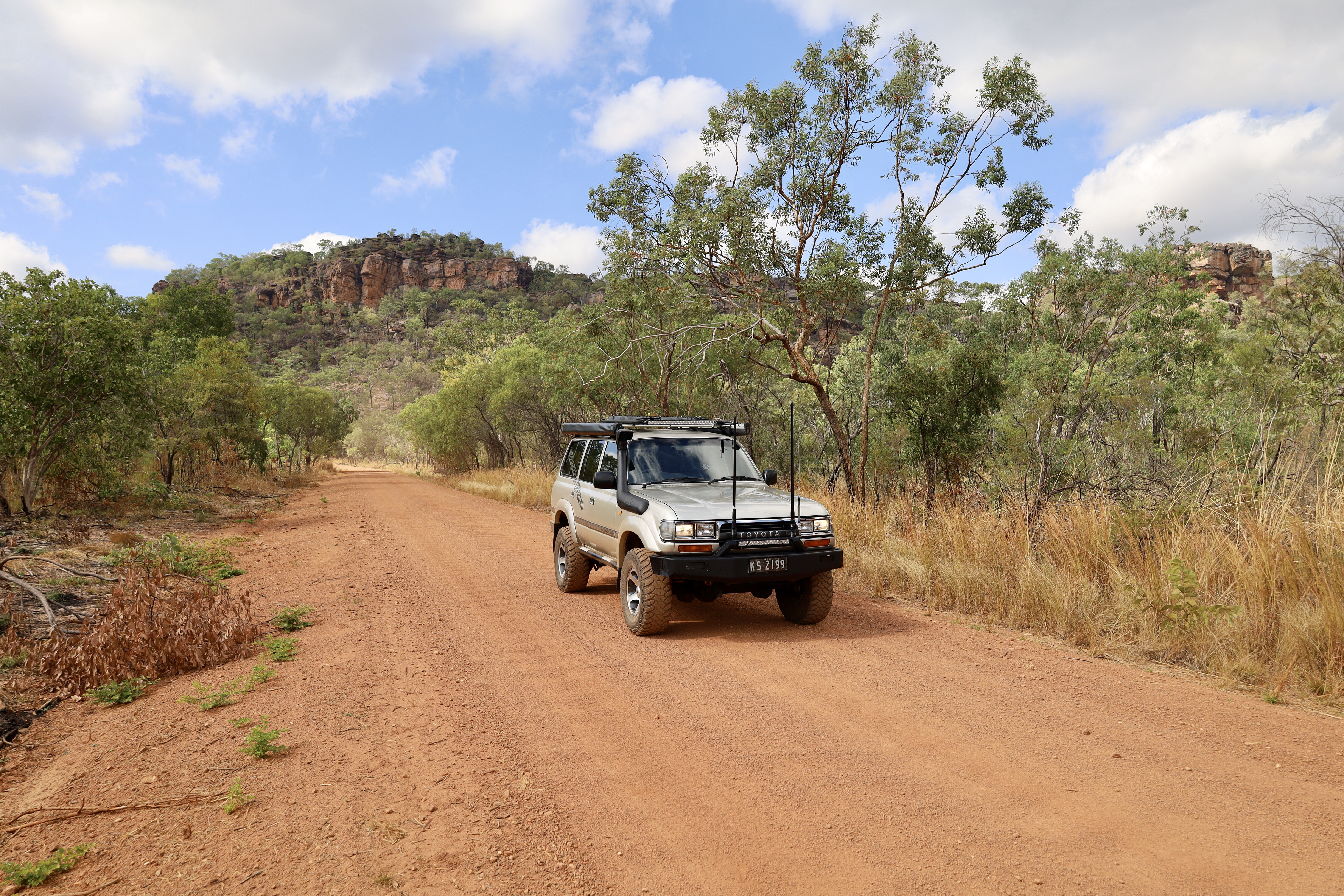
Another suggested drive was a 100km track that cuts through the middle of the park, parallel to the northern main road. Starting out near the Alligator River crossing (good place to croc watch) the Old Jim Jim Road gets straight in to the red dirt, weaving through the dry scrubland littered with an array of palms, cycads and savannah bushland. This road has remote campsites and long waterholes that are popular with serious campers and fishos. The Alligator Billabong campgrounds are an alternative to get away from the crowds, where most are along the riverbanks with bush camping and no facilities. There are a couple of river crossings, but these generally only run after the Wet season (our advice was that they were running at 600mm deep, with other flooding off the plains).
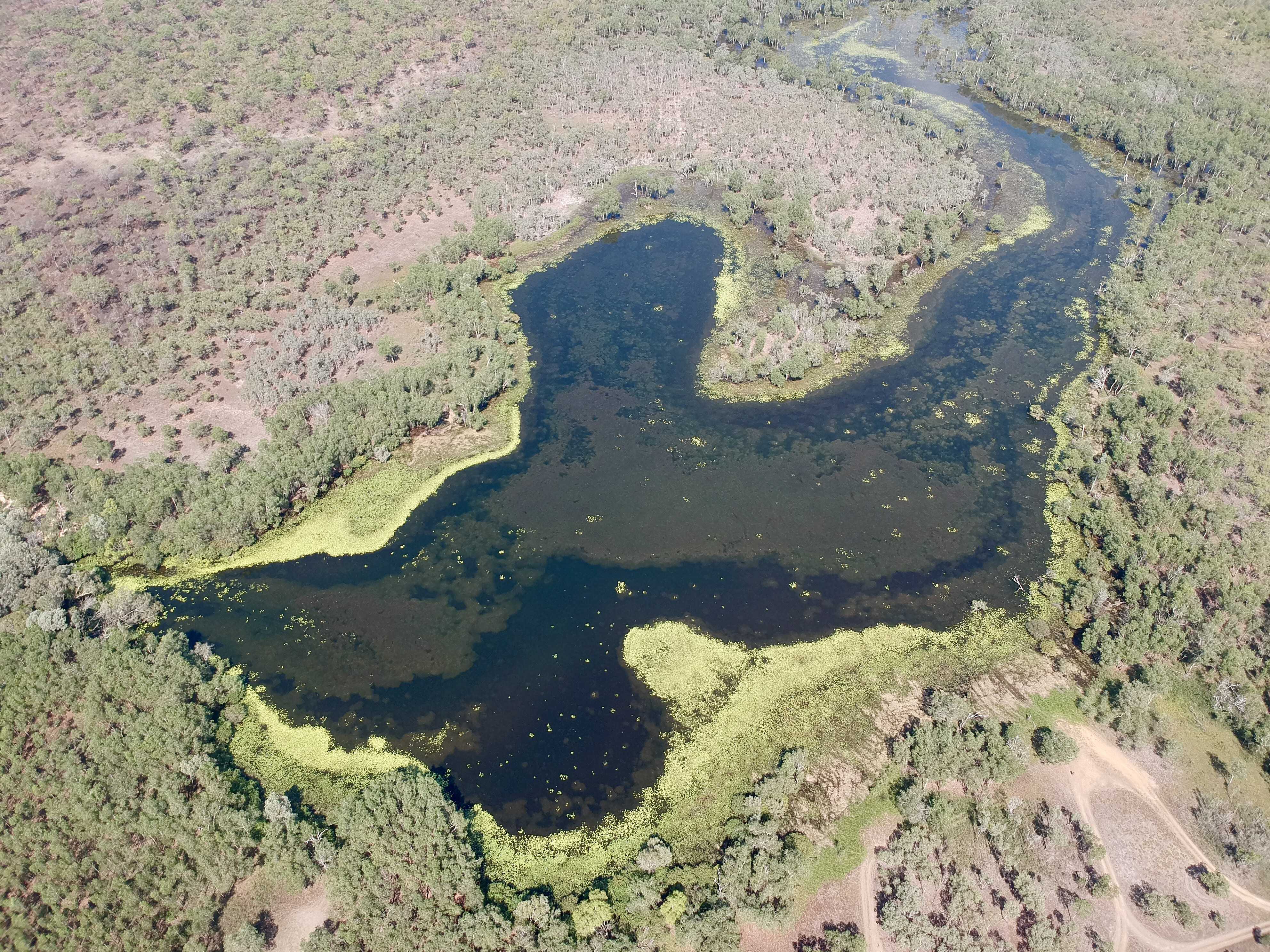
Heading past the campgrounds, the road deteriorates in to a single lane track – as less traffic heads out this way – but it’s worth the effort to do the next section. Massive billabongs line the track, with surrounding bamboo forests along the river’s edge giving it a real visual experience. We were lucky to see several very large crocs on the edges of the water, while flocks of birds and water buffalo inundated the billabong area looking for a feed. An introduced species, the buffalo is a pest in the park, damaging watercourses and the fragile ecosystem. We saw damage beside the lagoons from buffalo and wild pigs, where they wallow in the edges and create deep pits that will take years to recover.
The Old Jim Jim Road intersects the Jim Jim Road at the South Alligator River, and from here you can either head farther south towards the Arnhem Highway or across to the Kakadu Highway – either way Jim Jim Road is a well-used route.
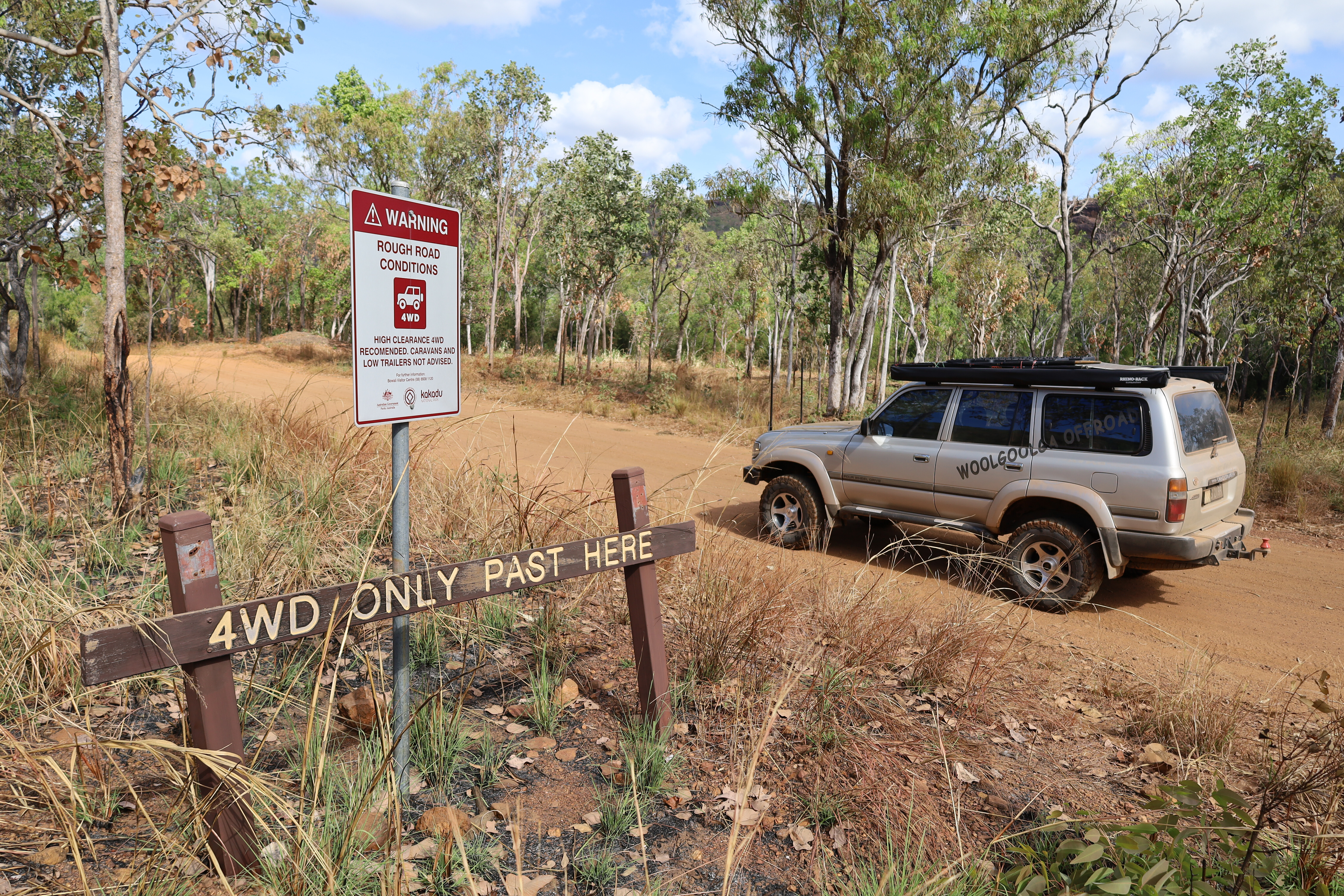
So while seasonal closures often affect sections of the park, there are always other options to tick Kakadu off the bucket list, but you’ll need a 4WD to experience the endless sunsets, wildlife found nowhere else in the world, magical rock formations, and the cultural history.
Would we visit Kakadu again? Most definitely, to camp in remote sites, hike to escarpment view points and, of course, view Kakadu from the air to witness its huge river systems carving the landscape.
5 Kakadu favourites
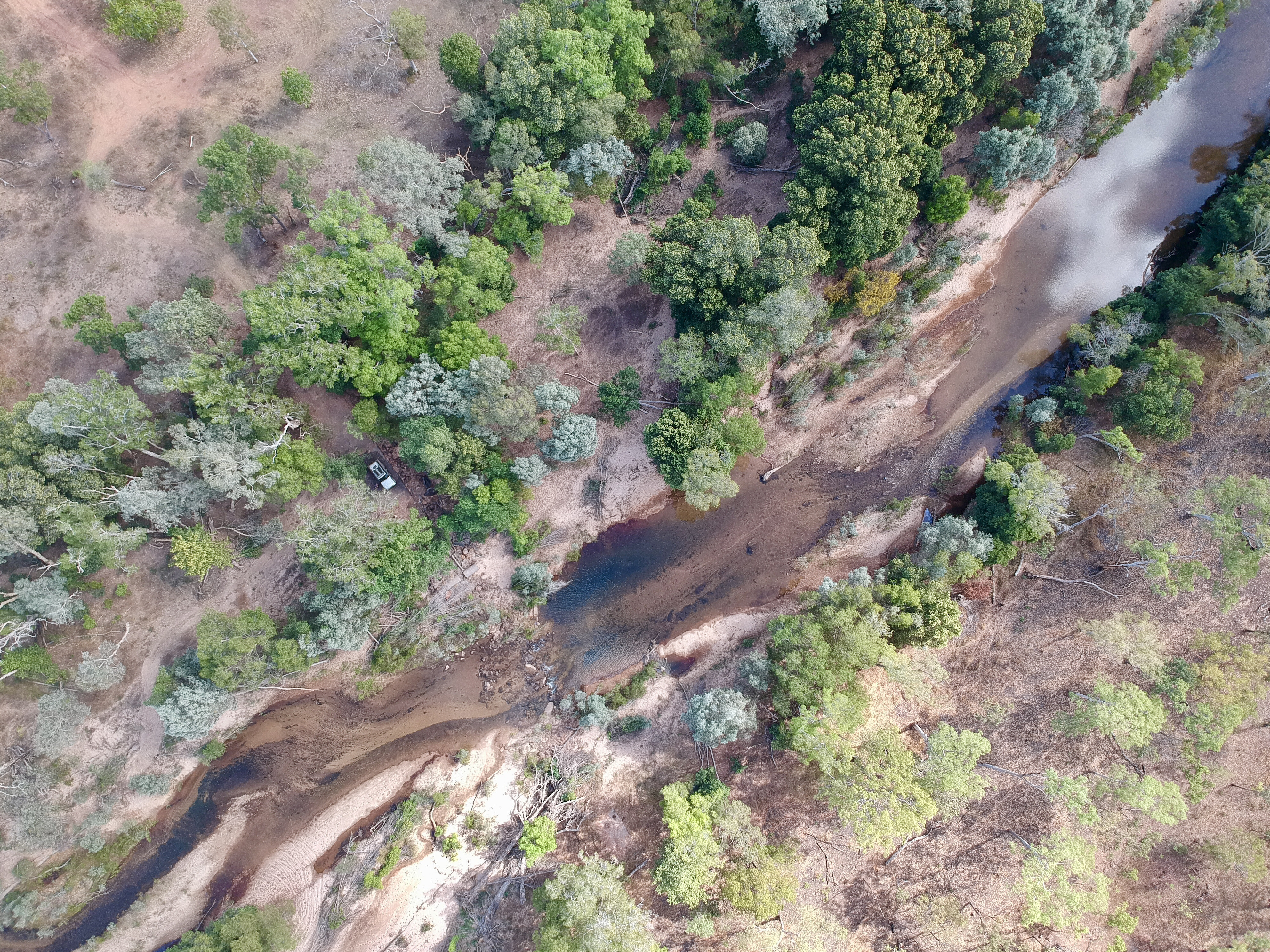
01. Do it by 4WD Some areas of Kakadu can only be accessed by 4×4. These include West Alligator Head in the north and Twin Falls, Jim Jim Falls, Maguk and Jarrangbarnmi in the south.02. Jim Jim Falls & Twin Falls Spectacular Jim Jim Falls is Kakadu’s biggest waterfall, plunging some 200m from the Arnhem Land escarpment to a plunge pool below. Farther along the 4WD access road, the Twin Falls gorge has a split cascade that drops from a 150m-high cliff face to a deep pool below. The road to these falls is subject to seasonal closures, and the best time to drive is during the dry from mid-June.03. Jabiru Jabiru is the main township in Kakadu National Park. It has all the services you’re likely to need and is a perfect base for exploring the park. Facilities include shopping centre, medical clinic and pharmacy, police station, library, service station and workshop, nine-hole golf course, sports and social club, and 50m swimming pool. Accommodation includes the Mercure Kakadu Crocodile Hotel, Aurora Kakadu Lodge and Caravan Park, and Anbinik Kakadu Resort.
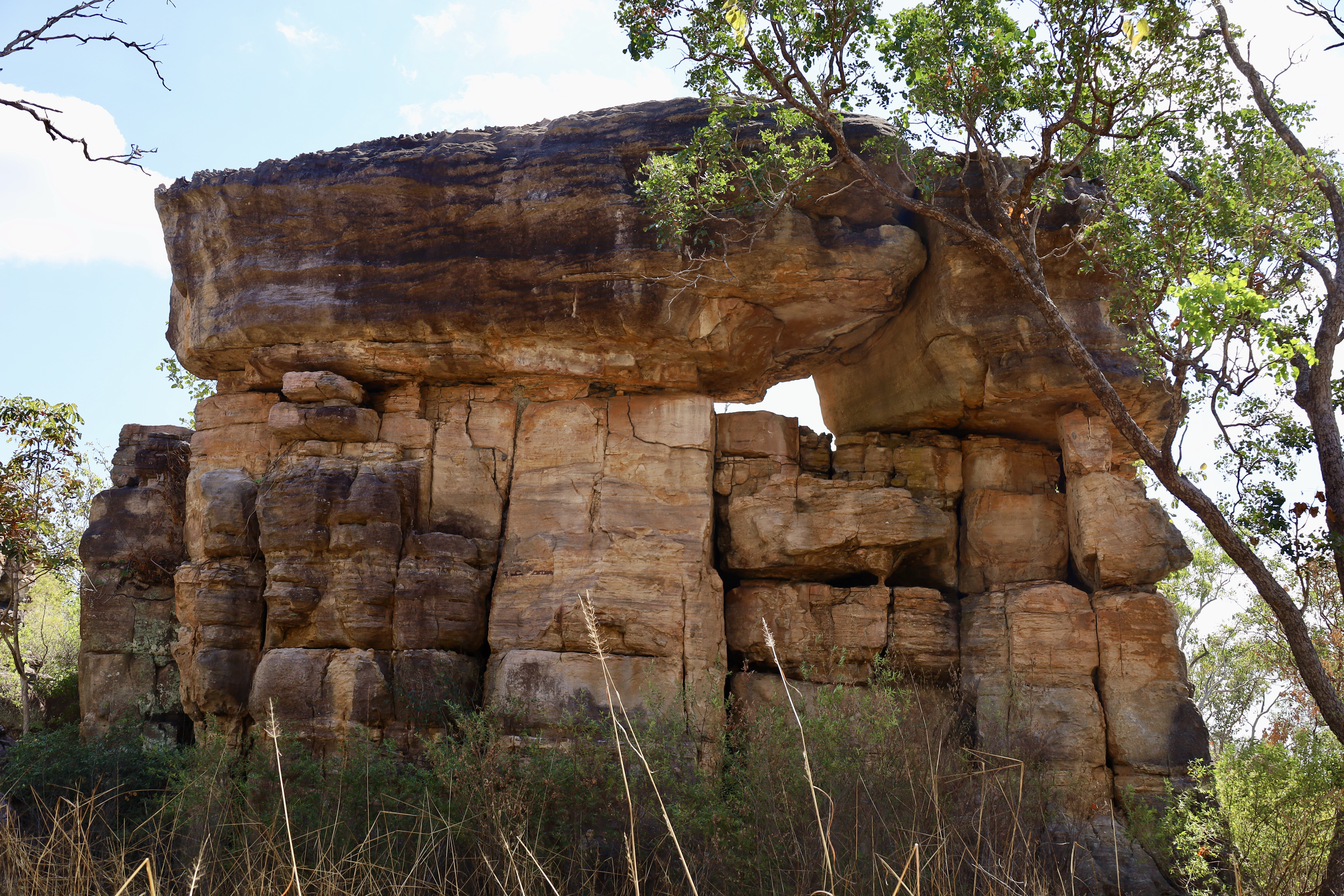
04. Yellow Water Yellow Water (Ngurrungurrudjba) is part of the South Alligator River floodplain. In the dry season, there is a 2.6km return walk across the floodplain to a viewing platform on Home Billabong. A boardwalk offers incredible views of Yellow Water’s wildlife including some impressive saltwater crocodiles. If it’s too wet for a saunter, take a Yellow Water boat cruise that operate throughout the year. Apart from seeing huge crocs and birdlife in a World Heritage-listed wetland, Yellow Water is also a top fishing spot for trailer boaters.05. Art sites Kakadu’s main rock art galleries are at Ubirr and Burrungkuy (Nourlangie), depicting paintings of animals, x-ray art, and depictions of early contact with Europeans. The park is said to have one of the world’s greatest concentrations of rock-art sites, with some paintings up to 20,000 years old, making the artwork one of the longest historical records of any existing group.
Let’s face it, not everyone with a newly minted licence is an excellent driver. It’s a fair bet there are going to be a few bumps and scrapes along the way to seniority too. Couple that with a less than an ideal war-chest for a budget and your choices on what is suitable dwindles considerably. Back in 1979 when pieces of Skylab peppered the south of Western Australia, and the dystopian world of Mad Max was a possible future for impressionable youth, Martin Hayes set out for his first set of wheels. Something cheap, quirky and able to take a punch, but keep on keeping on was his mission. As it turned out, Martin’s brother had a fetish for the Brit-built Austin Champ, having already captured one of his own, and he had a spare military-spec 1952 model he was willing to move on.

“Around 1978, my brother got on to Champs,” Martin related. “The family fell in love with them, and with Land Rovers breaking axles and such, I wanted one too.“He bought mine off a farm in Victoria, with the story going the original owner had died, and his kids knew about the Champ but they didn’t know where it was. In the end they were pulling apart the farm’s old hay shed and under all the hay was the long-lost Champ, and in pristine condition too! They are three-skinned, so they can get a lot of rust, but it was in the same condition as you see it now.”Champs were well-known for requiring a rigorous and regular servicing schedule, so it was no wonder when they found it the engine had seized after having sat for so long. A new set of Holden pistons was thrown in and the little war-rig returned to service. “I bought it off my brother the next year for about $400, and it was my first car,” said Martin.
War footing

Being built to operate in all theatres of war throughout the world, getting Martin to where he wanted to go was easy work.“It’s like a family pet, we take it everywhere,” he says. “That Champ has been across the Simpson Desert French Line, when it was hard. We used to take it to Innamincka every holidays, partly because we’d want to find a spot to drive the Cooper Creek.“They were designed to go through 6 feet 6 inches (1981mm) of water,” Martin explained. “There’s a few things you have to do, so you can’t just drive straight in. Like lift the snorkel (off the front guard) and pack your dipstick full of grease. In the actual army magazine they tell you (when driving fully submersed) to pull the hand throttle out to full revs (3800rpm), put your right knee on the seat, left foot on the clutch and use first low, and go.”

Looking closely over Martin’s example, there’s solid evidence this Austin was built for military service, and not a civilian edition. Alongside each of the four seats are a pair of U-shaped brackets, designed to take a serviceman’s rifle. Casting an eye below the dash on the passenger side are a pair of cowl supports, with a round cap placed over a hole in the cowl directly above them. This grommet, once removed, allowed a pintle mounted .303 Vickers, or Bren light machine gun to be fitted. Because the front windscreen can be either lifted up or laid down over the bonnet, firing from the passenger seat while mobile is possible.
Battle grade
In military terms, the “Truck, 1/4 ton, CT (CombaT), 4×4, Cargo & FFW (Fitted For Radio), Austin Mk.1” (only later civilian versions were referred to as the Champ) began when the British government tendered for designs to build a British-built all-terrain vehicle capable of competing with the Willys MB ‘Jeep’. A total of 15,000 units were commissioned, but in the end the complex design and high cost saw the undertaking cease, some 4000 units short of fulfilling the order. With the simpler Land Rover Series 1 taking over for military service.


In terms of technology, however, it was way ahead of its time and competition. Compared to the Willys, the Champ looked like a rock star on paper. It sported four-wheel independent double-wishbone suspension, controlled by longitudinal torsion bars and a cone-and-cup bump-stop system.A five-speed synchromesh transmission was standard with an integrated transfer case in the rear differential assembly. This gave the Champ five gears moving forwards, but also five in reverse. When four-wheel drive was required, the engagement of a dog clutch using the lever on the passenger side of the transmission tunnel drove power from the rear to the front differential via a full-length tail-shaft. Both front and rear diff assemblies were contained within separate cradles, making replacement in the field a far easier task too.
Rolls-Royce power

While the Champs were fitted with the 1938-designed B40 2838cc Rolls-Royce petrol engine, due to cost and complexity, and a changing over to Unified Thread standards (from BSF – British Standard Fine) in 1949, the later power plants used a cast iron head (not aluminium) and UNF bolt-ware. These engines can be identified with the letters UNF stamped on the rocker cover.
To reduce the pressure on Rolls-Royce to produce enough engines to keep up with the production contract, Austin was granted a license to produce a very similar engine to the Rolls-Royce power plant, with cylinder blocks for both manufacturers coming from Leyland Motors.
While the original design of the B40 engine called for reliability over fuel economy, the Champ was fitted with a 20 gallon (91L) fuel tank. This was reportedly able to achieve around a 480km range.
Working the line
Nowadays Martin and his Champ are stationed in Kalgoorlie, Western Australia, with the little 1⁄4-tonne truck making short work of the surrounding scrub. Being a keen ‘wood-liner’ has taken Martin along the long-gone skinny-gauge railway systems that surrounded the goldfields. These lines were laid to bring back wood to power the huge stationary steam engines driving the gold batteries and winches that dragged men and gold up from the depths of the Kalgoorlie and Coolgardie mines.Wood-line work crews at the time left their spent supplies where they used them. So armed with the Champ and a paper map, Martin has conducted multiple reconnaissance missions through the overgrown and roadless bush, amassing an impressive collection of antique bottles and camping equipment from as far back as the early 1800s – but also showing just how capable the Champ is where there really are no roads.

Having been in his corner for more than 40 years, the Champ has weathered it all well. With quite a few ANZAC parades under its belt, it’s a stoic reminder of how good British engineering could be.
Lloyd reckons you cannot beat the comfort of the BT-50.
Dual-cab utes offer a gateway to unexplored towns and locations all over Australia.
Traditionally, across the board, comfort levels have been basic to say the least, but, the new Mazda BT-50 may have set the benchmark for the field. It is packed with tech making any journey enjoyable, but does it do enough to entice owners looking for a sophisticated yet action-ready alternative?
Let’s take a look.
Lloyd is here to give his verdict. He’s been cruising around in the BT-50 Thunder for the last 50 days. This model comes with all the bells and whistles to make it an excellent choice for any office-oriented dual-cab ute buyer.
? Hello from the future! You can continue reading this story, or you can visit our latest BT-50 Range Review linked below.
REVIEW CONTINUES…

Starting with the interior, this model is all leather. It is a classy feel as soon as you step inside. Sophisticated and smart, and more SUV than workhorse ute.
Lloyd thinks this could be the most comfortable car he has been in. He has stepped up from a 100 Series LandCruiser and, while the BT-50 cannot compete for interior space, it crushes the LandCruiser for refinement.
The old 100 Series is seriously dated and while a faux sheepskin cover may imitate the feeling of a heated seat, the real thing was high on the list of comforts that got a regular run. After getting out of the surf, Lloyd says there is now nothing better than a warm seat straight after.
Not only are the seats heated, they are extremely comfortable, and they look great too. They wrap and hold you with generous support in all the right places. Adjustability is good with eight-way electronic adjustment for the driver.
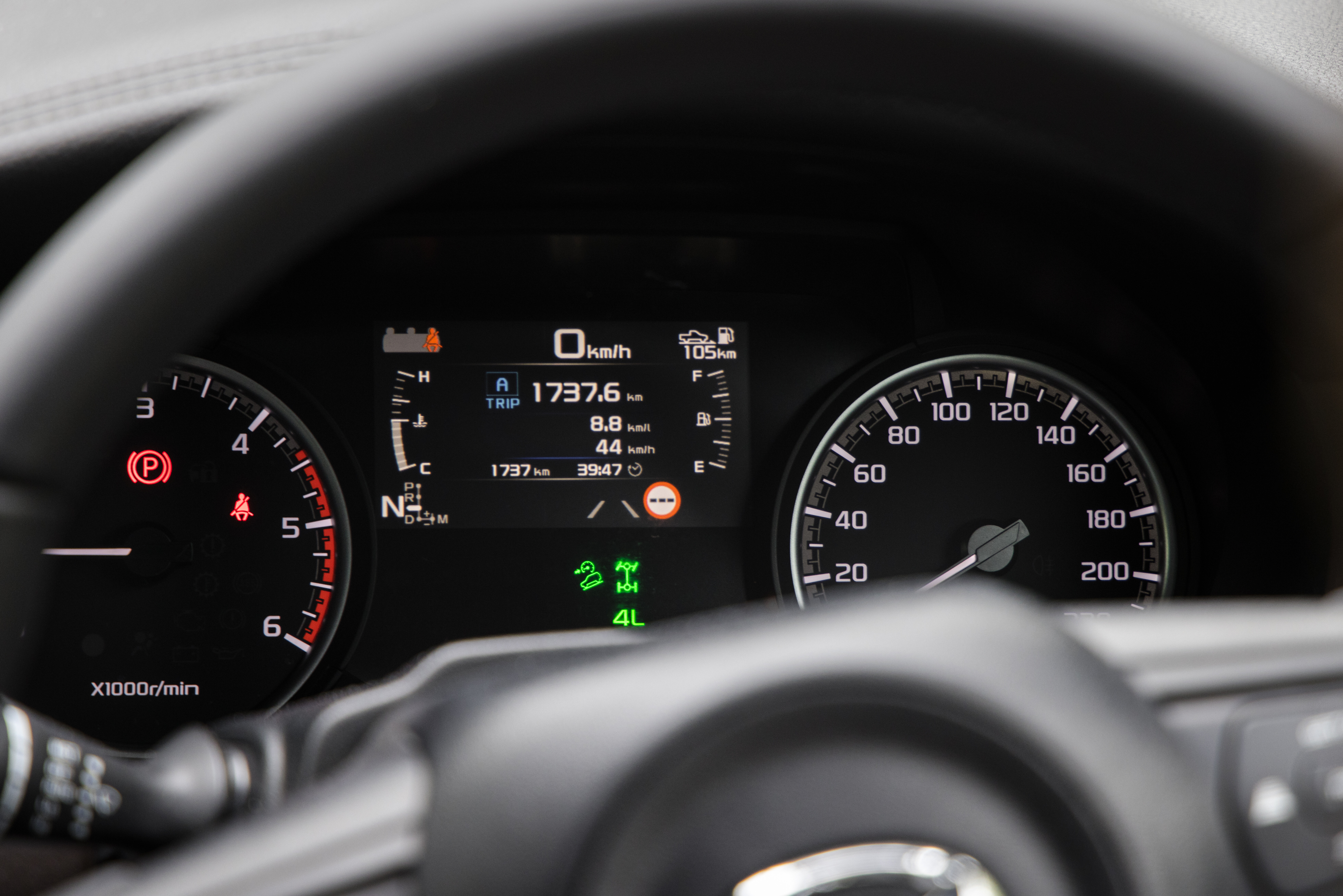
Adding to that upmarket feel is a well-presented dash layout, according to Lloyd. The dash uses some beautiful trim work with a lovely soft-touch feel in all the important areas. It is a distinct difference from the competition, who generally use more hard plastics and materials in common areas.
Headlining the entertainment system is a 9.0-inch display mounted in the centre of the dash. It is connected to an eight-speaker sound system and offers AM/FM radio, DAB+ digital radio, and Bluetooth connectivity.
It also has inbuilt navigation for those low-service areas off the beaten track. The most impressive part is that it also has wireless Apple Carplay, offering fingertip control to your phone’s key functions. Android Auto is also offered with a cable input.
For Lloyd, this was a highlight for comfort when he benchmarked it against his own daily driver and other utes owned by mates. The Mazda connectivity was pretty good, he says, and his own stereo upgrade is no match for the standard Mazda BT-50 Thunder offering.
He also liked the instant access to key features offered by the voice recognition in the car which works with and without the phone.
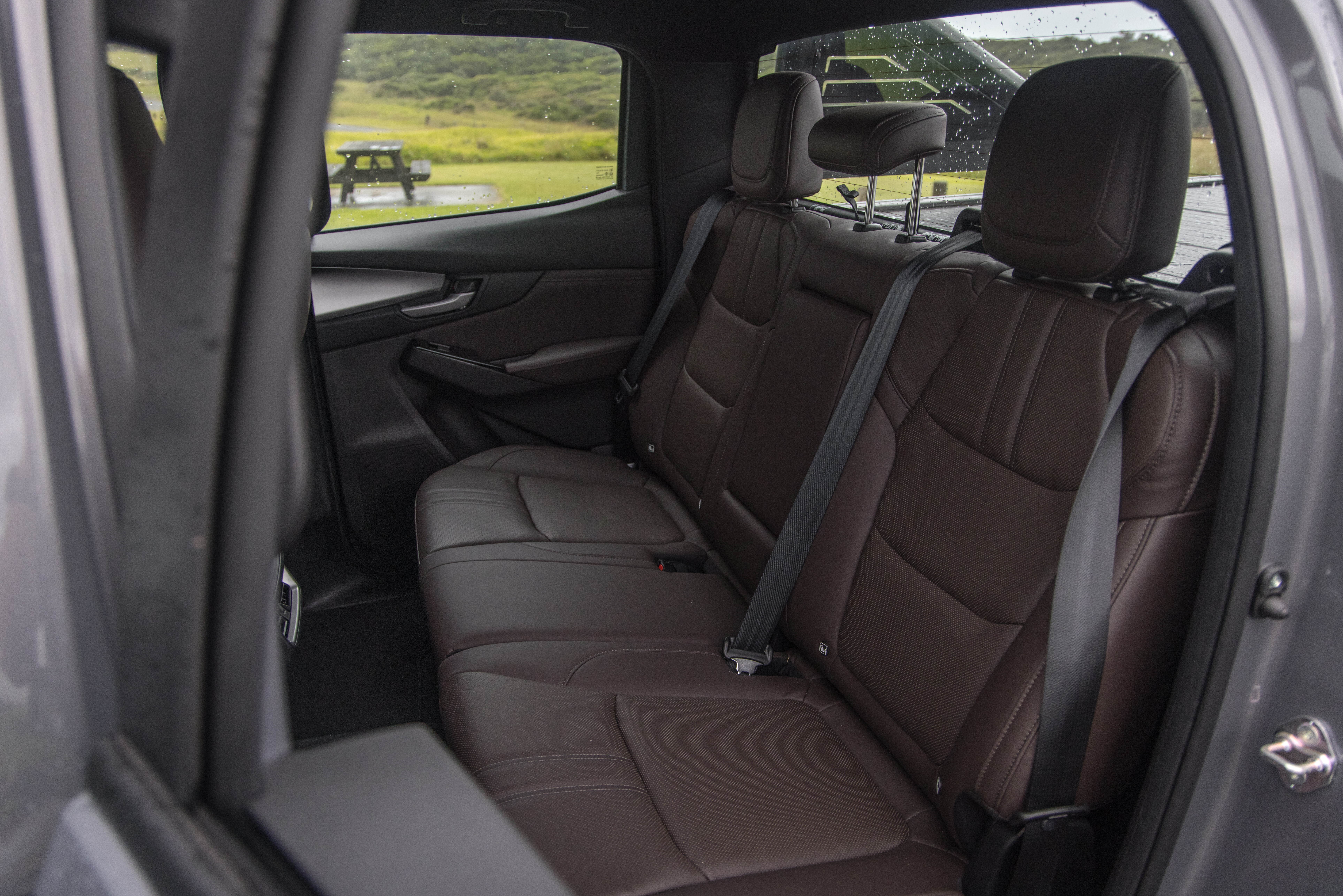
Lloyd doesn’t have kids, but I can appreciate the fact that in the second row of the BT-50 Thunder, kids will be well catered for with easy to locate ISO FIX points in the back located on either side of the rear seat. There is also a USB port in the back that allows iPads or iPhones to stay charged, keeping young ones happy and relaxed.
Perhaps gimmicky, but potentially useful on a super sunny and hot day where you want the interior of the car cooled before you get in it, you can start this car directly from the key fob in your pocket.
It might seem a small thing, but it means you can start and ‘pre-condition’ the car well before you put the kids in their seats, so the air-conditioning has already cooled the vehicle before they have a tantrum.

Lloyd seemed impressed with the BT-50 Thunder’s comforts. While easily able to conquer the ageing 100 Series LandCruiser in this regard, the BT-50 is also at the pointy end of the field when it comes to comparisons with its peers.
It is a long way from basic, and with the levels of comfort onboard almost akin to a passenger car, you can chew up the kilometres without having to pay for it later.
The full series
1. Modern turbo-diesel engines
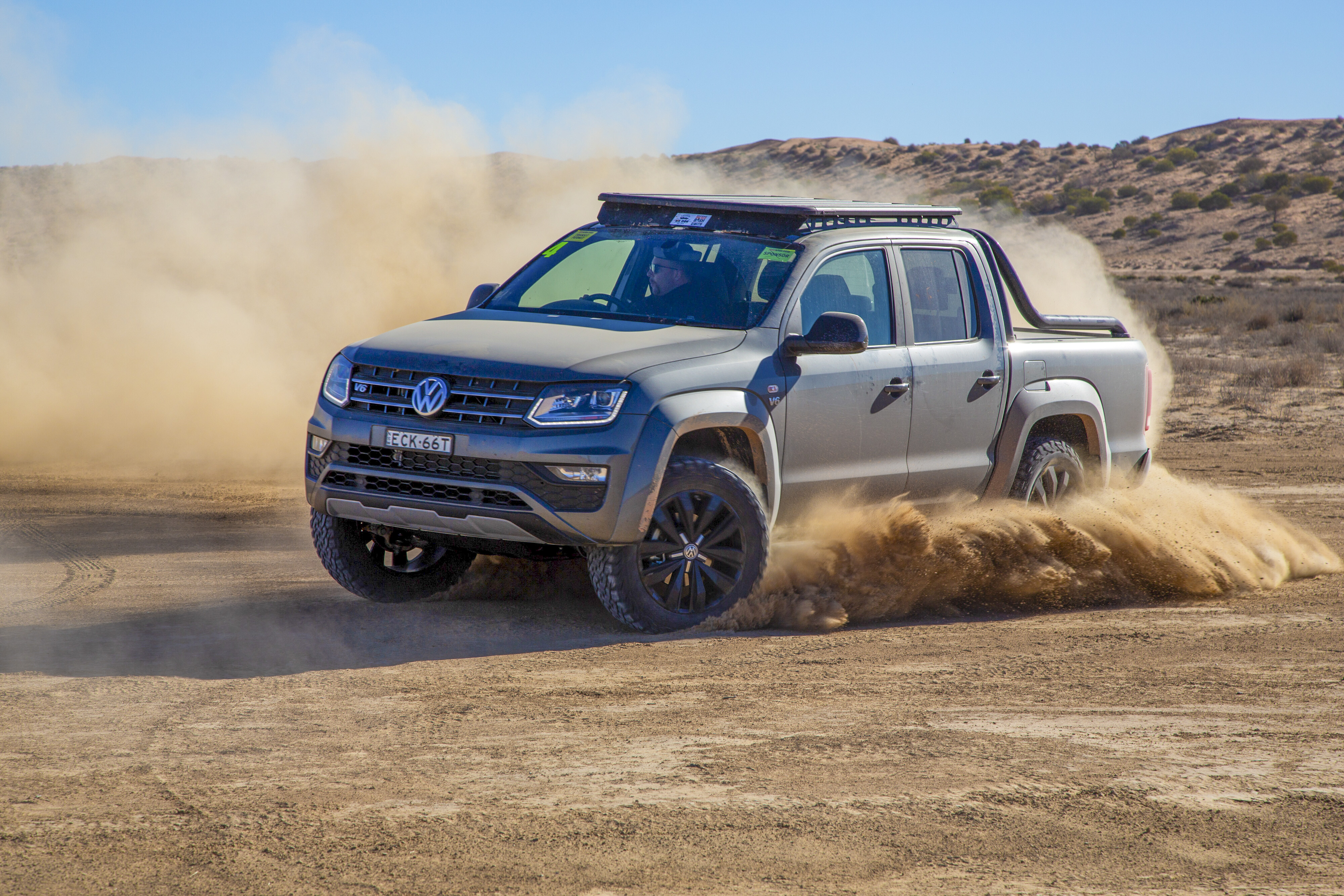
What sets today’s 4x4s most apart from those of not just 60 years but those of even 20 years ago, is the modern turbo-diesel engine and its outstanding trifecta of performance, economy and refinement. This revolution in engine technology was born 30 years ago in Europe off the back of EU government policy that favoured diesel-engine development over petrol engines due to a diesel’s lower production of carbon dioxide, so-called greenhouse gas. Yes, there was a time when diesel engines were at the forefront of being ‘green’.
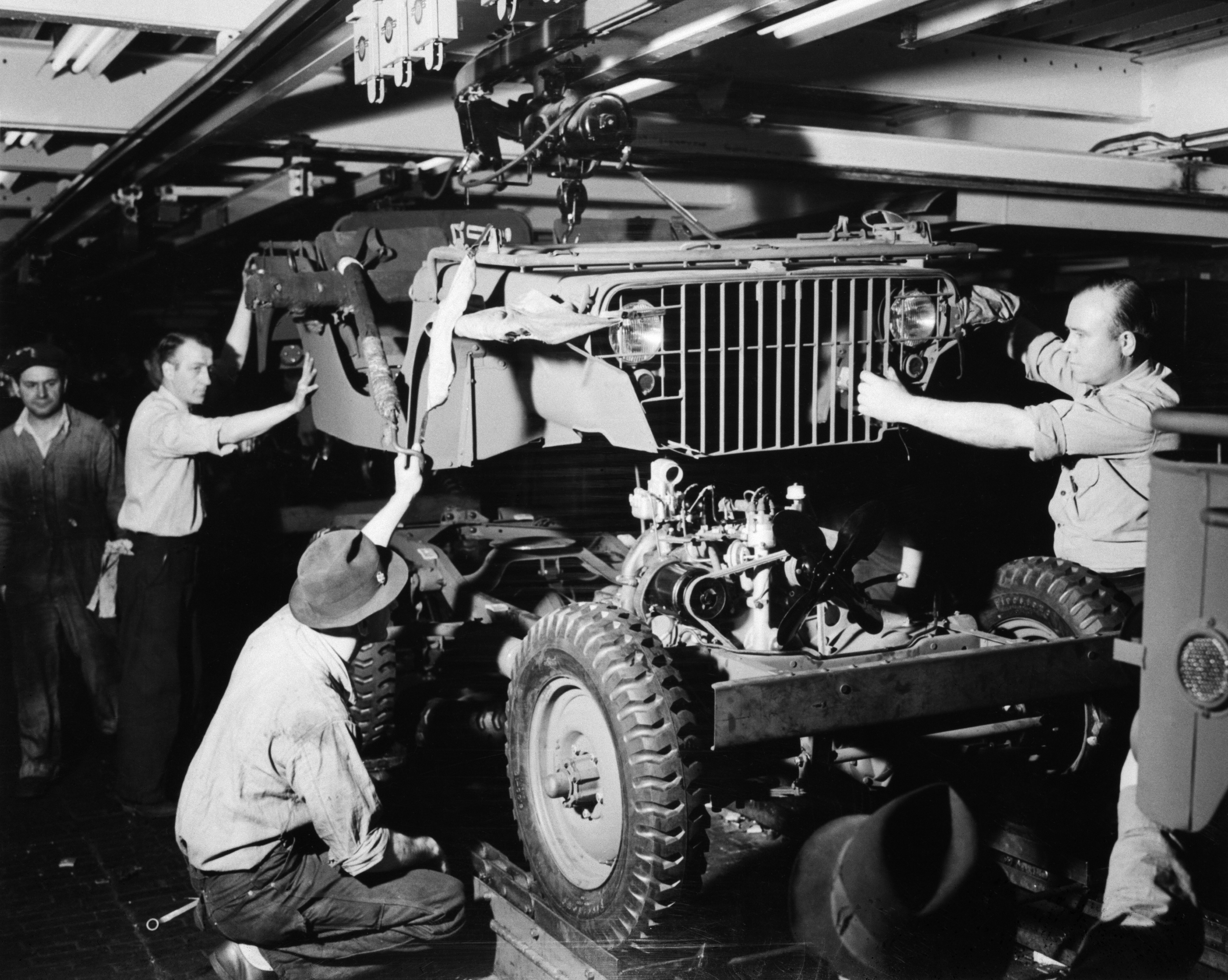
Before the diesel revolution arrived, if you wanted decent performance in your 4×4 you had a petrol V8 or a big (plus 4.0-litre) petrol six. If you wanted economy, you had a diesel. Trouble was the big petrol motors were thirsty and the diesels were dead sluggish if naturally aspirated and only modest performers if turbocharged, while the popular mid-sized petrol V6s of the time were excellent on neither count.
The new-tech diesels increasingly meant that you could have both performance and economy, as they were simply much better at extracting every last morsel of energy out of every drop of diesel fuel, thanks largely to very precise high-pressure common-rail diesel injection and evermore sophisticated turbocharger technology, including the use of multiple turbos.
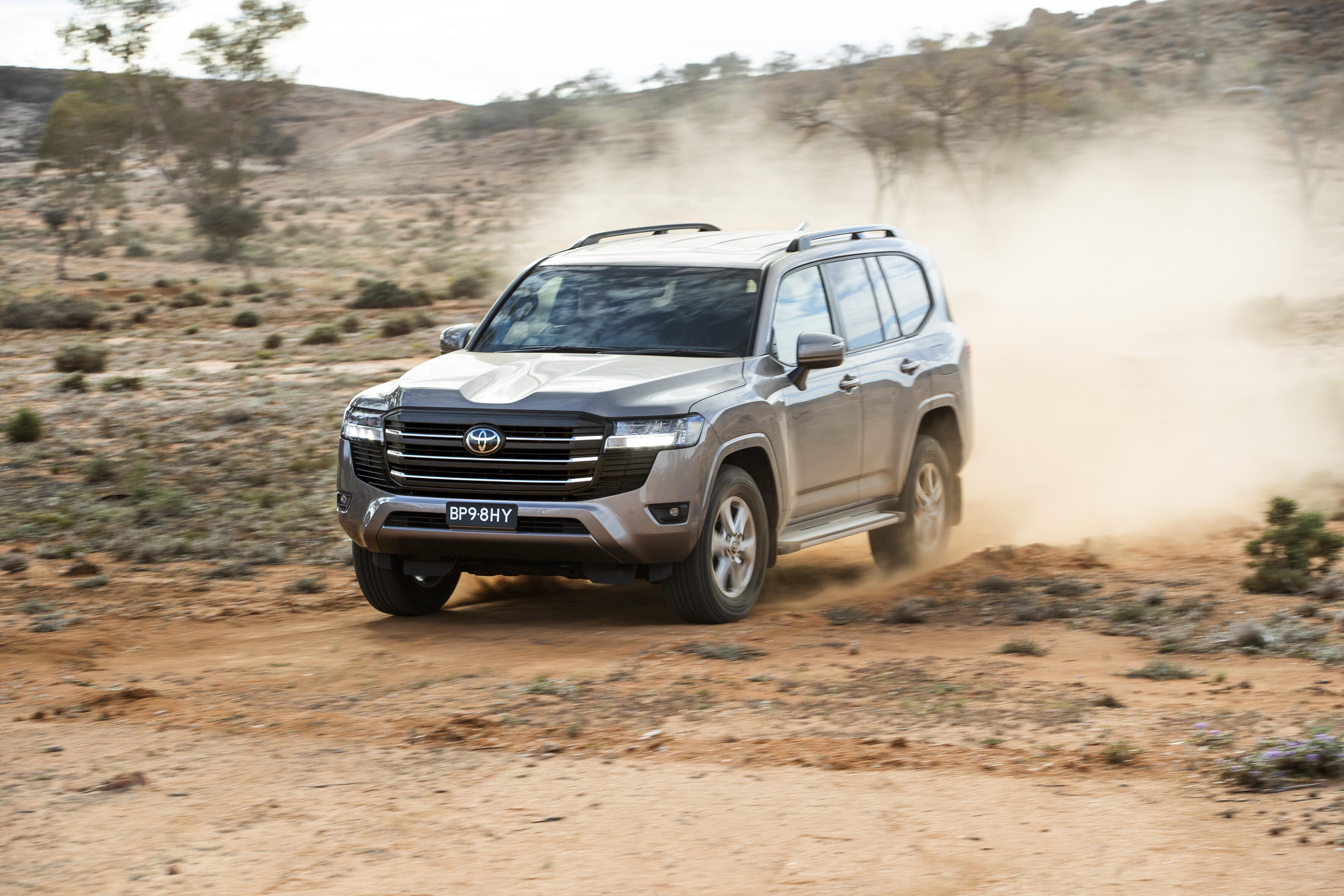
This revolution didn’t arrive all in one hit, but if there was one engine that signalled the bold and brave new world of performance diesels had arrived in Australia it was the 3.0-litre BMW straight-six that was offered in the then-new third generation Range Rover in 2002. That generation Range Rover also came with a modern quad-cam 48-valve 4.4-litre petrol V8 (also a BMW engine) and in give-and-take driving, the punchy ‘little’ diesel gave nothing away to the near 50 per cent bigger petrol V8. And after all these years, modern European-inspired diesel technology has migrated all the way to diesel-conservative Toyota, in the engine we see in the 300 Series.
2. Tyres

Literally everything is riding on your tyres and you can count yourself lucky that you’re not riding these days on bias-ply (so-called cross-ply) tyres, especially ones with bar treads. Bar treads on a wet bitumen road? Easiest way to find the roadside ditch ever invented.To tell the truth, any bias-ply tyre, even ones with a road pattern tread and on dry roads, weren’t great in terms of steering and handling satiety.Radial construction, where the plies run 90-degrees bead to bead rather than diagonally, as is the case with bias-ply tyre, proved to be the answer; but while the radial tyres first appeared in 1948 (on the then-new Citroen 2CV courtesy of Michelin, Citroen’s owner at the time), the technology didn’t become widespread until 30 or more years later.Off the back of the radial tyre came the light-truck radial tyre, which offers more robust construction than a passenger-car radial, obviously just what you want with a 4×4. Light-Truck (LT) radials can also run higher pressures to cope with heavier loads, which is also just what you want on a heavily laden touring 4×4.
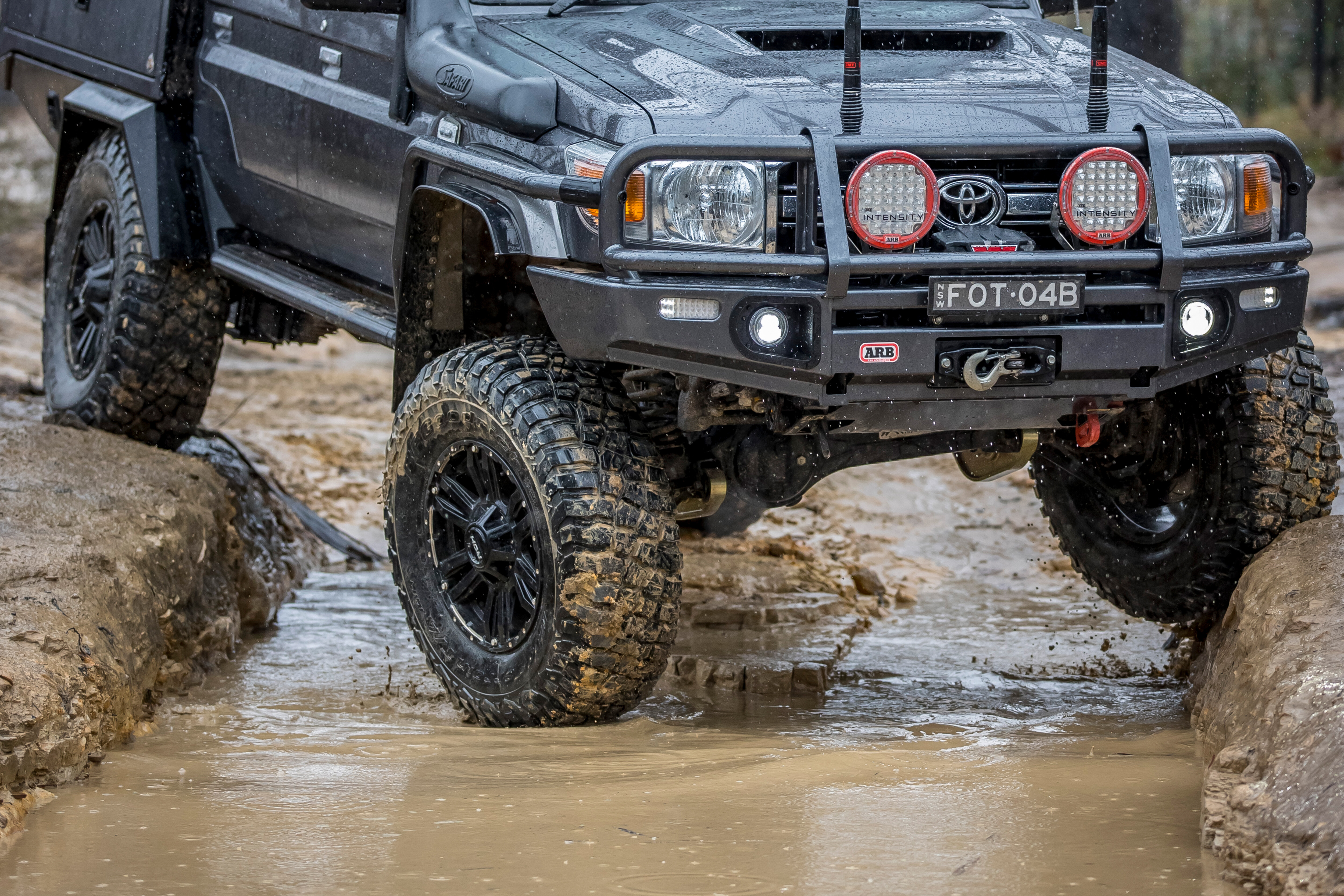
All this would still probably come to little if we were still using bar-tread patterns for mixed on- and off-road driving, but instead we can now choose between an all-terrain tyre (AT) or a mud tyre, assuming of course you don’t want a road-pattern tyre. Better still you can choose your AT tyre based on your personal mix (50:50; 60:40; 80:20, etc.) of on- and off-road driving.We can also be thankful that tyre manufacturers have come to the party when vehicle manufacturers have forsaken off-road practical wheel sizes (15- and 16-inch) for larger diameter wheels, purely for fashion reasons. Having a low-profile 20-inch tyre that is practical and effective off-road is indeed an engineering miracle given the inherent off-road disadvantage of having very little tyre sidewall.Here’s a 4×4 tyre shopping tip: If you don’t want a Light Truck tyre on your 4×4 – if it was designed around a passenger-construction tyre (and there are some negatives in fitting an LT tyre) – but still want a reasonably robust all-terrain tyre, then all is not lost. The trick is in the speed-rating, and lower is better, which in effect means an R or S speed-rated tyre given typical availability.
3. Long-travel suspension
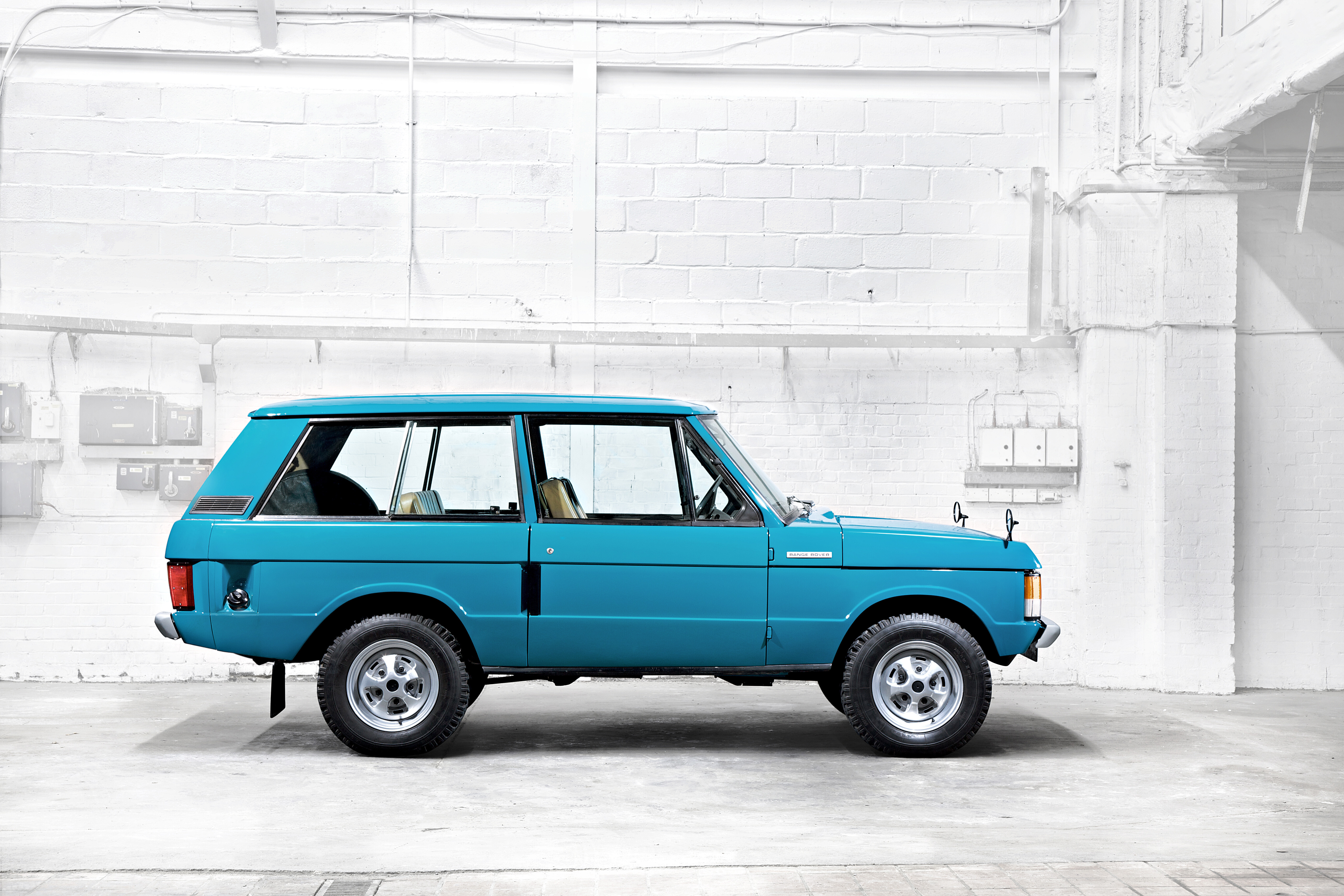
The best 4x4s of today would be nothing without long-travel suspension, not that every new 4×4 is similarly blessed. Long-travel suspension is where 4×4 ability starts, provided the design basics like ground clearance and effective engine power/gearing are covered.The more suspension travel and therefore the more axle articulation you have, the easier things become as your tyres keep in firmer contact with the ground. Which means you’re less reliant on limited-slip diffs, diff locks and electronic traction aids and the like to keep things moving. The downside of long-travel suspension is excessive body lean when cornering on road, but more on that later.
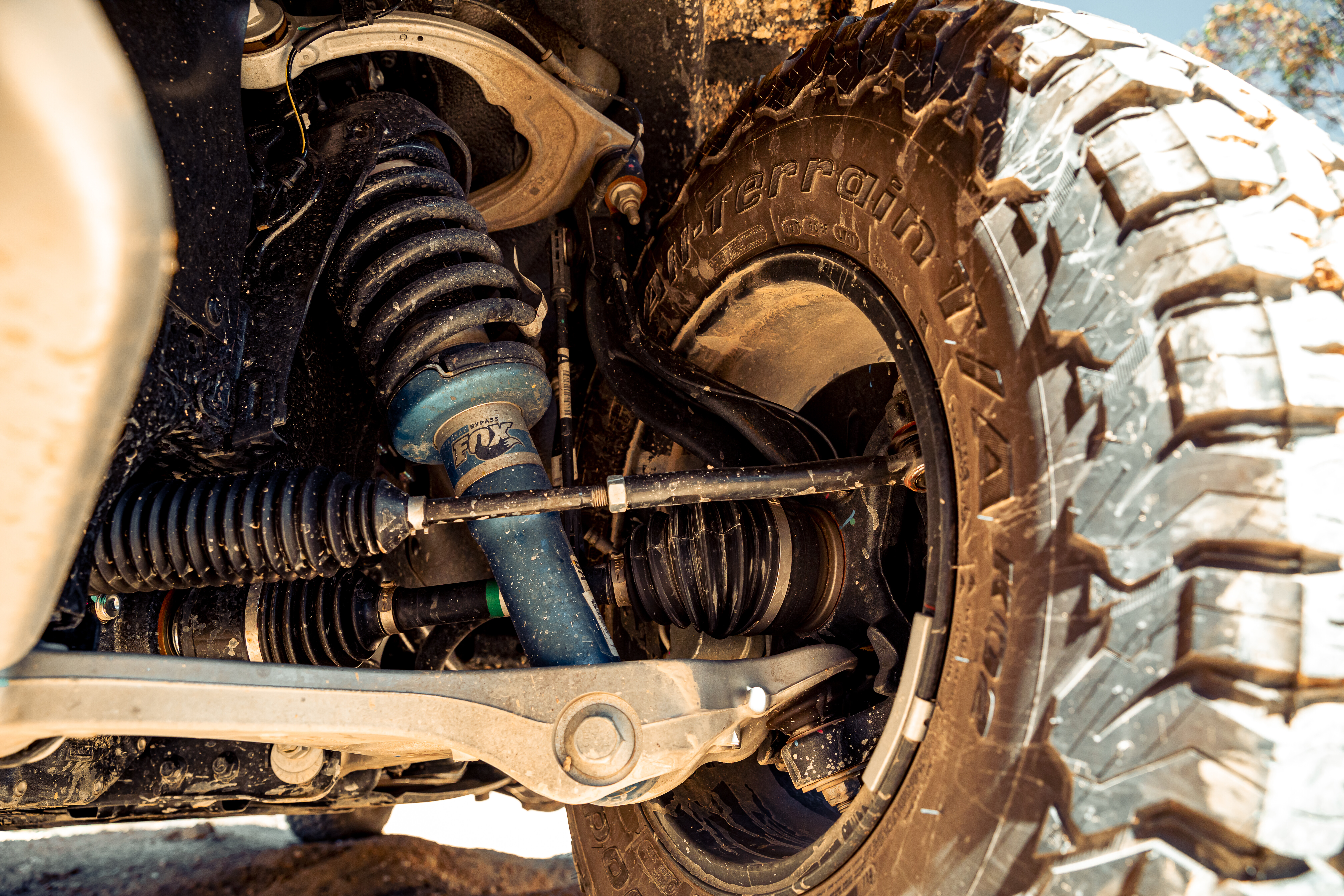
The watershed moment in 4×4 suspension evolution came with the arrival of the Range Rover in 1970. With long-travel coil springs instead of leaf springs, the default suspension of the day as used with Series Land Rovers, LandCruiser 40s and Jeep CJs, both off-road ability and off-road comfort were taken to another level. It took a while for the typically engineering-conservative Japanese manufacturers to catch up, but they did with the Patrol GU in 1987 and the LandCruiser 80 in 1990.The wheel-travel advantage offered by coil springs also brought a rethink of leaf-spring design. By using longer but thicker leaves, more travel can be engineered in to leaf springs without compromising load-carrying ability. The leaf springs on the current Hilux, Ranger and Amarok provide wheel travel and axle articulation that some coil-spring designs can’t match.
4. Full-time 4×4
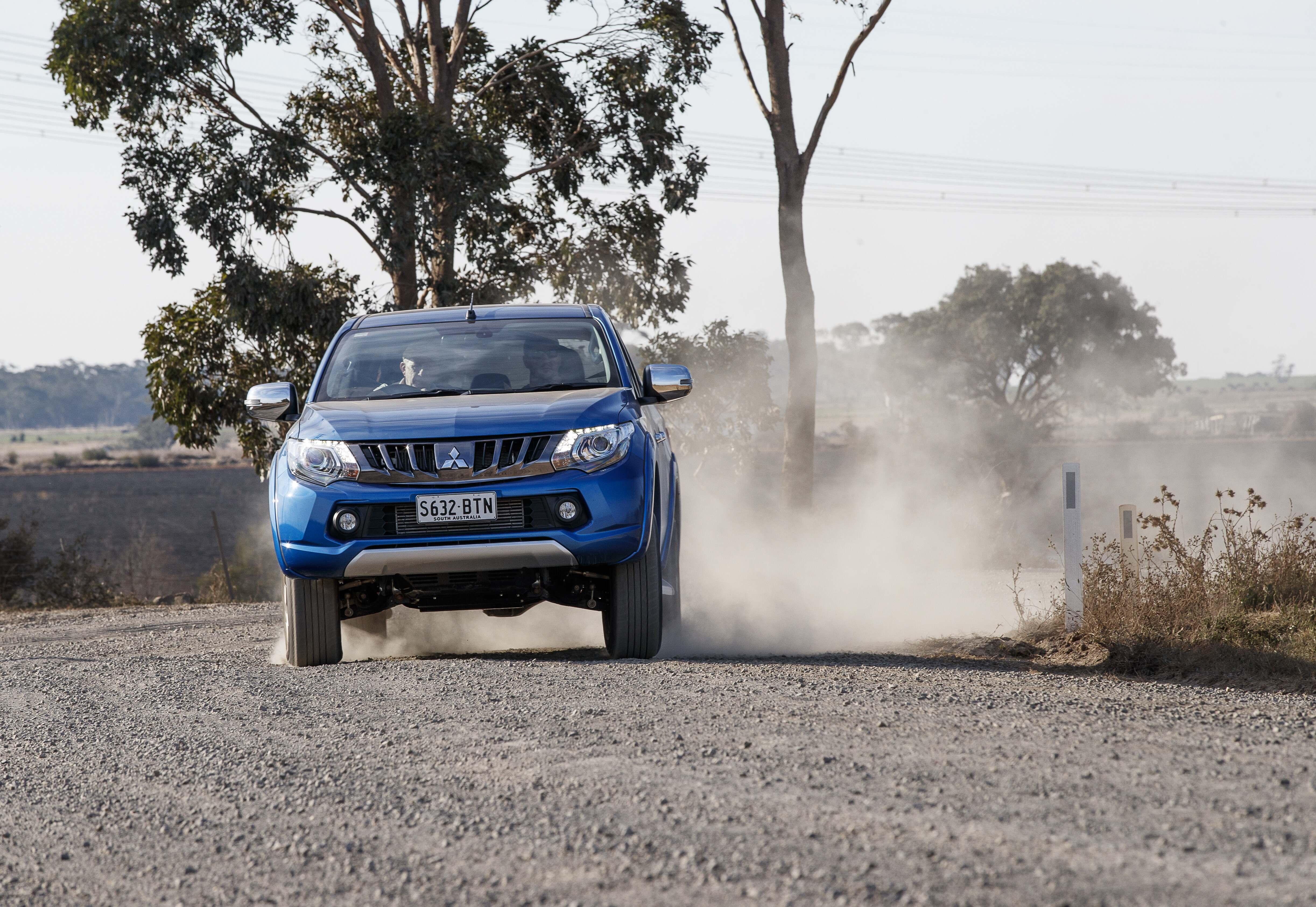
The majority of new four-wheel drives today don’t have full-time 4×4, but that’s only because part-time 4×4 is a cheaper system to manufacture, which means a more attractive showroom price for the vehicle in question. And if most buyers are more than happy with part-time 4×4, then why bother with full-time 4×4?
Premium 4WDs – think LandCruiser, Range Rover, Grand Cherokee and the like – do have full-time 4×4 and for good reason. Compared to part-time 4×4 it brings considerable safety, convenience and drivability advantages. It’s simply a better way to drive.The first Land Rover which arrived on the world stage in 1948 had full-time 4×4 of sorts, but the system was complex and dropped after three years in favour of part-time 4×4. Full-time 4×4 didn’t effectively reappear until 1970 – this time for good – with the debut of the original Range Rover. This pushed Jeep in 1972 to introduce full-time 4×4 on the Wagoneer, its premium model of the time, with Toyota eventually joining the party with its 80 Series in 1990. From there, full-time 4×4 has become more common and is even available on the Mitsubishi Triton, the least expensive of the mainstream utes. Cashed- p new Ford Ranger buyers will also be able to enjoy full-time 4×4 with the oon-to-arrive V6 Ranger, which may force Toyota’s hand with the next-generation Hilux. Toyota already has the parts needed in its Prado …
5. Electronic traction control
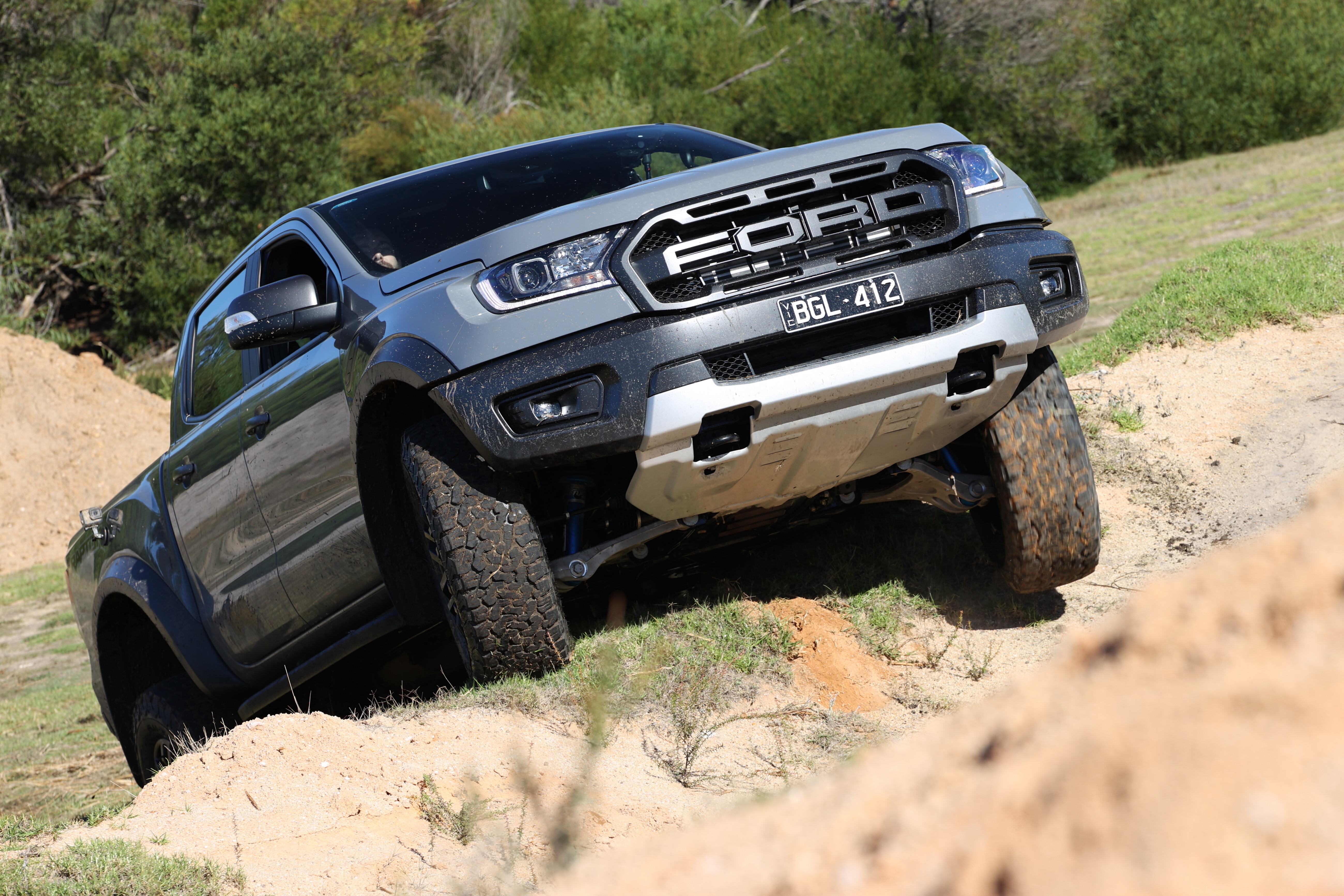
Electronic traction control (ETC) is standard on every new 4×4 and has been for a decade or so; although, there have been some slow adopters, most notably the LandCruiser 70 Series which has had it for only half that time and only then off the back of new-car safety laws. ETC didn’t become mandatory then, but electronic stability control (ESC) did and ETC is a relatively simple but necessary building-block tech for ESC.
The beauty of ETC is its simplicity as it doesn’t require any extra hardware once you have anti-lock brakes (ABS), which became increasingly standard fitment on cars and 4x4s through the 1970s and ’80s. Where ABS prevents a wheel from locking under brakes by automatically reducing the braking effort, ETC applies braking effort to stop a wheel from spinning under power. Once you have ABS, ETC only requires a simple electronic tweak and effectively transforms a standard open mechanical differential in to a drive-proportioning differential.Not all ETC systems are created equal, though. First generation ETC systems were generally designed to prevent wheelspin on wet roads but still offered a game-changing benefit off road. Second- and third-generation ETC systems designed specifically for off-road use are even better again.
6. Lighting
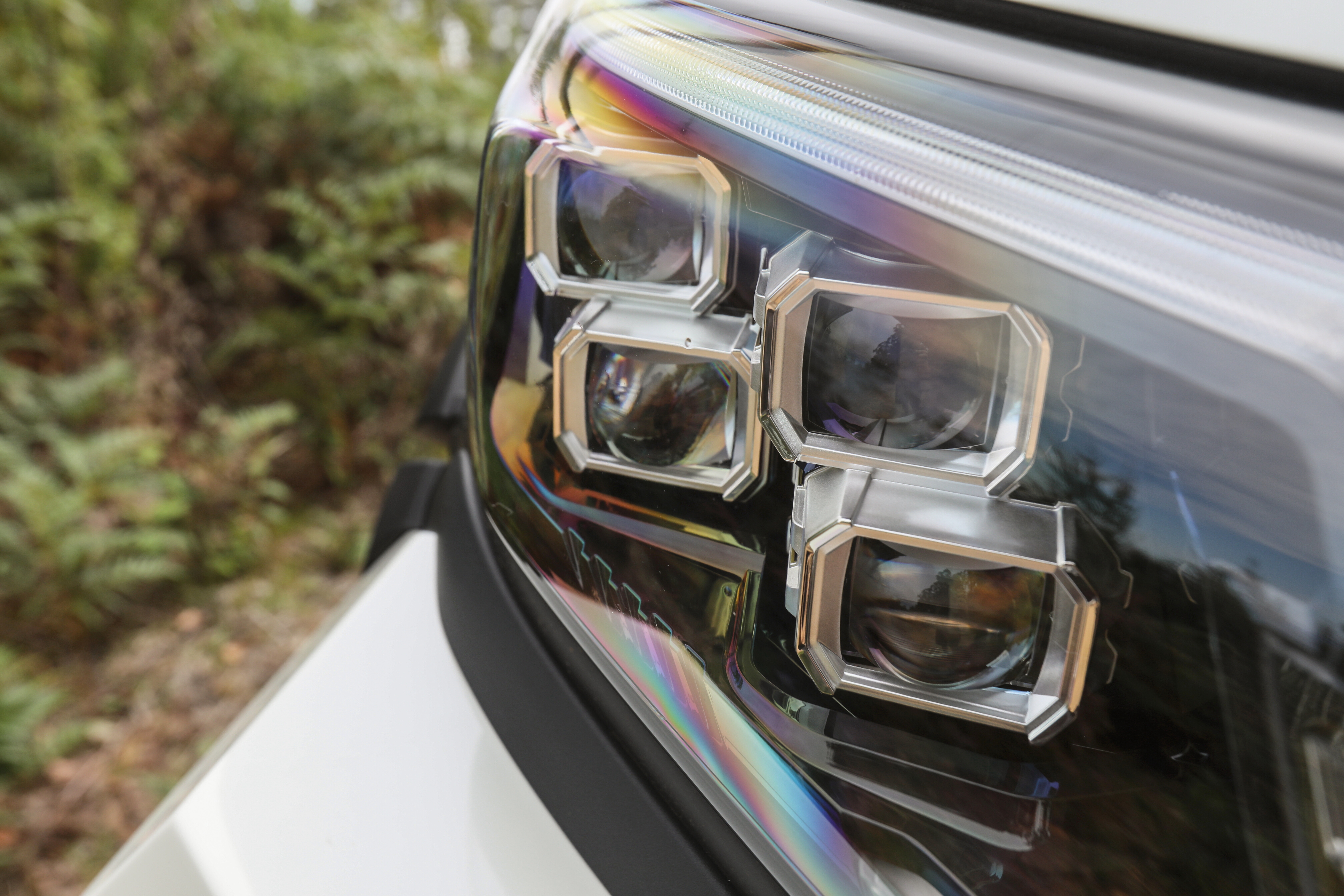
Despite driving at night amounting to only 25 per cent of driving for most people, 50 per cent of road accidents occur at night. And that’s with the good headlights and vehicle recognition lighting we have today.You may be lucky to not have to drive at night, but most of us have to at times, so it’s handy to be able to see where you’re going! Driving outside of built-up areas, where there’s no street lightning, makes lighting even more important, as every 4×4 driver knows. Hence the amount of money for aftermarket auxiliary lights that have been spent over the years!
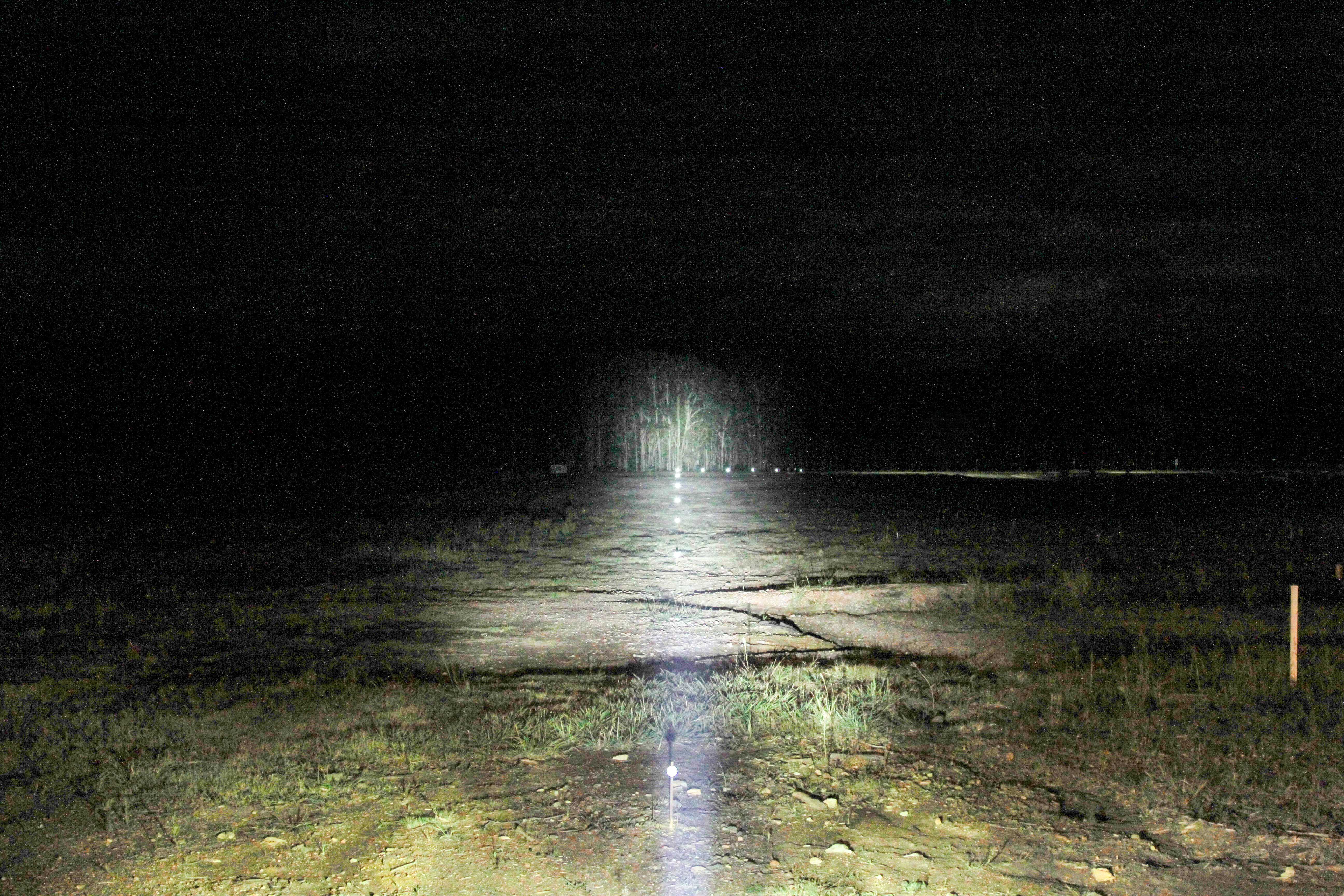
There was a time when driving without auxiliary lighting on your 4×4 meant you were still largely driving in the dark. Things took a big step forward when halogen gas was added to tungsten filament bulbs to create so-called halogen headlights in the 1960s, the significant lighting revolution of the day.Things got even better when High Intensity Discharge (HID) headlights using an electric arc between two electrodes in an inert gas (generally xenon) to do away with a filament altogether started to appear in the 1990s. Then hot on the heels of HID lights have come light-emitting diode (LED) headlights, which are brighter again, use less power and last longer. It’s seventh heaven now compared to tungsten-filament days.
7. Smart differentials
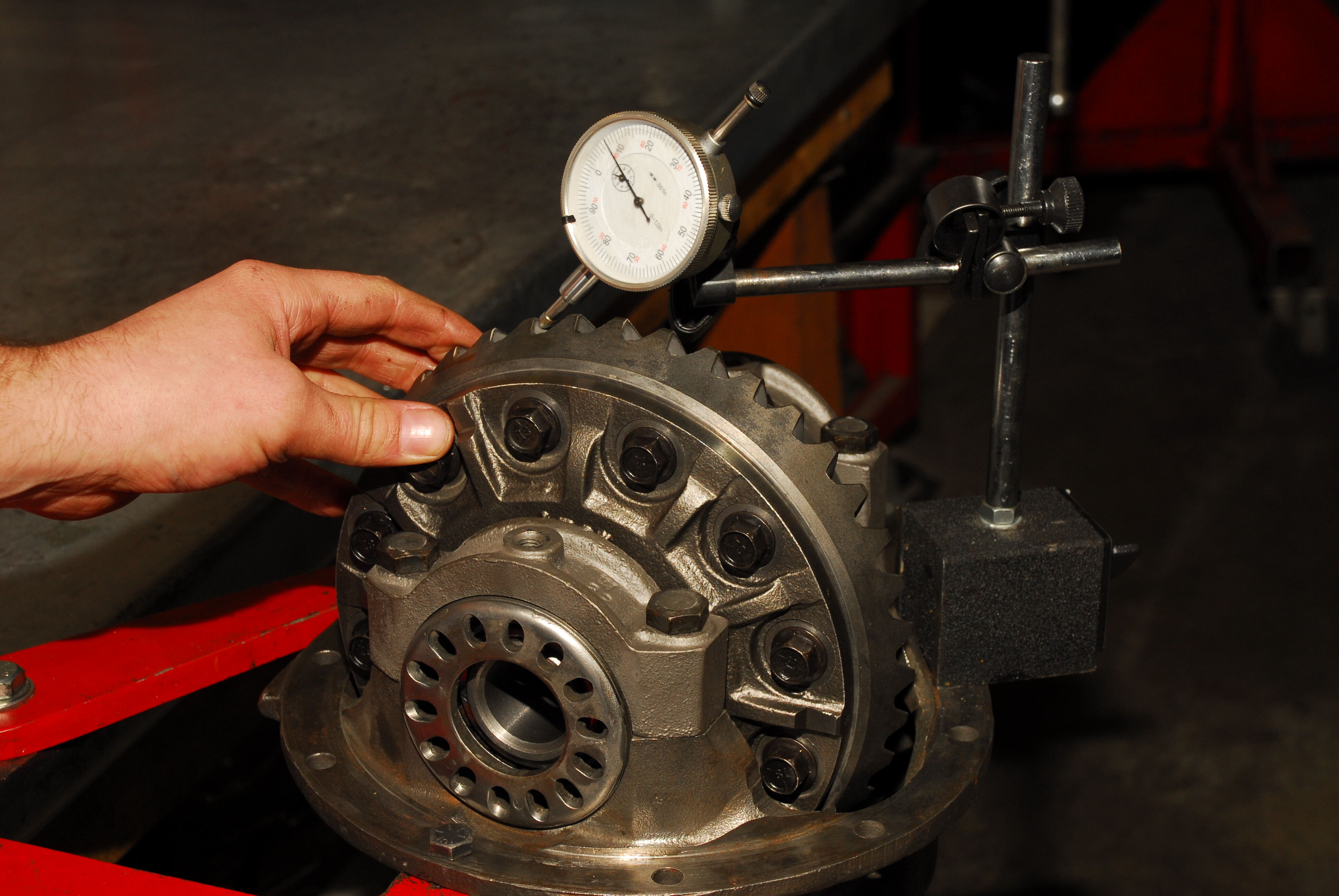
Differentials can be the make-or-break of a 4×4 once you have obvious design basics such as clearance, suspension travel and power/gearing covered. The issue here is a differential is exactly what you don’t want off-road but is essential for on-road driving.Differentials, as the name suggests, allow the wheels on either side of an axle to turn at different speeds if need be. On road you need this just to be able to drive around corners given the inside wheel on either axle has to slow down (less distance to travel), while the outside wheel on the same axle has to speed up to cover the greater distance of its wider arc. This is the standard function of an open differential.The trouble off-road is that an open diff feeds the power along the path of least resistance across an axle, so if either tyre on that axle loses traction, all the power will go that way and the wheel spins away uselessly.
So-called ‘smart’ or ‘E’ diffs address this problem by using an electronically controlled clutch to feed the power to the wheel(s) where it can be best used. The clutch responds to information from sensors that monitor wheel-speed, throttle application and the like and can work in a proactive way rather than just reactive.Smart diffs are used in both rear cross-axle and centre inter-axle applications and can typically proportion the drive from a locked 50:50 to all or near all of the drive going to either axle in a centre inter-axle application or to either wheel in a cross-axle application.
8. Driver-switched diff locks
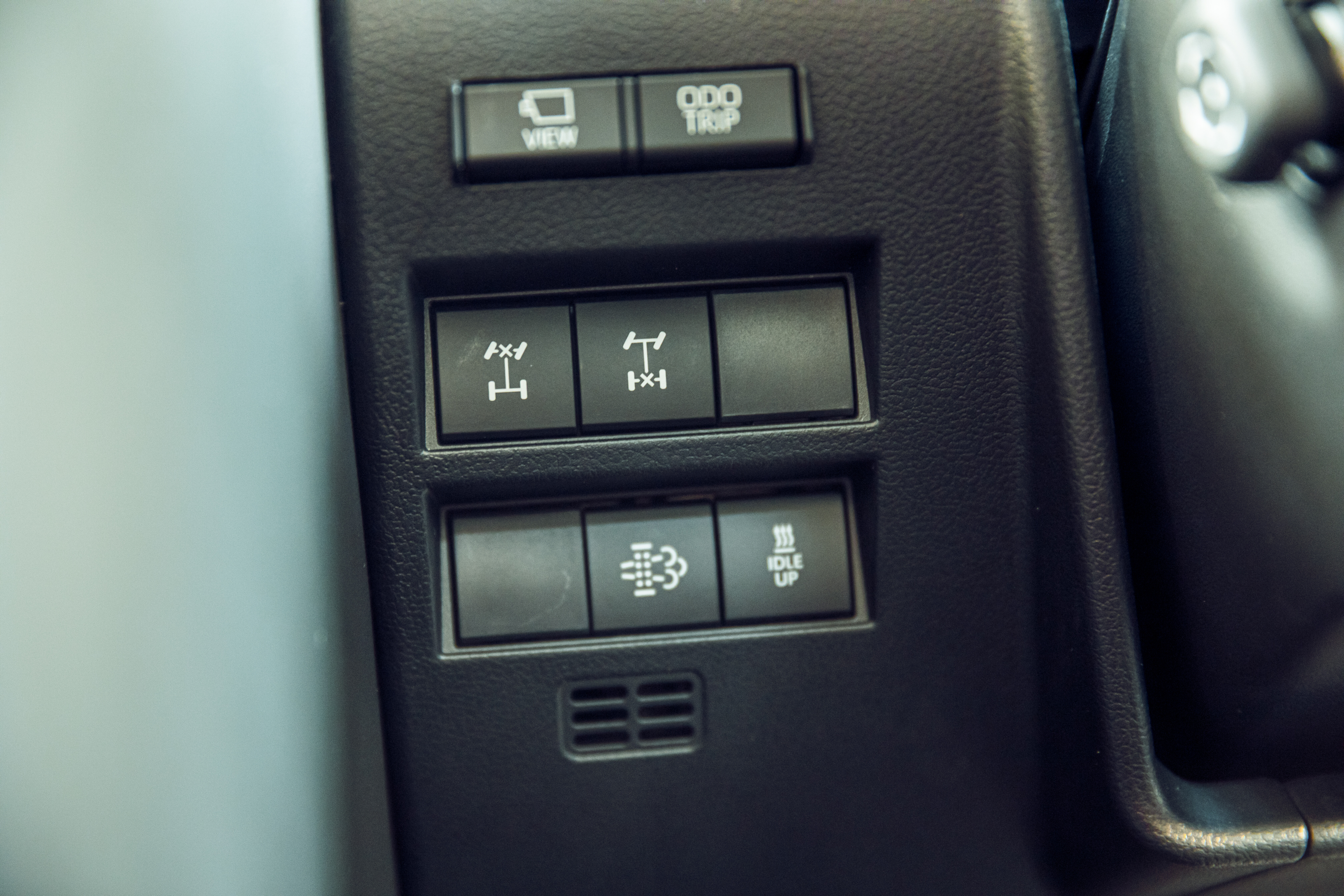
Buy a new 4×4 ute today and you’ll most likely be buying one with a driver-switched lock for the rear differential. When you flick the switch, an electro-magnetic solenoid engages the differential lock, which means the diff effectively stops being a diff, which means neither wheel can spin by itself. If there’s wheelspin, it has to be both wheels together.Driver-switched lockers have become common on new mainstream 4x4s during roughly the same time frame that electronic traction control has become standard on new 4x4s, and the way the two work together – or not work together – determines the quality of the outcome.Driver-switched rear lockers that keep the front-axle ETC active when they are engaged do the best job – a very good job in fact – while those that cancel the ETC altogether when engaged provide more of a mixed outcome. They can still be an advantage, it just depends on both the exact driving situation – mud, sand, rocky climbs, etc. – and the vehicle in question. (Details on this with contemporary utes was covered recently in our ute buyer’s guide.)
9. Adaptive suspension
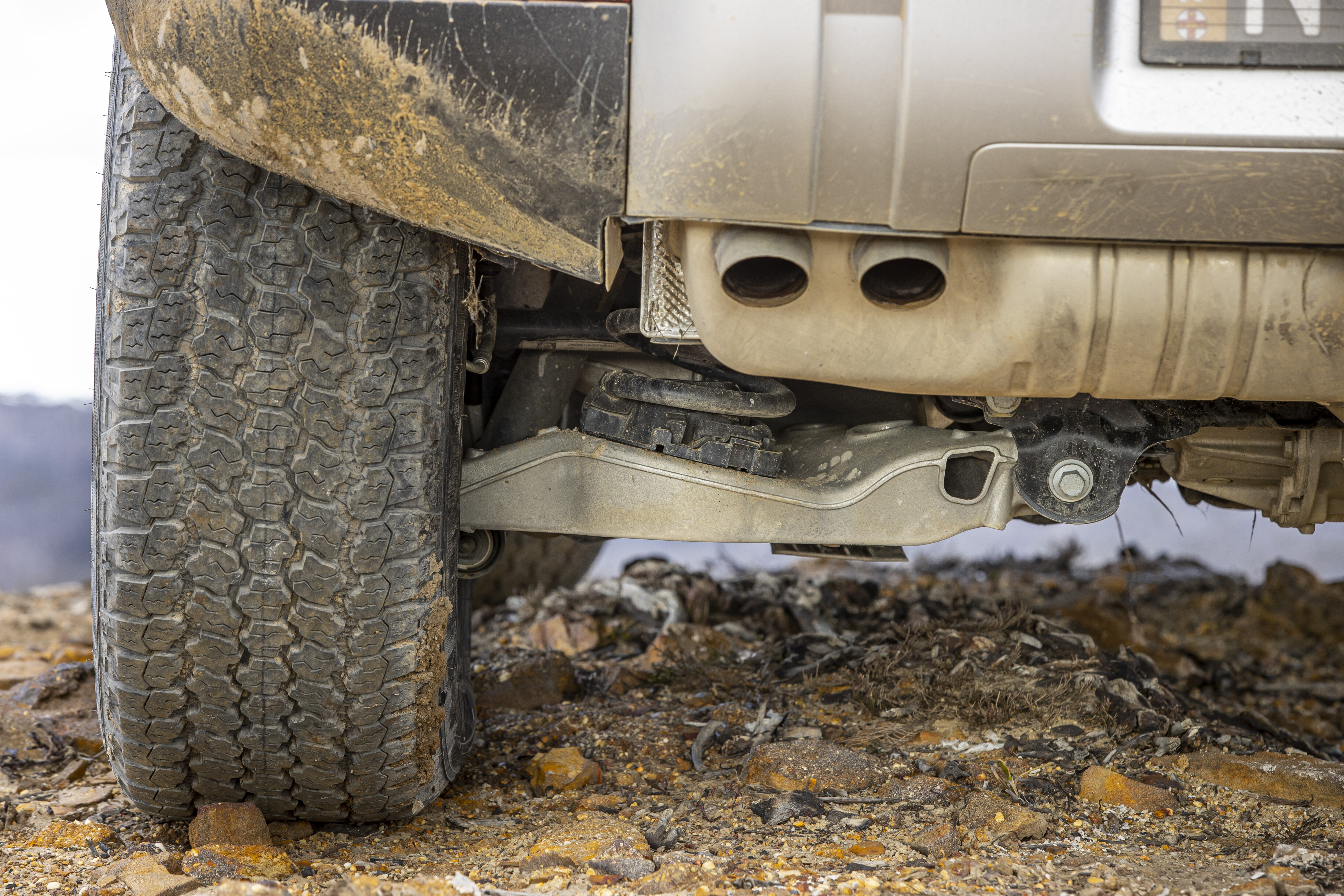
Long-travel suspension (see #3 above) that is so essential to the making of a good 4×4 comes with an inherent problem: excessive body lean when cornering on road, with tight corners and higher speeds both being the aggravating factors. So-called anti- roll or sway bars help limit this on-road body lean but they also reduce axle articulation, which is not what you want off-road.To avoid this compromise, various types of adaptive suspension systems have been aimed at minimising on-road body lean when cornering without being a compromise off-road. Land Rover’s Active Cornering Enhancement introduced on the Discovery II in 1998 was the first such technology and used pressure accumulators and hydraulic cylinders, triggered by two G-force sensors, to stiffen up the sway bars for on-road cornering, while also allowing them to relax for off-road driving. Toyota’s Kinetic Dynamic Suspension System, introduced in Australia on the 200 Series, did essentially the same thing but was simpler and didn’t use any electronic control, being purely hydro-mechanical. Electronic enhancement of KDSS would come later on the second-generation system fitted to the Prado 150 and the third system fitted to the 300 Series.Nissan’s Y62 Patrol goes further by ditching the sway bars altogether and interconnecting the four hydraulic cylinders that control the wheel movement via two hydraulic accumulators. In that way, hydraulic fluid can be pumped from one corner of the vehicle to the other to either reduce on-road body lean or maximise off-road wheel travel.Adaptive suspension that addresses the on-road/off-road design dilemma also comes in the form of height-adjustable air-spring suspension, typically but not exclusively found on 4x4s with fully independent suspension. This allows a low ride height and flatter handling on-road driving, yet can jack itself up to give excellent off-road clearance and maximum wheel travel.
10. Terrain-specific electronics
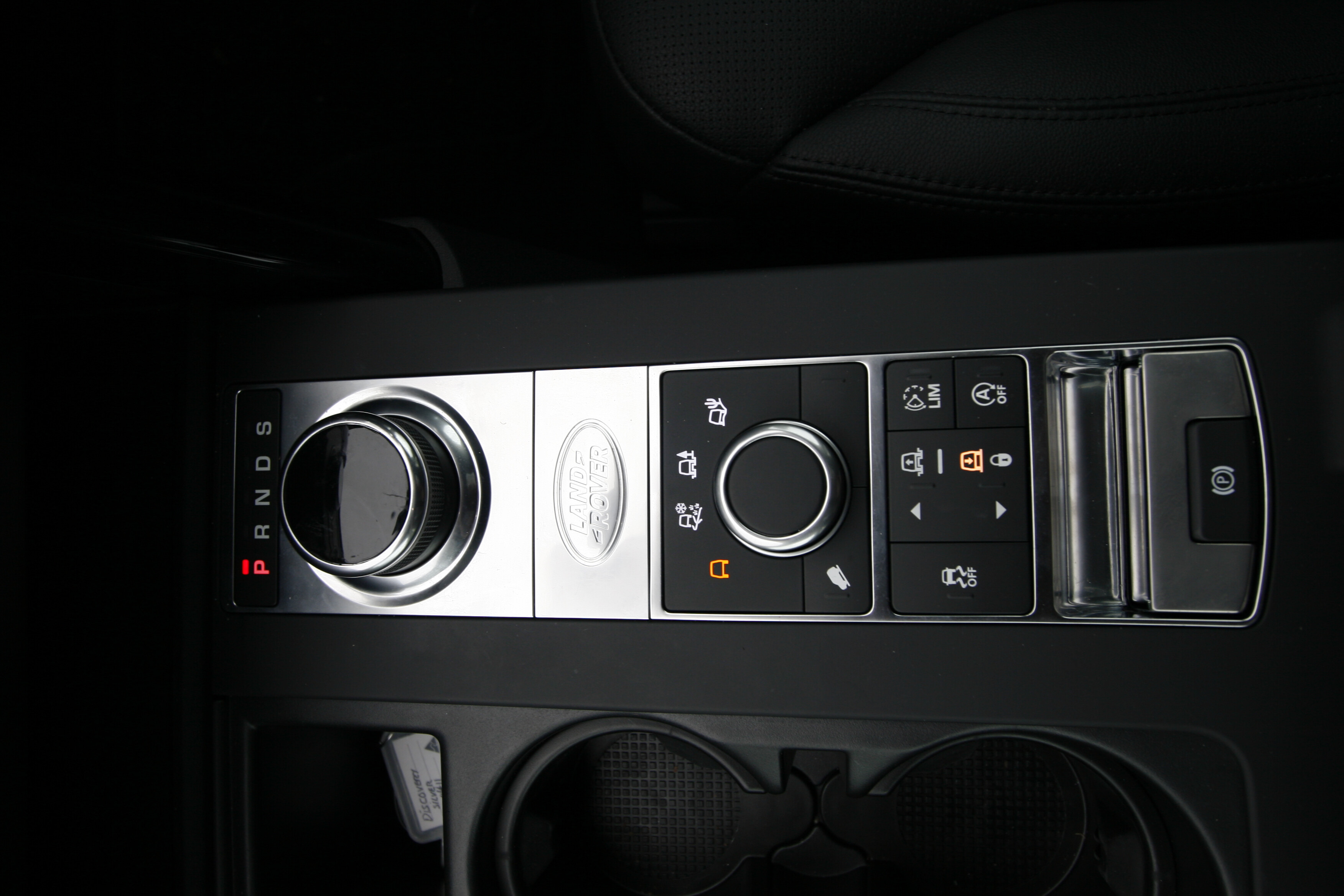
Electronic stability control (ESC) is now mandatory on all new 4x4s and automatically corrects a skid and helps prevent losing control on wet or slippery roads. First appearing some 30 years ago on passenger cars, it’s a proven lifesaver.Trouble is off-road, where ESC can be a nuisance as it cuts engine power and/or applies one or more individual wheel brakes if the vehicle isn’t following its exact steered path, which easily happens in mud or soft sand. Cutting the power and/or applying the brakes is obviously a momentum killer, which is not what you want in either mud or soft sand.To counter this, 4x4s have an ESC-off mode, which you activate via a switch or button. ESC-off mode is only available at low speeds (generally below 30km/h or so) and comes back on automatically once the vehicle speed increases above that limit.A far better solution is to optimise the ETC and the ESC programming (among other things) to suit different types of off-road terrain. Land Rover initiated this with its Terrain Response on the Discovery 3 in 2004 and allowed the driver to switch from the standard road setting to ‘Grass, Gravel & Snow’, ‘Mud and Ruts’, ‘Sand’ or ‘Rock Crawl’. Similar systems of varying degrees are now widely used by Toyota, Jeep, Ford and others.