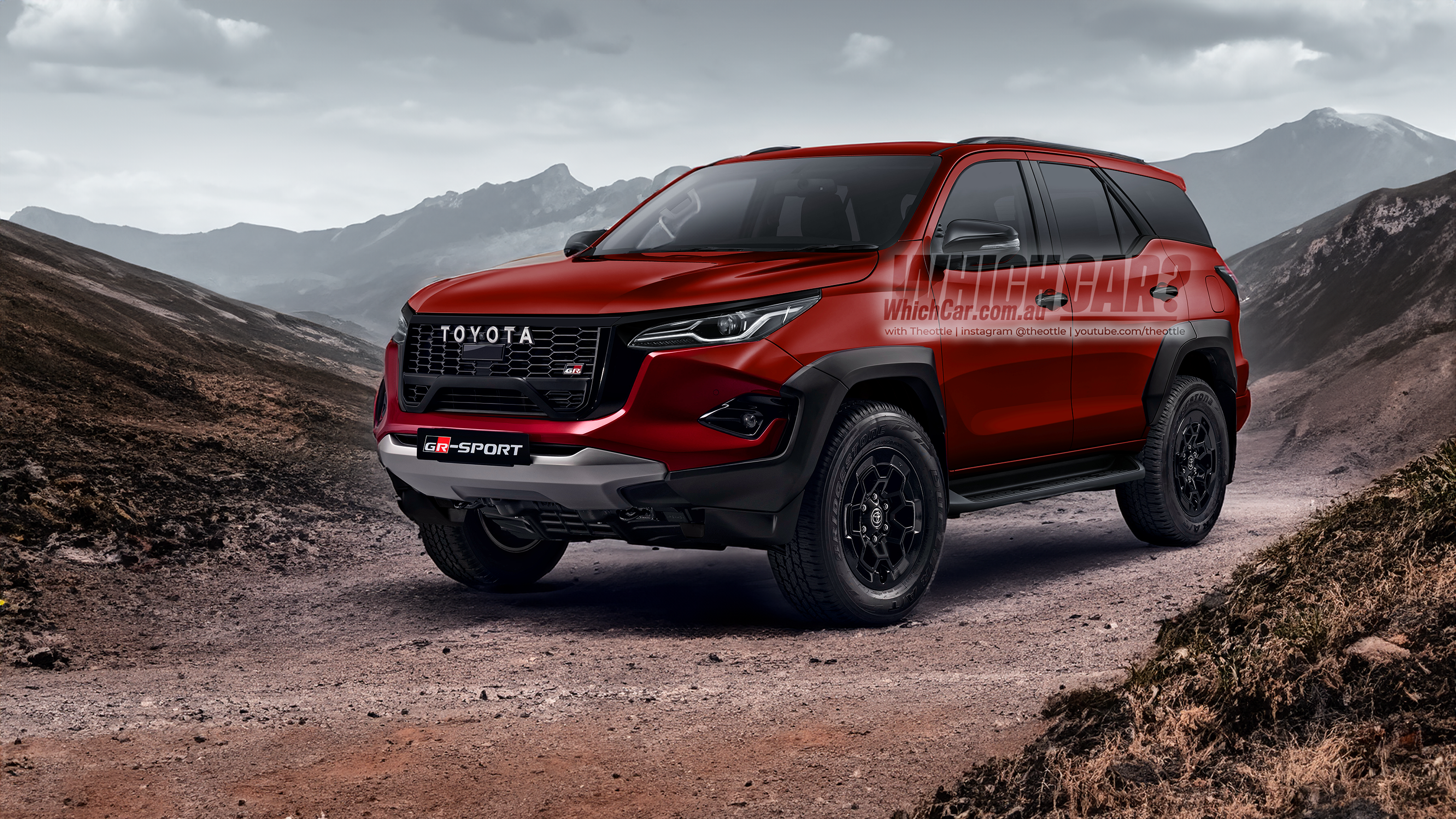
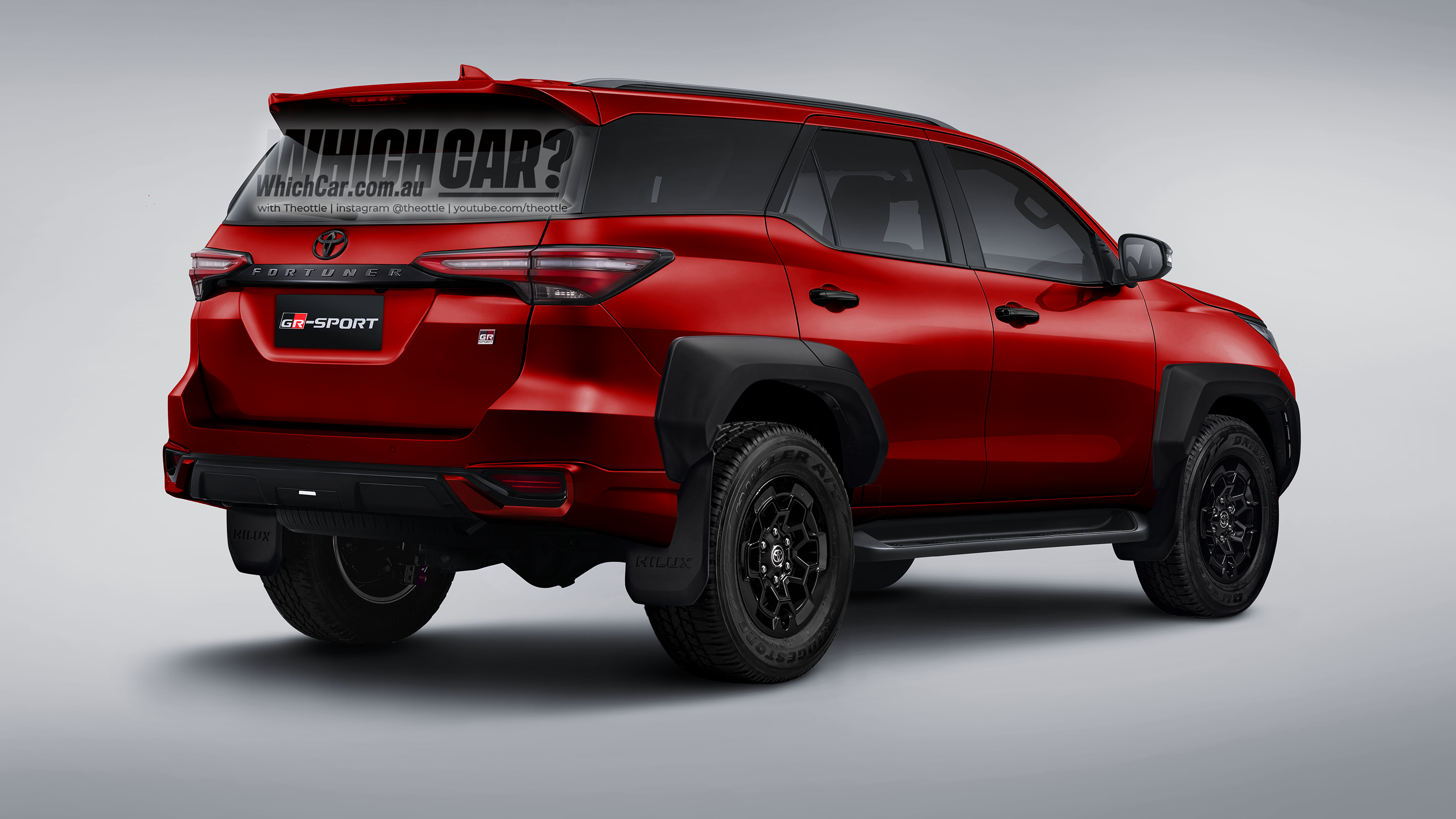
With the flagship Toyota HiLux GR Sport now on the market, it makes sense to think The Big T might revisit the GR Sport variant of its its ute-based Fortuner SUV.
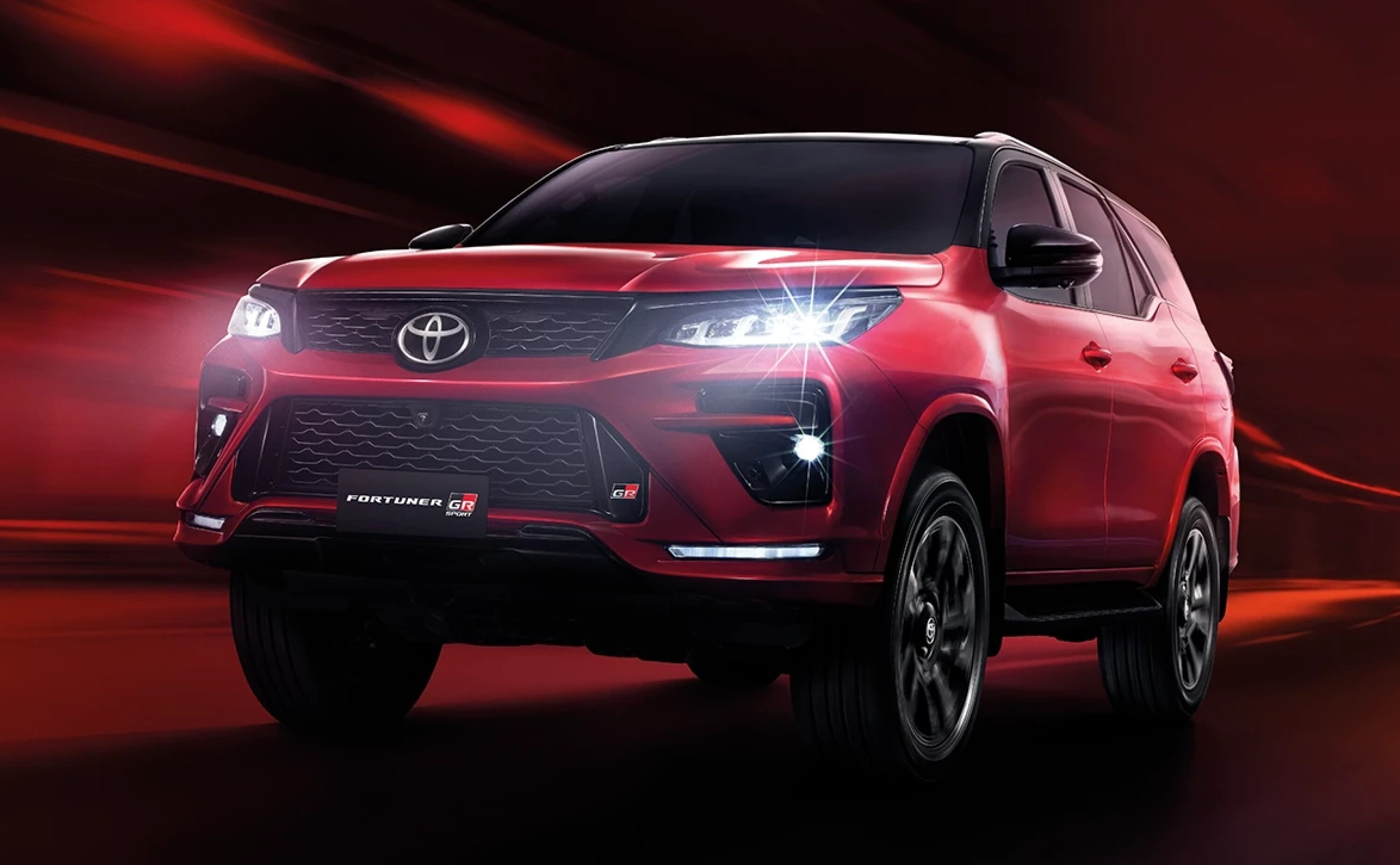
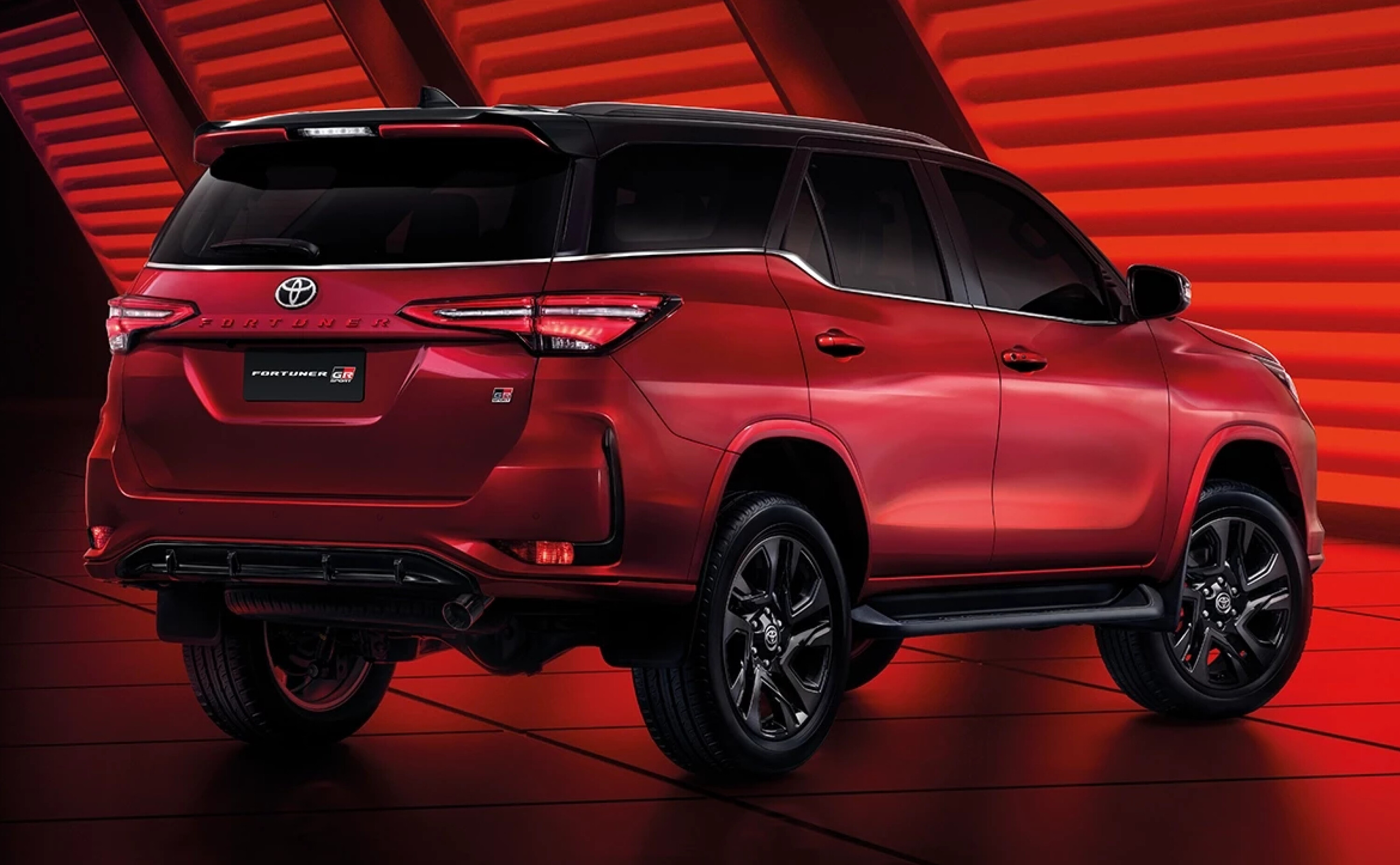
Revealed in 2021 (jump to the bottom of this story), the current Fortuner GR Sport wears a fairly modest styling kit, but it does feature the same 165kW and 550Nm tune that stars in the HiLux GR Sport (up from 150kW/500Nm).
However, unlike the top-dog HiLux, the flagship Fortuner isn’t offered in Australia, where the line-up stops at the $66,755 Crusade.
It’s easy to think Toyota could bring a refreshed Fortuner GR Sport to Australia, wearing a more aggressive look inspired by the widened and sportier HiLux GR Sport.
And considering the HiLux GR Sport is really only specced and priced to take on the Ford Ranger Wildtrak rather than the muscly Ranger Raptor, a Fortuner GR Sport could be conveniently aimed at the newly launched Ford Everest Wildtrak SUV.
1
To that end, our mate Theottle has rendered the Fortuner GR Sport with a facelifted design that brings a version of the HiLux GR Sport’s grille, front bar, rear bar, wheel-arch flares and new wheels at each corner.
What do you think of the look? The Fortuner has never been a market favourite in Oz – although it has its share of diehard fans – but could this more powerful and tougher-looking GR Sport find a home in Australia?
Tell us in the comments!
1
Watch Theottle render the Fortuner GR Sport
Below: The current Fortuner GR Sport, revealed in 2021 for Thailand
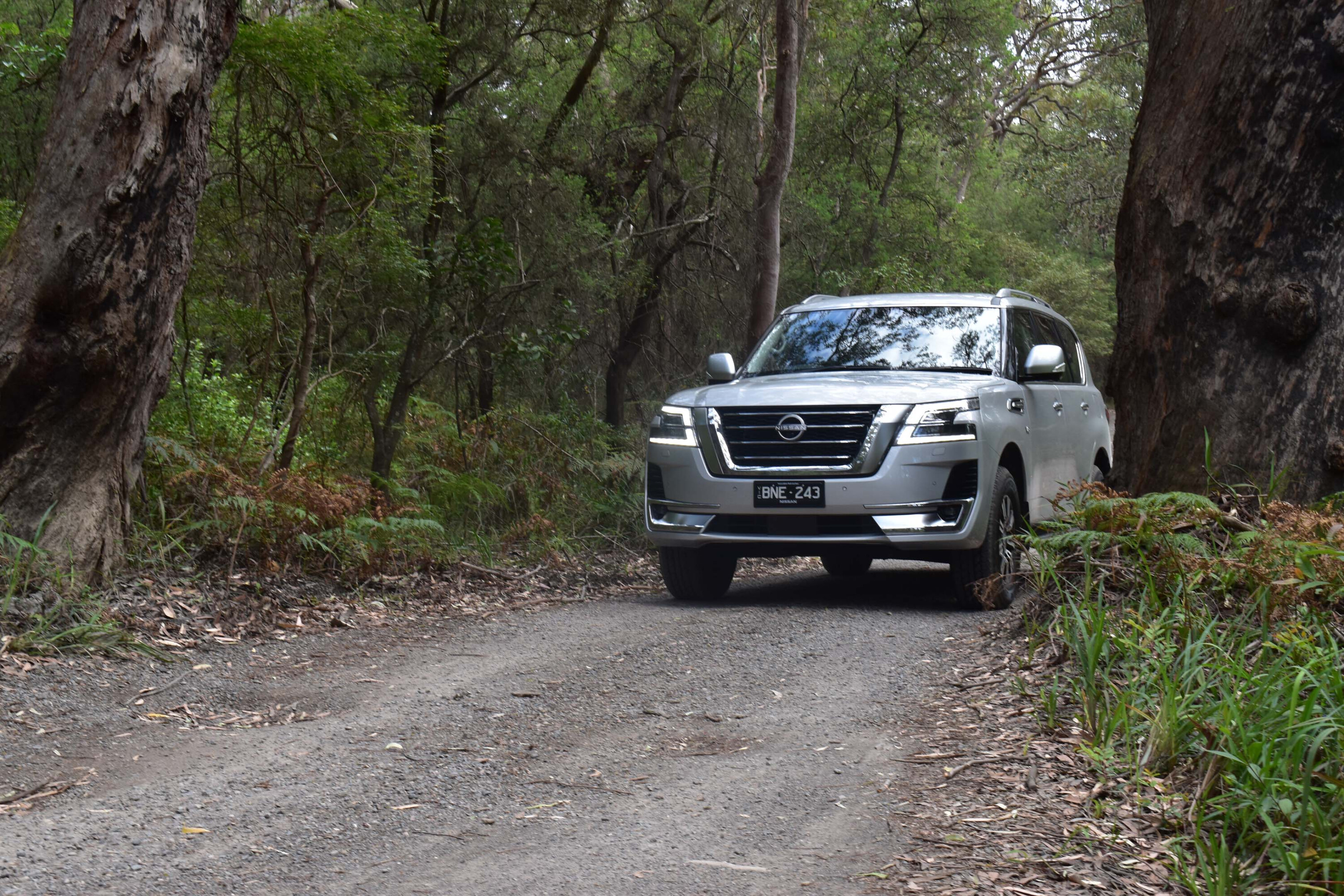
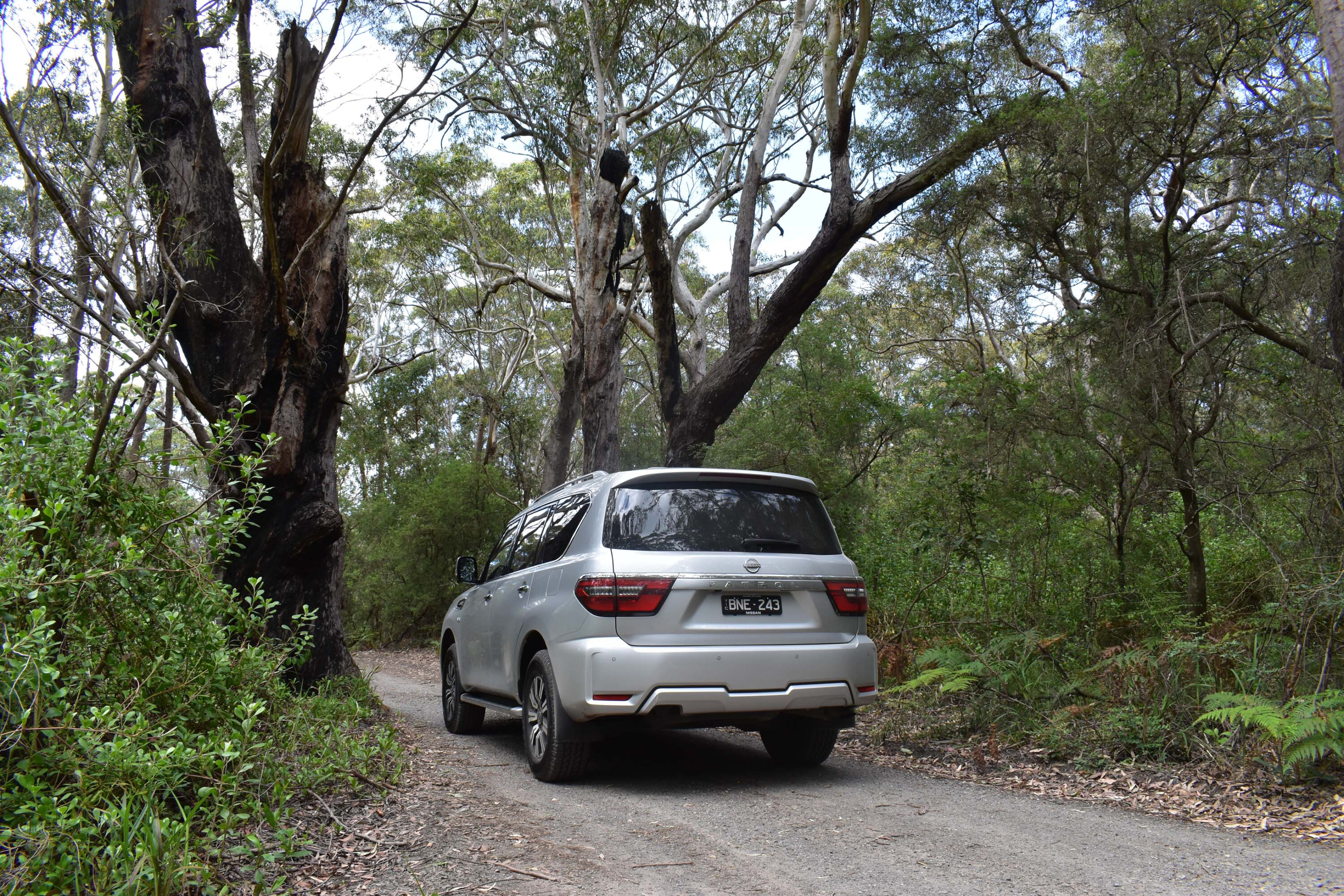
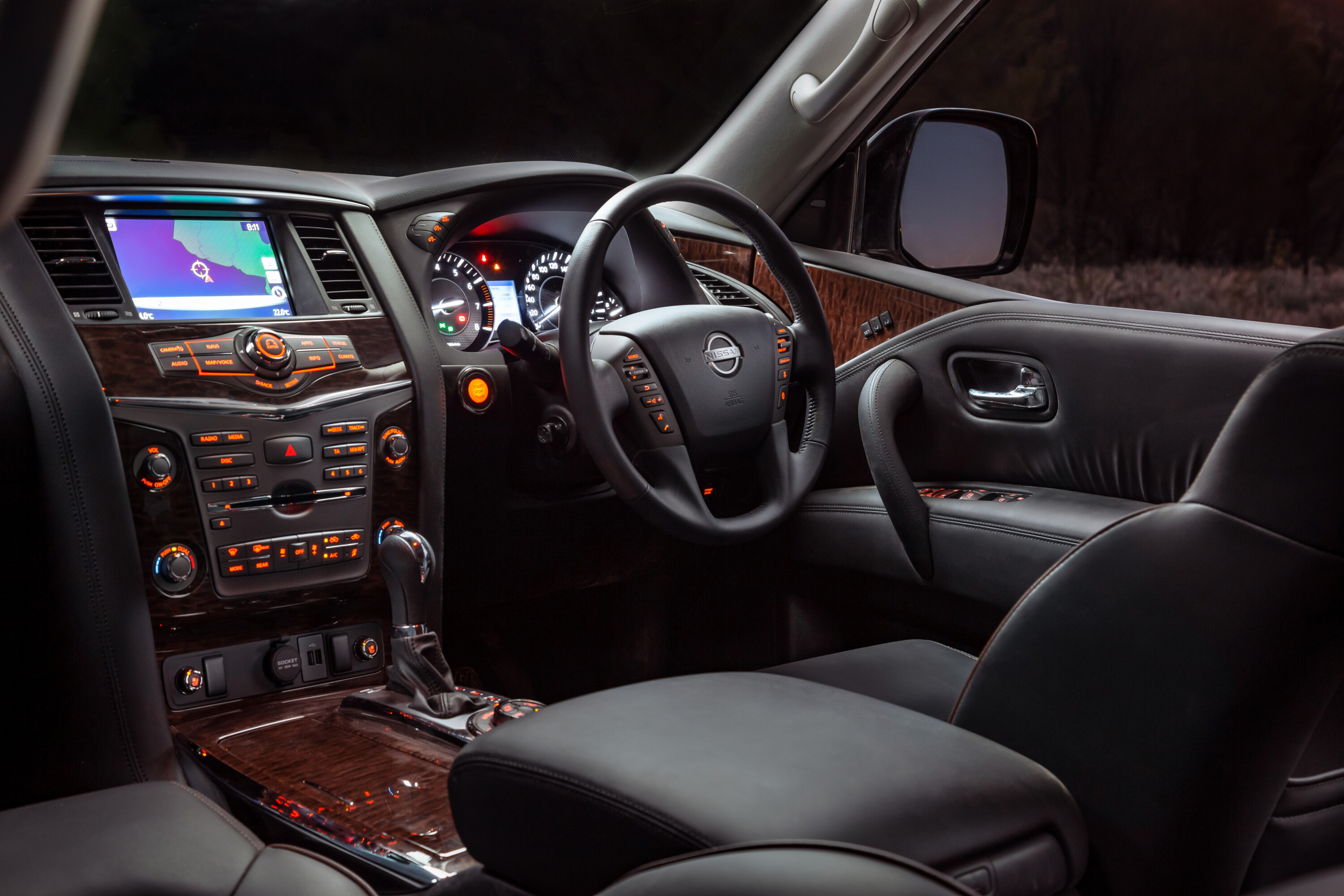
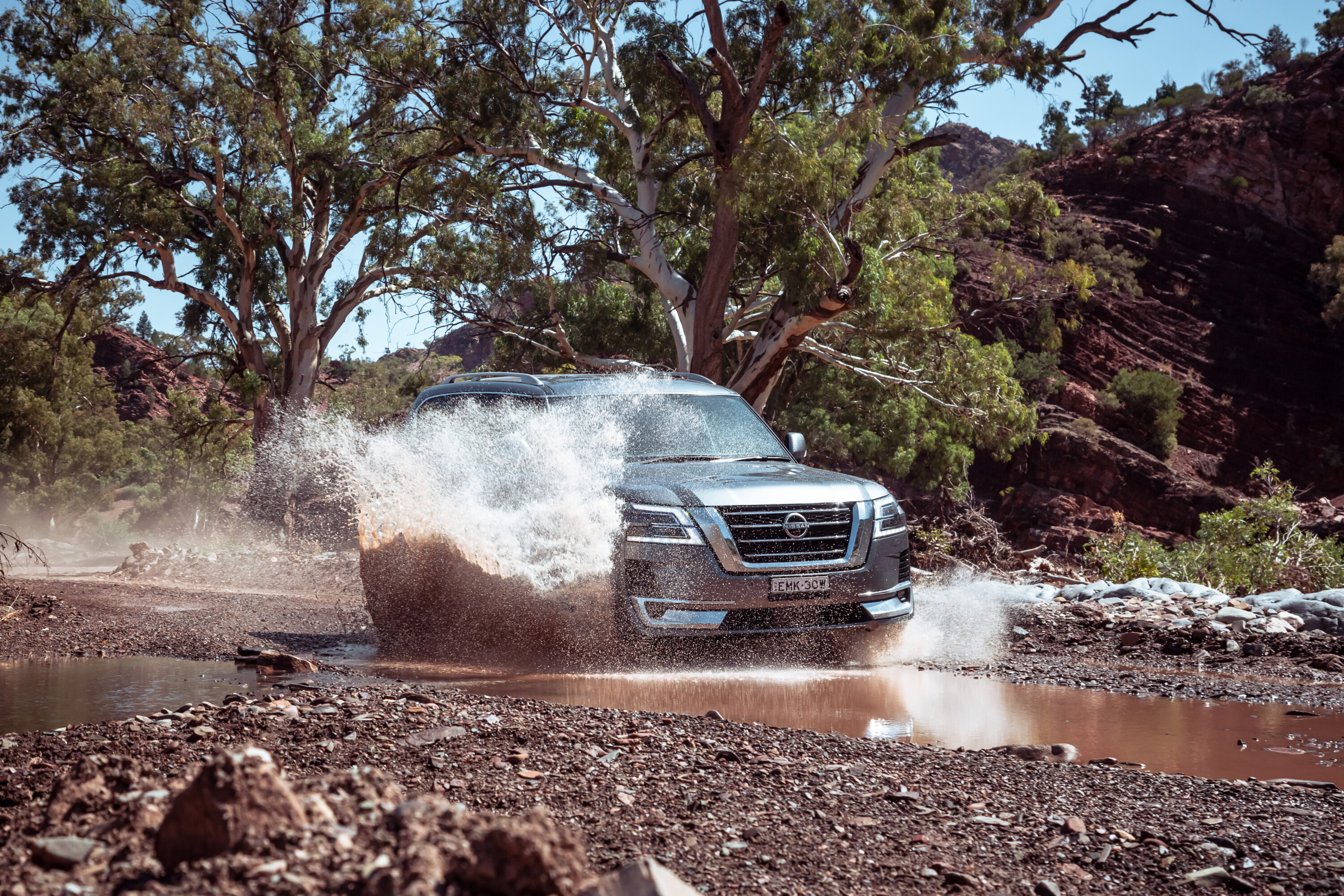
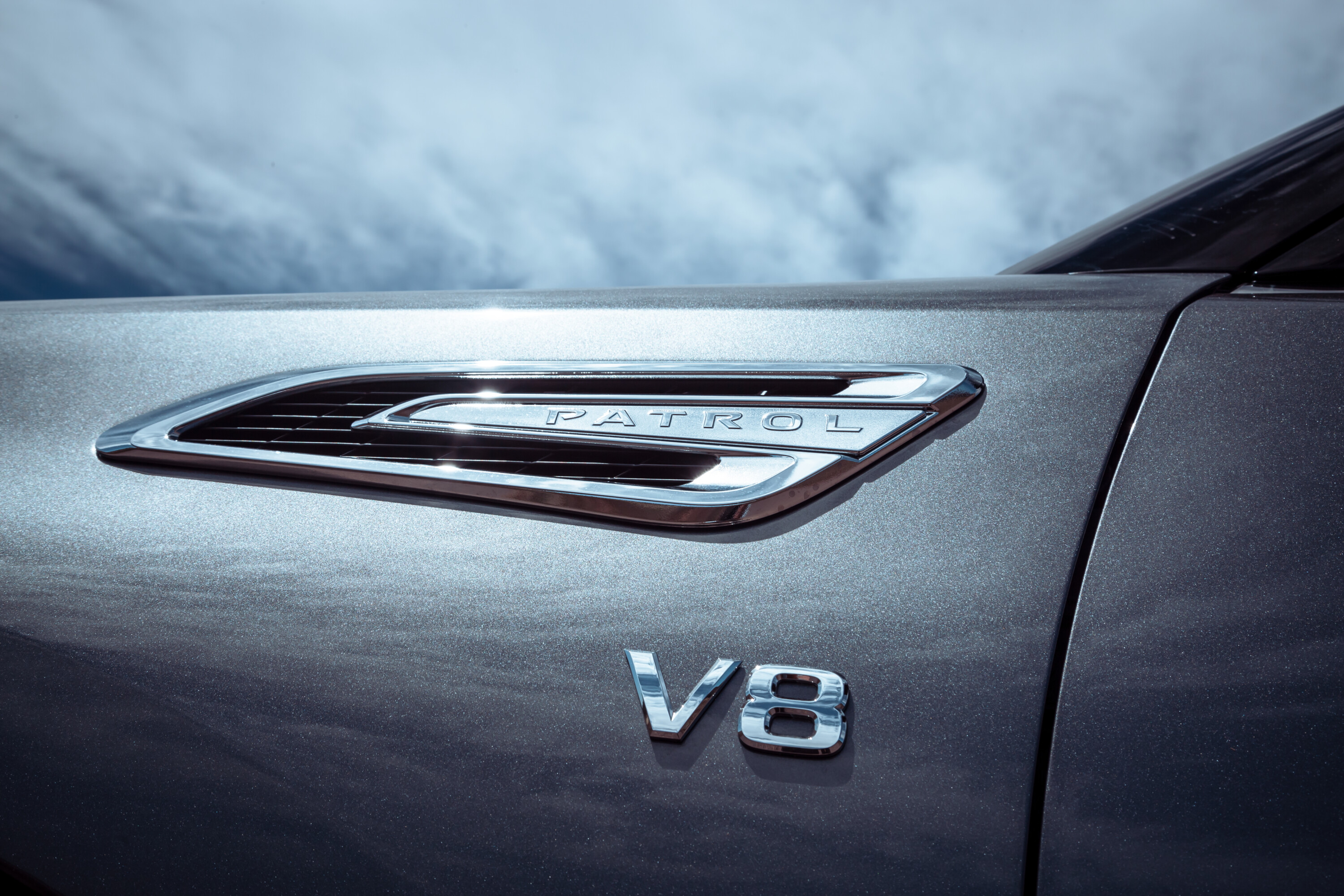
The Nissan Patrol is widely recognised for its combination of rugged luxury and a striking presence, seamlessly merging high-end features, strong performance, and an unmistakable stance that clearly says ‘off-road ready’.
Additionally, it stands as one of the few remaining V8 SUVs, a distinction not just limited to SUVs but across almost all vehicle categories.
In a segment where both size and luxury are key, the question remains: does the Patrol Ti continue to uphold its legendary status?
1
Pricing and features
Pricing for the entry level Patrol Ti is $84,900 before on-road costs are added.
Available in a single petrol option, the 5.6L naturally aspirated V8 motor produces 298kW of power and 560Nm of torque. Braked towing capacity is 3500kg, which is equivalent to direct competition.
1
The Patrol packs in plenty of standard equipment. For context, in other Nissan models like the X-trail, the variant is often higher up in the range and a very well-equipped option. So pricing and features for the Ti is consistent for a more premium grade.
Additions like the rear privacy glass, power adjustable and leather accented seats are proof of the premium nature of the vehicle range.
2024 Nissan Patrol Ti features
18- inch alloy wheels
Intelligent 4WD shift switchwith mode select
6-speaker audio system
Leather accented seat trim
8-inch infotainment screen
Leather accented steering wheel and shift lever
8-way power adjustable front seat
LED healights, DRLs, fog lights and rear lights
Adaptive cruise control
Rear Cross Traffic Alert (RCTA)
Automatic headlights
Rear privacy glass
Blind spot monitors
Smart entry and push button start
Eight seats
Tyre Pressure Monitoring System (TPMS)
Front and rear parking sensors
1
Investing the extra cash – about $13,000– into the Nissan Patrol Ti-L model adds extra features like an intelligent rear-view monitor, entertainment screens for the second-row seats and a driver’s seat memory function with two settings that also remember the positions of your side mirrors and steering column.
1
Safety
The Patrol currently lacks an official ANCAP safety rating. However, Nissan has equipped it with a wide array of standard safety features. Considering the Patrol’s platform has been around for a while, maintaining a solid level of specification is essential.
1
Inside the cabin, the Patrol offers dual front and front side airbags, as well as curtain airbags that extend across all three rows of seating.
Key safety features in the Nissan Patrol Ti-L model encompass blind-spot monitoring, parking sensors at both the front and rear, autonomous emergency braking, rear cross-traffic alert, lane departure alert, and radar cruise control.
Key rivals
Although most V8 engines have fallen off the local map, there are quite a few options for large off-roading SUVs:
The 2024 Nissan Patrol Ti emerges as an excellent option for anyone in the market for a large SUV that offers a mix of off-road prowess, luxury and comfort.
It stands out with its potent performance, roomy interior, and modern features, appealing both to families and adventure-seekers, and it’s more affordably priced compared to major competitors like the 300 series with equivalent features.
For those who don’t mind a more old-school interior design and aren’t overly concerned about the higher fuel consumption associated with its V8 engine, the Nissan Patrol remains a strong contender for off-road enthusiasts.
In a world where dual-cab utes are the most popular vehicle on the road, the problem facing every four-wheel driver is as clear as the tracks they tread.
How do you truly stand out in a crowd when everyone seems to be following the same script: a dual cab ute with a canopy? Some opt for the quirky and unconventional 4x4s, vintage rigs that turn heads at the expense of practicality.
Others choose a path paved with accessories, turning their rigs into off-road armouries equipped with every gadget conceivable, but that quickly becomes a rich man’s game on who can afford the most lithium.
Then there’s the road less travelled, the one taken by Russel Jensen, the owner of the Volcanic Amber D-Max we’re about to delve into.
1
Instead of drowning in a sea of accessories, Russel embarked on a journey of meticulous craftsmanship and unwavering attention to detail.
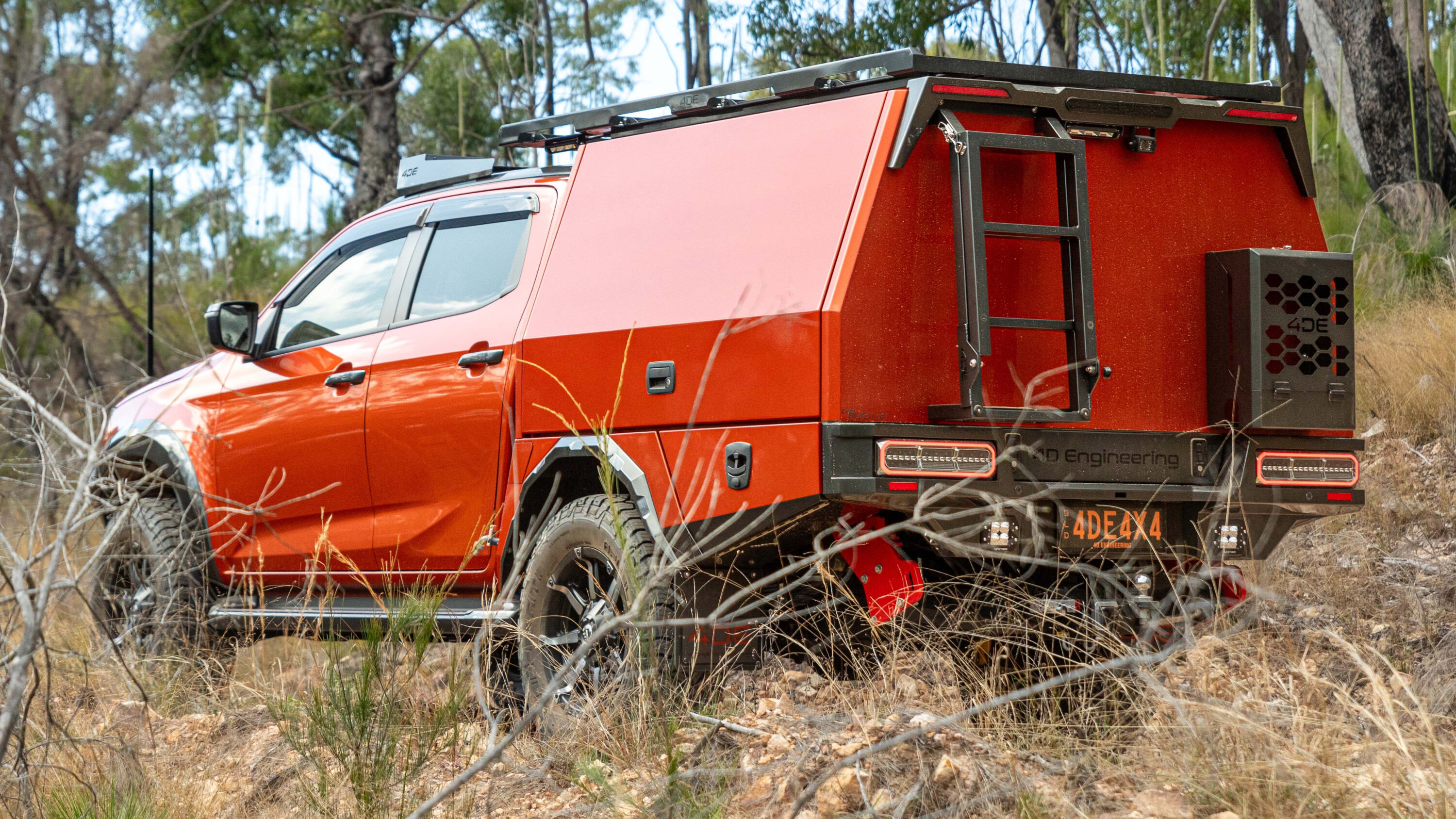
This Isuzu isn’t just another dual-cab ute with a canopy; it’s a canvas, a showcase for Russel’s business 4D Engineering which builds trick custom canopies. And we’ve gotta say, the D-Max is doing one hell of a job. So, fasten your seatbelts, because we’re taking a deep dive into a 4×4 that doesn’t scream for attention but commands it through sheer refinement.
One where every nut, every bolt, and every lick of paint has been carefully considered. It’s a story that transcends the noise and chaos, proving that sometimes, it’s the subtle nuances that make the boldest statements.
1
Whether you’re building a Lada Niva on a Unimog chassis or the latest and greatest dual cab ute, the attitude all comes down to the altitude.
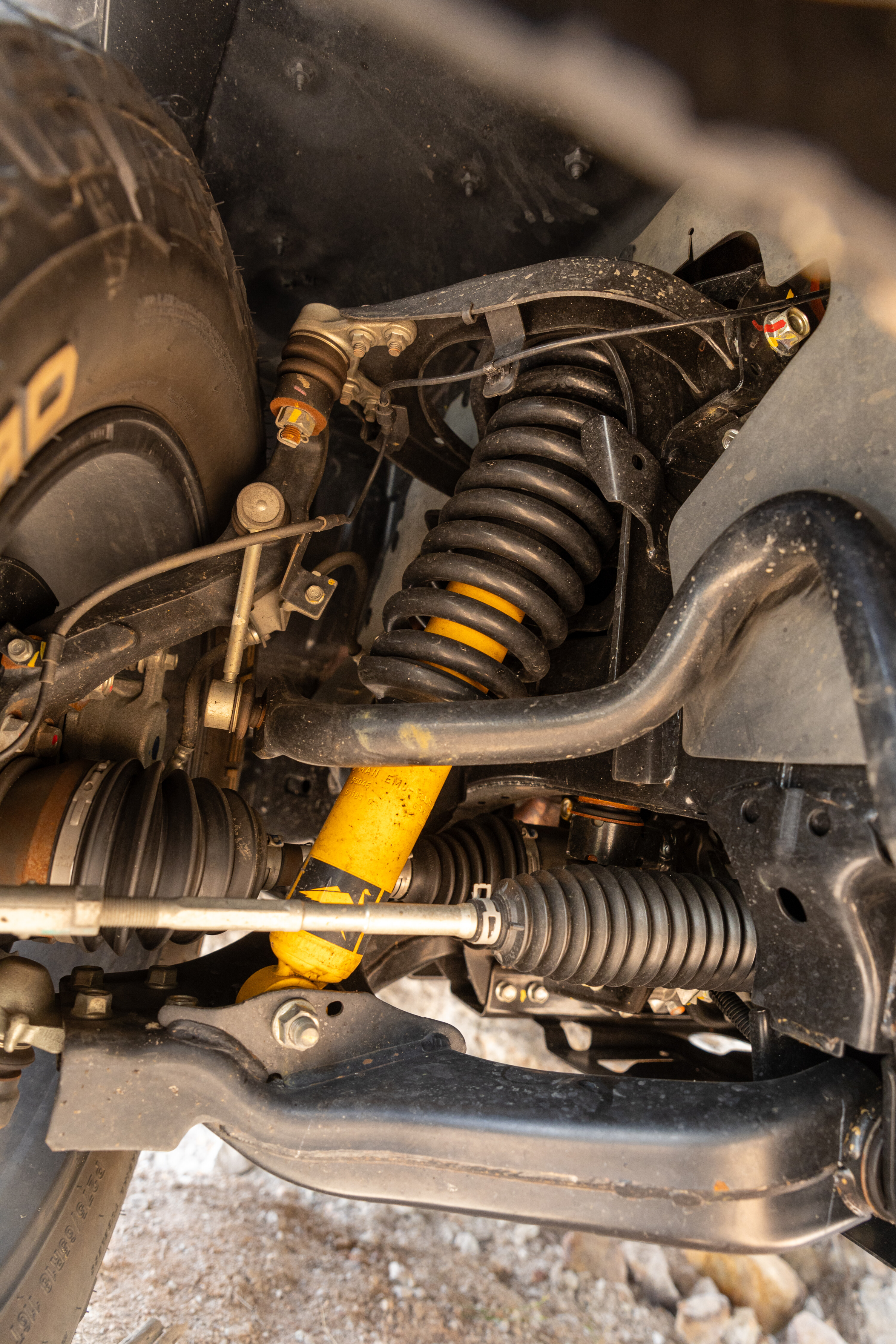
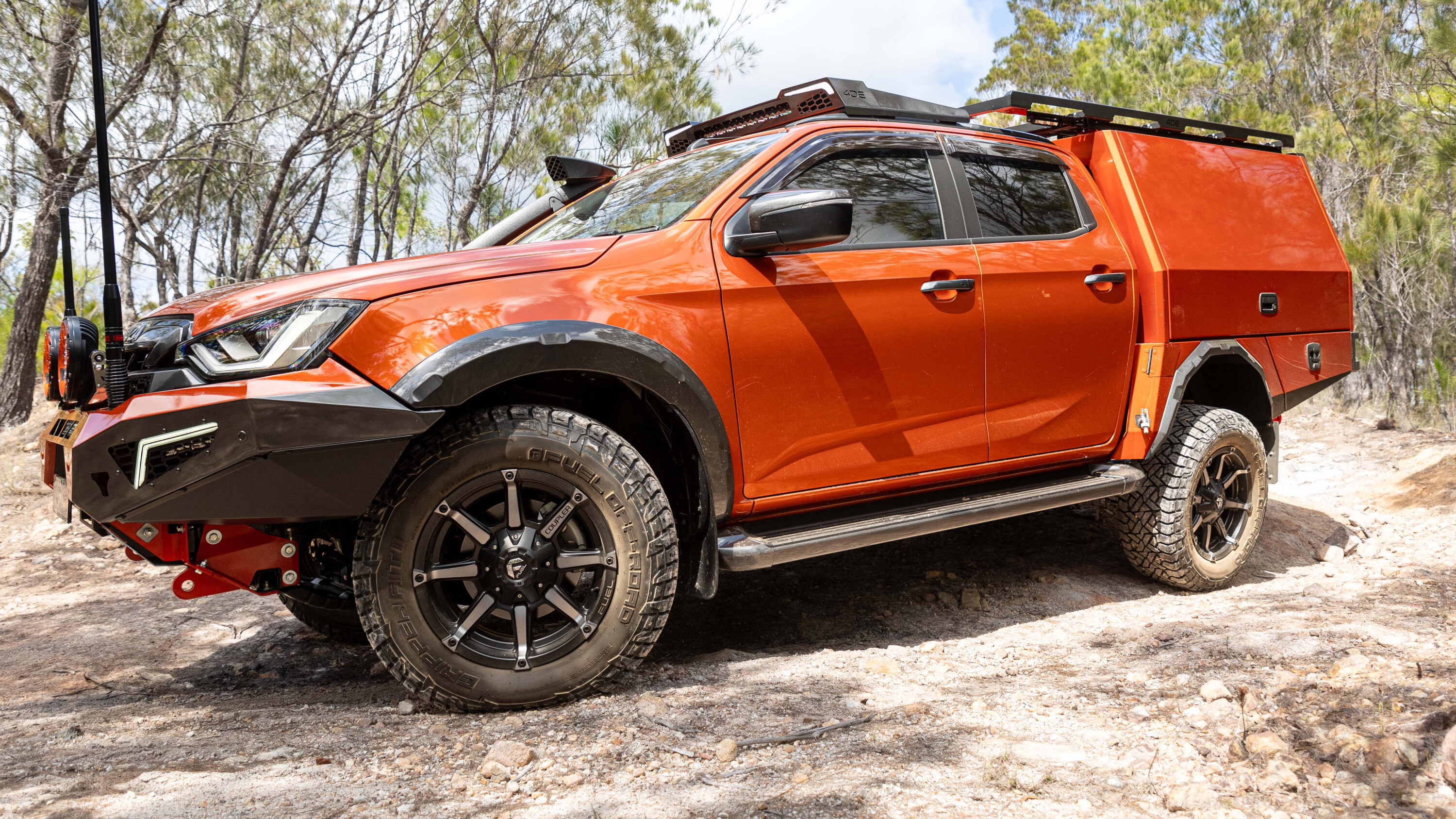
Russel’s D-Max is no different. Look past that striking orange paintwork and the 4D Engineering rig rides two inches closer to the clouds thanks to a suspension lift on all four corners from the smart folks over at ARB.
The Old Man Emu Nitrocharger struts up front give the ride height increase. The twin-tube nitrogen-charged design a tried-and-tested robust platform for going the distance.
In the back a set of Old Man Emu constant rate leaf springs bump the ride height up, with matching Nitrocharger shocks keeping it in check. Combined, the package doesn’t just provide a lift, but an increase in legal maximum Gross Vehicle Mass, up from 3100kg to 3500kg.
1
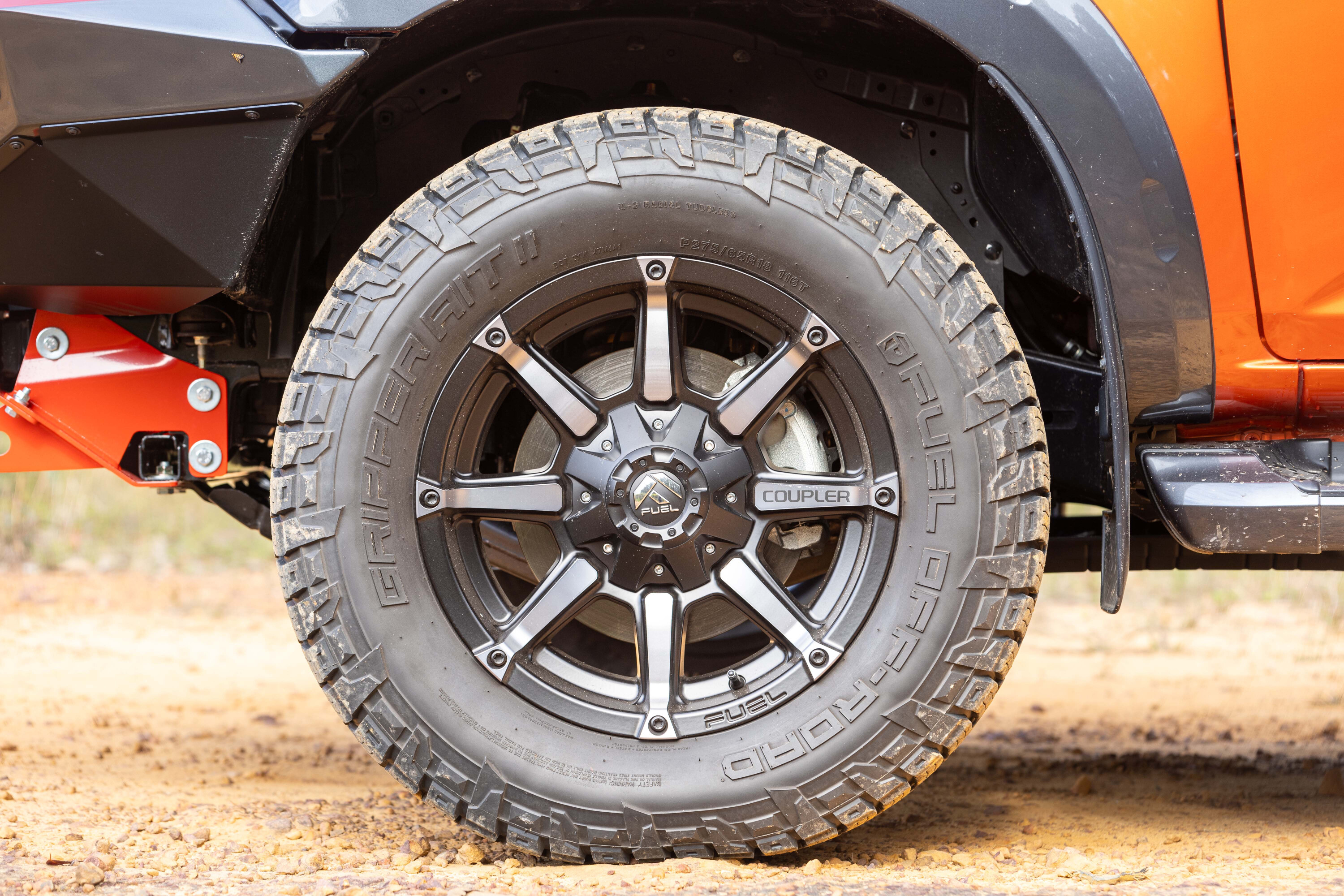
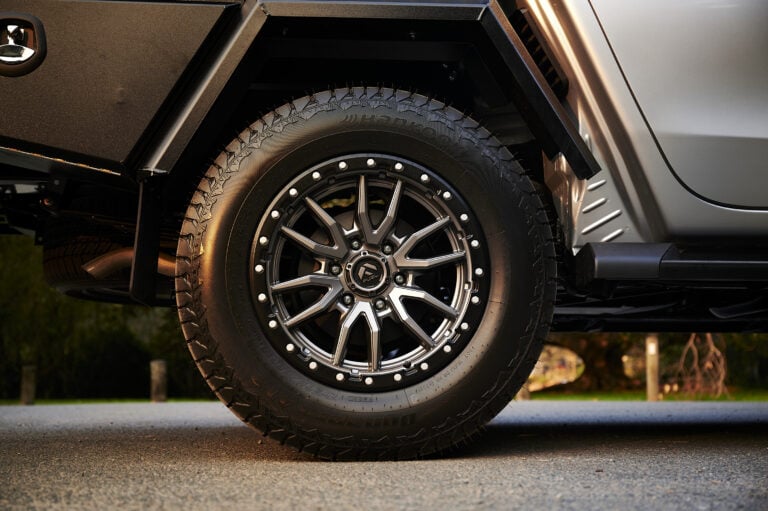
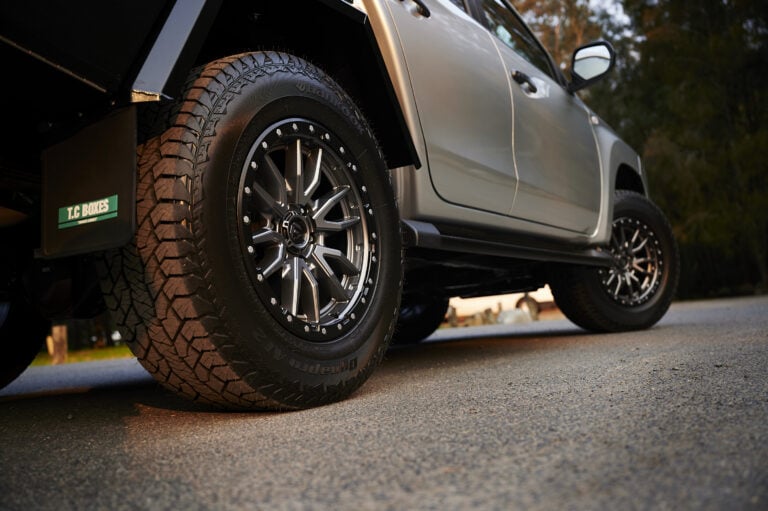
But what really catches the eye are those striking Fuel Coupler 18 x 9 alloy wheels.
They’re paired with Fuel’s Grappler A/T II 275/65R18 all-terrain tyre, the setup guaranteeing exceptional grip on the trails, rock-solid stability on the highways, and unparalleled style wherever it roams. Not bad for step one, eh?
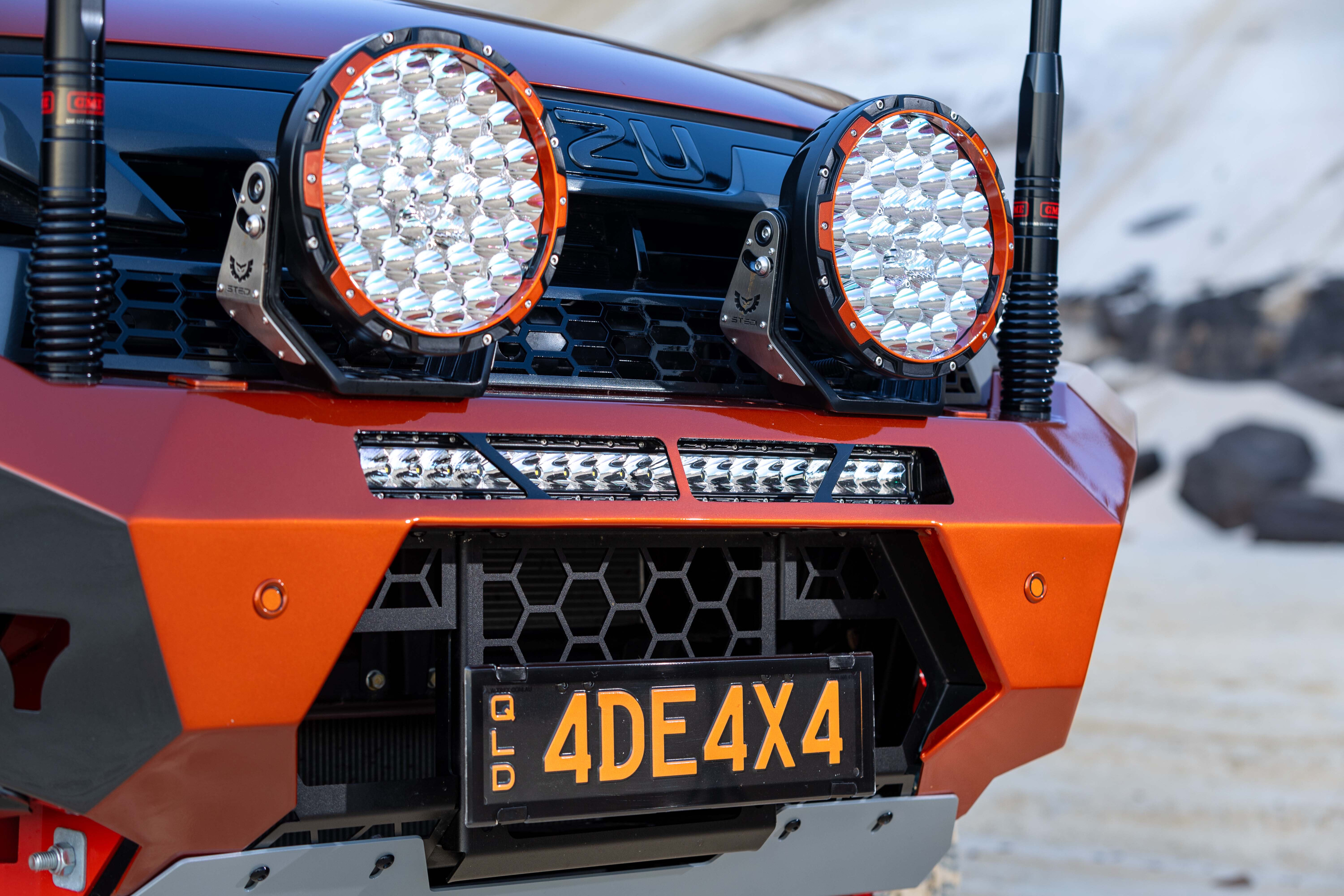
Russel’s kept capitalising on the serious increase in attitude with a serious increase in armour, too. The tip of the spear is none other than the Aussie-designed and built Offroad Animal Predator front bar, although it’s been modified far beyond recognition.
4D Engineering is responsible for the flash… well, flashers. The side fog lights have been binned and custom housings now hold a set of custom daytime running lights and sequential indicators. Match that with the unique paint job and the bar has a look like no other.
1
It’s jam-packed full of LED tech too; twin Stedi X-Pro 9-inch lights sit atop the bar, the outer rings colour-coded to the D-Max, a Stedi 21.5-inch LED light bar also got slotted into the integrated mount inside the bar.
The lights are flanked either side by GME whips: an AT4705BA cellular antenna feeds into the Cel-Fi unit for boosted phone reception on the go, and an AE4704B UHF antenna feeds into the XRS UHF for trackside comms. Can we get a radio check?
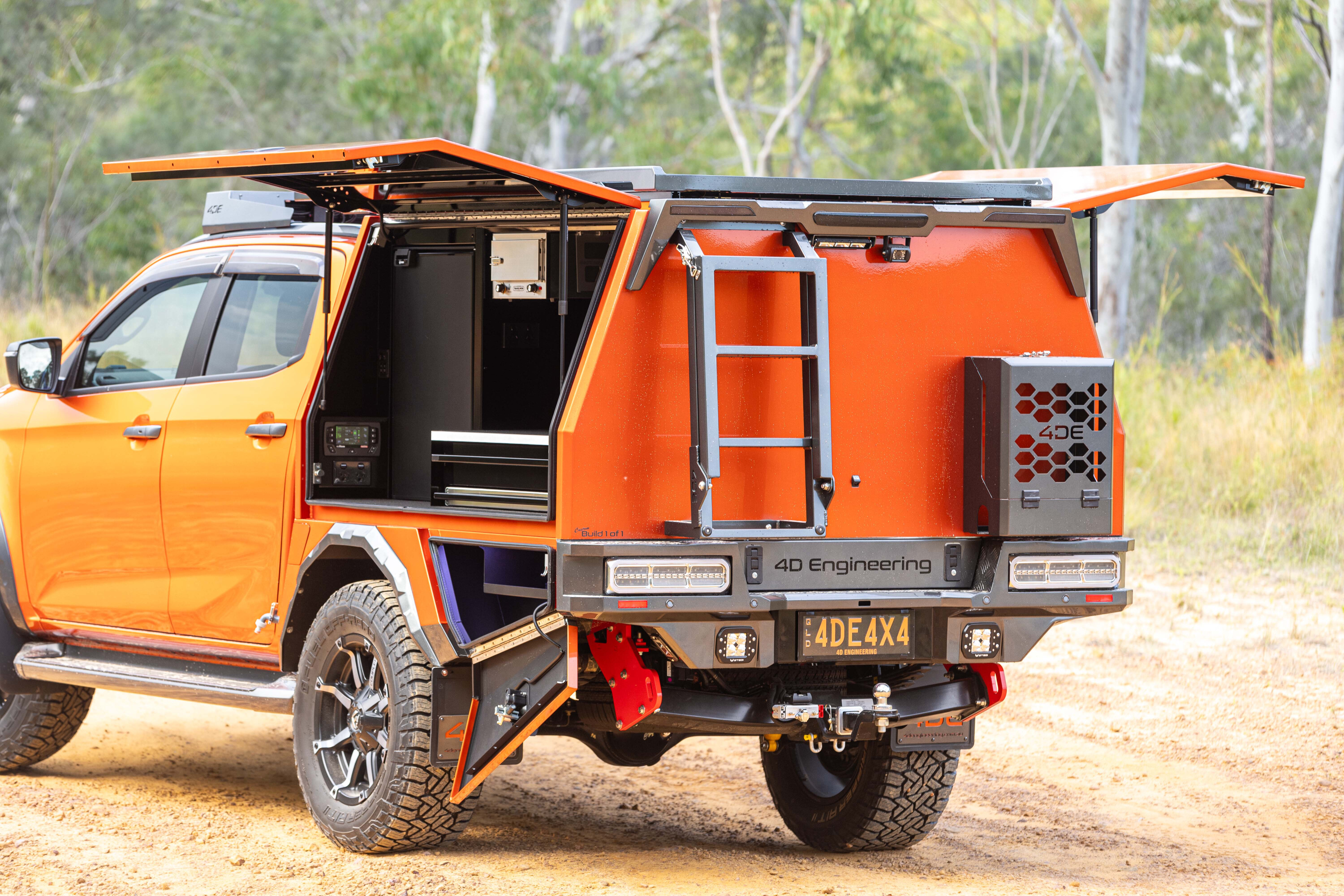
Move along the flank to the canopy and this is where 4D Engineering really starts to shine. Handbuilt in sunny Queensland from marine-grade aluminium, the lightweight offering works just as good as it looks, and thanks to the slick colour-coding melds seamlessly with the vehicle’s exterior. It’s a symphony of design, a testament to the builder’s unwavering commitment to perfection.
1
That idea is evident in the custom mudguards mimicking the OE flares up front and the fact 4D Engineering has tied the lift-up doors into the D-Max’s central locking system.
If you’ve ever needed to individually lock every single canopy door just to run into the shops you’d know why that’s such a win.
Additional storage has been spec’d up with internal drawers in the main body, underbody rear toolboxes with shelves, underbody rear drawers, a roof rack up top, and a lockable jerry can holder for good measure. Oh, and don’t forget the lockable fold-down rear ladder for rooftop access.
1
Moving to the inside Russel’s tried to make the D-Max camping friendly without looking cluttered, a juggling act he’s absolutely nailed.
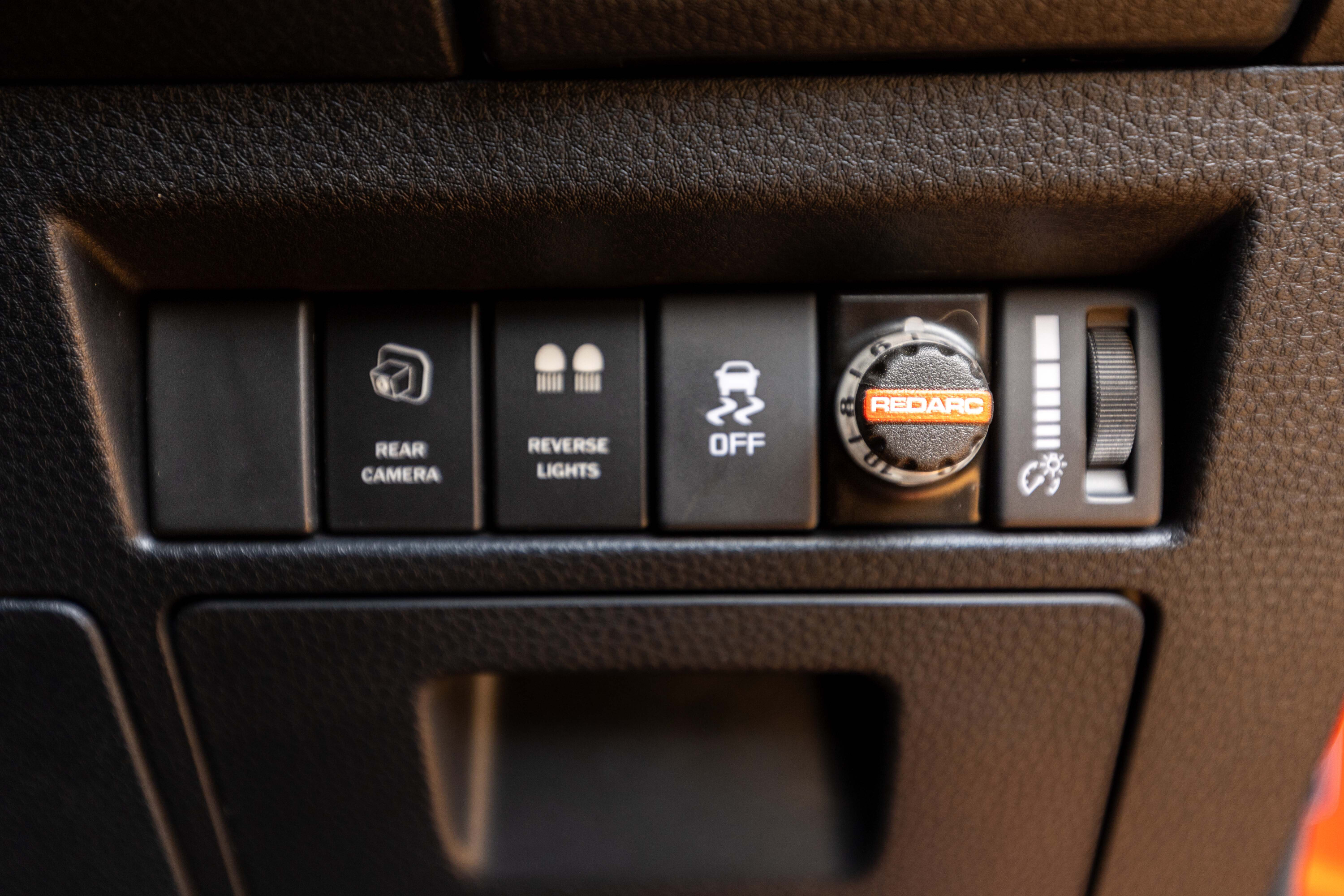
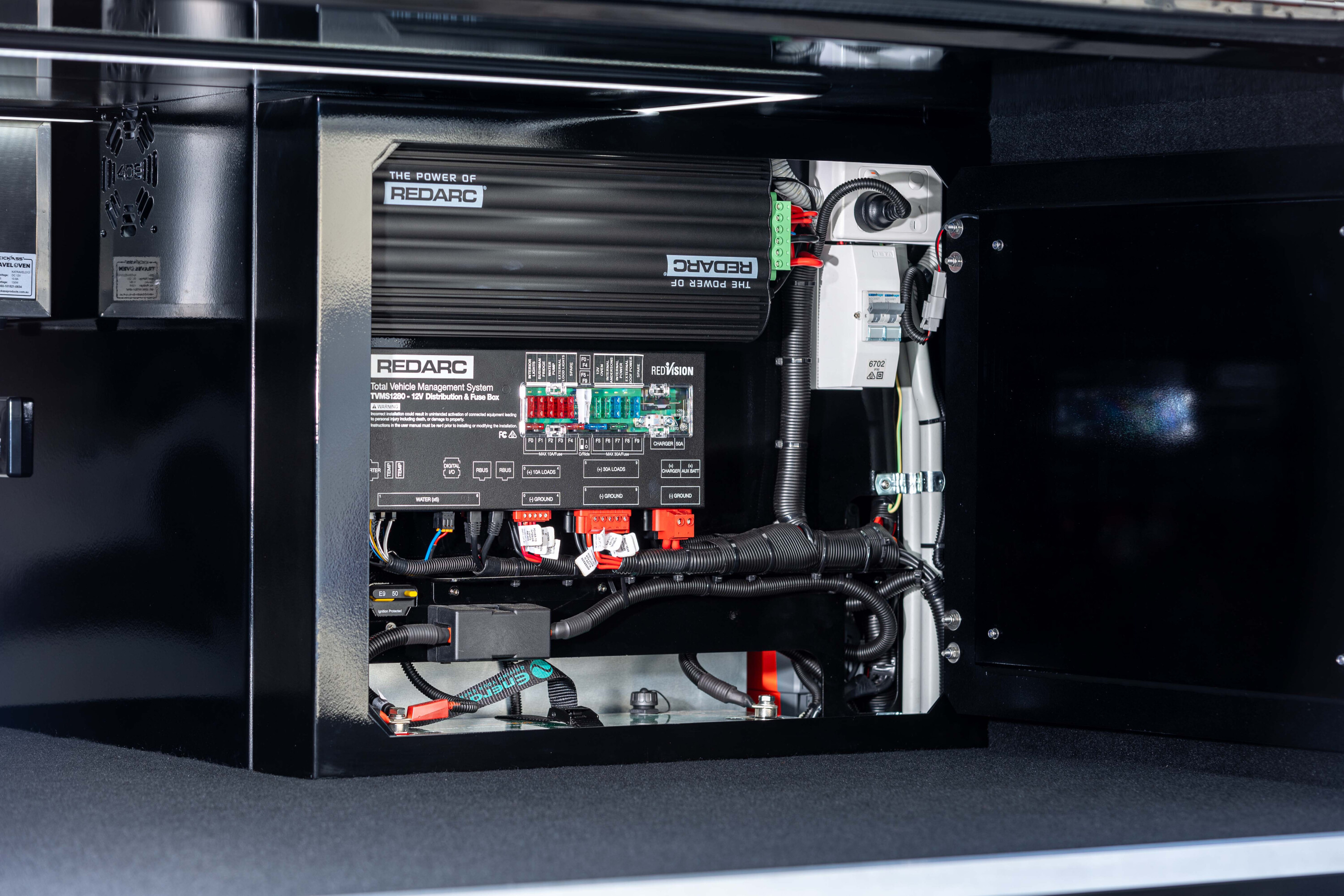
Powering the heart of the beast is none other than the Redarc Total Vehicle Management System paired with the company’s battery management system and Red Vision display.
If that sounds like a mouthful, the short version is the Redarc kit will monitor the Enerdrive 200Ah lithium battery, handle all of the controls for the various lighting inside and outside the canopy, run the Redarc 2000W inverter, and handle charge whether it’s from the Isuzu’s alternator, the three 100W solar panels on the roof, or mains power.
1
Oh, and it’ll do it all with Bluetooth control through an app on Russel’s phone. Simples.
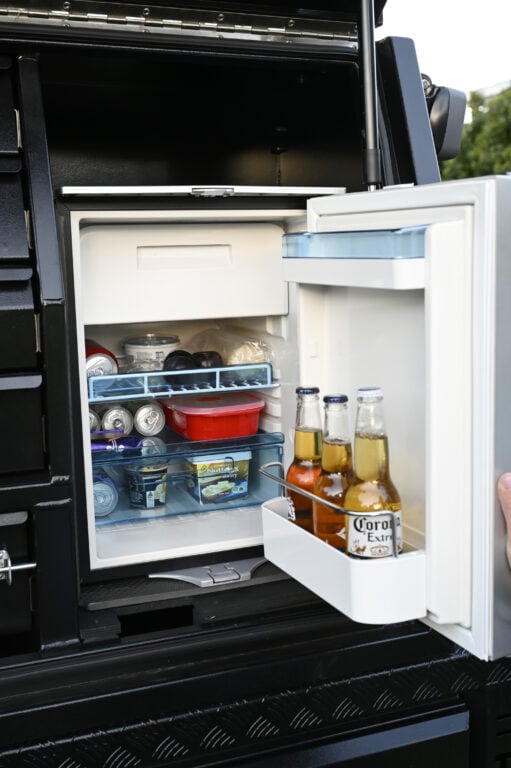
All great stuff, but it’s what you can do with it that we care about. That battery system keeps a Bushman DC130-X upright fridge running for an uninterrupted supply of adult beverages around the campfire.
If you’re feeling a bit of a health kick coming on there’s a 60L stainless water tank built into the canopy, the Redarc system dolling out pressurised water to multiple outlets and monitoring levels in the tank too.
On the camp cooking front, a dual-top induction cooker, 12V travel oven, and large stainless-steel slide-out table turn the D-Max into a gourmet kitchen on wheels.
1
While the spec-sheet is impressive it’s also abundantly clear that Russel’s D-Max is a statement on quality and smooth integration rather than just throwing things at the wall.
Every single aspect from the colour-coded rings on the driving lights to the high-definition reverse camera on the rear has all been painstakingly planned to give a smooth experience with seamless integration.
It’s the kind of rig that might not immediately steal the spotlight in a sea of flashy attention-seekers, but take a moment to examine it, and it’ll pique your interest all day.
1
Under pressure
Remember the old days when you’d fill your diesel tank up and you’d have to wait for the foam to settle, breaking down back into a liquid? It was the high-speed diesel rushing in causing aeration at fault. Your shock absorbers have a similar issue, with far worse consequences than having to wait a minute. Your shocks work by forcing a series of valves attached to a piston through oil.
The fewer holes, and the thicker the oil, the more resistive to movement the shock (i.e. stiffer). As that piston pumps through the oil repeatedly, like on corrugations, the oil can heat up and aerate, turning to foam and offering little resistance to the piston and valves. No good.
Adding pressurised nitrogen into the shock effectively pushes down on the oil, stopping it from expanding from oil to foam. It’s a similar principle to having a radiator cap. At ambient air pressure water will turn from water to steam at 100°C. Under just 32psi of pressure that same water won’t boil until 124°C.
If you could add 200psi of pressure it’d take a huge 200°C to boil the water. The more pressure the oil is under, the more ability it has to cope with heat and corrugations. Sometimes a little bit of pressure is a good thing.
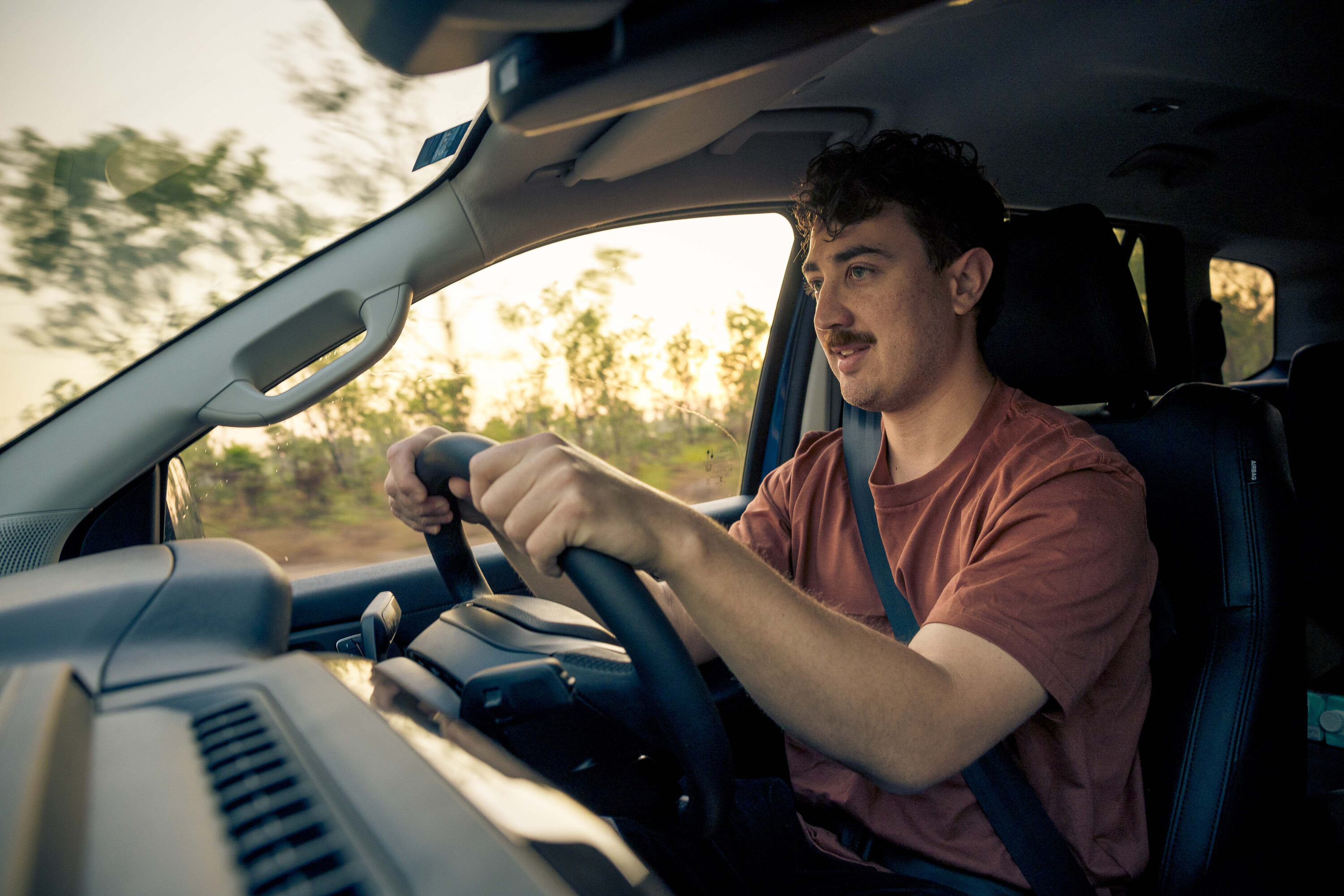
Sitting at my desk, with a view I’m lucky to have, mind you, I couldn’t shake the desire for fresh scenery. That’s what prompted a last-minute trip to the Northern Territory, swapping window for windscreen.
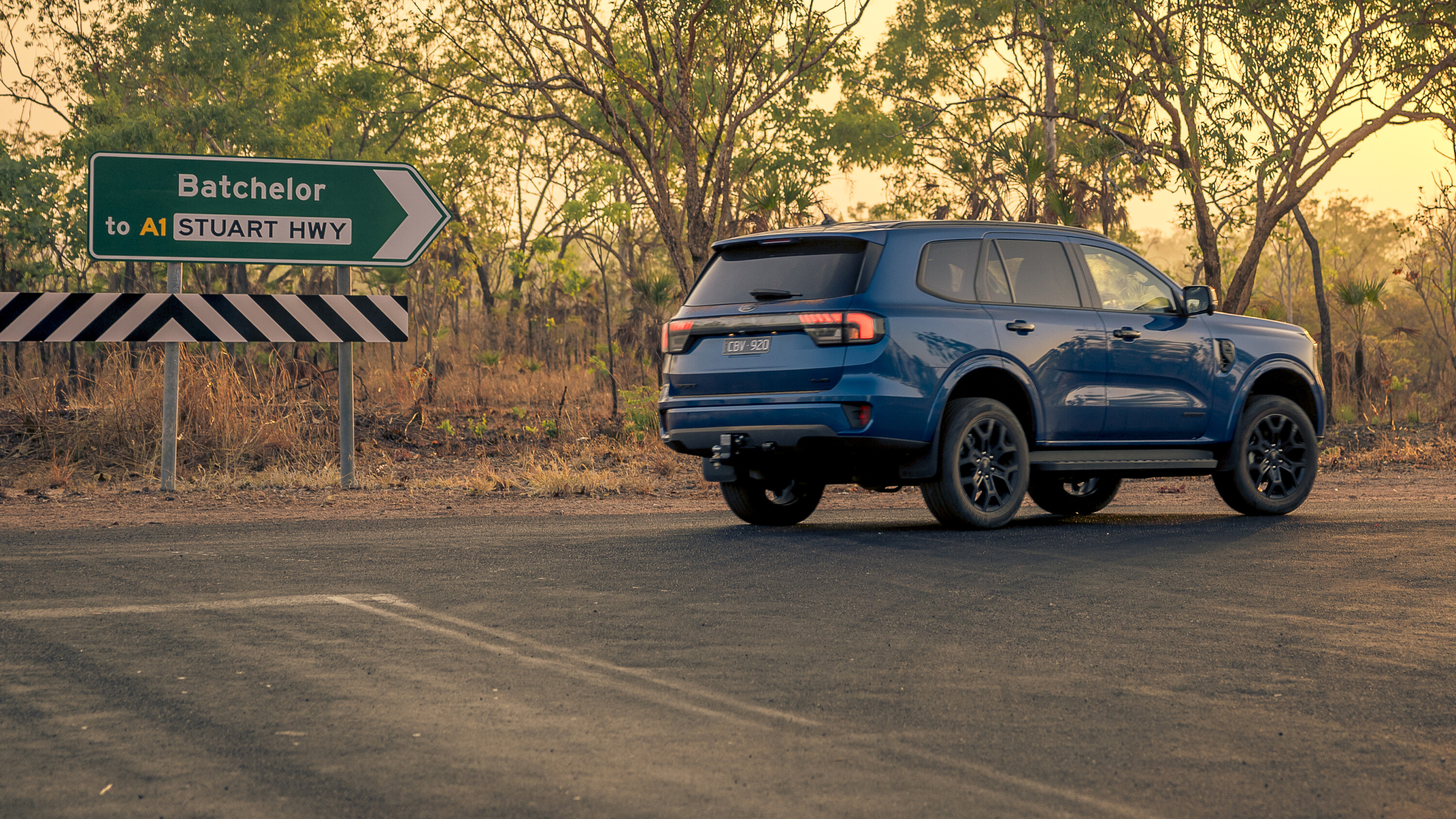
A quick call to the friendly folks at Ford Australia landed me a schmick new Everest Sport, which would be perfect for a trip like this – a mix of on- and off-road adventuring in comfort and style.
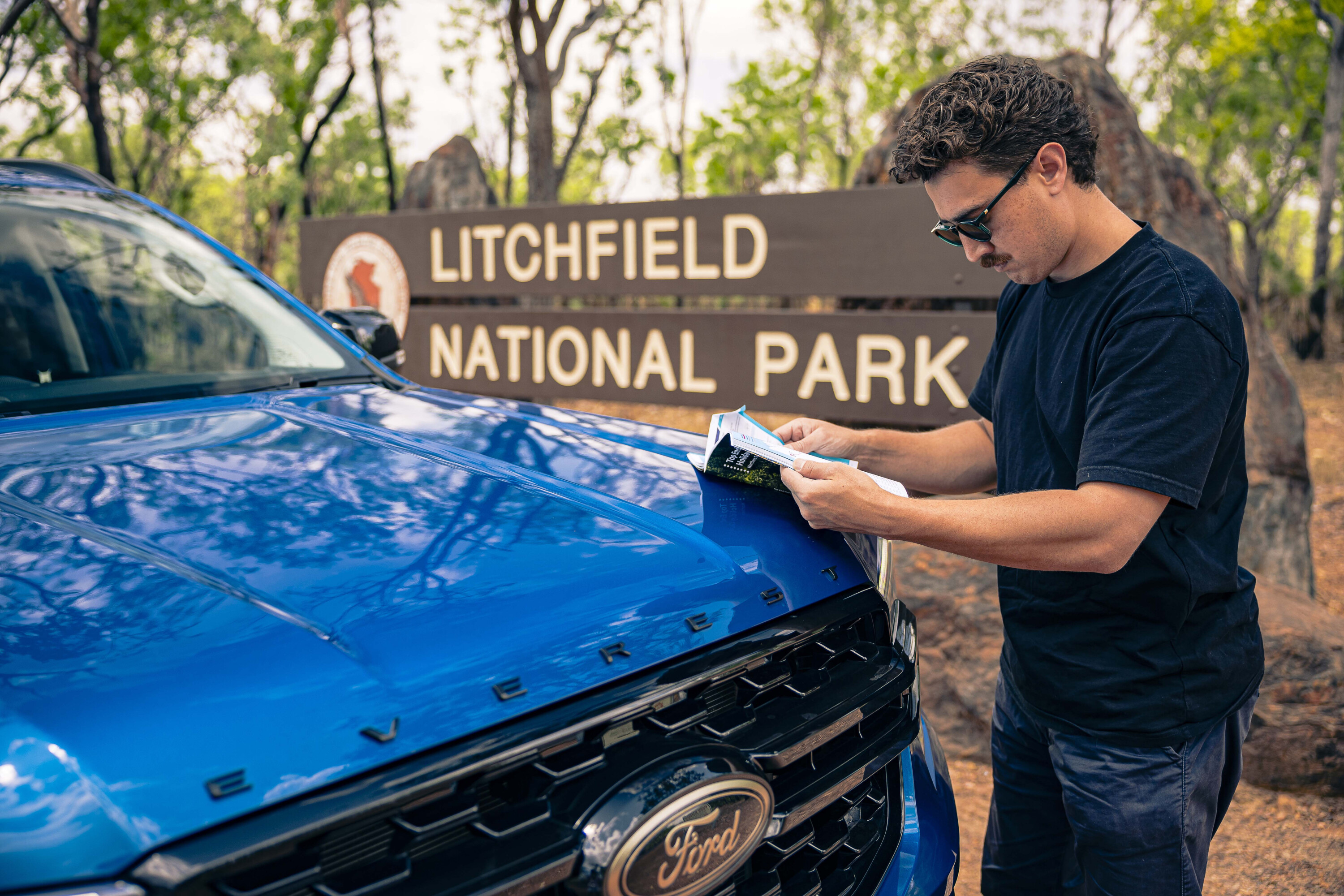
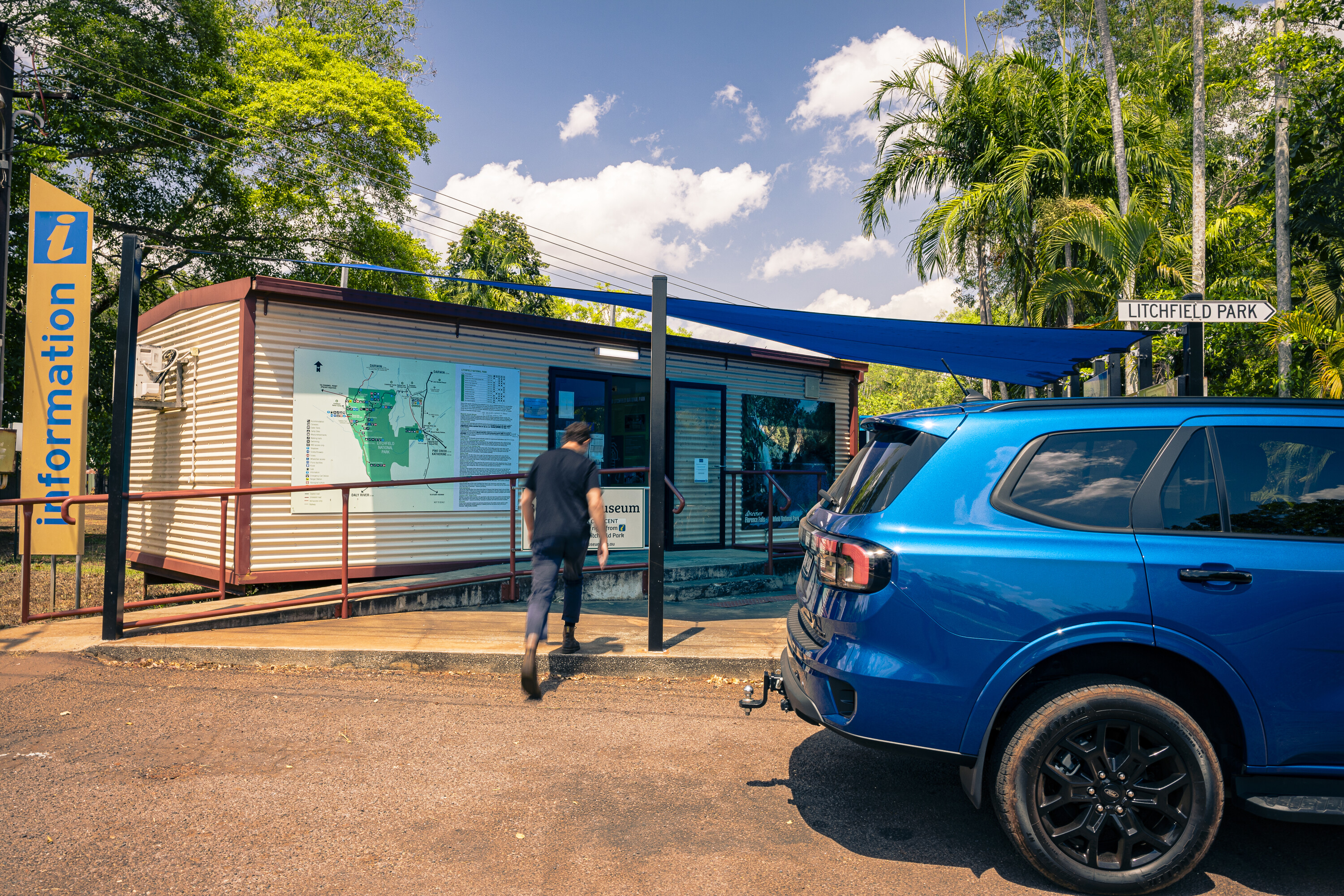
I had days, not weeks, to plan this trip so in the name of expediency I opted to head from Darwin to Litchfield National Park. Litchfield is smaller, simpler yet in my opinion just as epic as the more popular Kakadu National Park.
1
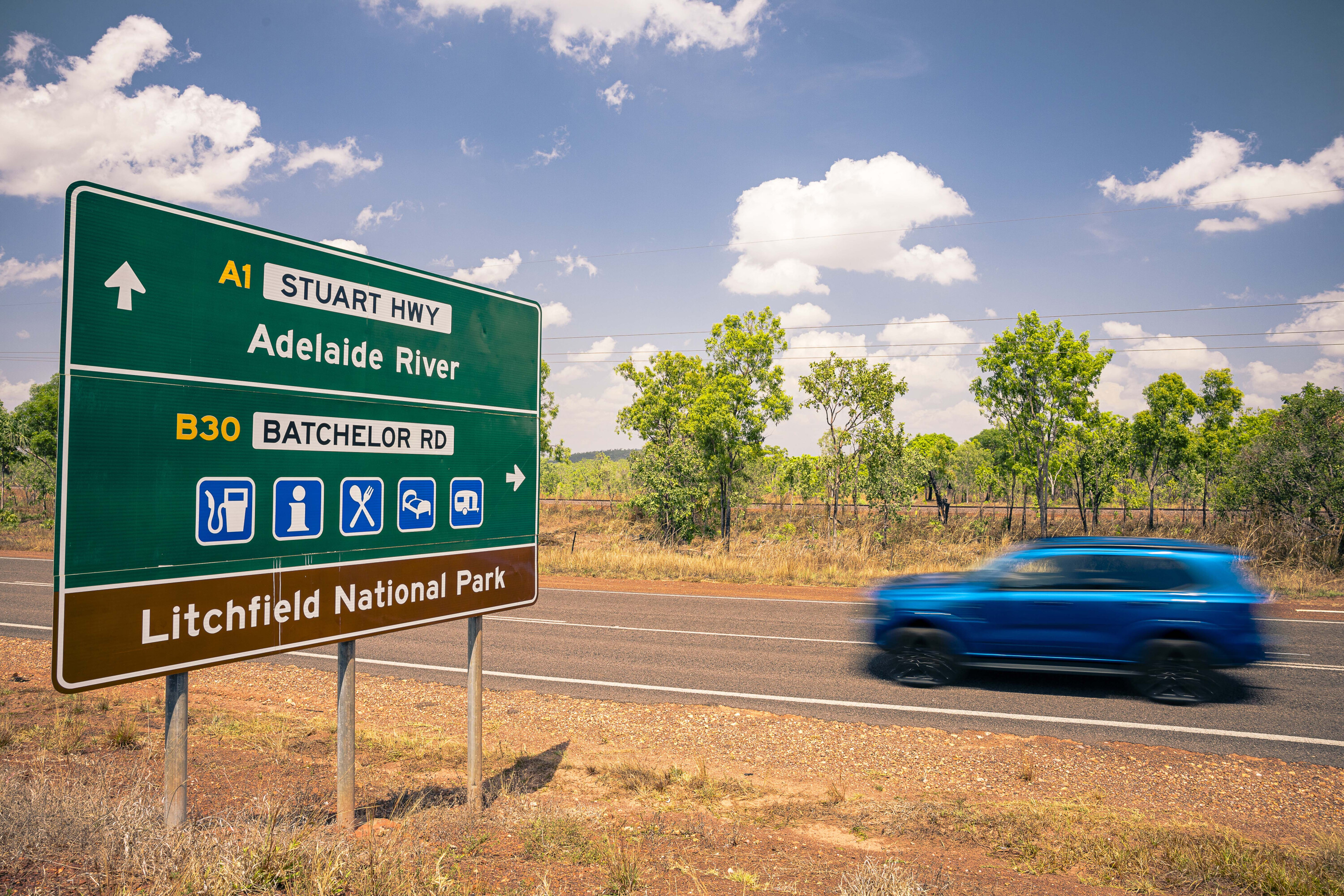
Driving about 120km south-west of Darwin and into Batchelor, a small town that borders the national park, the landscape becomes even more arid
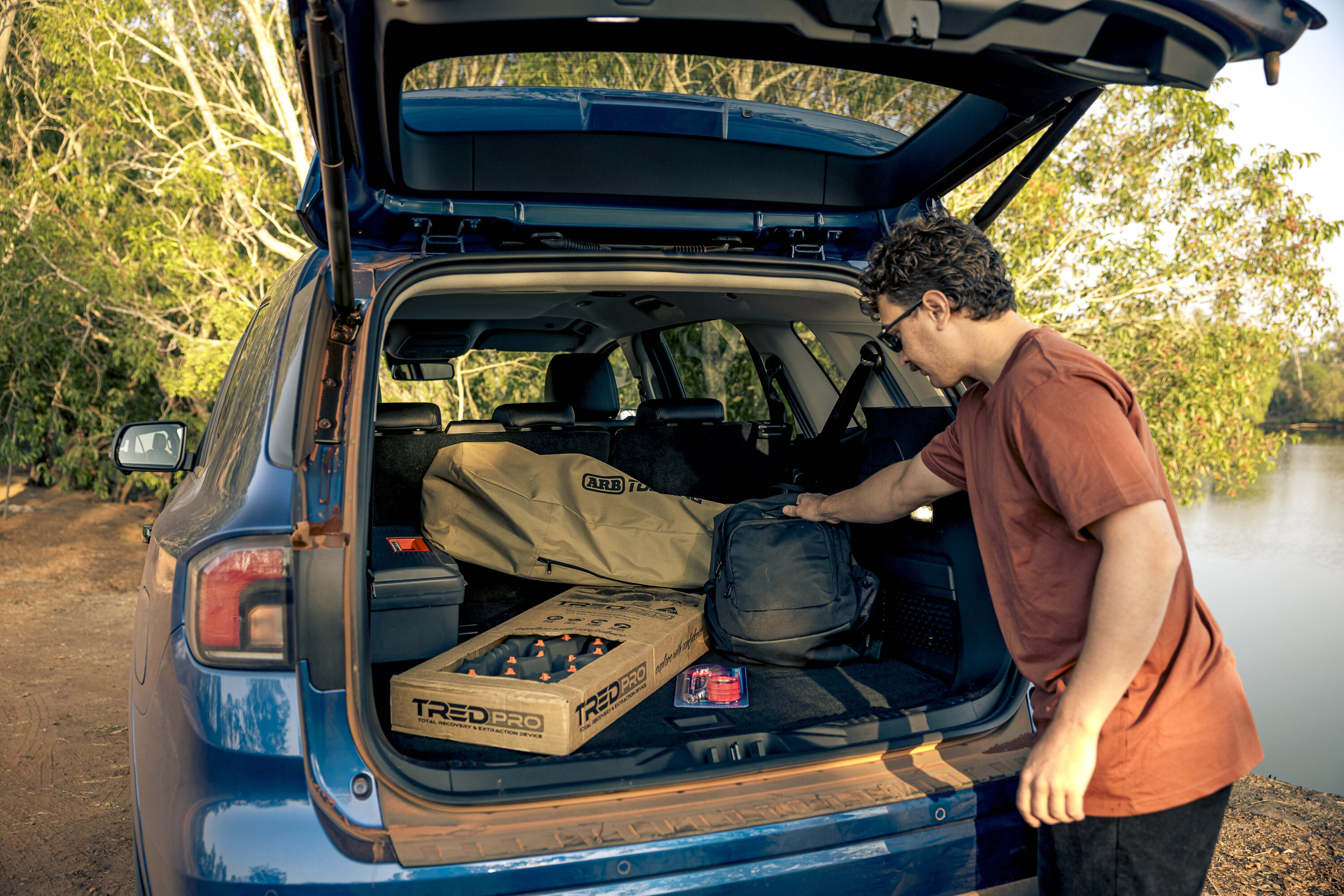
I picked up the Everest Sport from the legends at Hidden Valley Ford in Berrimah, with a boot full of the latest ARB recovery gear, and hit the road. The striking Blue Lightning colour is my favourite of the various Everest paint options, feeling especially suited to Litchfield with its many sapphire-hued swimming holes.
Driving about 120km south-west of Darwin and into Batchelor, a small town that borders the national park, the landscape becomes even more arid, signs of life disappear and it all starts feeling like the ‘middle of nowhere’. That’s what I wanted to feel – so we’re on here.
Batchelor is an interesting town, as if it is deserted during the long, hot days. But by 3pm the one pub – attached to the iconic Litchfield Outback Resort – starts filling with thirsty locals and tourist types as the town comes back to life.
1
If you’re passing through, the Litchfield Outback Resort is an absolute must, ideally for an overnight stay but at the very least a pub feed and cold schooner. The hot, sticky weather up here somehow makes every beer feel ‘well earnt’, too.
Chatting to the resort owner and his father, the outback destination has seen some big names through the doors. Mentions of the Packers and other big hitters gave me the impression that if the walls could talk, they’d have plenty to tell.
The roller shutters came down, signalling that it was time for the thirsty locals to call their lift home, but I stayed up to chat with the owner a little longer – in the name of ‘research’. After shooing the last of the stragglers away, he poured an ‘on the house’ beer and leant in close to ask an unusual question.
2
“Ever seen a dingo, mate?” he said. “Not up close,” I responded, already knowing where this was heading.
Next minute, there’s a ‘half-dingo-half-mongrel’ stray cutting laps of the pub. The resort owner apparently found it as a pup and raised the wild dog alongside his Rhodesian Ridgeback – both very friendly but no doubt fierce when they need to be. Guarding the only pub in a remote town is no small task, but I think these two dogs are up to the task.
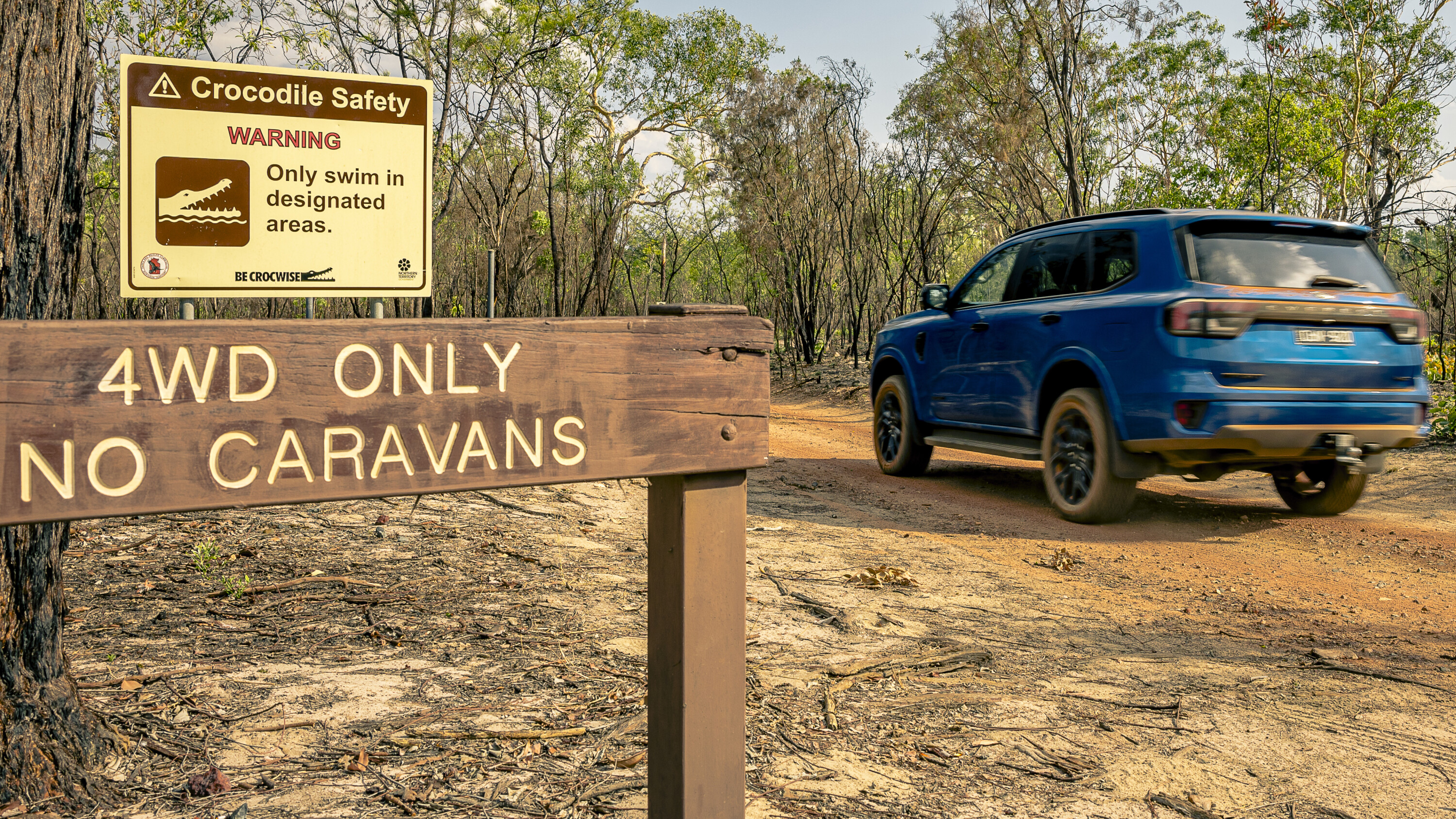
The next morning, day one of my Litchfield adventure, I had a chat to a few locals over breakfast. “Don’t walk through any of the water crossings,” one local 4×4 enthusiast told me, hinting at the likelihood of crocs lurking beneath the surface.
1
A common line from locals up here is, “I wouldn’t swim in there” when asking about a body of water. I heard it from park rangers, farmers, and if that dingo knew how to talk I’m sure he’d say the same. The crocs own the waterways up here.
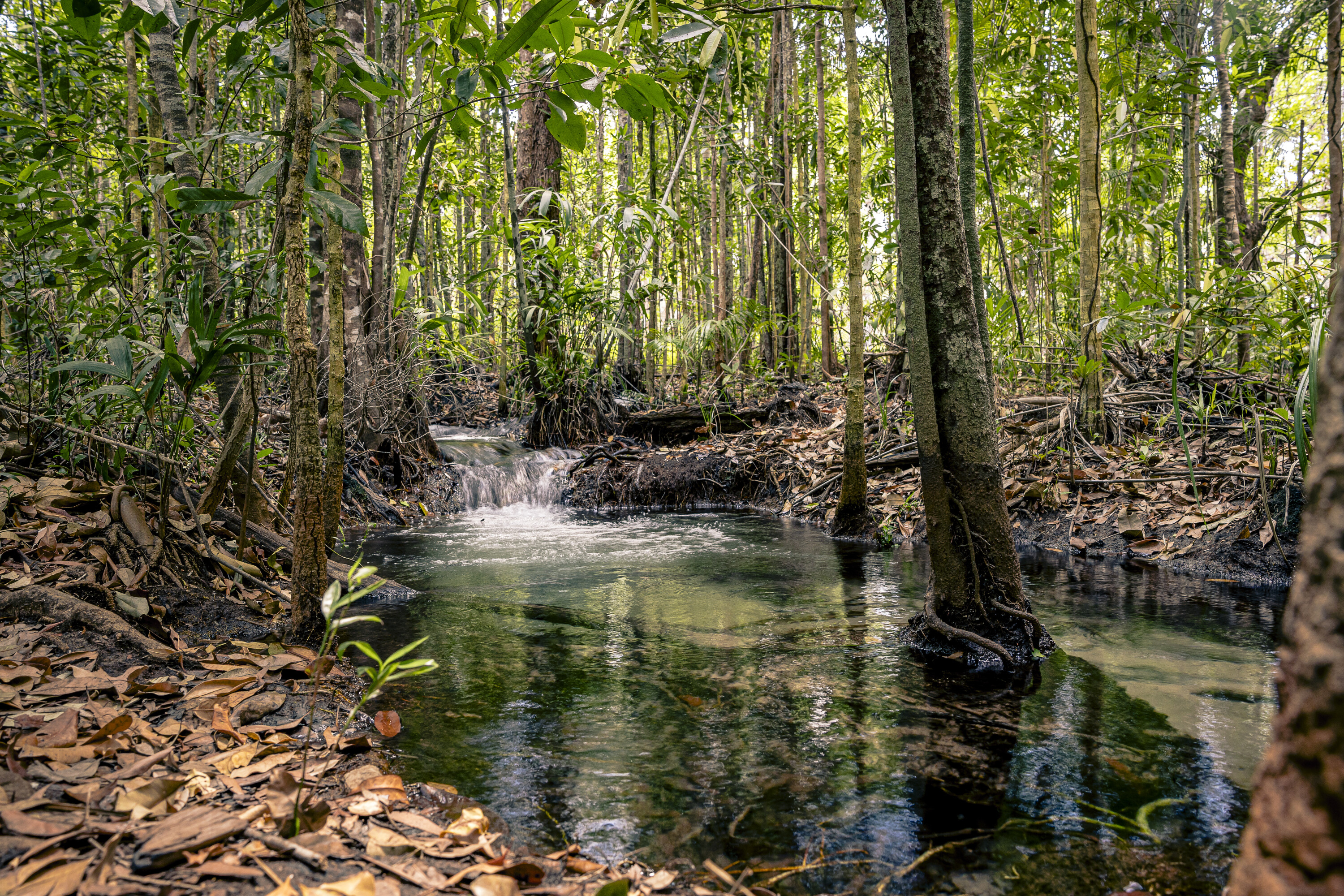
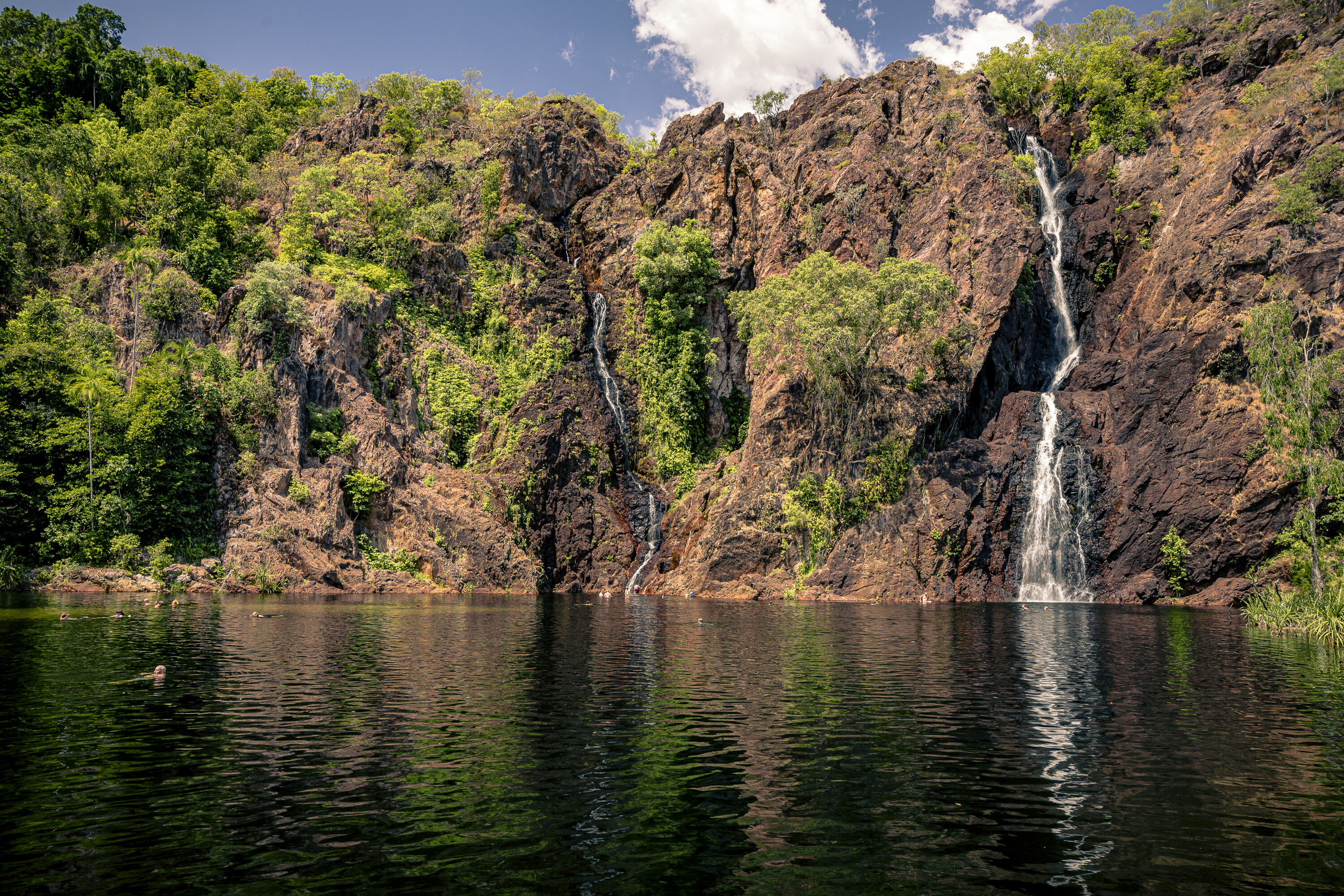
Litchfield is a 1500-square-kilometre ancient landscape shaped by water, and much of the park’s charm lies in its picturesque swimming holes – most situated under cascading waterfalls.
However, for those who prefer staying dry – fairly impossible in or out of the water given how hot it was – there is also plenty to do outside of swimming.
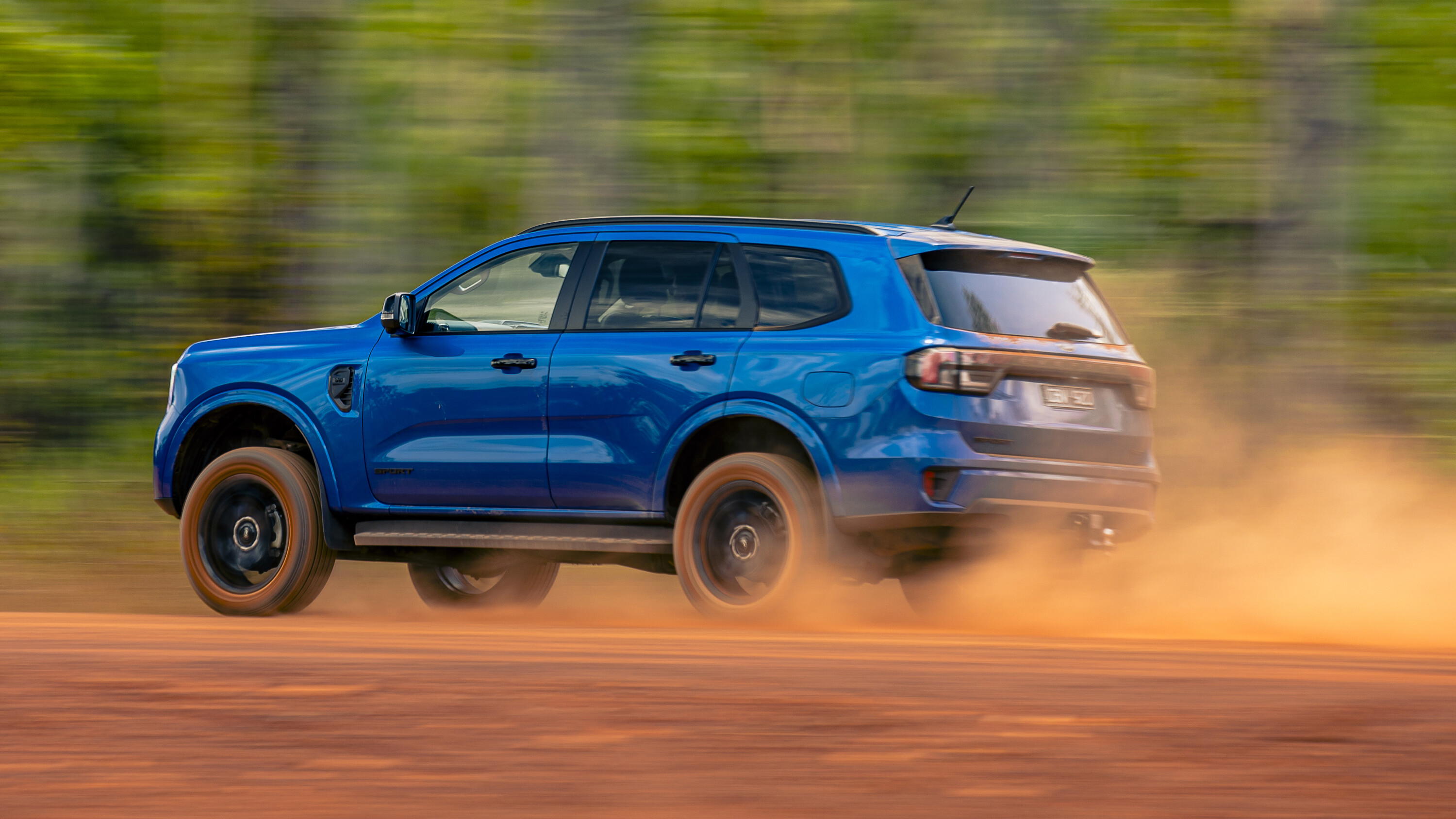
Following the natural order of attractions along the ring road, which snakes through the park offering incredible scenery, made sense and I was in no rush whatsoever. The Everest munched miles with ease, its turbo V6 producing a more-than-adequate 184kW/600Nm through a ten-speed gearbox that has really grown on me, but it was begging to be let loose off road.
1
I thoroughly enjoyed the stark contrast of the rich, red soil against the ashy, back-burnt trees and shrubs at this time of year, as the emerging generation of flora litters the landscape with vivid green signs of life.
If there was ever a visual representation of the circle of life, it was Litchfield in Spring. As one life ends, another begins, out here – similar across plants, people, and even planets, I thought as the solo traveller monologue played on in my head.
The Koongurrukun, Mak Mak Marranunggu, Werat and Warray Aboriginal people have lived throughout this area for millenia, and it is said their ancestral spirits formed the breathtaking landscape, plants and animals here. You definitely feel it, out here, and nowhere more so than my next stop.
1
I pulled up for a bite to eat and (canned) coffee at the Lost City, a stunning off-road detour, via the tabletop swamp – more like a desert at this time of year.
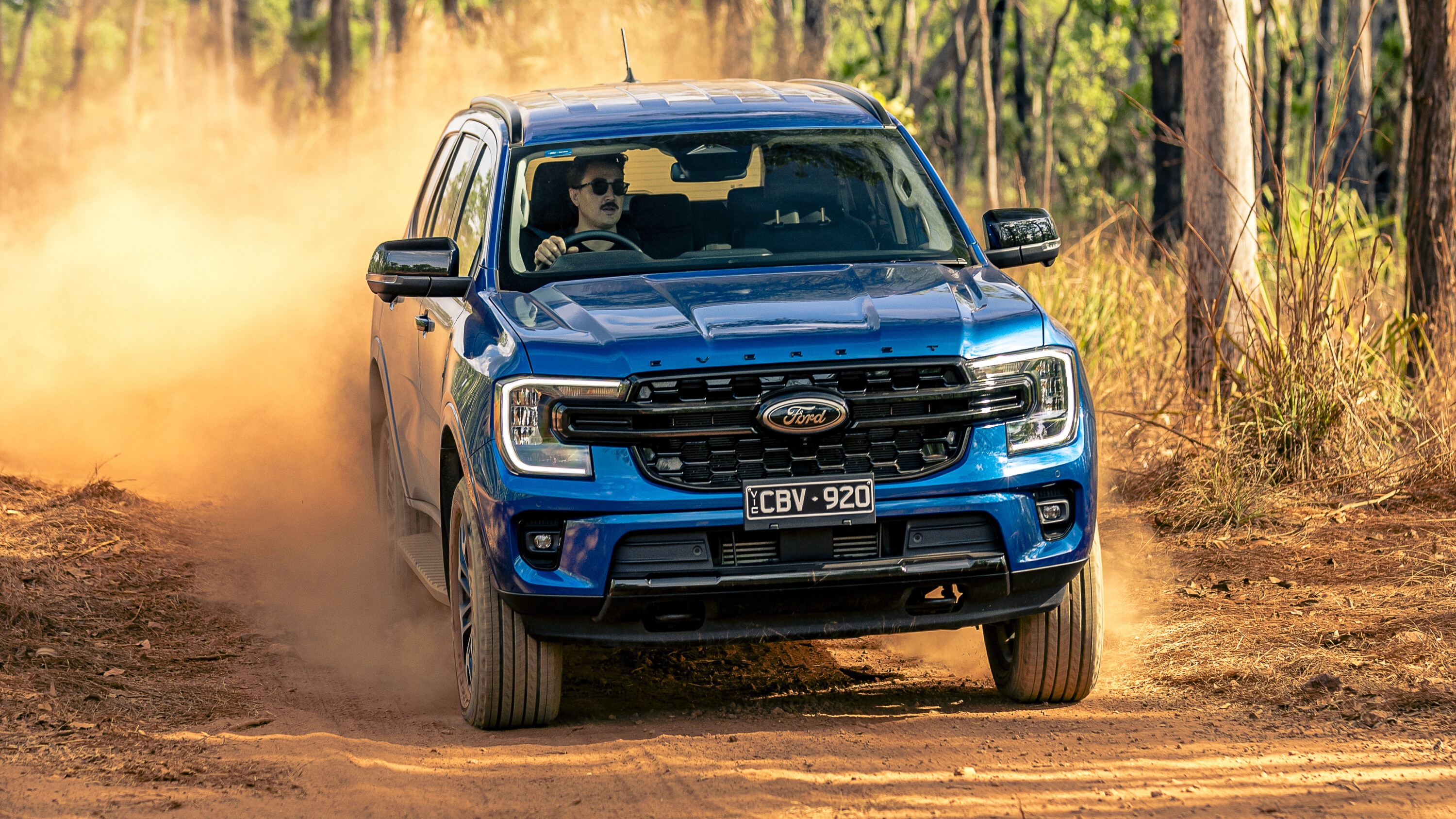
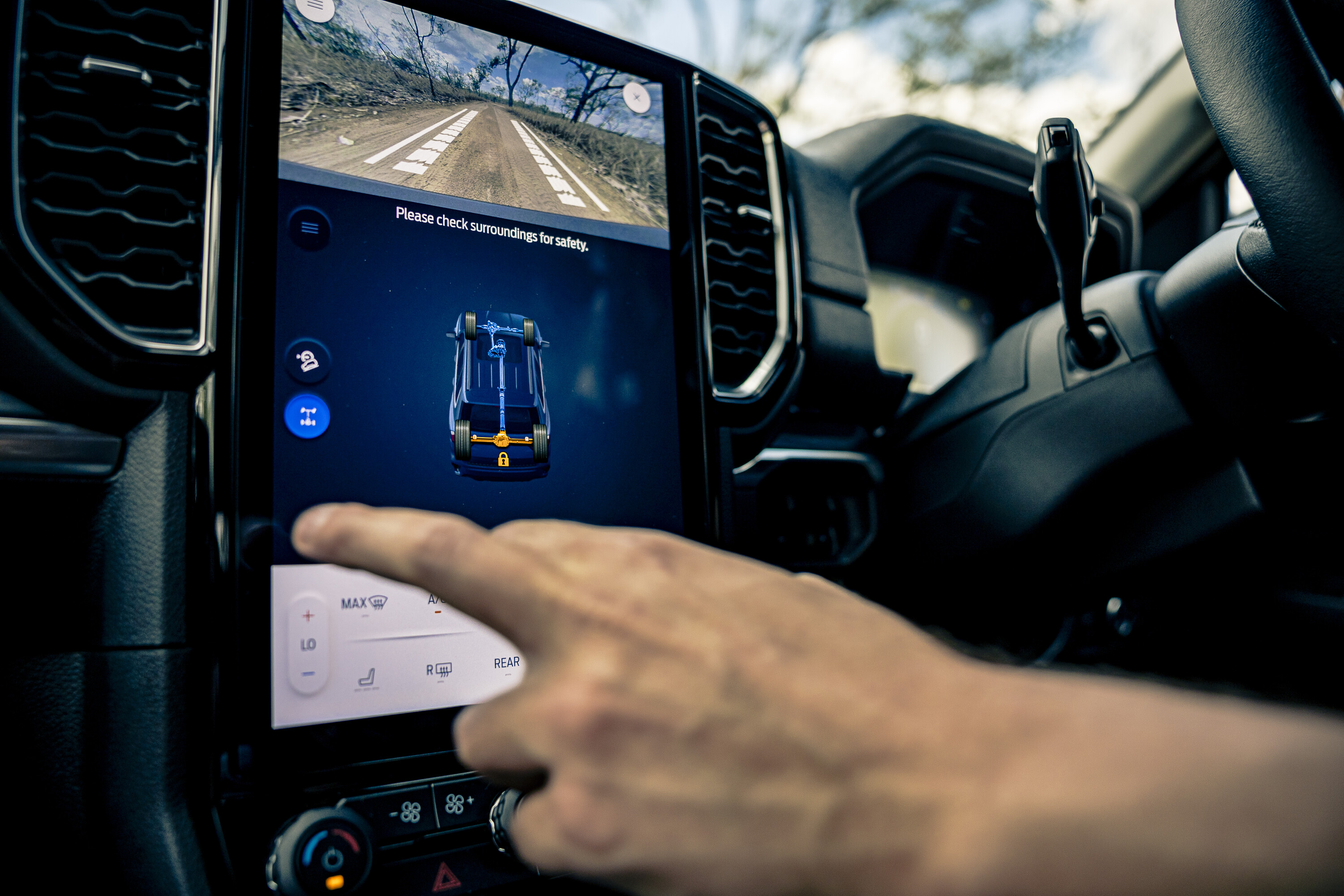
Engaging four-wheel-drive is easy in the Everest, done via the press of a button, and an outer-ring on the 4×4 dial allows you to choose from Normal, Eco, Tow/Haul, Slippery, Mud & Ruts, and Sand drive modes.
I actually left the system in 4A – the automatic mode – for the majority of off-road driving because it does such a good job of making adjustments. More time to take in the scenery, I figured, and less time thinking about drive modes.
1
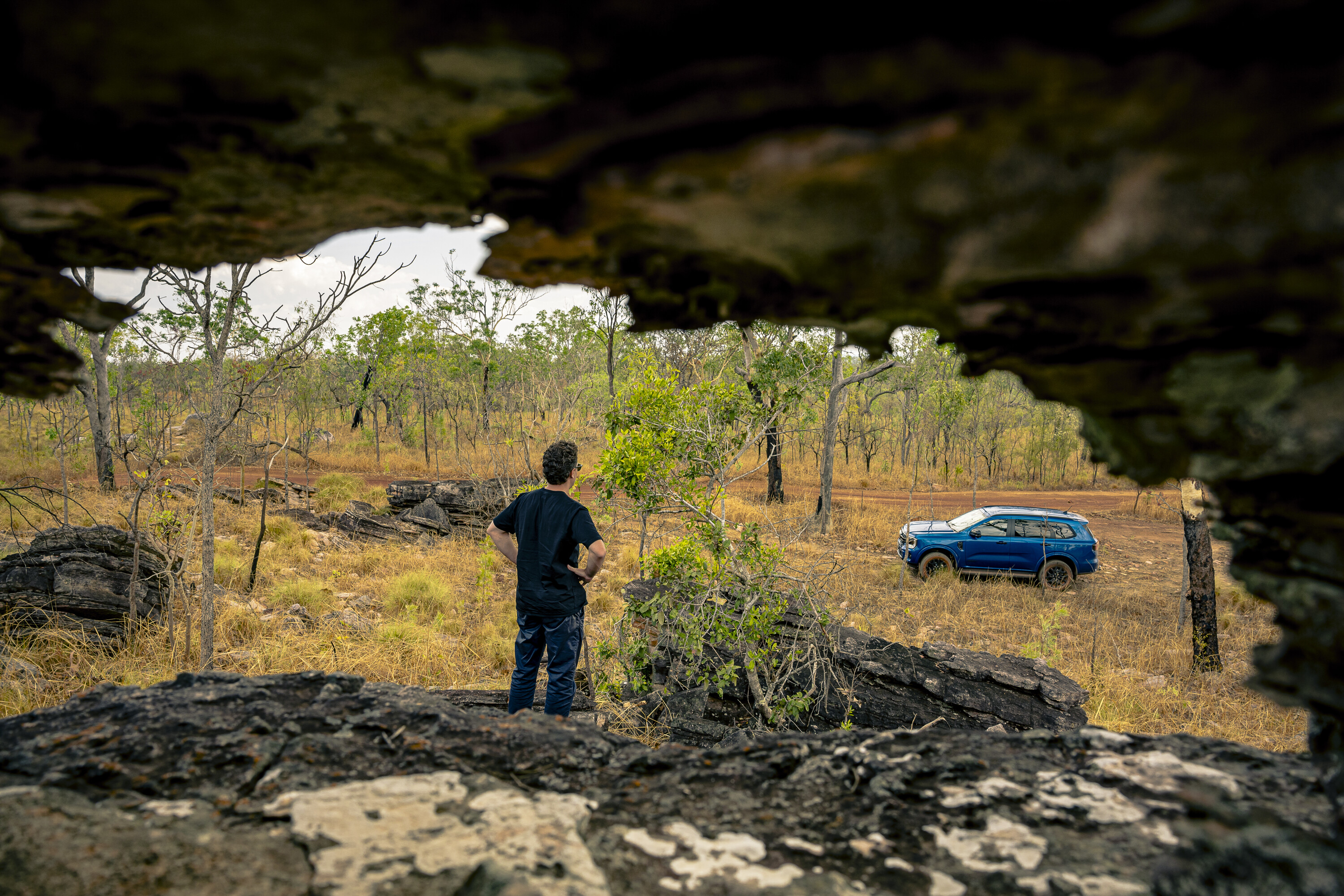
Once on foot and in the thick of it, the Lost City resembles just that – a city-like-scape of stone structures that have stood here for thousands of years.
They’ve seen more than you or I ever will, which gives the tall sandstone structures a wise, distinguished energy. They really do feel as though they’re watching you.
Before I knew it, the sun was gone and I’d lost hours exploring the Lost City and then a couple of the nearby waterfalls, all involving a decent amount of walking. Take plenty of water if you’re heading into Litchfield, because you’ll need it – losing what feels like a litre of sweat every time you set foot out of an air-conditioned car.
1
There is a certain energy throughout Litchfield National Park, which I couldn’t quite put my finger on. I discussed this with a few locals later that night, who agreed some sections of the park had a ‘bigger than you’ feeling about them.
I’d seen a large, grey buffalo earlier in the day and, while he was alone, I figured he had friends nearby. Buffalo are not native to the Northern Territory, so they’re likely bandits that escaped one of the nearby farms many moons ago.
Sure enough, driving out of the National park after dark, a road that consistently felt longer on the way out than it did heading in, I had to hit the brakes fairly abruptly after seeing three or four of the bitumen-coloured buffalo crossing the road.
1
Thankfully the Everest would have taken over with its full suite of safety tech, but I’m glad it didn’t come to that.
No matter how careful you are, in remote areas where wildlife poses an unpredictable danger, onboard safety systems provide a level of assurance I’d rather not live without.
After slowing down to let the shady-looking buffalo cross, animals ‘on the run’, Siri gave me a hand calling the Litchfield Resort to make sure they’d still be serving dinner.
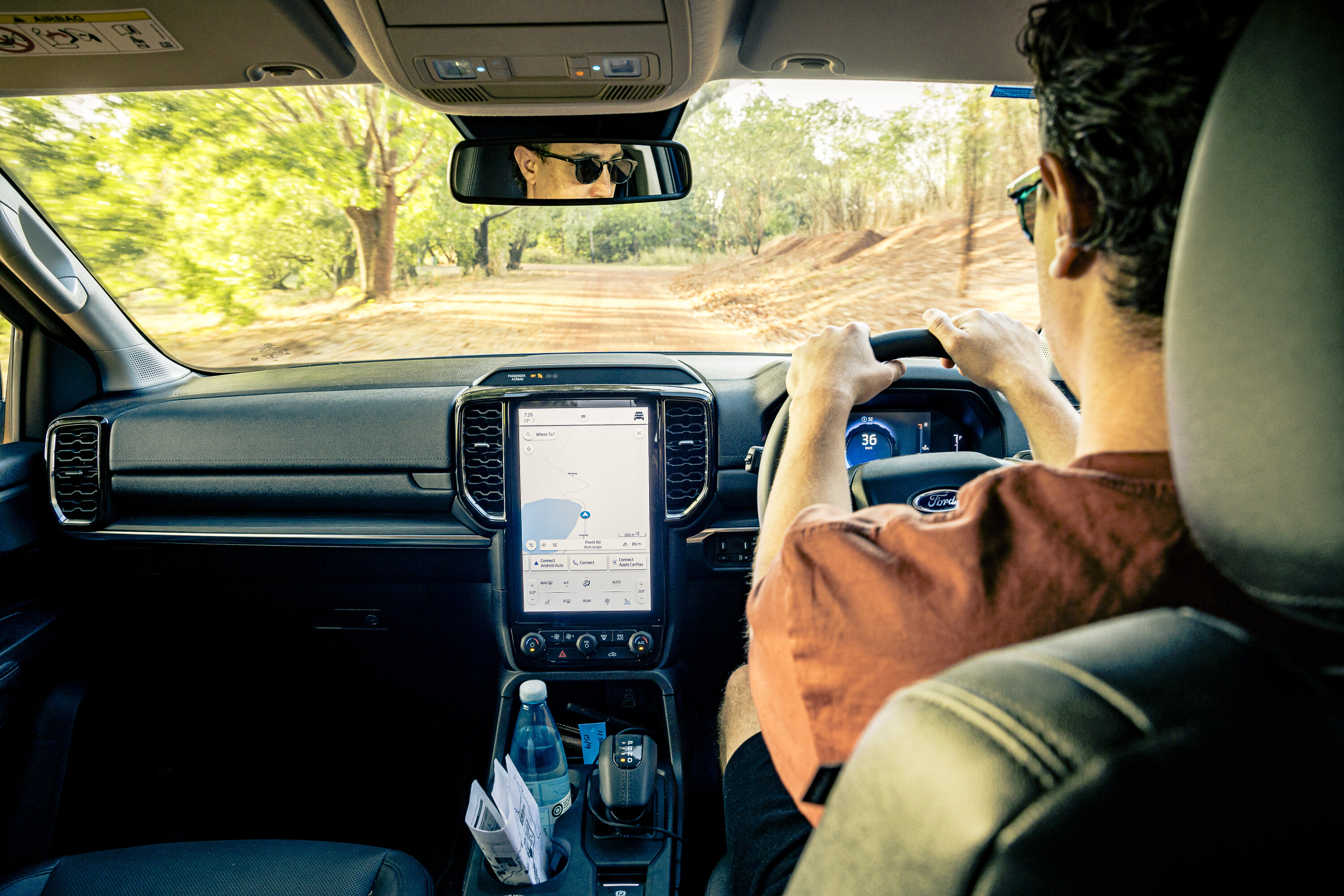
Apple CarPlay is, in my opinion, a must-have on long, solo road trips. Without a passenger to help change music, make a call or add a stop in the GPS, a good infotainment system is a real luxury and the Everest delivers with a massive 12-inch screen and all the functionality I could want or need.
1
I’d called the resort because I was worried the kitchen would be closed.
In a place this rural, kitchens often close by 8pm (ask me how I know) and the thought of a muesli bar for dinner after such a long day was cause for concern. I was met with a chirpy voice on the other end, a backpacker I presumed, based on the British accent, who told me quite matter-of-factly, “you’ve got 15 minutes because the chef is in a good mood, but after that I can’t help you.”
The GPS said it would take about 15 minutes to reach town – beauty. The locally-caught Barra was about a million times better than a muesli bar and the serving size was bloody generous, too. No points for guessing what it was washed down with.
1
“That things pretty flash, is that yours mate?” said the owner of the resort, who was peering out at the Everest with a few locals or, in pub speak, ‘regulars’.
They thought it looked pretty impressive and, after showing them some of the tech inside, they couldn’t believe it retails for less than the most popular 4×4 model in these parts (cough, cough) at less than $70,000 for the one I was rolling around in.
Day two was all about testing – scientifically, of course – the various swimming spots around Litchfield, but first I wanted to have a quick crack at the gnarliest 4×4 trail on offer – Reynolds Track.
1
I couldn’t shake the fear of crocs whenever I encountered water here in the NT – even puddles put me on edge. I’d watched too many videos about how they lurk inches below the surface, watching you through murky water, ready to gnaw at whatever dangles closest.
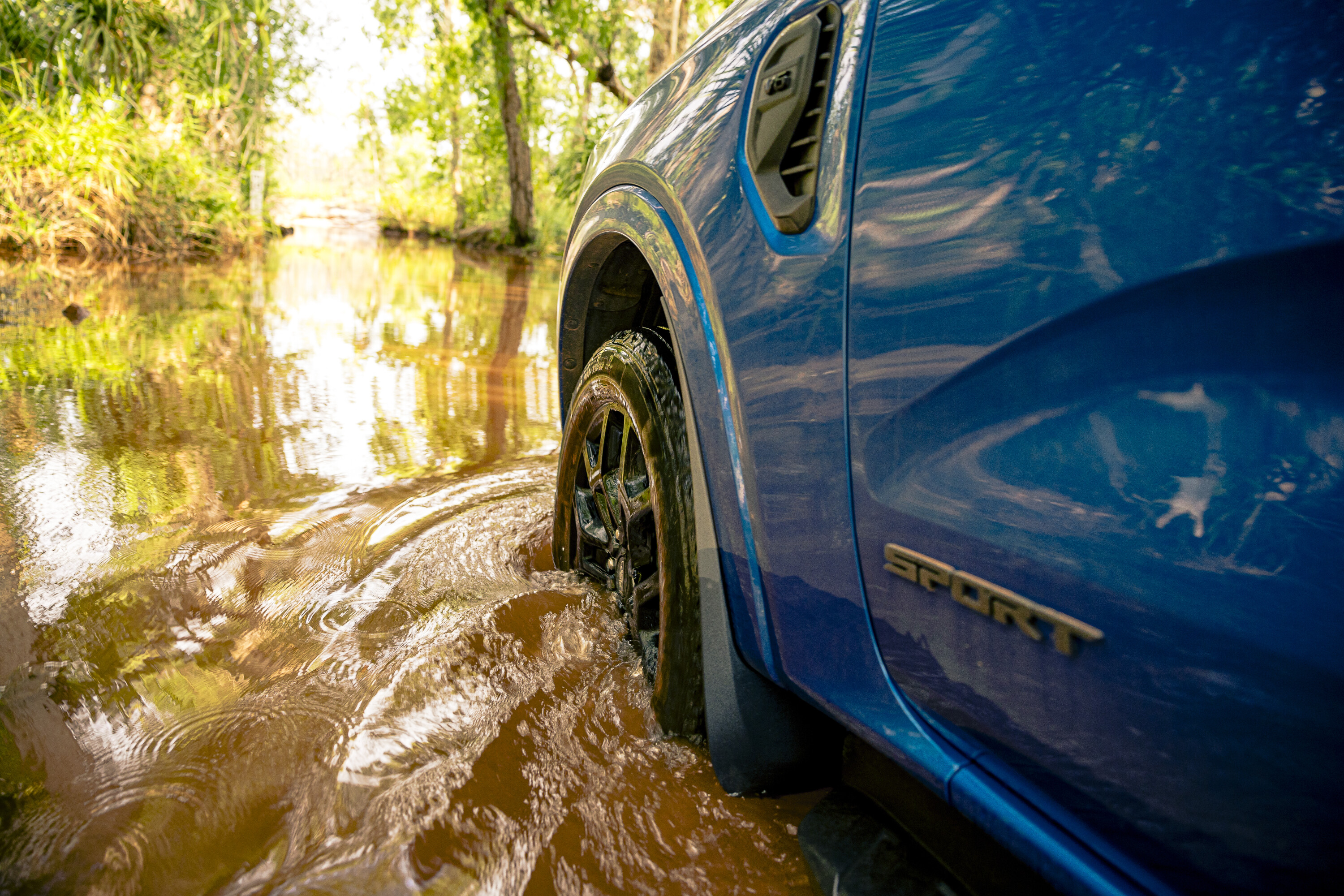
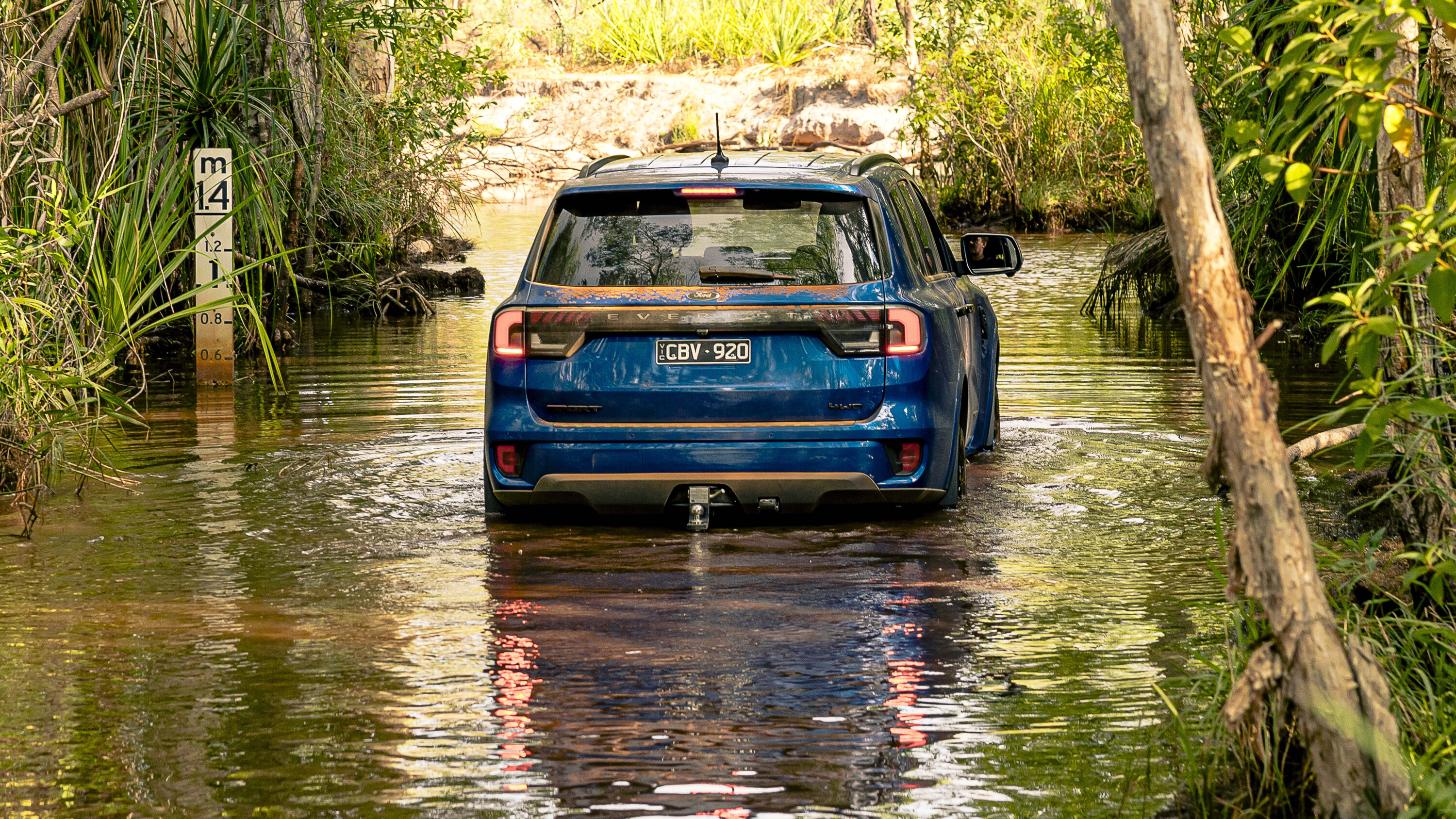
This fear was no greater than when we entered Reynolds Track. The off-road trail kicks off with a fairly long, 50-metre-or-so water crossing that’s only around 500-600mm deep but murky as hell.
The issue was that while the wading depth on the Everest is a respectable 800mm, I could feel the crossing getting deeper after already passing the 600mm ‘deepest point’ marker – perhaps due to the soft ground being dug out by other off-roaders.
1
I couldn’t walk the trail, as I would normally do in Queensland, Victoria or New South Wales, because the muddy water was home to opportunistic crocs. I kept going, slowly assessing any change in depth.
“Yeah, they’re definitely in there mate,” the park ranger told me when I queried this particular crossing earlier that morning, talking about crocodiles of course.
After getting through, the deepest point being around 700mm, and unaware of how deep the next few crossings would be, I decided to turn back. Best not to risk it in a car that isn’t mine, and the only real downside to turning back was the heckling I’d receive from locals that evening.
1
Now, onto the swimming (or lounging around in crystal-clear water holes) that I spoke about, in non-croc infested water.
After taking a dip at the usual culprits – Florence Falls, Buleys, and the truly insane Wangi Falls – I’d been told about some hidden creek spots in the Central Valley Escarpment I wanted to suss out.
The Central Valley only opened a couple of years ago, offering paid-permit-only camping and access to some pretty incredible tracks between May and November, but you do need to pick up a key in Palmerston or Katherine because it’s gated.
1
I only wanted to get in to explore, but after taking a look around I wish I’d packed the swag.
All three of the campsites on offer were well looked after, picturesque and suitably secluded. The fact they were gated meant limited traffic, too, keeping numbers down at swimming holes and on bush walks.
The small rock pools within Central Valley were absolutely stunning, with the clearest water I saw on the entire trip. Of course, the croc risk was slightly higher in these creeks, which didn’t help with my reptile paranoia, but with water this clear you’d see a scaley friend coming from a mile away.
2
The tracks heading in are challenging, but not difficult, and can be done in high-range 4×4. I crawled around in low-range, but only because I was in no rush and it meant I could take in more scenery.
On rocky, low-speed terrain the Everest soaks up bumps, better than a vehicle with 20-inch wheels ought to, keeping my bad back in check. Worth noting is that it is equally plush over heavily-corrugated dirt roads, of which there are plenty up here, even eating a few potholes for breakfast when I couldn’t safely avoid them.
After a few freshwater dips, some four-wheel driving, and a disappointing canned-tuna lunch, it was time to start heading back out of Litchfield and onto Darwin.
1
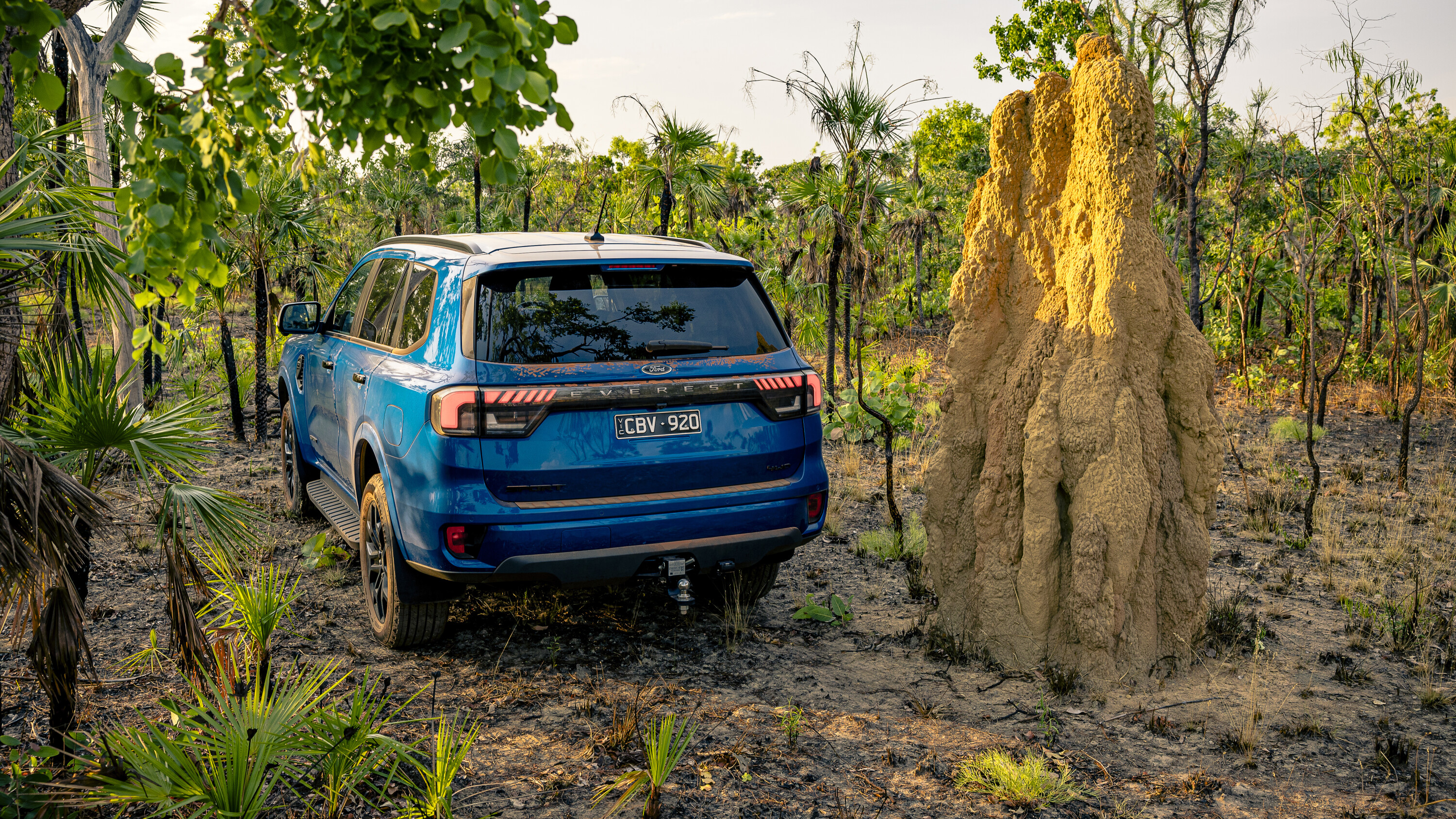
I stopped briefly at the Magnetic Mounds on the way out, gawking at the up-to-four-metres-high termite mounds – alien-like as they litter the fire-ravaged landscape as far as the eye can see, seemingly unharmed.
Just like that, my Litchfield adventure was over. It was time to head back to civilisation, but with a renewed love for the outdoors and a stronger than ever belief that the best view in outback Australia is often through a windscreen.
Looking out of my hotel room back in Darwin, I could see the Everest in the parking lot below. Visually, it’s a vehicle I liked the moment I saw it. But in terms of everything else, I couldn’t be happier with where it took me and how it did so – rugged and capable but also luxurious enough to please even the fussiest of occupants. Ford Australia really nailed this one.
For information on the Ford Everest range and features please visit here [↗].
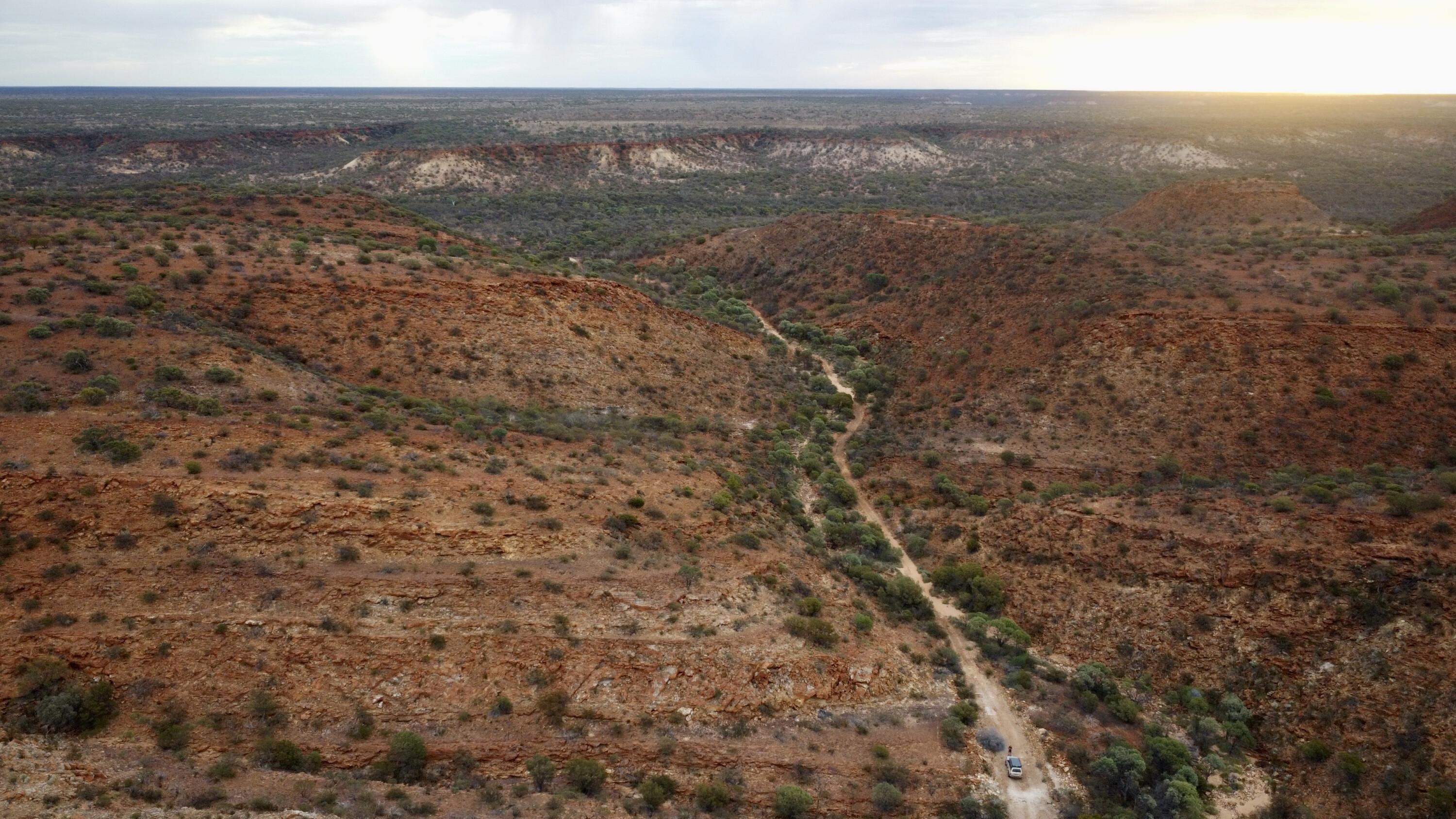
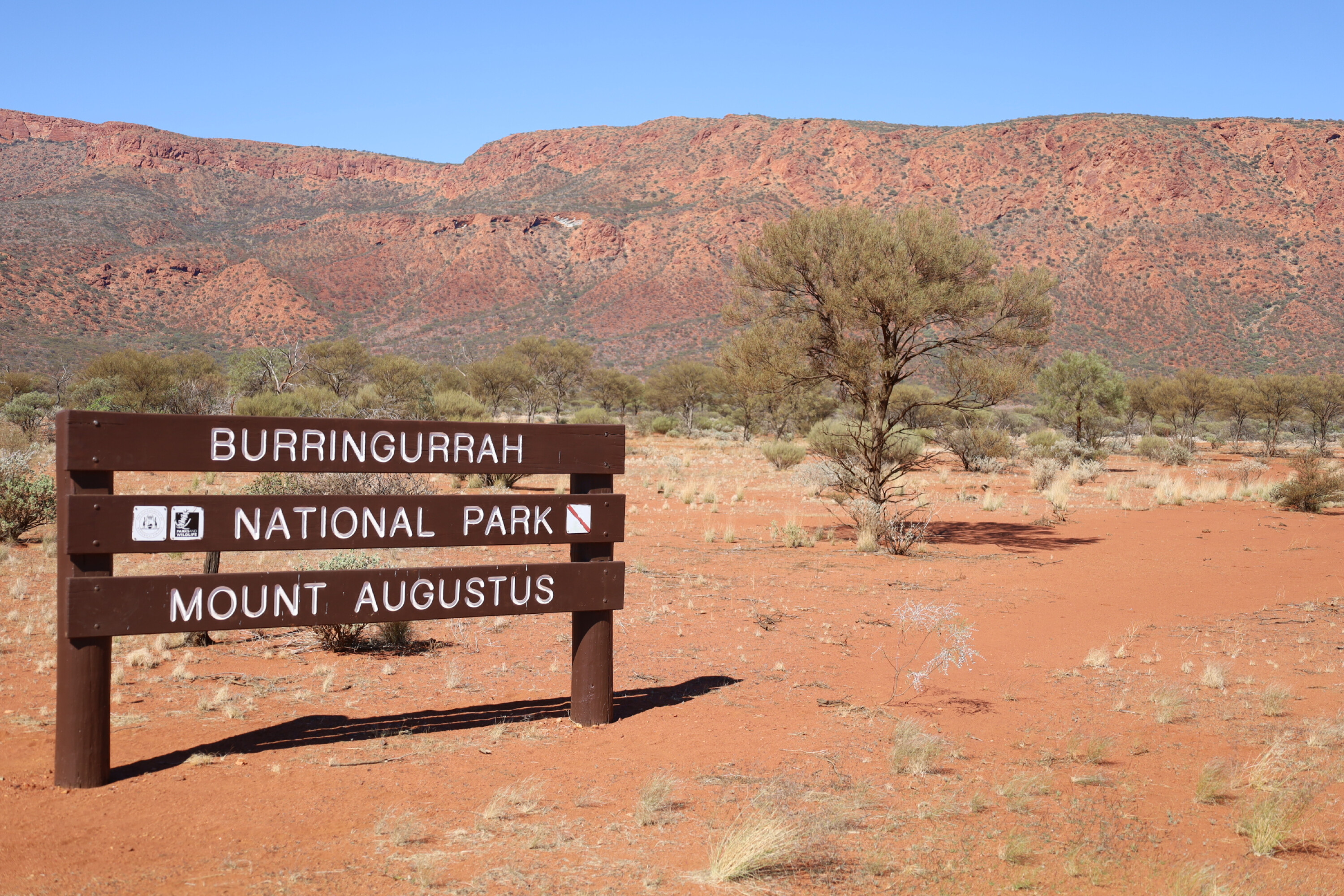
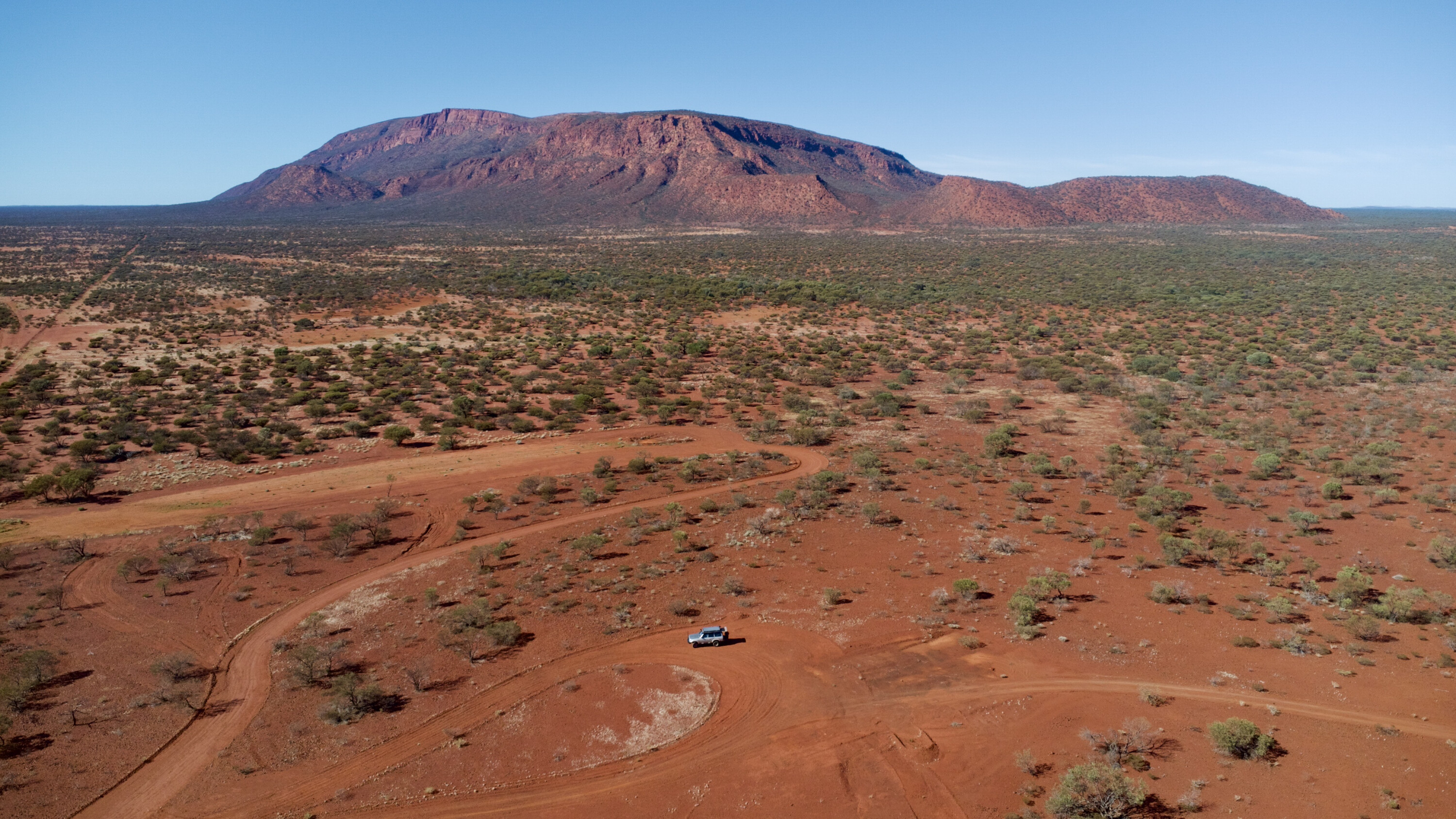
We are pretty lucky in Australia with so many ‘big things’, whether they be manmade or natural, so while on tour in our biggest state I thought I’d check out one of the biggest natural wonders in the world: Mount Augustus.
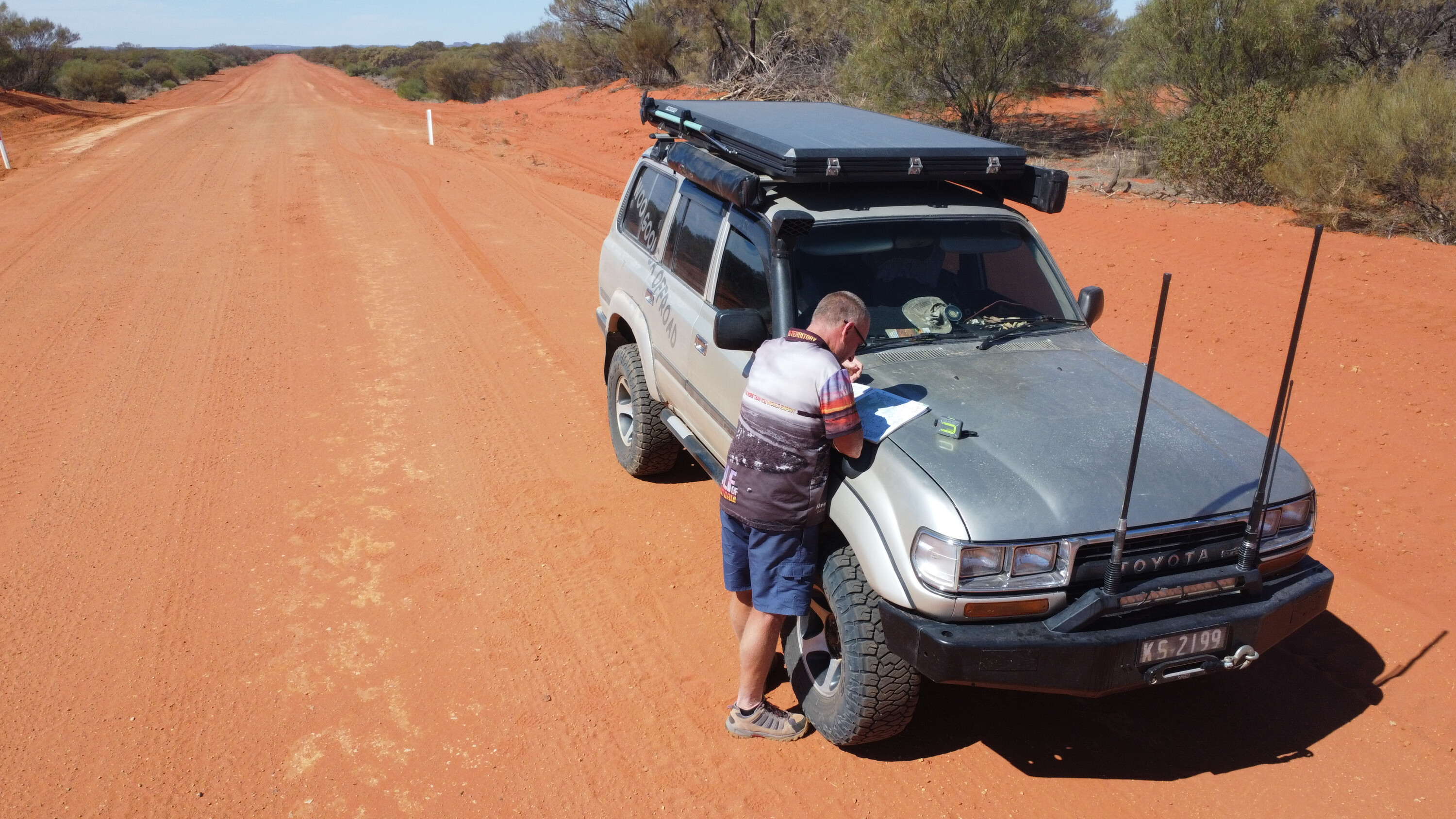
After fueling up, restocking and a quick service of the Cruiser at Carnarvon on WA’s mid-west coast, I headed east along the Carnarvon Highway towards Gascoyne Junction.
With a good 450km drive to the world’s biggest rock, I settled in for the long haul on what seemed like an endless sealed road running beside the Gascoyne River.
1
Taking a break at Gascoyne, I read up on the Kennedy Range, which was just 60km to the north, and where you can view stunning rock gorges and hike to natural waterholes.
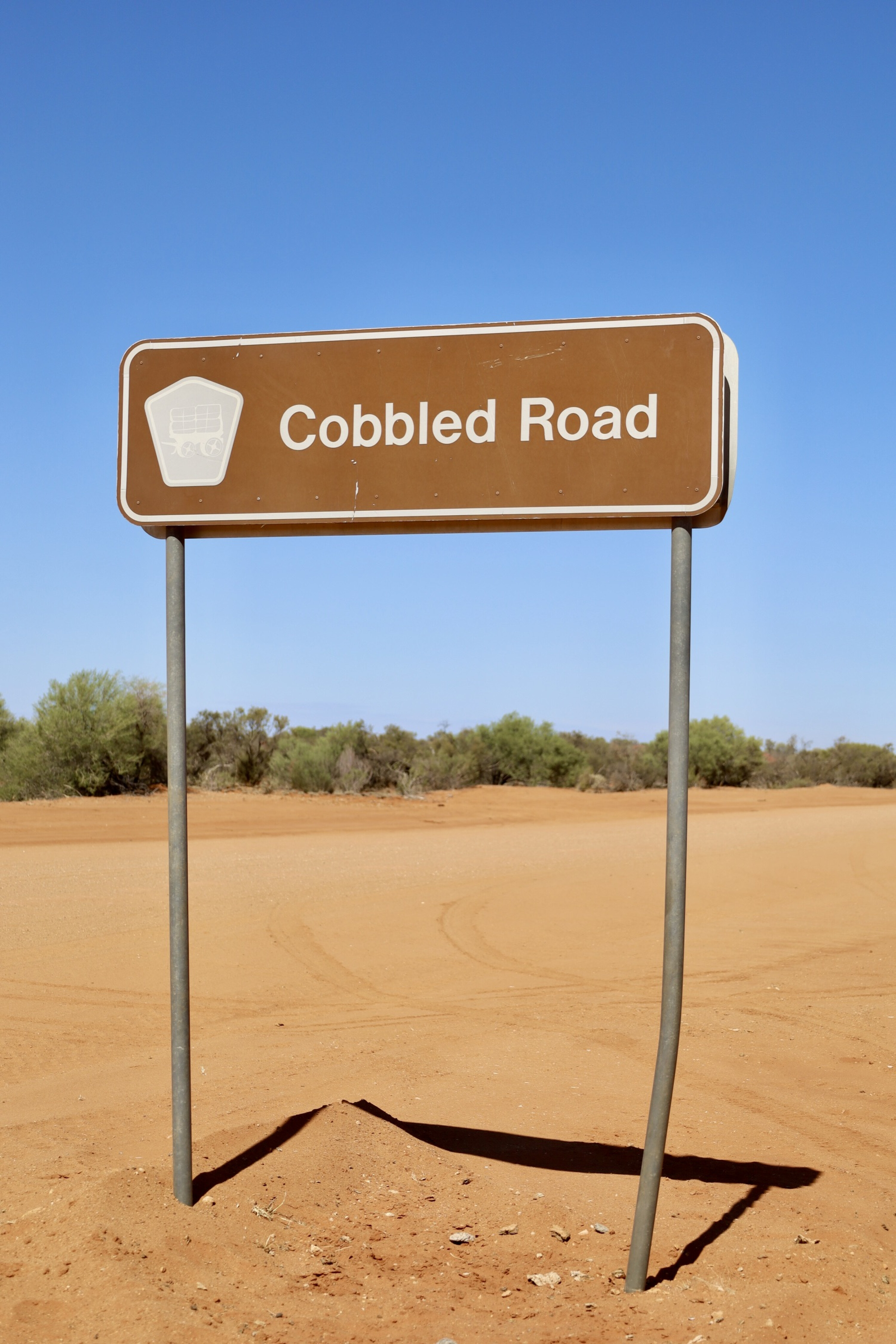
On the way to the Kennedy Range turn-off, there are remnants of an old cobbled road that early pioneers and drovers used. Constructed from local stone, the wool wagon pathway was built around 1920 for wagons on tracks that were little more than rough clearings through the scrub.
When it rained, all but the high or stony areas turned to mud, and when it was dry the sandy ridges were almost impossible to cross.
1
Kennedy Range
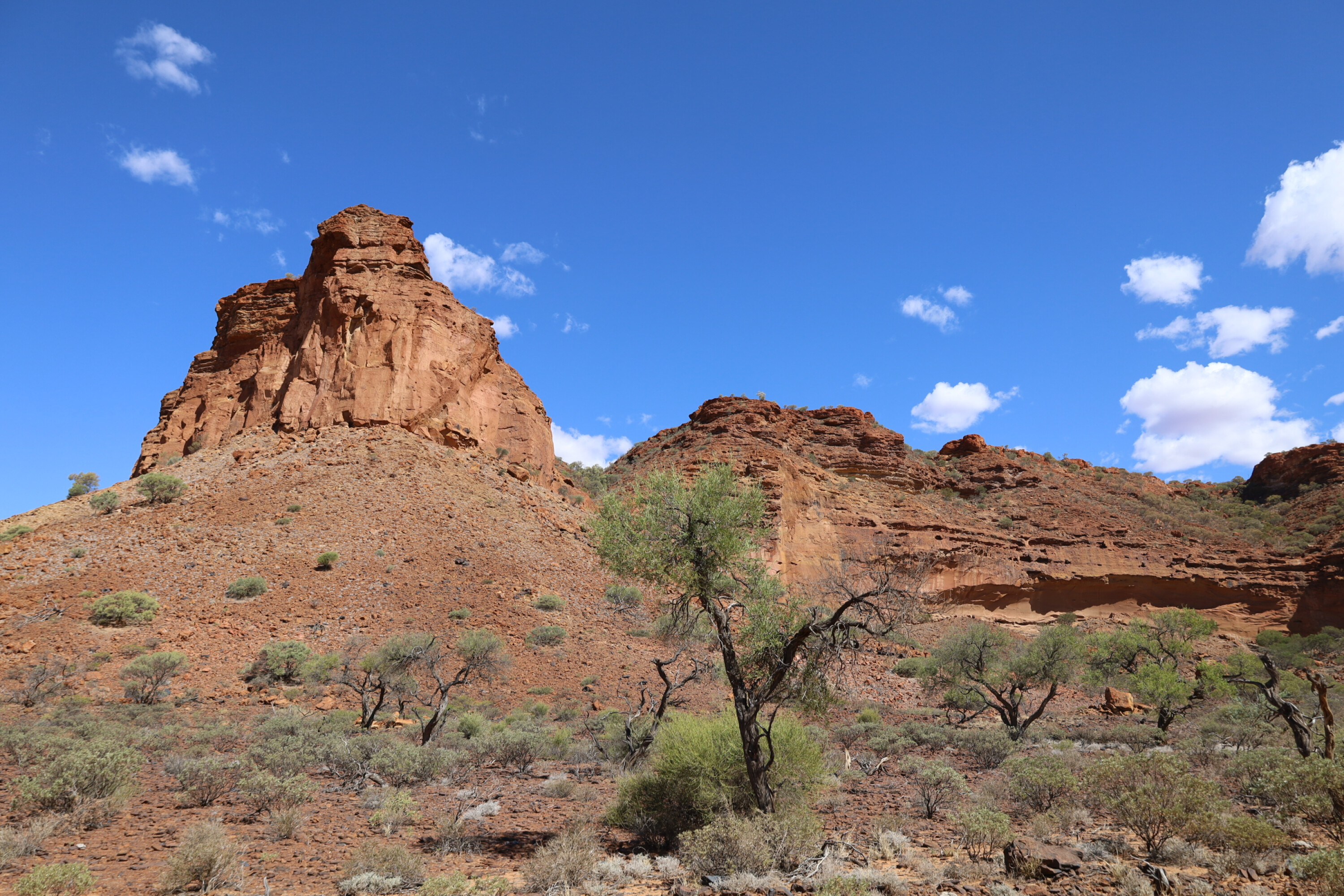
It’s a good dirt road into the park and straight away the eastern escarpment seems to loom above you as you head directly towards it, with its massive jagged outcrops and tall columns.
To describe it as an impressive sight would definitely be an understatement, as the 250 million year old weathered rocks glow in the sun no matter what angle you view them from.
Camping is allowed at Temple Gorge which is a good place to base yourself for the hikes into the ranges, whether it be the stunning Sunrise, Honeycomb, Drapers, Temple or the Escarpment trail.
1
Starting at the northern end of the park, the track heads into pastoral stations that have been bought to make up the 320,000ha park over the years.
Apparently this area was a shallow ocean basin over 200 million years ago and with the complicated movements of the earth and ocean receding, marine fossils can still be found in the sandstone throughout this huge mesa that measures an impressive 75km long by 25km wide.
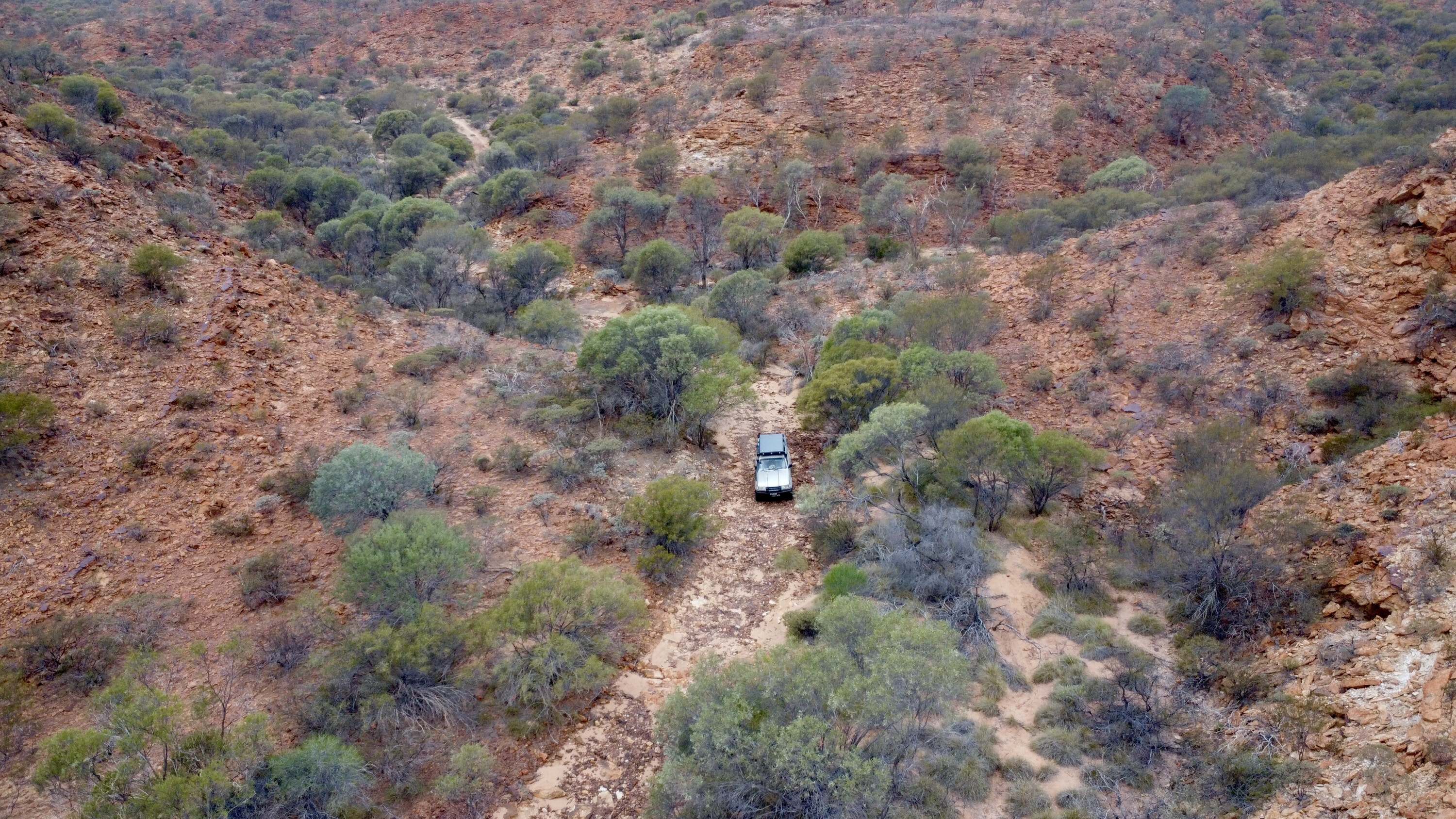
Something else that caught my eye was the Kennedy Loop Track that covers the top of the range and is only suitable for high-clearance 4x4s. Starting at the northern end of the park, the track heads into pastoral stations that have been bought to make up the 320,000ha park over the years.
From the start the track covers a variety of terrain including rows of red dunes, narrow sections following steep cliffs with endless views to the east, and a maze of steep-sided canyons to drive through over sharp rocks and along washed-out creek beds.
1
All the way along the track the scenery is nothing short of spectacular with its ancient rock formations, huge slabbed rock and massive gums, and on the western boundary of the range a number of natural springs give life to little pockets of the park.
Free camping is allowed up here but not too close to the water, as the animals use it as their only water source, and to think it was formed by a substantial geological fault millions of years ago. More than 400 plant species, more than 100 different birds, and some 20 mammal species have been recorded across this unique plateau.
My drive along the Loop Track ended at the mighty Gascoyne River… and it should be noted that during the wet this river is totally impassable. I crossed it when it was relatively dry but it was still wheel depth, and then there was another 200m of dry river sand to cross out of the Gascoyne.
1
It would have taken decades of wet seasons and cyclone rain to carve the river to its current depth, even though it’s nearly 200km to the coast.
Just out of the Gascoyne River, new campgrounds have been opened up on Winnemia station. An old workers’ cottage has been converted for campers with toilets, but it’s still a remote camp and you’ll need to be pretty well set up and self-sufficient, as Gascoyne is still two hours away.
The Loop Track was about 100km long but with so much to see and do it took a good day to explore it. This is a remote and isolated track that should only be attempted by high-clearance vehicles and those who are confident with remote-area travel.
1
Mount Augustus
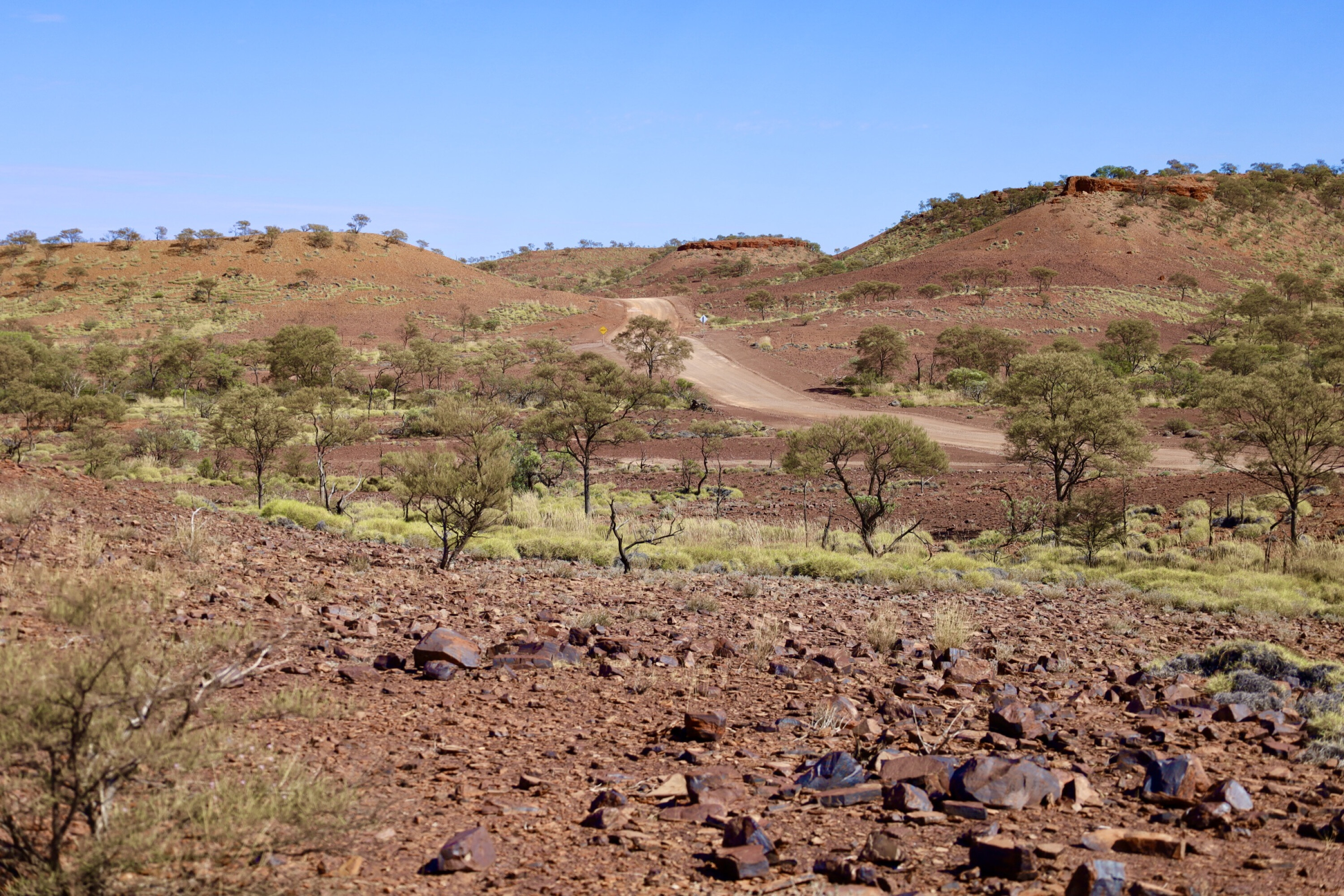
My priority on this trip was to head to Mount Augustus, which I did by heading back into Gascoyne Junction and taking the dirt Carnarvon-Mullewa Road and the Cobra Dairy Creek Road towards the rock for another 300km.
Of course, most people who have been to Uluru reckon it’s a pretty big rock but Mount Augustus is next level! It’s visible from 60km away and is two-and-a-half times larger than Uluru, and estimated to be over 1800 million years old.
Just like the Kennedy Ranges, it was formed by a complex process that began when the inland sea dried up, the earth moved and a weathering process started. Marine layers are still visible in the area away from the rock.
1
The only place to stay here is on Mount Augustus Station where you’ll have stunning views of the rock from your camp, especially at sunrise.
One of the best things you can do here is the 45km drive around the base of Mount Augustus to both view this huge monster from different angles and to explore the variety of hikes into and up the mountain. The hikes are graded 3 and 5, depending on their length.
Experienced hikers can attempt the summit walk but it’s an extreme and difficult hike; other smaller walks provide access to significant areas and are as short as 200m.
1
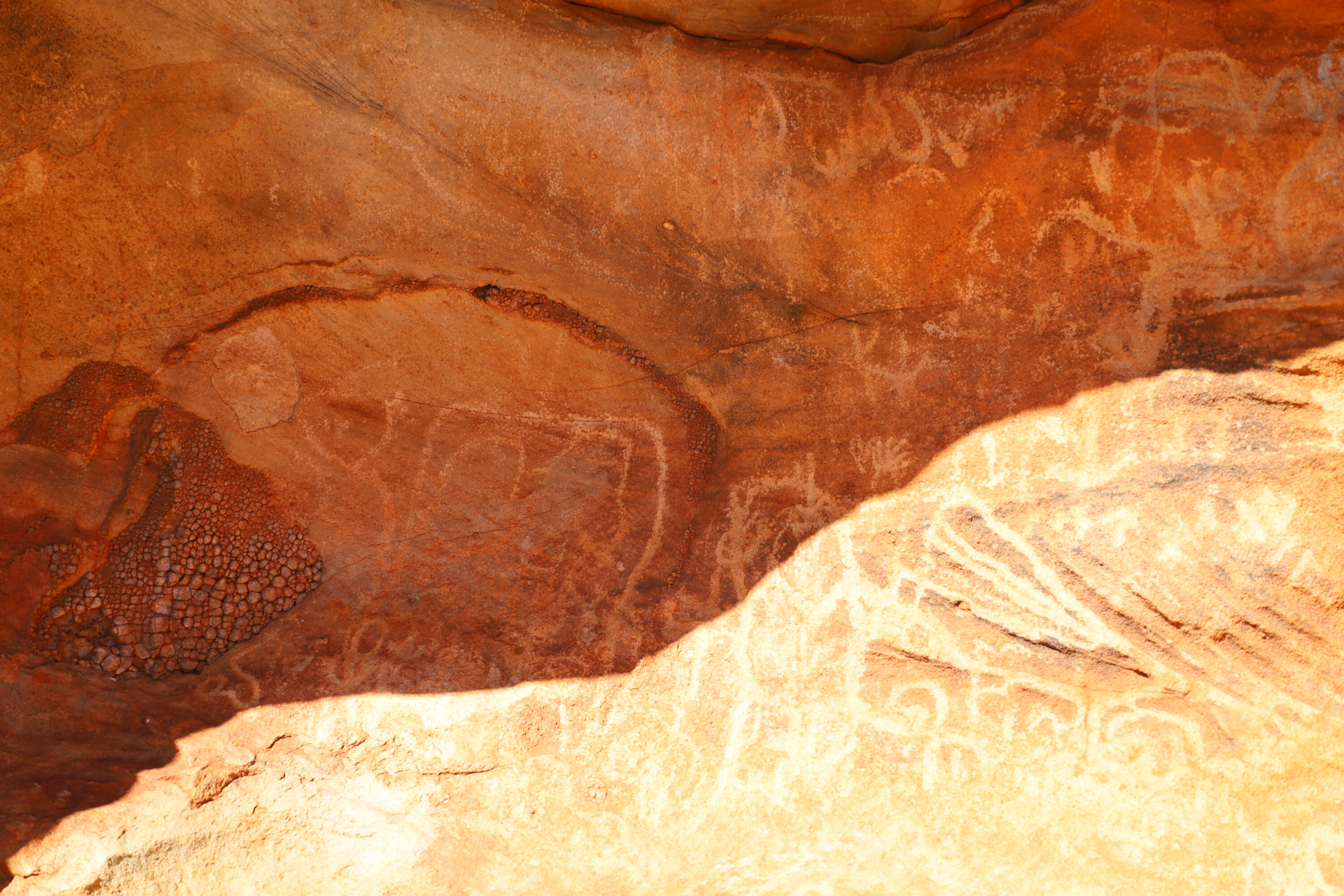
These petroglyphs depict an amazing array of animal, human and dreamtime engravings.
The Wajarri people call this area home and once upon a time they would roam across the Gascoyne region, rehydrating at the natural springs at the base of the mountain that always provided a reliable water source even in times of drought.
Some of the shorter walks around here lead to places where the Wajarri people left engravings in the rocks. These petroglyphs depict an amazing array of animal, human and dreamtime engravings.
There are plenty of areas to sit and ponder what the symbols mean, as well as who carved them and why they did so here. Other walks lead to cattle soaks and across dry waterways, and there are spectacular views across what seem like desolate plains.
1
Mount Augustus is an inselberg which means it’s an island mountain, just like one that would rise from the sea.
It bursts out of the arid landscape of mid-eastern WA and stands an impressive 715m high, surrounded by a mixture of wattles, spinifex and cassia.
While the underrated rock that is Mount Augustus might be figuratively overshadowed by that other rock called Uluru, it’s well worth the effort to visit this impressive landmark in the west, along with nearby Kennedy Range.
1
Top 5 things to see and do
Camp at Temple Gorge is you are keen to tackle the many and variued walking tracks that lead up into the Kennedy Range.
Drive the Kennedy Loop Track that covers the top of the range, but note that it’s only suitable for high-clearance 4x4s.
Camp at Winnemia station where an old workers’ cottage has been converted for campers with toilets, but be aware that it’s still a remote camp
Take the 45km drive around the base of Mount Augustus to view this huge monster from different angles and to explore the variety of hikes into and up the mountain.
Check out the petroglyphs at Mount Augustus that depict an amazing array of animal, human and dreamtime engravings.
Camp at Temple Gorge is you are keen to tackle the many and variued walking tracks that lead up into the Kennedy Range.
Drive the Kennedy Loop Track that covers the top of the range, but note that it’s only suitable for high-clearance 4x4s.
Camp at Winnemia station where an old workers’ cottage has been converted for campers with toilets, but be aware that it’s still a remote camp
Take the 45km drive around the base of Mount Augustus to view this huge monster from different angles and to explore the variety of hikes into and up the mountain.
Check out the petroglyphs at Mount Augustus that depict an amazing array of animal, human and dreamtime engravings.
The Kennedy Range NP entry is just under 200km east of Carnarvon on a good sealed road and the Kennedy Loop Track is unsealed and very much unmaintained, so driving it is at your own risk.
Mount Augustus is a further 260km past Gascoyne on good unsealed roads, which may be closed in wet weather. Or you can drive in from Meekatharra which is 350km away.
1
A seasonal adventure
Camping is available at Temple Gorge in the Kennedy Ranges and at Mt Augustus Tourist Park. Don’t attempt exploring this area during summer, as the daytime temperatures can cause a variety of health issues including death. Drink plenty of water and be safe.
More information
Most information for this area can either be found online, through the WA parks and wildlife service in Gascoyne Junction, or by contacting the Carnarvon information centre regarding the Kennedy Range or Mount Augustus Tourist park, phone (08) 9943 0527.
We’ve got it good these days. Just one generation ago your choice of 4×4 was limited, and it was likely rudimentary, agricultural, underpowered and underwhelming.
Despite the often-romanticised ideas of rugged simplicity, you’d be doing well to find a 4×4 that could pull the skin off a custard, and you’d probably be locked up in a looney bin if you expected one that could ride well on-road and still manage to work well off-road.
These days 4x4s have surged forward in leaps and bounds; power, ride quality and useful off-road features are the standard, but they’re still mass-marketed vehicles, designed for everyone, not anyone. If your needs fall outside the scope of the manufacturer’s ideas then the aftermarket is your source of salvation.
1
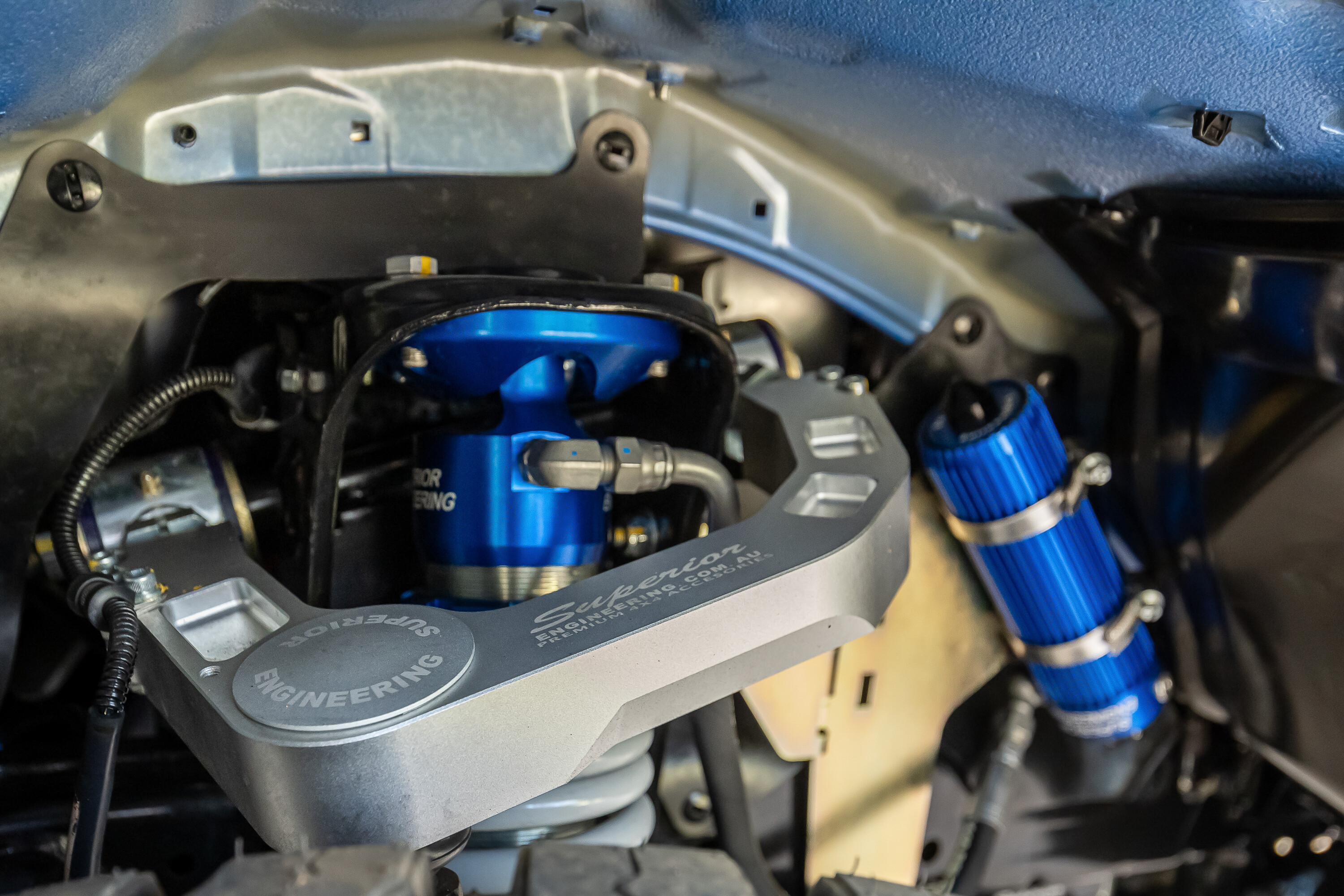
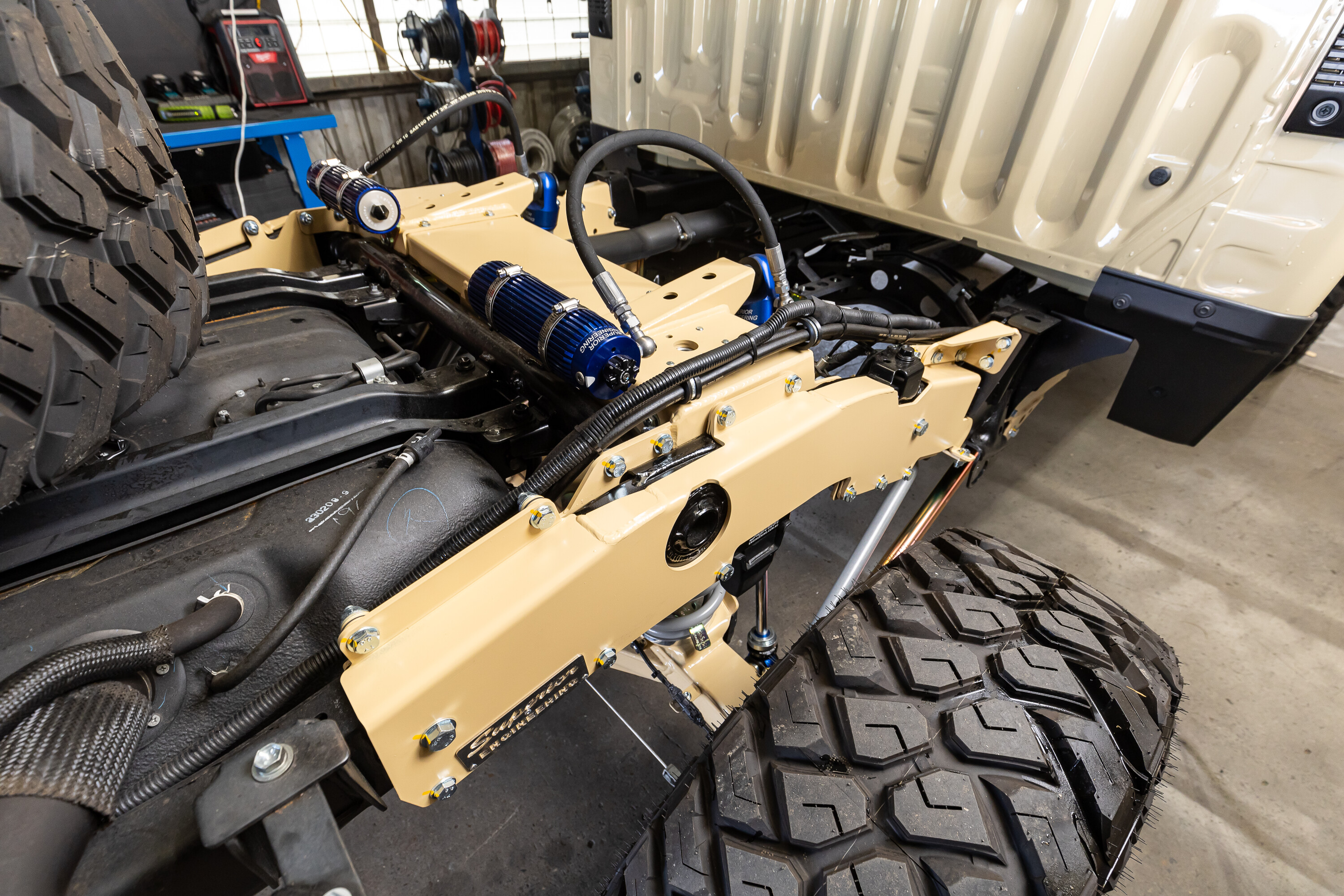
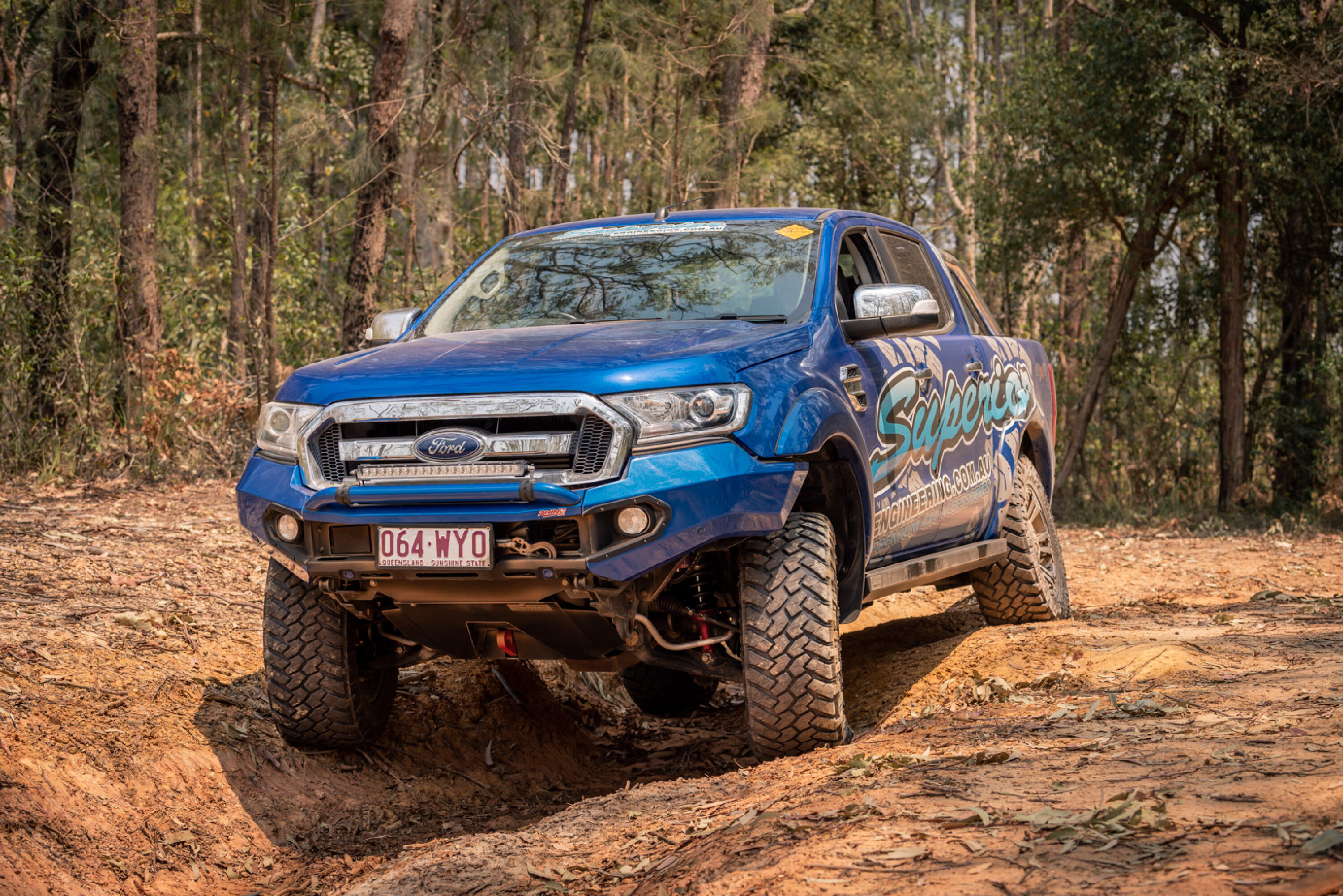
Enter Superior Engineering. This company has been slowly but surely redesigning every aspect of various 4×4 models to make them perform better. From the Superior’s early radius arm to its later high-tech electronically controlled shocks, it has been making 4x4s do things vehicle manufacturers never thought possible.
With the introduction of Superior Engineering’s coil-conversion kits, the company is essentially re-engineering vehicles to how they should have come from the factory. If you’ve ever fantasised about what a HiLux Raptor competitor would be, Superior has the answers.
But what exactly goes into its coil conversion kits, what are the pros and cons, and how much is it going to hurt the hip pocket to build a better HiLux than Toyota can? We caught up with Sam Turnbull, the General Manager at Superior Engineering to find out.
Jack of all trades
Forget the awkward stage in the 80s and 90s when vehicles came fitted with torsion bar springs.
These days, your 4×4 either has coils all around or coil front-end and leaf spring rear combination. Manufacturers tend to install leaf springs in the back of anything designed for load carrying, while four-wheel drivers tend to opt for coil springs. But what exactly is it that makes coil springs better for off-road use, and why is no one swapping out coil springs for leaf springs?
The answer is relatively simple: cost, complexity and versatility. Let us explain.
Leaf springs are a jack-of-all-trades setup. They physically locate the axle front to rear, side to side, and provide the spring rate and thus load carrying capacity. They also resist the axle twisting, but more on that later.
1
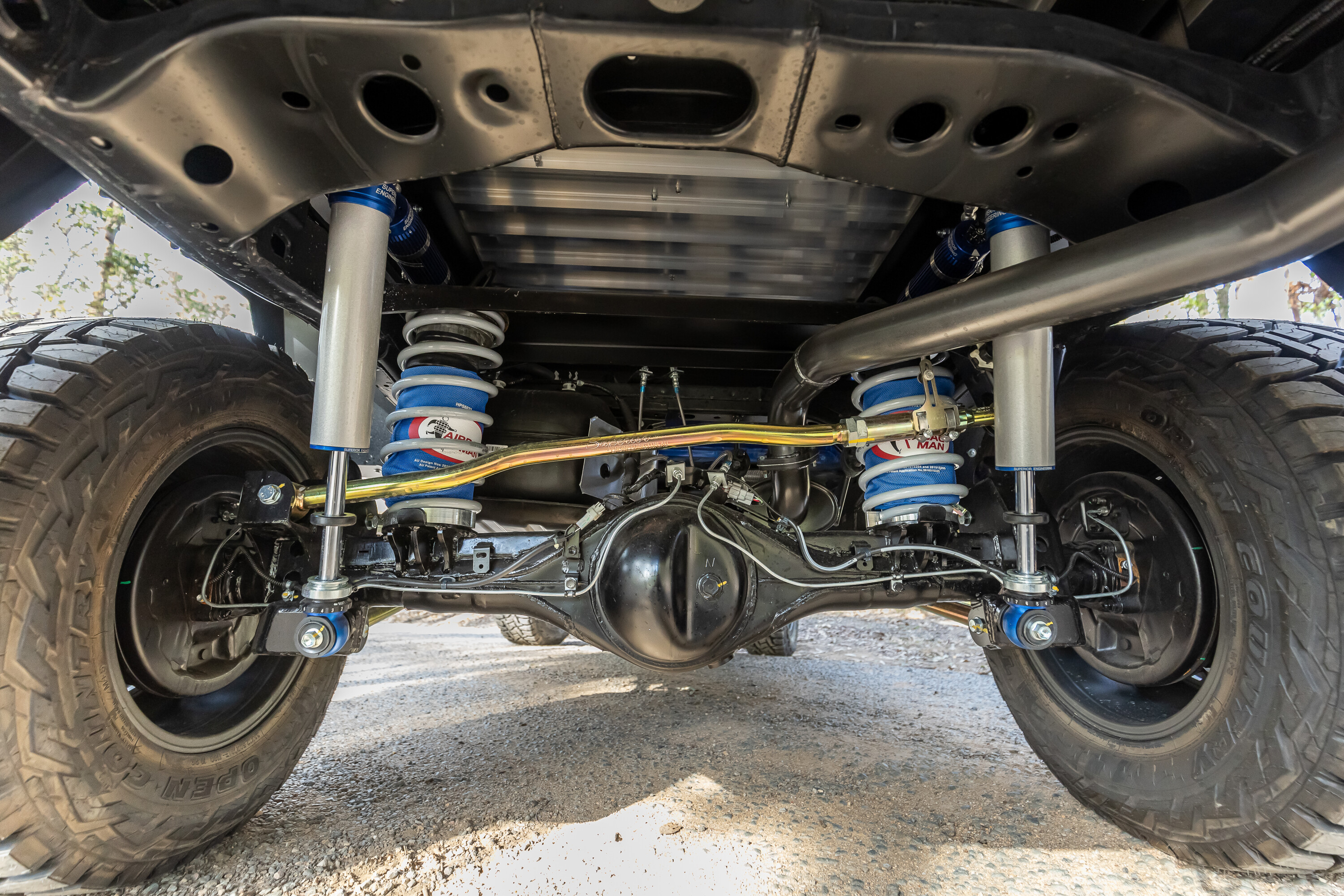
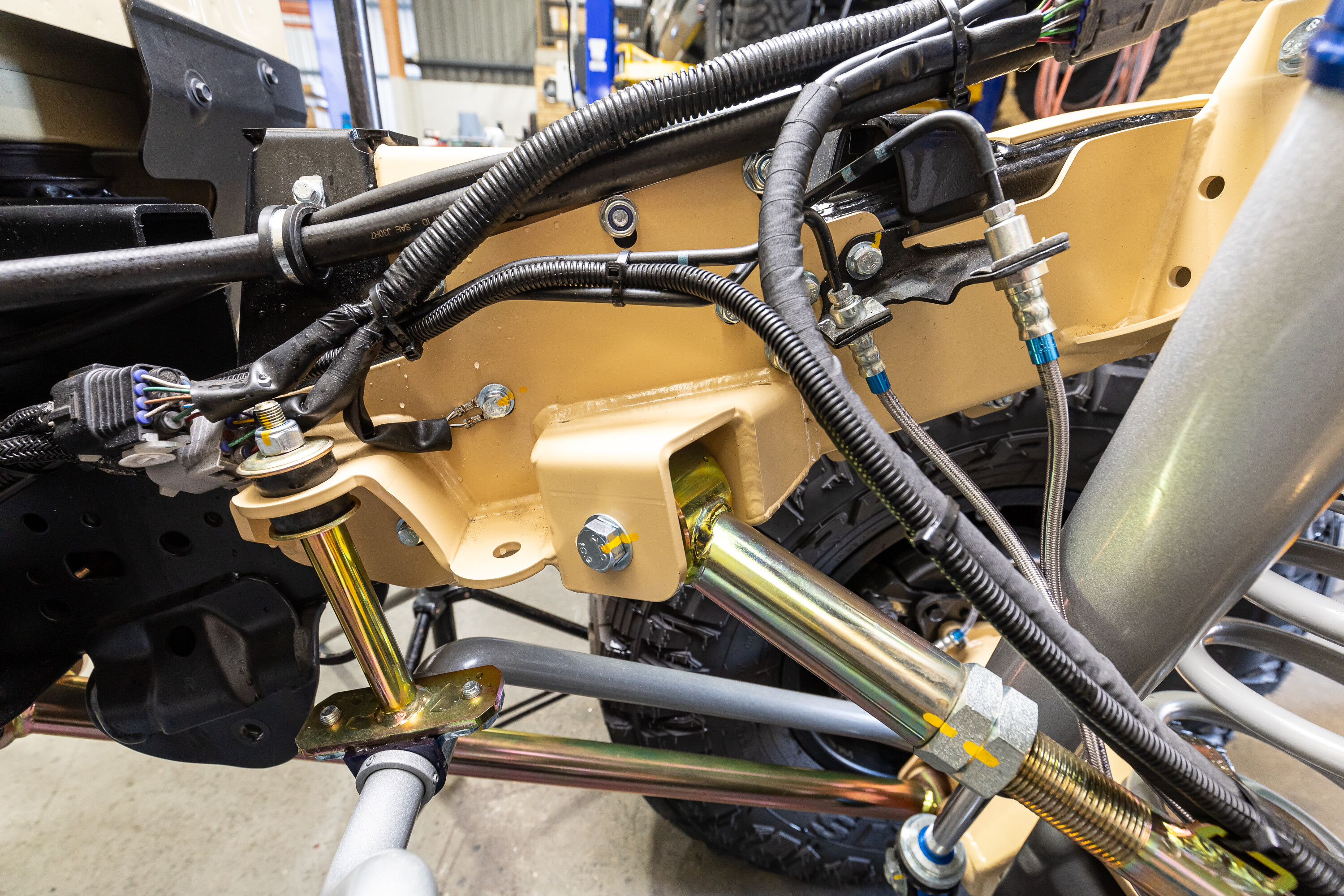
Coil springs, by comparison, just handle load carrying, so your axle will still require some kind of locating system. These are typically in the form of four forward-facing control arms to prevent axle twisting and locate the diff fore and aft, with a Panhard rod controlling side-to-side movement.
So it’s obvious how much simpler a leaf spring setup is than coil springs, but that comes at a cost. The leaf spring rate doesn’t just define how the 4×4 rides, but how well it holds the axle in place, and the two are tied together. Soften the spring to flex better and you’ll likely get axle wrap that can lead to your rig bucking and bouncing in terrain that a coil spring rig can effortlessly drive over.
1
Leaf springs are also heavy, cumbersome and more slowly than lighter-weight coil springs. That means side by side, in the case of coil and leaf springs both rated for +300kg, the coil spring will be able to cycle faster, absorbing more bumps in the road and allowing greater articulation and axle control off-road.
This is why manufacturers go to the extra expense of fitting coil springs all-round to more off-road focused models, while jack-of-all-trades utes get jack-of-all-trades leaf springs. If you’re building your rig for a purpose, and that includes either better articulation off-road or better ride quality on-road, then it’s easy to see why so many people are opting to up-spec to Superior Engineering’s coil conversion kits.
Whats in the box?
When you unbox one of Superior Engineering’s conversion kits, you’re met with a carefully curated set of components designed to transform your rig’s suspension.
The core of the kit focuses on a whole heap of computer-designed bracketry intended to result in a near-factory finish, transforming your chassis from something that accepts leaf springs to something that accepts a coil and link arrangement.
The kits themselves are a weld-in design rather than the easier-to-install but not as rugged bolt-in designs, Superior favouring a little extra effort at the start for more peace of mind down the track. Included are a set of inner and outer chassis braces to ensure the chassis can handle the new loads and to provide mounting points for the new links.
1
You’ll score 40mm OD fixed lower control arms and adjustable uppers so you can dial in your pinion angle to suit vehicle ride height, as well as an adjustable Panhard rod to aid in wheel alignment.
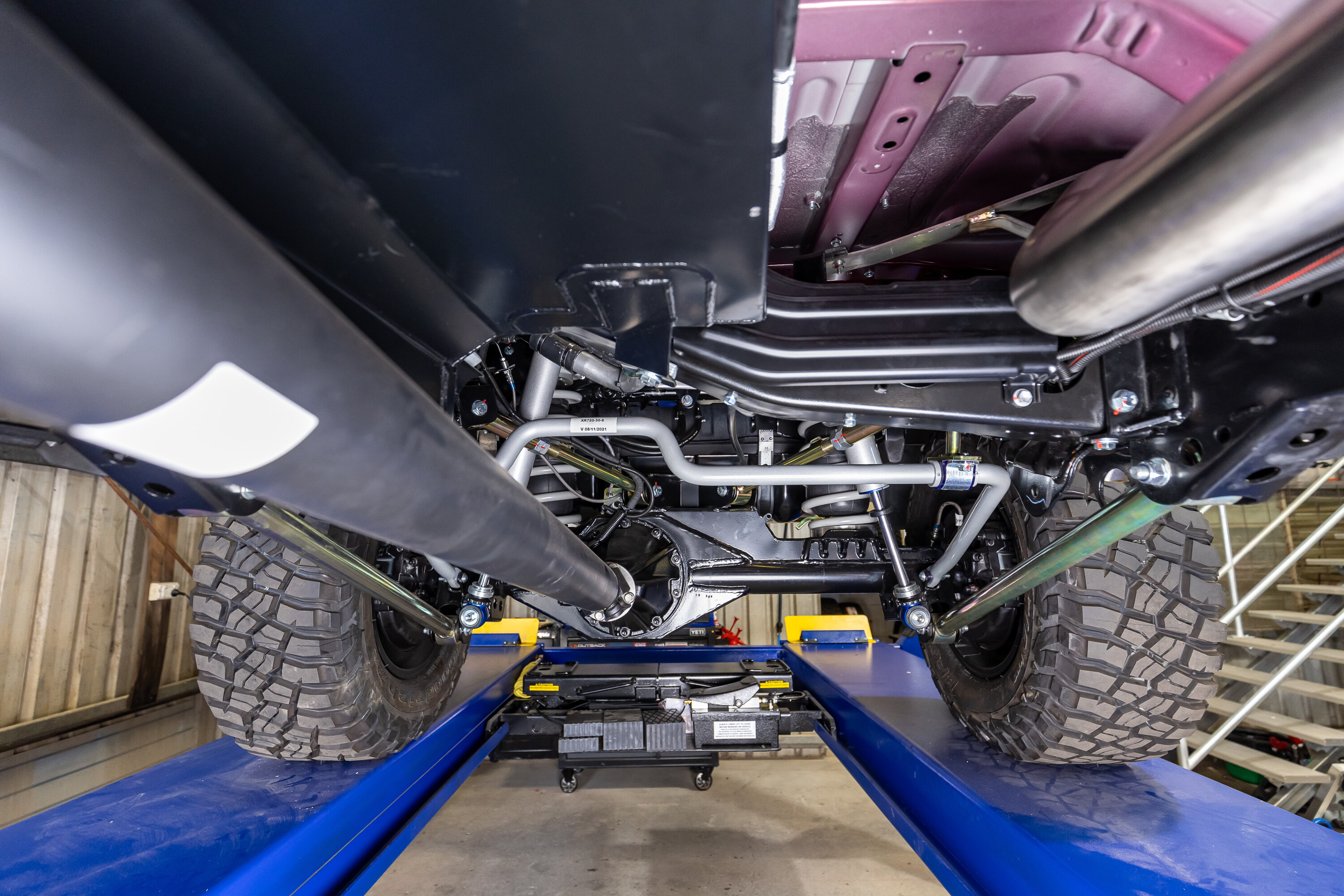
The Superior package will be familiar to anyone who’s worked on the popular five-link style suspension setups in LandCruisers and Patrols. You don’t get coils in the basic kits – Superior Engineering offers bespoke options to suit your needs rather than an off-the-shelf spring rate and height for everyone – although the kit to lifts up to five inches lift depending on the vehicle model, and it comes with lower spring mounts and a beefier upper coil mount.
There are shock mounts designed to suit Patrol shocks, providing a huge choice, and again the base kit comes with just the hardware so you can up-spec to shocks of your choice.
Depending on the model you’re installing the kit into, it can be supplied with extras such as sway bars and mounts, handbrake relocation bracketry, and upgraded diff housings to suit vehicles with GVM upgrades.
Can I get one for my rig?
The bad news is, the range of models the coil conversion kits are suited to is quite limited at the moment, but the good news is the models they do suit are popular on the tracks.
Convenient, eh? If you’ve got a 76 or 79 LandCruiser parked up in the shed you’re in luck. This is without a doubt the most looked-after model in Superior Engineering’s line-up and arguably the one that drove production, as these models are screaming for a more supple suspension system for touring comfort and articulation on the tracks.
1
Coming in second place it’s no surprise to see both the 2015+ N80 HiLux and the PX1/2/3 Ranger/BT50 platform well looked after… with mild to wild kits. In addition, Superior has kits in the works for the D-Max, N70 HiLux, Holden Colorado, Mitsubishi ML/MN/MQ Triton, and the old faithful leaf-spring GU ute.
Before diving in, check with Superior for your specific make and model. There’s detailed information on the company’s website so you can confirm whether your 4×4 rig can join the coil-spring revolution or if you’ll have to wait a little longer.
What’s involved?
Taking a grinder and a welder to any vehicle, let alone a brand-spanking-new dual-cab ute can be a daunting prospect.
In years gone by, to coil-convert a leaf-spring setup you’d need to cut bracketry off a donor vehicle (typically an 80 or 105 Series LandCruiser) and then graft it onto your vehicle using a tape measure and a whole lot of praying.
Thankfully, the Superior kits are a fair bit simpler these days complete with step-by-step instructions. Step one is always going to be jacking your rig up and stripping off the old setup. Depending on your make and model you may need to transfer the diff centre and hubs over onto a new axle housing, or you may simply need to remove the leaf spring bracketry from the factory housing to reuse that.
1
The new mounts and chassis plates have all been designed to pick up OEM holes on the chassis so near-enough fall into place to be welded right on, and this is the same with any bracketry fitted to the housing for picking up coil, shock and link mounts.
From here a lick of paint, fitting up of the links, coils and shocks, as well as any other ancillary kit like sway bars, brake lines and ABS wiring, and you’re ready to get it aligned and legal. All in, with a qualified boilermaker or welder on the trigger, the whole affair can easily be knocked over in a weekend.
Any way you like it
The whole point of the coil-conversion kits is that one size doesn’t fit all, so it’s not surprising to see Superior doesn’t just offer a one-size-fits-all kit regardless of your needs.
Instead it offers a range of optional upgrades that allow you to fine-tune your suspension system to match your specific requirements.
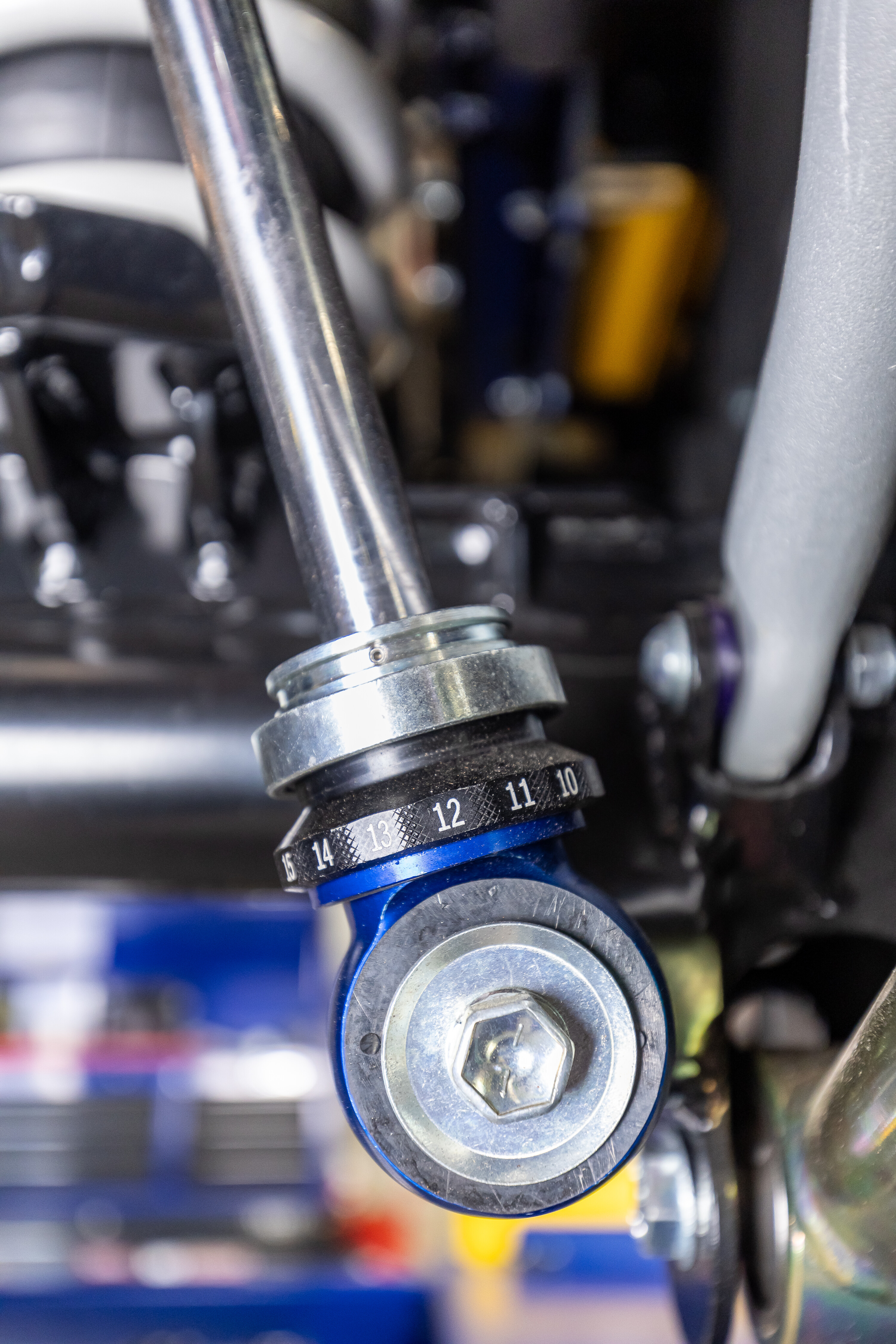
Among the popular upgrades are adjustable shock absorbers, which grant you the flexibility to tweak damper settings; this can be invaluable when transitioning between different terrains or when carrying varying loads.
1
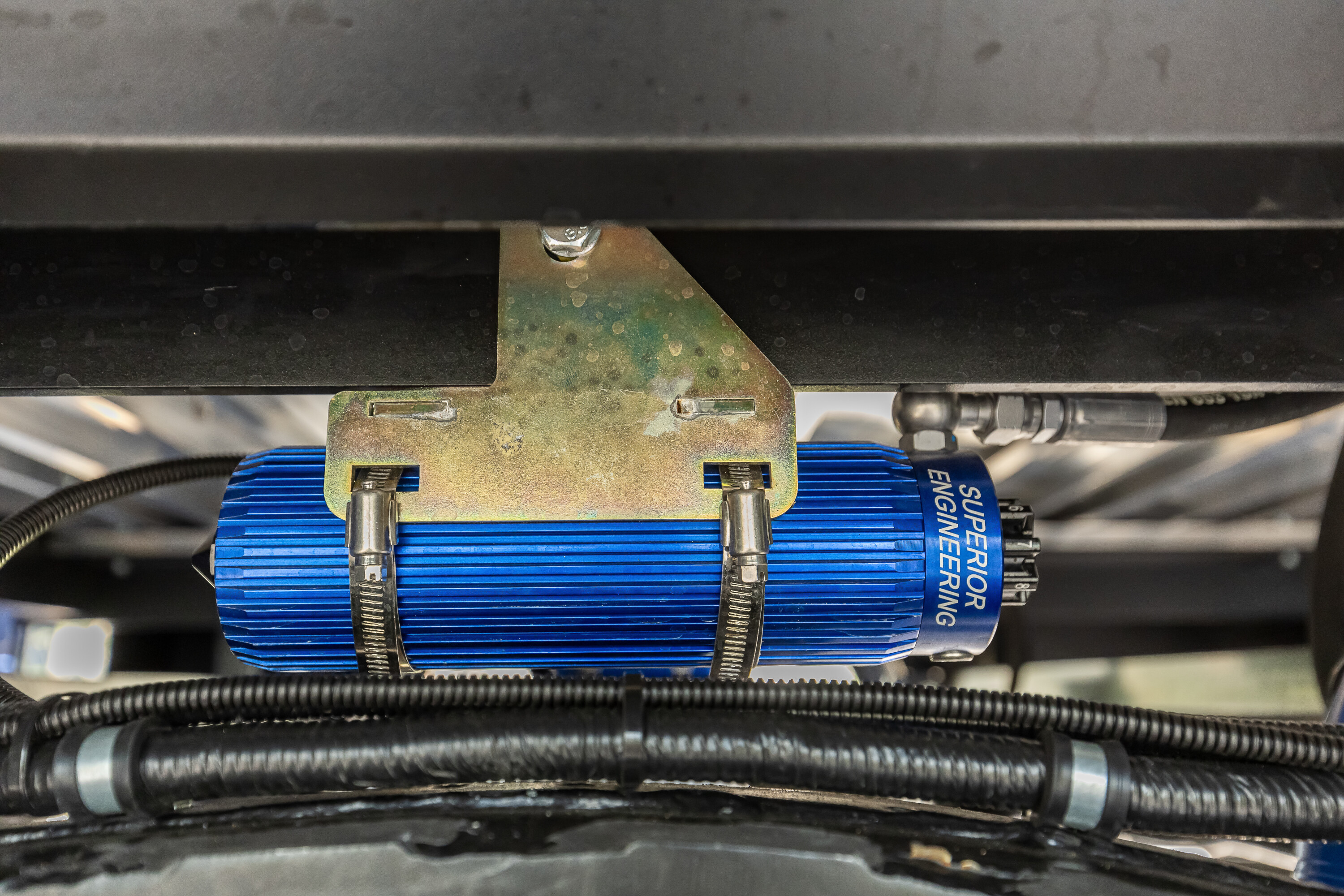
For those who crave the ultimate in off-road performance, consider investing in adjustable remote reservoir shocks; these shocks offer increased oil capacity, enhancing their ability to dissipate heat and maintain consistent performance, as well as giving you the flexibility to dial in exactly how you want your rig to perform.
Depending on your make and model, there are also GVM upgrades, packages to suit front and rear suspensions, as well as the wild X-Track kit which adds 11-inches of wheel track to the HiLux platform to transform it into a serious Raptor competitor.
The fine print
While the advantages of coil conversions are abundant, it’s essential to acknowledge that no modification is without its trade-offs.
One potential drawback of a coil conversion, particularly when performed by inexperienced hands, can be an imbalance between front and rear suspension behaviour. Picture a marathon runner who wakes up one day and decides to train the living daylights out of their right leg, leaving the left one to keep up.
1
Slotting in a top-tier, uber-flexible coil suspension in the rear of your rig with a janky old eBay lift up front will give you some epic Instagram flex photos, but the ride, handling and stability on- and off-road will be questionable at best.
If you’re getting fancy with the rear, you’ll need to get fancy with the front end too. It’s not a one-size-fits-all affair so you’ll need to spend a little time on the phone with Superior Engineering, running through your exact needs and uses to ensure you get the right combination.
Of course, there’s the elephant in the room too with cost. For a straight out-of-the-box weld-in coil conversion you’re looking at around $6-7k supply only with basic shocks and coils.
1
If you want to up-spec to remote reservoir shocks front and rear, as well as any other accessories to give you a completely balanced ride, it will typically be around the $10-$16k mark for an IFS ute depending on any GVM upgrades and the shock specification. In a live-axle front and rear rig, cost can range up to and over the $30k mark due to the complexity and extent of components required.
Lastly, it’s essential to remember that modifying your 4×4 may have implications for your vehicle’s legality. Depending on the process you’re following, there’ll be some cost in having your rig signed off for road use, although Superior Engineering can help guide you through the process depending on the state your vehicle is registered in.
A hydrogen-fuelled version of the iconic Toyota LandCruiser could soon be a reality, according to a senior company executive.
Snapshot
Hydrogen LandCruiser with diesel-rivalling range on the cards
Executives see this as a crucial technology in Toyota’s multi-pathway approach
Will only be 10 per cent dearer than petrol and diesel
More vehicles, including HiLux, could transition to H2 fuel too
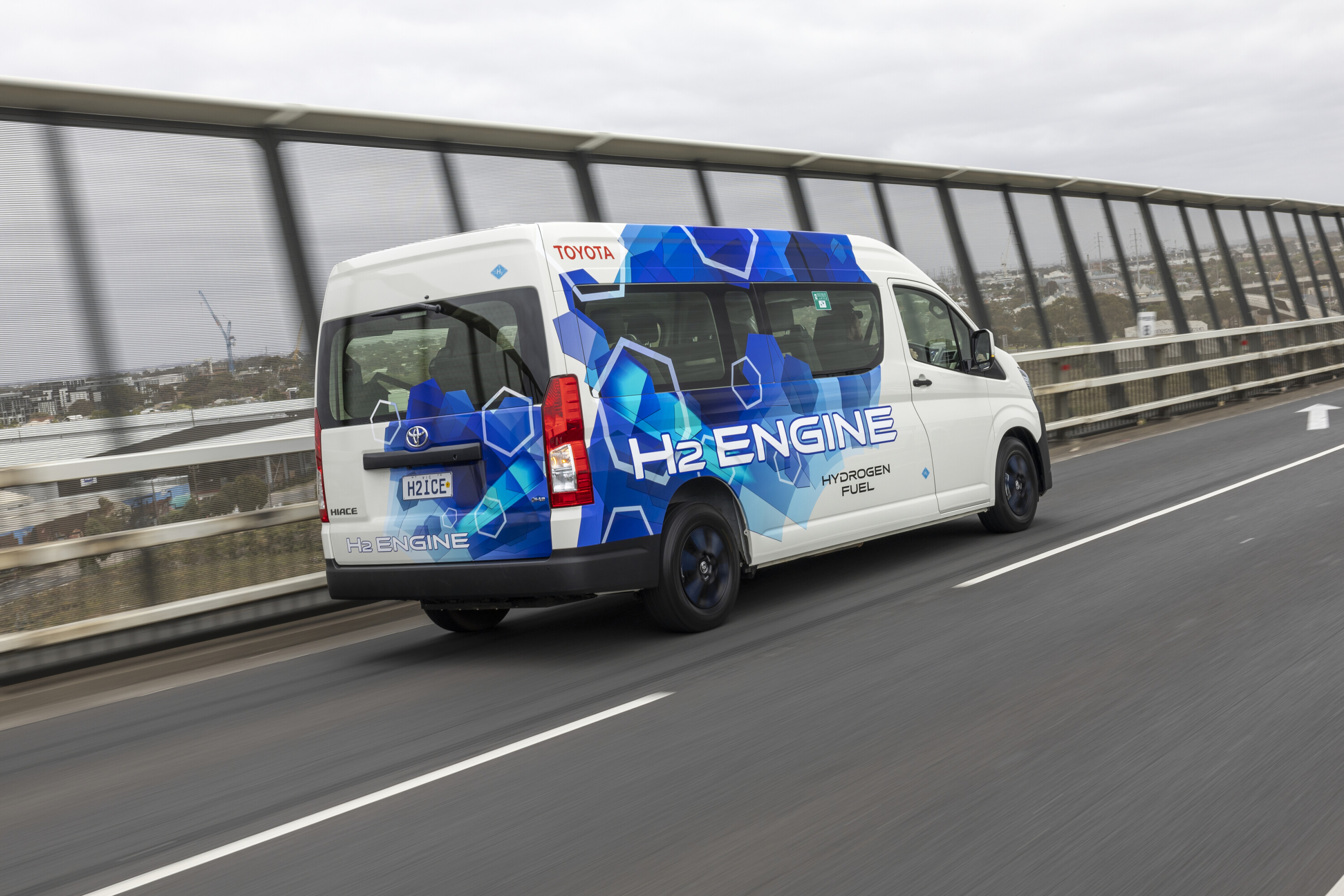
The president of Toyota’s hydrogen factory, Mitsumasa Yamagata, has revealed Toyota is currently exploring ways to fit the LandCruiser 300 Series with a hydrogen-to-ice powertrain and that other popular vehicles, like the HiLux dual-cab ute, could soon follow.
In Australia to help unveil a world-first program for a hydrogen-powered Toyota HiAce, Mr Yamagata says hydrogen power lends itself well to vehicles like the LandCruiser due to its long range and uncompromised towing ability.
1
“Yes, there are possibilities to adapt [hydrogen combustion technology] into those big vehicles, including LandCruiser,” said Mr Yamagata at Toyota Australia’s hydrogen facility in Altona. “The advantage of this technology can be utilised for those vehicles including high towing and high loading. Including the adoption of FCEV [fuel cell electric vehicle] we are studying which vehicles will have the suitable technology.”
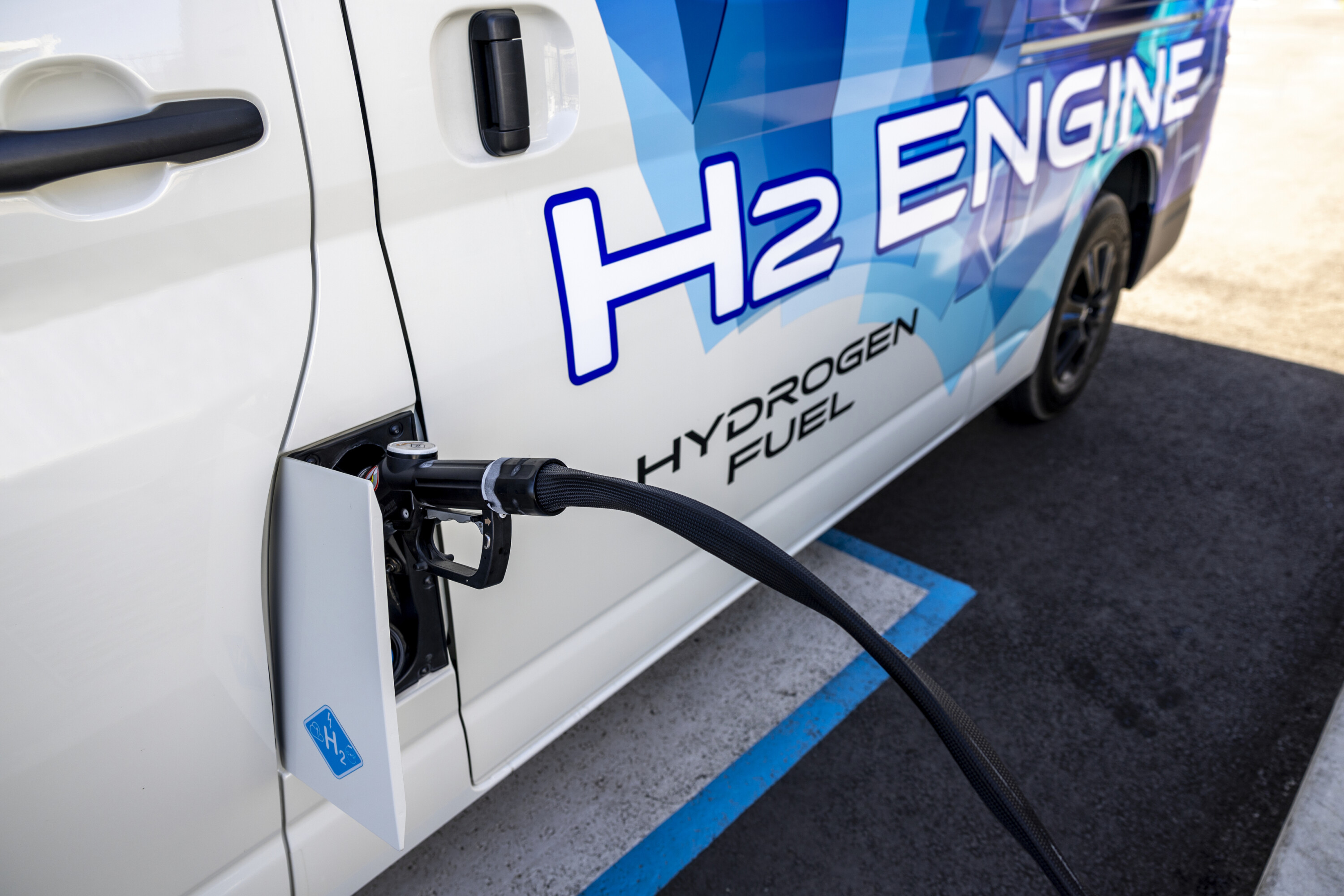
Another advantage of hydrogen-to-ice is it promises to be far more affordable than cars powered by hydrogen fuel cells (FCEV) or battery electric (BEV) because it doesn’t use electricity to turn the axles. Instead, it retains a conventional combustion powertrain that burns hydrogen rather than petrol.
“That reduces the amount we need to invest, which helps contain the overall development cost,” said Yamagata.
Toyota Australia’s vice president of sales and marketing, Sean Hanley, told Wheels that means any price premium should be around 10 per cent, or roughly the same as what Toyota charges for its hybrid models currently.
1
“There will be some ‘up spec’ because there’s some development costs, but they’re nowhere near what it would be if you started from scratch to develop a whole fuel cell electric vehicle,” said Hanley. “So it’d be fairly close, you’re talking about 10 percent close. Maybe similar to hybrid right now.”
Hanley also hinted the HiLux could also be a candidate for a hydrogen-to-ice powertrain, though it’s clear both projects are in their infancy.
“We won’t rule out any technologies,” he said. “And that’s the absolute benefit and positive of a multi-pathway strategy that Toyota has been talking about for a long-long time.”
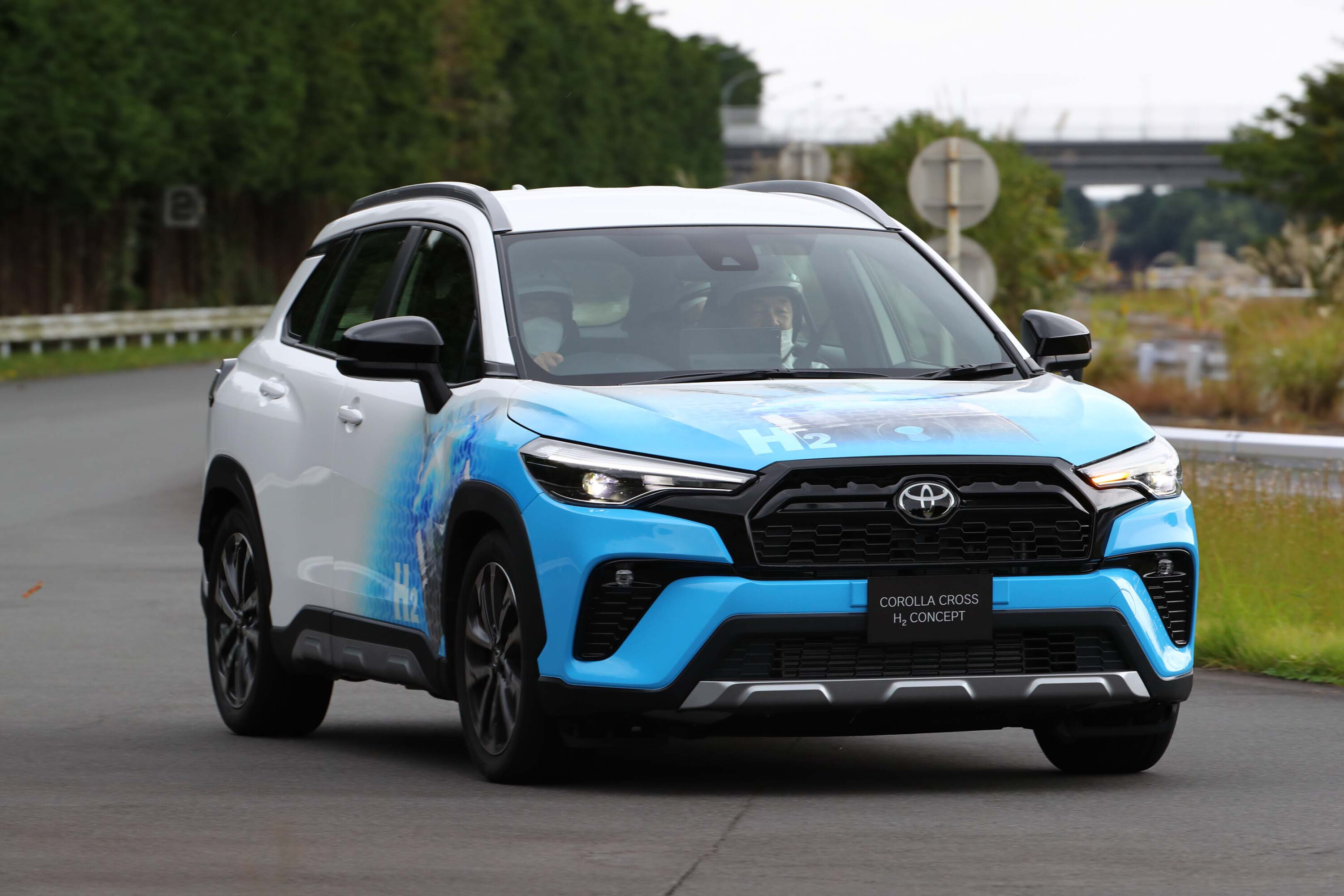
Toyota will soon add its first electric car to the Aussie range with the BZ4X and it has long been a pioneer of hybrid powertrains. It also has a small fleet or Toyota Mirai FCEV sedans on Aussie roads. Hydrogen-to-ice could soon be another solution for buyers looking to slash their emissions without the high price tag of an EV or FCEV.
1
“Toyota is firmly committed to developing hydrogen technology that has real-world impactful applications,” said Toyota Australia boss Matthew Callachor. “We believe that hydrogen powertrain technologies offer a practical solution to provide ultra-low emission vehicles with long-distance range and heavy off-road and towing capabilities.”
This isn’t the first time the Toyota LandCruiser has been linked with hydrogen power. Rumours of a hydrogen-to-ice LandCruiser first surfaced last year when Japanese magazine Best Car reported Toyota was working on a prototype vehicle.
1
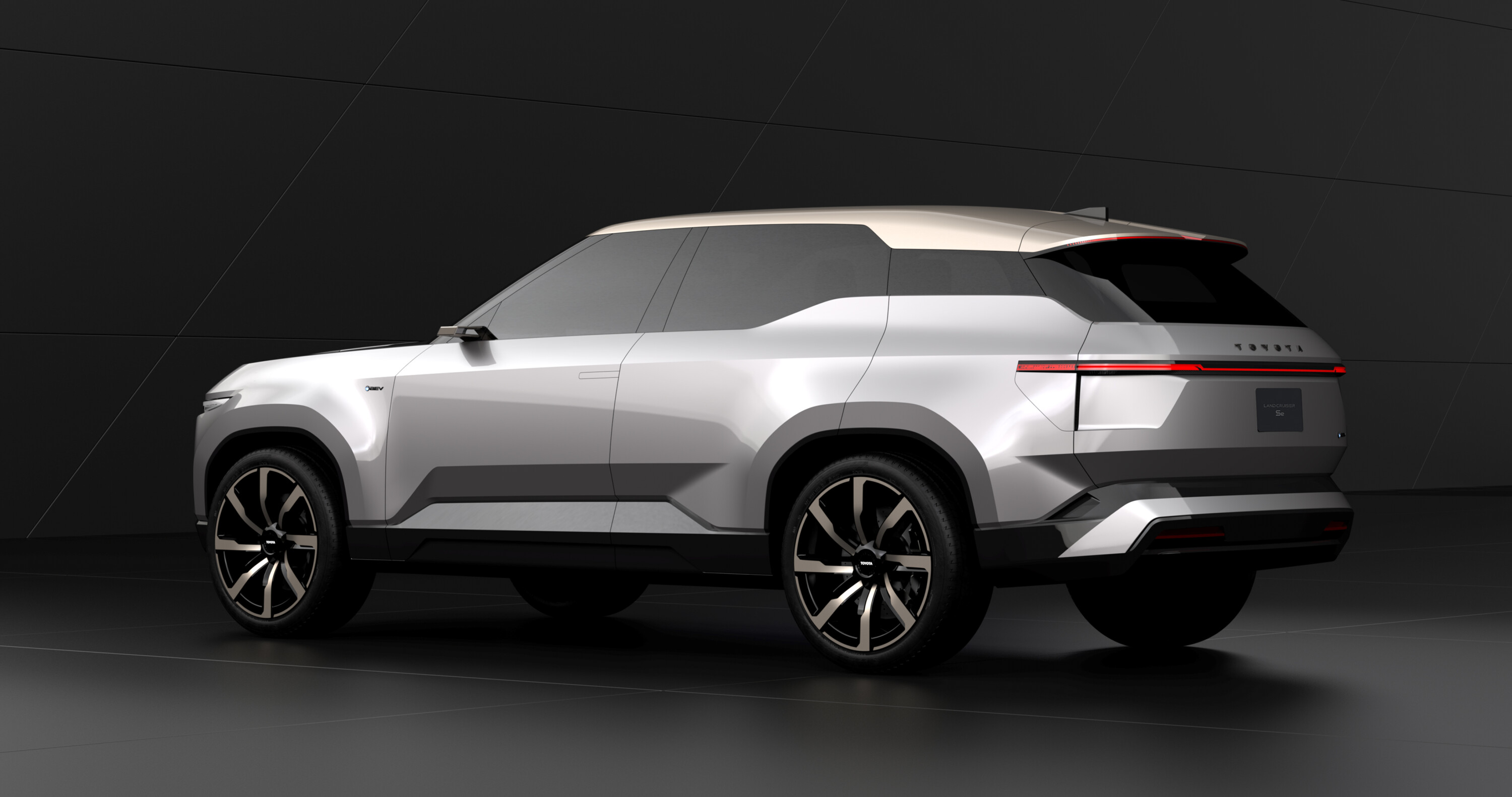
Toyota also unveiled the all-electric LandCruiser SE concept at this year’s Japan Mobility Show. That concept isn’t only larger than the 300 Series LandCruiser but is also understood to be built around a monocoque chassis rather than a traditional ladder frame.
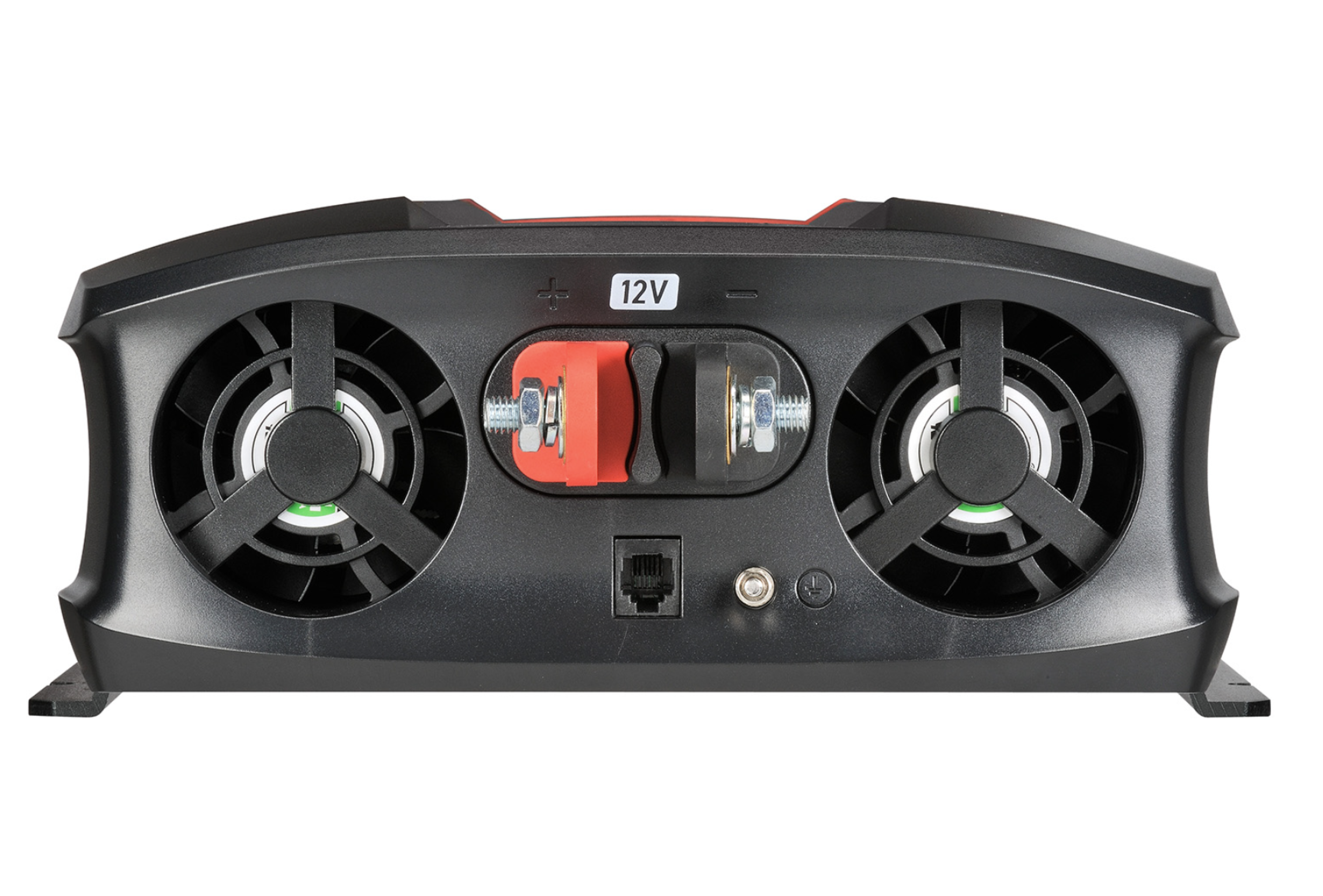
Projecta has released a new range of Pro-Wave inverters that have been designed and engineered in Australia for our demanding local conditions.
The Pro-Wave inverters provide 4WDers, caravan and RV owners better options to connect to clean and reliable power on the go.
They’re the perfect power source – depending on the model purchased – for kitchen appliances, audio-visual and IT gear, power tools, and even large power-draw devices such as air conditioners and induction stoves.
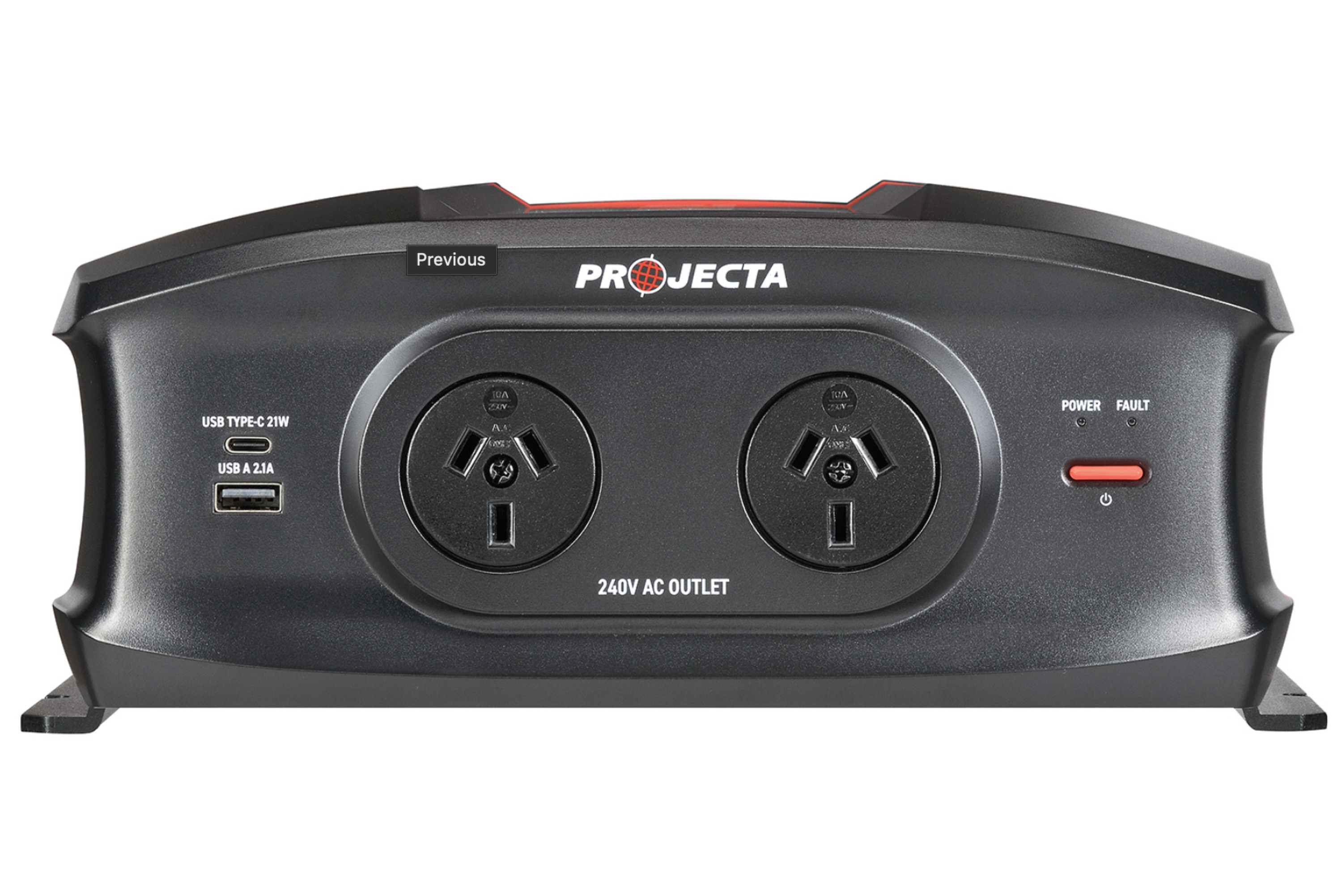
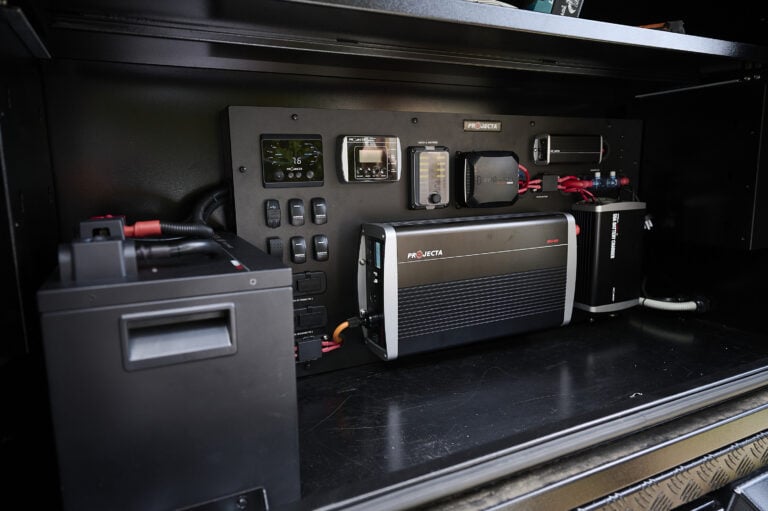
The Pro-Wave inverter range features larger wattages than standard models on the market: 1100W, 1600W, 2100W and 2700W. This gives the new Projecta Pro-Wave line-up the advantage of being able to power an extended range of appliances.
2
“Pro-Wave inverters are engineered for superior performance in the harshest conditions, delivering pure sine wave power that’s your trusted companion for all adventures, from remote travel to powering advanced tools on-site” said Dale McBride, marketing manager at Projecta.
Another impressive feature of the new range is a 200 per cent start-up power function that delivers a one-second output boost to kickstart appliances that draw more power on start-up. The inverter’s ultra-clean power mimics the power provided at home, which ensures safe, smooth and reliable performance without risking precious electronic equipment.
All Pro-Wave models are equipped with 2.1A USB-A and 21W USB-C ports that allow users to charge most mobile and portable devices. The GPO sockets, single on the PW500 model and double on all the other models, are approved to AS4763 standards and are fully electrically isolated and have equipotential bonding also to S4763 – so users can be assured of the units’ compliance and safe operation.
All models feature automatic temperature-controlled fans, a thermal shutdown function (at 65°C ±5) and are EMC approved. For simplifying installation, all the required cables are included.
Operating and monitoring the performance of the new range is simple, as each model features a stylish LCD remote that provides key information on the battery voltage, power usage and faults while allowing users to switch the inverter on and off remotely. Add to this a unique and futuristic design that features smooth lines and an inbuilt LCD display, and it’s clear the new range isn’t only functional, it looks impressive as well.
The new Projecta Pro-Wave inverter range is backed by a three-year warranty and is available from leading auto, camping, transport and trade outlets Australia-wide.
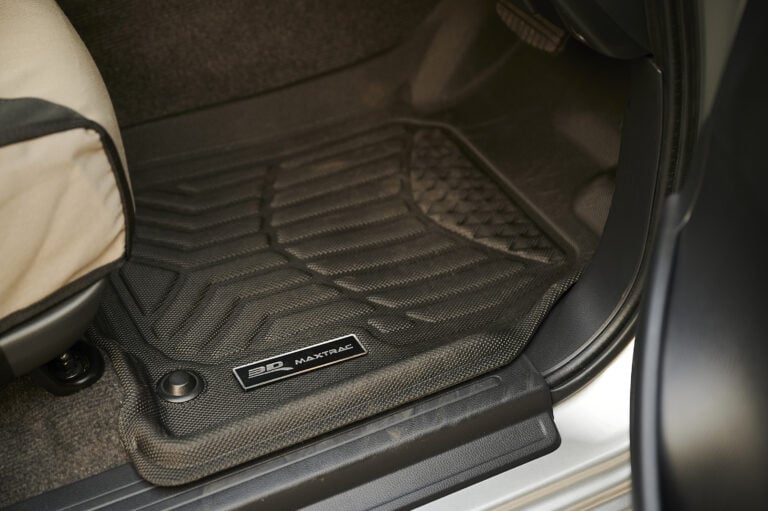
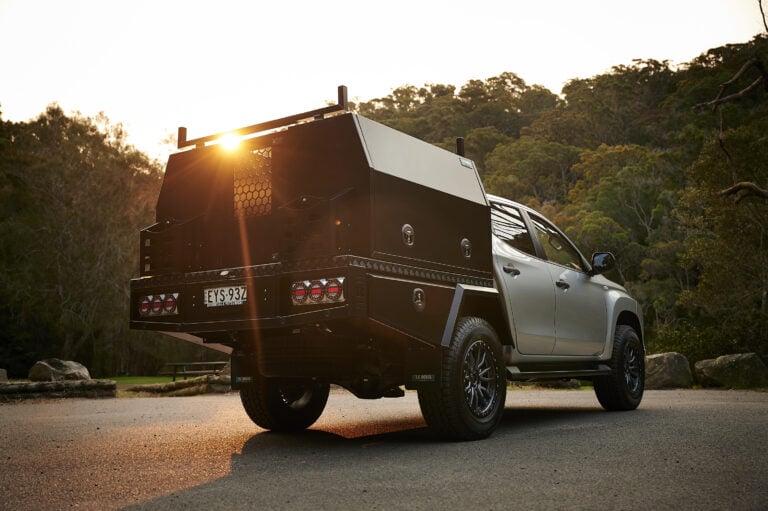
When looking for a set floor mats for our tradie Triton build we couldn’t go past TruFit 3D Maxtrac rubber mats.
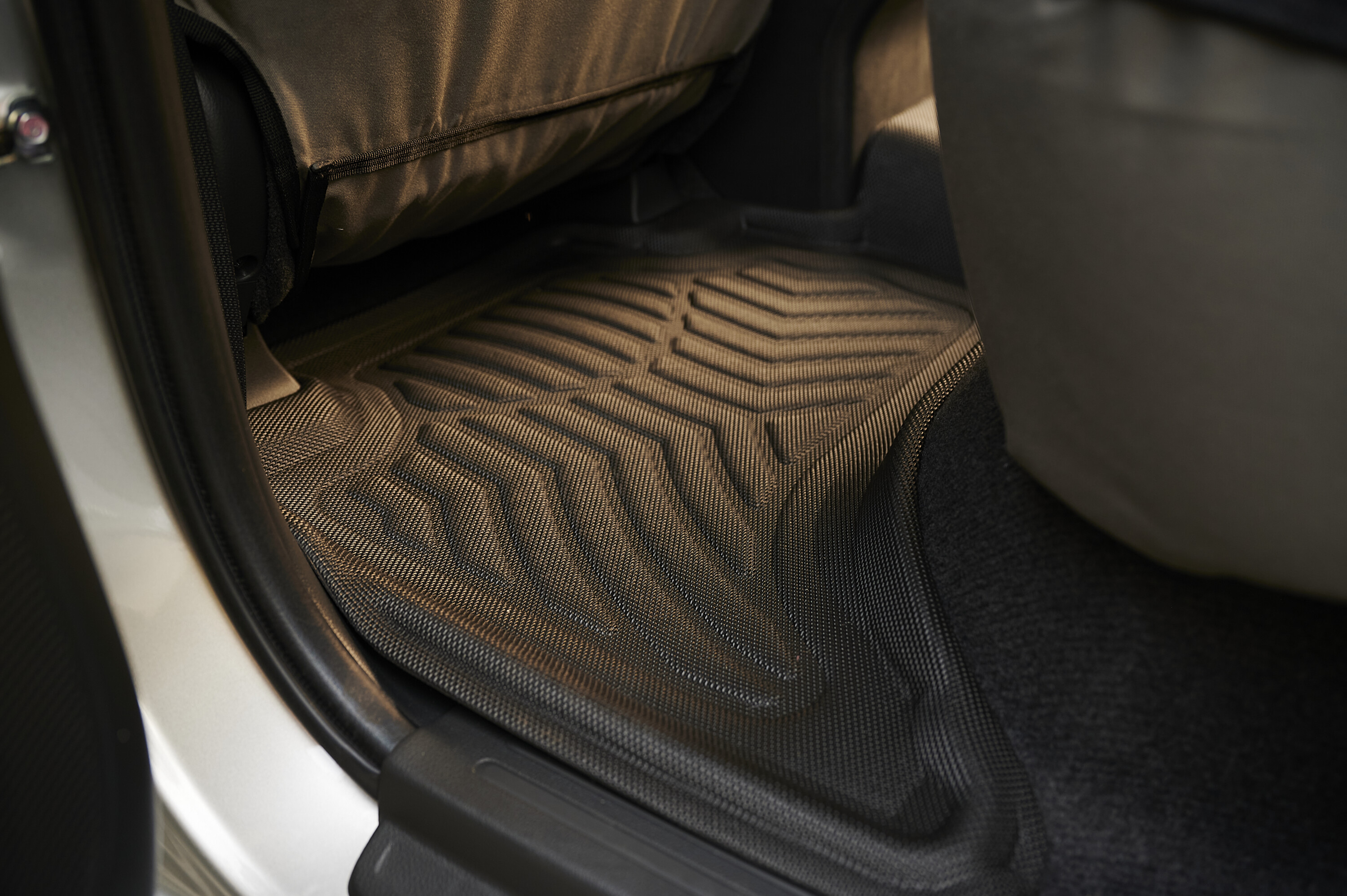
Made from a patented 3D-moulded rubber compound, these mats are designed to fit your vehicle like a glove, so whether driving to work or on rugged off-road terrain, these mats offer unparalleled protection.
One of the standout features of TruFit 3D mats is their custom fit. They are meticulously designed to fit the footwell of your vehicle’s interior so they won’t slide around while you’re driving on uneven terrain … or if the apprentice is climbing in and out of the ute all day in their muddy size-14 work boots. In fact, the underside of the mats feature thousands of protruding fibres that help them to stay in place on the vehicle’s carpeted floor.
TruFit 3D floor mats are a game-changer for tradies looking to maintain their work ute’s resale value
On the top surface, TruFit 3D floor mats have a rubberised textured finish that adds to durability and ensures that any mess stays put. They also have a unique 3D shape with raised edges to help catch spills and retain mud and grit. When it’s time to clean up, simply remove the mats, shake them off, and they’re ready to be placed back in the vehicle.
1
TruFit 3D floor mats are a game-changer for tradies looking to maintain their work ute’s resale value. They combine style, protection and convenience in one innovative product.
Say goodbye to the endless struggle of keeping your carpets clean and looking like new; these mats are the ultimate solution for tradies and recreational off-roaders who demand the best for their ute.
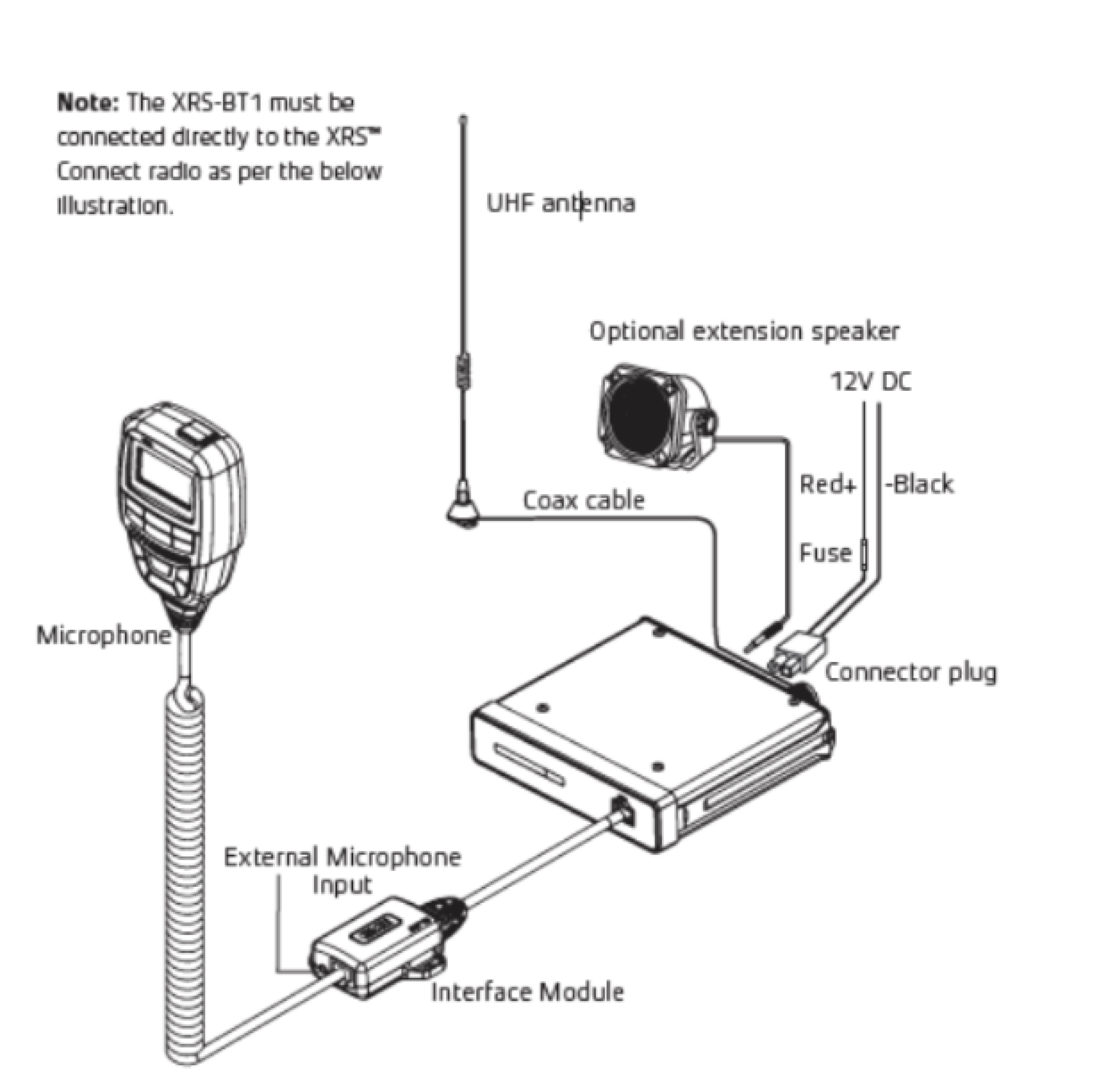
These days it’s hard for companies to manufacture a first-of-its-kind product, but GME has succeeded with the XRS-BT1.
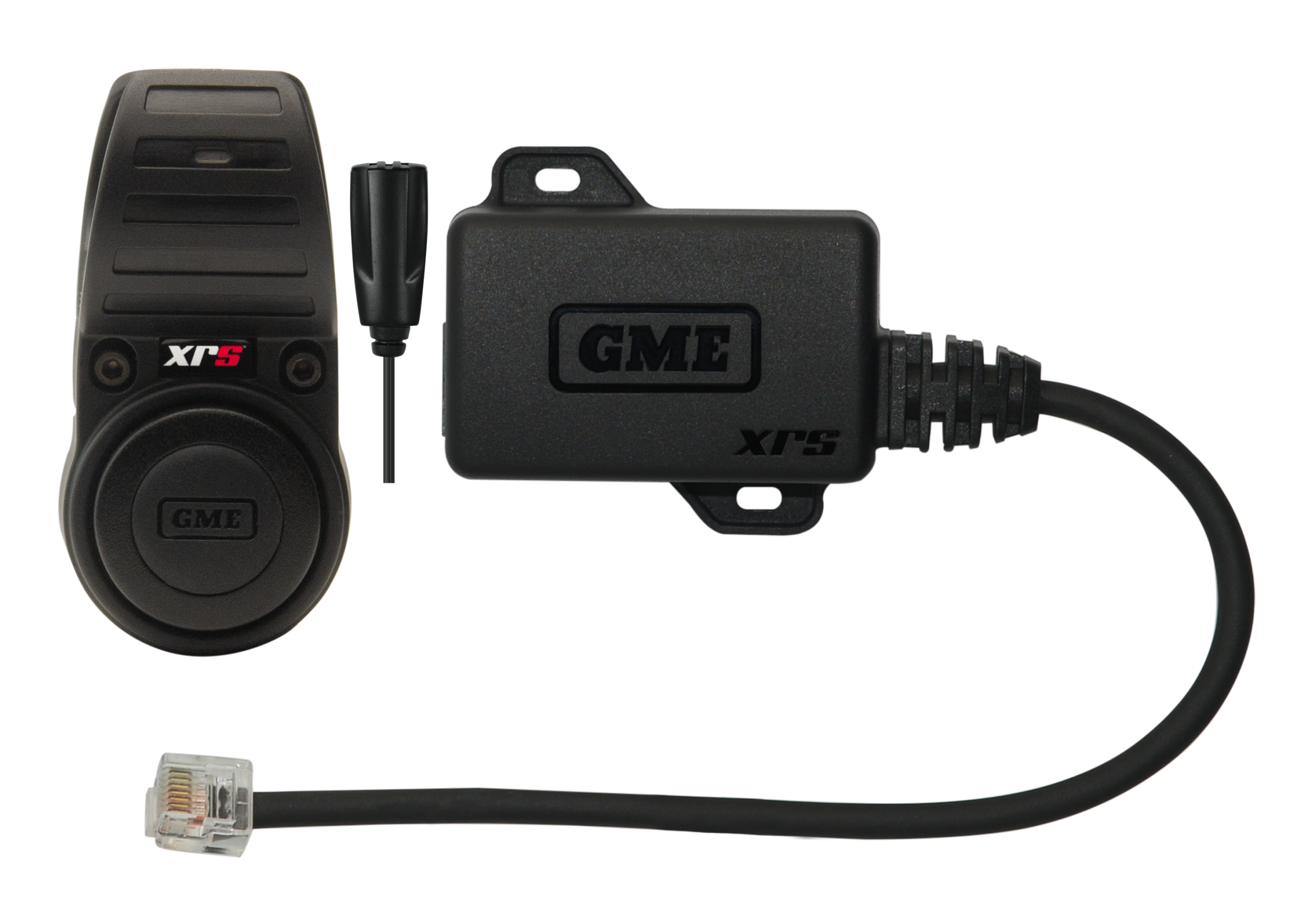
The module brings Bluetooth audio connectivity and a wireless Push-to-Talk (PTT) feature to UHF radios, and it has been designed to make rural driving safer.
The XRS-BT1 provides a new and improved way for 4WDers to stay connected, as the push-to-talk button with IP67 Ingress Protection allows drivers to stay connected with others while navigating difficult driving conditions or rougher terrain. It also allows drivers the ability to keep two hands on the wheel while using their UHF.
Safety is at the core of this innovative device and users can connect their GME UHF radio directly to Bluetooth accessories such as headphones and vehicle stereo systems, which adds higher-quality audio for users.
The device also allows a Bluetooth connection between the UHF and compatible hearing aids, giving hearing-impaired people the ability to differentiate radio transmissions without any interference.
“We’re proud to introduce yet another market-leading product to help keep Aussies safe when they’re travelling out on the roads or in rural areas,” said Tony Crooke, GME’s head of marketing and product. “Customers can now talk on their UHF radio while driving, without even needing to pick up the microphone.
1
“Safety and quality is our passion, and like all of our products before it, the XRS-BT1 has undergone rigorous testing to ensure years of reliable performance in harsh Australian conditions.”
The XRS-BT1 kit includes a collection of accessories catering to the needs of all drivers, including an adjustable steering wheel clamp, dash mounting options, and a wired microphone for those who need quick, hands-free communications on the go – or for 4WDers who are navigating unknown tracks while staying on channel 10 to keep connected.
The all-new XRS-BT is the latest addition to GME’s broad range of RF communication devices and features an interface module that brings Bluetooth audio connectivity and wireless PTT functionality to the full range of XRS Connect UHF radios.
With a recommended retail price of $199, the XRS-BT1 kit can be purchased from recommended retailers.