4x4 Comparisons

Gallery 1
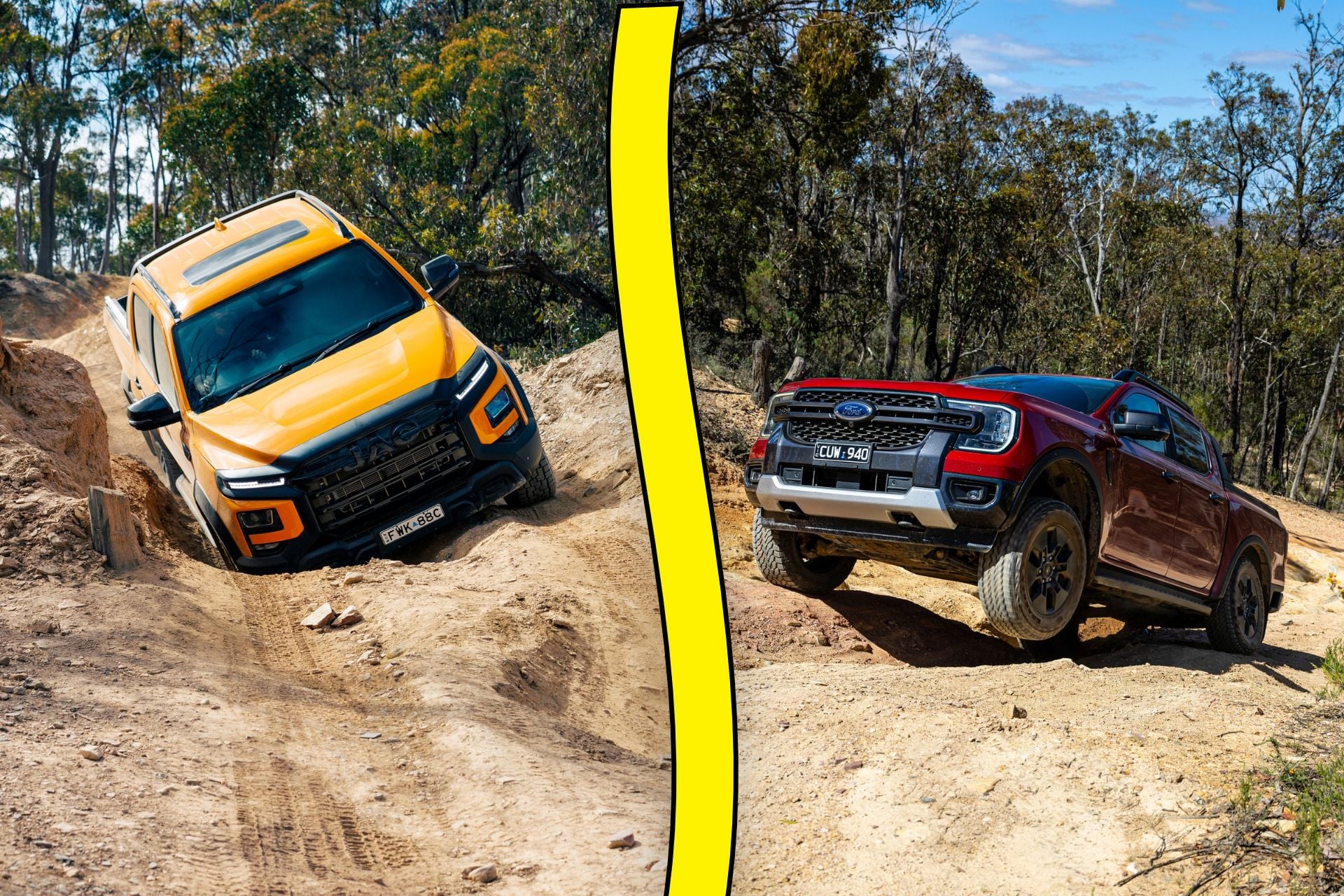
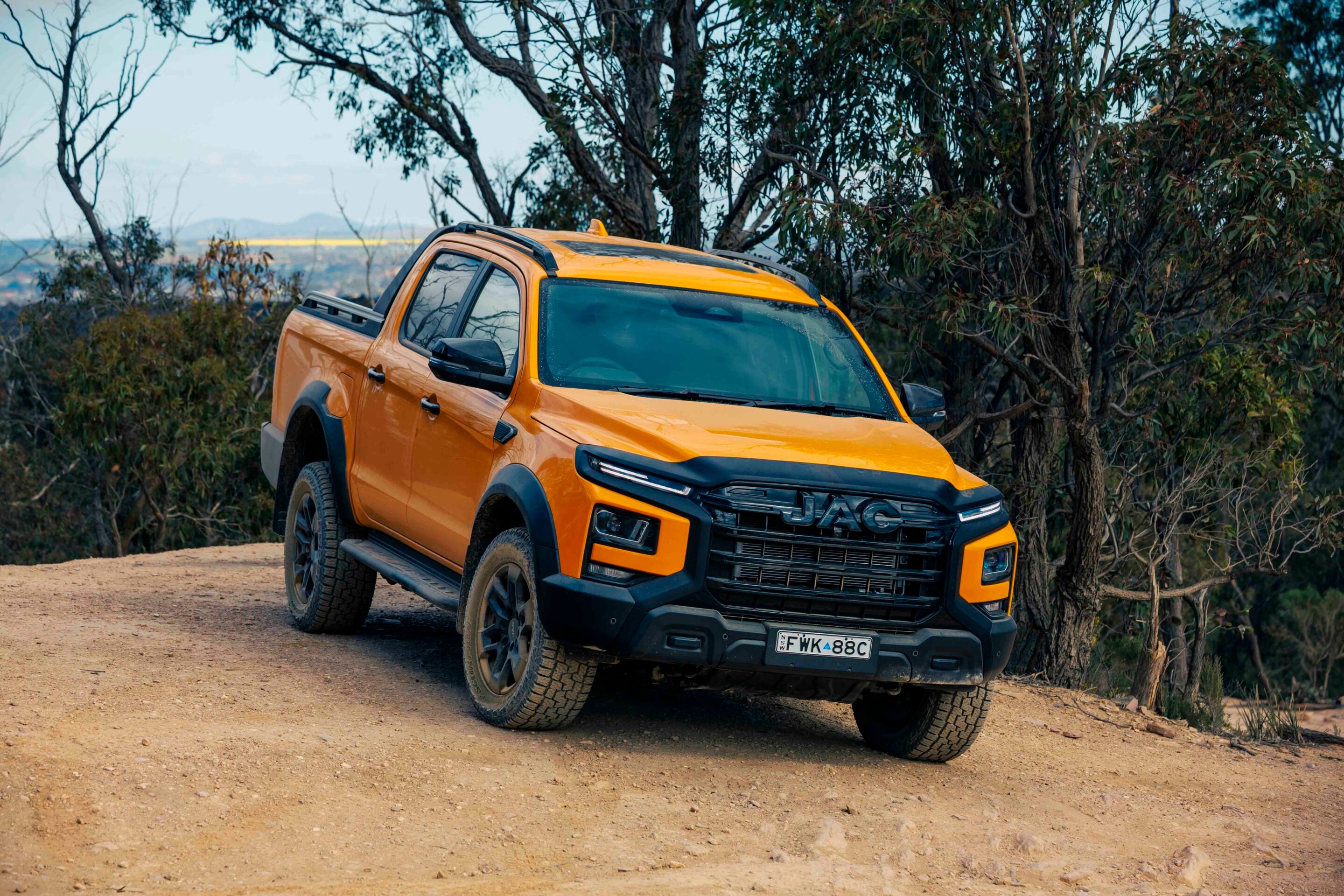
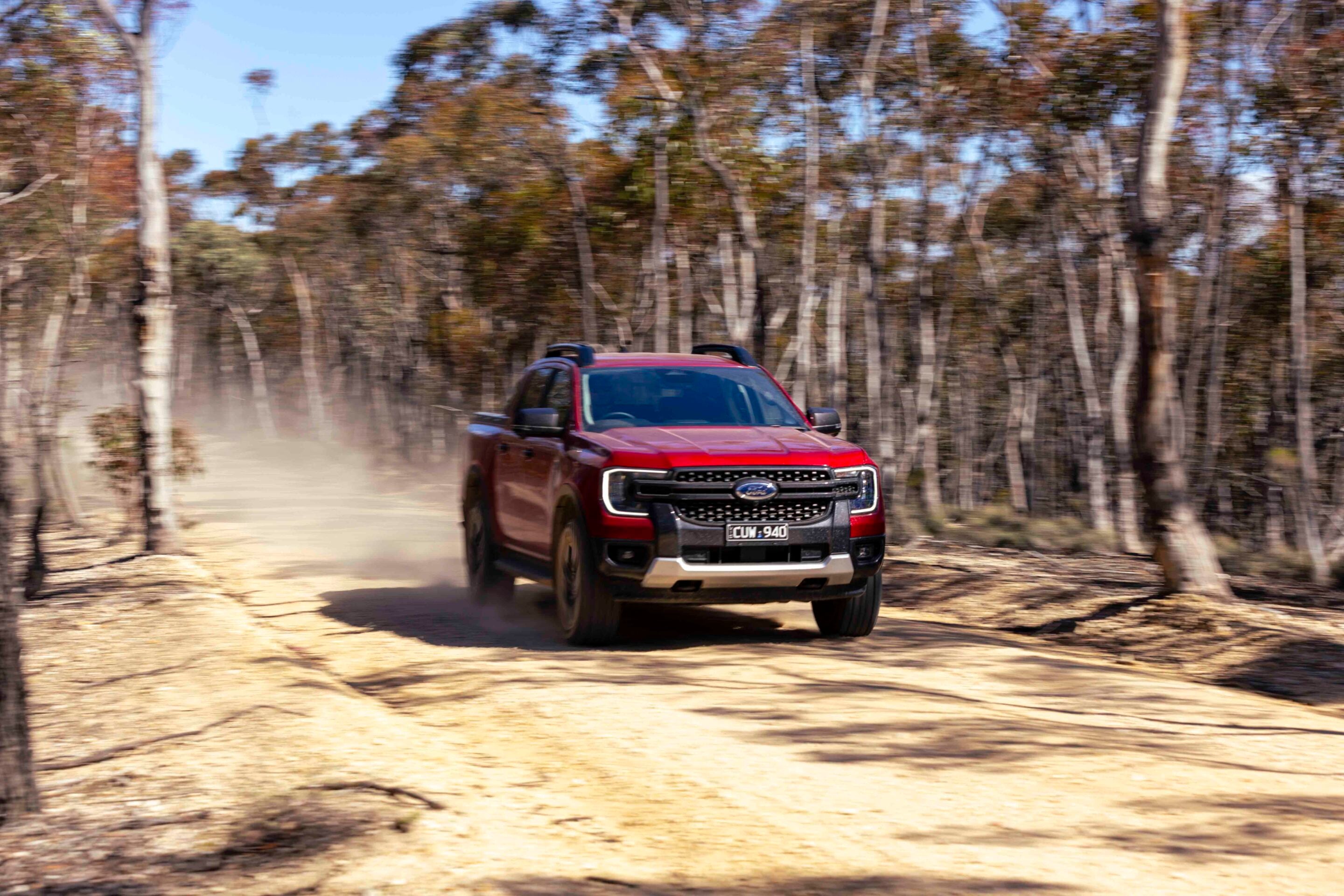
The JAC Hunter and Ford Ranger PHEVs take quite different approaches to electrification.
The JAC pairs a turbo-petrol engine with two electric motors, delivering a claimed 360kW and whopping 1010Nm. The Ford uses a single electric motor integrated with its 2.3-litre turbo-petrol engine, producing a combined 207kW and 697Nm.
Both are rated to tow 3500kg and offer four-wheel drive, but the JAC has a larger battery and longer claimed electric driving range. The Ford counters with a conventional low-range transfer case, a locking rear differential and the familiar Ranger platform.
The JAC Hunter X is priced at $54,844 before on-road costs, while the Ranger PHEV XL is currently advertised from $59,000 drive-away. Even with on-road costs added, the JAC should still sneak in below the Ranger’s advertised price. Here’s how the two stack up as of November 2026.
Quick verdict
- Cheaper: JAC Hunter X, at $54,844 before on-road costs. Even with on-road costs added, it should still come in below the Ranger PHEV XL’s advertised $59,000 drive-away price.
- More power: JAC Hunter X, with 360kW/1010Nm compared with the Ford’s 207kW/697Nm.
- Longer claimed electric range: JAC Hunter X, with 100km NEDC against the Ranger’s 50km NEDC.
- Better conventional off-road hardware: Ford Ranger PHEV, with full-time 4WD, low range and a locking rear differential.
- More payload: Ford Ranger PHEV XL, with 1019kg, followed by the Sport (966kg) and Wildtrak (921kg). The JAC Hunter X offers 915kg, just 6kg shy of the Wildtrak.
Specs
| Specification | JAC Hunter X | Ford Ranger PHEV |
|---|---|---|
| Price | $54,844 + ORC | XL $59,900 drive-away; Sport $66,000 drive-away; Wildtrak $70,000 drive-away |
| Engine | 2.0L turbo-petrol | 2.3L turbo-petrol |
| Engine power | 160kW | 138kW |
| Engine torque | 370Nm | 411Nm |
| Electric motor | Front: 130kW/300Nm; rear: 150kW/340Nm | 75kW |
| Combined system output | 360kW/1010Nm | 207kW/697Nm |
| Transmission | Four-speed dedicated hybrid transmission (4DHT) | 10-speed Modular Hybrid Transmission |
| Drivetrain | Electric 4WD | Full-time 4WD |
| Battery | 31.2kWh LFP | 11.8kWh |
| Claimed EV range | 100km NEDC | 45km WLTP |
| Claimed fuel consumption | 1.6L/100km NEDC | 2.9L/100km |
| Fuel tank | 77L | 70L |
| Maximum braked towing | 3500kg | 3500kg |
| Payload | 915kg | 808-973kg, depending on grade and spare-wheel fitment |
| GVM | 3470kg | 3500kg |
| GCM | 6430kg | 6580kg |
| Kerb weight | 2555kg | 2527-2692kg, depending on grade |
| Ground clearance | 200mm | 215-228mm |
| Wading depth | 550mm | 800mm |
| Approach angle | 28 degrees | 28.9-30.2 degrees |
| Departure angle | 23 degrees | 23.9-24.7 degrees |
| Rampover angle | 23 degrees | 19.6-20.4 degrees |
| Low range | No conventional low range | Yes |
| Differential locks | Front and rear | Locking rear differential |
| Maximum external power | 6.6kW V2L | 6.9kW Pro Power Onboard |
| Maximum AC charging | 11kW | 3.5kW |
| DC fast charging | Up to 46kW | Not available |
| Vehicle warranty | Seven years/unlimited kilometres | Five years/unlimited kilometres |
| Battery warranty | Eight years/150,000km | Eight years/160,000km |
Ford’s kerb weights and payloads are based on the lightest possible factory equipment combination. Its optional full-size spare wheel adds 39kg. The Ranger figures are from Ford’s 2027MY specification sheet.
The JAC’s electric range and fuel consumption are quoted under NEDC testing. Ford also quotes NEDC electric range, making the two figures directly comparable on the same test cycle. Actual results will vary with conditions and driving style.
Price and equipment
The JAC Hunter range starts at $49,988 before on-road costs for the Hunter Pro, with the higher-spec Hunter X priced at $54,844. Ford’s 2027MY Ranger PHEV range is currently advertised from $59,000 drive-away for the XL, rising to $66,000 for the Sport and $70,000 for the Wildtrak.
Although the prices aren’t directly comparable, both JAC variants should still sneak in below the entry-level Ranger once on-road costs are added. The Hunter X is $4156 below the Ranger XL on list price, while the lower-spec Hunter Pro widens that gap to $9012. The difference is more substantial against the Sport and Wildtrak, with those Ford grades advertised $11,156 and $15,156 above the Hunter X, respectively.
The Hunter X is the higher-specification version of the JAC range, with front and rear differential locks included as standard. It also gets black exterior styling details, heated front seats, electric adjustment for both front seats, a 10.4-inch infotainment screen, a 10.25-inch digital instrument display, wireless Apple CarPlay and Android Auto, and a 360-degree camera.
The Ranger PHEV is now offered in XL, Sport and Wildtrak grades. All three use the same plug-in hybrid powertrain and full-time four-wheel-drive system, with equipment increasing as you move up the range. The XL has a 12-inch touchscreen, wireless Apple CarPlay and Android Auto, a 12.4-inch digital instrument cluster and a locking rear differential. The Sport adds features including LED lighting, side steps, privacy glass and a 360-degree camera, while the Wildtrak adds a B&O premium audio system, roof rails and further convenience equipment.
The Ranger also has a factory option for all-terrain tyres and a full-size spare across the range. Ford offers a range of load-box accessories, although buyers should factor their weight into the remaining payload.
The Hunter is now in stock and available for immediate delivery. Its suspension and handling also benefit from a local vehicle dynamics tune developed by Multimatic engineer Michael Barber. JAC says it incorporated all of his recommendations into production vehicles.
Power and performance
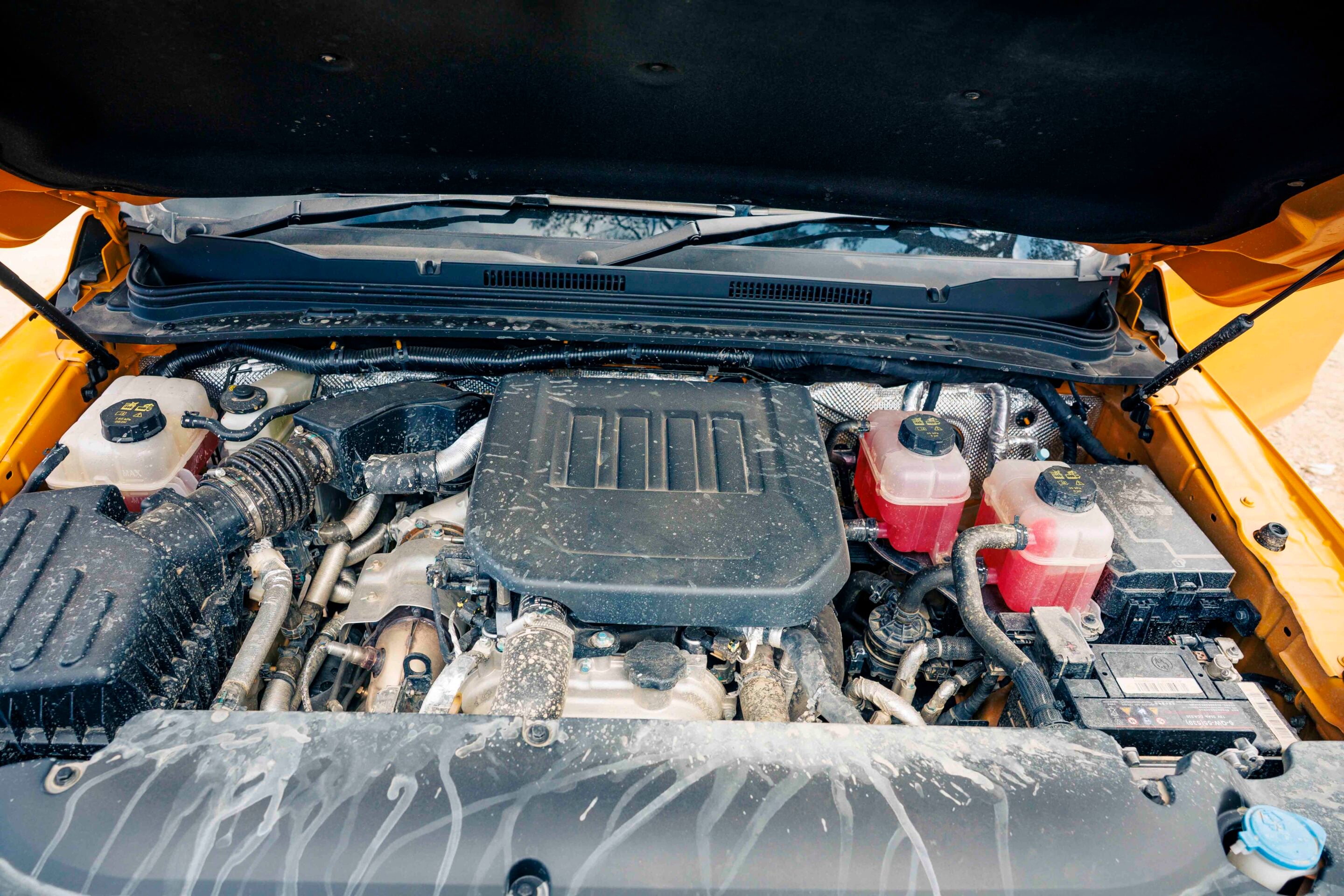
The JAC Hunter X has a substantial advantage in combined output. Its 2.0-litre turbo-petrol engine produces 160kW and 370Nm, supported by two electric motors.
The front motor produces 130kW and 300Nm, while the rear motor contributes 150kW and 340Nm. Combined system output is quoted at 360kW and 1010Nm, with power managed through a four-speed dedicated hybrid transmission (4DHT).
The Ford Ranger PHEV uses a 2.3-litre turbocharged four-cylinder petrol engine producing 138kW and 411Nm, paired with a 75kW electric motor. Combined system output is 207kW and 697Nm, delivered through a 10-speed Modular Hybrid Transmission.
That gives the JAC a claimed 153kW and 313Nm advantage in combined output. These are manufacturer-claimed system totals and shouldn’t be interpreted as a direct comparison of individual motor outputs or torque delivered at the wheels.
The Ford’s hybrid system is integrated with its conventional transmission and full-time four-wheel-drive hardware. The JAC instead uses separate electric motors to drive the front and rear axles, without a conventional low-range transfer case.
1
Electric range, fuel consumption and charging
Battery capacity is one of the biggest differences between these two utes. The JAC Hunter X has a 31.2kWh lithium iron phosphate battery, while the Ranger PHEV uses an 11.8kWh usable battery.
JAC claims up to 100km of electric driving under the NEDC test cycle. Ford quotes 50km NEDC for all three Ranger PHEV grades. On the same test cycle, the JAC has double the claimed electric range.
The Hunter X is also quoted at 1.6L/100km combined fuel consumption and a 1005km overall driving range, both under NEDC testing. Ford’s 2027MY specification sheet lists combined fuel consumption of 3.1L/100km for the Ranger PHEV, but doesn’t provide an equivalent combined range figure. The JAC has a 77-litre fuel tank, compared with 70 litres in the Ford.
These are laboratory figures rather than guaranteed real-world results. Actual electric range and fuel use will depend on driving conditions, speed, load, temperature and how regularly the battery is charged. Plug-in hybrid fuel consumption is particularly dependent on starting with a charged battery and plugging in regularly.
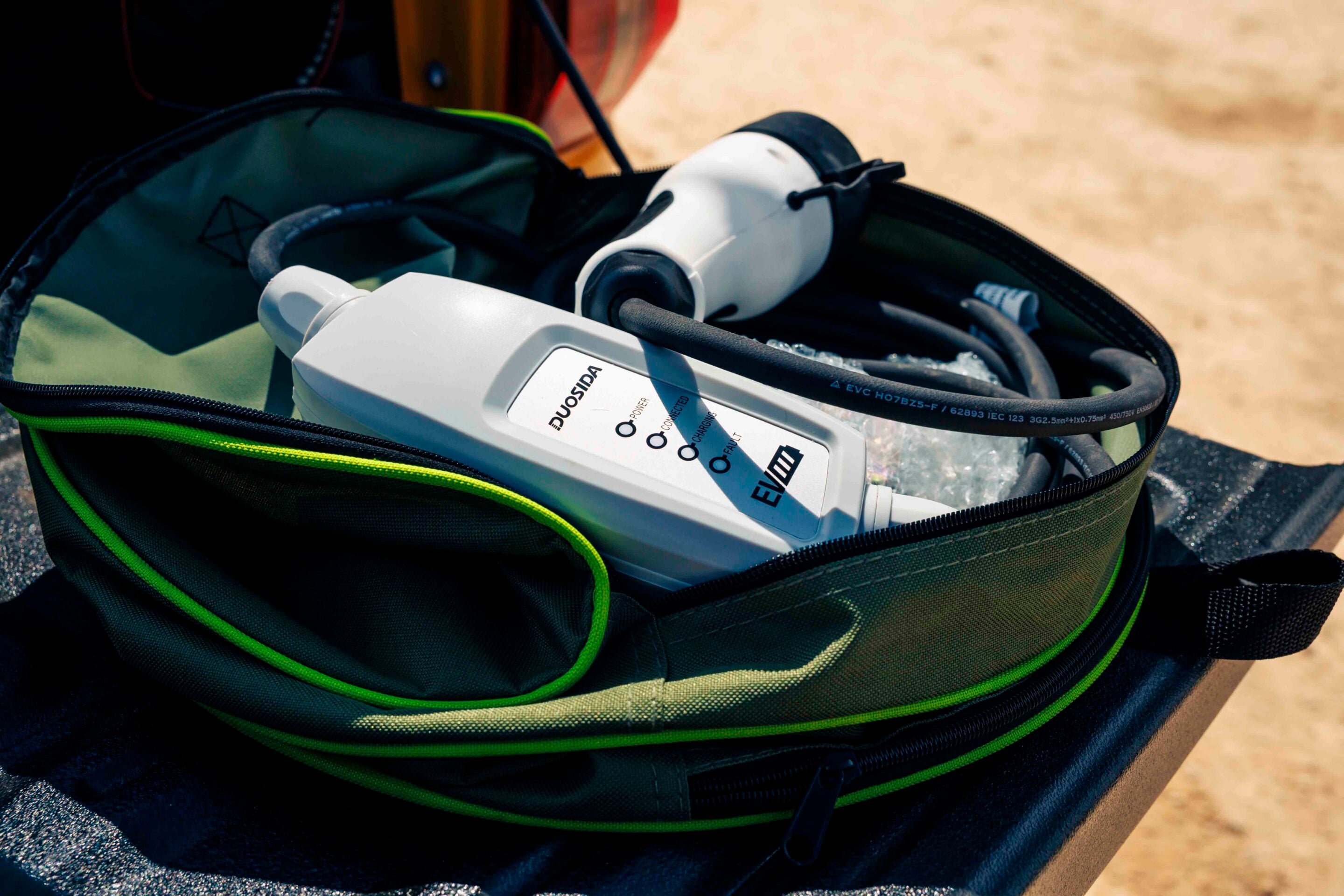
Charging is another area where the JAC has the advantage. It supports AC charging at up to 11kW and DC fast charging at up to 46kW. The Ranger PHEV supports AC charging at up to 3.5kW but doesn’t offer DC fast charging. Ford quotes a full charge time of six hours and 53 minutes using a 2.3kW supply, or four hours using a 3.5kW supply. It also supplies a Mode 2 home charging cable.
Both utes can also use the petrol engine to replenish the battery while driving. The Ranger has an EV Charge mode, while the Hunter X can charge the battery in HEV mode, which appears to maintain the state of charge at around 70 per cent. Both systems use petrol to generate electricity, providing another way to manage battery charge when plugging in isn’t practical.
Towing, payload and GCM
Both utes are rated to tow up to 3500kg braked, but their payload and gross combination mass (GCM) figures determine how much they can carry when towing.
The JAC Hunter X has a 915kg payload. The Ranger PHEV’s payload varies by grade: the XL offers 1019kg, the Sport 966kg and the Wildtrak 921kg, based on Ford’s published kerb weights. That gives the Ranger XL 104kg more payload than the JAC, increasing to 51kg for the Sport and just 6kg for the Wildtrak. The Ranger has a payload advantage across all three grades, although the difference is marginal against the Wildtrak.
The Ranger has a 3500kg GVM across all three grades and a 6520kg GCM. The JAC has a 3470kg GVM and 6430kg GCM. GCM is just as important as the maximum towing figure when working out how much weight a ute can carry while towing. Using the formula below:
GCM − trailer weight − kerb weight = remaining allowance
- JAC Hunter X: 6430kg GCM − 3500kg trailer − 2555kg kerb weight = 375kg
- Ford Ranger PHEV XL: 6520kg GCM − 3500kg trailer − 2481kg kerb weight = 539kg
- Ford Ranger PHEV Sport: 6520kg GCM − 3500kg trailer − 2534kg kerb weight = 486kg
- Ford Ranger PHEV Wildtrak: 6520kg GCM − 3500kg trailer − 2579kg kerb weight = 441kg
The Ranger XL has the greatest theoretical remaining allowance at 539kg, followed by the Sport at 486kg and Wildtrak at 441kg. Even the heaviest Ranger grade has 66kg more theoretical allowance than the Hunter X when towing 3500kg.
These calculations use kerb weight and maximum trailer weight, so they’re theoretical rather than a guaranteed usable payload. The remaining allowance must cover occupants, luggage, accessories and towball download. The vehicle must also remain within its GVM and individual axle limits.
Ford notes that its kerb weights include a full tank of fuel but exclude occupants, luggage and cargo. The optional full-size spare wheel adds 39kg, reducing payload and remaining GCM allowance by the same amount. Actual vehicle weights can also vary with factory options and accessories.
The Ranger has the advantage in GCM and payload across all three grades, with the XL offering the greatest theoretical carrying allowance when towing. However, neither ute can carry its maximum payload while towing its maximum trailer weight. Buyers planning to tow regularly should weigh their vehicle once fitted with accessories and loaded for travel.
Off-road capability
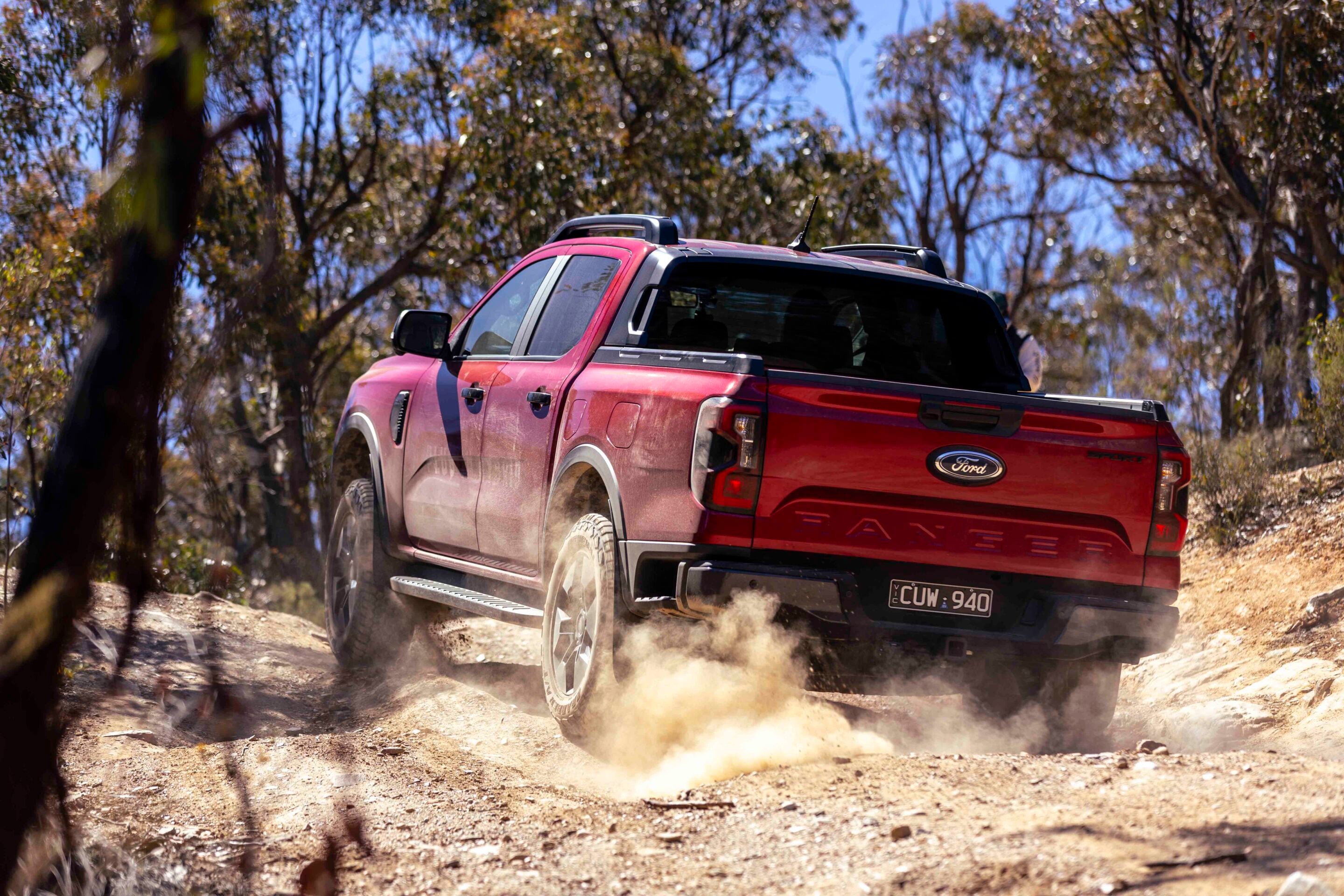
The Ford Ranger PHEV has the advantage when it comes to conventional four-wheel-drive hardware. It uses a full-time 4WD system with a dual-range transfer case and locking rear differential, giving it the low-speed gearing needed for more demanding off-road driving.
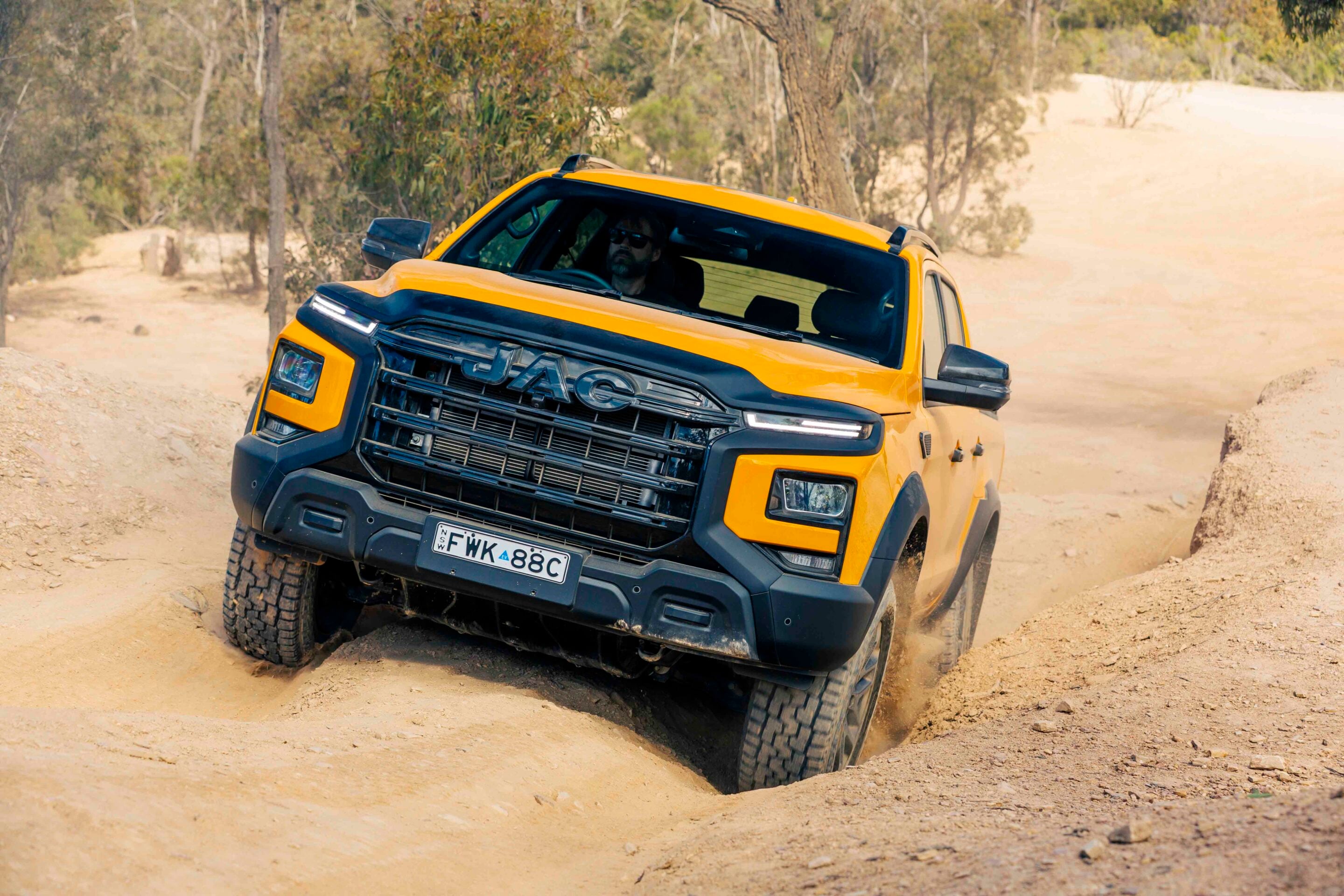
The JAC Hunter X takes a different approach, using separate electric motors to drive the front and rear axles. It has front and rear differential locks, but no conventional low-range transfer case.
The Ford also has more ground clearance, with 215mm for the XL, 228mm for the Sport and 226mm for the Wildtrak. All three have a quoted 800mm wading depth, compared with the Hunter’s 200mm ground clearance and 550mm wading depth.
1
Approach and departure angles also favour the Ranger. The XL quotes 28.9 degrees and 23.9 degrees respectively, the Sport 30.1 and 24.7 degrees, and the Wildtrak 30.2 and 24.2 degrees. The JAC quotes 28 degrees approach and 23 degrees departure.
The Hunter has the better rampover angle, at 23 degrees against 19.6 degrees for the XL, 20.6 degrees for the Sport and 20.4 degrees for the Wildtrak.
The JAC’s twin differential locks are useful equipment, but they don’t replace the gearing advantage of a low-range transfer case. The Ford is the more conventional off-road package, with greater ground clearance and wading depth, while the JAC offers a different electric-drive approach and the added traction of a front locker.
For buyers regularly tackling slow, technical tracks, the Ranger’s low range is a significant advantage. The Hunter’s lack of conventional low range is worth considering before choosing it as a serious touring or off-road work vehicle.
1
Camping and external power
Both utes can supply power to external equipment, but Ford’s Pro Power Onboard system has a slight advantage in total output.
The JAC Hunter X offers up to 6.6kW of vehicle-to-load output, along with a 220V internal power outlet. That’s enough to run a range of camping equipment and appliances, provided the load stays within the system’s limits.
The Ranger PHEV’s Pro Power Onboard system delivers up to 6.9kW in total. It has two 3.45kW outlets in the tub and a 2.3kW outlet in the cabin. Ford notes that when all three outlets are used simultaneously, each is limited to 2.3kW, with the system’s maximum combined output remaining 6.9kW.
The Ford’s integrated outlets are useful for tradies and campers, while the JAC’s higher AC charging rate and DC fast-charging capability make it more flexible when replenishing its battery. Both systems draw from the vehicle’s battery, so sustained use of high-power equipment will affect available charge.
1
Warranty and ownership
The JAC Hunter X comes with a seven-year/unlimited-kilometre vehicle warranty, an eight-year/150,000km high-voltage battery warranty, seven years of roadside assistance and seven years of capped-price servicing.
JAC also offers a Ute for Ute loan program for qualifying warranty repairs that leave a vehicle off the road. A replacement JAC ute can be arranged, with same-day metro and next-business-day regional arrangements subject to the program’s conditions and booking cut-off.
Ford’s new-vehicle warranty is five years/unlimited kilometres as standard. For vehicles with a warranty commencement date on or after September 1, 2026, it can extend to seven years/unlimited kilometres if all scheduled servicing is completed on time by an authorised Ford dealer. The extended warranty is conditional on continuing to service the vehicle through Ford’s dealer network.
The supplied Ranger specification sheet doesn’t detail a separate high-voltage battery warranty, so that figure should be confirmed with Ford before publication rather than assumed from the general vehicle warranty.
The JAC has a longer stated battery warranty and includes seven years of roadside assistance and capped-price servicing. Ford’s conditional seven-year vehicle warranty is also worth factoring in, particularly for buyers who already service through the dealer network.
Which plug-in hybrid ute should you buy?
The JAC Hunter X makes a strong case on price, power and electric range.
It’s cheaper than the current Ranger PHEV range, has a battery more than twice the usable capacity, double the claimed NEDC electric range and significantly higher quoted combined system output. Its 915kg payload is also competitive, although it falls just short of all three Ranger grades.
The Ford Ranger PHEV is the more conventional all-round 4×4. Its low-range transfer case, locking rear differential, greater ground clearance and 800mm wading depth make it the more reassuring option for buyers who regularly head off-road. The XL also has the highest payload of the four variants compared here, while all three grades have a higher GCM than the JAC.
1
The Ford’s smaller battery, slower AC charging and lack of DC fast charging are disadvantages for buyers who want to make the most of electric driving. The JAC’s lack of conventional low range, meanwhile, is a significant consideration for serious off-road use.
For buyers prioritising price, electric range, charging flexibility and outright system output, the JAC Hunter X is the stronger value proposition. Those wanting a familiar ute platform with conventional low-range 4WD hardware, a higher GCM and integrated power outlets may find the Ranger PHEV worth the extra money.
Neither is a clear winner across every category. The choice comes down to whether the JAC’s powertrain and value advantages outweigh the Ford’s more traditional off-road capability and stronger towing-weight figures.
1
FAQs
How much does the JAC Hunter X cost compared with the Ford Ranger PHEV?
The JAC Hunter X costs $54,844 before on-road costs. The 2027MY Ford Ranger PHEV range is currently advertised from $59,000 drive-away for the XL, $66,000 for the Sport and $70,000 for the Wildtrak.
Which has more power, the JAC Hunter X or Ford Ranger PHEV?
The JAC Hunter X has the higher quoted combined output, at 360kW and 1010Nm. The Ford Ranger PHEV produces 207kW and 697Nm.
Does the Ford Ranger PHEV have low range?
Yes. The Ranger PHEV has full-time four-wheel drive with a dual-range transfer case and a locking rear differential.
How far can the JAC Hunter X and Ford Ranger PHEV travel on electric power?
JAC claims up to 100km for the Hunter X under the NEDC test cycle. Ford quotes 50km NEDC for all three Ranger PHEV grades.
Which has the higher payload, the JAC Hunter X or Ford Ranger PHEV?
The Ranger XL has the highest published payload at 1019kg, followed by the Sport at 966kg and Wildtrak at 921kg. The JAC Hunter X has a 915kg payload, just 6kg less than the Wildtrak.
Can the JAC Hunter X and Ford Ranger PHEV tow 3500kg?
Yes. Both have a maximum braked towing capacity of 3500kg. Their GVM, GCM, payload, axle limits and towball download must still be considered when towing at that rating.
Follow 4X4 Australia on Google
Get more 4x4 news, reviews and gear stories from 4X4 Australia in your Google feeds.

We recommend
-
 4x4 Comparisons
JAC Hunter vs Chery Stockman: Petrol vs diesel PHEVs compared on paper
Two plug-in hybrid utes, two very different powertrains. Which stacks up best?
-
 4x4 Comparisons
JAC Hunter vs GWM Cannon Alpha PHEV: Which plug-in hybrid ute makes more sense on paper?
The JAC has more power and payload, while the GWM counters with greater electric range and traditional 4x4 hardware. Which one comes out on top?
-
 4x4 Comparisons
JAC Hunter vs BYD Shark 6: 2026 Specs compared. Which plug-in hybrid ute should you buy?
The JAC Hunter X takes on the BYD Shark 6 Performance in a head-to-head battle over price, power, towing and off-road ability