News
Gallery 1
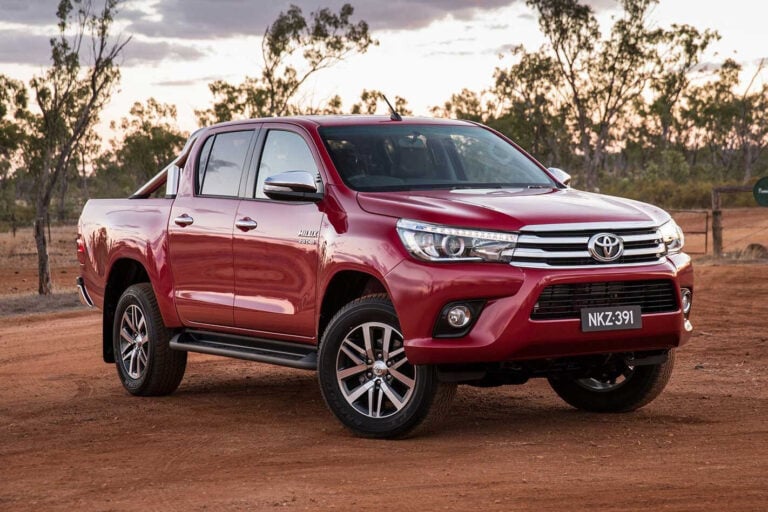
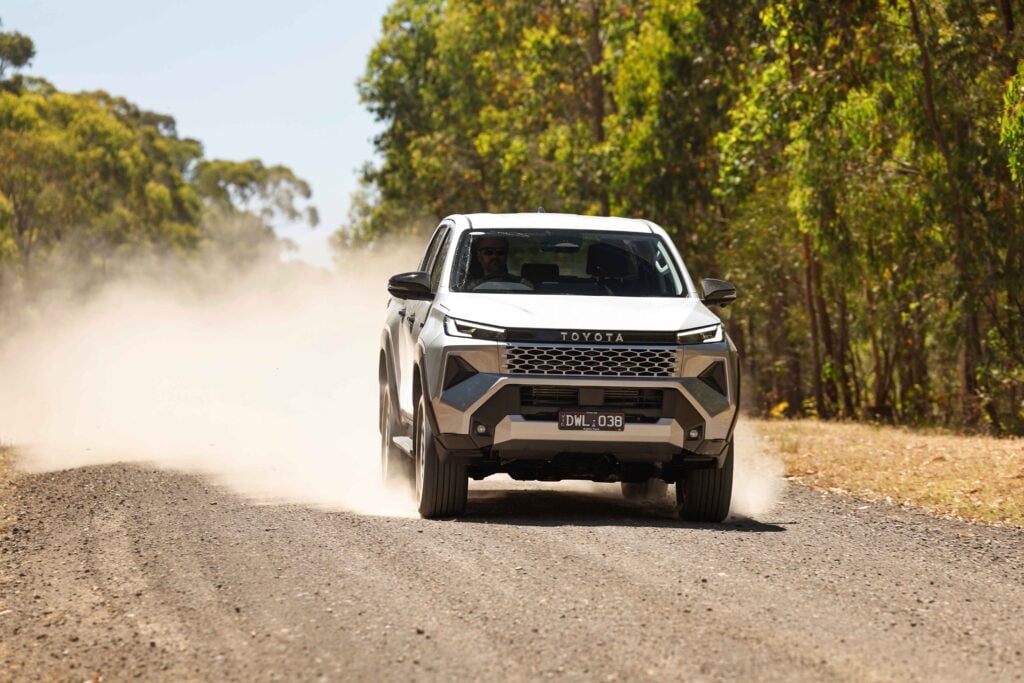
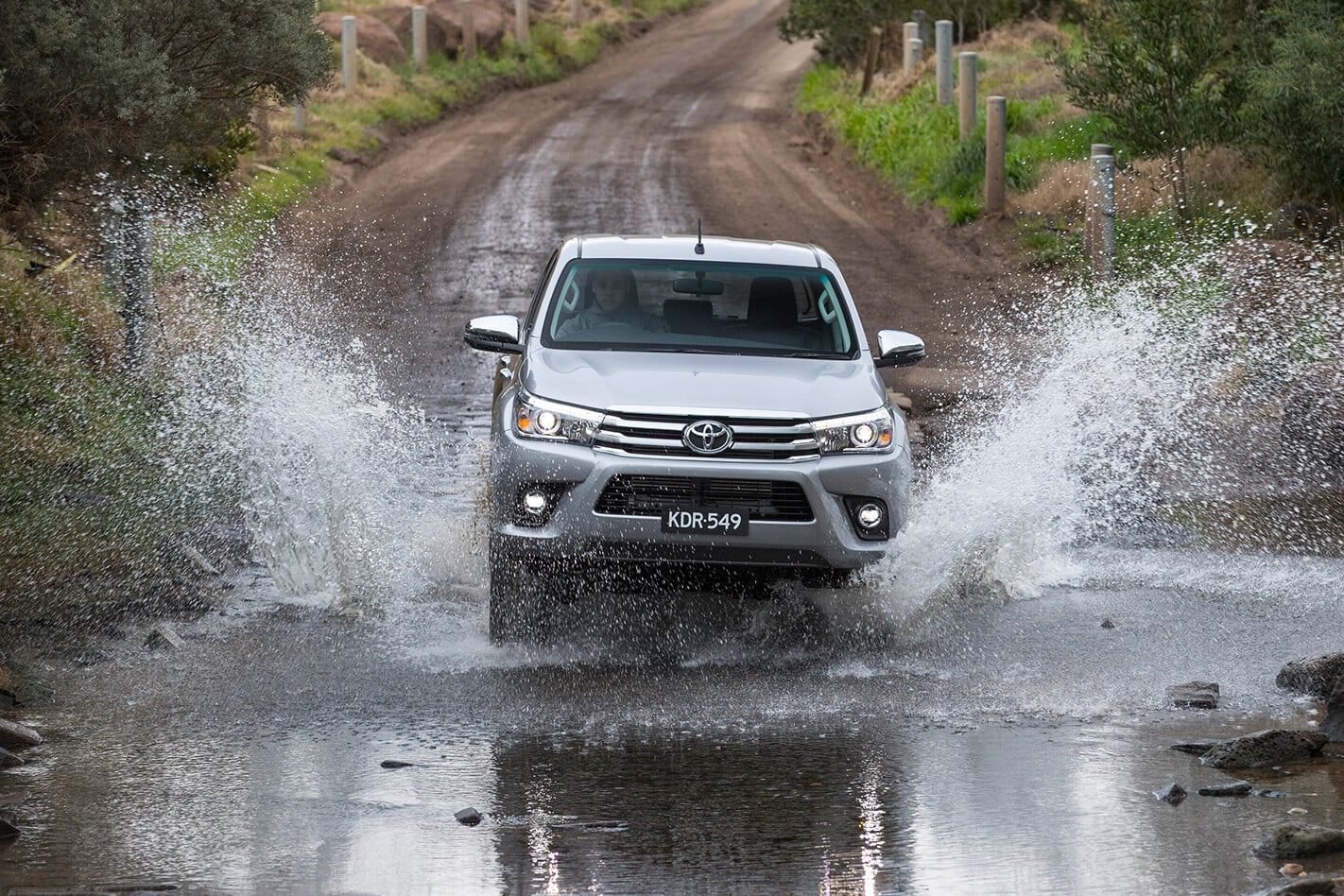
Toyota Australia has agreed to a $750 million settlement over defective diesel particulate filters affecting a total of 264,170 HiLux, Prado and Fortuner vehicles, subject to Federal Court approval.
The proposed settlement resolves two class actions covering eligible vehicles acquired between October 1, 2015, and April 23, 2020, including certain vehicles subsequently sold privately. The agreement follows years of legal proceedings over the impact on owners and how compensation should be calculated.
Toyota Australia confirmed the agreement in a statement: “We remain committed to assisting any impacted customers and to providing a free-of-charge remedy that has been available since 2020,” the statement read.
“The trust of our customers has been central to Toyota Australia for more than 70 years, and we do not take that for granted. We remain committed to supporting our customers, addressing their concerns and continuing to earn the confidence they place in our brand. We apologise for any inconvenience or discomfort experienced by our customers.”
What went wrong?
The class actions concern diesel particulate filter (DPF) systems fitted to Toyota HiLux, Prado and Fortuner models with the 2.4-litre 2GD-FTV or 2.8-litre 1GD-FTV turbo-diesel engines.
The defective systems could become blocked, causing excessive white exhaust smoke, foul-smelling exhaust, increased fuel consumption and repeated unscheduled inspections, servicing and repairs.
The Federal Court found the affected vehicles were not of acceptable quality because of their defective DPF systems. The Federal Court also found Toyota had engaged in misleading or deceptive conduct in connection with marketing and selling the affected vehicles.
Toyota introduced several countermeasures, including a manual DPF regeneration switch that became standard across the affected ranges from June 2018. An effective repair involving revised exhaust hardware and software was developed in May 2020 and has since been offered free of charge.
How the settlement came about
The original Williams class action began in 2019. A second proceeding, known as the Taylor class action, was launched in July 2025. It covers qualifying owners who bought affected vehicles privately between April 24, 2020, and July 31, 2025, directly from their original owners and still own them.
The dispute continued through several appeals over how compensation should be calculated. In 2022, the Federal Court assessed the reduction in vehicle value at 17.5 per cent of the average retail price. The Full Federal Court reduced that assessment to 10 per cent in March 2023.
In November 2024, the High Court overturned the reduction, ruling that the Full Court should not have lowered the original assessment. However, it returned the matter to the Federal Court to reassess compensation, taking into account the availability of an effective repair.
Toyota’s proposed $750 million settlement would resolve both class actions. The agreement remains subject to Federal Court approval, with individual compensation amounts and payment arrangements yet to be confirmed.
What affected Toyota owners need to know
Eligibility depends on the vehicle, when it was acquired and how it was purchased. Owners should not assume they are automatically entitled to a particular payment.
Affected owners can check Toyota Australia’s DPF class action information page (↗) for details of the proceedings, registration information and relevant court documents.
The settlement applies to the specified HiLux, Prado and Fortuner vehicles covered by the class actions, rather than every Toyota diesel fitted with a DPF.
Follow 4X4 Australia on Google
Get more 4x4 news, reviews and gear stories from 4X4 Australia in your Google feeds.