News

Gallery 1
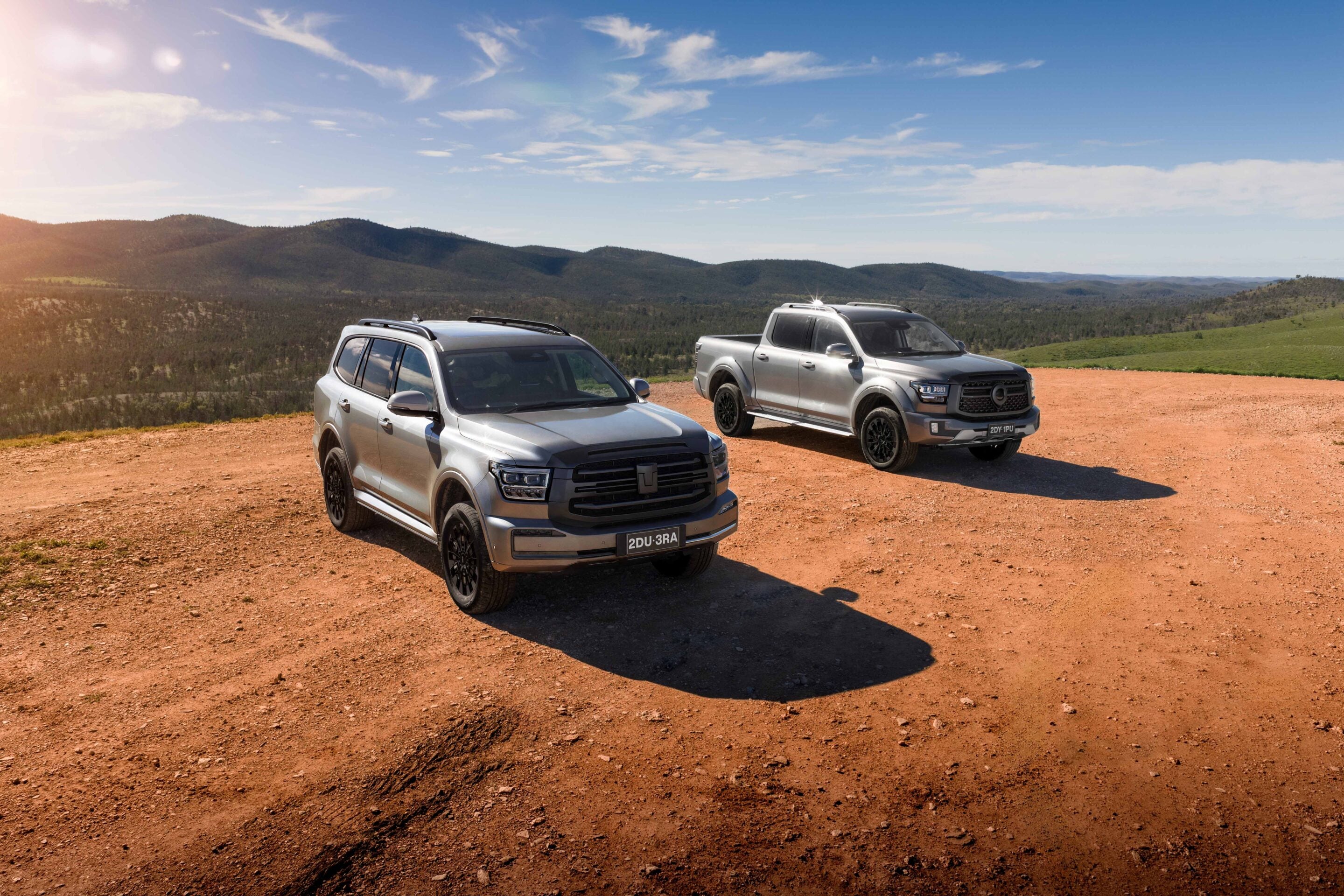
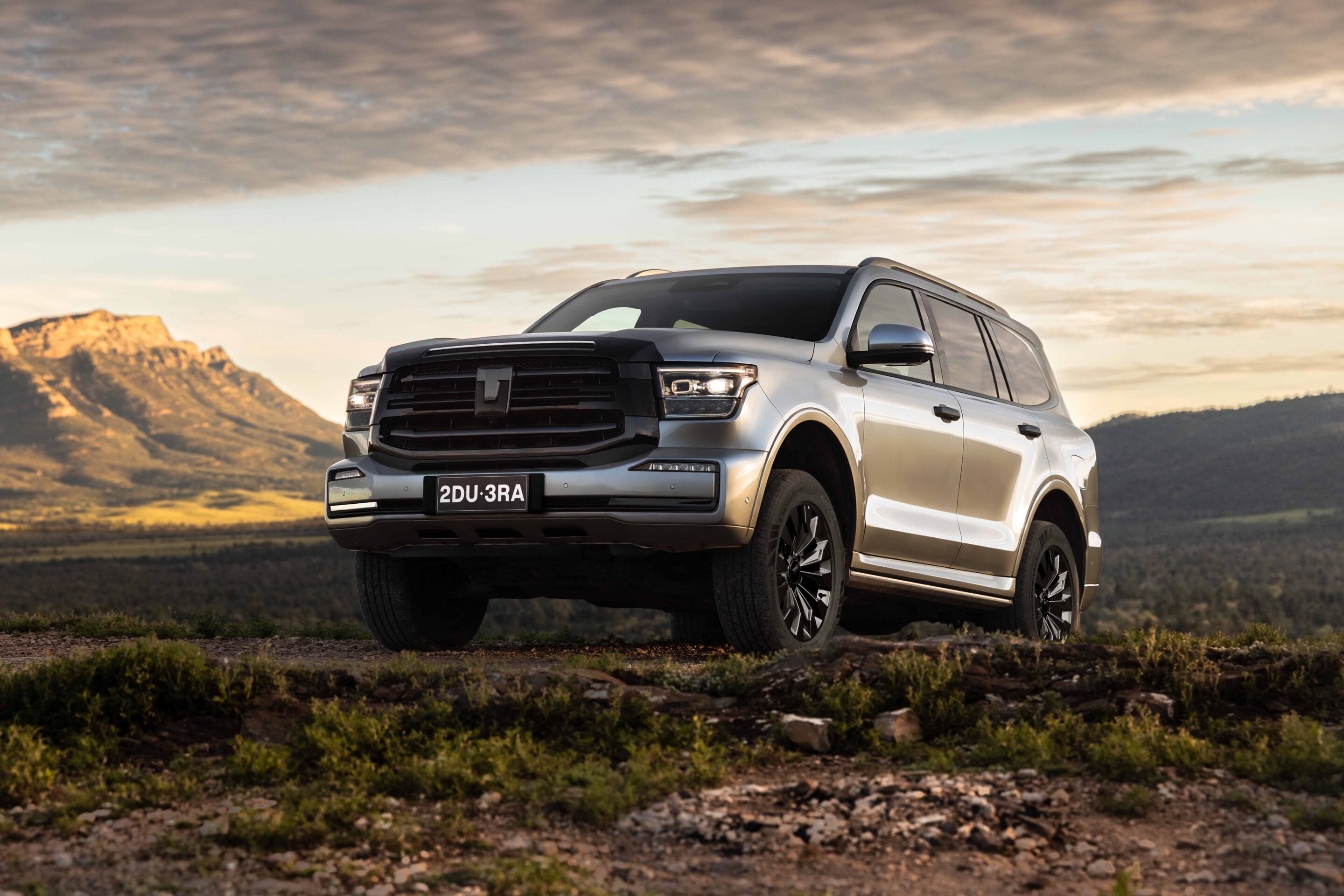
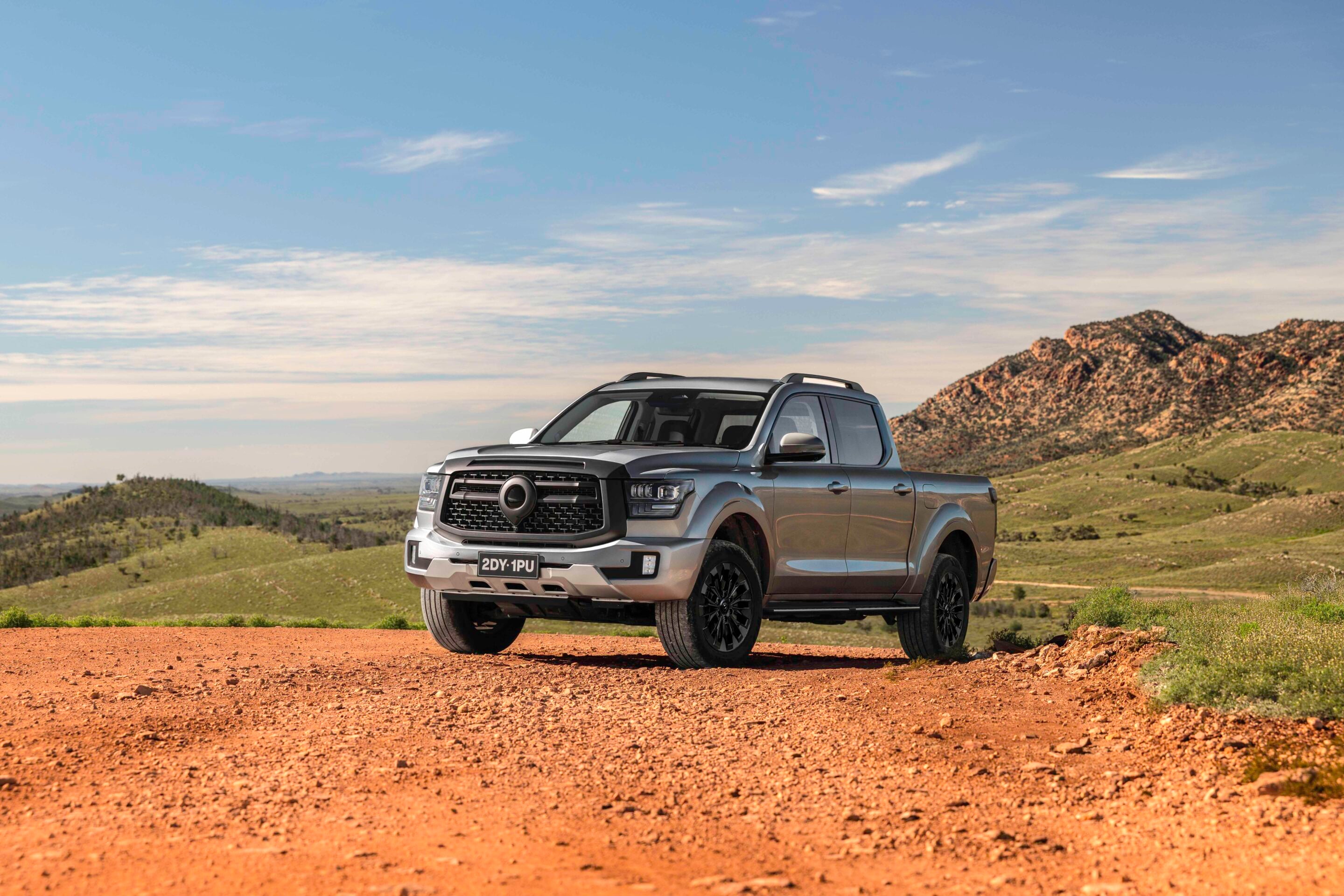
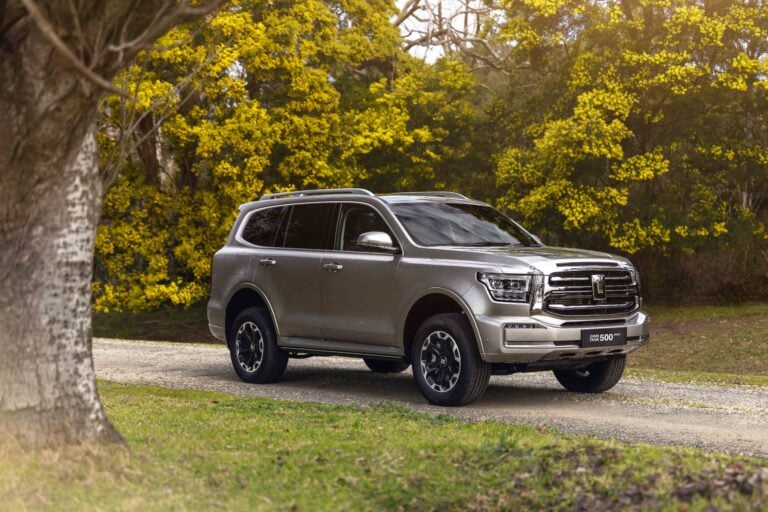
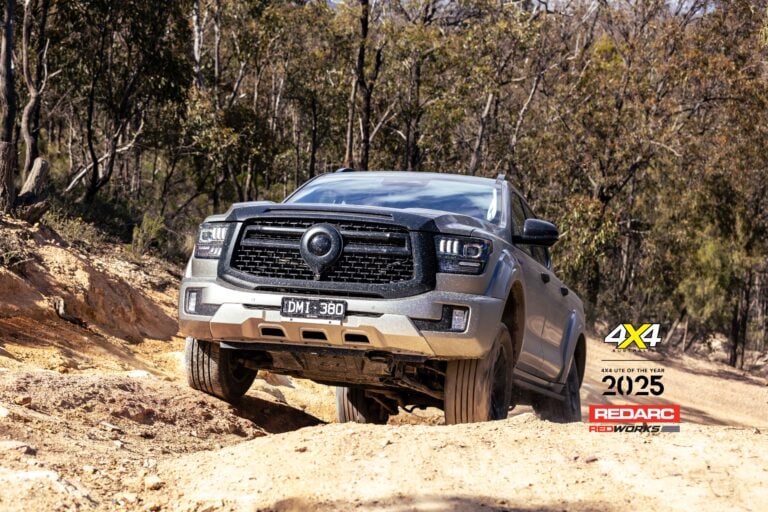
GWM has opened expressions of interest for its new 3.0-litre turbo-diesel-powered Tank 500 and Cannon Alpha ahead of their Australian launch in September.
Australia will be the first market globally to receive the new engine, which replaces the current 2.4-litre four-cylinder turbo-diesel in both models. The new 3.0-litre turbo-diesel produces 170kW and 620Nm, up 35kW and 140Nm on the outgoing engine. It’s paired with GWM’s in-house nine-speed automatic transmission.
Both the seven-seat Tank 500 SUV and Cannon Alpha ute retain a 3500kg braked towing capacity, while claimed fuel economy is 7.1L/100km for the Tank 500 and 7.3L/100km for the Cannon Alpha.
1
Before its September launch, the new powertrain underwent more than six months of local engineering and validation across Australian roads and conditions. Led by GWM Australia’s Product Engineering and Vehicle Dynamics Manager, Rob Trubiani, the testing covered towing performance, durability, drivability and powertrain calibration.
The new engine will be available exclusively in the Tank 500 and Cannon Alpha from launch, expanding GWM’s Australian powertrain range across petrol, hybrid, plug-in hybrid and diesel options.
The diesel also forms part of GWM’s broader local rollout, with the brand previously confirming plans to launch nine new models in Australia by the end of 2026.
Pricing, full specifications and launch timing will be announced closer to the September release. For now, expressions of interest are open for customers wanting to be among the first to receive updates.
8
What does the new diesel mean for 4×4 buyers?
Q: Will it tow better than the other models?
A: The extra 140Nm should make towing easier than the outgoing diesel, especially with heavier caravans, boats and trailers. While the 3500kg braked towing limit remains unchanged, the added torque should improve acceleration and hill-climbing performance. Compared with the hybrid and PHEV Tank 500 variants, the diesel trades outright power for a more traditional torque-focused towing setup.
Q: Is this a better engine for touring?
A: The higher torque output, nine-speed automatic and claimed fuel economy of 7.1L/100km (Tank 500) and 7.3L/100km (Cannon Alpha) make the diesel well suited to long-distance touring. While the hybrid and PHEV versions offer more outright performance, the diesel is aimed at buyers who prioritise towing range and low-end pulling power.
Q: Will it be better off-road?
A: The extra low-end torque should improve slow-speed control in tougher conditions, making it better suited to crawling over rough terrain or tackling steep climbs. The hybrid and PHEV versions deliver more power, but the diesel’s torque delivery and local testing program are focused on the demands of Australian touring and off-road use.
Q: What’s the main difference between the petrol, hybrid, PHEV and new diesel versions?
A: The 2.0-litre turbo-petrol engine produces 180kW and 380Nm, while the Tank 500 Hybrid combines petrol and electric power for 255kW and 648Nm. The Hi4-T plug-in hybrid increases this to 300kW and 750Nm. The new 3.0-litre turbo-diesel produces 170kW and 620Nm, focusing on torque delivery, towing and touring rather than outright power.
Q: Should I wait for the new diesel?
A: If you’re considering a Tank 500 or Cannon Alpha diesel, it could be worth waiting, but pricing and full specifications are still to come.
Follow 4X4 Australia on Google
Get more 4x4 news, reviews and gear stories from 4X4 Australia in your Google feeds.


We recommend
-
 News
NewsGWM Tank 500 Hi4-T PHEV gets Aussie tuning update
The Tank 500 Hi4-T PHEV has been updated with Australia-specific suspension and steering tuning
-
 4x4 Ute of the Year
2025 4x4 Ute of the Year contender: GWM Cannon Alpha PHEV
Packing serious punch and a feature-rich cabin, the Cannon Alpha PHEV proves it can hold its own against established 4x4s