News

Gallery 1
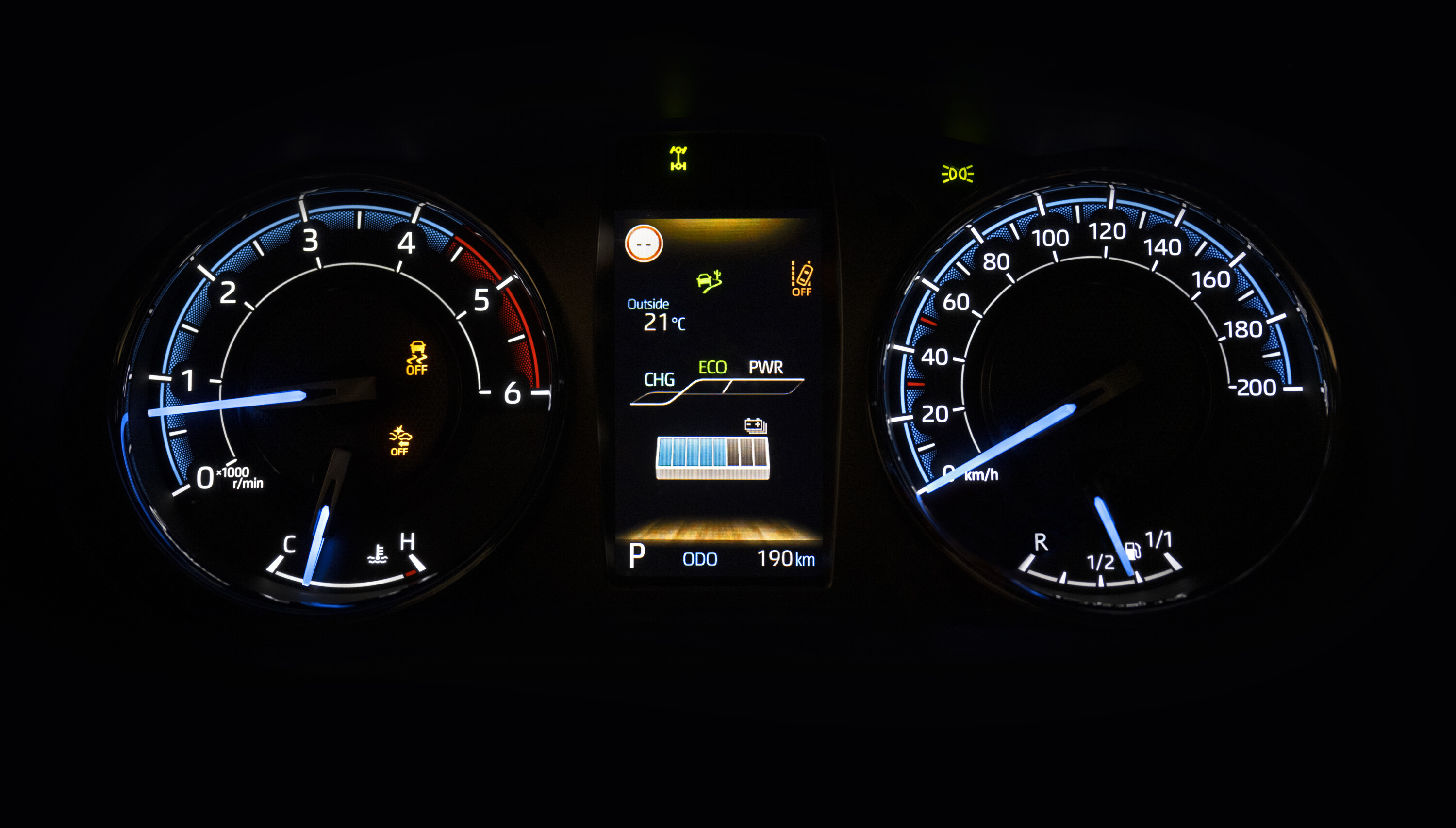
The Victorian Government (↗) has announced new reforms aimed at tackling odometer tampering and unlicensed used-car trading, following research that found nearly one-third of sampled used vehicles advertised online had odometers wound back by at least 25,000km.
With more Victorians buying used cars through online marketplaces, the reforms will give Consumer Affairs Victoria expanded powers to investigate, fine and prosecute cases of odometer tampering. Vehicle traders will also be required to check a vehicle’s odometer reading before offering it for sale. So if that too-good-to-be-true V8 79 Series with 1000km on the clock pops up on social media for a suspiciously tasty price, maybe hold off planning the Cape York trip just yet.
“When you buy a used car, you should get what you pay for, not get taken for a ride,” Paul Edbrooke, Minister for Consumer Affairs, said. “More Victorians are shopping for cars online, and we’re making sure the dodgy operators have nowhere to hide.”
The reforms will also target unlicensed traders who purchase vehicles in bulk at auction before reselling them online. Changes include tighter rules for vehicle auction houses, a single point of contact for consumers seeking assistance after vehicle sales disputes, and stronger protections for buyers left out of pocket.
Consumer Affairs Victoria (↗) will also conduct a statewide compliance campaign targeting unlicensed traders, alongside a public education campaign to help buyers identify potential scams and avoid purchasing tampered vehicles.
The Victorian Automotive Chamber of Commerce (VACC) (↗) has welcomed the reforms, while urging consumers to distinguish between illegal operators and licensed motor car traders.
“We support any measure that stamps out odometer tampering and the sale of unsafe or misrepresented vehicles,” said VACC Chief Executive Officer, Peter Jones. “But it’s important Victorians understand who is actually behind this behaviour. These are unlicensed operators, people pretending to be private sellers on social media to avoid the obligations that licensed dealers meet every single day.”
The VACC also warned that buyers using online marketplaces face additional risks, including potentially fraudulent roadworthy certificates.
“This is a double negative for buyers,” Peter Jones said. “Not only might the vehicle have travelled far more kilometres than advertised, but the very document that’s supposed to certify it’s safe to drive can be worthless.
“A wound-back odometer hides how tired the car really is, and a fake roadworthy hides the fact it may not be safe at all. Consumers are effectively being duped twice in the same transaction, and often the first they hear of it is when the car fails or when they try to register it.”
VACC’s advice for used-car buyers:
- Buy from a Licensed Motor Car Trader to access consumer protections under the Motor Car Traders Act.
- Treat online marketplaces with caution as sellers can be anonymous and vehicle histories or roadworthy certificates may be unreliable.
- Get private sales independently inspected and complete a PPSR vehicle history check before handing over money.
Follow 4X4 Australia on Google
Get more 4x4 news, reviews and gear stories from 4X4 Australia in your Google feeds.


We recommend
-
 Opinion
4x4 buyers have never had more choice
There’s never been a better time to be a 4x4 buyer, with more capable rigs available than ever before
-
 Advice
The best used 4x4 utes in 2026 and what to look for
Find out which used 4×4 utes are worth buying in 2026 and learn what to look for to avoid costly mistakes