Advice

Gallery 1
There’s no handbook handed out when you buy your first 4×4.
No dealer throws in a pamphlet explaining convoy etiquette, track courtesy or the little things experienced drivers just expect everyone to know. Instead, most people learn the hard way – usually after annoying someone on a track, getting called out over UHF, or realising they’ve made a rookie mistake everyone else spotted immediately.
Like most tight-knit communities, Aussie 4WDing has its own unspoken code. It’s not about gatekeeping or acting like there’s only one right way to do things. It’s about respect – for other drivers, for the tracks we all use, and for the bush itself.
Whether you’re new to four-wheel driving or have been hitting dirt for years, these are the unwritten rules every 4×4 driver should know.
1. Wave to oncoming drivers
It sounds simple, but the classic two-finger wave is still one of the strongest traditions in Australian 4WDing.
Whether it’s a finger lift off the steering wheel, a quick nod or a proper hand-up through the windscreen, acknowledging another driver is just part of the culture. It’s not compulsory, but it’s one of those small things that keeps the community feel alive out on remote tracks. Ignore everyone and you’ll stand out – and not in a good way.
2. Air down before the track forces you to
Few things scream “first trip out” like hitting a rough track at highway pressures.
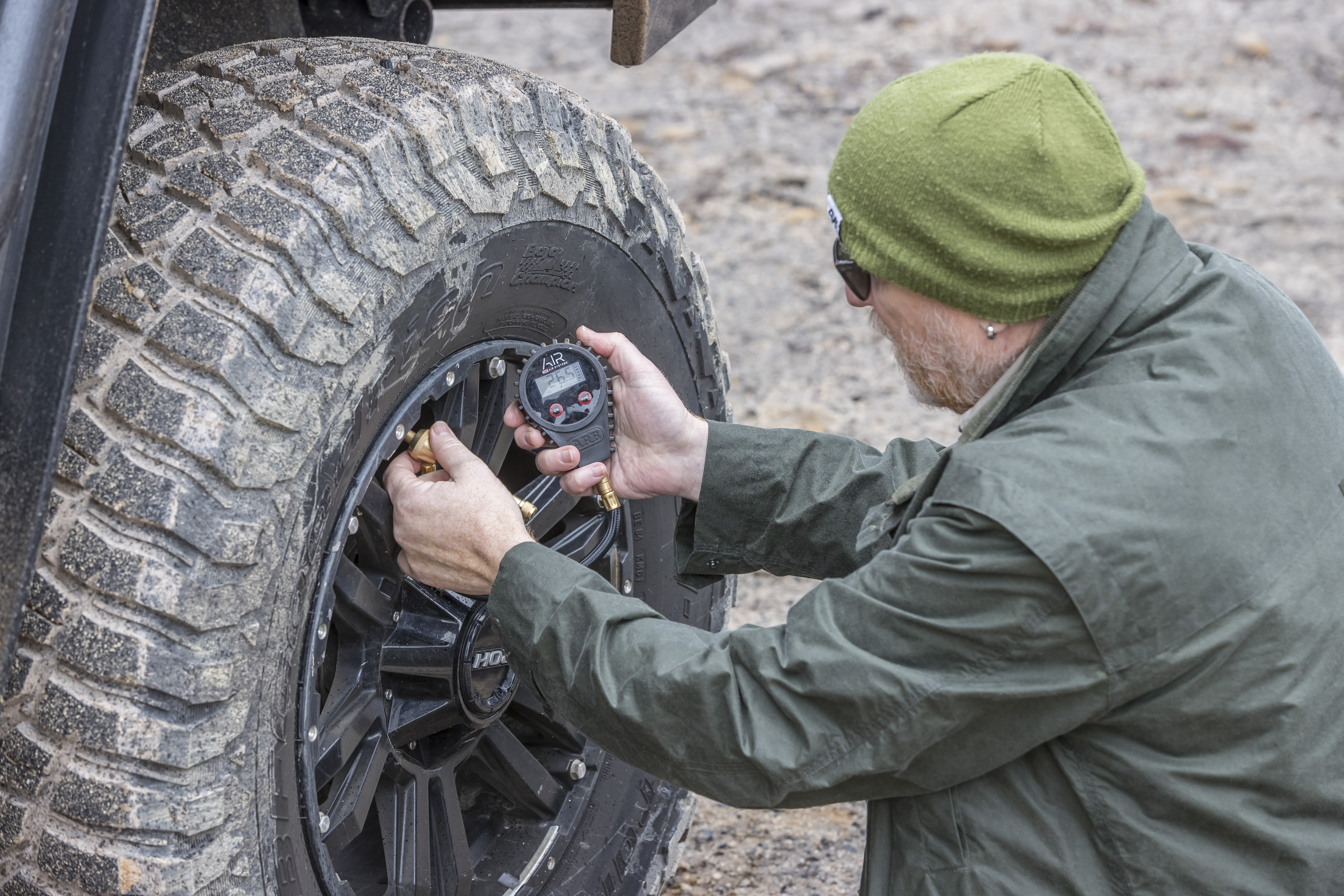
Lowering tyre pressures improves traction, smooths out corrugations and reduces the punishment your suspension cops over rough terrain. It also helps protect the track by letting the tyre flex rather than dig in. If everyone else is pulling over to air down and you’re still rolling along untouched, you’ve probably missed a key step.
3. Leave gates exactly how you found them
Open stays open. Closed stays closed.
It doesn’t matter what you think is more convenient or whether it looks like no livestock are around. If someone before you left it a certain way, there’s usually a reason. Get this wrong on private land and you’ll quickly find out how important it is to respect access agreements.
4. Don’t sit up someone’s backside on obstacles
Watching another vehicle tackle a climb or crossing is useful. Sitting right behind them while they’re trying to pick a line is not.
Drivers need space to reverse, reposition or recover if things go wrong. Crowding them adds pressure and increases risk for everyone involved. Give people room to work the obstacle, not a rearview mirror full of your bull bar.
5. Recovery gear isn’t a fashion accessory
Maxtrax on the roof, a winch on the bar and a shovel on the side look the part – but none of it matters if you don’t know how to use them.
Recovery situations are where small mistakes become big problems. If you’re carrying gear, you should know how it works before you need it in anger. Out on the tracks is not the time to be learning from scratch.
6. Keep UHF chatter useful
Convoy comms matter.
Short, clear and relevant radio calls help keep everyone safe and moving smoothly. Calling hazards, blind corners and directions is useful. Twenty minutes of unrelated noise is not. And if someone calls for quiet on the radio, there’s usually a reason.
7. Pack out everything you brought in
This one should be obvious, but it still gets ignored.
Campsites, tracks and rest stops are not rubbish bins. Every bit of waste left behind increases the chances of access restrictions down the line. That includes recovery holes, broken gear and the “I’ll pick it up later” mindset.
8. Don’t let your build write cheques your skills can’t cash
Big tyres and expensive mods don’t automatically equal capability.
Some of the most experienced drivers are in near-stock rigs, while heavily modified vehicles sit stuck on the sidelines. Skill, judgement and patience matter more than spec sheets. Knowing your limits is part of being a good driver.
9. Help others when you can
One of the best parts of 4WDing in Australia is how often people stop to help.
If someone’s stuck or broken down, checking in is just what you do. You don’t need to become everyone’s recovery crew, but a bit of help or advice goes a long way. Chances are, you’ll need it one day too.
10. Track closed means track closed
Not “closed unless you think you can make it”. Not “closed unless your setup is capable”.
Closed means closed. Track closures protect people, the environment and future access. Ignoring them doesn’t just risk fines – it puts long-term access at risk for everyone.
Special mentions
- Don’t stop in blind spots or narrow sections unless you absolutely have to
- If you’re unsure, stop and walk the obstacle first
- Be self-sufficient – don’t rely on others to get you out
- Don’t spin tyres unnecessarily just to “push through it”
- Keep convoy spacing consistent – not tailgating or strung out miles apart
- When turning in a convoy, wait at intersections until the vehicle behind is in sight before proceeding
Follow 4X4 Australia on Google
Get more 4x4 news, reviews and gear stories from 4X4 Australia in your Google feeds.


We recommend
-
 Advice
The 10 types of 4x4 drivers you always see on the tracks
Every off-road trip brings a cast of familiar characters – from over-prepared gearheads to quiet experts – and chances are, you know a few of them
-
 Advice
10 most annoying 4x4 driver habits every off-roader hates
Some 4WD habits drive everyone else on the track mad – here are the ones that top the list
-
 Advice
10 essential campsite etiquette rules every 4x4 enthusiast should follow
Camping is one of the best parts of 4WD trips, but bad behaviour can ruin it for everyone. Here’s how to keep your campsite respectful and stress-free