News

Gallery 1
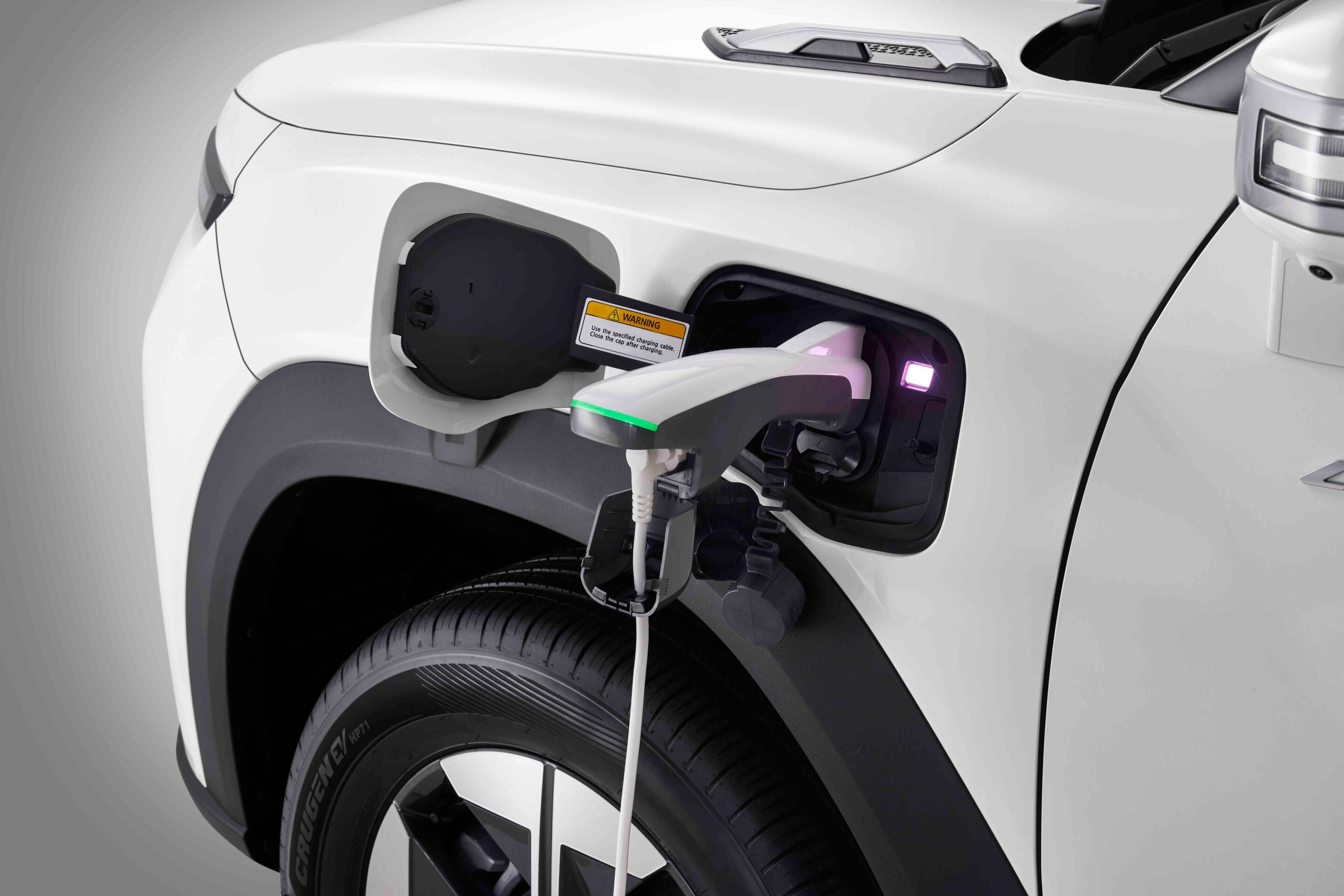
Australian electric vehicle drivers could save tens of thousands of dollars in fuel costs over the life of their car, according to new data released by EV charger manufacturer Evnex, as fuel prices hover over $2 per litre.
Figures released by EV charger manufacturer Evnex show that the average electric vehicle (EV) driver saves $2820 annually on fuel compared to a petrol vehicle. Over the average 11.5-year lifespan of a vehicle in Australia, that equates to a total saving of $32,430.
For 4×4 owners – who often face higher fuel bills due to off-road driving, towing and remote-area touring – the potential savings could be even more impactful.
Evnex’s data, drawn from 5000 chargers across Australia, shows that charging an EV at home costs about $380 per year on average, compared to roughly $3200 for petrol.
“Most people know EVs are cheaper to run, but very few realise quite how dramatic the gap is,” says Ed Harvey, CEO of Evnex. “When you break it down, the average EV owner is spending around $7.30 a week on charging – barely more than an almond latte. The idea that you can power your car for a year for what a petrol driver spends in less than three months is pretty staggering.
“This isn’t modelled on lab conditions or manufacturer claims. It’s actual data from Australian homes, reflecting how people really charge their cars day to day,” Harvey added.
The report also points to environmental benefits, noting that more than one-third of Australia’s electricity now comes from renewable sources – a figure expected to rise to 82 per cent by 2030.
“With more than a third of Australia’s electricity now coming from renewable sources – and that share climbing rapidly toward the government’s 82 percent target by 2030 – this is great for both the pocket and the environment. Every EV charged at home here is running on an increasingly clean grid,” said Harvey.
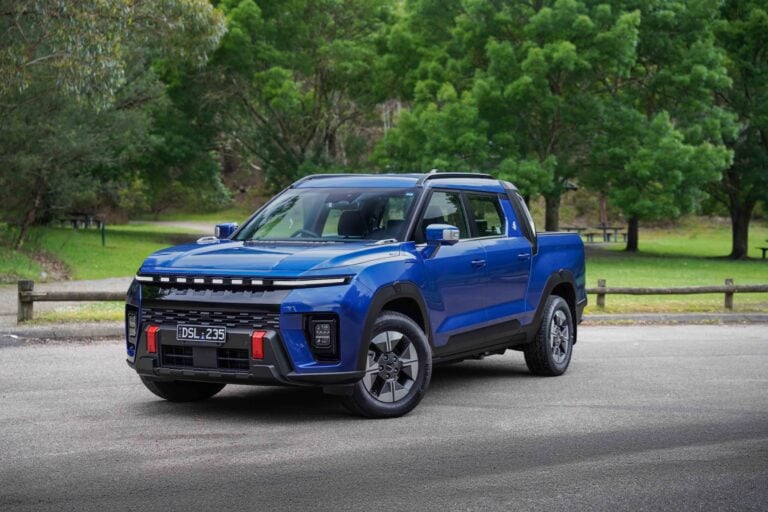
The findings come as Australia’s EV market continues to grow, with more than 454,000 plug-in electric vehicles now registered nationwide. In 2025, EV sales rose 38 percent year-on-year, making up 13.1 percent of new car sales. In the 4×4 segment, electrified options are only just starting to emerge, with models like the KGM Musso EV now on sale in Australia as one of the first fully electric dual-cab utes. Upcoming EV utes also include the LDV eTerron9, Isuzu D-MAX EV and Toyota HiLux BEV.
While choice remains limited for now, the arrival of purpose-built electric utes signals a shift in a segment long dominated by diesel-powered 4x4s.
Follow 4X4 Australia on Google
Get more 4x4 news, reviews and gear stories from 4X4 Australia in your Google feeds.

We recommend
-
 News
NewsPetrol prices expected to surge amid tension in Middle East
Recent military action against Iran has pushed global oil prices higher, with Australian petrol likely to rise
-
 News
NewsAustralia’s electric utes: Current models and future launches
What's out, what's coming and what's likely, in what is currently a very shallow segment